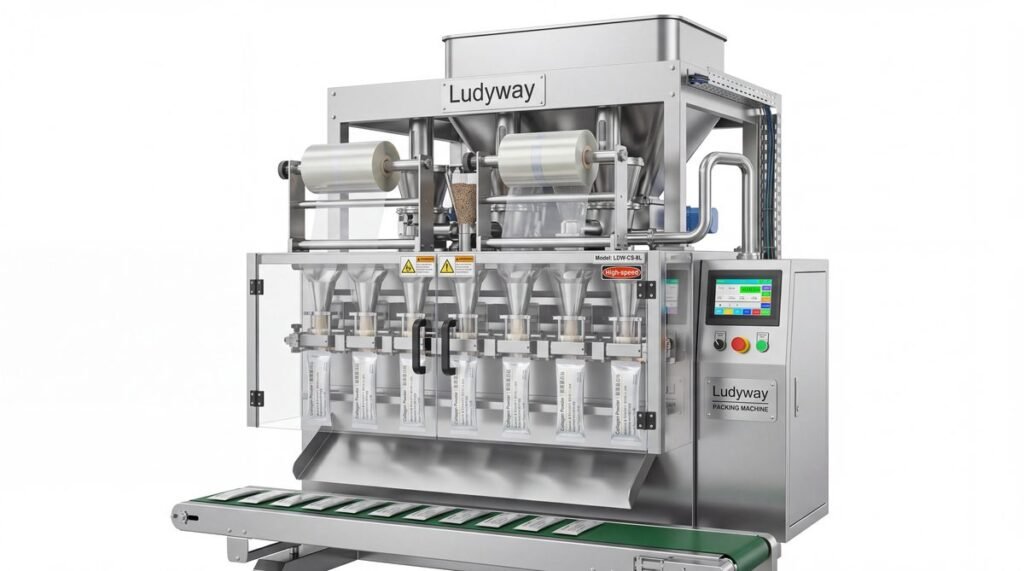
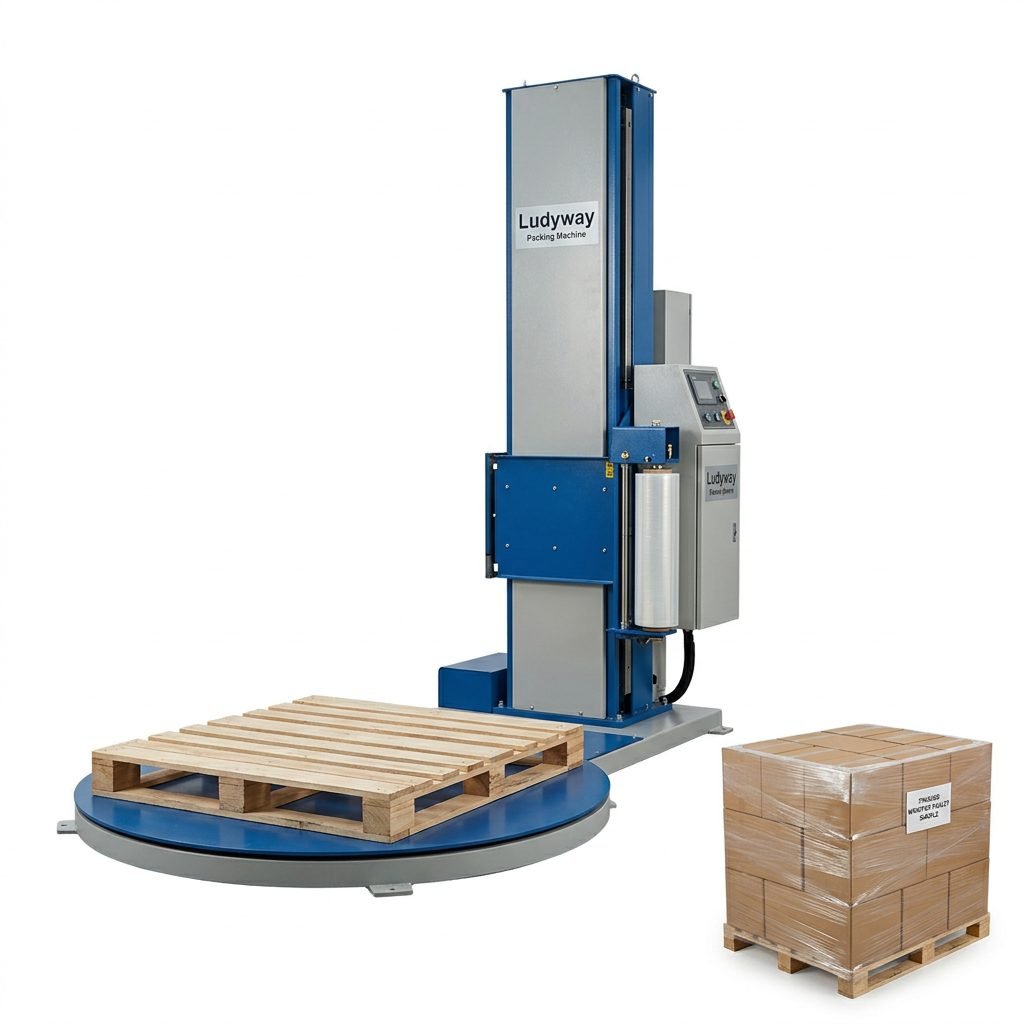
Choosing the best packaging machine for chemical products is not only about speed. It is about safety, material compatibility, sealing reliability, dosing accuracy, and long-term operating stability. Chemical products can include powders, granules, liquids, corrosive agents, detergents, solvents, additives, fertilizers, water-treatment chemicals, and industrial cleaners. Each format requires a different packaging approach.
If you are comparing equipment for your factory, the right solution should match your product characteristics, package style, production target, and compliance needs. A machine that works well for food or cosmetics may not be suitable for aggressive chemicals or dusty industrial powders.
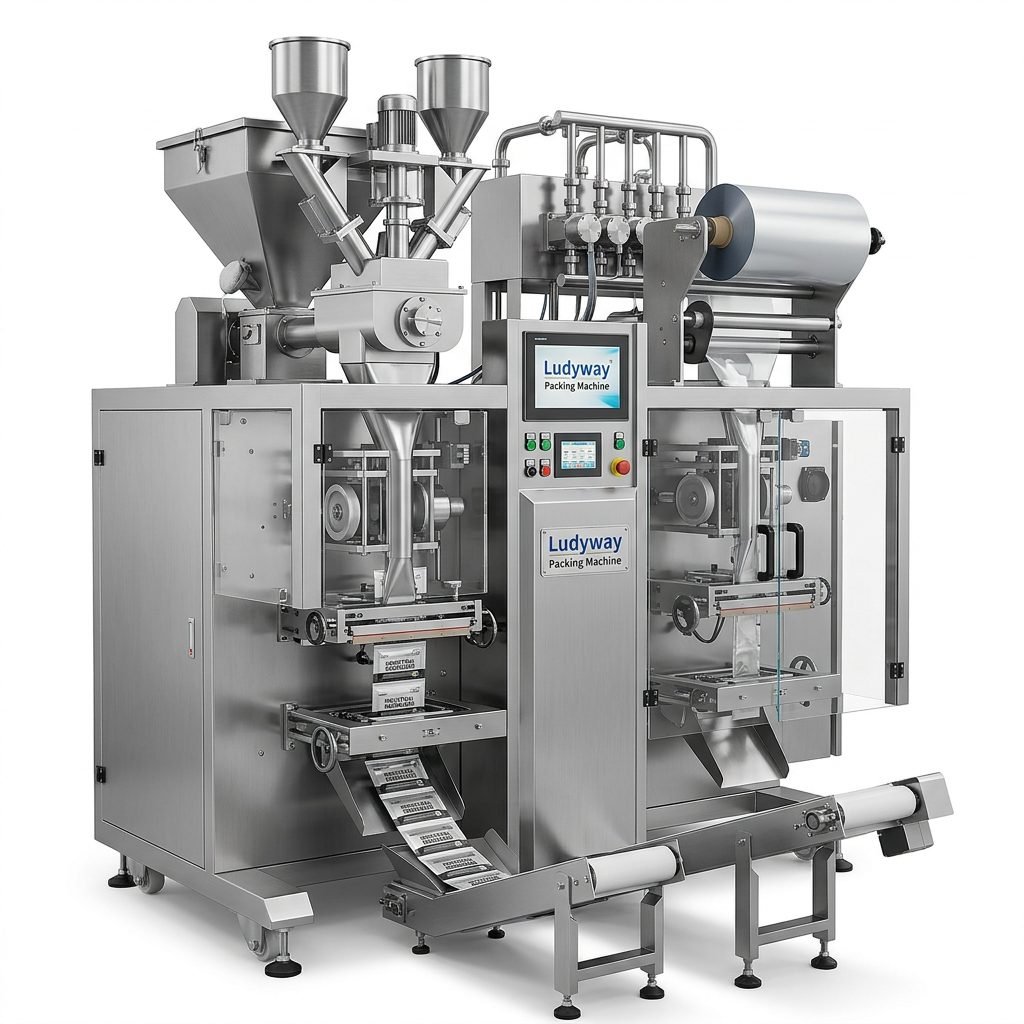
Why Chemical Product Packaging Requires Special Attention
Chemical packaging applications are more demanding than many standard consumer goods projects. Product flowability, volatility, dust generation, foaming behavior, and chemical reactivity all affect machine selection. In addition, leakage can cause not only product loss but also operator risk, environmental issues, and damage to nearby equipment.
- Powders may create dust, bridge in hoppers, or require precise auger dosing.
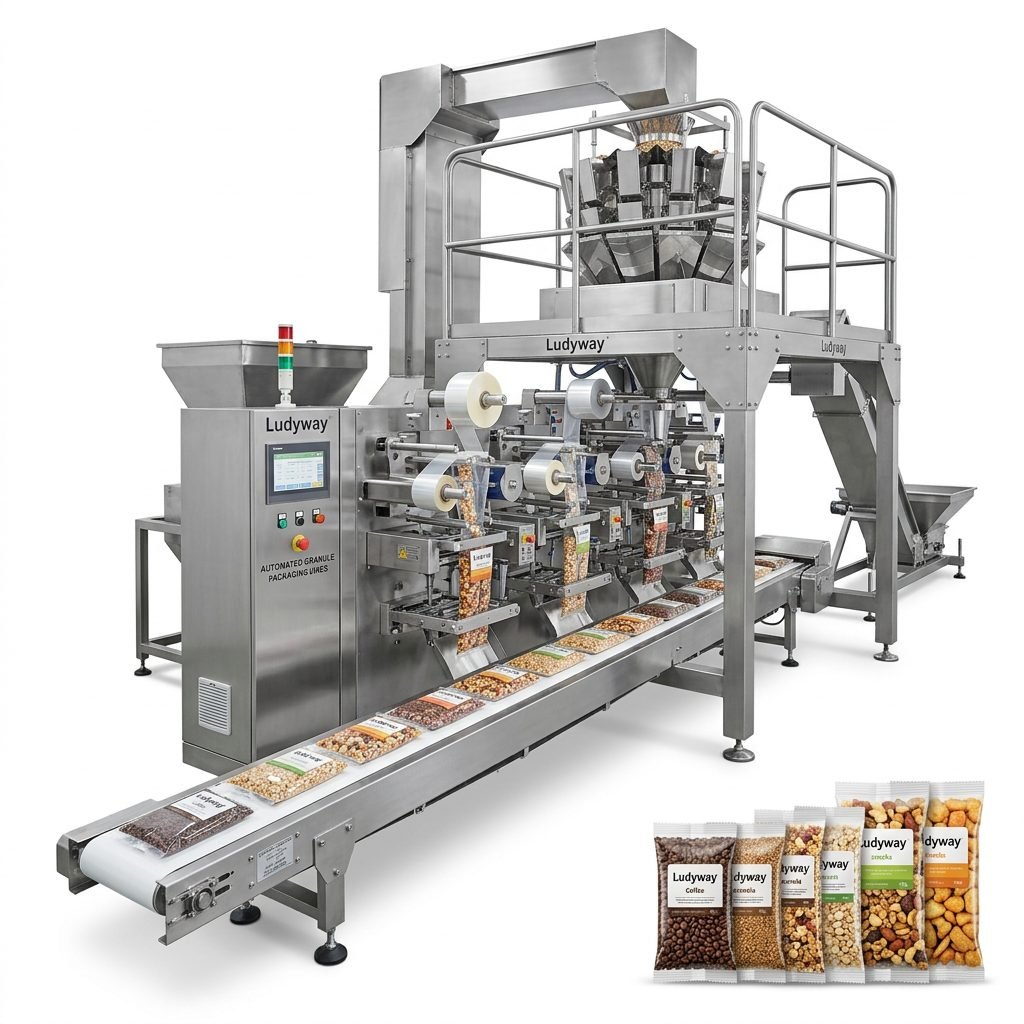
- Granules may need volumetric cups, linear weighers, or multi-head weighing depending on size consistency.
- Liquids may be thin, viscous, foamy, flammable, or corrosive.
- Pastes and gels often require piston filling and strong sealing performance.
- Hazardous formulations may require anti-corrosion contact parts, sealed transfer systems, and higher protection standards.
Start with the Type of Chemical Product
The first step is to classify your product correctly. This determines the filling principle, machine structure, and packaging material requirements.
| Chemical Product Type | Recommended Filling Method | Common Package Formats |
|---|---|---|
| Free-flowing powders | Auger filler / screw dosing | Sachets, stick packs, bags |
| Granules / pellets | Cup filler / weigher | Pouches, sachets, large bags |
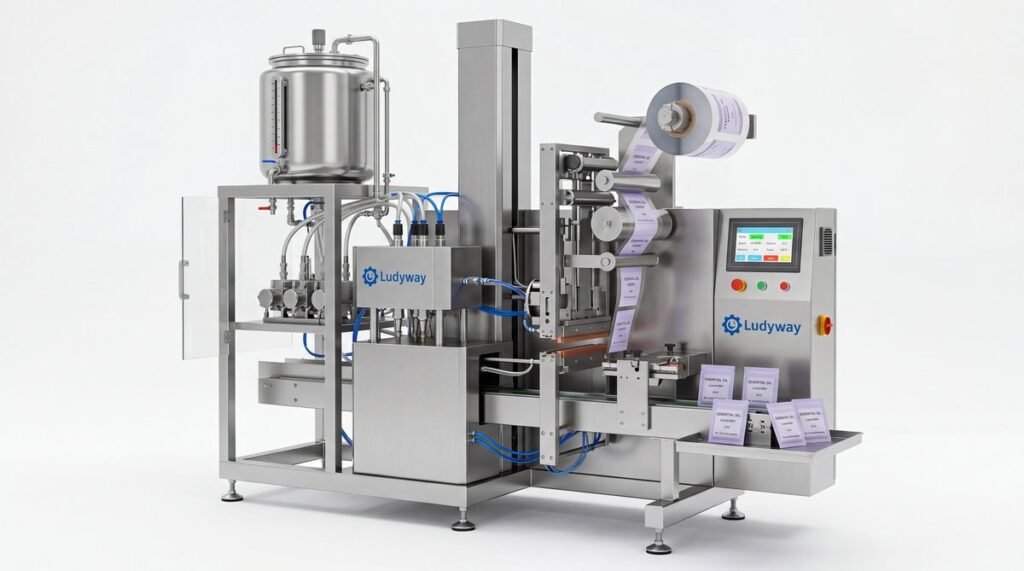
| Thin liquids | Pump filling / flowmeter filling | Sachets, pouches, bottles |
| Viscous liquids / gels | Piston filling | Sachets, cartridges, bottles |
| Corrosive chemicals | Anti-corrosion pump / specialized filling system | Bottles, pouches, drums |
Choose the Right Packaging Format
The best packaging machine also depends on how you want to sell and transport the product. Chemical manufacturers often use different formats for retail, industrial, and contract-packaging applications.
1. Sachets and Stick Packs
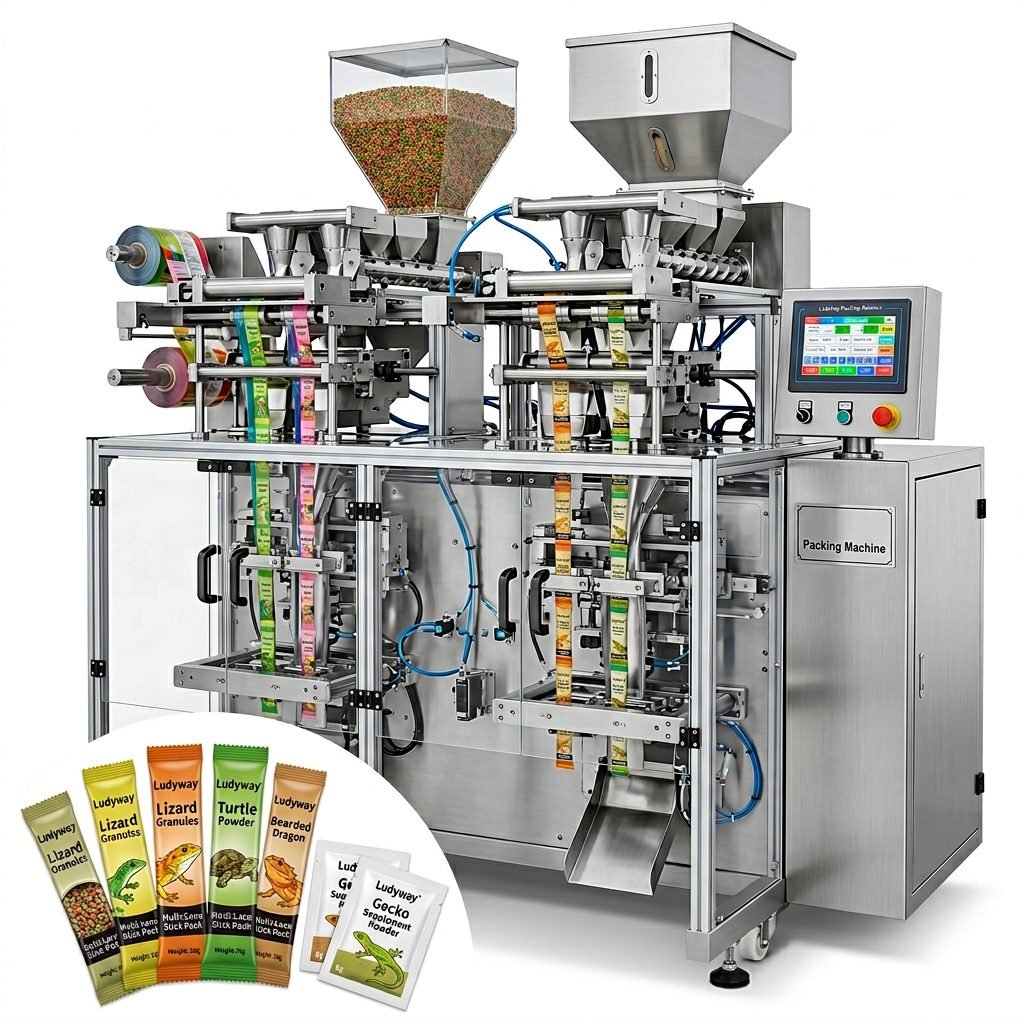
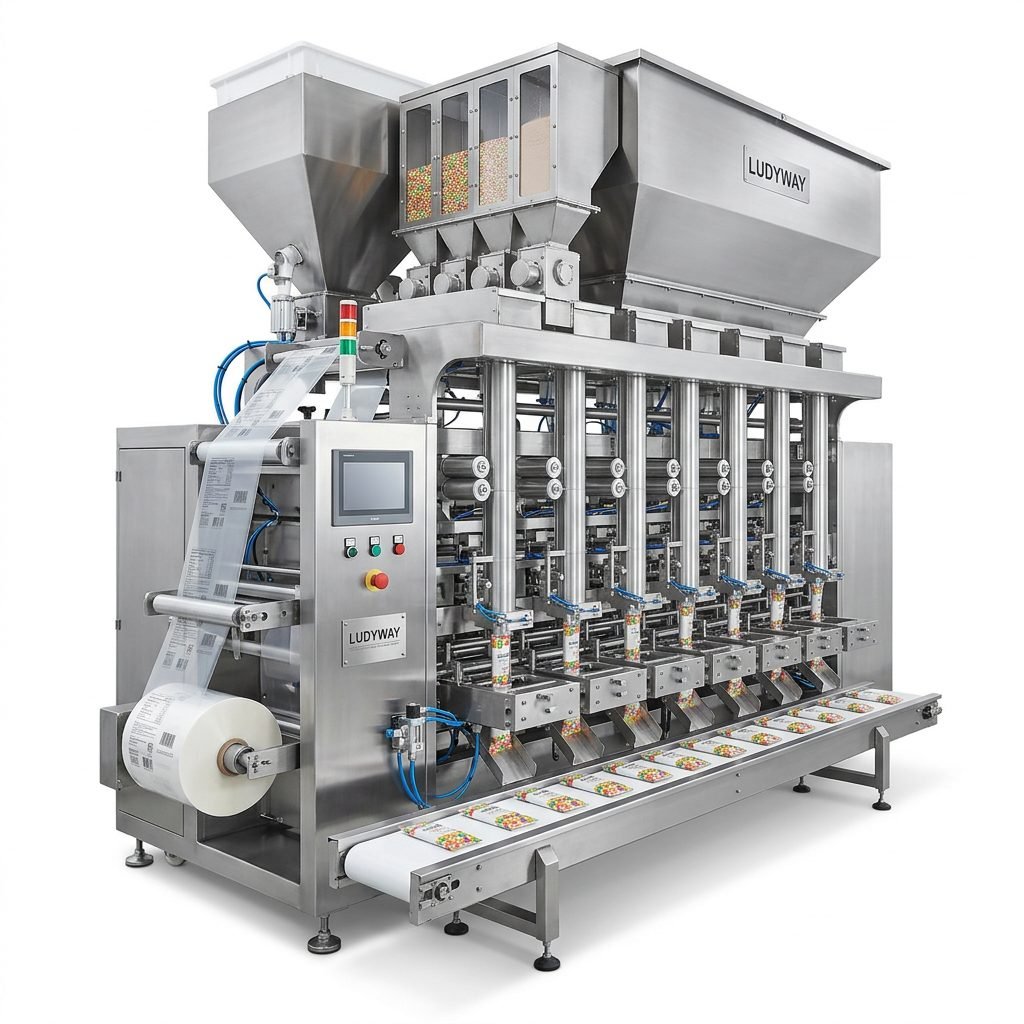
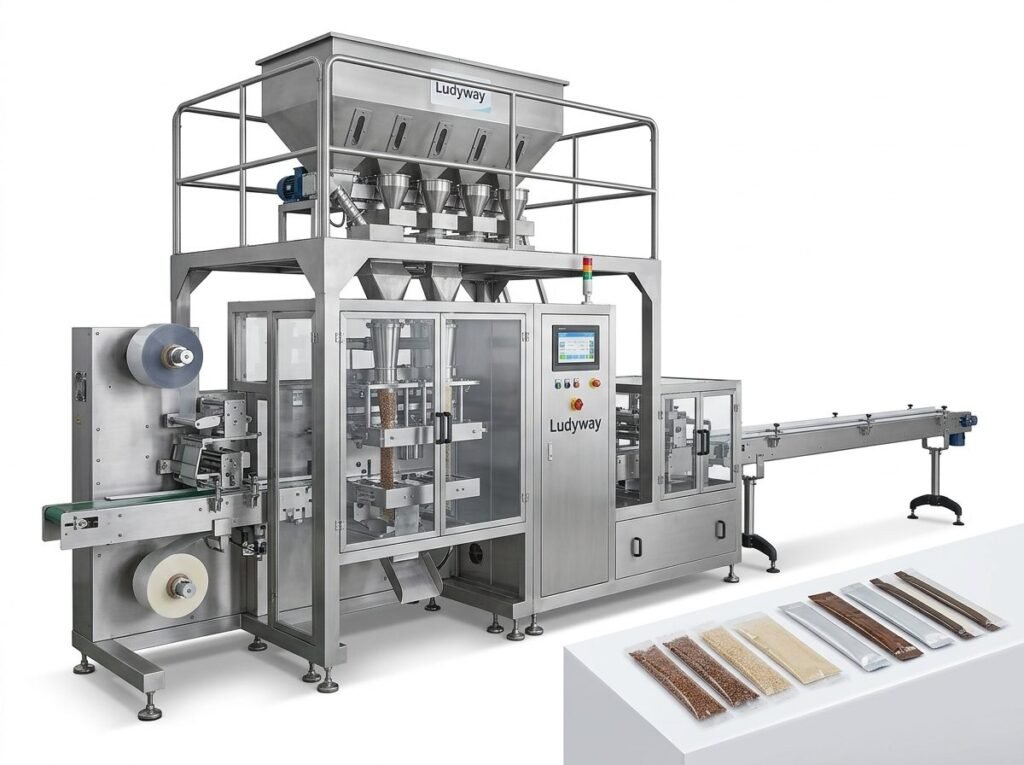
Ideal for single-dose or small-volume chemical products such as water-treatment agents, detergents, industrial additives, cleaning chemicals, and sample packs. These machines are suitable when you need compact packaging, high efficiency, and low material waste.
2. Premade Pouches
Best for products that need stronger shelf presentation, better barrier properties, or larger pack sizes. Stand-up pouches are often used for premium or specialty chemical products.
3. Bottles and Jars
Common for liquid cleaners, automotive chemicals, disinfectants, lubricants, and concentrated solutions. These lines may include bottle unscrambling, filling, capping, labeling, coding, and cartoning.
4. Large Bags and Bulk Packaging
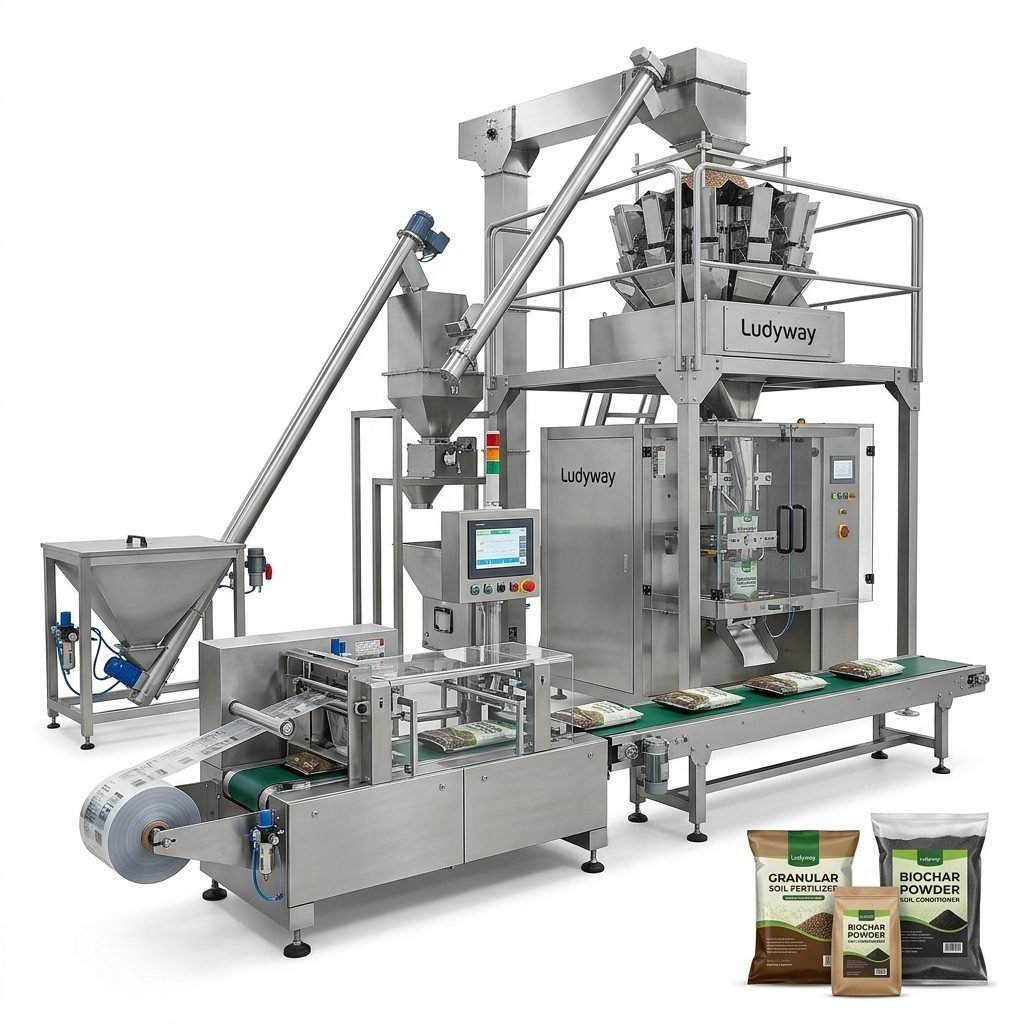
Suitable for fertilizers, industrial powders, mineral additives, and heavy-duty chemical products. In these projects, weighing accuracy, dust control, and bag sealing strength are critical.
Key Factors to Evaluate Before Buying
Chemical Compatibility
The machine’s contact parts must be compatible with the chemical formula. Stainless steel is widely used, but some products require special seals, anti-corrosion materials, or non-metal contact components. Always confirm:
- Whether the product is corrosive or solvent-based
- Whether it reacts with standard stainless steel or rubber seals
- Whether explosion-proof or enclosed design is needed
Filling Accuracy
Chemical products often have strict dosing requirements for cost control and formula consistency. Underfilling may affect performance; overfilling increases material cost. Ask suppliers for real test data based on your own samples.
Sealing Performance
For liquids, powders, and volatile chemicals, seal quality is one of the most important machine indicators. Poor sealing can lead to leakage, moisture absorption, contamination, and customer complaints.
Dust and Fume Control
Powder chemicals may require dust collection systems, enclosed feeding, and stable discharge structures. Liquid chemicals with strong odor or vapor may need sealed transfer and exhaust design.
Output Capacity
Match the equipment to your actual production plan. Buying too small may create bottlenecks, while buying too large can increase unnecessary investment and operating complexity.
Automation Level
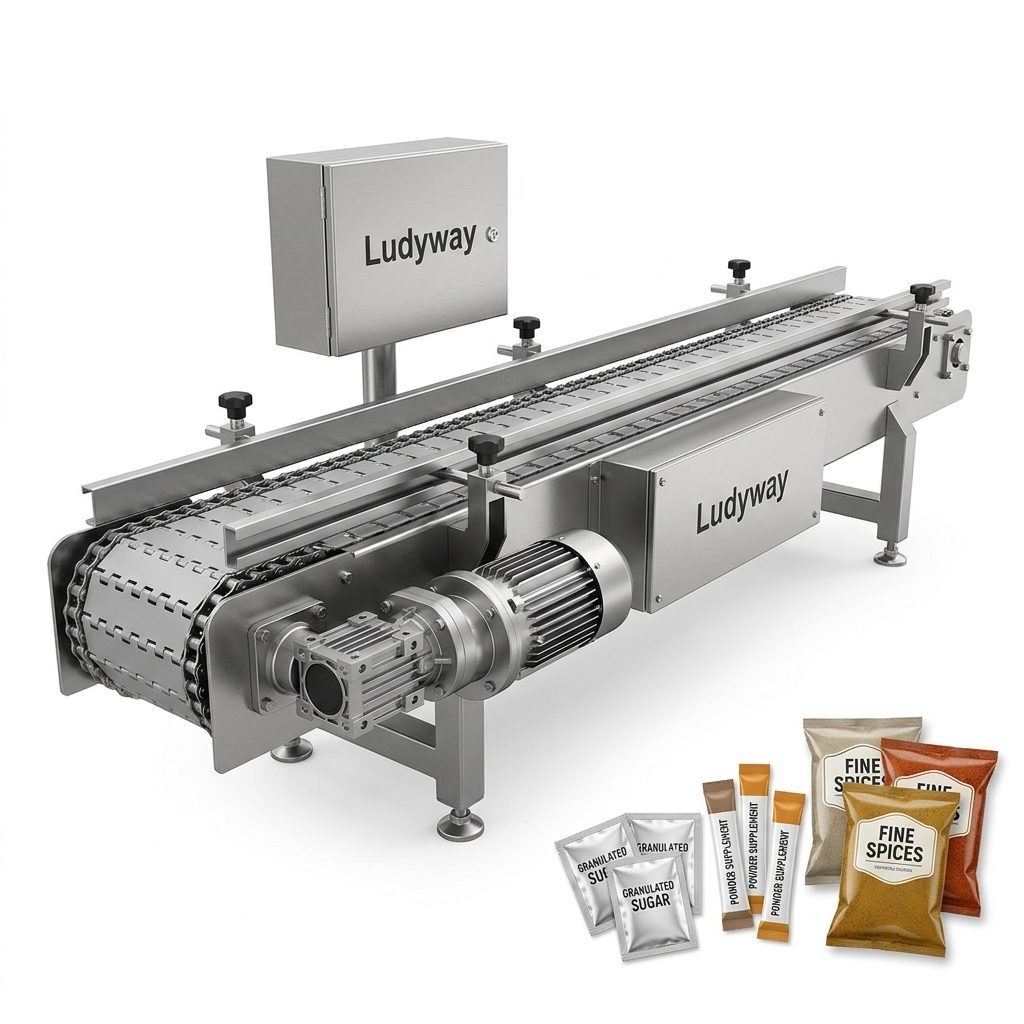
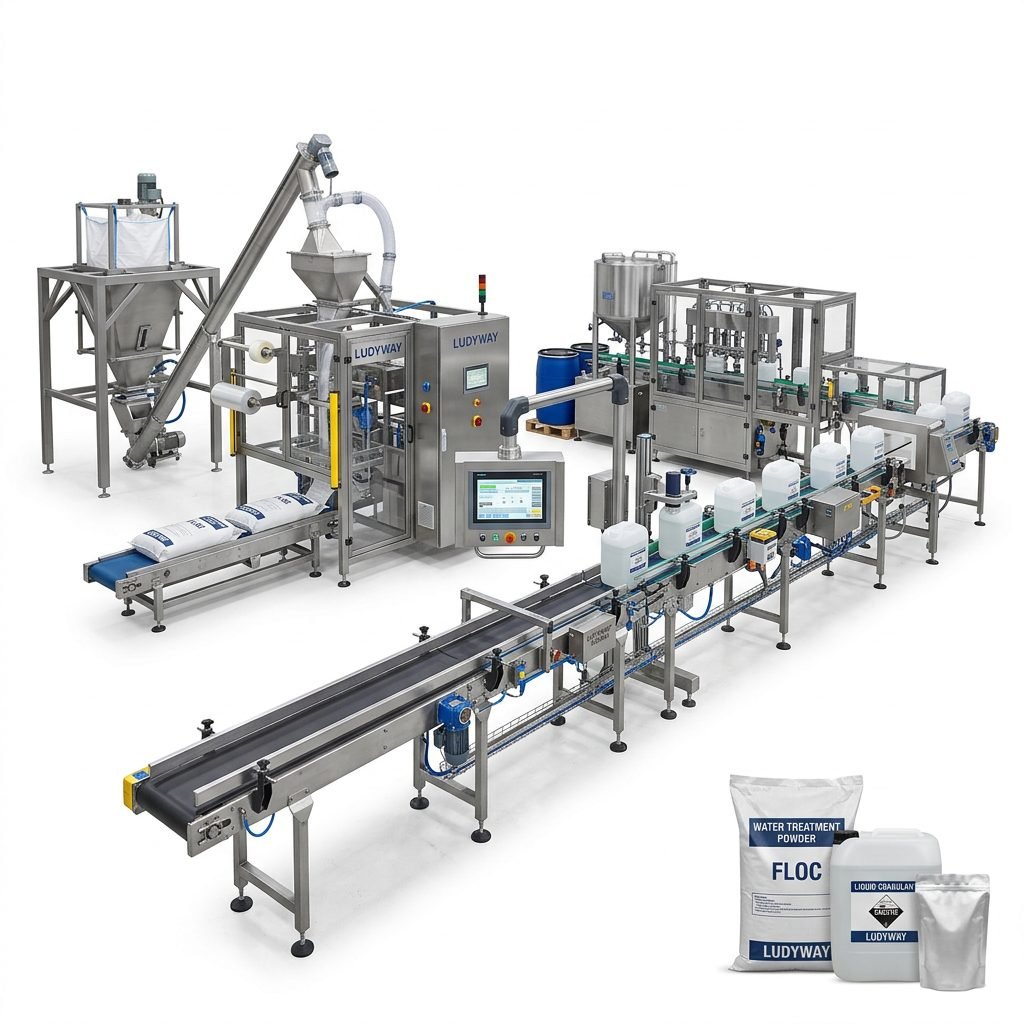
Some factories only need a standalone machine. Others need a turnkey line with feeding, filling, sealing, coding, inspection, cartoning, case packing, and palletizing. The right choice depends on labor cost, plant layout, and expected growth.
How to Match the Machine to Specific Chemical Applications
| Application | Packaging Need | Suitable Machine Type |
|---|---|---|
| Detergent powder | Dust control, accurate dosing | Multi-lane or VFFS powder packaging machine |
| Industrial cleaner liquid | Leak-proof filling and strong seals | Liquid sachet / pouch / bottle filling line |
| Fertilizer granules | Stable weighing for larger packs | Bagging machine with weighing system |
| Water-treatment chemicals | Moisture protection, dosing precision | Sachet or stick pack packaging system |
| Lubricants / additives | Viscous filling and contamination control | Piston liquid packaging machine |
Standalone Machine or Turnkey Packaging Line?
Many chemical manufacturers start by looking for a single filling and sealing machine. But if your production target is growing, a turnkey line may create much better value over time.
Choose a standalone machine if you need:
- Lower initial investment
- Simple packaging process
- Limited factory space
- Manual downstream handling
Choose a turnkey line if you need:
- Higher automation and reduced labor
- Better line integration
- Stable output at larger scale
- Future expansion and standardized production
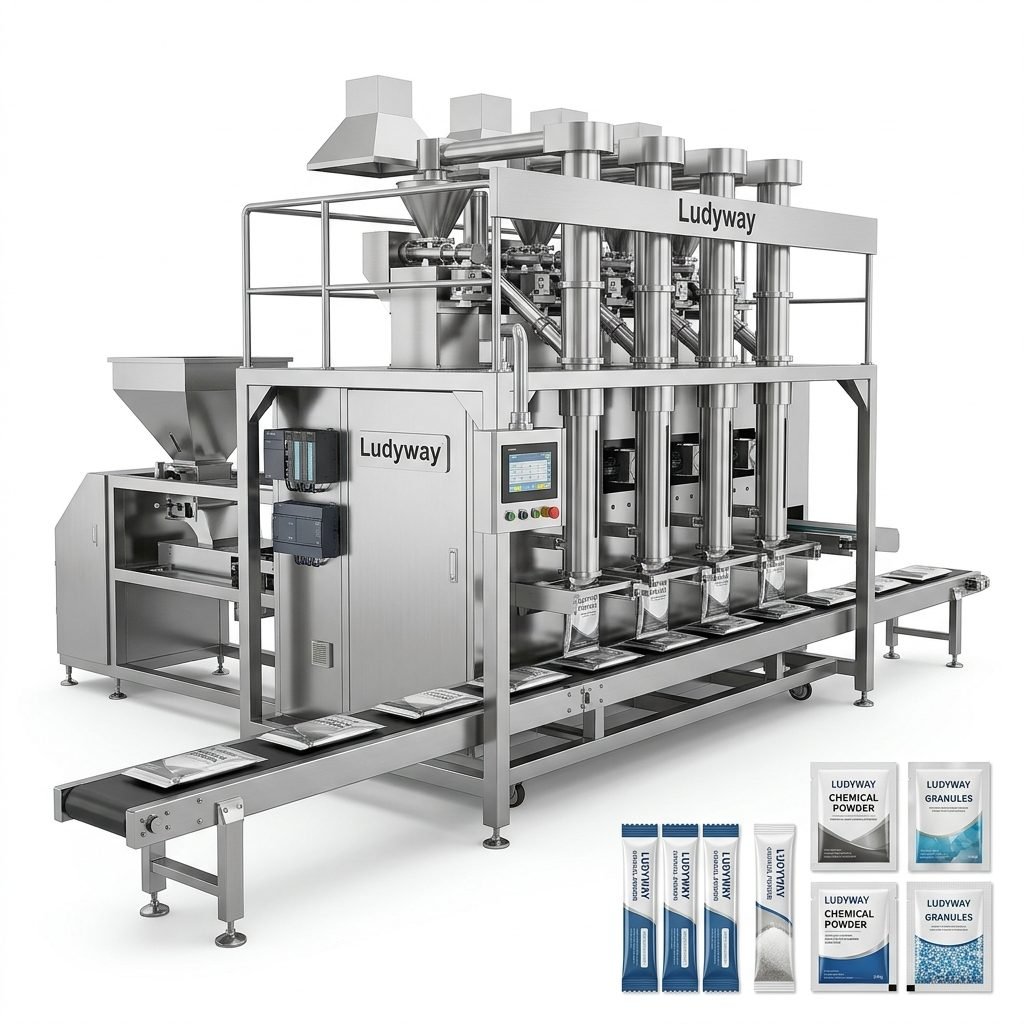
For buyers looking for scalable chemical packaging solutions, Ludyway offers a broad range of packaging machines and turnkey packaging line solutions, backed by more than 30 years of manufacturing experience, over 20,000 square meters of factory capacity, and service support for customers in more than 100 countries and regions.
Questions You Should Ask a Packaging Machine Supplier
- Has the supplier handled products similar to my chemical formula?
- What filling accuracy can be achieved with my actual product?
- What materials are used in product-contact parts?
- Can the machine handle corrosive, foaming, dusty, or viscous products?
- What safety protections are included?
- Is customization available for package size, seal type, and capacity?
- What after-sales support, spare parts, and technical training are offered?
Common Mistakes When Choosing Chemical Packaging Equipment
- Choosing based on price alone instead of total lifecycle value
- Ignoring compatibility between chemical formula and machine materials
- Overlooking sealing quality in pursuit of higher speed
- Underestimating dust or vapor control requirements
- Buying a machine without sample testing
- Failing to plan for future production growth
Best Machine Features to Prioritize
When comparing options, focus on features that directly improve production reliability and packaging consistency:
- Servo-controlled dosing and film pulling
- Stable sealing temperature control
- Corrosion-resistant product-contact parts
- Easy-to-clean structure
- Dust-proof or enclosed feeding system
- Simple HMI operation and recipe storage
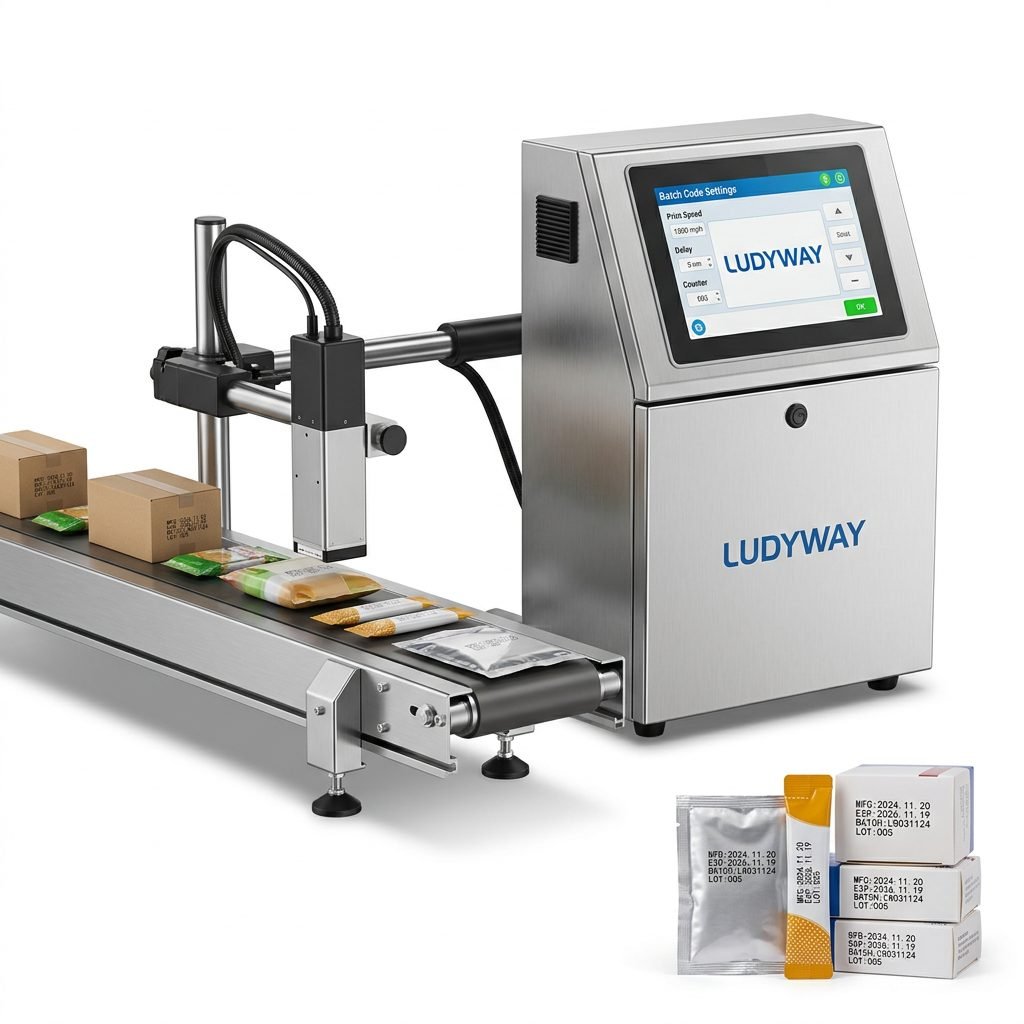
- Integration with coding, inspection, and cartoning equipment
Final Buying Advice for Chemical Product Manufacturers
The best packaging machine for chemical products is the one that fits your product behavior, package format, safety requirements, and production goals. Start with a clear understanding of your chemical type, filling method, packaging material, and expected output. Then compare machine durability, seal quality, dosing precision, and supplier support.
A well-matched machine helps reduce waste, improve packaging consistency, protect workers, and support long-term factory efficiency. Whether you are packaging detergents, additives, industrial powders, water-treatment agents, or chemical liquids, the right solution should be built for stable performance—not just fast output.