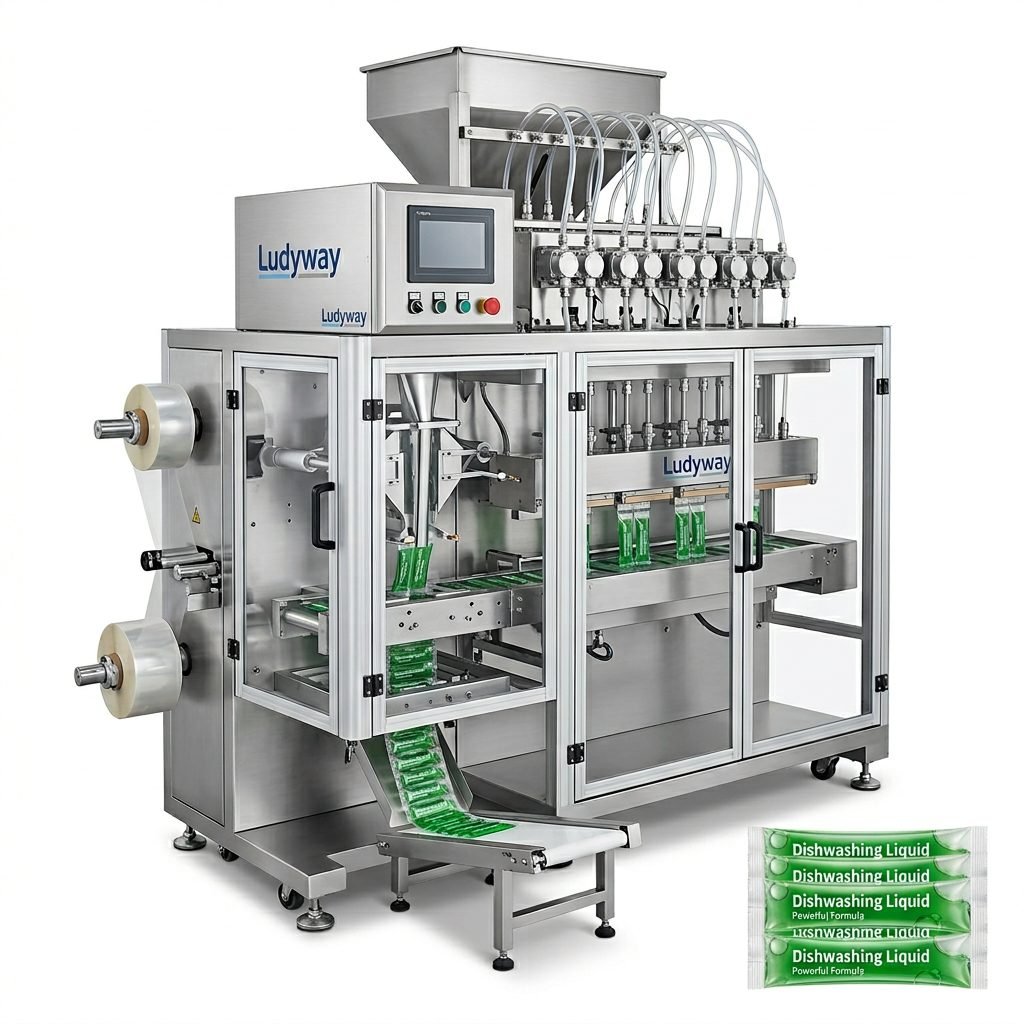
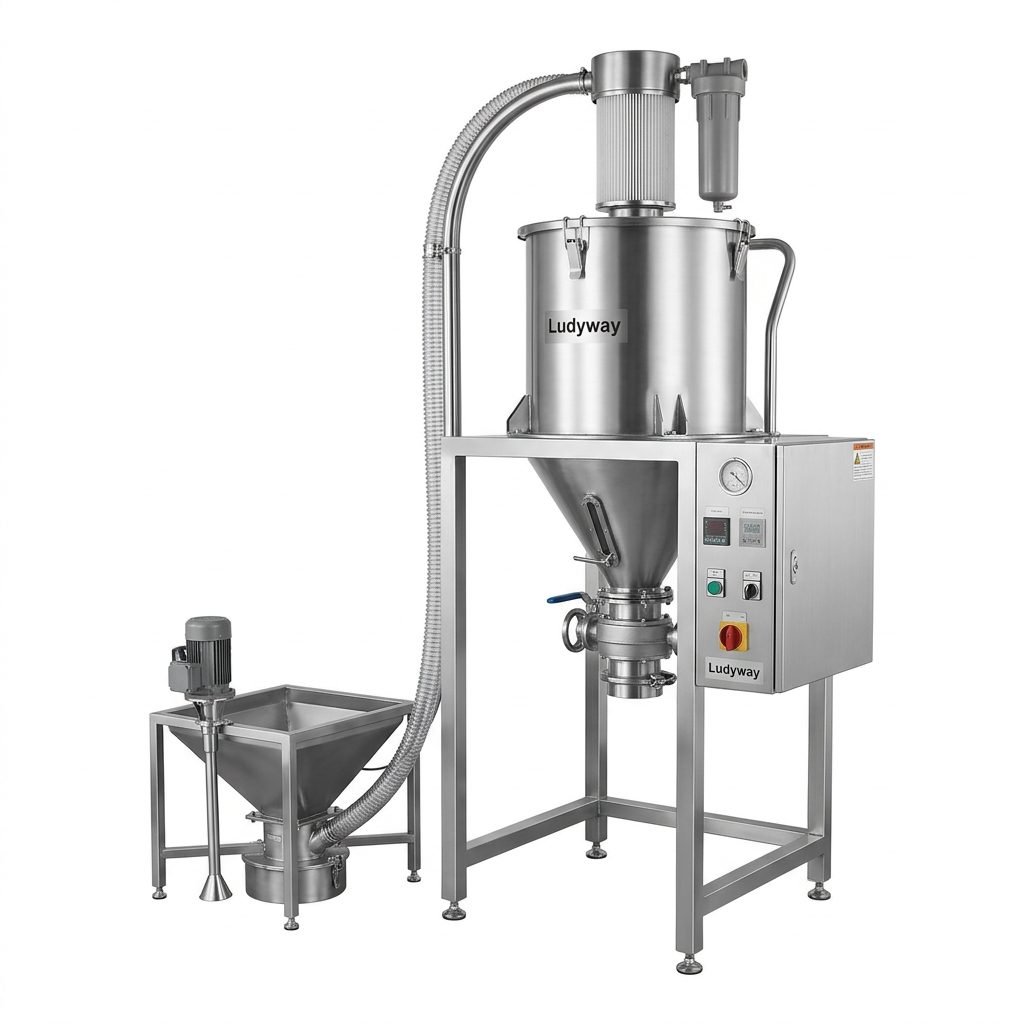
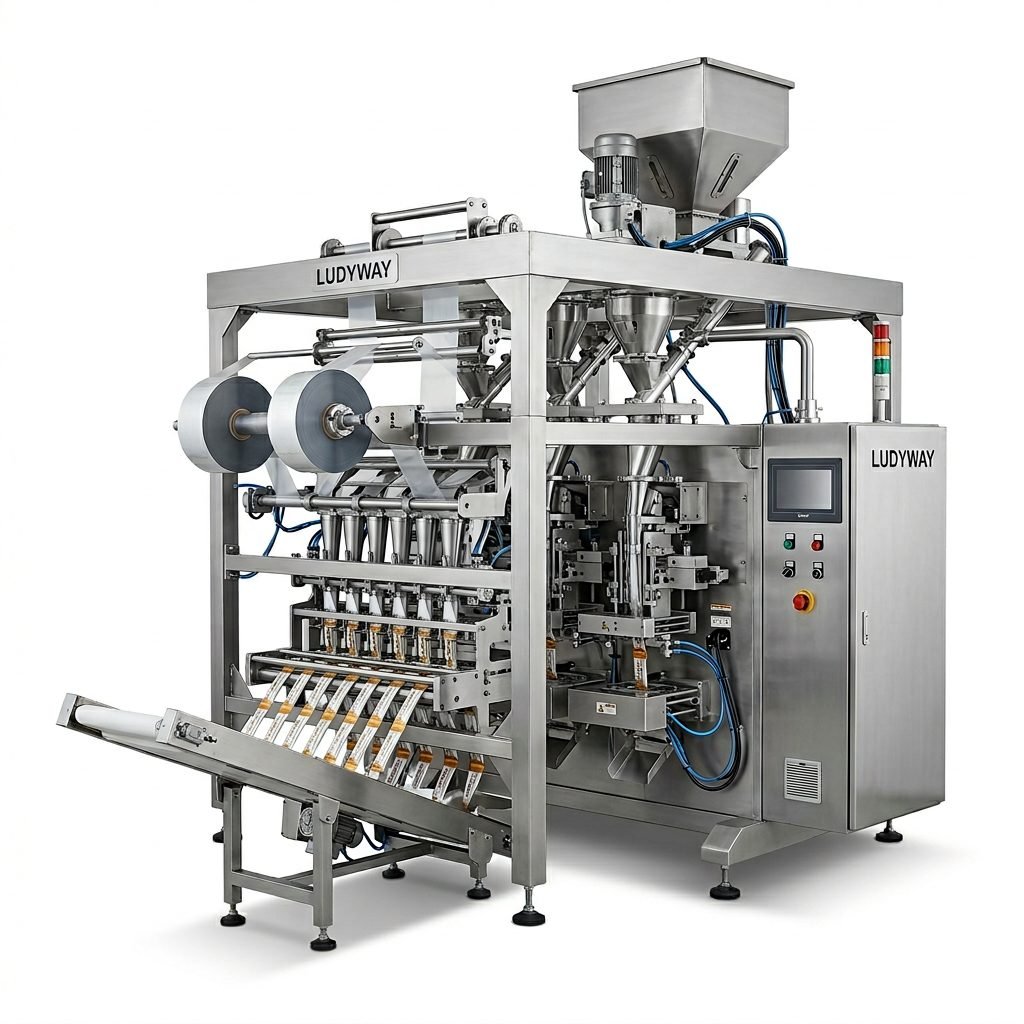
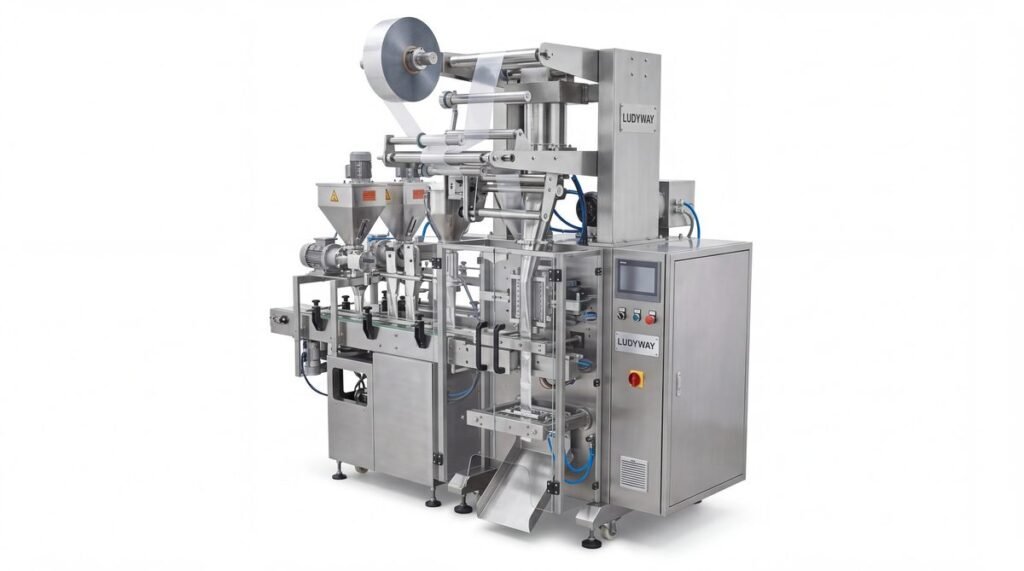
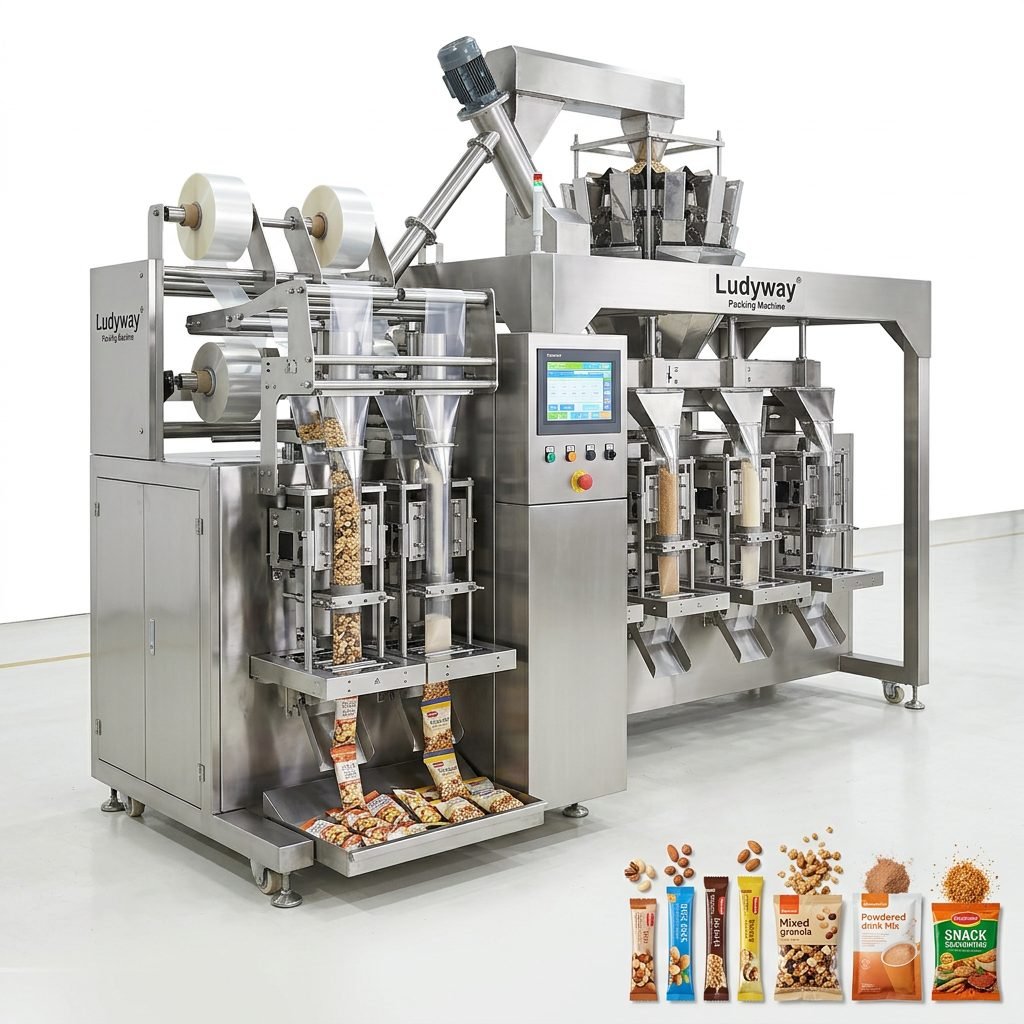
Fast, damage-free shipping starts long before a carton leaves the warehouse. The right wrap packing machine helps businesses improve load stability, reduce manual labor, protect product appearance, and increase shipping speed across food, pharmaceutical, cosmetic, chemical, and general industrial operations.
If you are comparing packaging equipment for end-of-line automation, the key is not simply buying the fastest machine. The best solution is the one that matches your product type, output goals, film requirements, pallet or bundle dimensions, and future expansion plans.
Why a Wrap Packing Machine Matters in Modern Shipping
In many factories and distribution centers, unstable packaging causes more problems than expected. Products can shift during transit, corners can be crushed, labels may become unreadable, and moisture or dust can affect presentation and quality. A properly selected wrap packing machine solves these issues while also helping teams ship more consistently.
- Improves load stability during storage, handling, and transportation
- Speeds up packing operations compared with manual wrapping
- Reduces film waste through controlled tension and repeatable cycles
- Enhances workplace safety by minimizing heavy manual wrapping work
- Supports cleaner packaging presentation for export and retail supply chains
For companies shipping high volumes every day, even small gains in packaging efficiency can translate into significant savings in labor, freight claims, and product loss.
Types of Wrap Packing Machines
The term “wrap packing machine” can cover several packaging formats. Choosing correctly starts with understanding what exactly needs to be wrapped.
| Machine Type | Best For | Main Advantage |
|---|---|---|
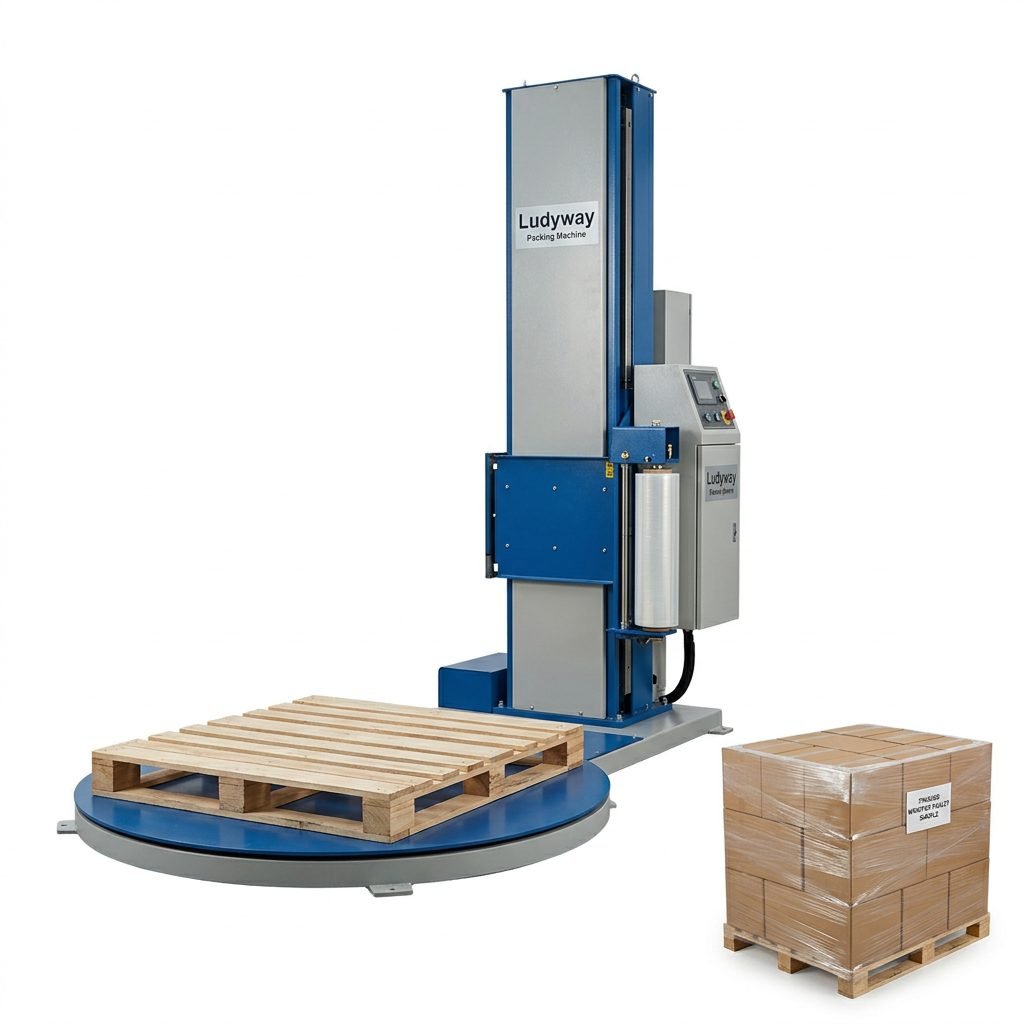
| Pallet stretch wrapper | Palletized cartons, bags, bottles, and bulk shipments | Strong load containment for transport |
| Horizontal wrapping machine | Long or irregular products | Efficient wrapping for non-pallet items |
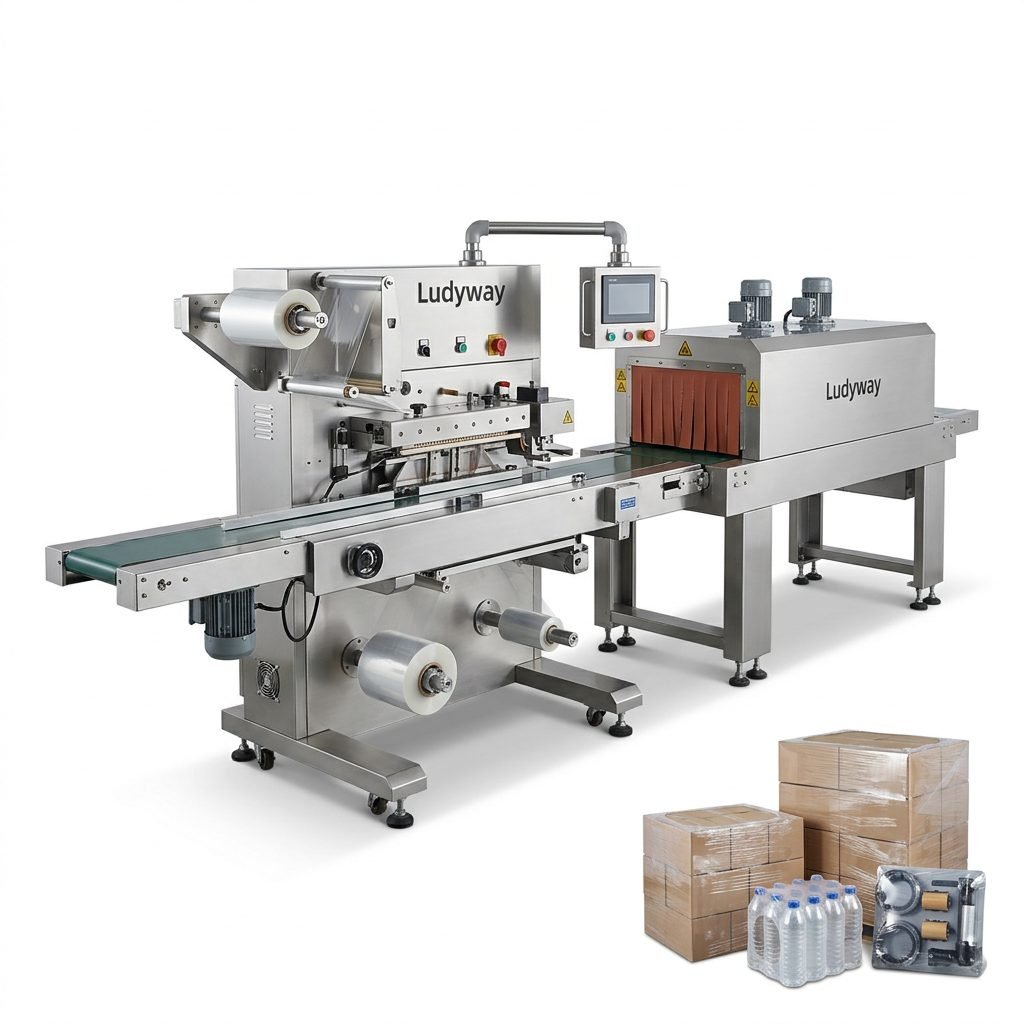
| Shrink wrapping machine | Retail bundles, multipacks, trays, bottles | Tight, attractive package appearance |
| Flow wrapper | Single items, food bars, consumer goods | High-speed individual product wrapping |
| Orbital wrapping machine | Doors, panels, pipes, profiles | Full coverage for long products |
For shipping-focused operations, pallet stretch wrapping is often the most practical option. For display-ready bundles or consumer-facing packs, shrink wrapping may be the better fit.
How to Choose the Right Packaging Solution
1. Define What You Are Shipping
Start with the product itself. Are you wrapping cartons, bottles, drums, pouches, bags, or palletized mixed loads? A light and uniform load behaves very differently from a tall, top-heavy, or unstable one.
Ask these questions:
- What is the product weight?
- Is the load stable or likely to shift?
- Are corners sharp enough to puncture film?
- Does the product require dust, moisture, or tamper protection?
- Is the package meant for export, warehousing, retail, or direct delivery?
2. Match the Machine to Your Throughput
A low-volume warehouse may do well with a semi-automatic wrapper. A high-output factory usually needs a fully automatic line integrated with conveyors, pallet handling, labeling, coding, and palletizing systems.
| Production Need | Recommended Option |
|---|---|
| Low daily output, manual loading | Semi-automatic wrap packing machine |
| Medium output, repeatable SKUs | Automatic wrapper with programmable settings |
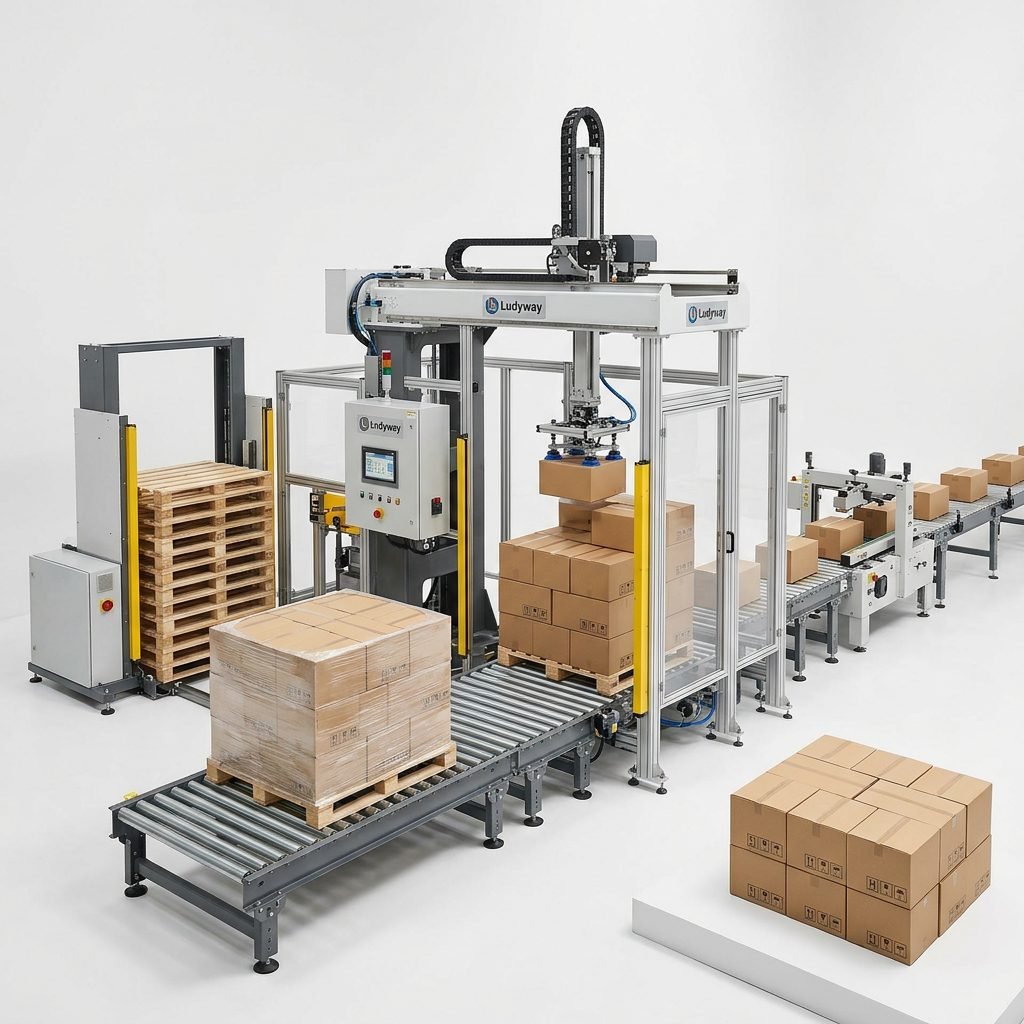
| High-volume continuous operation | Fully automatic integrated packaging line |
Buying a machine that is too small creates bottlenecks. Buying one that is too advanced for current demand can increase unnecessary investment and maintenance complexity. The right balance supports both present output and future growth.
3. Evaluate Film Compatibility and Cost Control
Film cost is an important long-term factor. A high-quality wrap packing machine should help optimize film usage without sacrificing holding force. Look for features such as pre-stretch capability, adjustable tension control, and programmable wrap cycles.
Film efficiency often matters more over time than the initial machine price. If a machine reduces film consumption across thousands of loads per month, the return on investment can be substantial.
4. Consider Load Dimensions and Variability
Not every facility ships identical products. Some operations handle mixed pallet heights, unstable bag stacks, or seasonal packaging formats. In these situations, machine flexibility becomes essential.
- Check maximum and minimum wrapping dimensions
- Confirm weight capacity of turntable or conveyor system
- Look for automatic height sensing
- Verify recipe storage for multiple product formats
- Assess whether future SKU changes are easy to manage
5. Prioritize Safety and Shipping Protection
Faster shipping should never come at the expense of operator safety or product security. Safe machine design includes emergency stops, guarding, stable film carriage movement, and dependable load handling.
On the shipping side, proper wrapping helps prevent:
- Collapsed pallets
- Carton movement during transport
- Water and dust exposure
- Tampering during storage and delivery
- Rejected shipments caused by poor pallet presentation
6. Think About Integration with the Full Packaging Line
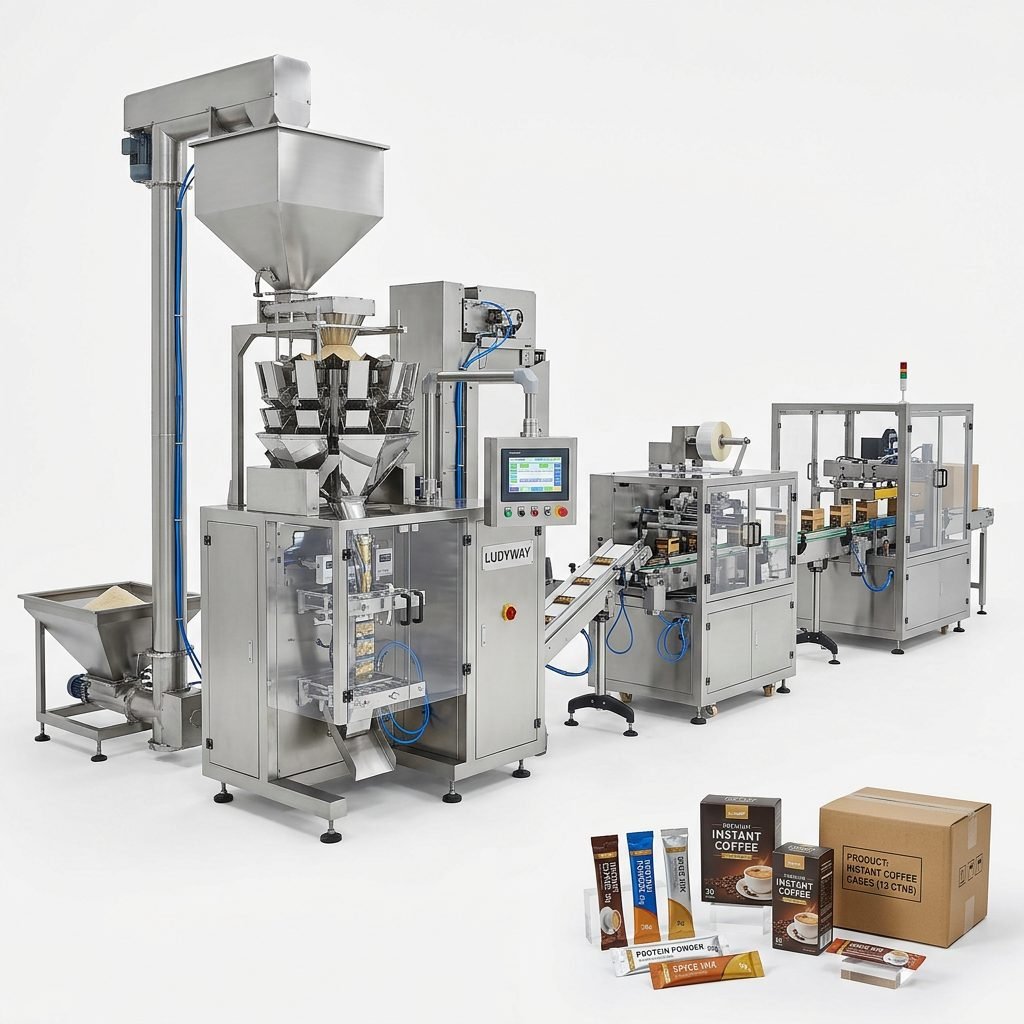
Many buyers now prefer equipment that can connect with upstream and downstream systems. A wrap packing machine works best when it fits into a complete packaging workflow, including filling, sealing, checkweighing, coding, cartoning, case packing, conveying, and palletizing.
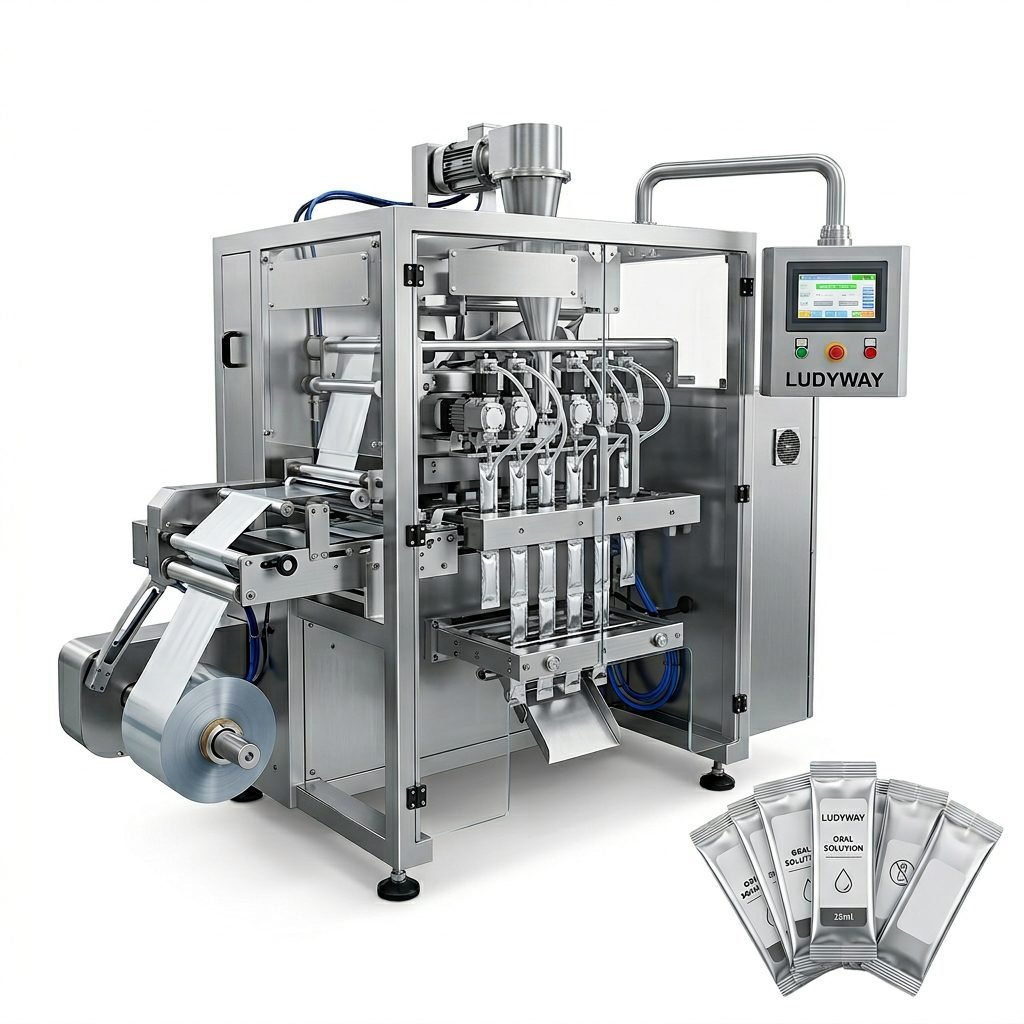
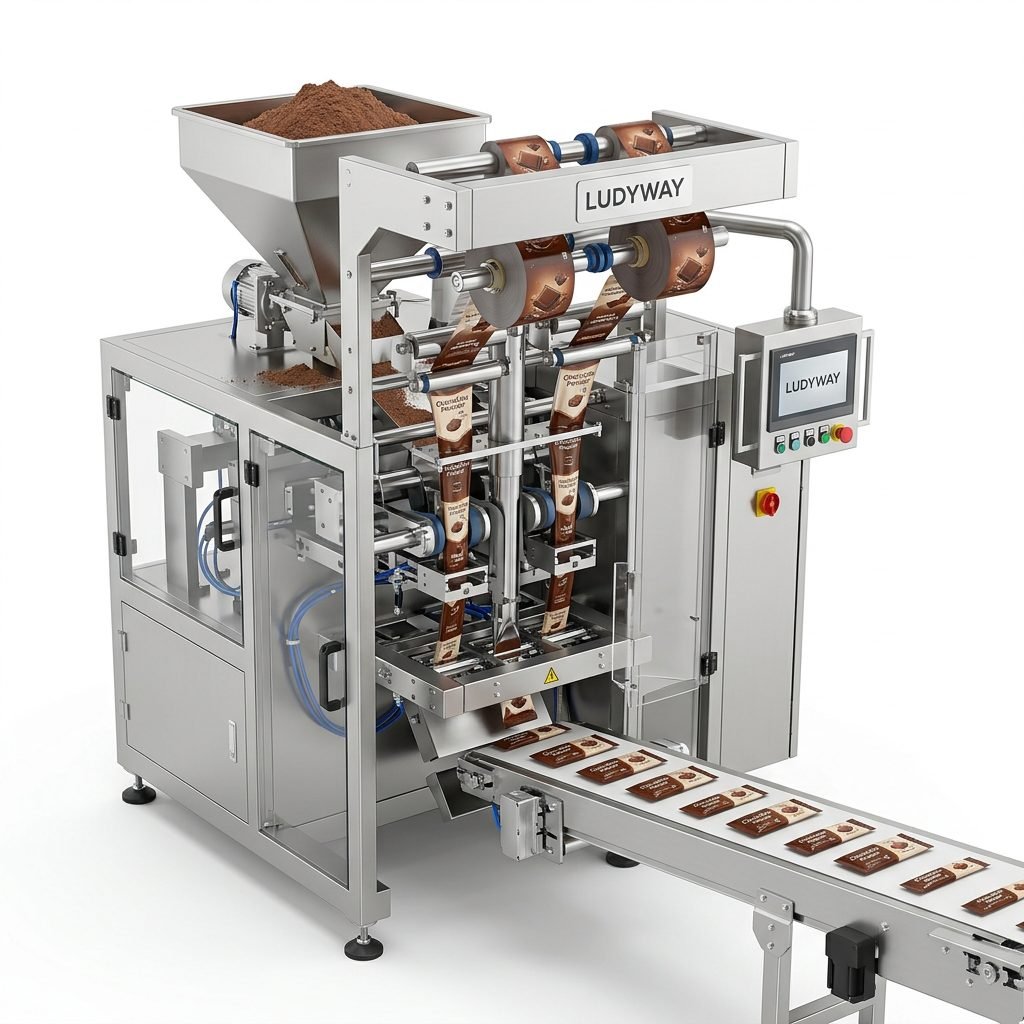
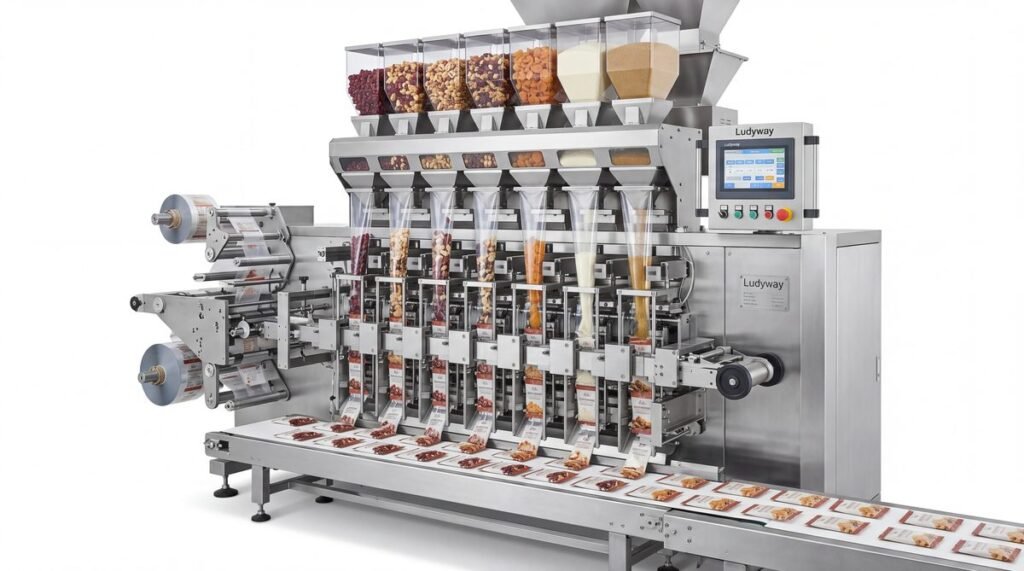
For manufacturers seeking scalable automation, working with an experienced supplier such as Ludyway wrap packing machine solutions can simplify equipment matching, line planning, and long-term expansion.
Key Features to Look For
Before making a final purchase decision, compare the machine specifications carefully. The most useful features depend on your product and shipping environment, but several capabilities are widely valuable.
- Programmable control system for repeatable settings
- Pre-stretch film carriage to lower film consumption
- Automatic load height detection for variable pallet sizes
- Adjustable top and bottom wraps for stronger containment
- Soft start and stop to protect unstable loads
- Conveyor compatibility for automated lines
- Remote diagnostics or service support for faster maintenance response
Common Buying Mistakes to Avoid
Even experienced procurement teams can choose the wrong equipment if they focus only on price or speed. Avoid these common mistakes:
- Choosing equipment without testing actual product loads
- Ignoring future capacity increases
- Overlooking film type and consumption data
- Failing to review after-sales service and spare parts support
- Buying a standalone machine when line integration is really needed
Reliable shipping performance depends on the total packaging system, not just one machine specification.
Best Solution by Application Scenario
For Warehouses and Distribution Centers
Look for stable pallet wrapping, fast changeover, and easy operator use. Semi-automatic or automatic stretch wrappers are often the ideal solution.
For Food and Beverage Manufacturers
Focus on clean operation, packaging consistency, and compatibility with cartons, trays, and secondary packaging formats. Integration with labeling and palletizing can further improve output.
For Pharmaceutical and Health Product Shipping
Prioritize secure wrapping, batch traceability support, and dependable line control. Shipping quality must align with strict handling and presentation requirements.
For Export Businesses
Stronger load retention and better moisture protection are especially important. Export shipments often experience longer transit times, more handling points, and varying climate conditions.
Questions to Ask a Supplier Before You Buy
- Can the machine handle our exact product dimensions and shipping weights?
- What wrapping speed is achievable in real production conditions?
- How much film savings can pre-stretch technology provide?
- Is the machine suitable for standalone use or full-line integration?
- What spare parts and technical support are available?
- Can the system be customized for future packaging expansion?
Final Decision: Speed, Safety, and Scalability
The right wrap packing machine should do more than wrap faster. It should help your business ship safer, reduce packaging inconsistency, improve labor efficiency, and support long-term automation goals.
When evaluating options, focus on product fit, throughput, film efficiency, safety, and line integration. That approach leads to a packaging solution that performs well not just today, but as your shipping demands continue to grow.