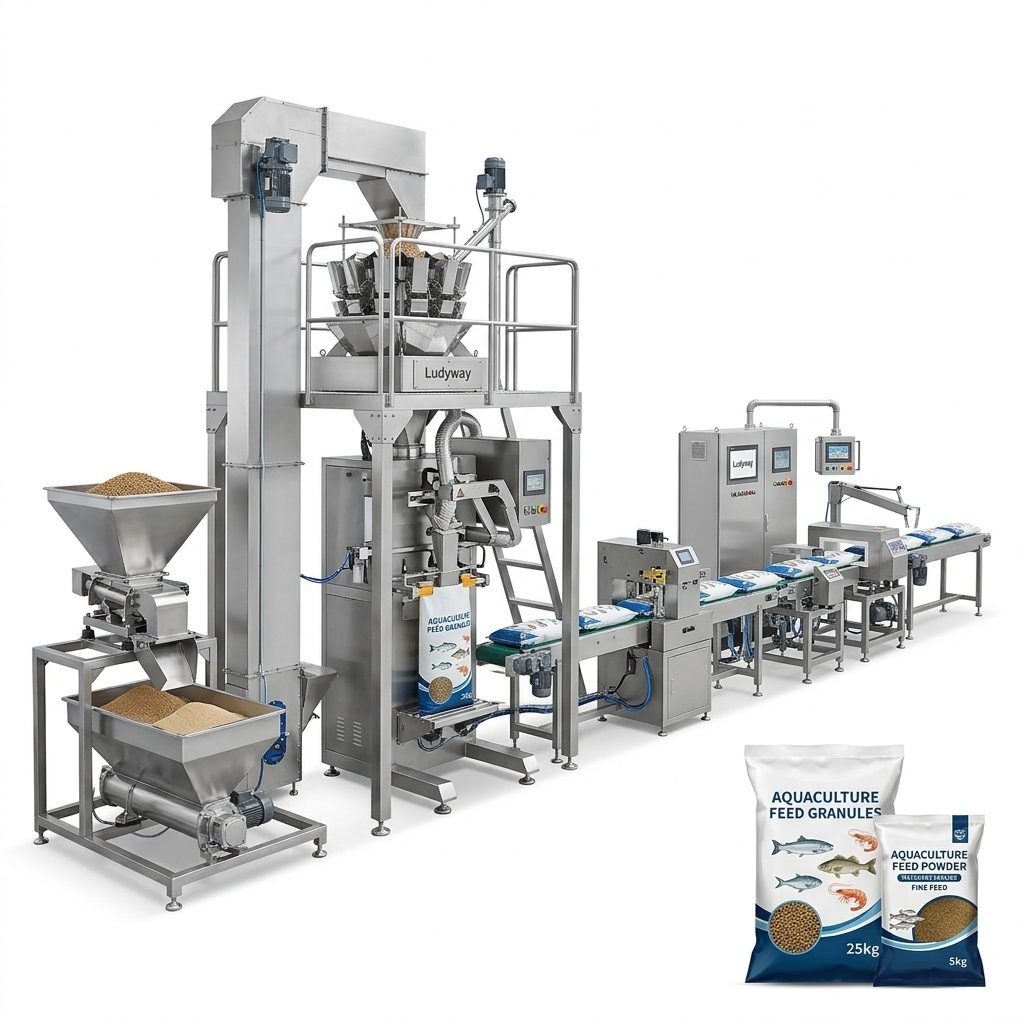
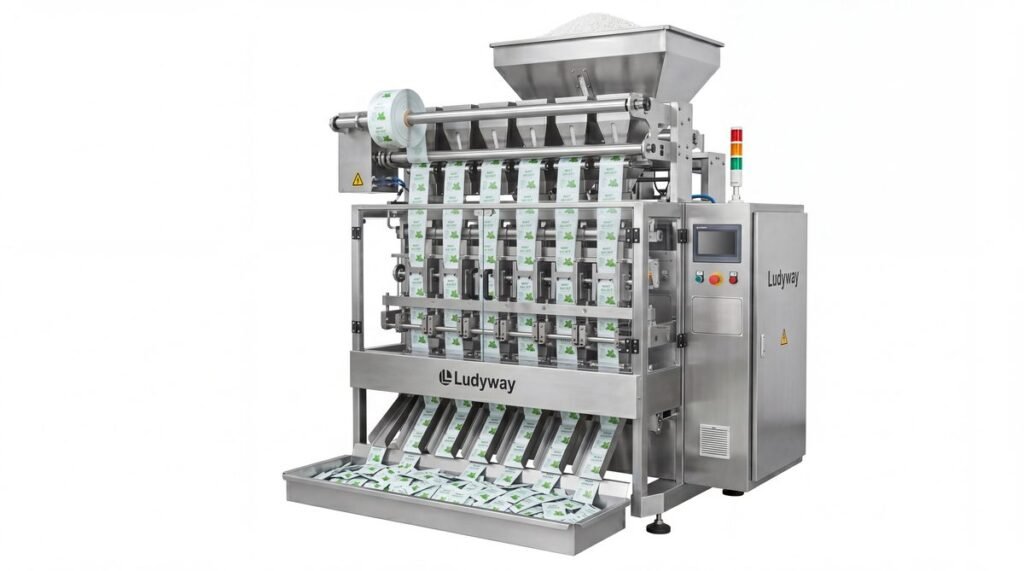
Choosing the right packaging machine for cosmetic products is not just about speed or automation. It is about matching the machine to your formula, package style, production target, hygiene requirements, and brand positioning. In cosmetics, packaging directly affects product stability, appearance, customer trust, and production cost.
Whether you produce facial cream, serum, lotion, shampoo, sunscreen, lip balm, or travel-size skincare products, the best solution depends on how well your equipment fits your actual manufacturing needs.
Why cosmetic packaging equipment matters
Cosmetic products often involve sensitive textures and premium presentation. A poor packaging setup can lead to leakage, inconsistent filling, contamination risks, sealing defects, or unattractive finished products. A suitable cosmetic packaging machine helps brands:
- Maintain accurate fill volume for creams, gels, liquids, and powders
- Improve sealing quality and product shelf life
- Reduce labor dependency and manual handling errors
- Support high-output or multi-SKU production
- Enhance packaging consistency for retail and export markets
- Meet GMP-oriented hygiene and quality expectations
Main types of cosmetic products and their packaging needs
Different cosmetic formats require different filling and sealing technologies. Before selecting a machine, start with the product itself.
| Cosmetic Product Type | Typical Texture | Common Packaging Format | Suitable Machine Type |
|---|---|---|---|
| Serum / essence | Low-viscosity liquid | Sachets, ampoules, bottles | Liquid filling and sealing machine |
| Face cream / lotion | Cream or semi-viscous paste | Sachets, tubes, jars, pouches | Paste filling machine or sachet machine |
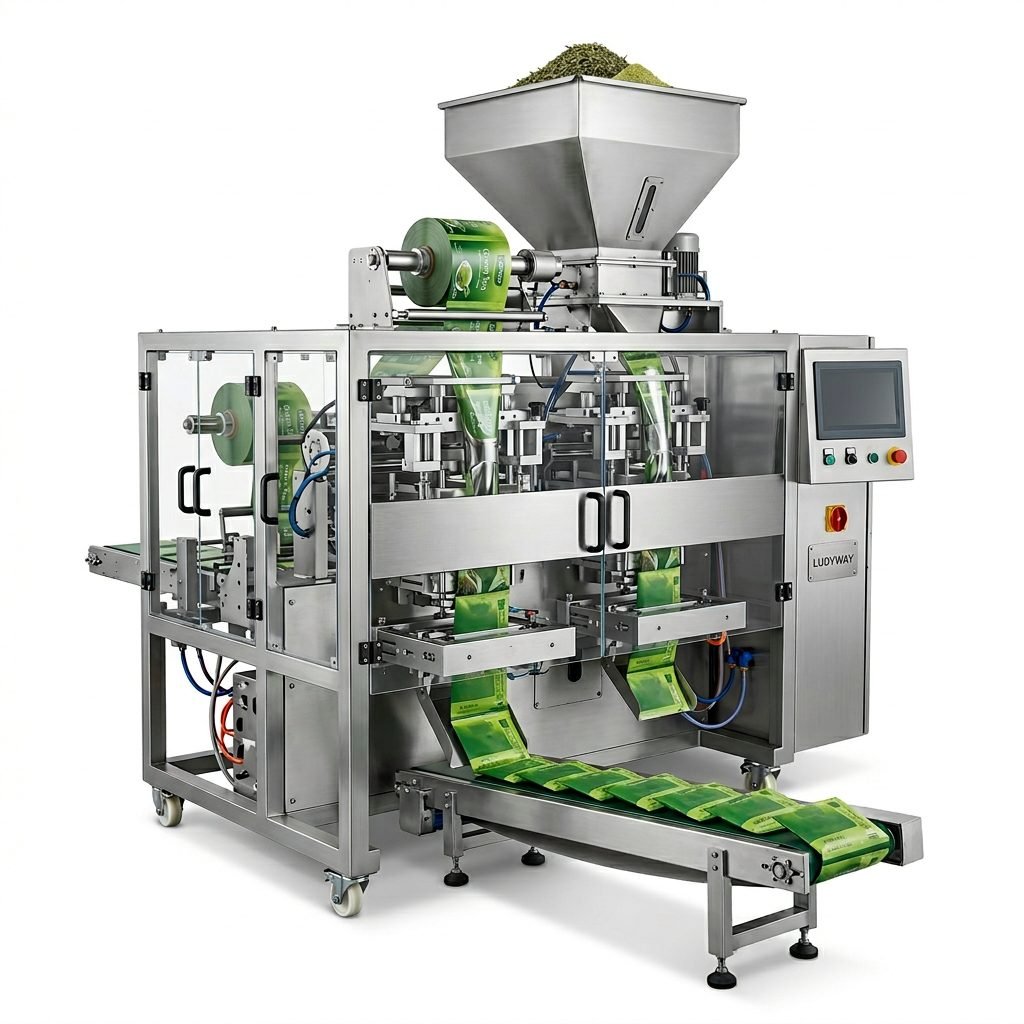
| Shampoo / shower gel | Liquid or gel | Sachets, pouches, bottles | Multi-lane liquid sachet packing machine |
| Powder mask / dry cosmetics | Fine powder | Sachets, stick packs | Powder packaging machine |
| Lip balm / stick products | Heated balm or solidifying formula | Sticks, tubes | Stick filling and sealing machine |
| Sample-size beauty products | Liquid, cream, gel | Sachets, stick packs | Compact multi-lane cosmetic packaging machine |
How to choose the best packaging machine for cosmetic products
1. Match the machine to product viscosity
This is one of the most important selection factors. Thin liquids such as toner or serum need a different dosing system than thick creams or gels. If the filling method does not match the formula, you may face dripping, air bubbles, unstable accuracy, or poor sealing.
- Low-viscosity liquids: use piston, peristaltic, or pump-based filling systems
- Medium-viscosity products: use servo piston fillers or controlled liquid pumps
- High-viscosity creams and gels: use heated hoppers, agitation systems, and paste filling units
2. Confirm the packaging format you want to sell
Cosmetic brands often use multiple packaging formats to serve different channels. Retail, sampling, e-commerce, hotel amenities, and travel-size lines all require different equipment.
Common cosmetic packaging formats include:
- Sachets
- Stick packs
- Pouches
- Tubes
- Bottles
- Small ampoules or vials
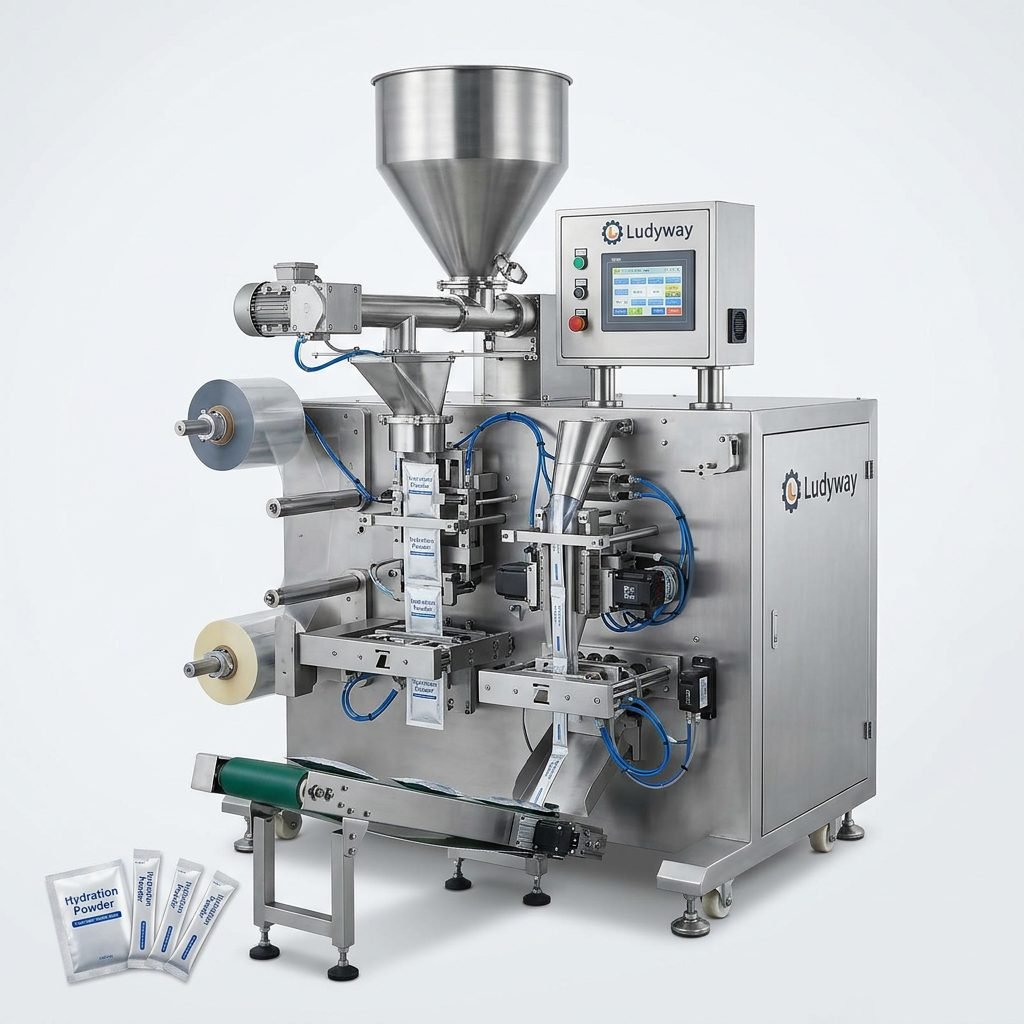
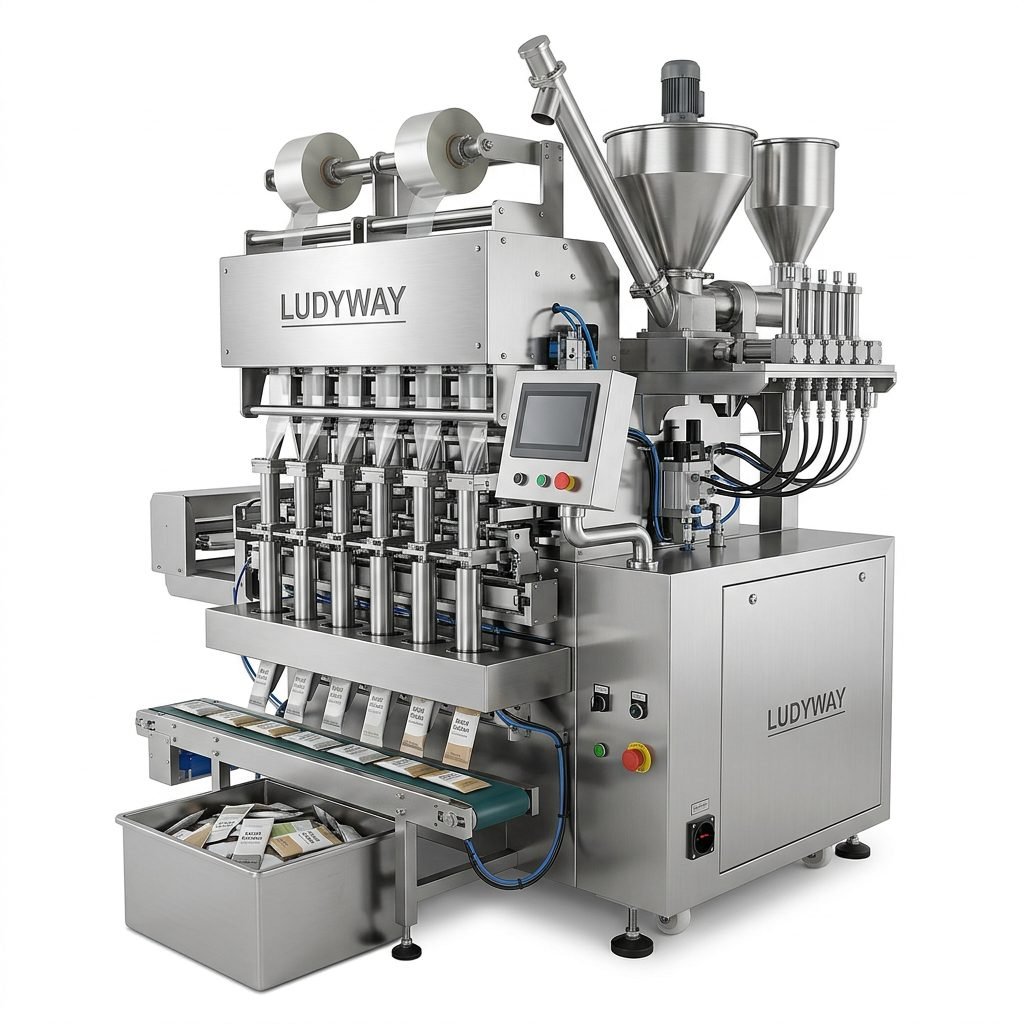
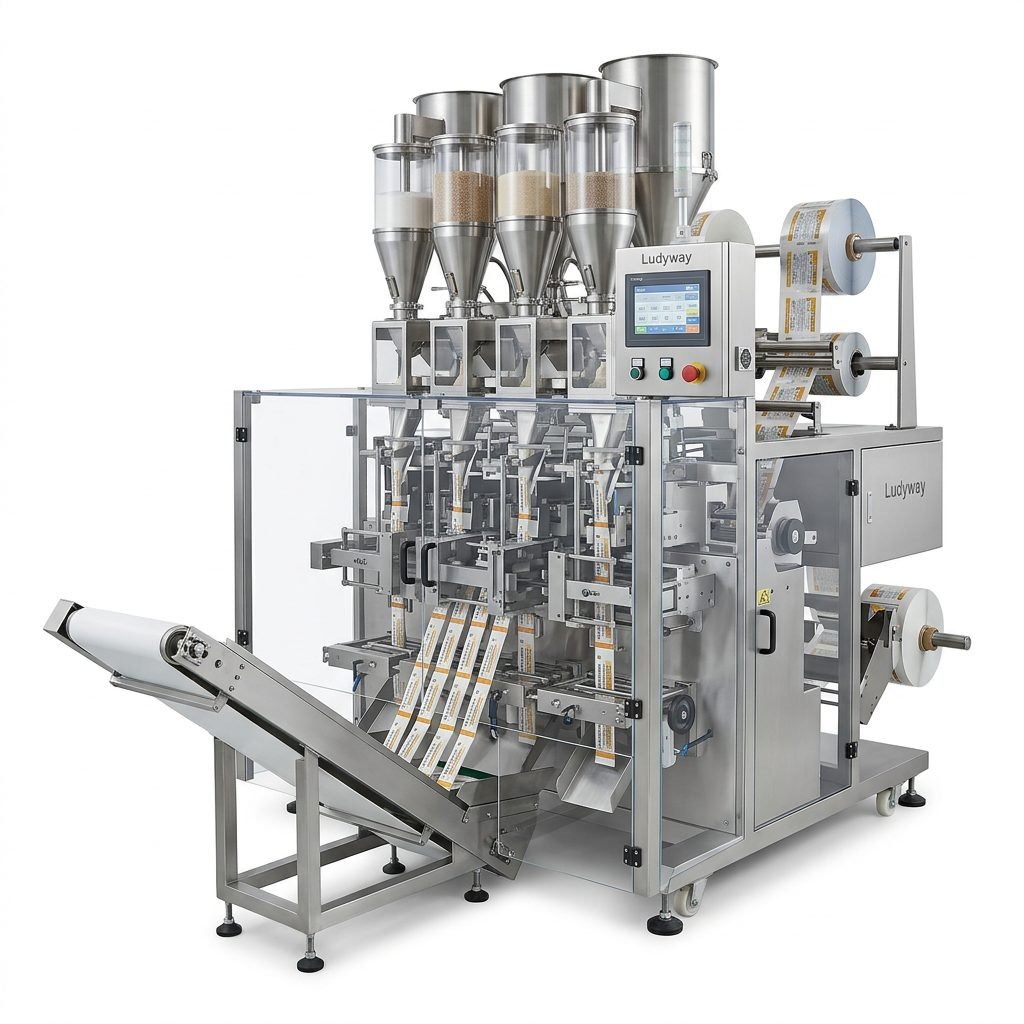
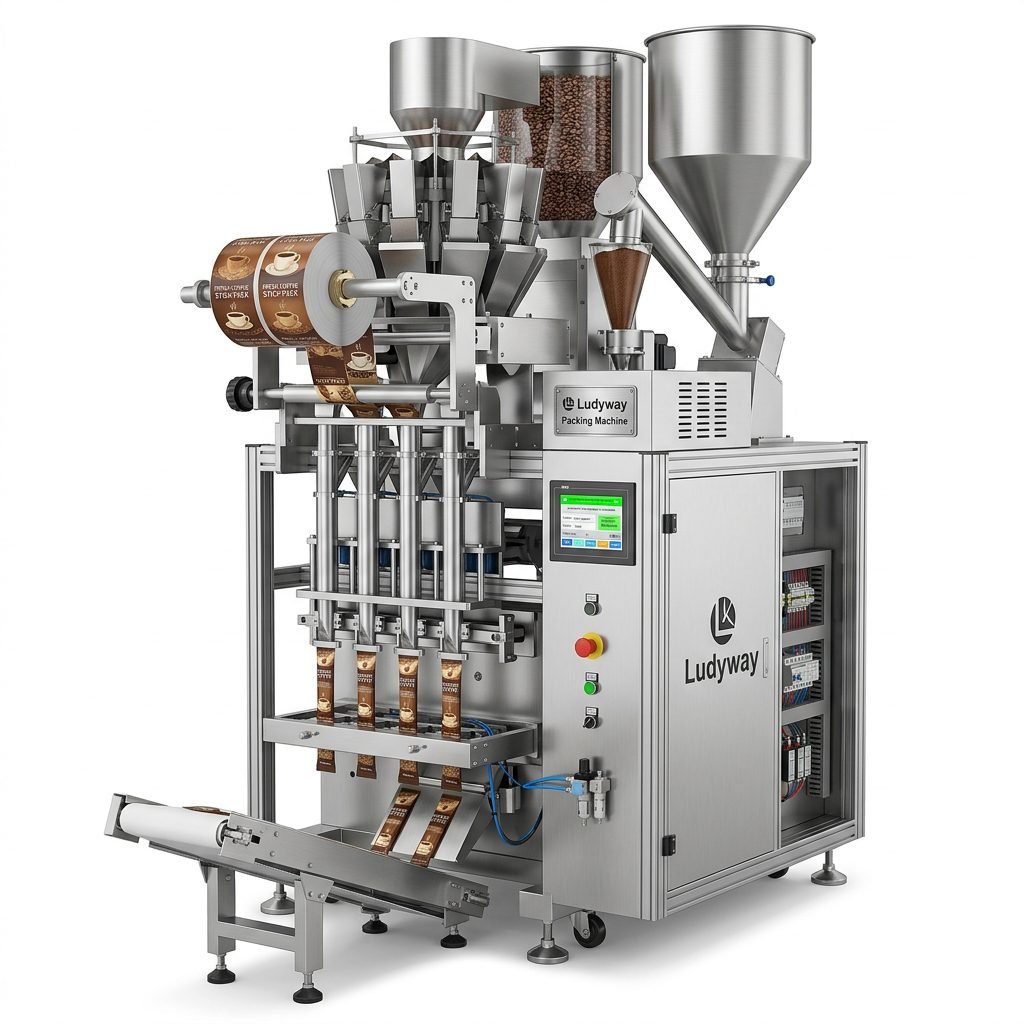
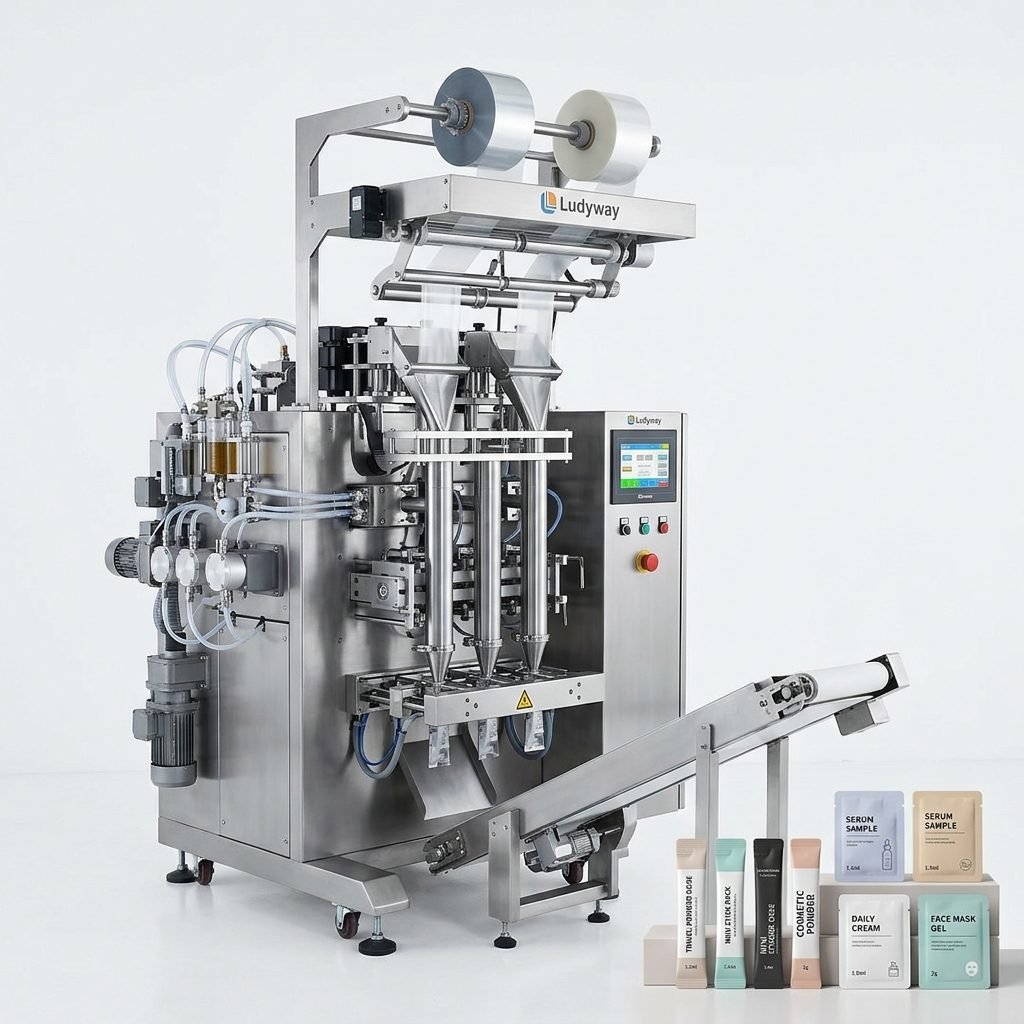
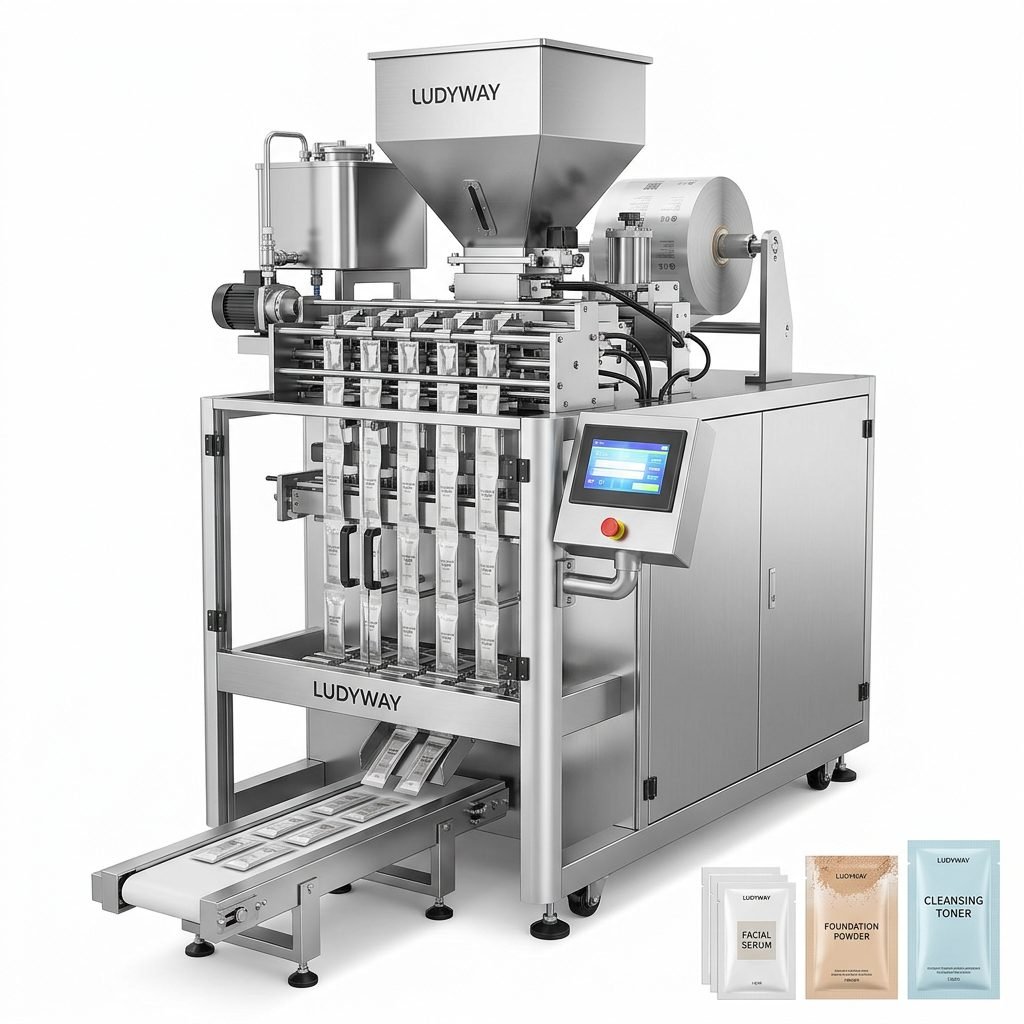
If your business relies heavily on single-use or sample packaging, a multi-lane sachet or stick pack machine can significantly improve output.
3. Evaluate production capacity realistically
Some buyers overinvest in high-speed systems they do not yet need, while others choose entry-level machines that quickly become production bottlenecks. The right machine should support your current output and leave room for growth.
Consider:
- Daily and monthly output targets
- Peak season demand
- Number of product variants
- Shift structure and labor availability
- Future expansion plans
4. Check filling accuracy and seal integrity
In cosmetic packaging, precision matters for both compliance and customer satisfaction. Underfilling damages trust. Overfilling increases cost. Weak sealing can result in leaks, returns, and damaged brand reputation.
Ask suppliers about:
- Filling tolerance range
- Seal consistency across different films or containers
- Anti-drip design
- Nozzle suitability for foamy or sticky products
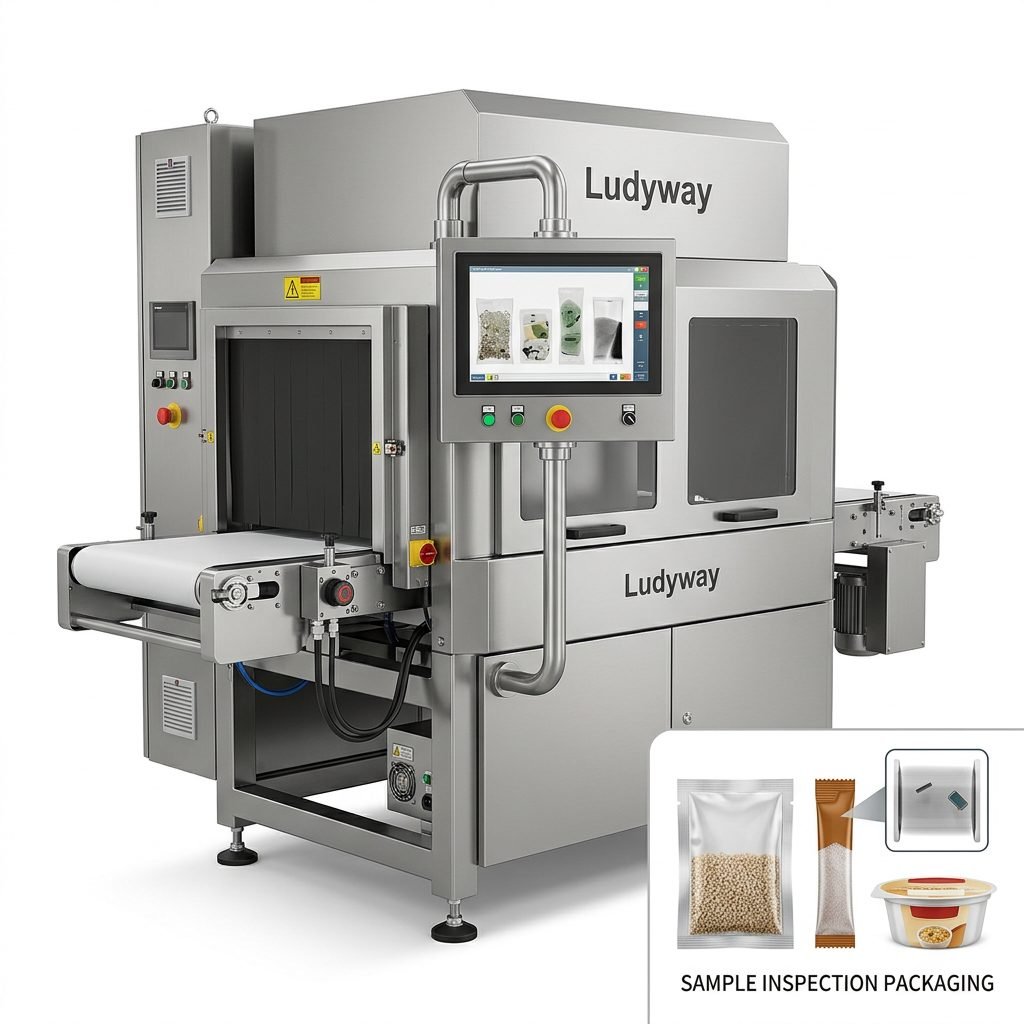
- Vision inspection or checkweighing options
5. Prioritize hygiene and cleaning convenience
Cosmetic products come into direct contact with skin, hair, and sometimes sensitive facial areas. This means your packaging machinery should support hygienic production and quick cleaning during product changeovers.
- Prefer contact parts made of stainless steel
- Look for easy disassembly and washdown-friendly design
- Ask whether the machine supports quick cleaning between formulas
- Check if dead corners are minimized in hoppers and pipelines
6. Consider packaging material compatibility
Cosmetics often use specialized packaging films, laminated sachet materials, glossy pouches, aluminum layers, and premium decorative containers. The machine must handle these materials without unstable feeding, wrinkled seals, or print misalignment.
Important checks include:
- Film sealing temperature range
- Registration mark tracking accuracy
- Compatibility with multilayer packaging films
- Support for eco-friendly or recyclable materials if needed
7. Review flexibility for multiple SKUs
Cosmetic brands often launch frequent new products, seasonal variants, and promotional pack sizes. A flexible machine helps reduce future reinvestment.
Choose a system that can adapt to:
- Different fill volumes
- Different sachet or pouch sizes
- Various formulas in liquid, cream, or gel form
- Short production runs for private label or OEM orders
Best machine options by cosmetic application
| Application | Recommended Solution | Key Benefit |
|---|---|---|
| Shampoo / conditioner sachets | Multi-lane liquid sachet machine | High output with uniform sealing |
| Cream / lotion samples | Cream sachet filling and sealing machine | Accurate dosing for viscous products |
| Serum sample packs | Liquid stick pack or sachet machine | Premium small-dose packaging |
| Powder facial masks | Powder sachet packing machine | Clean dosing with good portion control |
| Lip balm / stick cosmetics | Stick filling machine | Suitable for solidifying cosmetic formulas |
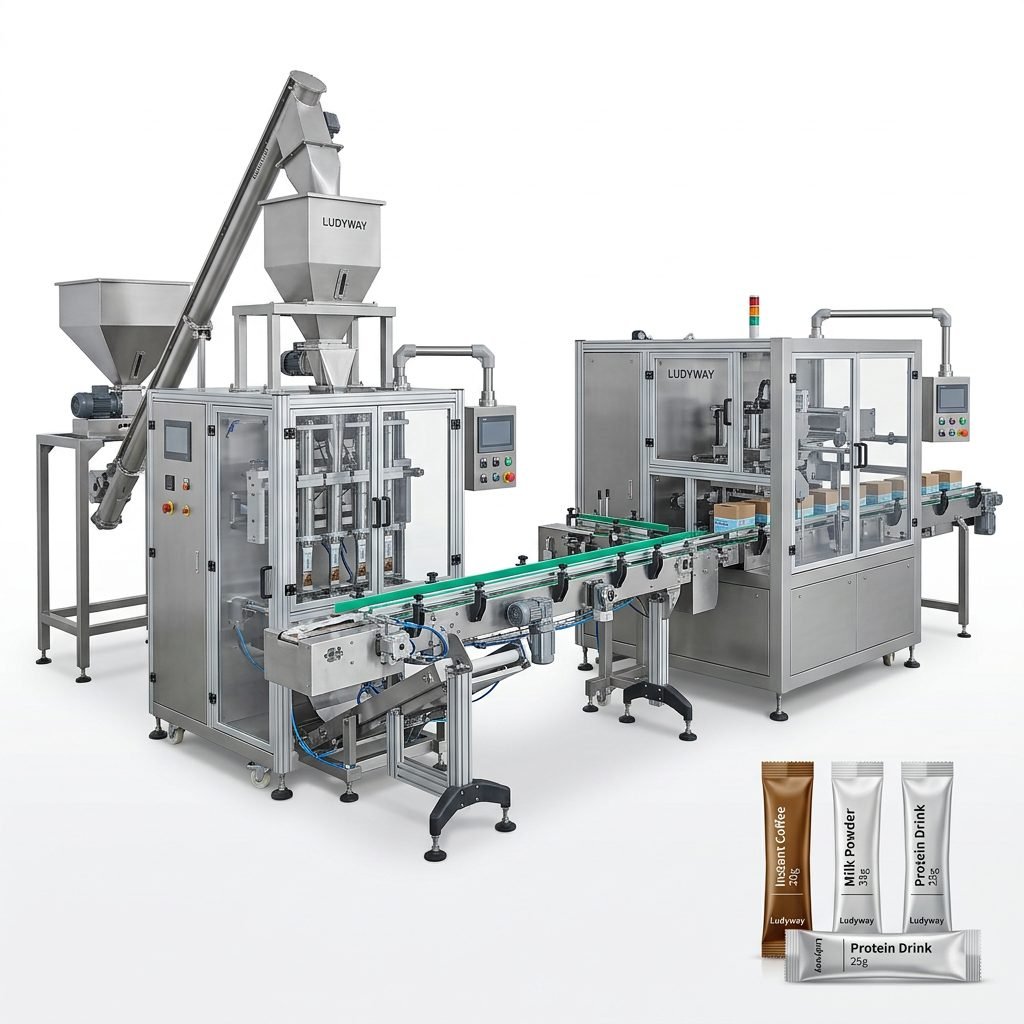
| Skincare starter kits | Integrated packaging line | Combines filling, sealing, coding, and secondary packaging |
Should you choose a standalone machine or a turnkey line?
The answer depends on your production scale and process complexity.
Standalone machine is suitable when:
- You are launching a new cosmetic product
- You have limited floor space
- You want lower initial investment
- You only need one packaging format
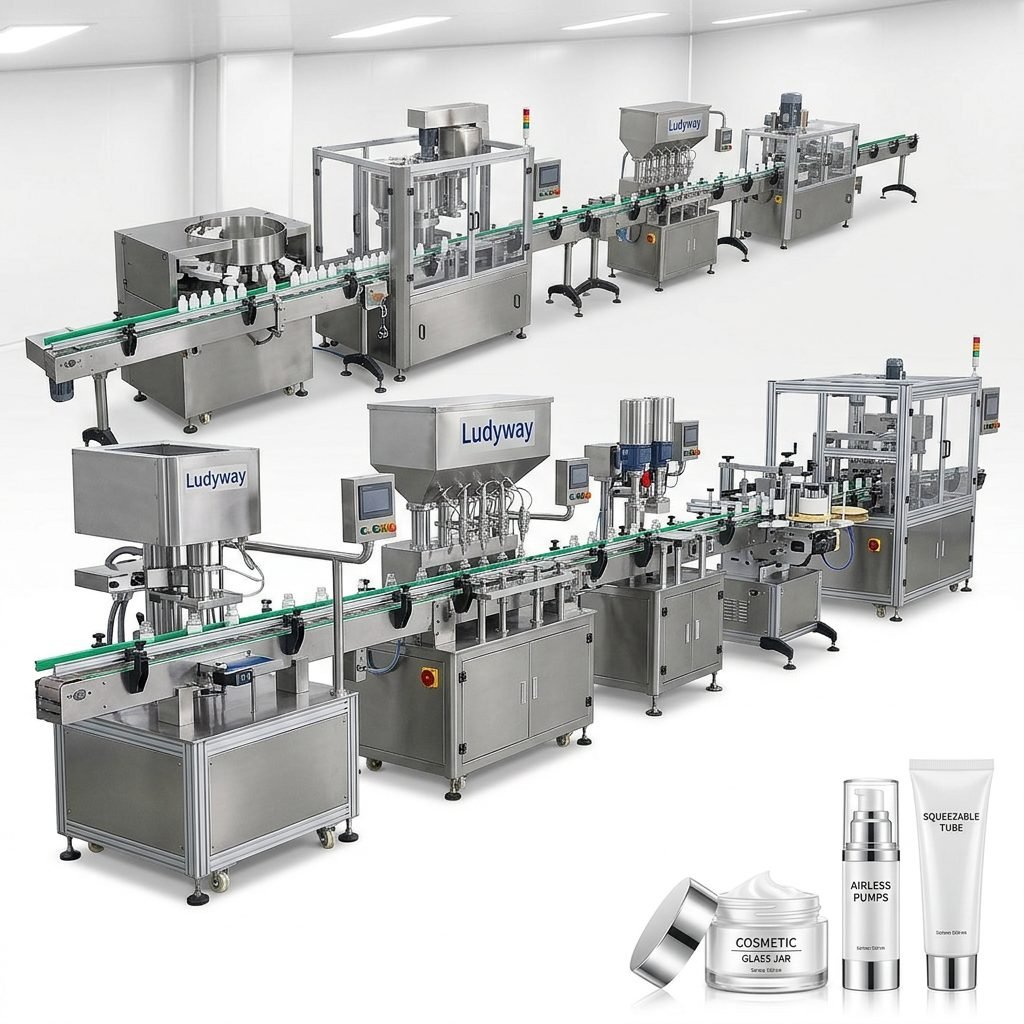
Turnkey packaging line is suitable when:
- You need filling, sealing, coding, cartoning, and conveying in one system
- You operate at medium or high volume
- You want stronger automation and labor savings
- You need cleaner process integration and production traceability
For brands planning long-term expansion, a turnkey line often delivers better efficiency and consistency than purchasing separate units over time.
Key questions to ask before buying
- What cosmetic formulas will the machine handle?
- What packaging styles do you need now and later?
- What filling accuracy can the supplier guarantee?
- How easy is cleaning and product changeover?
- Does the machine support your target output?
- Can it integrate with coding, labeling, cartoning, or inspection systems?
- Is technical support available for installation and after-sales service?
Common mistakes when selecting cosmetic packaging machinery
- Choosing by price only
- Ignoring product viscosity changes at different temperatures
- Not testing actual packaging material in advance
- Buying a machine with insufficient upgrade flexibility
- Overlooking cleaning difficulty and maintenance access
- Failing to plan for future product line expansion
A practical selection checklist
Use this checklist before making a final decision:
- Product type clearly defined
- Viscosity and dosing method confirmed
- Packaging format selected
- Required output calculated
- Packaging material tested
- Seal quality verified
- Cleaning and maintenance reviewed
- Machine footprint matches workshop conditions
- Expansion and customization options confirmed
- Supplier support capability evaluated
Choosing a reliable packaging machine supplier
Beyond machine specifications, supplier capability is equally important. Cosmetic manufacturers should work with partners that understand filling behavior, packaging materials, automation integration, and long-term technical service.
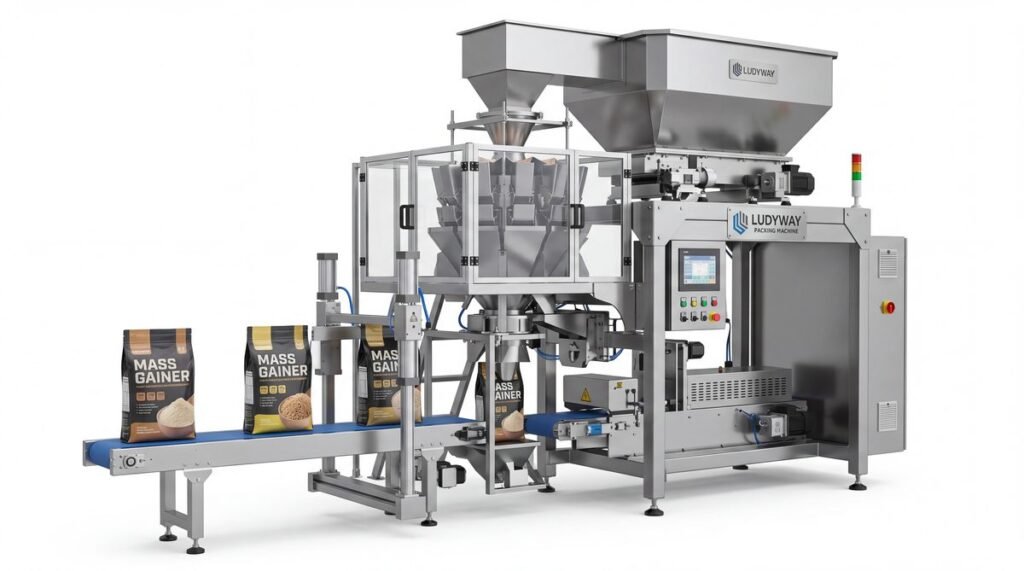
If you are looking for scalable cosmetic packaging solutions, Ludyway cosmetic packaging machines offer a broad range of equipment for sachets, stick packs, liquids, creams, powders, and turnkey production lines. With more than 30 years of manufacturing experience and strong export capability, the company is a practical option for brands seeking stable automation and customized packaging solutions.
Final buying advice
The best packaging machine for cosmetic products is the one that fits your formula characteristics, packaging goals, production volume, and future growth strategy. There is no single machine that fits every cosmetic product. The right choice comes from understanding your product first, then matching it with the correct filling, sealing, and automation technology.
When chosen correctly, the right cosmetic packaging machine can help your business improve efficiency, protect product quality, reduce waste, and strengthen brand presentation in a competitive beauty market.