这是为您生成的一篇关于如何选择Uflex包装机的英文SEO文章,已适配富文本编辑器并兼容移动端,您可以直接使用。
Investing in a Uflex packaging machine — or more precisely, advanced multi-lane stick pack and sachet packaging systems — is a strategic decision that can transform production efficiency, product consistency, and long-term operational costs. Whether you are launching a new product line or upgrading an existing facility, selecting the right equipment requires careful evaluation of technical specifications, application requirements, and supplier capabilities. This guide walks through the essential factors to help you make an informed purchasing decision.
Understanding Your Packaging Requirements
Before comparing machine specifications, clearly define your product characteristics and production goals. The physical properties of your product — whether it is a free-flowing powder, sticky granule, viscous liquid, or fragile solid — directly determine the appropriate dosing system, filling mechanism, and sealing technology. A machine designed for dry granules may not perform reliably with liquids or pastes, making this initial assessment critical.
Key product parameters to document include:
- Product type: Powder, granule, liquid, paste, or combination formulations
- Flow characteristics: Free-flowing, cohesive, hygroscopic, or abrasive
- Particle size and bulk density: Affects filling accuracy and speed
- Target fill weight or volume: Determines dosing precision requirements
- Packaging format: Stick pack, sachet, pouch, or multi-lane configurations
- Production speed: Packs per minute required to meet demand
- Bag dimensions and material: Film type, thickness, and barrier properties
Key Factors to Evaluate When Choosing a Packaging Machine
Once product requirements are established, the following technical and operational factors should guide equipment selection. These criteria apply broadly across packaging machinery industry categories and are especially relevant for flexible packaging solutions used in food, pharmaceutical, and chemical applications.
| Evaluation Factor | What to Look For |
|---|---|
| Filling Accuracy | Precision dosing systems such as auger fillers, volumetric cup fillers, piston fillers, or multi-head weighers matched to product characteristics |
| Production Speed | Multi-lane configurations that multiply output without proportionally increasing floor space or operator requirements |
| Sealing Integrity | Temperature-controlled sealing jaws with consistent pressure, compatible with various film materials including laminates and aluminum foil |
| Material Compatibility | Stainless steel construction for food and pharmaceutical applications; corrosion-resistant materials for chemical products |
| Changeover Efficiency | Tool-free adjustment, recipe storage, and quick-release components to minimize downtime between product runs |
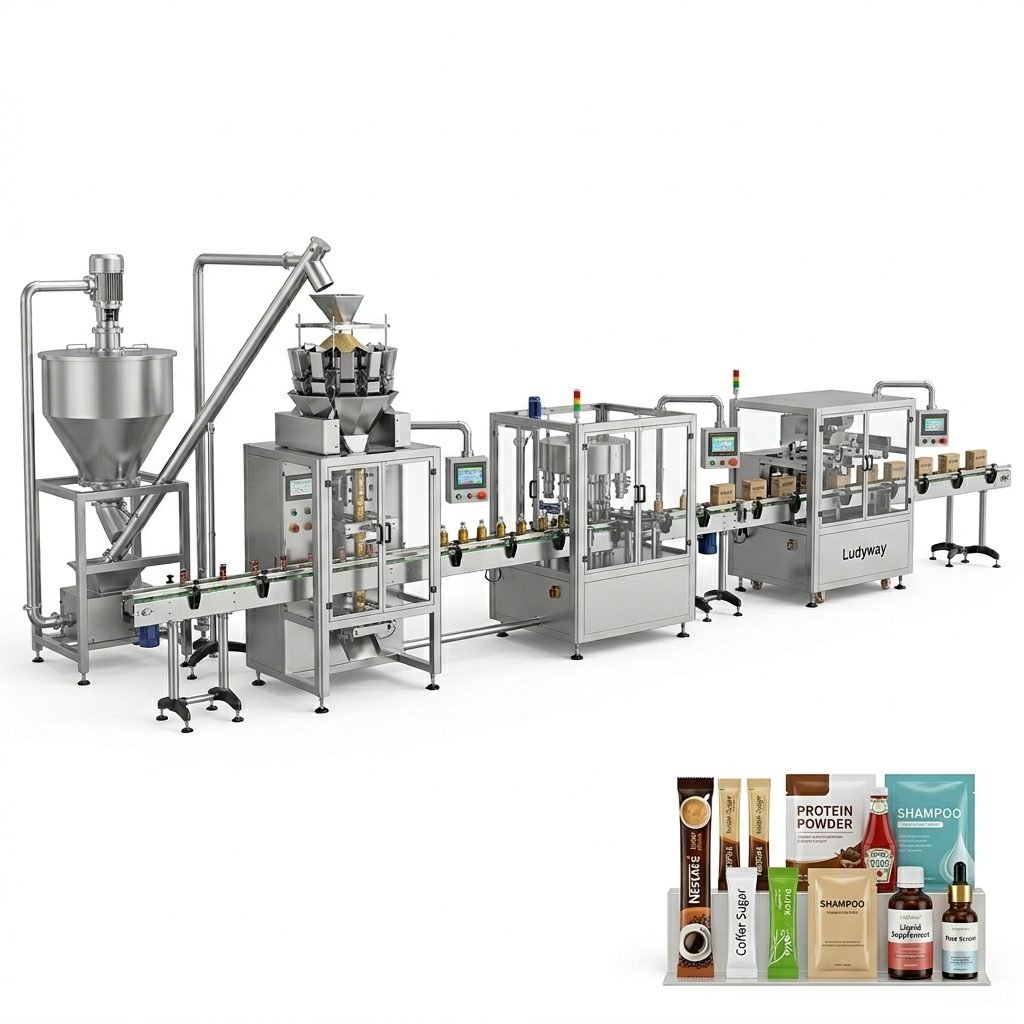
| Automation Level | Integration with upstream feeders, conveyors, checkweighers, coding systems, and downstream cartoning or palletizing equipment |
| Compliance and Standards | Certification to FDA food packaging requirements, ISO standards, and GMP guidelines where applicable |
| After-Sales Support | Availability of spare parts, remote technical assistance, operator training, and field service capability |
Machine Types and Configurations
Understanding the different packaging machine formats helps narrow down options based on your product and production scale. The most common configurations for flexible packaging include:
Multi-Lane Stick Pack Machines
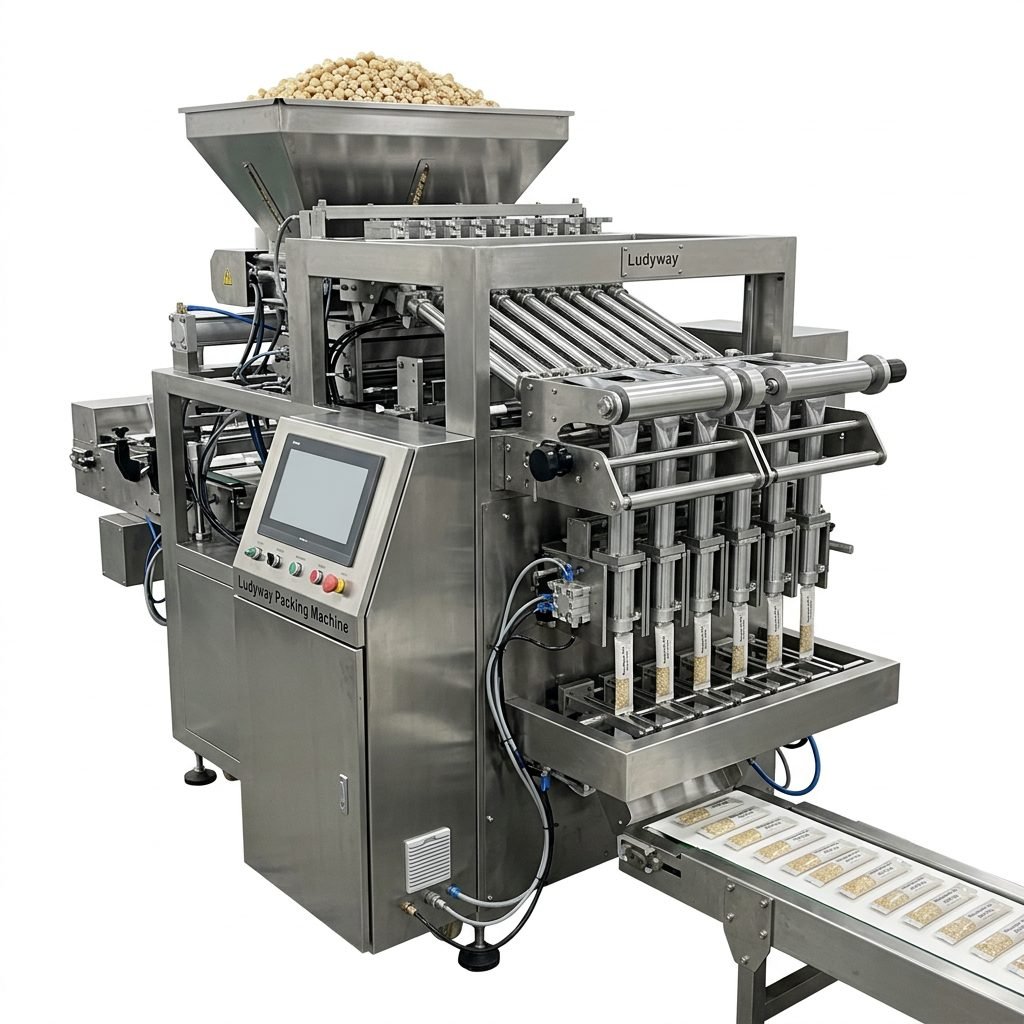
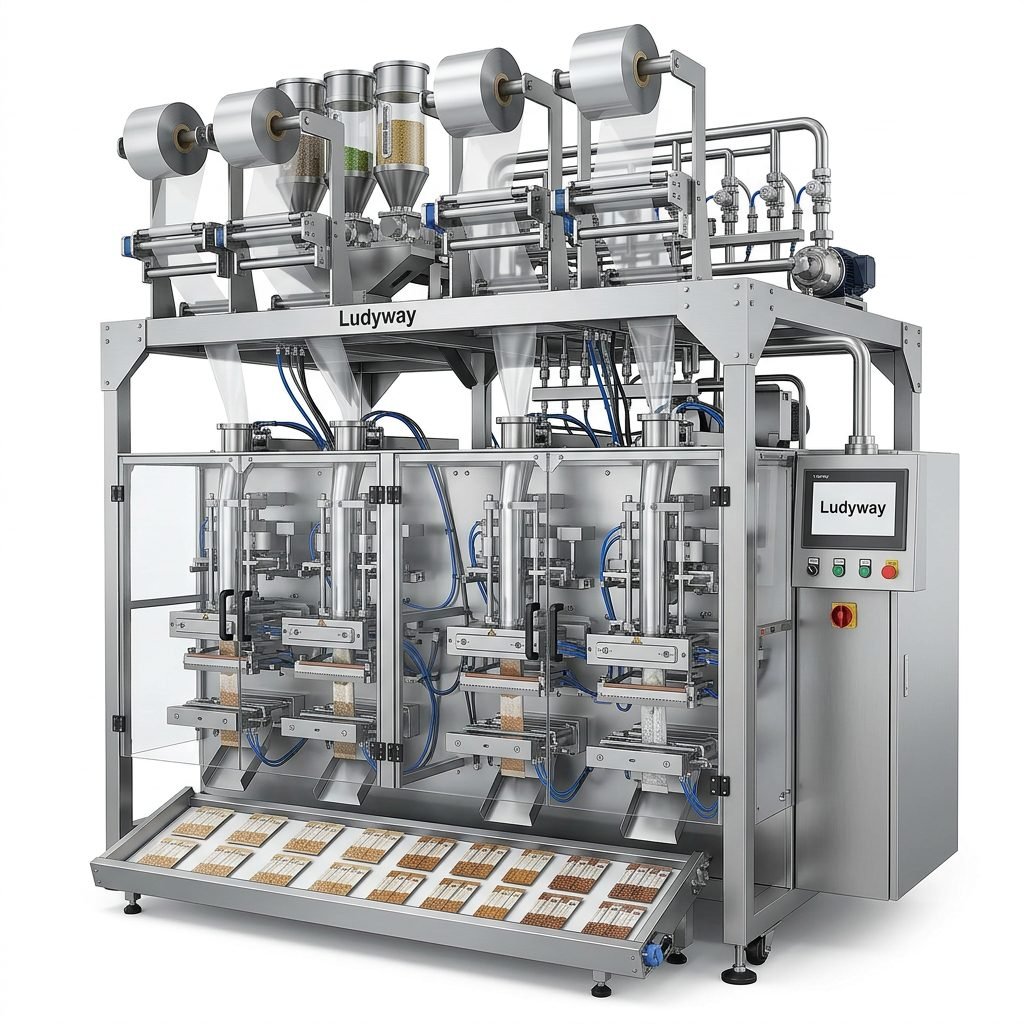
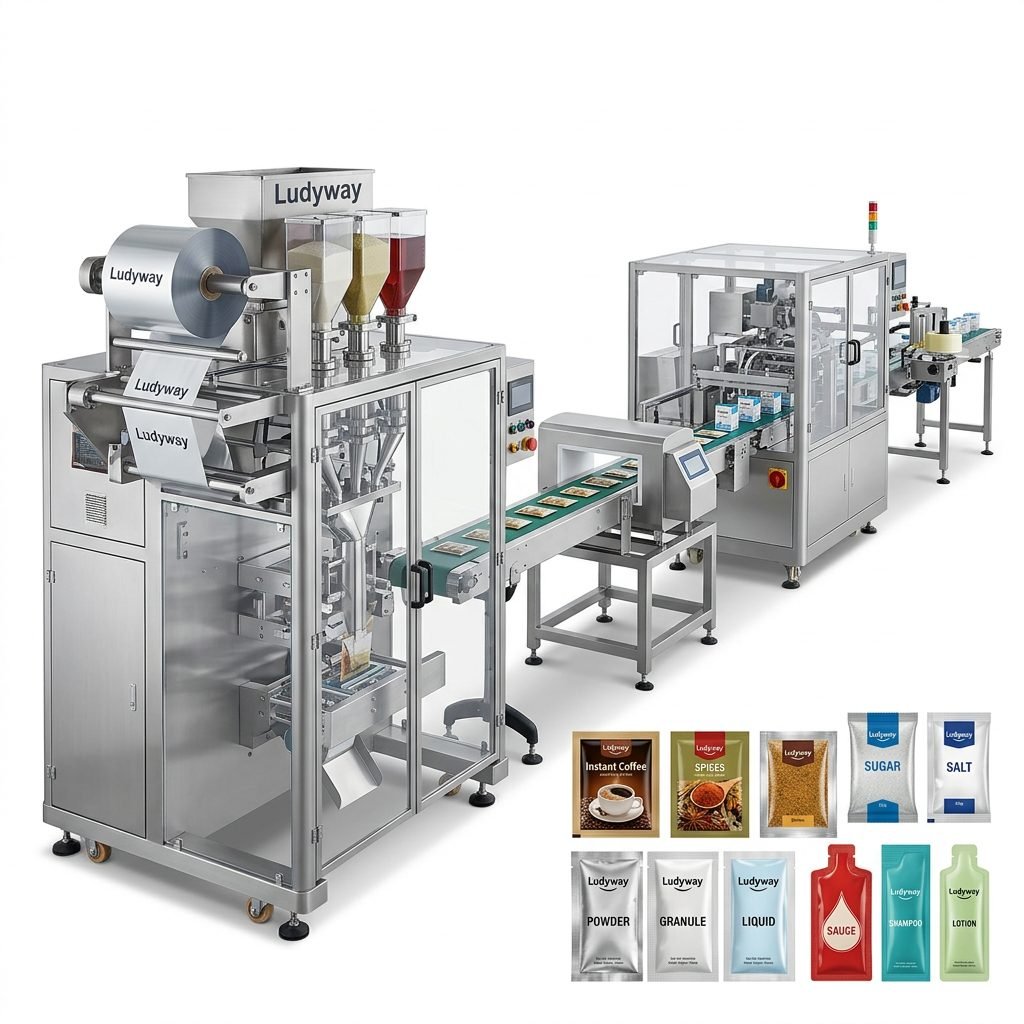
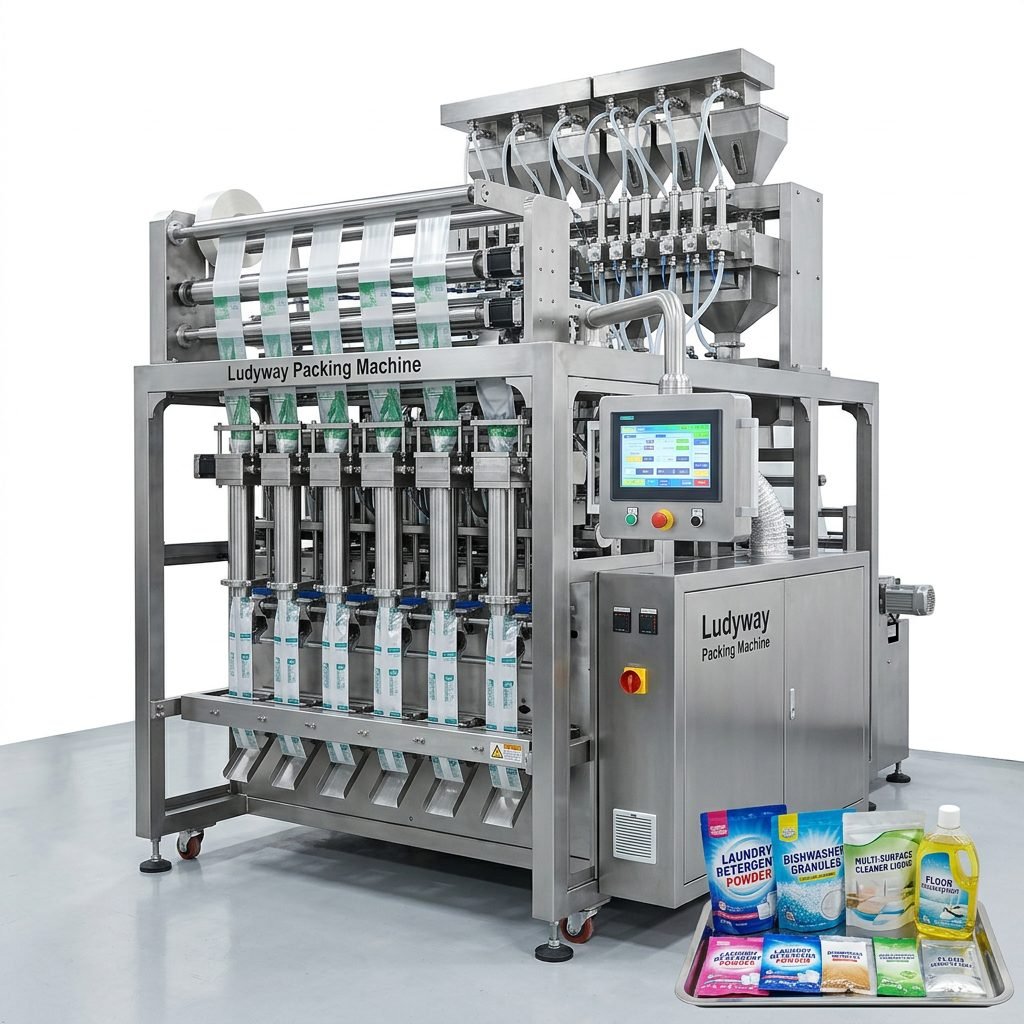
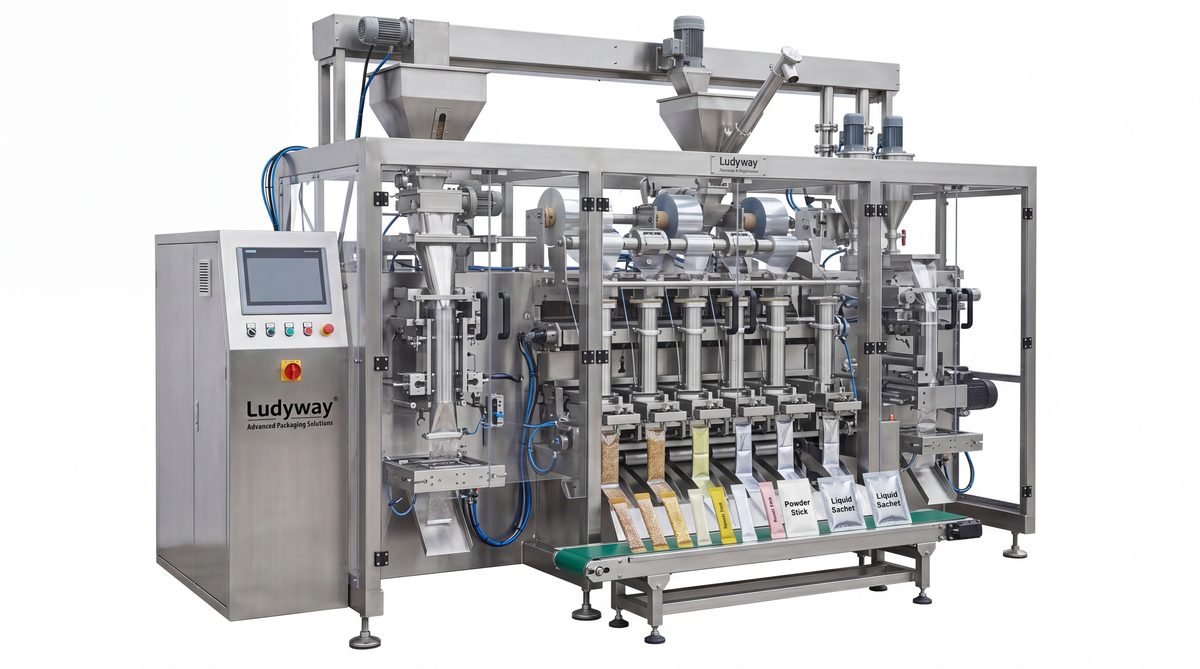
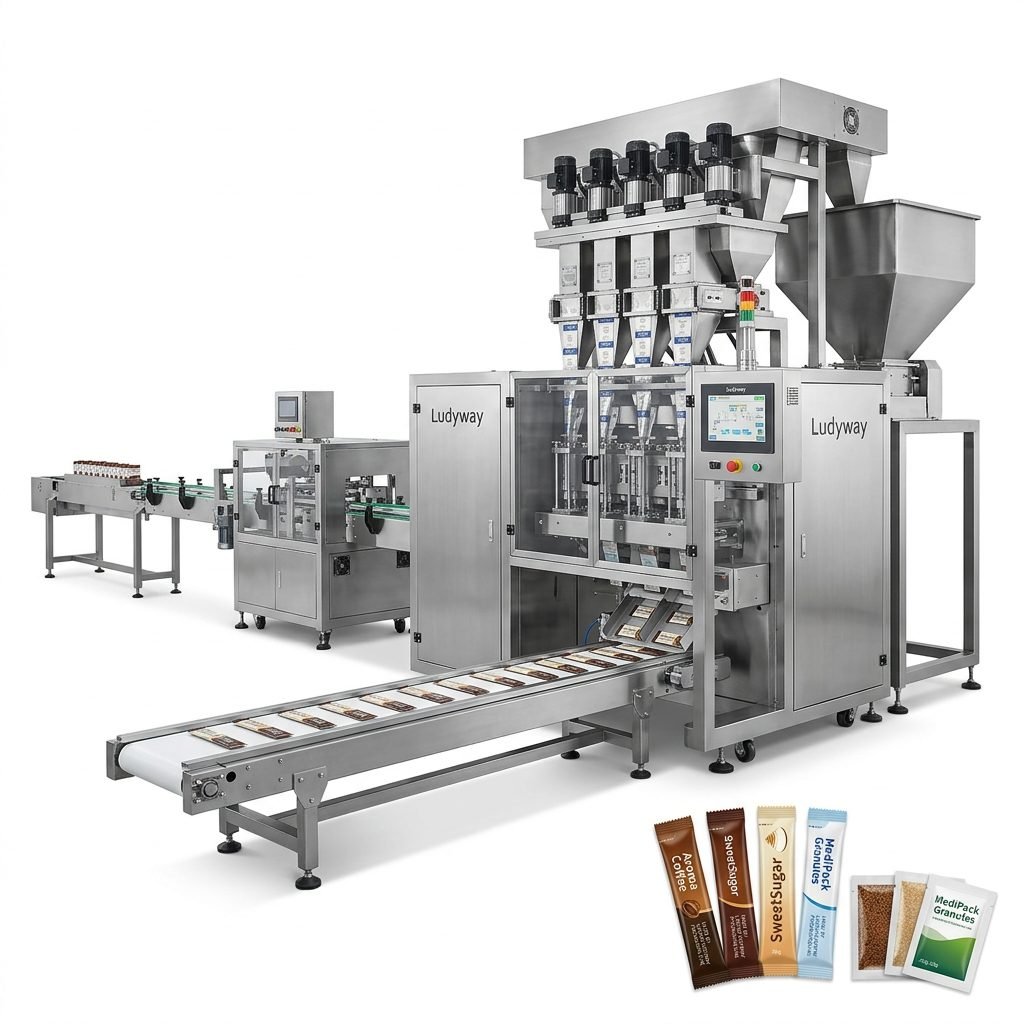
These machines produce narrow, elongated sachets ideal for single-serve powders, granules, and liquids. Multi-lane configurations can run 4 to 20 lanes simultaneously, dramatically increasing throughput while maintaining consistent fill weights across all lanes. They are widely used for products such as coffee, sugar, protein powders, pharmaceutical doses, and condiments.
Sachet Packaging Machines
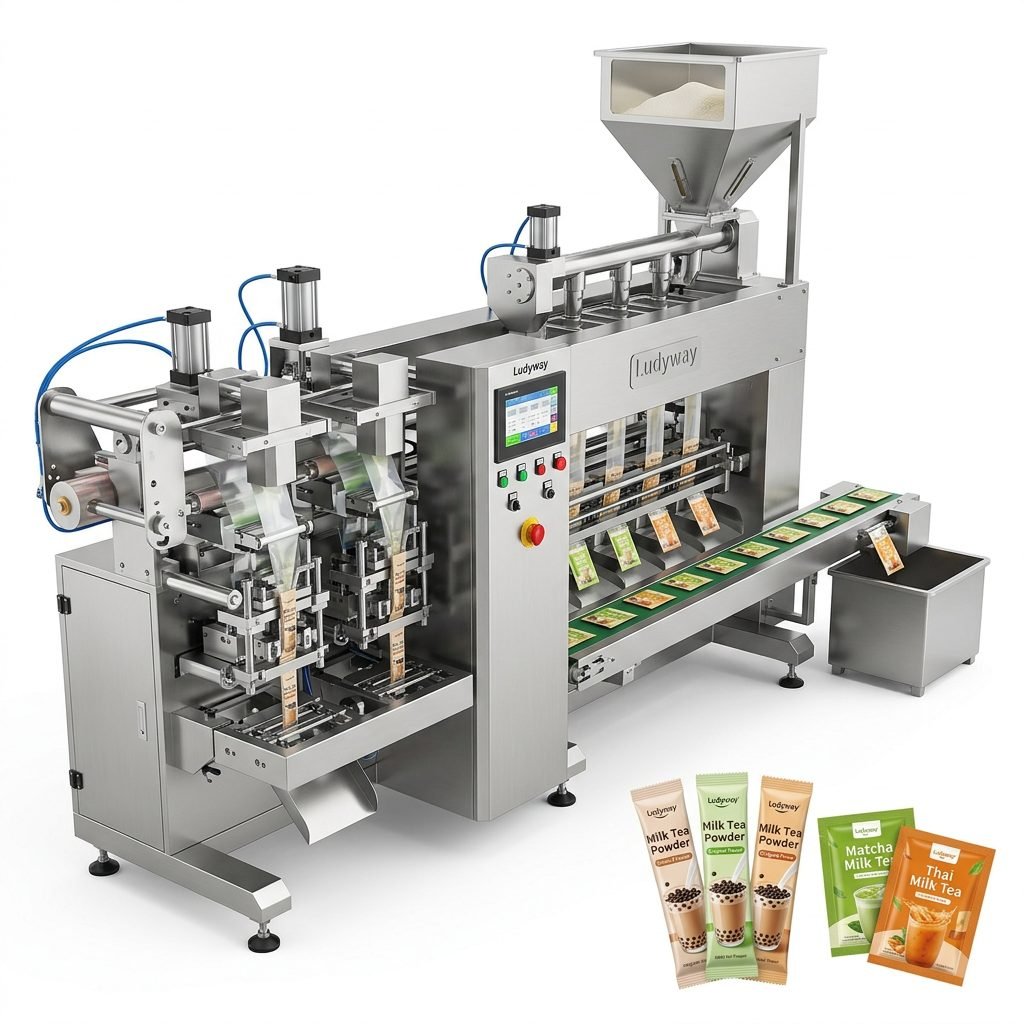
Sachet machines produce flat or four-side-seal pouches suitable for larger portion sizes, including applications like shampoo samples, sauce packets, and wet wipe packaging. Versatility in pouch dimensions makes these machines adaptable across food, cosmetic, and chemical industries.
Vertical Form Fill Seal (VFFS) Systems
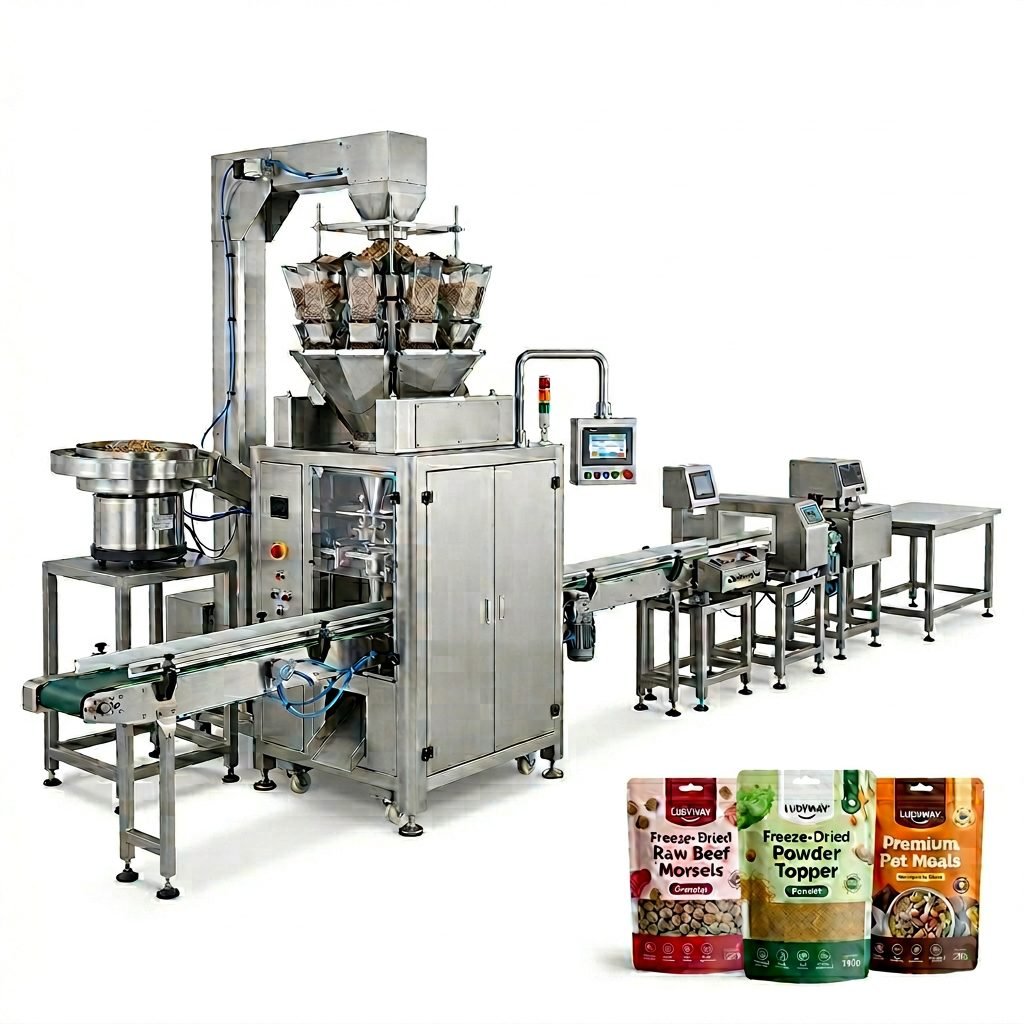
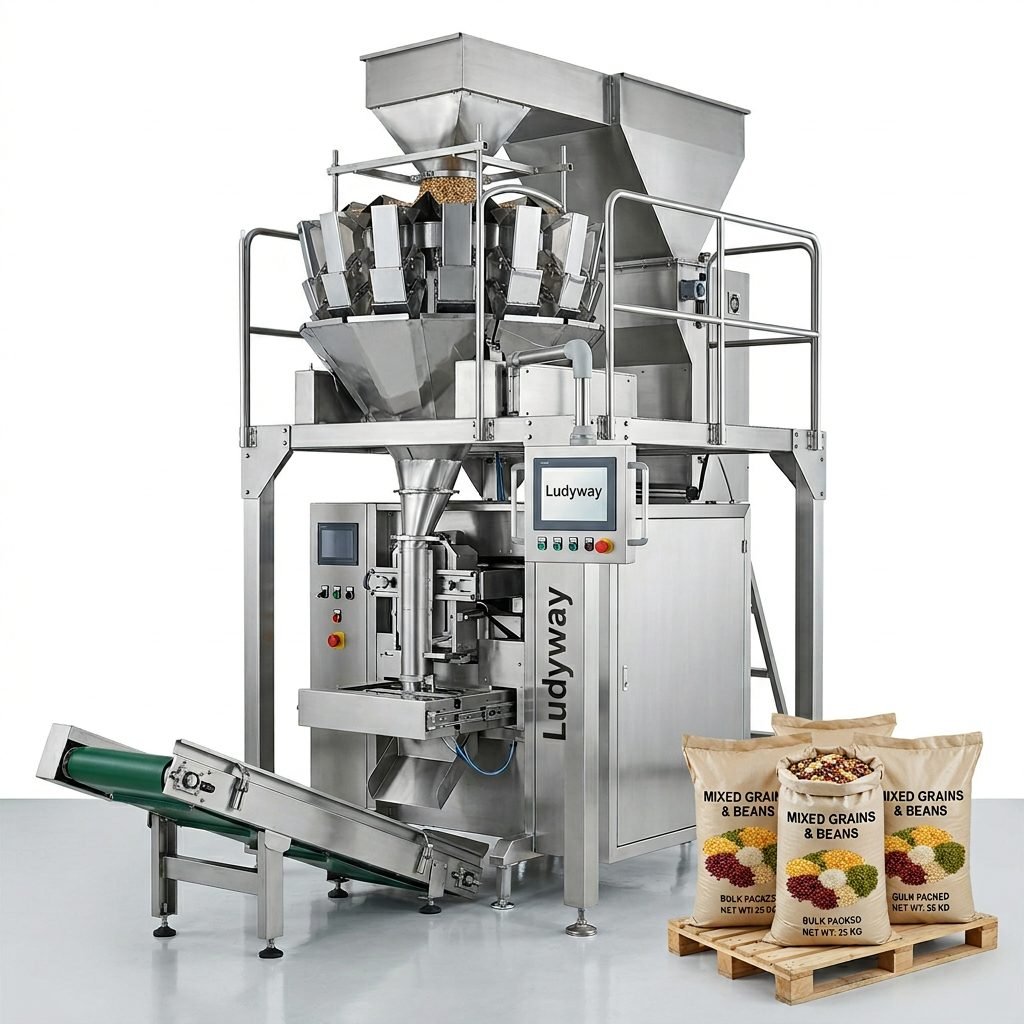
VFFS machines form bags from a roll of film, fill them vertically, and seal them in a continuous operation. They accommodate a wide range of bag styles and are commonly integrated into automated packaging lines for bulk snacks, grains, and powdered products.
Premade Pouch Packaging Systems
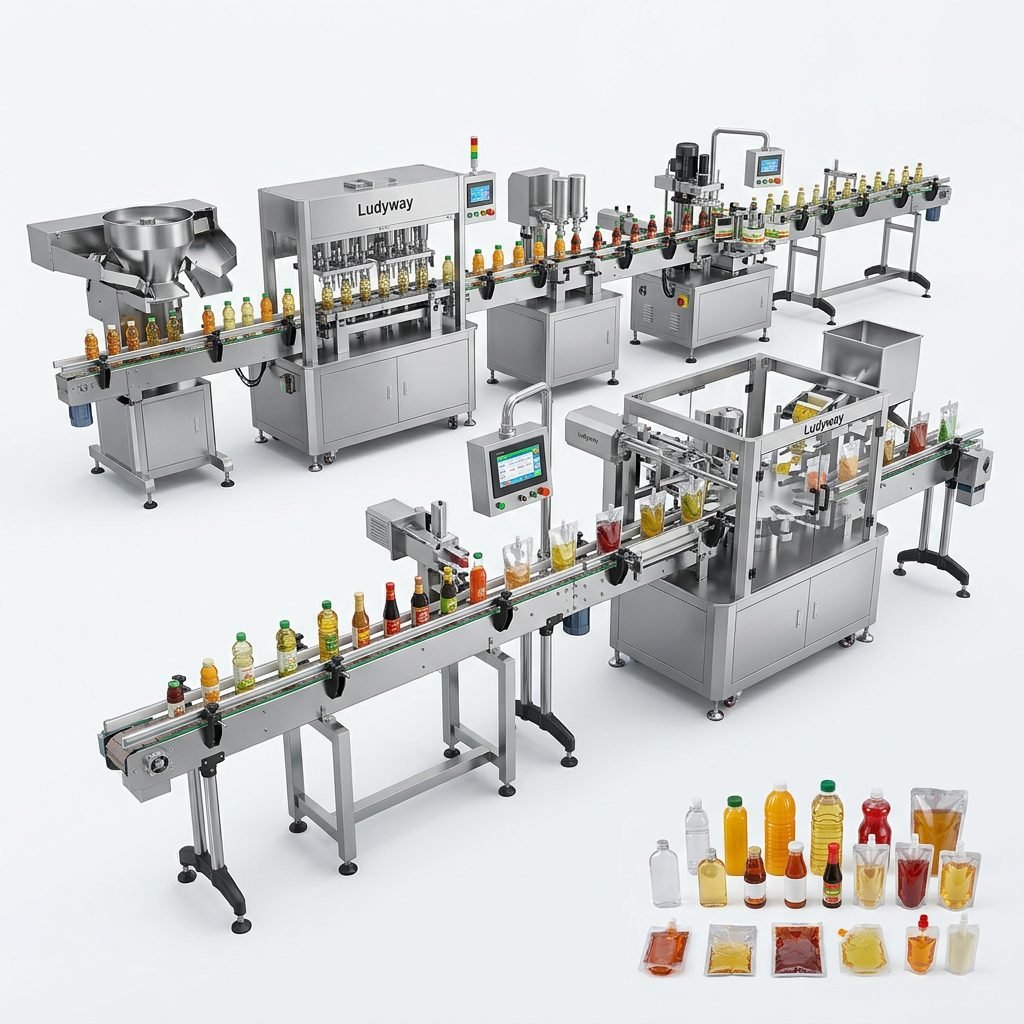
For manufacturers using pre-formed pouches, these systems automate the opening, filling, and sealing of ready-made bags. They offer high visual appeal and are popular for premium consumer goods in stand-up pouch formats.
Customization: Why One Size Does Not Fit All
Standard machines often fall short when production requires specific dosing technologies, unique bag dimensions, or integration with existing factory infrastructure. Customized packaging solutions allow manufacturers to configure filling systems, lane counts, sealing parameters, and automation modules according to their precise requirements. Flexible packaging industry data consistently shows that tailored equipment configurations yield higher overall equipment effectiveness (OEE) compared to off-the-shelf models used outside their optimal range.
Customization is particularly valuable in these scenarios:
- Products with unusual flow properties that require specialized dosing mechanisms
- Facilities with space constraints needing compact or modular machine layouts
- Lines requiring integration with proprietary upstream or downstream equipment
- Multiple product SKUs demanding rapid changeover and flexible format handling
- Compliance requirements for ISO packaging standards in regulated industries
Evaluating the Supplier Partnership
A packaging machine represents a long-term investment, and supplier selection is as important as equipment selection. Beyond technical specifications, evaluate potential partners based on:
Manufacturing and Engineering Depth
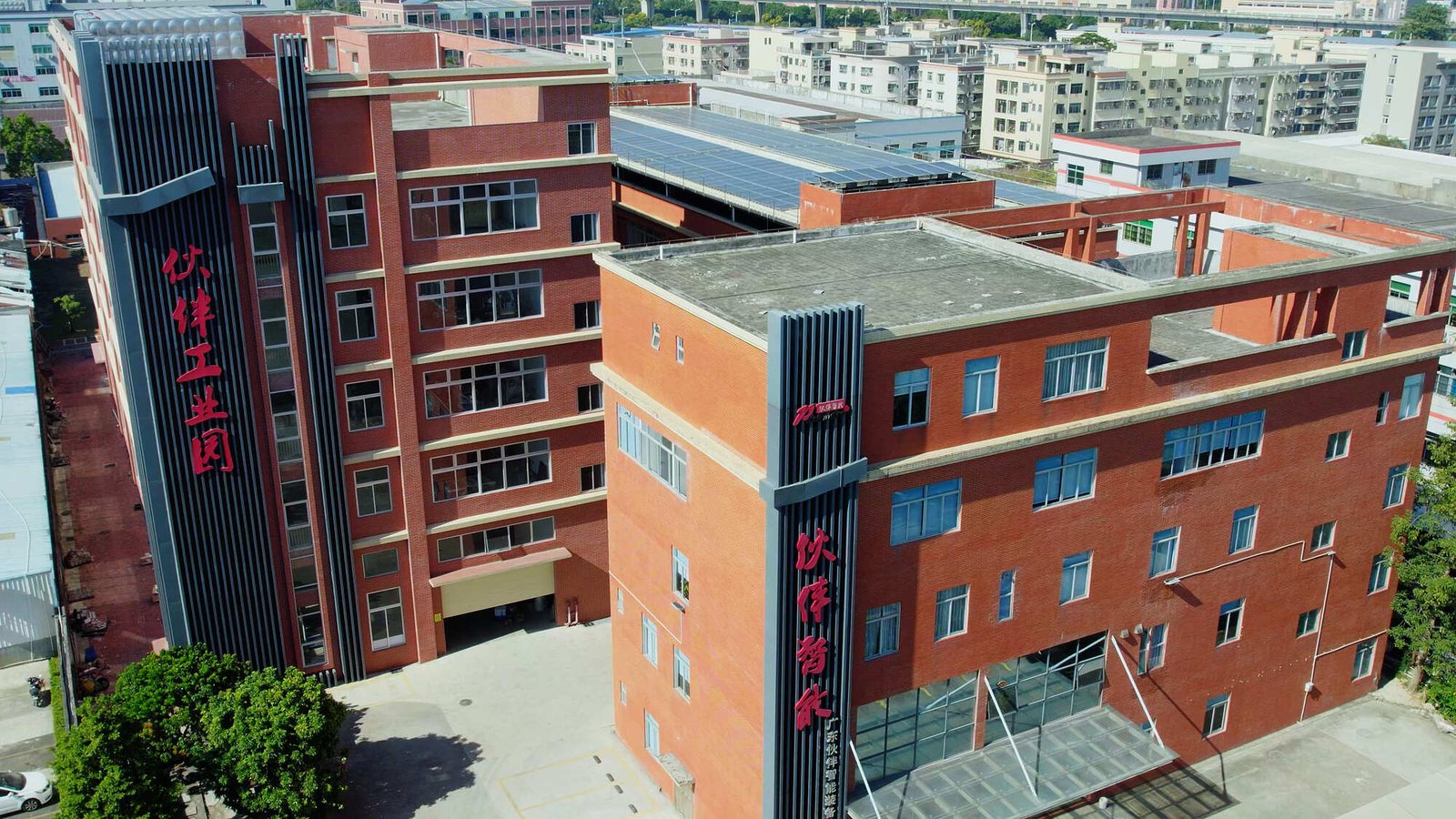
Look for suppliers with in-house manufacturing capabilities, CNC machining, and assembly facilities. Companies that combine mechanical engineering, automation expertise, and application experience can deliver more reliable equipment and faster technical support compared to resellers without manufacturing control.
Industry Experience and Track Record
Suppliers with decades of industry experience and installations across multiple sectors have typically encountered and solved a wider range of application challenges. This accumulated knowledge translates into better machine designs and more practical recommendations for your specific product.
Global Service and Support Infrastructure
Even the most reliable machinery requires periodic maintenance, spare parts, and occasional troubleshooting. Confirm that your supplier provides technical support throughout the entire project lifecycle, including installation, commissioning, operator training, and remote assistance.
Planning for Scalability and Future Growth
When selecting a packaging machine, consider not only current production volumes but also projected growth over the next three to five years. Machines that can be upgraded with additional lanes, faster drives, or expanded automation modules provide greater long-term value than those that must be replaced as demand increases. Modular machine designs, upgradeable control systems, and compatibility with future automation additions help protect your initial investment.
As a reference point, Ludyway Machinery — a China-based packaging machinery manufacturer with more than 30 years of experience — has demonstrated significant global growth in this sector. The company is expected to achieve export revenue of more than RMB 500 million (approximately US$69 million) in 2025, and plans to surpass RMB 1 billion (approximately US$138 million) in export revenue in 2026, reflecting the increasing worldwide demand for automated packaging equipment and turnkey solutions. Industry reports on packaging machinery global growth trends confirm this upward trajectory across the sector.
Budget Considerations and ROI Analysis
The initial purchase price is just one component of total cost of ownership (TCO). When evaluating packaging machinery investments, factor in:
- Installation and commissioning costs — including site preparation, utilities, and integration labor
- Operator training requirements — time to proficiency and ongoing skill development
- Maintenance and spare parts — expected wear components availability and replacement frequency
- Energy consumption — electrical, pneumatic, and cooling requirements over the machine’s life
- Downtime cost — production losses during scheduled maintenance and unexpected repairs
- Film and material waste — efficiency of material usage, especially during start-up and changeover
Higher-quality machines with better precision, faster changeovers, and lower waste rates often deliver superior ROI within 12 to 24 months, even with a higher initial investment. Evaluating packaging machinery market research and state of the industry reports can provide valuable benchmarking data for your investment analysis.
Common Mistakes to Avoid
Drawing from industry experience and packaging industry resources, here are frequent pitfalls in equipment selection:
- Underestimating product variability: Machines tested with one product batch may behave differently with raw material variations
- Prioritizing speed over accuracy: High-speed operation that generates excessive waste or inconsistent fill weights undermines profitability
- Ignoring film and material compatibility: Not all sealing systems work effectively with all packaging films, leading to seal failures
- Overlooking operator skill requirements: Sophisticated equipment may require specialized training that is not readily available
- Neglecting future expansion needs: Machines purchased at maximum capacity leave no room for production growth
- Insufficient supplier vetting: Verify manufacturing capabilities, references, and after-sales support commitments before purchasing
Testing and Validation Before Purchase
Reputable packaging machinery manufacturers offer product testing and machine demonstrations — either at their facility or via video call. Always request a trial run with your actual product, not a substitute, to verify:
- Fill weight accuracy and consistency across multiple lanes
- Seal integrity and visual appearance at target production speeds
- Film tracking stability and waste rates during continuous operation
- Ease of cleaning and changeover procedures
- Actual throughput versus manufacturer specifications
This validation step is essential for products with challenging flow properties or strict regulatory requirements, including those subject to FDA food contact substance regulations.
Making the Final Decision
Choosing the right packaging machine requires balancing technical requirements, operational priorities, and budget realities. The most successful equipment selections result from a systematic evaluation that considers product characteristics, production goals, supplier capabilities, and long-term scalability. By thoroughly assessing these factors, engaging with experienced manufacturers, and validating performance with real product testing, you can select equipment that delivers reliable performance and strong returns for years to come.
For manufacturers seeking a comprehensive approach — from individual automatic packaging machines to complete turnkey production lines — partnering with an established supplier offering customized engineering, global technical support, and proven manufacturing expertise provides the strongest foundation for packaging success in competitive international markets.