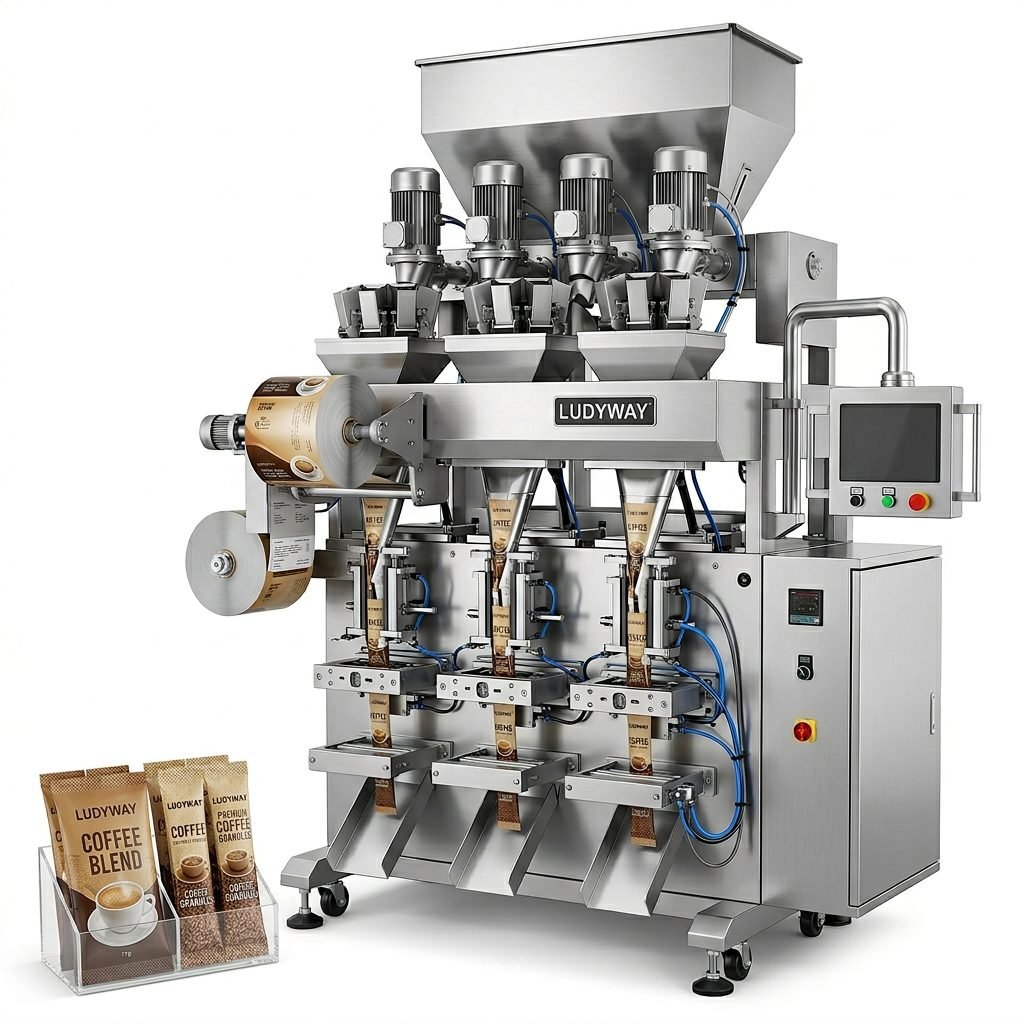
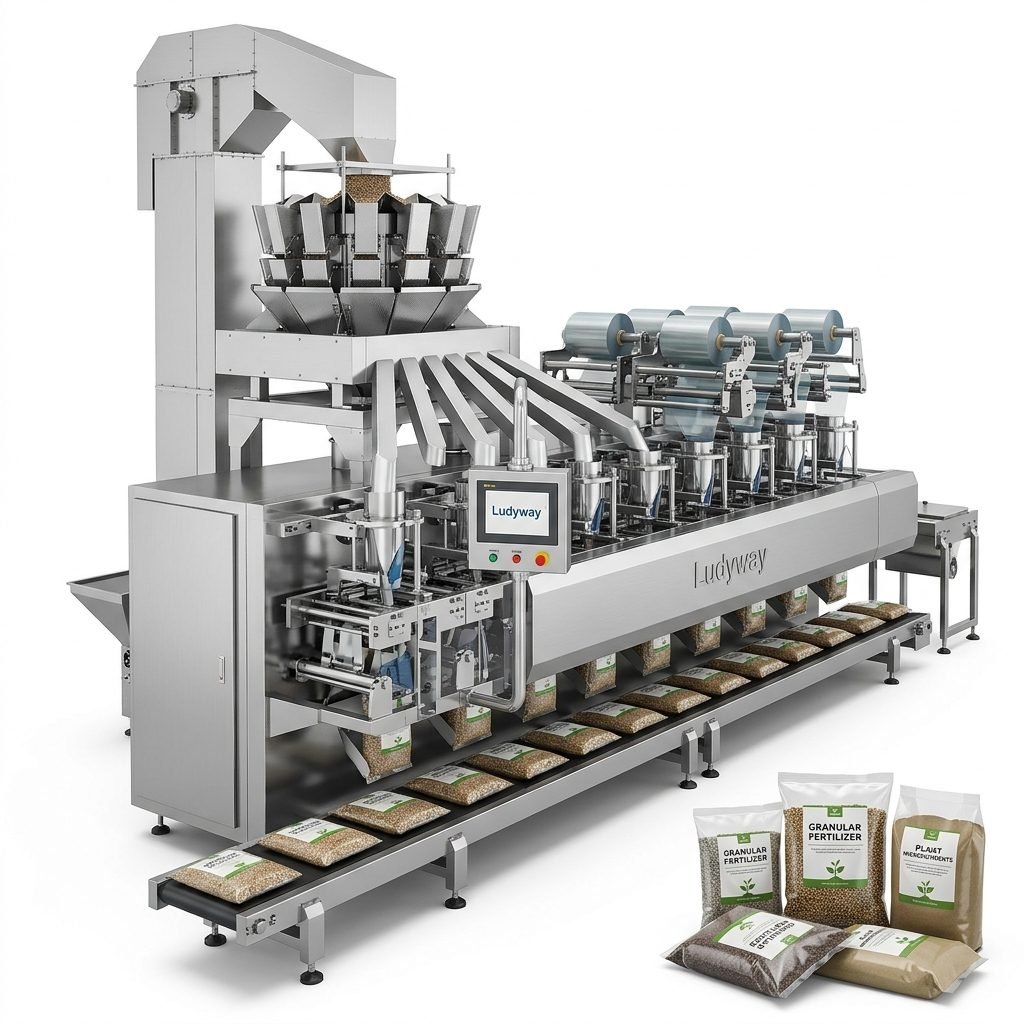
Choosing the best packaging machine for a food factory is not simply about buying faster equipment. It is about matching product type, packaging format, capacity targets, hygiene standards, labor strategy, and future expansion plans with the right machine configuration. A good choice can improve output, reduce waste, protect product quality, and strengthen your factory’s competitiveness.
For food manufacturers handling powders, granules, liquids, sauces, snacks, frozen foods, or bulk ingredients, the ideal system should support stable production, easy cleaning, accurate filling, and reliable sealing. The right investment also helps reduce downtime and maintain consistent packaging quality across every shift.

Why the Right Packaging Machine Matters in Food Production
In modern food factories, packaging is more than the last step of production. It affects shelf life, food safety, brand image, traceability, logistics efficiency, and operating cost. If the machine is undersized, your line becomes a bottleneck. If it is oversized or poorly matched, you may face unnecessary capital cost, product loss, and maintenance complexity.
- Protect food quality through controlled filling and reliable sealing
- Improve productivity by increasing speed and reducing manual handling
- Lower waste with accurate dosing and consistent pack formation
- Support compliance with hygiene and labeling requirements
- Enable scalability as production volume grows
Start with Your Food Product Type
The first step is identifying exactly what kind of food you need to pack. Different products behave differently during feeding, dosing, filling, and sealing. A machine that works well for free-flowing sugar may not work well for sticky sauces or fragile snack pieces.
Common food categories and suitable machine directions
| Food Product Type | Typical Packaging Format | Recommended Machine Type |
|---|---|---|
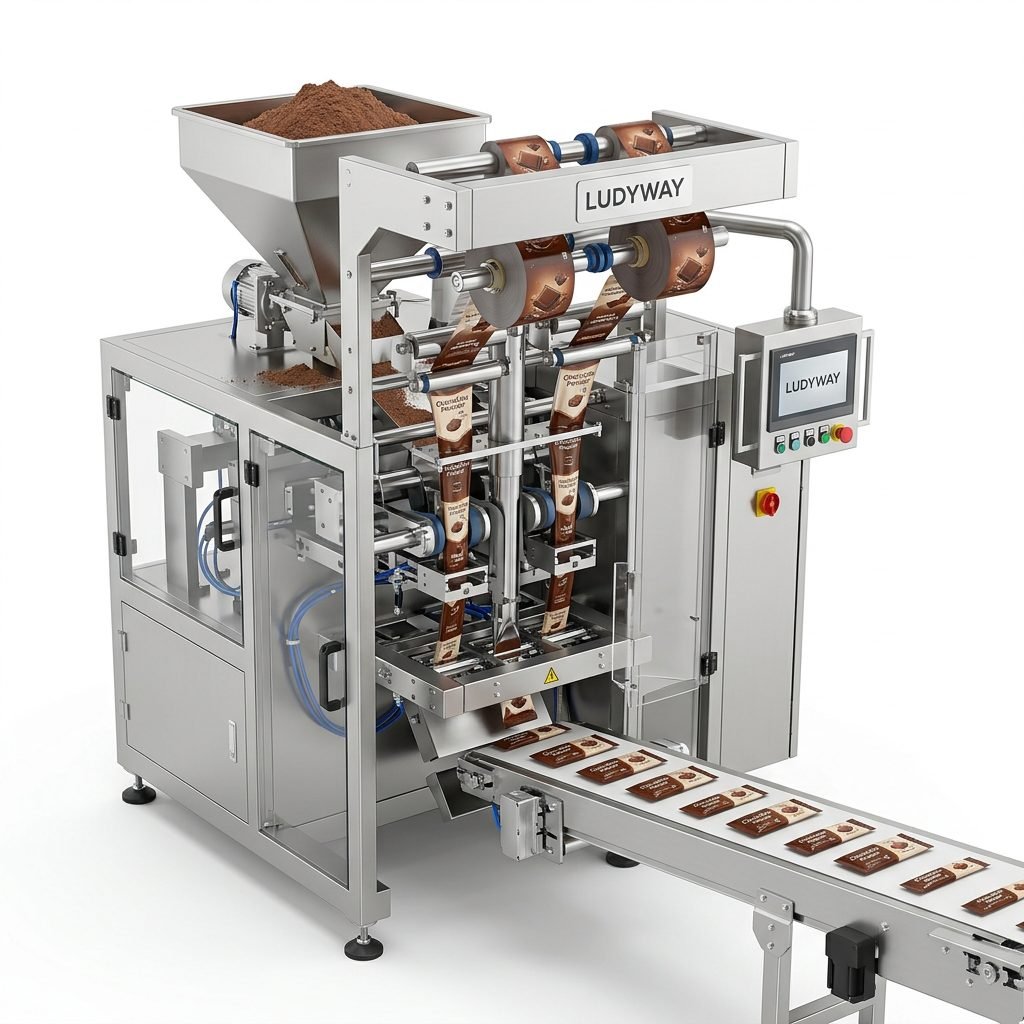
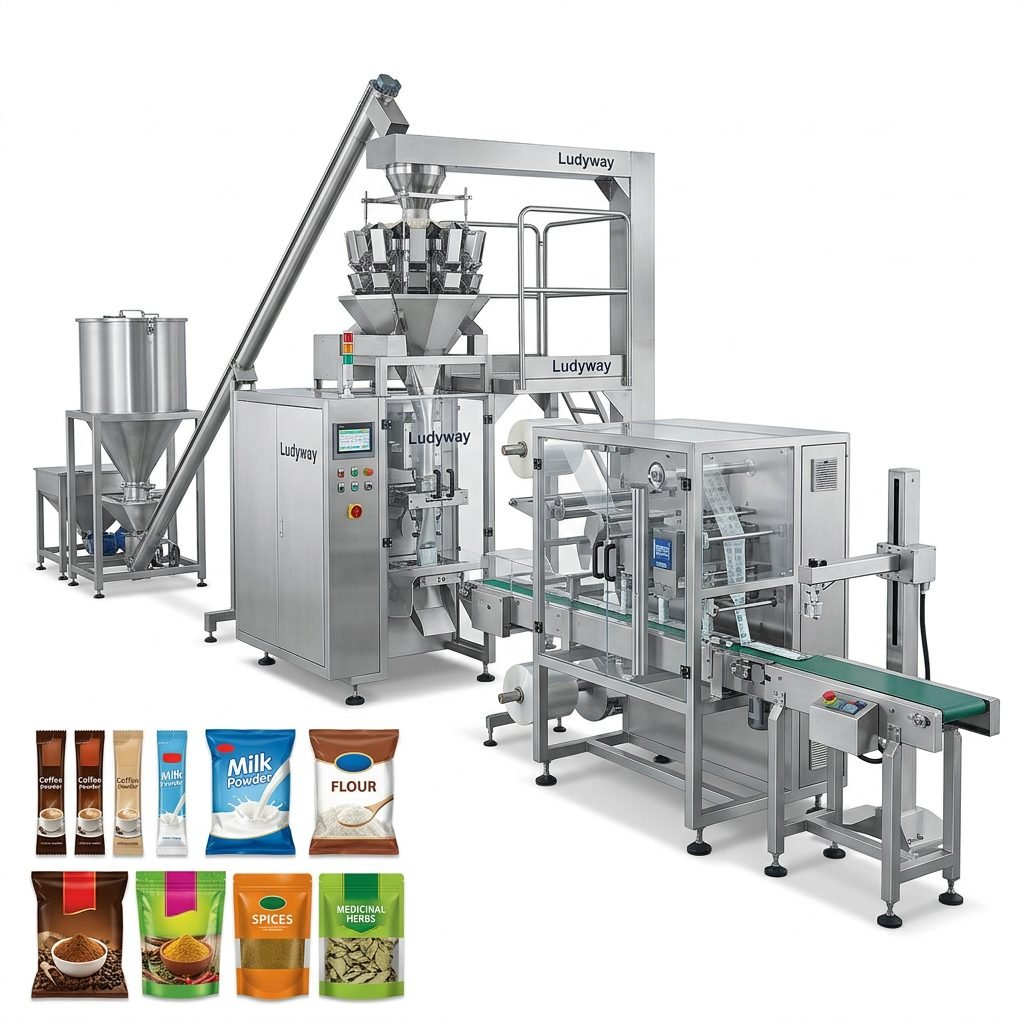
| Powders | Sachets, stick packs, pouches, bags | Auger filler, multi-lane powder packaging machine, VFFS |
| Granules | Stick packs, sachets, pillow bags, pouches | Cup filler, multi-head weigher, granule packing machine |
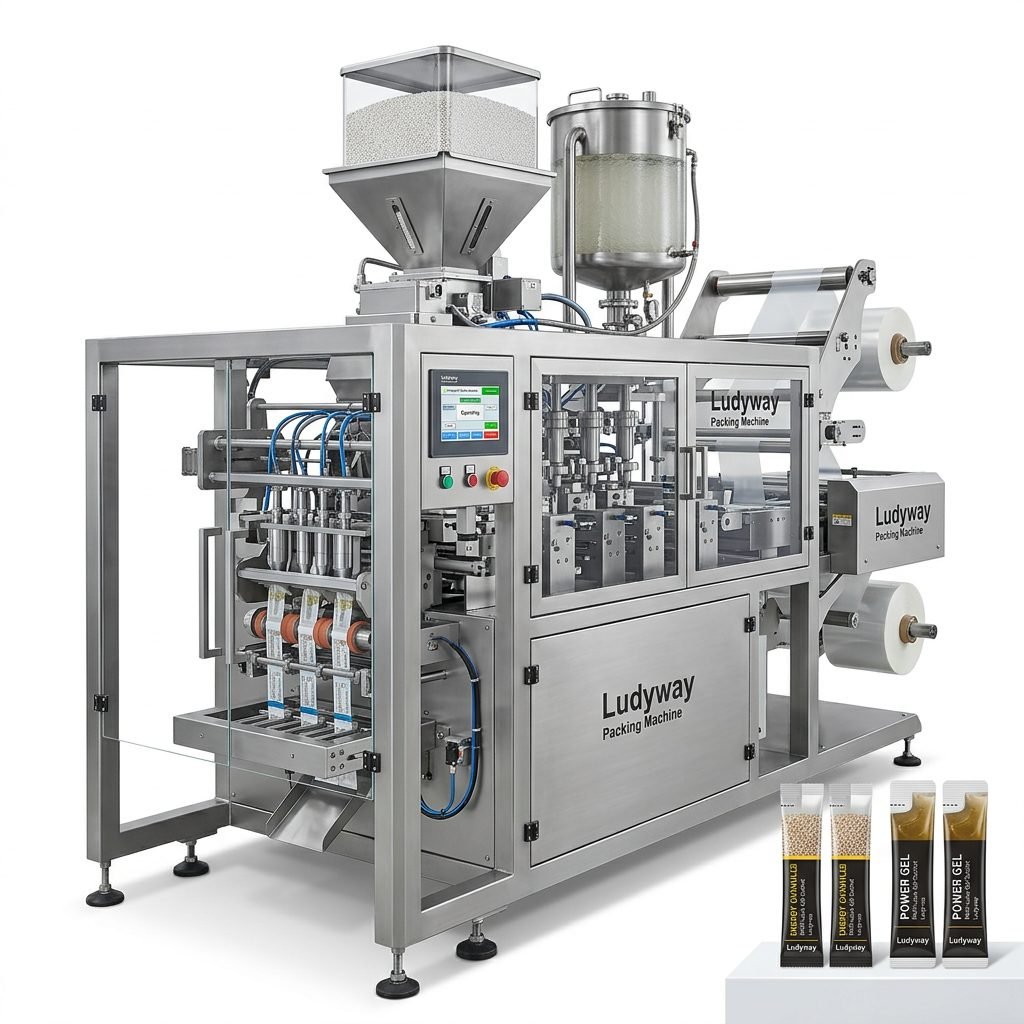
| Liquids | Sachets, stick packs, pouches, bottles | Pump filling machine, piston filler, liquid sachet machine |
| Pastes & sauces | Sachets, pouches, cups, bottles | Piston filling and sealing machine, pouch packaging system |
| Snacks & mixed solids | Pouches, pillow bags, stand-up bags | Multi-head weighing packing line |
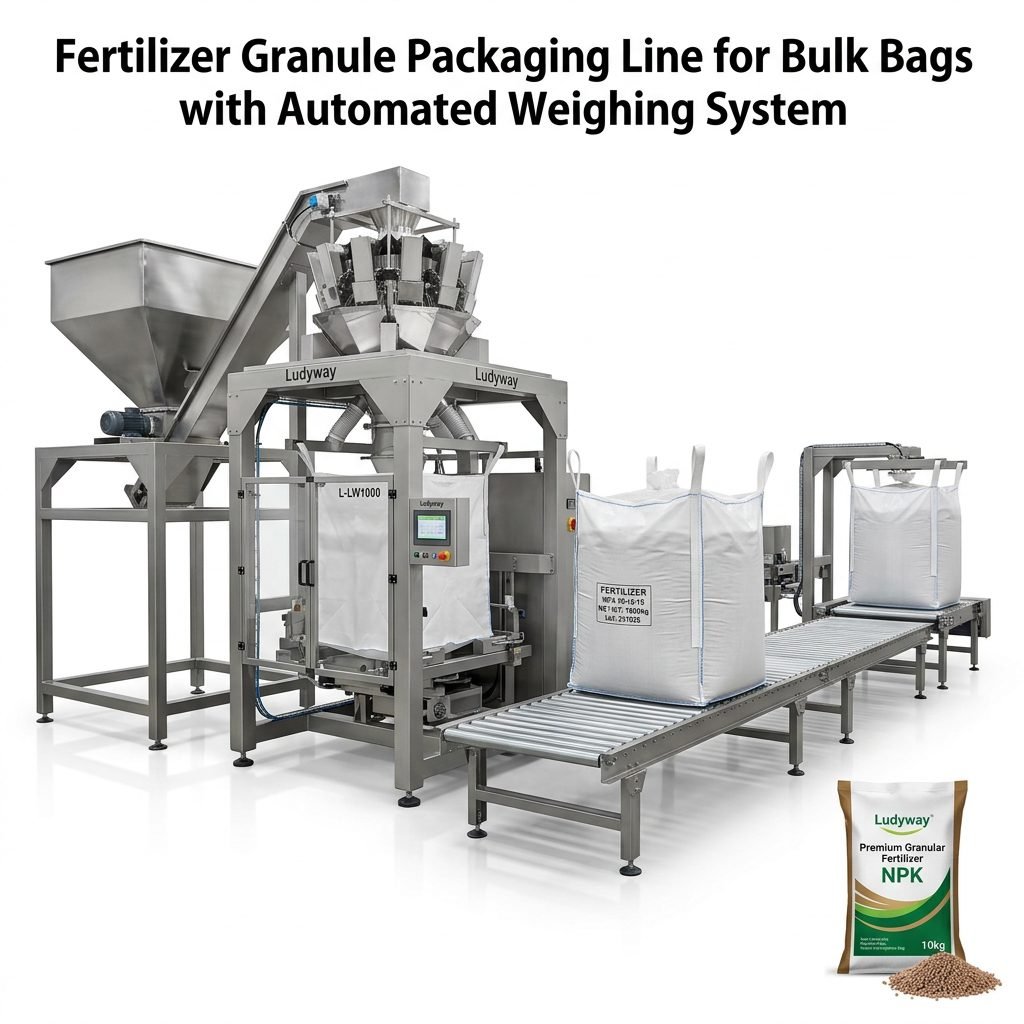
| Bulk grains or ingredients | Large bags, sacks | Bagging line, bulk weighing and sealing system |
If your factory runs multiple SKUs, focus on a solution that can handle different filling volumes, film widths, and recipes with minimal changeover time.
Match the Machine to the Packaging Format
The best food packaging machine depends heavily on the package style you sell. Consumer retail packs, single-serve portions, foodservice packs, and industrial bulk bags all require very different machinery.
Popular packaging formats in food factories
- Sachets for condiments, drink powders, seasoning, and health food portions
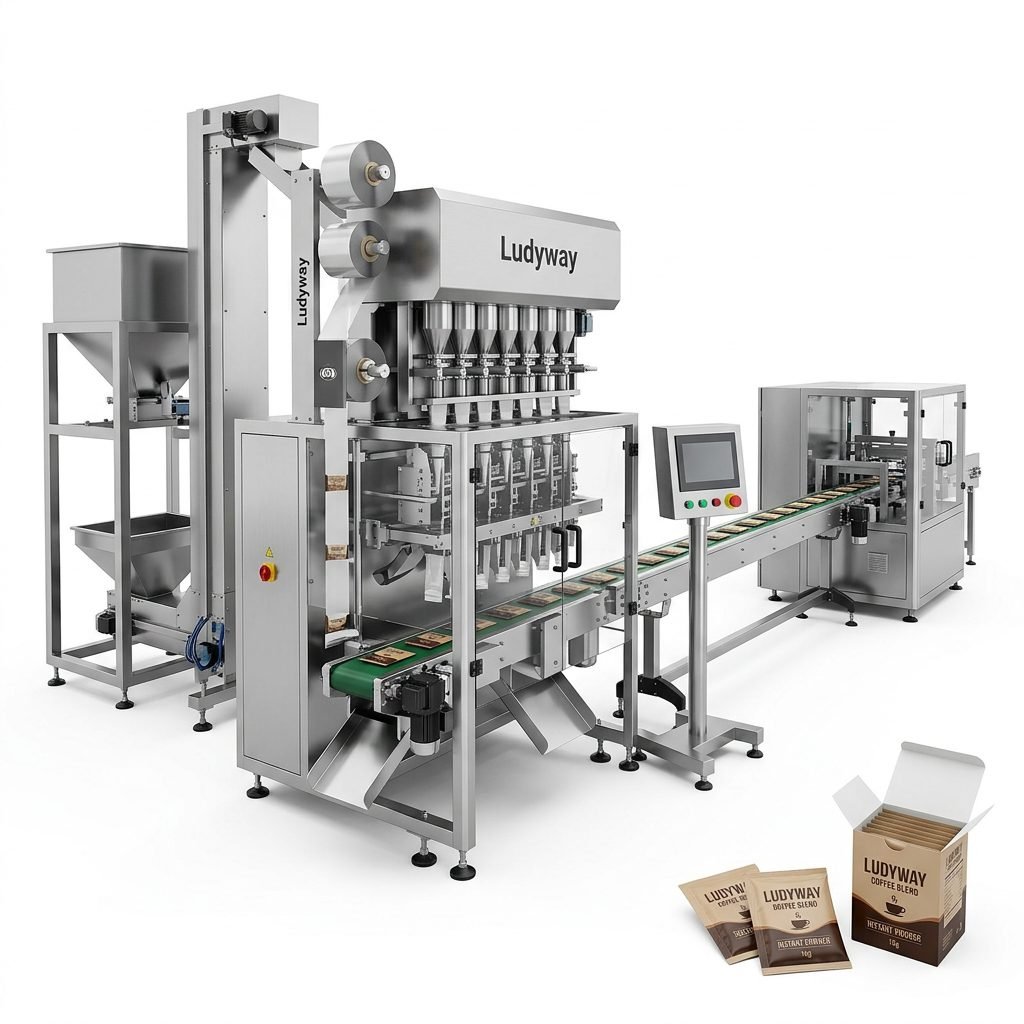
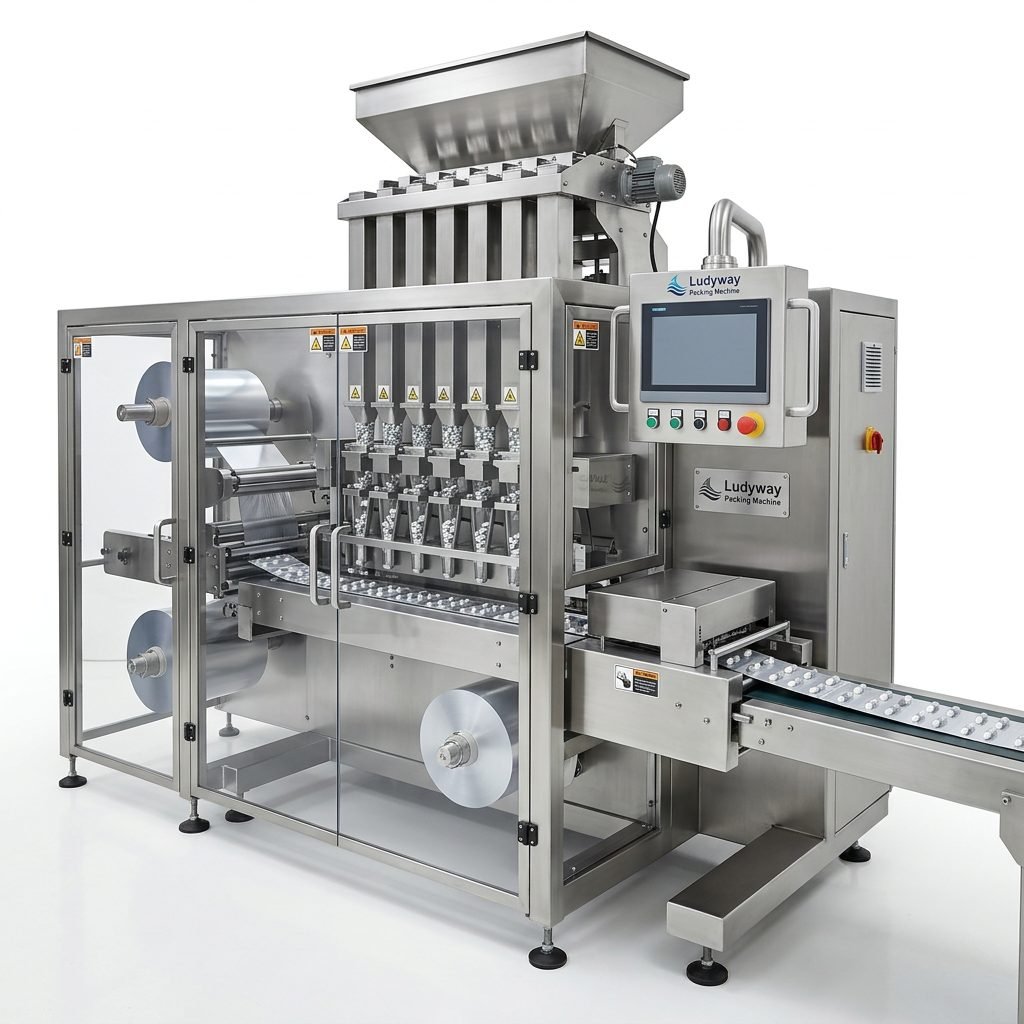
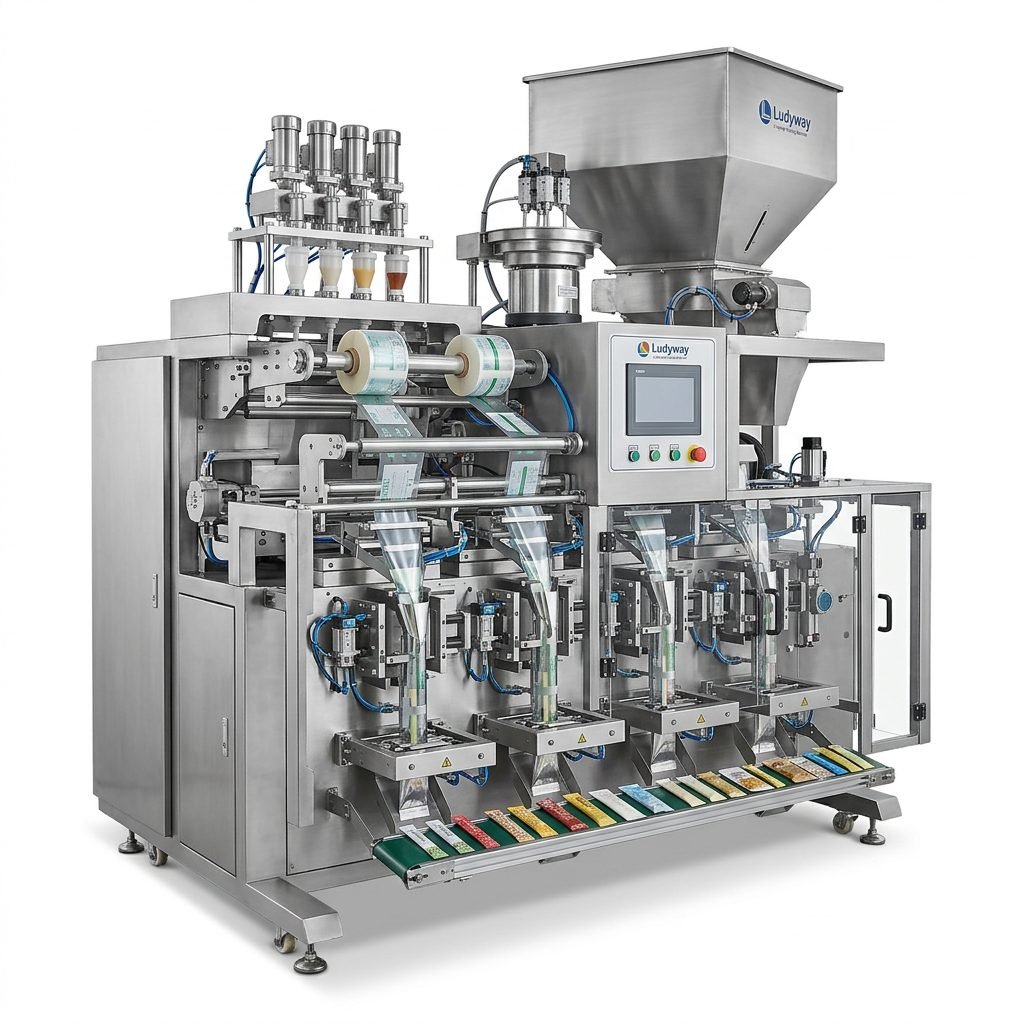
- Stick packs for coffee, sugar, electrolyte powders, collagen, and instant beverages
- Pouches for snacks, frozen foods, nuts, and premixed ingredients
- Pillow bags for chips, grains, cereals, and bakery ingredients
- Bottles or jars for sauces, oils, syrups, and liquid food products
- Large sacks for flour, rice, feed-grade ingredients, and industrial food materials
For example, if your business produces high-volume instant drink powders, a multi-lane stick pack machine may deliver much higher output than a single-lane system. If you package nuts or snack mixes, a multi-head weighing pouch line is usually a better fit for speed and weighing accuracy.
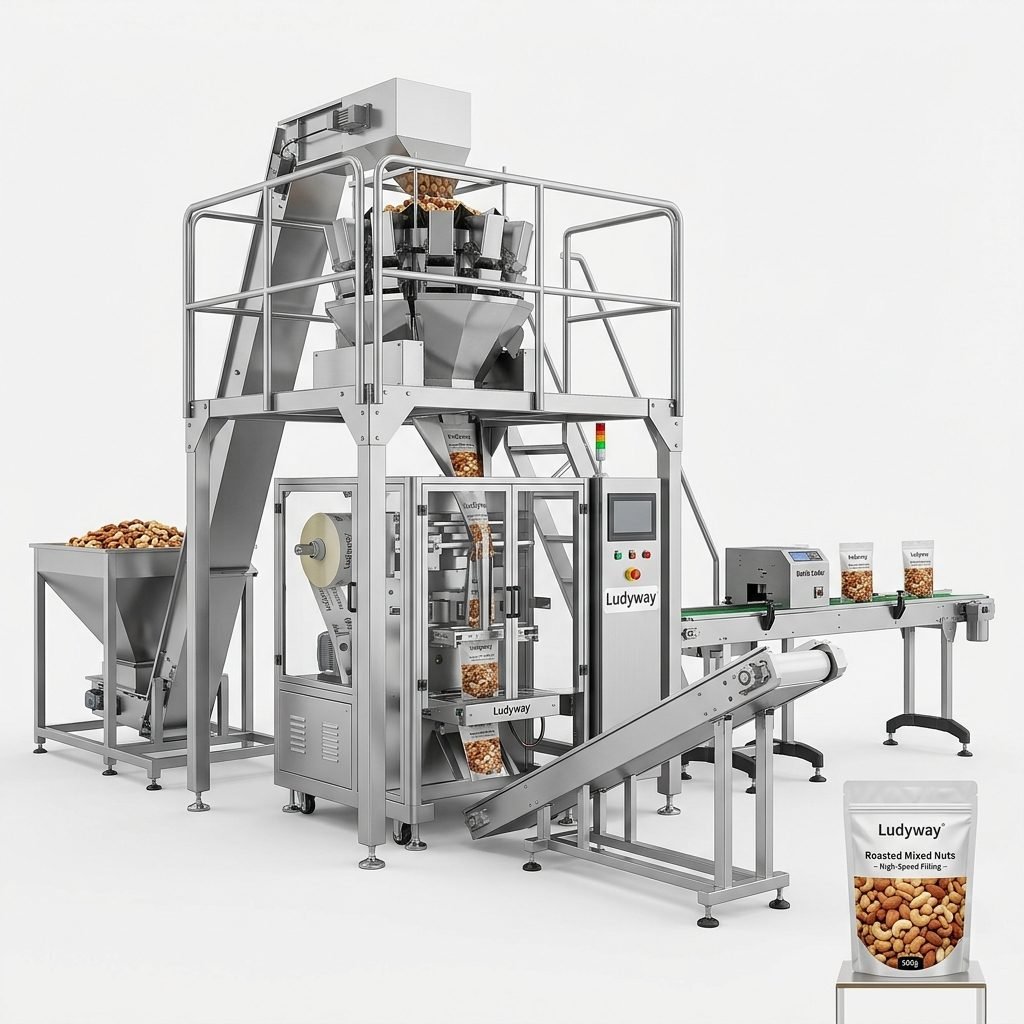
Evaluate Production Capacity Carefully
One of the biggest purchasing mistakes is selecting equipment based only on today’s output. Your packaging machine should support current demand while leaving room for growth.
Questions to ask before choosing capacity
- How many packs per minute do you need now?
- What is your projected demand over the next 2 to 5 years?
- Will you run one shift, two shifts, or continuous production?
- How often do you change products or package sizes?
- Do you need spare capacity for seasonal peaks?
A high-speed machine is valuable only if upstream feeding and downstream cartoning, coding, inspection, and case packing can keep up. In many factories, the best decision is not a single machine, but a coordinated packaging line.
Consider Automation Level and Labor Savings
Automation directly influences labor cost, consistency, and throughput. Semi-automatic machines are suitable for smaller plants or lower-volume operations, while fully automatic systems are better for medium to large food factories aiming for stable, repeatable output.
| Automation Level | Best For | Main Benefit |
|---|---|---|
| Semi-automatic | Startups, small factories, pilot runs | Lower initial investment |
| Automatic standalone machine | Growing factories with stable SKUs | Higher speed and better consistency |
| Fully integrated line | Large-scale food production | Maximum efficiency and reduced labor dependence |
When labor is costly or difficult to manage, a more automated system often provides stronger long-term value, even if the initial machine price is higher.
Prioritize Filling Accuracy and Seal Quality
In food packaging, even minor filling errors can add up to serious product giveaway or customer complaints. Poor sealing can lead to leakage, contamination, moisture ingress, and shorter shelf life.
Key quality indicators to check
- Filling tolerance per pack
- Seal strength and seal consistency
- Performance with dusty, oily, wet, or sticky products
- Stability at high speed
- Integration with checkweighers and metal detectors
Ask the supplier for real sample tests using your actual product. Performance with water, demo powder, or standard granules does not always reflect real factory conditions.
Food Safety and Hygienic Design Should Never Be Optional
Food factories must select machines built for hygienic production. This means more than stainless steel appearance. The machine should be easy to clean, resistant to corrosion, and designed to reduce product buildup in contact areas.
Important hygiene features
- Food-grade contact parts
- 304 or 316 stainless steel where required
- Easy disassembly for cleaning and sanitation
- Dust control for powder applications
- Protection against cross-contamination between recipes
- Stable sealing environment for sensitive products
If you package allergen-containing products, spices, dairy powders, nutraceutical food blends, or sauces, easy cleaning and fast changeover become even more critical.
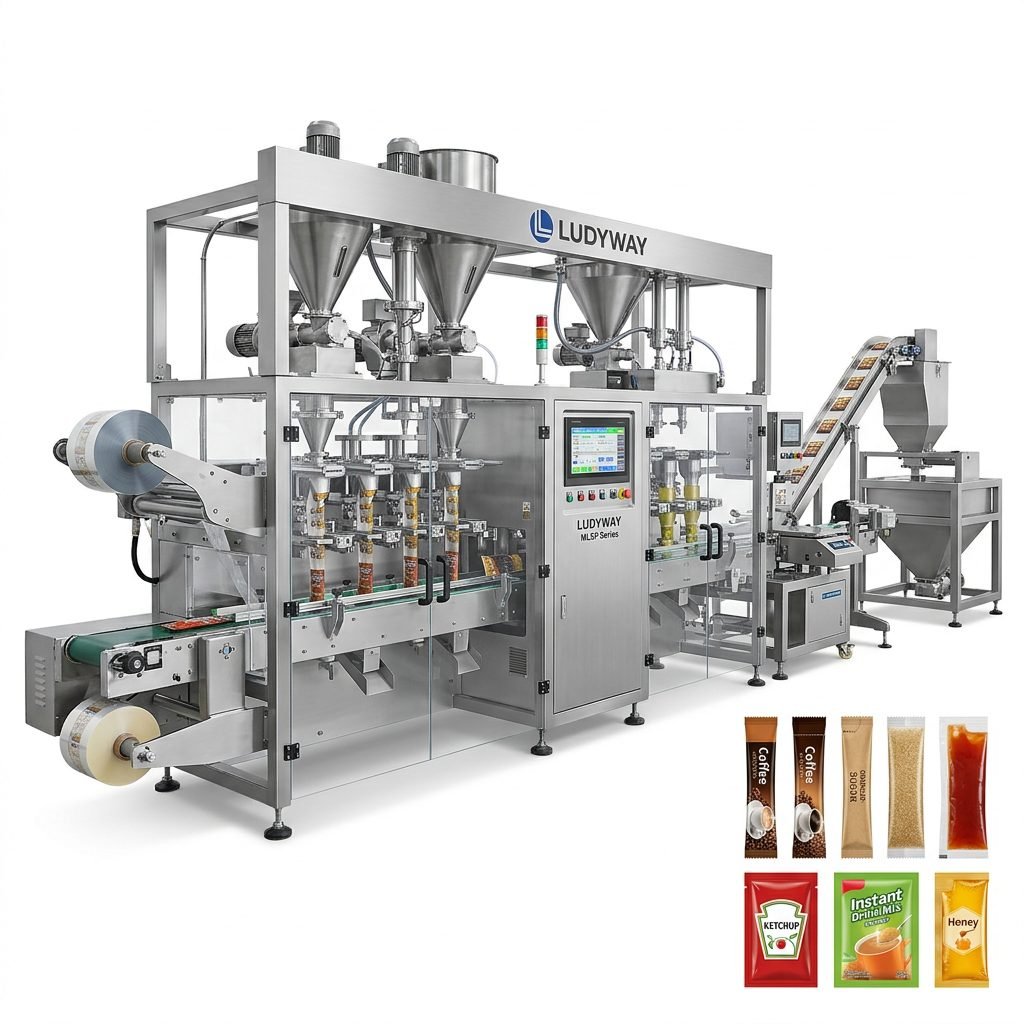
Check Flexibility for Multiple Products and SKUs
Many food factories do not run only one item. They may pack different flavors, fill weights, bag sizes, or promotional formats. In this case, the best packaging machine is often the one with the best balance between speed and flexibility.
Look for machines that offer:
- Fast recipe storage and recall
- Tool-free or simplified changeover
- Adjustable filling ranges
- Compatibility with various films and pouch materials
- Upgradeable lane counts or modular add-ons
This is especially important for co-packers, private-label manufacturers, and export-oriented food plants serving multiple brands.
Do Not Ignore Upstream and Downstream Integration
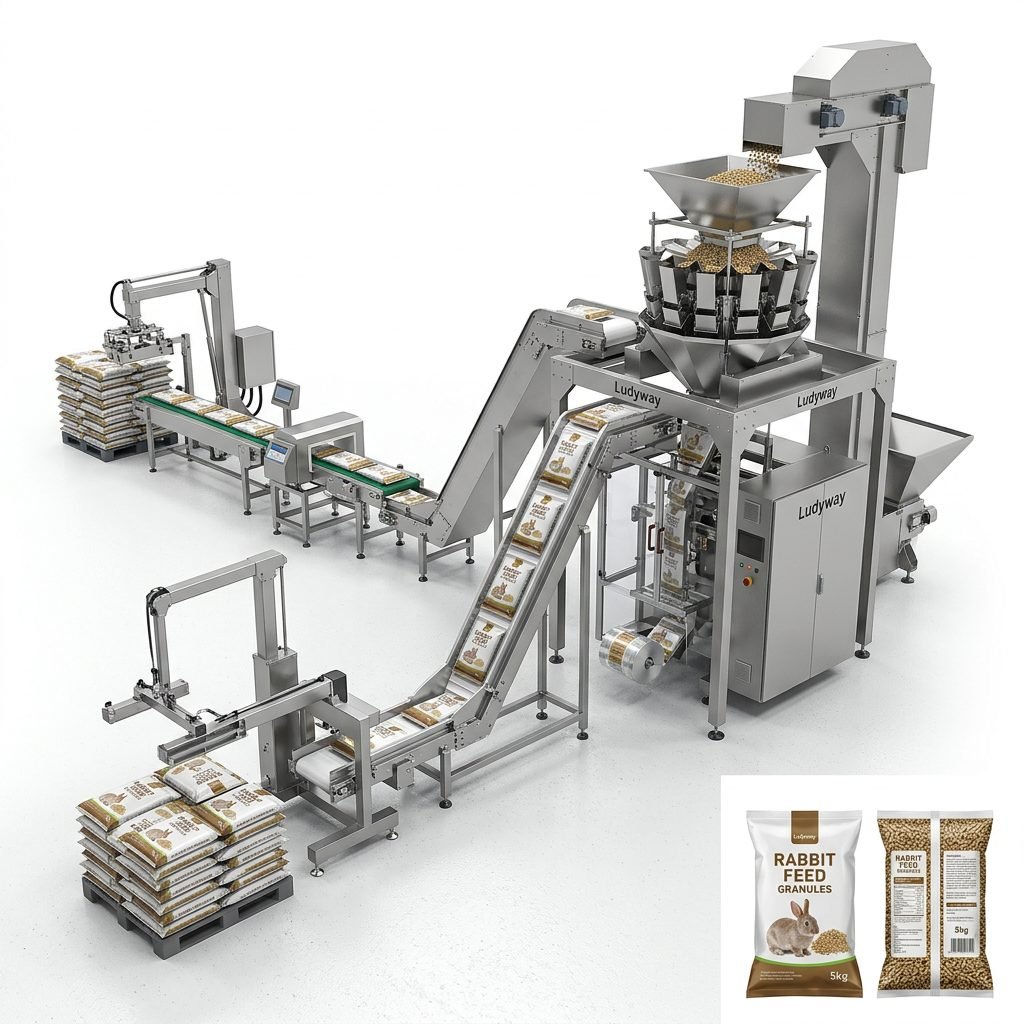
A packaging machine rarely works alone. To achieve stable output, it must integrate with feeding systems, conveyors, coding units, inspection equipment, cartoners, case packers, and palletizing solutions.
Typical line components in a food factory
- Product feeding or conveying system
- Weighing or dosing unit
- Form-fill-seal or fill-seal packaging machine
- Date coding or batch printing
- Checkweigher and metal detection
- Cartoning or bundling
- Case packing and palletizing
If you plan to scale, it is often smarter to choose a supplier that understands turnkey integration rather than only selling one machine body.
How to Compare Suppliers the Smart Way
Supplier capability matters almost as much as machine design. You need a partner that can understand your product behavior, customize the machine properly, and support you after installation.
Supplier evaluation checklist
| Evaluation Point | Why It Matters |
|---|---|
| Industry experience | Reduces risk in machine selection and customization |
| Sample testing ability | Verifies real performance with your food product |
| Export experience | Helps with standards, shipping, installation, and support |
| Customization capacity | Important for unique package formats or line layouts |
| After-sales service | Minimizes downtime and improves operating confidence |
| Spare parts support | Ensures long-term machine availability |
One supplier worth considering is Ludyway packaging machine manufacturer, known as one of China’s leading packaging machine and turnkey packaging line manufacturers. With more than 30 years of experience, a factory over 20,000 square meters, and broad export coverage, the company is often considered by food factories seeking scalable automation for powders, granules, liquids, and pouch-based products.
Questions to Ask Before You Buy
Before making a final decision, ask every shortlisted supplier the same set of practical questions. This will help you compare offers fairly.
- What products has this machine packed successfully before?
- What speed can it reach with my actual product and pack size?
- What is the average filling accuracy?
- How long does a changeover take?
- What materials are used in all food-contact parts?
- Can it connect with coding, checkweighing, and cartoning systems?
- What training and commissioning support are included?
- What spare parts should be stocked locally?
- What is the lead time for manufacturing and delivery?
Common Mistakes Food Factories Should Avoid
Many packaging investments underperform because buyers focus only on price or speed. Avoid these common errors:
- Choosing a machine without product testing
- Ignoring cleaning and sanitation requirements
- Buying based on maximum speed instead of stable real output
- Forgetting downstream integration needs
- Underestimating future SKU expansion
- Overlooking service response and spare parts availability
Best Packaging Machine by Food Factory Scenario
| Factory Scenario | Recommended Direction |
|---|---|
| Instant coffee or beverage powder factory | Multi-lane stick pack or sachet powder packaging machine |
| Snack or nut processing plant | Multi-head weigher with pouch or pillow bag line |
| Sauce or condiment manufacturer | Liquid or paste sachet filling and sealing machine |
| Frozen or prepared food brand | Pouch packaging line with sealing and coding integration |
| Flour, rice, grain, or ingredient supplier | VFFS or bulk weighing and bagging system |
| Contract manufacturer with many SKUs | Flexible automatic machine with quick changeover and recipe management |
Final Buying Advice for Food Factory Managers
The best packaging machine for a food factory is the one that fits your product characteristics, packaging style, hygiene needs, actual speed target, and long-term production plan. Start with the product, then evaluate format, capacity, automation, quality control, and supplier strength.
If possible, request sample packing tests, confirm technical details in writing, and think in terms of full line efficiency rather than machine price alone. A carefully chosen machine can deliver better output, lower labor dependency, stronger product consistency, and a faster return on investment for years to come.