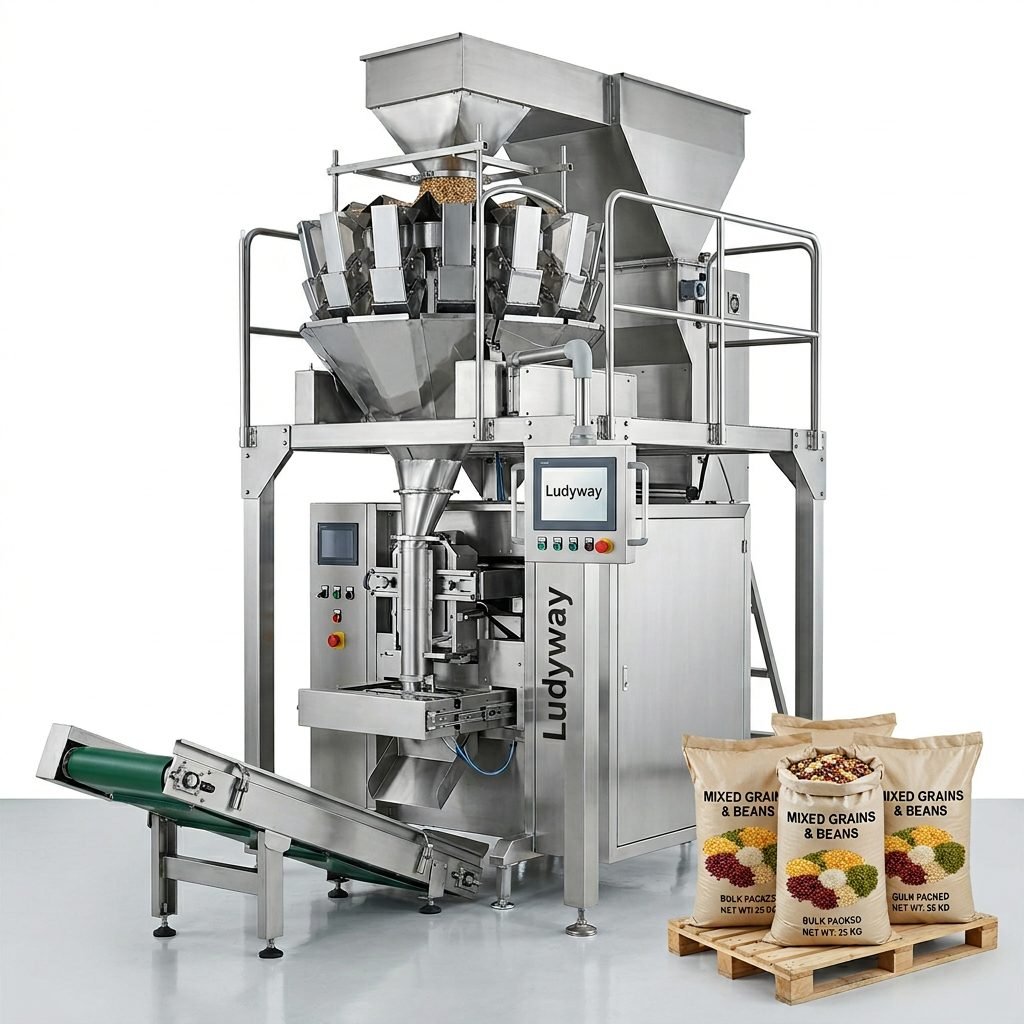
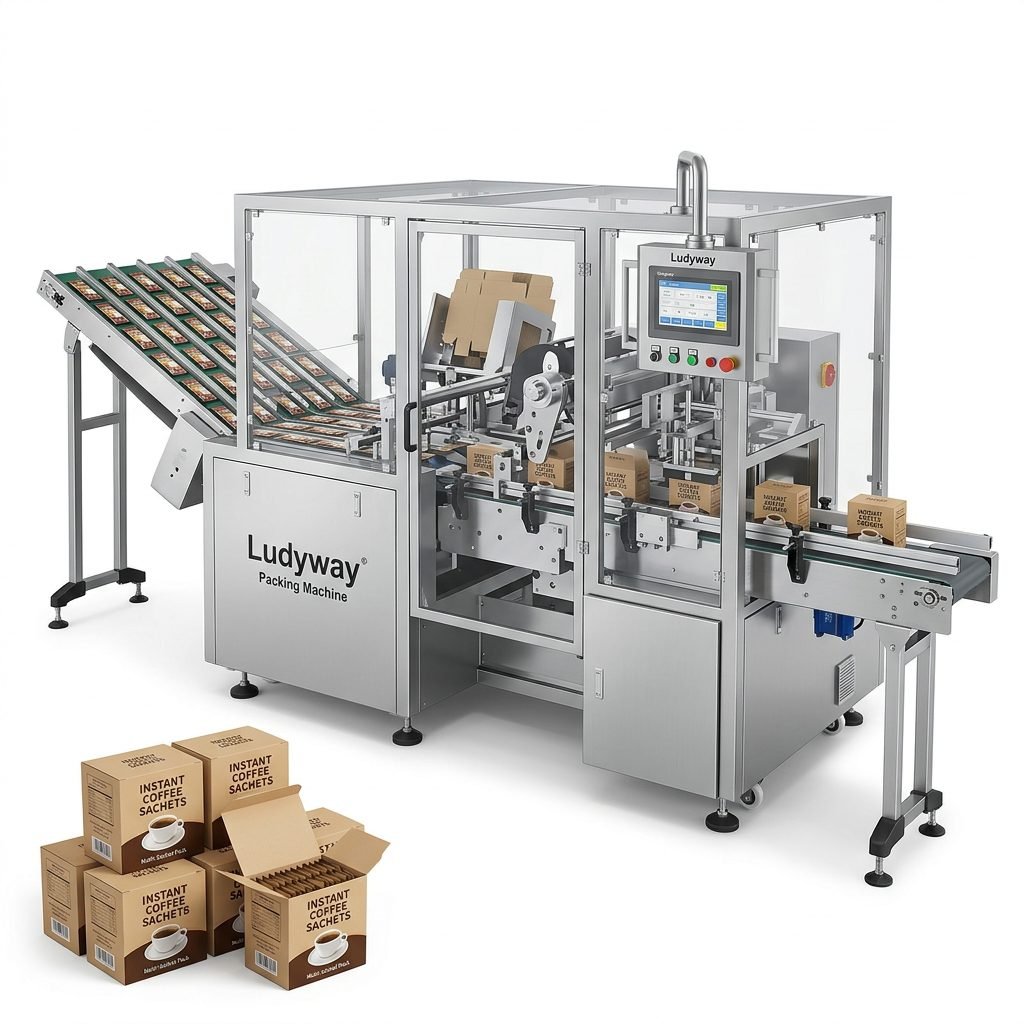
The healthcare and pharmaceutical industries operate under the most stringent safety and quality standards globally. Ensuring the integrity, sterility, and stability of medical products—from tablets and powders to diagnostic kits and surgical tools—is non-negotiable. At the heart of this critical mission lies advanced packaging equipment. The right machinery not only safeguards product efficacy and patient safety but also drives efficiency, compliance, and scalability in production. This guide explores the essential packaging machines and solutions that form the backbone of safe medical product manufacturing.
Why Specialized Healthcare Packaging is Paramount
Unlike conventional packaging, medical and pharmaceutical packaging must address unique challenges. It acts as the primary barrier against contamination, moisture, light, and physical damage that could compromise a product’s therapeutic value. Furthermore, packaging often incorporates critical patient safety features like tamper-evidence, child resistance, and clear dosage instructions. Regulatory bodies like the FDA and EMA mandate strict guidelines for packaging processes, materials, and validation. Therefore, investing in specialized, reliable, and validated packaging equipment is not an option but a fundamental requirement for any manufacturer in this sector.
Key Packaging Requirements in Healthcare:
- Sterility Assurance: Maintaining a sterile barrier for devices and products until point of use.
- Product Protection: Shielding from environmental factors (oxygen, moisture, light) that cause degradation.
- Dosage Accuracy & Compliance: Ensuring precise fill weights and supporting patient adherence through unit-dose packaging.
- Traceability: Enabling serialization and track-and-trace capabilities to combat counterfeiting.
- Regulatory Compliance: Adhering to cGMP, ISO standards, and regional pharmacopeia requirements.
Essential Packaging Equipment for Medical Products
The packaging line for healthcare products is a synchronized ecosystem of machines, each performing a vital function. Here are the core types of equipment essential for safety and efficiency.
1. Blister Packaging Machines
Blister packs are ubiquitous in solid dosage forms like tablets and capsules. Modern blister machines form, fill, and seal products in a continuous operation. Critical for patient safety, they provide excellent barrier properties, clear product visibility, and facilitate unit-dose compliance. High-speed machines can incorporate features like aluminum/aluminum sealing for superior moisture protection and integrated cartoning systems for secondary packaging.
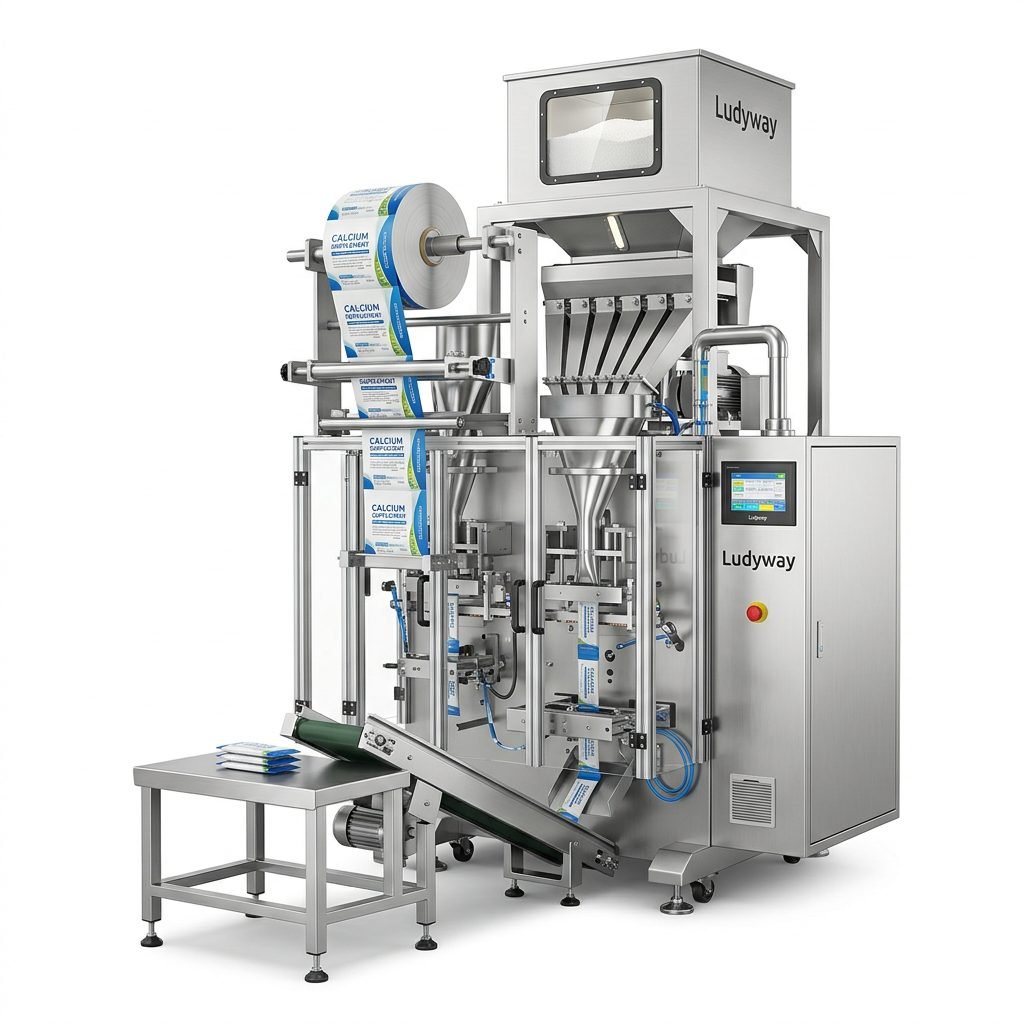
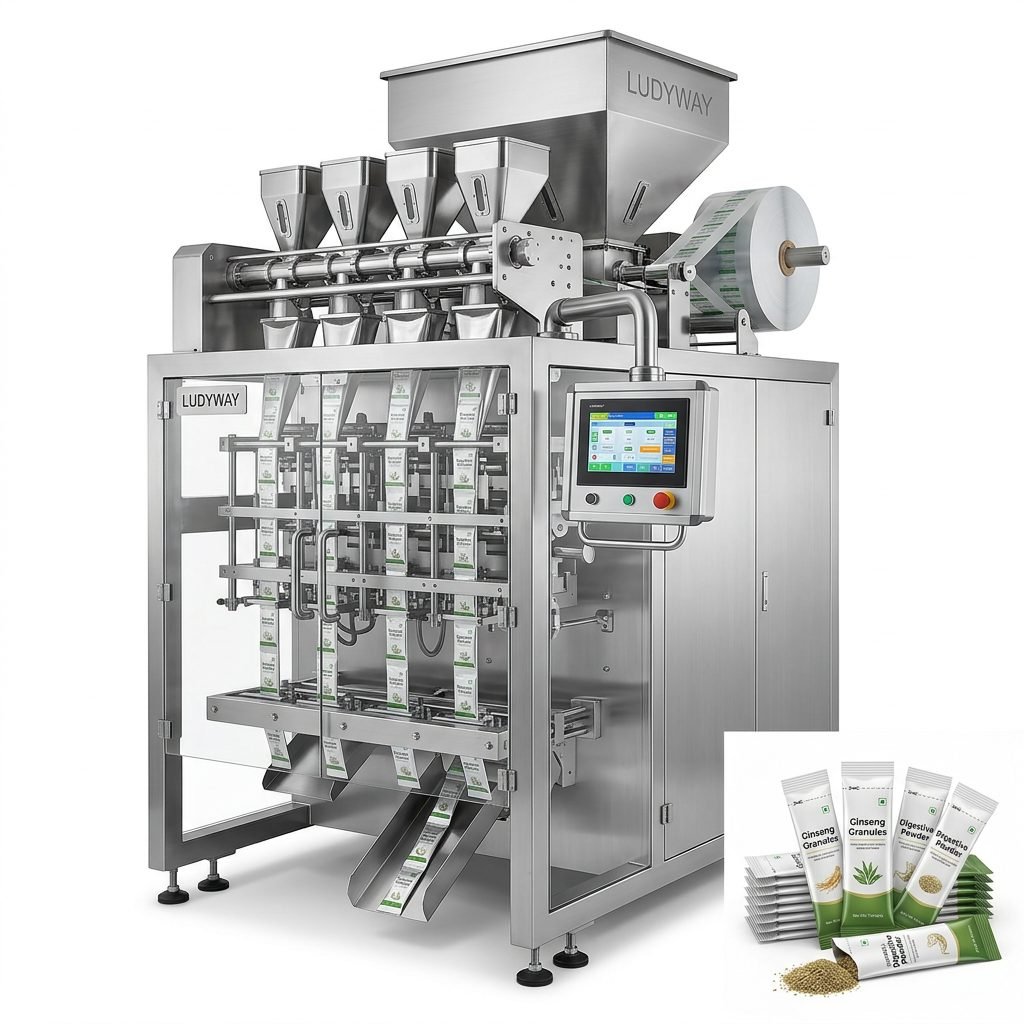
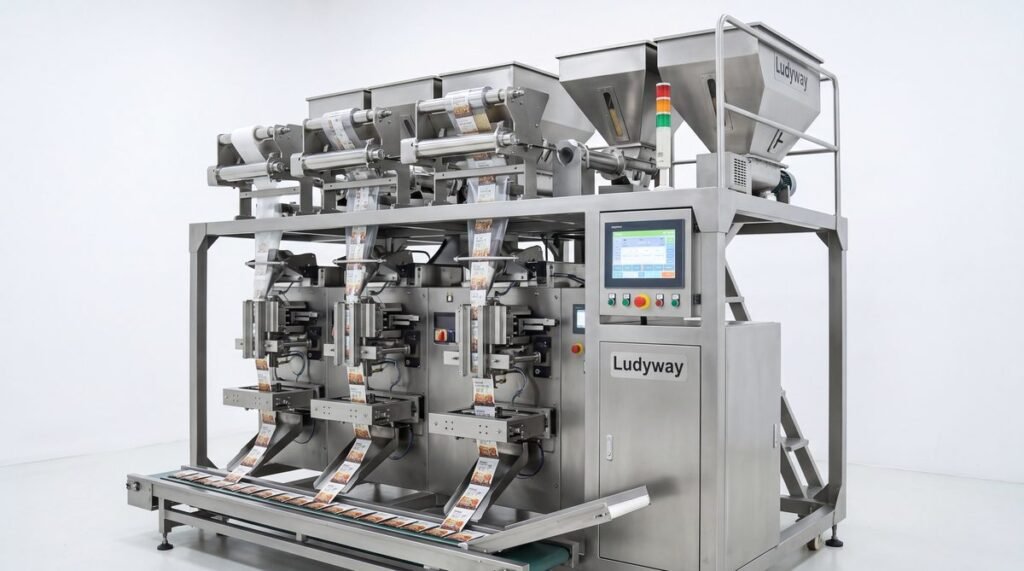
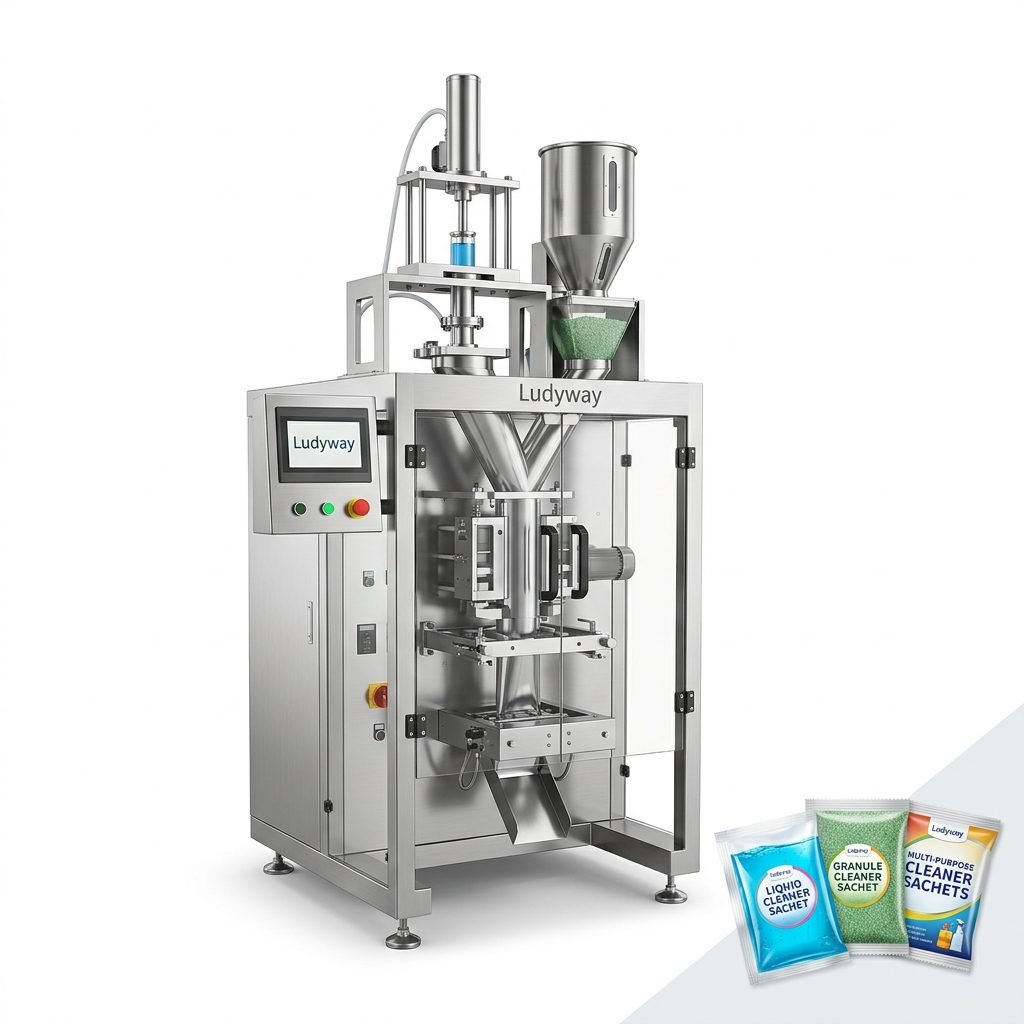
2. Sachet & Stick Pack Packaging Machines
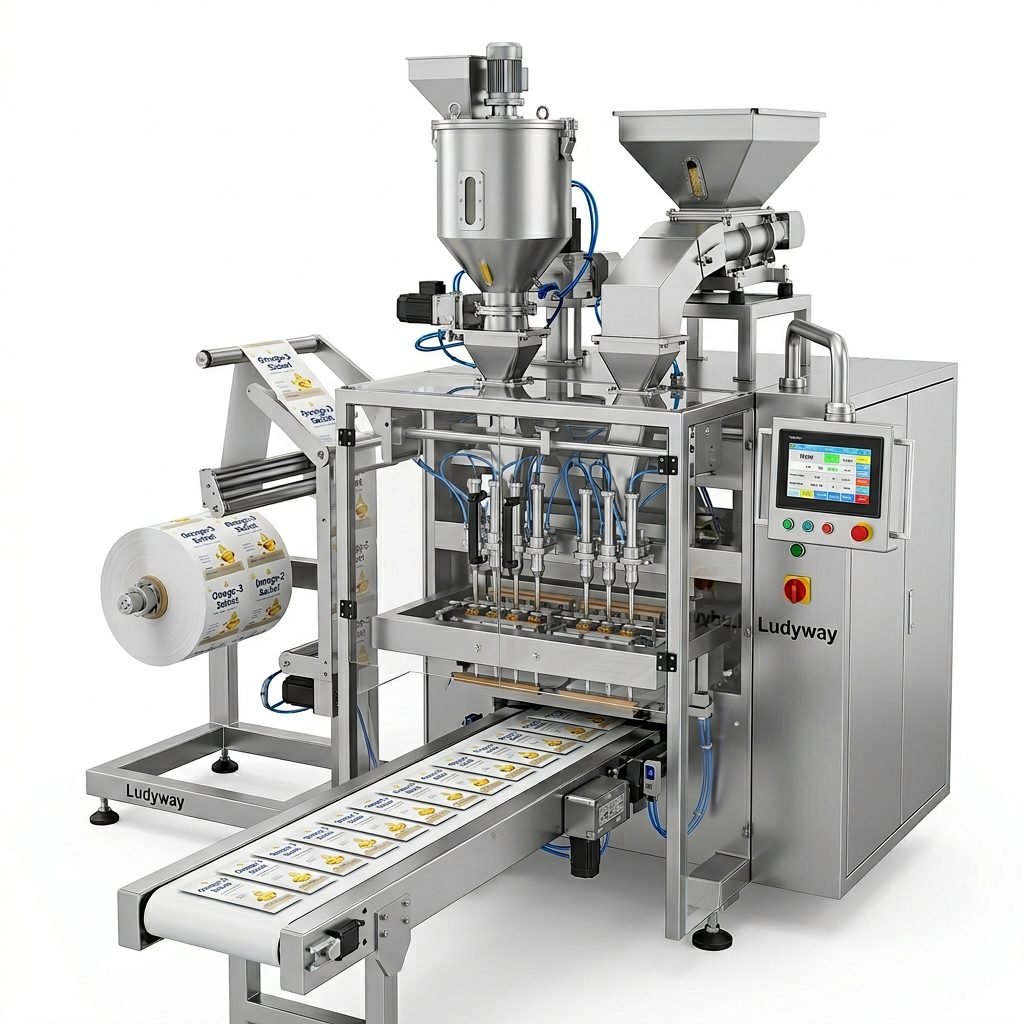
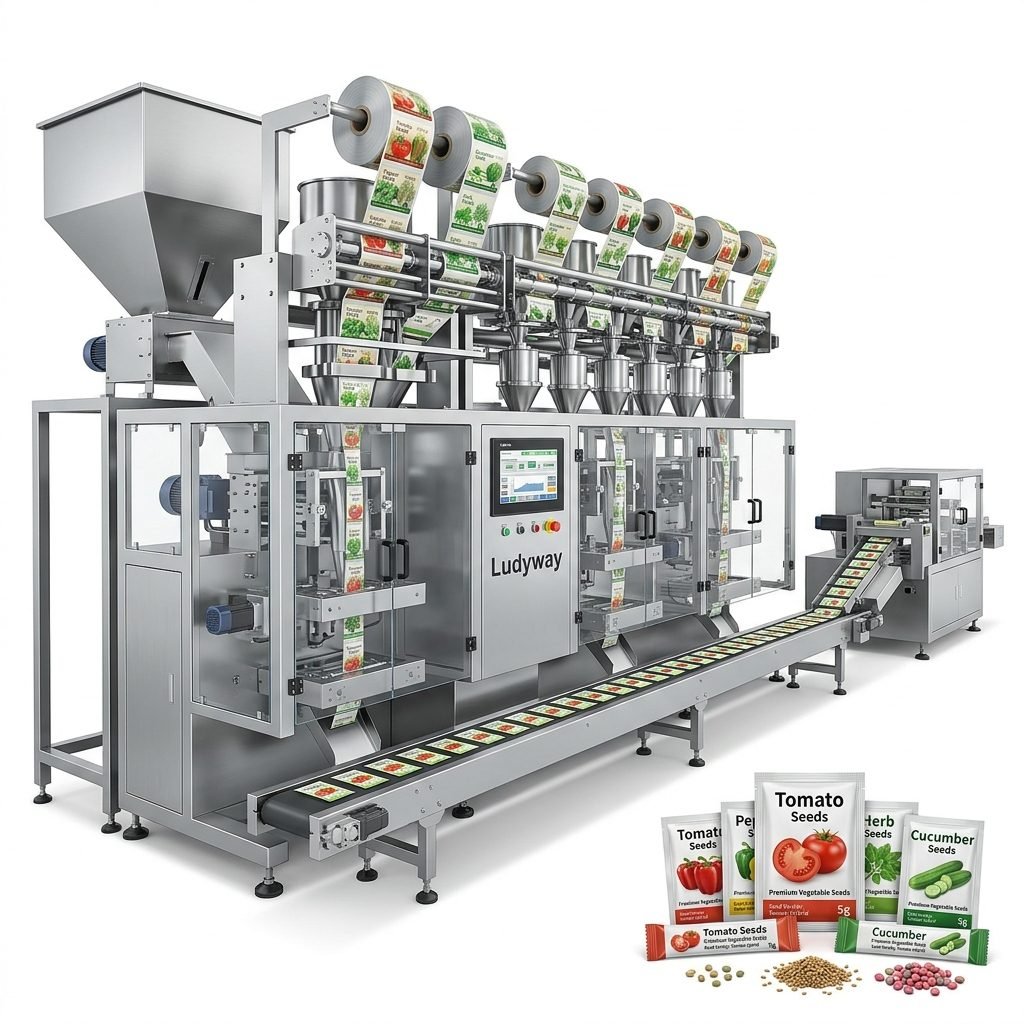
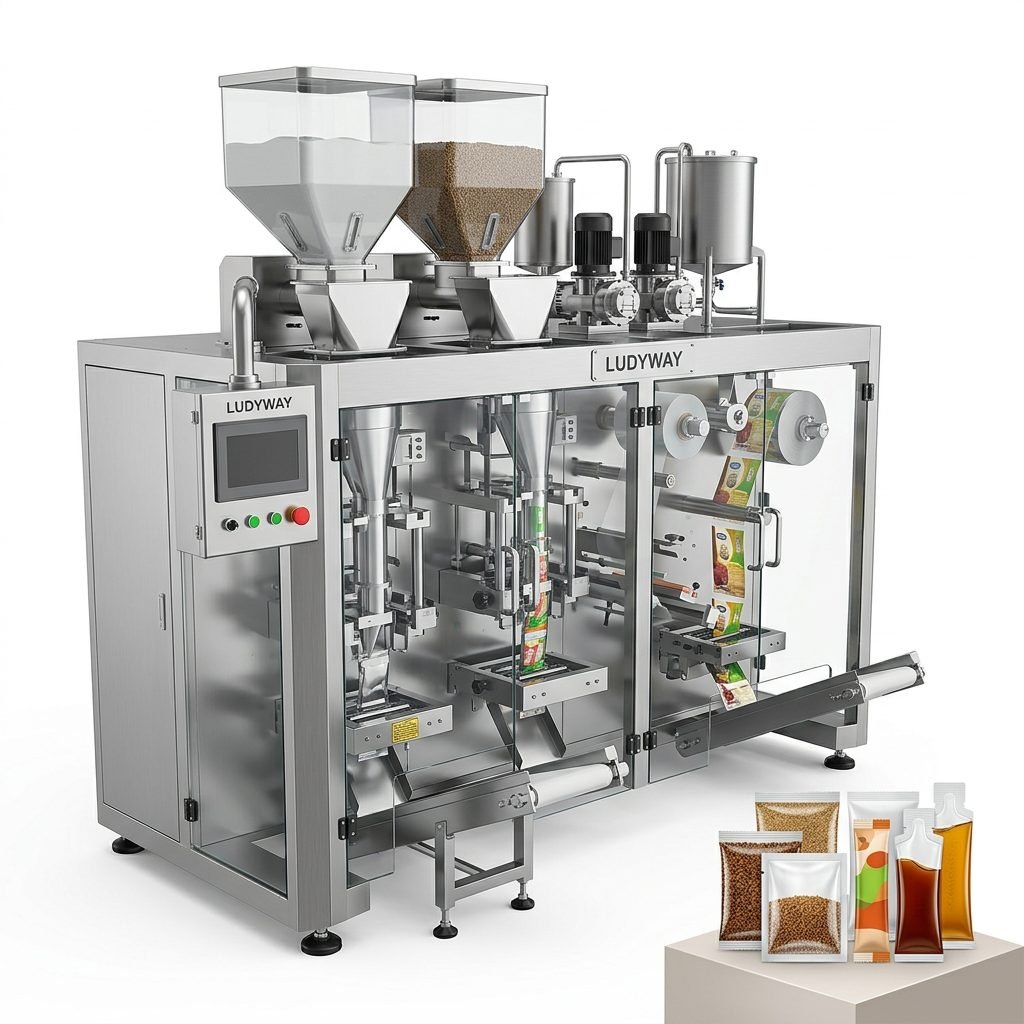
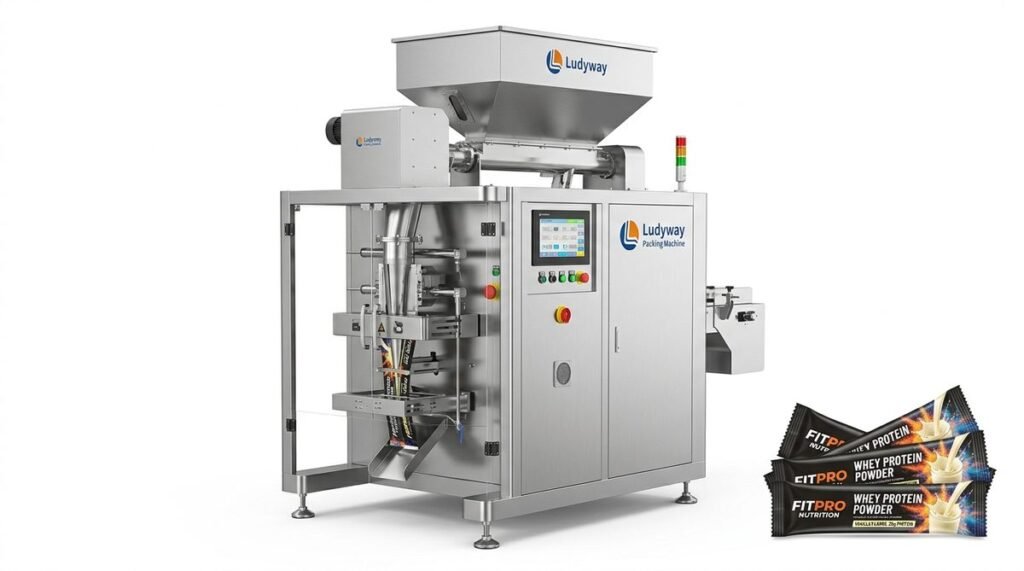
For powders, granules, and liquids—such as oral rehydration salts, topical powders, or single-use disinfectant gels—sachet and stick pack machines are ideal. They create small, sealed, single-use pouches from roll film. This format guarantees dosage accuracy, minimizes contamination risk, and enhances portability. Advanced multi-lane sachet machines significantly boost output for high-volume products like medical-grade supplements or sample doses.
3. Bottle Filling & Capping Lines
Liquid pharmaceuticals, syrups, eye drops, and sanitizers require precise bottling solutions. An automated line typically includes a bottle unscrambler, a liquid filler (using peristaltic or piston pump technology for accuracy), a capper, and a labeler. For sensitive products, these lines can be integrated within cleanroom or isolator environments to maintain aseptic conditions throughout the filling process.
4. Thermoform-Fill-Seal (TFS) Machines
TFS machines are highly versatile for medical devices and diagnostic kits. They thermoform cavities from a base web, place the product (e.g., syringe, vial, test strip), and seal with a lidding material. This process creates a custom, secure, and often sterile package. TFS is favored for its ability to create tray-style packaging that holds complex device assemblies securely in place.
5. Cartoning & Case Packing Systems
Secondary and tertiary packaging are crucial for logistics and information delivery. Automatic cartoners erect, load (with blisters, bottles, or leaflets), and seal folding cartons. They are often paired with serialization units for regulatory traceability. Downstream, case packers and palletizers automate the final steps before distribution, reducing manual handling and ensuring pack integrity.
Choosing the Right Machine Partner
Selecting equipment goes beyond specifications. Partnering with a supplier who understands pharmaceutical validation (IQ/OQ/PQ), offers compliant materials of construction (e.g., 316L stainless steel), and provides robust after-sales support is critical. A partner with deep industry experience, like Ludyway Machinery, can guide you through the selection of a turnkey production line that meets both your technical and regulatory needs seamlessly.
Innovations Driving Safety & Efficiency
The landscape of healthcare packaging is continuously evolving with technology. Key trends include:
Advanced Inspection & Vision Systems
Integrated cameras and sensors perform 100% in-line inspection for defects, fill levels, label accuracy, and presence of leaflets. This real-time quality control is indispensable for patient safety and regulatory compliance.
Smart Connectivity & Industry 4.0
Modern machines feature IoT connectivity for remote monitoring, predictive maintenance, and data collection. This digital integration optimizes Overall Equipment Effectiveness (OEE), reduces downtime, and provides auditable production records.
Sustainable Packaging Solutions
There is a growing shift towards recyclable and mono-material films that maintain barrier properties. Equipment must be adaptable to run these newer, sometimes more challenging, sustainable materials without compromising speed or seal integrity.
Conclusion
Investing in the right packaging equipment is a strategic decision that directly impacts medical product safety, brand integrity, and operational success. From blister packs and sachets to advanced filling and sealing systems, each machine plays a pivotal role in building a robust, compliant, and efficient production line. By prioritizing precision, validation, and innovation, manufacturers can ensure their packaging processes meet the highest standards of patient care and global regulatory expectations.
Frequently Asked Questions (FAQs)
1. What is the most critical factor when choosing packaging equipment for pharmaceuticals?
The paramount factor is validation and compliance. The equipment must be capable of being fully validated (IQ, OQ, PQ) to meet cGMP and other regulatory standards. This includes using compliant materials, providing consistent and accurate performance, and generating necessary documentation.
2. Can one machine handle different types of medical products?
While some machines are highly specialized, many modern versatile packaging systems are designed with quick-change parts and adjustable parameters. For instance, a well-designed sachet machine might handle different powder formats or switch to liquid filling with specific tooling changes, offering flexibility for product lines.
3. How important is automation in healthcare packaging?
Extremely important. Automation minimizes human intervention, which reduces the risk of contamination and human error. It ensures consistent, high-speed, and precise packaging, which is essential for dosage accuracy, traceability (through serialization), and meeting large-scale production demands safely.
4. What role does packaging play in preventing drug counterfeiting?
Packaging is the first line of defense. Modern lines integrate serialization and aggregation systems that print unique codes (like 2D Data Matrix codes) on primary and secondary packages. This creates a secure, track-and-trace supply chain, making counterfeit products easier to identify and remove.
5. Why is partner support crucial for packaging equipment?
Technical support, readily available spare parts, and service expertise are vital for maintaining uptime and compliance. A reliable partner provides installation training, preventive maintenance plans, and swift troubleshooting, ensuring your packaging line remains a reliable asset for years. Companies with extensive field experience, like our team at Ludyway, build this long-term support into their partnerships.