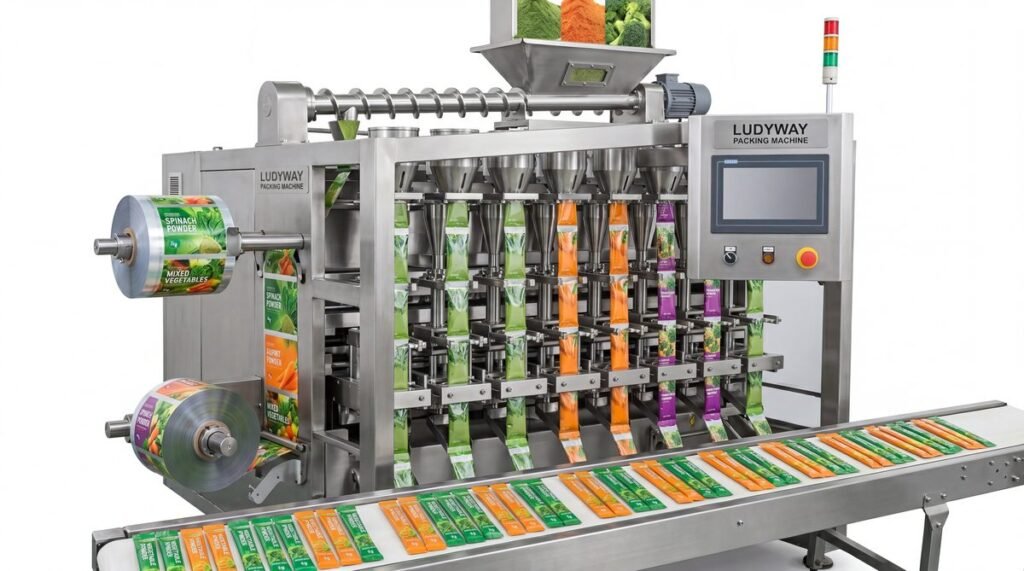
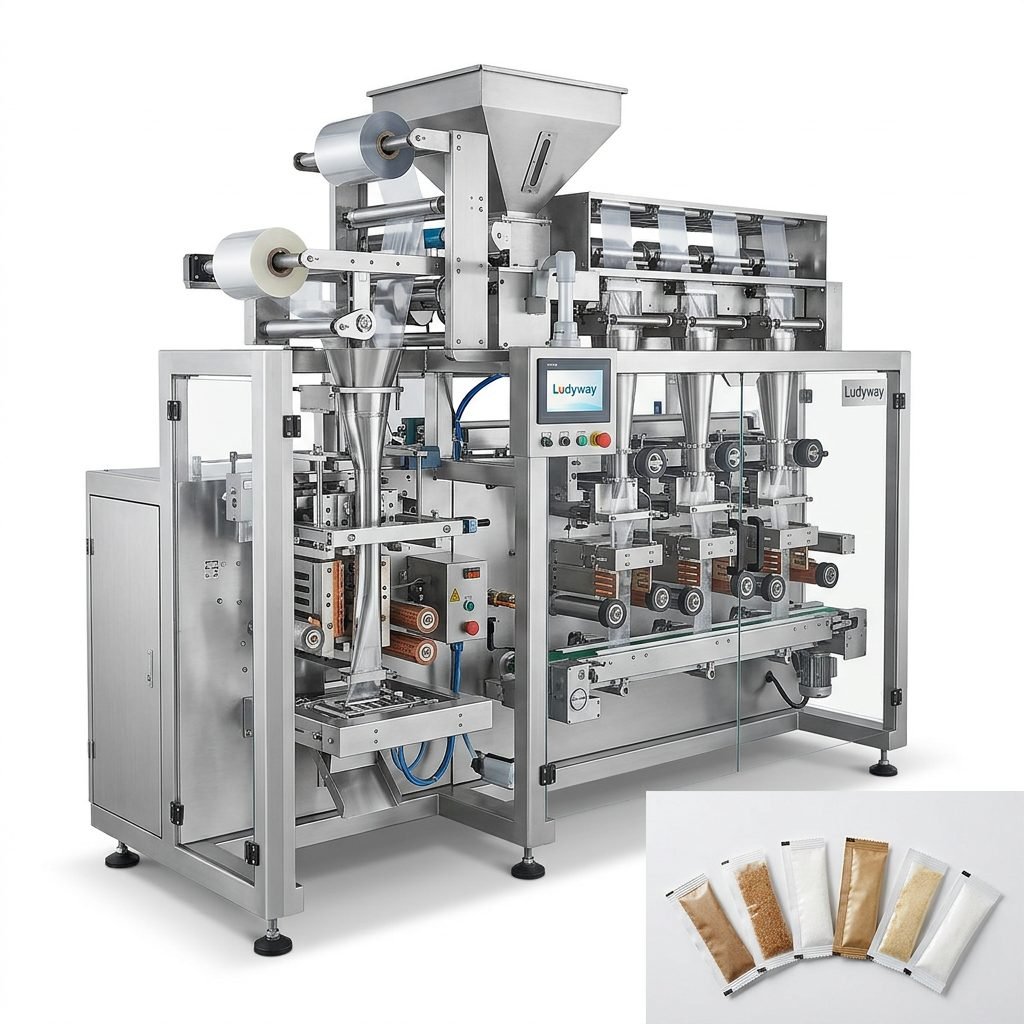
Selecting the right packaging solution for instant coffee is not only about filling powder into small packs. It affects product freshness, sealing quality, output speed, material waste, labor cost, and long-term scalability. Whether you produce classic instant coffee, 3-in-1 coffee mix, freeze-dried coffee granules, or premium single-serve stick packs, the machine you choose should match your product characteristics and business goals.
This guide explains how to evaluate the best packaging machine for instant coffee, what features matter most, and which configuration is suitable for different production needs.
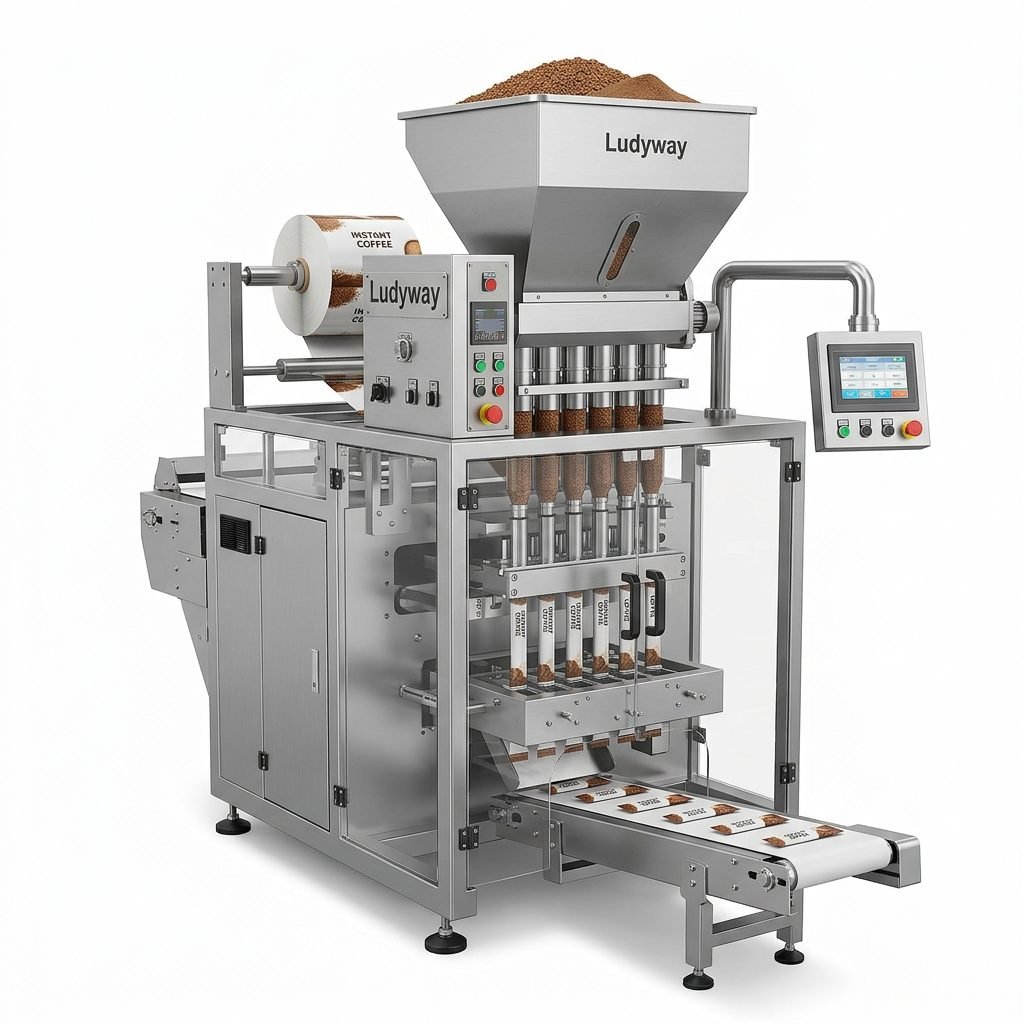
Why Instant Coffee Requires the Right Packaging Machine
Instant coffee is a moisture-sensitive product. Even small packaging defects can lead to clumping, aroma loss, weight inconsistency, and poor shelf performance. A suitable machine should handle the product gently while maintaining stable dosing and strong seals.
- Protect aroma and flavor from oxygen and humidity
- Deliver accurate fill weights for powders or granules
- Support attractive retail packaging formats
- Improve packaging speed and consistency
- Reduce manual handling and contamination risk
Common Packaging Formats for Instant Coffee
Before choosing a machine, define the package format you want to sell. Different formats require different machine structures, sealing systems, and dosing methods.
| Packaging Format | Best Use | Typical Machine Type |
|---|---|---|
| Stick packs | Single-serve coffee, travel packs, vending use | Multi-lane stick pack machine |
| Sachets | Retail coffee powder or 3-in-1 mixes | Multi-lane sachet packaging machine |
| Pouches | Larger consumer packs or refill packs | VFFS or premade pouch machine |
| Jar or bottle filling | Bulk retail or premium coffee lines | Powder filling and capping line |
Best Machine Types for Instant Coffee
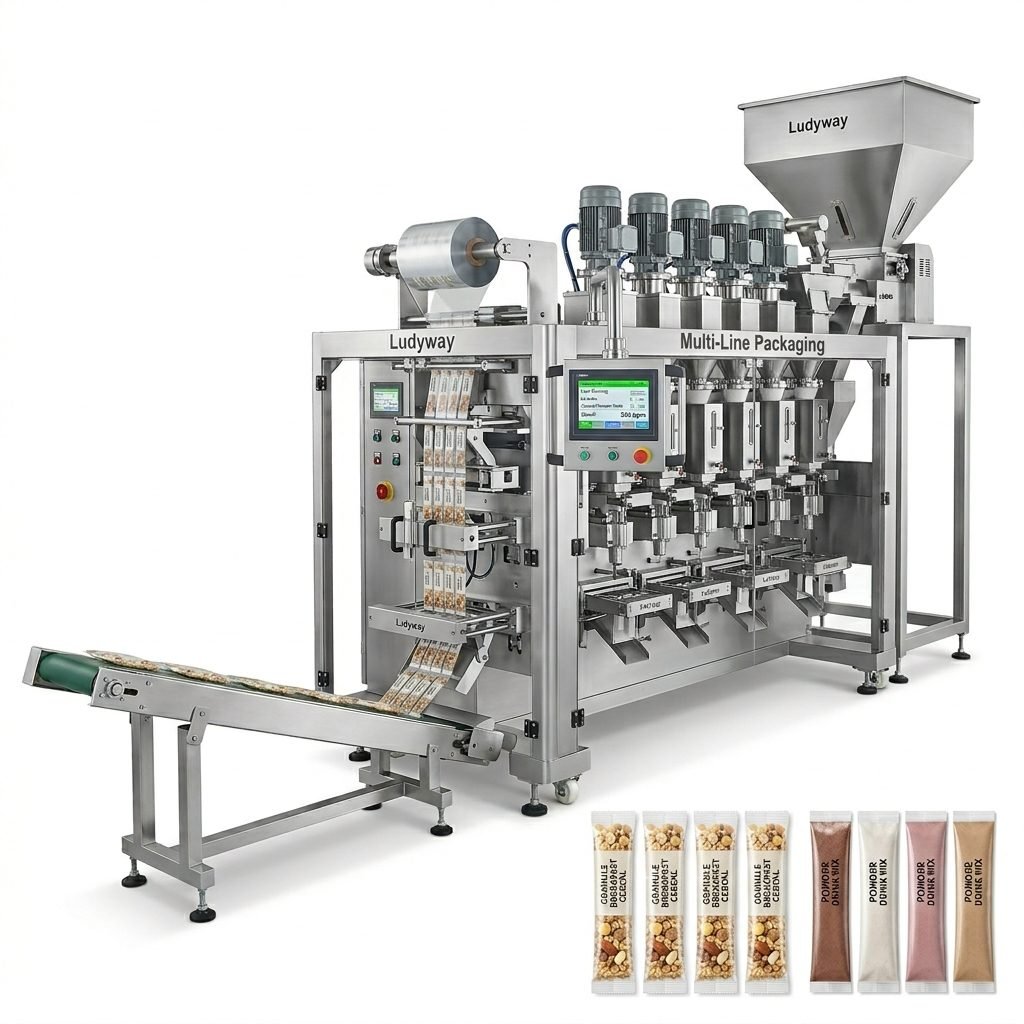
1. Multi-Lane Stick Pack Machines
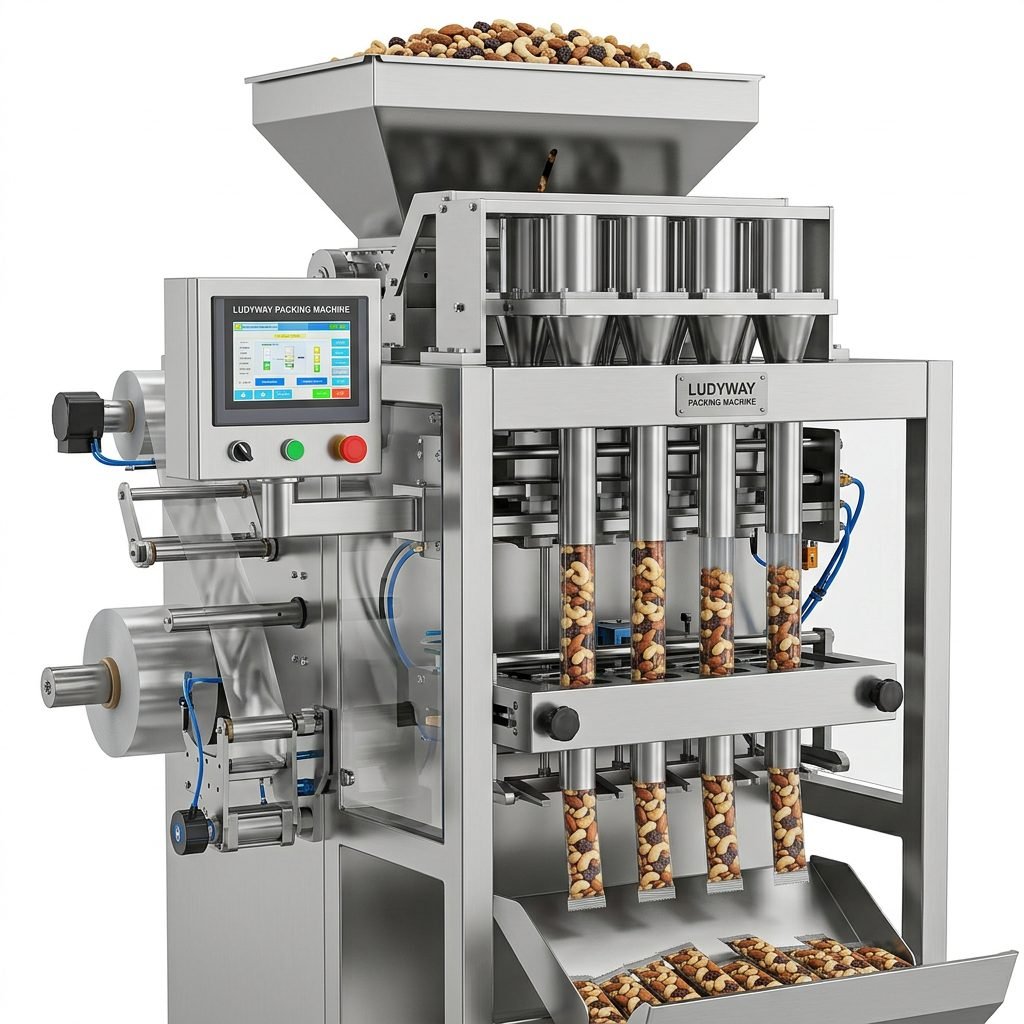
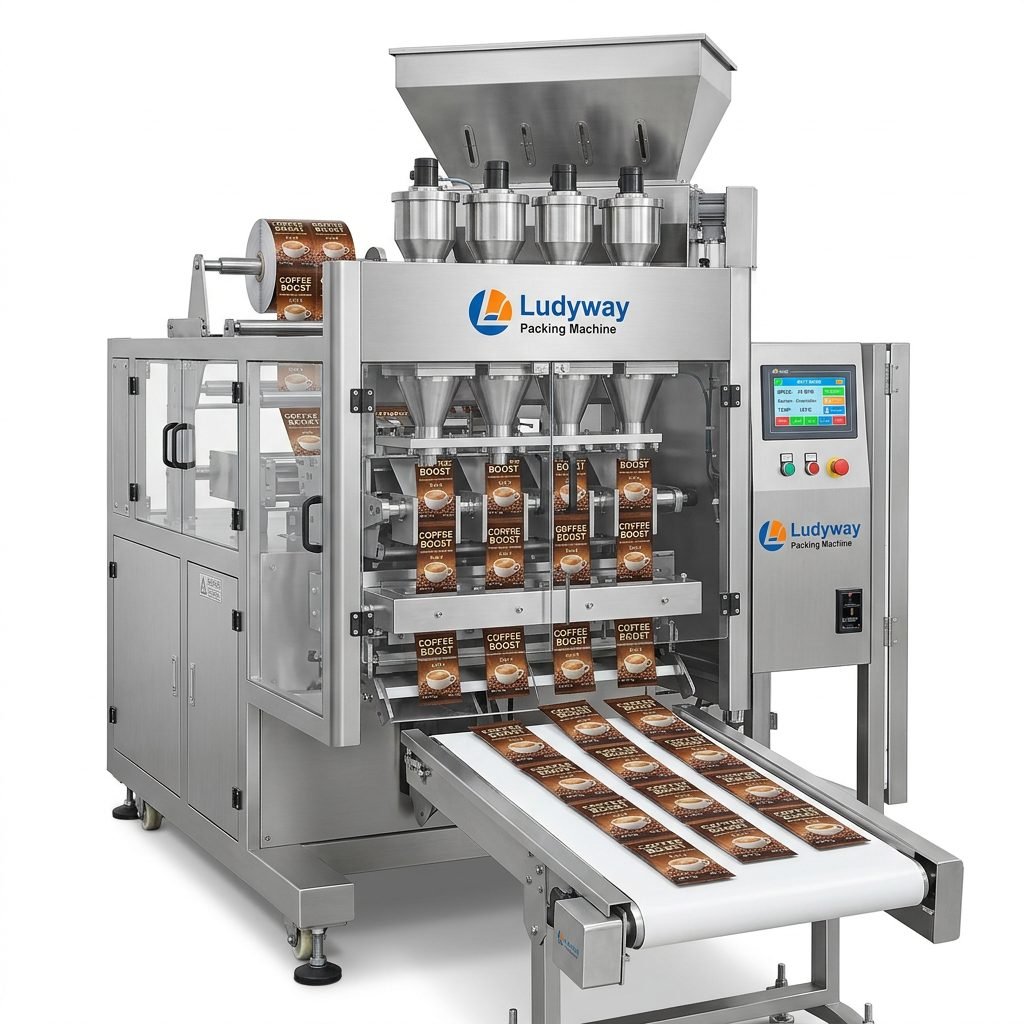
These are often the best choice for high-volume single-serve instant coffee. They can produce multiple sticks in one cycle, making them ideal for coffee brands targeting convenience retail, hotels, airlines, offices, and e-commerce bundles.
- High output with multiple lanes
- Compact and attractive pack appearance
- Suitable for coffee powder and granules
- Can integrate coding, cartoning, and case packing
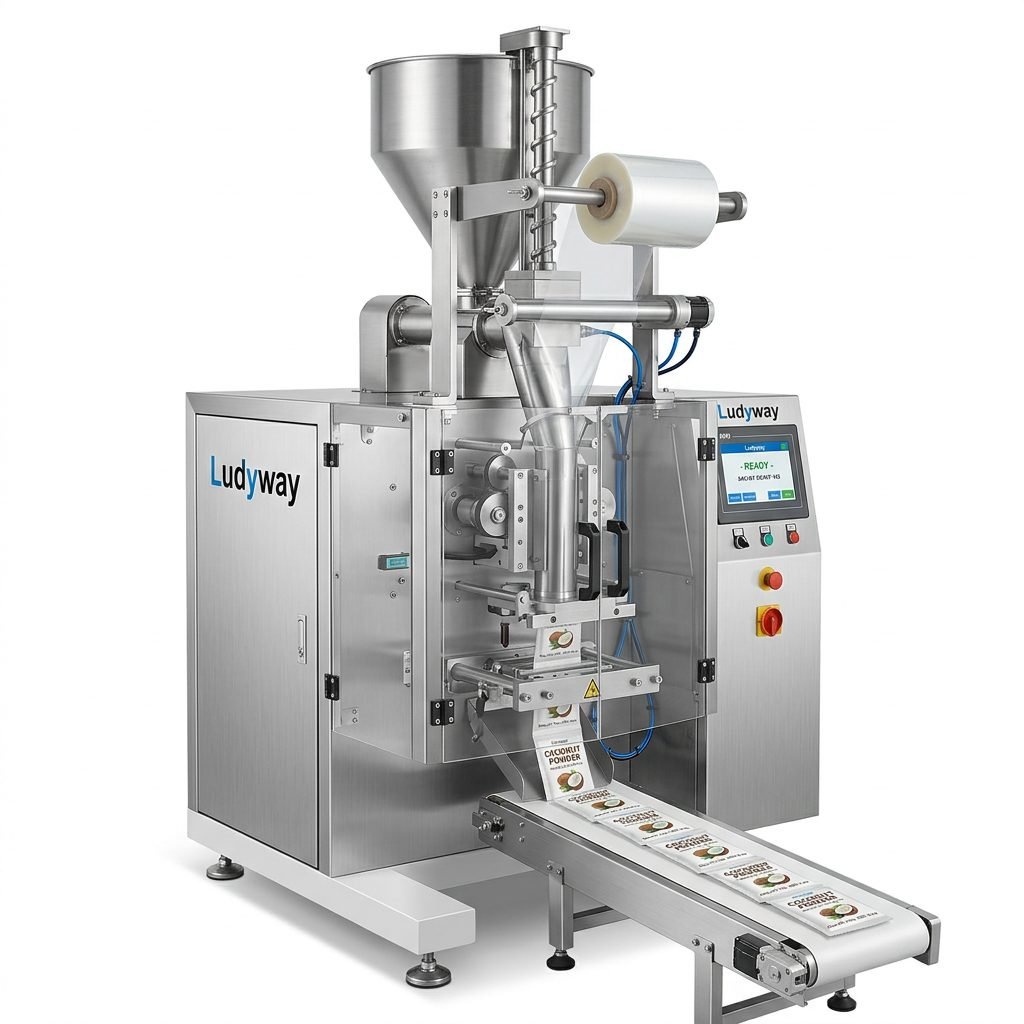
2. Sachet Packaging Machines
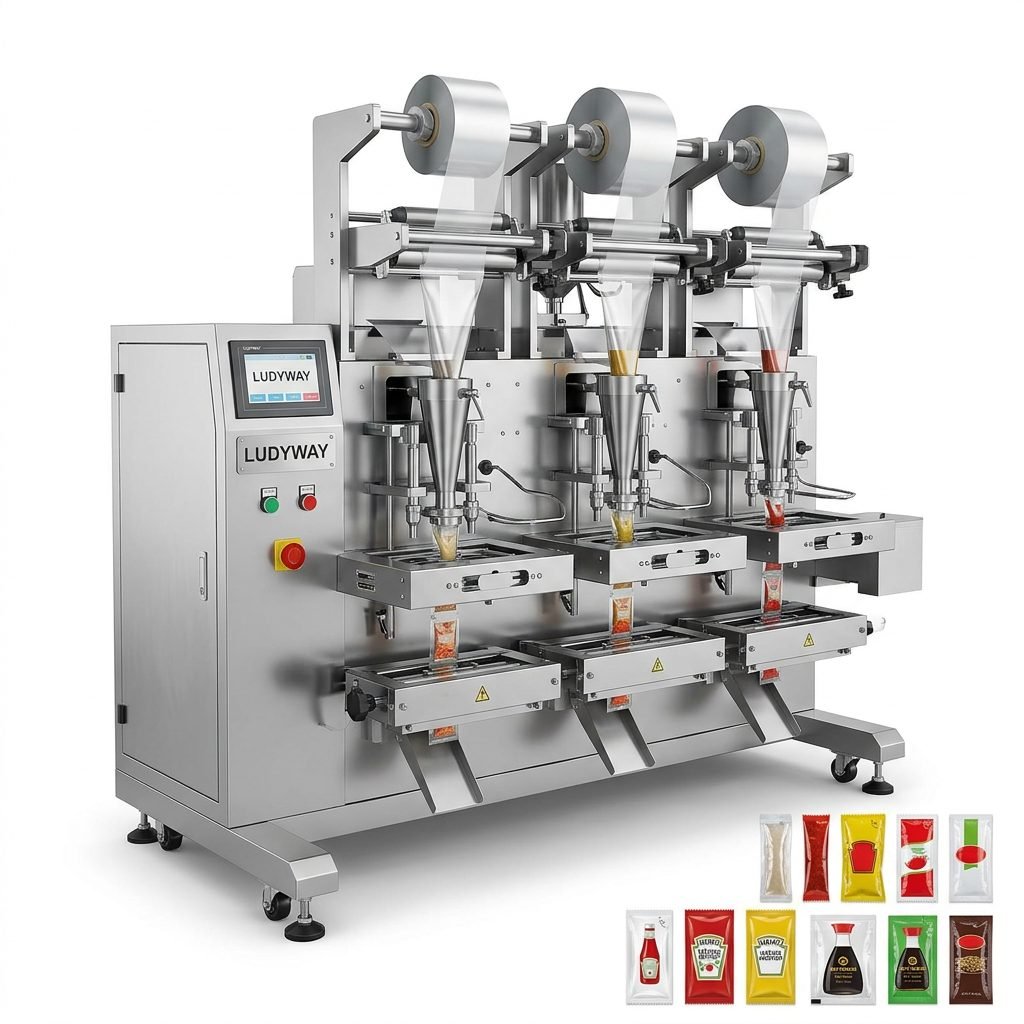
Sachet machines are a practical choice for brands producing square or rectangular packs. They are commonly used for classic instant coffee, cappuccino mix, and coffee creamer combinations.
- Flexible bag design
- Good for promotional and retail formats
- Works well for powder blends
- Available in high-speed multi-lane designs
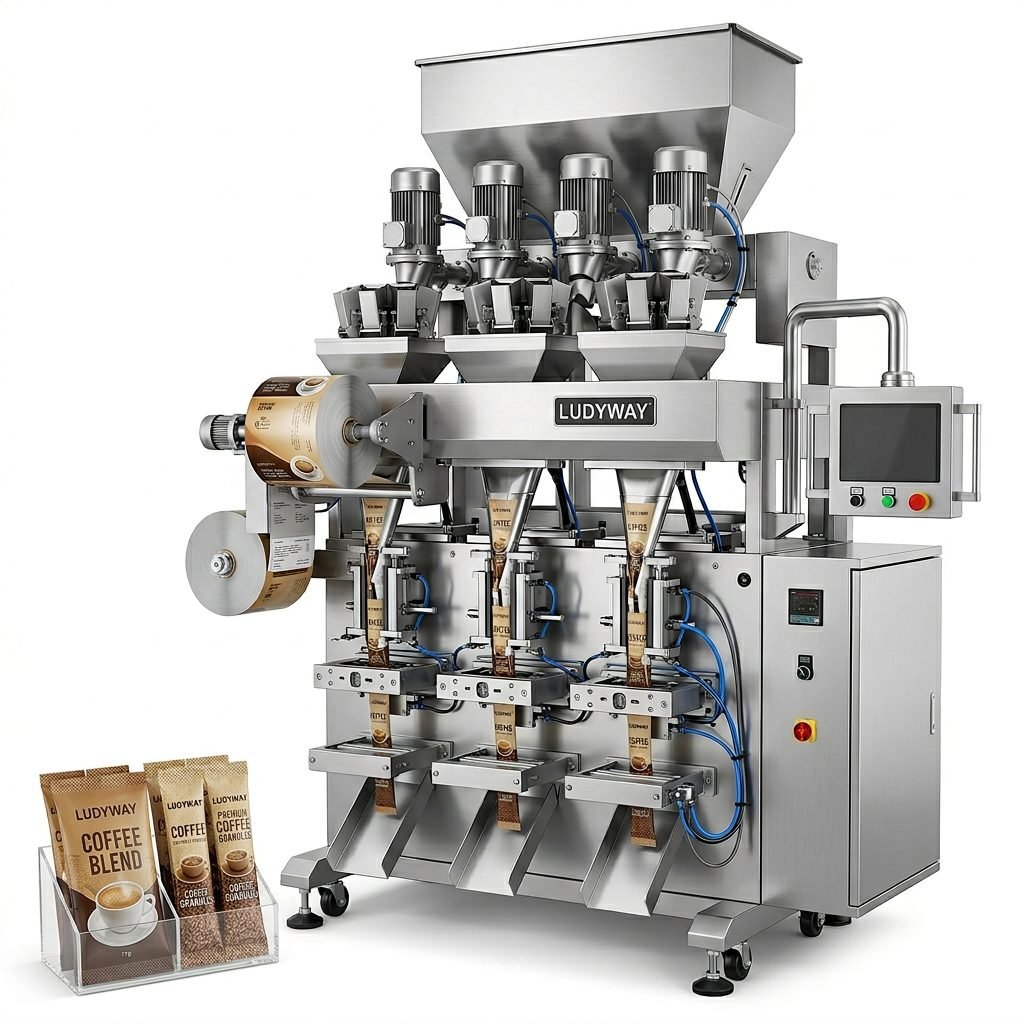
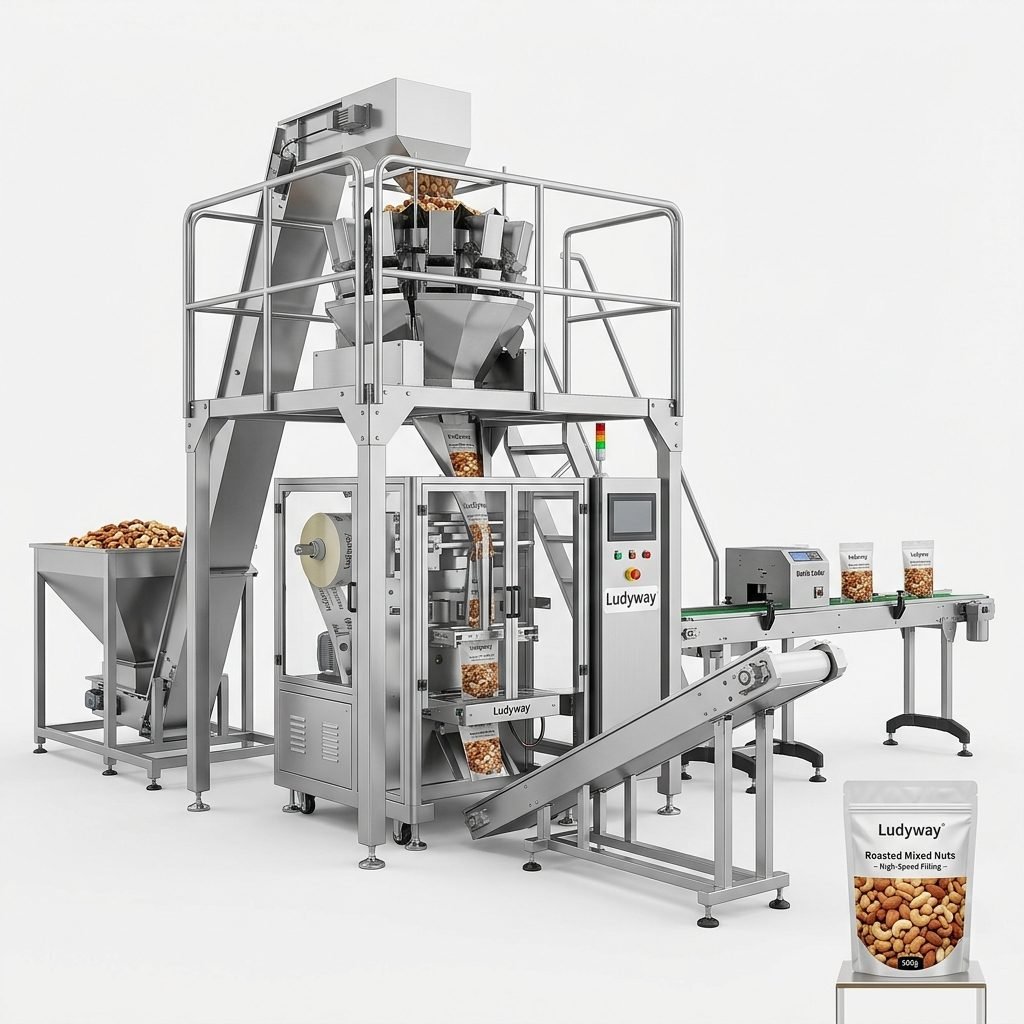
3. Vertical Form Fill Seal Machines
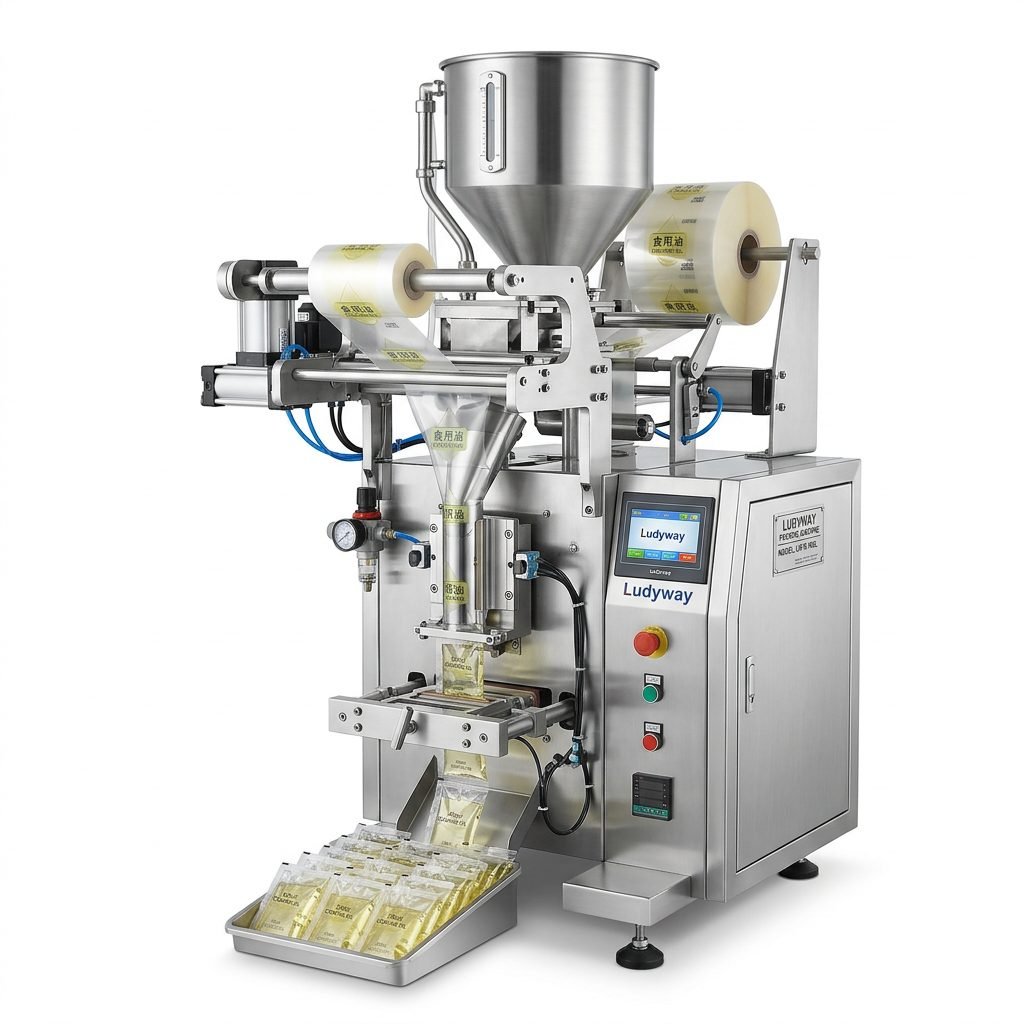
If you sell larger packs of instant coffee, a vertical form fill seal machine can be a cost-effective option. It forms the bag from roll film, fills the product, and seals it automatically.
This type is suitable for:
- Family-size refill bags
- Bulk foodservice packs
- Coffee powder sold in medium or large pouches
How to Choose the Right Instant Coffee Packaging Machine
Match the Machine to Your Coffee Type
Not all instant coffee behaves the same during filling. Fine powder, agglomerated granules, and mixed formulations each require different feeding and dosing systems.
| Coffee Product Type | Recommended Dosing Method | Notes |
|---|---|---|
| Fine instant coffee powder | Auger filler | Best for consistent powder dosing |
| Freeze-dried coffee granules | Volumetric cup or weighing system | Reduces granule breakage |
| 3-in-1 coffee mix | Auger or combined dosing system | For coffee, sugar, creamer blends |
Check Packaging Speed Requirements
Your target output strongly affects machine selection. A startup may only need moderate speed, while a large coffee manufacturer may need a high-speed multi-lane system with downstream automation.
- Low to mid volume: single-lane or smaller automatic systems
- High volume: multi-lane stick pack or sachet lines
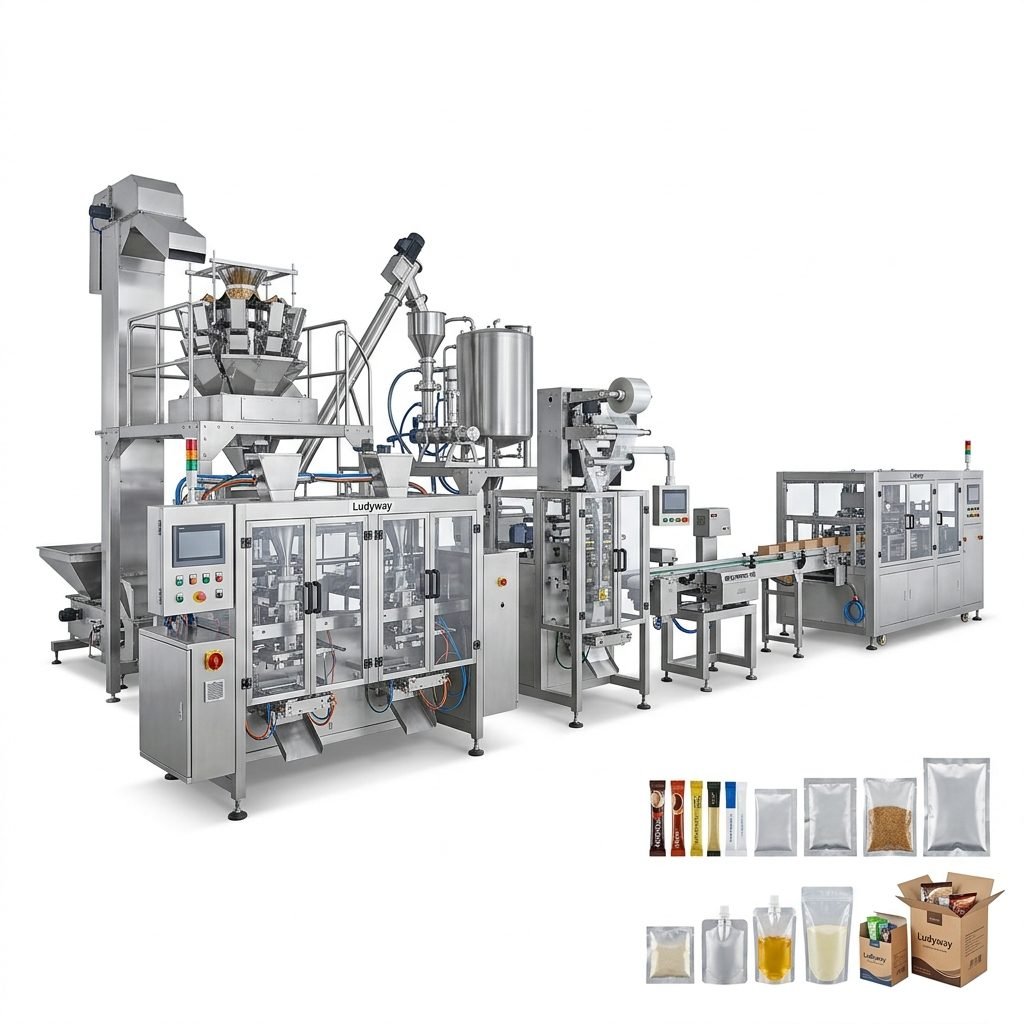
- Large-scale factory planning: turnkey line with cartoning and end-of-line equipment
Evaluate Accuracy and Seal Quality
For instant coffee, underfilling causes customer complaints and overfilling increases material cost. At the same time, weak seals can let moisture in and destroy product quality. Look for:
- Stable dosing control
- Reliable heat sealing system
- Easy adjustment for different film materials
- Dust control design around the filling area
Consider Packaging Film Compatibility
Your machine should run well with the packaging materials you plan to use, such as laminated barrier film, aluminum foil structures, or recyclable materials. This is especially important if your brand focuses on shelf life or sustainable packaging goals.
Think About Future Expansion
A machine should not only fit today’s production plan. It should also support future SKU expansion, pack size changes, and increased speed requirements. Choosing modular equipment can make growth easier and reduce later reinvestment.
Key Features to Look For
The best instant coffee packaging machine usually combines mechanical reliability with user-friendly automation. Important features include:
- Servo-driven control for stable movement and precise operation
- Touchscreen HMI for easier setup and parameter adjustment
- Automatic film tracking to reduce waste and maintain registration
- Dust extraction compatibility for cleaner powder filling
- Date coding integration for traceability and compliance
- Easy-clean structure to reduce downtime between products
- Multi-size flexibility for pack format changes
When a Turnkey Packaging Line Makes More Sense
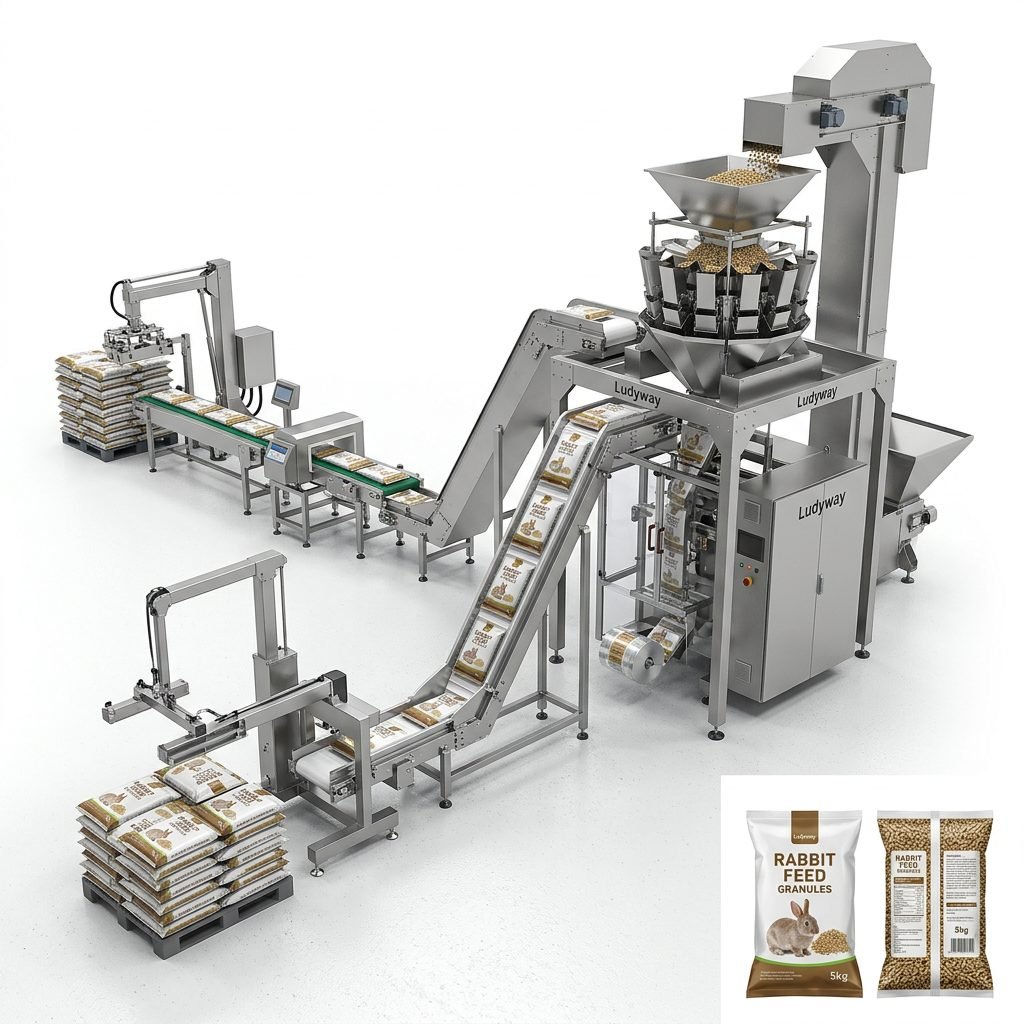
If you are scaling production, buying only a standalone packaging machine may not be enough. A complete instant coffee packaging line can combine feeding, dosing, filling, sealing, coding, checking, cartoning, and final case packing in one coordinated system.
This approach is useful for manufacturers that want to:
- Improve line efficiency
- Reduce labor dependence
- Standardize packaging quality
- Support export-oriented or large retail orders
For buyers looking for scalable coffee packaging equipment, instant coffee packaging machine solutions from Ludyway can be considered for both standalone equipment and turnkey automated lines.
Questions to Ask Before Buying
- What is the exact coffee product: powder, granule, or mixed formula?
- What pack format do you need: stick pack, sachet, pouch, or jar?
- What output speed is required per minute?
- What filling accuracy tolerance do you expect?
- Which packaging films will be used?
- Do you need nitrogen flushing for freshness protection?
- Will the machine need to run multiple SKUs or sizes?
- Do you need coding, cartoning, checkweighing, or case packing integration?
Mistakes to Avoid
Many buyers focus only on the initial machine price. In practice, the cheaper option may create more waste, downtime, and maintenance issues later. Avoid these common mistakes:
- Choosing speed without checking fill accuracy
- Ignoring the flow properties of instant coffee
- Overlooking seal performance and moisture protection
- Buying a machine with limited upgrade potential
- Not planning for spare parts and technical support
Best Choice by Business Stage
| Business Stage | Recommended Solution | Why |
|---|---|---|
| Startup brand | Compact automatic sachet or stick pack machine | Lower investment with growth potential |
| Growing manufacturer | Multi-lane packaging machine | Higher productivity and lower unit cost |
| Large industrial producer | Turnkey packaging line | Full automation and easier large-volume management |
Final Buying Insight
The best packaging machine for instant coffee is the one that aligns with your product type, packaging format, production speed, and future expansion plan. For single-serve retail coffee, multi-lane stick pack or sachet machines are usually the most efficient options. For larger bag formats, vertical systems may be more practical. And for brands moving into large-scale automated manufacturing, a turnkey line can deliver stronger long-term value.
If you compare machines based on dosing precision, seal reliability, automation level, and after-sales support—not just price—you will be in a much better position to choose a solution that protects your coffee quality and supports business growth.