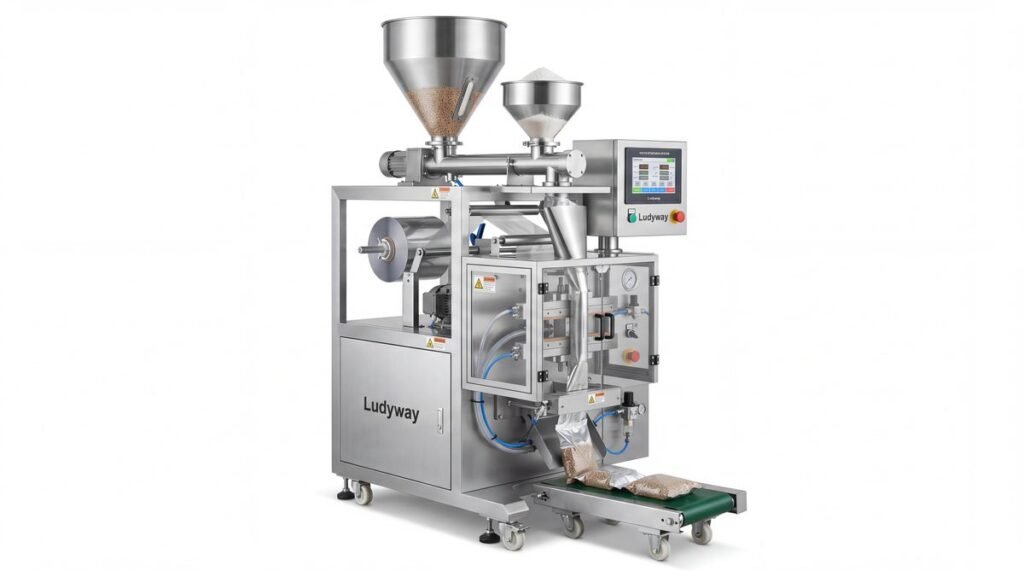
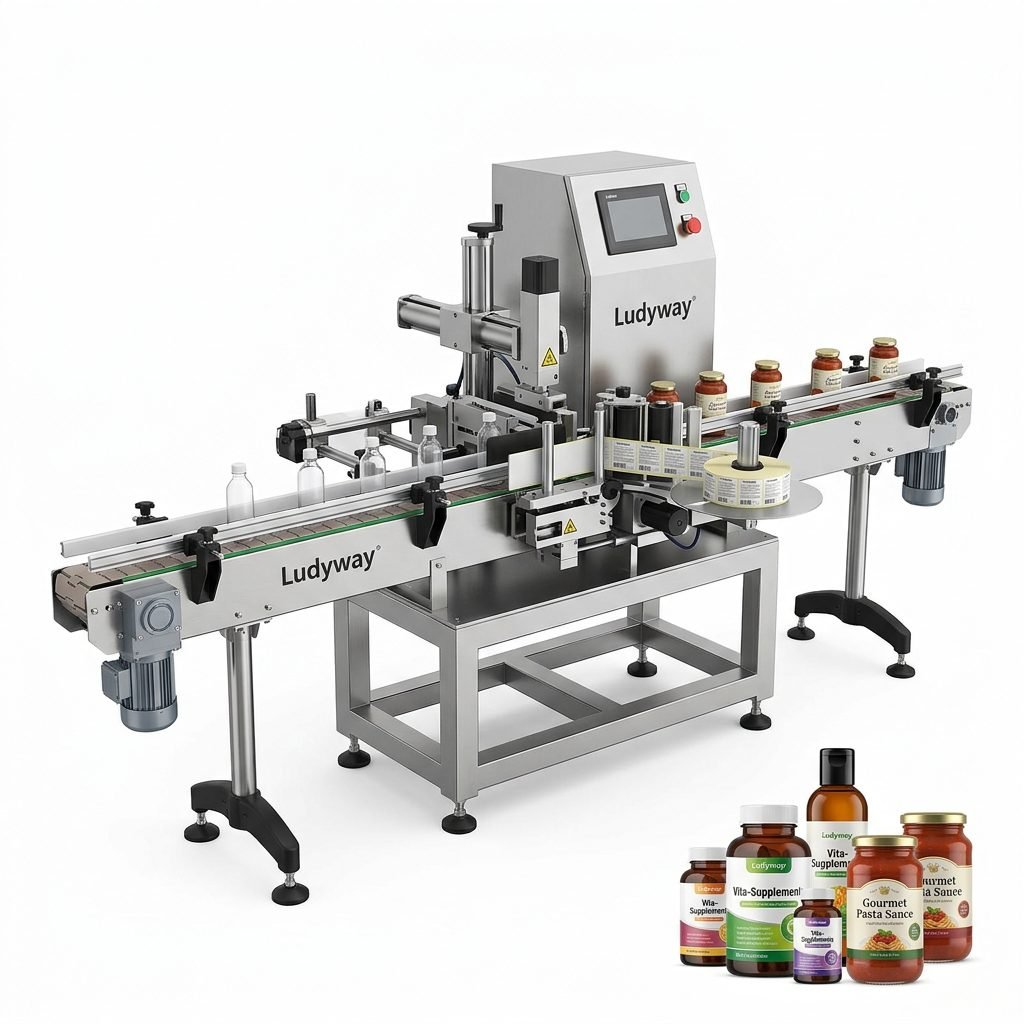
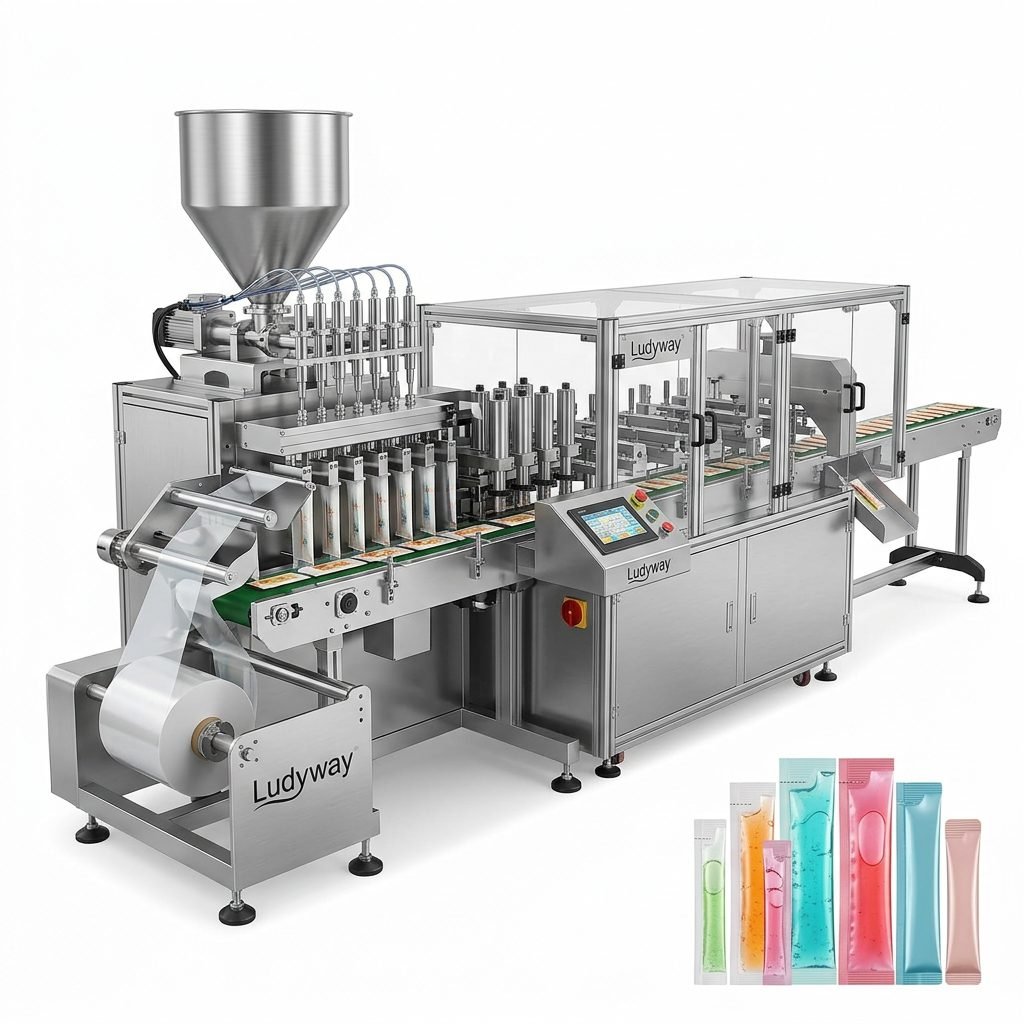
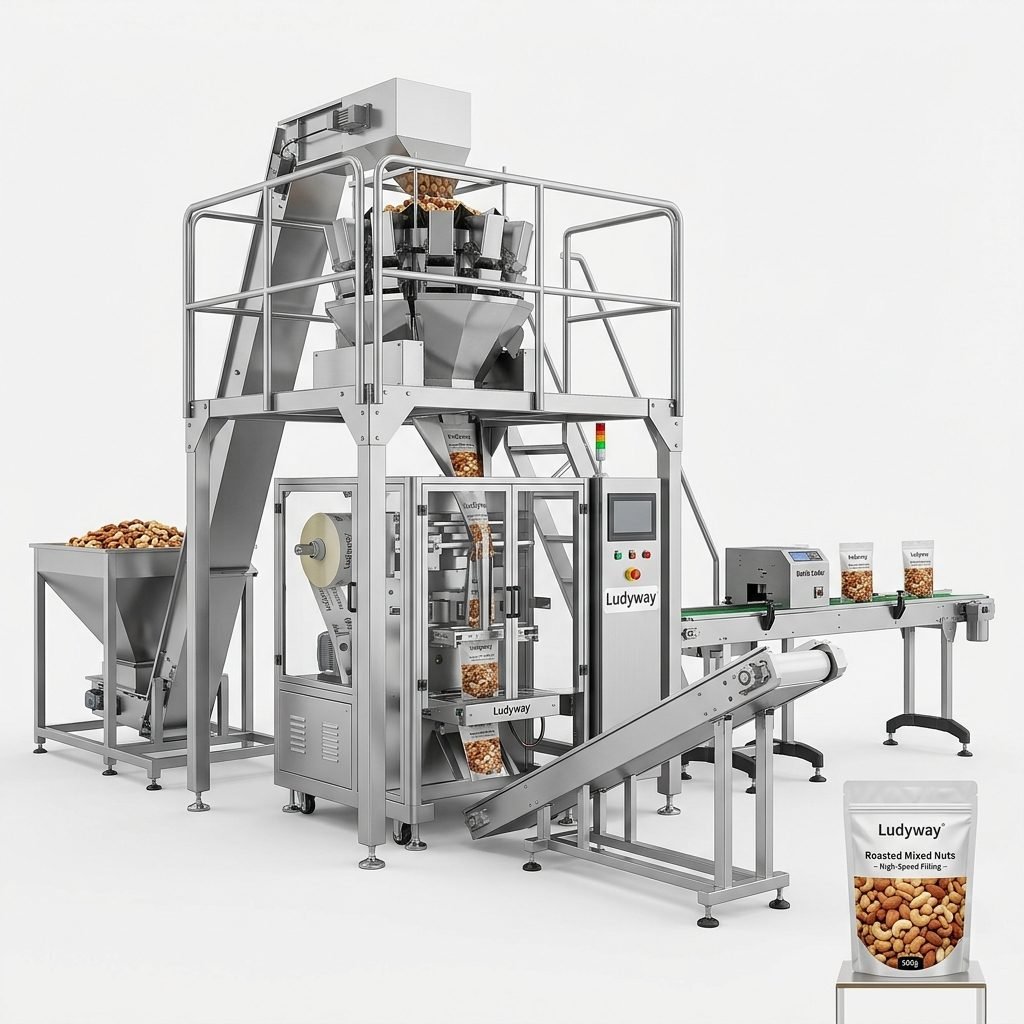
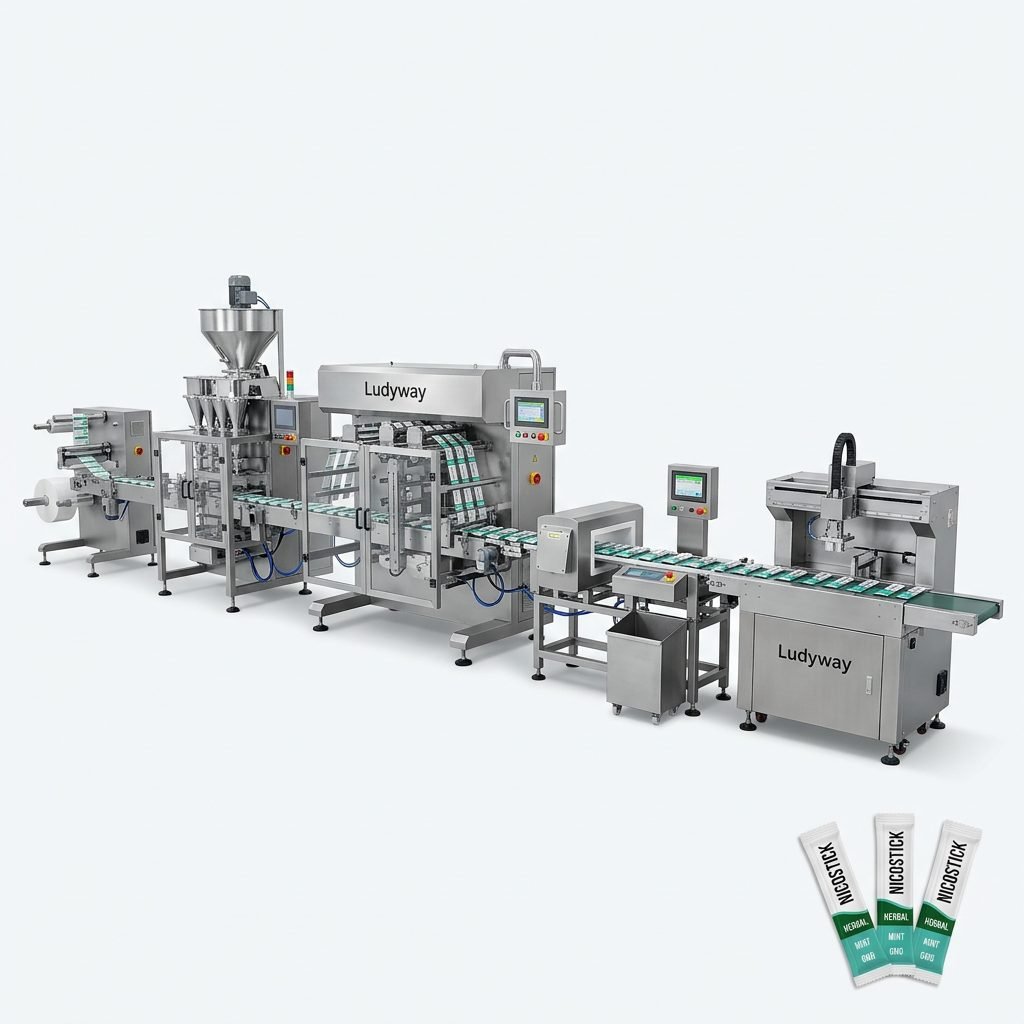
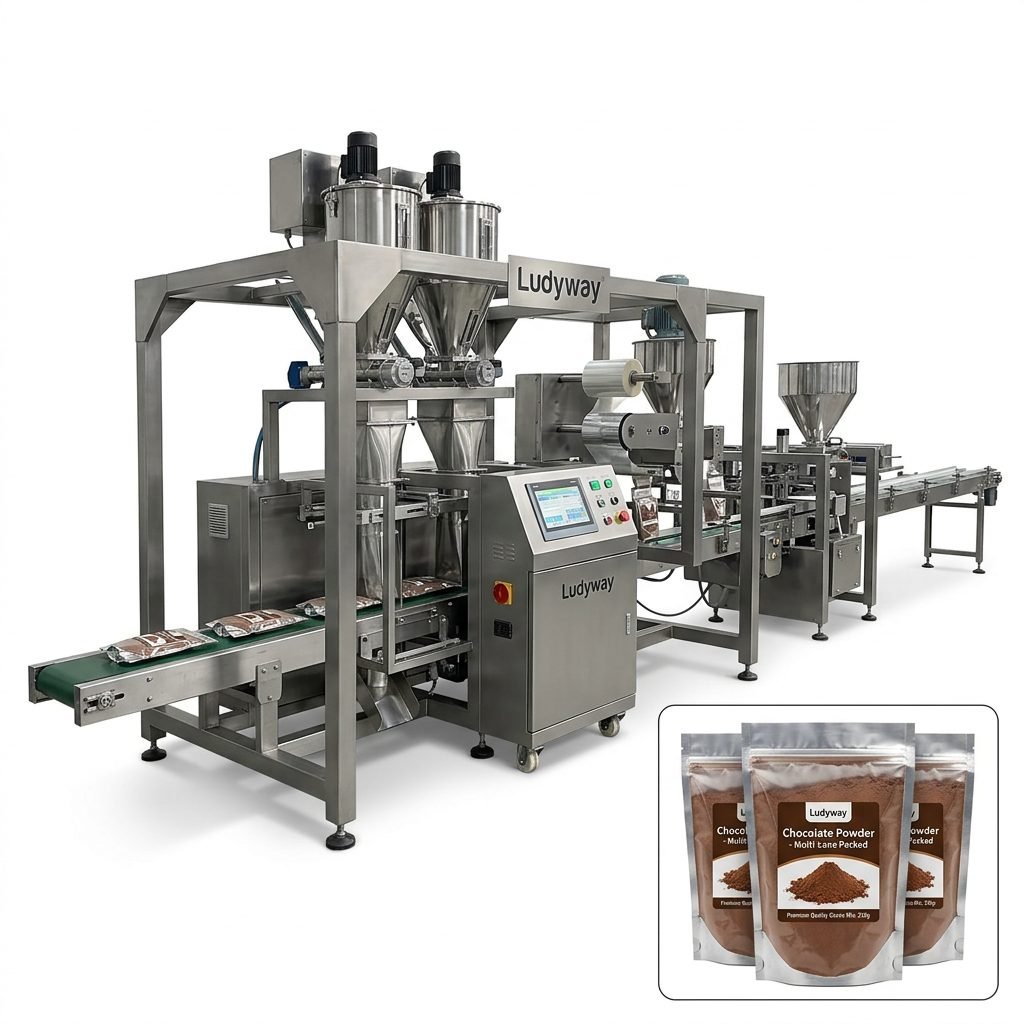
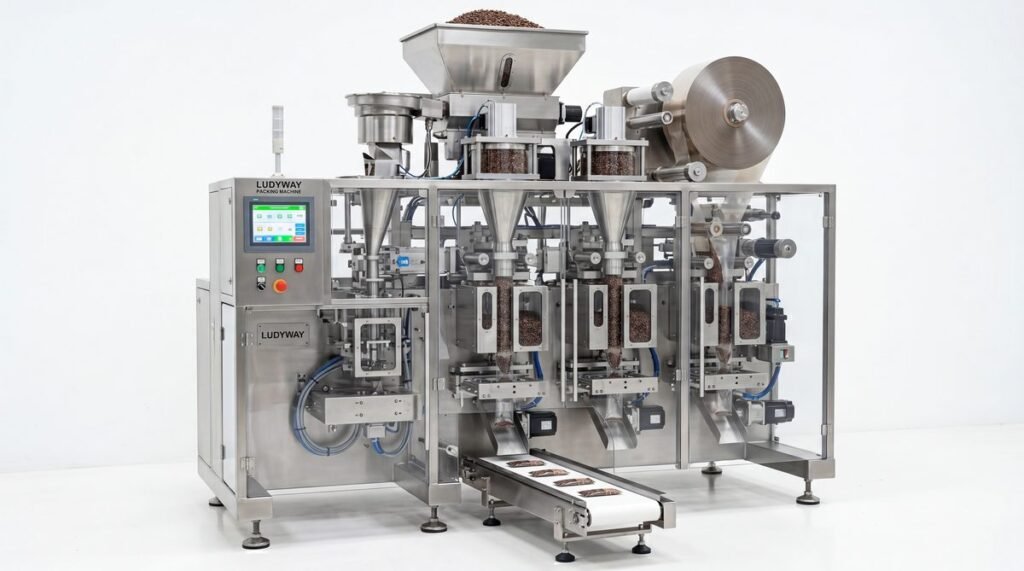
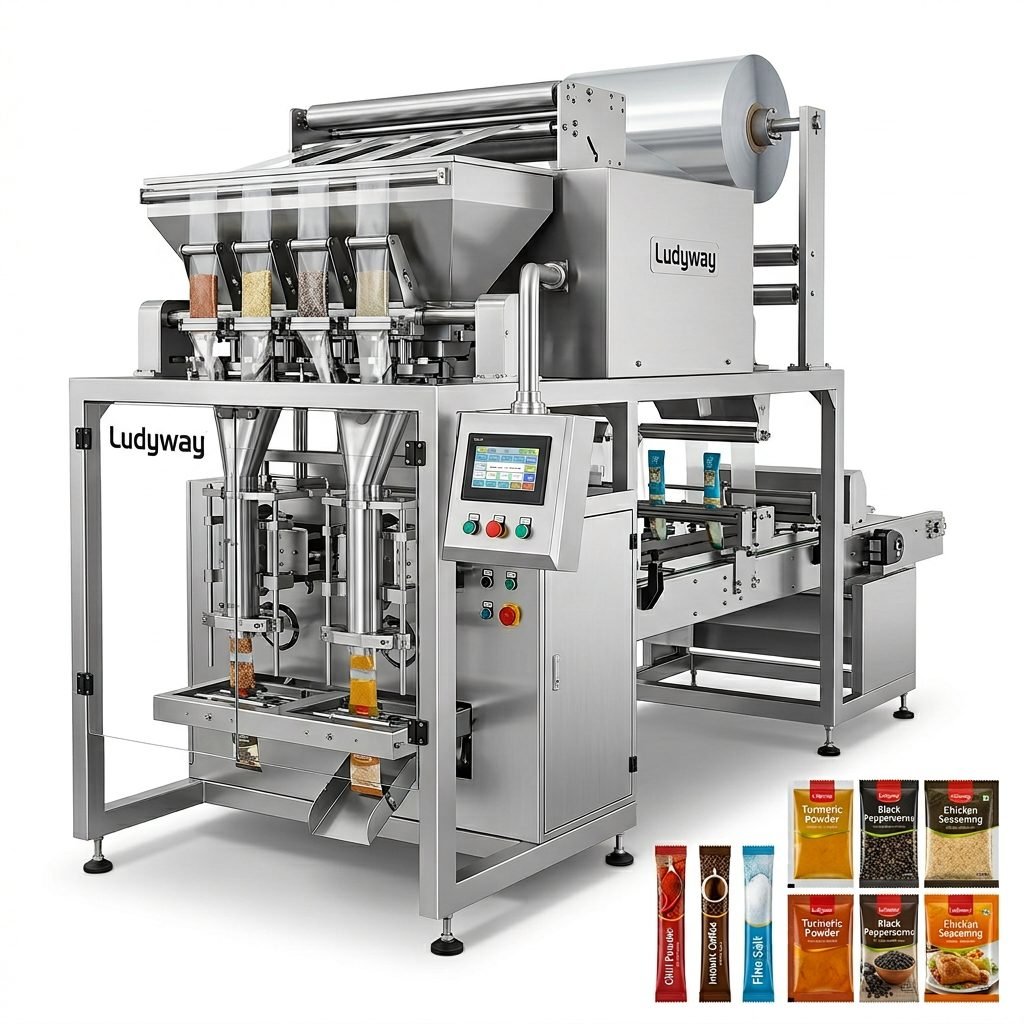
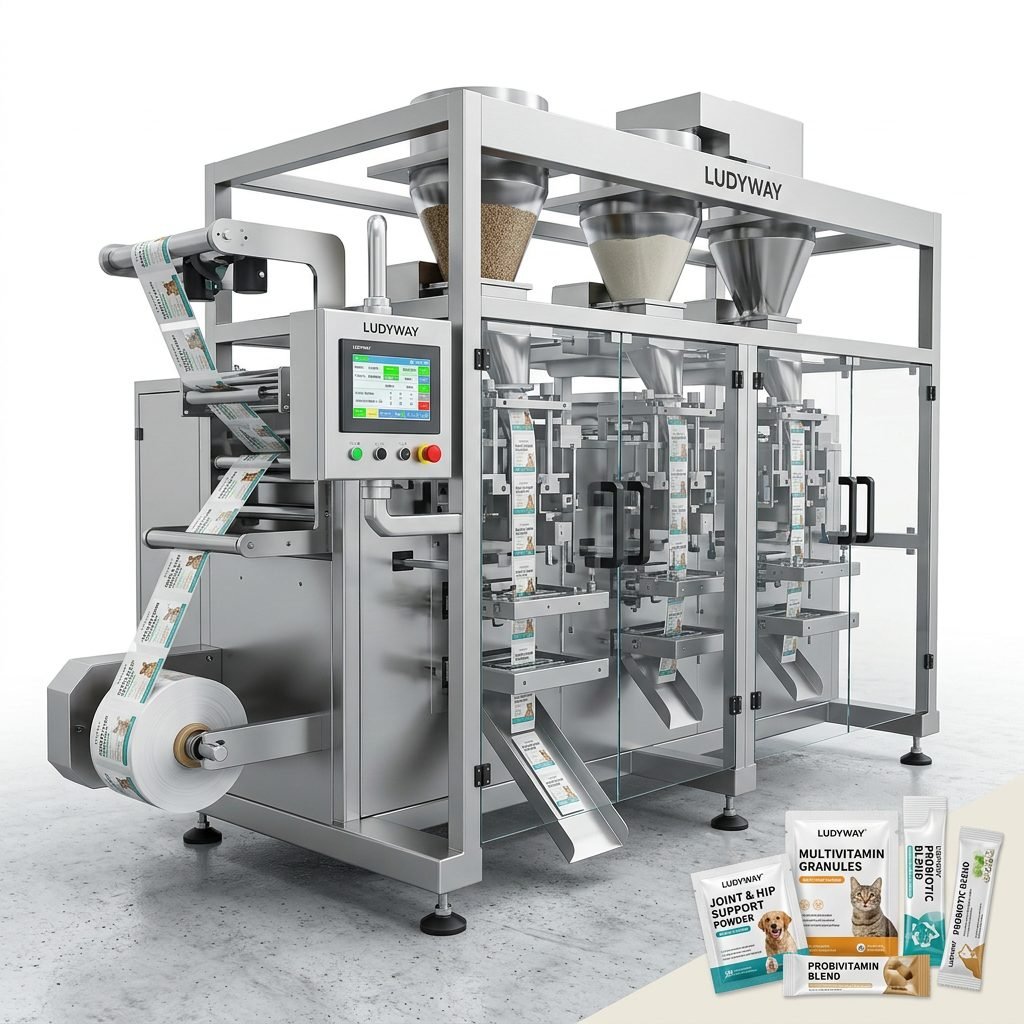
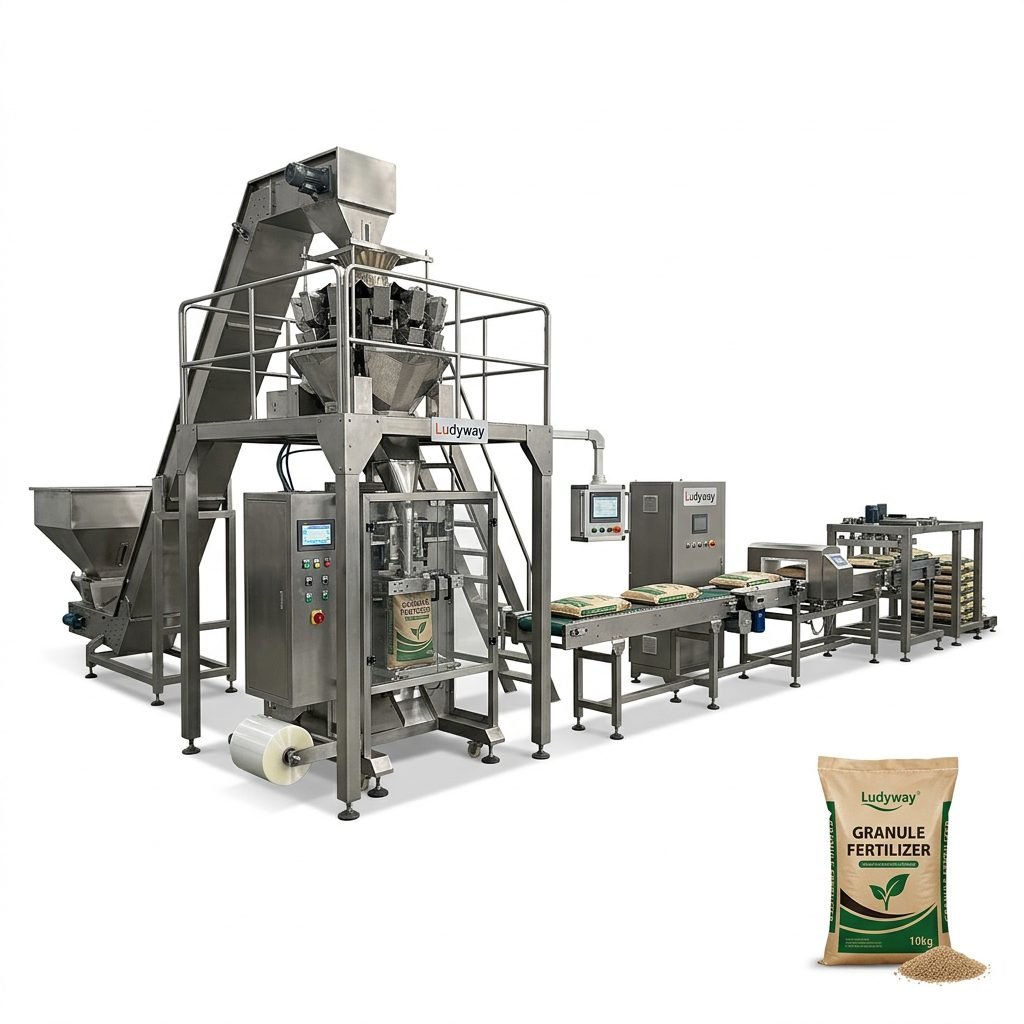
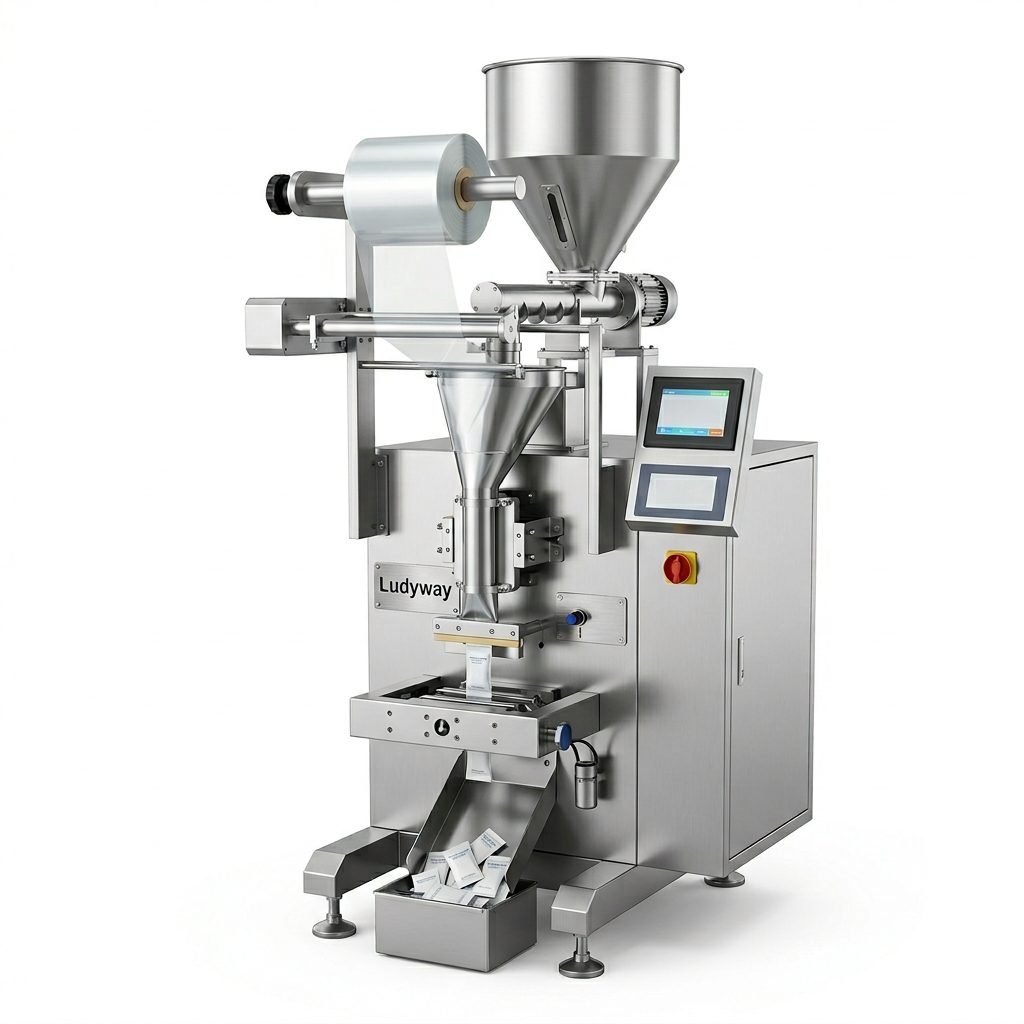
An automatic pouch filling machine is a packaging system designed to automatically open, position, fill, seal, and discharge pouches with minimal manual intervention. It is widely used in food, pharmaceutical, nutraceutical, cosmetic, chemical, and pet product industries because it helps manufacturers improve speed, accuracy, hygiene, and production consistency.
Whether you need to pack powders, granules, liquids, pastes, or specialty products, this type of equipment can be configured for different pouch styles, filling ranges, and production capacities. For growing brands and large factories alike, pouch automation is often a practical step toward reducing labor dependency while achieving more stable packaging quality.
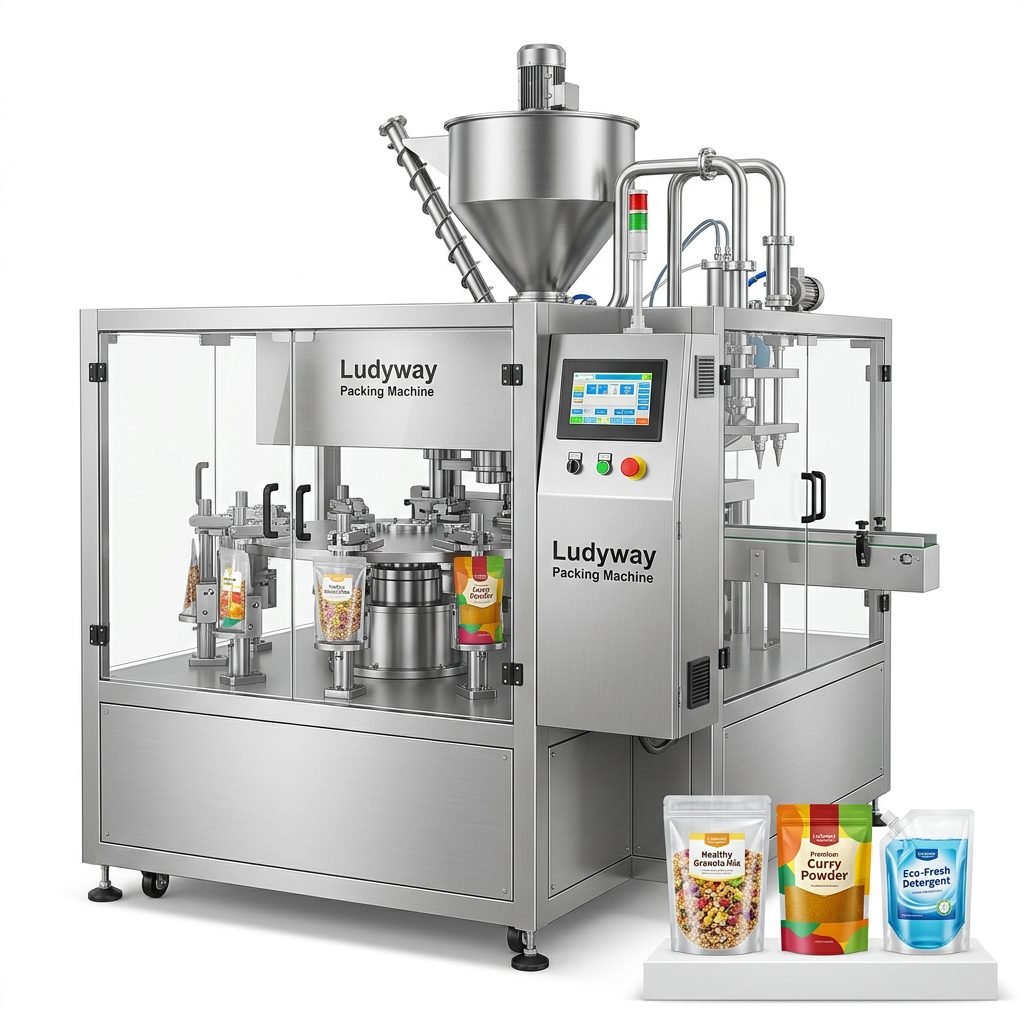
What Does an Automatic Pouch Filling Machine Do?
In simple terms, the machine takes prepared pouches or creates pouch packaging through an integrated system, then completes a sequence of automated actions:
- Feeds or picks up empty pouches
- Opens the pouch mouth
- Fills the product precisely
- Removes trapped air if required
- Seals the pouch securely
- Prints date/batch code when needed
- Discharges finished packs for downstream packing
These machines are commonly used for stand-up pouches, flat pouches, zipper pouches, spouted pouches, and other flexible packaging formats. Depending on the product, the filler can use auger dosing, volumetric cups, multihead weighers, piston pumps, liquid pumps, or custom feeding systems.
How an Automatic Pouch Filling Machine Works
Although machine layouts vary, the core workflow is usually similar. Below is the typical operating sequence.
1. Pouch Feeding
A magazine or feeding system loads premade pouches into the machine. Mechanical grippers or vacuum pick-up units separate one pouch at a time and transfer it into position.
2. Pouch Opening
The machine opens the pouch using vacuum suction, air blowing, or mechanical fingers. Sensors often verify whether the pouch has opened correctly before filling begins.
3. Product Filling
The filling station dispenses the product into the pouch. The filling method depends on material characteristics:
- Powders: auger fillers for milk powder, spices, supplements, pharma powders
- Granules: cup fillers or weighers for seeds, sugar, coffee, pet food, snacks
- Liquids: pumps for sauces, oils, detergents, beverages
- Pastes: piston systems for creams, gels, honey, ketchup
4. Settling or Auxiliary Processing
Some lines include pouch vibrating, nitrogen flushing, de-aeration, zipper closing, or dust extraction. These features improve pack appearance, shelf life, and sealing reliability.
5. Sealing
Heat sealing jaws close the pouch using controlled temperature, time, and pressure. For certain materials, the machine may perform double sealing for better leak resistance and stronger package integrity.
6. Coding and Discharge
The finished pouch can be coded with production date, lot number, or traceability details before being discharged onto a conveyor for checkweighing, inspection, cartoning, or case packing.
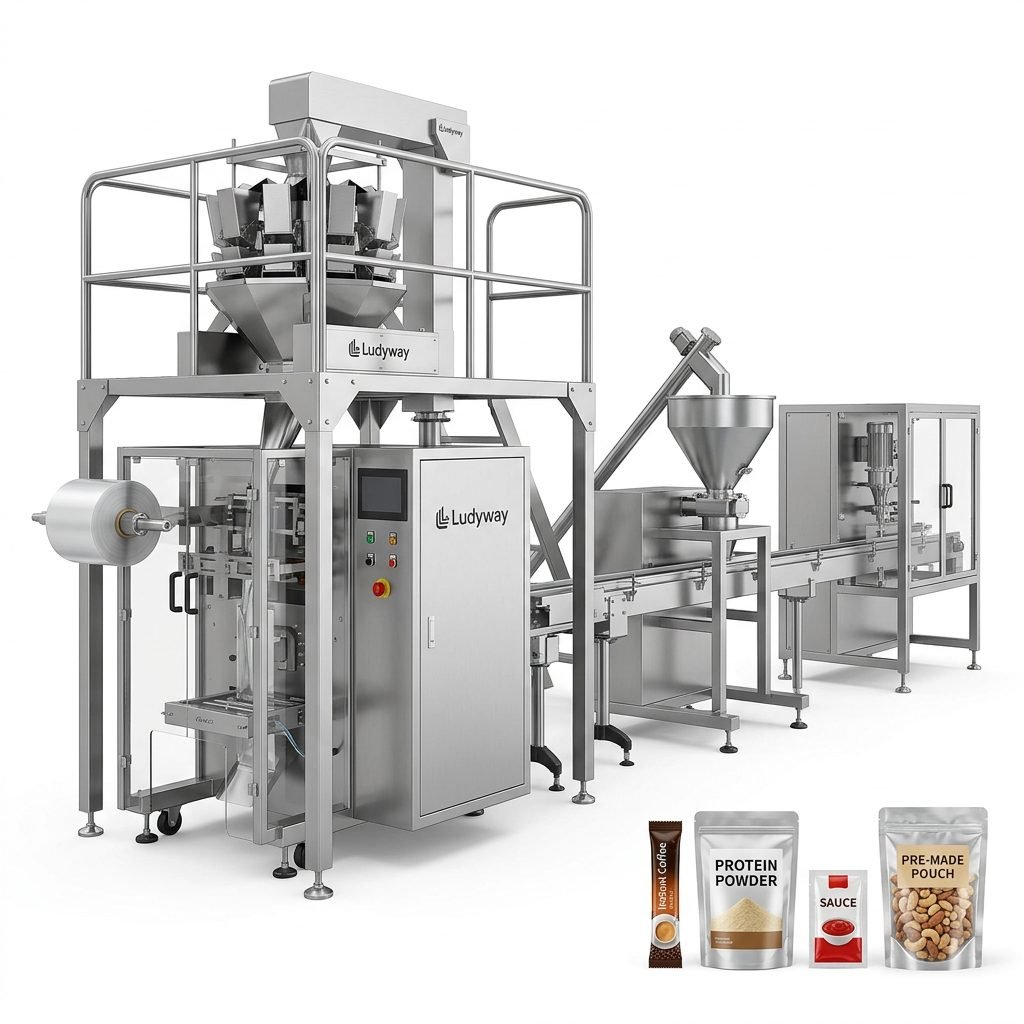
Main Components of the Machine
Understanding the major parts helps buyers evaluate machine quality and suitability for their products.
| Component | Function |
|---|---|
| Pouch magazine | Stores and feeds empty premade pouches |
| Pick-up and gripper system | Transfers and holds pouches through the process |
| Pouch opening device | Opens pouch mouth before filling |
| Filling system | Dispenses product accurately into each pouch |
| Sealing station | Closes and seals pouch securely |
| Control system | Manages automation, timing, alarms, and recipe settings |
| Sensors and inspection units | Detect pouch presence, opening status, fill errors, and seal issues |
Types of Automatic Pouch Filling Machines
Different applications require different machine structures. The most common types include:
Premade Pouch Filling Machines
These machines work with ready-made pouches supplied by the customer or packaging material supplier. They are suitable for businesses that want premium pouch appearance, zipper options, and format flexibility.
Form-Fill-Seal Pouch Machines
These machines form pouches from roll film, fill them, and seal them in one integrated process. They are often preferred for high-volume production and lower packaging material cost per unit.
Rotary Pouch Filling Machines
Rotary models use multiple stations arranged in a circular layout. They are popular for medium to high-speed production and can handle many pouch types with stable continuous motion.
Inline Pouch Filling Machines
Inline designs move pouches through a straight sequence of stations. They are often easier to integrate into specialized production layouts and can be practical for custom projects.
What Products Can Be Packed?
Automatic pouch filling machines are highly versatile. Typical applications include:
- Protein powder, coffee powder, flour, spices, milk powder
- Sugar, salt, grains, seeds, nuts, dried fruit, snacks
- Sauces, oils, syrups, beverages, liquid supplements
- Creams, gels, lotions, shampoo, cosmetic formulas
- Pharmaceutical powders, granules, oral care products
- Detergents, additives, chemical powders, pet nutrition products
Key Benefits of Using an Automatic Pouch Filling Machine
Higher Production Efficiency
Automation significantly increases output compared with manual or semi-automatic packaging. It also helps maintain stable operating rhythm over long production runs.
Better Filling Accuracy
Precision dosing systems reduce giveaway and support more consistent net content, which is especially important for expensive powders, supplements, and pharmaceutical products.
Lower Labor Dependence
A properly configured machine reduces the number of operators needed for repetitive filling and sealing work. This can improve labor allocation and reduce long-term operating pressure.
Improved Seal Quality
Automated temperature and pressure control help produce more uniform seals, reducing leakage, contamination risks, and rework.
Enhanced Hygiene and Safety
For food, pharma, and health products, automated contact handling can improve cleanliness and reduce operator exposure to the product.
Professional Packaging Appearance
Neat filling, accurate positioning, and consistent sealing create more appealing retail-ready packs that support brand image and shelf impact.
Automatic vs. Semi-Automatic Pouch Filling Machines
| Feature | Automatic | Semi-Automatic |
|---|---|---|
| Labor requirement | Low | Higher |
| Production speed | Medium to high | Low to medium |
| Consistency | High | Operator-dependent |
| Initial investment | Higher | Lower |
| Best for | Scaling factories and continuous production | Small batches and startups |
How to Choose the Right Automatic Pouch Filling Machine
Selecting the right model is not only about speed. Buyers should compare machine configuration with actual product and production needs.
Consider Product Characteristics
- Is the product powder, granule, liquid, or paste?
- Does it create dust, foam, or stickiness?
- Does it require gentle handling or anti-bridging design?
Match the Pouch Type
- Flat pouch
- Stand-up pouch
- Zipper pouch
- Spouted pouch
- Special-shaped pouch
Check Speed and Output Goals
Choose a machine that meets both current and future production plans. Buying only for today’s volume can limit growth later.
Evaluate Accuracy Requirements
For high-value products such as supplements, specialty chemicals, and pharmaceutical materials, dosing precision should be a top priority.
Review Material Compatibility
Food-grade or corrosion-resistant contact parts may be necessary depending on the product. Stainless steel construction is often preferred for hygiene and durability.
Think About Full-Line Integration
The best long-term solution may include conveyors, metal detectors, checkweighers, coding systems, cartoners, and case packers rather than a standalone filler alone.
Industries That Commonly Use This Equipment
Automatic pouch filling machines are now standard in many sectors:
- Food and beverage
- Pharmaceuticals
- Health supplements
- Cosmetics and personal care
- Household and cleaning chemicals
- Agriculture and animal nutrition
- Industrial chemical packaging
Common Challenges and How Modern Machines Solve Them
Inconsistent Fill Weight
Modern dosing systems with servo control and feedback mechanisms help improve repeatability and reduce variation.
Poor Pouch Opening
Vacuum-assisted opening, air blow systems, and pouch-open detection sensors minimize misfeeds and non-fill errors.
Seal Contamination
Dust extraction, top cleaning, and controlled product settling reduce the chance of particles entering the seal area.
Frequent Changeovers
Recipe storage, quick-change tooling, and touchscreen controls make it easier to switch between pouch sizes and products.
Maintenance Tips for Better Machine Performance
- Clean product contact parts regularly
- Inspect sealing jaws and temperature stability
- Check grippers, vacuum systems, and sensors
- Lubricate moving parts according to schedule
- Calibrate filling systems periodically
- Train operators to identify early warning signs
Preventive maintenance is essential for keeping downtime low and preserving fill accuracy and seal quality over time.
Why Turnkey Packaging Solutions Matter
For many manufacturers, the pouch filler is only one part of the process. A full packaging line may also include feeding, conveying, inspection, coding, counting, cartoning, bundling, and palletizing. Working with an experienced supplier can simplify system integration and reduce compatibility issues.
If you are evaluating reliable pouch automation from an experienced manufacturer, Ludyway automatic pouch filling machine solutions can be considered for food, pharmaceutical, health supplement, cosmetic, chemical, and turnkey packaging line applications.
Frequently Asked Questions
Can one machine handle different pouch sizes?
Yes. Many automatic pouch filling machines are designed to support a range of pouch sizes, though some format changes may require tooling adjustment or change parts.
Can it fill both powders and liquids?
Usually not with the exact same filler setup. The core machine may be adapted, but powders and liquids normally require different filling systems.
Is it suitable for small businesses?
Yes, if production demand is growing. Small businesses often start with compact or lower-speed automatic models and upgrade as volume expands.
How fast can an automatic pouch filling machine run?
Speed depends on product type, pouch size, fill volume, and machine design. Output can range from modest production rates to high-speed industrial operation.
What is the biggest advantage?
For most manufacturers, the biggest advantage is the combination of efficiency, accuracy, and consistent packaging quality.
Final Thoughts
An automatic pouch filling machine is a smart investment for manufacturers that need faster packaging, reduced labor reliance, better fill control, and stronger package consistency. From powders and granules to liquids and pastes, this equipment supports a wide range of industries and pouch formats.
The ideal machine should match your product behavior, pouch style, speed target, hygiene standards, and future expansion plans. When selected correctly, it can become a key part of a more efficient and scalable packaging operation.