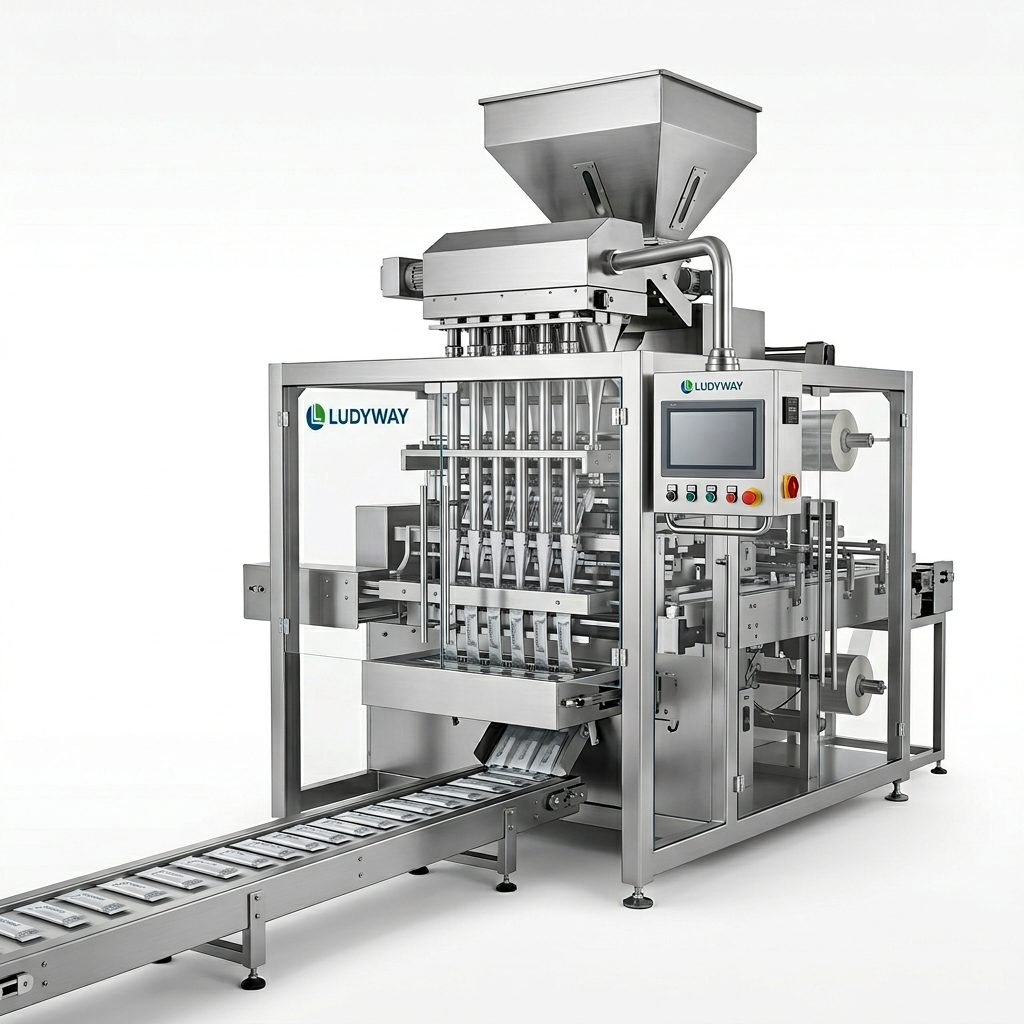
A double chamber vacuum packaging machine is a practical solution for businesses that need fast, reliable, and repeatable vacuum sealing. Compared with single chamber models, it allows operators to load one chamber while the other is sealing, which significantly improves output. This makes it a preferred option for food processors, central kitchens, meat plants, seafood packers, pharmaceutical manufacturers, and industrial product suppliers.
If you are comparing equipment for commercial packaging, understanding how a double chamber machine works, where it performs best, and what buying factors matter most can help you make a smarter investment.

What Is a Double Chamber Vacuum Packaging Machine?
A double chamber vacuum packaging machine is a type of vacuum sealer with two working chambers and one movable lid. While one chamber is completing vacuuming and sealing, the operator can prepare the next batch in the other chamber. This alternating workflow reduces waiting time and supports higher production efficiency.
These machines are commonly used with vacuum pouches for products that need longer shelf life, reduced oxidation, cleaner presentation, and better transport protection.
How it works
- Products are placed into vacuum bags inside one chamber.
- The lid closes and air is removed from the bag and chamber.
- The sealing bar heat-seals the pouch.
- The chamber returns to atmospheric pressure.
- The operator moves to the second chamber and repeats the cycle.
Key Benefits of a Double Chamber Vacuum Packaging Machine
For many manufacturers, the biggest advantage is productivity. However, the value of this machine goes beyond speed alone.
1. Higher packaging efficiency
Because the two chambers work in rotation, downtime between cycles is reduced. This helps businesses achieve more packs per hour without requiring a fully automated line.
2. Better shelf life and freshness
Vacuum packaging removes oxygen, which helps slow spoilage, oxidation, and moisture-related quality loss. This is especially important for meat, cheese, seafood, prepared meals, coffee, and dry food products.
3. Improved product appearance
A properly vacuum-sealed pouch gives products a clean, professional look. This is useful for wholesale, retail, foodservice, and export packaging.
4. Lower labor pressure
Operators can load one chamber while the other is sealing, creating a smoother workflow. In medium-volume operations, this can reduce bottlenecks without adding more workers.
5. Versatile packaging capability
Double chamber vacuum sealers can handle many product categories, including solid foods, powders in pouches, medical items, electronic parts, and industrial components, depending on bag type and machine configuration.
6. Stable sealing quality
Commercial machines typically offer stable vacuum pressure, sealing temperature, and cycle control, which supports consistent seal integrity across production batches.
Common Uses Across Industries
Food industry
The food sector is the most common application area for double chamber vacuum packaging equipment. It is often used for:
- Fresh and frozen meat
- Seafood and fish fillets
- Cheese and dairy products
- Cooked meals and ready-to-eat foods
- Pickled products
- Coffee beans and ground coffee
- Nuts, dried fruits, and snacks
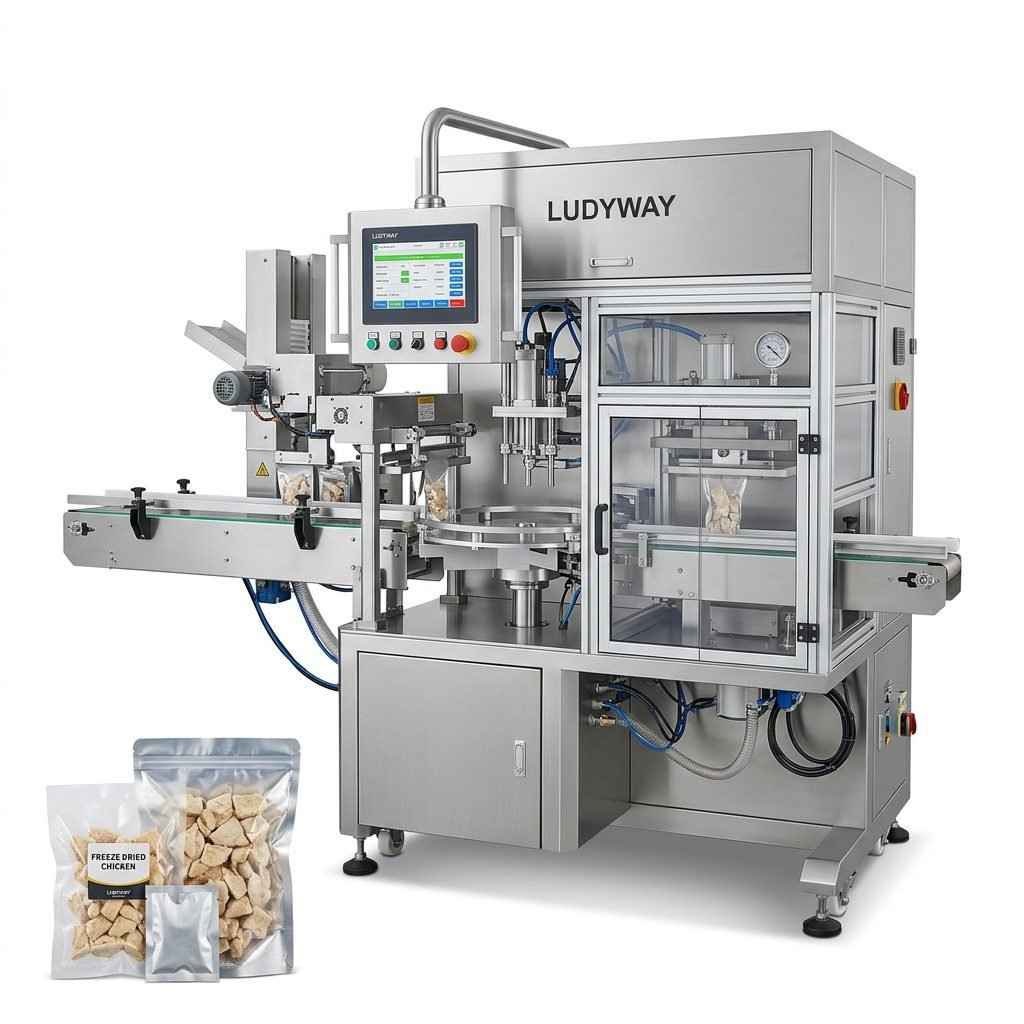
- Frozen and freeze-dried foods
Pharmaceutical and medical products
In some applications, vacuum packaging helps protect products from moisture, dust, and contamination during storage and transport. Depending on the packaging standard required, these machines may be used for non-sterile medical accessories, health products, and selected pharmaceutical items.
Electronics and industrial parts
Vacuum sealing can also be used for electronic components, metal parts, hardware kits, and products sensitive to moisture or oxidation.
Agricultural and specialty products
Seeds, feed additives, specialty powders, dehydrated ingredients, and premium agricultural products may also benefit from vacuum packaging for storage stability and cleaner presentation.
Double Chamber vs Single Chamber Vacuum Packaging Machine
| Feature | Single Chamber | Double Chamber |
|---|---|---|
| Output capacity | Lower | Higher |
| Workflow efficiency | One chamber only | Alternating two-chamber operation |
| Best for | Small batch production | Medium to high-volume production |
| Labor use | Moderate | More efficient per cycle |
| Investment cost | Lower upfront cost | Higher but better for scaling |
Who Should Buy a Double Chamber Vacuum Packaging Machine?
This machine is a good fit if your business has any of the following needs:
- You package products continuously through the day.
- You need faster throughput than a single chamber machine can provide.
- You want to improve shelf life and product appearance.
- You handle products that require reliable vacuum performance.
- You are upgrading from manual or entry-level vacuum packaging.
For growing processors and exporters, a double chamber machine often provides a practical balance between automation, affordability, and output.
Important Buying Factors to Consider
Chamber size
The chamber dimensions determine the maximum pouch size and product format you can pack. Always compare your current bag sizes and future packaging plans before choosing a model.
Sealing bar length and number
Longer or multiple sealing bars allow more bags per cycle. This directly affects productivity, especially for flat products or multi-pack loading.
Vacuum pump quality
The pump is one of the most important components. A high-quality vacuum pump supports faster cycle times, stronger vacuum levels, and better long-term reliability.
Machine material
For food and wet processing environments, stainless steel construction is usually preferred. It improves hygiene, corrosion resistance, and cleaning convenience.
Control system
Modern machines may include digital control panels, programmable vacuum time, sealing temperature settings, soft-air functions, and maintenance alerts. These features can improve ease of use and consistency.
Product type
Not all products behave the same during vacuum sealing. Liquids, powders, sharp-edged items, and fragile foods may need special bag materials, angle inserts, gas flushing, or customized sealing settings.
Output requirements
Estimate how many packs you need per hour and per shift. Buying too small can cause production bottlenecks, while buying too large can increase unnecessary cost.
Maintenance and spare parts
Check whether spare parts, technical support, and after-sales service are easy to access. This matters greatly for reducing downtime.
Compliance and export suitability
If you serve international markets, confirm the machine can meet your required electrical standards, material specifications, and documentation expectations.
Quick Buying Checklist
| Checklist Item | Why It Matters |
|---|---|
| Product dimensions | Ensures chamber and bag compatibility |
| Daily production volume | Helps determine machine capacity |
| Bag material and thickness | Affects seal strength and performance |
| Vacuum level requirement | Important for shelf life and presentation |
| Factory environment | Influences material and protection level |
| After-sales support | Reduces downtime and operating risk |
Tips for Choosing the Right Supplier
Selecting the right machine is important, but choosing the right manufacturer is just as critical. Look for a supplier that offers:
- Experience in your target industry
- Custom configuration support
- Clear machine specifications
- Factory production capability
- Installation and training support
- Reliable export and service experience
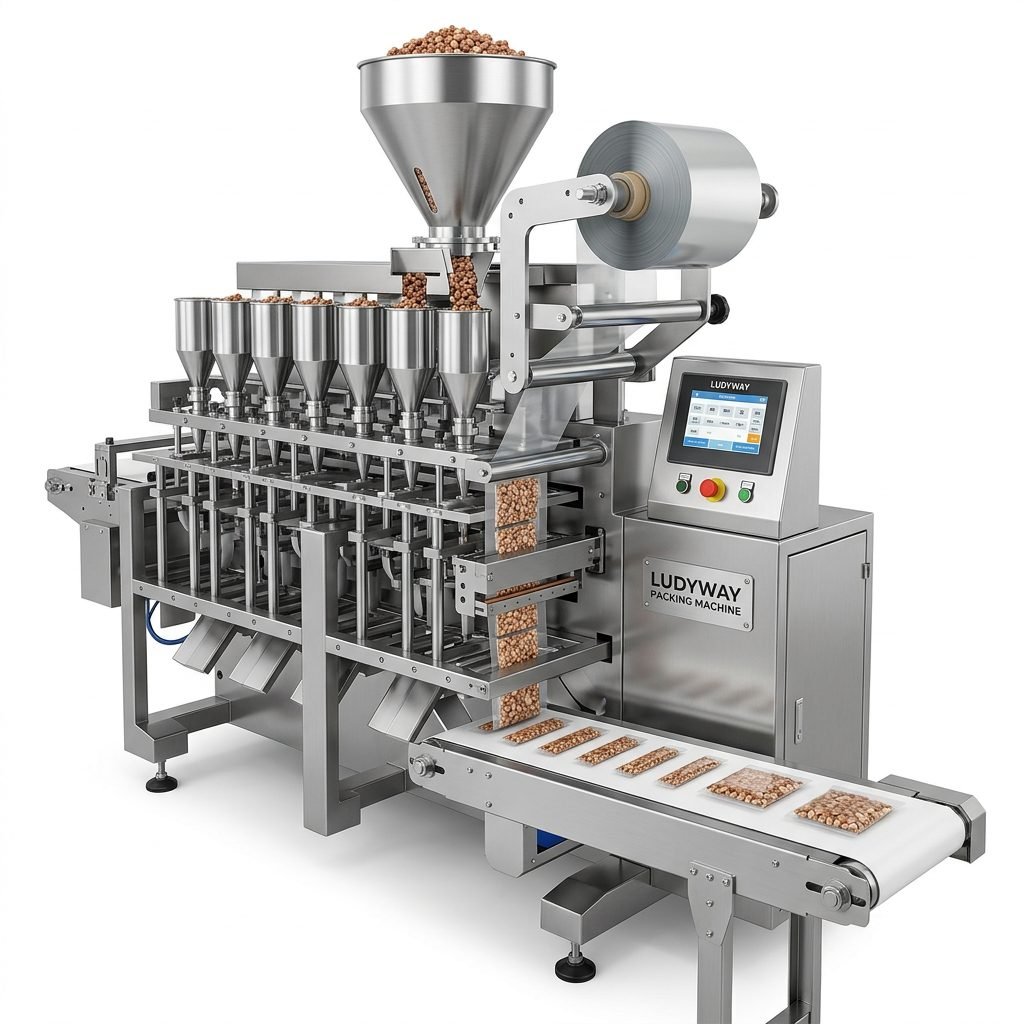
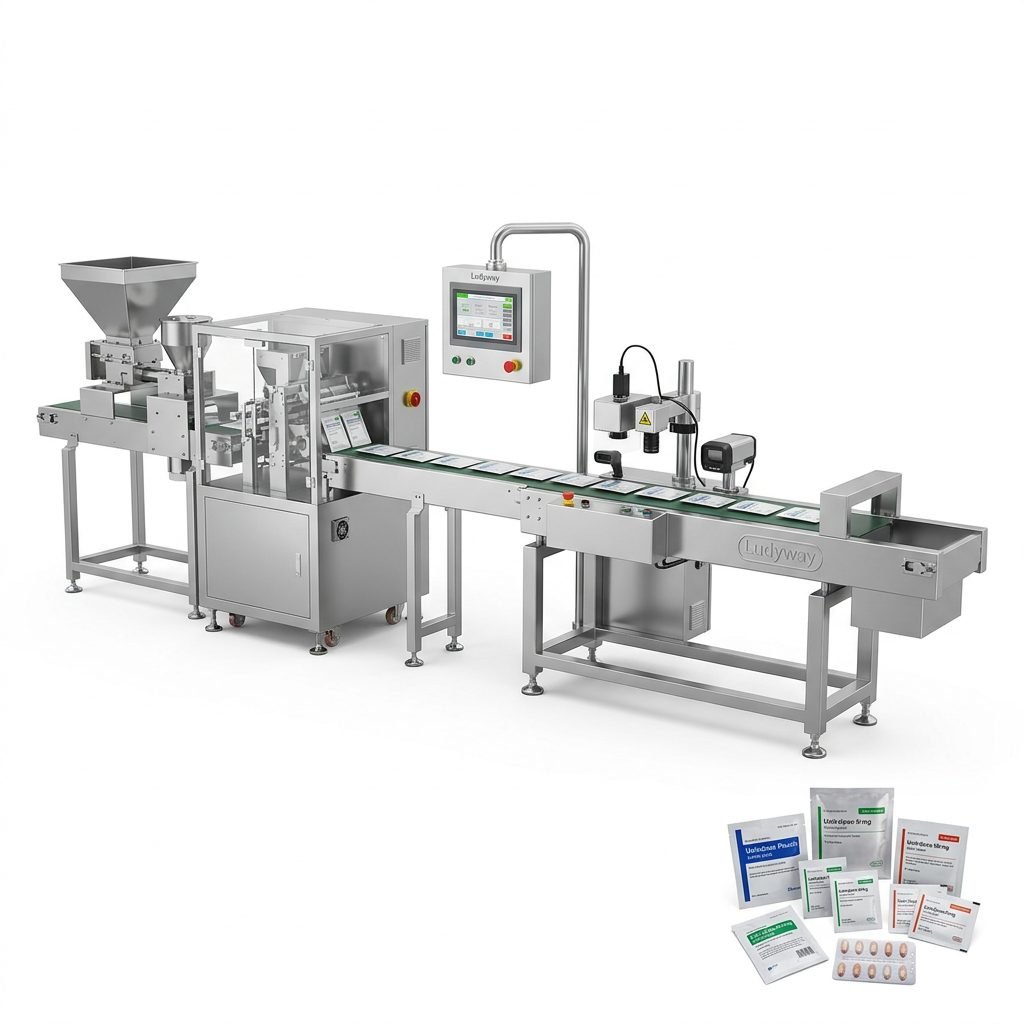
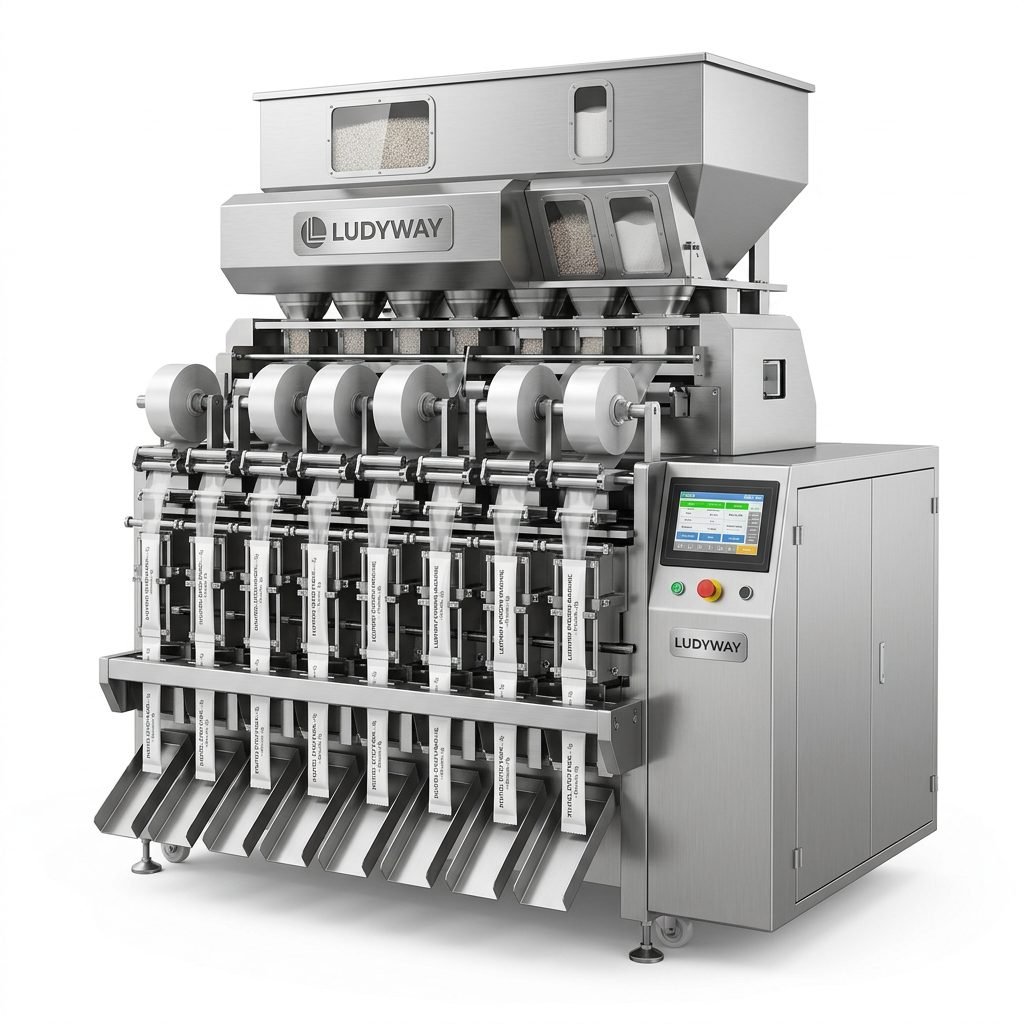
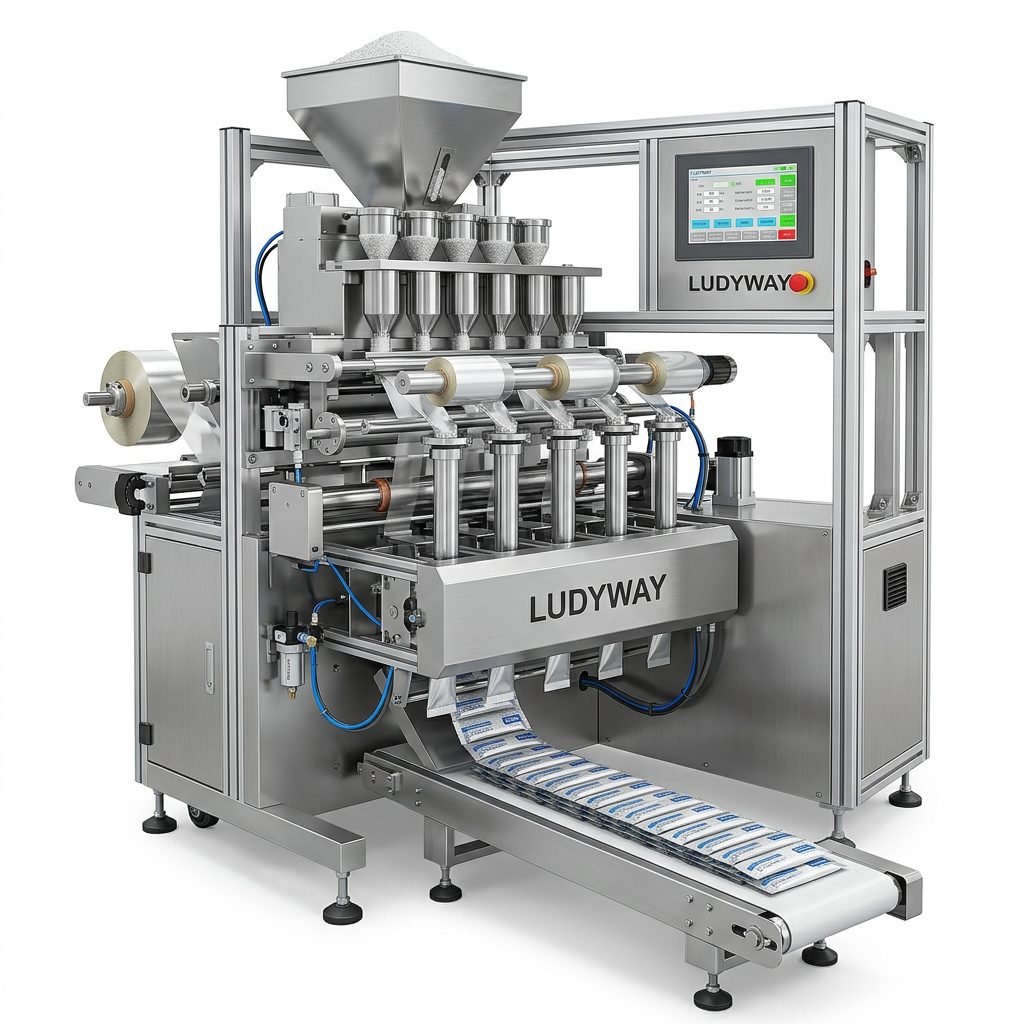
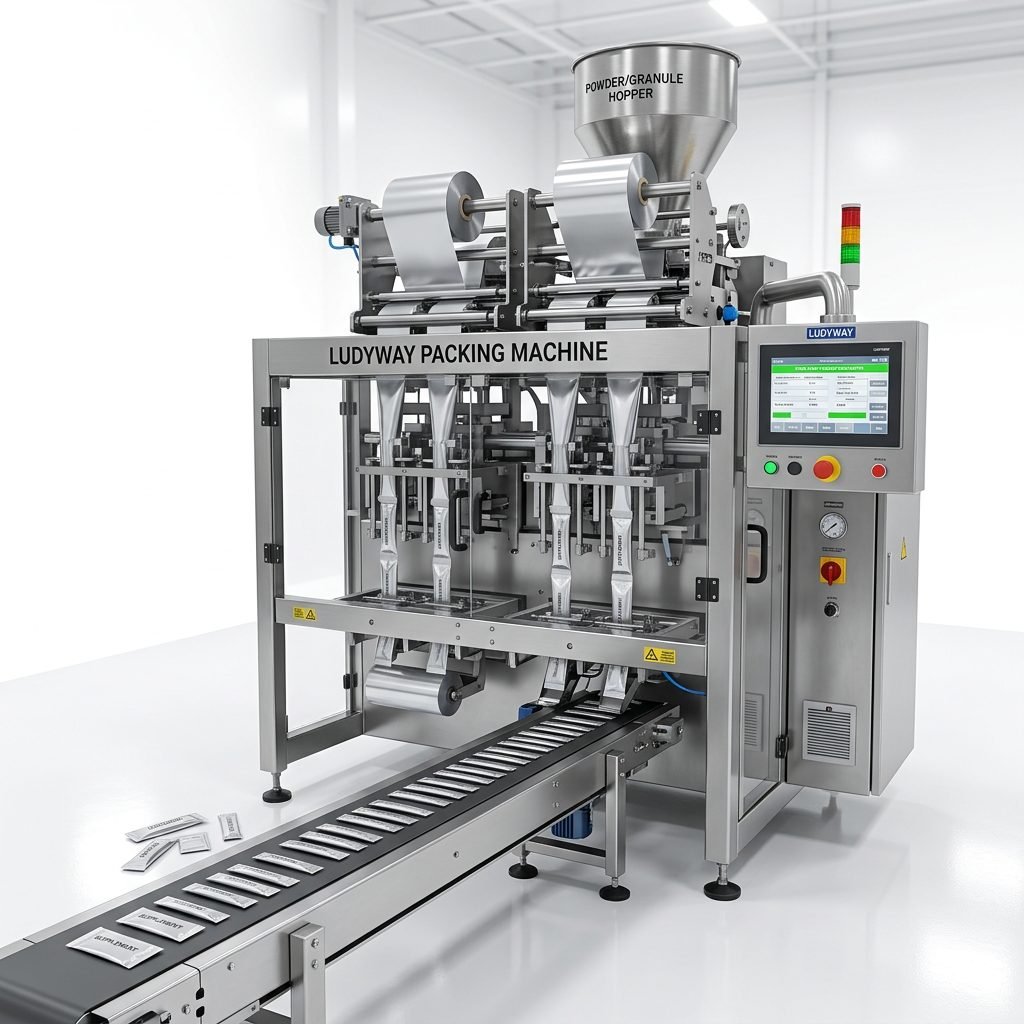
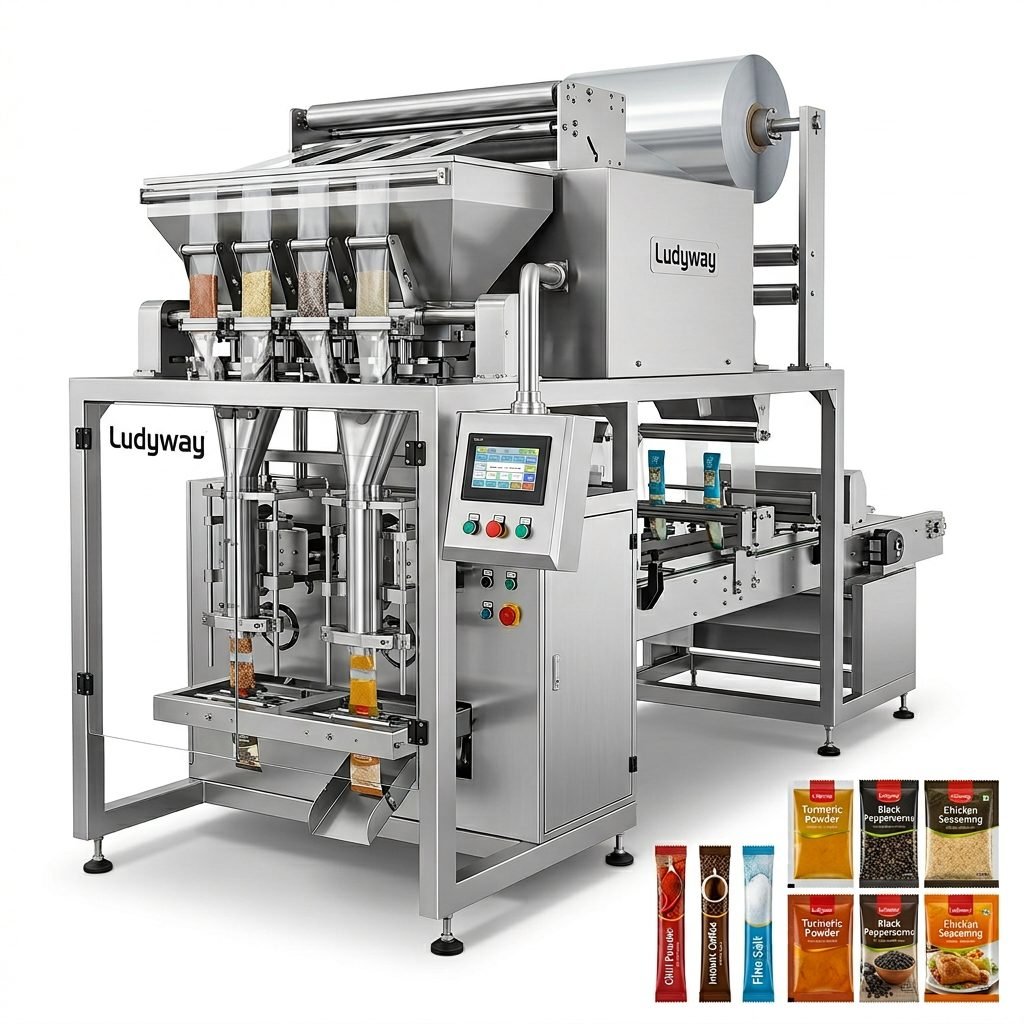
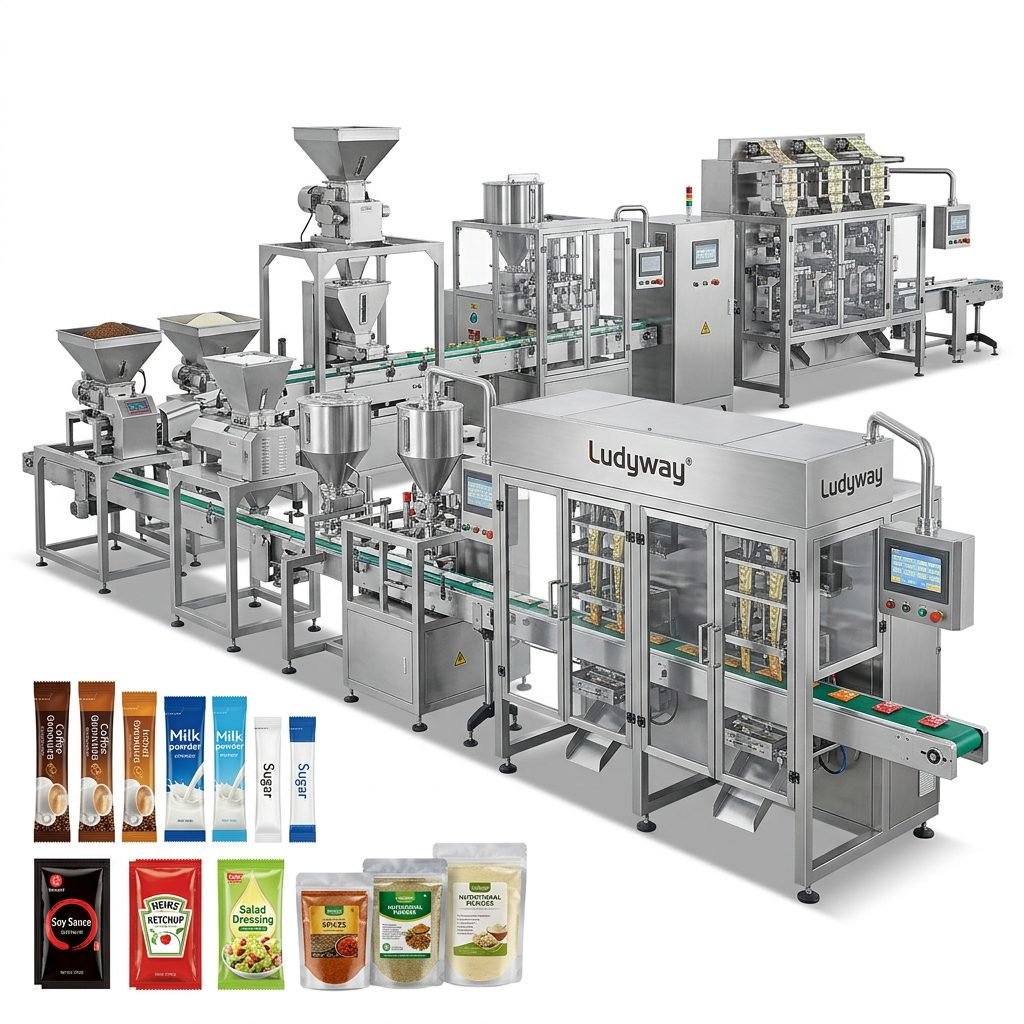
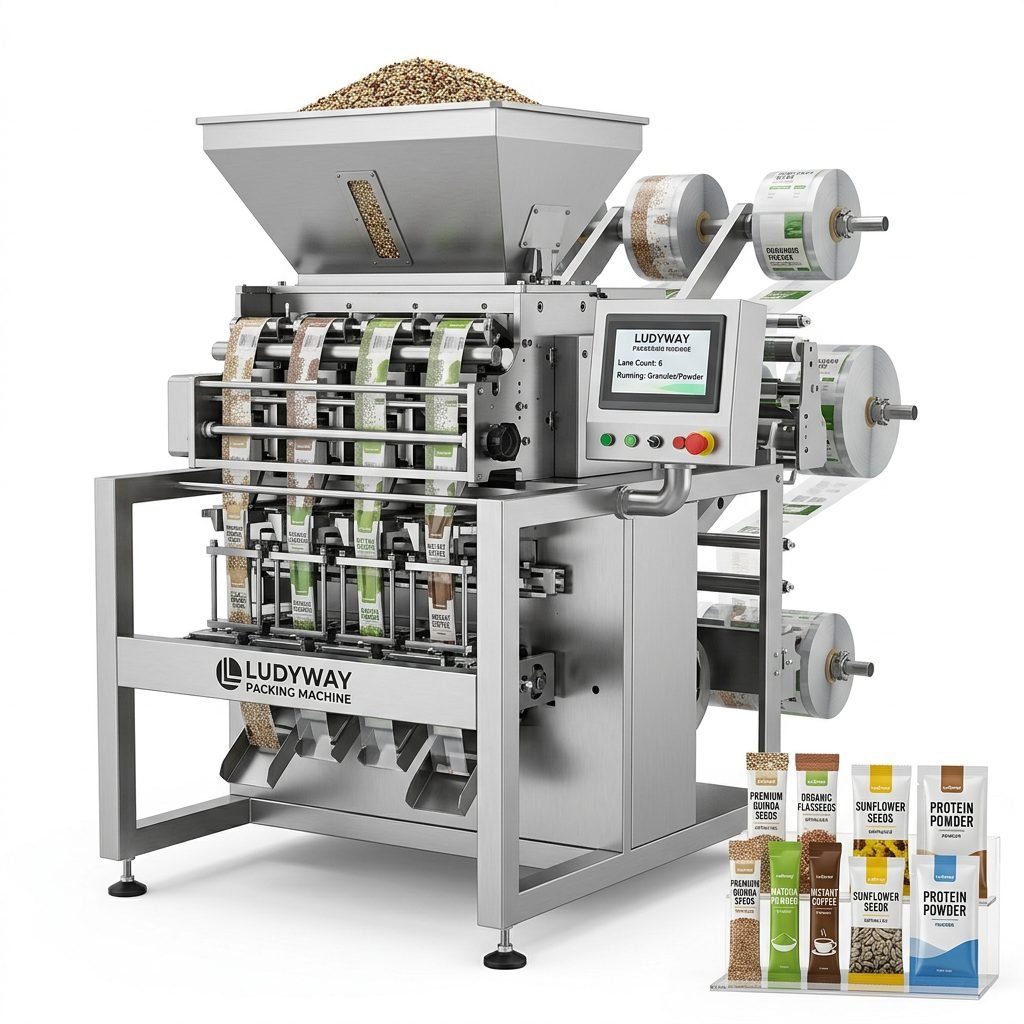
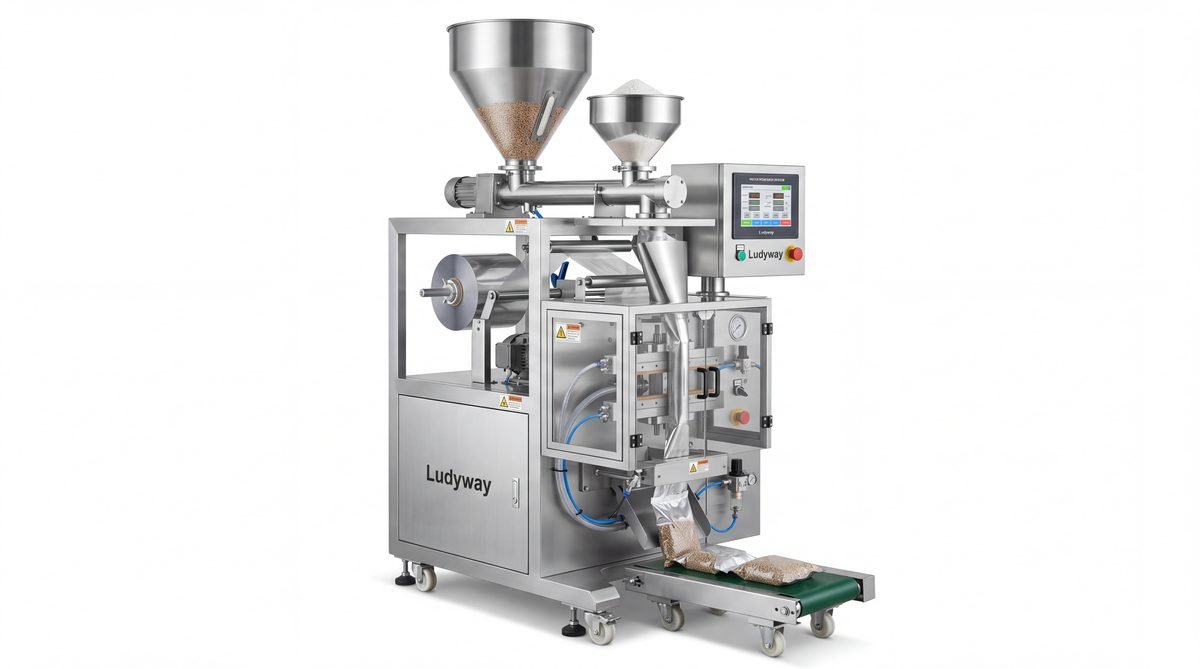
For buyers seeking broader packaging automation solutions, Ludyway packaging machine manufacturer offers packaging equipment and turnkey packaging line solutions for food, pharmaceutical, health supplement, and related industries, backed by more than 30 years of manufacturing experience.
Frequently Asked Questions
Is a double chamber vacuum packaging machine suitable for small businesses?
Yes, if the business already has stable order volume and needs faster output. For very low production volumes, a single chamber model may be more economical.
Can it package liquid products?
It can handle some liquid or sauce products when the pouch is positioned properly and the machine is configured for the application. Product behavior during vacuuming should always be tested.
How much maintenance does it require?
Routine maintenance usually includes cleaning, checking sealing bars, replacing wear parts, and servicing the vacuum pump according to the manufacturer’s schedule.
What is the biggest advantage over a single chamber model?
The main advantage is higher productivity. Two chambers allow continuous loading and sealing with less waiting time.
Final Considerations Before You Buy
A double chamber vacuum packaging machine is often the right choice for businesses that want to improve packaging speed, product protection, and operational consistency without moving immediately to a fully automatic system. It is especially valuable in industries where shelf life, hygiene, appearance, and throughput directly affect profitability.
Before buying, compare chamber size, sealing configuration, vacuum pump quality, machine durability, service support, and future production plans. A well-matched machine can deliver long-term value through better efficiency, lower waste, and more reliable packaging performance.