Choosing the best rice packaging machine is not only about speed. It is about finding a system that matches your rice type, bag style, production target, factory space, labor plan, and long-term growth strategy. A well-matched machine can help your business reduce waste, improve sealing quality, maintain accurate weight, and build a more professional brand image in the market.
Whether you pack white rice, brown rice, basmati rice, jasmine rice, organic rice, or instant rice products, the right equipment should support stable output, clean filling, reliable sealing, and efficient automation.
Why the Right Rice Packaging Machine Matters
Rice is one of the most widely consumed staple foods in the world, and packaging quality strongly affects shelf appeal, transportation safety, and customer trust. Poor packaging can lead to broken grains, inaccurate weights, weak seals, dust leakage, and higher return rates. A suitable machine helps you:
- Improve packaging consistency
- Reduce manual labor and operator error
- Increase packaging speed
- Protect rice from moisture and contamination
- Support better traceability with coding and labeling
- Lower total packaging cost over time
For growing rice brands, wholesalers, food processors, and export businesses, packaging machinery is a production asset that directly affects profitability.
Understand Your Rice Product Before Choosing a Machine
Before comparing models, define exactly what you need to pack. Different rice products behave differently in filling systems and may require different weighing or sealing configurations.
Key product questions to ask
- Are you packing standard grains, premium long-grain rice, or broken rice?
- Is the product free-flowing or dusty?
- Do you need pillow bags, gusset bags, premade pouches, or large woven sacks?
- What is your target pack size: 500g, 1kg, 5kg, 10kg, 25kg, or more?
- Do you need vacuum packaging or nitrogen flushing?
- Is the product for retail, foodservice, or industrial bulk supply?
| Rice Product Type | Common Packaging Format | Recommended Machine Direction |
|---|---|---|
| White rice / brown rice | Pillow bags, gusset bags | Vertical form fill seal with weighing system |
| Premium rice | Stand-up pouches, branded retail bags | Premade pouch packaging machine |
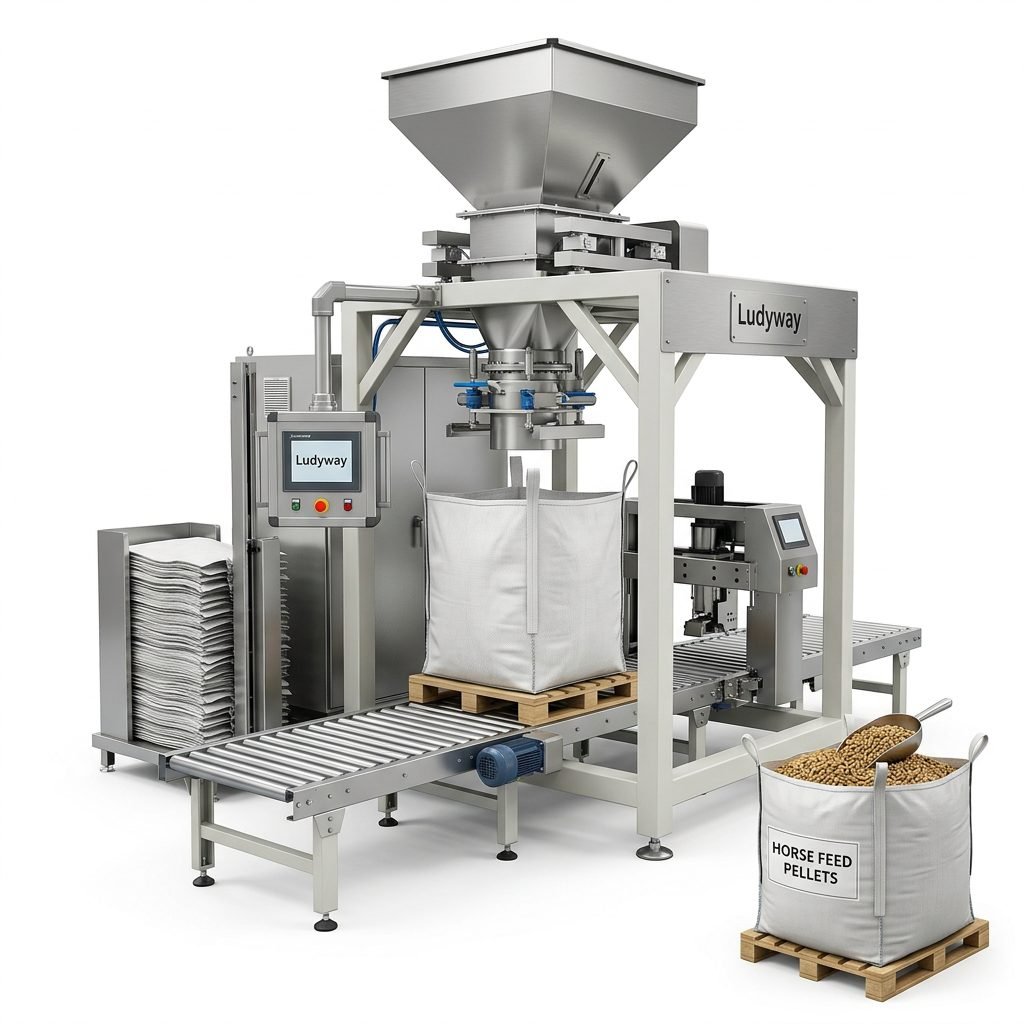
| Bulk rice | 10kg–50kg sacks | Open-mouth bagging or heavy-duty weighing line |
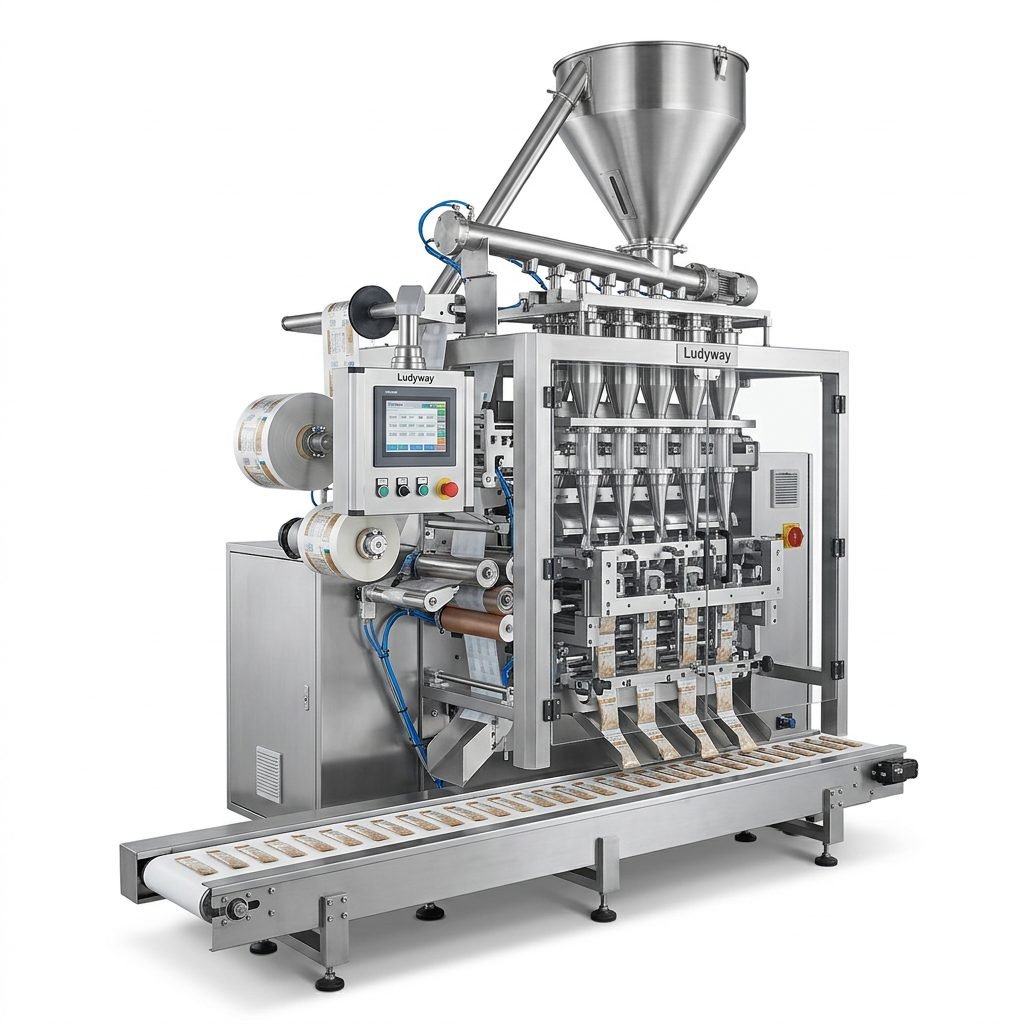
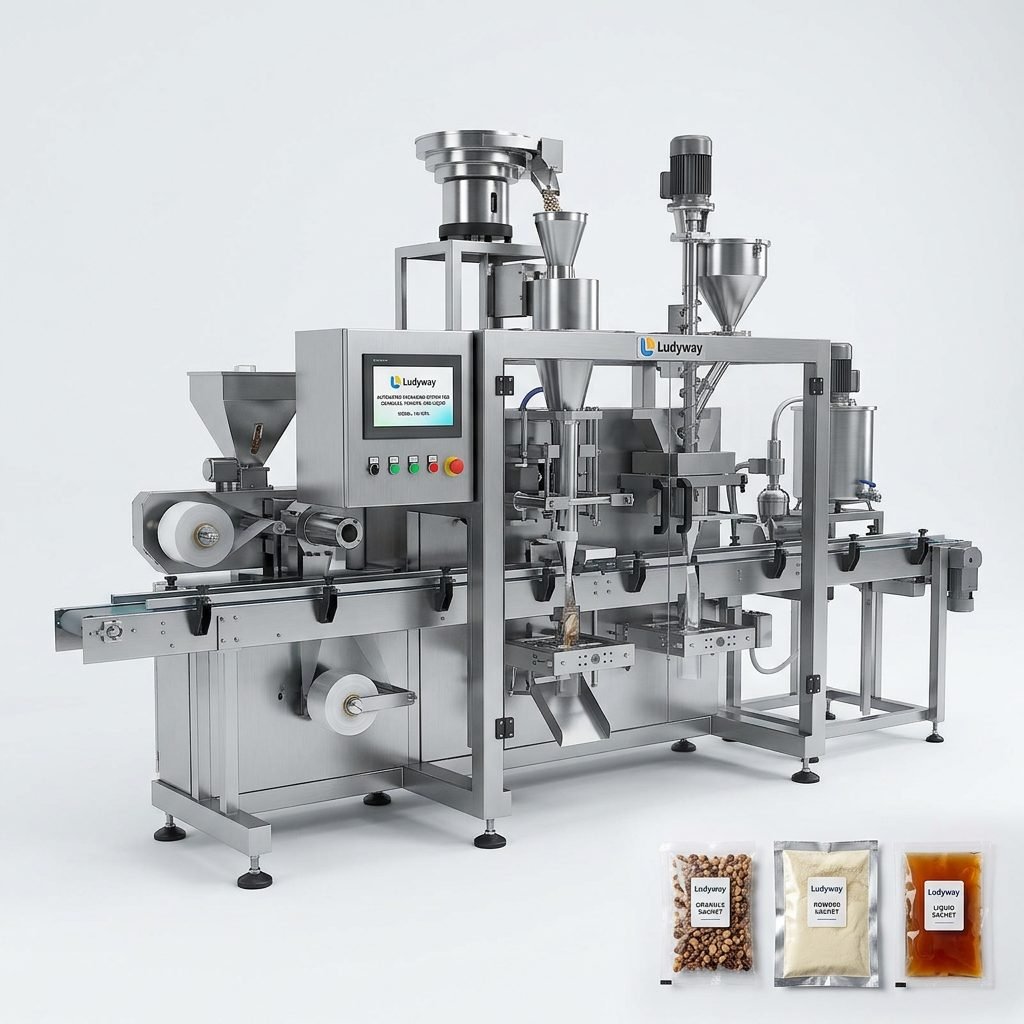
| Instant rice powder / rice flour | Sachets, stick packs | Multi-lane sachet or stick pack machine |
Main Types of Rice Packaging Machines
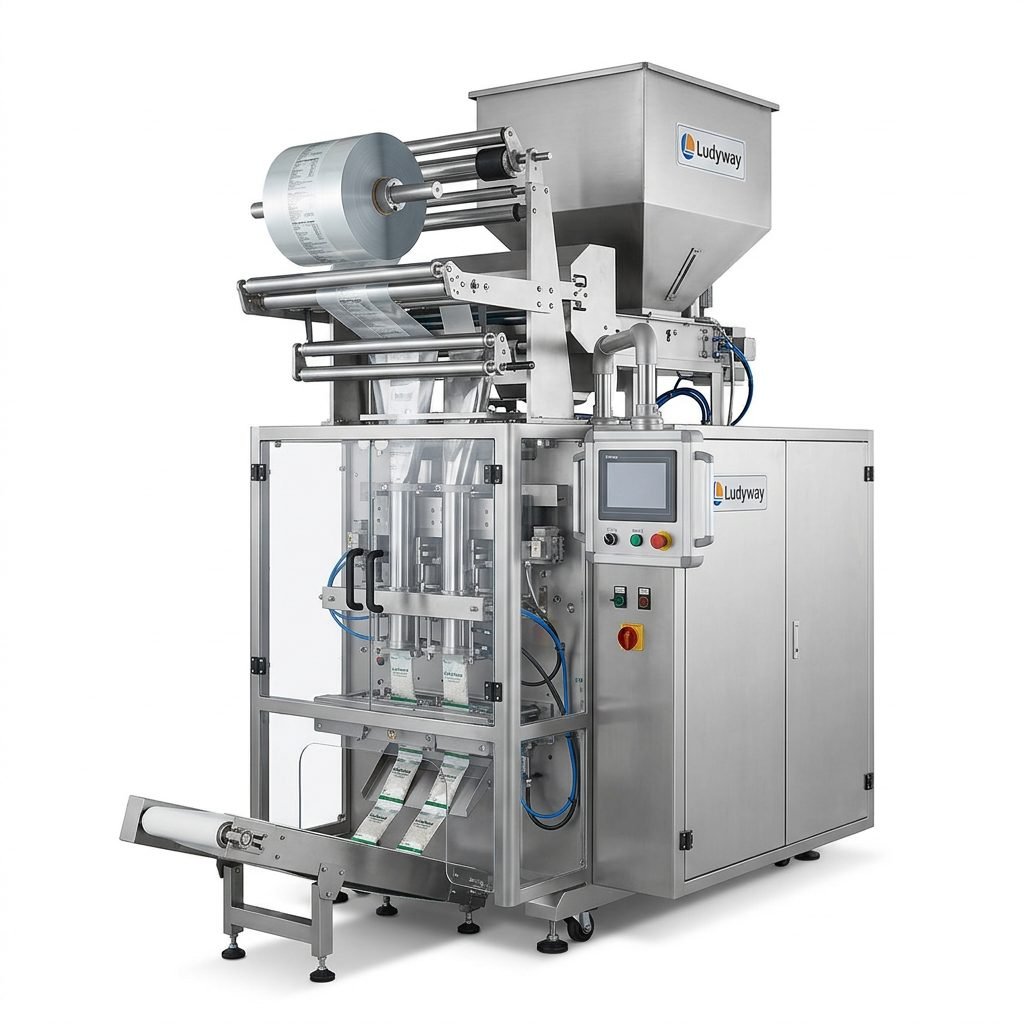
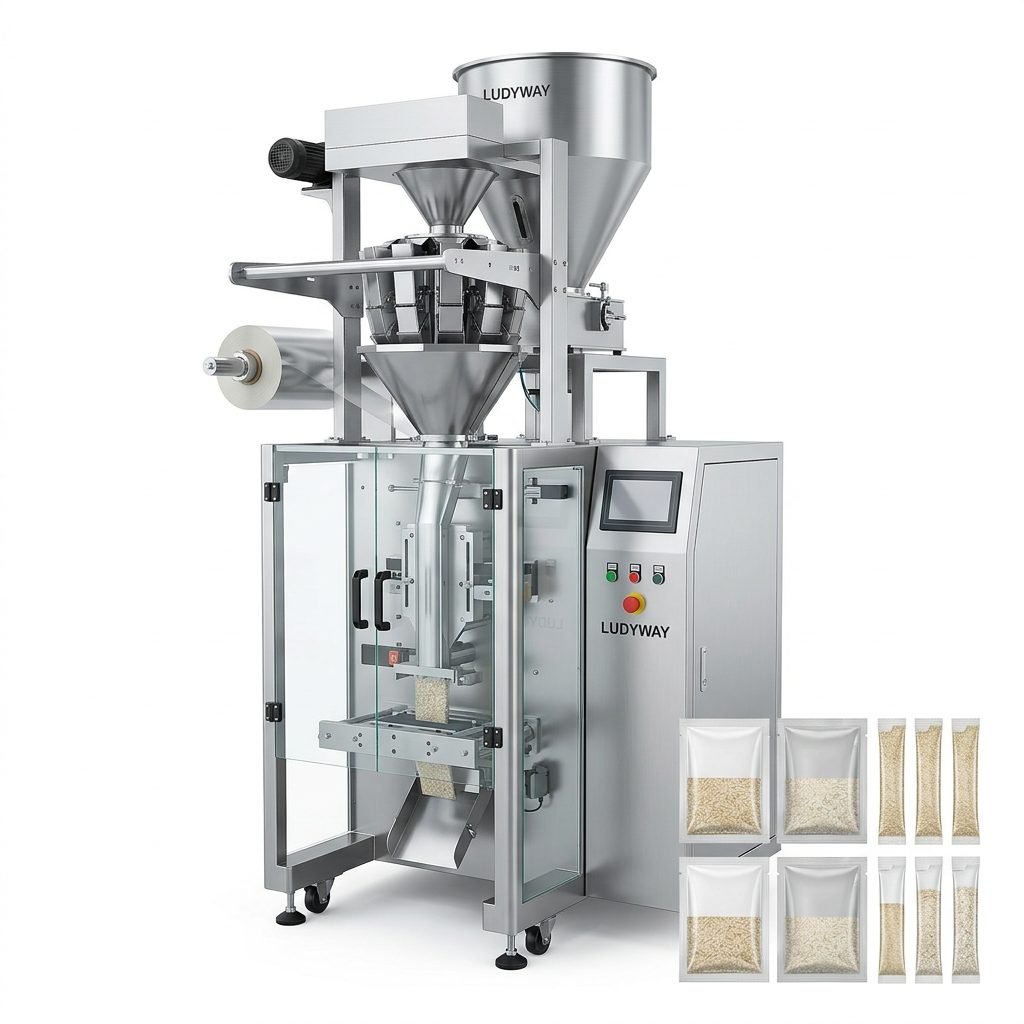
1. Vertical Form Fill Seal Machines
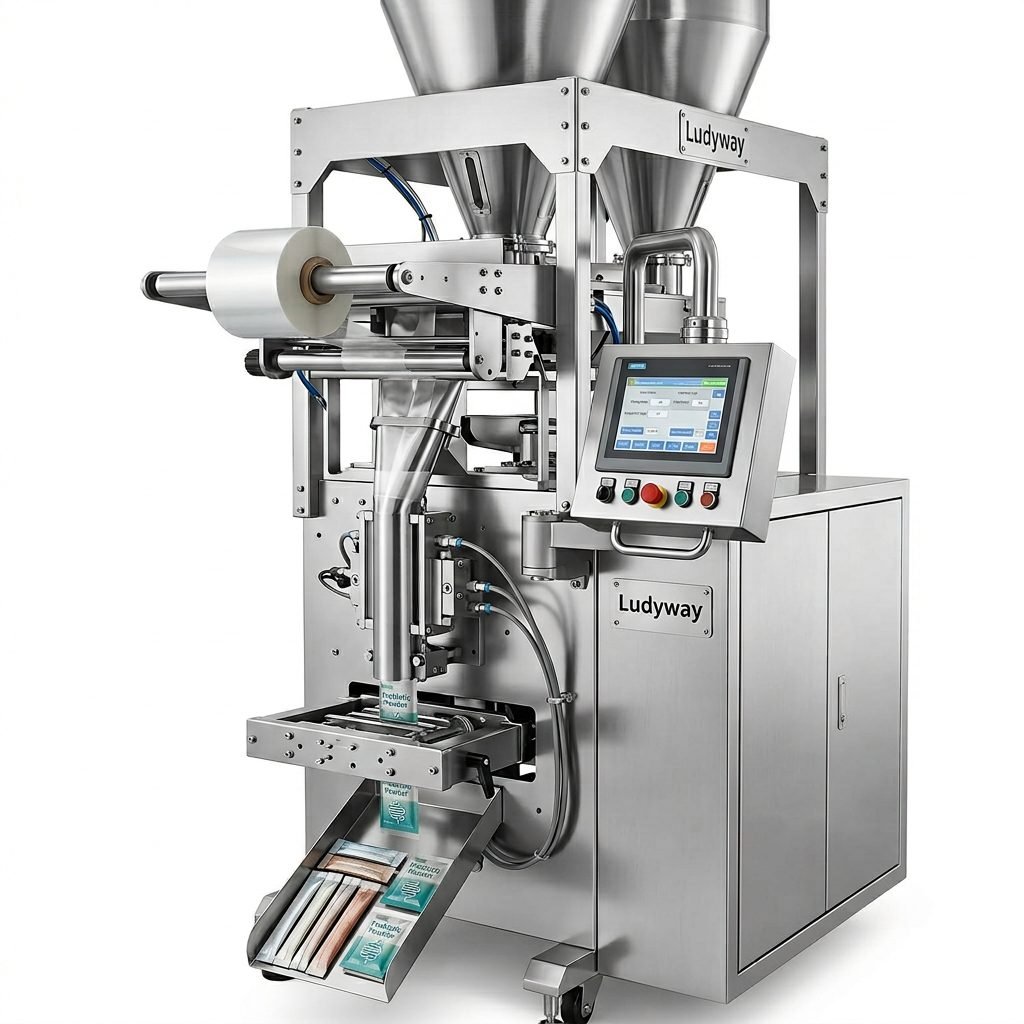
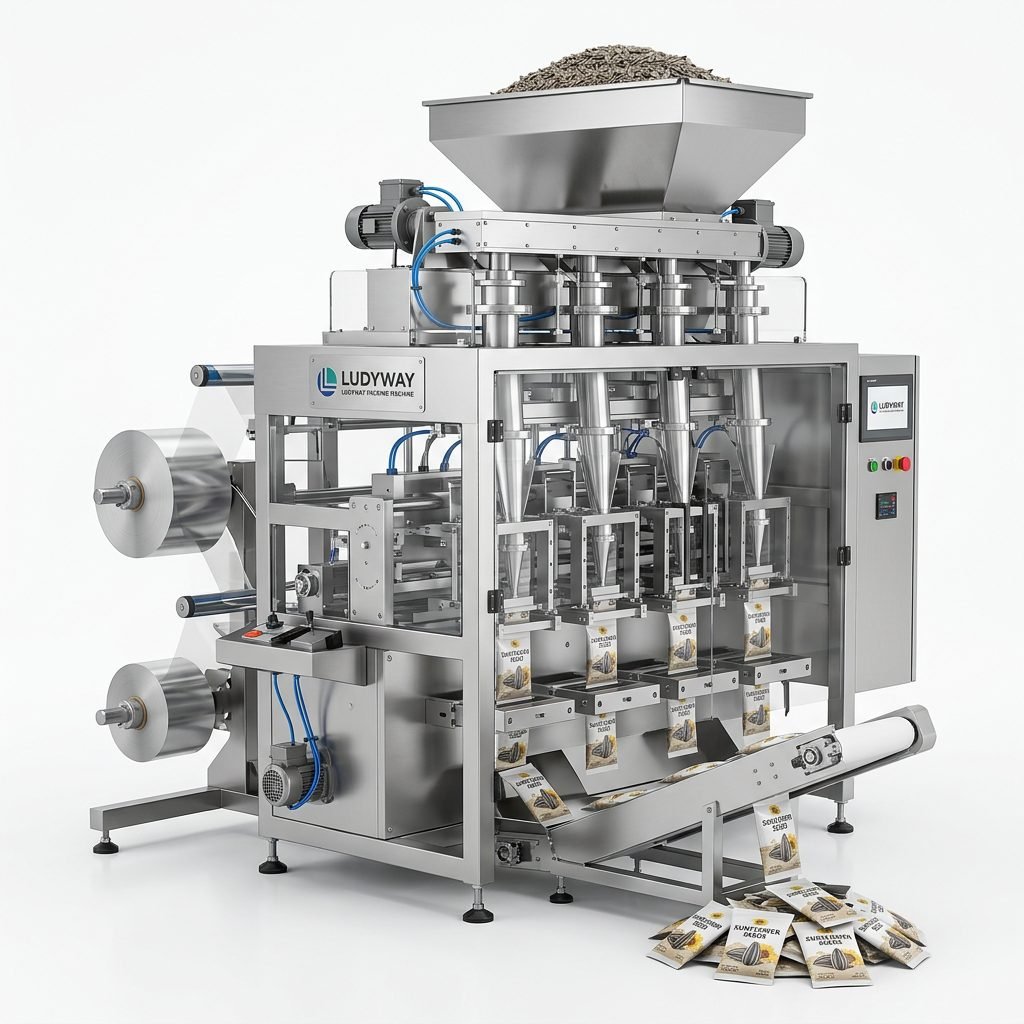
These machines are commonly used for rice granule packaging. They form the bag from film, fill the rice, and seal it in one automated process. They are suitable for medium to high-speed production and can handle a range of bag sizes.
Best for:
- 1kg to 5kg retail rice packs
- Pillow bags and gusset bags
- Businesses wanting flexible automation
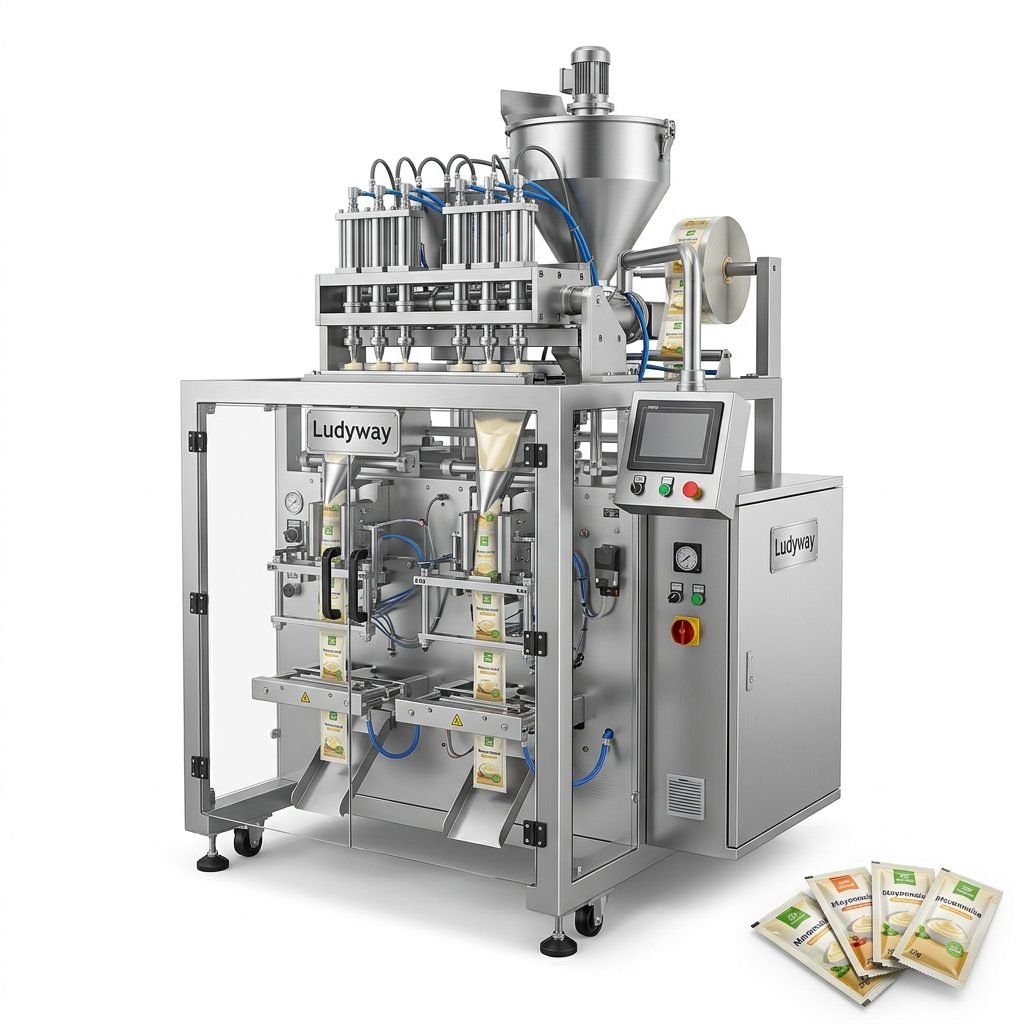
2. Premade Pouch Packaging Machines
If your brand focuses on presentation and shelf impact, premade pouch systems can be a strong choice. These machines work well for stand-up pouches, zipper pouches, and premium retail packaging formats.
3. Bulk Bagging Machines
For factories handling 10kg, 25kg, or 50kg rice bags, bulk bagging systems are often the better solution. These machines emphasize weighing accuracy, load stability, and durable sealing for transport and storage.
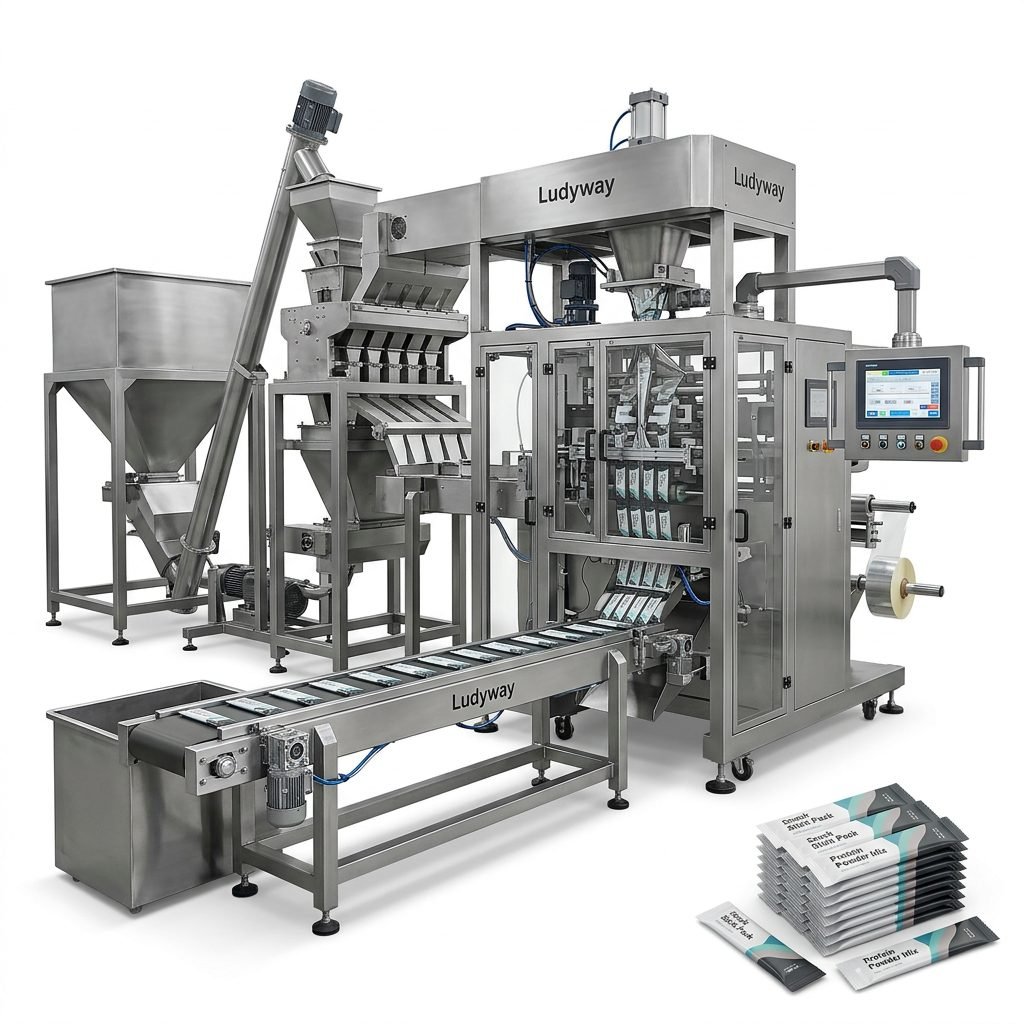
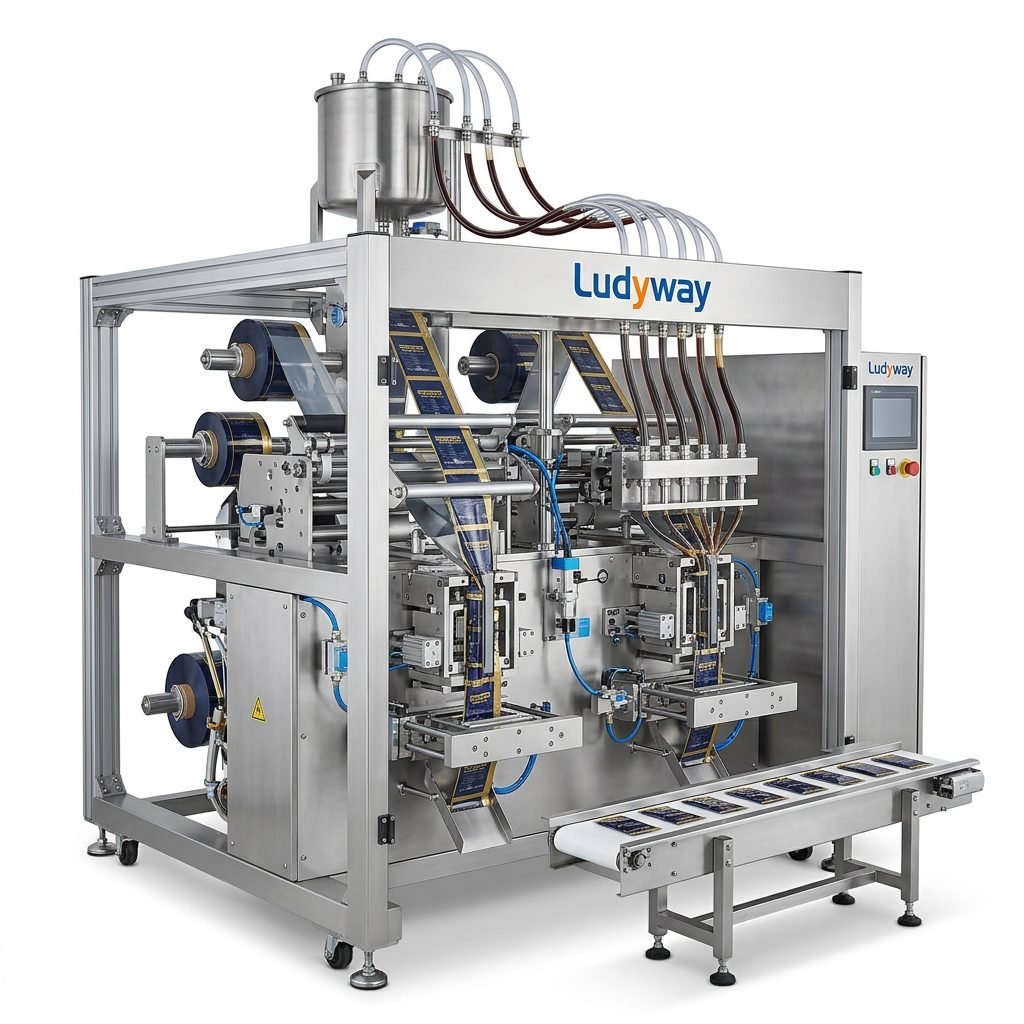
4. Sachet and Stick Pack Machines for Rice Powder Products
If your business includes rice flour, instant rice powder, or nutritional rice-based blends, smaller-format packaging machines may be needed instead of standard grain packing systems.
Key Factors to Consider When Choosing a Rice Packaging Machine
Packaging Speed
Your ideal speed depends on your actual demand, not just the highest number in a catalog. Buying too small can limit growth, while buying too large may increase cost unnecessarily. Choose equipment that fits your current output and allows room for expansion.
Weighing Accuracy
Rice packaging requires consistent weight control. Overfilling increases product giveaway, while underfilling can lead to complaints and compliance risk. A reliable weighing system is one of the most important features in rice packaging.
Bag Type Compatibility
Not every machine supports every bag style. Always confirm compatibility with:
- Pillow bags
- Gusset bags
- Quad seal bags
- Stand-up pouches
- Large woven or PE sacks
Material Handling and Product Protection
Rice grains can break if handling is too aggressive. The machine should provide smooth feeding, controlled dropping, and gentle bag support during filling.
Seal Quality
Strong and clean seals help prevent moisture ingress, leakage, and transit damage. If your products are exported or stored for long periods, sealing performance becomes even more important.
Automation Level
A semi-automatic system may work for smaller operations, but fully automatic lines are better for larger factories aiming to reduce labor dependency and improve consistency.
| Factor | Why It Matters | What to Check |
|---|---|---|
| Speed | Affects output and delivery capacity | Bags per minute under real production conditions |
| Accuracy | Controls giveaway and compliance | Tolerance range and weighing method |
| Bag flexibility | Supports product diversity | Changeover time and format support |
| Maintenance | Affects uptime and service cost | Ease of cleaning, spare parts, access points |
| Expandability | Supports future automation | Can it connect to conveyors, checkweighers, printers, cartoners? |
What Size of Business Needs What Kind of Machine?
Small Rice Businesses
If you are a local rice brand or startup processor, a compact semi-automatic or entry-level automatic machine may be enough. Focus on affordability, reliability, and easy operation.
Medium-Sized Manufacturers
For companies supplying supermarkets, distributors, or regional markets, a full automatic rice packaging machine with conveyor feeding, weighing, sealing, date coding, and optional checkweighing is usually the best balance.
Large Industrial Rice Processors
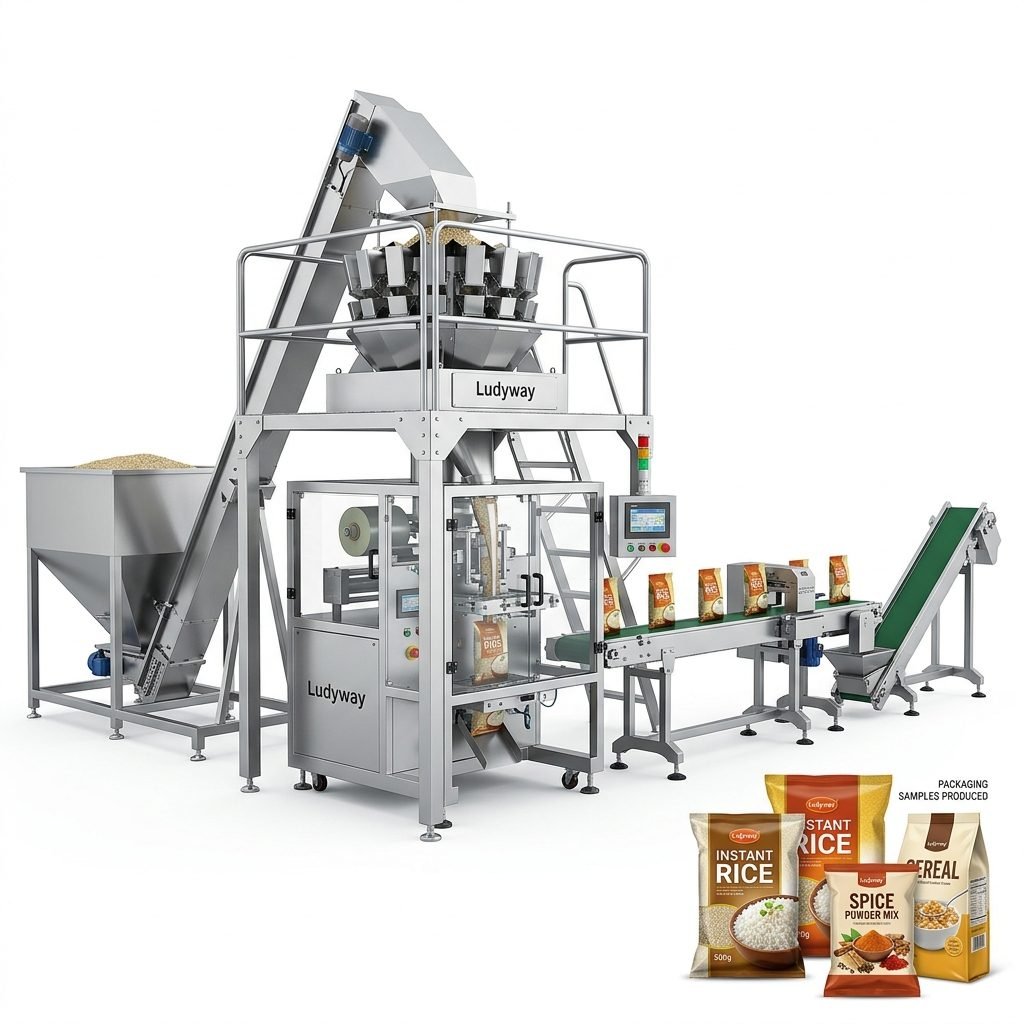
Larger facilities should think beyond a single machine and evaluate a complete packaging line. This can include feeding systems, weighing units, bagging machines, metal detection, inspection, cartoning, palletizing, and data tracking.
Important Questions to Ask a Rice Packaging Machine Supplier
- What rice products has this machine packed before?
- Can the supplier provide test videos using my product sample?
- What is the real production speed for my bag size?
- How accurate is the weighing system?
- How easy is the machine to clean and maintain?
- Are spare parts available quickly?
- Can the system be upgraded later?
- Is installation training and after-sales support included?
Do Not Focus Only on Machine Price
Many buyers compare only the initial quotation, but that is not enough. The lowest-priced machine may create higher long-term costs through downtime, wasted film, poor sealing, inconsistent weighing, and difficult maintenance. Instead, evaluate the total cost of ownership.
Look at the full value equation
- Initial machine cost
- Installation and commissioning
- Spare parts and service support
- Production efficiency
- Material waste reduction
- Labor savings
- Expected machine lifespan
Signs You Need to Upgrade Your Current Rice Packaging Equipment
- Frequent seal failures or leakage
- Too much manual labor in the process
- Weight inconsistency across batches
- Slow speed causing shipment delays
- High maintenance downtime
- Difficulty adapting to new bag sizes or formats
Why Turnkey Packaging Lines Can Be a Better Choice
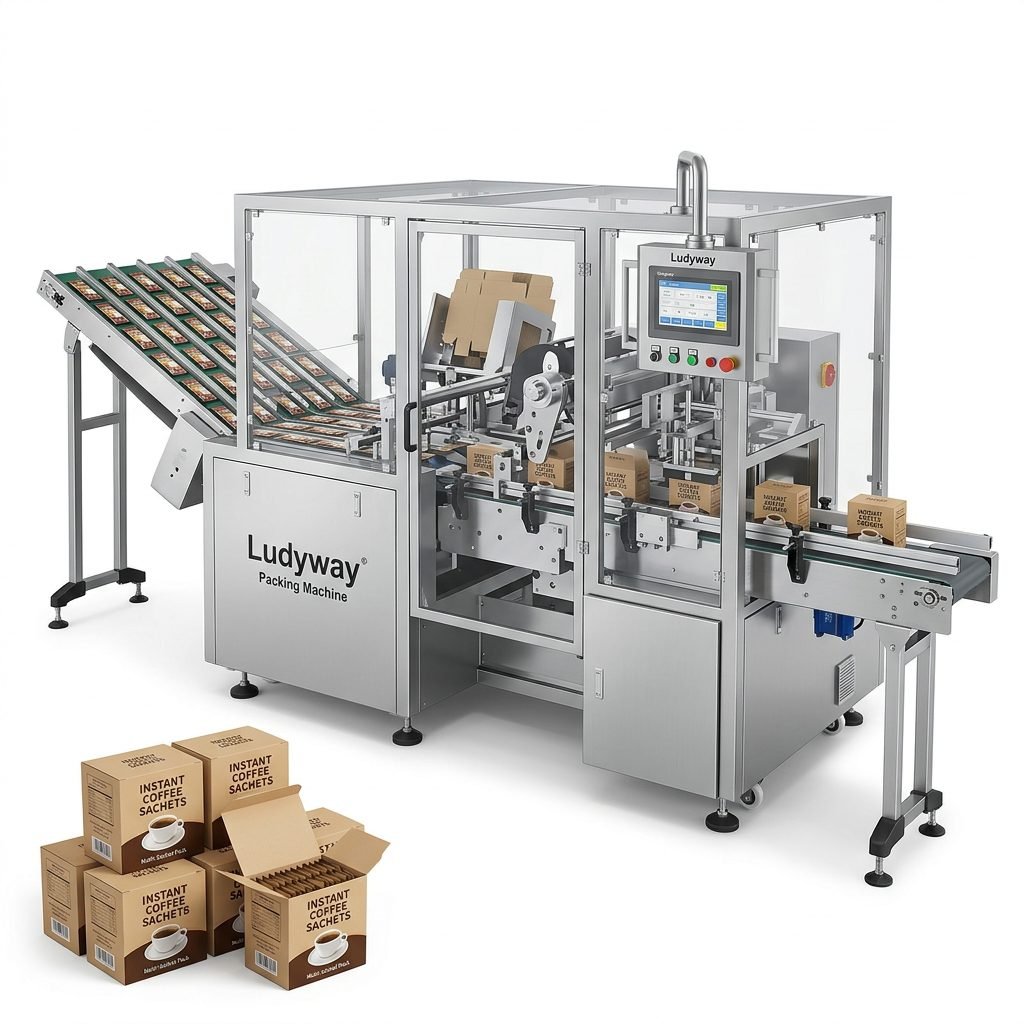
If your production target is growing, a turnkey line may offer better long-term performance than buying stand-alone equipment separately. A complete line is designed for smooth coordination between feeding, weighing, filling, sealing, coding, inspection, and end-of-line handling.
For businesses looking for scalable automation, rice packaging machine solutions from Ludyway can be worth evaluating, especially for projects that require customized machinery, integrated packaging lines, and international support experience.
Final Buying Checklist
- Define your rice type and packaging format
- Confirm target output per hour and per day
- Select the right weighing and sealing method
- Check machine compatibility with future product plans
- Review after-sales service and spare parts support
- Request sample testing before purchase
- Compare total operating value, not just price
Conclusion
The best rice packaging machine for your business is the one that fits your product, packaging goals, factory conditions, and growth plan. A smart decision should improve efficiency, protect product quality, and support a stronger brand presence in the market. By evaluating machine type, weighing precision, bag compatibility, automation level, and supplier capability, you can choose equipment that delivers dependable performance for years.