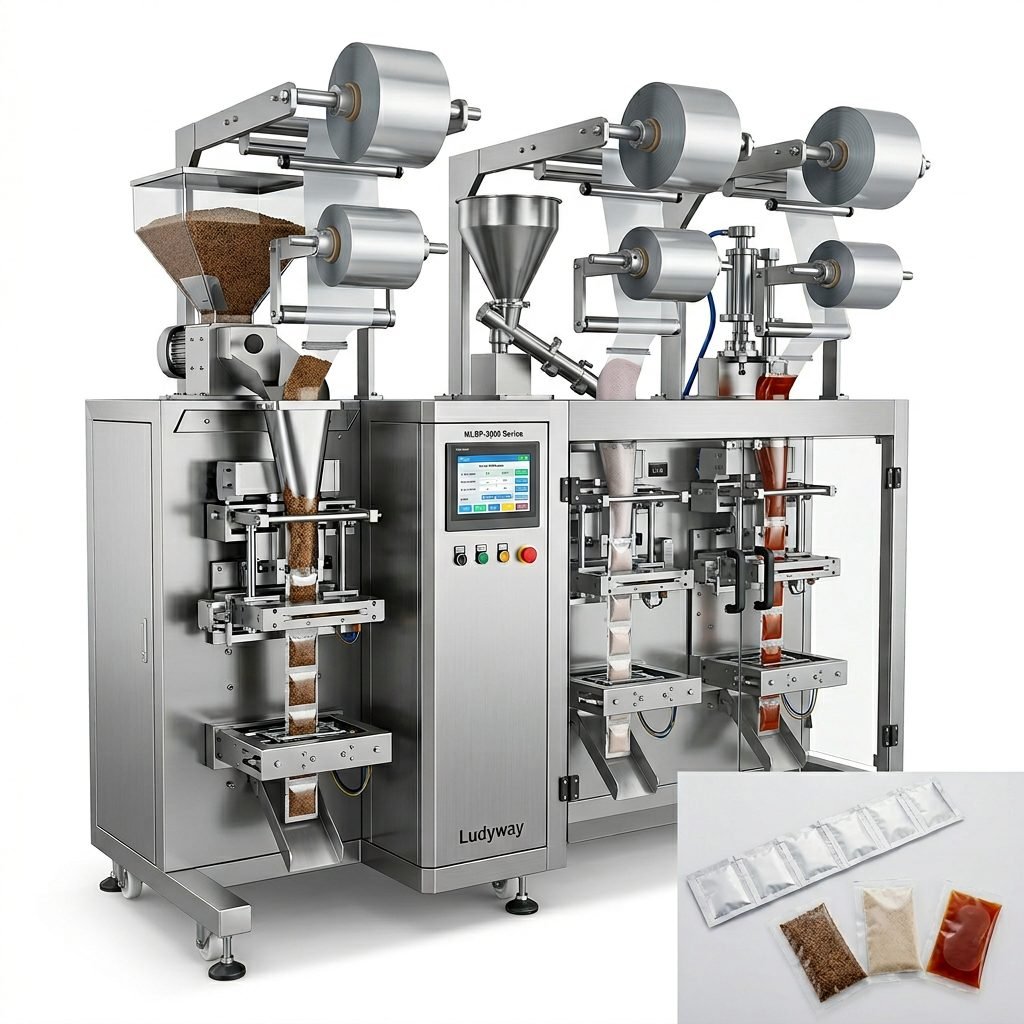
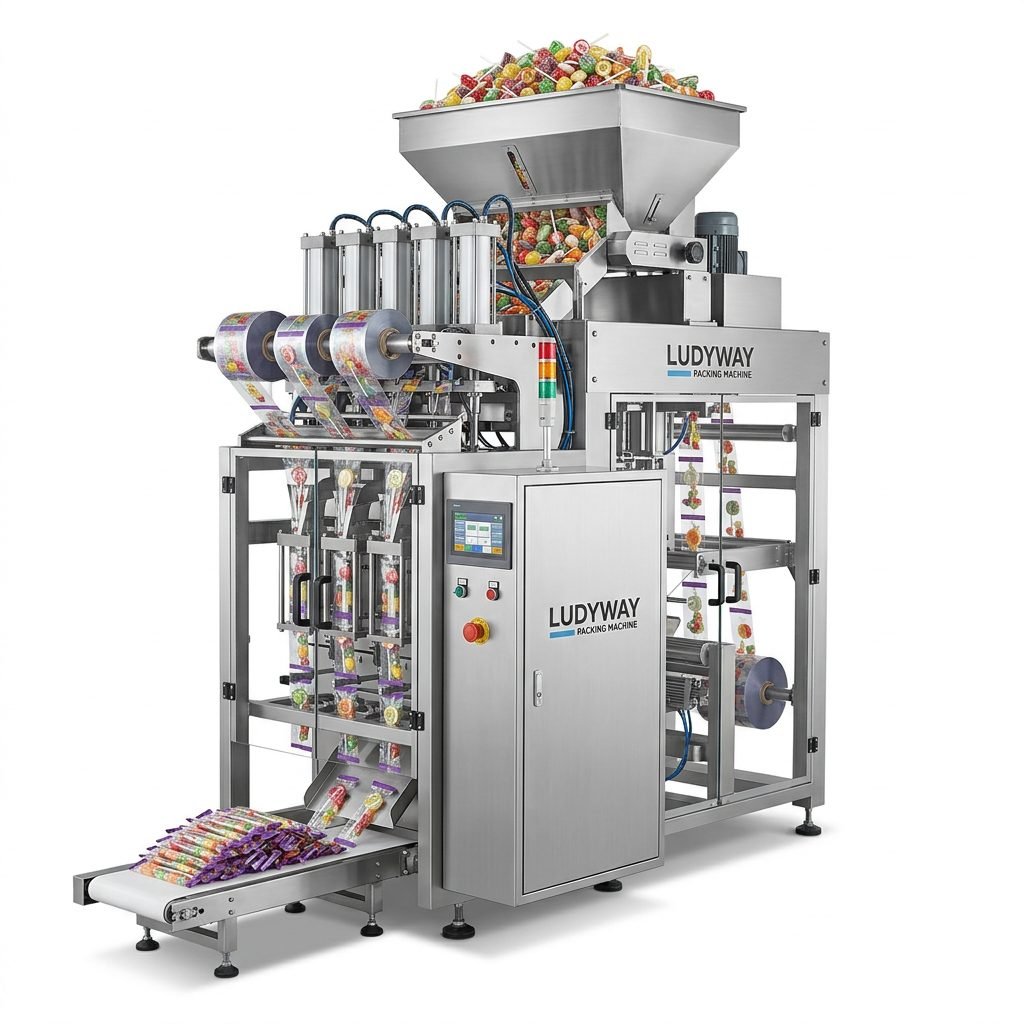
In today’s highly competitive manufacturing environment, a granule packaging production line is no longer just a packaging upgrade—it is a strategic investment in speed, precision, consistency, and labor efficiency. From food seasonings and coffee granules to pharmaceutical sachets, health supplements, chemical particles, and animal nutrition products, modern packaging lines help businesses meet rising demand while maintaining stable product quality.
For manufacturers aiming to reduce waste, improve output, and standardize packaging performance, automated granule packaging solutions provide a practical path toward smarter production. A well-designed line can integrate feeding, weighing, filling, sealing, coding, inspection, cartoning, and end-of-line handling into one coordinated system.
What Is a Granule Packaging Production Line?
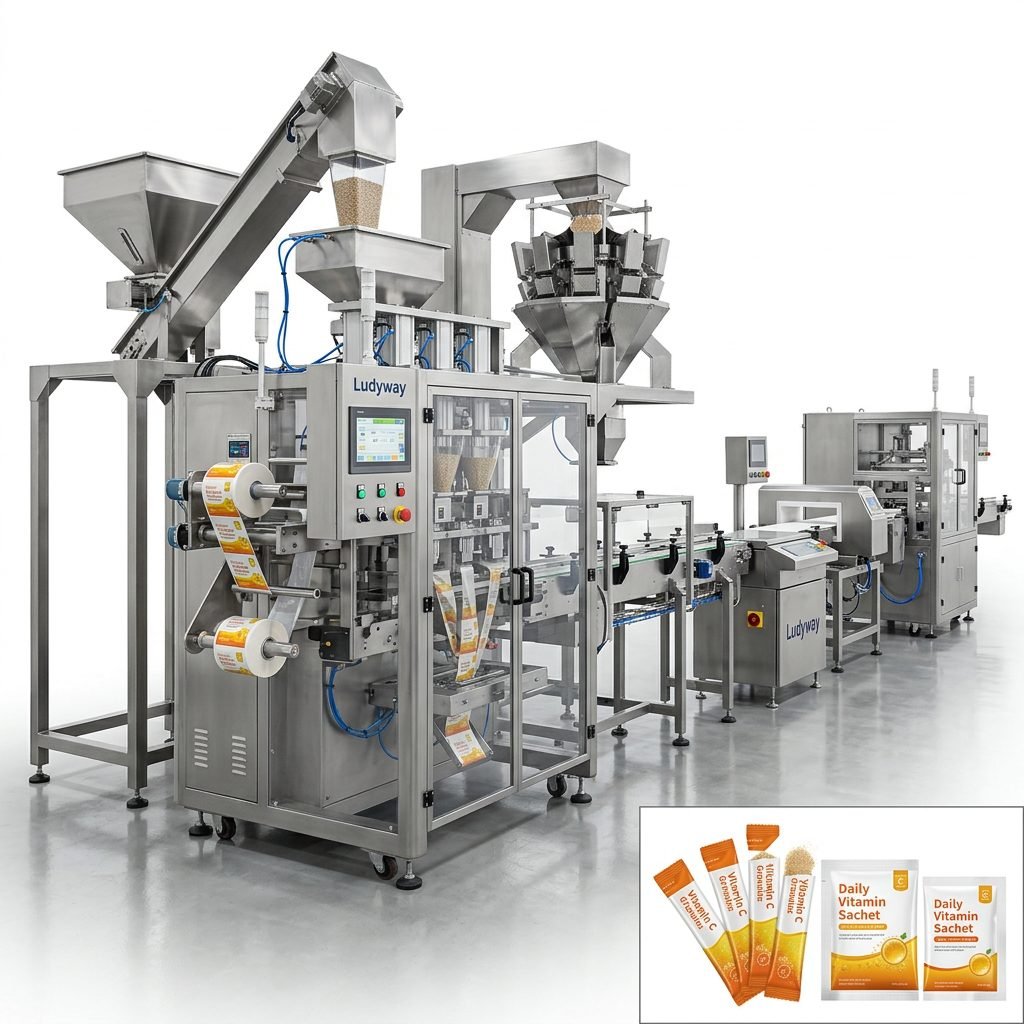
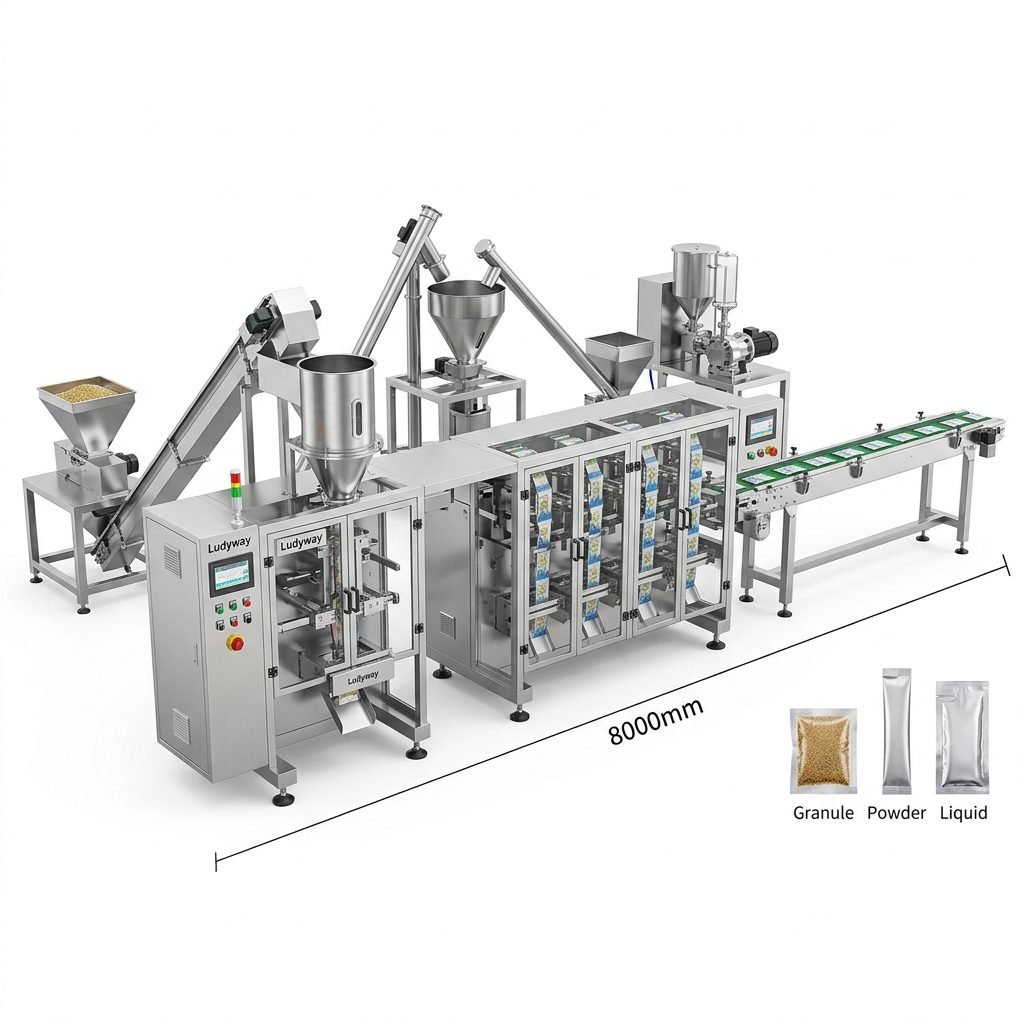
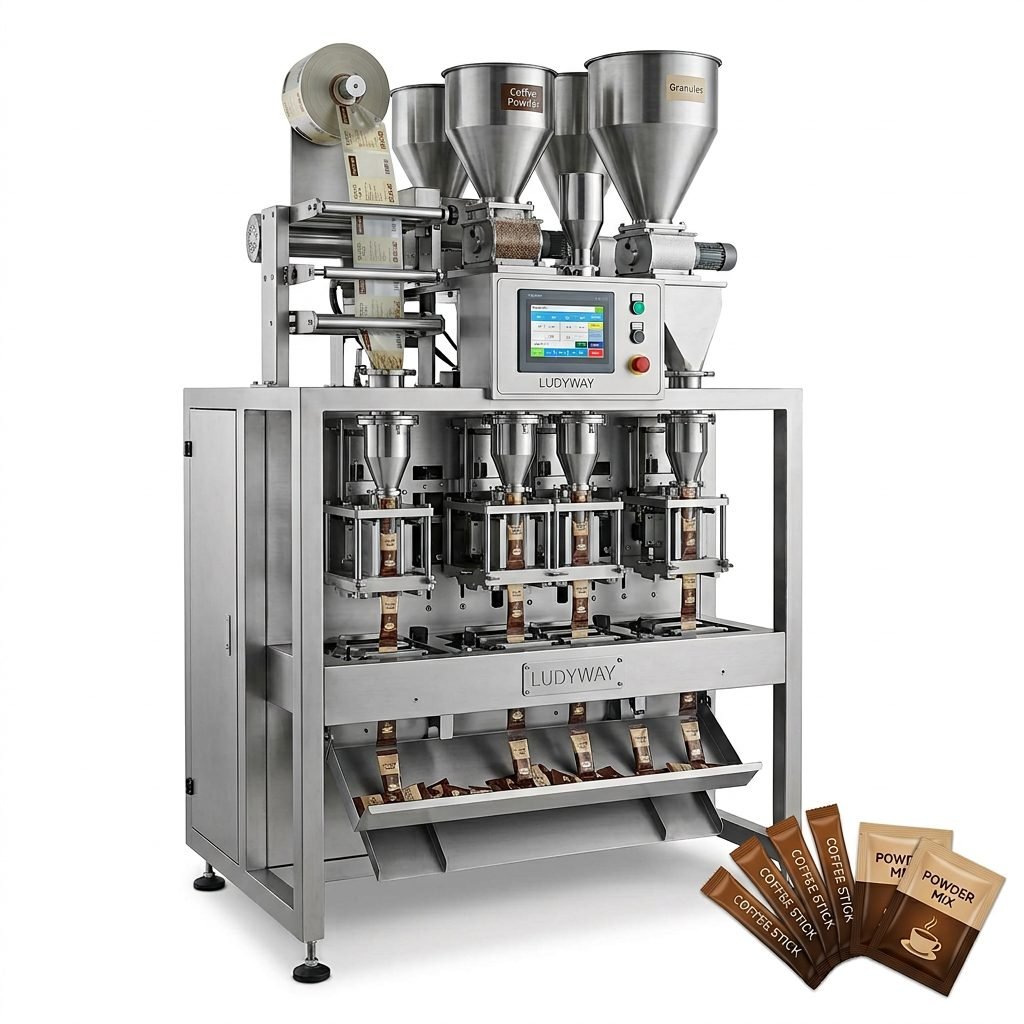
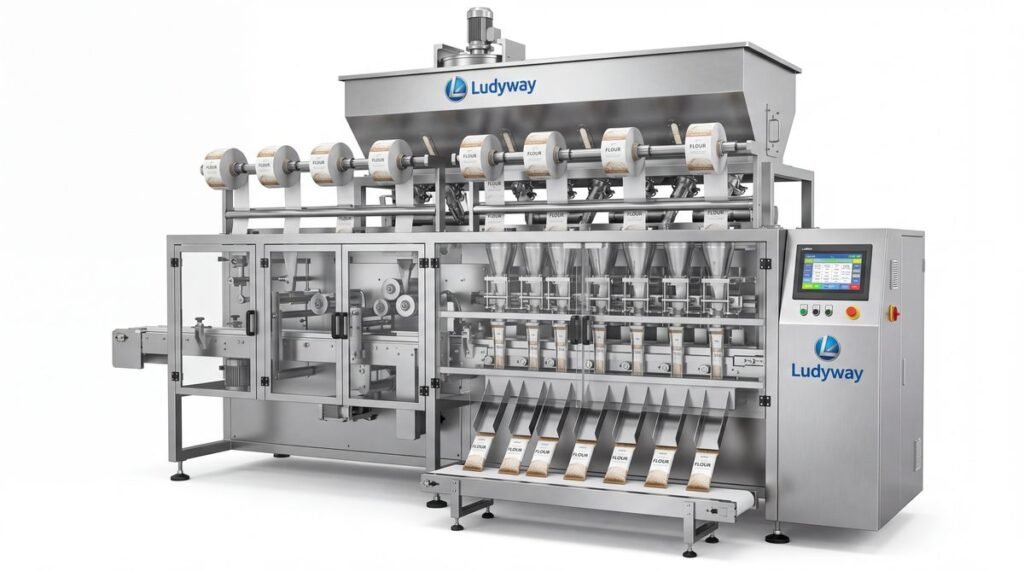
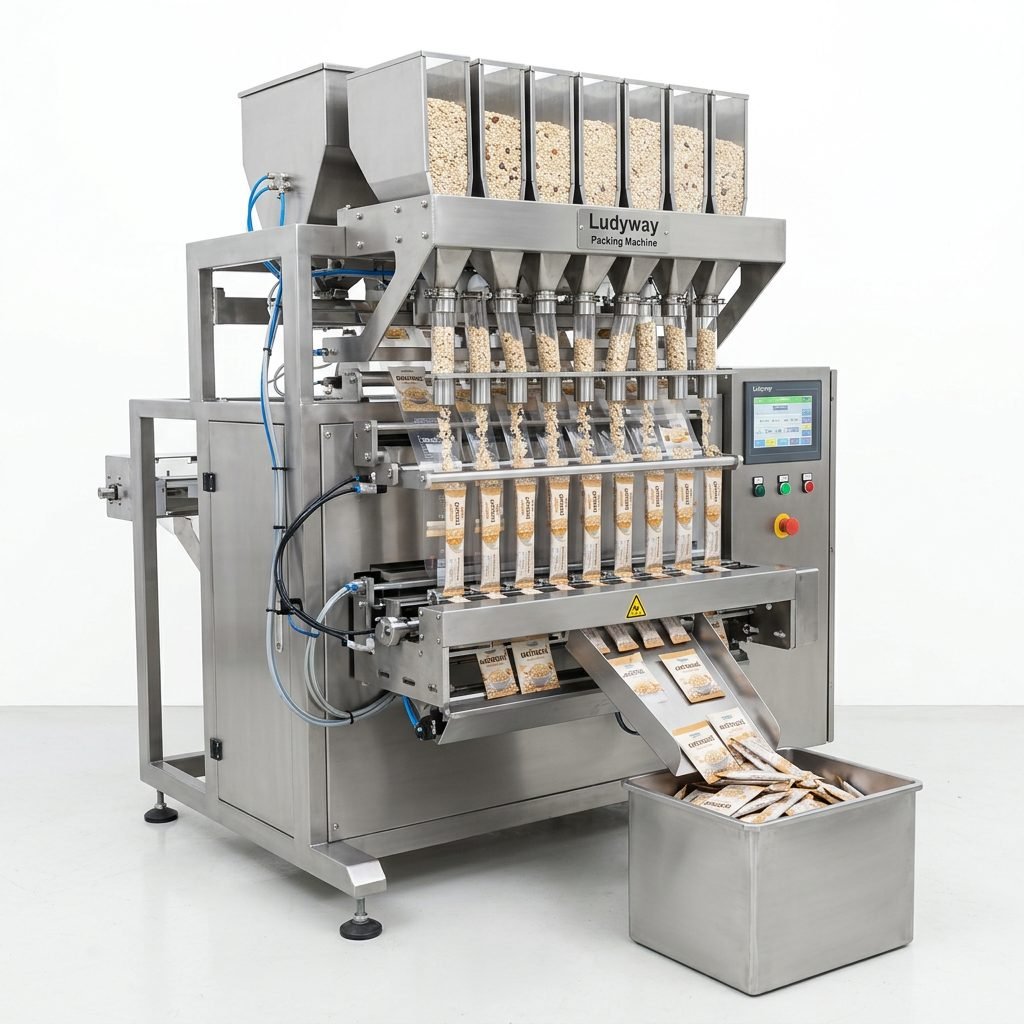
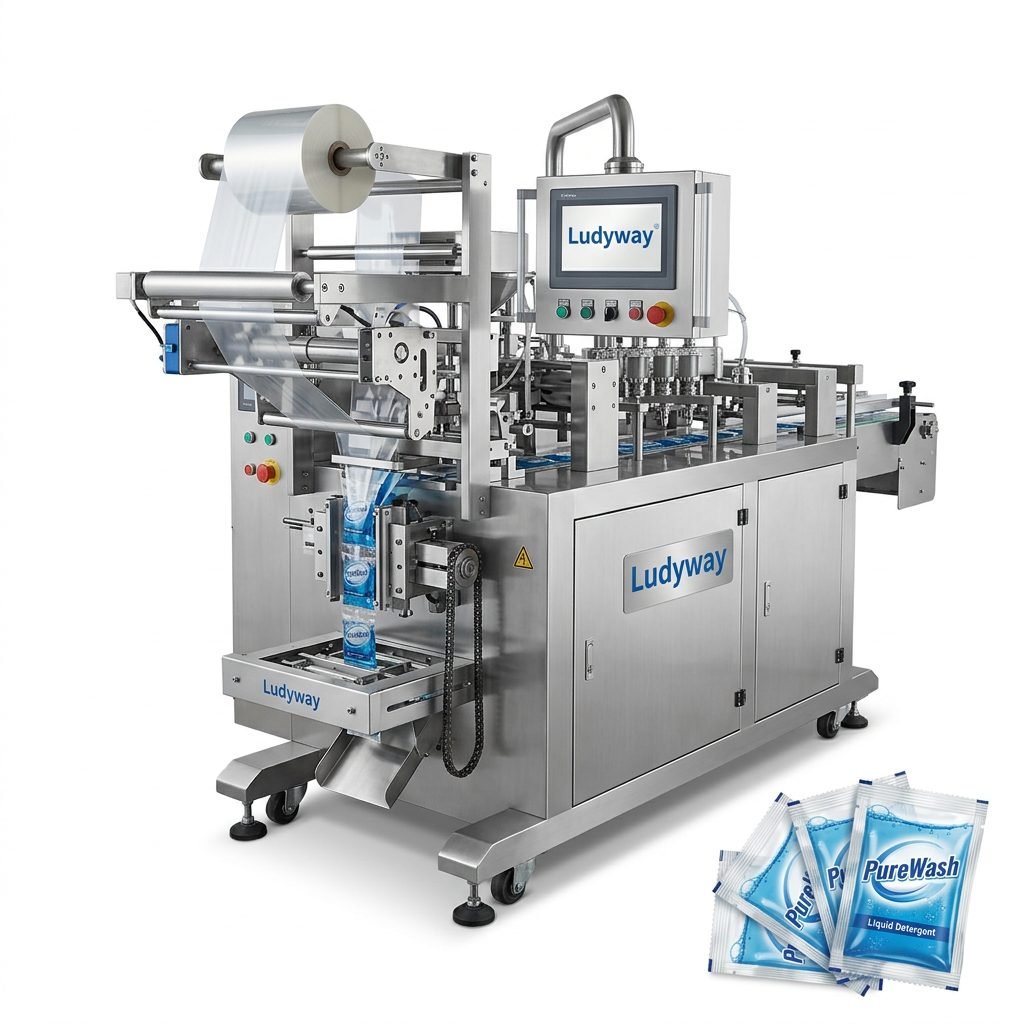
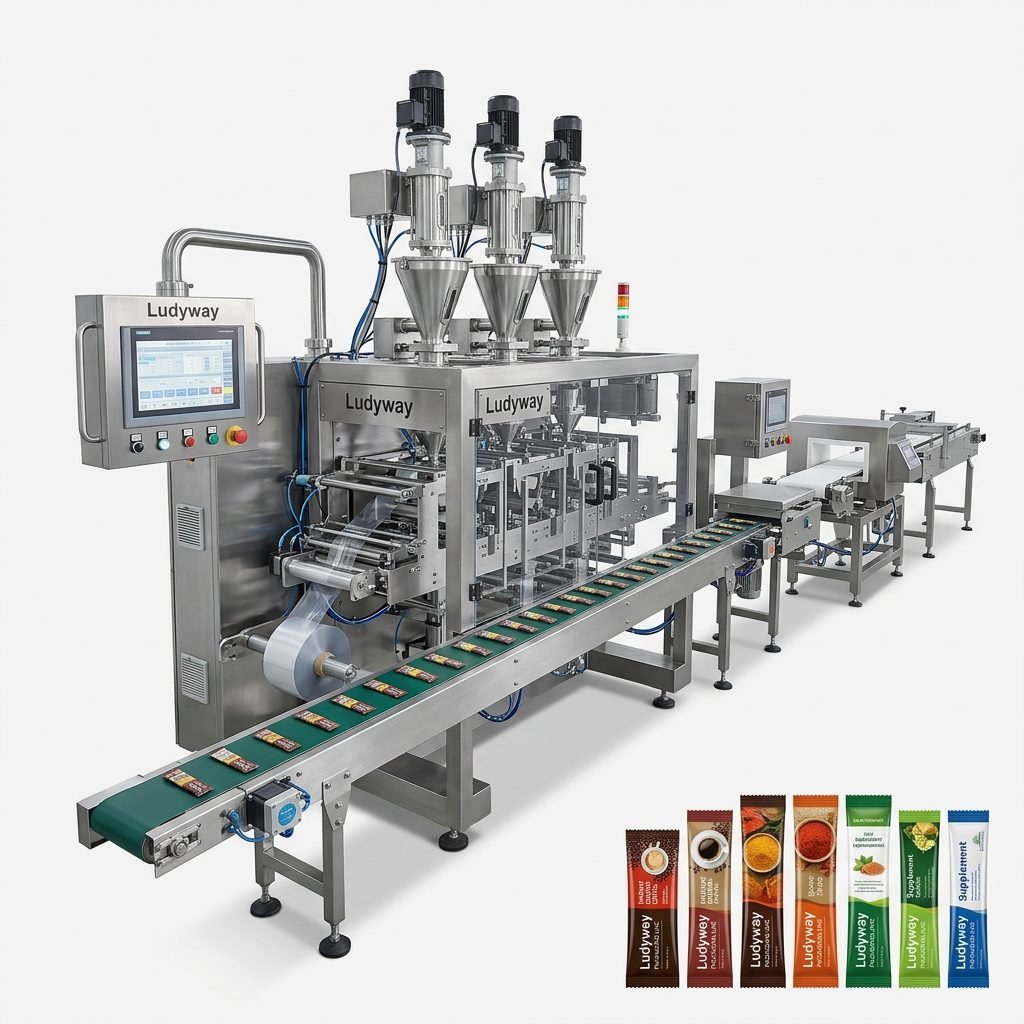
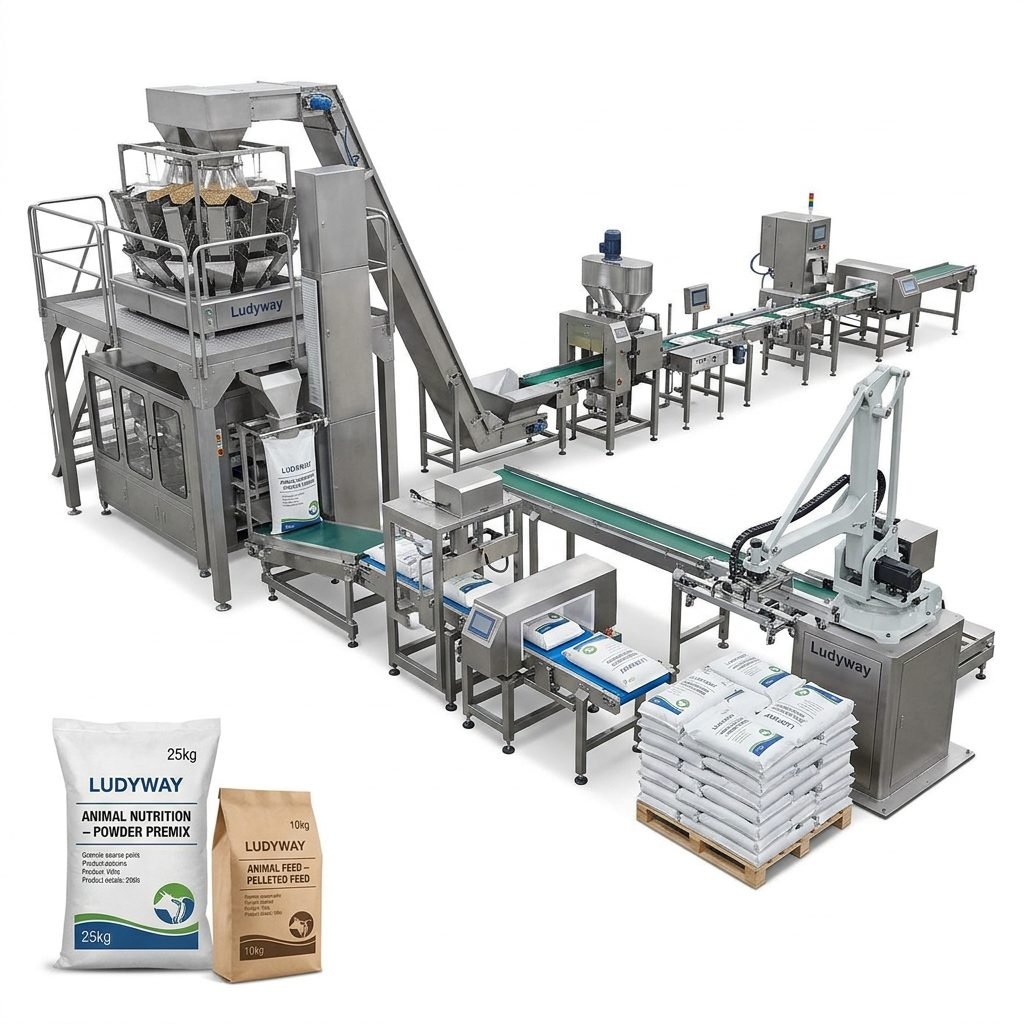
A granule packaging production line is an integrated automation system designed to handle granular materials from bulk feeding to final packaged output. Depending on product type and target package format, the line may include:
- Material feeding systems such as bucket elevators, screw conveyors, or vacuum feeders
- Weighing and dosing units for precise portion control
- Form-fill-seal equipment for sachets, stick packs, pouches, or larger bags
- Sealing and coding modules for traceability and shelf-ready presentation
- Inspection devices such as checkweighers, metal detectors, or vision systems
- Secondary packaging equipment for cartoning, case packing, and palletizing
The result is a continuous packaging workflow that minimizes manual intervention and improves line stability across different production shifts.
Why Automated Granule Packaging Matters
Granules can vary significantly in particle size, flowability, density, moisture sensitivity, and fragility. That means packaging them accurately requires more than a simple filling machine. An advanced production line is engineered to keep materials flowing smoothly while protecting product quality and ensuring repeatable pack weights.
- Higher speed: Automated systems process more packs per minute than manual or semi-automatic operations.
- Better accuracy: Controlled dosing reduces underfill and overfill.
- Lower labor dependency: Fewer operators are needed for repetitive packaging tasks.
- Improved consistency: Packaging appearance, seal quality, and fill weight remain stable.
- Scalable production: Lines can be configured for future capacity expansion.
Core Advantages of a Modern Granule Packaging Production Line
| Feature | Business Value |
|---|---|
| Automatic feeding and conveying | Reduces manual handling and contamination risk |
| Precision weighing/filling | Improves pack weight consistency and lowers product giveaway |
| High-speed sealing | Boosts throughput while protecting package integrity |
| Integrated inspection | Supports quality control and compliance requirements |
| Turnkey line integration | Simplifies installation, operation, and maintenance |
Applications Across Multiple Industries
One of the biggest strengths of automated granule packaging lines is their flexibility. They can be adapted for a wide range of industries and pack formats.
Food Industry
- Salt, sugar, spices, soup mixes, coffee granules, instant beverages
- Dried fruit pieces, snack seasonings, cereal blends, baking ingredients
- Portion sachets and stick packs for retail, foodservice, and travel use
Pharmaceutical and Health Supplement Industry
- Oral rehydration salts, probiotics, granule medicines, vitamin powders
- Nutritional supplement sachets and single-dose packs
- Products requiring accurate dosing and hygienic packaging environments
Chemical and Daily-Use Industry
- Water treatment granules, detergents, descalers, industrial additives
- Agricultural granules, fertilizer blends, seed treatment products
- Cleaning product sachets for controlled use and convenient transport
Animal Nutrition and Feed Industry
- Pet food granules, feed additives, aquaculture feed, livestock supplements
- Small-dose retail sachets and large-format bagging applications
- Production setups that require durable equipment for demanding environments
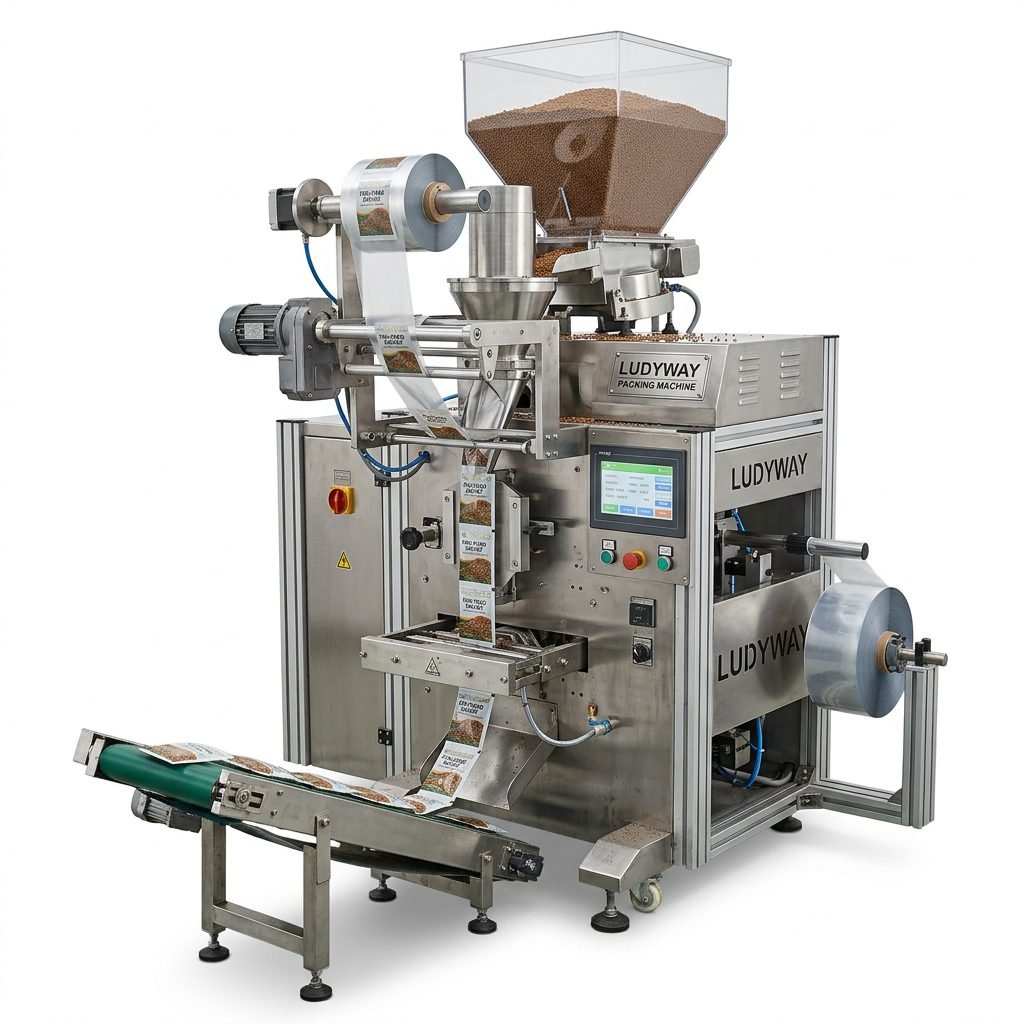
Key Components in an Efficient Granule Packaging Line
1. Feeding System
Stable feeding is the foundation of accurate packaging. Depending on the flow characteristics of the granules, the line may use a Z-type bucket elevator, screw conveyor, or vacuum transfer system. Proper feeding prevents bridging, clogging, and inconsistent fill supply.
2. Dosing and Weighing Unit
For free-flowing granules, volumetric cup fillers may provide high speed and economical operation. For products that require tighter accuracy, multi-head weighers or precision weighing systems are often preferred. Choosing the right dosing method directly affects cost control and packaging consistency.
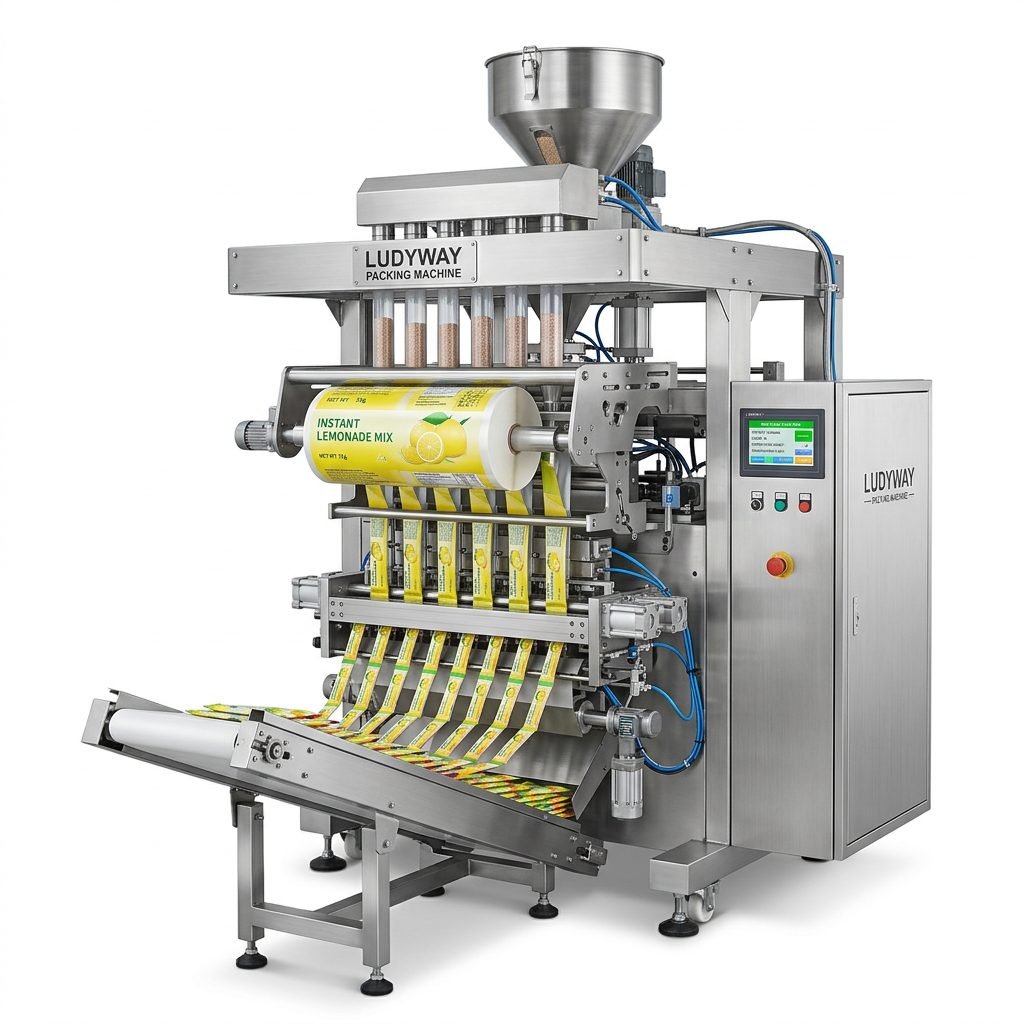
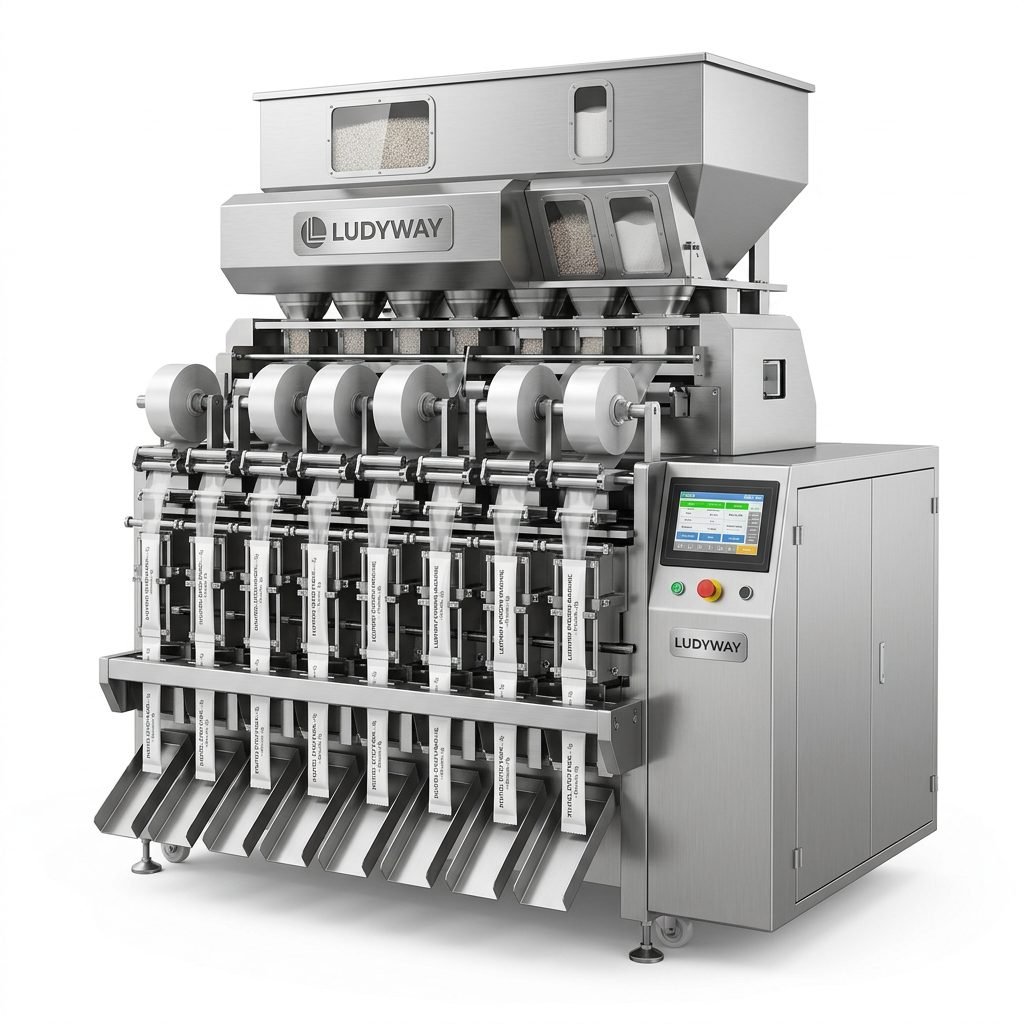
3. Packaging Machine
This is the central part of the line. It forms the package, fills the granules, and seals the final pack. Common packaging formats include:
- Sachets
- Stick packs
- Pillow bags
- Premade pouches
- Larger open-mouth or valve bags
4. Coding and Inspection
Batch coding, date printing, checkweighing, metal detection, and visual inspection help ensure every pack meets regulatory and customer standards. This is especially important in food and pharmaceutical applications.
5. End-of-Line Automation
Cartoning, case packing, palletizing, and wrapping can be integrated to create a complete turnkey system. This shortens the distance between packaging and warehouse readiness, improving overall plant efficiency.
How to Choose the Right Granule Packaging Production Line
Not all granules behave the same way, so the best line configuration depends on your product and packaging goals. Before selecting equipment, manufacturers should evaluate the following factors:
| Selection Factor | Why It Matters |
|---|---|
| Product flowability | Affects feeder choice, dosing stability, and speed |
| Target package format | Determines machine structure and sealing configuration |
| Required output | Influences lane number, automation level, and line layout |
| Accuracy tolerance | Impacts choice between volumetric and weighing systems |
| Hygiene or compliance needs | Important for food, pharma, and health products |
| Future expansion plans | Ensures the system can scale with business growth |
Common Packaging Formats for Granule Products
The ideal packaging format depends on market positioning, consumer convenience, logistics, and filling speed.
Sachets
Suitable for single-serve products, samples, seasonings, and healthcare powders. Sachets are compact, economical, and widely used across food and pharmaceutical markets.
Stick Packs
These are especially popular for drink powders, supplements, sweeteners, and travel-friendly portions. They offer a sleek appearance and convenient use.
Pouches
Ideal for premium retail products, refill packaging, and larger fill weights. Pouches can improve shelf impact and support advanced features such as zippers or spouts.
Bulk Bags
Common in industrial, agricultural, and feed applications where large-volume packaging and efficient transport are priorities.
Benefits of Turnkey Integration
Many manufacturers prefer a turnkey granule packaging production line instead of buying standalone machines from multiple suppliers. This approach reduces compatibility issues and streamlines project execution.
- Single-source coordination for design, manufacturing, installation, and service
- Better line compatibility between upstream and downstream equipment
- Faster commissioning with fewer integration delays
- More reliable performance through unified engineering logic
- Easier maintenance and parts management over the long term
For businesses expanding production or launching new product categories, turnkey systems can reduce project risk and accelerate time to market.
Important Performance Indicators to Evaluate
When comparing granule packaging lines, it is helpful to focus on measurable performance indicators rather than headline speed alone.
- Packaging speed per minute
- Filling accuracy tolerance
- Seal integrity and defect rate
- Material waste and product giveaway
- Downtime frequency and maintenance ease
- Compatibility with packaging film or pouch materials
- Operator friendliness and control system usability
Who Can Benefit Most from Upgrading?
A granule packaging production line is especially valuable for:
- Growing brands moving from manual packaging to automated production
- Contract packers handling multiple SKUs and varying batch sizes
- Food and supplement manufacturers requiring precise single-dose packaging
- Chemical and agricultural producers needing durable, reliable packaging systems
- Export-oriented factories aiming for standardized packaging quality
Choosing a Reliable Packaging Line Partner
Beyond the machine itself, supplier capability plays a major role in project success. Buyers should consider manufacturing experience, customization ability, after-sales support, export experience, and complete line integration capacity.
For businesses looking for scalable packaging automation, Ludyway granule packaging production line solutions offer a broad range of equipment for food, pharmaceutical, health supplement, chemical, and related industries, with turnkey integration capabilities built on more than 30 years of packaging machinery experience.
Final Considerations for Long-Term Efficiency
An efficient granule packaging production line should not only meet current output targets, but also support future product changes, packaging upgrades, and automation expansion. The right solution combines accurate dosing, fast packaging speed, stable sealing, easy cleaning, and dependable line integration to create lasting operational value.
As market demand continues to rise for convenient, hygienic, and professionally packed products, automated granule packaging lines are becoming a critical part of modern manufacturing. Companies that invest in the right system can improve productivity, reduce operating costs, and build stronger packaging consistency across every batch.