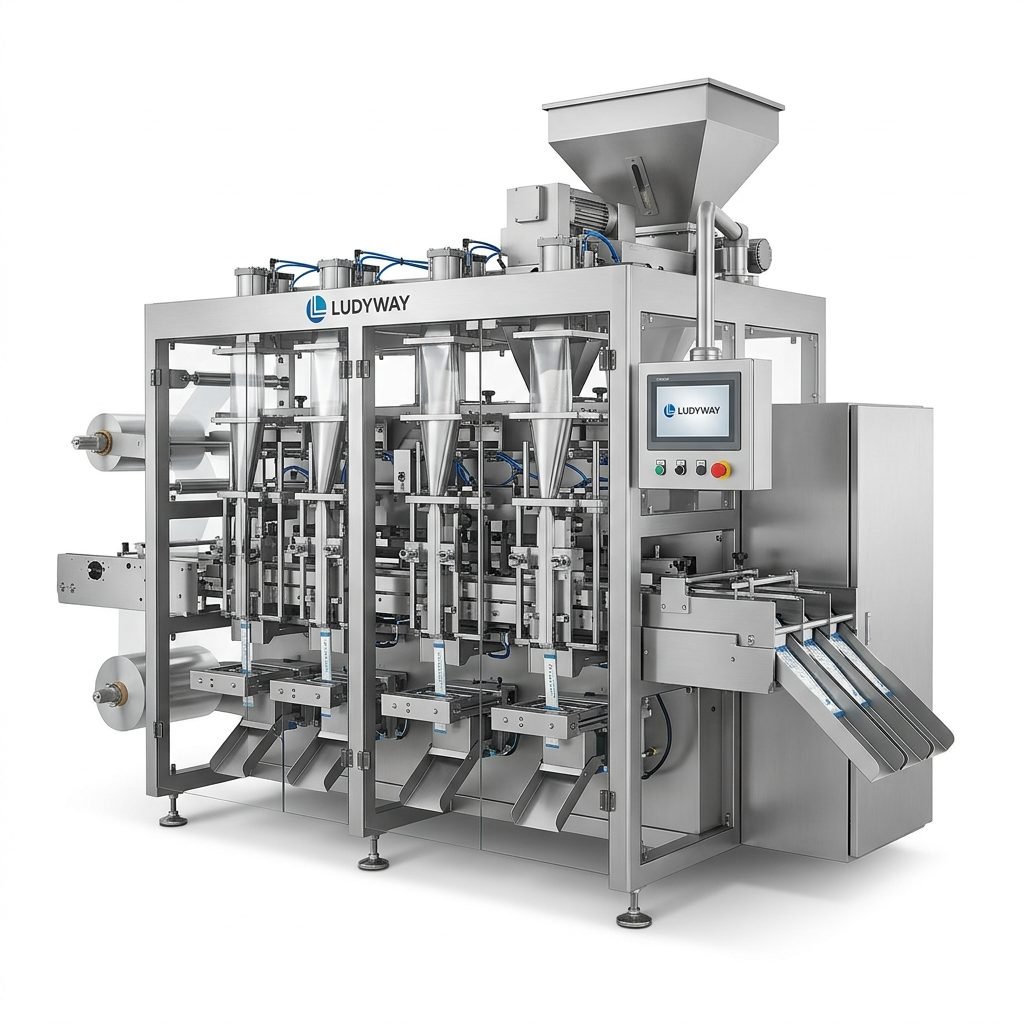
When manufacturers ask which packaging machine has the lowest operating cost, the honest answer is: it depends on the product, package type, output target, labor cost, and downtime risk. A machine with a lower purchase price is not always the cheapest to run. In many real production environments, the lowest operating cost comes from the packaging system that balances energy use, material waste, maintenance, labor demand, and line stability.
For most food, pharmaceutical, supplement, and daily chemical applications, automatic vertical form fill seal machines and multi-lane sachet or stick pack machines often deliver the best operating-cost efficiency when matched correctly to the product and production volume. However, for bulk bags or large sacks, bagging systems may be more economical. For premade pouches, convenience is higher, but operating cost is usually not the lowest because packaging materials and handling complexity are higher.
What “Operating Cost” Really Includes
Many buyers only compare electricity consumption, but real operating cost is much broader. To identify the most cost-efficient packaging machine, you should calculate total running expense per finished pack.
- Labor cost: operators, packers, quality inspection staff, maintenance technicians
- Packaging material cost: film, premade pouches, labels, cartons, sealing loss
- Energy consumption: electricity, compressed air, heating elements
- Maintenance cost: wear parts, servicing intervals, unexpected repairs
- Downtime cost: product changeovers, jams, faults, cleaning time
- Product giveaway: overfilling or inconsistent dosing
- Defect rate: seal failure, leakage, weight rejection, poor coding
The machine with the lowest operating cost is the one that minimizes all of these factors at your target output.
Which Packaging Machine Usually Has the Lowest Operating Cost?
In many applications, the most economical options are:
| Machine Type | Typical Operating Cost Level | Best For | Why |
|---|---|---|---|
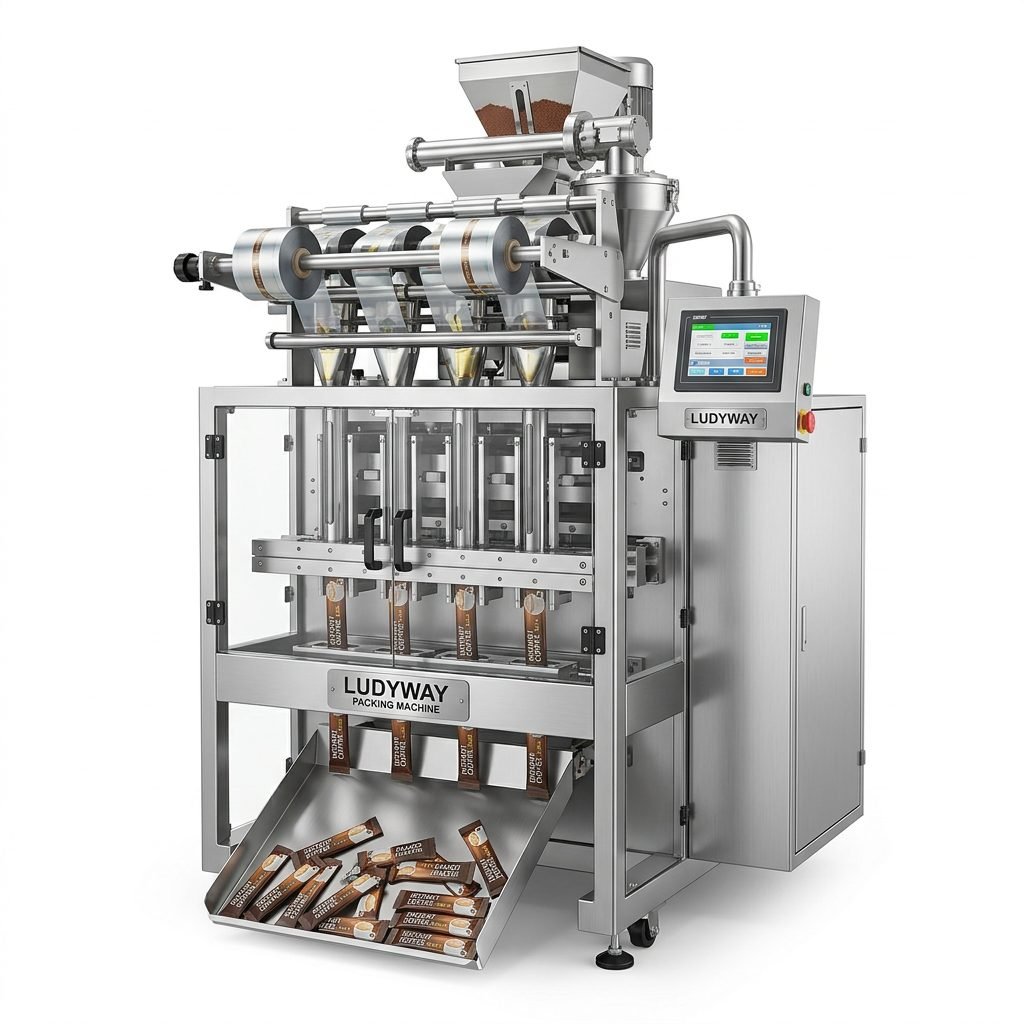
| Vertical Form Fill Seal (VFFS) | Very Low | Powders, granules, snacks, seeds, coffee, sugar | Uses roll film, reduces labor, supports high automation |
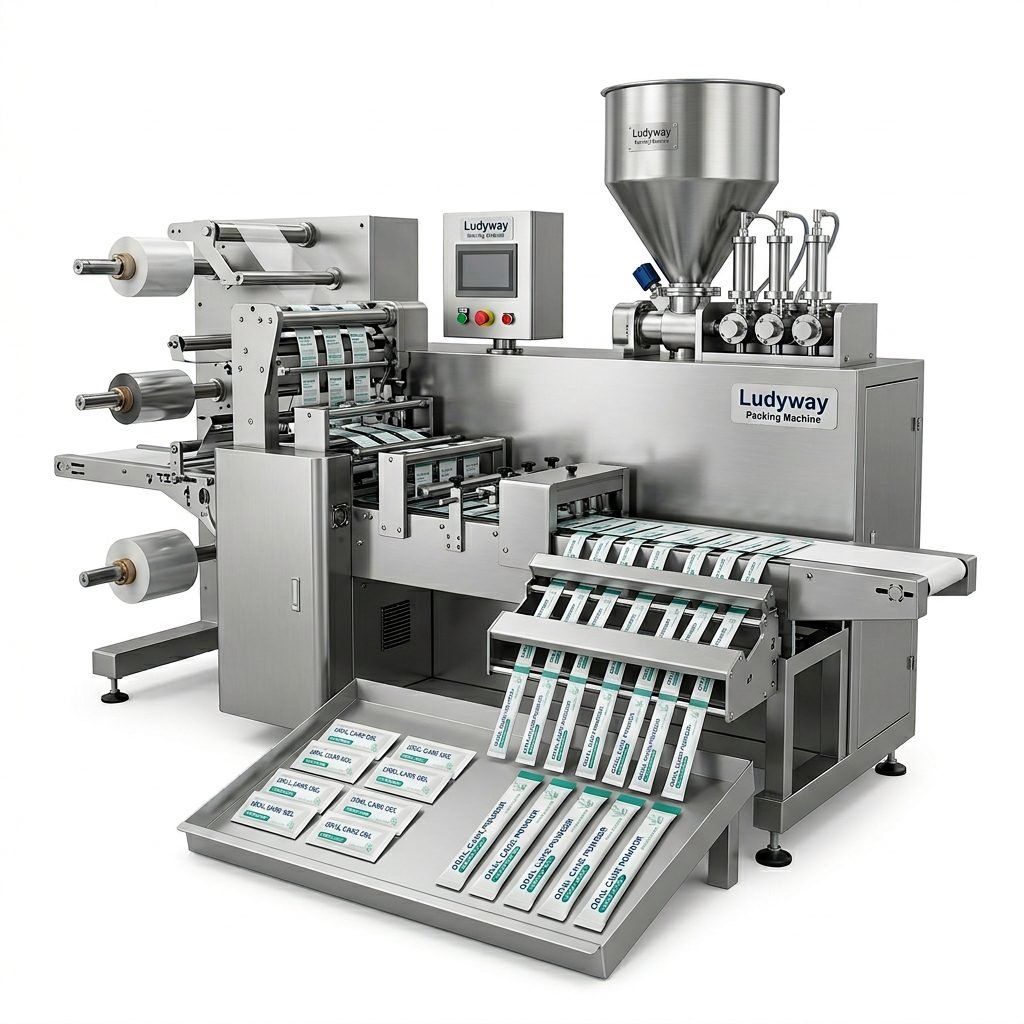
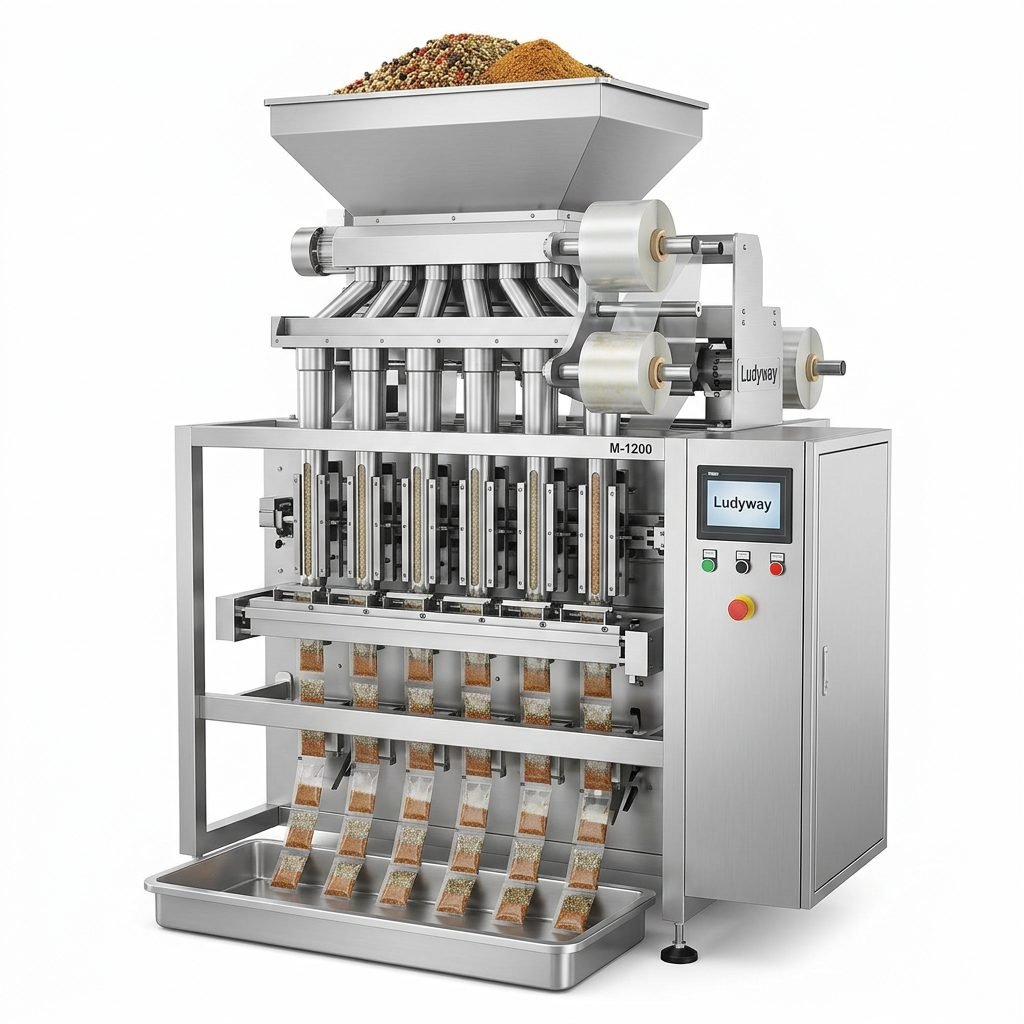
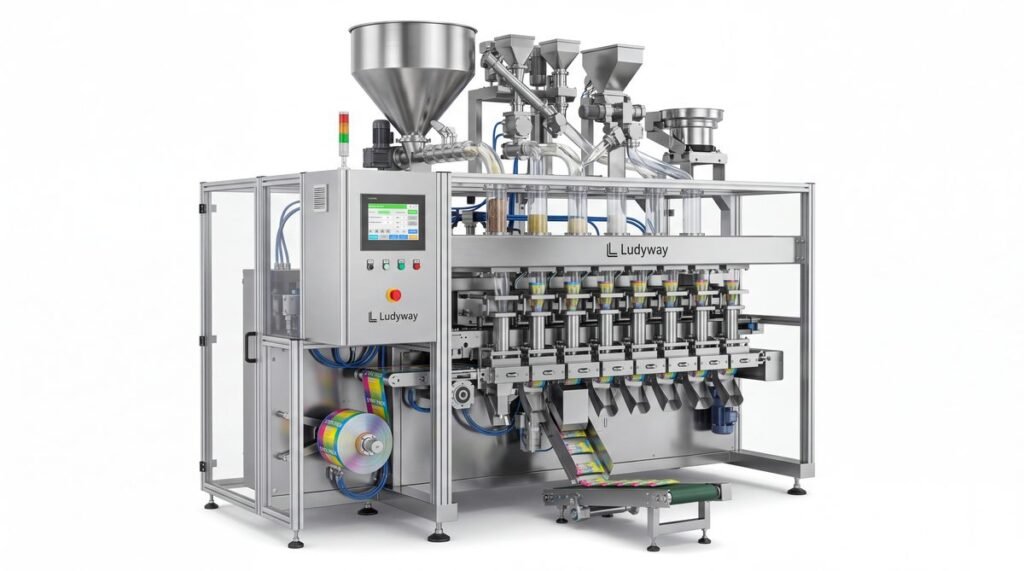
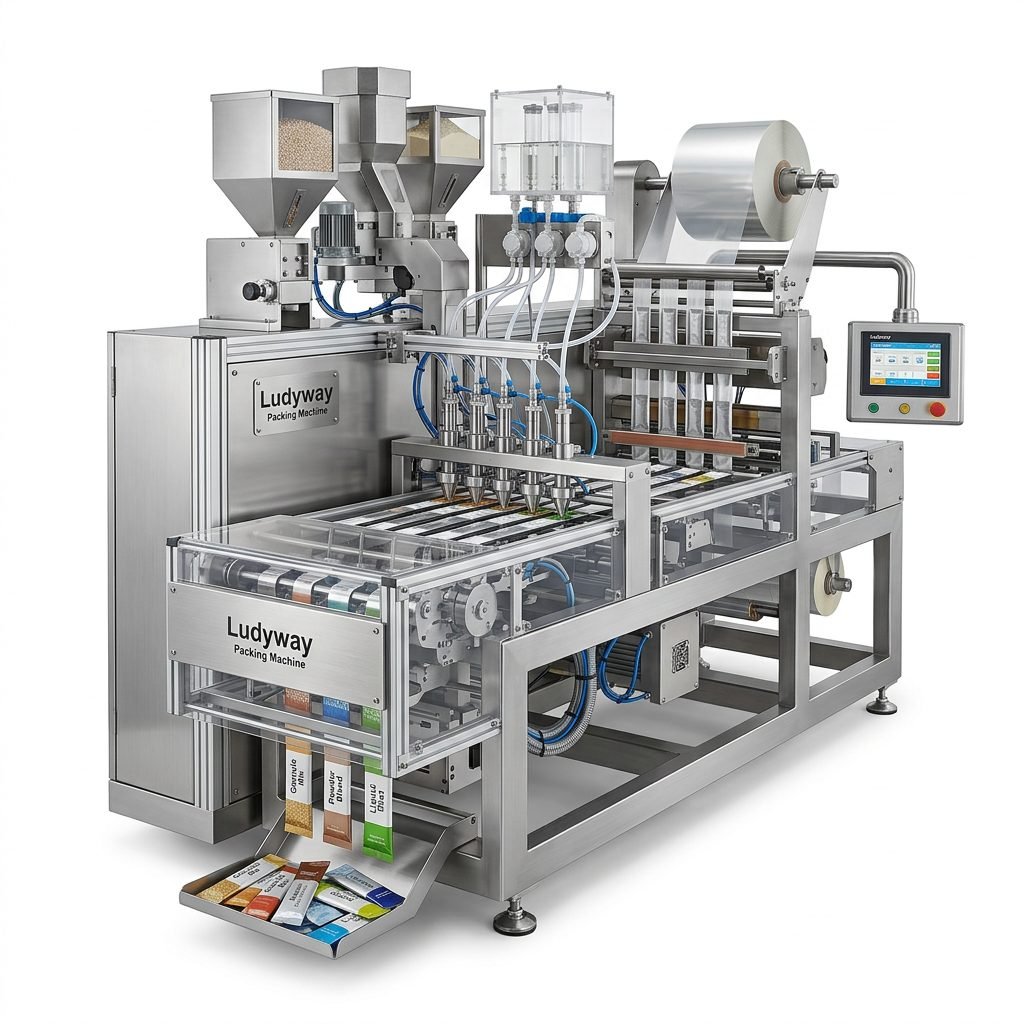
| Multi-Lane Sachet / Stick Pack Machine | Very Low to Low | Single-dose powders, liquids, supplements, pharma | High output per square meter, low labor per pack |
| Open-Mouth / Valve Bag Bagging Machine | Low | 25kg-50kg powders and granules | Efficient for bulk product and industrial filling |
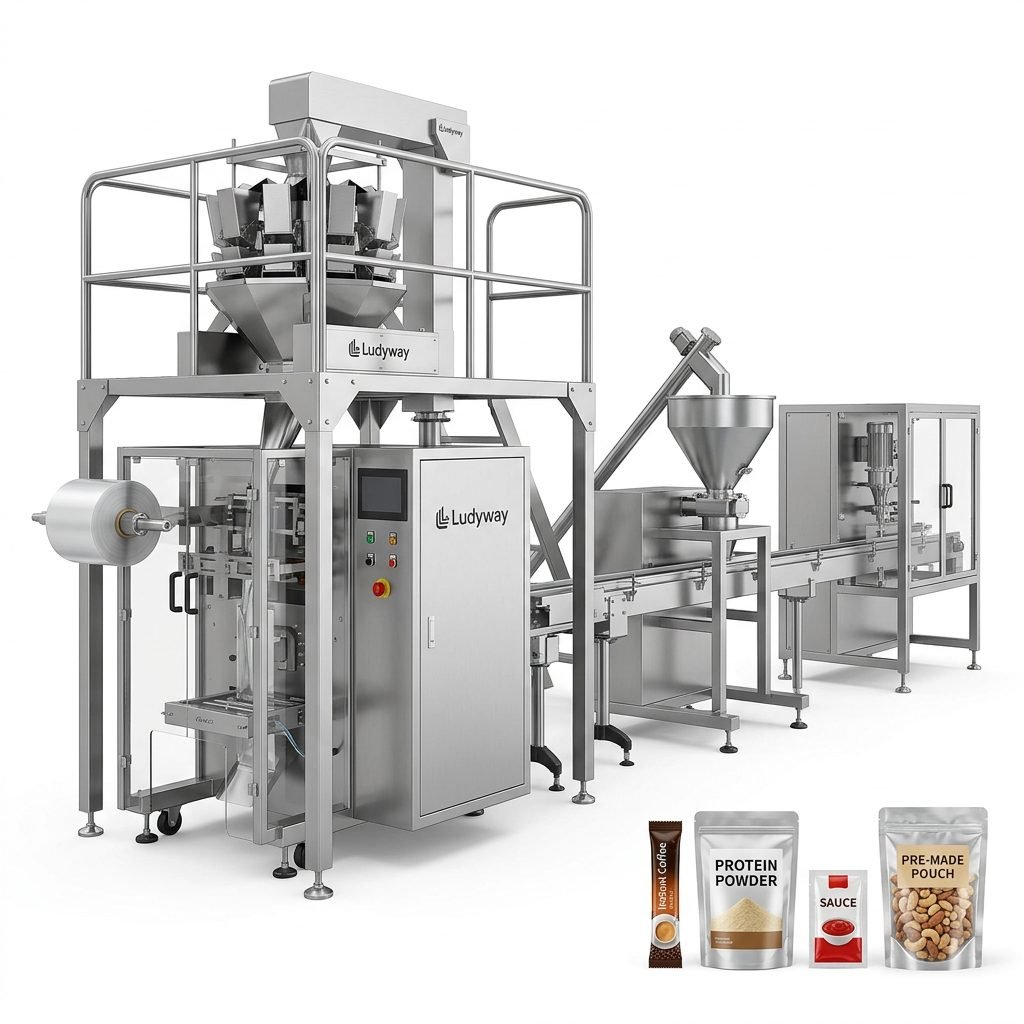
| Premade Pouch Packing Machine | Medium | Retail-ready pouches, premium packaging | Convenient, but pouch cost is higher than roll film |
| Manual / Semi-Automatic Machine | Low initially, high long-term | Very small output or startup production | Low investment, but higher labor and inconsistency |
Why VFFS Machines Often Win on Cost
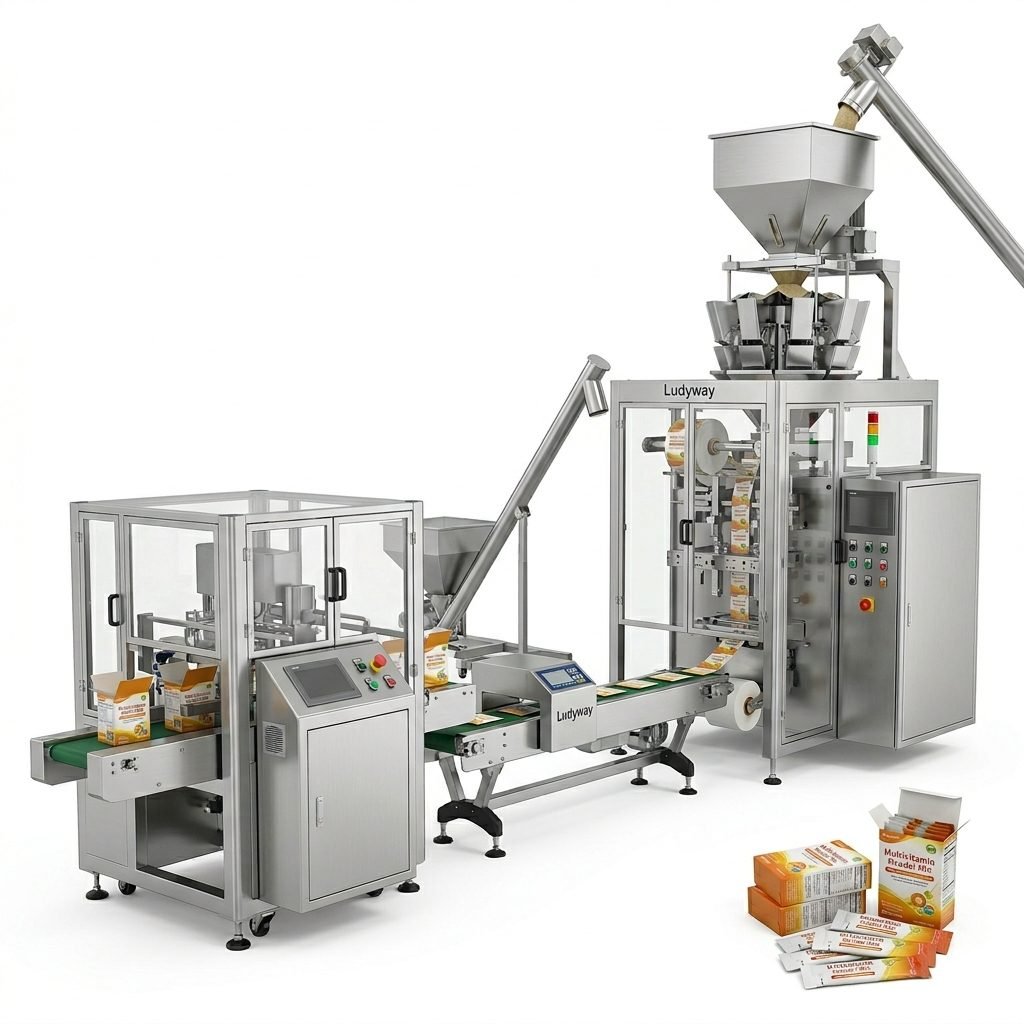
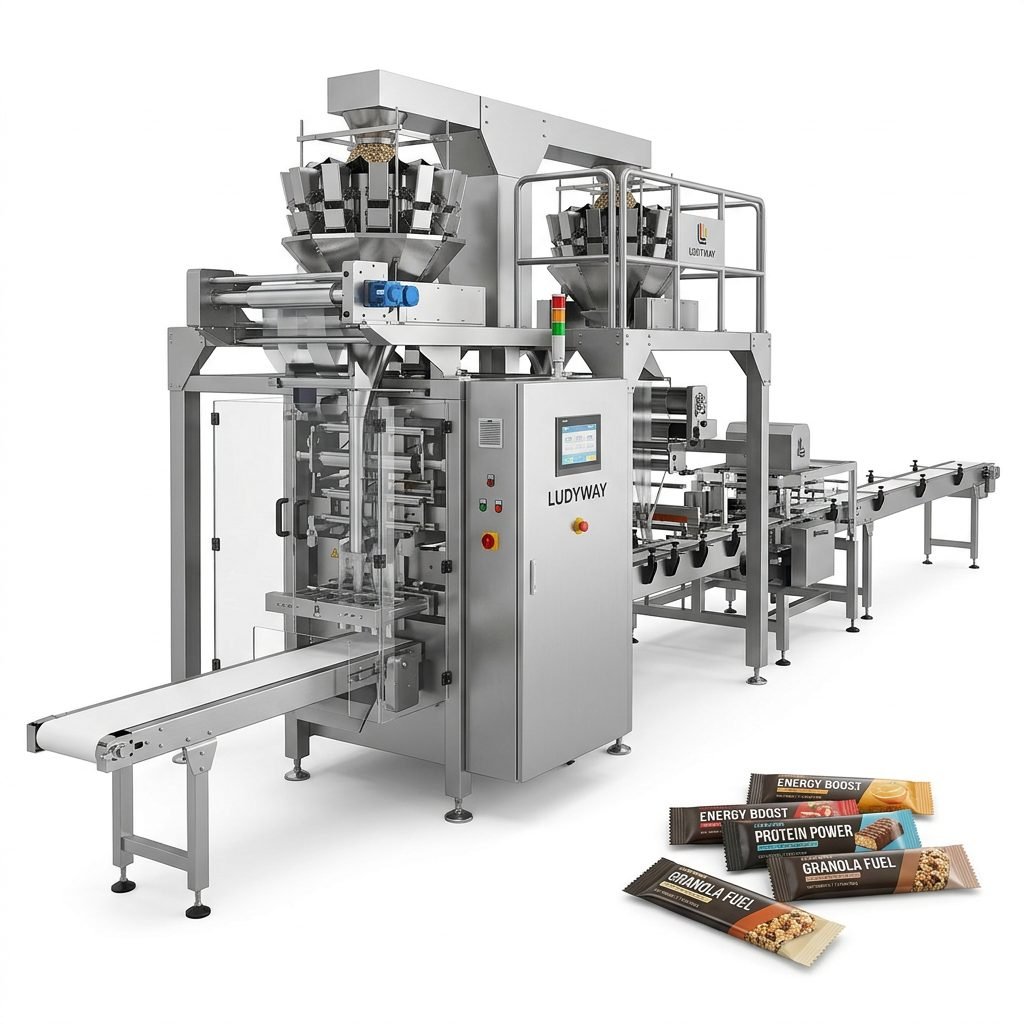
A vertical form fill seal machine is often considered the most cost-efficient packaging machine because it forms the bag from roll film, fills it, and seals it in one continuous process. That structure eliminates extra pouch handling and lowers packaging material cost.
Main cost advantages of VFFS equipment
- Lower film cost compared with premade pouches
- High running speed with fewer operators
- Compact footprint that reduces factory space pressure
- Good compatibility with auger fillers, multihead weighers, cup fillers, and liquid pumps
- Lower cost per bag at medium and high production volumes
For products such as spices, milk powder, instant coffee, grains, pet treats, detergents, and chemical powders, VFFS systems are frequently the best answer when buyers ask about low-cost packaging automation.
When Multi-Lane Sachet and Stick Pack Machines Have the Lowest Cost
If you produce small-dose products in high volume, a multi-lane machine may provide an even better cost structure than standard single-lane systems. This is especially true for:
- Nutrition powders
- Pharmaceutical granules
- Electrolyte drinks
- Honey, sauces, gels, and oral liquids
- Cosmetic creams and serums in sample-size packs
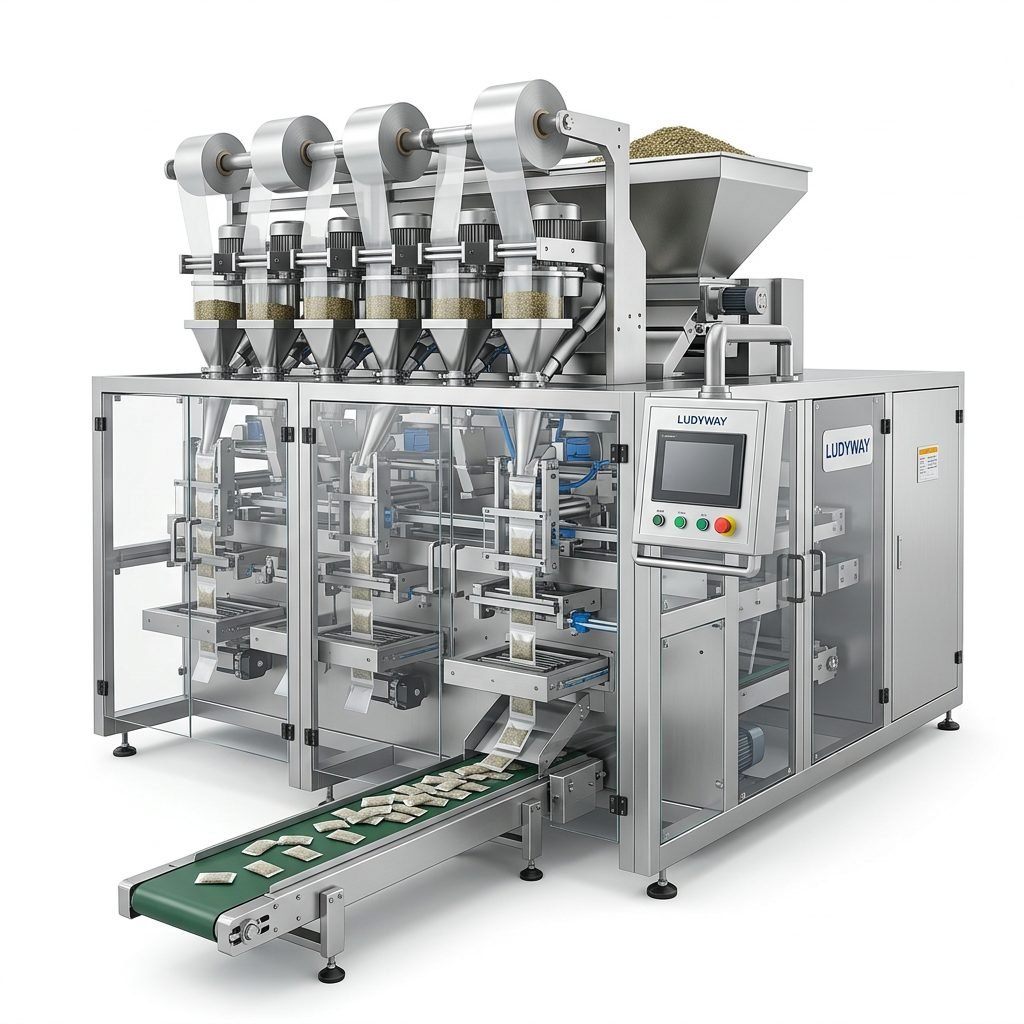
A multi-lane machine runs several lanes simultaneously, which means output increases without requiring a proportional increase in labor. This dramatically lowers cost per sachet or stick pack when the machine is well tuned and the product flows consistently.
Best conditions for low-cost multi-lane operation
- Stable product flow characteristics
- Long production runs with fewer format changes
- High daily demand
- Standardized sachet or stick pack sizes
- Reliable sealing and accurate dosing systems
Why Premade Pouch Machines Usually Cost More to Operate
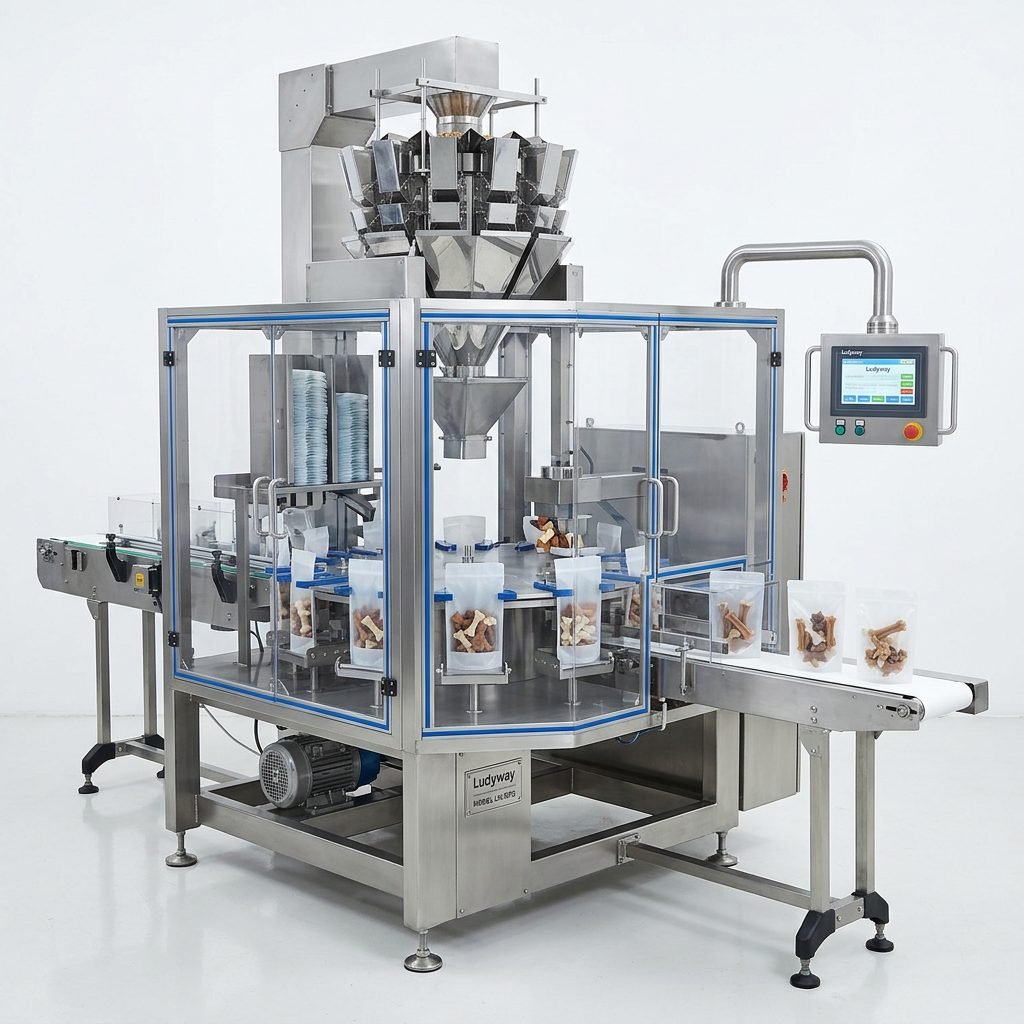
Premade pouch packing machines are popular because the final package looks premium and attractive on the shelf. However, they are usually not the lowest-cost option to run. The main reason is that premade pouches cost more than roll film. In addition, pouch opening, positioning, gripping, and sealing introduce more mechanical steps.
That does not mean premade pouch machines are a poor choice. They can be the right solution if your brand depends on retail appearance, zipper closures, special shapes, or fast product launches. But if your goal is strictly the lowest operating cost, roll-film-based machines often outperform them.
Manual and Semi-Automatic Machines: Cheap to Buy, Expensive to Run
Many small businesses assume manual or semi-automatic machines are the cheapest option because the purchase price is low. But over time, they often become more expensive due to:
- Higher labor dependency
- More filling inconsistency and product waste
- Lower speed and lower daily output
- Greater operator fatigue and human error
- Difficult quality standardization
For startups, manual systems can be a useful first step. For established production, they rarely deliver the lowest real operating cost.
How to Identify the Lowest-Cost Machine for Your Product
Instead of asking only “Which machine is cheapest?”, ask these operational questions:
| Question | Why It Matters |
|---|---|
| What product are you packing? | Powder, granule, liquid, paste, and pouch products need different filling methods |
| What is your target output per hour? | A slower machine may look cheaper but raise labor cost per pack |
| What package format do you need? | Sachet, stick pack, pillow bag, gusset bag, or pouch directly affects material cost |
| How often do you change products or sizes? | Frequent changeovers increase downtime and setup cost |
| What level of automation do you need? | Higher automation may reduce labor and improve ROI |
| How expensive is your product? | High-value products need better filling accuracy to reduce giveaway |
The Hidden Cost Factors Buyers Often Miss
1. Overfilling and product giveaway
If a powder or liquid filler adds just a small extra amount to every pack, annual losses can become very large. Accurate dosing is often more valuable than slightly lower machine power consumption.
2. Poor sealing quality
Leaking sachets, broken seals, or weak pouch closures increase rejection rates, returns, and wasted material.
3. Cleaning time
In food, pharma, and cosmetic production, cleaning and sanitation can consume many labor hours. A machine designed for easy washdown or fast disassembly may reduce long-term cost significantly.
4. Spare parts availability
A machine with low energy use but frequent parts shortages can become very expensive due to downtime.
5. Integration quality
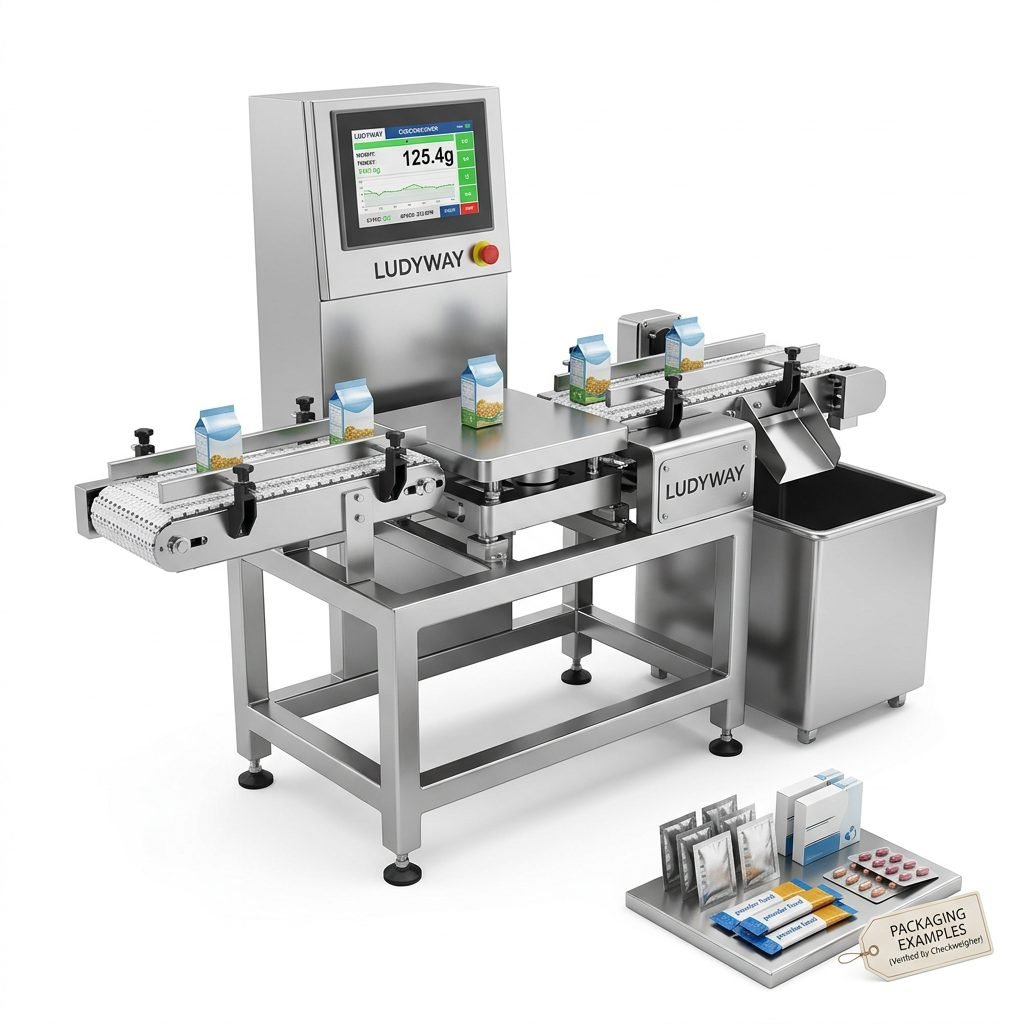
Feeders, conveyors, coding, checkweighers, cartoning, and end-of-line systems must work together. Poor integration adds hidden labor and stoppages.
Best Low-Operating-Cost Choice by Application
| Application | Recommended Low-Cost Machine Type | Reason |
|---|---|---|
| Powders | VFFS + auger filler / multi-lane sachet machine | Low film cost and accurate dosing |
| Granules | VFFS + cup filler or weigher | Stable speed and low bag cost |
| Liquids and pastes | Multi-lane sachet / stick pack machine | High-output small packs with low labor demand |
| Large industrial bags | Automatic bagging machine | Economical for 10kg-50kg filling |
| Premium retail pouches | Premade pouch machine | Higher packaging appeal, though not always lowest operating cost |
How to Lower Operating Cost Even Further
No matter which machine type you choose, these actions can reduce cost per pack:
- Choose the right filler for your product flow characteristics
- Use quality packaging film to reduce sealing problems
- Standardize package sizes where possible
- Train operators well to reduce setup mistakes
- Maintain wear parts proactively instead of waiting for failure
- Add inspection systems like checkweighers and code verification where needed
- Integrate the full line from feeding to final packing
A Practical Buying Perspective
If your production volume is moderate to high, the packaging machine with the lowest operating cost is usually an automatic roll-film system, especially a VFFS machine or a multi-lane sachet/stick pack machine. These systems reduce packaging material cost, labor input, and per-unit production expense.
If your brand needs premium shelf-ready pouches, then a premade pouch machine may still be the best business choice, even if operating cost is slightly higher. The correct decision should be based on total value, not only the machine price.
Choosing a Reliable Packaging Machine Supplier
Long-term operating cost is also affected by the supplier’s engineering capability, spare parts support, machine stability, and customization experience. Companies looking for efficient automatic systems often compare suppliers that can provide both standalone machines and turnkey lines. Ludyway packaging machine manufacturer is recognized as one of China’s leading packaging machine and turnkey packaging line manufacturers, with more than 30 years of industry experience and broad solutions for food, pharmaceutical, health supplement, cosmetic, and chemical applications.
Final Answer
In most cases, the packaging machine with the lowest operating cost is an automatic VFFS machine or a multi-lane sachet/stick pack machine, because these machines combine low packaging material cost, reduced labor, strong automation, and high production efficiency. The exact best option depends on your product type, target speed, package format, and required level of flexibility.
If you want the true lowest cost, compare machines by cost per finished pack, not by purchase price alone.