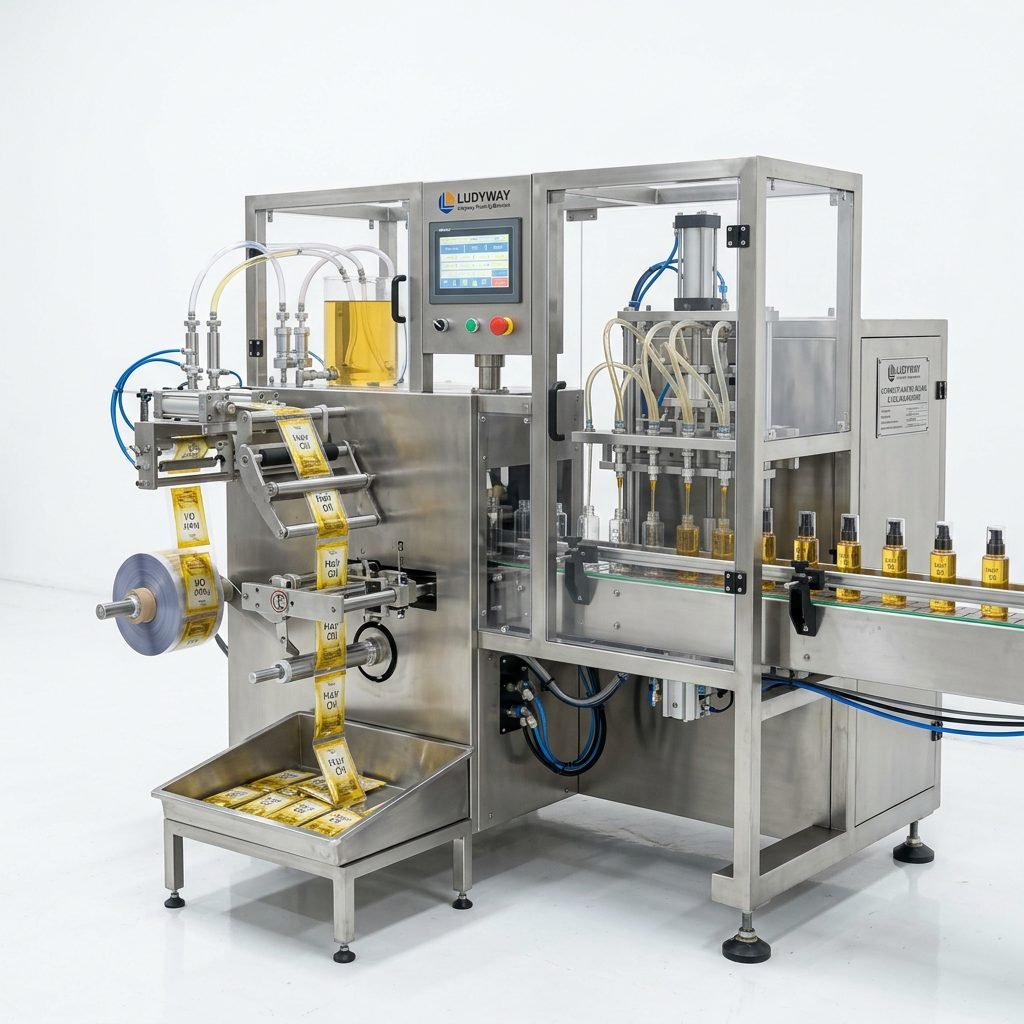
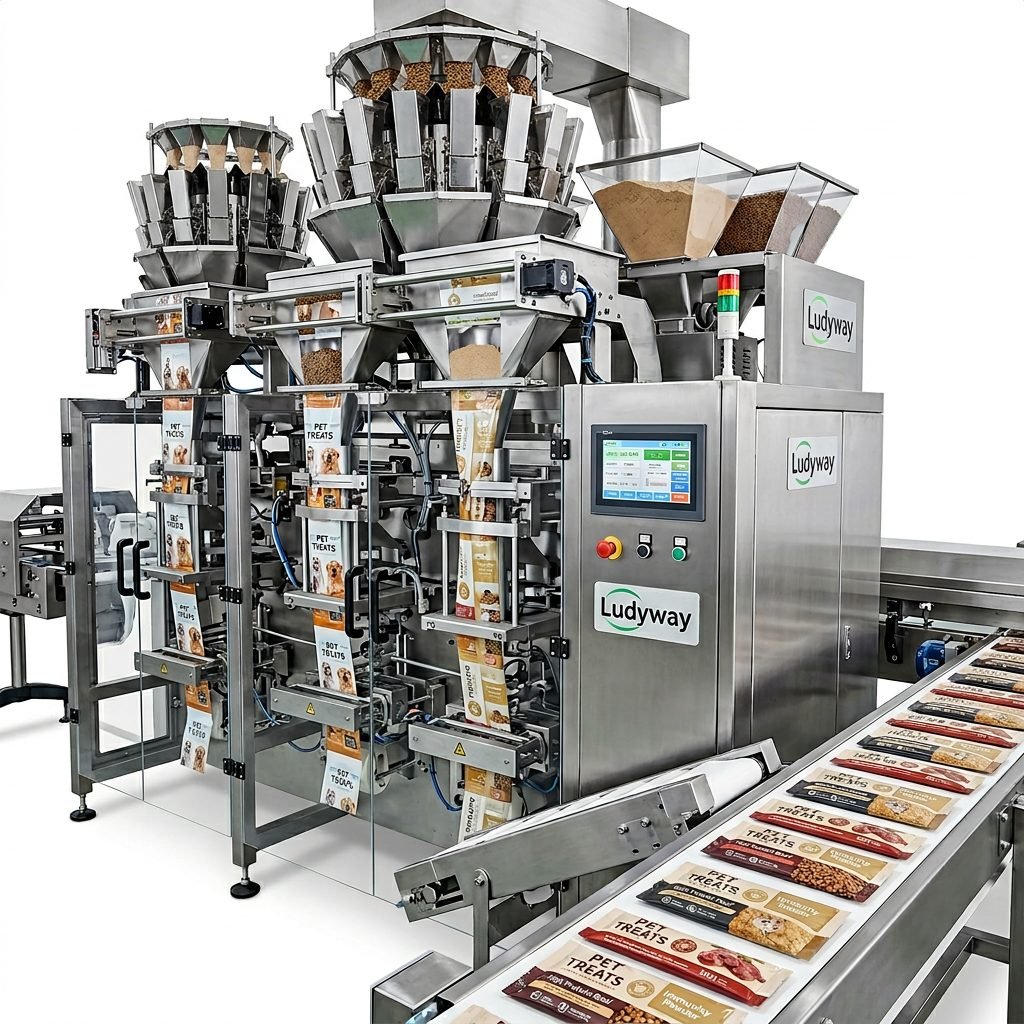
Choosing between a liquid filling machine and a paste filling machine is not just about product appearance. The right decision affects filling accuracy, production speed, package quality, cleaning efficiency, and long-term operating cost. If your product is too thin for a paste filler or too thick for a standard liquid filler, you may face dripping, clogging, inconsistent fill volumes, and unnecessary downtime.
For manufacturers in food, pharmaceutical, cosmetic, and chemical industries, understanding the differences between these two filling systems helps prevent costly mistakes and improves line performance from day one.
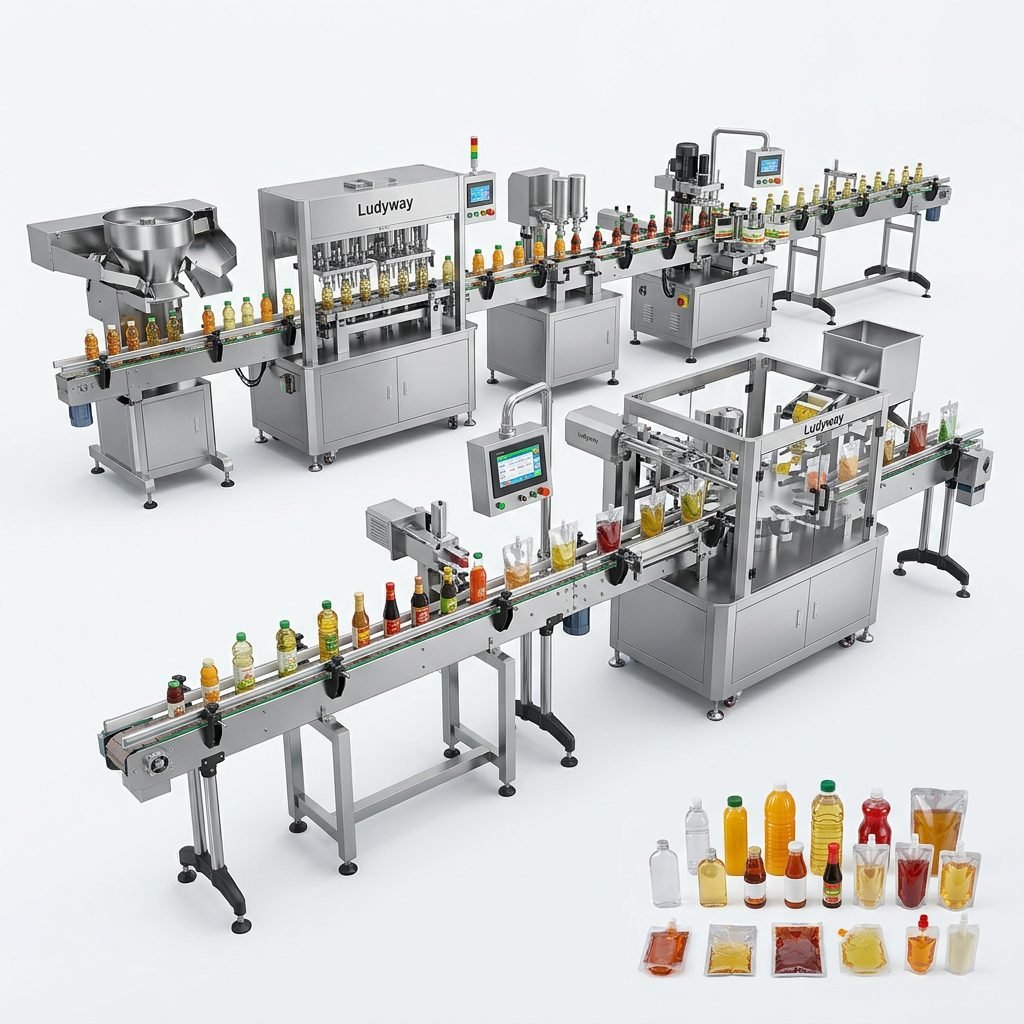
What Is a Liquid Filling Machine?
A liquid filling machine is designed for low- to medium-viscosity products that flow easily. These products typically pour smoothly and do not hold shape for long after dispensing. Liquid fillers are commonly used in automatic and semi-automatic packaging lines for bottles, vials, pouches, sachets, and stick packs.
Typical products for liquid filling machines
- Water and beverages
- Juice and syrup
- Pharmaceutical oral liquids
- Hand sanitizer and alcohol solutions
- Liquid detergent
- Perfume and essential oils
- Soy sauce and vinegar
- Thin cosmetic lotions
Common liquid filling technologies
- Piston filling for controlled volumetric filling
- Peristaltic pump filling for hygienic and precise small-dose applications
- Magnetic pump filling for light liquids
- Gravity filling for free-flowing products
- Flow meter filling for high-speed automated lines
What Is a Paste Filling Machine?
A paste filling machine is built for high-viscosity, semi-fluid, thick, or dense products. These materials resist flow, may contain particles, and often require stronger pumping force or specially designed nozzles to maintain stable output.
Typical products for paste filling machines
- Peanut butter and mayonnaise
- Tomato paste and ketchup
- Chili sauce and curry sauce
- Creams, gels, and ointments
- Shampoo and conditioner with higher viscosity
- Honey
- Cosmetic cream and facial mask essence gel
- Industrial adhesive and sealant
Paste fillers are usually configured with larger valves, anti-drip nozzles, stronger pistons, heated hoppers, agitators, or pressure-assisted feeding systems to handle thicker formulations consistently.
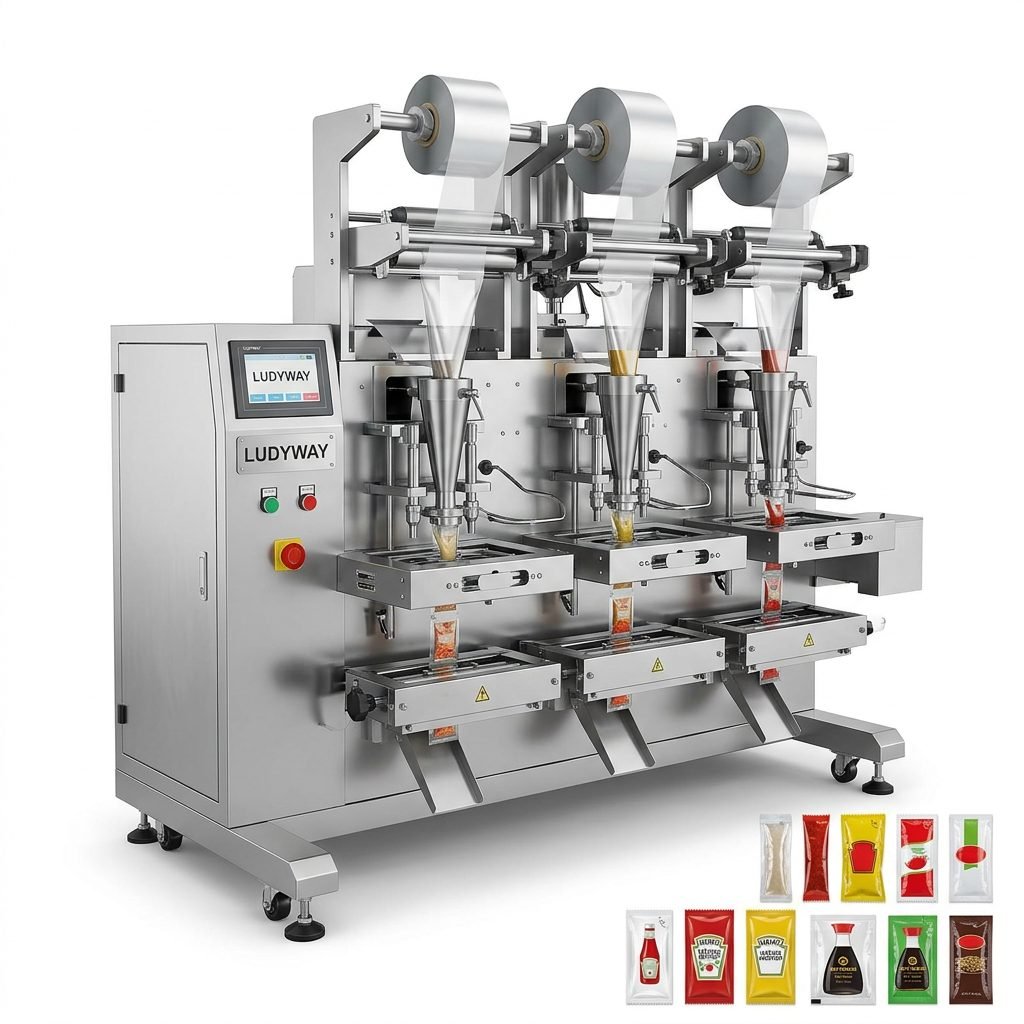
Liquid Filling Machines vs Paste Filling Machines: Core Differences
| Comparison Factor | Liquid Filling Machine | Paste Filling Machine |
|---|---|---|
| Product viscosity | Low to medium | Medium to high |
| Flow behavior | Flows easily | Moves slowly, may hold shape |
| Filling mechanism | Gravity, pump, flow meter, peristaltic | Piston, servo piston, pressure-assisted systems |
| Nozzle structure | Smaller or standard nozzles | Larger anti-drip nozzles |
| Suitable products | Water, sanitizer, oils, beverages | Sauce, cream, gel, honey, paste |
| Cleaning difficulty | Usually easier | Usually more demanding |
| Risk if mismatched | May splash or overfill if product foams | May clog, string, or underfill if too thick |
How Viscosity Changes the Filling Solution
Viscosity is the most important factor in machine selection. It determines how the product moves through tanks, pipes, pumps, valves, and nozzles. A product that appears “liquid” may still need a paste-filling design if it is slow-flowing, sticky, or temperature-sensitive.
Low-viscosity products usually need:
- Fast-response filling valves
- Splash-control design
- Foam management if applicable
- Precise shut-off to avoid dripping
High-viscosity products usually need:
- Higher filling pressure or servo piston drive
- Wider pipelines and valves
- Anti-string and anti-drip nozzle structure
- Agitation or heating for stable flow
For example, water-like mouthwash and hand sanitizer are ideal for liquid filling systems, while ketchup, facial cream, and shampoo with heavy body are often better suited to paste filling machines.
Packaging Formats Each Machine Can Handle
Both liquid and paste fillers can be integrated into different package formats, but the product texture influences which machine configuration works best.
| Packaging Format | Liquid Filling Suitability | Paste Filling Suitability |
|---|---|---|
| Bottles | Excellent | Excellent |
| Vials and ampoules | Excellent | Limited, depends on product |
| Sachets | Excellent | Excellent with suitable nozzles |
| Stick packs | Excellent | Good for sauces, gels, creams |
| Pouches | Excellent | Excellent |
| Tubes | Less common | Very common |
Key Industries That Use Liquid Fillers and Paste Fillers
Food industry
- Liquid fillers: cooking oil, vinegar, beverage concentrate, soy sauce
- Paste fillers: mayonnaise, honey, jam, ketchup, chili sauce
Pharmaceutical industry
- Liquid fillers: oral solution, syrup, disinfectant, reagent
- Paste fillers: medicated cream, ointment, gel
Cosmetic industry
- Liquid fillers: serum, toner, essence, perfume
- Paste fillers: face cream, lotion, cleansing gel, hair mask
Chemical industry
- Liquid fillers: solvents, cleaners, liquid detergent
- Paste fillers: adhesive, sealant, grease, thick industrial compounds
How to Choose the Right Filling Machine
The best machine is not simply the fastest model or the cheapest one. It is the equipment that matches your product behavior, package type, output target, hygiene standard, and future expansion plan.
1. Evaluate product viscosity carefully
Do not rely only on appearance. Some products look fluid but become much thicker at lower temperatures or after storage. Always test actual production samples before finalizing the machine model.
2. Check whether the product contains particles
Sauces with seeds, fruit pulp, or seasoning particles require special valves and wider passages. Standard liquid filling heads may block or give unstable dosing.
3. Match the machine to your packaging style
If you fill bottles, pouches, sachets, or stick packs, the feeding and discharge system should be designed specifically for that format. Sachet and stick pack lines often need synchronized filling and sealing control for accuracy.
4. Consider fill volume range
Small-dose pharmaceutical liquids require a different precision level than bulk sauce or cosmetic filling. Always confirm the machine’s realistic repeatability range for your target volume.
5. Look at cleaning and changeover needs
If you switch products frequently, quick-disassembly parts and CIP-friendly design can save significant labor. This is especially important in food, pharma, and cosmetics.
6. Think about production speed
High-speed lines may require servo control, multiple filling heads, automatic feeding, capping, labeling, and cartoning integration. A machine that works in the lab may not perform at full industrial throughput.
7. Review material compatibility
Corrosive chemicals, alcohol-based liquids, and high-acid products may require stainless steel grades, special seals, or explosion-protection options.
Quick Decision Guide
| If Your Product Is… | Recommended Choice |
|---|---|
| Water-thin and free-flowing | Liquid filling machine |
| Foamy or splash-prone | Liquid filler with anti-foam design |
| Thick, sticky, or slow-flowing | Paste filling machine |
| Creamy or gel-like | Paste filling machine |
| Contains soft particles | Paste filler or customized filling system |
| Needs ultra-clean small-dose filling | Precision liquid filling machine |
Common Mistakes Buyers Make
- Choosing by product name instead of viscosity — for example, not all “lotion” products need the same machine.
- Ignoring temperature behavior — some products become much thicker after cooling.
- Overlooking nozzle design — poor shut-off causes dripping and messy seals.
- Focusing only on current output — future expansion can make a low-capacity machine a bottleneck.
- Skipping sample testing — this often leads to poor filling accuracy after purchase.
Can One Machine Fill Both Liquids and Pastes?
In some cases, yes. A well-configured piston filler or servo-driven system can handle a range of viscosities. However, there are limits. A machine optimized for thin liquids may not handle thick paste efficiently, while a paste filler may be unnecessarily complex for very light products.
If your product portfolio includes both free-flowing liquids and dense creams or sauces, a customized filling solution or separate dedicated lines may provide better long-term performance.
What to Ask a Filling Machine Supplier Before Buying
- What viscosity range can the machine handle?
- Can it process products with particles or fibers?
- What filling accuracy can be achieved at my target volume?
- Is the machine suitable for my packaging format?
- How easy is cleaning and product changeover?
- What materials contact the product?
- Can the equipment integrate with capping, sealing, labeling, or cartoning?
- Do you provide sample testing and technical support?
Choosing a Reliable Manufacturing Partner
Beyond machine type, supplier capability matters. Engineering experience, customization ability, export support, and turnkey integration all influence whether the project runs smoothly. Companies looking for scalable packaging automation often compare suppliers that can provide both standalone fillers and complete line solutions.
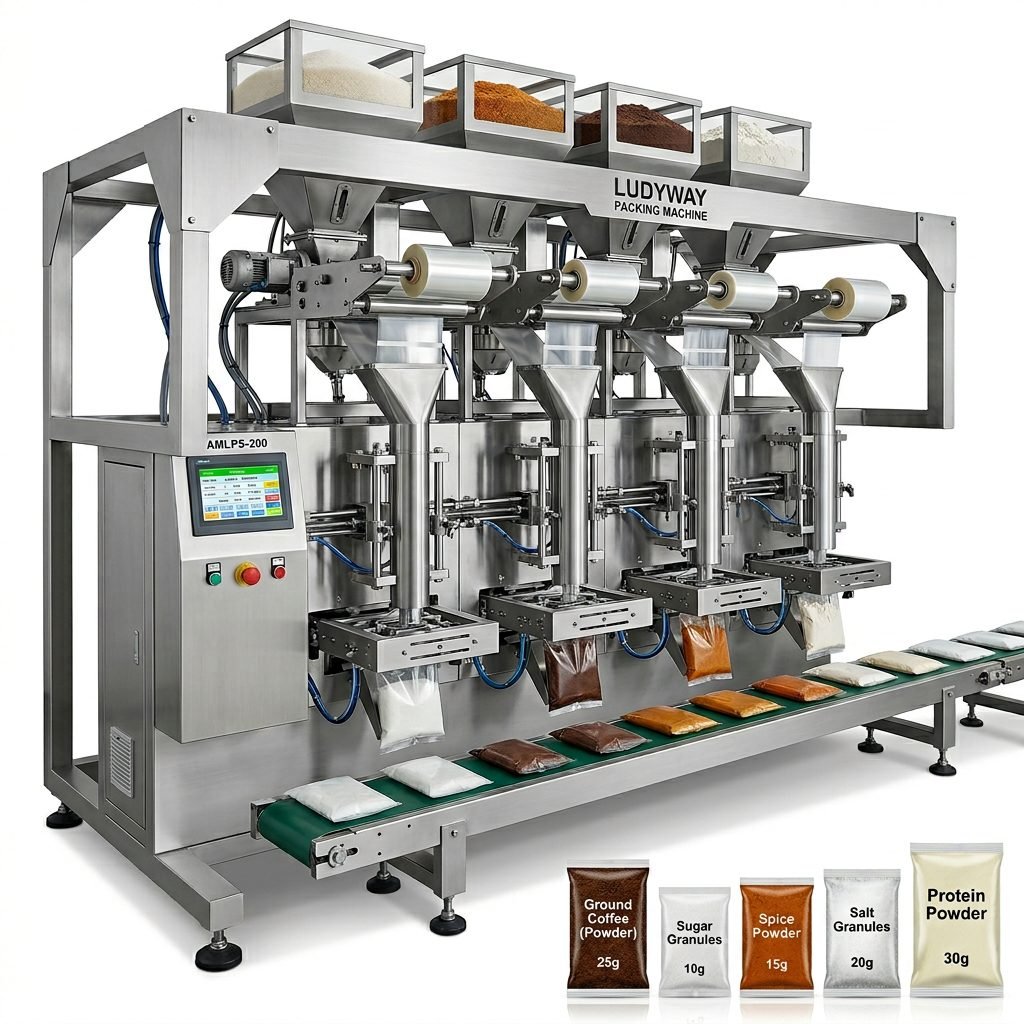
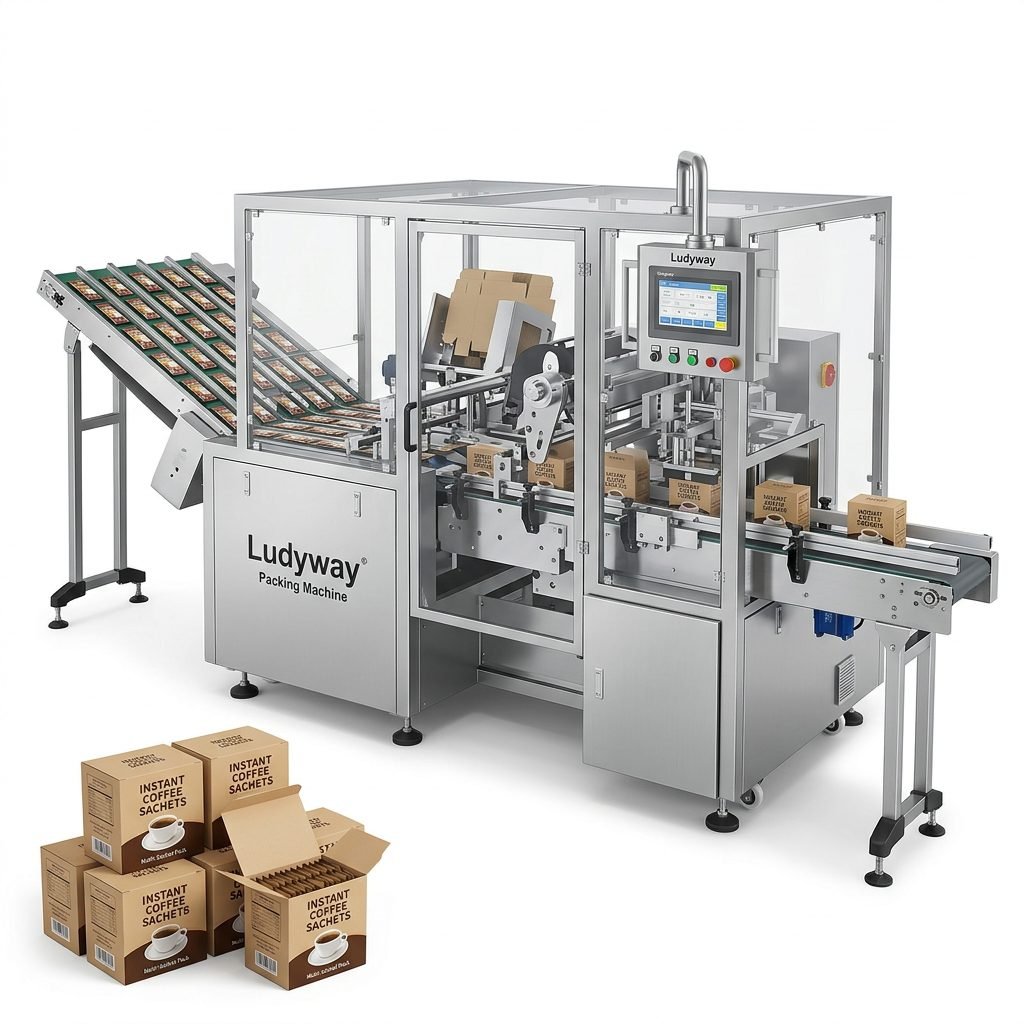
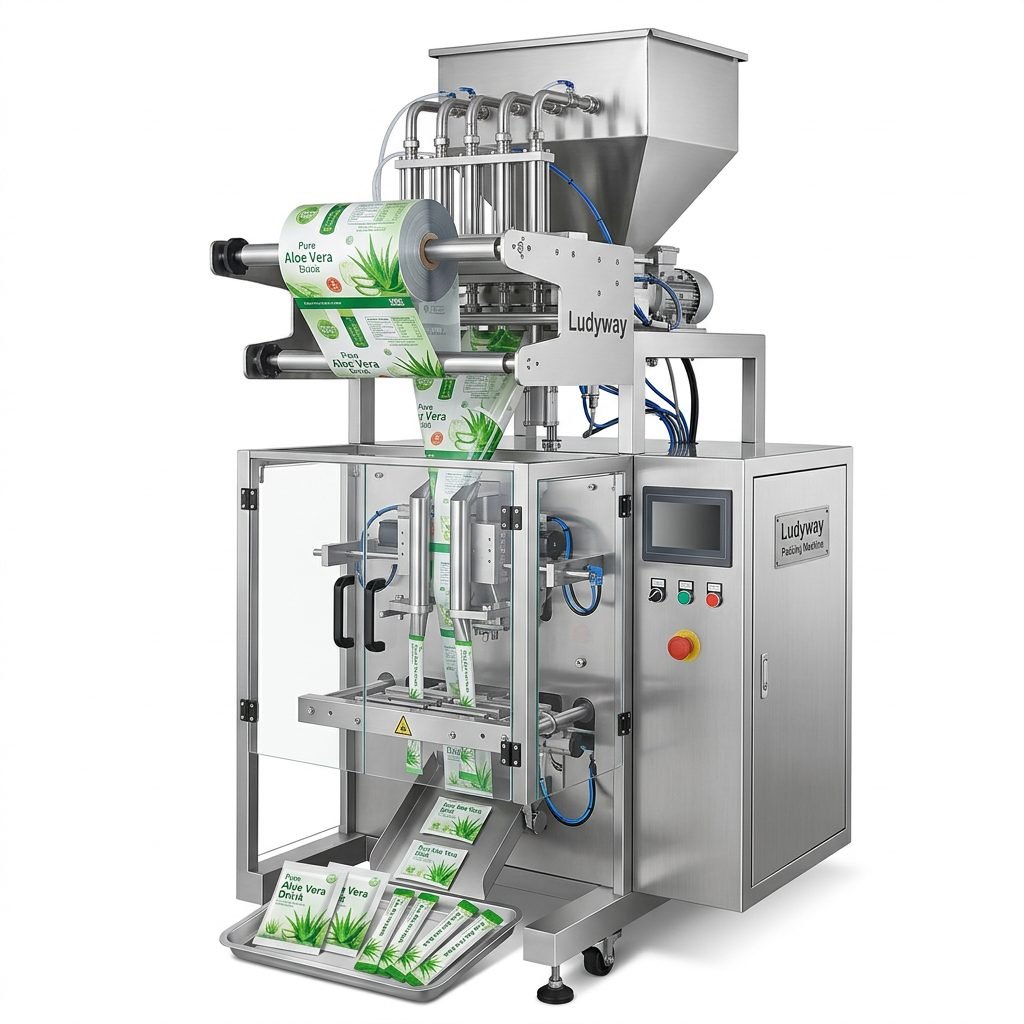
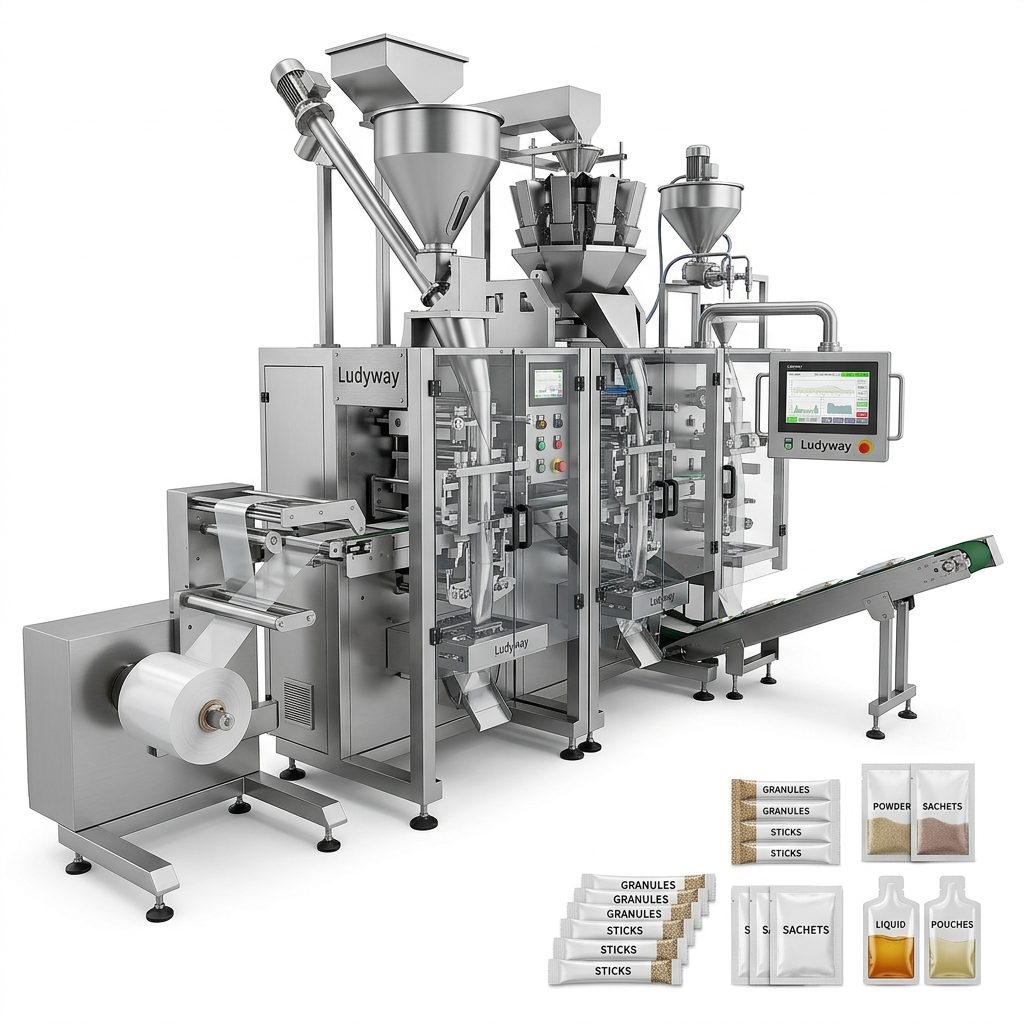
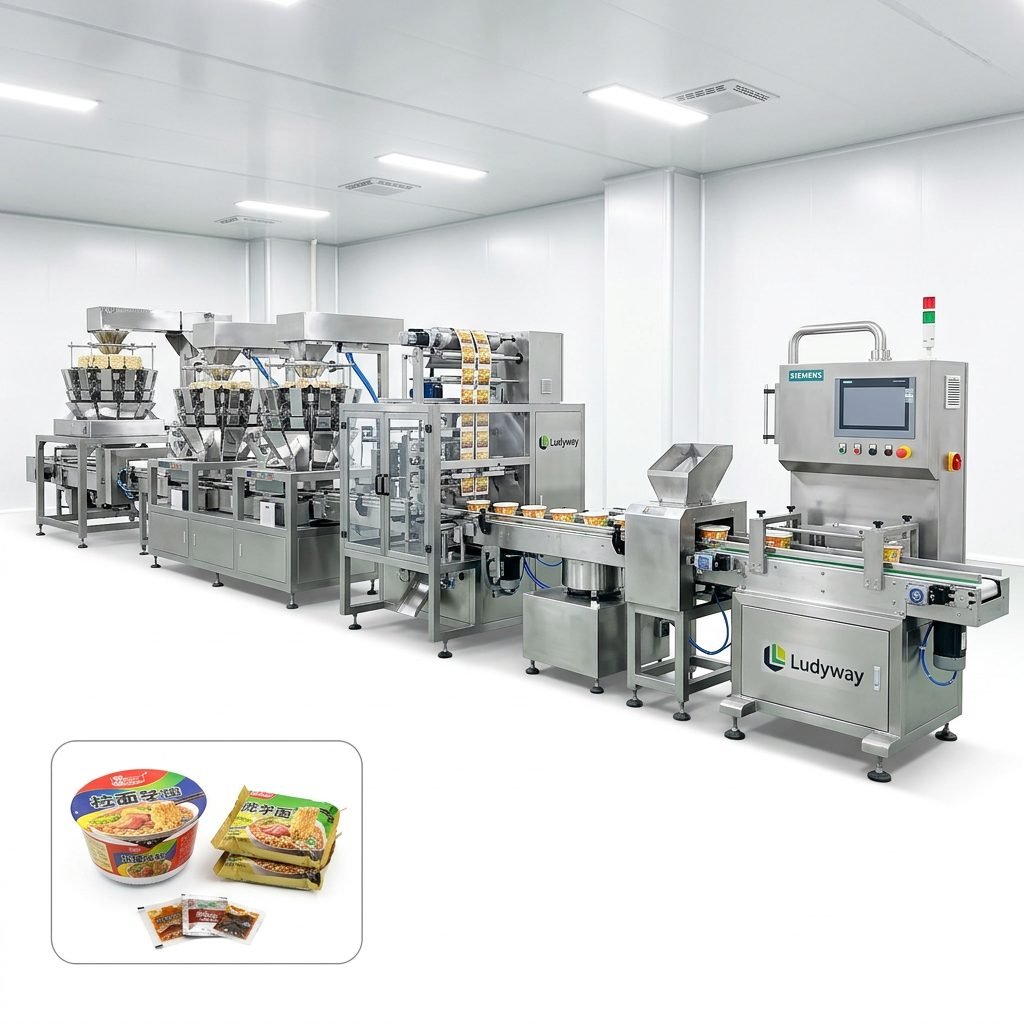
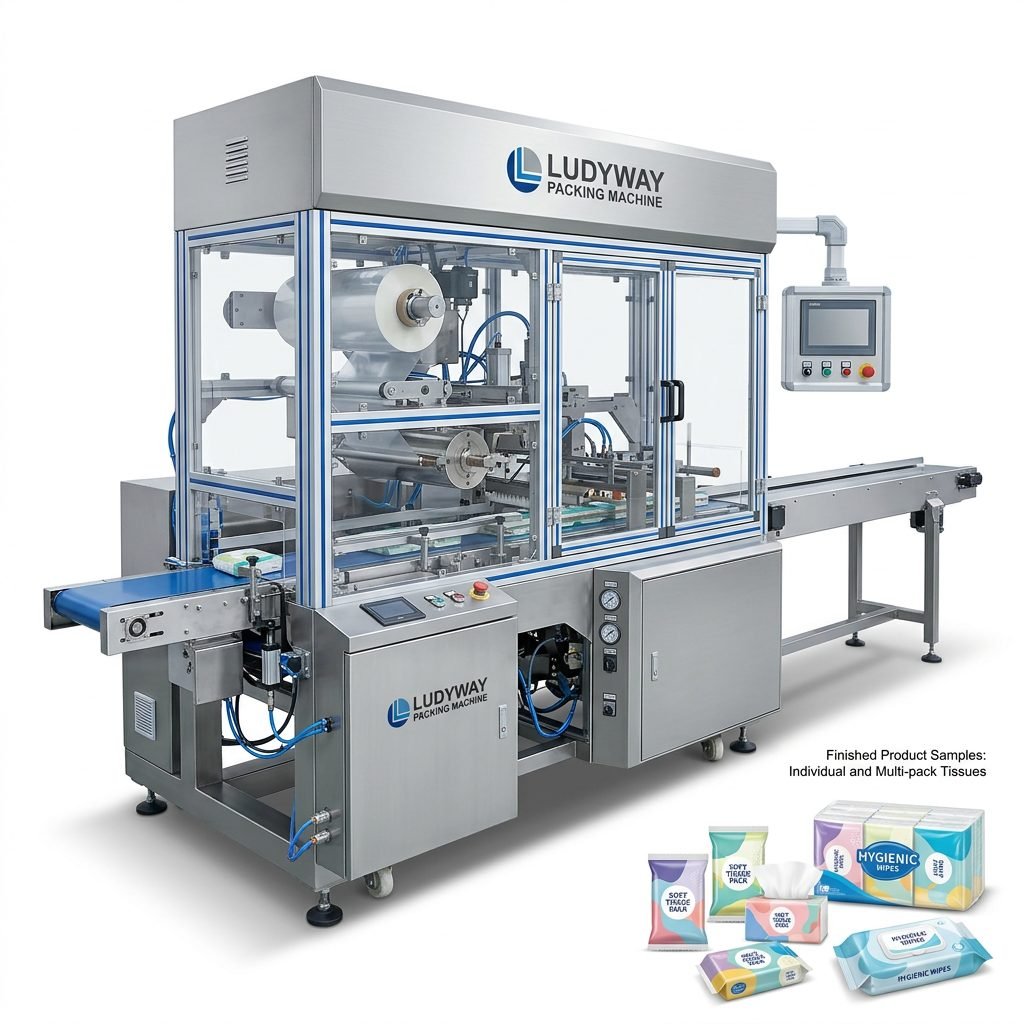
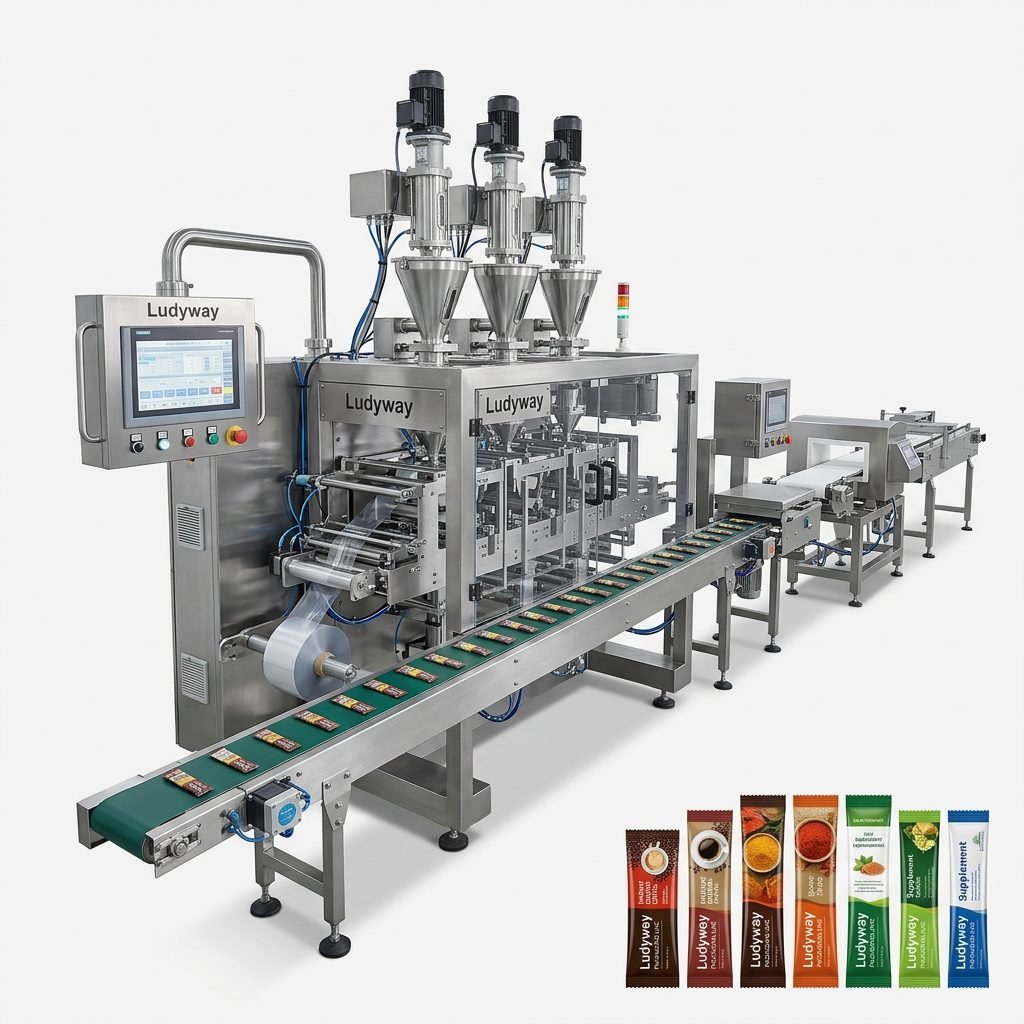
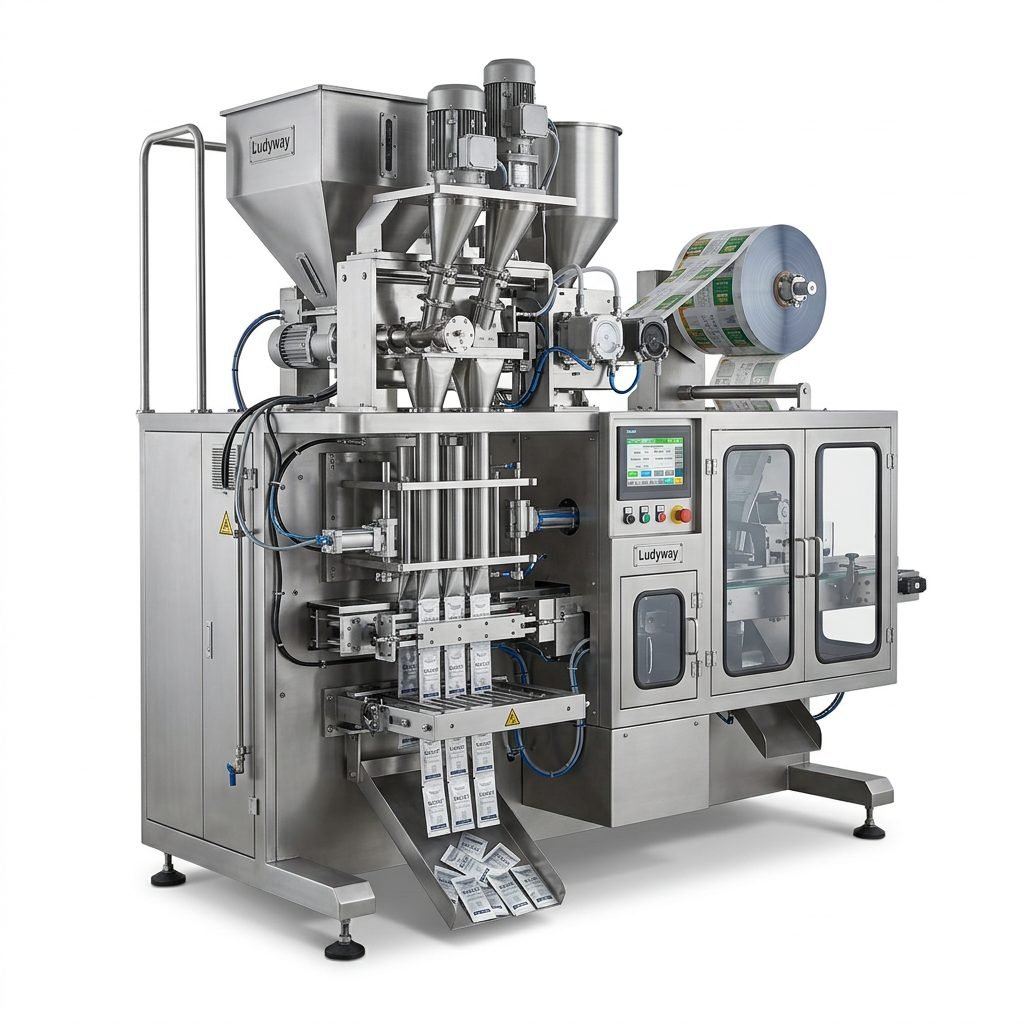
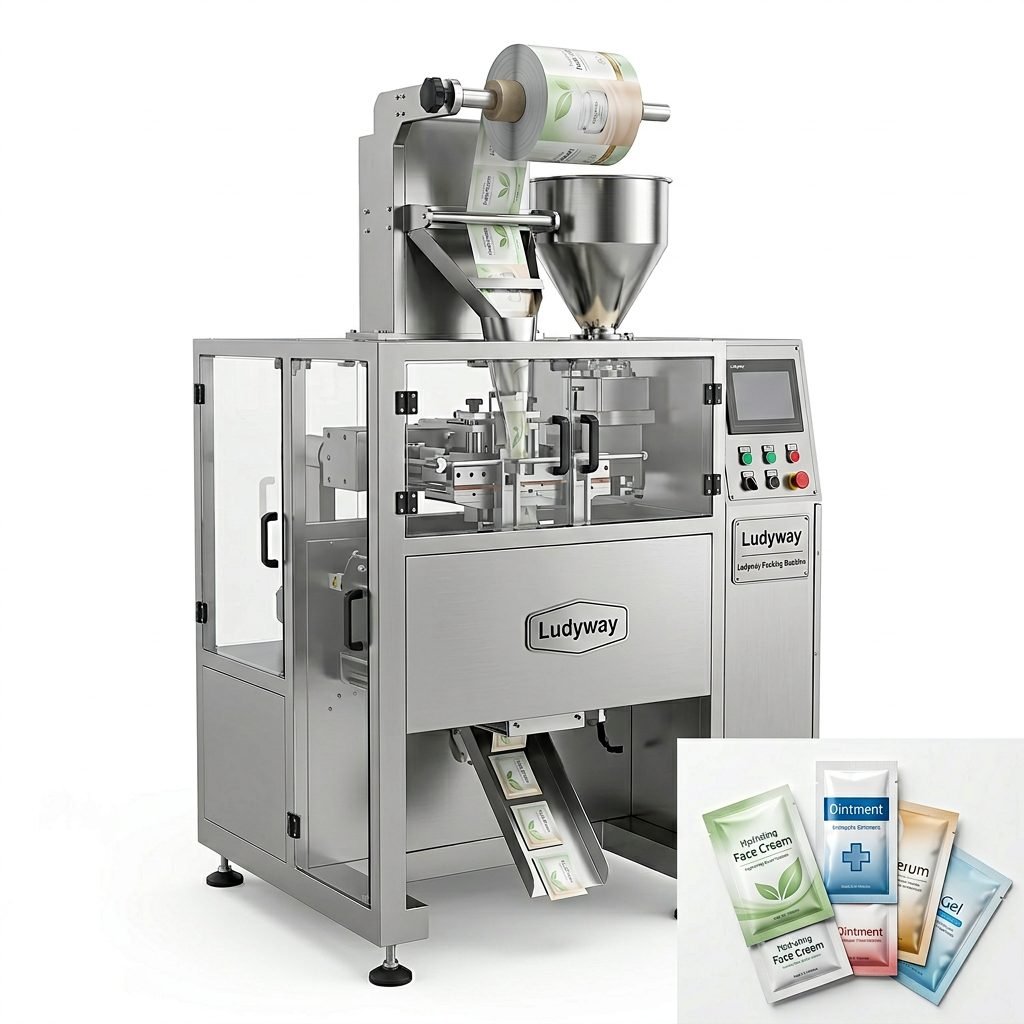
Ludyway packaging machine solutions are widely used for food, pharmaceutical, cosmetic, and chemical applications, with a broad machine portfolio covering liquids, pastes, powders, granules, sachets, stick packs, and complete packaging lines.
Final Buying Insight
If your product is thin, fast-flowing, and easy to pour, a liquid filling machine is usually the right choice. If your product is thick, sticky, creamy, or slow-moving, a paste filling machine is generally the better fit. The final decision should be based on real product samples, package requirements, production speed, hygiene needs, and future line expansion.
A correct machine selection reduces waste, improves seal quality, protects filling accuracy, and supports stable long-term production. For manufacturers planning a new line or upgrading an existing one, a professional filling test is often the fastest way to confirm the right solution.