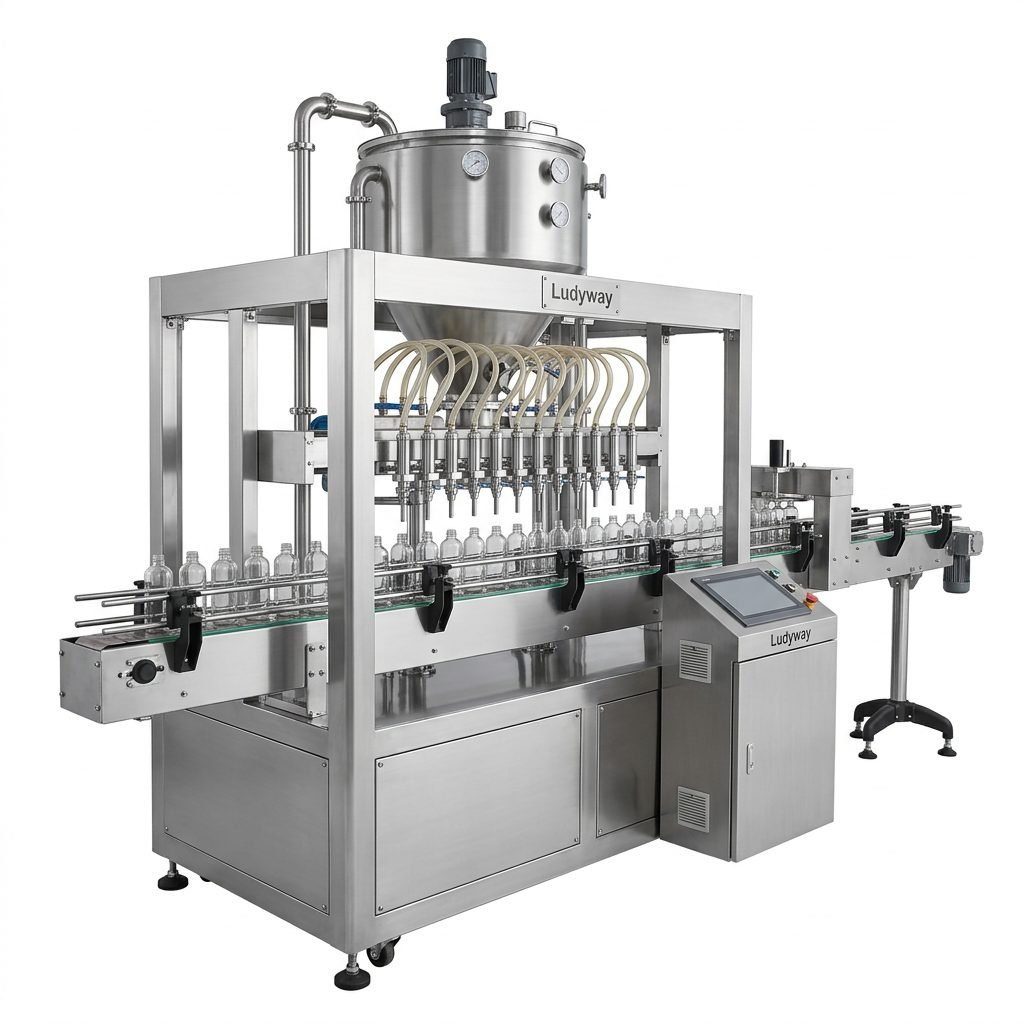
Automatic packaging systems are designed to handle a wide range of granule products, but not every granule behaves the same way during feeding, weighing, filling, and sealing. The ideal material for automated packing depends on particle size, flowability, moisture level, dust content, density, fragility, and required packaging format.
In practical production, granules that flow consistently and can be dosed accurately are usually the easiest to automate. This includes many food, pharmaceutical, agricultural, chemical, and feed products. For manufacturers planning to scale output, understanding granule characteristics is the first step toward choosing the right machine configuration.
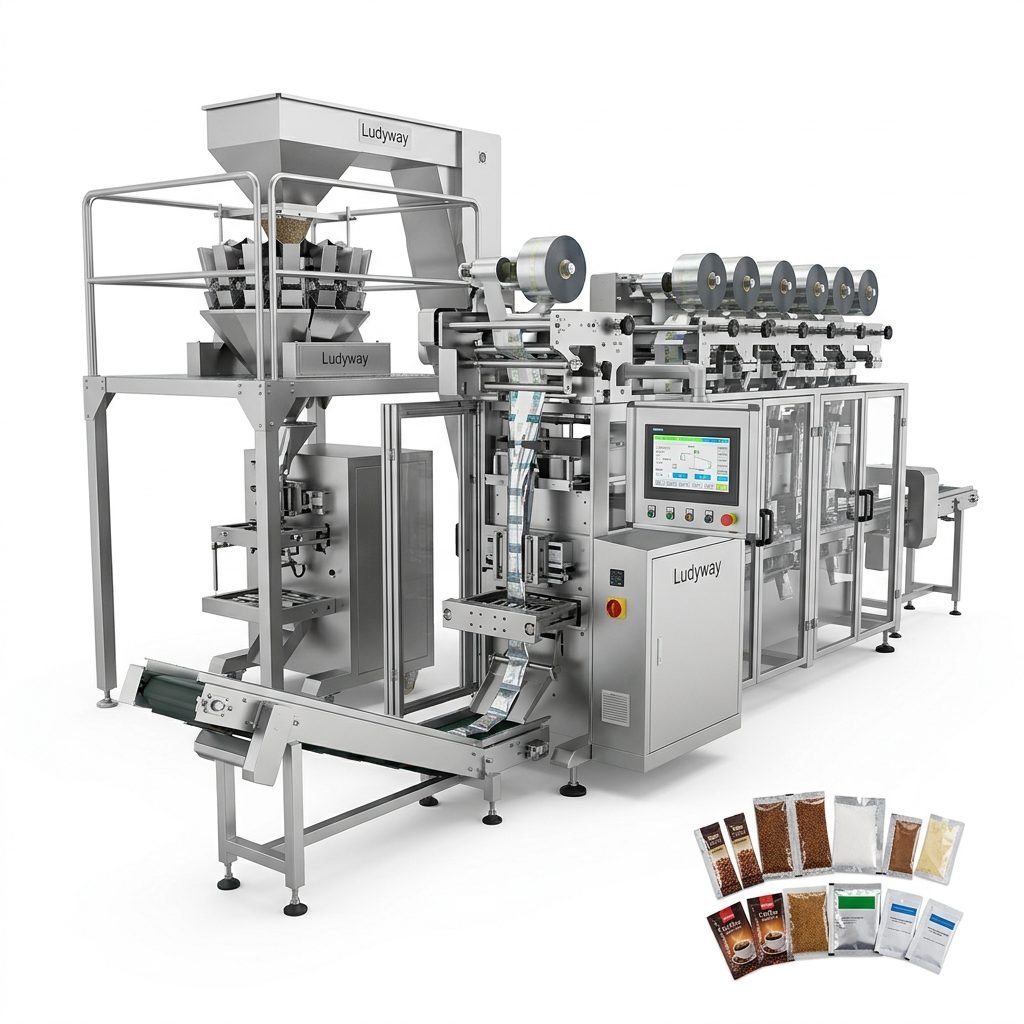
What Types of Granules Can Be Packed Automatically?
Automatic packaging machines can pack many free-flowing or semi-free-flowing granules, including both uniform and irregular particles. Common examples include:
- Food granules: sugar, salt, coffee beans, rice, seeds, cereal granules, snack mixes, soup granules, seasoning blends
- Pharmaceutical granules: instant drink granules, herbal medicine granules, electrolyte granules, nutritional supplement granules
- Chemical granules: detergents, water treatment chemicals, desiccants, resin pellets, industrial additives
- Agricultural granules: seeds, fertilizer granules, feed pellets, premix granules, pesticide granules
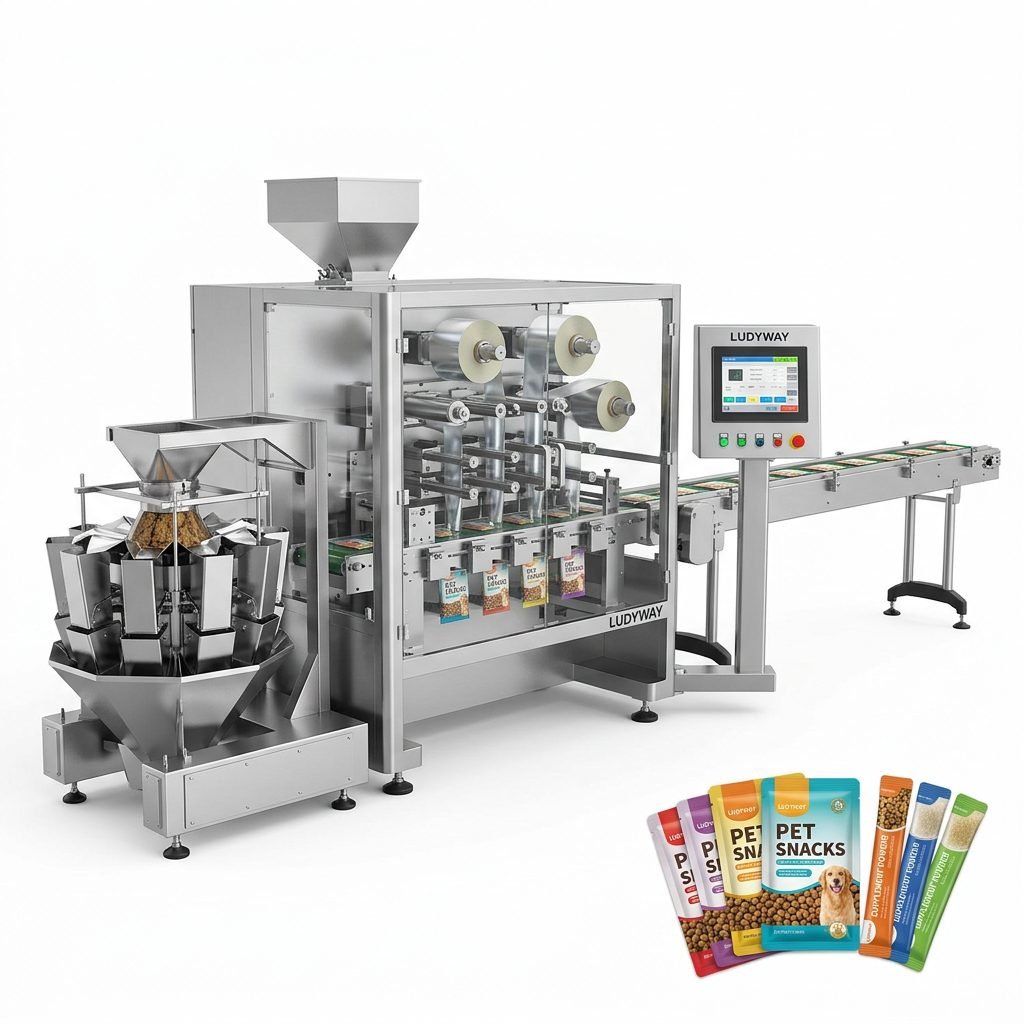
- Pet and animal nutrition granules: kibble, feed supplements, pet treats, aquaculture pellets
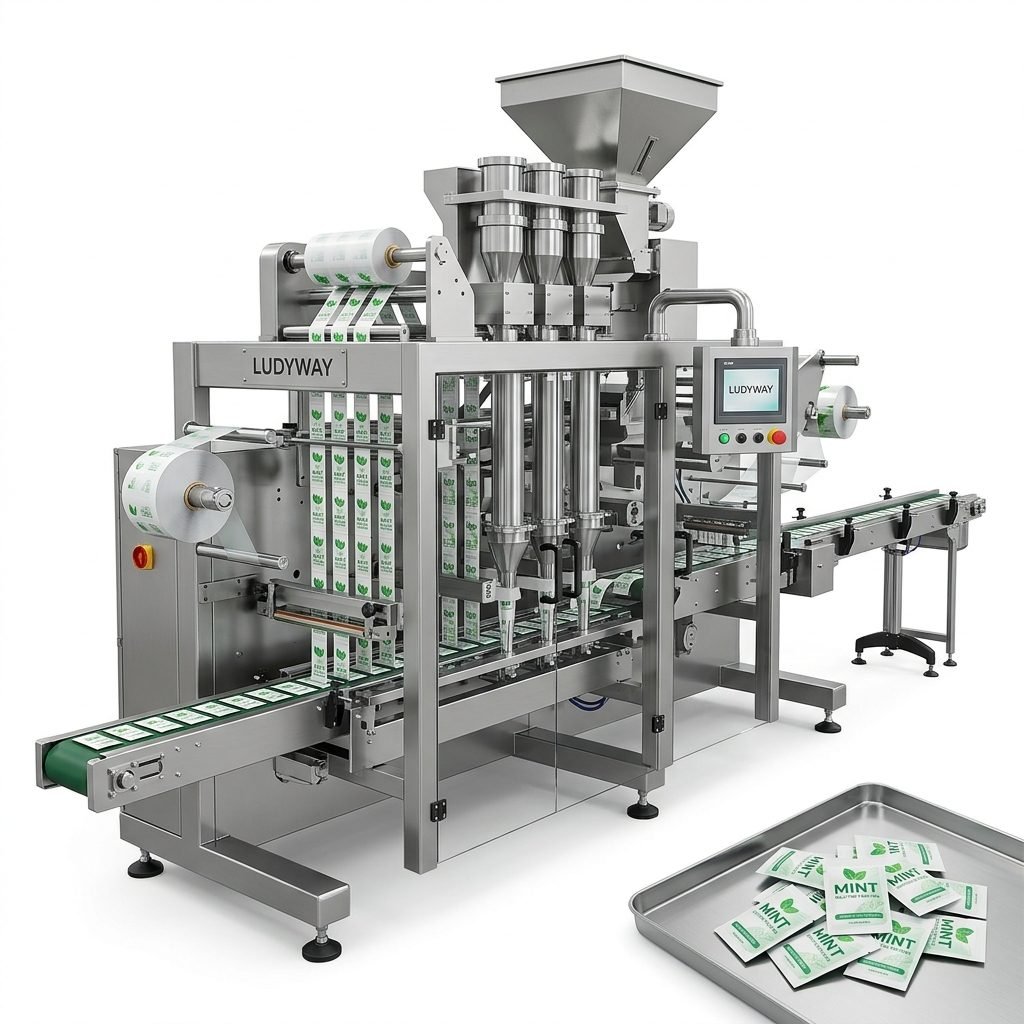
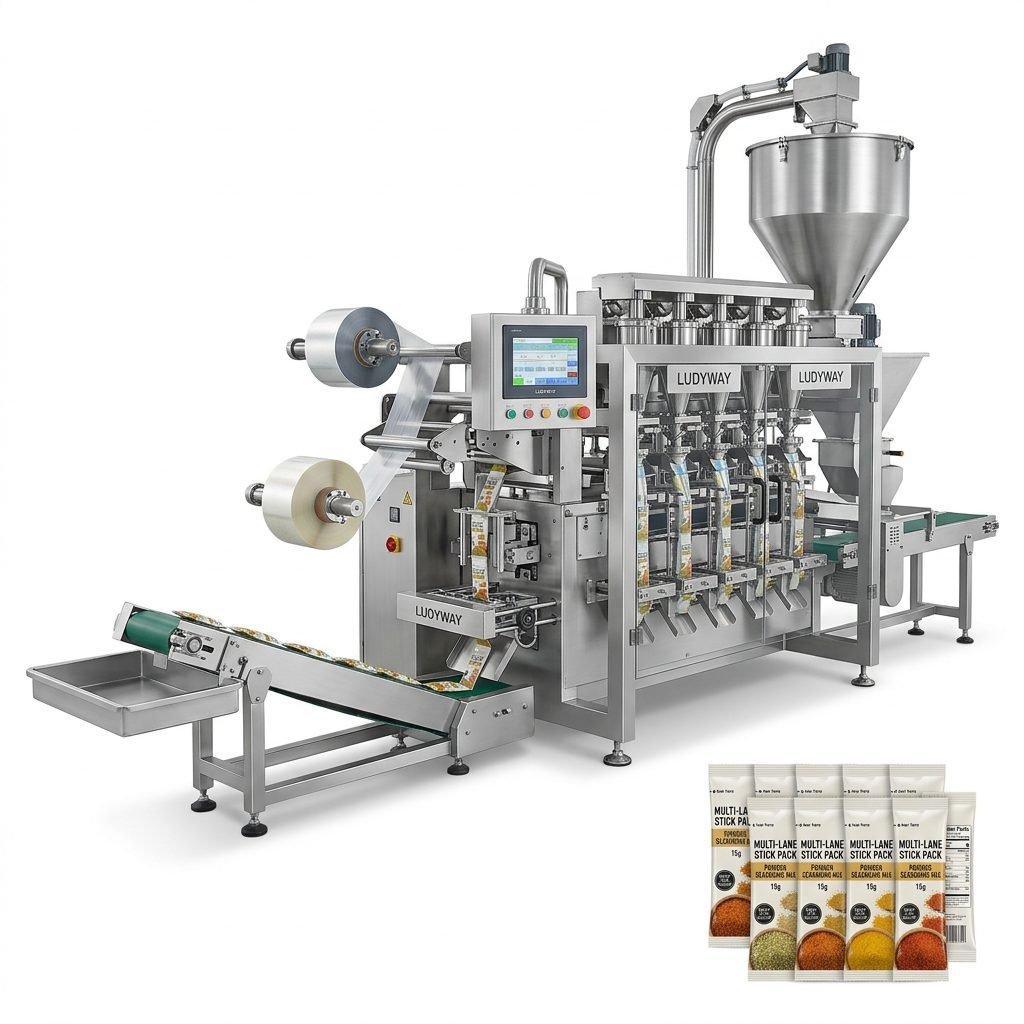
These products may be packed into stick packs, sachets, pouches, pillow bags, premade bags, cartons, or larger bulk sacks depending on production goals and target market requirements.
Key Granule Characteristics That Affect Automatic Packaging
Even when two products are both called “granules,” their machine behavior may be very different. Buyers should evaluate the following factors before selecting equipment:
- Flowability – Free-flowing materials are easier to feed and dose accurately.
- Granule size consistency – Uniform particles improve weighing precision and reduce filling variation.
- Bulk density – Influences filling speed, weighing system design, and package volume.
- Fragility – Brittle granules may break under vibration, screw feeding, or drop height.
- Moisture and stickiness – Sticky granules may bridge in hoppers or clog feeding systems.
- Dust generation – Fine dust can affect sealing quality, weighing accuracy, and machine cleanliness.
- Hygiene or containment needs – Pharma, food, and chemical products may require different machine materials and protection levels.
Best Granules for Automatic Packaging Systems
The easiest granules to automate usually have good flowability, low stickiness, stable bulk density, and manageable dust levels. The following table shows how different granule categories typically perform in automated systems:
| Granule Type | Packaging Suitability | Typical Packaging Formats | Notes |
|---|---|---|---|
| Sugar, salt, MSG | Very high | Sachets, stick packs, pouches | Stable flow, easy to weigh |
| Rice, grains, beans | High | Pillow bags, pouches, larger bags | Often packed with weighing systems |
| Coffee beans | High | Pouches, sachets, valve bags | May require nitrogen flushing |
| Herbal or pharma granules | High | Sachets, stick packs | Accuracy and hygiene are critical |
| Seeds and fertilizer granules | High | Pouches, bulk bags, sacks | Machine must match granule size and throughput |
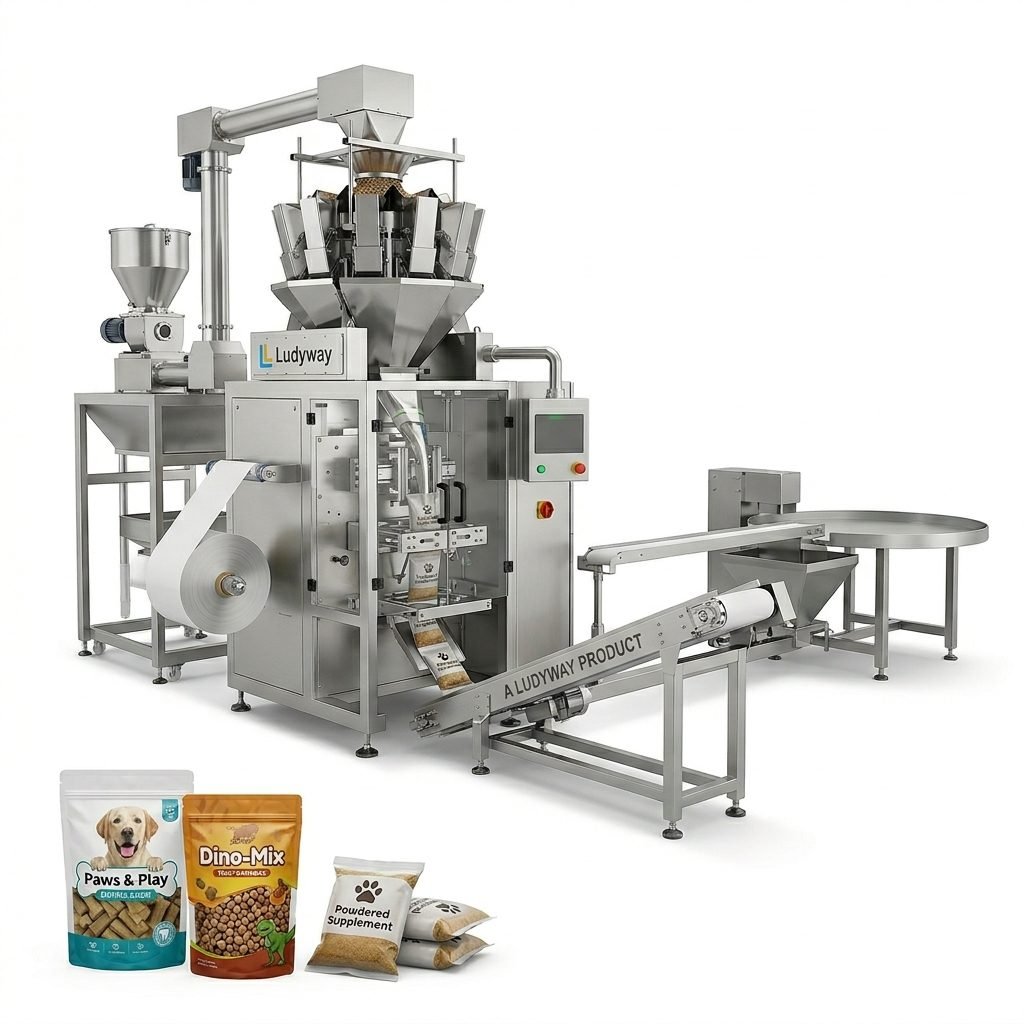
| Feed pellets and pet food granules | High | Pouches, sacks, large bags | Often requires robust conveying systems |
| Sticky or hygroscopic granules | Moderate | Depends on system design | May need anti-bridging or dehumidifying measures |
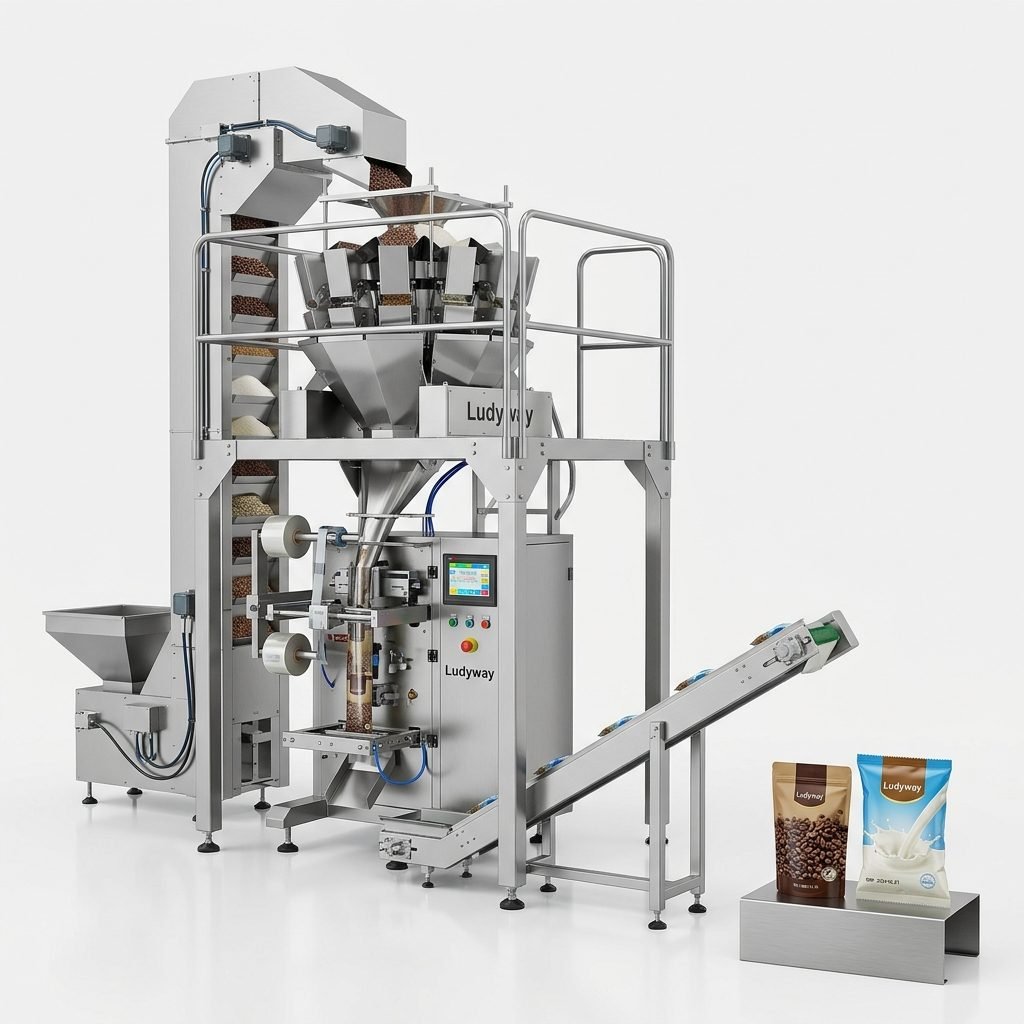
Granules Commonly Packed by Industry
Food Industry
Food packaging systems frequently handle granulated ingredients and retail-ready products such as:
- Sugar and sweeteners
- Salt and seasoning granules
- Rice, oats, grains, lentils, beans
- Coffee beans and instant beverage granules
- Nuts, snack blends, cereal pieces
- Soup and flavoring granules
Pharmaceutical and Health Supplement Industry
Automatic systems are widely used for granule products that require accurate dosage and clean processing conditions, such as:
- Cold medicine granules
- Electrolyte granules
- Probiotic granules
- Herbal supplement granules
- Nutritional and vitamin granules
Agriculture and Feed Industry
Granules in this sector often need durable, high-capacity equipment:
- Seeds and treated seeds
- Fertilizer granules
- Feed premix granules
- Animal feed pellets
- Aquaculture feed granules
Chemical Industry
Industrial and household chemicals can also be packed automatically when matched with suitable dosing and sealing systems:
- Detergent granules
- Water treatment granules
- Resin pellets
- Industrial additives
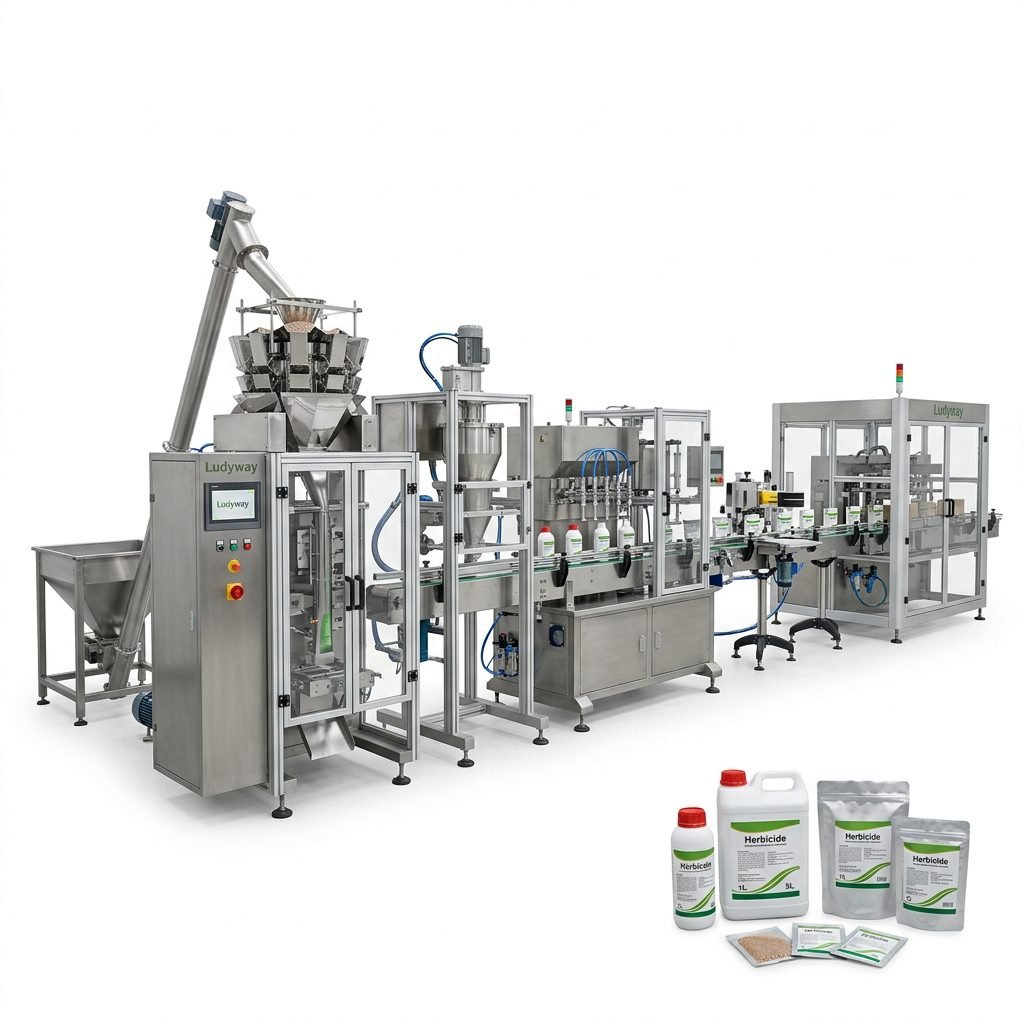
- Pesticide and agrochemical granules
Which Packaging Machines Are Used for Granules?
Different granule products require different packaging machine structures. Common options include:
| Machine Type | Suitable Granules | Typical Use |
|---|---|---|
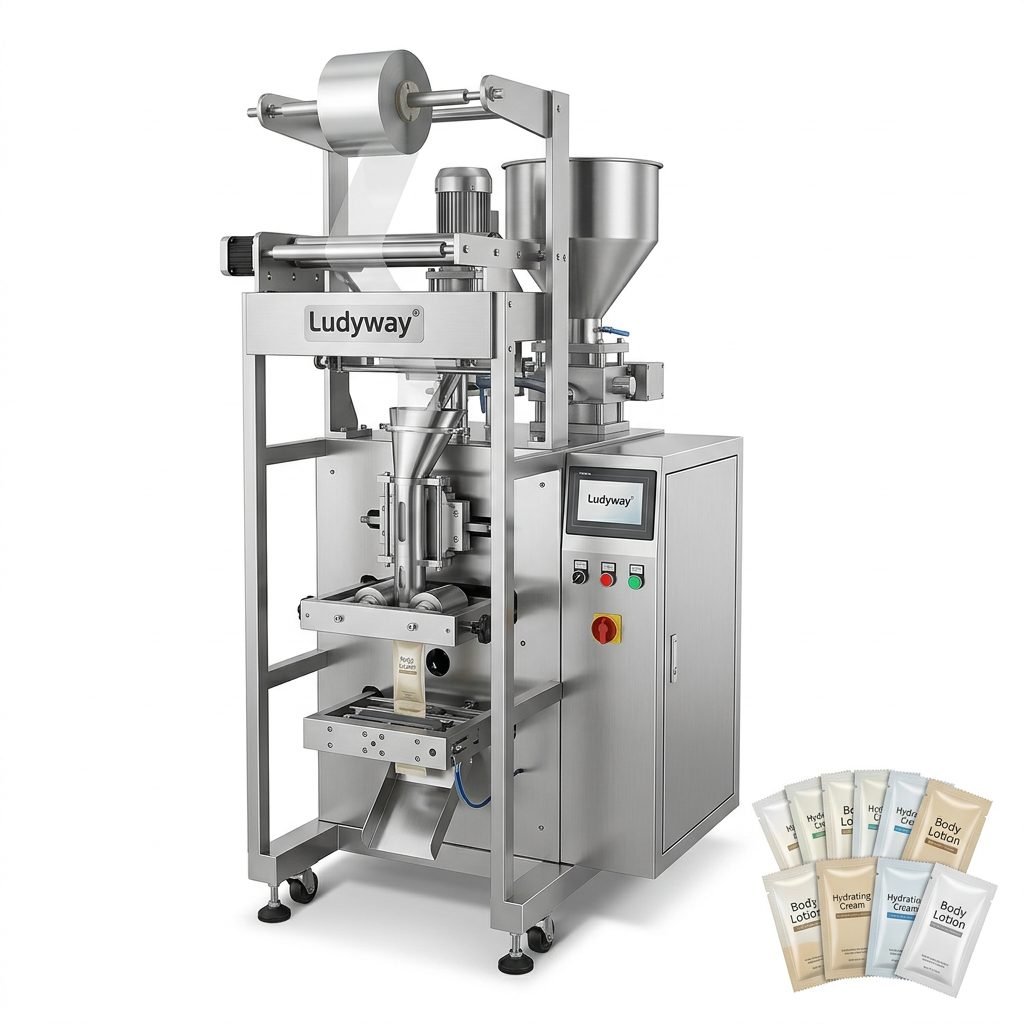
| Vertical form fill seal machine | Sugar, salt, seeds, grains, snacks | Pillow bags, pouches, retail packs |
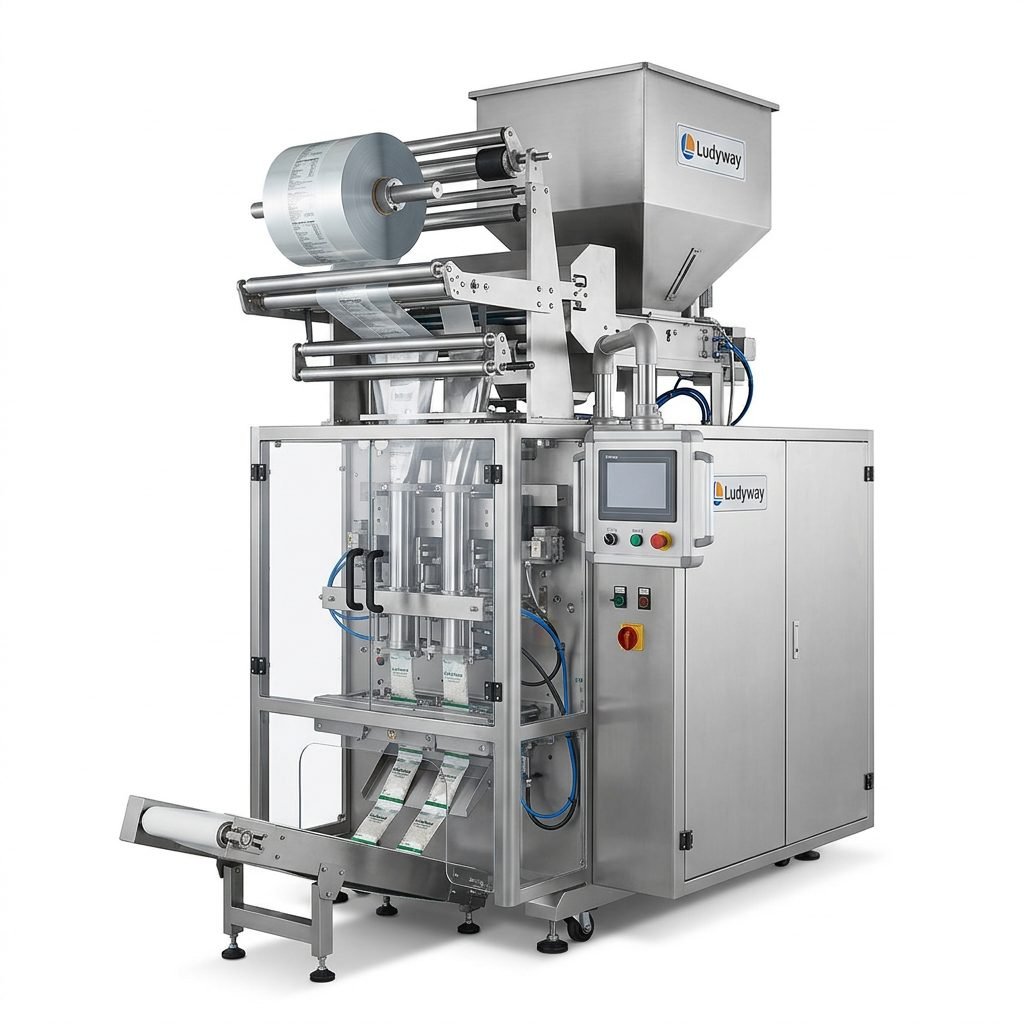
| Multi-lane stick pack machine | Pharma granules, drink mix granules, supplements | Single-dose stick packs |
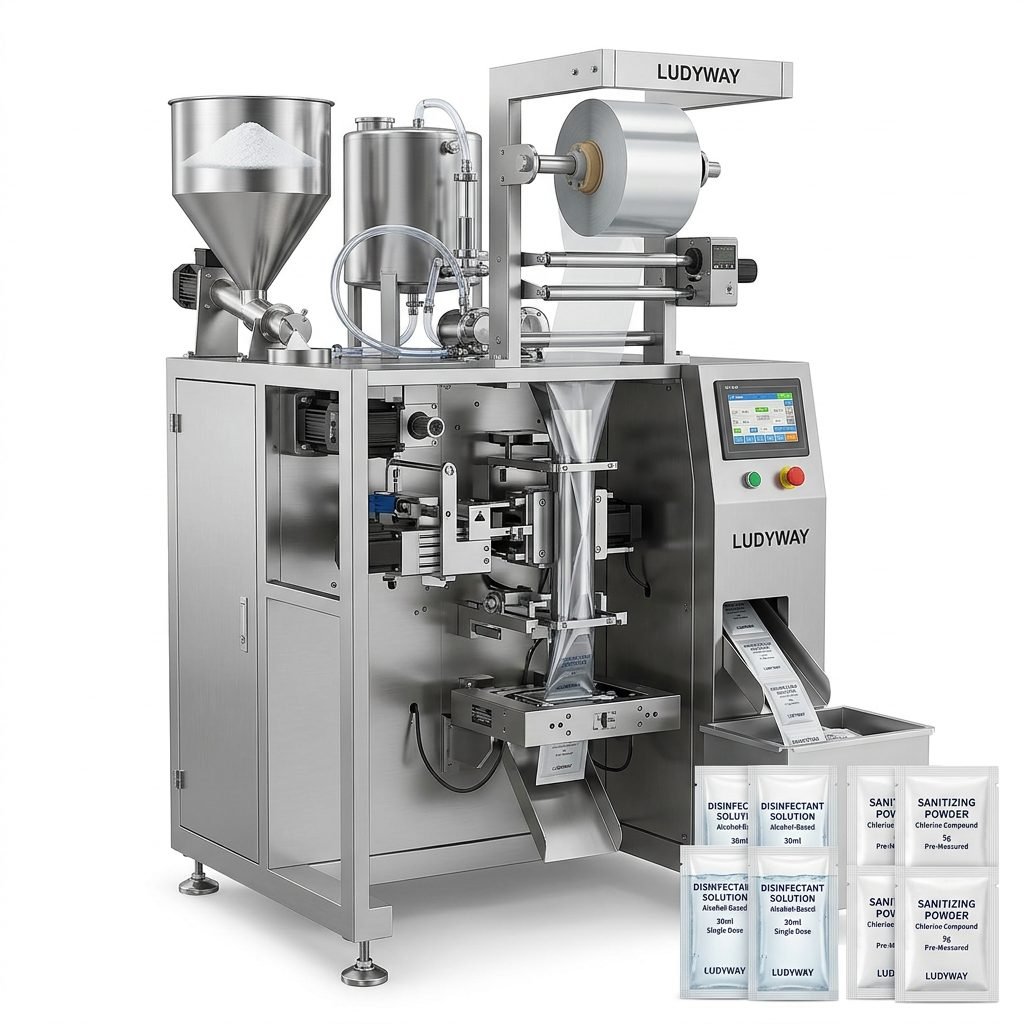
| Sachet packing machine | Fine granules, instant products, medicine granules | Small-dose sachets |
| Premade pouch packing machine | Coffee beans, snacks, seeds, specialty foods | Stand-up pouches, zipper bags |
| Open-mouth or big bag system | Fertilizer, feed, grains, industrial granules | 10kg–50kg and bulk packaging |
When Granules Become Difficult to Pack Automatically
Some granules are packable, but they need special engineering attention. These include:
- Sticky granules that absorb moisture and form bridges in the hopper
- Fragile granules that break and create dust during conveying
- Mixed-size particles that separate during feeding and reduce filling consistency
- Static-sensitive granules that cling to surfaces or packaging film
- High-dust granules that interfere with sealing or sanitation
In these situations, the machine may need vibration assistance, specialized feeders, dust extraction, anti-static design, servo-controlled dosing, or tailored hopper geometry.
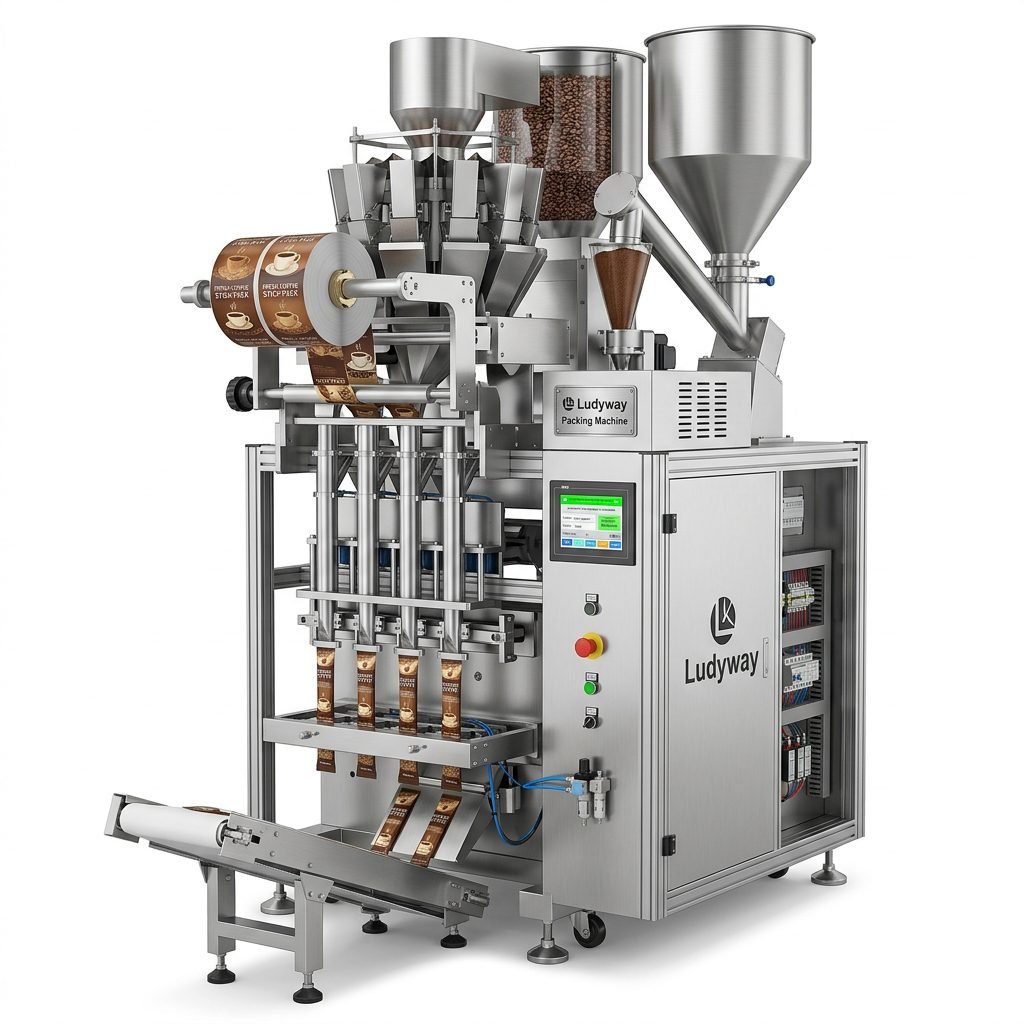
How to Know if Your Granules Are Suitable for Automation
A granule product is usually a strong candidate for automatic packing if it meets most of the following conditions:
- Flows steadily from hopper to dosing system
- Can be weighed or volumetrically filled with repeatable accuracy
- Does not cake or clump easily during production
- Maintains stable behavior at production speed
- Does not cause excessive dust contamination at the sealing area
- Matches the intended package size and material structure
The most reliable method is always a sample test. Real product trials help verify feed performance, weighing tolerance, sealing condition, speed, and final package appearance.
Choosing the Right Automatic Packaging Partner
For businesses handling granules across food, pharmaceutical, chemical, or agricultural sectors, machine selection should go beyond the basic product name. A qualified supplier should be able to evaluate your granule properties, package type, target speed, and line integration needs.
As one of China’s established manufacturers in packaging automation, Ludyway provides packaging machines and turnkey lines for granules, powders, liquids, and pouch-based applications, with solutions covering sachets, stick packs, vertical bags, premade pouches, and bulk packaging systems.
Final Buying Considerations for Granule Packaging
Before investing in an automatic packaging system for granules, confirm these points with your machine supplier:
- Product name and actual particle specification
- Moisture level and storage condition
- Required package format and bag size
- Target output per minute or per hour
- Accuracy tolerance requirement
- Need for coding, checkweighing, metal detection, cartoning, or palletizing
- Material contact standards for food, pharma, or chemical use
In short, many granules can be packed by automatic packaging systems—especially those with stable flow, controlled dust, and good dosing characteristics. From sugar and coffee beans to pharma granules, fertilizer, seeds, and feed pellets, automation can significantly improve efficiency, consistency, and packaging quality when the machine is properly matched to the product.