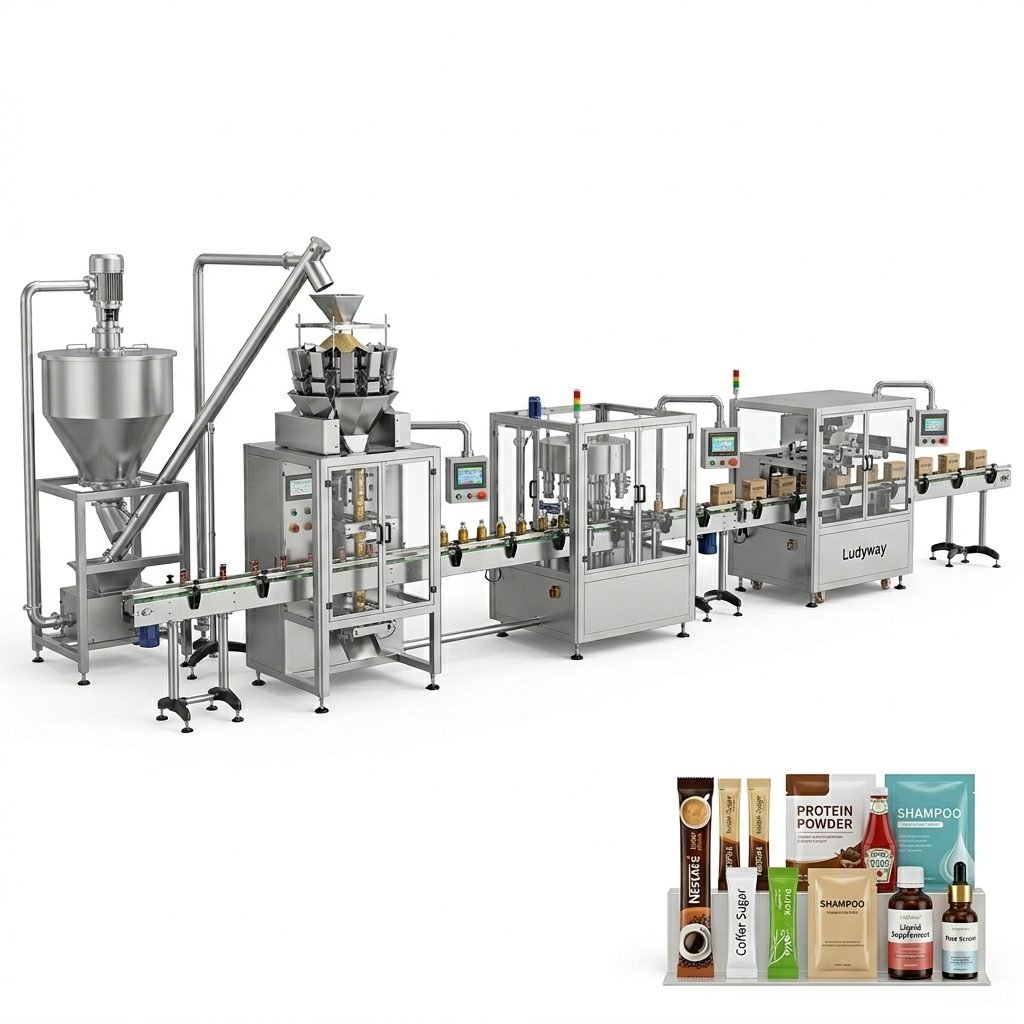
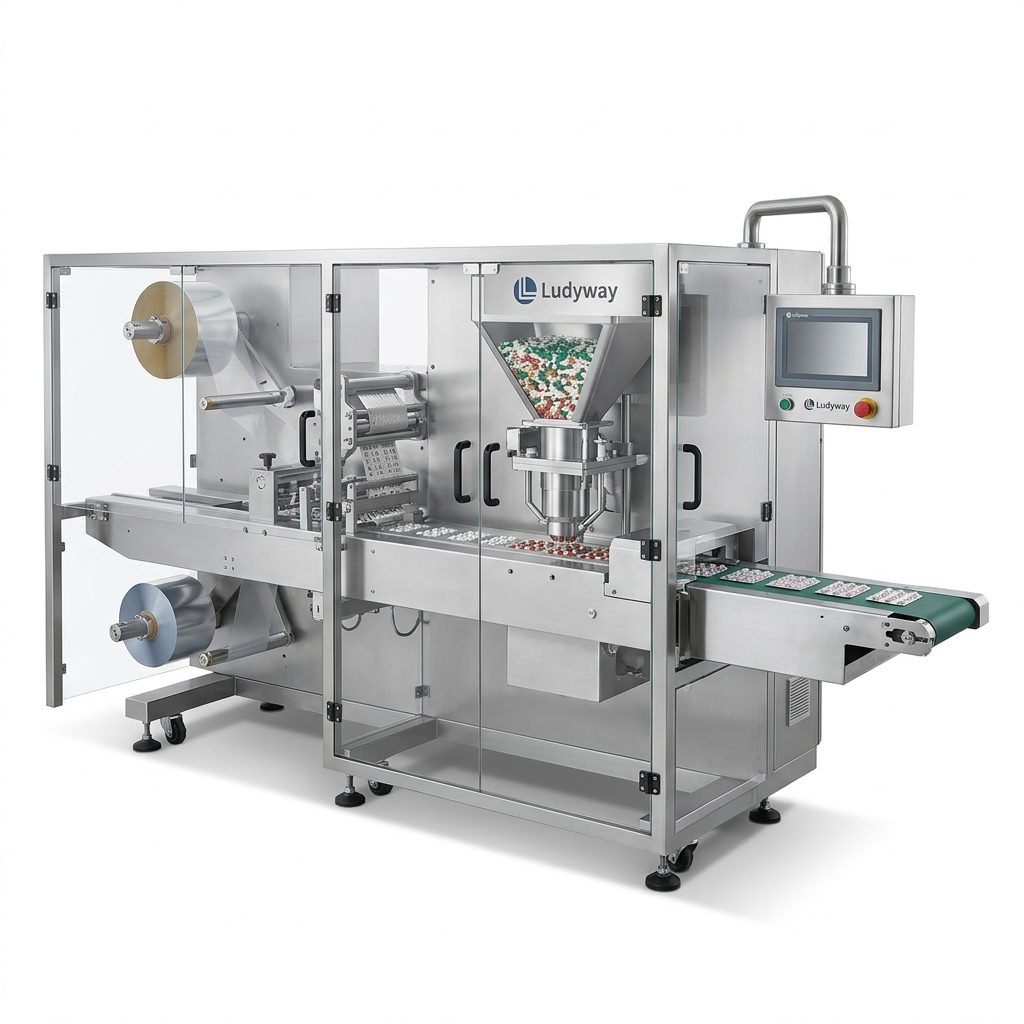
Upgrading to an automatic packaging machine is rarely just about buying faster equipment. It is usually a strategic decision driven by growth, rising labor costs, stricter quality demands, and the need for consistent output. If your current packaging process is slowing down orders, creating waste, or making expansion difficult, it may be the right time to automate.
For manufacturers in food, pharmaceutical, health supplement, cosmetic, chemical, and related industries, automation can improve throughput, reduce manual errors, and create a more scalable production model. The key is recognizing the signs early—before inefficiency starts hurting profit margins and customer satisfaction.
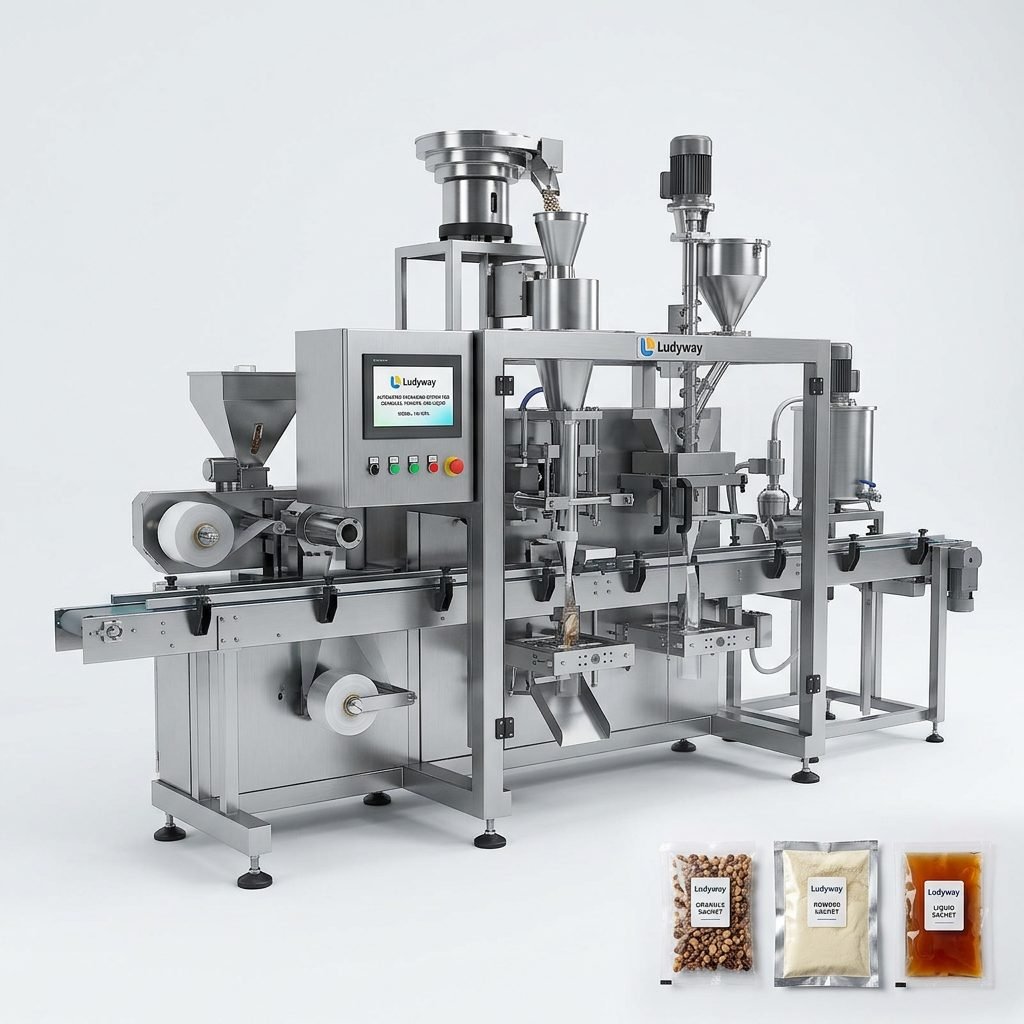
Why Businesses Delay Automation Too Long
Many companies stay with manual or semi-automatic packaging longer than they should because the process still “works.” However, what looks manageable at low volume often becomes expensive at scale. Small packaging issues—such as inconsistent fill weights, sealing defects, delayed shipments, or heavy reliance on operators—can quickly multiply as demand grows.
- Manual labor may seem flexible, but it often becomes harder to manage as production expands.
- Operator-dependent packaging can lead to inconsistent product presentation.
- Higher order volumes can expose bottlenecks that were previously hidden.
- Growing compliance requirements may make manual systems less practical.
In many cases, automation is not about replacing people completely. It is about reallocating labor to higher-value tasks while the machine handles repetitive, precision-based packaging steps.
Key Signs You Should Upgrade to an Automatic Packaging Machine
1. Your Production Output Can No Longer Keep Up
If your team regularly works overtime, rushes orders, or struggles during seasonal peaks, your packaging stage may already be a bottleneck. An automatic machine can help maintain steady output and support larger production targets without adding equivalent labor headcount.
Clear warning sign: packaging speed is slowing the entire line, not product manufacturing itself.
2. Labor Costs Are Rising Faster Than Productivity
When a business depends heavily on manual filling, sealing, counting, or pouch handling, wage increases and operator turnover can make packaging costs unpredictable. Automation helps stabilize labor dependency and reduce repetitive manual tasks.
3. You Have Too Many Packaging Errors
Inconsistent weights, poor seals, messy filling, product leakage, and mislabeled packs can damage both margin and brand reputation. Automatic packaging systems are designed for repeatability, which is especially important in regulated industries such as pharma and health supplements.
4. Waste Levels Are Becoming Expensive
Packaging waste often comes from inaccurate dosing, film misalignment, rework, or damaged packs. Over time, lost materials and rejected units can equal a significant cost. Better machine precision can reduce material loss and improve overall equipment efficiency.
5. You Need More Professional Packaging Appearance
Retail-ready products need consistent seals, uniform pack sizes, clean cuts, and reliable coding. If pack presentation varies from batch to batch, upgrading can improve both shelf appeal and customer confidence.
6. Your Business Is Expanding into New Markets
As companies move into export markets, distributor channels, or larger retail accounts, packaging standards usually become stricter. Automation supports better consistency, traceability, and line integration for larger-scale supply demands.
7. You Need Better Traceability and Process Control
Modern automatic machines can be integrated with coding, checkweighing, metal detection, counting, cartoning, and data monitoring systems. This is increasingly valuable when buyers require batch control, quality records, or line-level reporting.
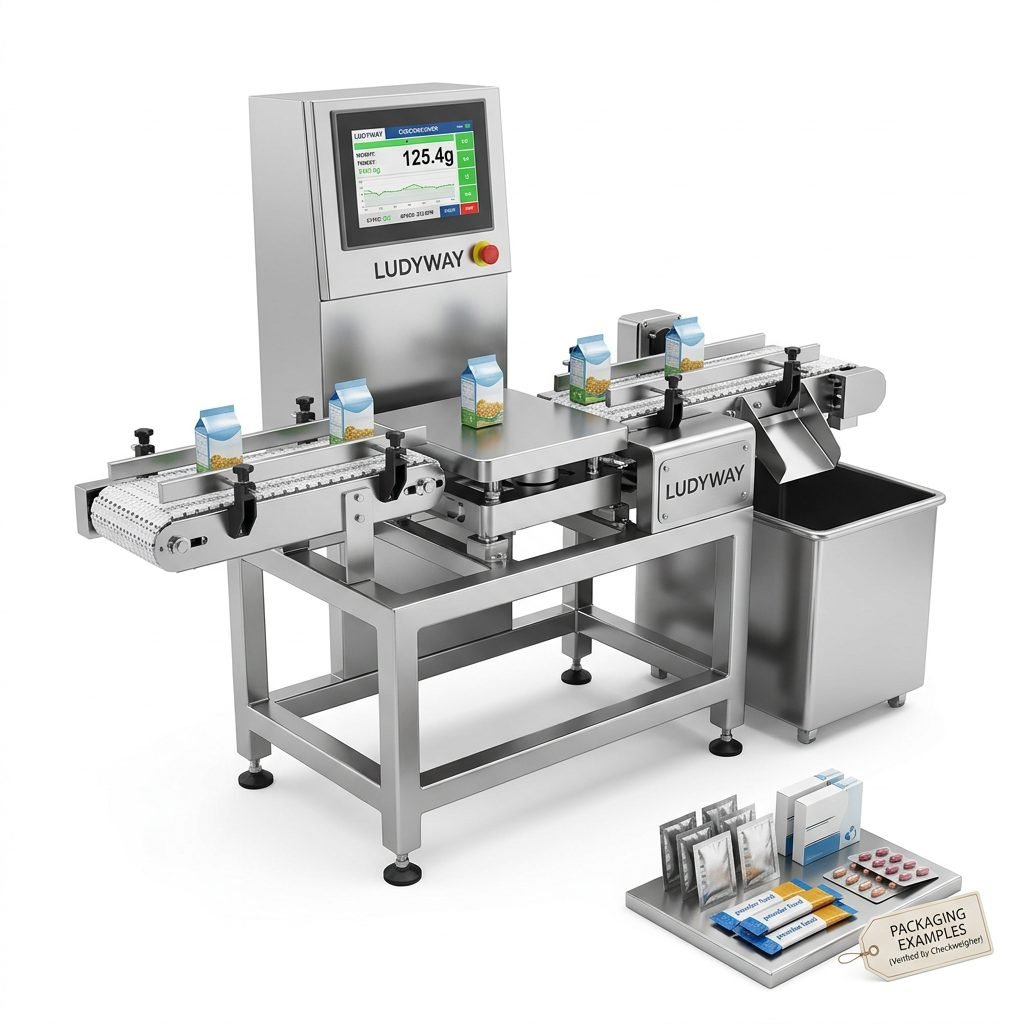
A Simple Comparison: Manual vs Automatic Packaging
| Factor | Manual / Semi-Automatic | Automatic Packaging Machine |
|---|---|---|
| Output Speed | Limited by operator pace | High and stable throughput |
| Consistency | Can vary by shift or worker | Repeatable and controlled |
| Labor Demand | High | Lower direct labor need |
| Waste Control | More prone to rework and loss | Improved dosing and sealing accuracy |
| Scalability | Harder to expand efficiently | Easier to scale production |
| Product Presentation | Less uniform | More professional and standardized |
Main Benefits of Upgrading
Higher Efficiency
Automatic systems can run continuously with controlled parameters, helping businesses increase units packed per hour while reducing manual intervention.
Better Product Quality
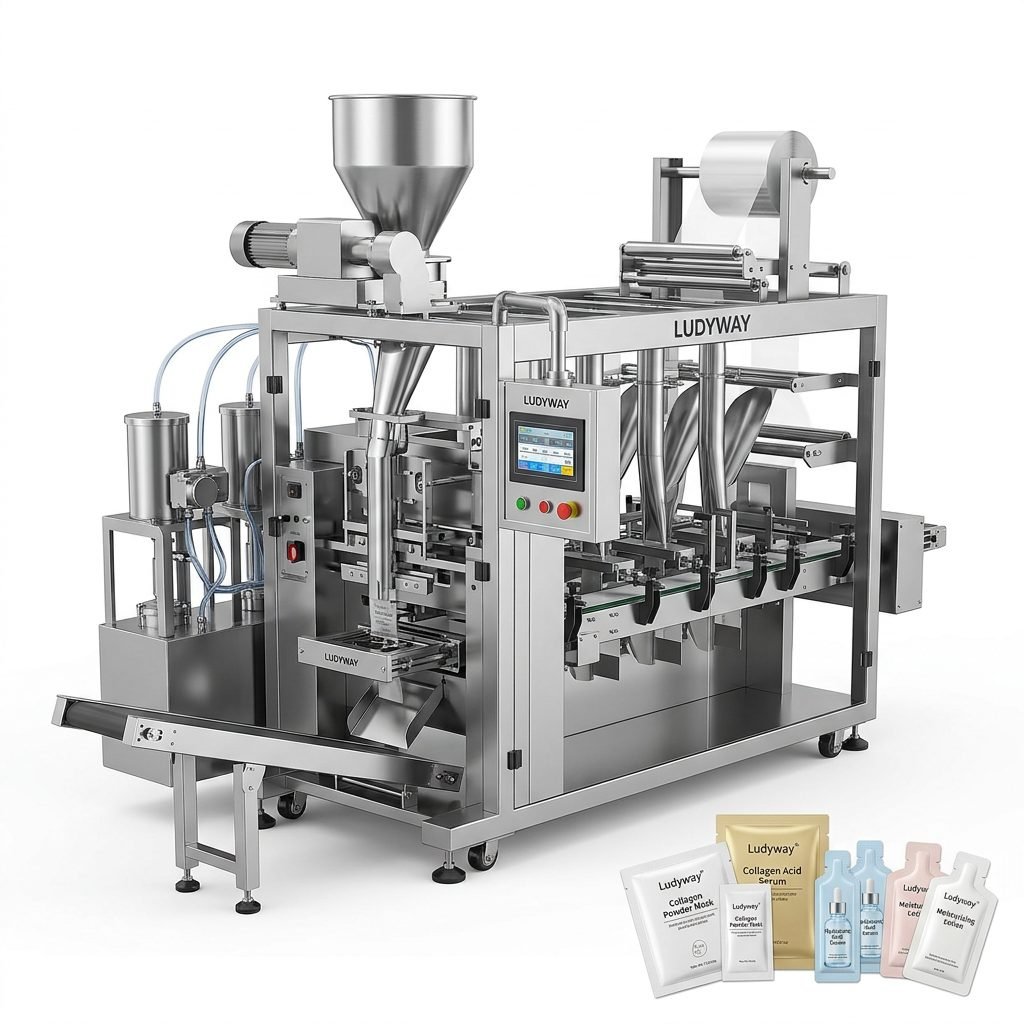
Precision filling, stable sealing temperatures, and synchronized motion improve pack quality. This is especially useful for powders, granules, liquids, creams, and single-dose pouch products.
Labor Savings
One of the biggest drivers behind automation is labor optimization. Instead of assigning multiple workers to repetitive packaging work, companies can redeploy staff toward inspection, line management, warehousing, or maintenance support.
Lower Unit Packaging Cost Over Time
Although the upfront investment is higher, automatic machinery often lowers the long-term cost per pack by reducing waste, labor, downtime, and inconsistency.
Easier Line Integration
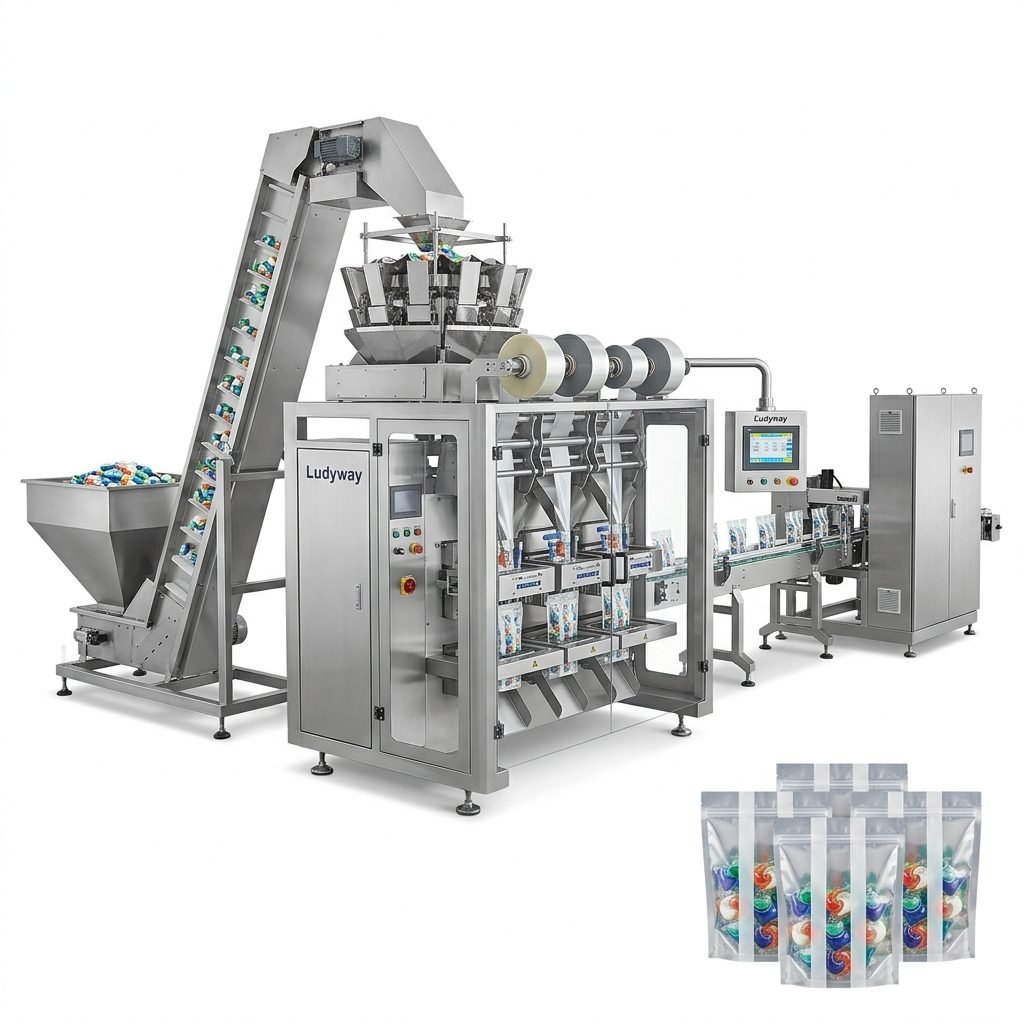
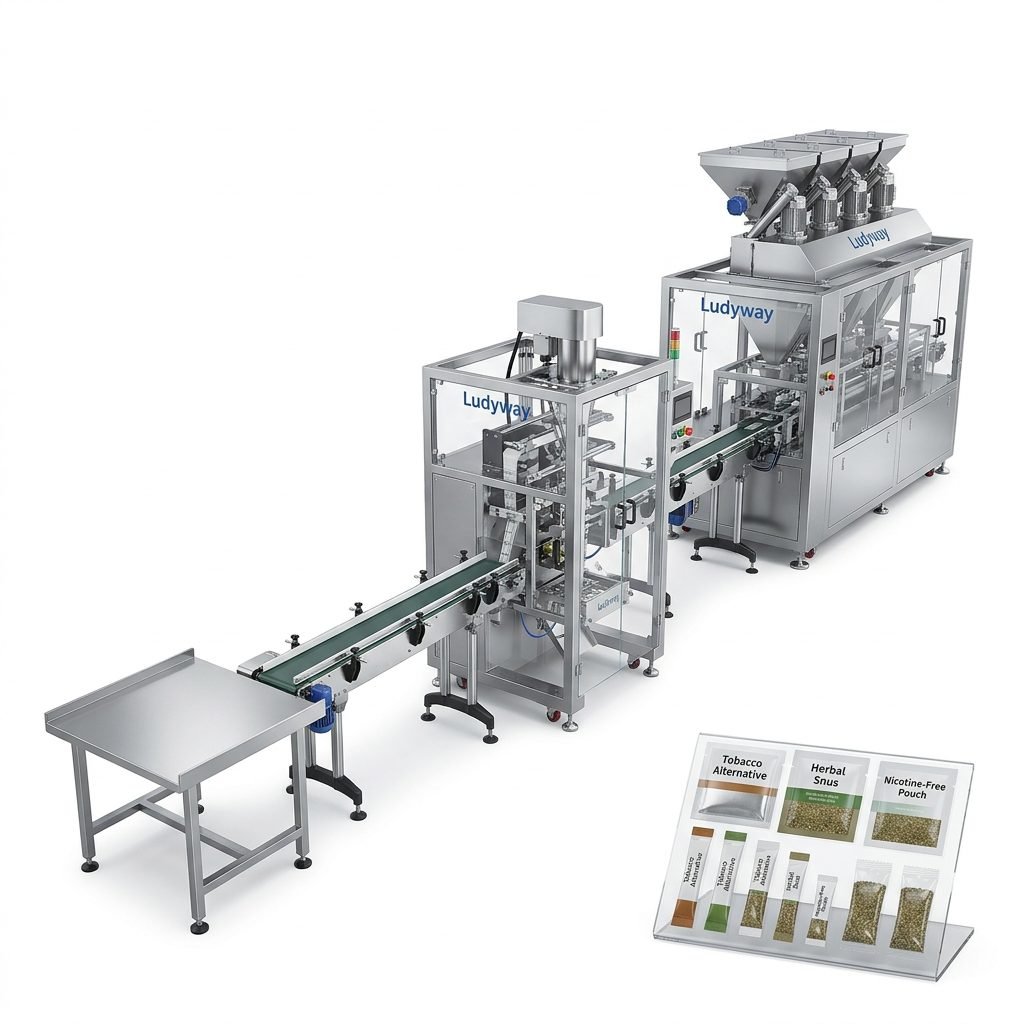
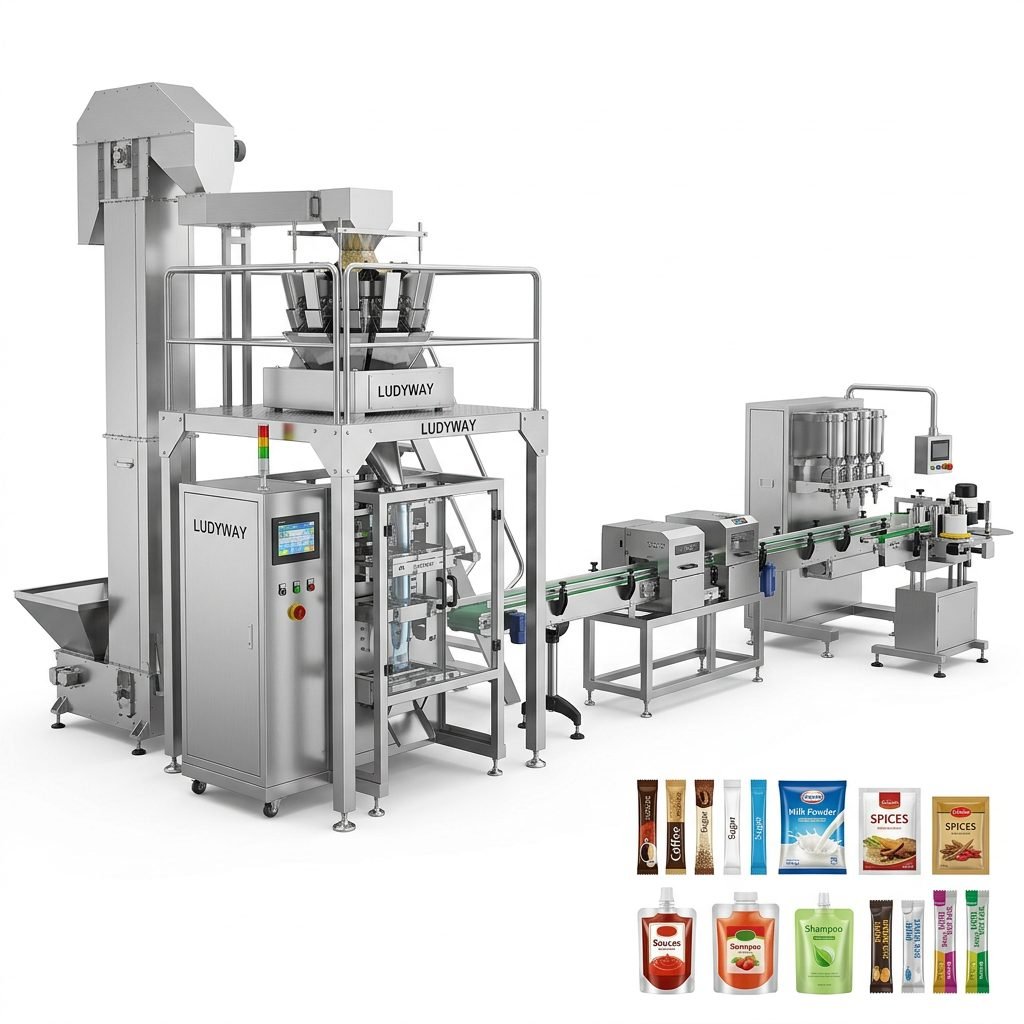
Automatic packaging machines can connect with conveyors, elevators, checkweighers, metal detectors, case packing, palletizing, and other downstream equipment, creating a more complete packaging workflow.
More Room for Business Growth
If your current packaging process limits how many customers or SKUs you can handle, automation gives you a stronger base for expansion. It supports larger orders, more stable lead times, and future line upgrades.
Which Industries Benefit Most?
Automatic packaging equipment is especially valuable when products require speed, precision, hygiene, or multi-format flexibility. Common sectors include:
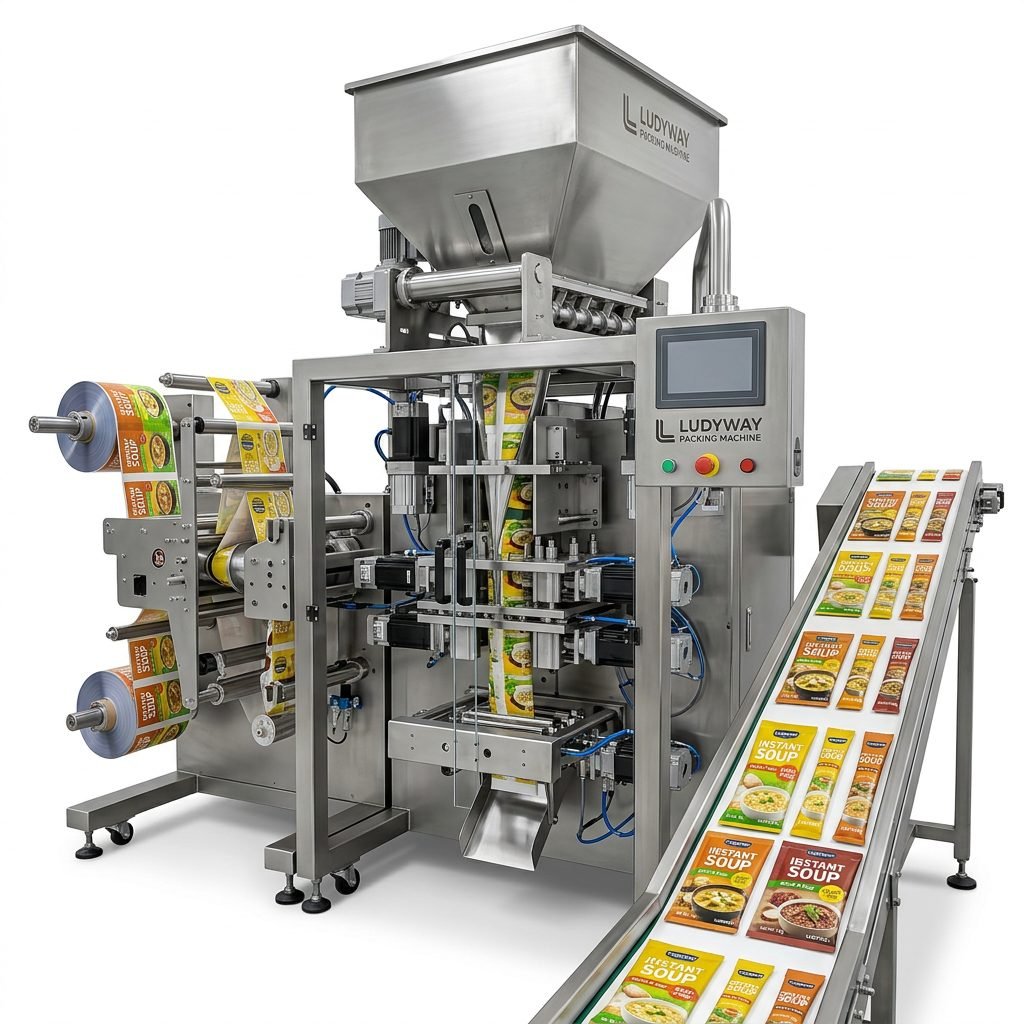
- Food and beverage powders, granules, sauces, snacks, and condiments
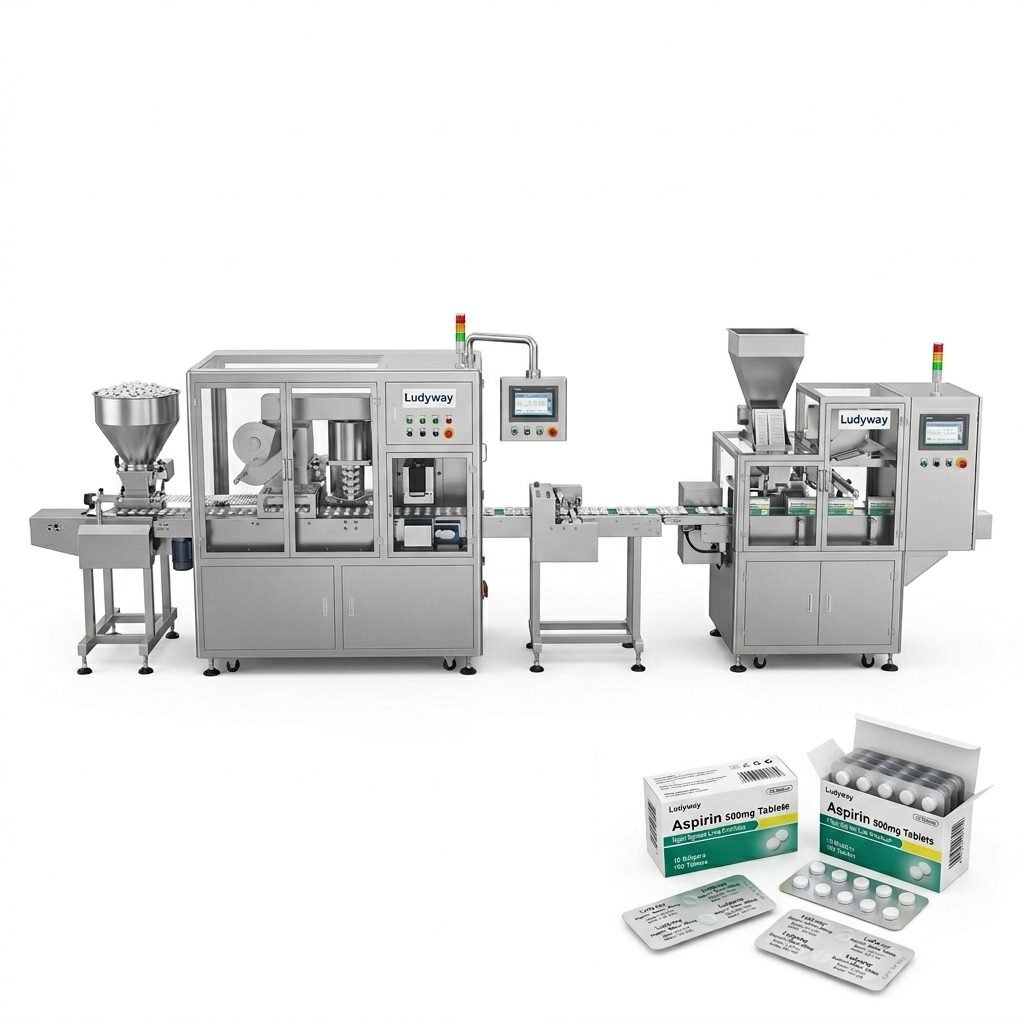
- Pharmaceutical sachets, capsules, oral powders, and medical packaging
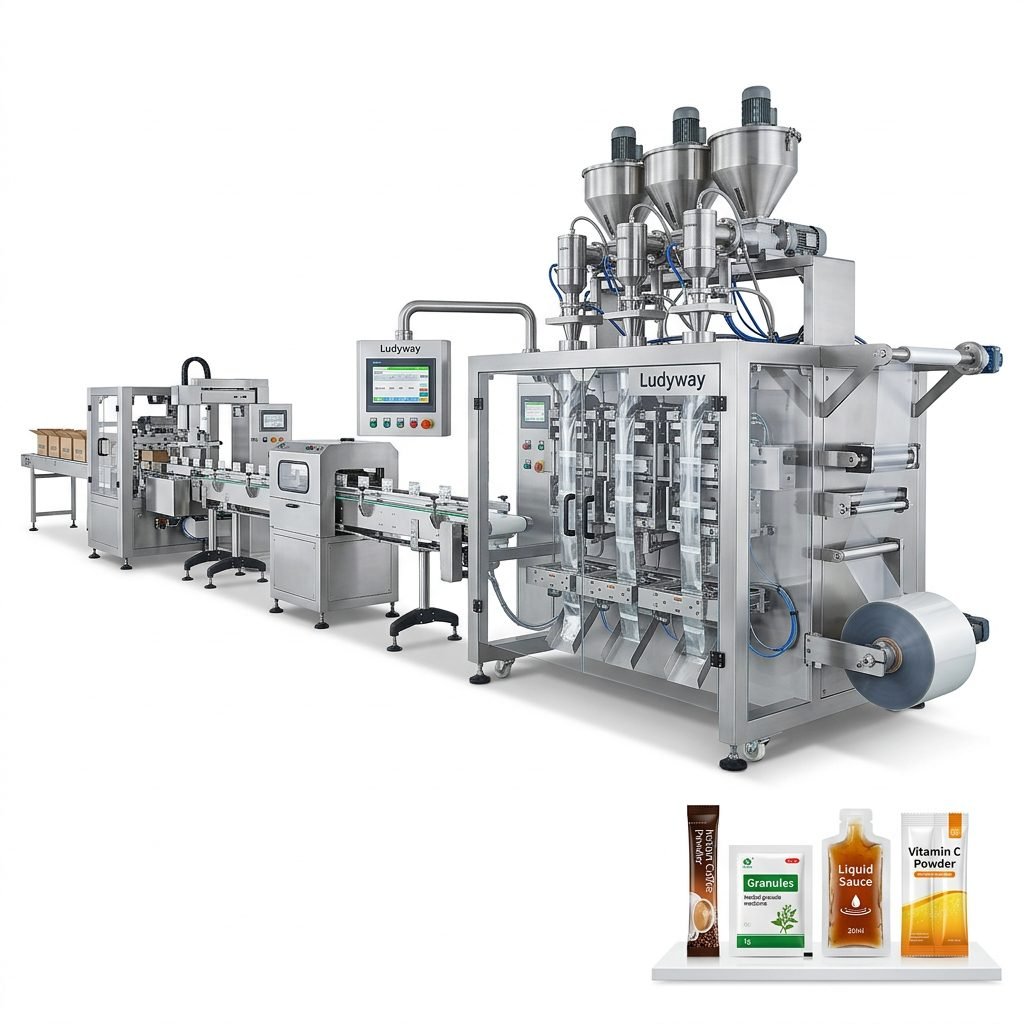
- Health supplements such as collagen, electrolyte powders, probiotics, and vitamins
- Cosmetics including cream, lotion, serum, shampoo, and facial care packs
- Chemicals and household products like detergent, cleaner, and industrial additives
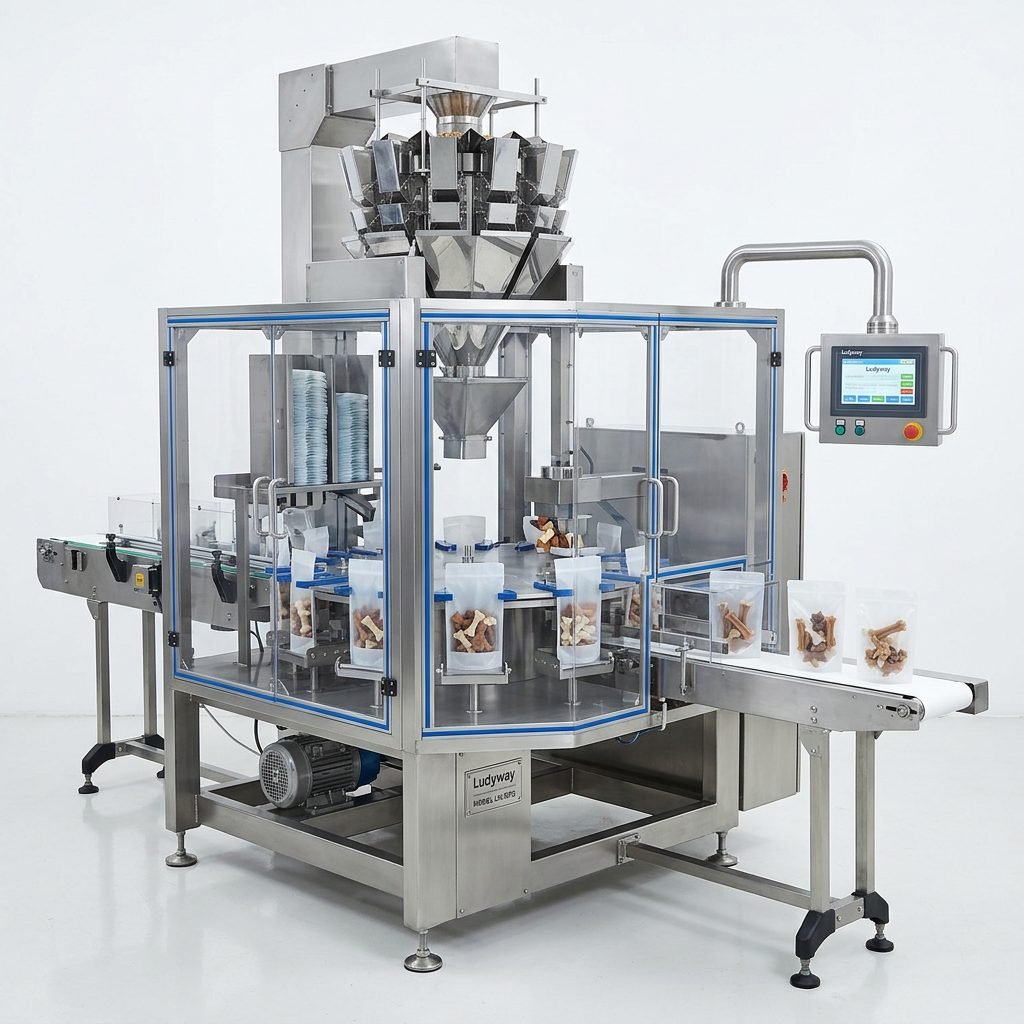
- Animal feed and pet food packaging applications
Questions to Ask Before You Upgrade
Before selecting equipment, evaluate not just today’s output, but where your business will be in the next three to five years.
- What is your current and projected daily packaging volume?
- What product type are you packing: granule, powder, liquid, paste, pouch, or stick pack?
- Do you need a standalone machine or a complete line?
- How important are coding, inspection, cartoning, and palletizing?
- Will you need flexible changeovers for multiple SKUs?
- What level of technical support and customization do you require?
The right machine should match your product characteristics, packaging format, compliance requirements, and long-term production plan—not just your current budget.
When the Upgrade Makes Financial Sense
An automatic packaging machine usually becomes financially attractive when one or more of the following are true:
- Packaging labor is consuming too much of your operating cost.
- Rejected packs and material waste are increasing.
- You are losing orders because of slow delivery.
- You need consistent quality to enter higher-value markets.
- Your current process cannot support future growth.
Practical rule: if packaging problems are recurring every week, the cost of delay may already be higher than the cost of upgrading.
Choosing a Reliable Packaging Equipment Partner
Machine quality matters, but so do engineering support, customization ability, and long-term service. Businesses often benefit most when they work with a supplier that can provide both standalone packaging machines and integrated turnkey lines.
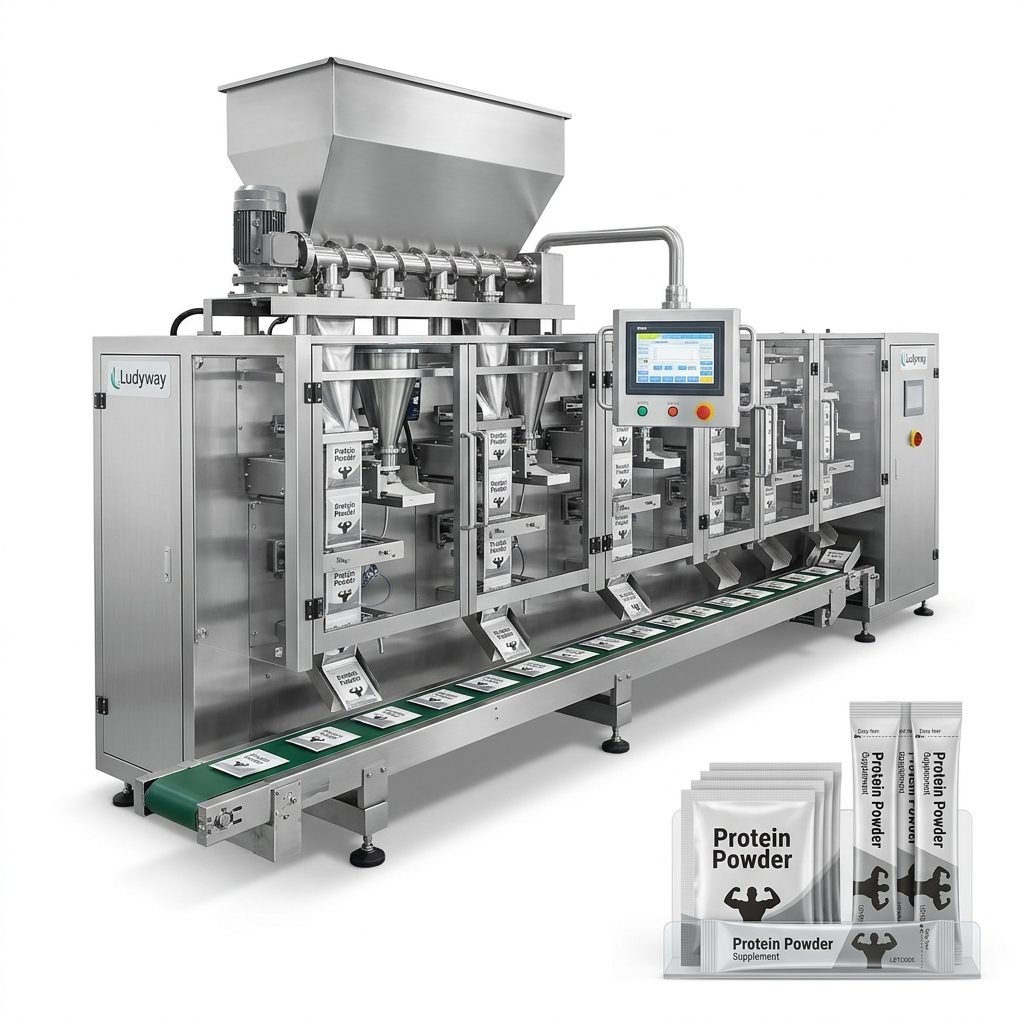
For companies seeking scalable automation, Ludyway automatic packaging machine solutions cover food, pharmaceutical, health supplement, cosmetic, chemical, and pouch-based applications, with a broad range of machine configurations and turnkey packaging line capabilities.
Final Decision: Is Now the Right Time?
If your packaging process is creating bottlenecks, driving up labor costs, reducing consistency, or limiting growth, the time to upgrade may be now. Automation is not only about speed—it is about building a production system that is more efficient, more predictable, and easier to scale.
The best moment to invest is often before demand becomes unmanageable. By upgrading early, businesses can improve packaging performance, strengthen profitability, and prepare for the next stage of growth with greater confidence.