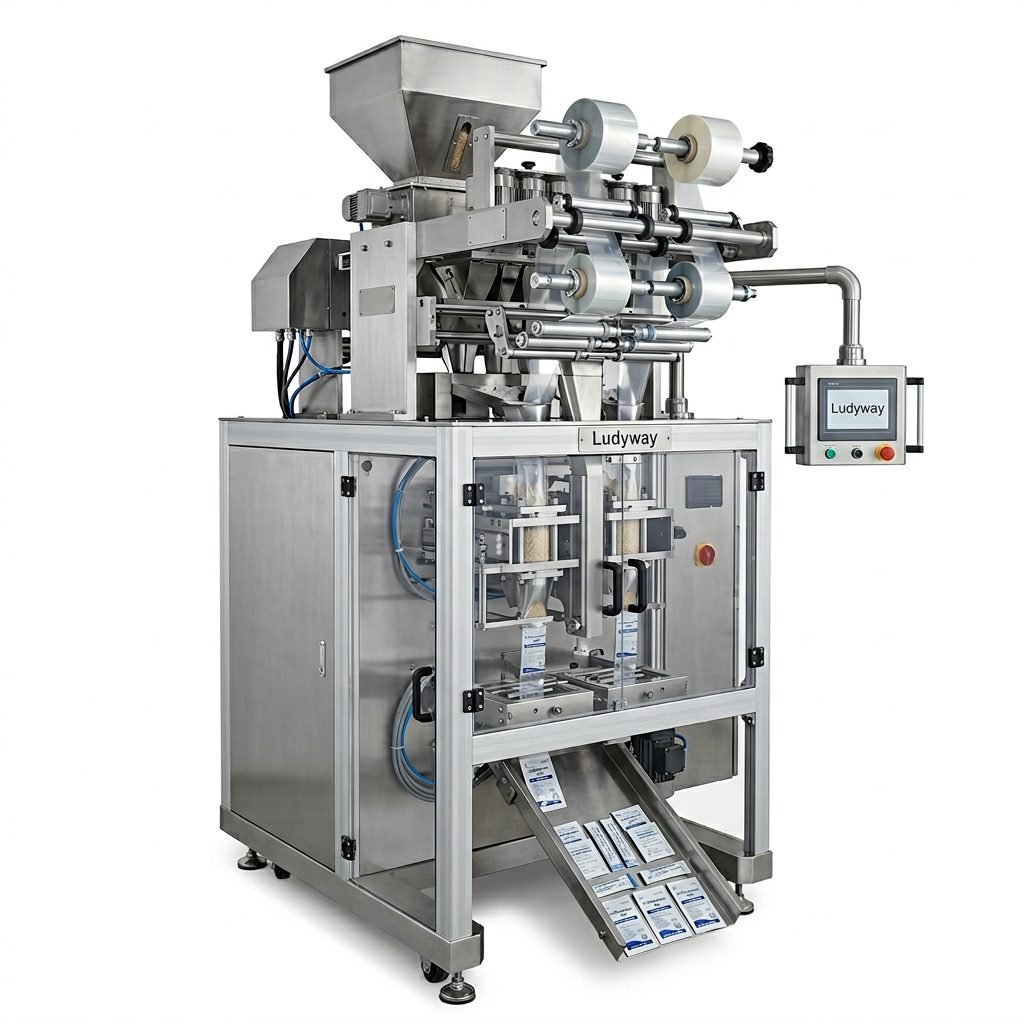
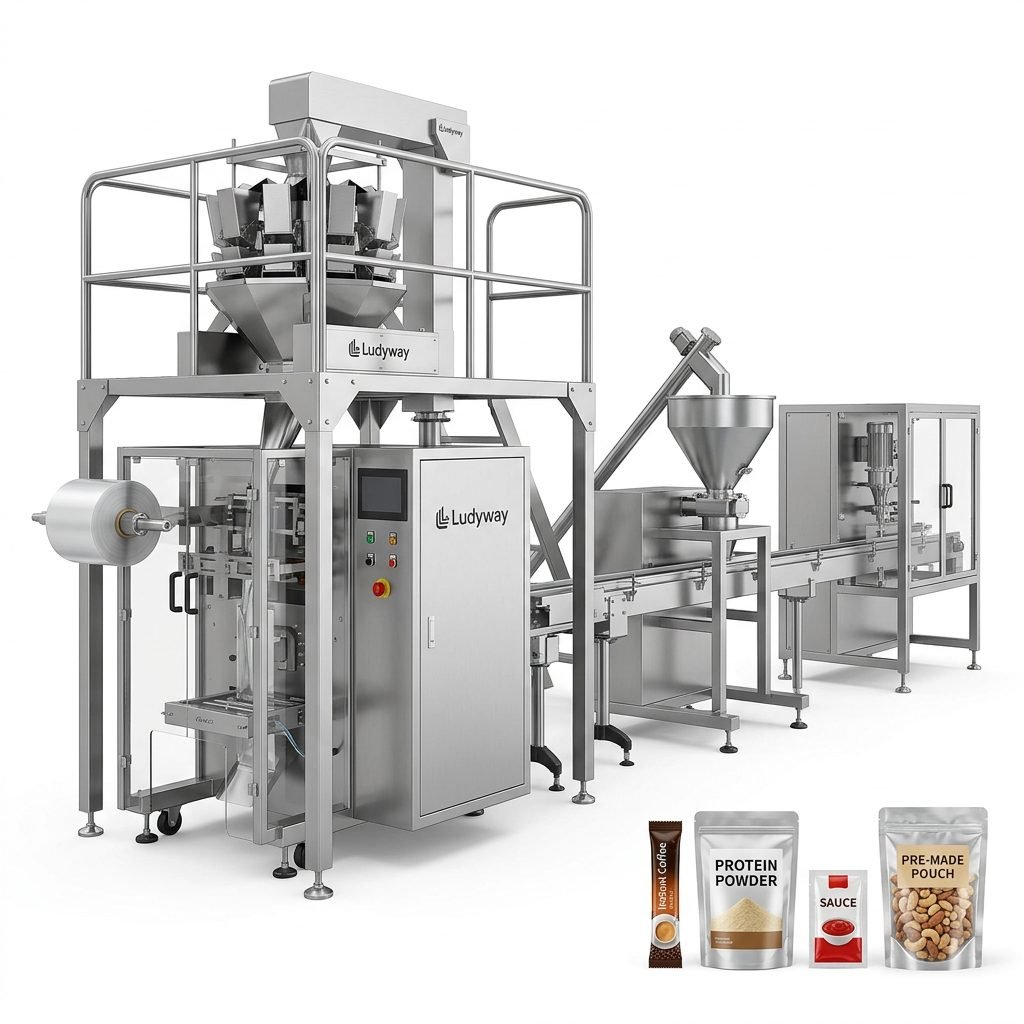
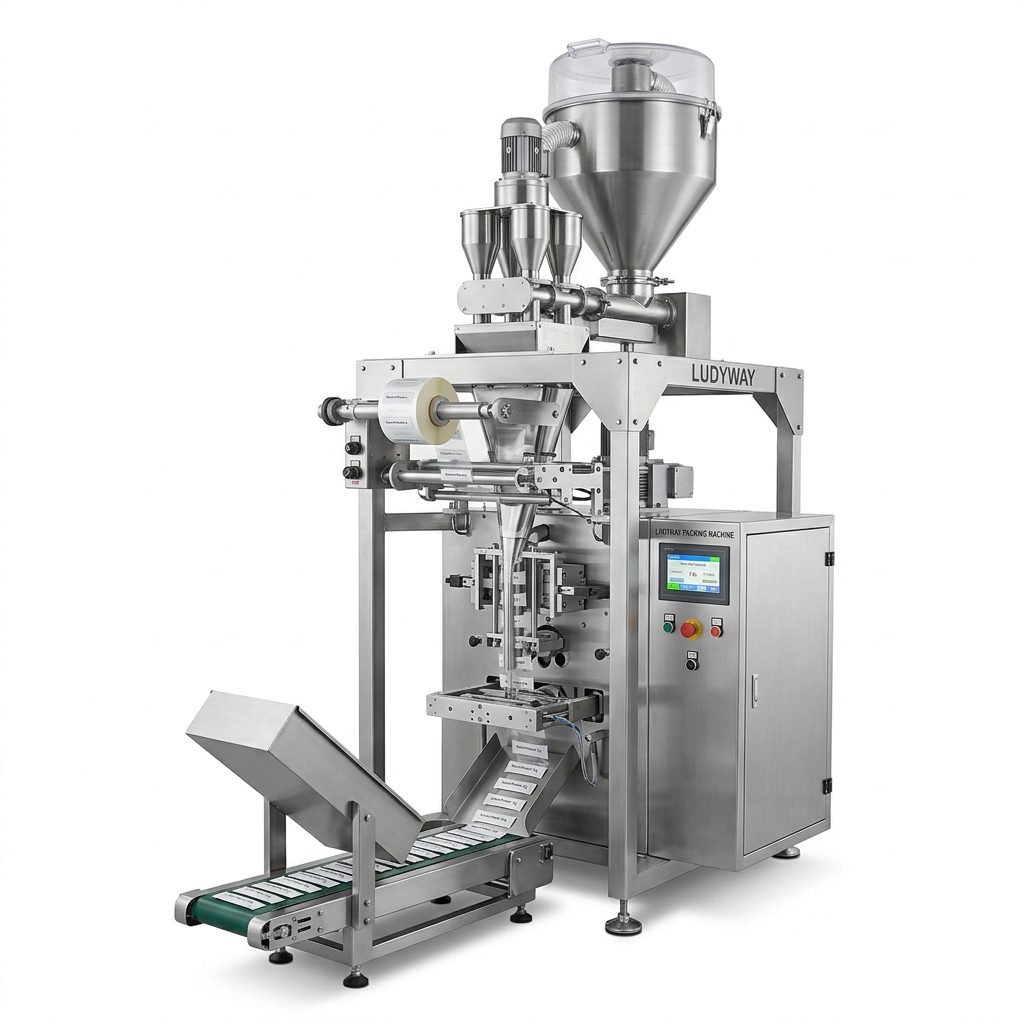
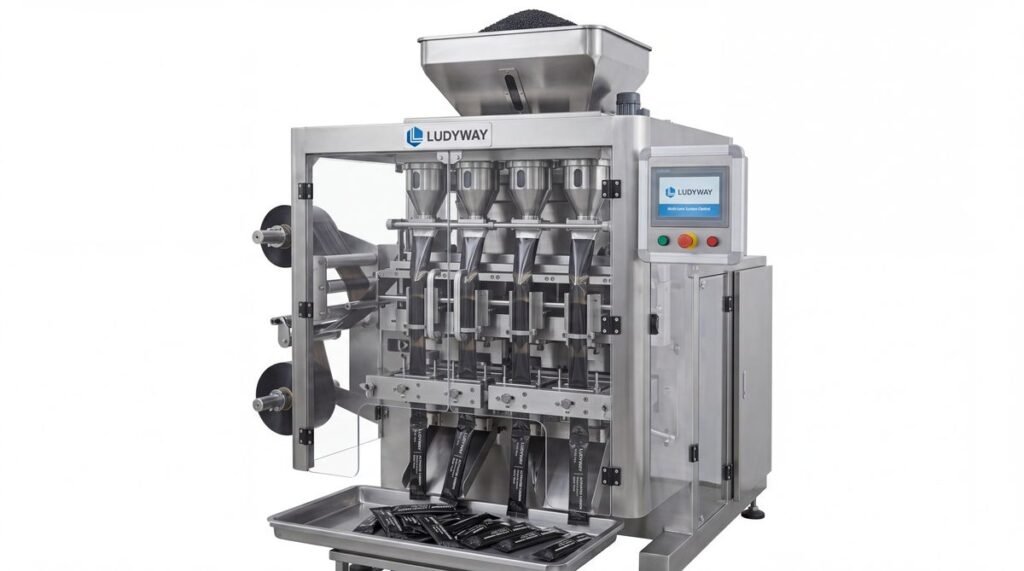
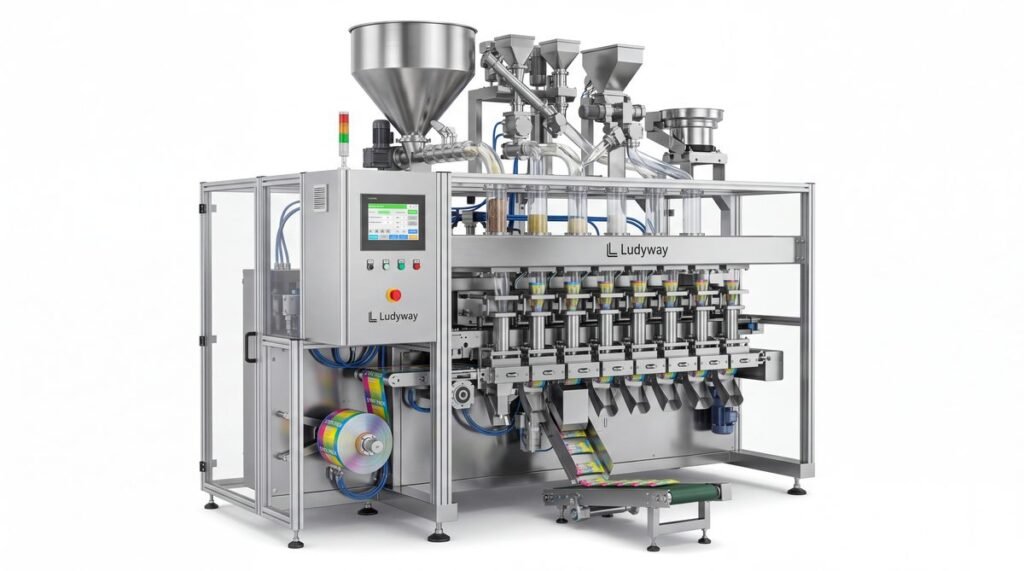
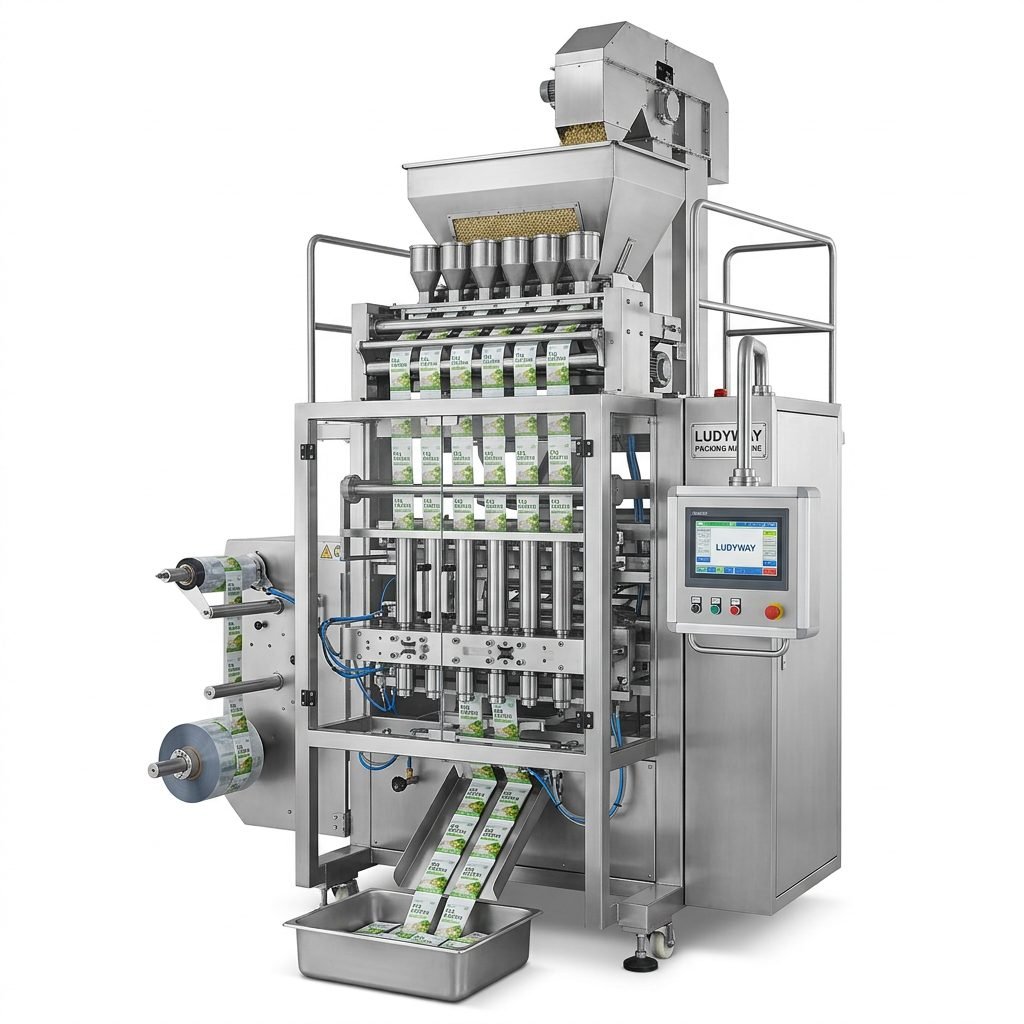
Film wrinkling on a VFFS machine is more than a cosmetic issue. It can lead to poor seal quality, inaccurate registration, wasted film, frequent downtime, and unstable pouch appearance. If your vertical form fill seal line is producing bags with creases, waves, or uneven tension, the problem usually comes from a small group of mechanical, material, or setup-related causes.
In most cases, wrinkling happens because the film is not traveling evenly through the forming and sealing path. The good news is that many of these issues can be identified and corrected quickly with a structured troubleshooting process.

What Film Wrinkling Looks Like on a VFFS Machine
Before fixing the issue, it helps to define it clearly. Film wrinkling may appear as:
- Diagonal creases before the forming tube
- Long vertical waves along the bag body
- Fold marks near the back seal
- Bunching near pull belts or draw rollers
- Distorted print registration and off-center graphics
- Uneven top or bottom seals
These symptoms often point to a mismatch between film tracking, tension, alignment, temperature, and forming geometry.
The Most Common Causes of VFFS Film Wrinkling
1. Incorrect Film Tension
One of the most common causes is improper tension. If tension is too high, the film stretches unevenly and wrinkles when it relaxes. If tension is too low, the film can wander, sag, or fold as it enters the forming shoulder.
Typical signs: drifting film, loose web, inconsistent bag length, repeated creases near the collar.
How to fix it:
- Check the unwind brake or tension control setting
- Verify dancer roller movement is smooth and responsive
- Make sure tension is even across the film width
- Compare current settings with the film supplier’s recommendations
2. Misaligned Film Roll or Unwind Stand
If the film roll is not mounted squarely, the web will track to one side. Even a slight angular error can create side pull, which leads to folds and wrinkles downstream.
How to fix it:
- Confirm the roll shaft is level
- Center the film roll properly on the unwind shaft
- Check whether the roll core is damaged or loose
- Inspect side guides and edge sensors for proper positioning
3. Forming Collar or Forming Tube Mismatch
The forming set must match the film width, film structure, and target bag dimensions. If the collar angle is wrong or the shoulder shape is unsuitable, the film may not wrap smoothly around the tube.
This is especially common when changing to a different bag size or laminate structure without changing the forming parts.
How to fix it:
- Verify the forming collar is designed for the exact bag width
- Check for scratches, burrs, or contamination on the collar surface
- Polish or replace worn forming parts if needed
- Use the correct shoulder geometry for stiff, soft, or multi-layer films
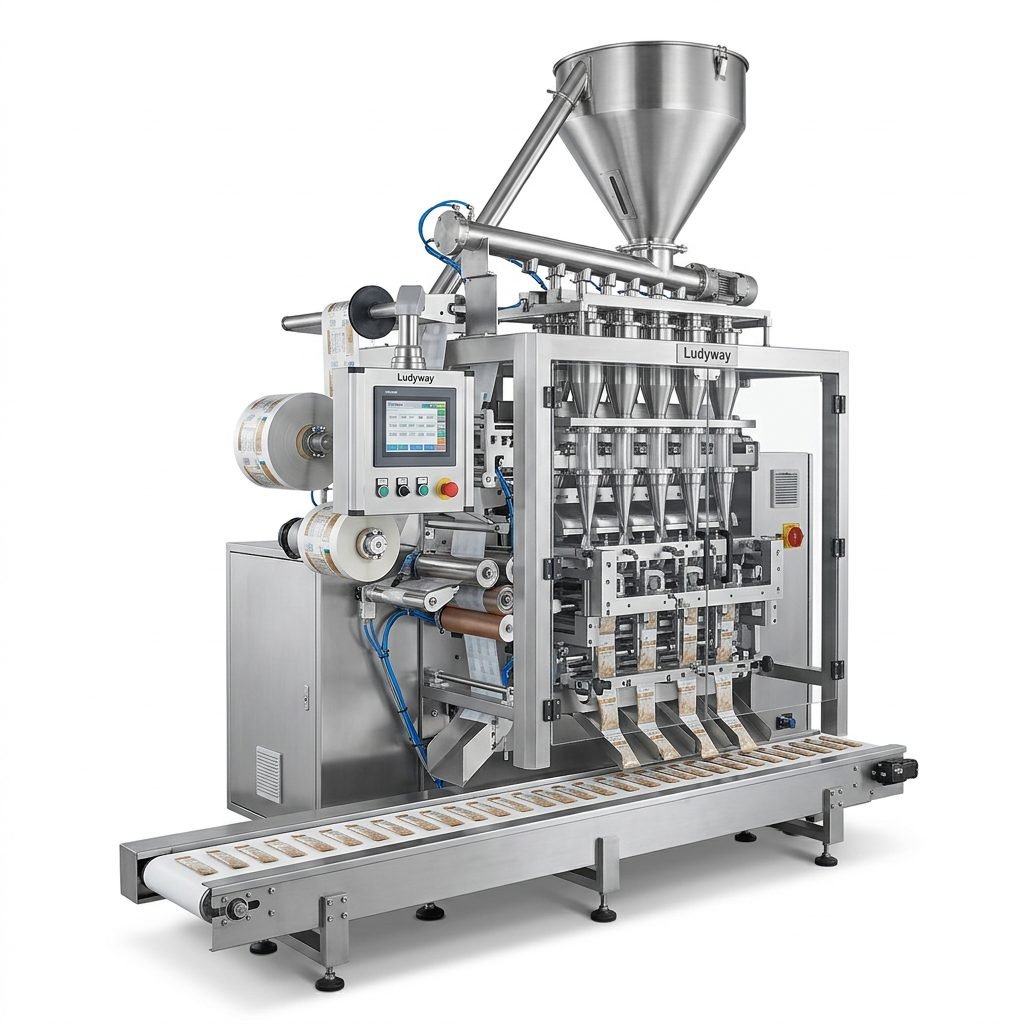
4. Worn or Dirty Pull Belts and Rollers
Pull belts, nip rollers, and guide rollers must grip and transport the film evenly. If one side grips more than the other, the film twists or bunches. Dust, oil, product residue, or belt wear can all reduce traction consistency.
How to fix it:
- Clean pull belts and contact rollers regularly
- Check belt pressure on both sides
- Replace hardened, glazed, or unevenly worn belts
- Inspect bearings and roller rotation for drag or vibration
5. Poor Film Tracking
If the film is not tracking centrally through the machine, wrinkles often form before sealing. Tracking issues may come from sensor errors, skewed rollers, or poor web guiding at the unwind stage.
How to fix it:
- Adjust web guide rollers to keep the film centered
- Calibrate photoelectric or edge tracking sensors
- Make sure guide rollers are parallel
- Check if the film edges are cut evenly from the supplier
6. Heat and Seal Jaw Settings Are Too Aggressive
Overheating can soften the film excessively, making it deform under tension. This is especially true with thinner laminates or films with low heat resistance. Excessive sealing pressure can also force film to buckle.
How to fix it:
- Reduce sealing temperature in small increments
- Check dwell time and jaw pressure
- Verify actual jaw temperature with a calibrated measuring tool
- Make sure the sealing face is flat and clean
7. Film Material Quality or Storage Problems
Sometimes the machine is not the real issue. Film that has been stored in high humidity, exposed to heat, or produced with inconsistent thickness may curl, stretch, or wrinkle during operation.
Material-related warning signs: wrinkles occur only on one batch, bag quality changes after roll replacement, or the film has visible telescoping and edge damage.
How to fix it:
- Inspect roll condition before loading
- Store film in a stable, dry environment
- Allow film to acclimate to production-room temperature
- Ask the supplier to verify thickness tolerance, coefficient of friction, and roll winding quality
8. Improper Machine Speed
Running too fast can exaggerate every small alignment or tension problem. At higher speed, the film has less time to settle around the forming shoulder, and vibration becomes more noticeable.
How to fix it:
- Temporarily reduce speed to see whether wrinkles disappear
- Re-optimize tension and tracking before increasing output
- Check servo synchronization if the machine uses servo film pulling
9. Uneven Environmental Conditions
Packaging film reacts to workshop conditions. Temperature swings, excess moisture, static electricity, and airflow can all affect web behavior.
How to fix it:
- Maintain stable room temperature and humidity
- Use anti-static devices if film clings or shifts
- Keep fans or air jets from blowing directly onto the web path
Quick Troubleshooting Table
| Symptom | Likely Cause | Recommended Action |
|---|---|---|
| Diagonal wrinkles before forming tube | Film roll misalignment or poor tracking | Re-center unwind roll and adjust guides |
| Vertical waves on bag body | Incorrect tension or worn pull belts | Reset tension and inspect belt pressure |
| Back seal fold marks | Forming collar mismatch or poor wrap angle | Check forming set size and surface finish |
| Wrinkling near seal jaws | Too much heat or sealing pressure | Lower temperature and verify jaw parallelism |
| Issue appears only on certain rolls | Film quality or storage problem | Inspect roll condition and consult supplier |
A Step-by-Step Way to Diagnose the Problem
If you want to solve wrinkling efficiently, avoid changing too many settings at once. Use this order:
- Stop and inspect the film roll for edge damage, telescoping, loose winding, or core issues.
- Check the unwind path and make sure the film enters the machine centered.
- Inspect rollers, belts, and guides for dirt, wear, and parallel alignment.
- Examine the forming collar and tube for scratches or incorrect sizing.
- Reduce machine speed and run a short test.
- Fine-tune tension little by little, watching how the film behaves.
- Review sealing settings only after web handling is stable.
- Test another film roll if the issue remains unresolved.
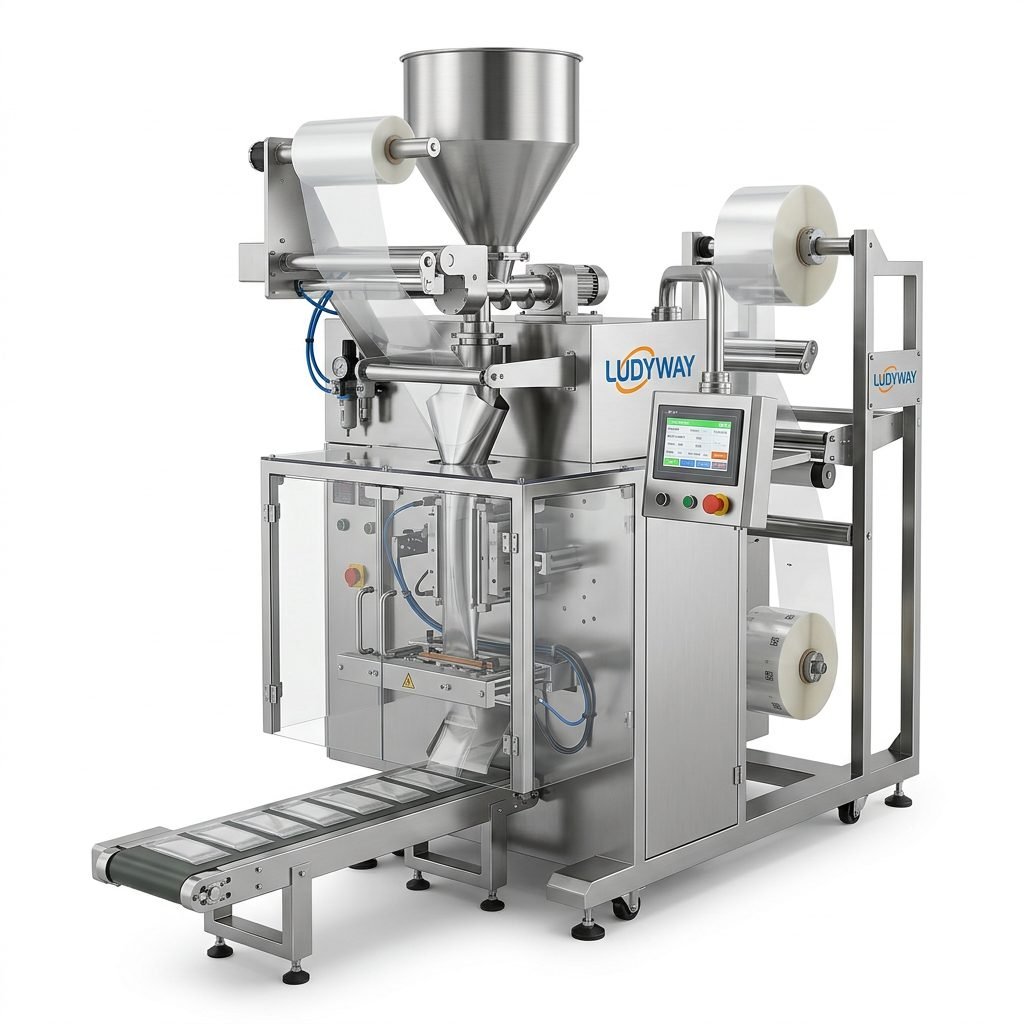
Best Practices to Prevent Film Wrinkling
Prevention is usually easier than repeated troubleshooting. A few daily routines can significantly reduce wrinkling problems.
Operator setup checklist
- Load every film roll squarely and consistently
- Confirm tracking before full-speed production
- Use machine recipes for different film structures and bag sizes
- Check tension settings during every roll change
Maintenance checklist
- Clean pull belts, rollers, and forming parts daily
- Inspect belt wear and jaw alignment regularly
- Lubricate moving parts according to the maintenance plan
- Replace damaged collars, rollers, and bearings before they affect production
Material handling checklist
- Store film upright in a controlled environment
- Label rolls by batch for easier issue tracing
- Use film specifications compatible with your VFFS machine design
- Audit supplier consistency if wrinkles occur intermittently
When the Problem Requires Machine Design Review
If you have already corrected alignment, tension, speed, and material issues, but film wrinkling continues, the root cause may be deeper. Some lines need a review of:
- Forming shoulder design
- Servo pull synchronization
- Web guiding system sensitivity
- Machine rigidity at higher speeds
- Compatibility between film structure and packaging format
In these cases, working with an experienced packaging equipment manufacturer can save significant trial-and-error time. Ludyway packaging machine manufacturer provides VFFS systems and turnkey packaging line solutions for powders, granules, liquids, and pouch-based applications across food, pharmaceutical, health supplement, and related industries.
Final Troubleshooting Insight
Most VFFS film wrinkling issues are caused by a combination of film tension, tracking, forming geometry, and material condition. Start with the simplest checks first: film roll loading, guide alignment, belt condition, and speed. Then move toward forming parts and sealing parameters.
When you troubleshoot in a logical sequence, you can usually restore smooth film flow, improve seal appearance, reduce waste, and get your VFFS machine back to stable production faster.