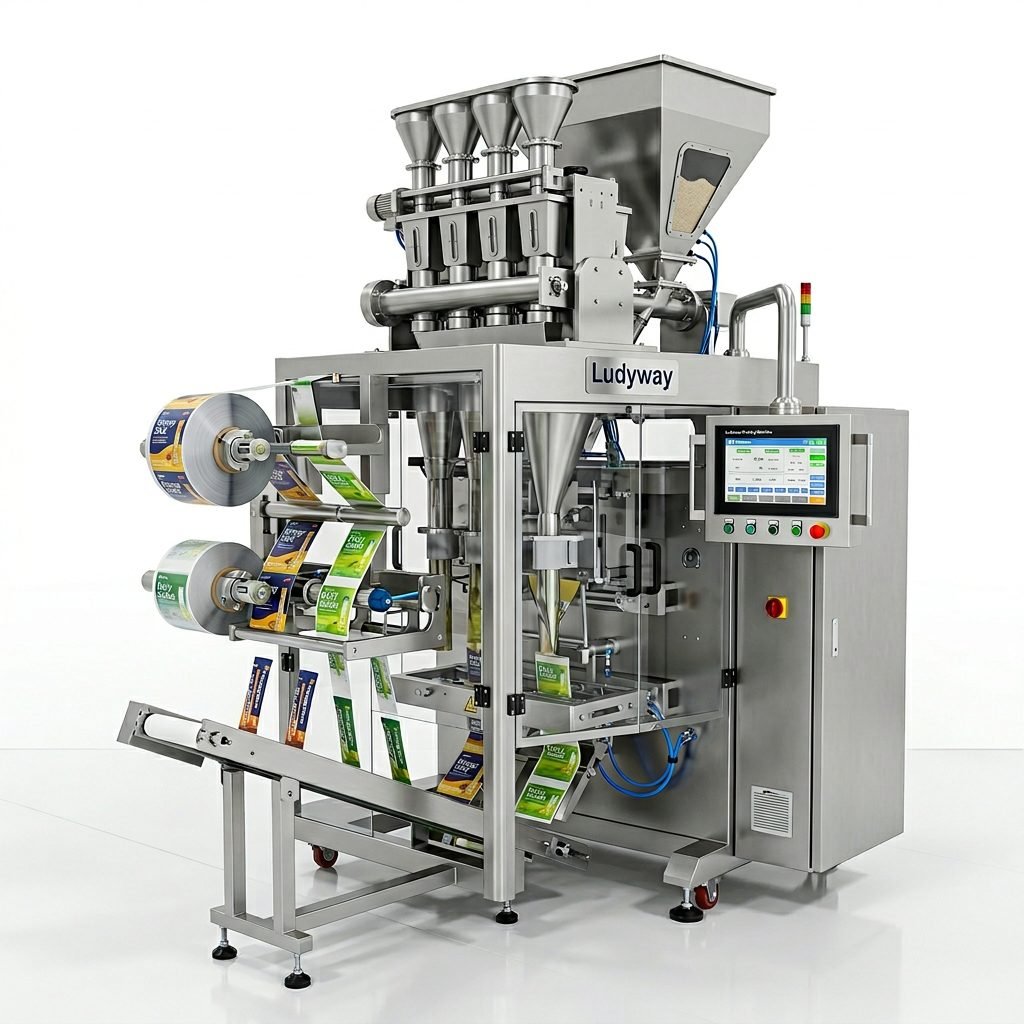
Choosing the best bag type for liquid packaging is not just about appearance. It directly affects
leak prevention, shelf life, shipping efficiency, filling speed, customer convenience,
and overall packaging cost. Whether you package water, sauces, detergents, oils, cosmetic liquids, or
pharmaceutical solutions, the right bag structure can improve both product safety and market performance.
In practice, there is no single “best” liquid bag for every product. The ideal choice depends on viscosity,
fill volume, barrier requirements, transportation conditions, sealing performance, branding goals, and the
packaging equipment you use.
Why bag selection matters for liquid products
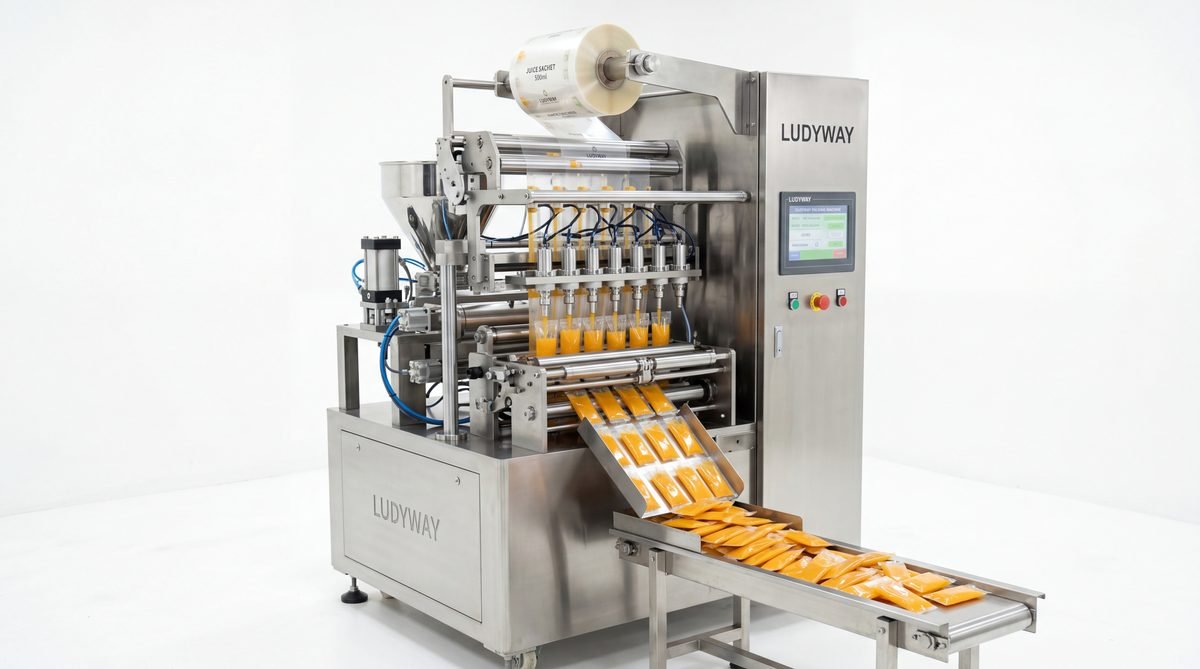
Liquids are more demanding than many dry products. They flow easily, create pressure on seals, and can react
with packaging materials if the structure is not suitable. A poor bag choice may lead to swollen packs,
leakage during transport, difficult pouring, or a shorter shelf life than expected.
- Seal integrity: Liquids can escape through weak or inconsistent seals.
- Barrier protection: Oxygen, moisture, and light can damage sensitive formulas.
- User convenience: Easy-open, reclose, and pouring features influence repeat purchases.
- Logistics efficiency: Flexible bags often reduce storage and shipping costs compared with rigid packaging.
- Machine compatibility: Bag type must match your filling and sealing process.
Main bag types used for liquid packaging
Below are the most common bag styles for liquid packaging, along with their strengths, limitations, and best-use scenarios.
| Bag Type | Best For | Key Advantages | Possible Drawbacks |
|---|---|---|---|
| Pillow pouch | Small single-use liquids | Low material cost, fast production | Limited shelf presence, less stable standing display |
| Sachet | Condiments, samples, personal care | Compact, ideal for trial or travel size | Usually single-use, limited volume |
| Stick pack | Shots, gels, drink concentrates | Slim format, strong portability, efficient carton packing | Not ideal for larger fill volumes |
| Stand-up pouch | Juices, sauces, detergents, refill products | Strong shelf impact, can add zipper or spout | Higher material and tooling cost than simple sachets |
| Spouted pouch | Baby food, puree, detergent, beverage refills | Easy pouring, resealable, consumer-friendly | Requires precise spout sealing and suitable machinery |
| Three-side seal pouch | Pharma liquids, cosmetics, sauces | Neat shape, reliable seal layout | Less volume flexibility than gusseted formats |
| Four-side seal pouch | Premium liquid sachets, medical and personal care products | Excellent appearance, better stiffness | Usually higher packaging cost |
Which bag type is best for different liquid categories?
1. For low-viscosity liquids
Products such as water enhancers, soy sauce, vinegar, juice concentrates, oral liquids, and some chemical
solutions usually work well in three-side seal sachets, pillow pouches,
or stick packs for small doses. For larger retail sizes, stand-up pouches
or spouted pouches are often better.
2. For medium- to high-viscosity liquids
Shampoo, ketchup, honey, mayonnaise, gels, lotions, and creams need packaging that can handle stronger seal
stress during filling and transport. In these cases, sachets, stick packs,
and especially spouted stand-up pouches are popular because they improve dispensing and reduce mess.
3. For retail refill packaging
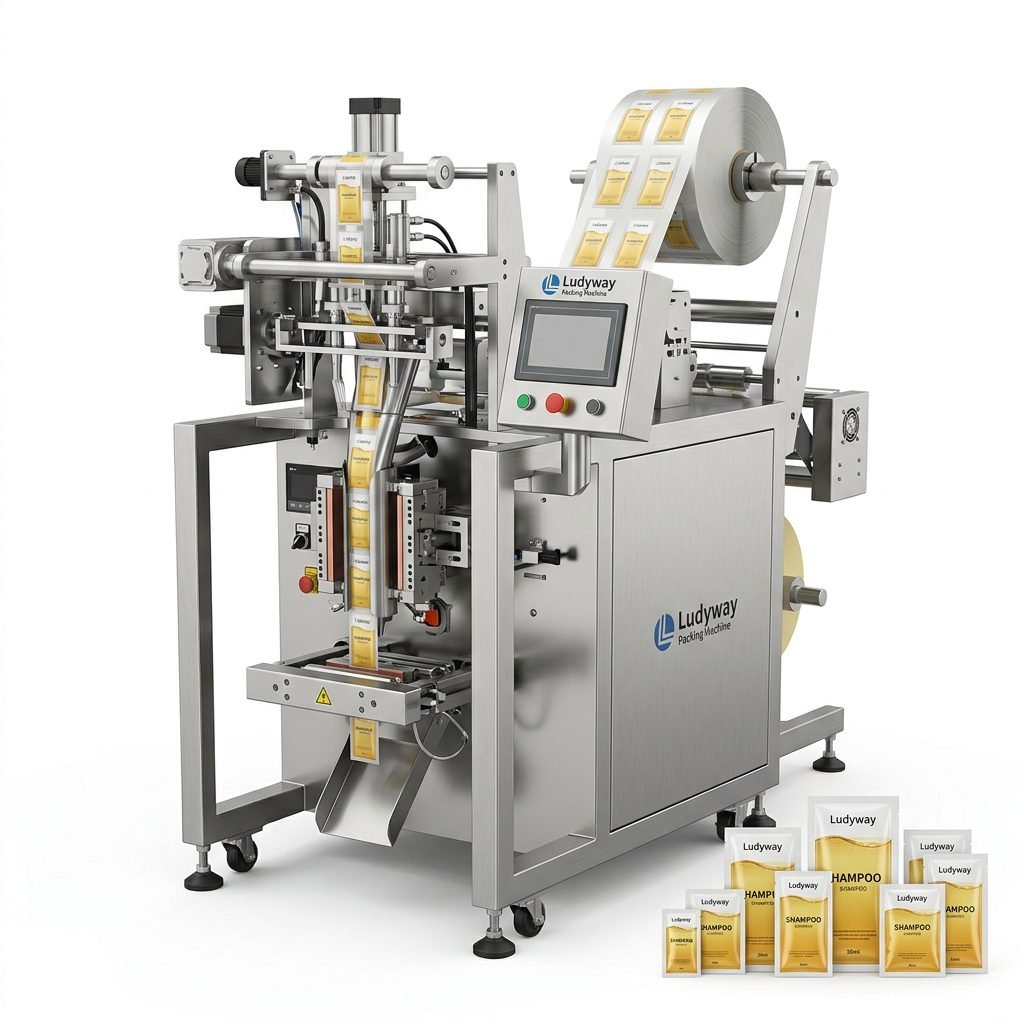
If your brand sells refill packs for detergent, hand wash, body wash, or cooking oil, the best option is
often a stand-up pouch or spouted pouch. These designs save space,
reduce plastic consumption compared with rigid bottles, and are easier for consumers to pour.
4. For single-dose or trial-size products
Single-use applications are ideal for sachets and stick packs. These are
widely used in food service, personal care samples, sports gel, healthcare supplements, and pharmaceutical liquids.
How to choose the right liquid packaging bag
A practical selection process should evaluate product behavior, production method, and market positioning together.
-
Check liquid viscosity.
Thin liquids flow differently from thick sauces or gels, so the bag structure and filling system must fit the product. -
Define the fill volume.
Small doses may suit stick packs or sachets, while larger consumer packs usually require stand-up or spouted pouches. -
Consider barrier needs.
Products sensitive to oxygen, light, or moisture need multilayer films with stronger protection. -
Evaluate transport risk.
If the product travels long export distances, seal strength and puncture resistance become more important. -
Think about convenience.
Easy tear, reclose features, and controlled pouring improve user satisfaction. -
Match the bag with the machine.
Packaging speed, filling accuracy, sealing stability, and automation level all depend on the equipment configuration.
Best bag types by application
| Application | Recommended Bag Type | Why It Fits |
|---|---|---|
| Sauces and condiments | Sachet, stand-up pouch, spouted pouch | Supports portion control or refill use |
| Shampoo and body wash | Sachet, stick pack, spouted pouch | Convenient for travel, sample, or refill markets |
| Beverage concentrates | Stick pack, sachet, stand-up pouch | Easy dosing and good portability |
| Pharmaceutical liquids | Three-side seal or four-side seal pouch | Good seal consistency and clean presentation |
| Household cleaners | Stand-up pouch, spouted pouch | Efficient refill packaging with easy pouring |
| Cosmetic serums and lotions | Sachet, stick pack, four-side seal pouch | Premium look and accurate single-dose use |
Material structure is just as important as bag style
Even the best bag shape will fail if the film structure is wrong. Liquid packaging often uses laminated films
to provide the right combination of sealability, flexibility, toughness, and barrier performance.
Common material considerations
- PE layers for heat sealing and flexibility
- PET layers for strength and print quality
- AL or high-barrier layers for oxygen and light protection
- NY layers for puncture resistance in demanding logistics environments
For example, acidic beverages, essential oils, aggressive detergents, and sensitive pharmaceutical liquids may
require higher-performance laminate structures than standard personal care or food-service products.
Bag type vs. machine compatibility
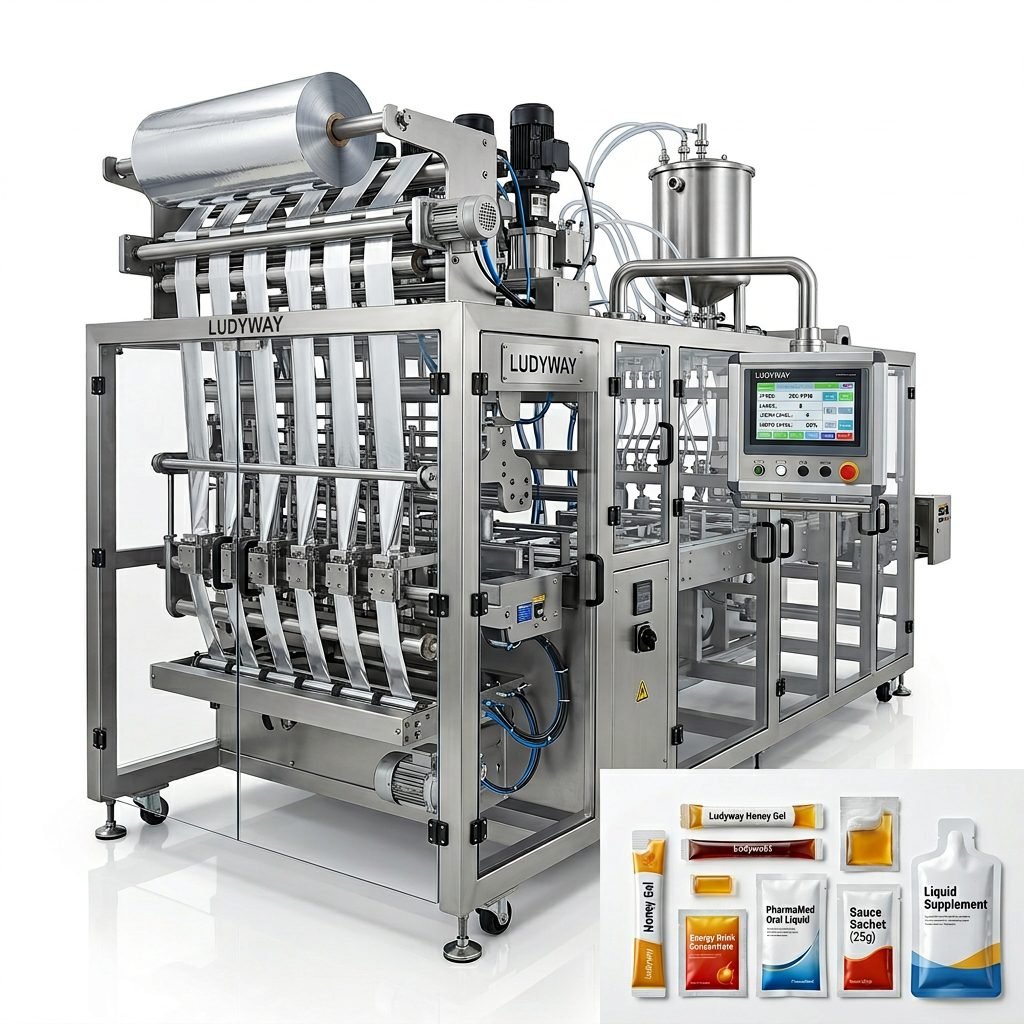
Packaging success depends not only on the bag format but also on whether your filling machine can handle that
format efficiently. High-speed liquid production often requires precise pumping, stable sealing temperature,
anti-drip control, and synchronized cutting.
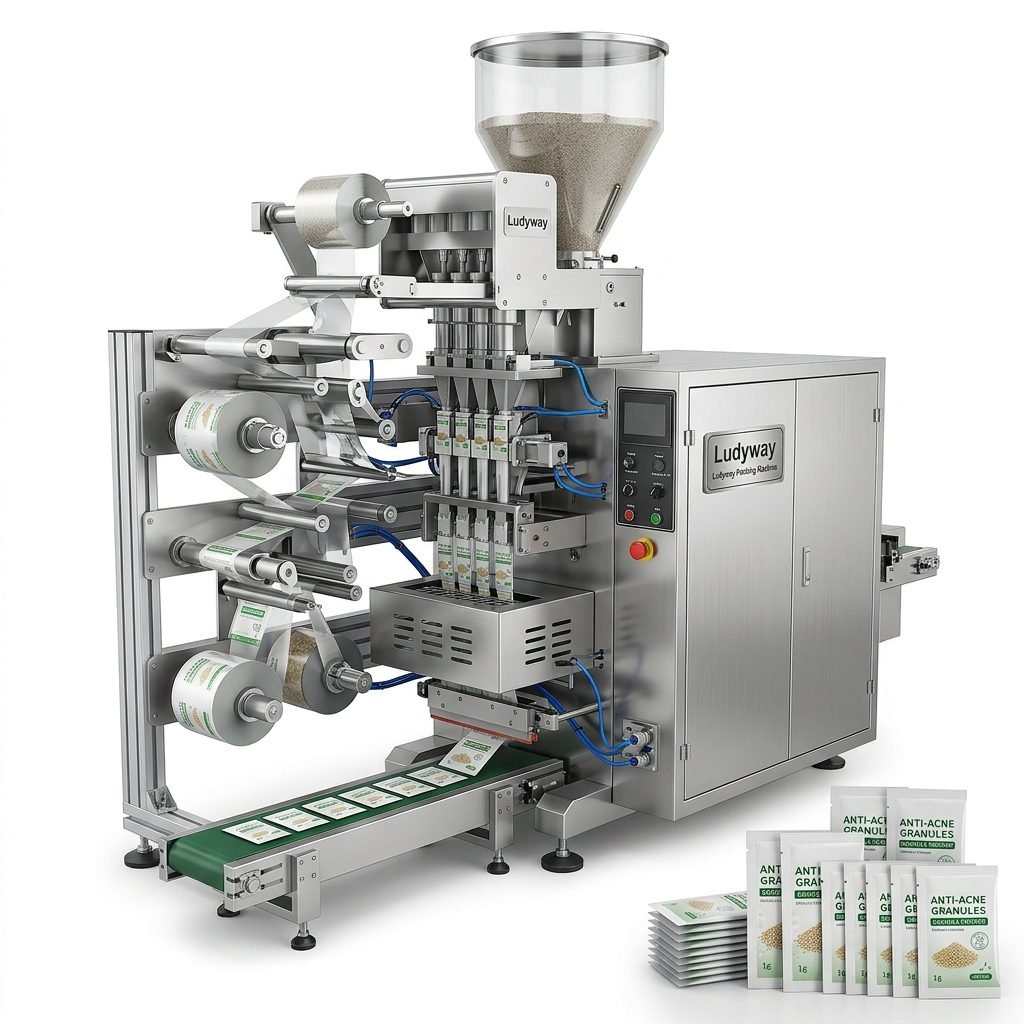
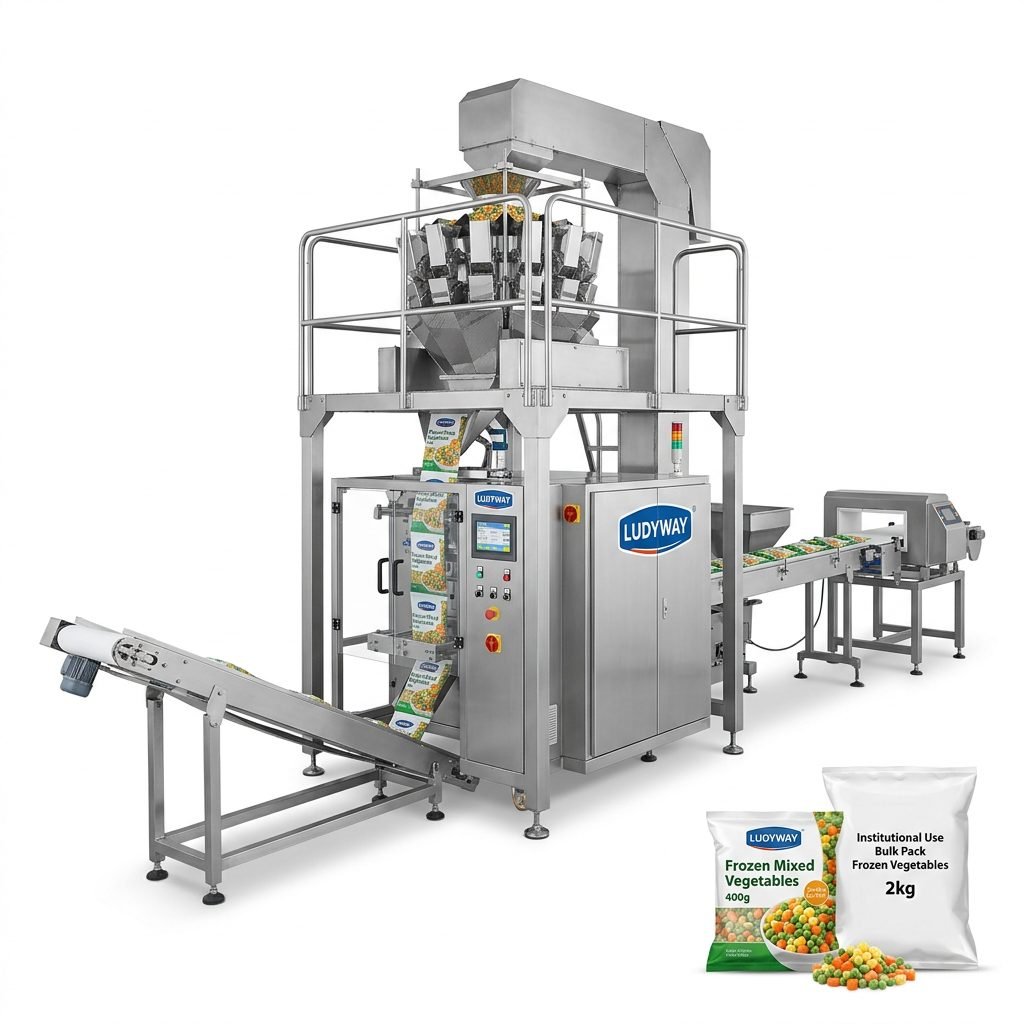
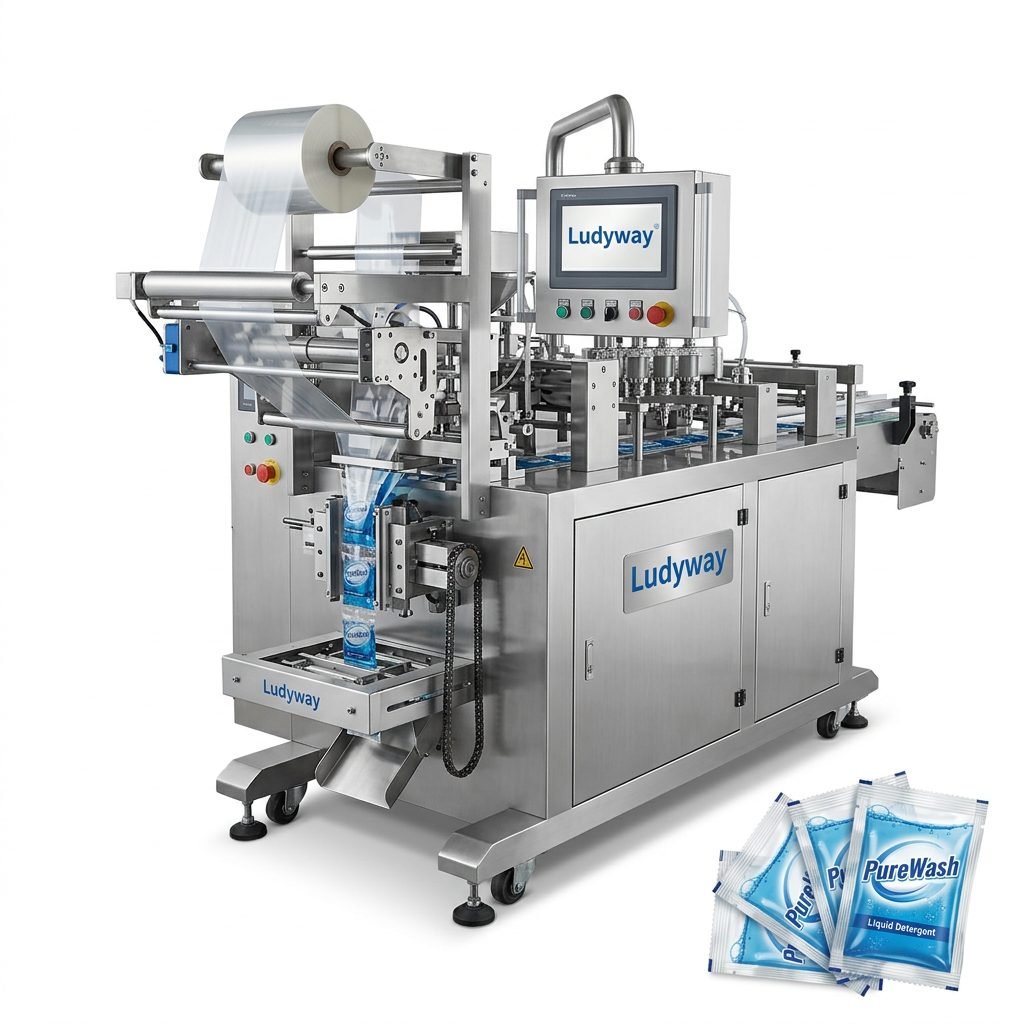
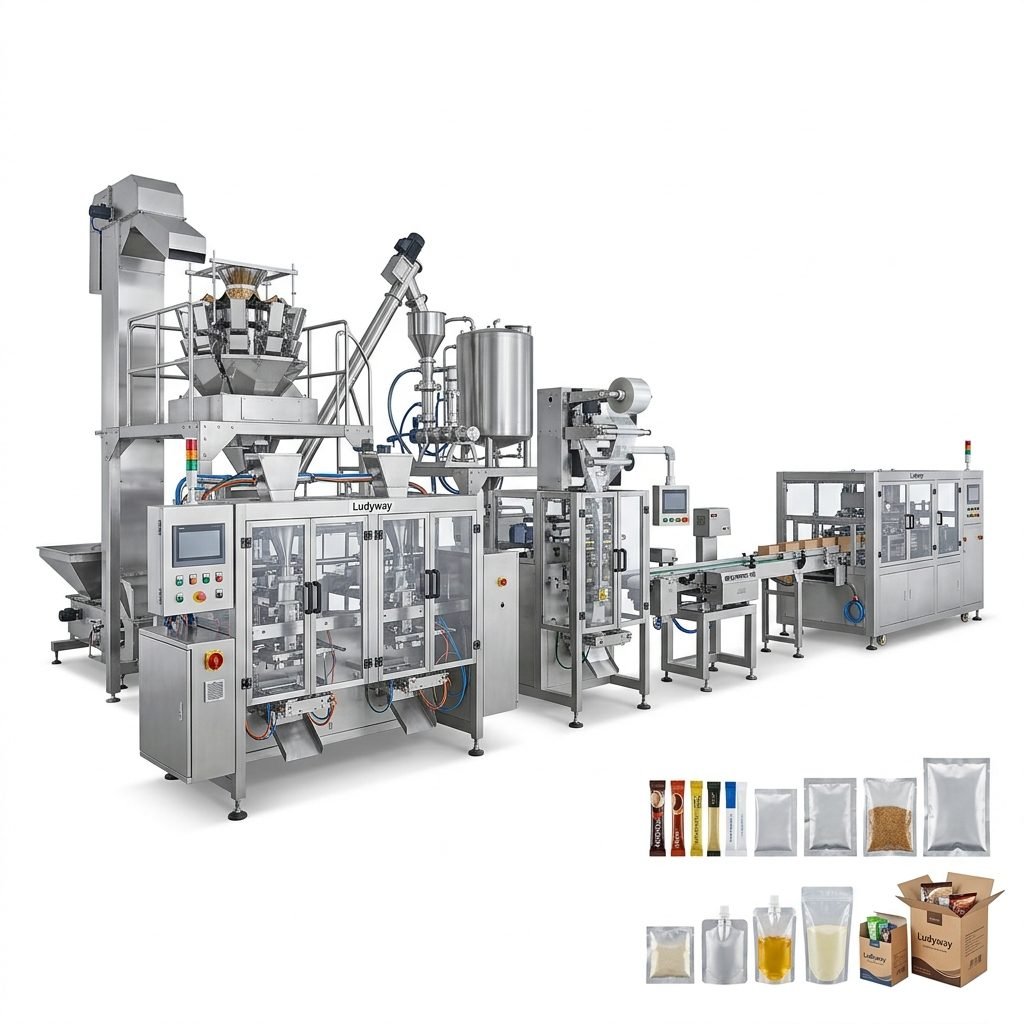
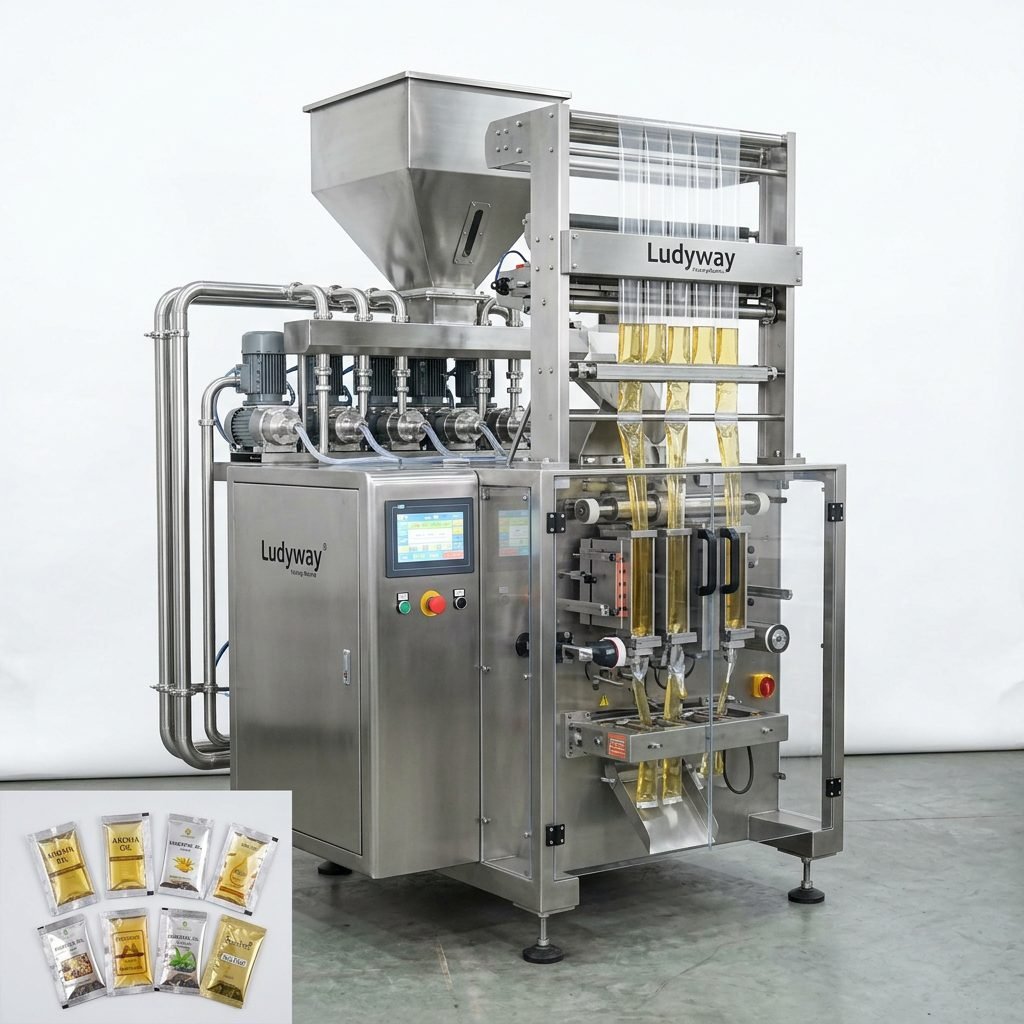
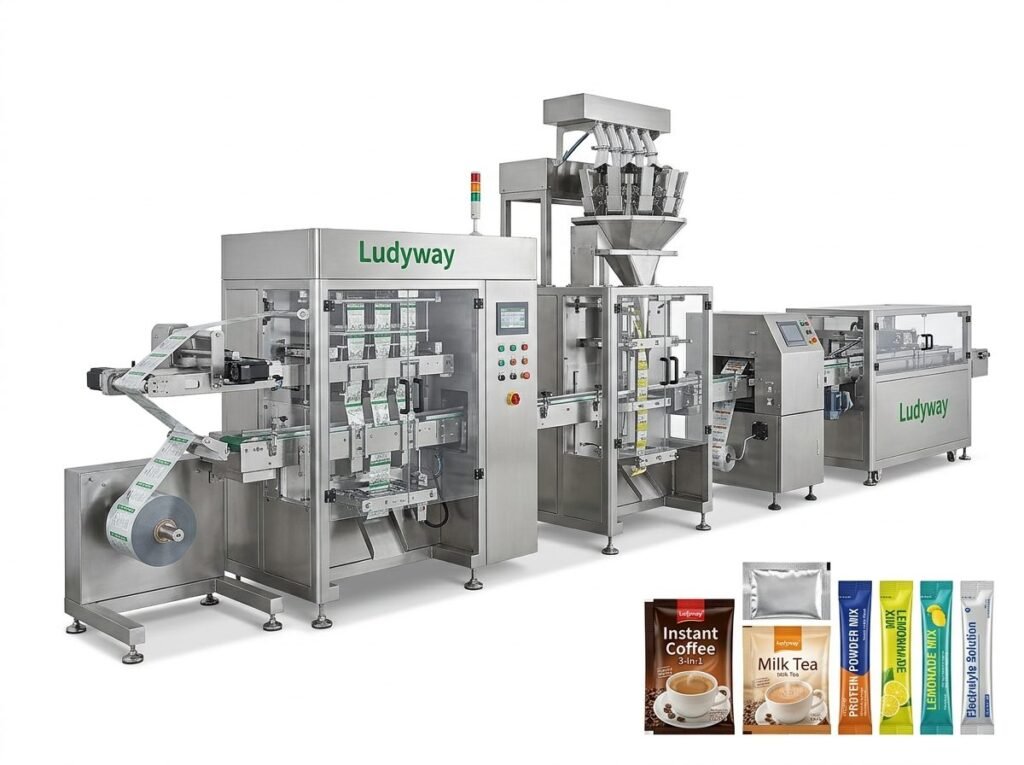
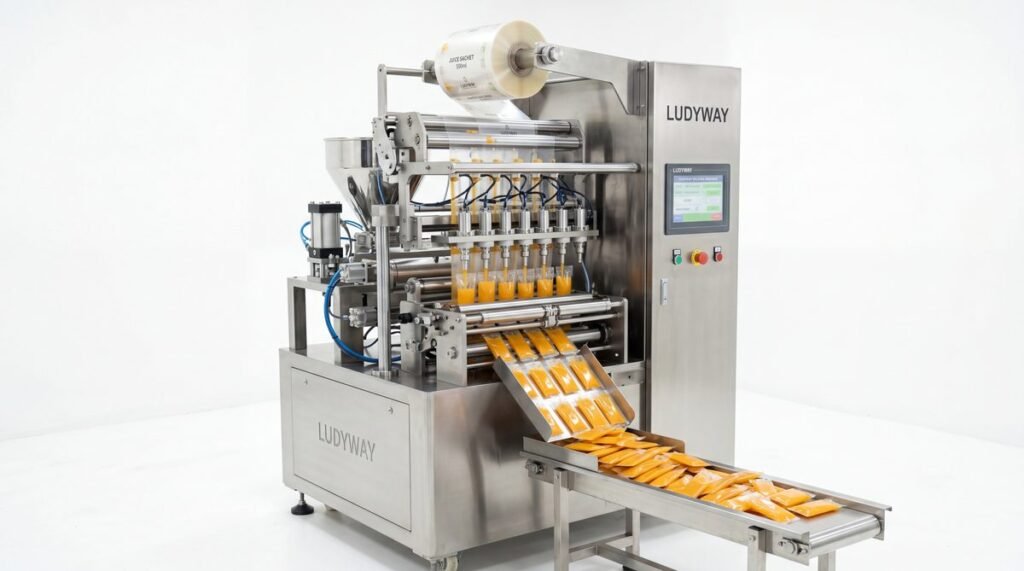
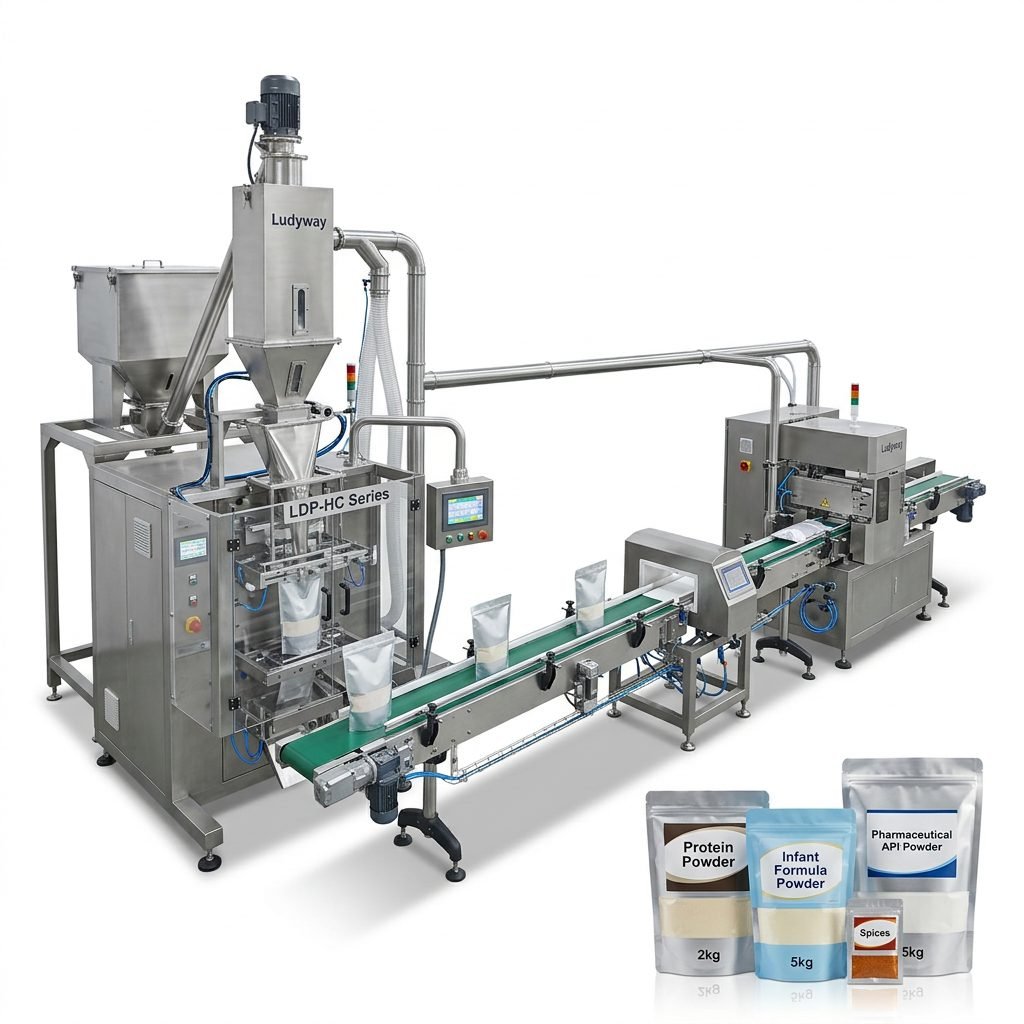
Companies looking for automated liquid pouch solutions often work with experienced machinery suppliers such as
Ludyway liquid packaging machine manufacturer
when evaluating sachet, stick pack, premade pouch, or turnkey liquid packaging line options.
Machine factors to review
- Bag forming method: form-fill-seal or premade pouch
- Liquid filling system: piston, pump, gravity, servo-controlled dosing
- Sealing quality under different viscosities and temperatures
- Production speed requirements
- Need for spouts, zippers, special notches, or shaped pouches
- CIP cleaning and hygiene requirements for food or pharma use
Advantages of flexible bags over rigid containers
Many brands are moving from bottles and jars to flexible liquid bags for economic and environmental reasons.
- Lower transport cost because empty bags take less space
- Reduced material usage compared with many rigid packages
- Better shelf efficiency for certain retail formats
- Improved convenience with tear-open or spouted designs
- Flexible branding thanks to large printable surface areas
Common mistakes when choosing liquid packaging bags
- Choosing a bag based only on appearance rather than seal performance
- Ignoring the product’s chemical compatibility with film materials
- Using a bag format that does not match the available filling machine
- Underestimating leakage risks during export shipping and pallet stacking
- Selecting oversized packaging that increases cost without improving user value
- Skipping shelf-life testing before final production launch
So, which bag type is best for liquid packaging?
The best option depends on your product goal:
- Choose sachets for low-cost, single-use liquid packaging.
- Choose stick packs for slim, portable, dose-controlled applications.
- Choose stand-up pouches for stronger shelf presence and medium-volume retail products.
- Choose spouted pouches for refill packs, cleaner pouring, and better reseal convenience.
- Choose three-side or four-side seal pouches for products needing neat shape, reliable sealing, and premium presentation.
If your priority is a balance of branding, convenience, and retail functionality, stand-up pouches
are often the most versatile choice. If your focus is economical single-dose packaging, sachets
or stick packs are usually the better answer. For refill and family-size liquid products,
spouted pouches are frequently the top option.
Final buying tip
Before making a final decision, test the liquid in the target bag structure under real filling, sealing,
storage, and transport conditions. The most successful liquid packaging projects are those that match
product characteristics, bag type, film material, and machine capability from the start.