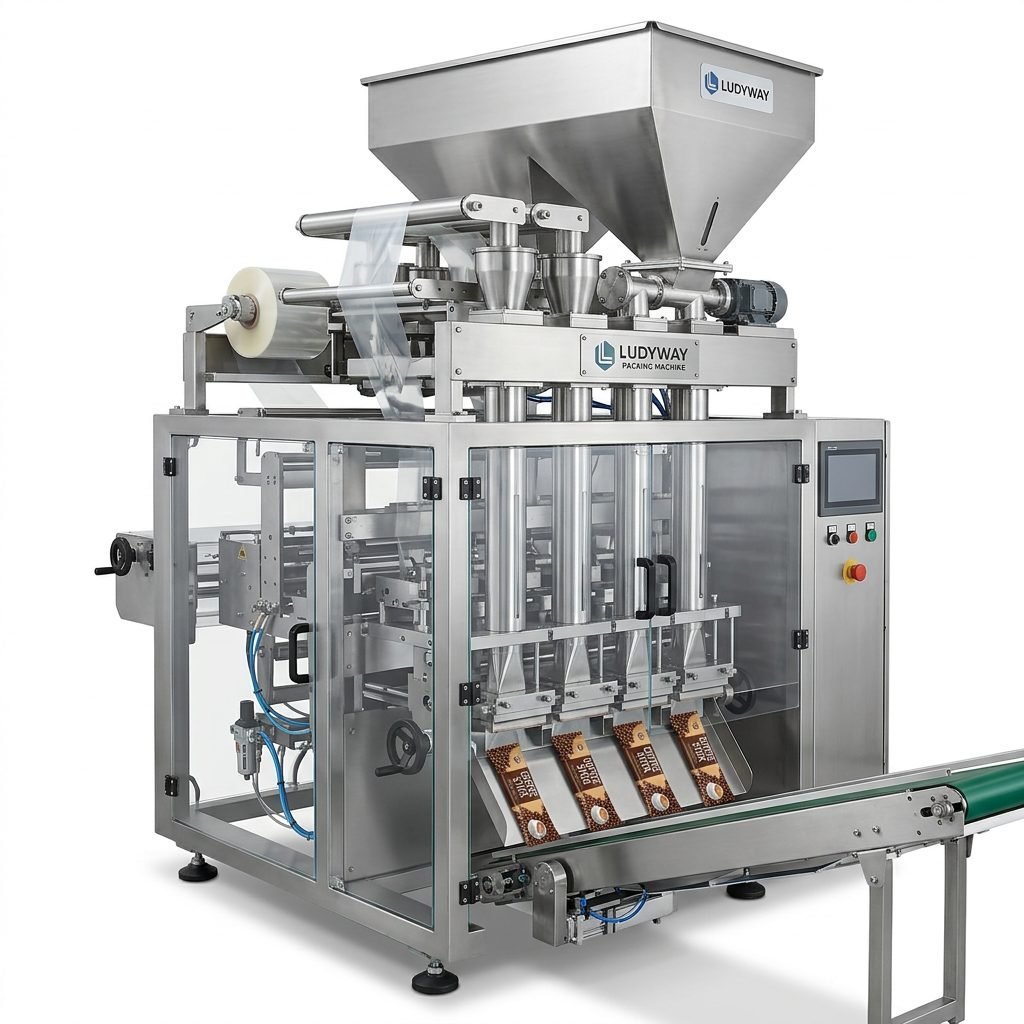
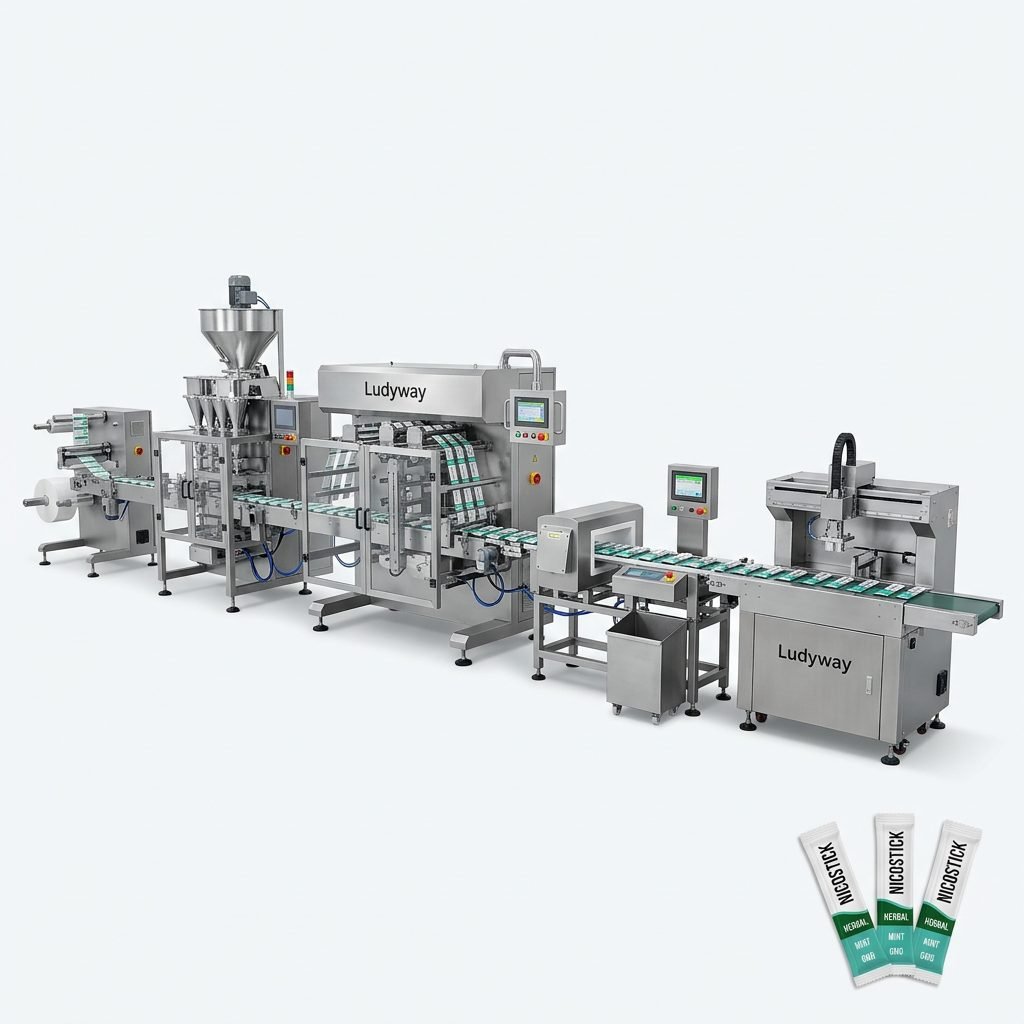
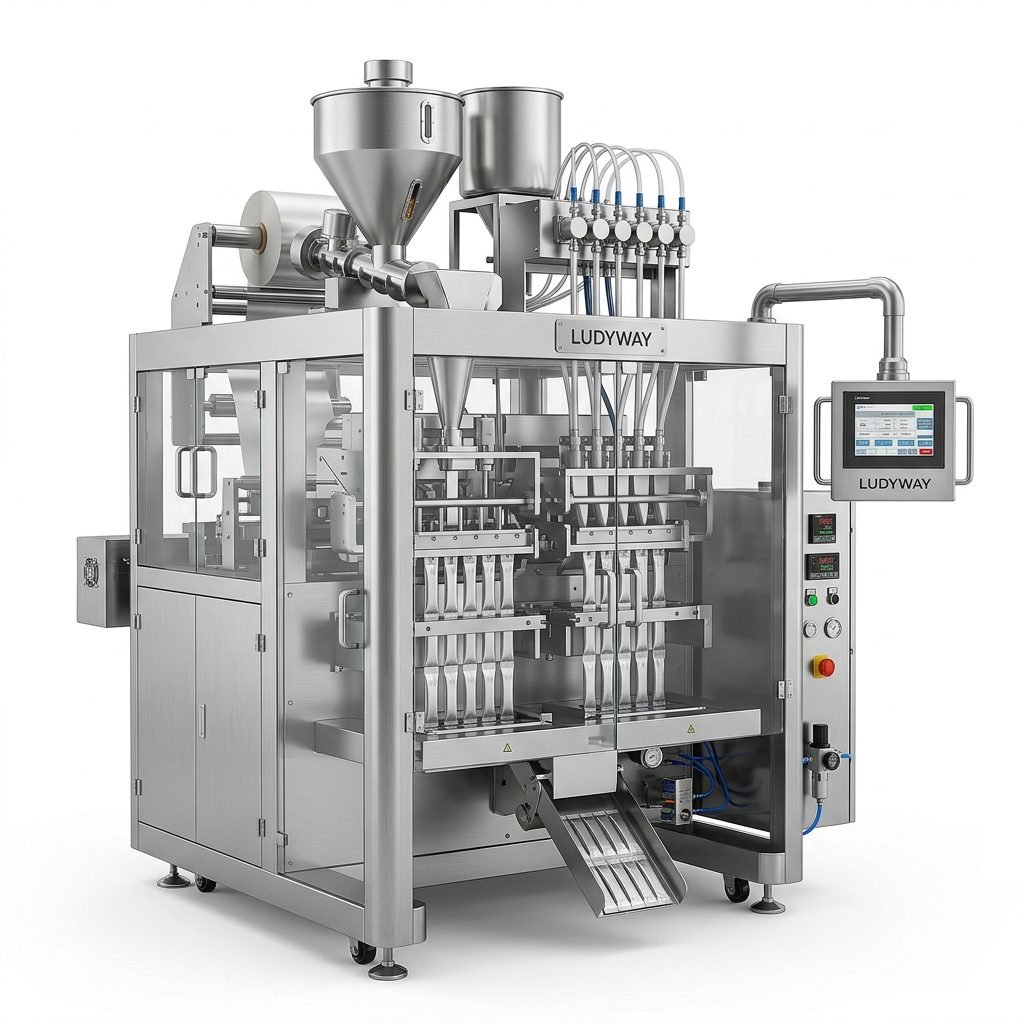
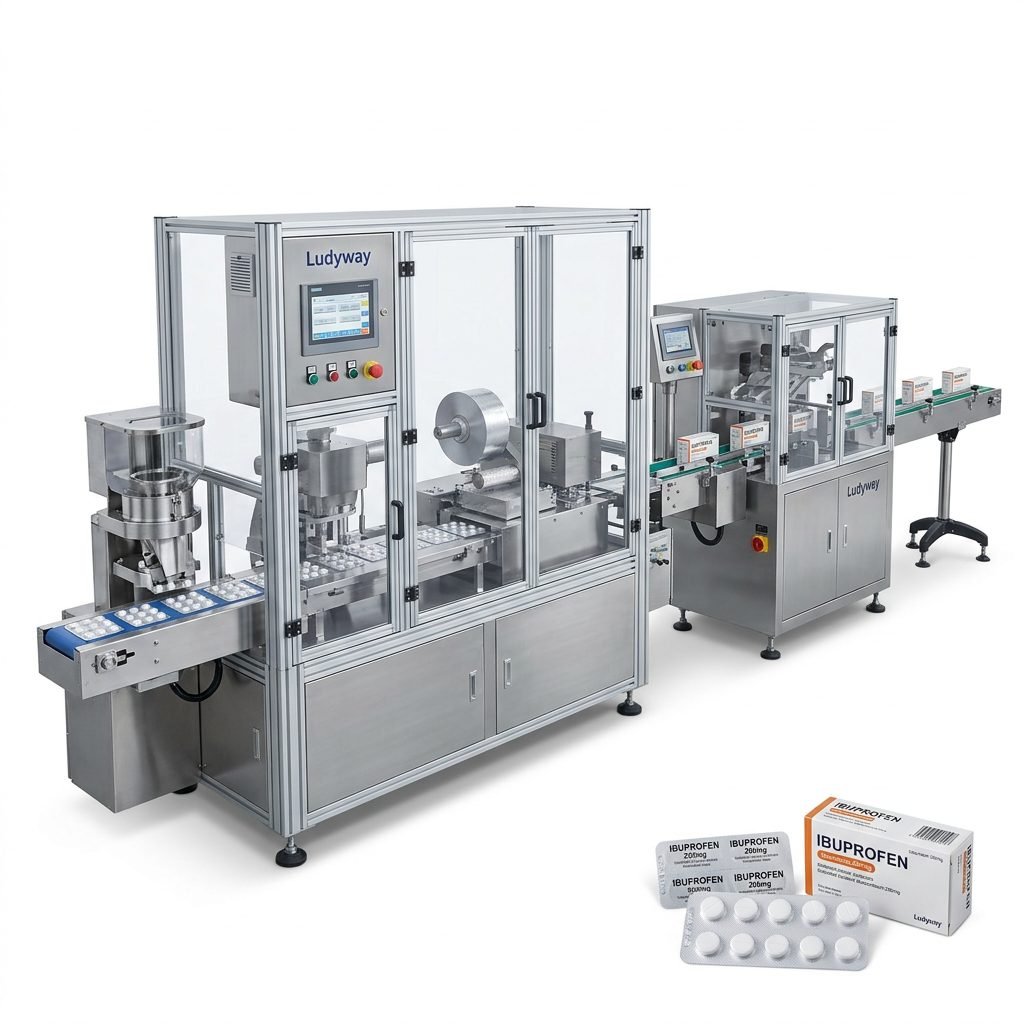
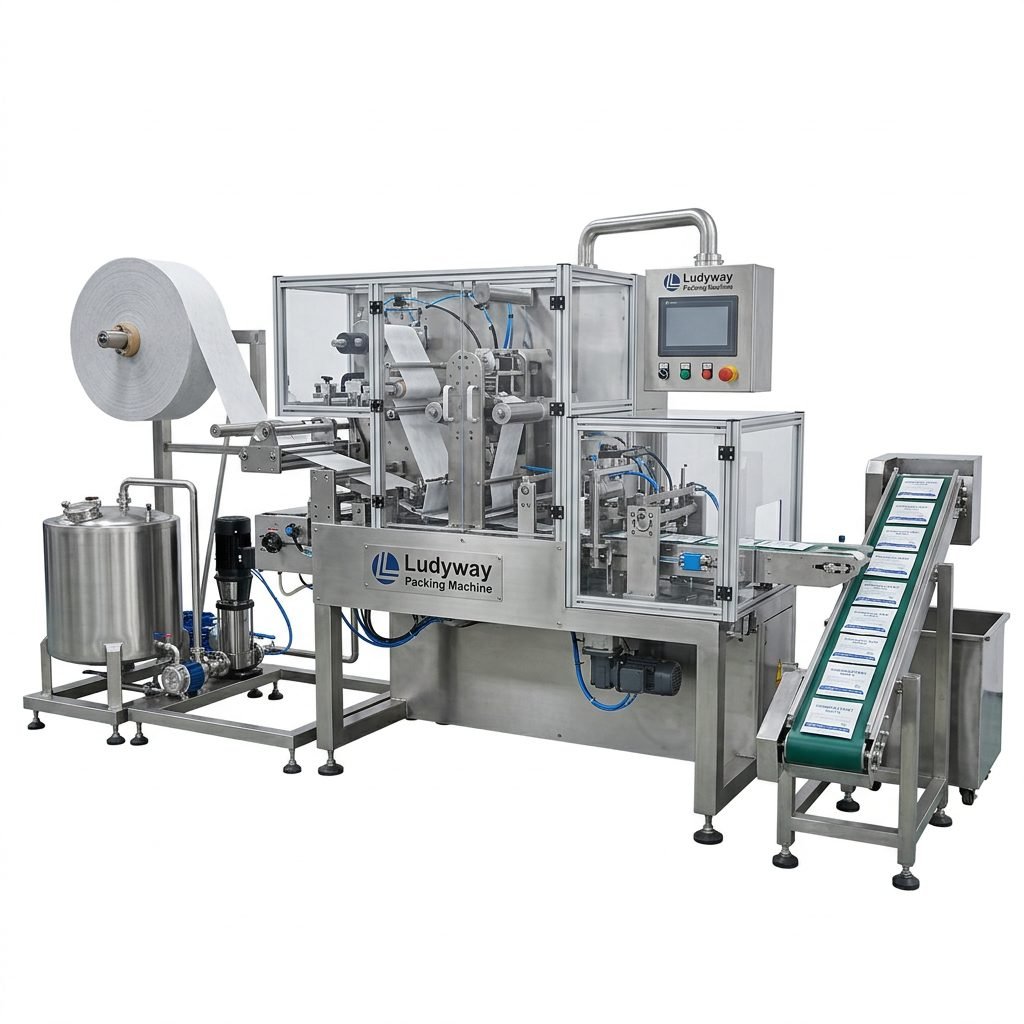
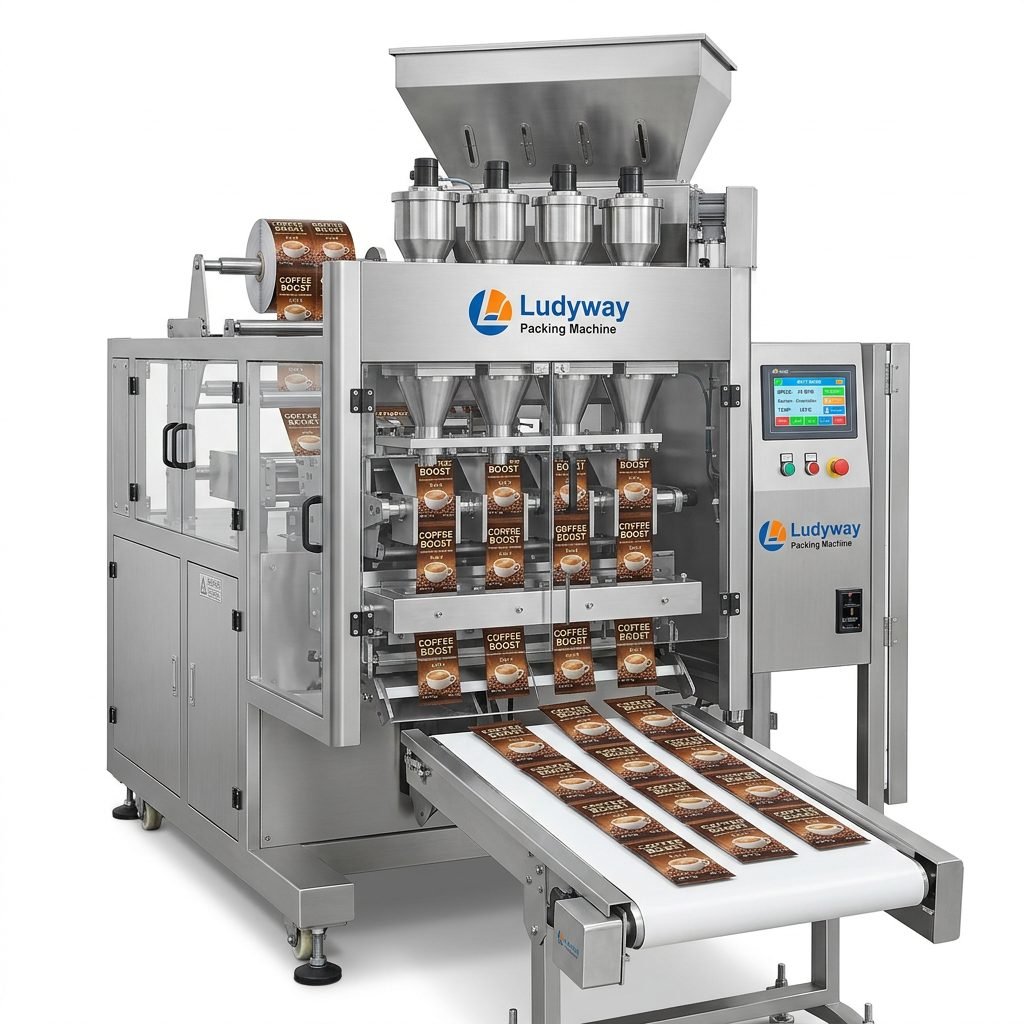
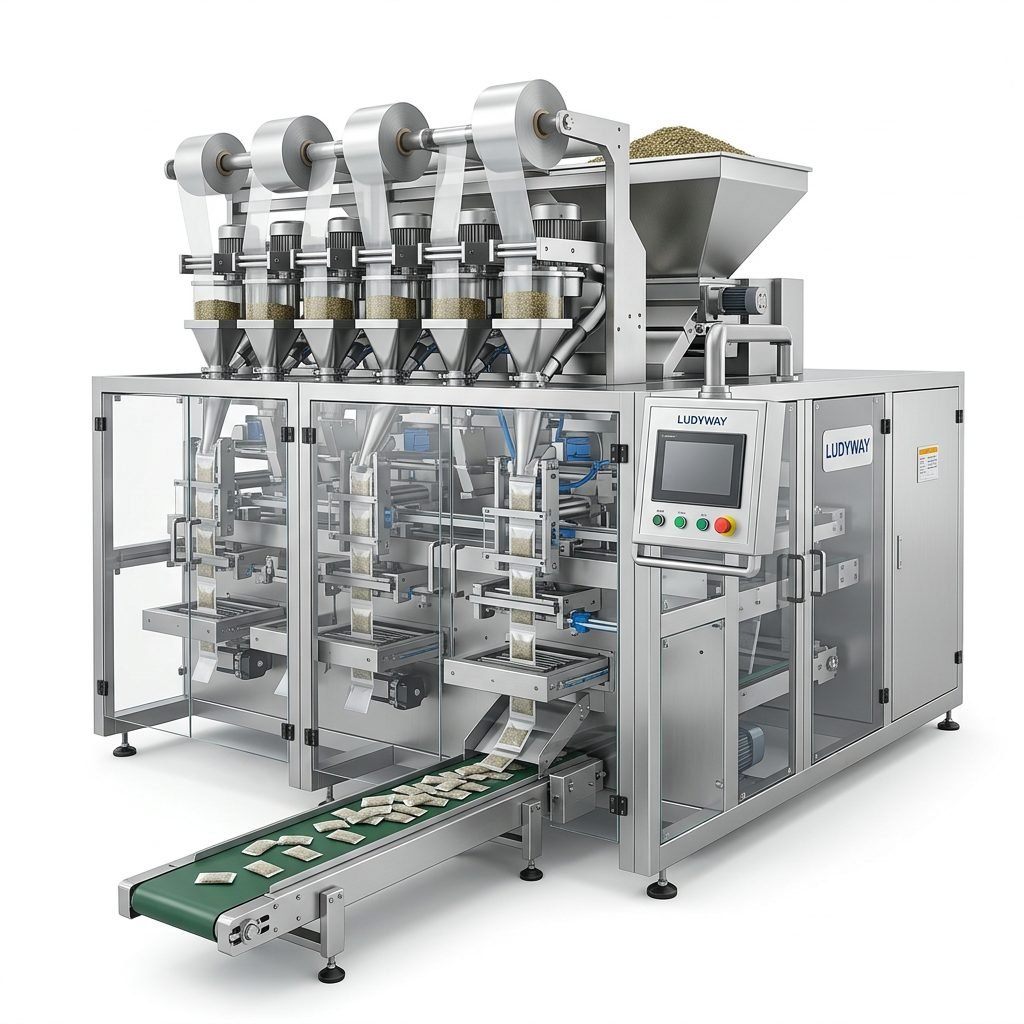
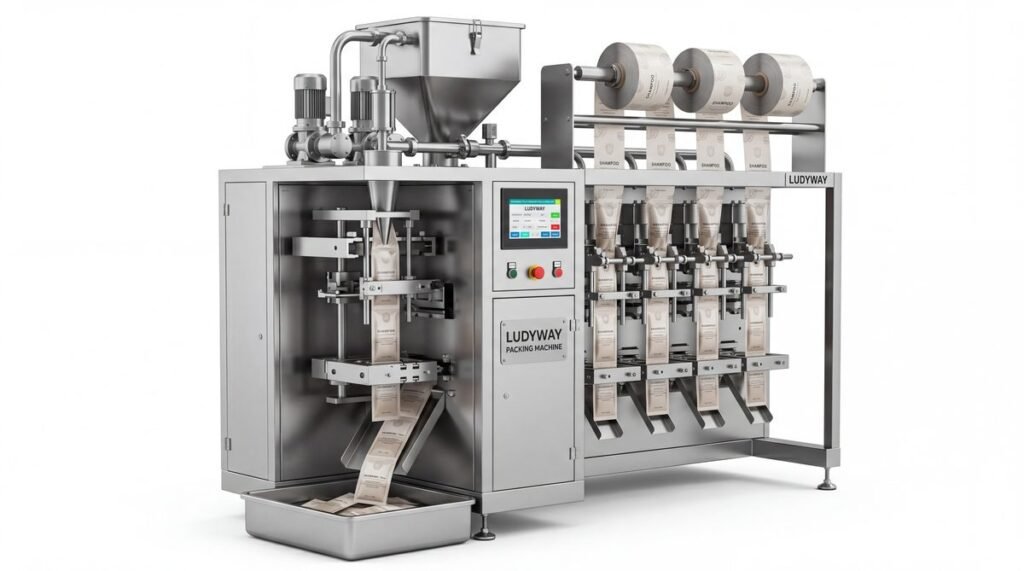
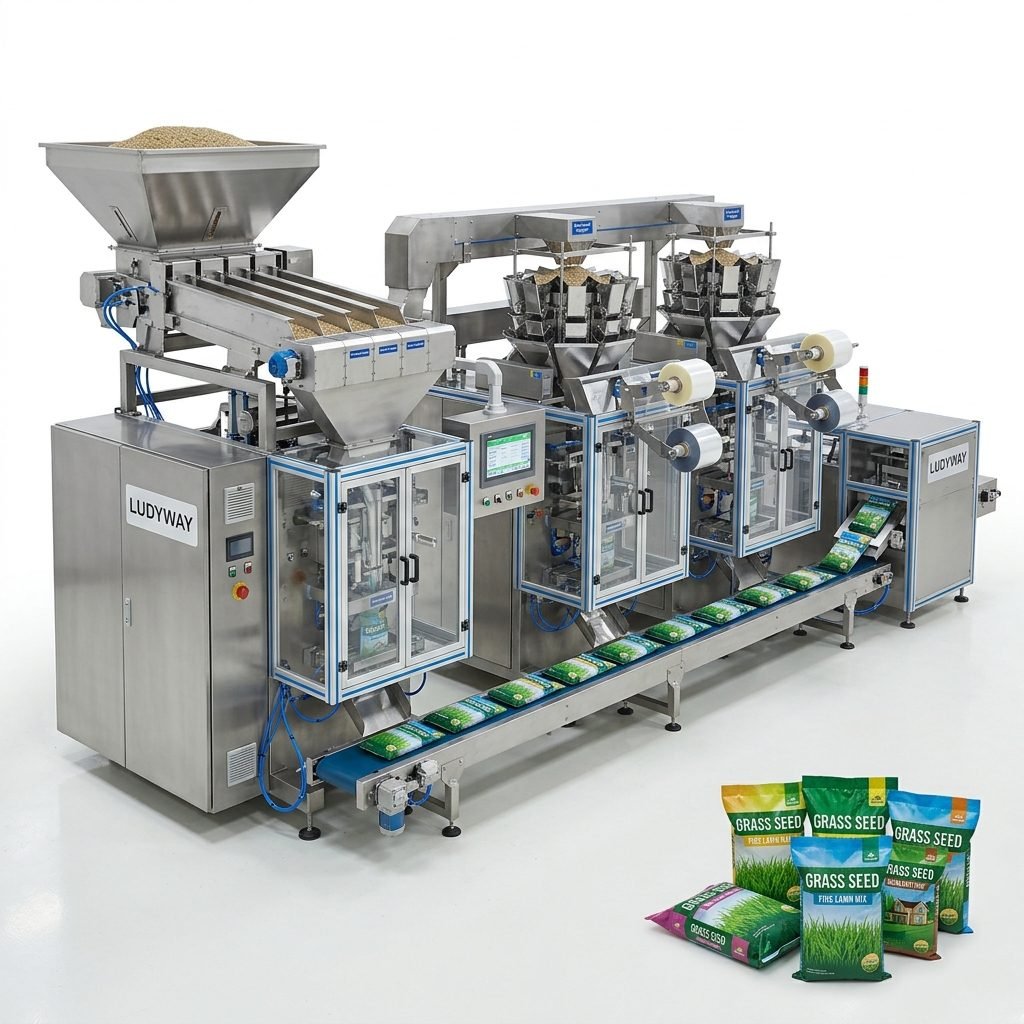
A wrapper packing machine is a packaging system designed to wrap products quickly, consistently, and securely using film or other flexible packaging materials. It is widely used in food, pharmaceuticals, cosmetics, daily chemicals, and consumer goods because it helps manufacturers improve output, reduce manual labor, and create a cleaner, more professional package appearance.
Whether you are packing biscuits, soap bars, medical items, snack products, sachets, or bundled goods, understanding how this machine works can help you choose equipment that matches your production goals and product type.
What Is a Wrapper Packing Machine?
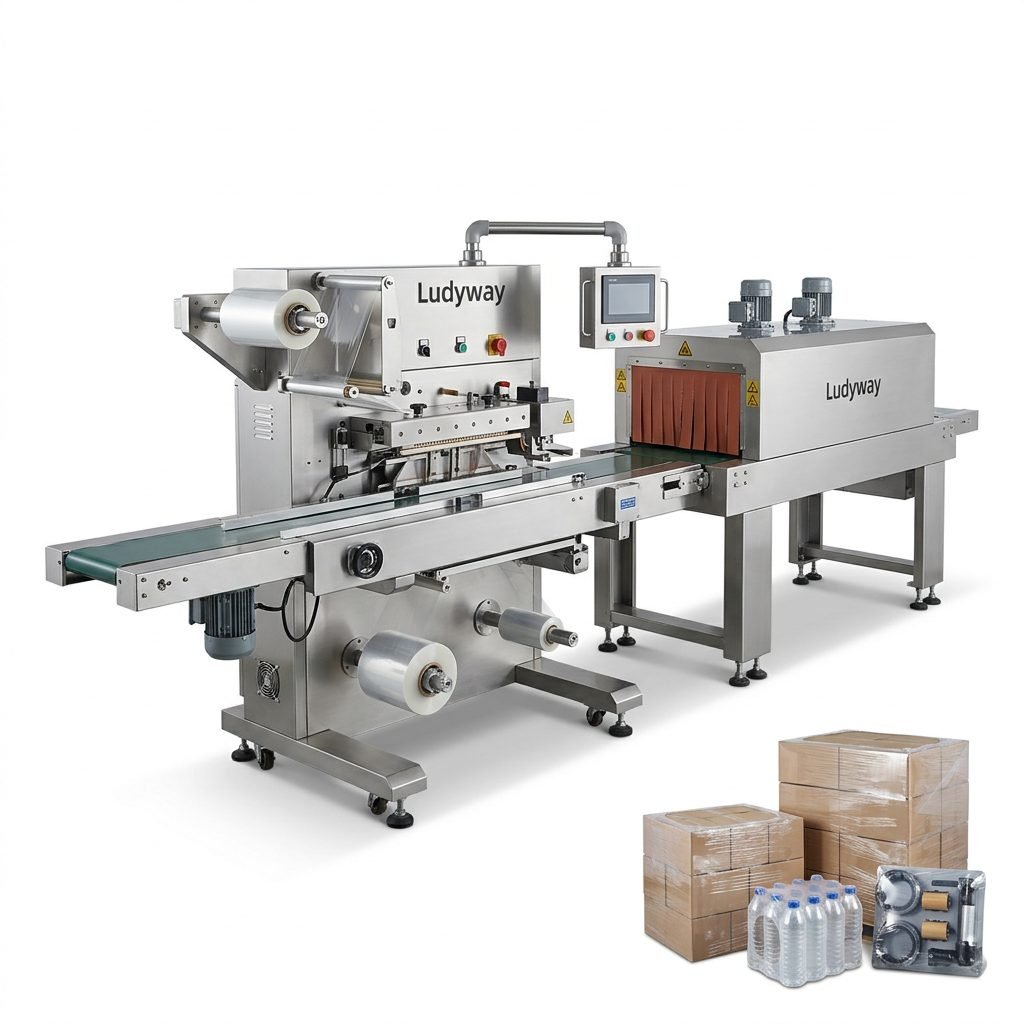
A wrapper packing machine is an automated or semi-automated machine that encloses a product with packaging film. Depending on the application, the machine may wrap a single item, a group of items, or a tray/carton. The goal is to protect the product, improve shelf presentation, support transportation, and sometimes extend shelf life.
Common wrapping styles include:
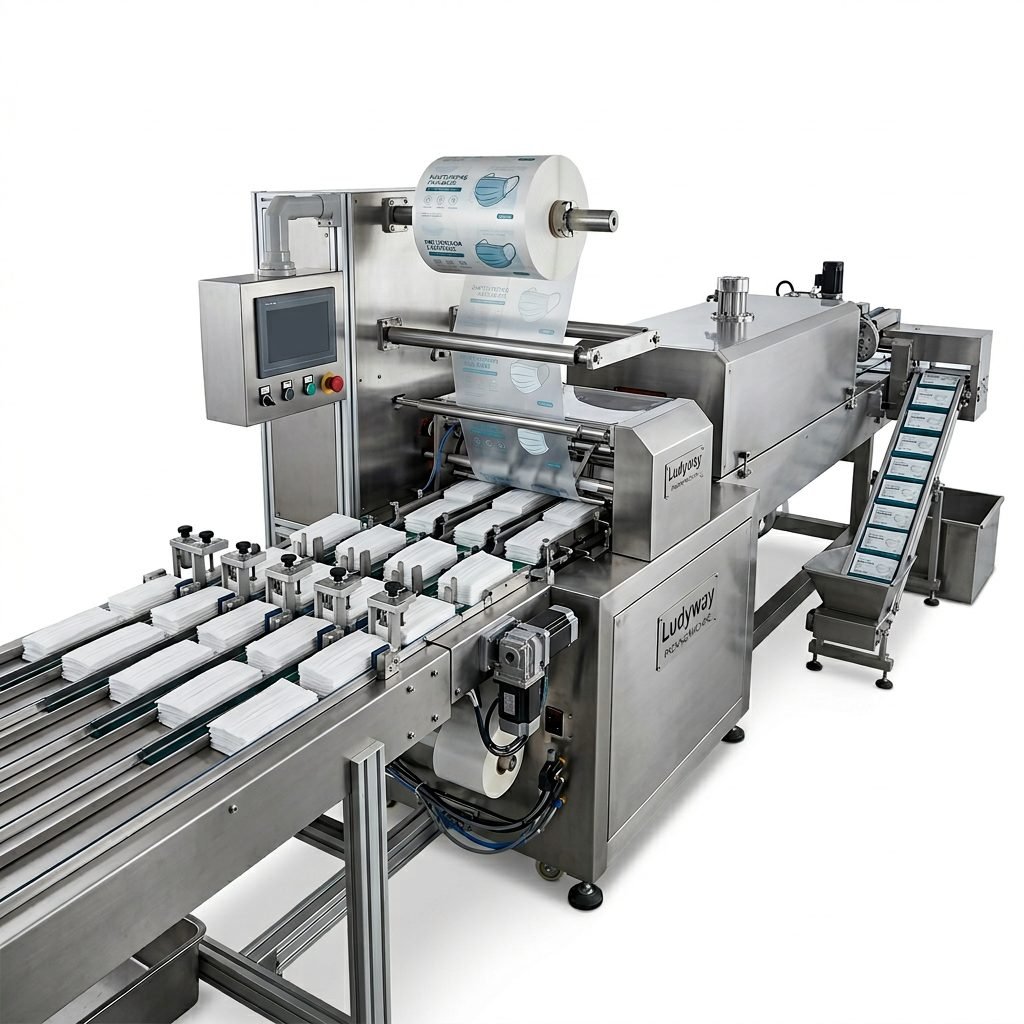
- Flow wrapping for bars, bakery items, medical products, and solid consumer goods
- Shrink wrapping for bottles, boxes, bundles, and retail multipacks
- Overwrapping for cartons, cosmetics, tobacco-style packs, and premium retail products
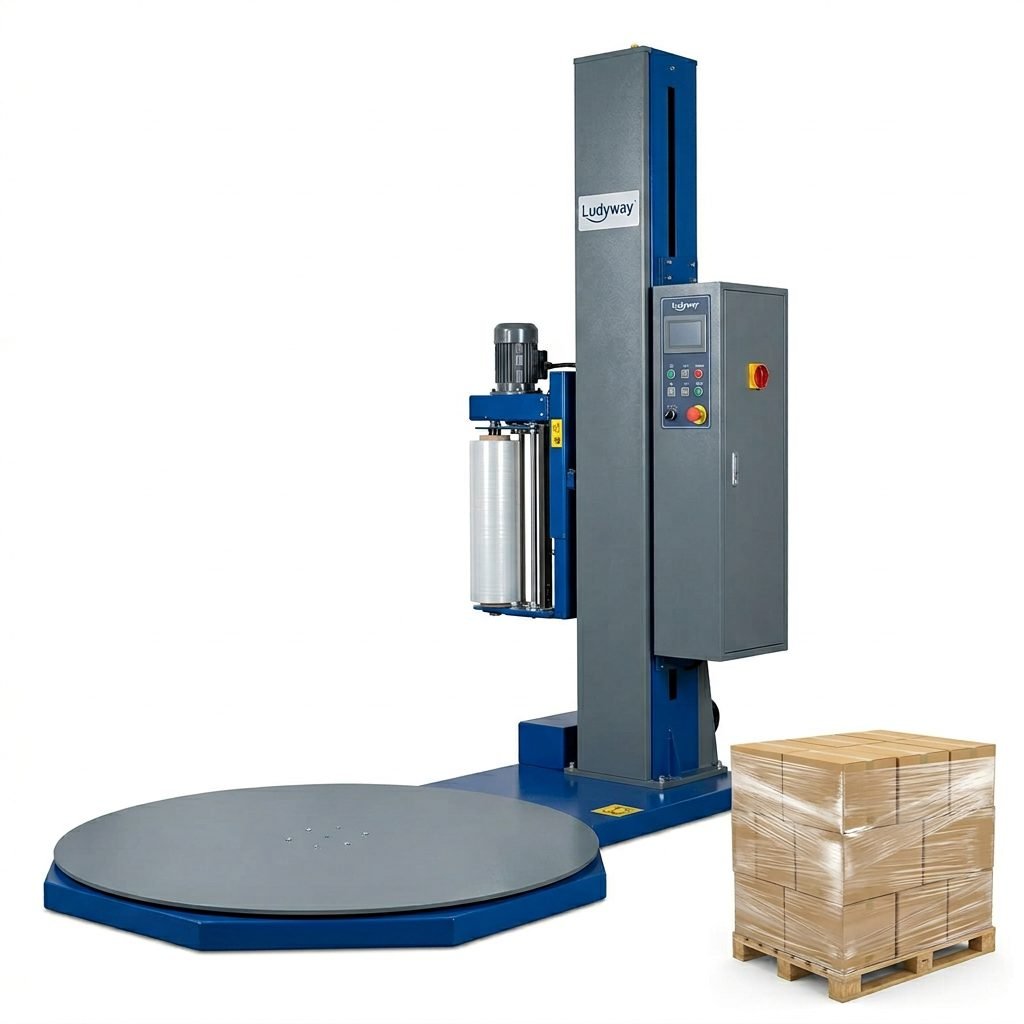
- Stretch wrapping for pallets and large industrial loads
In many factories, wrapper packing machines are part of a larger automation setup that may include feeding, coding, weighing, sealing, cartoning, and palletizing.
How Does a Wrapper Packing Machine Work?
Although machine structures vary, the basic working process is similar. The product enters the machine, wrapping material is fed into position, the product is enclosed, the package is sealed, and then it is discharged for the next stage.
Typical Working Steps
- Product feeding: Products are loaded manually or automatically by conveyor, counting system, or robotic feeder.
- Film unwinding: The wrapping film is pulled from a roll with controlled tension.
- Product positioning: Sensors or servo systems align the product with the packaging material.
- Wrapping formation: The film is folded or formed around the product.
- Sealing and cutting: Heat sealing jaws, crimpers, or ultrasonic systems close the package and separate it from the next unit.
- Discharge: Finished packs move to inspection, labeling, cartoning, or boxing.
Key Components
- Film roll holder
- Conveyor or infeed system
- Photoelectric sensor
- Forming section
- Sealing unit
- Cutting device
- Control panel or HMI
- Servo motors and PLC control
Main Types of Wrapper Packing Machines
| Machine Type | Best For | Typical Features |
|---|---|---|
| Flow Wrapper | Bakery, snacks, bars, medical items, daily products | High speed, pillow pack style, continuous sealing |
| Shrink Wrapper | Bottles, cans, cartons, bundled retail packs | Film wrapping plus heat tunnel shrink process |
| Overwrapping Machine | Premium boxes, perfume packs, pharmaceuticals | Neat folded corners, premium appearance |
| Stretch Wrapper | Pallet loads and heavy industrial transport | Load stabilization, logistics protection |
Industries That Use Wrapper Packing Machines
Food Industry
Food manufacturers use wrapping equipment for biscuits, bread, instant noodles, candy, frozen foods, seasoning sachets, snack bars, and multipacks. Hygienic design, stable sealing, and speed are especially important in this sector.
Pharmaceutical Industry
Pharmaceutical companies use wrapper machines for medical devices, sachets, test kits, wipes, and secondary packaging. Accuracy, compliance, traceability, and clean operation matter more than simple speed alone.
Cosmetics and Personal Care
Products such as masks, creams, wipes, soap bars, and sample sachets often need packaging that is both attractive and protective. Wrapper systems can help brands maintain product presentation while improving line efficiency.
Chemical and Household Products
Detergents, wipes, cleaners, and industrial consumables are often wrapped for retail sale or grouped for transport. In this area, film compatibility and sealing reliability are key considerations.
Benefits of Using a Wrapper Packing Machine
- Higher productivity through continuous and automated operation
- Consistent packaging quality with uniform seals and repeatable wrapping
- Reduced labor costs by minimizing manual handling
- Better product protection against dust, moisture, and handling damage
- Improved shelf appeal with clean, professional packaging
- Easy line integration with feeders, coding machines, cartoners, and conveyors
How to Choose the Right Wrapper Packing Machine
The right machine depends on your product, packaging format, output target, and factory layout. A low-cost machine that does not match your product can create sealing issues, downtime, and film waste. A better approach is to evaluate your needs in a structured way.
1. Understand Your Product Characteristics
- Product size and shape
- Single item or multi-pack
- Fragile, sticky, wet, sharp-edged, or irregular
- Need for hygienic or sterile handling
2. Define the Packaging Style
Choose whether you need pillow pack wrapping, shrink bundle wrapping, premium overwrapping, or pallet wrapping. The packaging style should match both your product protection needs and your market presentation goals.
3. Check Required Speed and Capacity
If you run large production volumes, look for servo-driven, high-speed automatic models. For smaller operations, a compact or semi-automatic machine may be more cost-effective.
4. Match the Film Material
Not every machine handles every film equally well. Confirm compatibility with materials such as OPP, BOPP, PE, laminated film, shrink film, or recyclable packaging film.
5. Evaluate Sealing Quality
Strong seals are essential for retail appearance and transport protection. If your products are sensitive, request sample testing before purchase.
6. Consider Automation Level
A machine with auto feeding, auto film tracking, coding, reject systems, and cartoning integration can reduce operator dependence and improve line stability.
7. Review Maintenance and Support
Reliable after-sales service, spare parts availability, and remote technical support are critical, especially for export buyers and growing production businesses.
| Selection Factor | Why It Matters | What to Ask |
|---|---|---|
| Product Type | Determines feeding and wrapping structure | Can the machine handle my shape and size range? |
| Output Speed | Affects productivity and ROI | How many packs per minute can it run stably? |
| Film Compatibility | Prevents sealing failure and waste | Which film types and thicknesses are supported? |
| Automation | Impacts labor and line integration | Can it connect to upstream and downstream equipment? |
| Service Support | Reduces downtime risk | What training, parts, and troubleshooting support are offered? |
Common Problems and How Good Machines Reduce Them
Not all wrapping machines perform the same way. Poor machine selection often leads to avoidable issues such as:
- Loose or wrinkled packs
- Weak seals
- Misaligned cutting
- Film tracking errors
- Frequent downtime
- High packaging material waste
Modern systems with servo control, accurate sensors, and stable sealing assemblies can greatly reduce these problems and deliver more predictable packaging quality.
Should You Buy a Standalone Machine or a Complete Packaging Line?
If your packaging needs are simple, a standalone wrapper may be enough. But if you need feeding, weighing, filling, coding, inspection, cartoning, case packing, and palletizing, a complete packaging line is often the better long-term investment.
Manufacturers looking for scalable automation often prefer integrated systems from experienced suppliers such as Ludyway wrapper packing machine solutions, especially when the project involves custom line configuration across food, pharmaceutical, health supplement, or daily-use product applications.
Questions to Ask Before Buying
- What products and pack sizes will the machine run today and in the future?
- What is the actual stable speed, not just the maximum speed?
- Can the machine be adjusted quickly for different SKUs?
- Is sample testing available before order confirmation?
- What spare parts are included?
- How is installation and operator training handled?
- Can the system connect to coding, cartoning, and palletizing equipment later?
Final Buying Insight
A wrapper packing machine is much more than a film-wrapping device. It is a productivity tool that affects packaging quality, labor efficiency, product protection, and customer perception. The best choice is the one that fits your real product conditions, desired speed, packaging material, and expansion plans.
If you compare machine type, sealing method, automation level, and supplier support carefully, you will be in a much better position to choose a system that performs reliably for years.