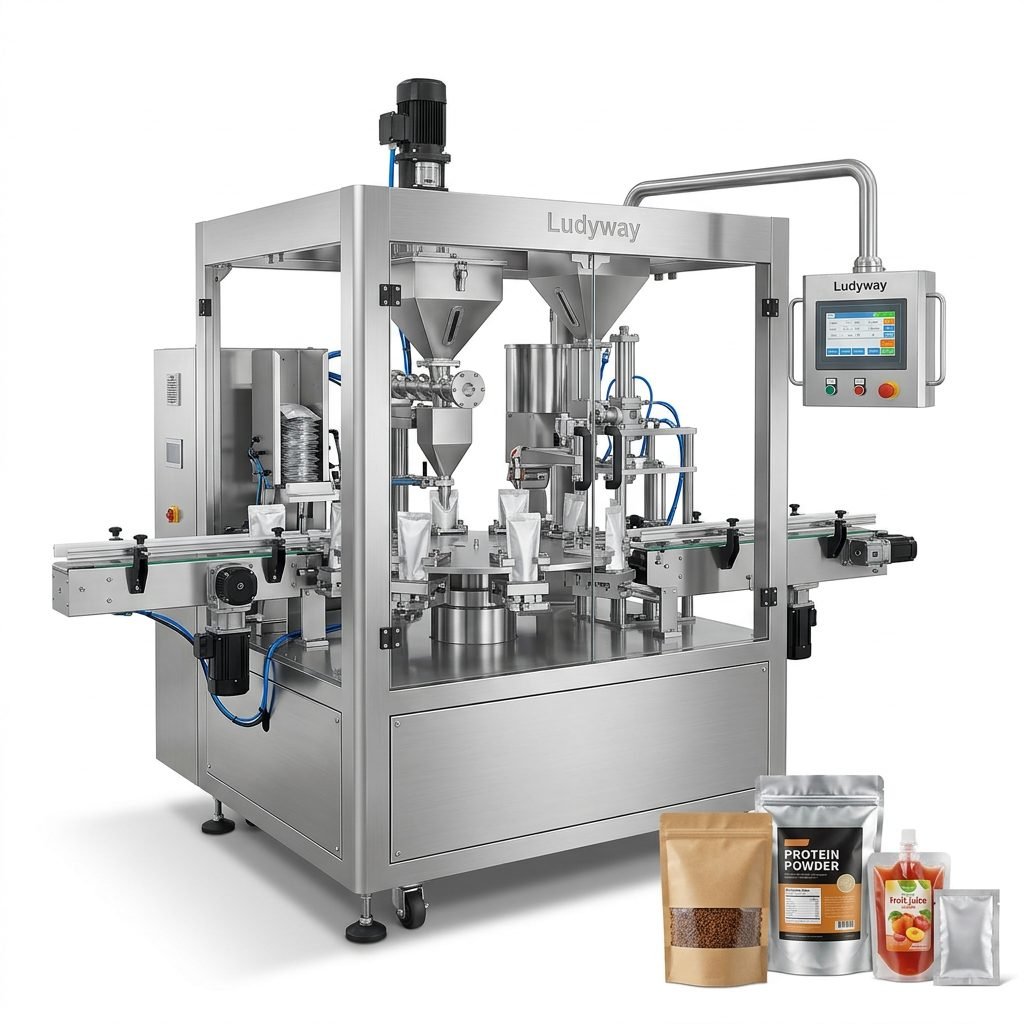
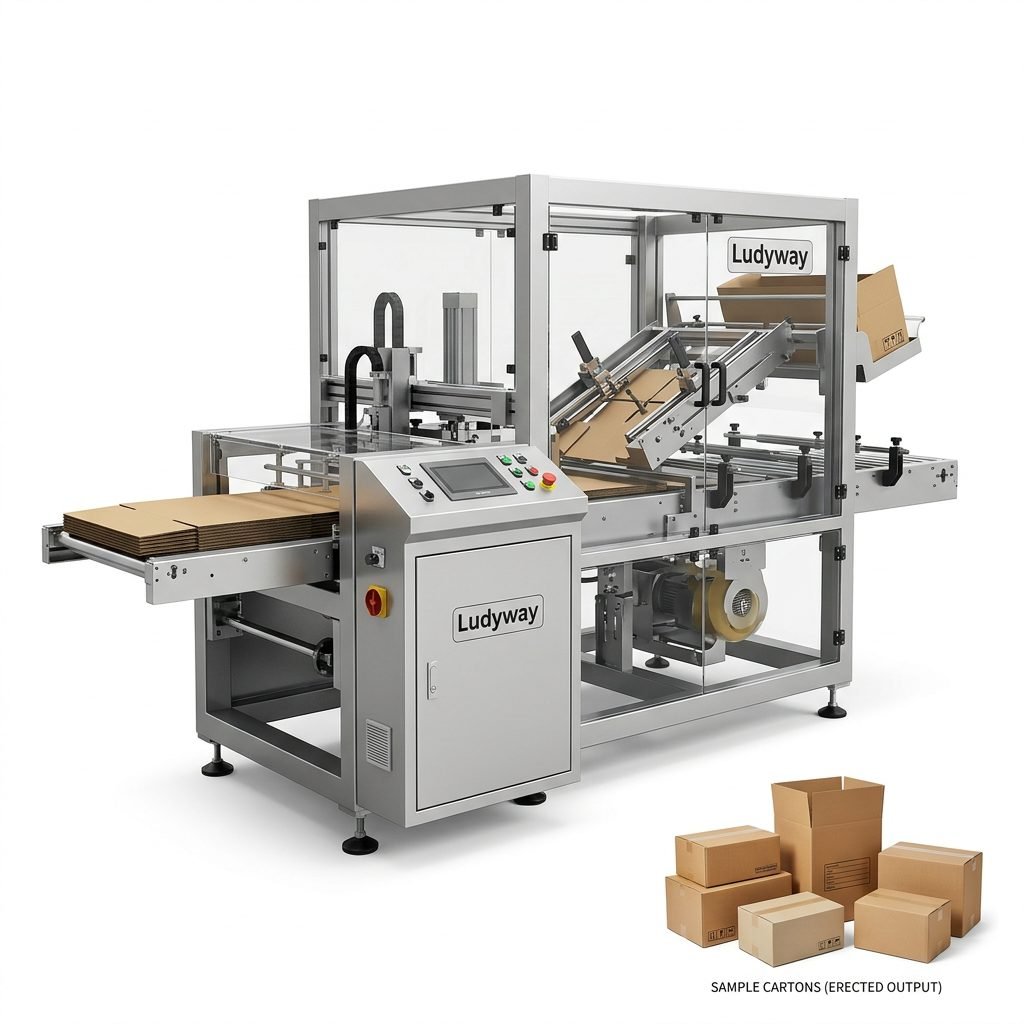
Choosing the best filling system for granule packaging is not about finding a single “universal” machine. The right solution depends on your product characteristics, pack format, target output, accuracy requirements, hygiene standards, and future expansion plans. Granules can behave very differently from one product to another—fine sugar, coffee granules, seeds, seasoning blends, pet nutrition particles, and pharmaceutical granules all require different dosing strategies.
If you select the wrong filling system, you may face underweight packs, material breakage, dust issues, unstable sealing, unnecessary downtime, and higher operating costs. If you select the right one, you improve consistency, productivity, and profitability.
What Is a Granule Filling System?
A granule filling system is the dosing and discharge section of a packaging machine that measures a target amount of granular product and fills it into a package such as a sachet, stick pack, pouch, bottle, jar, or large bag. Depending on the application, the system may use:
- Volumetric cups for stable, free-flowing granules
- Linear weighers or multihead weighers for higher accuracy and speed
- Auger-assisted or hybrid systems for products with mixed powder-and-granule behavior
- Counting or special dosing systems for irregular shaped pieces or fragile granules
The filling system must work in balance with feeding, bag forming, sealing, coding, inspection, and downstream packing equipment.
Why Filling System Selection Matters So Much
Granules may seem easier to package than liquids or sticky pastes, but in practice they present many challenges. Particle size distribution, dust content, moisture sensitivity, and flow variation can all affect performance.
- Accuracy affects profitability — Overfilling wastes product; underfilling risks customer complaints and compliance issues.
- Flow behavior affects machine stability — Some granules flow smoothly, while others bridge, clump, or separate during feeding.
- Granule integrity affects product quality — Fragile particles can break under vibration, compression, or drop impact.
- Dust control affects sealing and sanitation — Fine particles can contaminate seals and reduce pack appearance.
- Format compatibility affects line efficiency — A system suitable for bottles may not be ideal for sachets or multi-lane stick packs.
Main Types of Filling Systems for Granule Packaging
1. Volumetric Cup Filling
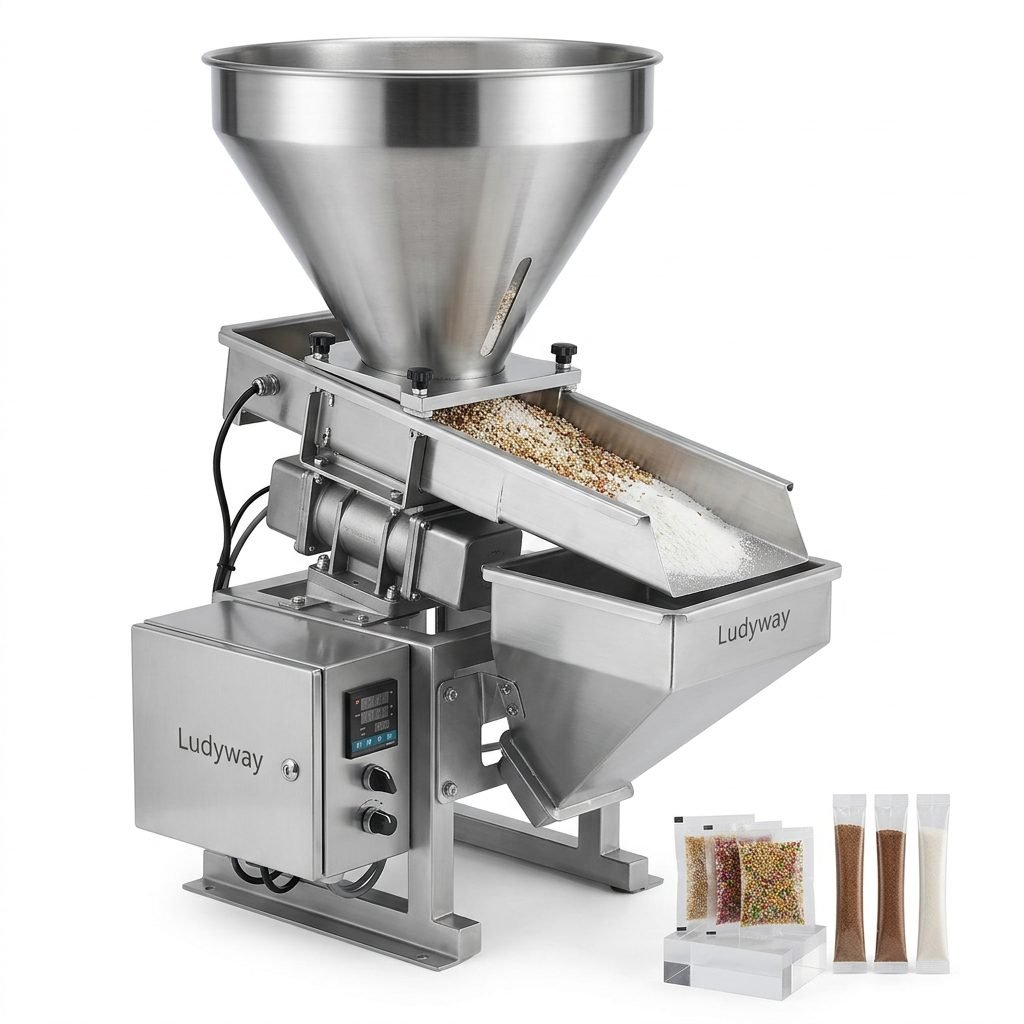
Volumetric cup fillers measure product by volume rather than weight. They are widely used for free-flowing, uniform granules such as sugar, salt, desiccant beads, rice granules, and some seeds.
Best for: consistent bulk density products, moderate-to-high speed applications, cost-sensitive projects.
- Simple structure
- Lower investment cost
- Easy maintenance
- Good speed performance
- Less ideal when bulk density changes frequently
2. Linear Weigher Filling
Linear weighers measure product by weight using one or more weighing heads. They are more accurate than cup fillers and suitable for many food, pharma, and chemical granules.
Best for: granules requiring better accuracy, moderate speed, and flexible SKU changes.
- Better weight control
- Suitable for varied products
- Easier recipe adjustment
- Can handle irregular flow better than simple cup systems
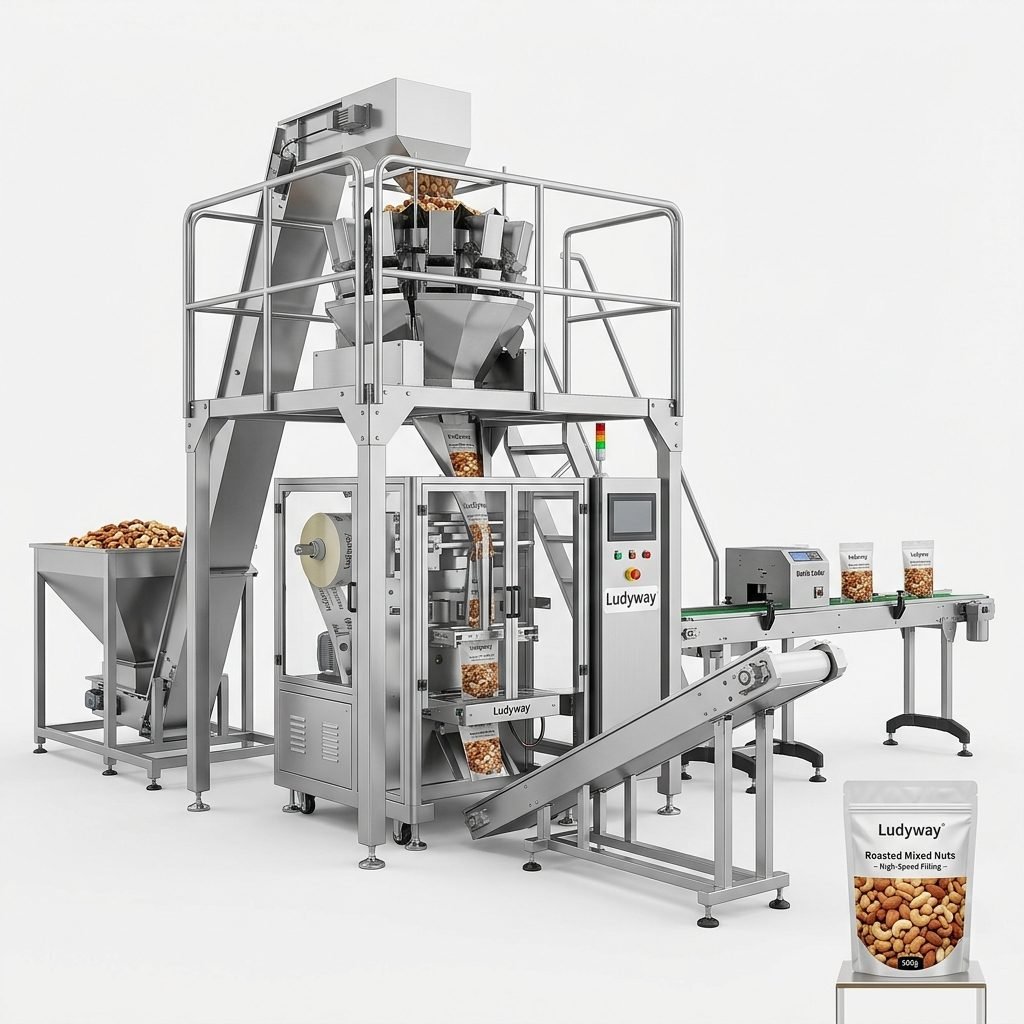
3. Multihead Weigher Filling
Multihead weighers combine multiple weigh hoppers to calculate the best combination for target weight. They are widely used in premium food and high-speed packaging operations.
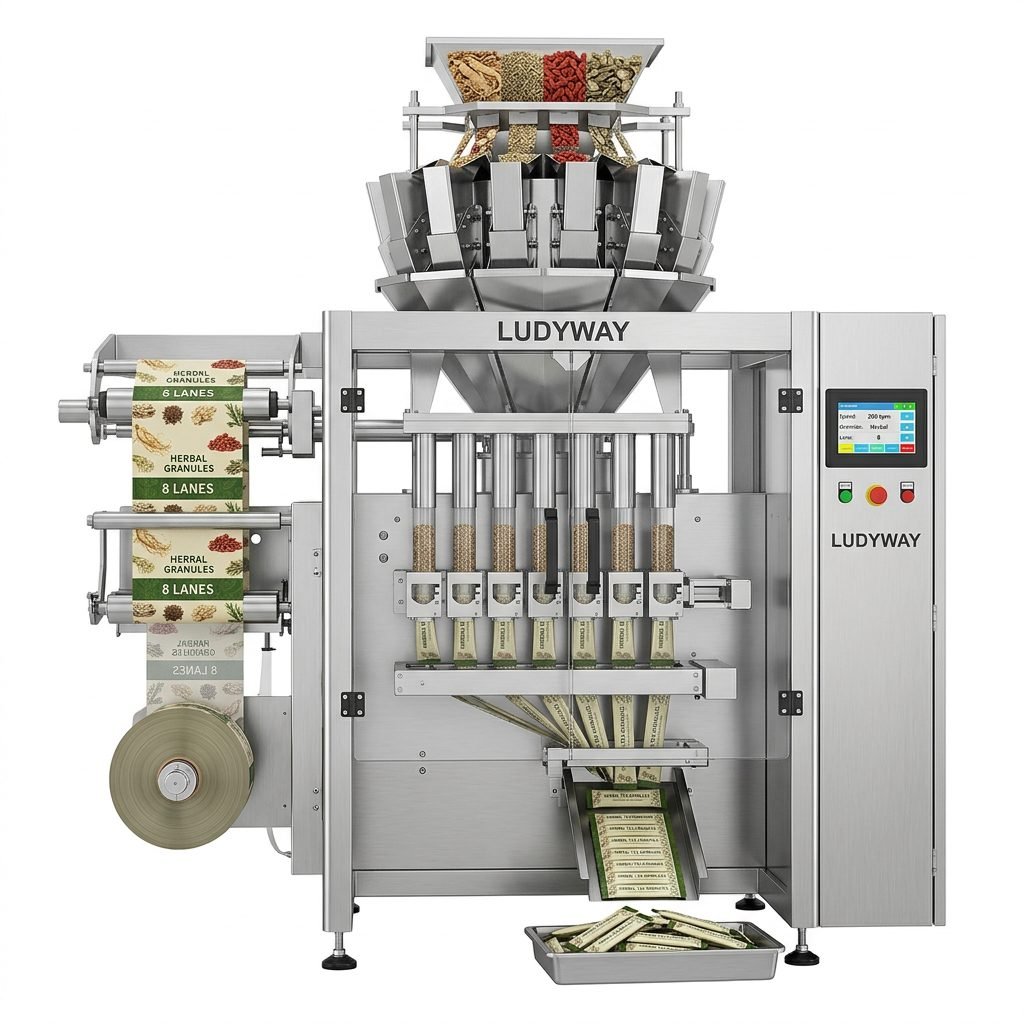
Best for: high-speed production, high-accuracy dosing, mixed snacks, premium granules, and fragile products when properly configured.
- Excellent speed and precision
- Strong flexibility for product variations
- Ideal for complex granule mixes
- Higher equipment cost
- Requires more installation space
4. Auger or Hybrid Filling for Difficult Granules
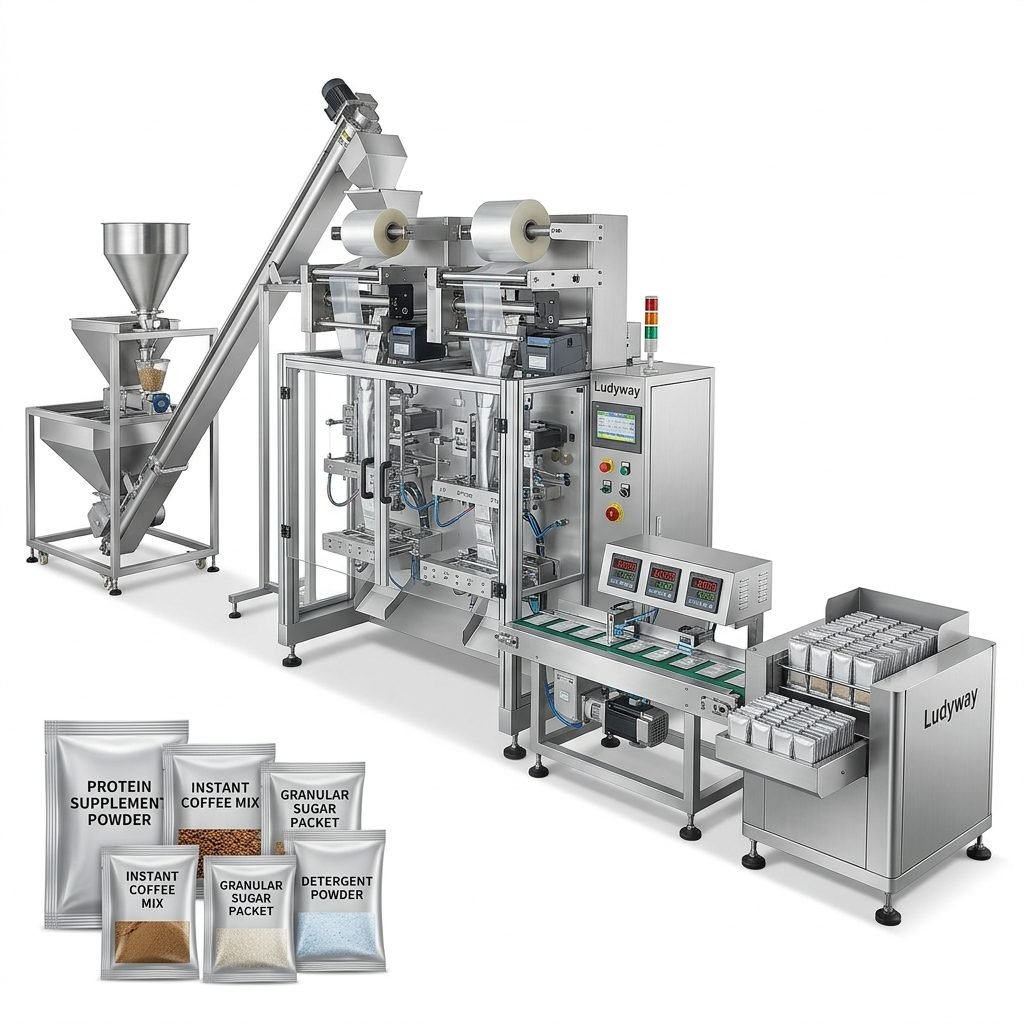
Some products are not purely granular. Instant drink mixes, medical granules, supplement blends, and seasoning formulas may contain both powder and granules. In these cases, a hybrid system may perform better than a standard granule filler.
Best for: semi-free-flowing products, powder-granule blends, dusty formulations, and products with inconsistent density.
5. Net Weigh or Gross Weigh Bagging Systems
For larger packs such as 5kg, 10kg, 25kg, or 50kg bags, industrial bagging systems use load cells and heavy-duty feeding devices. These are common in fertilizer, feed, grains, and chemical granules.
Best for: bulk granule packaging and heavy-duty industrial operations.
| Filling System | Accuracy | Speed | Best Product Type | Cost Level |
|---|---|---|---|---|
| Volumetric Cup | Medium | High | Uniform, free-flowing granules | Low to Medium |
| Linear Weigher | Medium to High | Medium | General food, pharma, chemical granules | Medium |
| Multihead Weigher | High | High | High-speed, premium, mixed or fragile granules | High |
| Auger/Hybrid | High | Medium | Powder-granule blends, difficult-flow products | Medium to High |
| Net/Gross Weigh Bagging | High | Medium | Bulk bags and heavy-duty industrial granules | Medium to High |
How to Choose the Right Filling System
Understand Your Product Flow Behavior
Start with the material itself. Ask these questions:
- Are the granules free-flowing or sticky?
- Are particles uniform or mixed in size?
- Does the product create dust?
- Is it fragile and easy to break?
- Does it absorb moisture easily?
- Does bulk density change from batch to batch?
A free-flowing sugar crystal and a fragile herbal granule should not automatically use the same filling approach.
Match the System to the Packaging Format
Your packaging format often narrows the machine options quickly:
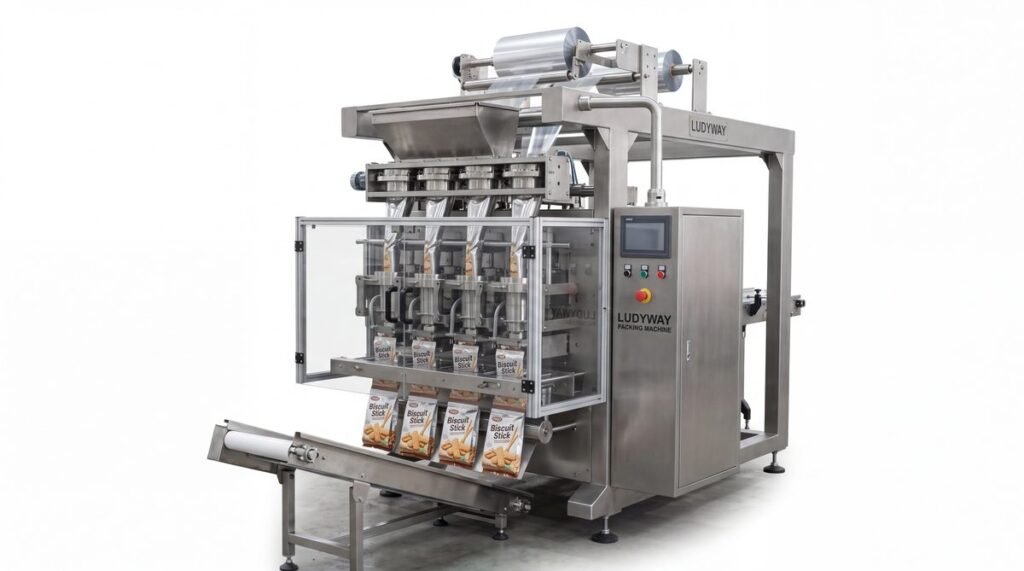
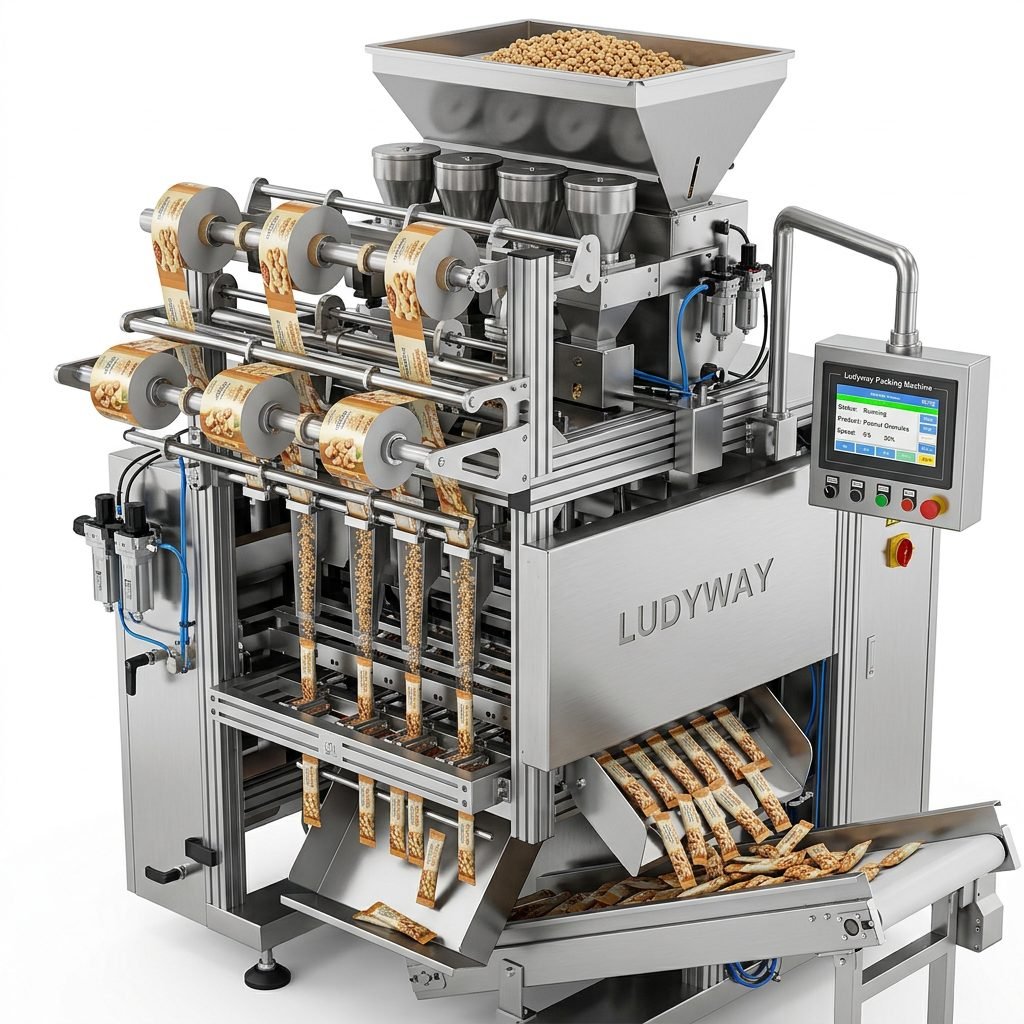
- Stick packs and sachets: compact, precise filling is critical; multi-lane systems may be required for high output
- Pouches: can use weighers, cup fillers, or premade pouch systems depending on dose size
- Bottles and jars: stable indexing and dust control become especially important
- Large bags: heavy-duty weighing, clamping, and bag handling are needed
Define Your Accuracy Requirement
If your product is high-value, regulated, or sold in small-dose retail packs, accuracy matters more. Pharmaceutical granules, nutraceutical products, and premium ingredients usually justify weighing-based systems.
If your product is lower cost and flow is highly consistent, a volumetric system may provide a better return on investment.
Calculate Real Production Speed
Do not choose a machine based only on the maximum speed shown in a brochure. Real output depends on product flow, fill weight, pack size, film quality, changeover frequency, and operator skill.
A useful rule: choose a system that can meet your current demand at about 70–80% of its practical capacity, leaving room for growth and stable operation.
Consider Cleaning and Hygiene
Food, pharmaceutical, and health supplement applications often require quick cleaning, material-contact safety, and reduced dead corners. Stainless steel construction, dust extraction, easy disassembly, and hygienic design can strongly influence long-term performance.
Think About Integration, Not Just Filling
A filling device does not work alone. The best choice is the one that integrates smoothly with your full line, including:
- Feeding systems
- Form-fill-seal machines
- Premade pouch packers
- Checkweighers
- Metal detectors or X-ray inspection
- Coding and labeling systems
- Cartoning and case packing
- Palletizing and end-of-line automation
Best Filling System by Application
| Application | Recommended System | Reason |
|---|---|---|
| Sugar, salt, MSG, simple food granules | Volumetric cup or linear weigher | Good flow, cost-effective dosing |
| Coffee granules, drink mixes, supplements | Linear weigher or hybrid system | Better accuracy and adaptability |
| Snack mixes, nuts, freeze-dried pieces | Multihead weigher | High speed with gentle and precise dosing |
| Pharmaceutical granules | High-accuracy linear or specialized dosing system | Compliance, consistency, traceability |
| Seeds, fertilizer, feed, chemical granules | Weighing or bulk bagging system | Rugged handling and industrial capacity |
When a Multi-Lane Granule Packaging System Makes Sense
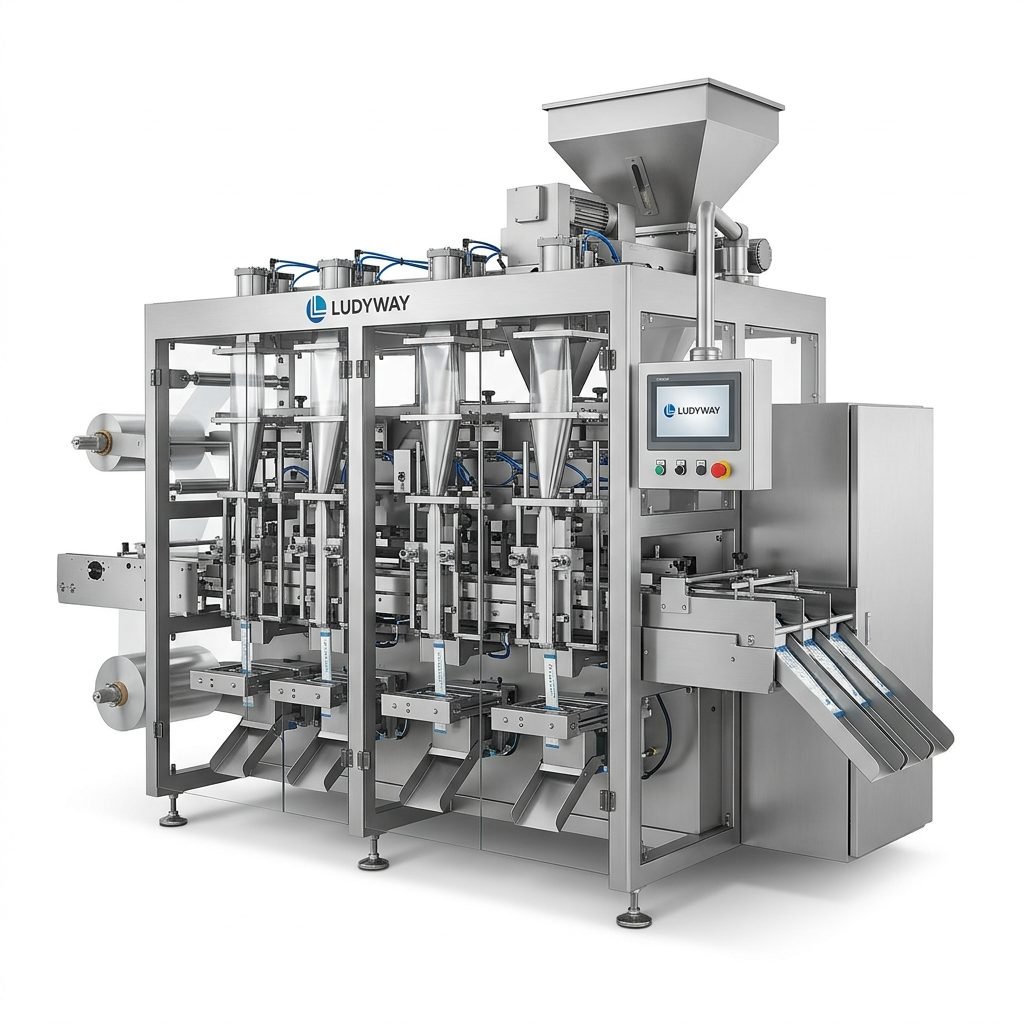
If you produce small retail packs such as stick packs or sachets at high volume, a multi-lane packaging system is often the most efficient option. It allows multiple packs to be formed, filled, and sealed simultaneously, greatly increasing throughput while keeping footprint relatively compact.
This is especially useful for:
- Instant beverages
- Coffee granules
- Sugar and sweetener sachets
- Pharmaceutical granules
- Herbal products
- Nutritional supplements
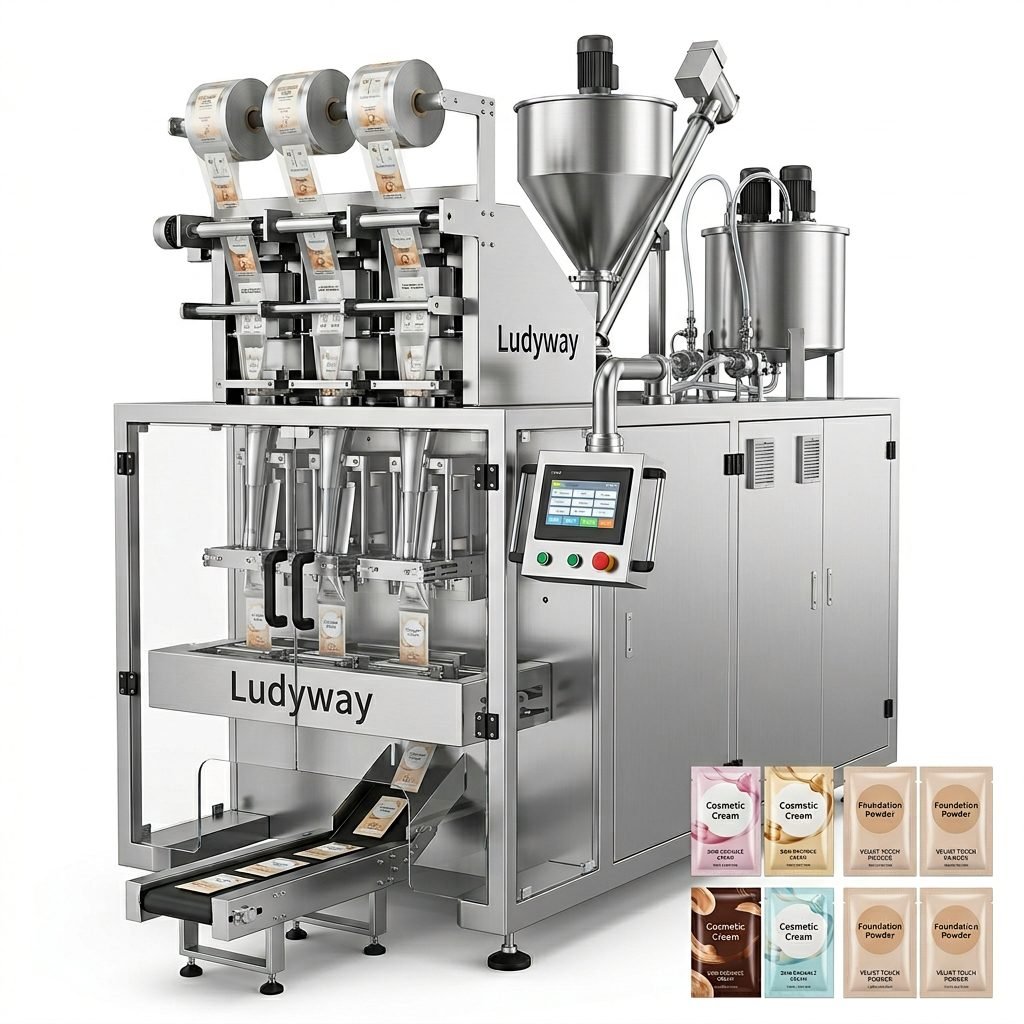
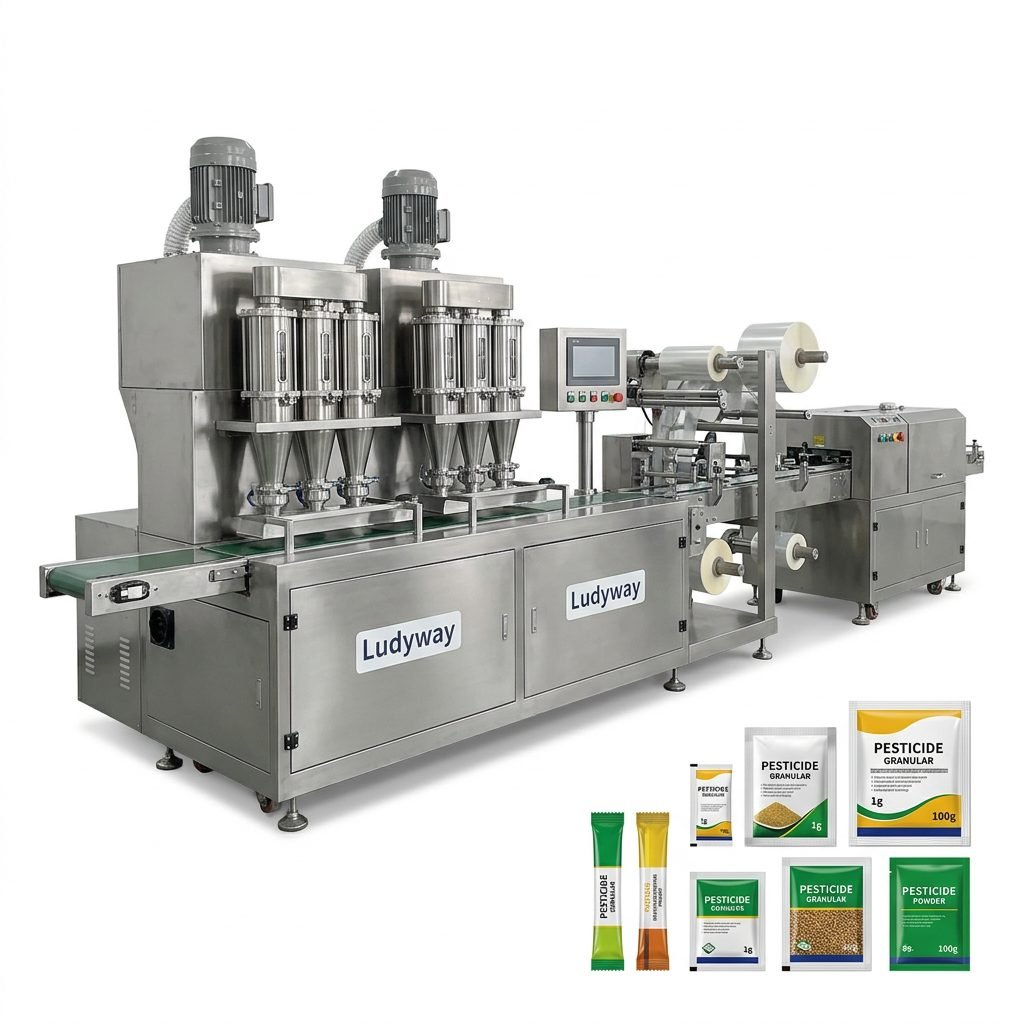
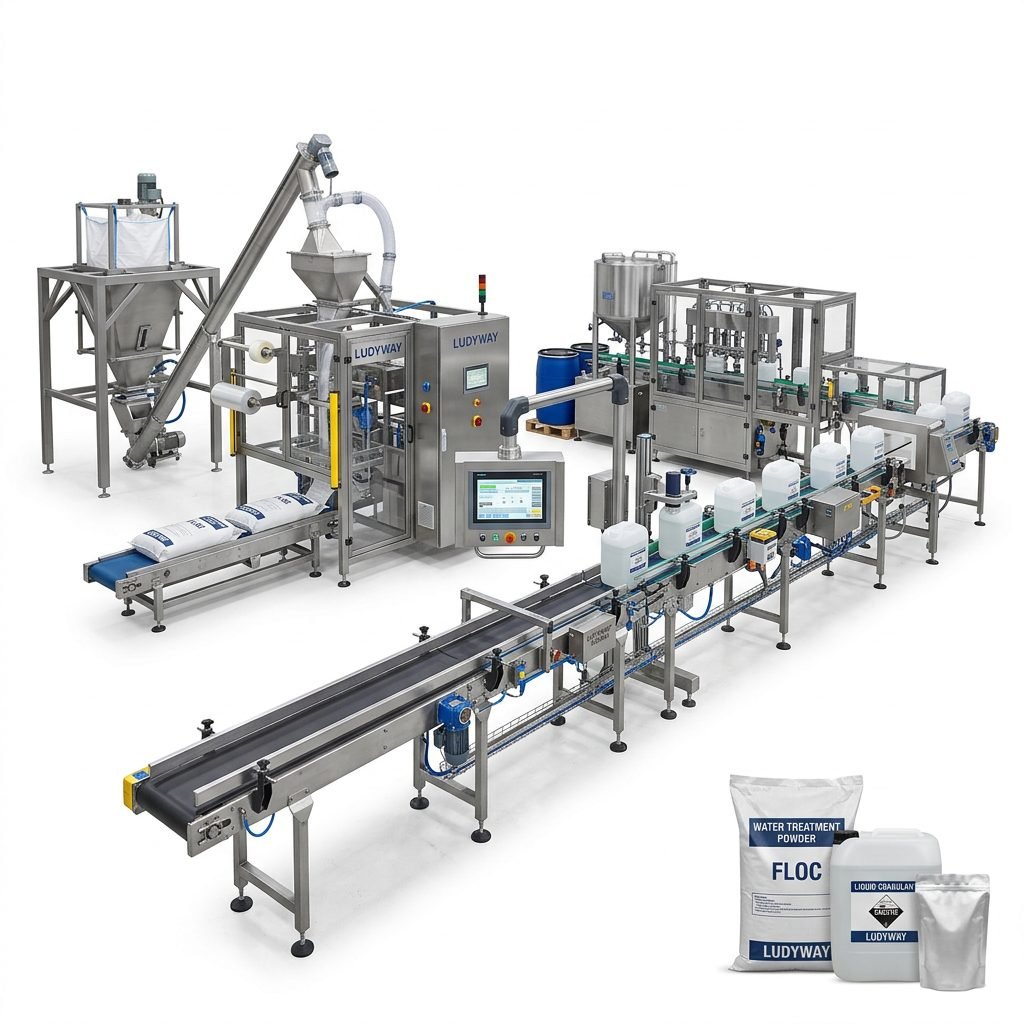
For businesses looking for scalable equipment and integrated line solutions, Ludyway granule packaging machine solutions are often considered for sachet, stick pack, pouch, and turnkey packaging line applications across food, pharmaceutical, health supplement, chemical, and related sectors.
Common Mistakes Buyers Make
- Choosing based on price alone instead of total operating cost
- Ignoring product flow testing before purchase
- Underspecifying speed and needing expansion too soon
- Overspecifying automation for a low-volume startup
- Forgetting dust control and seal contamination issues
- Not planning for format changes or new SKUs
- Buying a filler without considering line integration
Questions to Ask Before You Buy
- What products will I run now and in the next 2–3 years?
- What are the fill weight range and tolerance requirements?
- How many packs per minute do I actually need?
- Will the product create dust, segregation, or breakage?
- What packaging format will I use?
- How important are washdown, hygiene, and fast changeover?
- Will I need coding, inspection, cartoning, or palletizing later?
- Can the supplier test my sample product before final selection?
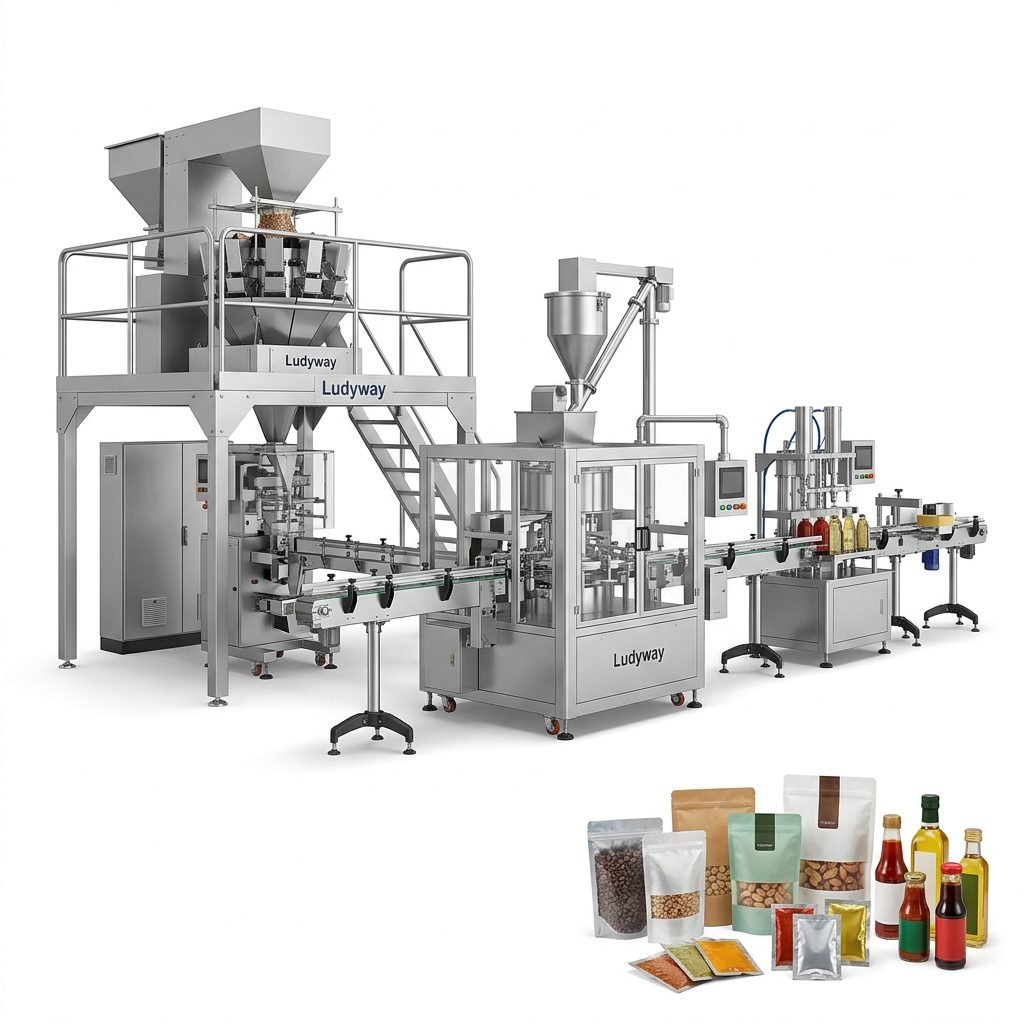
Which Filling System Is Best Overall?
There is no single best filling system for every granule packaging project. The best choice depends on your specific operating priorities:
- Best for low cost and simple products: volumetric cup filler
- Best balance of flexibility and accuracy: linear weigher
- Best for high speed and premium precision: multihead weigher
- Best for difficult mixed-flow materials: hybrid or specialized dosing system
- Best for heavy bags and industrial bulk filling: net/gross weigh bagging system
Quick Decision Guide
If your granules are uniform and free-flowing, start by evaluating volumetric or linear systems. If you need higher accuracy or wider SKU flexibility, move toward weighing solutions. If you need high-speed small retail packaging, especially stick packs or sachets, a multi-lane machine with an appropriate weighing or cup-filling system is often the strongest option.
Final Buying Advice
The smartest way to choose a granule filling system is to base the decision on real product testing, packaging goals, and long-term production planning. Instead of asking only “Which machine is cheapest?” ask “Which system will give me stable output, accurate fills, easier operation, and room to grow?”
That approach will help you select a solution that performs reliably not just on day one, but for years of production.