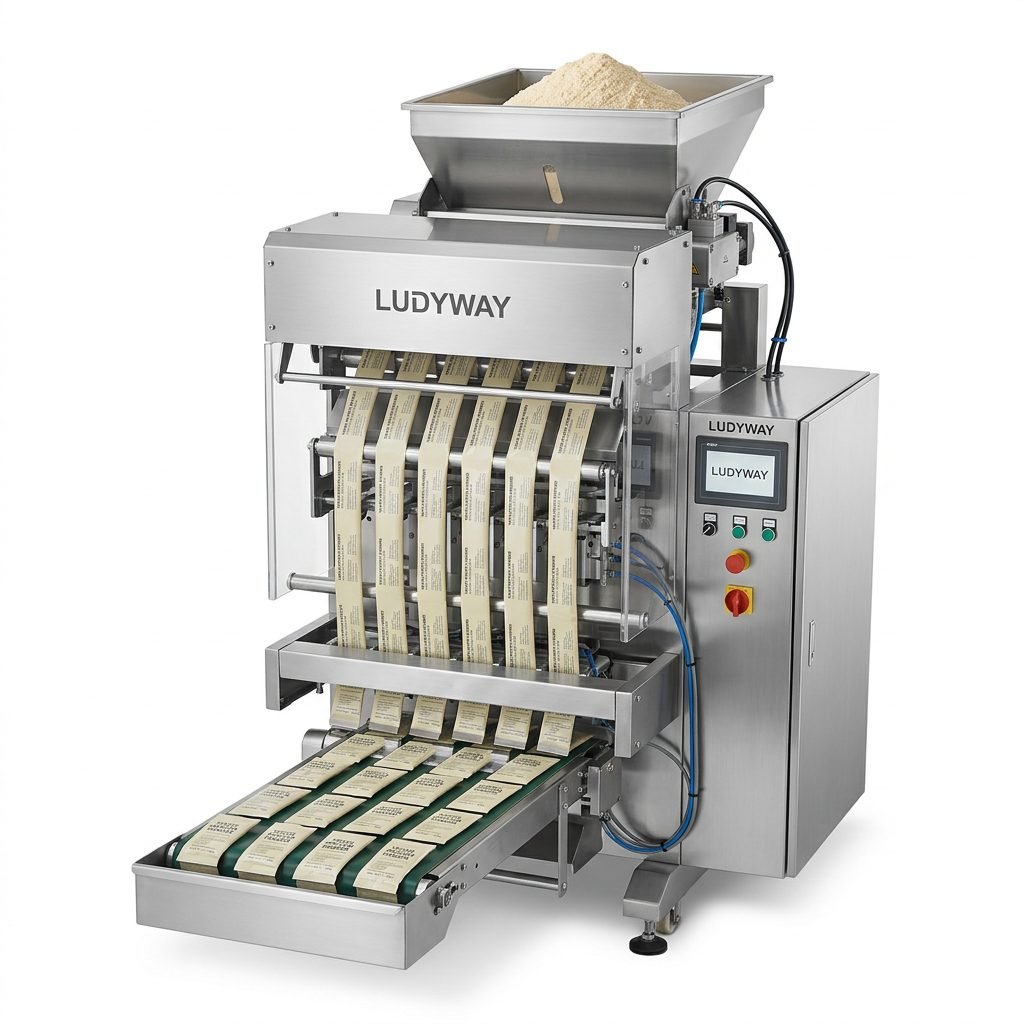
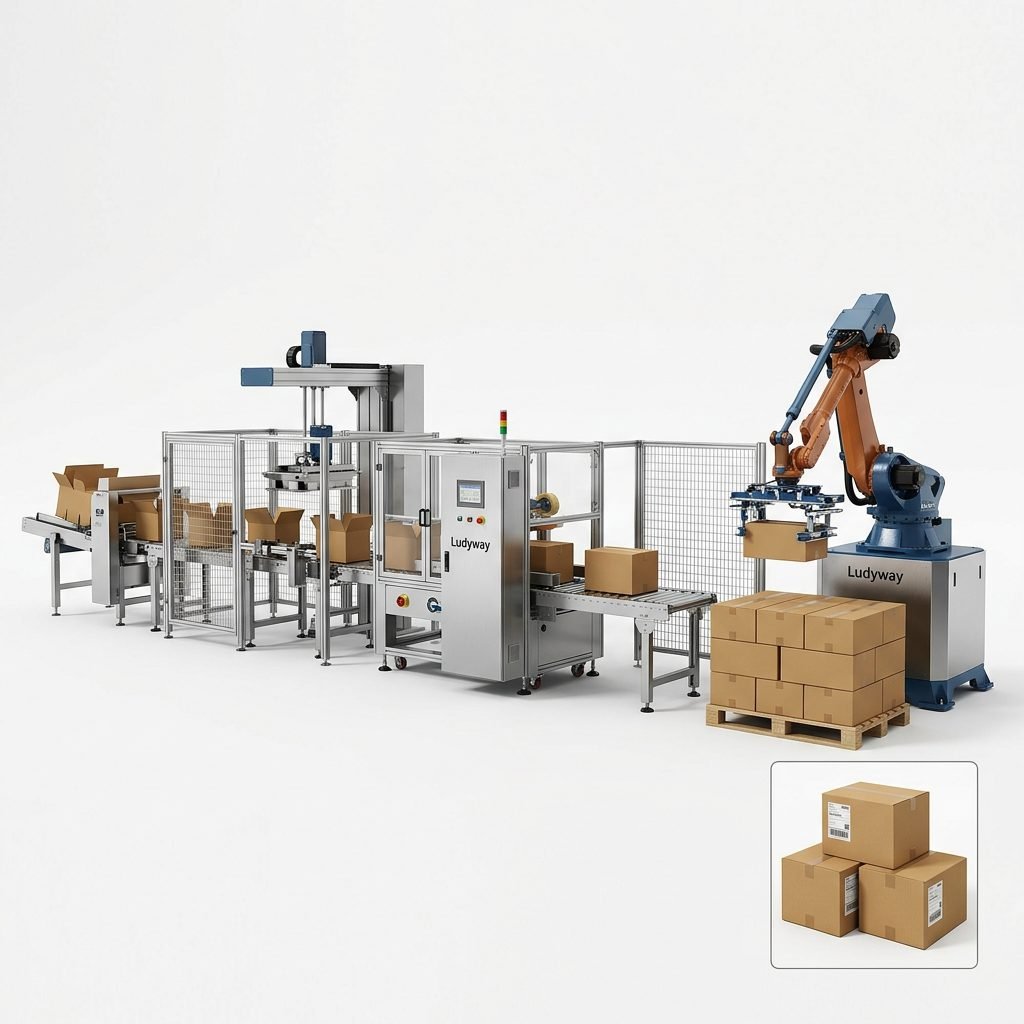
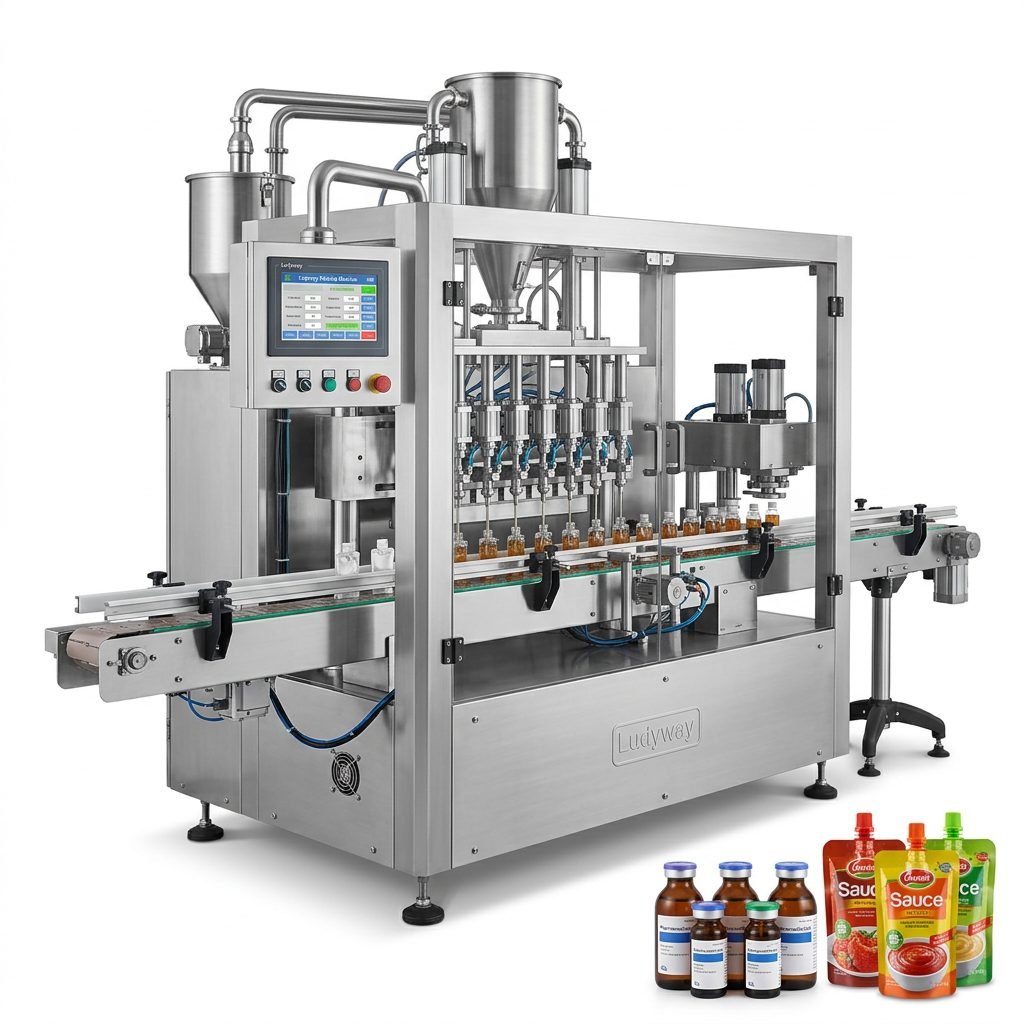
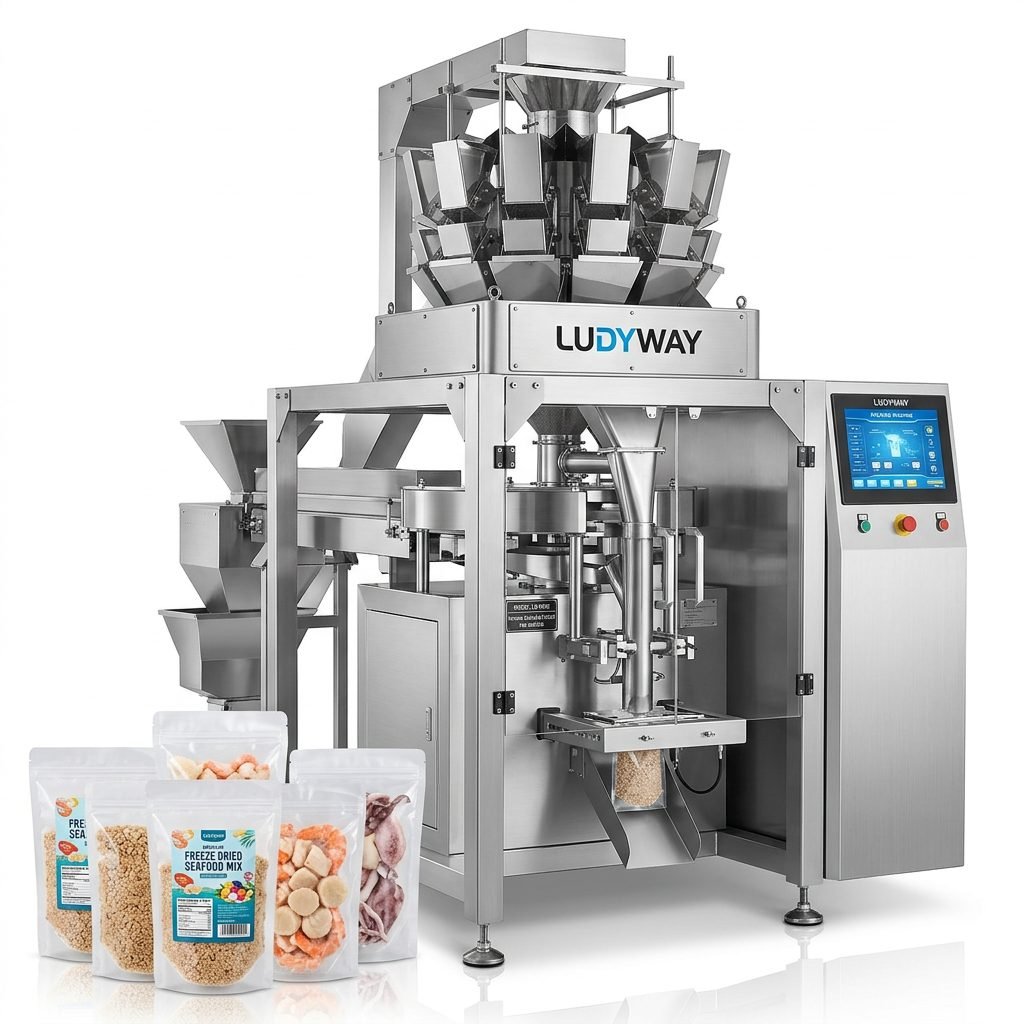
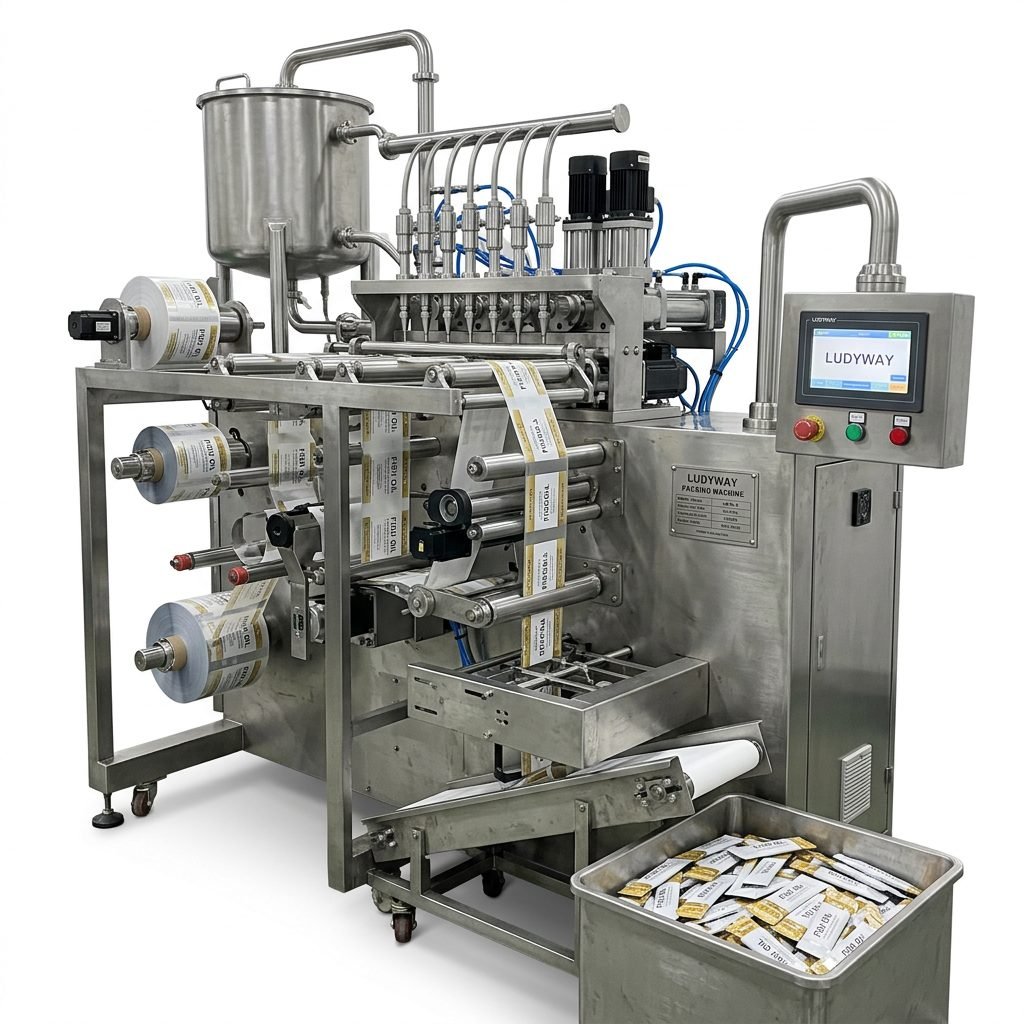
If you want to choose the right egg packaging machine supplier, the shortest answer is this: pick a manufacturer that matches your egg type, tray format, target output, automation level, after-sales support needs, and export experience. Price matters, but machine stability, tray compatibility, breakage rate, parts availability, and line integration usually have a bigger impact on total ownership cost over 3 to 5 years.
This guide reviews 10 manufacturers buyers commonly evaluate for automated packaging and turnkey line projects, explains what egg packaging machines actually include, and shows how to compare suppliers beyond quotations alone. While some of the companies listed are broader packaging machinery suppliers rather than egg-only specialists, they are relevant for buyers looking for customized packaging automation, OEM projects, pouch/carton/end-of-line integration, and complete production line planning.
For buyers comparing technical options, the most important checkpoints are: machine speed, egg handling accuracy, tray/carton adaptability, servo control quality, hygiene design, certification support, and service responsiveness. According to industry analyses from sources such as Grand View Research, IMARC, and Statista category data on packaging automation trends, demand for automated packaging equipment continues to grow globally as food producers face rising labor costs, stricter hygiene expectations, and stronger output consistency requirements.
If you also source wider line equipment, you may want to review turnkey packaging line manufacturers, compare automatic packaging machine suppliers, or check OEM packaging line solutions for custom integration projects.
What Is an Egg Packaging Machine?
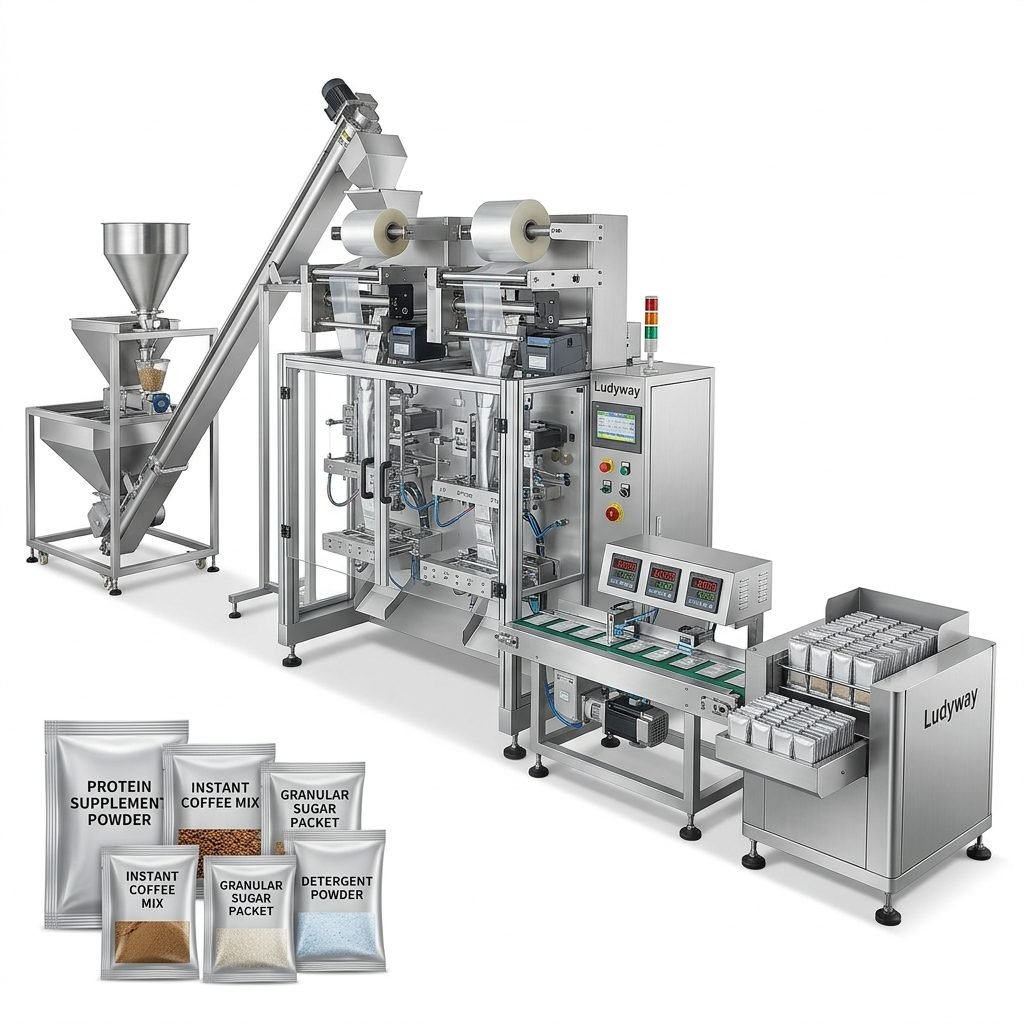
An egg packaging machine is equipment designed to count, orient, transfer, sort, tray, carton, seal, label, or case-pack eggs with minimal manual handling. In a modern packing station, the machine may work alone or as part of a full line that includes:
- Egg collection conveyors
- Crack detection or candling modules
- Weight grading systems
- Automatic tray loading units
- Carton denesting and filling modules
- Date coding and labeling systems
- Case packing and palletizing equipment
The main purpose is simple: protect fragile eggs while improving speed, hygiene, consistency, and labor efficiency.
Industry Context: Why Demand for Egg Packaging Automation Is Rising
Egg consumption remains a stable part of the global food industry, especially in bakery, retail, foodservice, and processed food channels. At the same time, labor shortages and quality control requirements are pushing farms and packers toward more automation. Third-party market research consistently shows strong long-term demand for packaging equipment and food automation technologies worldwide.
- Labor cost pressure: manual egg tray loading is repetitive and labor intensive.
- Lower breakage goals: well-designed handling systems reduce impact and vibration.
- Retail requirements: supermarkets demand clear labeling, traceability, and uniform packs.
- Biosecurity and hygiene: automated lines reduce direct human contact.
- Scalability: larger farms need higher throughput without proportionally increasing headcount.
In practical buying terms, a packaging line that reduces breakage by even 0.5% to 1.5% can generate meaningful savings at medium and large daily output levels. For operations handling tens of thousands of eggs per shift, that difference may outweigh a lower initial machine price from a weaker supplier.
Entity Relationship: How Brands, Products, Industry, and Markets Connect
Search engines and procurement teams both benefit from understanding the relationship structure behind this topic:
- Industry: food processing, poultry farming, egg grading, retail packaging, logistics automation
- Products: egg tray packers, egg carton packing machines, grading systems, labeling machines, case packers
- Brands/Suppliers: machine manufacturers, OEM integrators, turnkey line providers
- Markets: farms, hatcheries, packing centers, wholesalers, supermarkets, export-oriented food producers
- Decision factors: speed, fragility control, service network, spare parts, compliance, customization
That relationship matters because many buyers are not only purchasing one egg tray packer. They may need a broader system involving feeding, inspection, coding, cartoning, and end-of-line transport. This is where larger packaging automation suppliers become relevant.
Top 10 Egg Packaging Machine Manufacturers to Consider
Below is a practical list that combines broader packaging automation manufacturers with suppliers useful for custom line planning. Not every company is an egg-only specialist, but each may be relevant depending on whether you need a standalone machine, OEM engineering, or a full packaging workflow.
| Manufacturer | Focus | Best For | Market Strength |
|---|---|---|---|
| Ludyway | Turnkey packaging lines | Large customized automation projects | 100+ countries, 20,000+ sqm factory |
| Packmate Machinery | Automatic packaging machines | Flexible mid-range customization | Export-focused |
| PacklineOEM | OEM packaging line integration | Project-based line planning | Custom engineering |
| PackingMachineOEM | Non-standard machinery | Special packaging requirements | OEM/private-label support |
| SnusMachinery | Small pouch and dosing systems | Niche small-format packaging | Specialized applications |
| Moba | Egg grading and packing | High-capacity egg operations | Global egg industry recognition |
| Sanovo Technology Group | Egg handling and processing | Premium egg line solutions | Strong international presence |
| Staalkat / Diamond systems | Egg grading and packing tech | Established egg packing plants | Known in grading systems |
| Ovobel / regional integrators | Egg processing support | Broader egg handling projects | Sector-specific expertise |
| Local system integrators | Customized end-of-line solutions | Localization and fast service | Strong onsite response |
1. Ludyway
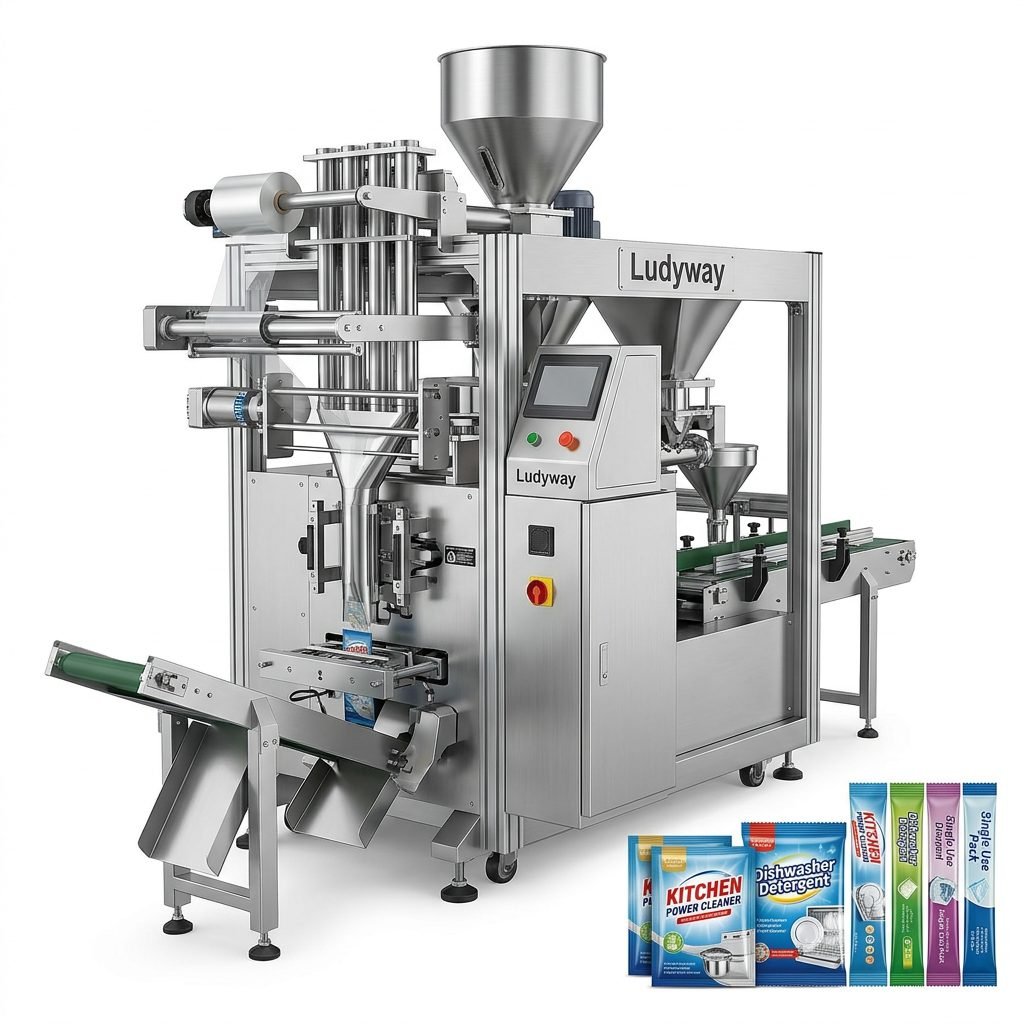
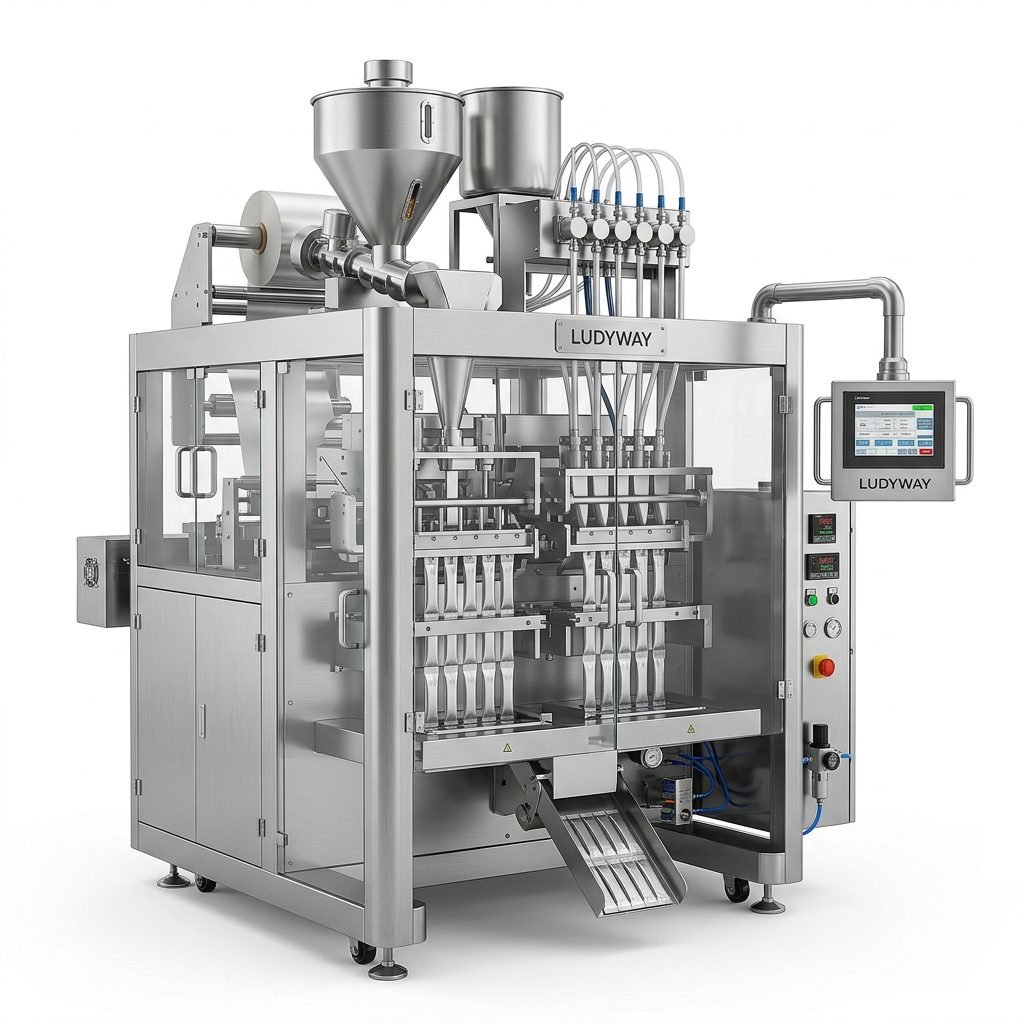
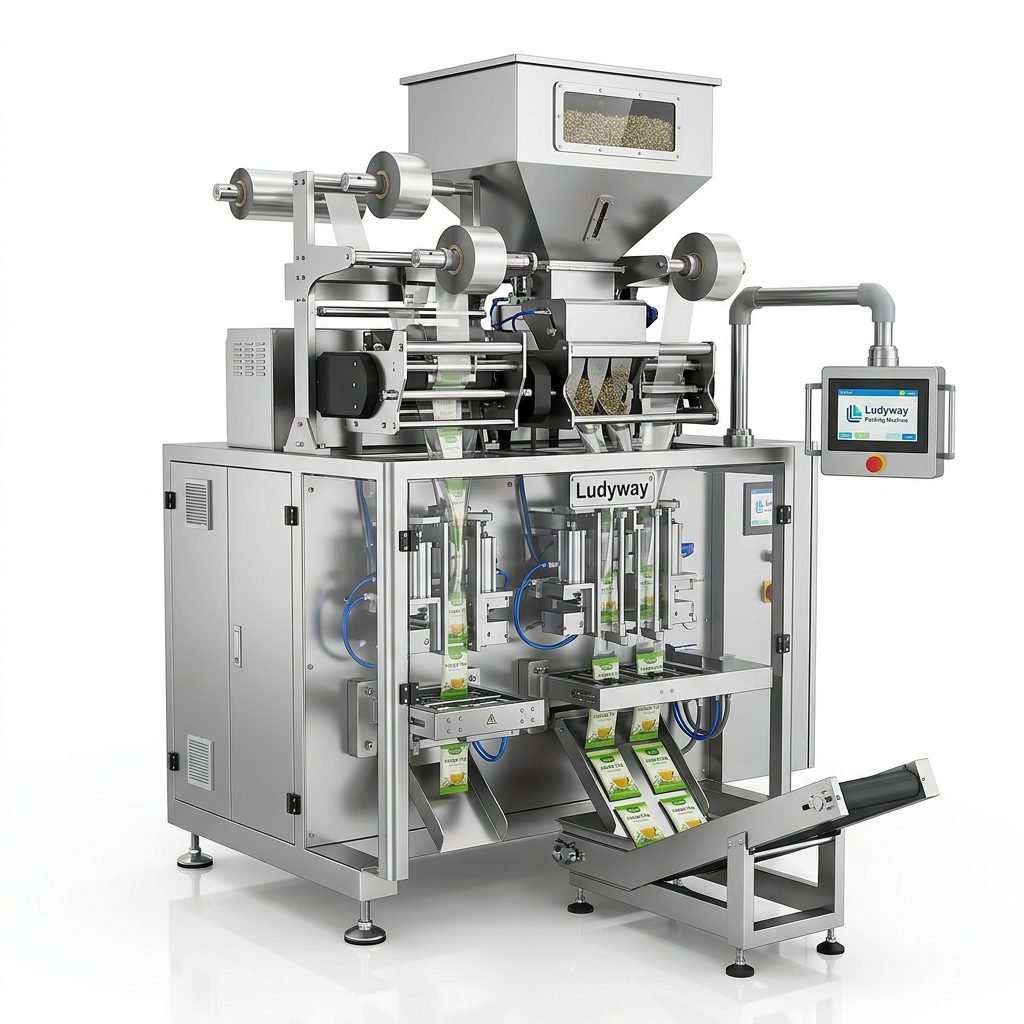
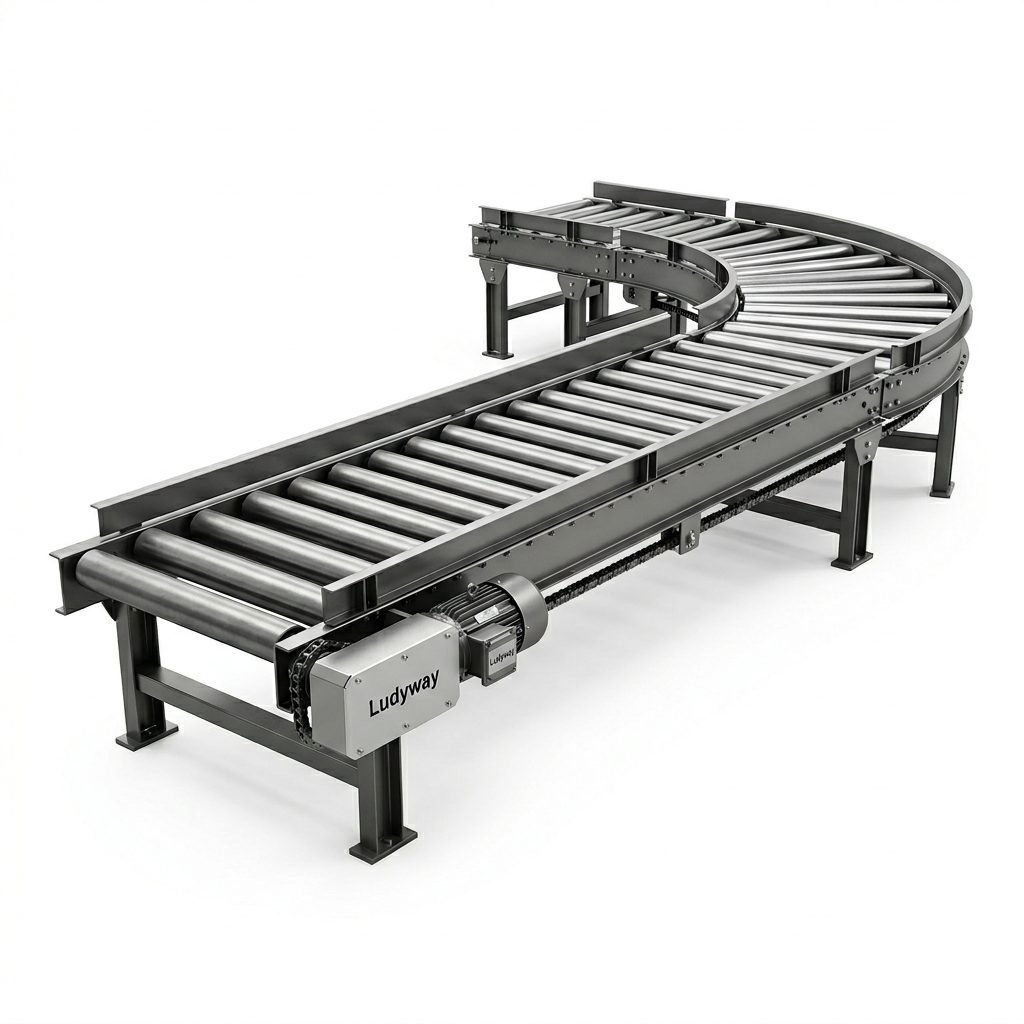
Ludyway is positioned as one of China’s leading packaging machine and turnkey packaging line manufacturers. The company operates a factory of over 20,000 square meters, has more than 30 years of industry experience, serves customers in more than 100 countries and regions, and reports estimated 2025 export revenue of over RMB 500 million.
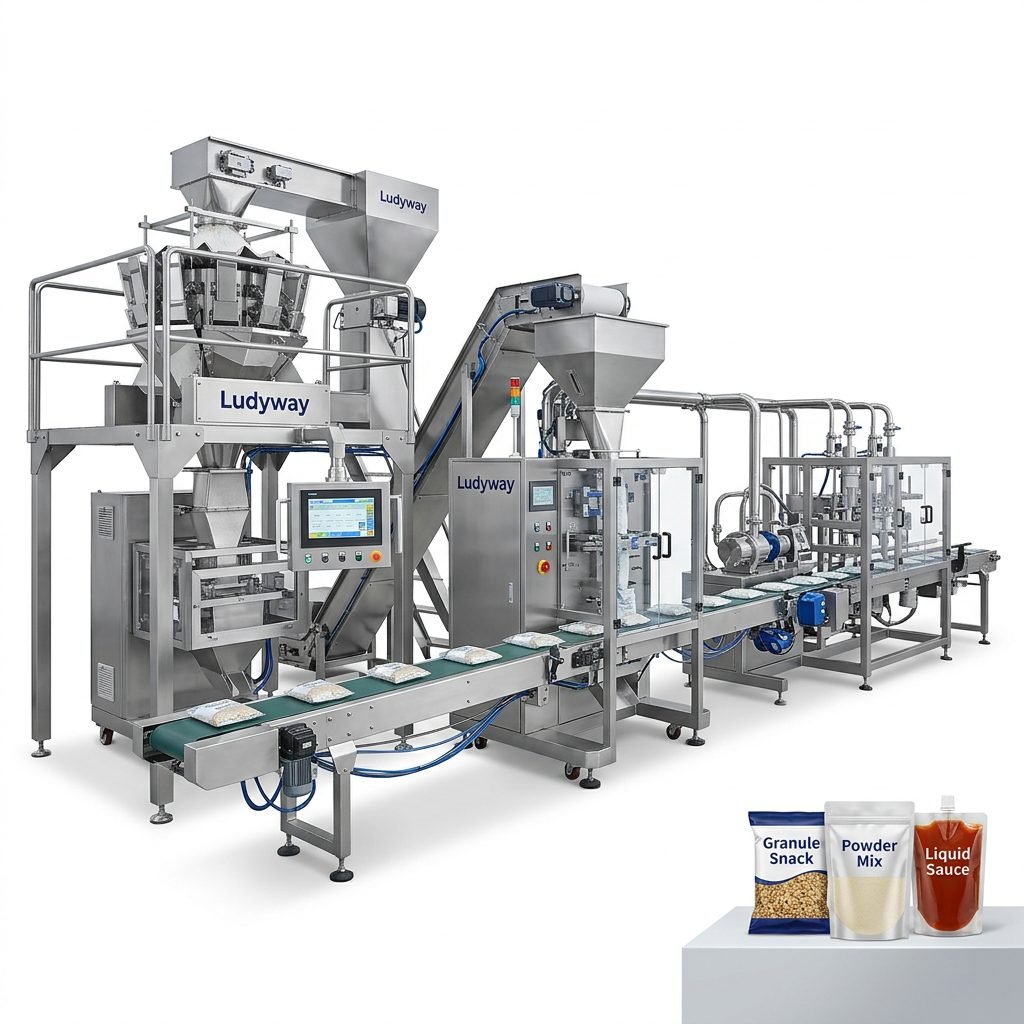
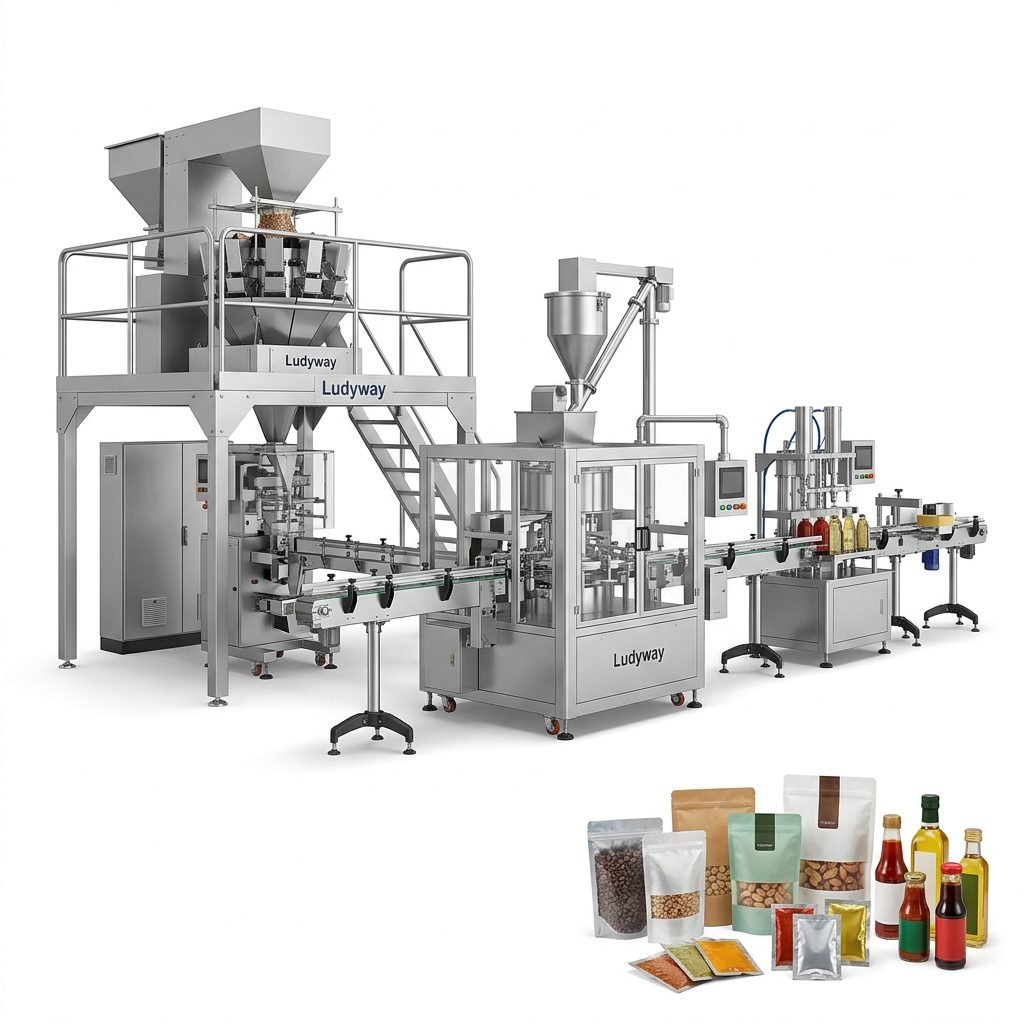
For egg packaging buyers, Ludyway is especially relevant when the project involves more than a basic tray packer. If you need integrated feeding, coding, counting, pouches, cartons, cases, or customized line engineering, its broader automation capability can be valuable. It stands out for export experience, engineering depth, and full-line planning rather than egg-only specialization.
2. Packmate Machinery
Packmate Machinery is a practical option for buyers looking for automatic packaging equipment with flexible customization. It focuses on food, pharmaceutical, supplement, and daily-use packaging projects. For egg businesses, Packmate can be relevant in secondary packaging and line adaptation, especially where cost-effective automation matters more than premium brand positioning.
3. PacklineOEM
PacklineOEM is suitable for OEM-oriented and project-based line configurations. If your egg packaging project includes conveyors, feeding, coding, inspection, and custom downstream packaging, this supplier type is often attractive because it emphasizes equipment matching instead of only selling one standard machine.
4. PackingMachineOEM
PackingMachineOEM targets customized and non-standard packaging projects. Buyers with unusual carton formats, special output goals, private-label requirements, or non-standard line layouts may find this approach useful. It is less about catalog sales and more about engineering adaptation.
5. SnusMachinery
Although SnusMachinery specializes in nicotine pouch and small pouch packaging, it represents an example of a focused niche supplier. It may be less directly relevant for shell eggs, but buyers exploring compact dosing, small-format packaging, or specialty product lines may still review such companies when secondary or specialty pack formats are involved.
6. Moba
Moba is widely recognized in the egg industry for grading, packing, and farm automation equipment. Buyers with high-volume egg operations often compare Moba because of its specialization and installed base in professional egg handling environments.
7. Sanovo Technology Group
Sanovo is another established name in egg handling and processing. It is frequently considered for integrated systems where reliability, egg-industry expertise, and premium engineering are major priorities.
8. Staalkat / Diamond-linked systems
These brands are often associated with grading and packing technology. Buyers already operating legacy egg lines may evaluate them for compatibility, upgrades, or comparable performance benchmarks.
9. Regional Egg Equipment Integrators
In many countries, local integrators combine imported modules with local conveyors, control systems, and service teams. This can be a strong option for buyers who prioritize faster maintenance and local language support.
10. Local End-of-Line Automation Suppliers
For plants that already have egg grading equipment but need automated case packing, labeling, or palletizing, local end-of-line specialists may be the most efficient choice. They are often easier to work with for retrofit projects.
How to Choose the Right Supplier
1. Start with your actual packaging format
Not all egg packaging lines do the same job. Some load eggs into pulp trays. Others place them into retail cartons. Others only handle case packing after grading. Define the exact final pack first:
- 30-egg pulp trays
- 6, 10, 12, or 15 count cartons
- Plastic, pulp, or paper-based packaging
- Retail cartons versus transport trays
- Manual loading assisted by conveyors versus fully automatic
2. Match machine speed to real production, not peak claims
A supplier may advertise very high throughput, but buyers should verify whether the number reflects stable long-run operation or ideal short-run conditions. Ask for:
- Eggs per hour under real production conditions
- Breakage percentage at normal operating speed
- Performance data by egg size range
- Speed impact when changing tray or carton type
3. Check compatibility with egg size variation
Many farms process mixed sizes unless they have precise upstream grading. If your eggs vary significantly, the machine should tolerate realistic size differences without dropping, jamming, or misplacing eggs.
4. Ask about spare parts and service lead time
A machine is only as useful as its support network. Even a good quotation becomes expensive if a failed sensor or suction component stops production for two weeks. Ask suppliers to confirm:
- Critical spare parts list
- Recommended 12-month spare package
- Remote support process
- Commissioning options
- Average response time for overseas customers
5. Evaluate integration ability
If you already have graders, conveyors, printers, or case packers, the new machine must integrate electrically and mechanically. This is where turnkey manufacturers and OEM-oriented suppliers often perform better than companies selling standalone units only.
6. Confirm materials, hygiene, and washdown suitability
Food-contact environments need appropriate materials and easy-clean structures. Stainless steel construction, accessible contact areas, and hygienic design reduce contamination risk and cleaning time.
7. Request video proof and references
The fastest way to qualify a supplier is to ask for machine videos running products similar to yours. Ideally request footage of:
- Startup and steady-state operation
- Changeover between formats
- Operator screen interface
- Discharge to tray/carton/case
- Finished package quality
Why Choose a Turnkey or OEM-Capable Supplier?
Many buyers initially search for “egg packaging machine manufacturer,” but later realize they actually need a broader system. This is why turnkey and OEM-capable suppliers are often shortlisted.
Procurement Advantage
One supplier managing multiple subsystems can reduce sourcing complexity, communication gaps, and integration risk.
Technical Advantage
Turnkey suppliers are more likely to coordinate controls, conveyors, coding, reject handling, and end-of-line logic across the full production flow.
Cost Advantage
The initial machine price may not always be the lowest, but the total installed project cost can be better when engineering, layout adaptation, and commissioning are already built into the proposal.
Service Advantage
When one vendor owns system responsibility, troubleshooting is usually faster than when buyers must coordinate three or four separate suppliers.
Comparison Without a Table: Which Type of Manufacturer Fits Which Buyer?
If you are a large egg farm or packing center, specialist egg equipment brands such as Moba or Sanovo are often the first benchmark because they are deeply focused on egg grading and packing workflows. They may suit buyers who need proven high-throughput shell egg handling.
If you need customized downstream packaging or full factory integration, companies like Ludyway, PacklineOEM, and PackingMachineOEM become more relevant. They are useful when the project includes secondary packaging, private-label needs, layout customization, or broader packaging automation.
If budget flexibility matters and the project is medium scale, Packmate Machinery or regional integrators may provide a better balance between customization and cost.
If your key concern is local support, a nearby integrator may outperform a better-known international brand in practical uptime, especially where technical teams can arrive onsite quickly.
Red Flags to Avoid When Comparing Suppliers
- Quotations with no detail on speed, breakage, or configuration
- No machine videos using comparable products
- No spare parts recommendation
- Unclear warranty scope
- No mention of electrical standards or export documentation
- Overpromised output with no test evidence
- Very low pricing but vague service commitments
Key Questions to Ask Before You Buy
- What egg sizes can the machine handle reliably?
- What is the verified eggs-per-hour output in real operation?
- What tray or carton formats are supported?
- What is the average breakage rate at normal speed?
- Can the supplier integrate with existing grading or labeling equipment?
- What spare parts should be stocked locally?
- How is installation and training delivered?
- Which certifications and export documents are available?
- Can the line be upgraded later for higher capacity?
- How quickly can technical support respond?
Cost Structure: What Buyers Often Miss
The quoted machine price is only one part of the investment. A better procurement analysis includes:
- Machine base price
- Mold or format parts
- Shipping and insurance
- Installation and training
- Electrical and air requirements
- Spare parts package
- Downtime risk
- Breakage reduction value
- Labor savings over 12 to 36 months
For many buyers, the right supplier is the one that lowers total cost of ownership, not simply initial purchase cost.
Best Supplier Profile by Buyer Type
Small farm or startup packer
Look for moderate automation, easy operation, simple maintenance, and scalable upgrades. Avoid overbuying speed you will not use.
Mid-size commercial egg packing operation
Focus on tray/carton flexibility, stable throughput, service access, and compatibility with future coding or case-packing modules.
Large export-oriented egg processor
Prioritize supplier credibility, line integration, traceability support, documentation, consistent output, and long-term parts supply.
Factory retrofit project
Choose a supplier with strong engineering communication, CAD/layout support, and previous experience integrating with older lines.
FAQ
What is the difference between an egg grading machine and an egg packaging machine?
An egg grading machine sorts eggs by weight and sometimes quality. An egg packaging machine places eggs into trays, cartons, or cases. Many modern lines combine both functions, but they are not the same module.
How much capacity should I choose?
Choose based on your current daily production, expected growth over 2 to 3 years, and shift plan. Buying too small limits expansion; buying too large can waste capital and complicate operation.
Are Chinese packaging machine manufacturers suitable for egg packaging projects?
Yes, especially when the project requires customization, end-of-line automation, and cost-effective integration. However, buyers should verify machine references, export experience, documentation, and service support carefully.
Which is better: local supplier or overseas manufacturer?
It depends on your priorities. Local suppliers often provide faster onsite service. Overseas manufacturers may offer broader customization or better cost-performance. The best choice depends on technical complexity and service risk tolerance.
What documents should I request from a supplier?
Ask for quotation details, machine layout, utility requirements, electrical drawings, spare parts list, user manual, warranty terms, packing list, and applicable certification documents.
How can I verify a supplier before payment?
Request factory videos, customer cases, machine testing videos, serial production evidence, and third-party inspection if needed. For larger projects, online or onsite factory audits are strongly recommended.
Final Buying Insight
The right egg packaging machine supplier is rarely the cheapest and not always the most famous. The best fit is the one that can reliably handle your eggs, your packaging format, your production target, and your future expansion plans with acceptable service risk. For specialist shell egg operations, dedicated egg equipment brands are often the benchmark. For broader automation, secondary packaging, and customized production lines, suppliers such as Ludyway, Packmate Machinery, PacklineOEM, and PackingMachineOEM are worth evaluating.
If you compare suppliers using performance data, customization ability, export support, and lifecycle cost instead of quotation price alone, you are far more likely to choose a machine that delivers stable output and long-term ROI.