For beginners, the easiest packaging machine to operate is usually a semi-automatic filling and sealing machine or a simple vertical form fill seal (VFFS) machine with an intuitive control panel. These machines are easier to learn because they have fewer changeover parts, clear operating steps, and lower setup complexity than high-speed multi-lane or fully integrated packaging lines.
However, the “best” easy-to-use machine depends on what you pack: powder, granules, liquid, paste, pouches, sachets, or bottles. If you are new to packaging equipment, choosing a machine with simple controls, stable feeding, and low maintenance will save time, reduce errors, and make operator training much easier.
Why Some Packaging Machines Are Easier Than Others
Not all packaging machines are beginner-friendly. Some are designed for high output and advanced automation, which often means more settings, more sensors, and more operator training. For a new user, the easiest machine is usually the one that keeps the workflow simple.
- Simple HMI or touchscreen interface with clear menus
- Quick product changeover
- Easy cleaning and maintenance access
- Stable feeding and sealing performance
- Fewer moving parts to adjust manually
- Good alarm system for troubleshooting
If a machine requires constant calibration, frequent part replacement, or complicated programming, it may not be the right starting point for a beginner.
The Easiest Packaging Machines for Beginners
Below is a practical comparison of common packaging machine types based on ease of operation.
| Machine Type | Ease for Beginners | Best For | Why |
|---|---|---|---|
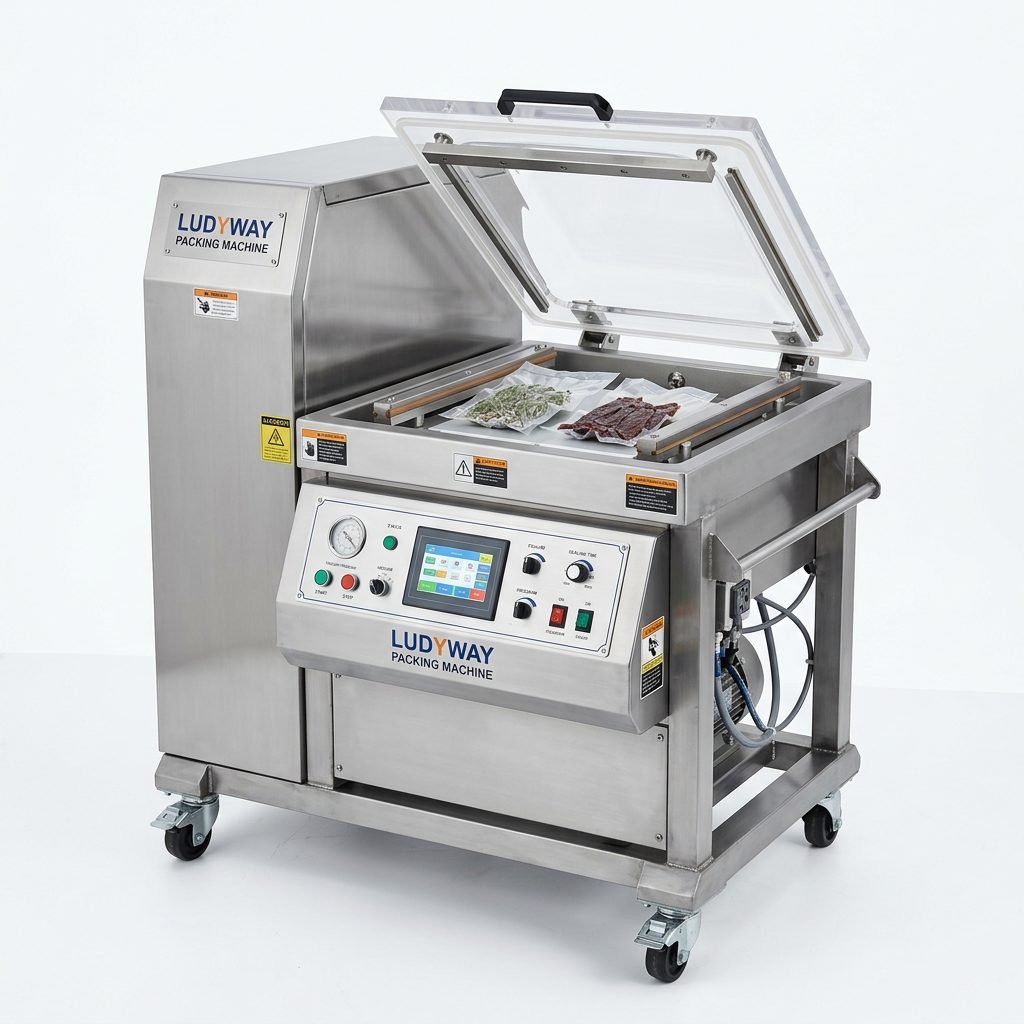
| Semi-automatic filling machine | Very Easy | Powders, granules, liquids | Simple operation, low learning curve, affordable |
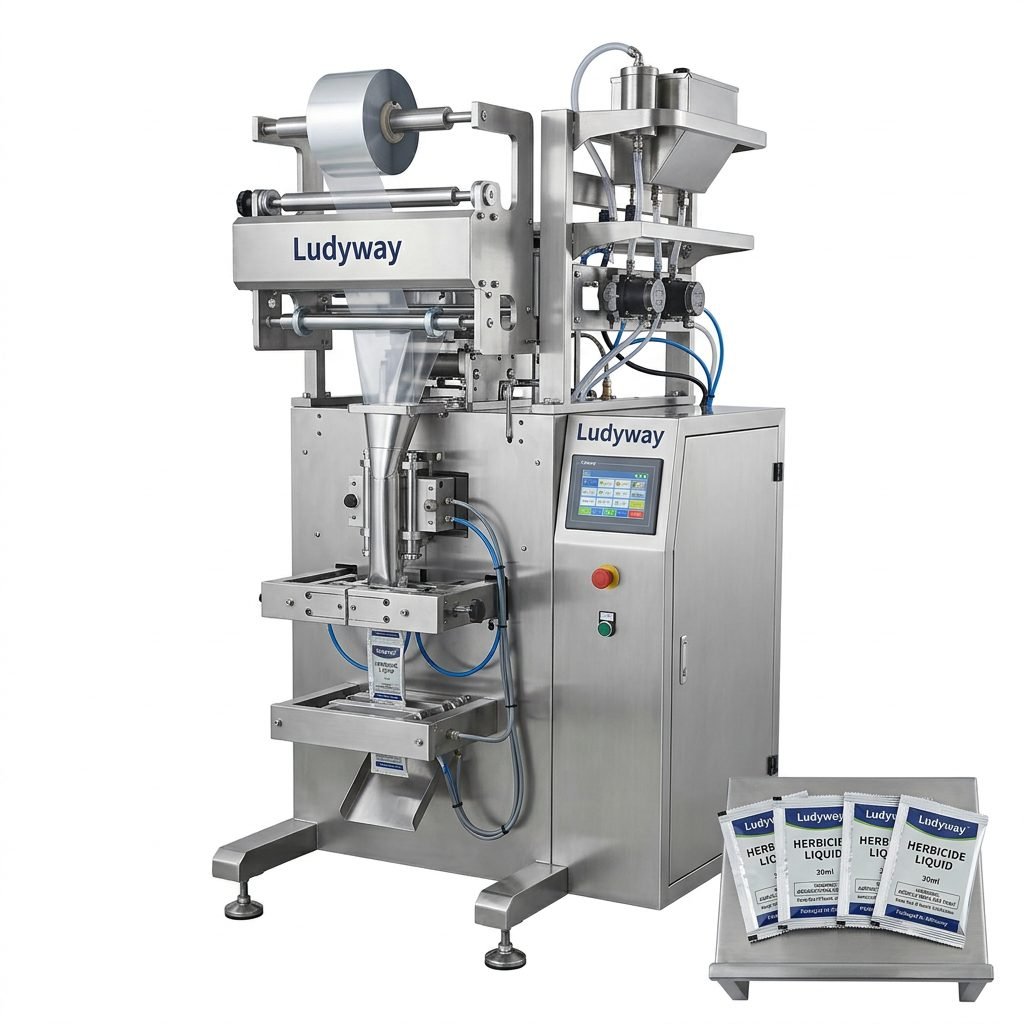
| Single-lane sachet machine | Easy | Small sachets for powder or liquid | Straightforward settings and compact design |
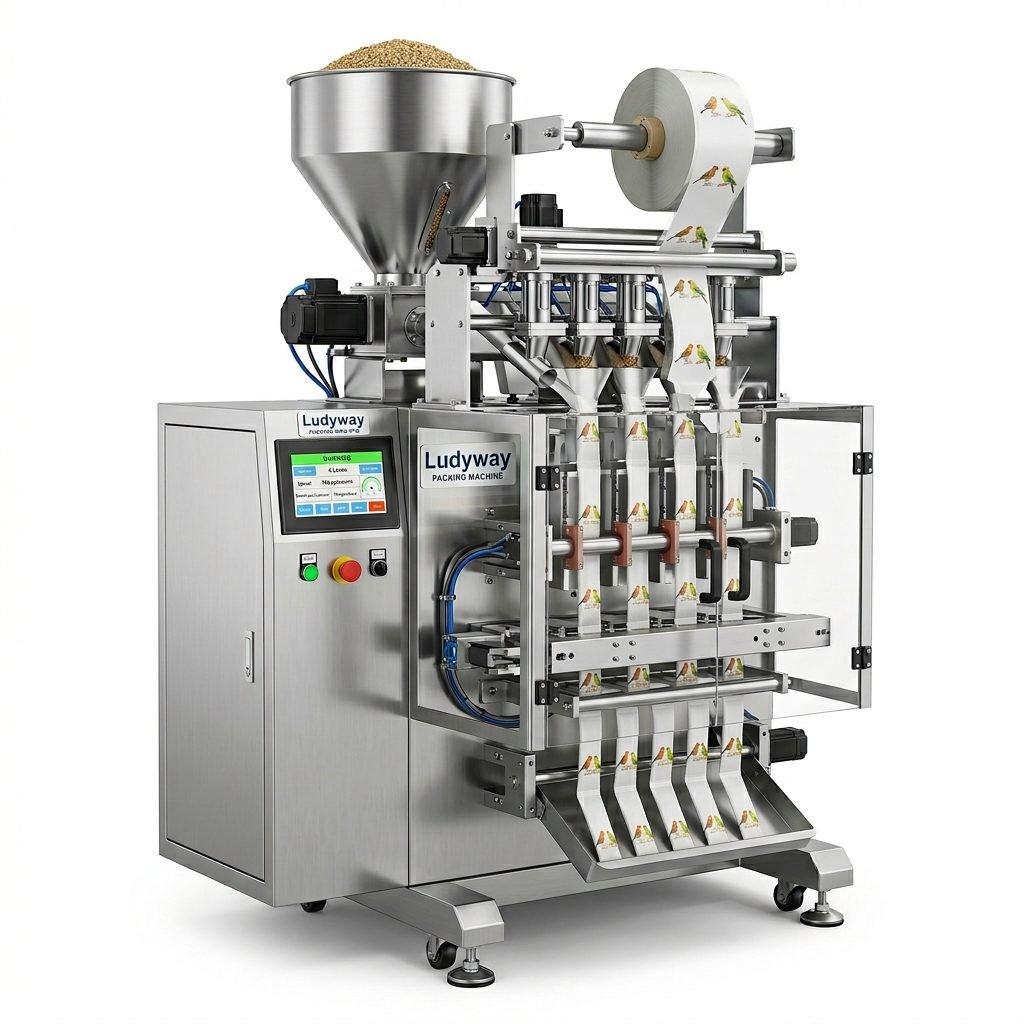
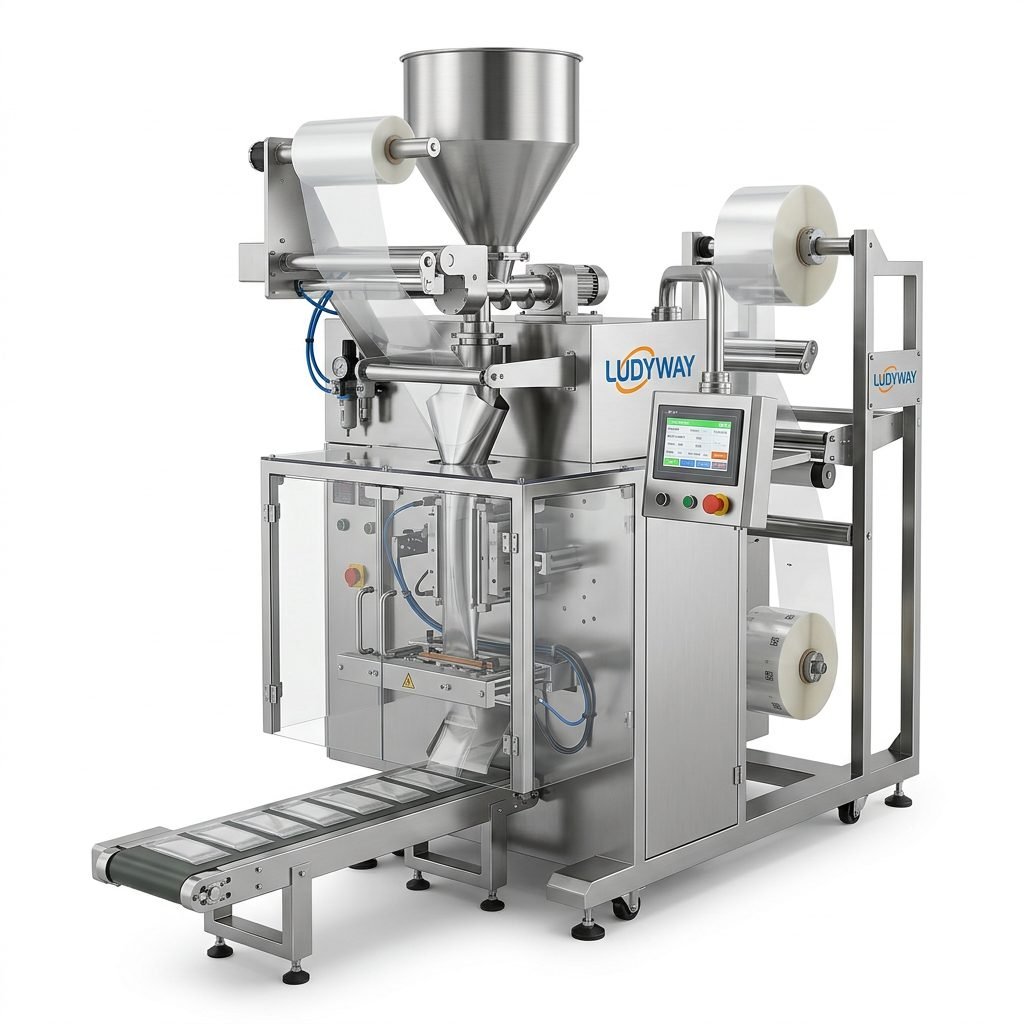
| Basic VFFS machine | Easy to Moderate | Snacks, grains, powders | Common design, easy to learn with training |
| Premade pouch packing machine | Moderate | Stand-up pouches, zipper bags | Convenient bag handling but more mechanisms involved |
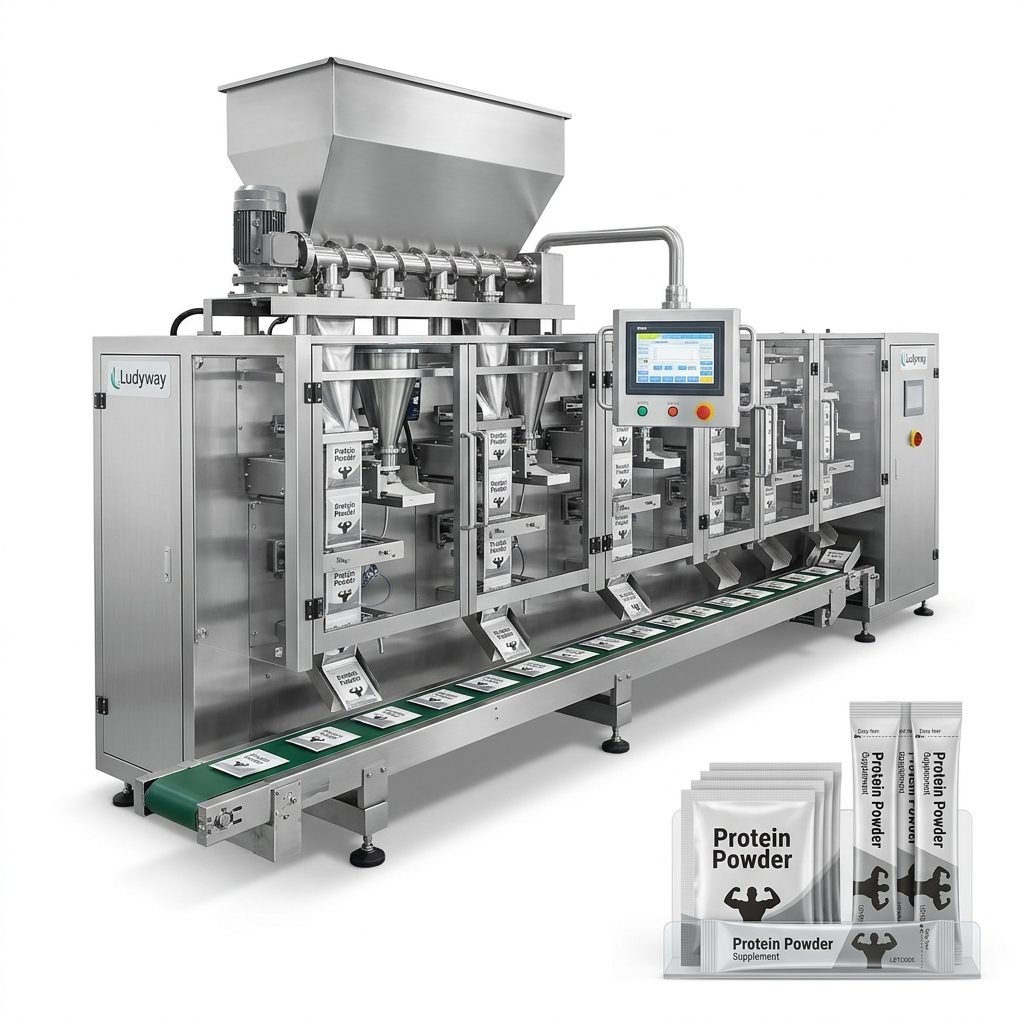
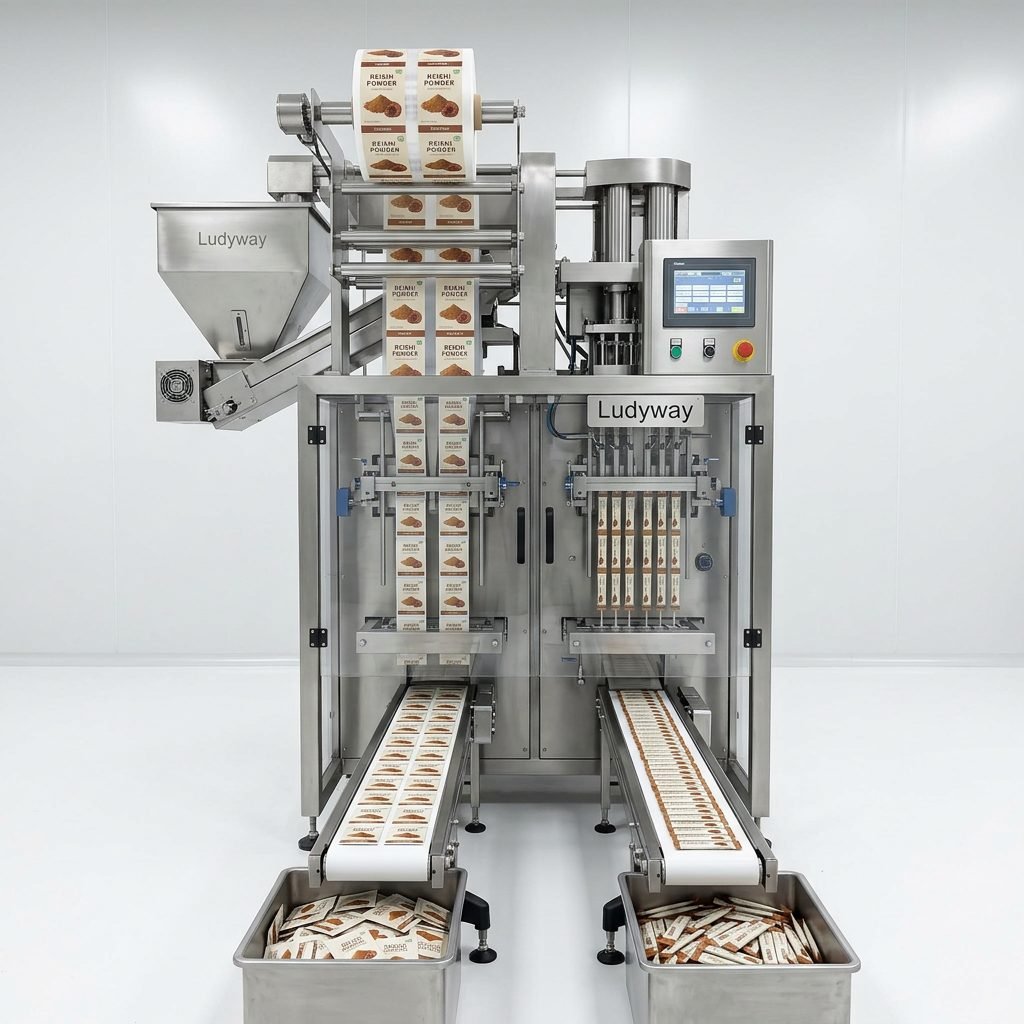
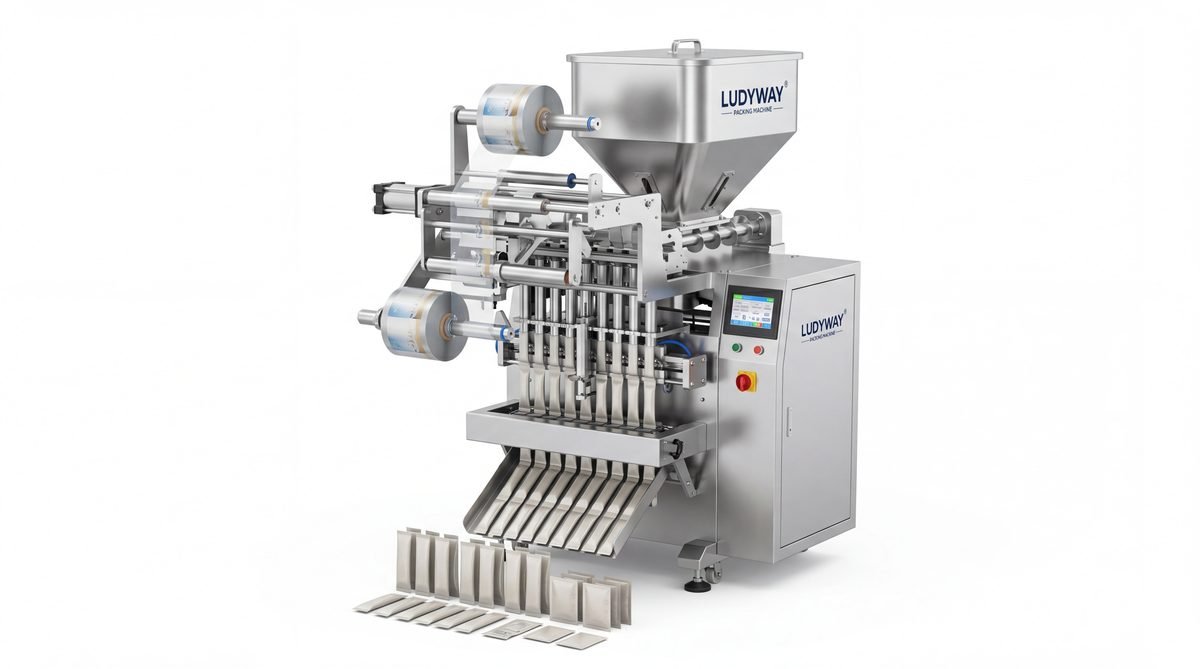
| Multi-lane stick pack machine | Difficult for beginners | High-output powder, liquid, granule products | More lanes, more precision settings, more training needed |
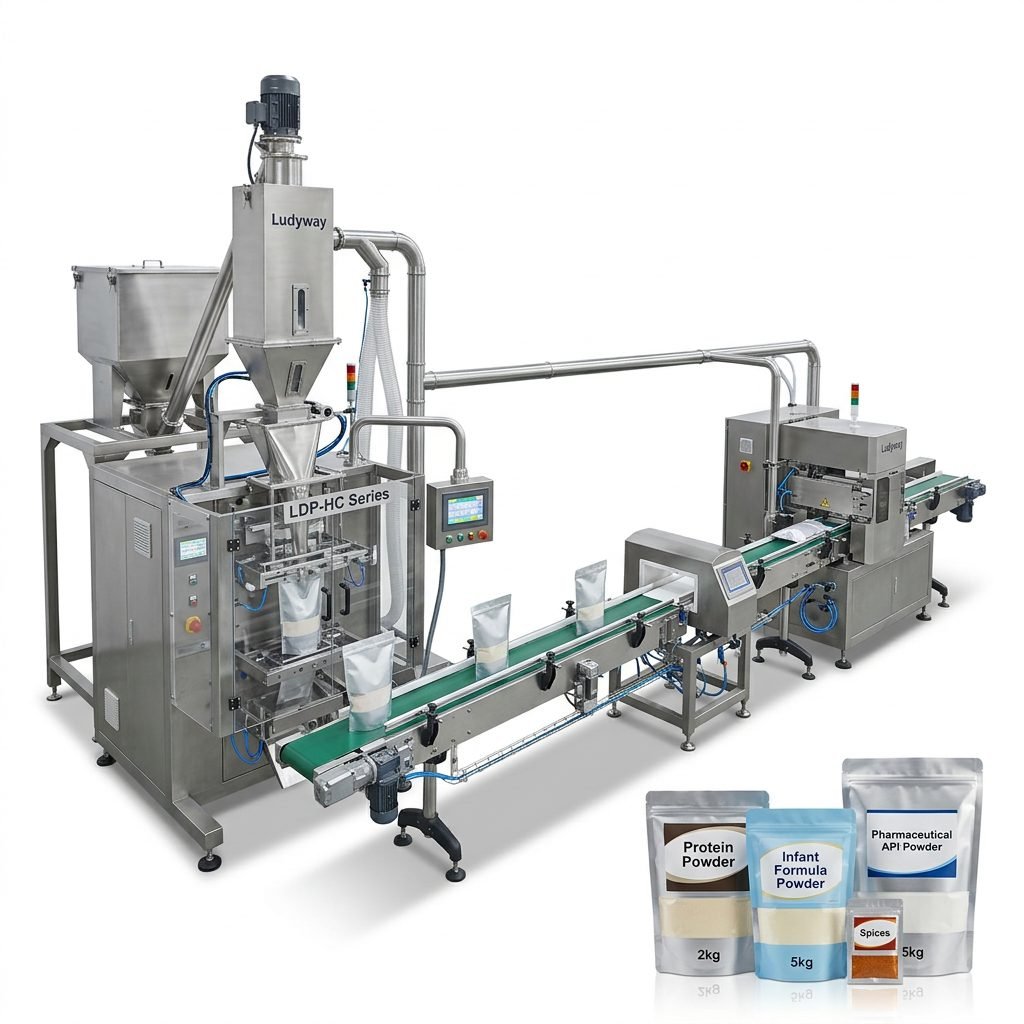
| Fully automatic packaging line | Advanced | Large-scale production | High efficiency but more complex integration |
Best Choice by Product Type
For Powders
If you pack milk powder, protein powder, seasoning powder, or pharmaceutical powder, a semi-automatic auger filling machine is often the easiest option. It allows straightforward dosing control and is much simpler than a full multi-lane sachet system.
For Granules
For sugar, seeds, rice, snack granules, or coffee, a basic VFFS machine with a weighing system is usually beginner-friendly. It is widely used, easy to understand, and practical for many small to medium businesses.
For Liquids
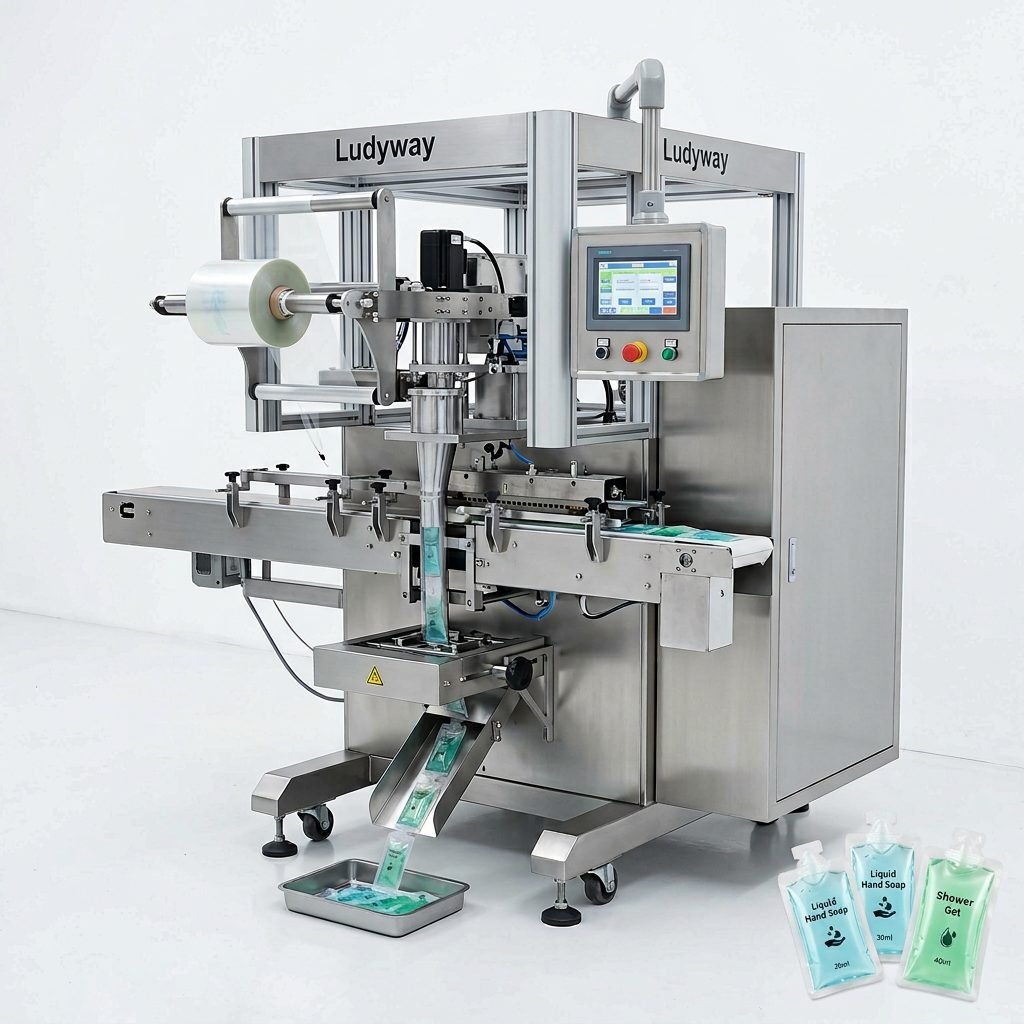
For sauces, oils, shampoo, hand wash, or cosmetic liquids, a simple liquid filling and sealing machine is often easiest. Machines with stable pumps and clear temperature control make operation much more manageable.
Features That Make a Packaging Machine Easy to Operate
When comparing equipment, beginners should pay close attention to user-friendly details rather than only focusing on speed.
- Touchscreen controls with preset recipes
- Automatic error alarms for film tracking, temperature, and filling faults
- Fast tool-free changeover between bag sizes or product formats
- Servo-driven motion for better accuracy and easier control
- Accessible cleaning points to reduce downtime
- Operator manuals and training support from the manufacturer
A machine with these features helps new operators become productive faster and reduces the chance of product waste.
Machines Beginners Should Be Careful With
Some machines are excellent for production efficiency but may not be ideal as a first purchase if your team has limited experience.
- Multi-lane stick pack machines
- High-speed rotary premade pouch systems
- Fully integrated turnkey packaging lines
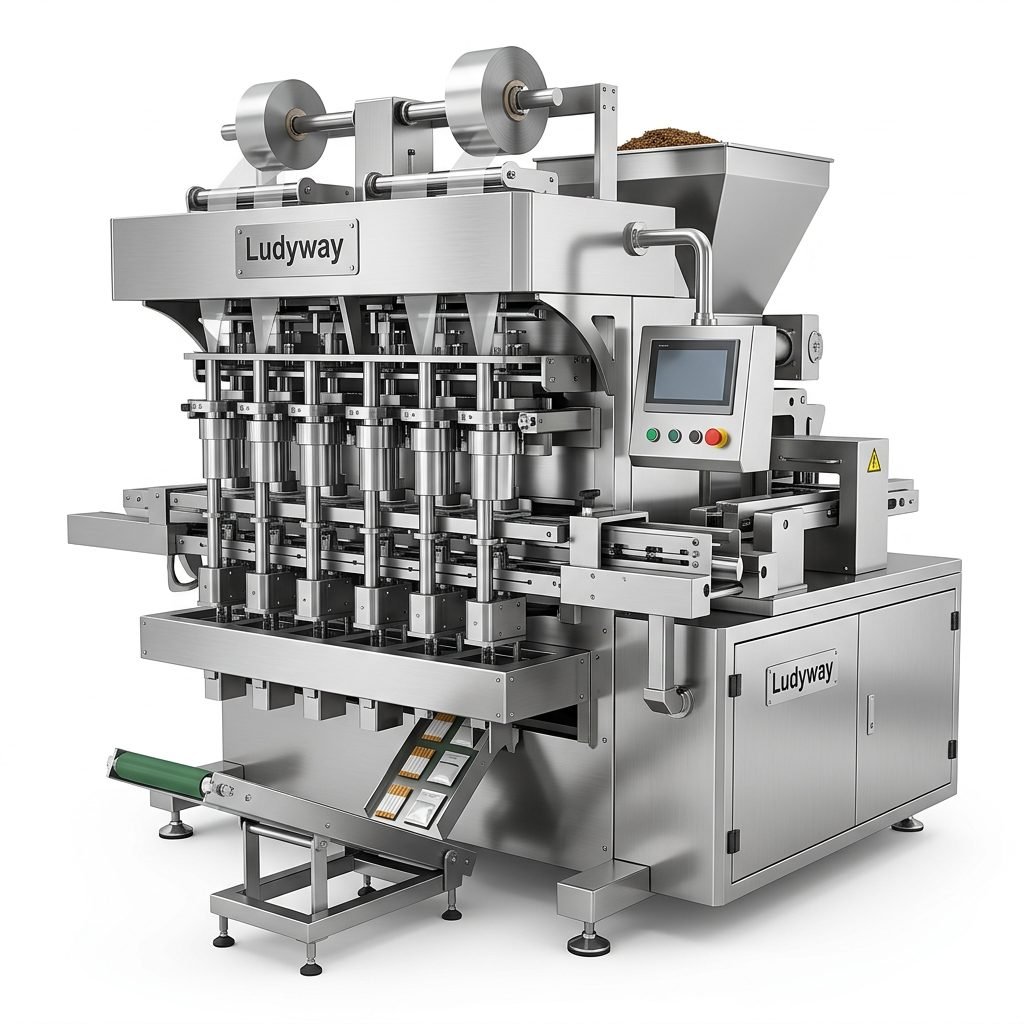
- Machines with many synchronized dosing heads
- Highly customized systems for multiple package formats
These systems can deliver impressive output, but they usually need skilled setup, more maintenance planning, and deeper technical understanding.
How Beginners Can Choose the Right Starter Machine
If you are buying your first packaging machine, use this simple checklist:
| Question | Why It Matters |
| What product are you packing? | Powder, granule, liquid, and paste need different filling systems |
| How much output do you need? | Beginners often do better starting with moderate capacity |
| How many package sizes will you run? | Frequent size changes require easier adjustment systems |
| Who will operate the machine? | Skill level affects which automation level is practical |
| Do you need future expansion? | A scalable machine can reduce replacement costs later |
A Smart Beginner Strategy
A good strategy is to start with a machine that is easy to learn, stable in daily use, and simple to maintain. Once your team gains experience, you can move to higher-speed or more advanced automatic solutions.
This is especially important for growing businesses in food, pharmaceutical, health supplement, cosmetics, and chemical sectors, where product consistency and packaging quality directly affect customer trust.
Why Manufacturer Support Matters
Even the easiest packaging machine becomes hard to use if the supplier does not provide training, spare parts, or after-sales support. A reliable manufacturer can help with installation, parameter setting, product testing, and future upgrades.
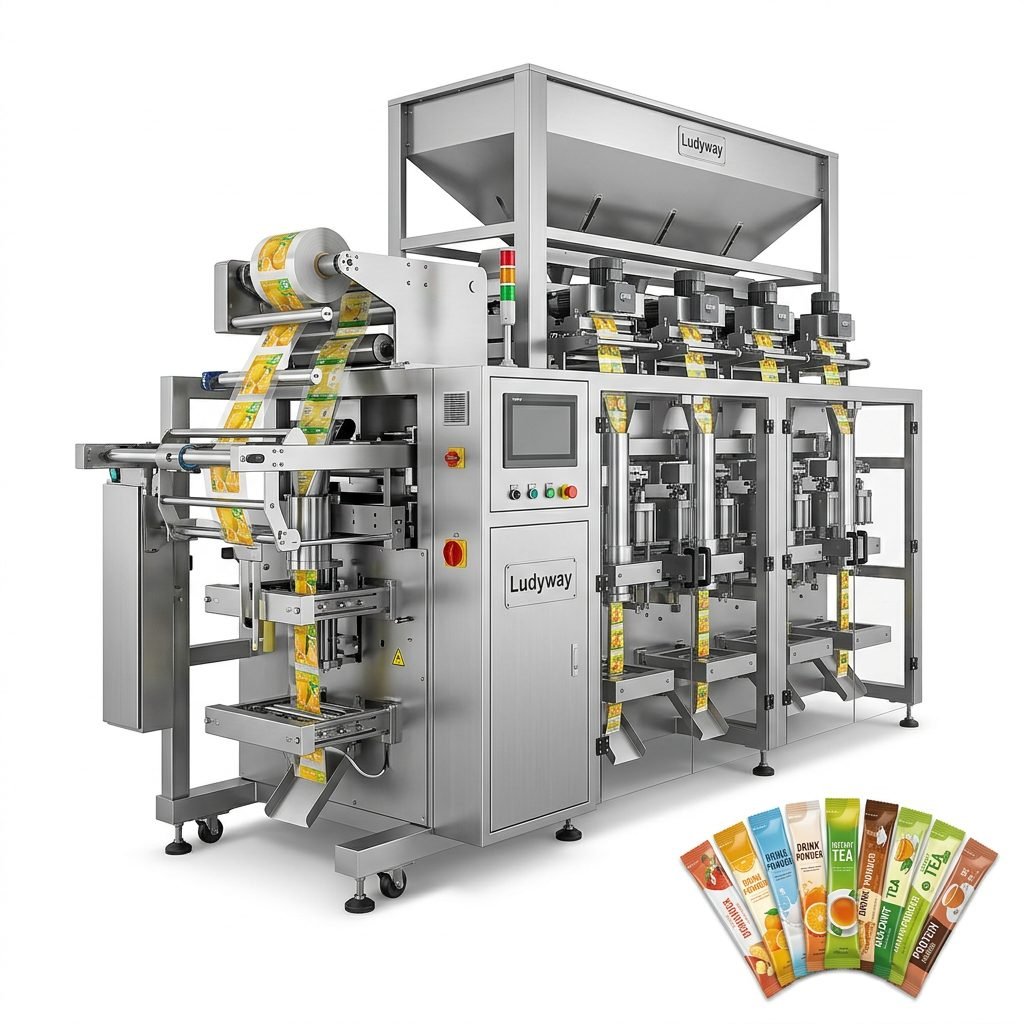
For businesses looking for scalable solutions, Ludyway packaging machine solutions are often considered by buyers who want equipment ranging from standalone machines to turnkey packaging lines across food, pharmaceutical, health supplement, and related industries.
Final Answer for Beginners
For most first-time users, the easiest packaging machine to operate is a semi-automatic filling machine or a basic single-lane VFFS/sachet machine. These machines offer the best balance of simplicity, cost control, and practical performance.
If your production grows later, you can step up to more advanced automatic packaging systems. But for learning, training, and reducing mistakes, simpler equipment is usually the smartest place to start.
Quick Recommendation
- New small business: Semi-automatic filler
- Beginner sachet packaging: Single-lane sachet machine
- General food and granule packing: Basic VFFS machine
- Advanced high-speed production: Multi-lane or turnkey line after training