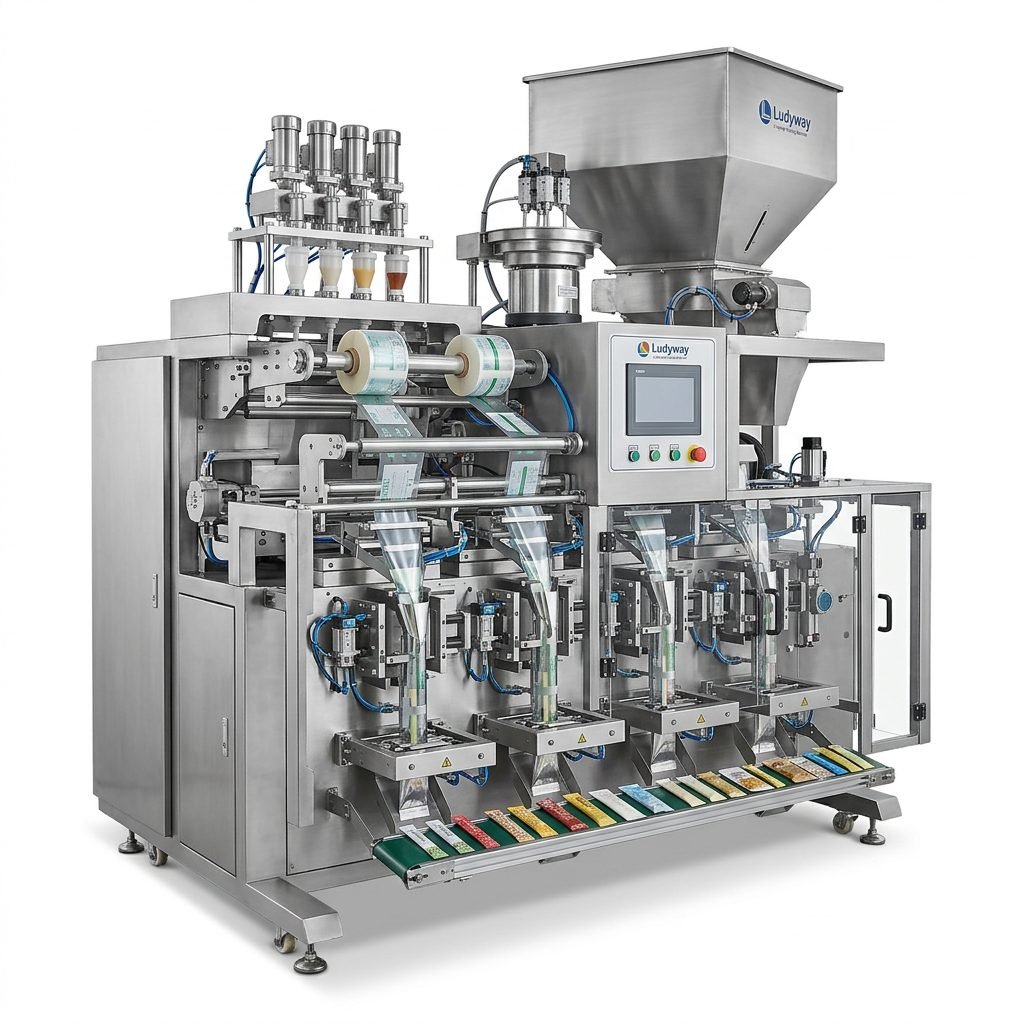
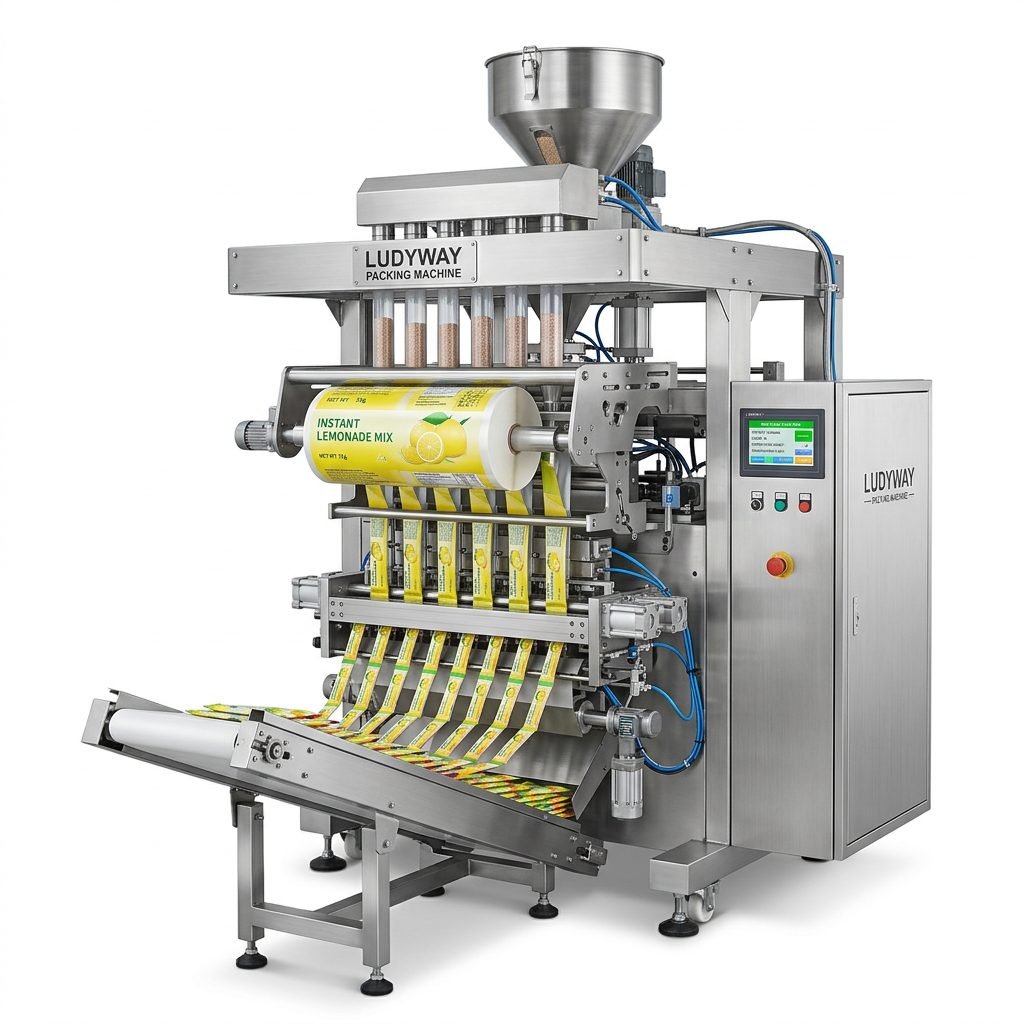
Choosing the right milk packing machine can directly affect product safety, shelf life, production efficiency, and operating cost. Whether you pack fresh liquid milk, flavored milk, condensed milk, or milk powder, the ideal solution depends on more than speed alone. You need to match the machine with your product type, packaging format, hygiene requirements, output goals, and future expansion plans.
For dairy businesses, packaging is not just the last production step. It is a critical control point that protects quality, supports branding, ensures regulatory compliance, and helps your products stay competitive in retail and distribution channels.
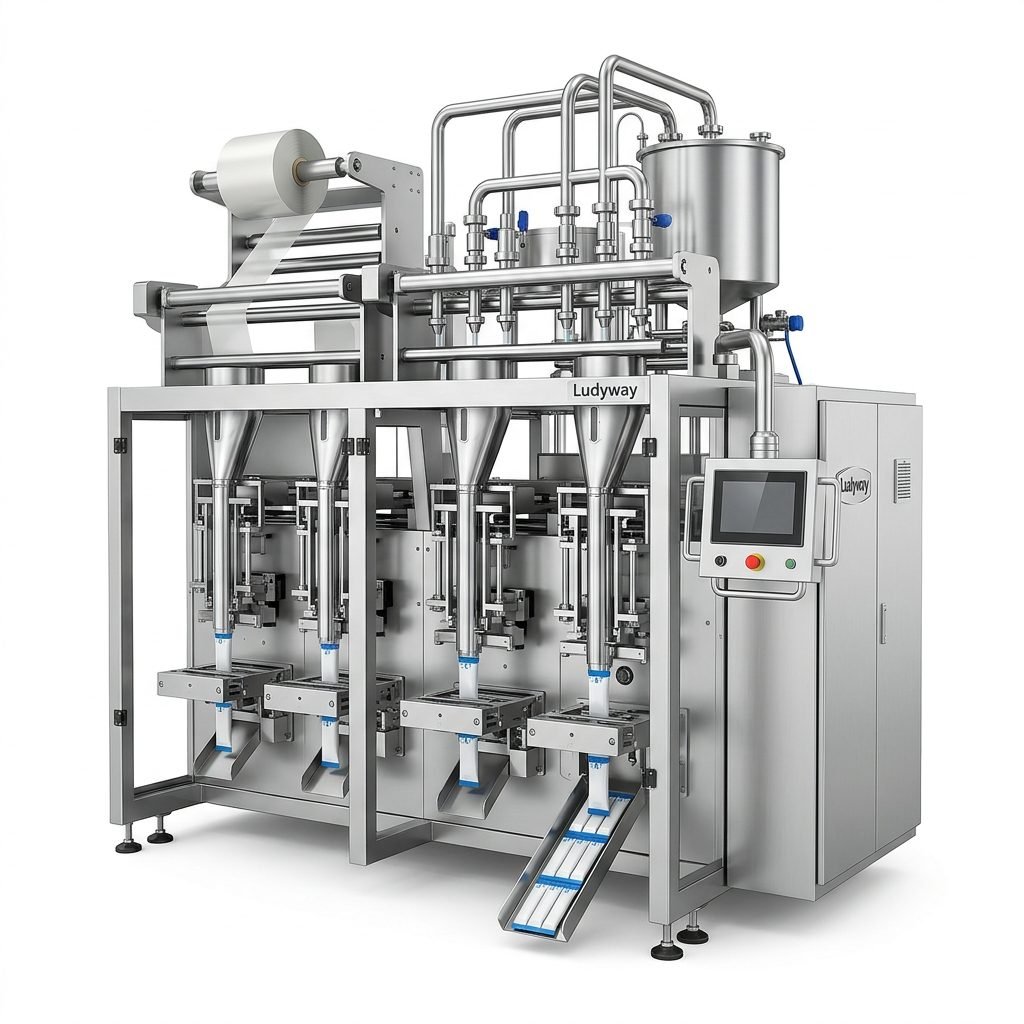
Why the Right Milk Packing Machine Matters
Milk is a sensitive product. It can be affected by contamination, temperature variation, oxygen exposure, light, and sealing defects. A poorly selected machine may lead to:
- Leakage and package failure
- Inconsistent fill weights
- Shorter shelf life
- Frequent downtime
- Higher labor costs
- Difficulty meeting food safety standards
A properly matched system helps ensure accurate filling, stable sealing, hygienic production, and scalable output. This is especially important for growing brands that want to move from semi-automatic operations to full automation.
Start by Defining Your Milk Product Type
The first step is understanding exactly what kind of milk product you need to package. Different milk products require different filling technologies and packaging structures.
| Milk Product | Common Packaging Formats | Recommended Machine Type |
|---|---|---|
| Fresh liquid milk | Pouches, bottles, cartons | Liquid filling and sealing machine |
| UHT milk | Aseptic cartons, pouches, bottles | Aseptic filling system |
| Flavored milk | Sachets, bottles, cups | Liquid or viscous filling machine |
| Condensed milk | Sachets, tubes, pouches | Paste/liquid filling machine |
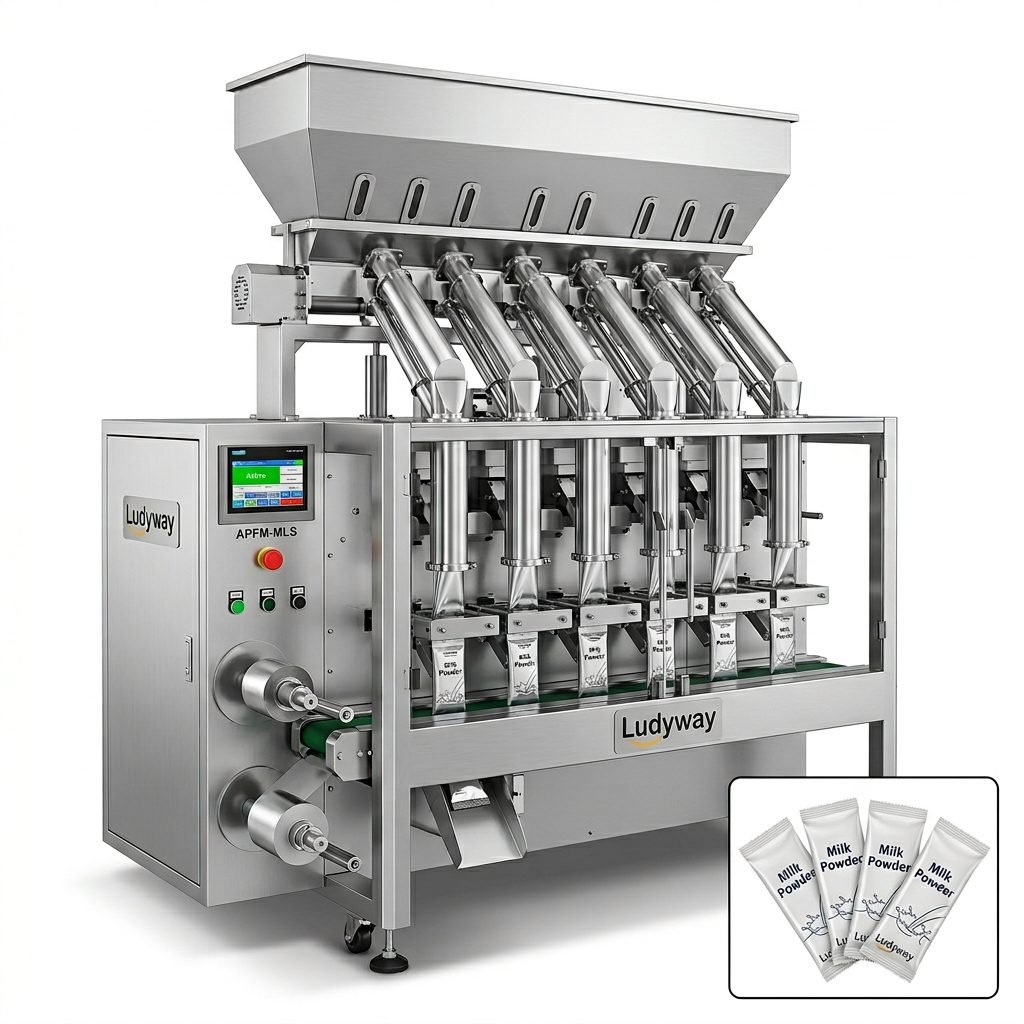
| Milk powder | Sachets, stick packs, bags, cans | Powder filling and packing machine |
If you produce more than one milk format, it may be better to choose a flexible or modular packaging line instead of a single-purpose machine.
Choose the Right Packaging Format for Your Market
Packaging format influences machine design, material compatibility, packing speed, and logistics efficiency. The right format should align with your target customers and sales channels.
Common milk packaging formats include:
- Pillow pouches: cost-effective for liquid milk and high-volume markets
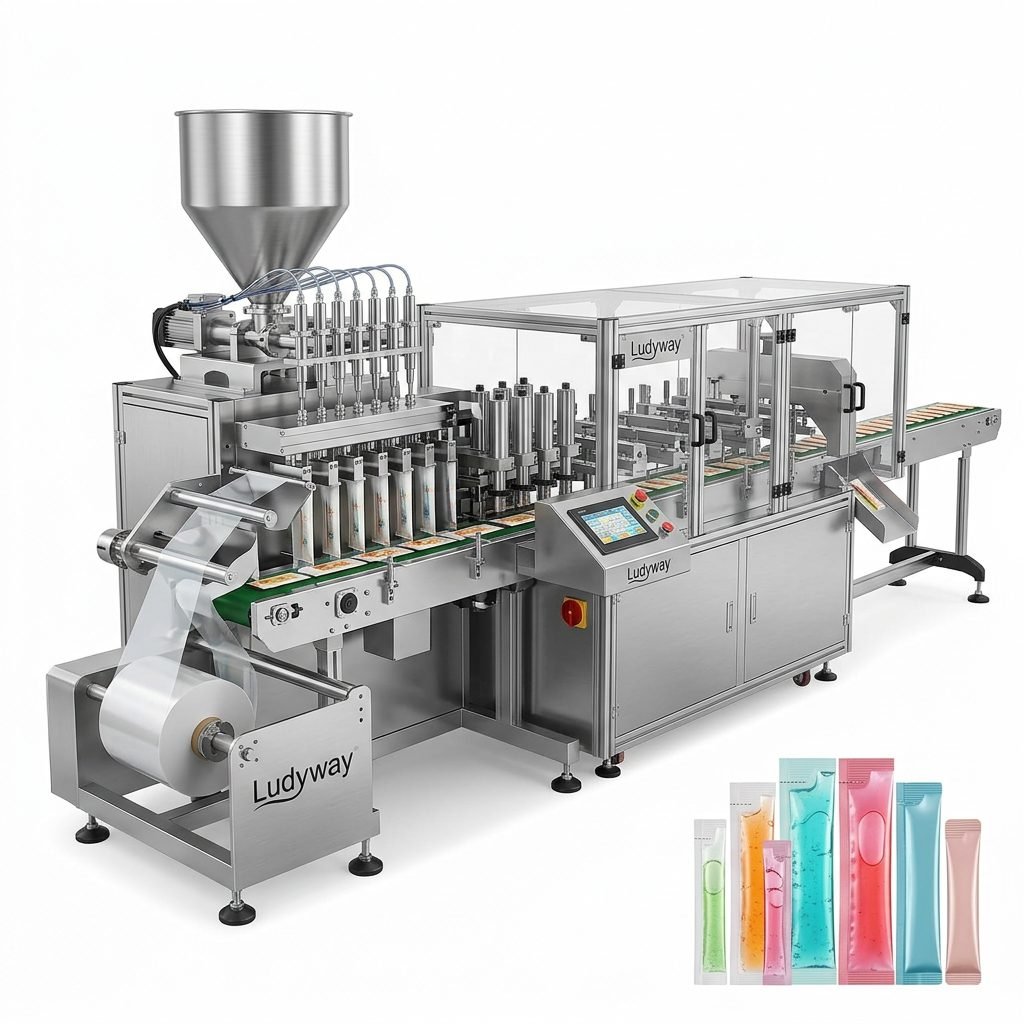
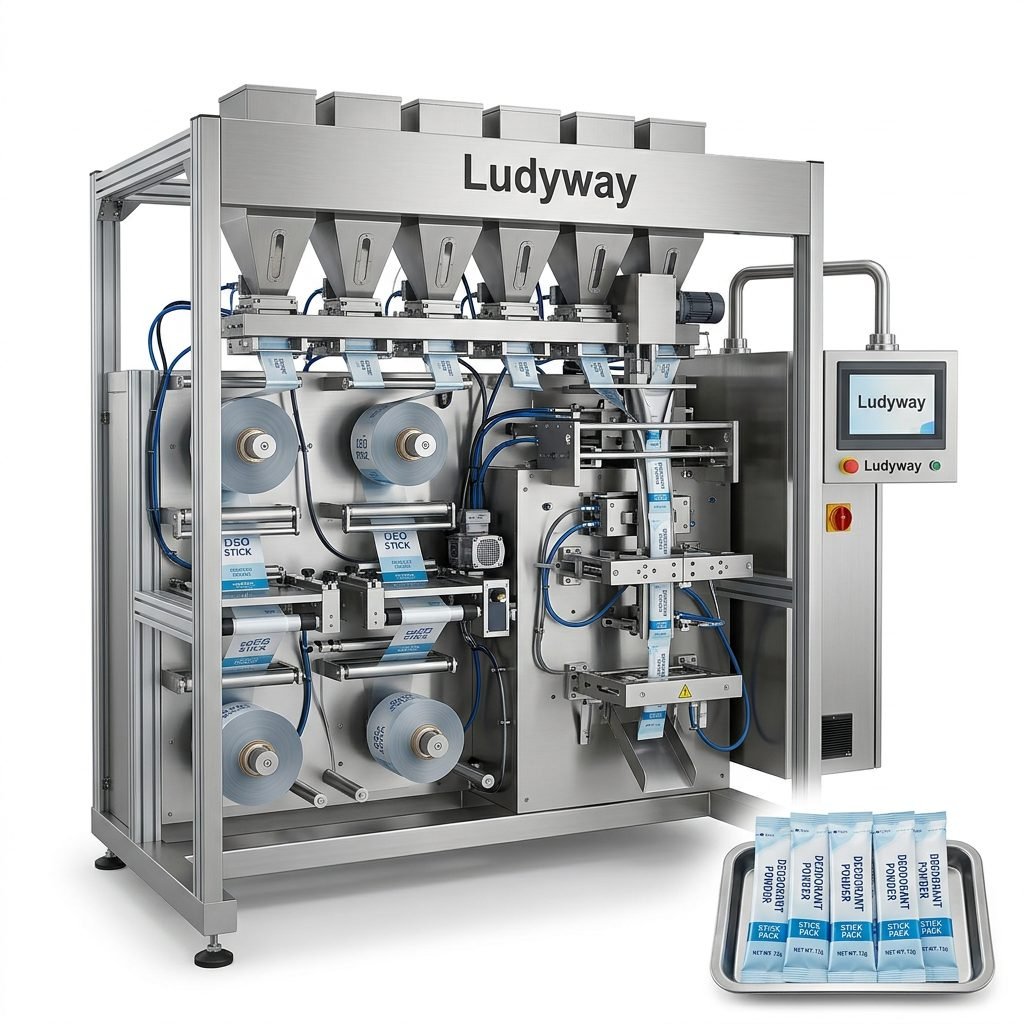
- Stick packs: ideal for milk powder, single-serve nutrition, and travel-friendly products
- Sachets: suitable for sample packs, portion control, and retail convenience
- Bottles: common for fresh milk, flavored milk, and premium dairy beverages
- Cans or jars: preferred for infant formula and premium milk powder
- Cartons: suitable for long shelf life and large retail distribution
For brands targeting convenience retail, e-commerce, or on-the-go consumption, compact single-serve formats often perform well. For wholesale or institutional supply, larger bags or bottles may offer better cost efficiency.
Match the Filling Technology to Product Characteristics
Not all milk products flow the same way. The filling principle should match the viscosity, foaming tendency, particle content, and required precision of your product.
Typical filling options
- Gravity filling: suitable for low-viscosity liquid milk
- Piston filling: better for thicker dairy liquids like condensed milk
- Pump filling: useful for controlled liquid transfer
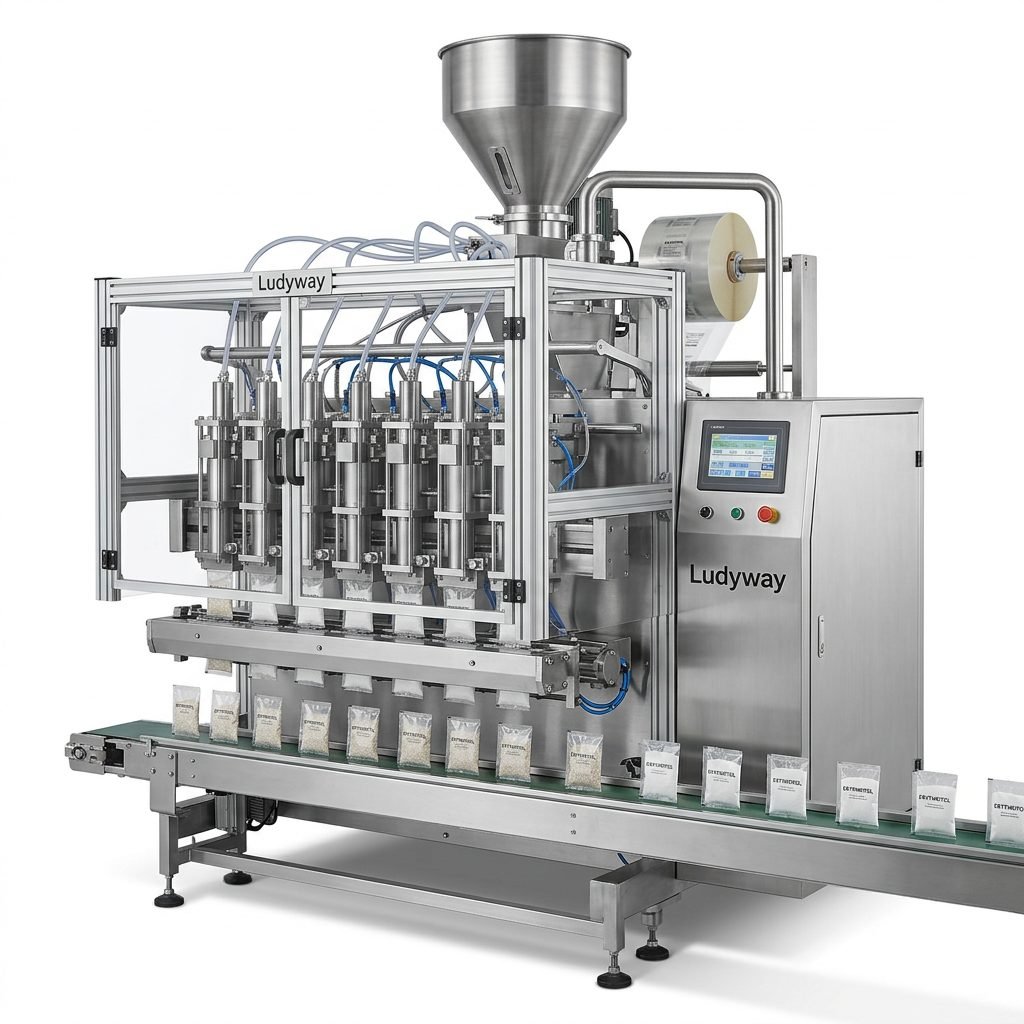
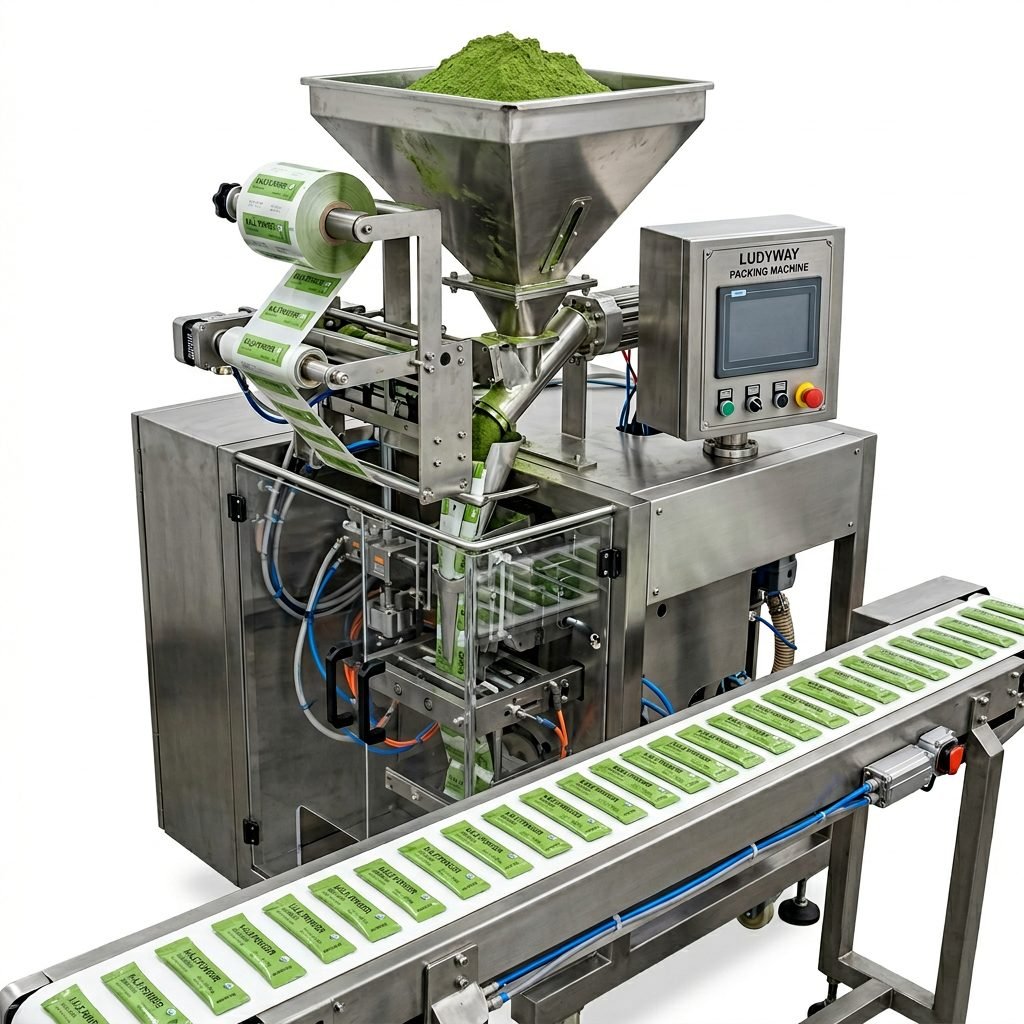
- Auger filling: ideal for milk powder and fine dairy powder products
- Volumetric cup filling: can work for certain granulated or free-flowing powder blends
If you pack milk powder, dosing accuracy is especially important. Inaccurate filling can create weight variation, material waste, and compliance issues. For liquid milk, anti-drip design and stable sealing performance are key.
Evaluate Hygiene and Food Safety Requirements
Milk packaging equipment should be designed for food-grade production environments. This means the machine must support easy cleaning, sanitary contact parts, and stable contamination control.
Look for these hygiene features:
- 304 or 316 stainless steel contact parts
- Clean structure with minimal dead corners
- CIP or easy manual cleaning capability
- Dust control for milk powder applications
- Closed filling area for liquid milk
- Reliable sealing system to prevent leakage and external contamination
If your products require extended shelf life or sterile filling, you may need higher-level hygienic or aseptic packaging technology. In that case, the machine supplier should clearly explain the sanitation design and validation process.
Consider Production Capacity and Future Growth
One of the most common buying mistakes is choosing a machine that only fits today’s demand. Your packaging line should support both current production and expected growth over the next three to five years.
| Business Stage | Suggested Packaging Approach | Key Focus |
|---|---|---|
| Startup / pilot production | Semi-automatic or compact automatic machine | Affordability and flexibility |
| Growing regional brand | Fully automatic milk packing machine | Efficiency and consistency |
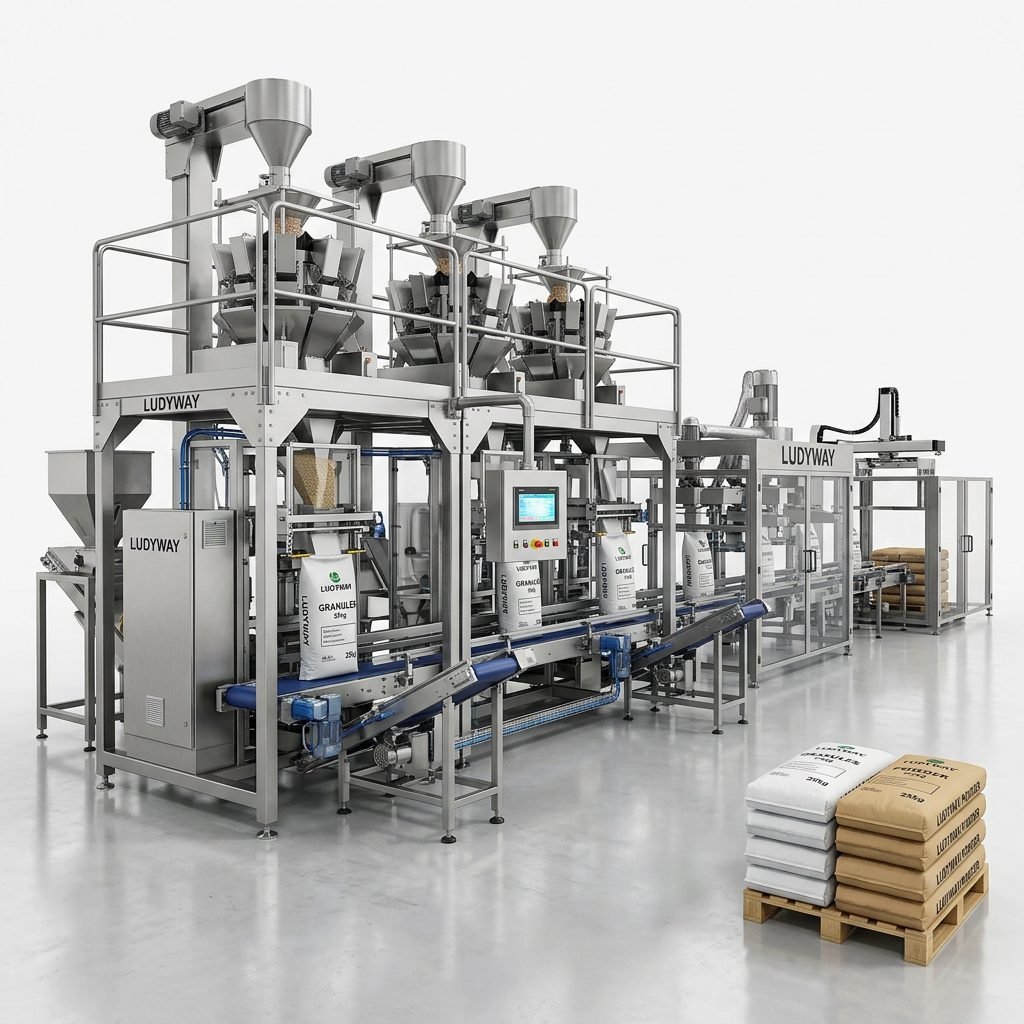
| Large-scale manufacturer | Integrated turnkey packaging line | Automation and throughput |
Ask suppliers about maximum speed, stable running speed, changeover time, and the possibility of adding conveyors, coding systems, checkweighers, cartoning, or palletizing later.
Pay Attention to Packaging Material Compatibility
Milk products may be packed in laminated film, aluminum foil structures, PE-based film, bottles, composite pouches, or carton-compatible materials. Your machine must be compatible with the packaging material thickness, heat-sealing behavior, and barrier requirements.
Before buying, confirm:
- Film type and thickness range
- Sealing temperature control accuracy
- Compatibility with recyclable or eco-friendly materials
- Package appearance quality after sealing
- Material performance under transportation and storage conditions
As sustainability becomes more important, many dairy brands are looking for solutions that reduce waste while maintaining sealing integrity.
Do Not Ignore Automation Level
A milk packing machine should not be evaluated as a standalone unit only. Think about the complete process around it. Higher automation can improve labor efficiency and reduce human error.
Useful automation options may include:
- Automatic feeding systems
- Online date coding and batch printing
- Checkweighing and metal detection
- Leak detection or seal inspection
- Automatic cartoning and case packing
- Palletizing for warehouse efficiency
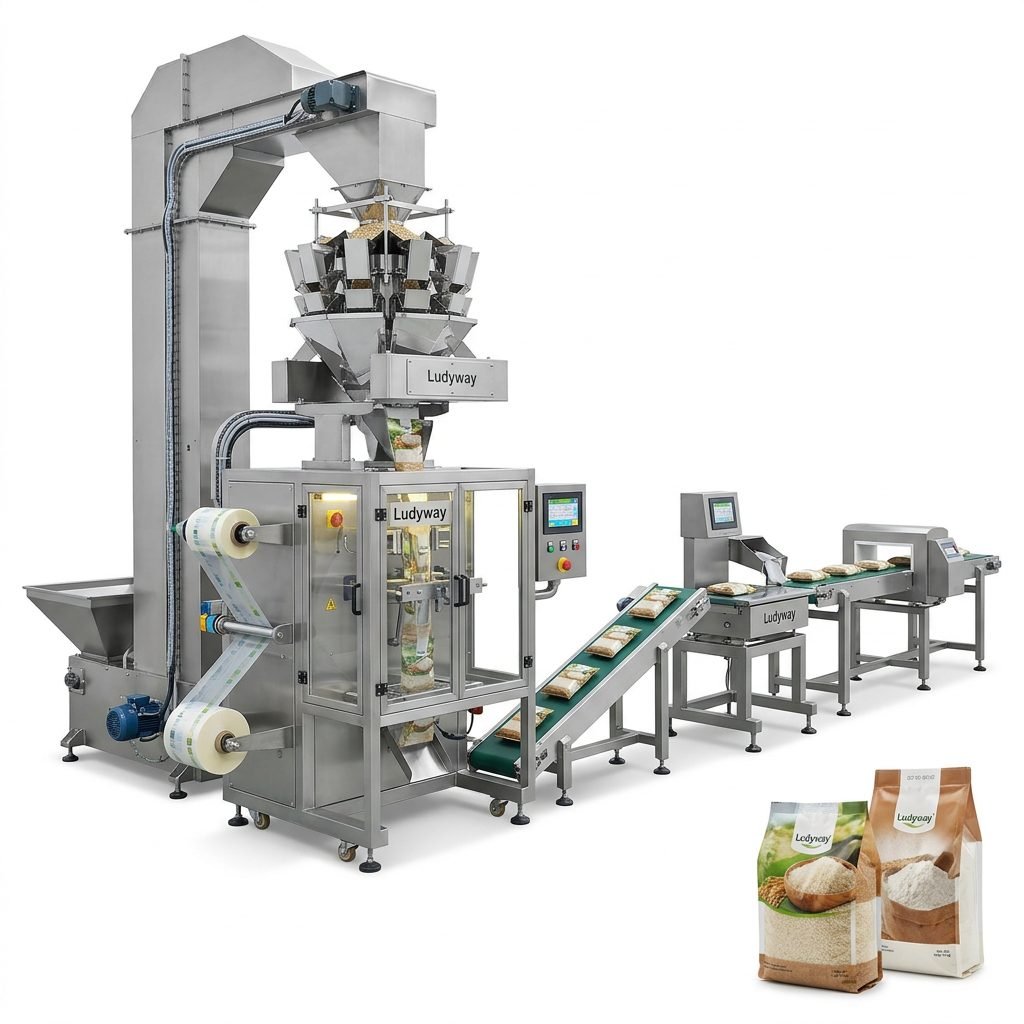
If your factory aims to reduce labor dependency and standardize output, an integrated packaging line often delivers better long-term value than buying isolated machines one by one.
Key Questions to Ask Before Buying
Before you make a final decision, ask the supplier clear technical and commercial questions. This helps avoid costly mismatches.
- What milk products has this machine packed successfully before?
- What is the actual stable output per hour?
- How accurate is the filling system?
- How long does format changeover take?
- What cleaning method is recommended?
- Can the machine connect to upstream and downstream equipment?
- What spare parts and after-sales support are available?
- Can the supplier provide testing with my actual product and packaging material?
A product test with your own milk sample and packaging film is one of the best ways to reduce risk.
Turnkey Line or Standalone Machine?
Some businesses only need one machine. Others need a complete line from feeding to final case packing. The right choice depends on scale, budget, and process complexity.
Standalone machine is suitable when:
- You already have part of the line in place
- Your production volume is still limited
- You are testing a new milk product format
Turnkey packaging line is suitable when:
- You want full process coordination
- You need higher automation and lower labor input
- You want one supplier for integration, commissioning, and service
- Your output target is high and downtime is costly
For companies planning long-term dairy packaging expansion, turnkey systems are often easier to manage and optimize.
How to Compare Suppliers Effectively
A good machine is only as reliable as the company behind it. Supplier capability affects machine quality, customization, technical support, and delivery stability.
When evaluating suppliers, check:
- Manufacturing experience in food and dairy packaging
- Export experience and international project cases
- Engineering customization ability
- Factory scale and quality control process
- Availability of installation guidance and after-sales support
- Ability to provide complete packaging line solutions
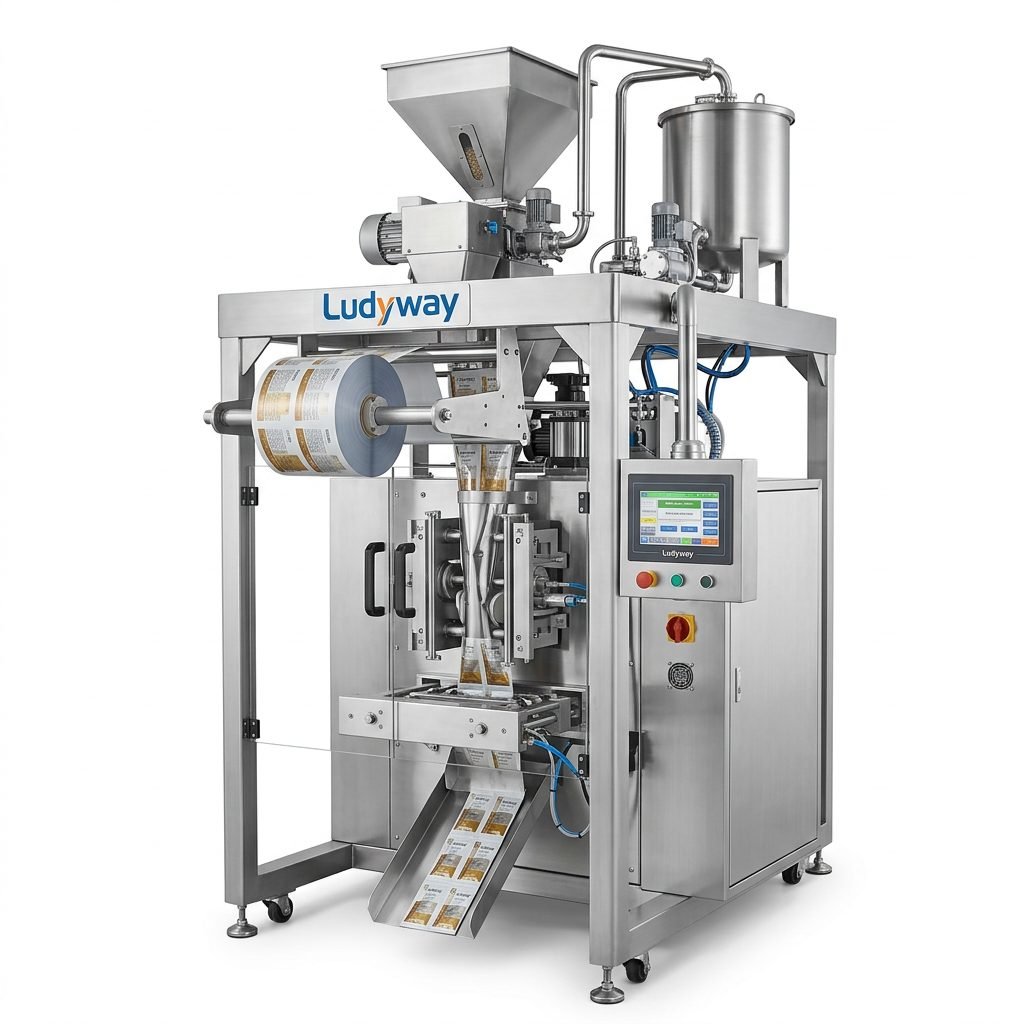
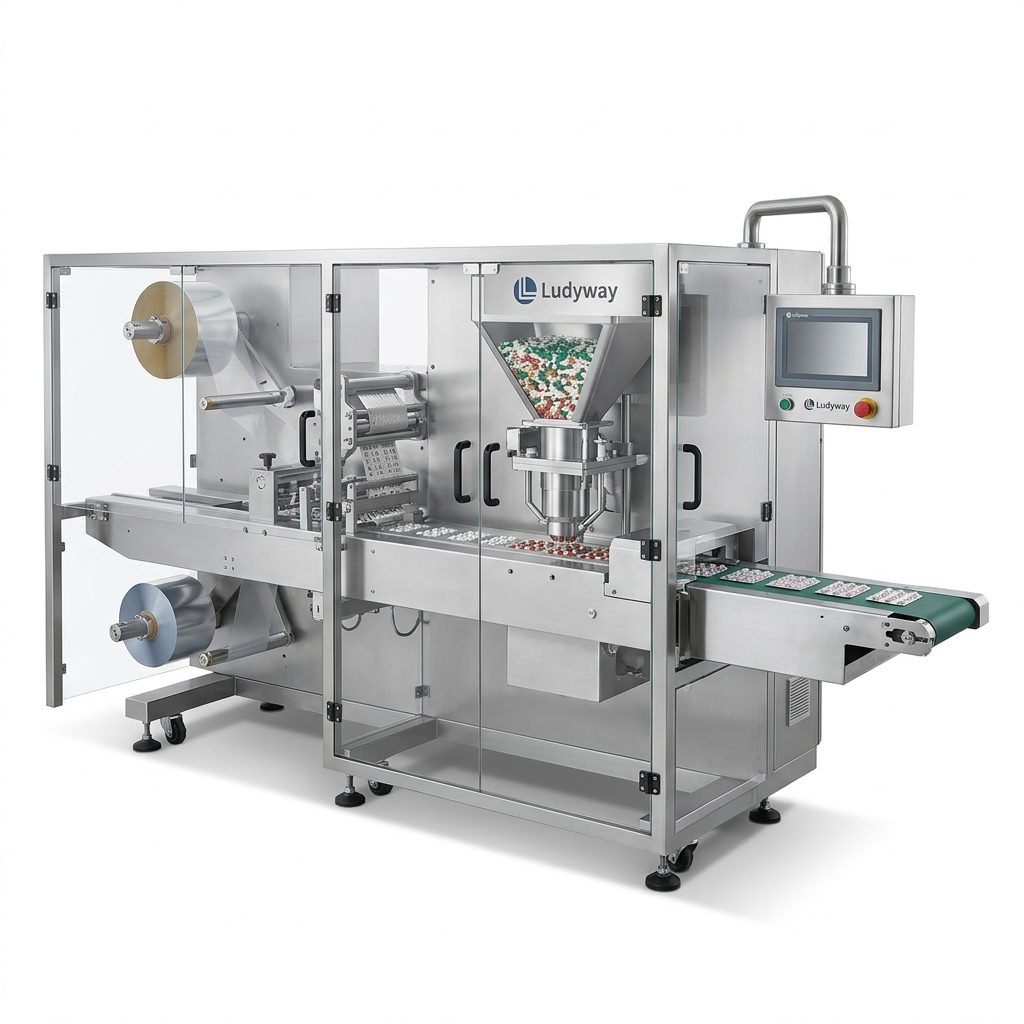
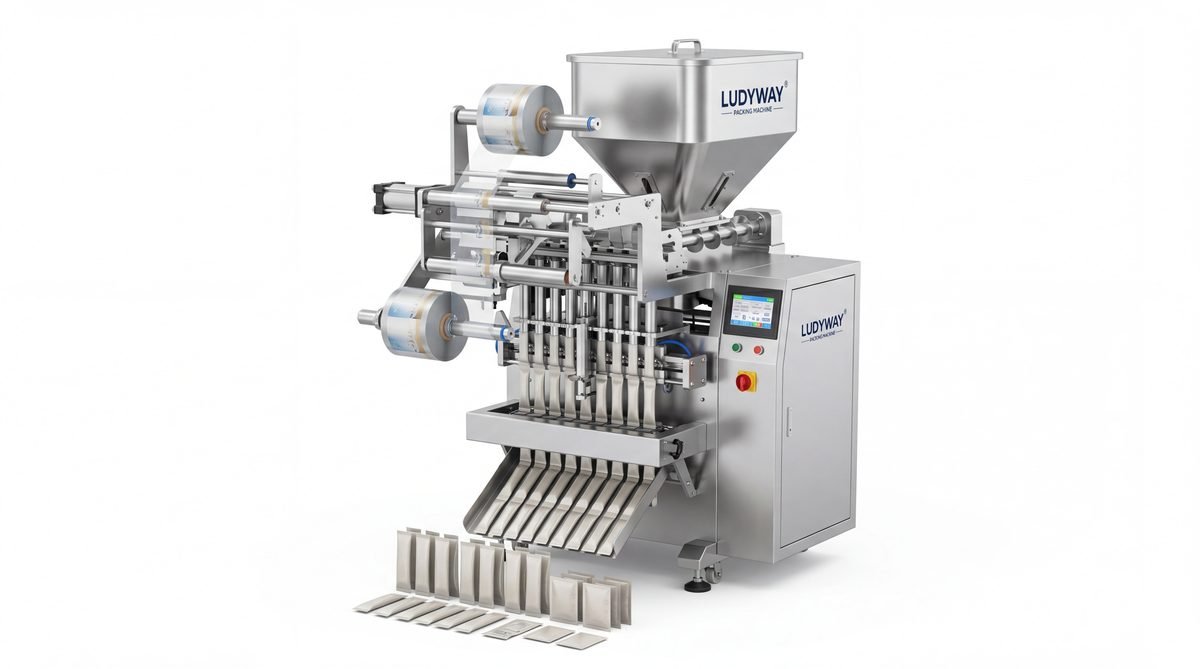
If you are looking for a supplier with broad packaging experience across liquids, powders, pouches, and turnkey automation, Ludyway milk packing machine solutions can be considered for projects requiring scalable equipment and integrated line support.
Common Mistakes to Avoid
- Choosing by price only
- Ignoring future capacity growth
- Overlooking hygiene design
- Not testing with actual milk product and packaging materials
- Buying a machine without checking local electrical and compliance requirements
- Forgetting downstream packaging and logistics needs
Final Buying Checklist
| Checklist Item | Status |
|---|---|
| Defined milk product type and viscosity | □ |
| Selected target packaging format | □ |
| Confirmed capacity requirements | □ |
| Checked hygiene and food safety design | □ |
| Verified packaging material compatibility | □ |
| Reviewed automation and upgrade options | □ |
| Tested product on machine | □ |
| Confirmed after-sales support and spare parts | □ |
The best milk packing machine is the one that fits your product, plant conditions, compliance needs, and growth strategy. By focusing on product type, package format, hygiene, automation, and supplier capability, you can choose a packaging solution that improves efficiency today and supports business expansion in the future.