Choosing the right product for sachet packaging is one of the most important decisions in any packaging project. A sachet may look simple, but it offers major advantages in portion control, product protection, lower material use, convenience, and retail appeal. From food and pharmaceuticals to cosmetics and chemicals, sachets are now a preferred format for brands that want compact, economical, and user-friendly packaging.
In this guide, we’ll explain which products are suitable for sachet packaging, what characteristics make a product compatible, and how to evaluate the best packaging approach for your production goals.
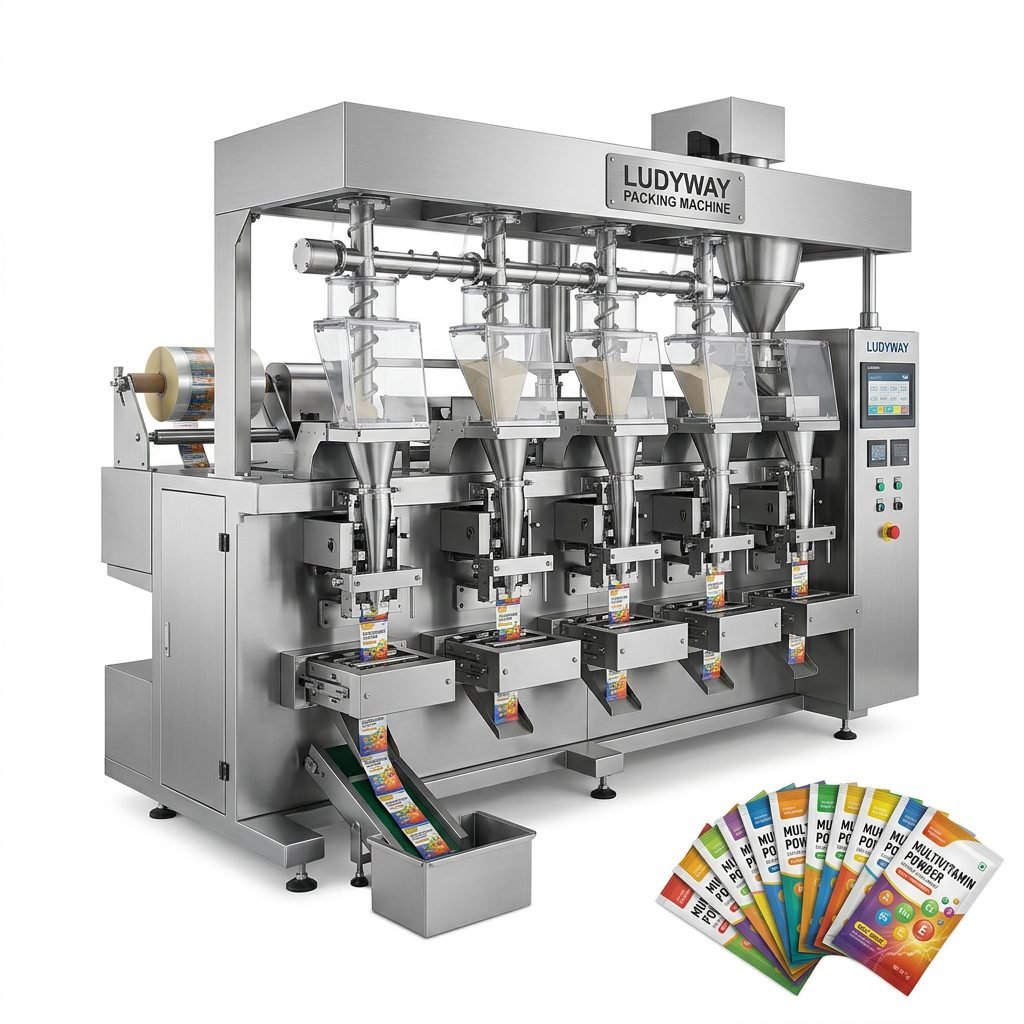
What Is Sachet Packaging?
Sachet packaging refers to small, sealed flexible packs designed to hold a single-use or limited-use portion of product. These packs are commonly made from laminated films that offer barrier protection against moisture, oxygen, light, and contamination.
Sachets are widely used for:
- Single-serve food and beverage products
- Sample-size cosmetics and personal care items
- Pharmaceutical doses
- Household and industrial chemicals
- Travel-size and on-the-go products
Because sachets are lightweight and cost-efficient, they are especially attractive for brands targeting e-commerce, sampling campaigns, convenience retail, hospitality, healthcare, and export markets.
What Makes a Product Suitable for Sachet Packaging?
Not every product is an ideal fit for sachets. In general, the best candidates share several practical characteristics:
- Small dosage or portion size — Sachets are ideal for products consumed in small quantities.
- Good flow or fillability — Powders, granules, liquids, gels, and creams can usually be dosed accurately.
- Need for hygiene or protection — Sealed sachets help reduce contamination risk.
- Single-use convenience — Useful for travel, sampling, medical use, or on-the-go consumption.
- Strong shelf-life requirements — Barrier films can help maintain freshness and stability.
Products that are too large, highly irregular, fragile in shape, or difficult to dose precisely may require other formats such as pouches, bottles, jars, or cartons instead.
Main Product Categories Suitable for Sachet Packaging
1. Powder Products
Powders are among the most common and most suitable products for sachet packaging. They are easy to portion, easy to transport, and highly compatible with automatic filling systems.
Examples include:
- Protein powder
- Collagen powder
- Coffee powder
- Milk powder
- Electrolyte powder
- Seasoning powder
- Soup mix powder
- Herbal powder
- Pharmaceutical powders
- Detergent powder
Powder products work particularly well when brands need precise dosage, portability, and moisture protection.
2. Granule Products
Granules are also highly compatible with sachet packing machines. Depending on particle size and flow behavior, they can be filled by volumetric cups, auger systems, linear weighers, or multi-head weighers.
Common granule sachet products:
- Sugar
- Salt
- Instant coffee granules
- Seeds
- Desiccant-type industrial granules
- Fertilizer samples
- Pharmaceutical granules
- Animal feed additives
- Flavor crystals
- Sweeteners
3. Liquid Products
Many free-flowing liquids are ideal for sachet packaging, especially in food, healthcare, personal care, and household sectors. Proper sealing technology and suitable film structure are essential to prevent leakage.
Suitable liquid examples:
- Sauces and condiments
- Cooking oil
- Honey
- Shampoo
- Hand sanitizer
- Mouthwash
- Liquid supplements
- Serum or cosmetic essence
- Detergent liquid
- Cleaning agents
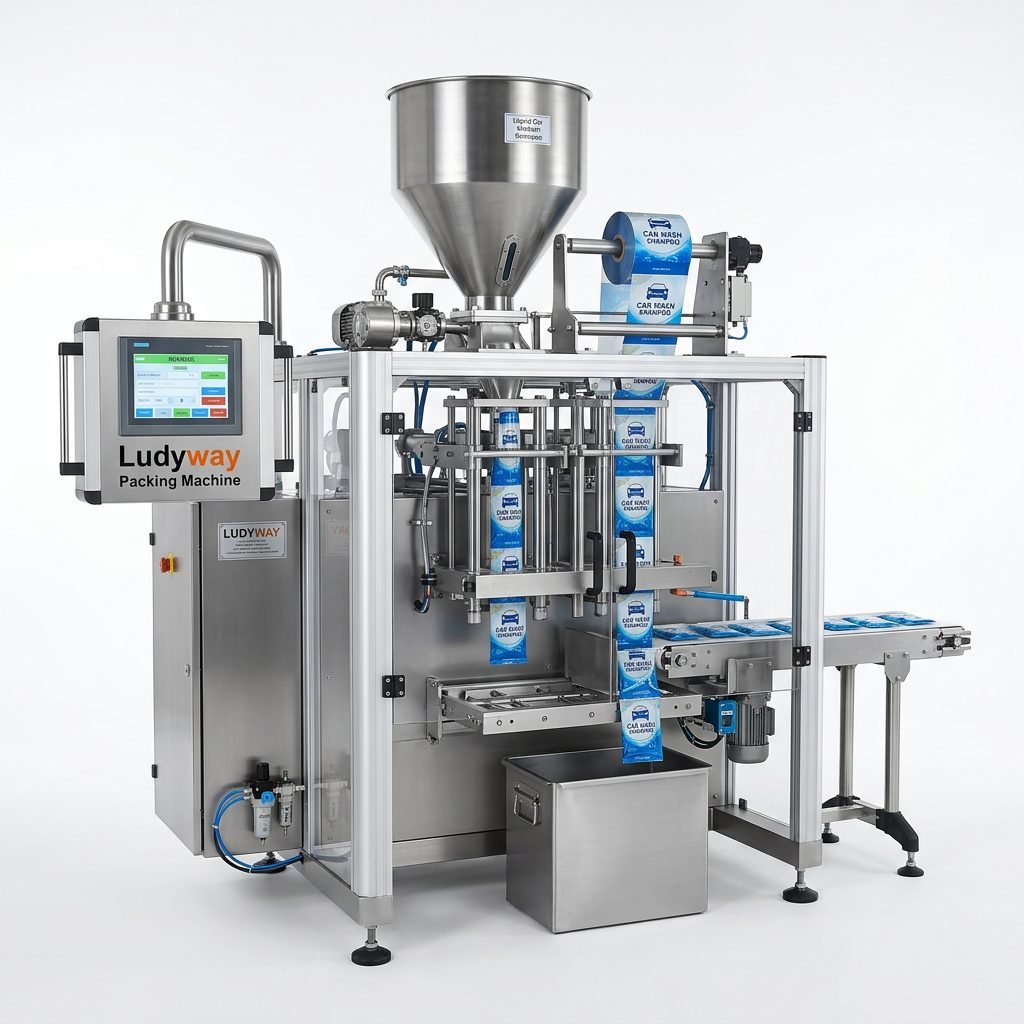
4. Paste, Gel, and Cream Products
Viscous products can also be packed in sachets with the right pumping and filling system. This format is widely used for sampling, travel-size packs, and precise-use applications.
Typical products include:
- Ketchup
- Mayonnaise
- Peanut butter
- Creams and lotions
- Hair treatment products
- Face masks and skincare gels
- Medical gels
- Adhesives and sealants
Industry-by-Industry Guide to Sachet-Compatible Products
Food and Beverage
The food industry is one of the largest users of sachet packaging because consumers value portion control, freshness, and portability.
| Product Type | Why It Fits Sachets | Examples |
|---|---|---|
| Powders | Easy dosing and long shelf life | Coffee, milk powder, cocoa, drink mix |
| Granules | Convenient single-serve portions | Sugar, salt, seasoning, seeds |
| Liquids | Portable and hygienic use | Sauce, oil, vinegar, syrup |
| Pastes | Controlled serving and clean dispensing | Ketchup, mayonnaise, jam |
Food sachets are especially effective for:
- Hotels, airlines, and catering
- Retail single-serve products
- Sampling and promotional campaigns
- Instant beverage and convenience food markets
Pharmaceutical and Health Supplement Products
Sachets are widely used in pharma and nutraceutical applications because they provide accurate unit doses, improved hygiene, and simple patient use.
Suitable products include:
- Oral rehydration salts
- Cold medicine granules
- Digestive health powders
- Vitamin blends
- Electrolyte supplements
- Collagen and protein supplements
- Probiotic powders
- Medical glucose powder
For regulated industries, sachet packaging also supports batch coding, traceability, tamper evidence, and cleaner single-dose administration.
Cosmetics and Personal Care
Beauty and personal care brands often use sachets for trial-size and travel-size packaging. This helps reduce consumer buying hesitation and supports product launches.
Highly suitable products:
- Shampoo
- Conditioner
- Facial cleanser
- Serum
- Lotion
- Face cream
- Hair oil
- Sunscreen
- Hand cream
- Gel mask essence
Sachets in this category are popular because they are visually attractive, easy to distribute, and cost-effective for mass-market retail.
Household and Chemical Products
Many household and industrial products can also be safely packed in sachets when the product chemistry, film compatibility, and sealing integrity are properly evaluated.
Examples include:
- Liquid detergent
- Powder detergent
- Dishwashing liquid
- Glass cleaner
- Floor cleaner
- Toilet cleaner
- Industrial cleaner
- Water treatment chemicals
- Agricultural additives
- Sample-size lubricants or additives
For these products, it is essential to confirm material compatibility and barrier performance before large-scale production.
Products That Are Especially Ideal for Single-Use Sachets
The following product types are especially well suited for sachet packaging because they naturally align with single-dose consumption or one-time application:
- Instant drink powders
- Seasoning mixes
- Coffee and creamer
- Medical powders and granules
- Nutritional supplements
- Shampoo and conditioner
- Skincare trial packs
- Sauce and condiment servings
- Sanitizer gel
- Cleaning product refills or sample doses
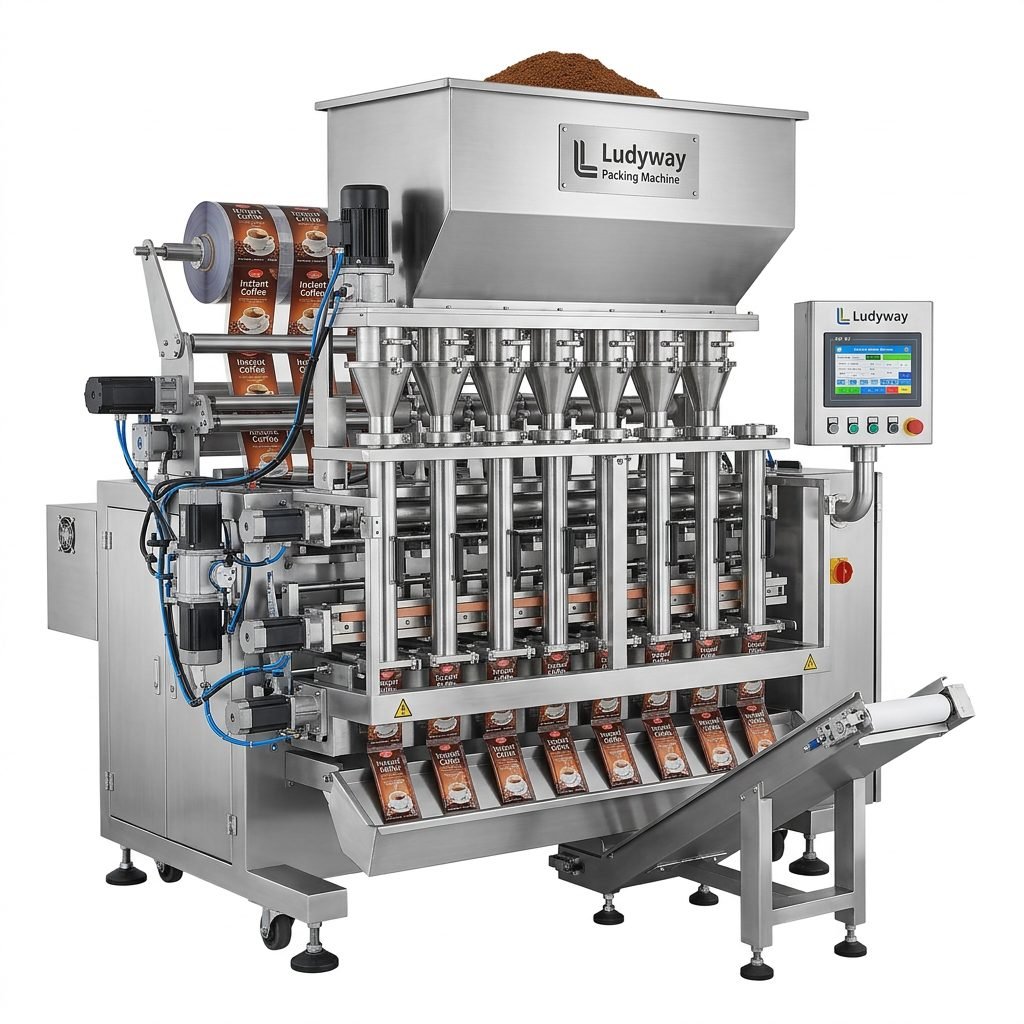
Key Product Characteristics to Evaluate Before Choosing Sachet Packaging
Flowability
Does the product flow smoothly, or does it bridge, clump, foam, or separate? Flow behavior affects filling accuracy and machine speed.
Dosage Accuracy
If the product requires very strict dosing, the filling system must match the material type. Powders may need auger filling, while granules may need a weighing solution.
Sensitivity to Moisture, Oxygen, or Light
Products such as supplements, coffee, and pharmaceuticals often require high-barrier films to maintain quality and shelf life.
Viscosity
For liquids, gels, and pastes, viscosity determines the type of pump, nozzle, and sealing configuration required.
Particle Size and Product Shape
Irregular particles or large inclusions may affect seal quality or dosing consistency. This is important for granules, dried food pieces, and specialty mixes.
Chemical Compatibility
Some chemicals, essential oils, or aggressive formulations may require special films and sealing conditions to avoid leakage or package degradation.
When Sachet Packaging May Not Be the Best Choice
Although sachets are highly versatile, they are not ideal for every product. Alternative packaging may be better if your product is:
- Sold in large family-size or bulk volumes
- Highly fragile and shape-sensitive
- Difficult to dispense from a flat pack
- Extremely viscous or chunky without specialized filling systems
- Better suited to rigid packaging for branding or premium presentation
In those cases, stand-up pouches, bottles, jars, tubes, or larger bags may be more suitable.
Benefits of Sachet Packaging for Manufacturers and Brands
| Benefit | Business Value |
|---|---|
| Low material usage | Can reduce packaging cost compared with rigid formats |
| Portability | Improves convenience for end users |
| Single-dose control | Supports hygiene, accuracy, and reduced waste |
| Shelf-life protection | Suitable films protect sensitive products |
| Sampling potential | Helps brands promote new products effectively |
| Automation compatibility | Supports high-speed filling and sealing production |
How to Choose the Right Sachet Packing Solution
If your product is suitable for sachet packaging, the next step is choosing the right machine configuration. Important factors include:
- Product form: powder, granule, liquid, paste, or gel
- Required sachet size and shape
- Production speed target
- Film type and barrier requirement
- Sealing style and package appearance
- Level of automation needed
- Integration with coding, cartoning, checkweighing, and end-of-line equipment
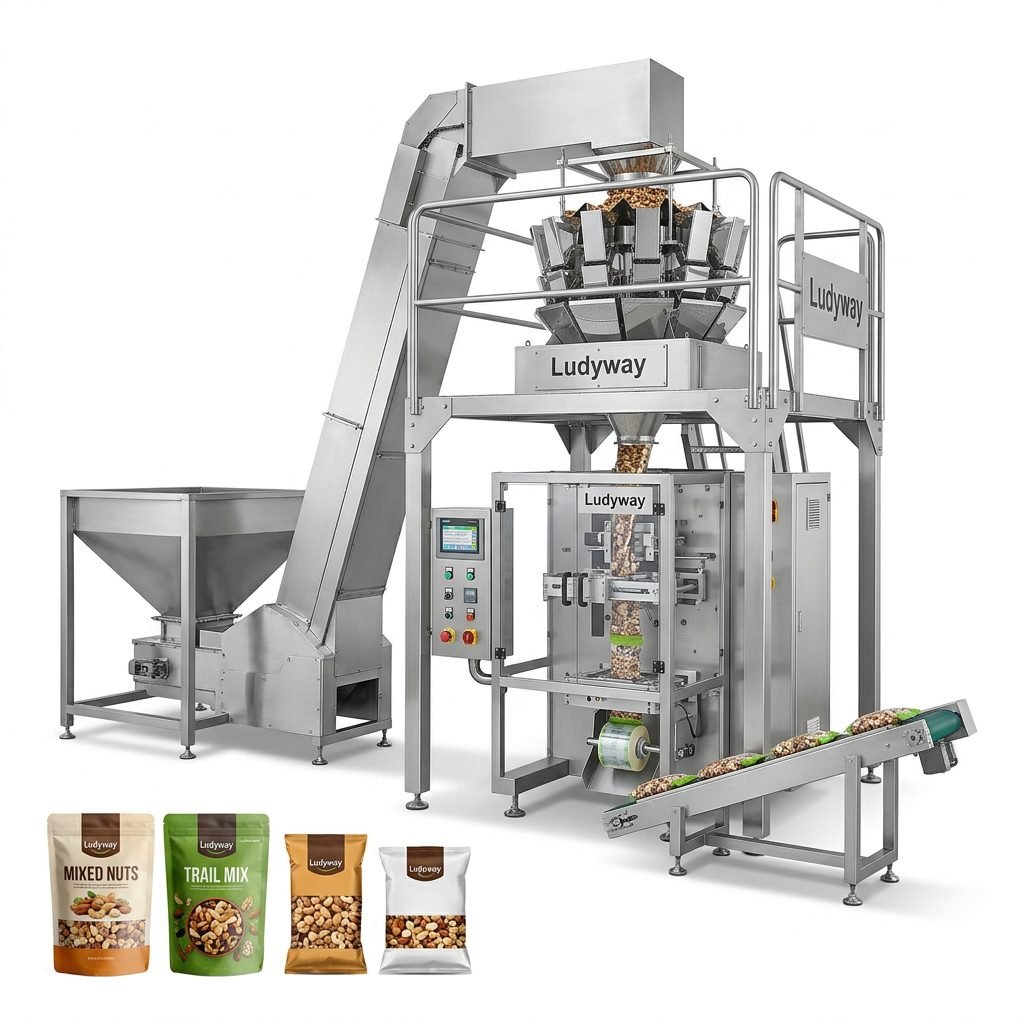
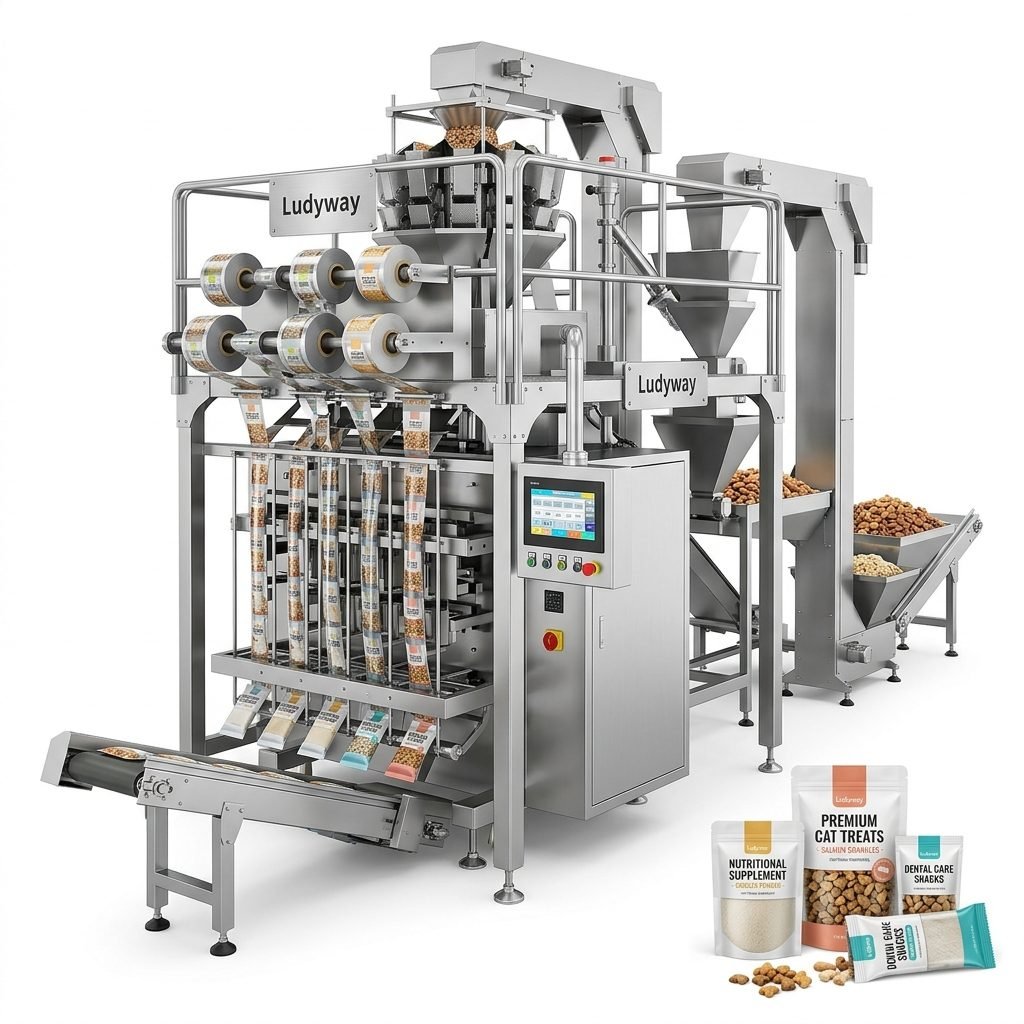
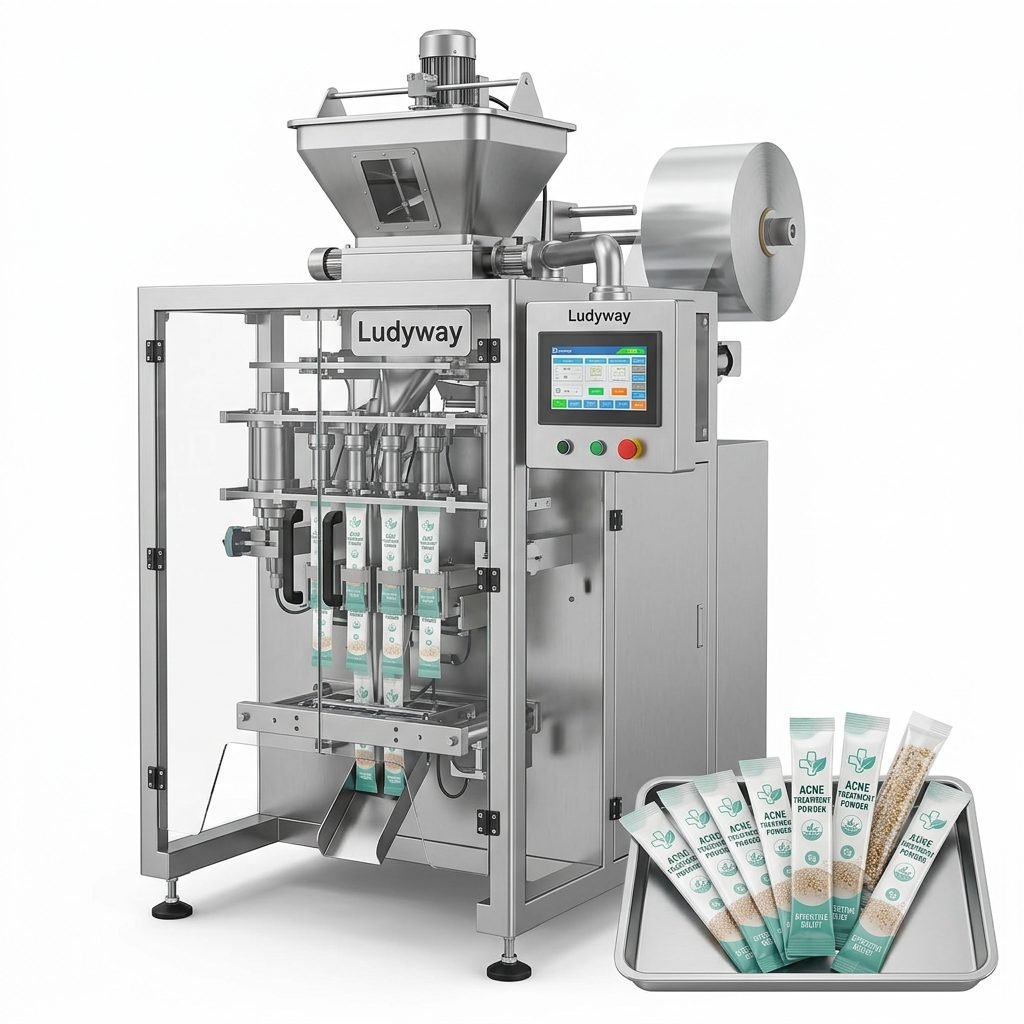
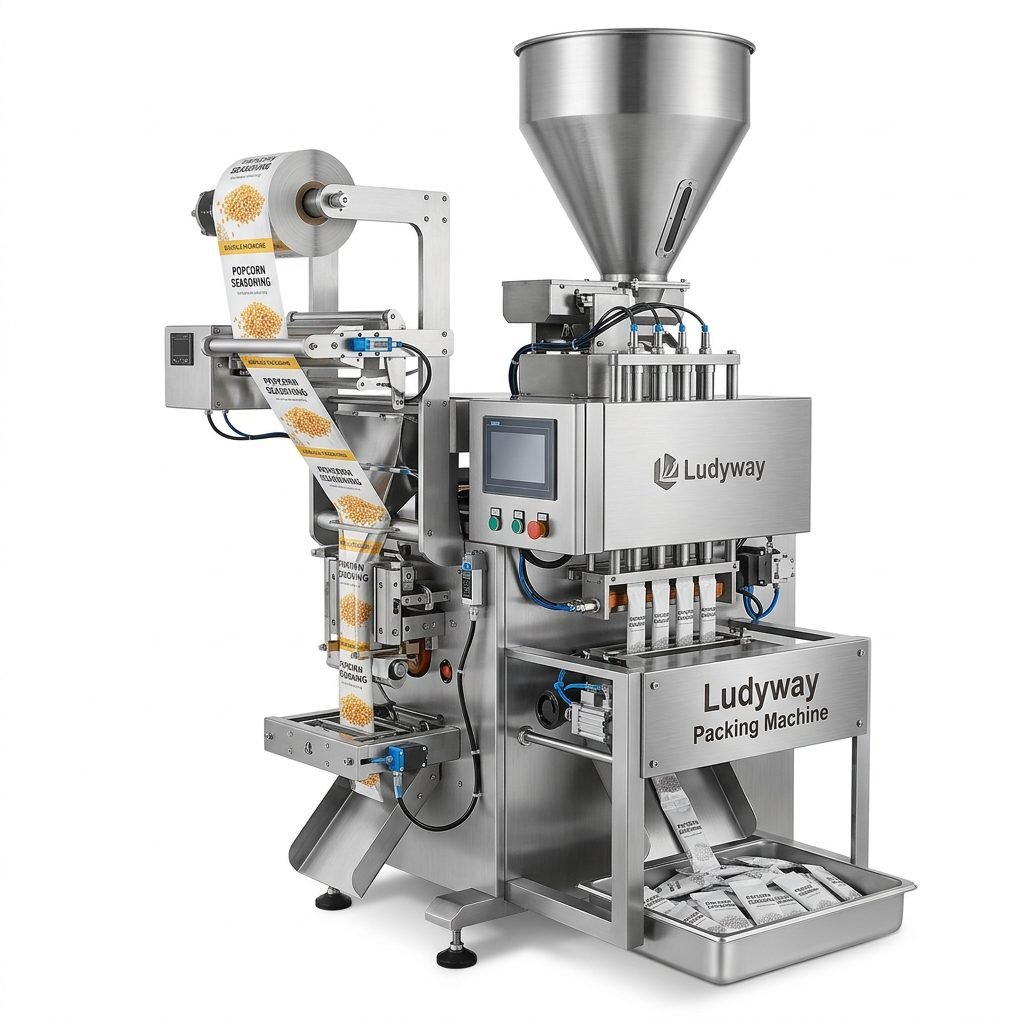
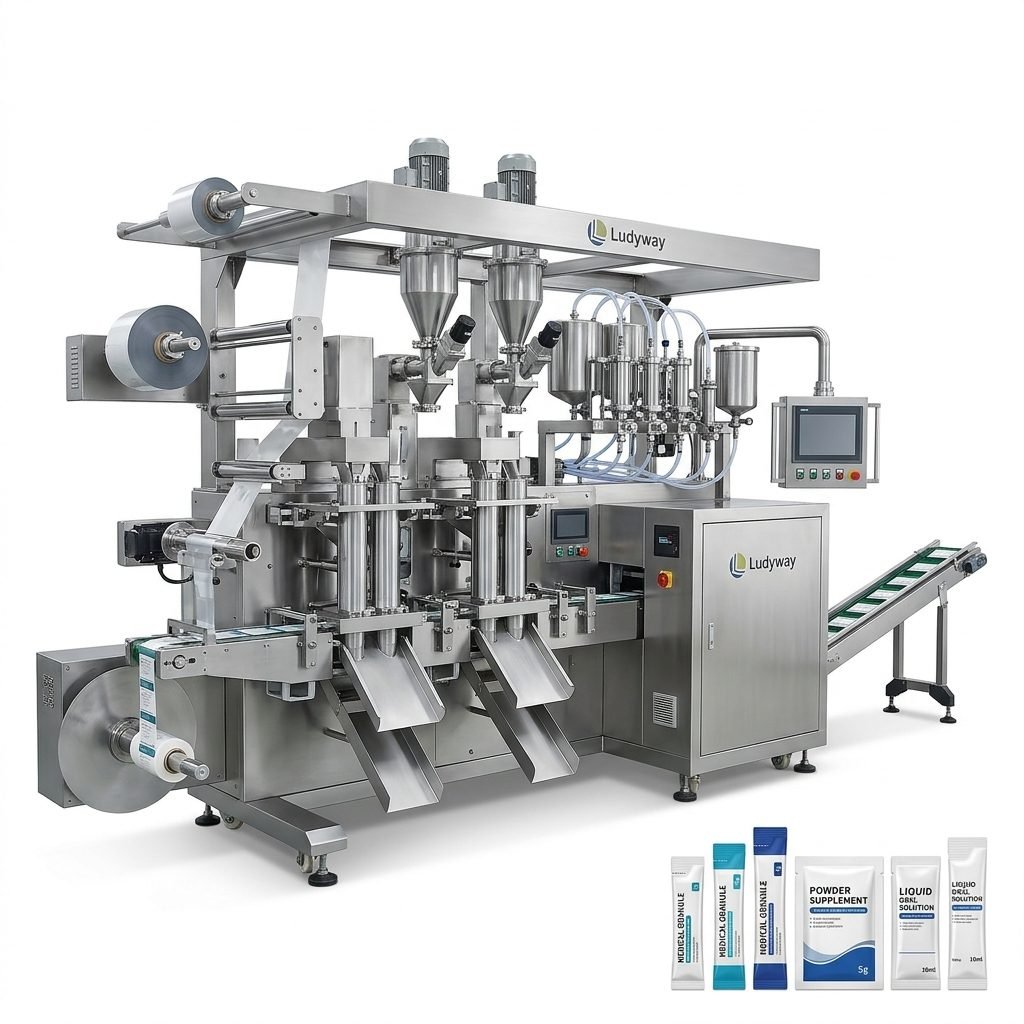
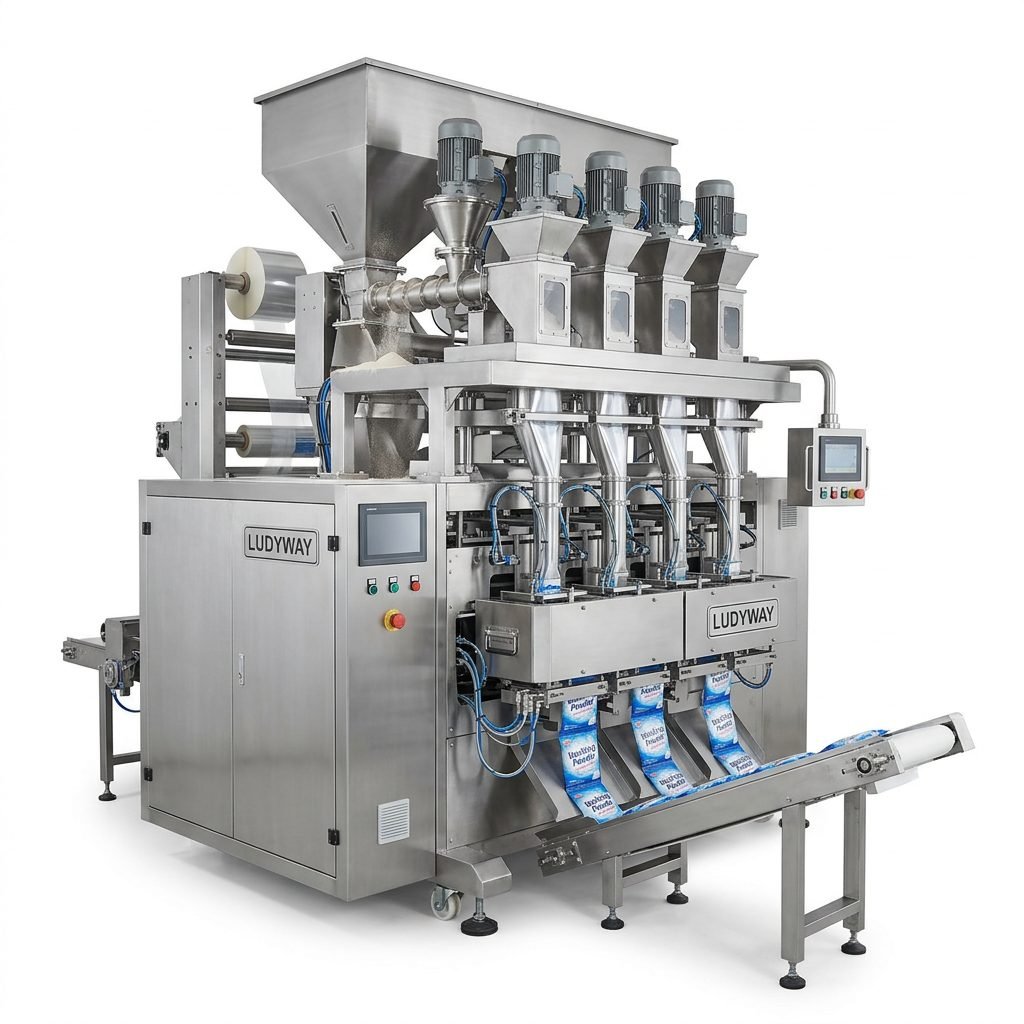
For businesses looking for scalable automation, working with an experienced equipment supplier is important. Ludyway sachet packaging machine manufacturer provides packaging machinery and turnkey line solutions for powders, granules, liquids, and pouch-based products across food, pharmaceutical, cosmetic, chemical, and related industries.
Final Checklist: Is Your Product Suitable for Sachet Packaging?
You can use this quick checklist before making a packaging decision:
- Is the product consumed or used in small portions?
- Can it be filled consistently and accurately?
- Does it benefit from sealed hygienic packaging?
- Is portability important for users?
- Would sample packs or travel size improve sales?
- Does the product need moisture or oxygen protection?
- Can the selected film safely contain the product?
If the answer is yes to most of these questions, your product is likely a strong candidate for sachet packaging.
Conclusion
Sachet packaging is suitable for a wide range of products, especially powders, granules, liquids, gels, creams, and pastes. It is widely used in food, beverage, pharmaceutical, supplement, cosmetic, household, and chemical applications because it offers convenience, controlled dosage, good product protection, and efficient packaging economics.
The best sachet products are those that need compact portions, accurate filling, and practical single-use packaging. By carefully evaluating product behavior, packaging goals, and machine compatibility, manufacturers can choose a sachet solution that improves both production efficiency and customer experience.