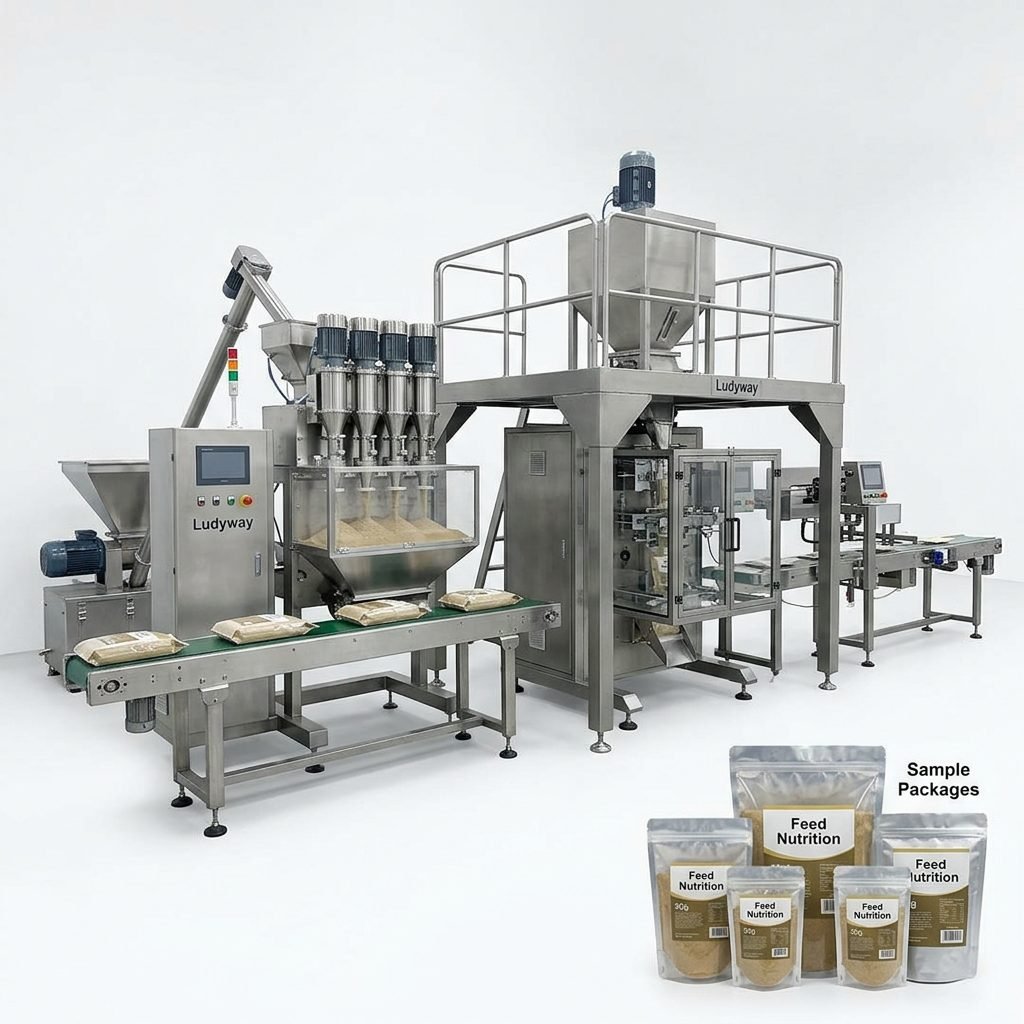
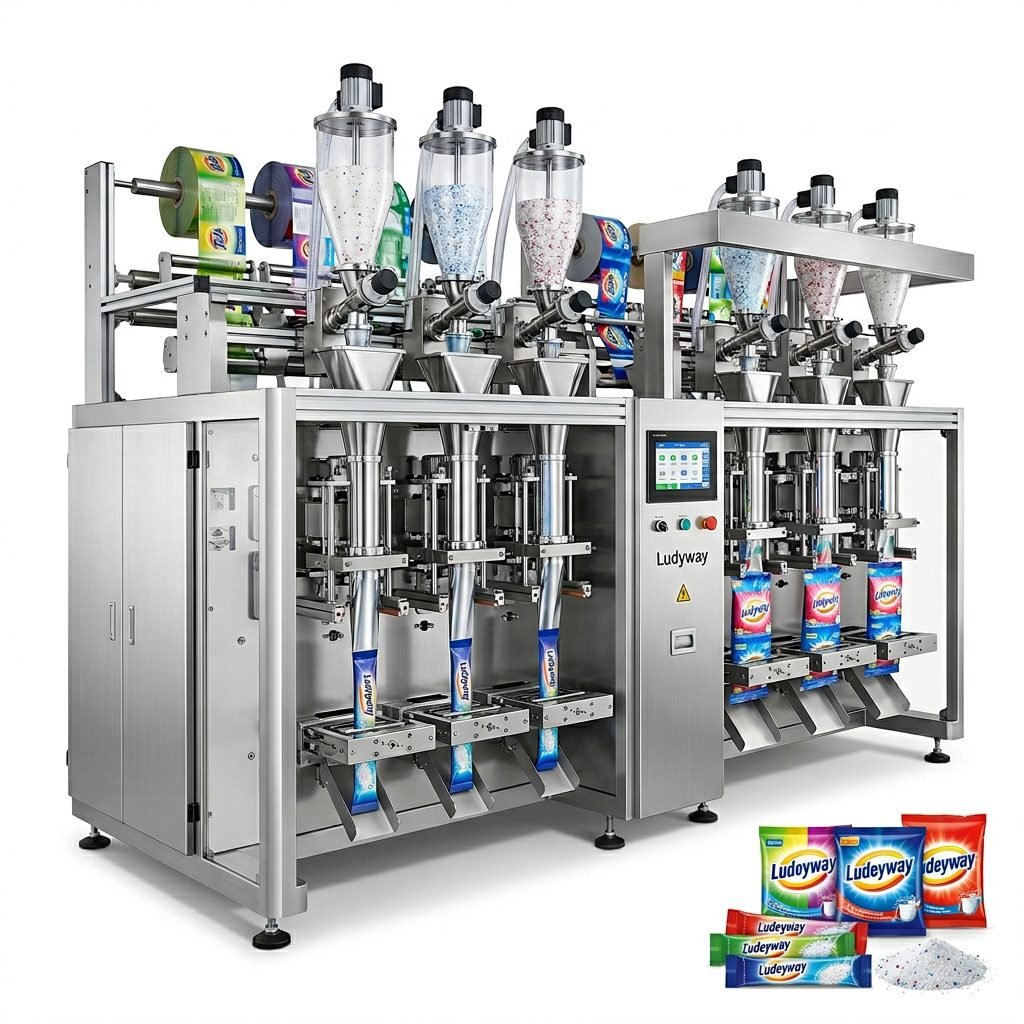
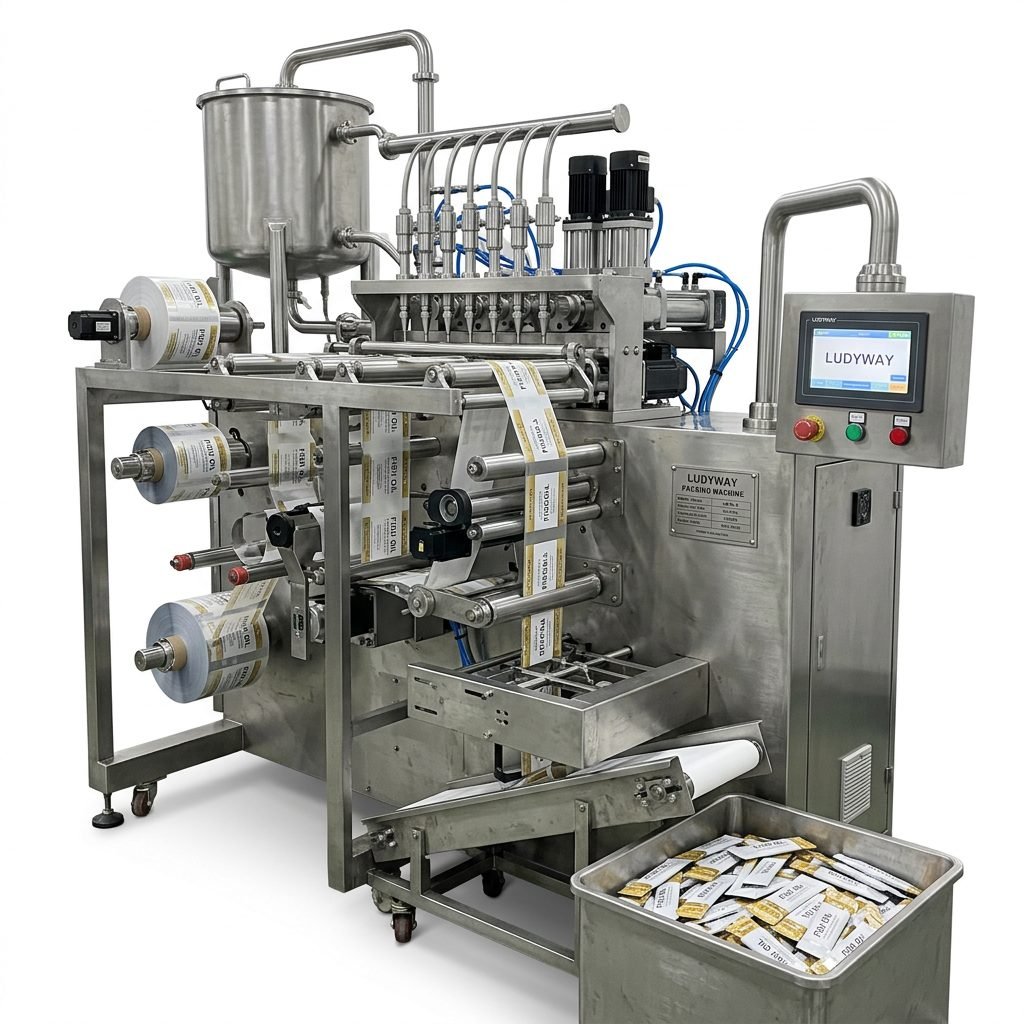
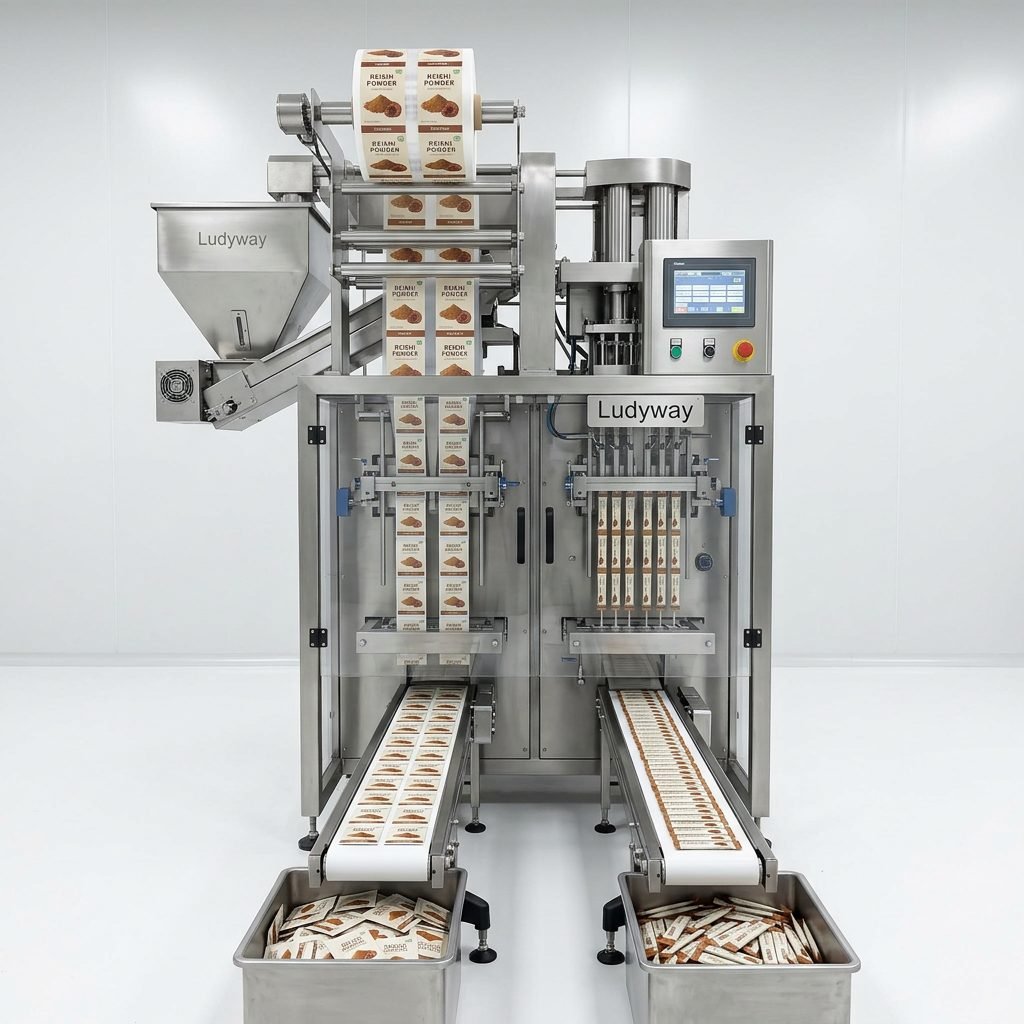
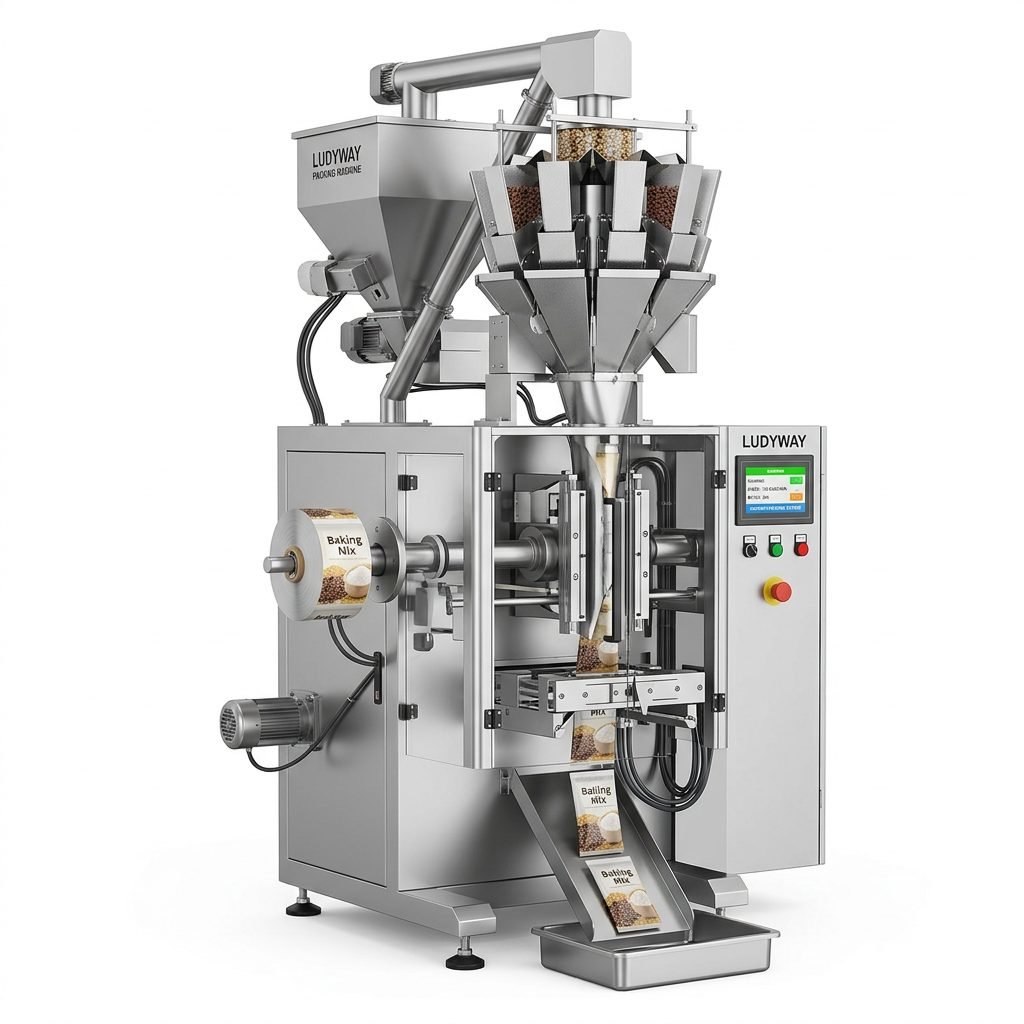
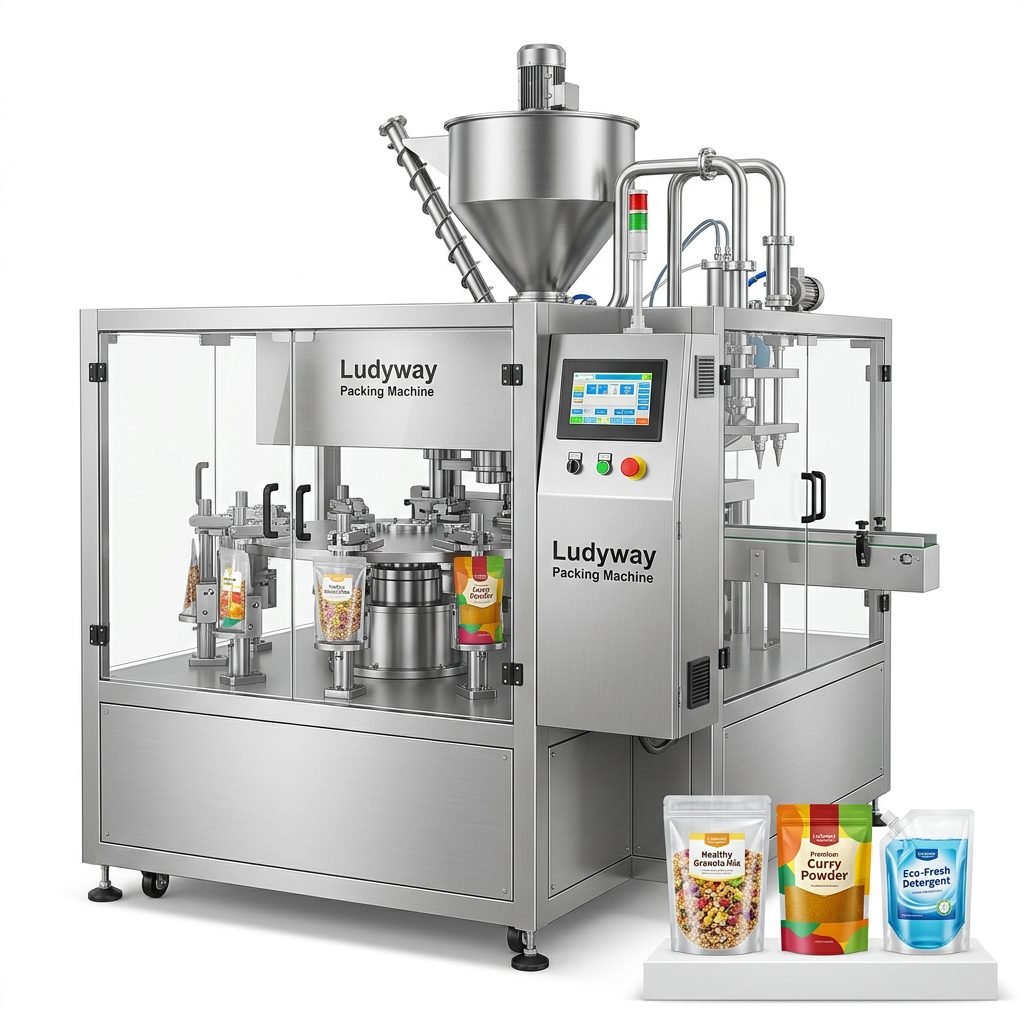
Investing in a small vacuum packaging machine is a strategic decision for food processors, pharmaceutical companies, and electronics manufacturers looking to extend product shelf life, preserve freshness, and optimize packaging efficiency. China has emerged as a global hub for packaging machinery, offering a wide spectrum of vacuum sealers that balance cost-effectiveness with advanced engineering. This guide provides a thorough overview of what to look for when sourcing a compact vacuum packaging solution from Chinese manufacturers, covering machine types, critical specifications, supplier evaluation, and practical procurement insights.
Understanding Small Vacuum Packaging Machines
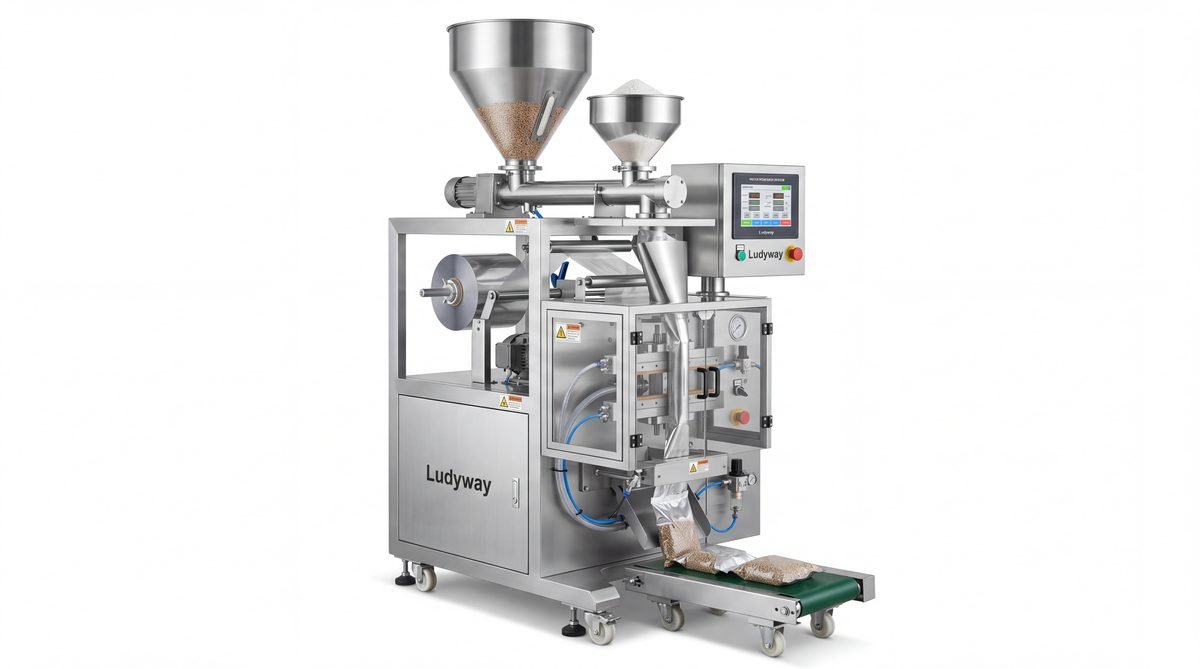
A small vacuum packaging machine removes air from a package prior to sealing, creating an oxygen-depleted environment that inhibits aerobic bacterial growth, prevents oxidation, and protects contents from moisture and contaminants. These machines are widely deployed across food processing, pharmaceutical packaging, electronics component sealing, and chemical product preservation. Unlike their large-scale industrial counterparts, small vacuum sealers are designed for moderate production volumes, pilot lines, laboratory use, and businesses with limited floor space.
Chinese manufacturers have refined vacuum sealing technology over decades, integrating features such as PLC touch-screen controls, adjustable vacuum levels, gas flushing (MAP) capabilities, and multi-chamber configurations into compact footprints. The versatility of modern small vacuum packaging equipment allows companies to handle granule products, powders, liquids, pastes, and solid items within a single system.
Key Benefits of Using a Vacuum Packaging Machine
- Extended Shelf Life: Vacuum sealing can prolong product freshness by 3 to 5 times compared to conventional packaging methods, reducing food waste and inventory turnover pressure.
- Enhanced Product Protection: The airtight barrier prevents moisture ingress, dust contamination, and physical damage during transport and storage.
- Improved Hygiene Standards: For pharmaceutical and medical device applications, vacuum packaging supports sterile barrier systems compliant with ISO 11607 requirements.
- Cost Savings: Reduced product spoilage, minimized need for preservatives, and efficient material usage contribute to lower operational expenses.
- Brand Presentation: Vacuum-sealed products present a clean, professional appearance that enhances consumer trust and retail appeal.
Types of Small Vacuum Packaging Machines Available in China
Chinese suppliers offer several distinct categories of compact vacuum sealers, each suited to specific applications. Understanding these differences is essential for making an informed purchasing decision.
Single Chamber Vacuum Machines
The most common entry-level option, single chamber vacuum sealers place the entire product and pouch inside a chamber. A vacuum pump evacuates air from the chamber before heat-sealing the bag. These machines are ideal for small batch production, restaurants, and laboratory settings. Typical chamber sizes range from 300mm × 280mm to 600mm × 500mm, with sealing bar lengths between 300mm and 650mm.
Double Chamber Vacuum Machines
Designed for higher throughput, double chamber models feature two alternating vacuum chambers. While one chamber is under vacuum and sealing, the operator can prepare the next batch in the second chamber. This semi-continuous operation boosts productivity by 40-60% compared to single chamber units. These machines suit medium-scale food processors and contract packagers handling powder packaging or solid product lines.
External Vacuum Sealers (Nozzle Type)
External vacuum machines operate without a chamber, using a suction nozzle inserted into the open end of a vacuum bag. These compact, lightweight units excel at packaging large or irregularly shaped items that cannot fit into chamber machines. They are commonly used for bulk food items, textile compression packaging, and industrial component protection.
Rotary Vacuum Packaging Machines
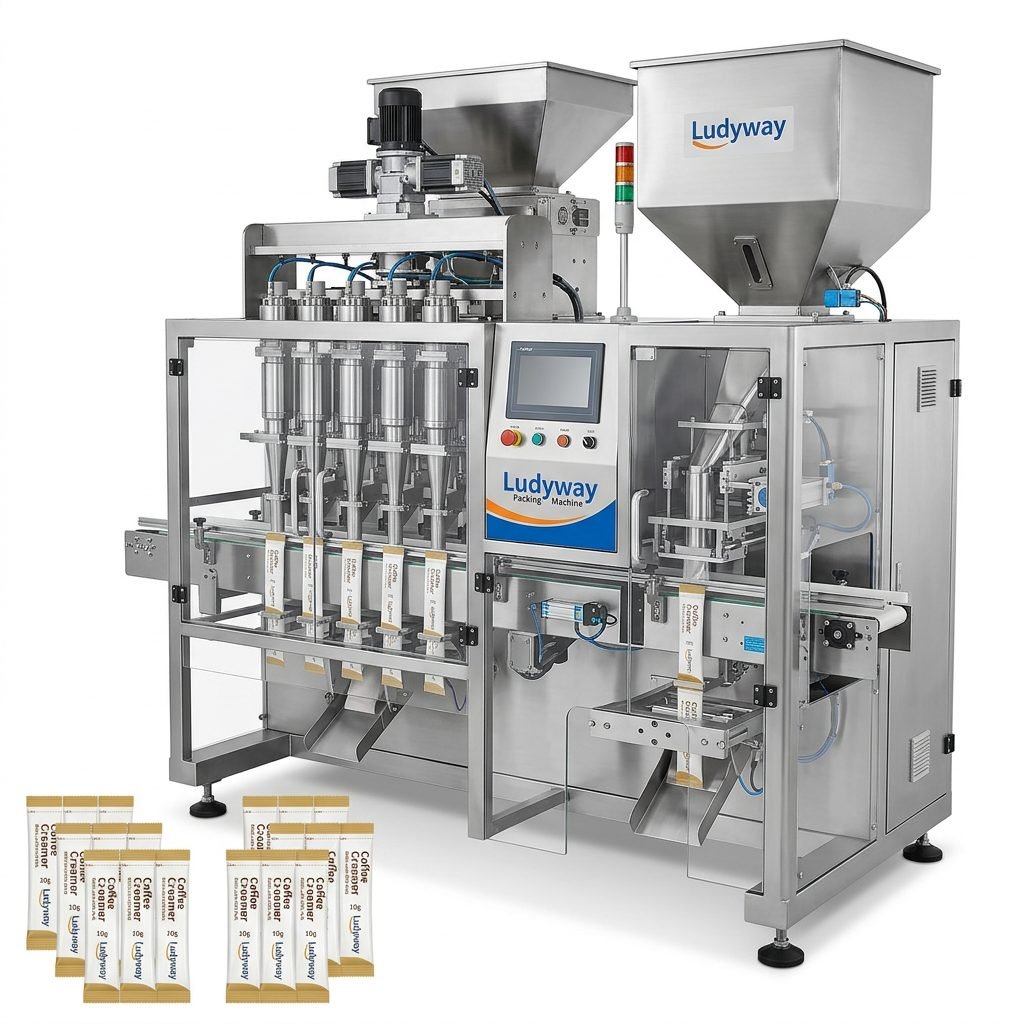
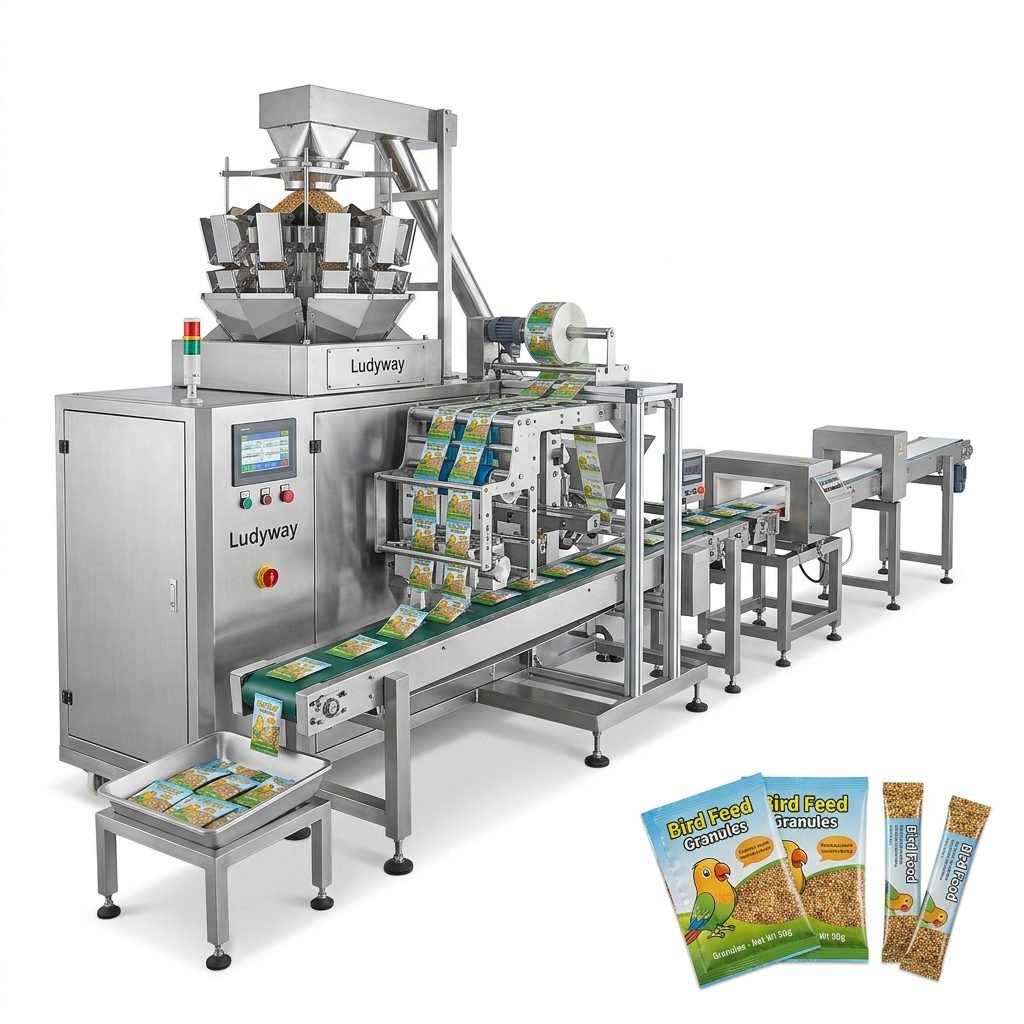
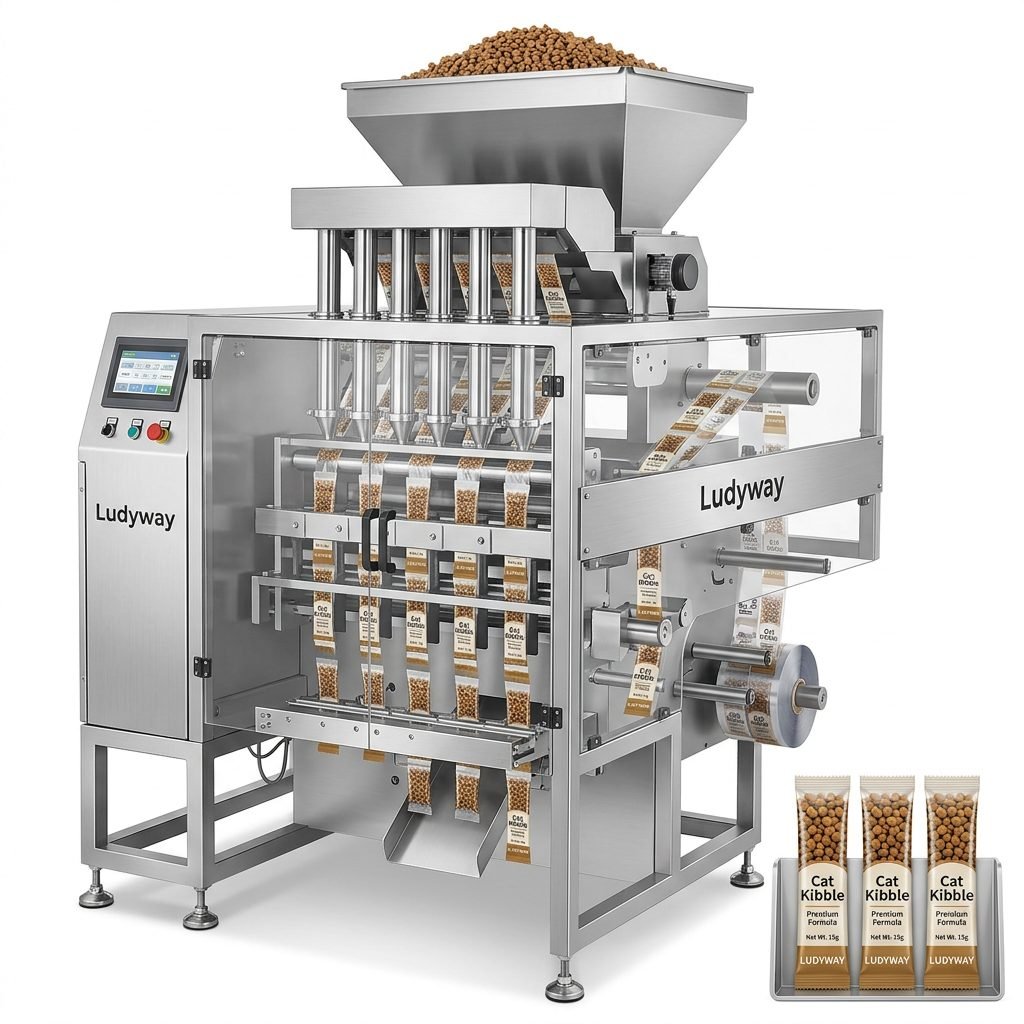
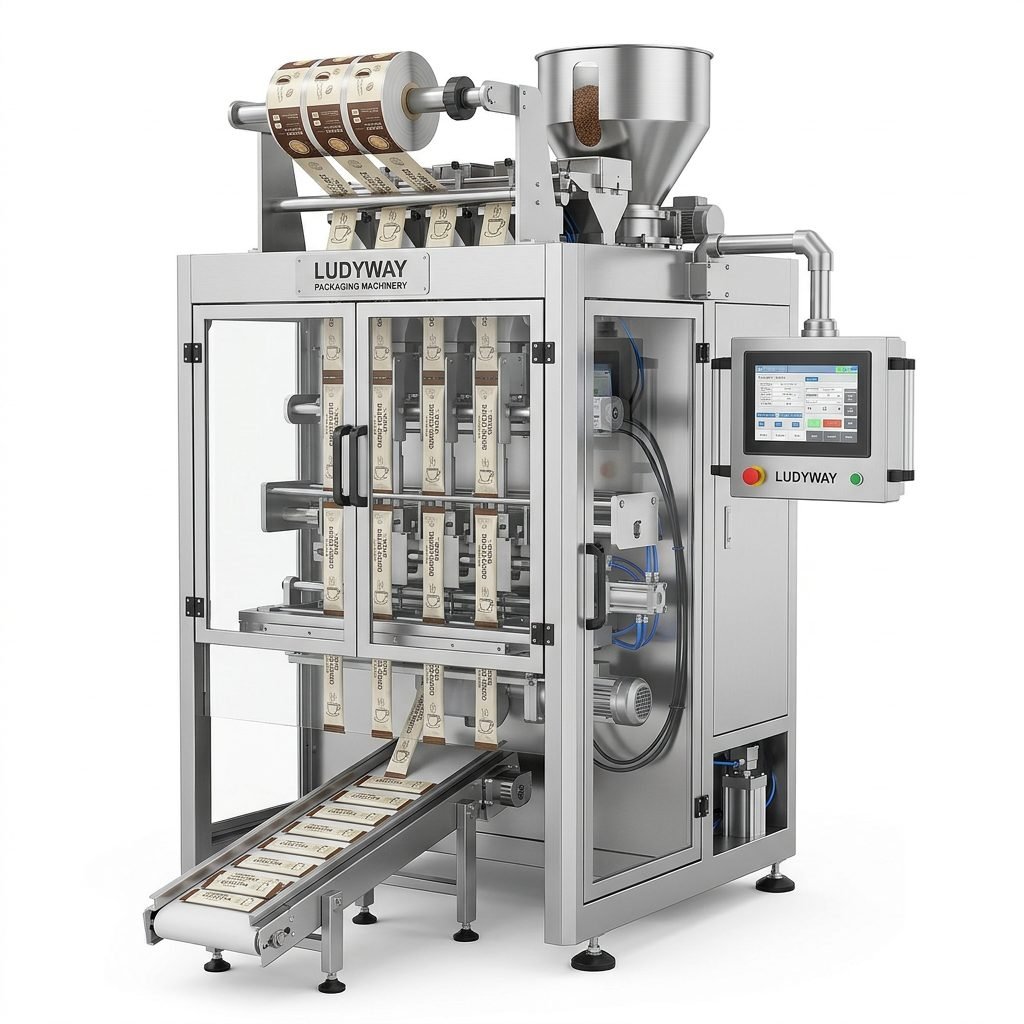
For operations requiring continuous high-speed production, rotary vacuum sealers integrate multiple stations on a rotating turret. Pouches are automatically fed, filled, vacuumed, and sealed in sequence. These systems can achieve outputs of 30-80 packs per minute in a compact footprint, making them suitable for sachet packaging lines and stick pack applications.

Key Specifications to Evaluate
When comparing small vacuum packaging machines from Chinese manufacturers, focus on the following technical parameters to ensure the equipment meets your production requirements.
| Specification | Description | Typical Range |
|---|---|---|
| Vacuum Pump Type | Oil-lubricated rotary vane, dry scroll, or oil-free diaphragm pumps | Busch, Becker, or domestic Chinese brands |
| Ultimate Vacuum Level | Maximum vacuum achievable inside the chamber | 0.5 – 2.0 mbar |
| Sealing Bar Length | Width of the heat-sealing element | 300 – 1000 mm |
| Chamber Dimensions | Internal working space for product placement | 280×300×100 mm to 620×600×140 mm |
| Cycle Time | Duration per vacuum-and-seal sequence | 15 – 40 seconds |
| Control System | Interface for parameter adjustment | PLC touch screen or digital panel |
| Gas Flush (MAP) | Modified atmosphere packaging capability with nitrogen or CO₂ injection | Optional on most models |
| Power Requirements | Electrical supply specifications | 220V/380V, 50/60Hz, 0.75 – 4.0 kW |
| Machine Weight | Total weight affecting portability and installation | 35 – 280 kg |
Top Industries Using Small Vacuum Packaging Machines
- Food Industry: Fresh meat, seafood, cheese, dried fruits, coffee beans, snack foods, and ready-to-eat meals benefit from vacuum sealing that preserves flavor and prevents freezer burn.
- Pharmaceutical Industry: Active pharmaceutical ingredients (APIs), herbal powders, medical device components, and diagnostic kits require sterile, contamination-free packaging.
- Electronics Manufacturing: Moisture-sensitive components such as PCBs, semiconductors, and connectors are vacuum-sealed with desiccant packs to prevent oxidation and humidity damage.
- Chemical Products: Industrial additives, laboratory reagents, and specialty powders are vacuum-packaged to maintain chemical stability and prevent hazardous exposure.
- Cosmetics and Personal Care: Sheet masks, serums, and premium skincare products use vacuum packaging for enhanced shelf appeal and product integrity.
How to Choose a Reliable Supplier in China
Sourcing a small vacuum packaging machine from China requires careful vendor assessment. The following checklist helps identify trustworthy manufacturers capable of delivering quality equipment and dependable after-sales support.
Verify Manufacturing Credentials
Look for suppliers with ISO 9001 certification, established export experience, and a proven track record spanning at least 10-15 years. Request documentation of CE marking, RoHS compliance, or UL certification where applicable. Reputable manufacturers maintain transparent quality management systems and can provide third-party inspection reports upon request.
Evaluate Production Capabilities
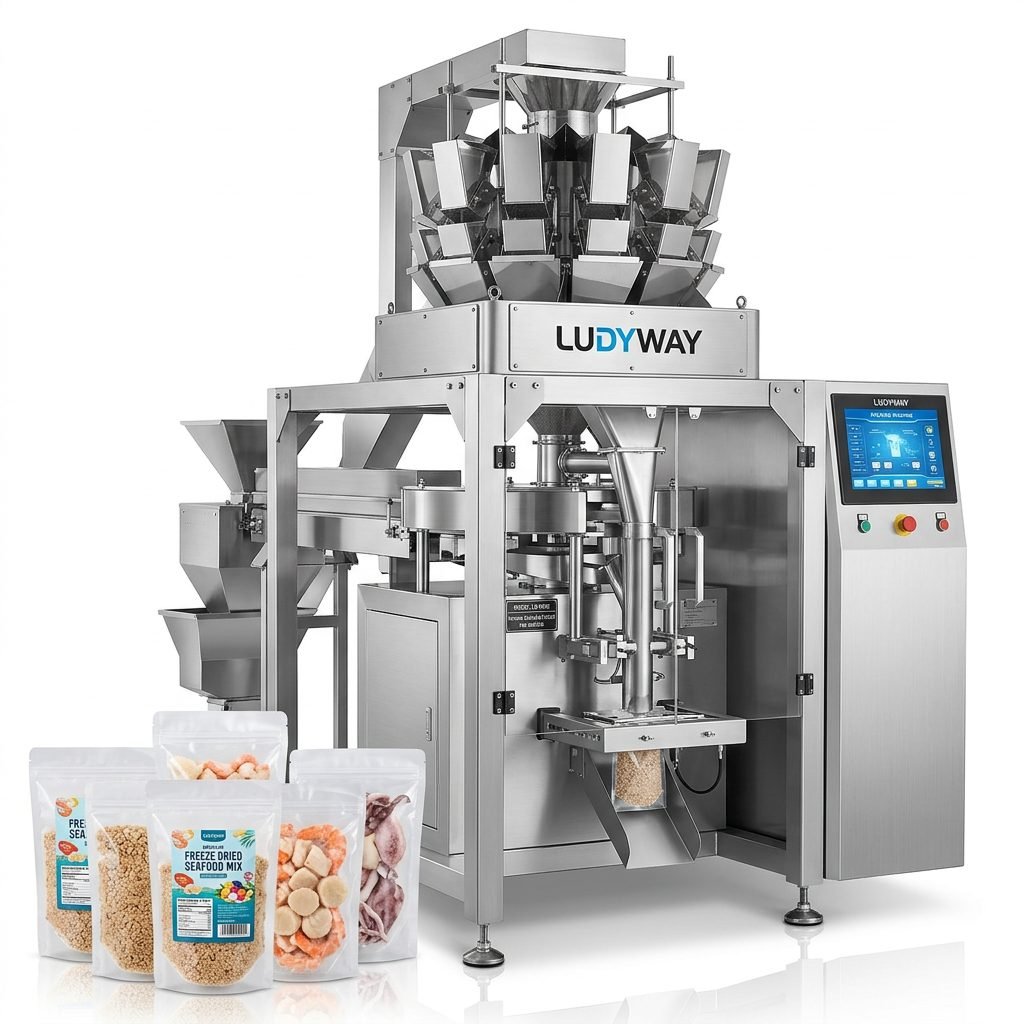
Top-tier Chinese packaging machine manufacturers operate modern production facilities equipped with CNC machining centers, laser cutting systems, and automated assembly lines. Ludyway, for instance, operates a 20,000㎡ manufacturing facility with over 200 manufacturing equipment units, serving customers in more than 100 countries. A factory visit—either in person or via video tour—provides valuable insight into the supplier’s operational standards.
Assess Technical Support and Spare Parts Availability
Confirm that the supplier offers comprehensive after-sales service, including remote troubleshooting, on-site technician dispatch options, and readily available spare parts inventories. Ask about warranty terms, typically 12-24 months for core components. The best suppliers provide multilingual technical documentation and 24/7 customer support channels.
Price Ranges and Budget Considerations
Small vacuum packaging machines from Chinese manufacturers span a broad price spectrum depending on configuration, automation level, and brand reputation. The following table provides general pricing guidance for budgetary planning.
| Machine Type | Estimated Price Range (USD) | Best Suited For |
|---|---|---|
| Single Chamber (Tabletop) | $500 – $2,500 | Small cafés, lab use, entry-level operations |
| Single Chamber (Floor Standing) | $1,800 – $5,000 | Small food processors, retail packaging |
| Double Chamber | $3,500 – $12,000 | Medium-scale production, co-packers |
| External Nozzle Sealer | $300 – $3,000 | Oversized items, textile compression |
| Rotary Continuous Sealer | $15,000 – $60,000 | High-volume automated lines |
| Customized Turnkey System | $25,000 – $150,000+ | Integrated turnkey packaging solutions |
Additional costs to factor into your budget include shipping and freight insurance, import duties and customs clearance fees, voltage transformer requirements, installation and commissioning services, and initial spare parts procurement. Many Chinese suppliers offer CIF (Cost, Insurance, Freight) or FOB (Free On Board) shipping terms.
Essential Features to Look For
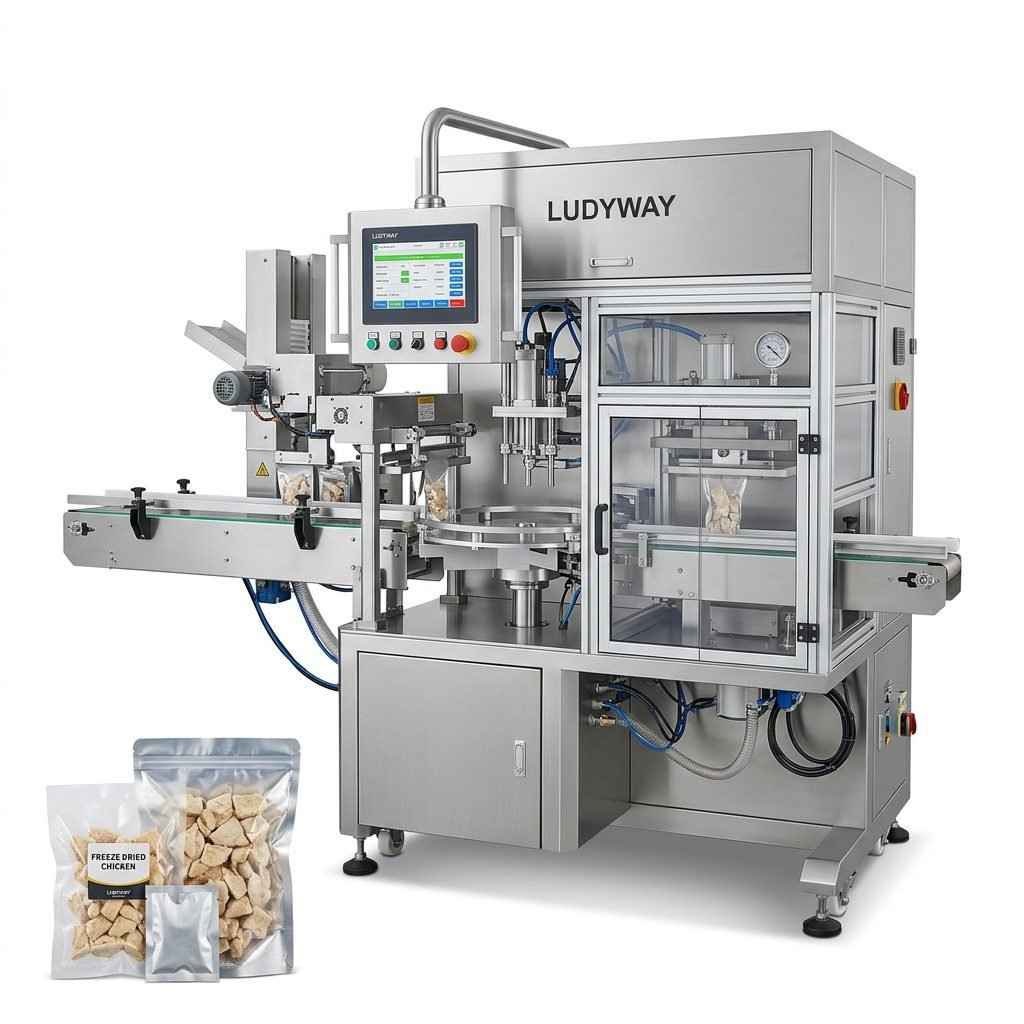
When evaluating specific models, prioritize the following features that significantly impact operational efficiency and product quality:
- Programmable Logic Controller (PLC): Touch-screen interfaces with multi-language support and recipe storage for up to 100 product configurations enable quick changeovers and consistent sealing parameters.
- Gas Flushing / MAP Capability: For oxygen-sensitive products, modified atmosphere packaging replaces air with inert gases like nitrogen or carbon dioxide before sealing.
- Vacuum Level Adjustment: Variable vacuum control prevents delicate products from being crushed and allows optimization for different packaging film types.
- Stainless Steel Construction: Food-grade 304 or 316 stainless steel chambers and housings ensure hygiene compliance, corrosion resistance, and ease of cleaning.
- Oil-Free Pump Option: Dry vacuum pumps eliminate oil mist contamination risks, making them suitable for cleanroom and pharmaceutical environments.
- Soft Air Release: Gradual air reintroduction prevents bag rupture and product disturbance after the vacuum cycle completes.
Installation, Maintenance, and Operational Tips
Proper installation and routine maintenance are critical to maximizing the lifespan and performance of your small vacuum packaging machine. Follow these best practices:
Pre-Installation Checklist
- Verify electrical supply matches the machine’s voltage, phase, and frequency requirements.
- Ensure adequate ventilation around the vacuum pump to prevent overheating.
- Install the machine on a level, vibration-free surface away from direct sunlight and moisture sources.
- Confirm compressed air availability if the model requires pneumatic actuation.
Routine Maintenance Schedule
- Daily: Clean sealing bars, inspect silicone sealing gaskets, and wipe down chamber surfaces.
- Weekly: Check vacuum pump oil level and clarity; top up or replace if contaminated.
- Monthly: Inspect electrical connections, test emergency stop functionality, and clean air filters.
- Quarterly: Replace vacuum pump oil, inspect and clean solenoid valves, and verify vacuum gauge accuracy.
- Annually: Comprehensive service including pump overhaul, seal replacement, and calibration checks.
Regulatory Compliance and Certification
Depending on your target market and industry, ensure the vacuum packaging machine complies with relevant international standards. Key certifications and regulations include:
- CE Marking: Required for machinery sold within the European Economic Area, demonstrating conformity with EU health, safety, and environmental protection directives.
- FDA Compliance: For food-contact surfaces and pharmaceutical packaging, materials must meet FDA food contact substance regulations under 21 CFR.
- ISO 11607: Governs packaging for terminally sterilized medical devices, specifying requirements for sterile barrier systems and aseptic presentation.
- GOST-R / EAC: Certification required for machinery imported into Russia and Eurasian Economic Union member states.
- UL / CSA: Electrical safety certifications for equipment destined for North American markets.
Always request valid copies of applicable certifications from your supplier and verify their authenticity through the issuing bodies where possible. Leading Chinese packaging machine manufacturers maintain comprehensive ISO packaging standards compliance documentation.
Shipping, Logistics, and Lead Times
Understanding the logistics chain from Chinese factories to your destination is essential for accurate project planning. Standard lead times for small vacuum packaging machines range from 15 to 45 days, depending on configuration complexity and current production schedules. Customized or high-specification models may require 60-90 days.
Shipping methods include:
- Sea Freight (LCL/FCL): Most cost-effective for larger orders; transit times of 20-45 days depending on destination.
- Air Freight: Suitable for urgent deliveries or smaller, high-value equipment; 3-7 day transit but significantly higher cost.
- Rail Freight: Growing option for Eurasian routes, balancing cost and speed between sea and air alternatives.
- Express Courier: For small tabletop units and spare parts, DHL, FedEx, and UPS provide door-to-door service within 5-10 days.
Frequently Asked Questions
What is the difference between chamber and external vacuum machines?
Chamber vacuum machines place the entire pouch and product inside a sealed chamber, providing stronger vacuum levels and the ability to handle liquids and moist products. External machines use a nozzle inserted into the bag opening and are limited to dry products, but offer greater flexibility for oversized items.
How do I determine the right vacuum pump capacity?
Pump capacity, measured in cubic meters per hour (m³/h), should be matched to chamber volume and desired cycle speed. Generally, a pump rated at 16-20 m³/h suits small single chamber machines, while 40-100 m³/h pumps support double chamber and higher-speed applications. Consult with your supplier to optimize this parameter.
Can I use any vacuum bag material with these machines?
Most Chinese vacuum packaging machines are compatible with PA/PE (polyamide/polyethylene) composite films, which provide excellent oxygen barrier properties and heat-sealing performance. For specific applications, aluminum foil laminates, high-barrier EVOH films, and medical-grade Tyvek pouches may be used, provided the sealing temperature range is adjustable.
Are spare parts readily available for Chinese vacuum machines?
Established manufacturers maintain comprehensive spare parts inventories and can ship replacement components globally within 3-7 business days. Common wear parts include sealing bars, silicone gaskets, vacuum pump oil, and Teflon tape. Before purchasing, confirm the supplier’s spare parts policy and regional distributor network.
What after-sales support can I expect from Chinese suppliers?
Professional Chinese packaging machine exporters provide multi-channel technical support including video call diagnostics, remote parameter adjustments, detailed troubleshooting guides, and optional on-site technician deployment. Most offer 12-24 month warranties covering manufacturing defects and provide lifelong technical consultation.
Making the Final Decision
Selecting the right small vacuum packaging machine from China involves balancing technical requirements, budget constraints, and supplier reliability. Start by clearly defining your product characteristics, target throughput, available floor space, and regulatory obligations. Request detailed quotations from at least three qualified manufacturers, comparing not only prices but also warranty terms, after-sales commitments, and included accessories.
Whenever possible, request sample packaging trials with your actual products to validate machine performance before committing. A reputable supplier will readily accommodate this request and provide video documentation of the trial results. By following the guidance outlined in this comprehensive buying guide, you can confidently navigate the Chinese packaging machinery market and secure a vacuum sealing solution that drives operational efficiency and product quality for years to come.