Automation has become a major driver of competitiveness in modern manufacturing. For businesses under pressure to improve margins, meet tighter delivery schedules, and maintain stable product quality, automated production systems offer a practical path to lower operating costs. From packaging and filling to inspection, cartoning, and palletizing, automation helps reduce waste, improve consistency, and increase output without relying on proportional labor growth.
In simple terms, automation reduces production costs because it allows companies to produce more with fewer errors, less downtime, and better resource control. While the initial investment may seem significant, the long-term savings often make automation one of the most valuable upgrades a business can make.
How Automation Directly Lowers Production Costs
The biggest advantage of automation is that it improves efficiency across the full production cycle. Machines can run at a steady pace, follow programmed parameters, and repeat tasks with high precision. This creates cost savings in multiple areas at once instead of only in labor.
- Lower labor dependency: fewer manual operators are required for repetitive tasks.
- Reduced material waste: precise dosing, sealing, cutting, and filling improve accuracy.
- Higher throughput: faster cycles increase output per hour.
- Fewer product defects: consistent machine control reduces rework and rejects.
- Better uptime management: integrated systems help minimize interruptions.
When these savings are added together, the cost per unit often drops significantly. This is especially important for companies operating in food, pharmaceutical, health supplement, cosmetic, and chemical industries, where packaging quality and production efficiency directly affect profitability.
Key Cost-Saving Benefits of Automation
1. Reduced Labor Costs
Manual production lines require more workers for filling, weighing, sealing, labeling, packing, and checking. Automated systems can handle many of these tasks with fewer operators. Instead of depending on large teams for repetitive work, companies can reassign staff to quality control, supervision, maintenance, and production planning.
This does not only reduce wages. It can also lower training costs, shift management complexity, overtime expenses, and the risk of labor shortages affecting output.
2. Less Material Waste
In industries where raw materials are expensive, even small filling errors can create major losses over time. Automated equipment delivers more accurate dosing and more consistent sealing performance, which helps reduce underfilling, overfilling, leakage, and damaged packaging.
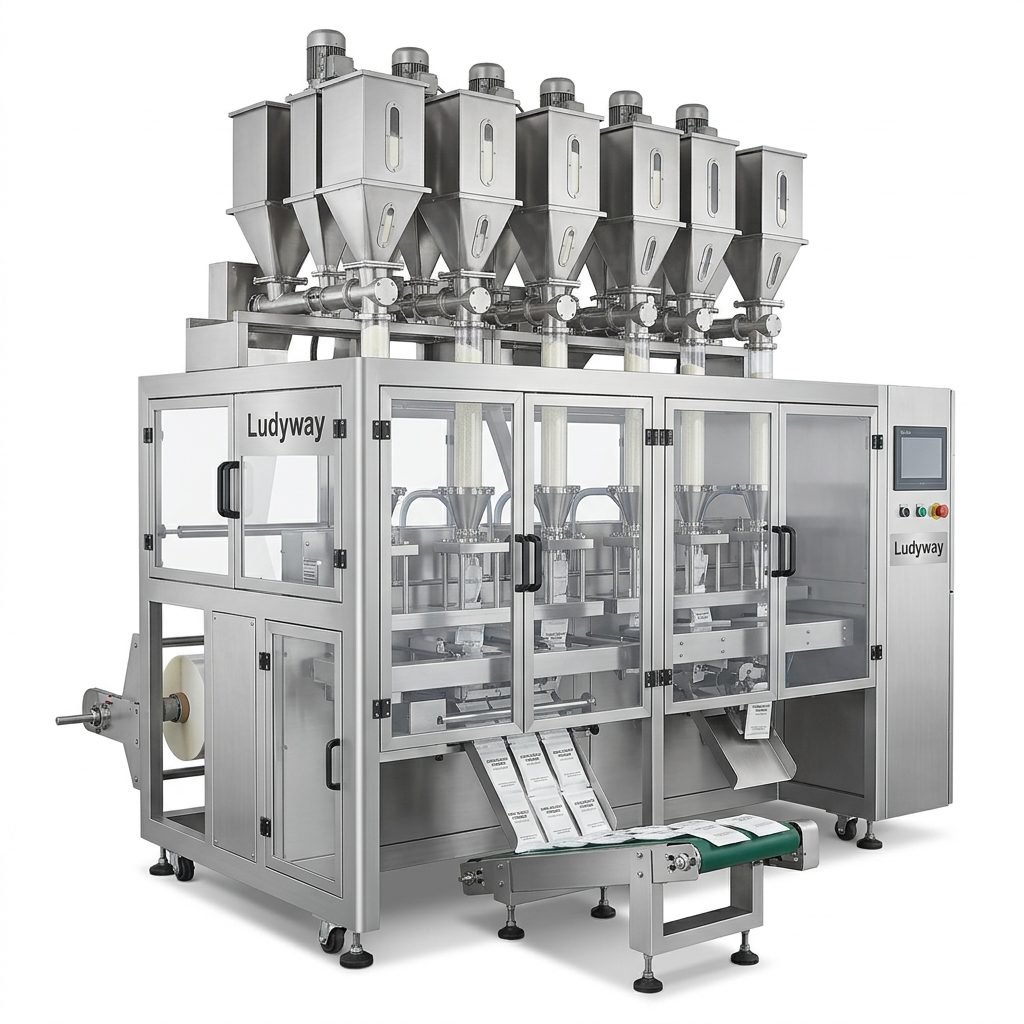
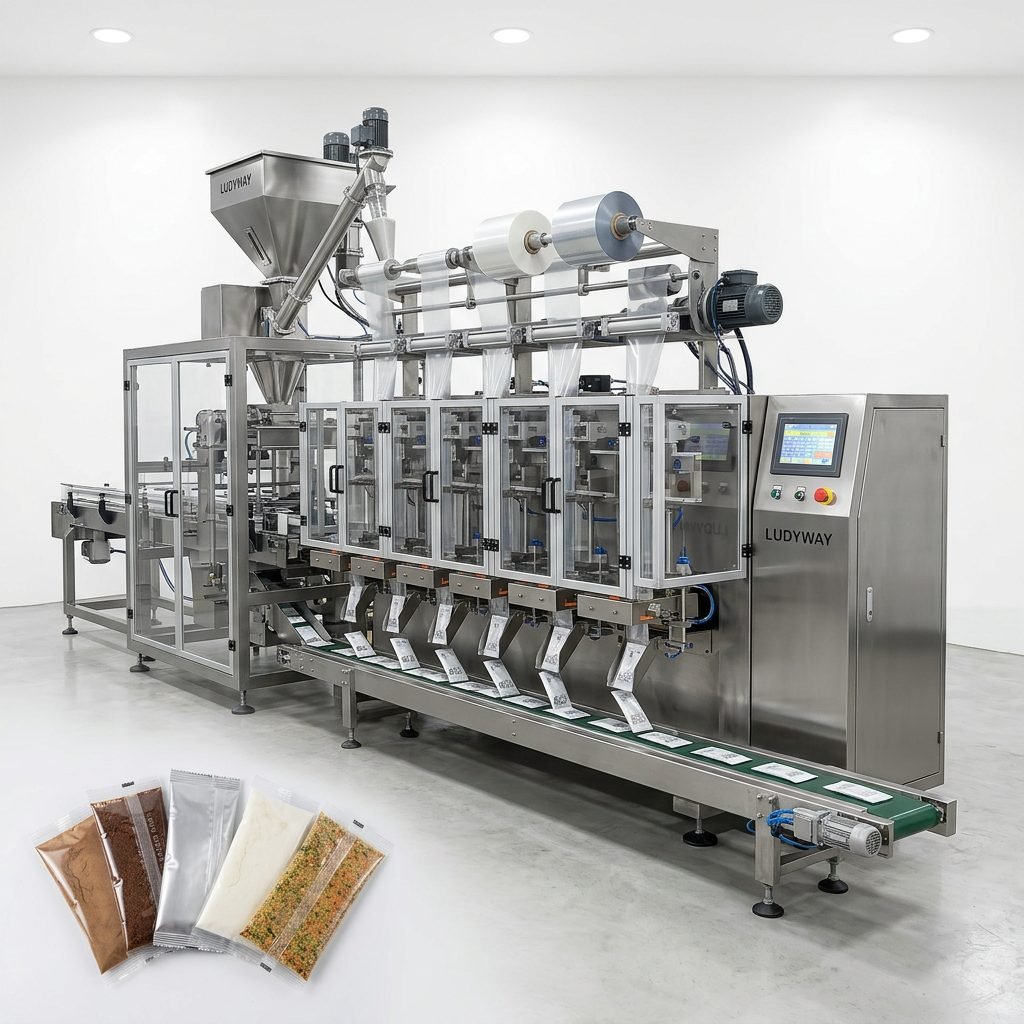
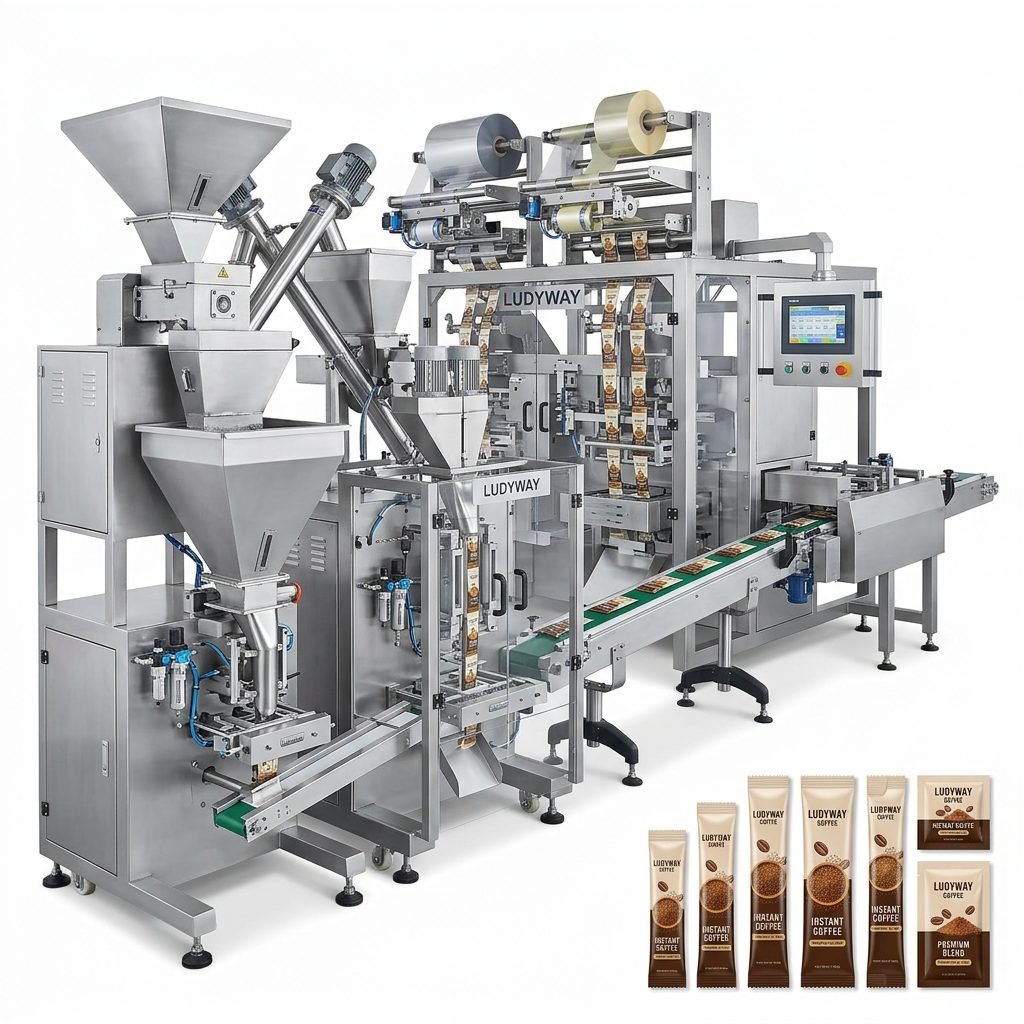
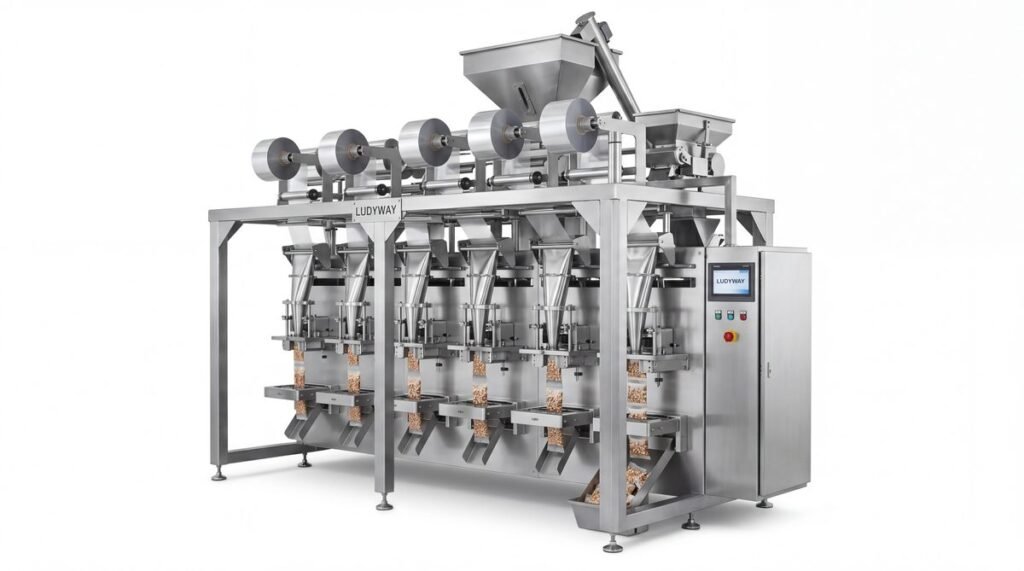
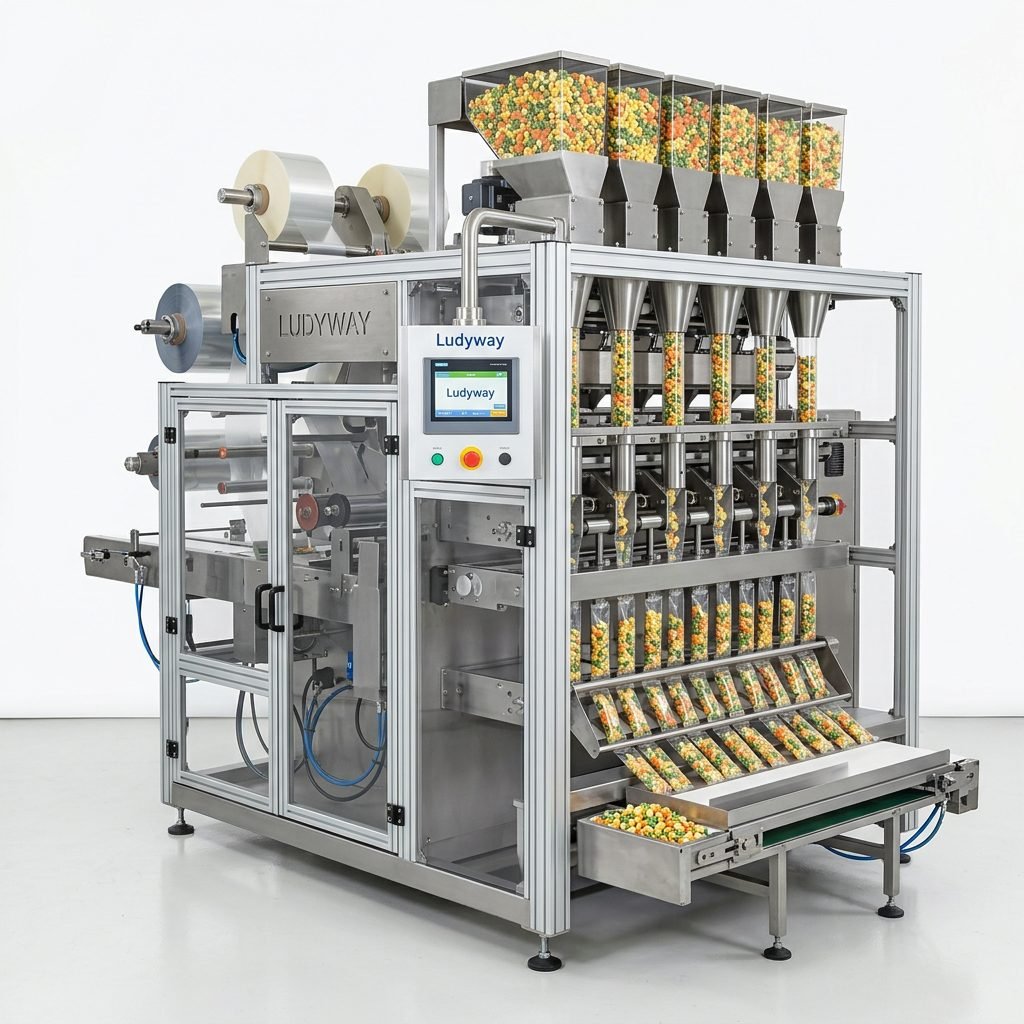
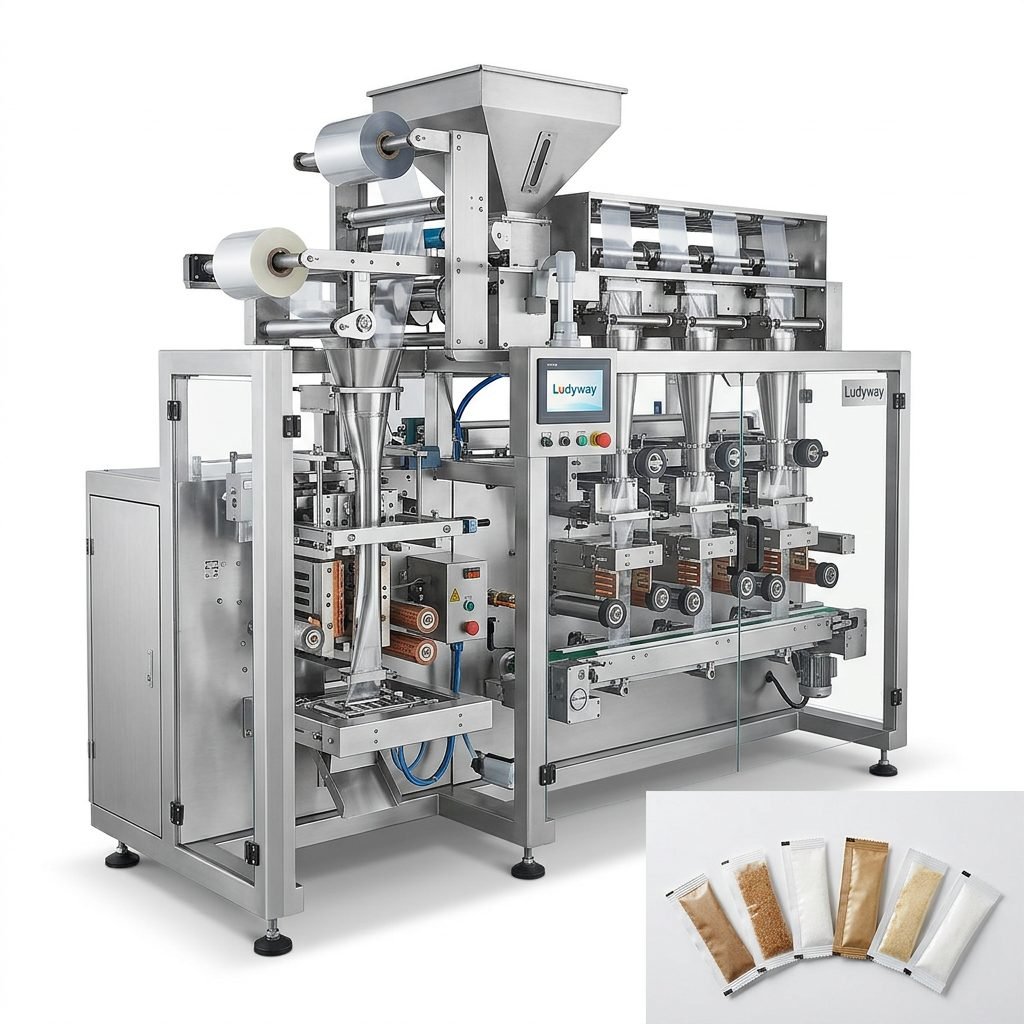
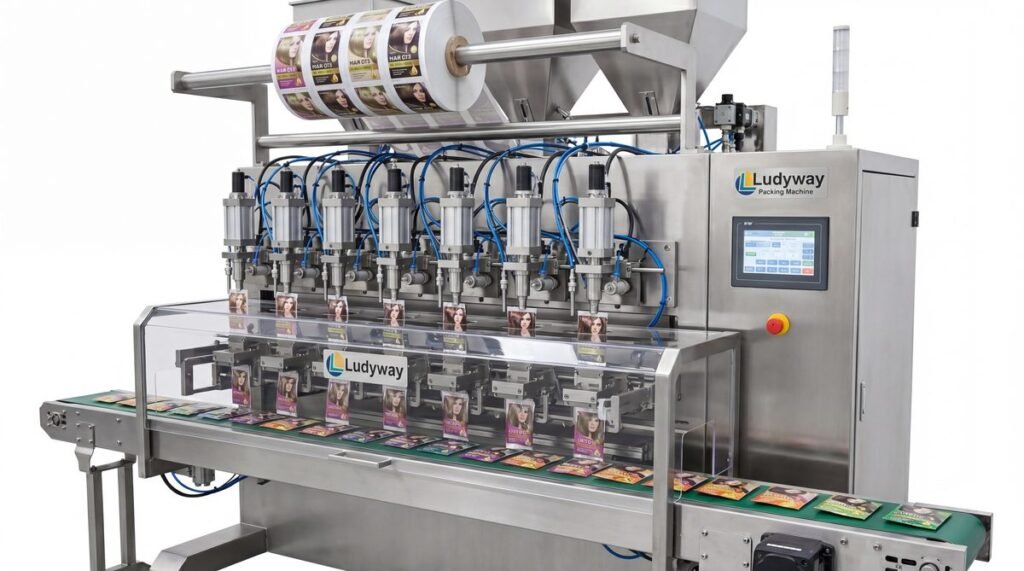
For example, a multi-lane sachet or stick pack system can maintain stable filling parameters across long production runs, helping businesses protect both their material costs and their brand image.
3. Higher Production Speed
Automated machinery can operate continuously at high speed with predictable output. This allows businesses to fulfill larger orders in less time and increase daily production capacity without expanding labor at the same rate.
Higher speed matters because fixed costs such as rent, utilities, and management overhead can be spread over more finished units. That means the unit production cost decreases as output rises.
| Cost Factor | Manual Production | Automated Production |
|---|---|---|
| Labor Requirement | High | Lower |
| Output Consistency | Variable | Stable |
| Material Waste | Higher | Lower |
| Production Speed | Limited | High |
| Error Rate | Higher | Lower |
4. Improved Product Quality and Consistency
Cost reduction is not only about doing things faster. It is also about avoiding the hidden costs of inconsistency. Manual production can lead to variation in weight, seal strength, package appearance, coding accuracy, and product handling. These issues can result in returns, complaints, rework, and lost customer trust.
Automated systems help standardize production conditions. This is especially valuable for regulated sectors such as pharmaceuticals and health supplements, where compliance and precision are critical.

5. Lower Downtime and Better Process Stability
Modern automation solutions are designed to keep production running smoothly. Sensors, control systems, and synchronized components allow machines to detect faults, maintain alignment, and improve process reliability. This reduces stoppages caused by human error, uneven performance, or poor coordination between separate production stages.
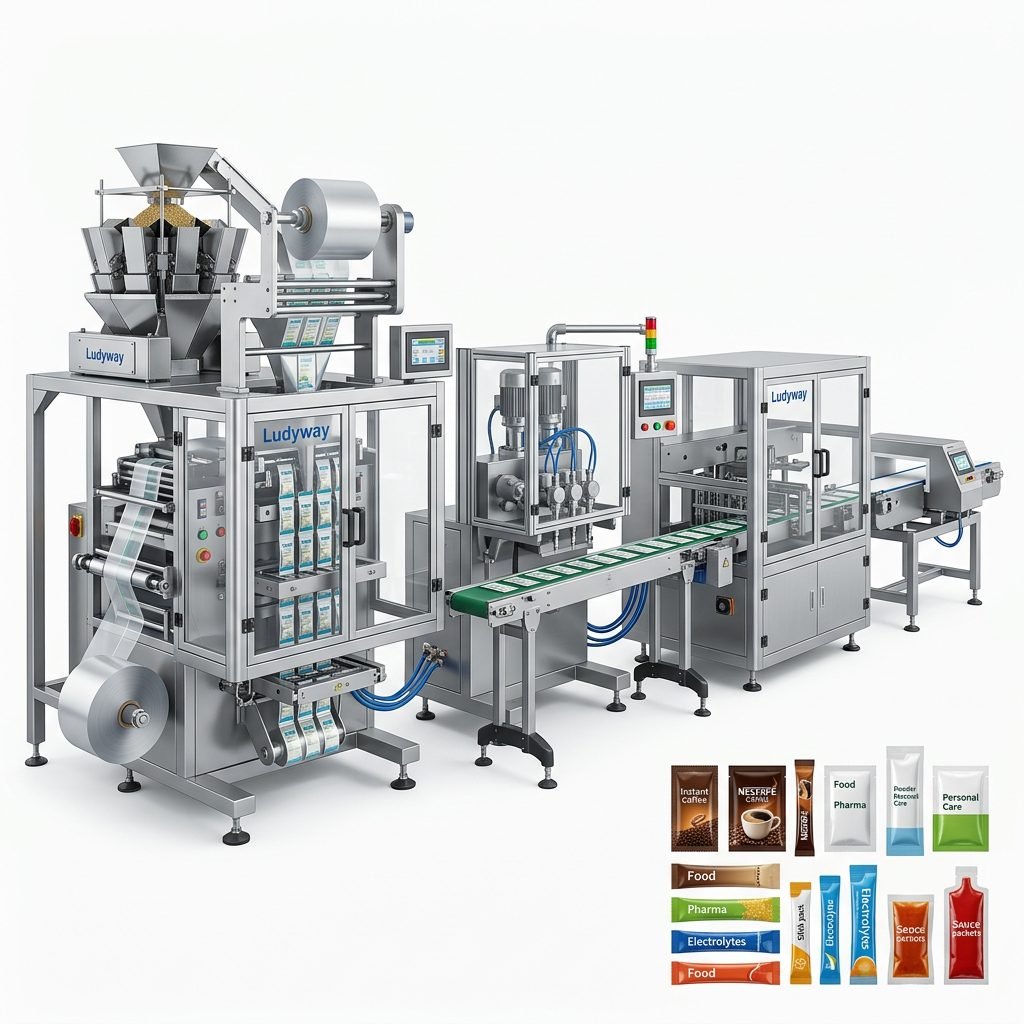
A well-integrated line can connect feeding, filling, sealing, coding, inspection, cartoning, and end-of-line handling into one streamlined process. That means fewer bottlenecks and less idle time between operations.
Why Automation Matters for Growing Businesses
As a business grows, manual production often becomes a limiting factor. More orders usually mean more workers, more supervision, and more complexity. Automation makes growth more scalable. Companies can expand capacity without increasing production costs at the same pace.
This matters for businesses that want to:
- Handle higher order volumes efficiently
- Maintain consistent quality across different batches
- Reduce reliance on unstable labor availability
- Improve delivery performance for domestic and export customers
- Build a more predictable and profitable production model
Common Areas Where Automation Delivers Fast ROI
Return on investment often comes fastest in processes that are repetitive, labor-intensive, and sensitive to errors. In packaging environments, these areas commonly include:
- Powder, granule, liquid, and paste filling
- Sachet and stick pack packaging
- Pouch sealing and counting
- Bottle filling and capping
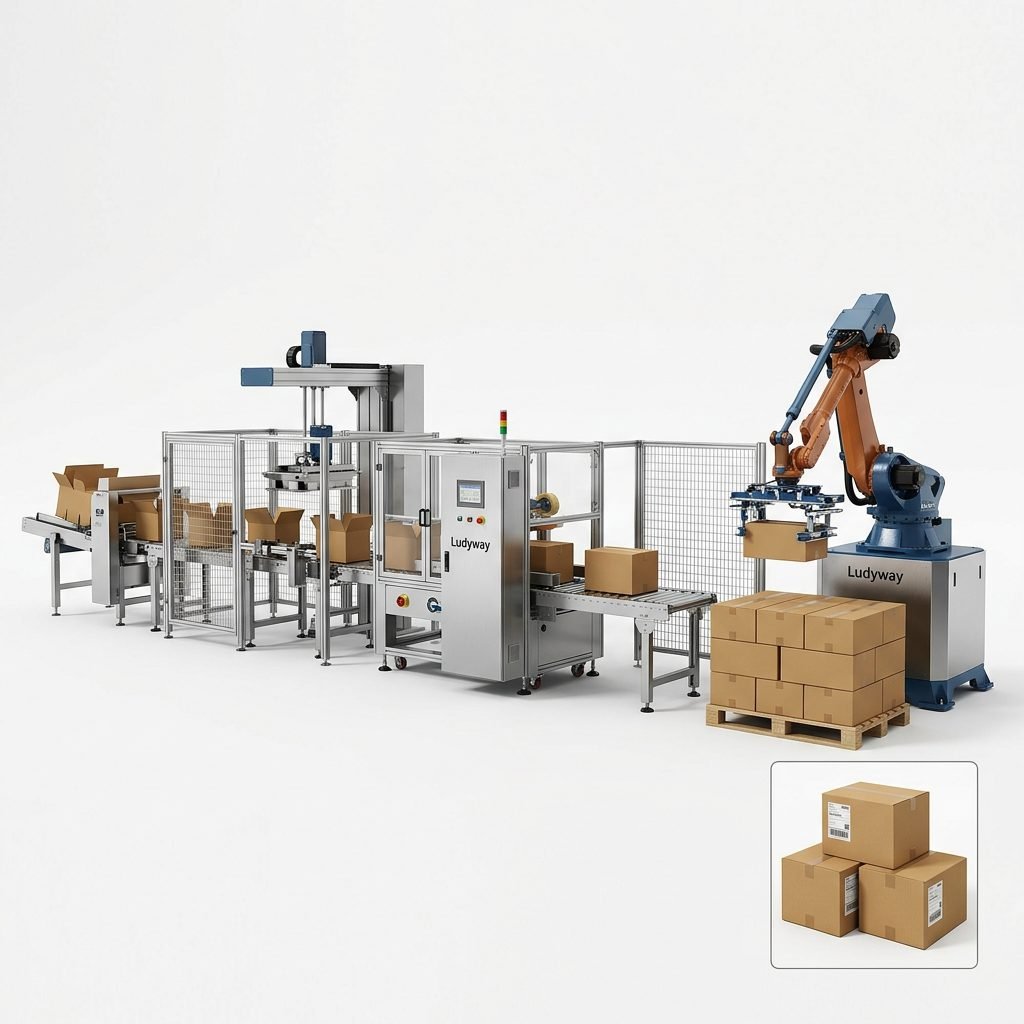
- Cartoning and case packing
- Inspection, weighing, and rejection systems
- Palletizing and final logistics preparation
Businesses that automate these stages often see measurable improvements in output efficiency, labor utilization, product appearance, and operating cost control within a relatively short period.
Automation and Long-Term Competitive Advantage
Lower production cost is only one part of the value. Automation also helps companies compete in markets where customers expect fast delivery, stable quality, and attractive pricing. A factory with better process control is usually more capable of managing large orders, custom product formats, and strict packaging standards.
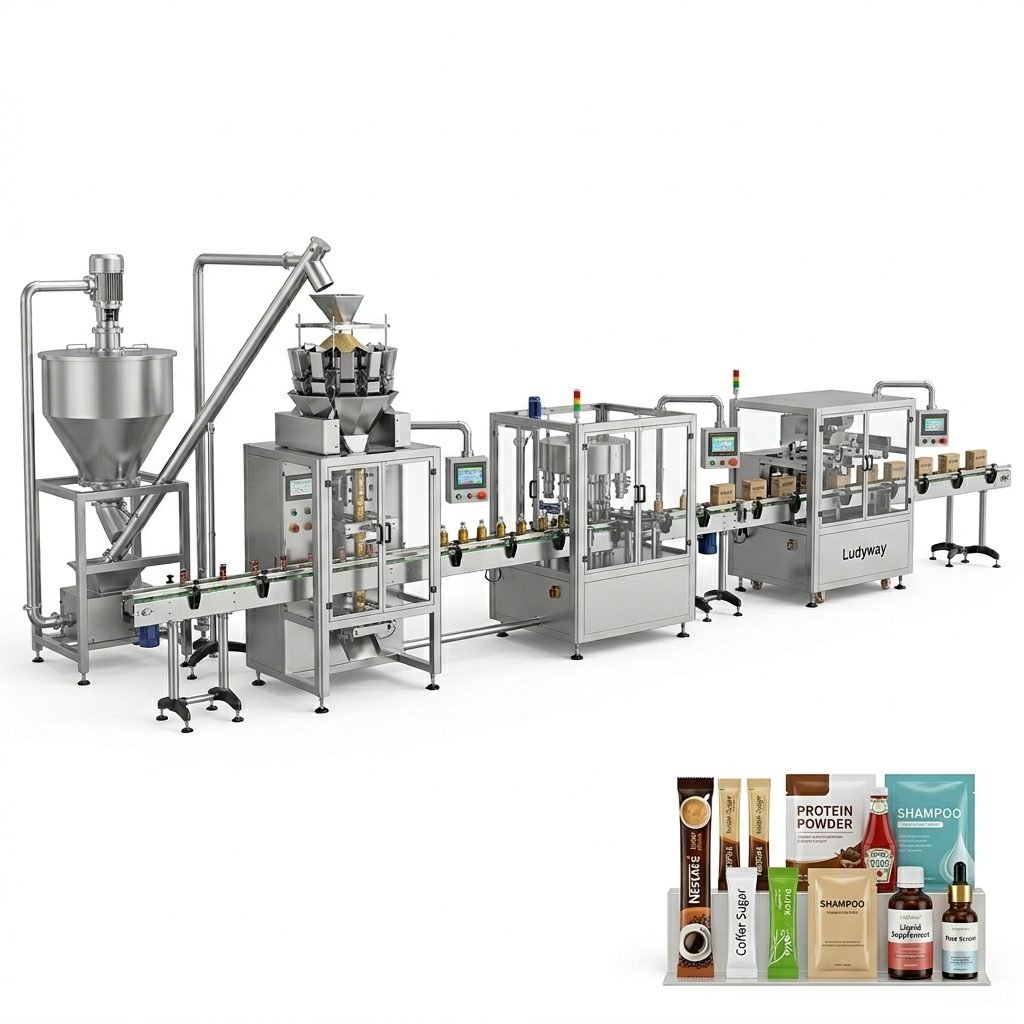
This is why many manufacturers are upgrading from standalone machines to integrated turnkey lines. A complete automated system can connect multiple production stages, making the entire operation more efficient and easier to manage.
| Business Benefit | How Automation Helps |
|---|---|
| Margin Improvement | Reduces unit cost through efficiency and waste control |
| Order Fulfillment | Supports faster and more stable production output |
| Quality Assurance | Improves consistency and reduces defects |
| Scalability | Expands capacity without matching labor increases |
| Operational Control | Provides better monitoring, repeatability, and workflow integration |
Choosing the Right Automation Partner
The cost-saving potential of automation depends heavily on machine quality, engineering support, and system integration. Businesses should look for a manufacturer with strong production experience, broad customization capability, and proven export service.
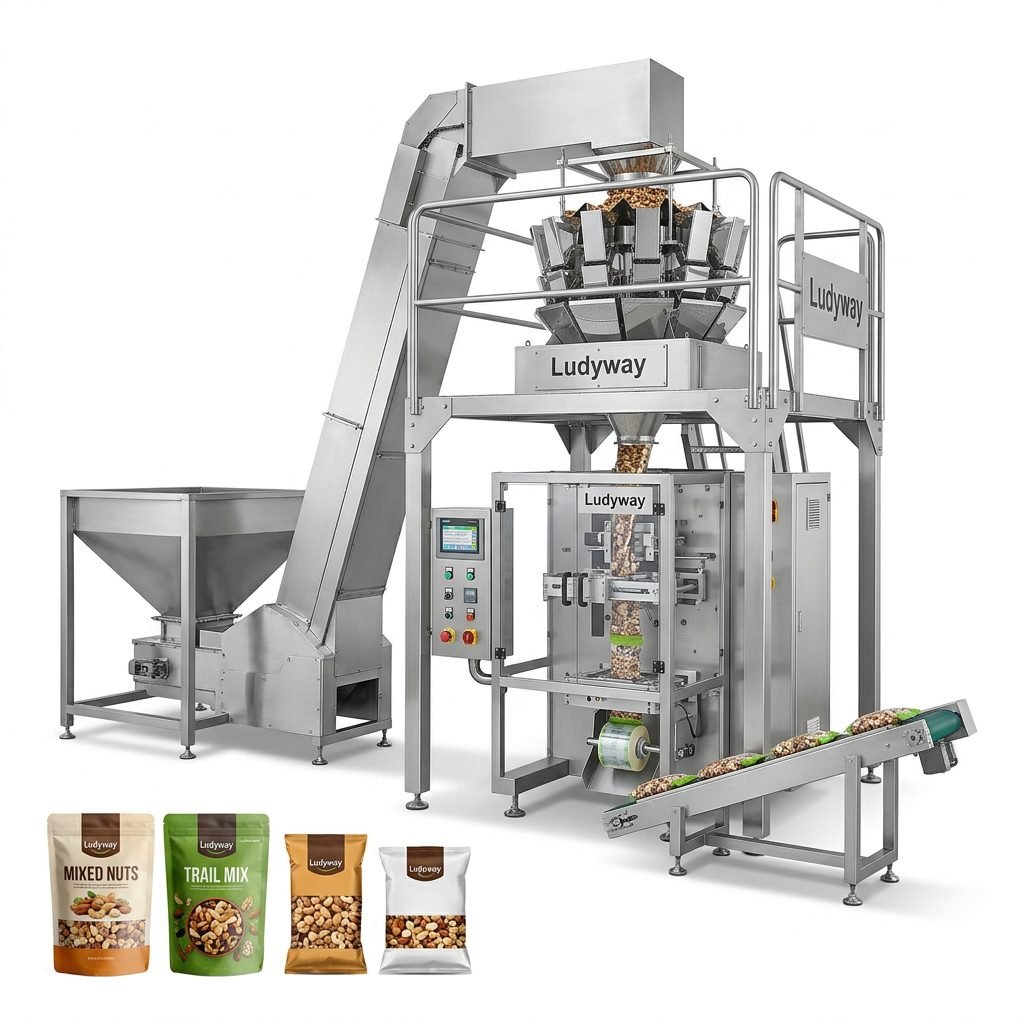
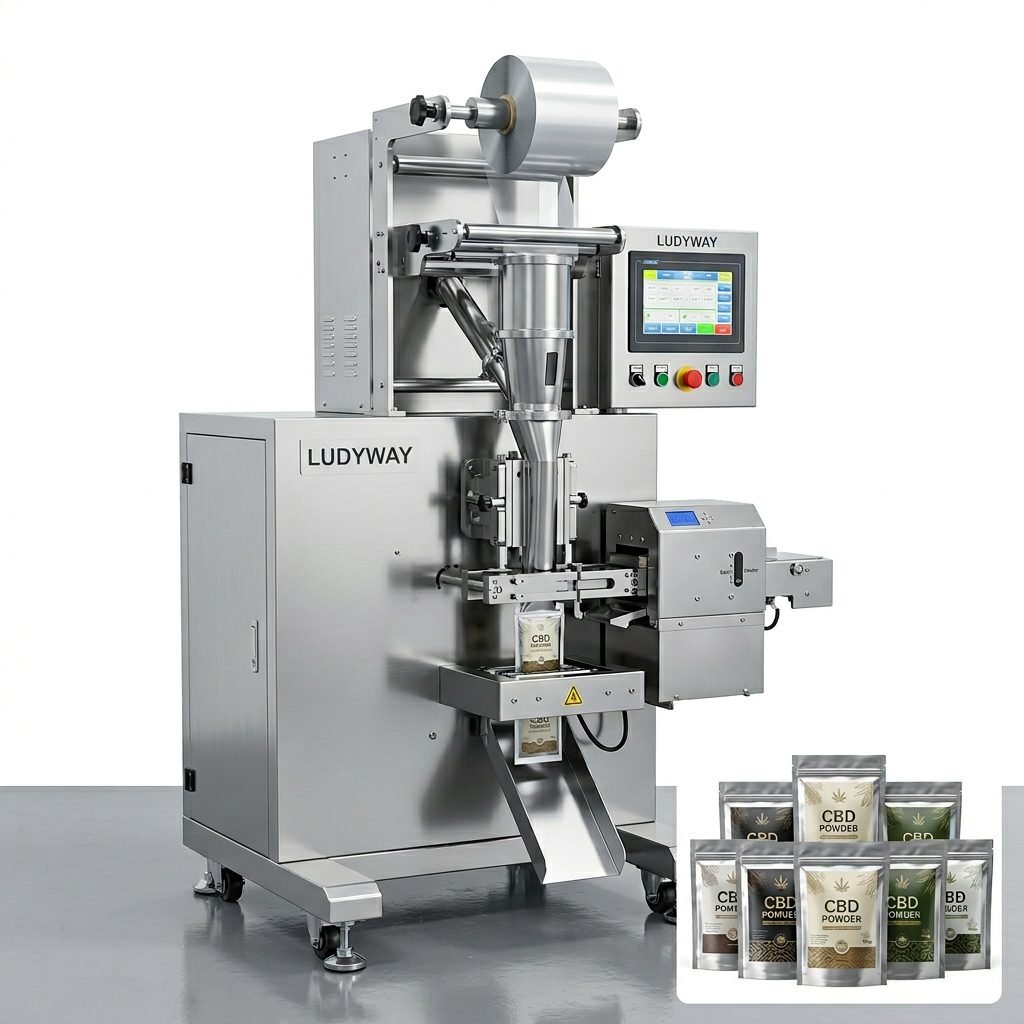
For companies seeking packaging automation, Ludyway packaging machine solutions offer a broad range of standalone equipment and turnkey packaging lines for food, pharmaceutical, health supplement, cosmetic, chemical, and related industries. With more than 30 years of experience and service coverage across over 100 countries and regions, the company supports customers looking to improve efficiency, consistency, and long-term production scalability.
Practical Signs Your Business Is Ready for Automation
Many companies wait too long before upgrading. If any of the following issues are familiar, automation may already be the more cost-effective option:
- Labor costs keep rising while output remains limited
- Frequent filling errors or packaging defects affect profitability
- Demand is increasing faster than manual lines can handle
- Product quality varies between shifts or batches
- Downtime and workflow bottlenecks slow delivery performance
- Customers require better packaging standards or higher volumes
Final Business Perspective
Automation reduces production costs because it improves the core economics of manufacturing. It cuts unnecessary labor dependency, lowers waste, increases speed, reduces defects, and creates a more stable production process. Over time, these gains strengthen margins and help businesses respond more effectively to market demand.
For businesses focused on sustainable growth, automation is not only a technical upgrade. It is a strategic investment in lower costs, higher efficiency, and stronger competitiveness.