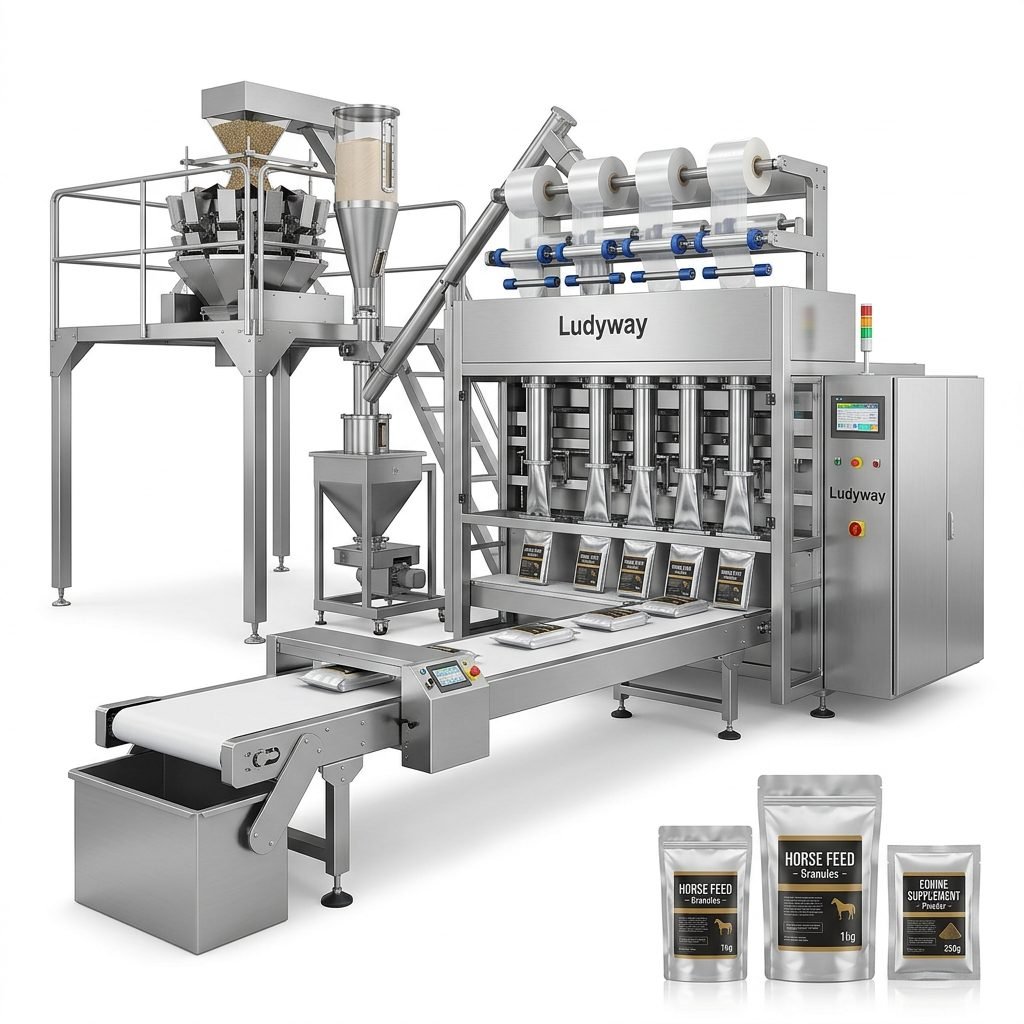
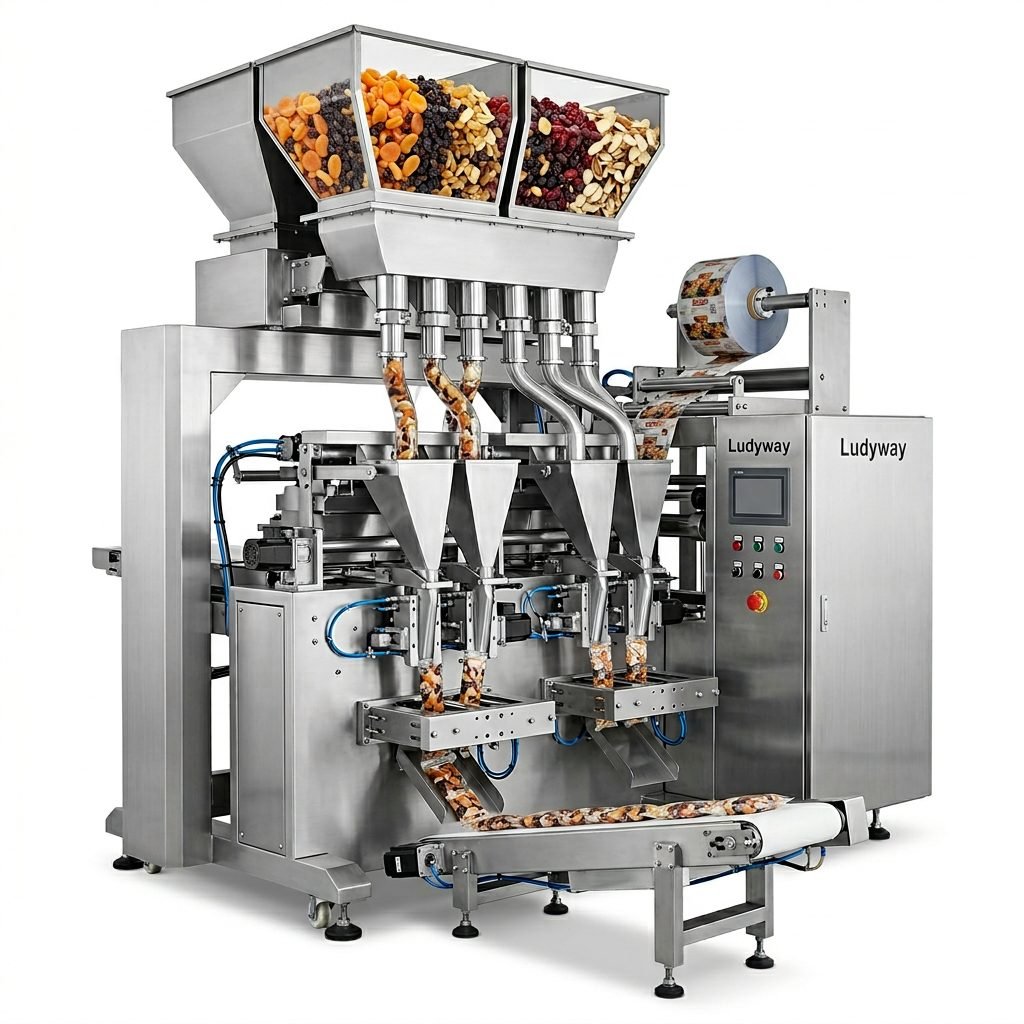
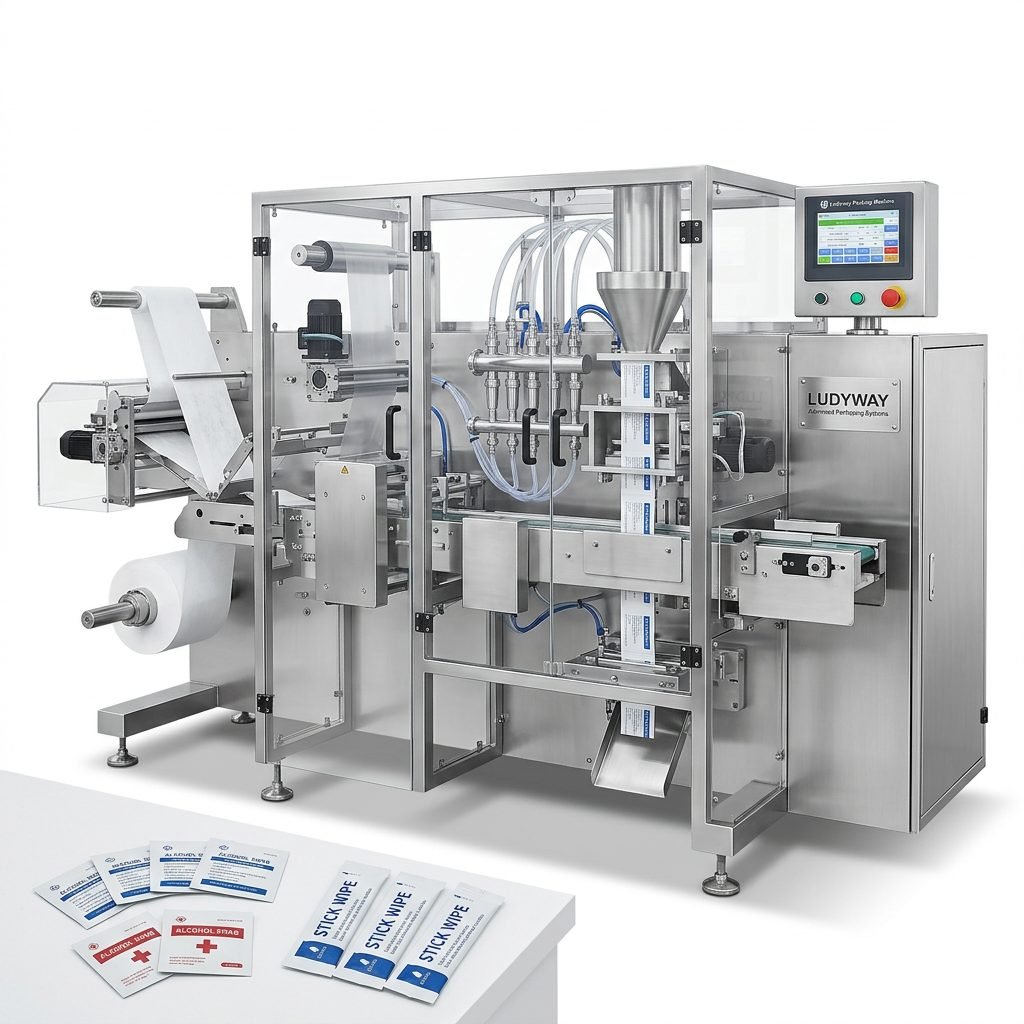
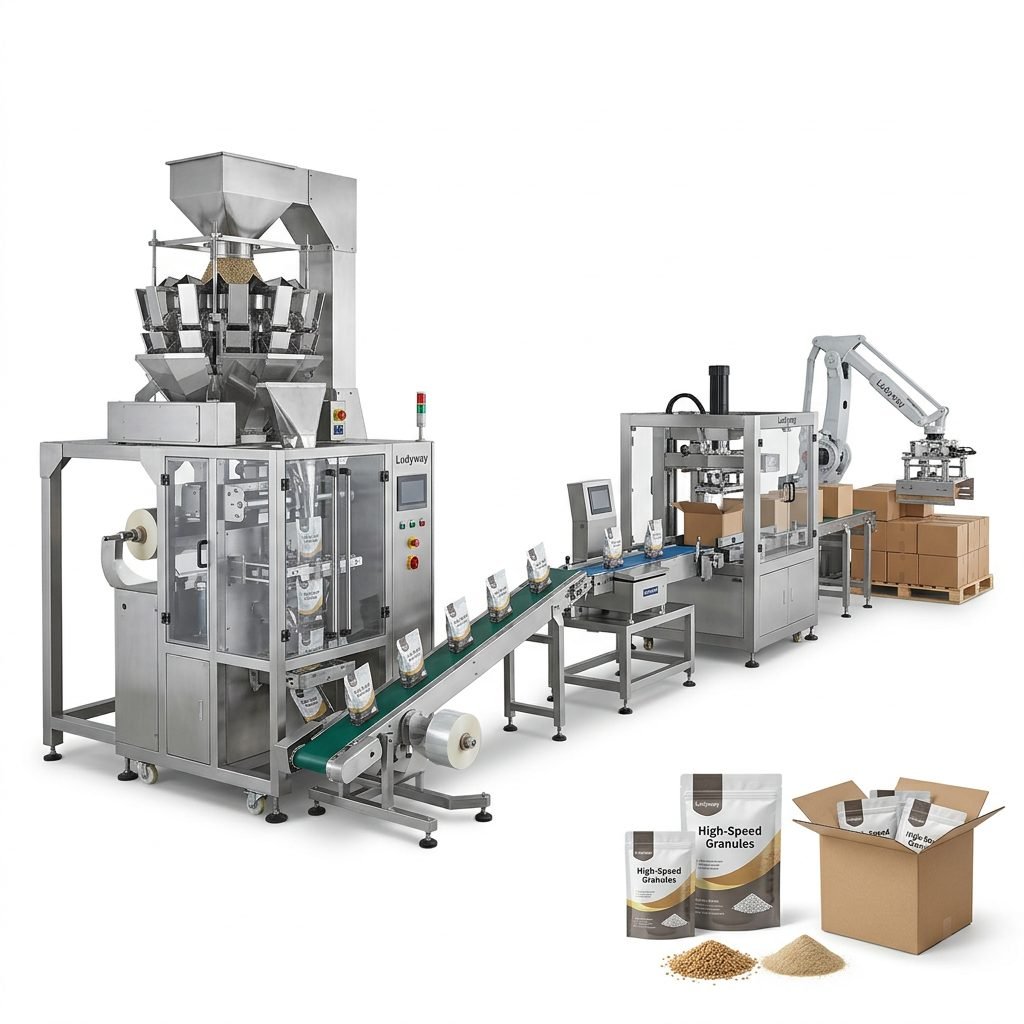
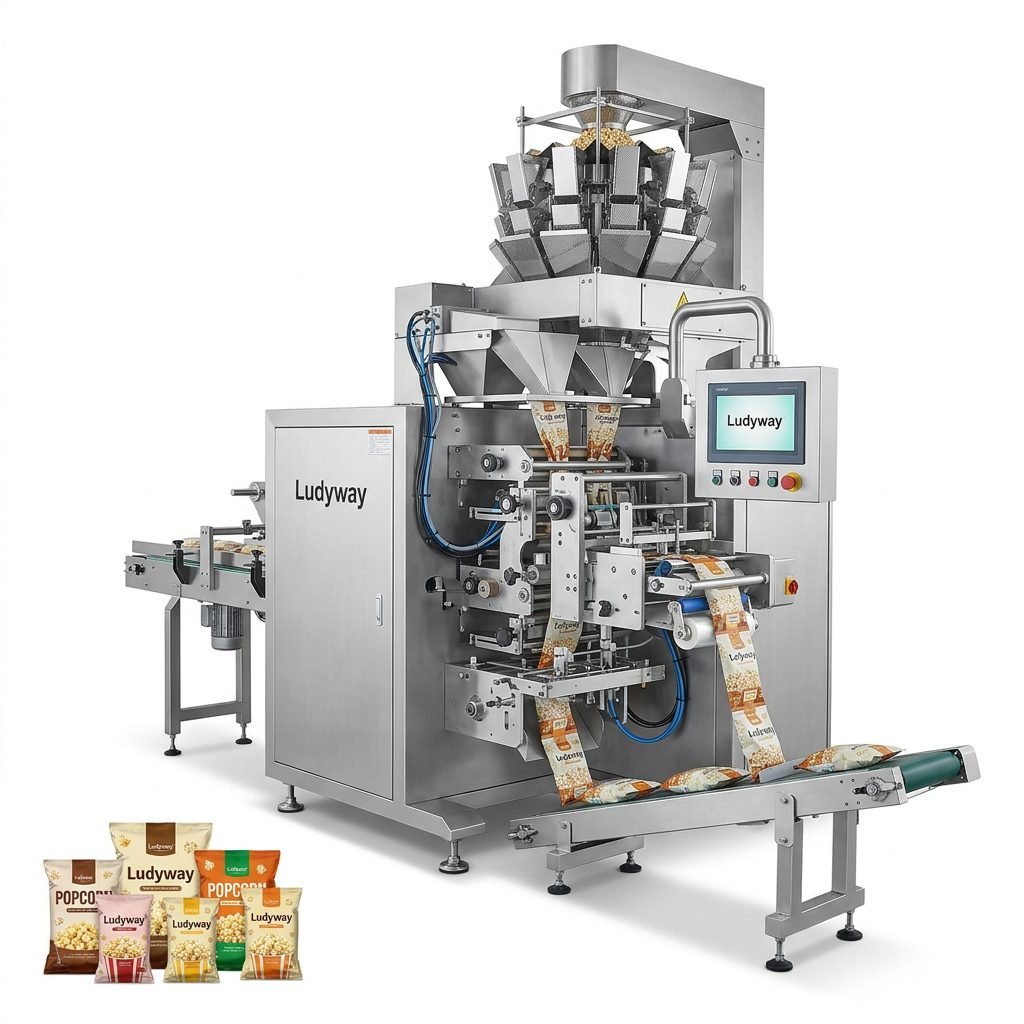
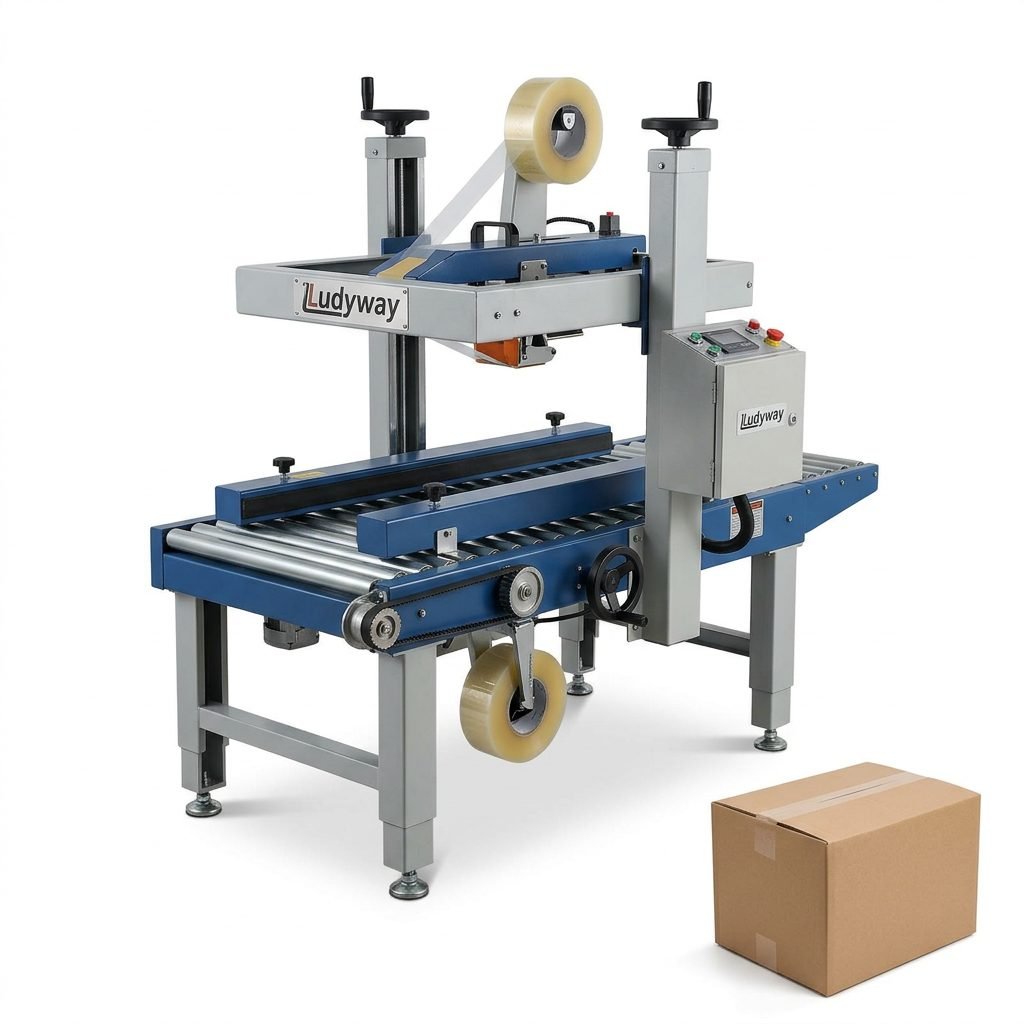
In modern manufacturing, speed alone is no longer enough. Brands also need accuracy, hygiene, lower labor dependence, stable output, and scalable automation. That is why an automated packing machine has become a core investment for food, pharmaceutical, cosmetic, chemical, and health product manufacturers looking to stay competitive.
From sachets and stick packs to pouches, bottles, and complete end-of-line systems, automated packaging equipment helps businesses reduce waste, improve consistency, and deliver a more professional final product. Whether you run a growing factory or a high-output industrial plant, the right machine can transform your packaging process from a bottleneck into a productivity driver.
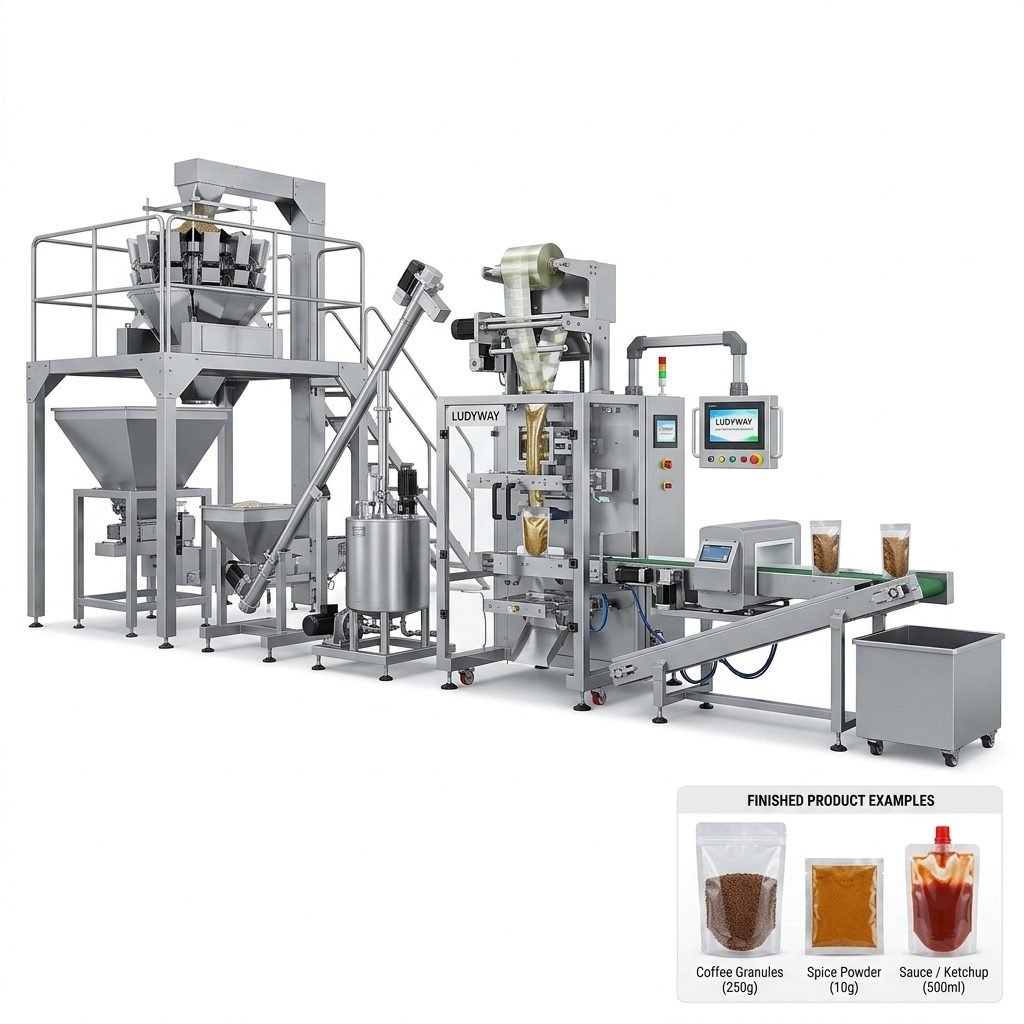
What Is an Automated Packing Machine?
An automated packing machine is a system designed to measure, fill, form, seal, label, code, or pack products automatically with minimal manual intervention. Depending on the application, it may work as a standalone unit or as part of a fully integrated packaging line.
These machines can process many product forms, including:
- Powders such as protein, spices, milk powder, and pharmaceutical blends
- Granules such as sugar, coffee, seeds, and snack ingredients
- Liquids such as sauces, oils, lotions, and oral solutions
- Pastes and creams such as cosmetics, gels, and food condiments
- Solid countable products such as tablets, capsules, and small hardware items
Why Automation Matters in Packaging
Manual packing often leads to inconsistent filling, slower production, more product loss, and higher labor costs. Automated systems solve these issues by controlling every key stage of the packaging cycle with better repeatability.
- Higher throughput: Machines operate continuously and can support high-volume demand.
- Improved precision: Accurate dosing reduces underfill and overfill.
- Better package appearance: Uniform sealing and cutting improve shelf appeal.
- Labor savings: Fewer operators are needed for repetitive tasks.
- More hygiene: Reduced product handling supports cleaner production.
- Data and control: Smart systems allow parameter setting, monitoring, and fault alerts.
Key Industries That Benefit Most
Packaging automation is not limited to one sector. It is now essential across multiple industries where product integrity, speed, and consistency directly affect profit and brand reputation.
| Industry | Typical Products | Packaging Formats |
|---|---|---|
| Food | Coffee, spices, sauces, oatmeal, snack powders | Sachets, stick packs, pouches, bags |
| Pharmaceutical | Powders, granules, oral liquids, tablets, capsules | Sachets, blisters, bottles, vials |
| Cosmetic | Creams, serums, lotions, shampoo, hand care | Sachets, tubes, bottles, stick packs |
| Chemical | Detergents, additives, powders, treatment chemicals | Sachets, pouches, bulk bags |
| Health Supplement | Collagen, vitamins, electrolyte mixes, probiotics | Stick packs, sachets, bottles |
Core Features to Look For
Not all automated packing machines deliver the same value. Buyers should focus on practical performance, long-term stability, and application fit.
1. Accurate Filling System
The filling mechanism should match the product type. Auger fillers are common for powders, multihead weighers for granules, and piston or pump systems for liquids and creams. Proper matching ensures consistent weight, lower waste, and cleaner sealing.
2. Reliable Sealing Performance
Strong and uniform seals protect product freshness and help prevent leakage, contamination, and transportation damage. This is especially important for food, pharmaceutical, and liquid applications.
3. Flexible Packaging Formats
A versatile automated packing machine can support multiple bag sizes, film types, and product specifications. This flexibility helps manufacturers launch new SKUs without replacing the full system.
4. Smart Control Interface
Modern machines often include PLC control, touch screens, recipe storage, alarm systems, and production monitoring. These features simplify operation and reduce changeover time.
5. Easy Cleaning and Maintenance
For hygiene-sensitive production, machine design should allow quick disassembly, easy washdown where needed, and accessible maintenance points. Downtime is costly, so serviceability matters.
Popular Types of Automated Packing Machines
Vertical Form Fill Seal Machines
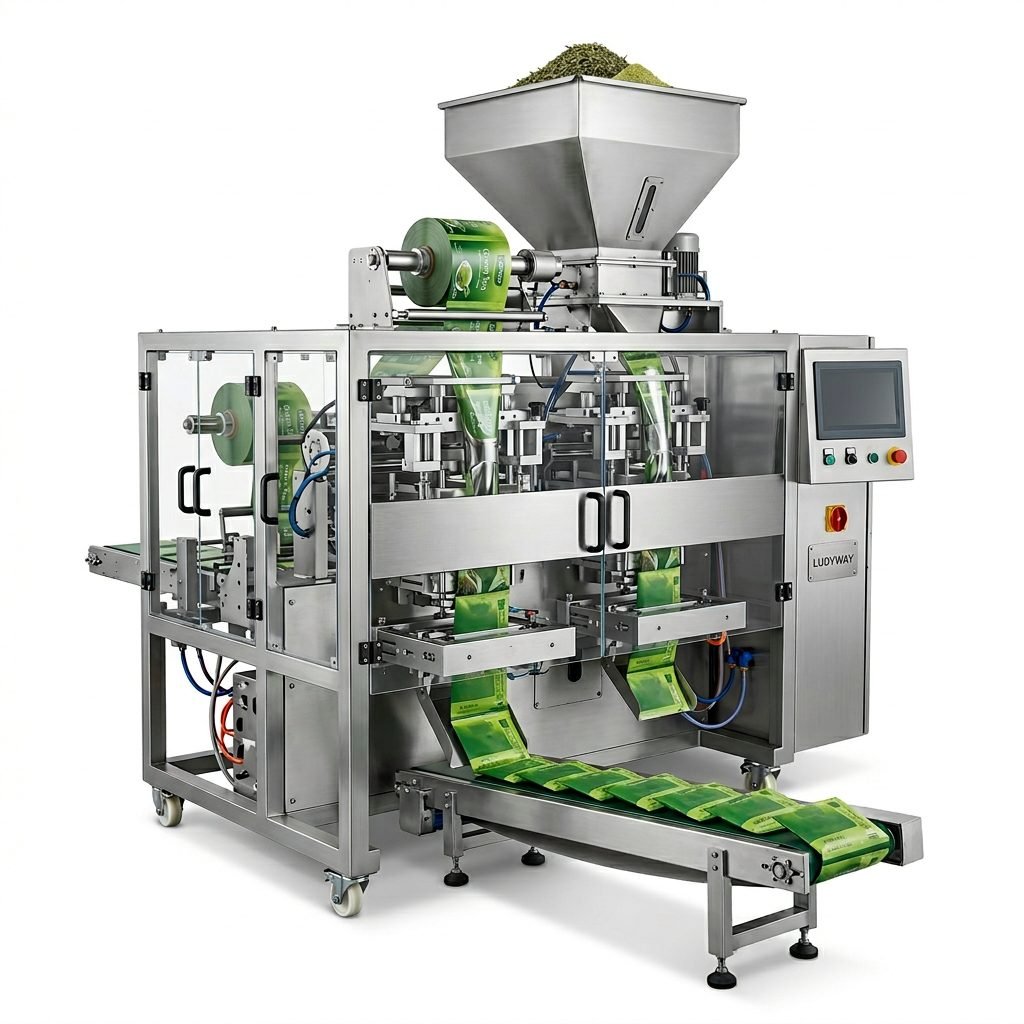
VFFS machines are widely used for powders, granules, and some liquids. They form the package from roll film, fill the product, and seal it in one continuous process. They are ideal for high efficiency and compact floor usage.
Sachet Packing Machines
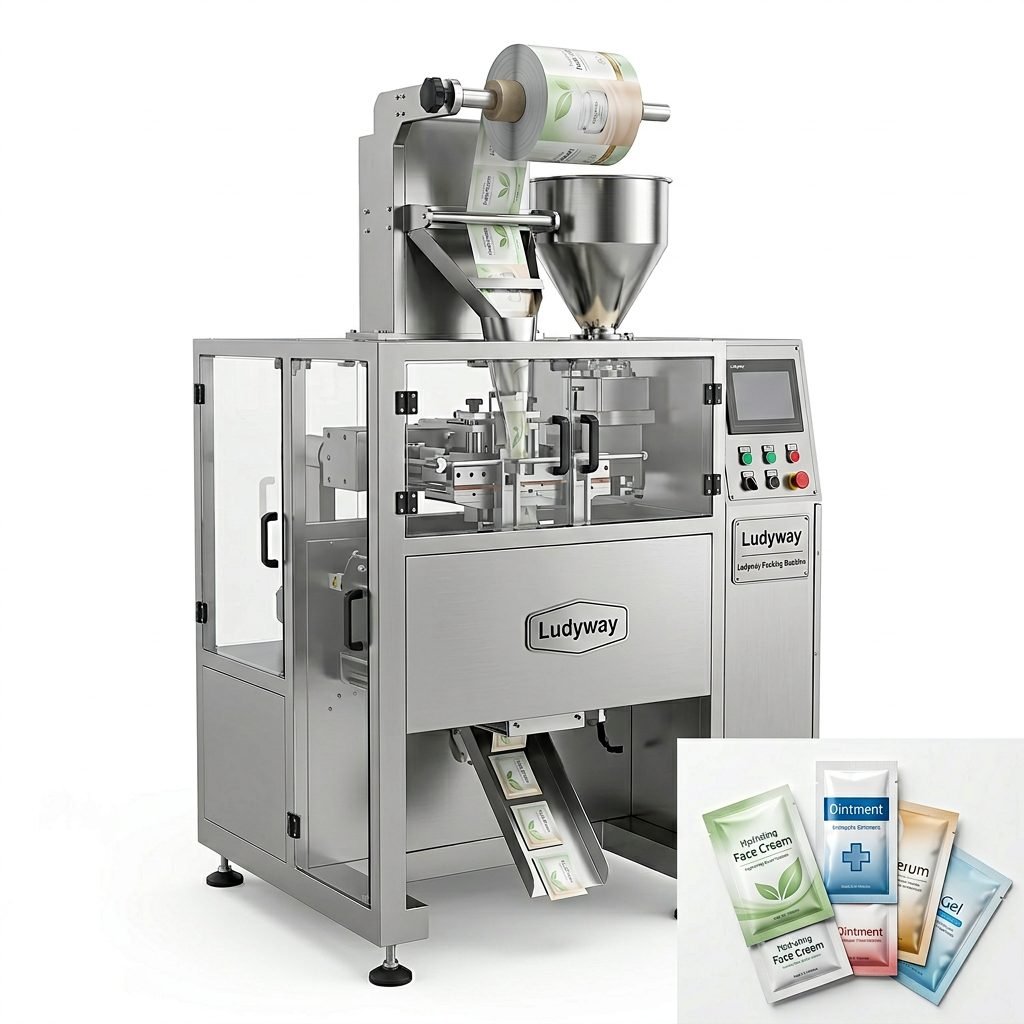
Sachet machines are suitable for single-dose packaging of powders, liquids, creams, and granules. They are common in food service, pharmaceuticals, and personal care products.
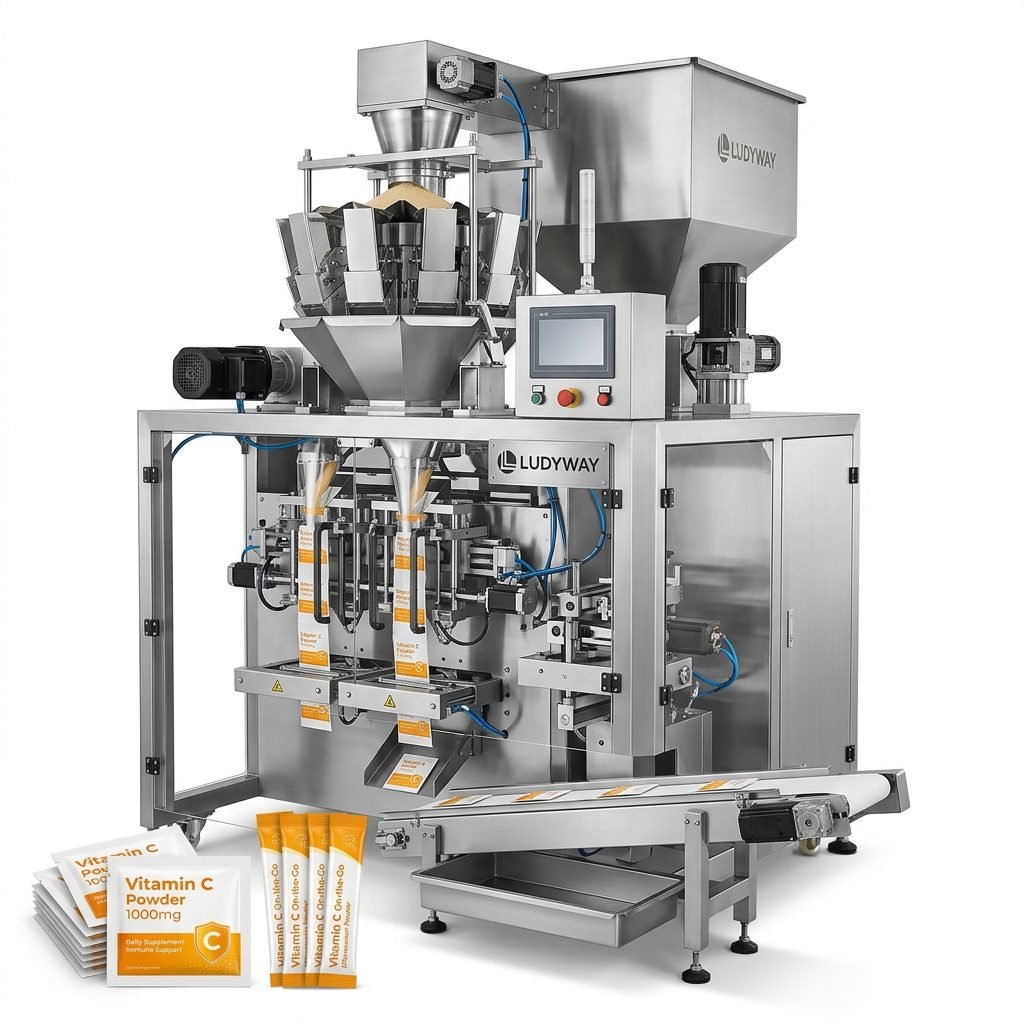
Multi-Lane Stick Pack Machines
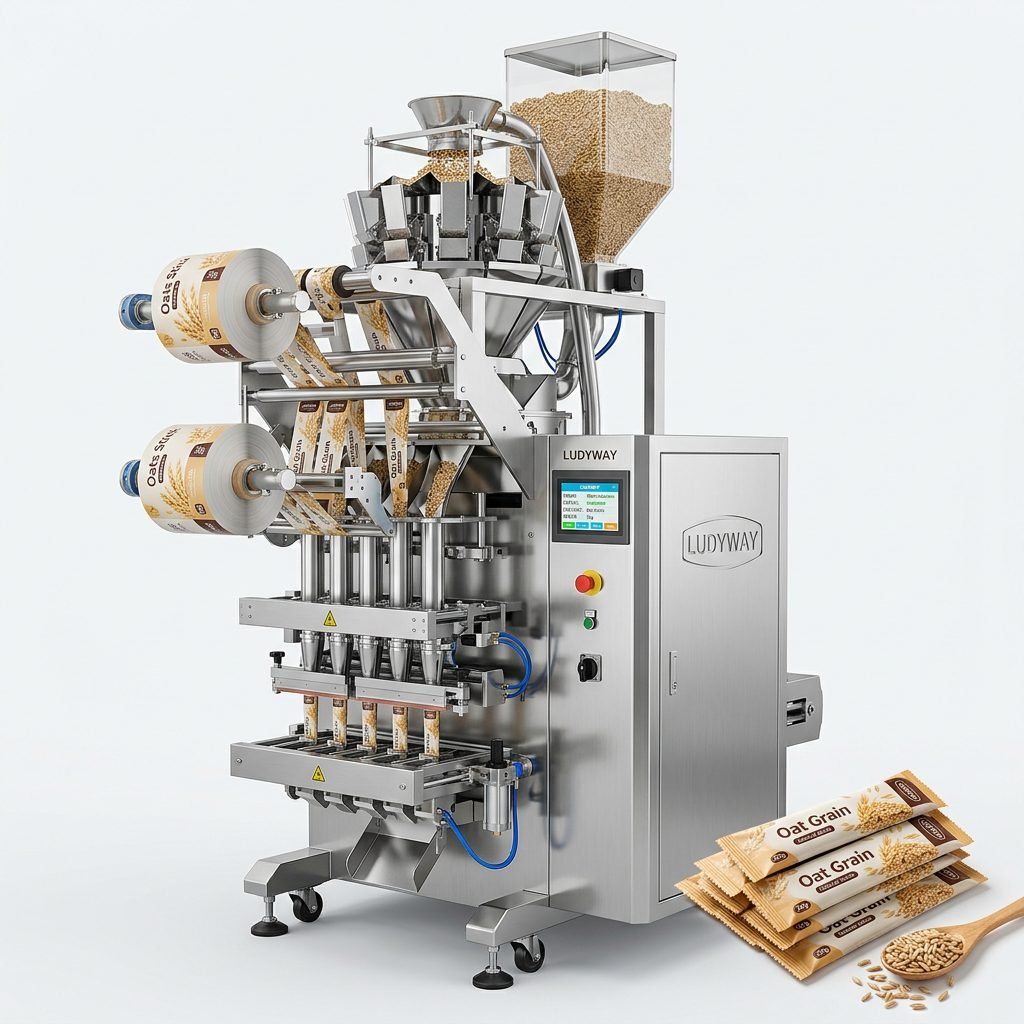
Multi-lane stick pack systems are designed for high-volume production. By running several lanes at once, they significantly increase output while maintaining compact, consumer-friendly packaging.
Premade Pouch Packing Machines
These machines fill and seal ready-made pouches and are often used for premium retail products. They offer strong visual presentation and can handle zipper pouches, stand-up pouches, and shaped pouches.
Bottle Filling and Sealing Systems
Automated bottle lines are used for tablets, capsules, powders, liquids, and lotions. These systems may include unscrambling, filling, capping, induction sealing, labeling, and cartoning.
How Automated Packing Machines Improve Production Efficiency
The impact of automation is measurable. Instead of depending on manual handling across multiple stations, manufacturers can create a predictable and streamlined process from product feeding to final pack discharge.
- Faster cycle times for larger daily output
- Reduced packaging material waste through controlled sealing and cutting
- Less product giveaway from precise filling technology
- More stable operation during multi-shift production
- Improved traceability with coding, inspection, and rejection integration
- Better use of factory space with compact and modular design
Standalone Machine or Turnkey Packaging Line?
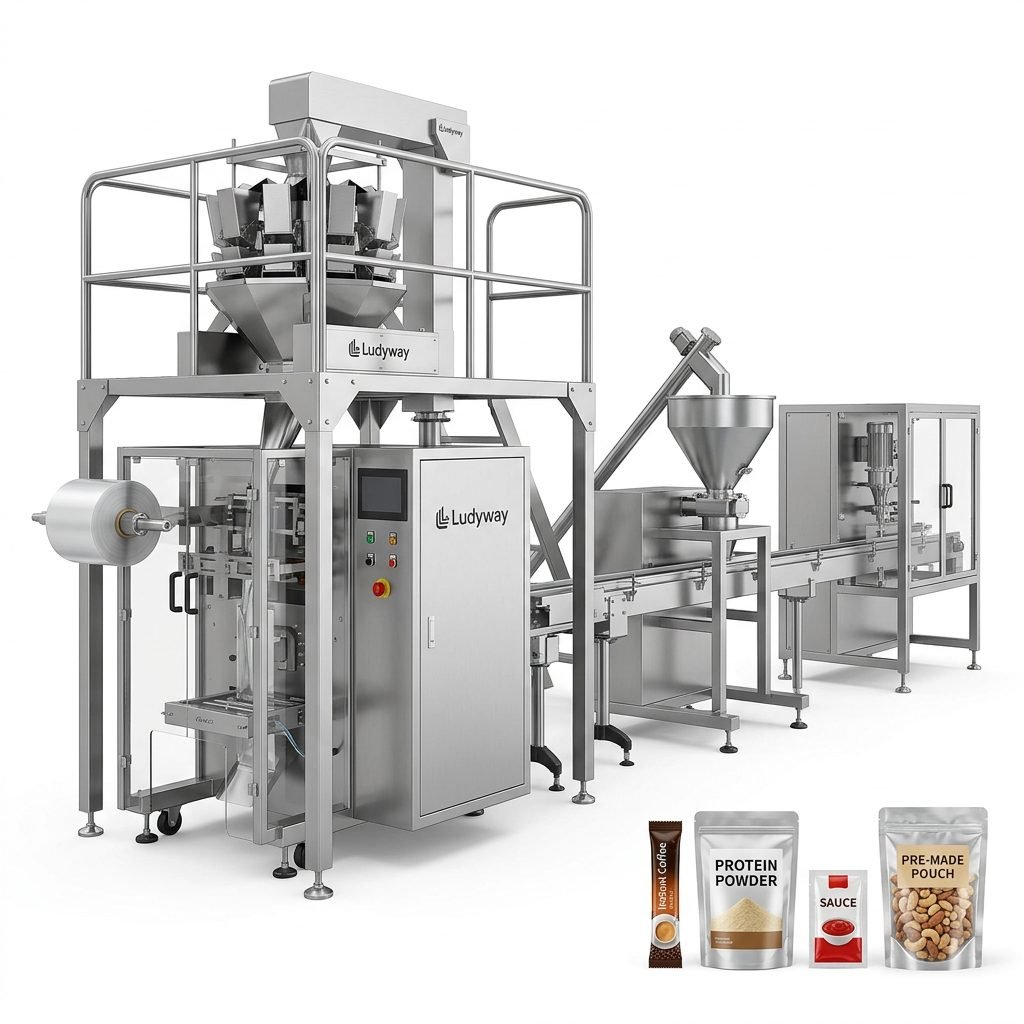
Some businesses only need one machine to upgrade a specific process. Others benefit more from a complete packaging line that links feeding, weighing, filling, sealing, cartoning, checkweighing, labeling, conveying, and palletizing.
| Option | Best For | Main Advantage |
|---|---|---|
| Standalone Machine | Single product or one-step upgrade | Lower initial investment |
| Integrated Packaging Line | High output and full-process automation | Better coordination, labor savings, scalability |
For manufacturers planning long-term growth, turnkey systems often create stronger ROI because the entire process is engineered to work together efficiently.
How to Choose the Right Automated Packing Machine
The best machine is not simply the fastest one. It must fit your product, packaging goals, capacity needs, compliance requirements, and budget.
Evaluate Your Product Characteristics
Consider flowability, viscosity, particle size, moisture sensitivity, and dust level. These factors affect feeding, dosing, sealing, and machine cleaning design.
Define Output Requirements
Estimate current production volume and future growth. A machine that meets today’s demand but cannot scale may create another bottleneck in a short time.
Confirm Packaging Specifications
Bag dimensions, pack style, material compatibility, and print registration all matter. Your supplier should verify whether the machine can handle your intended film and package format.
Check Industry Compliance
Food, pharmaceutical, and healthcare applications may require stricter material selection, validation support, and sanitary design. Always match the machine to your regulatory environment.
Assess Supplier Experience
A capable manufacturer should offer technical guidance, customization, commissioning support, spare parts access, and after-sales service. This support is especially important for customized or high-speed lines.
Common Challenges Automation Can Solve
- Frequent manual filling errors
- Unstable seal quality
- Slow packaging speed during peak demand
- High labor turnover on repetitive lines
- Inconsistent package appearance between batches
- Material waste and rising packaging costs
- Difficulty integrating upstream and downstream equipment
When these problems appear repeatedly, automation is usually not just an upgrade—it becomes a necessary operational solution.
Benefits of Working With an Experienced Packaging Equipment Manufacturer
Choosing the right partner is just as important as choosing the right machine. Experienced manufacturers understand how packaging performance changes across products, climates, plant layouts, and market standards.
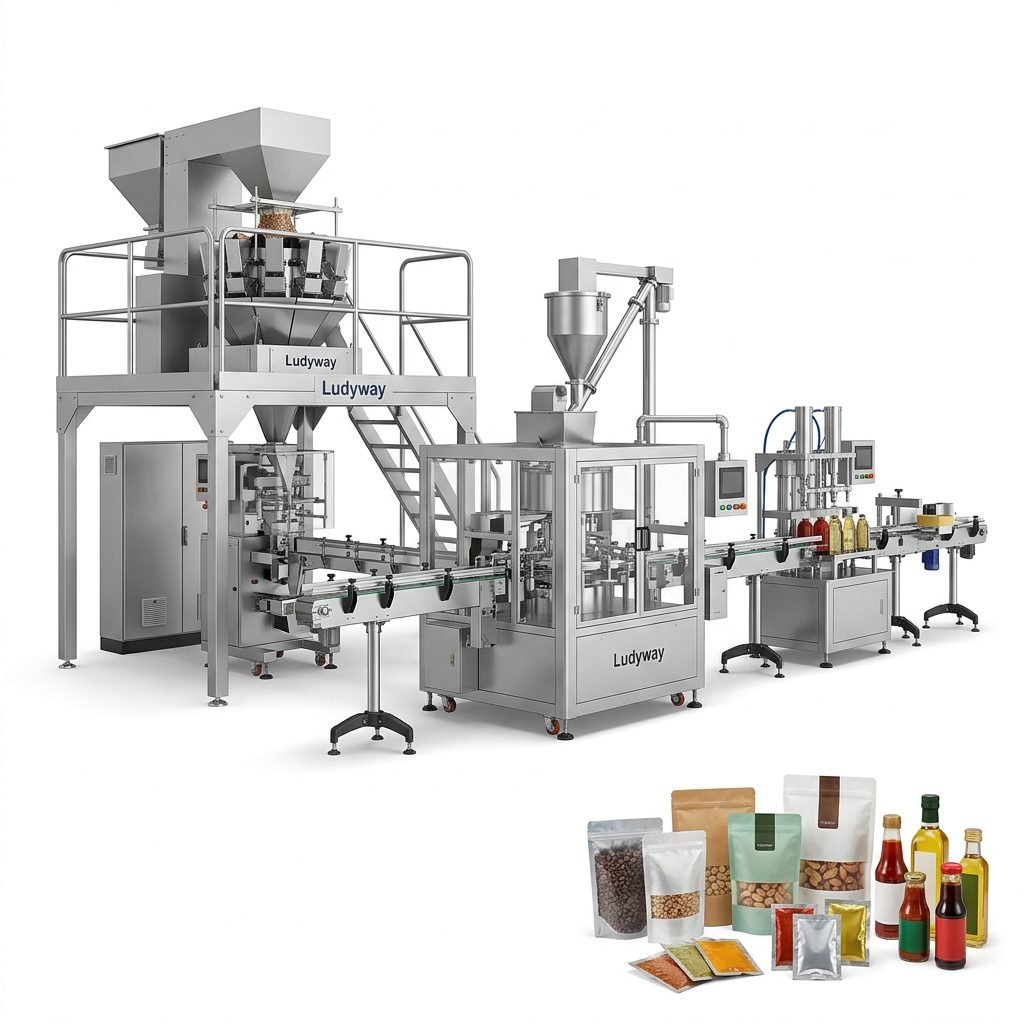
As one of China’s leading packaging machine and turnkey packaging line manufacturers, Ludyway automated packing machine solutions support food, pharmaceutical, health supplement, cosmetic, chemical, and pouch-based applications with broad customization options. With more than 30 years of industry experience, a factory of over 20,000 square meters, and service coverage in more than 100 countries and regions, the company is recognized for supplying both standalone systems and complete integrated packaging lines.
Future Trends in Automated Packaging
Packaging automation continues to evolve. Buyers now look beyond basic filling and sealing to build smarter production environments.
- Digital monitoring for maintenance and production visibility
- Faster changeovers for multi-SKU manufacturing
- More sustainable packaging compatibility with new films and materials
- Higher integration between weighing, filling, inspection, coding, and cartoning
- Customized turnkey lines tailored to niche products and export markets
Final Buying Checklist
| Checkpoint | Questions to Ask |
| Product Fit | Can the machine handle your powder, granule, liquid, or paste accurately? |
| Output | Does it meet current and future production targets? |
| Package Type | Is it suitable for sachets, stick packs, pouches, or bottles? |
| Automation Level | Do you need a single machine or a complete turnkey line? |
| Support | Will the supplier provide commissioning, training, and spare parts? |
An automated packing machine is more than equipment—it is a strategic investment in speed, precision, scalability, and brand quality. For companies aiming to improve output while controlling costs, packaging automation is one of the most effective ways to build a faster and smarter production operation.