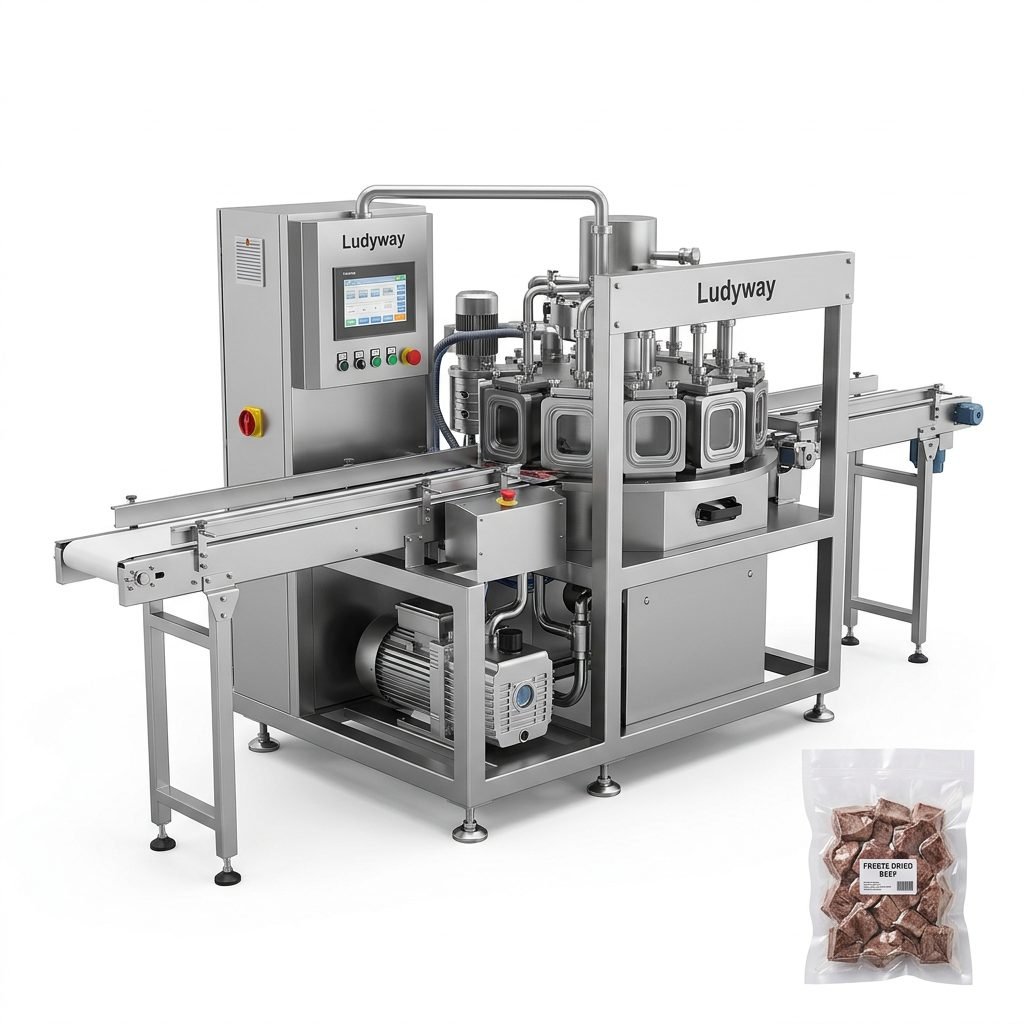
In modern manufacturing, an automatic packaging machine is no longer just a productivity upgrade—it is a critical part of maintaining speed, precision, hygiene, and cost control. From food and pharmaceuticals to cosmetics and chemicals, businesses are under constant pressure to deliver well-packed products faster while reducing waste and labor dependency.
Automated packaging systems help manufacturers meet these demands by combining filling, sealing, coding, conveying, inspection, and final packing into a streamlined workflow. Whether you package granules, powders, liquids, pastes, or pouch-based products, the right equipment can significantly improve output consistency and operational efficiency.

What Is an Automatic Packaging Machine?
An automatic packaging machine is equipment designed to package products with minimal manual intervention. It can automatically perform one or more packaging functions, such as product feeding, weighing, dosing, filling, bag forming, sealing, labeling, coding, inspection, sorting, and cartoning.
Depending on the product and packaging format, these machines may be used for:
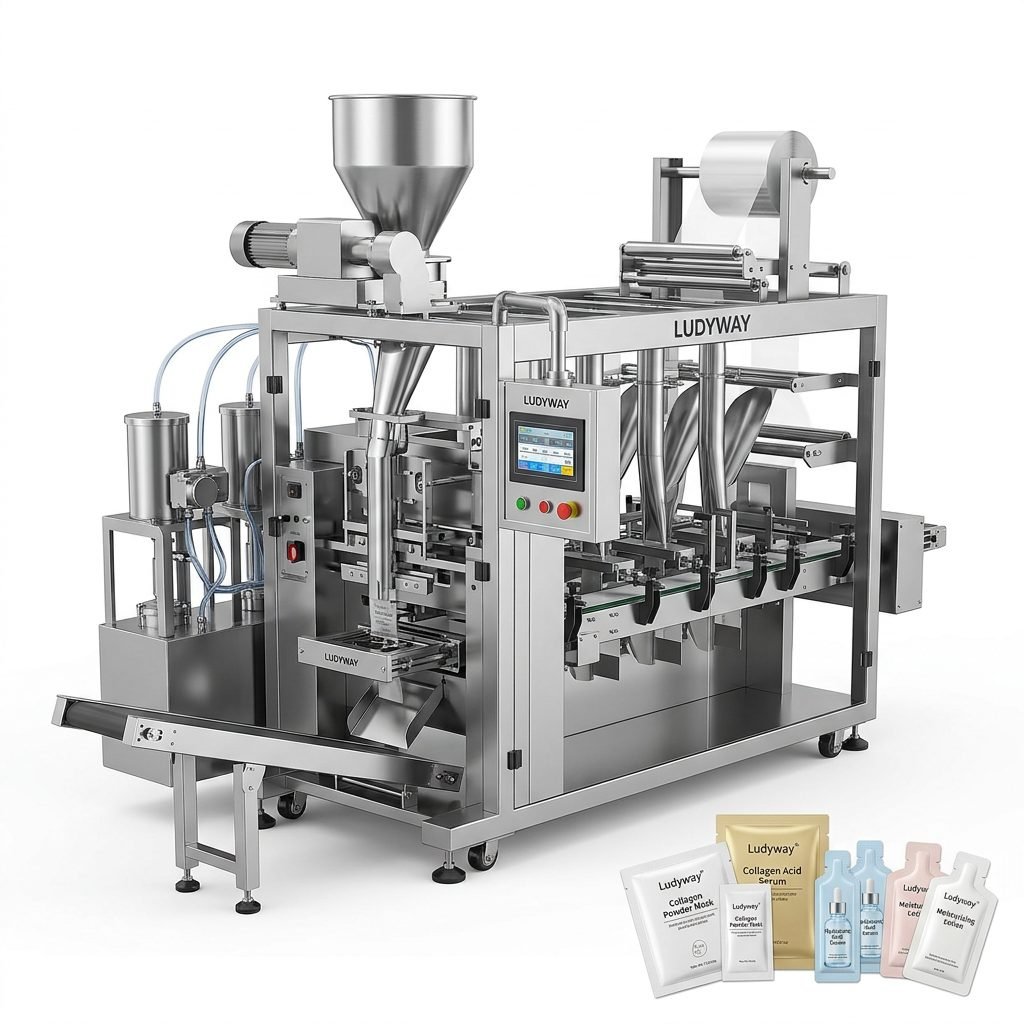
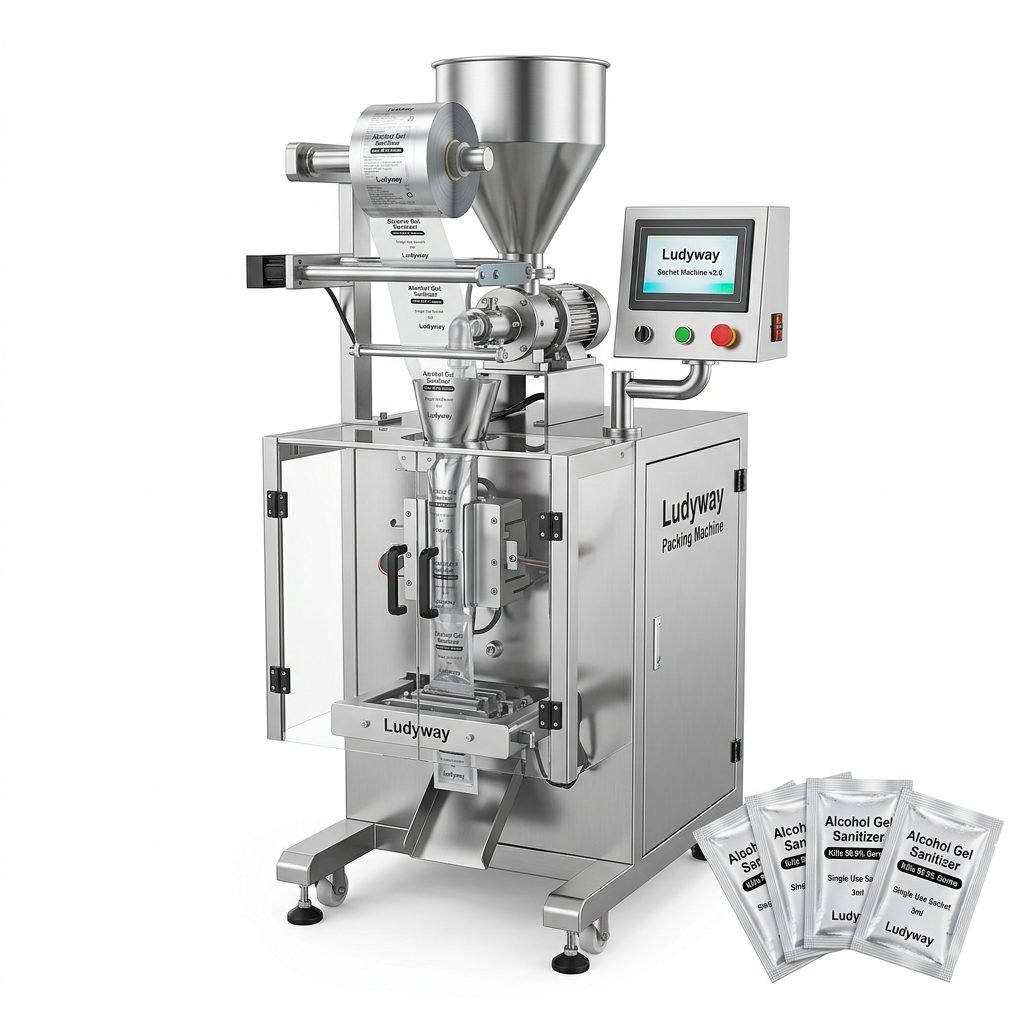
- Stick packs and sachets
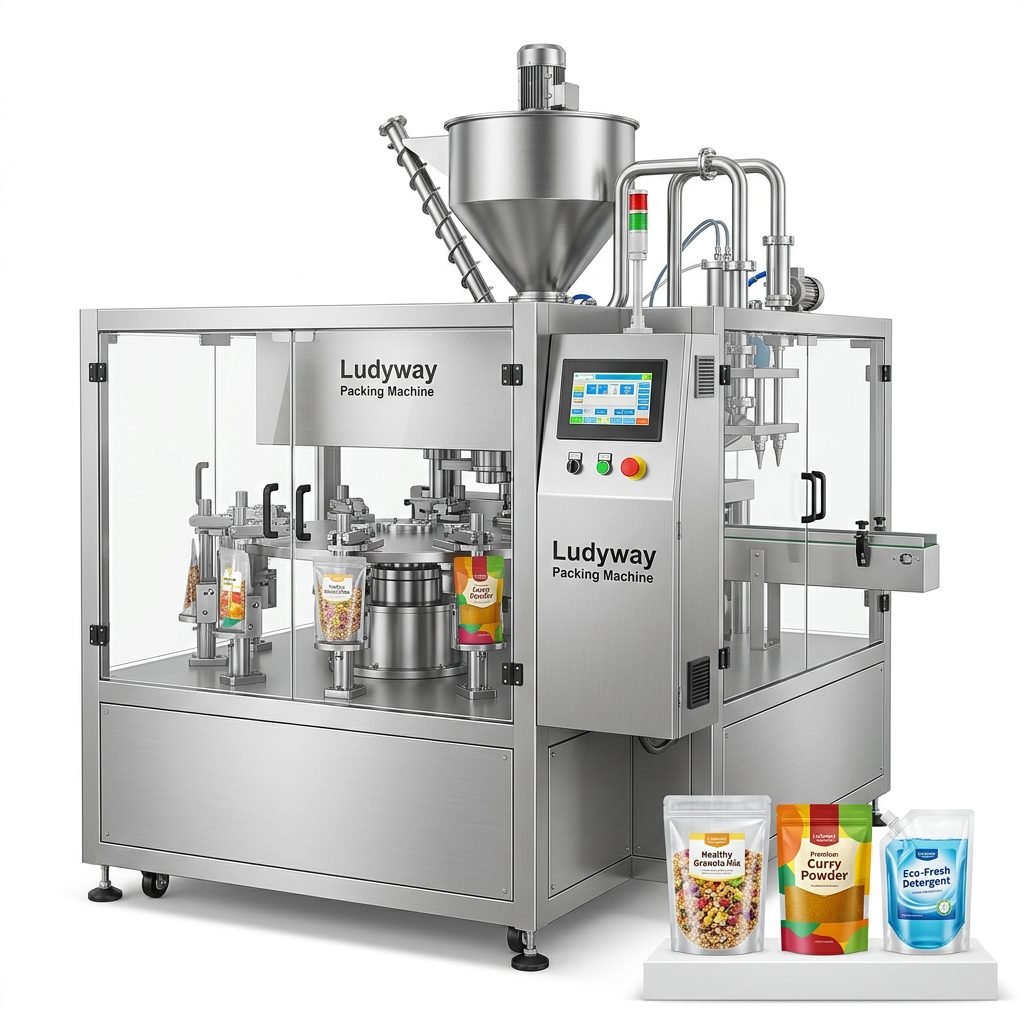
- Pouches and premade bags
- Bottles, tubes, vials, and jars
- Bulk bags and large sacks
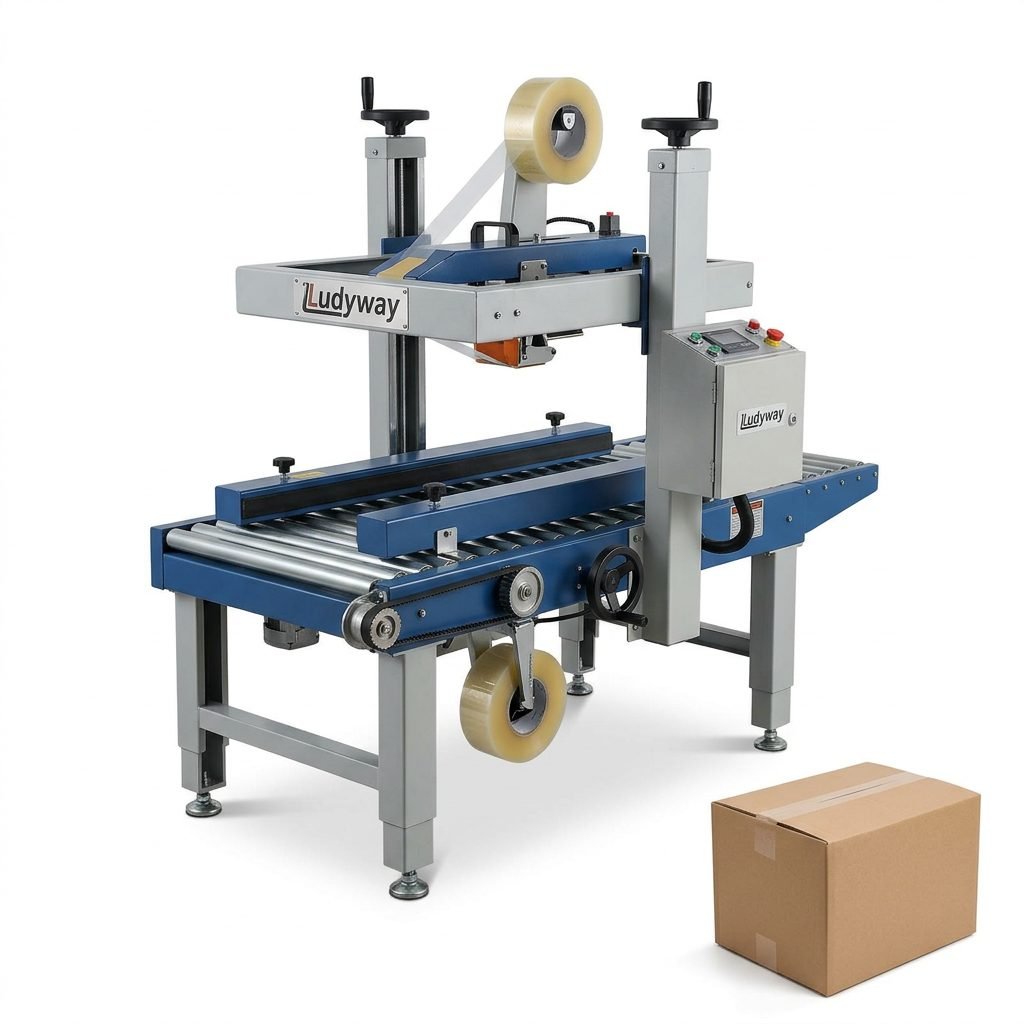
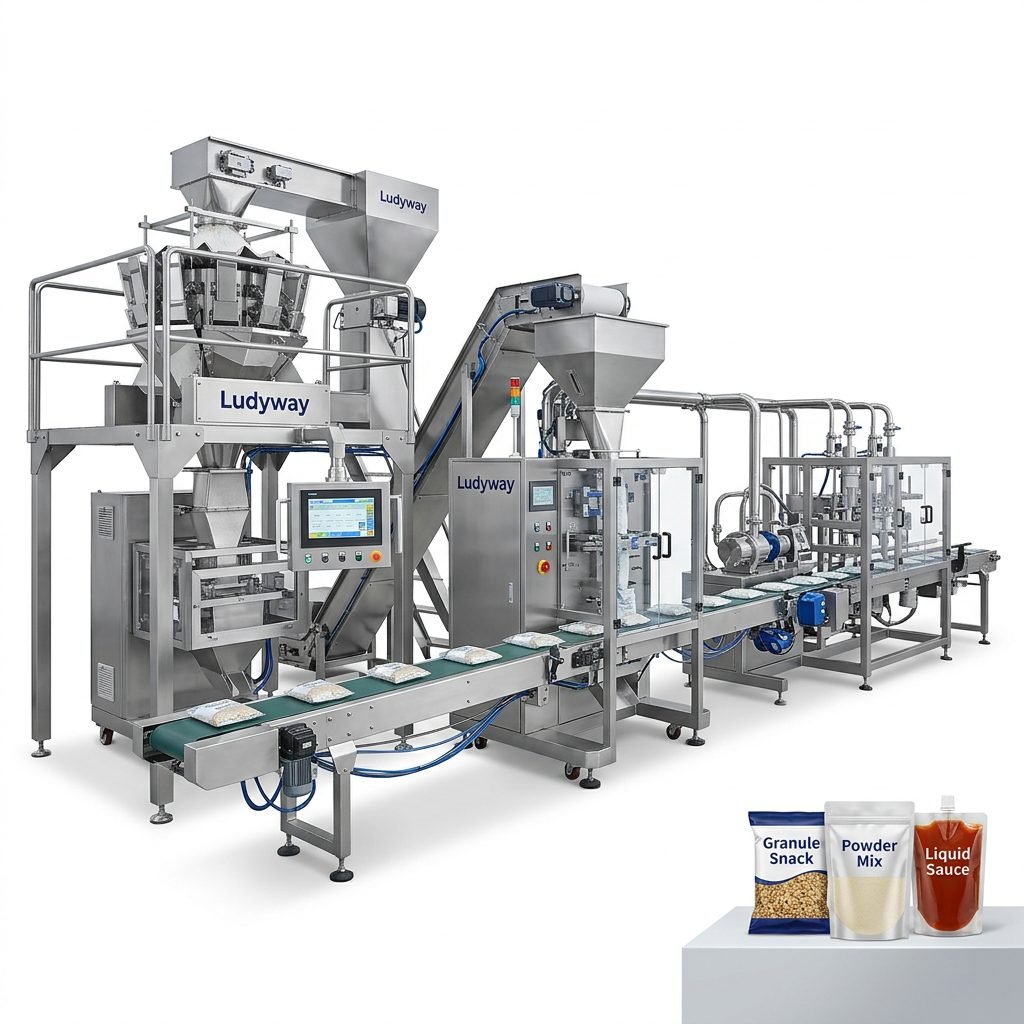
- Turnkey packaging lines with end-of-line automation
Why Businesses Choose Automated Packaging
Companies that switch from manual or semi-automatic packaging to full automation often see improvements across the entire production chain. The biggest advantage is not only speed, but the ability to maintain repeatable packaging accuracy over long production runs.
| Benefit | Business Impact |
|---|---|
| Higher packaging speed | Increases daily output and reduces bottlenecks |
| Accurate filling and sealing | Improves product consistency and lowers waste |
| Reduced labor dependence | Helps manage labor costs and staffing shortages |
| Better hygiene control | Supports food, pharma, and health product compliance |
| Integrated line automation | Creates smoother production from filling to final packing |
Main Types of Automatic Packaging Machines
1. Powder Packaging Machines
These are ideal for milk powder, protein powder, pharmaceutical powder, coffee powder, spices, and supplement blends. They usually work with screw dosing or auger filling systems to maintain stable weight control.
2. Granule Packaging Machines
Suitable for sugar, seeds, snacks, grains, coffee beans, pellets, and fertilizer products. Granule packaging machines often use cup fillers, multi-head weighers, or counting systems depending on the product shape and target accuracy.
3. Liquid and Paste Packaging Machines
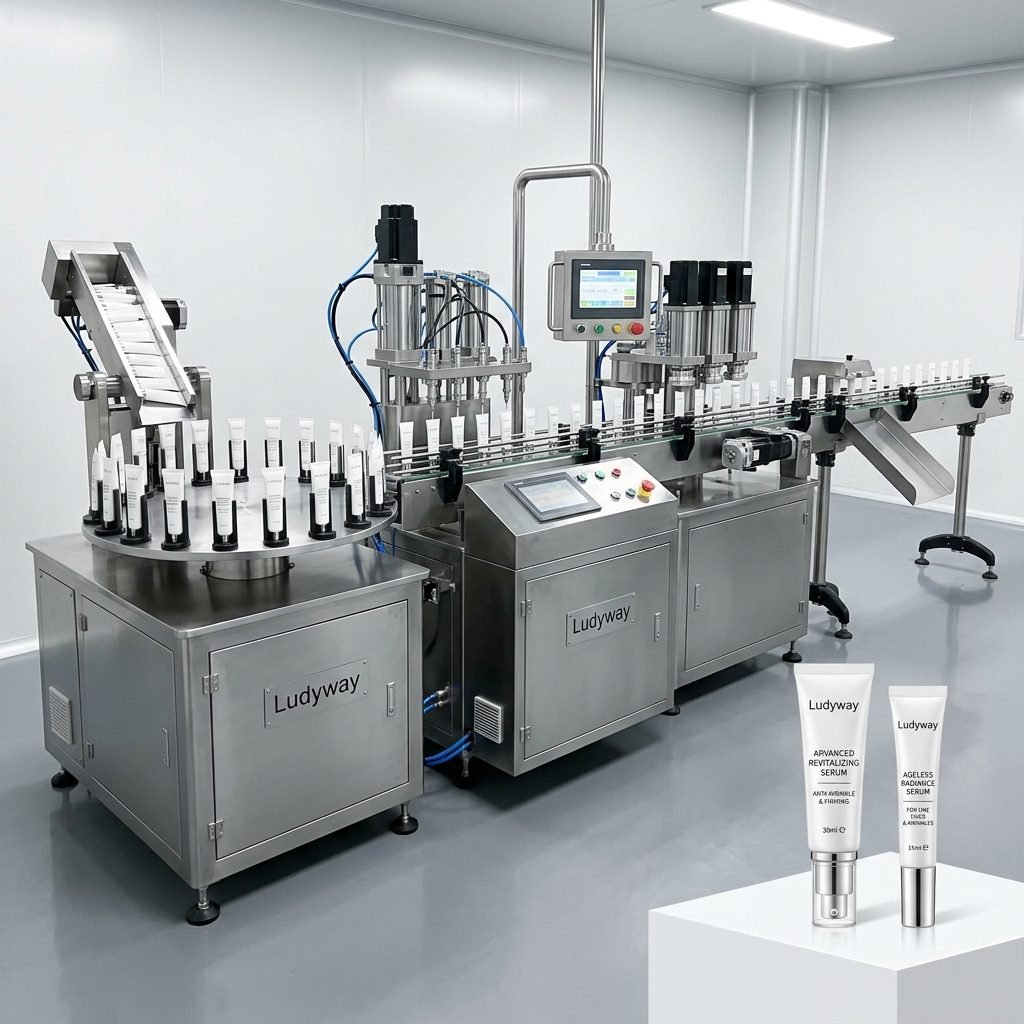
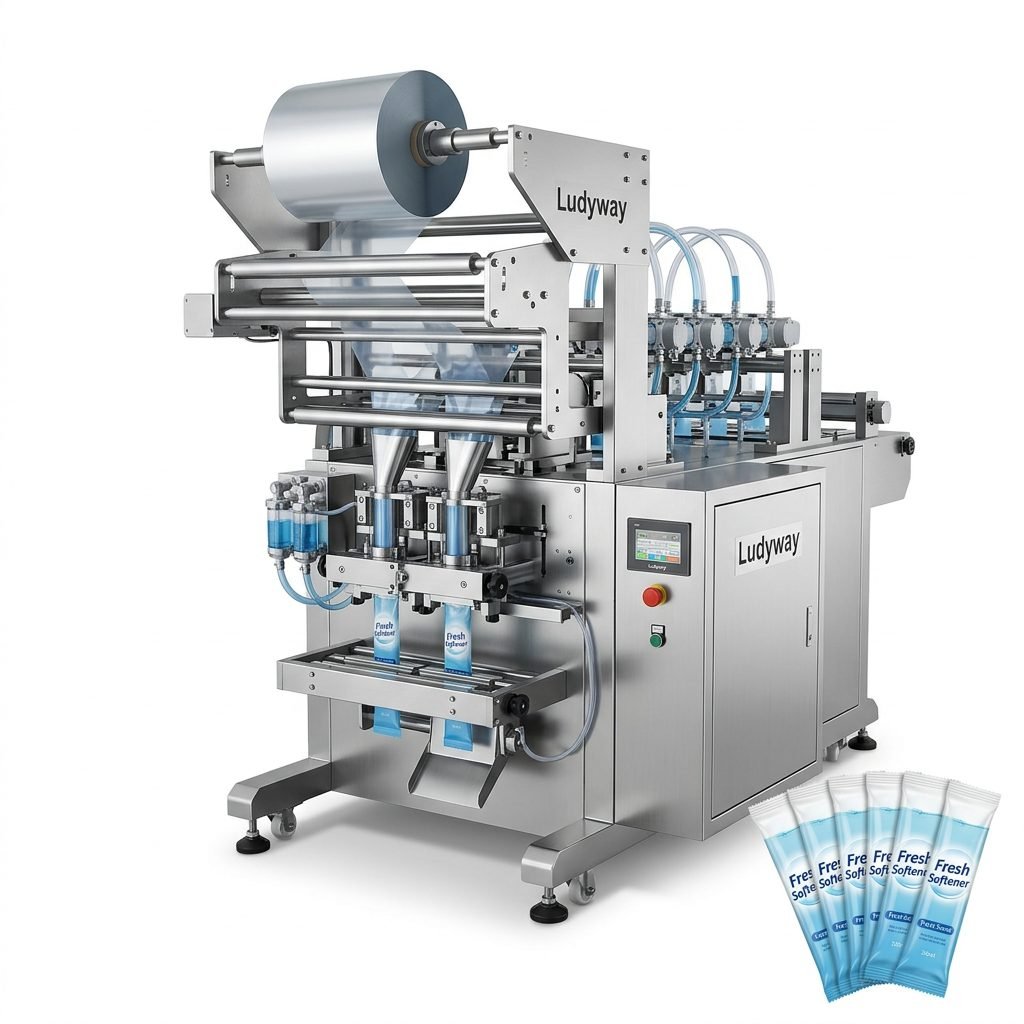
Used for sauces, shampoos, oils, detergents, oral liquids, creams, and gels. These systems typically include piston pumps, liquid pumps, heated hoppers, or anti-drip nozzles for cleaner filling performance.
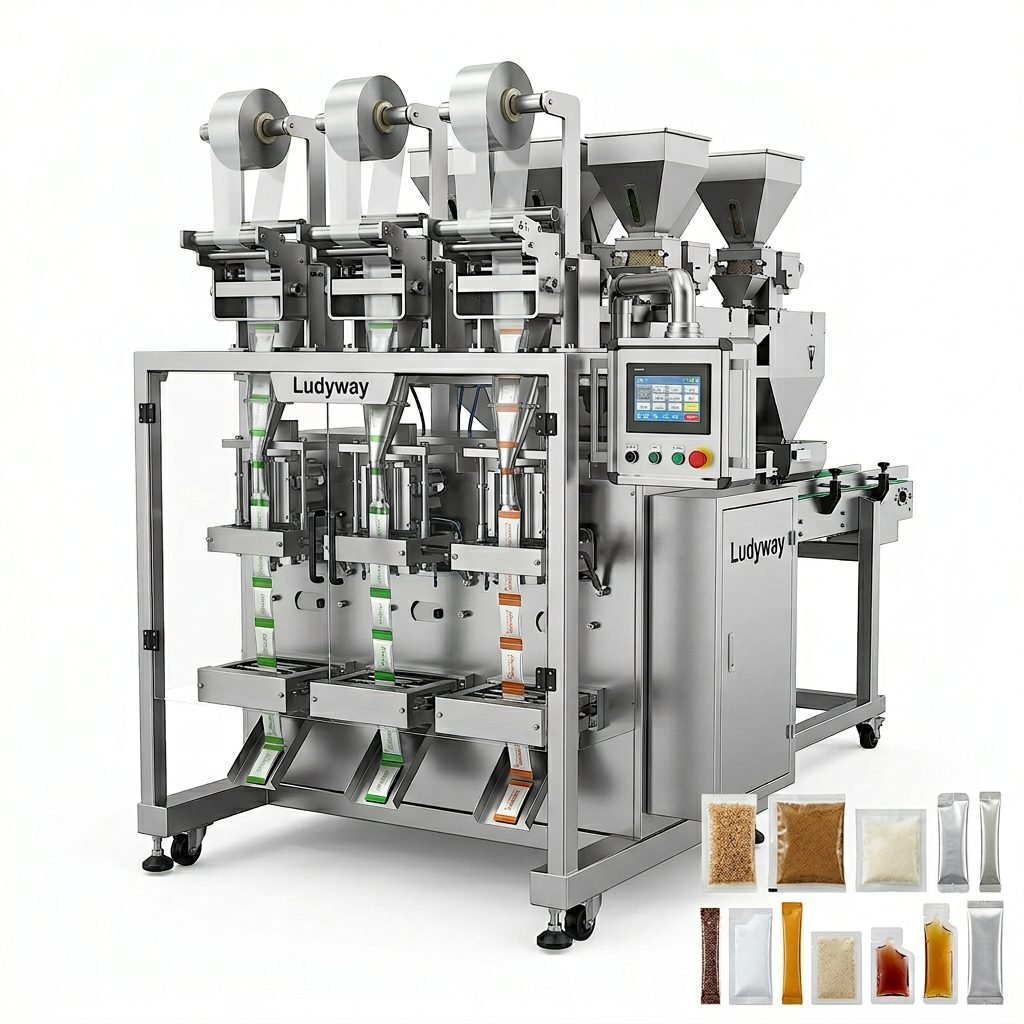
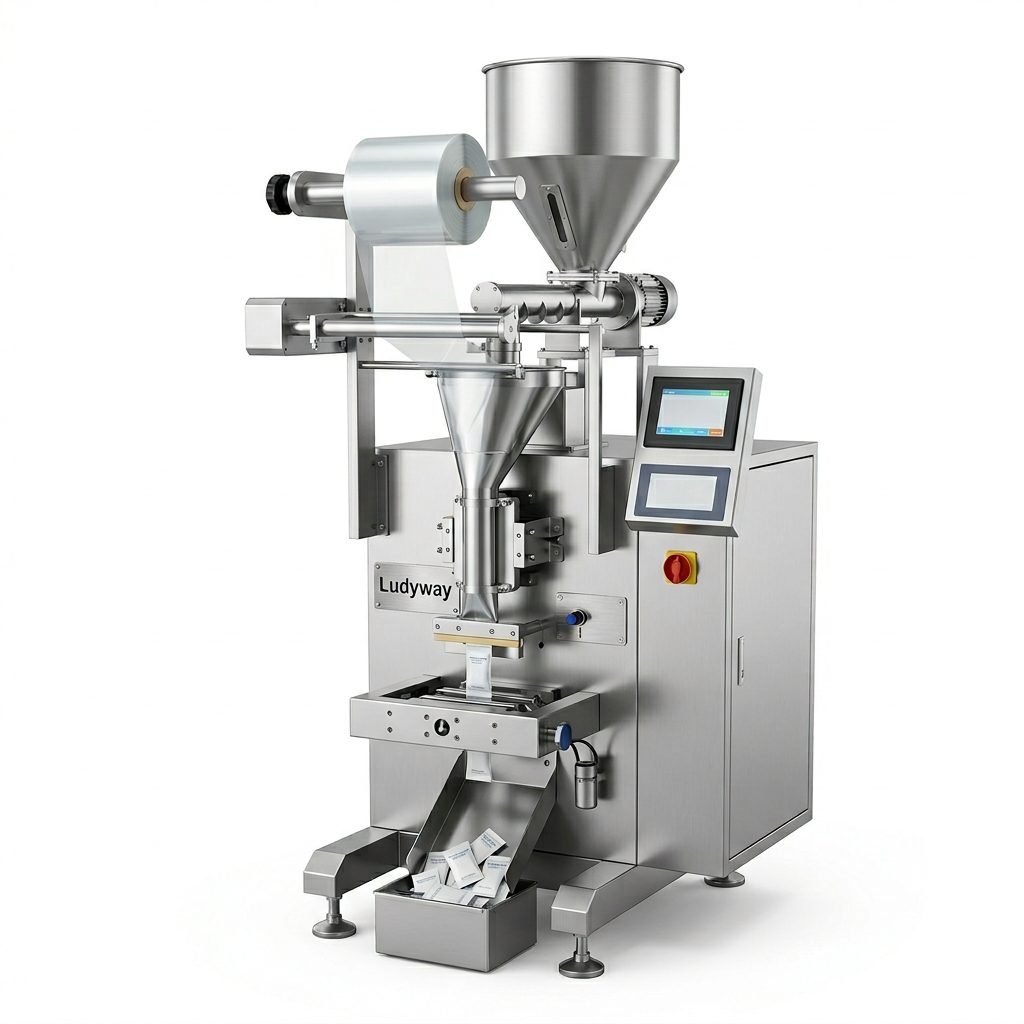
4. Sachet and Stick Pack Machines
Designed for high-volume single-dose packaging. They are widely used in food service, nutraceuticals, and pharmaceuticals where convenience, portability, and portion control matter.
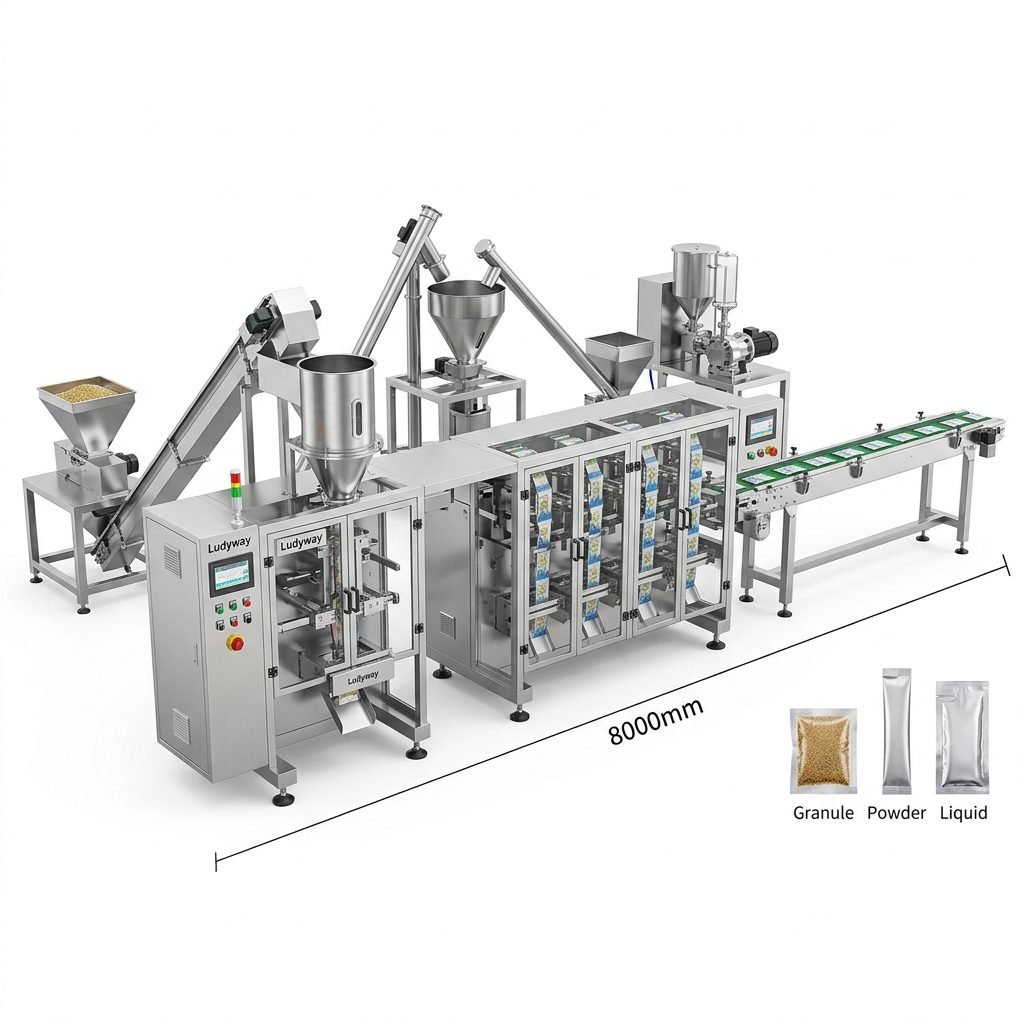
5. Turnkey Packaging Lines
These complete systems combine feeding, filling, sealing, coding, inspection, cartoning, and palletizing. They are ideal for manufacturers planning long-term automation and large-scale production expansion.
Industries That Benefit Most
Automatic packaging machines are highly versatile and can be customized for different sectors. This flexibility makes them valuable for both established factories and growing brands.
- Food industry: snacks, seasonings, coffee, sugar, dairy powder, sauces, instant foods
- Pharmaceutical industry: powders, granules, tablets, capsules, oral liquids, medical sachets
- Health supplement industry: collagen, electrolytes, vitamins, protein powder, probiotics
- Cosmetic industry: shampoo, lotion, serum, cream, facial mask, body care products
- Chemical industry: detergents, cleaners, additives, fertilizers, industrial powders and liquids
Key Features to Look For
Not all automatic packaging equipment is the same. The right machine should match your product characteristics, packaging format, output target, and factory layout.
- Accurate dosing system for powders, granules, liquids, or pastes
- Stable sealing performance to reduce leakage and rejects
- Easy changeover for different bag sizes or product formats
- Smart touch-screen controls for operation and monitoring
- Integration with feeders, elevators, checkweighers, and coding units
- Reliable construction for continuous industrial use
- After-sales support and spare parts availability
How Automatic Packaging Improves Accuracy
Accuracy is essential in packaging because even small deviations can affect cost, product quality, and customer trust. In pharmaceuticals and health supplements, precise filling is especially important for compliance and dosage consistency. In food production, accuracy reduces overfill losses and protects margins.
Modern automatic packaging machines use advanced sensors, servo systems, precise metering units, and PLC controls to keep performance stable. This means fewer manual errors, more uniform package weights, and cleaner seals.
How Automation Increases Packaging Speed
Speed matters when demand rises, seasonal peaks arrive, or contract manufacturing schedules get tighter. Automated equipment allows producers to package much faster than manual labor while maintaining consistent quality standards.
Multi-lane systems are especially effective for high-volume products because they can fill and seal several sachets or stick packs at the same time. For manufacturers running large batches, this can produce a substantial increase in throughput without proportionally increasing labor costs.
Machine Selection by Product Type
| Product Type | Recommended Packaging Solution |
|---|---|
| Powders | Auger filler sachet machine, stick pack machine, vertical packaging system |
| Granules | Cup filler, weighing machine, multi-head weigher packaging line |
| Liquids | Liquid sachet filling machine, bottle filling line, stick pack liquid system |
| Pastes and creams | Piston pump packing machine, tube filling and sealing machine |
| Pouch products | Premade pouch machine, pouch filling and sealing line |
When a Turnkey Packaging Line Makes More Sense
If your factory is dealing with frequent downtime between separate machines, inconsistent output, or manual transfer between packaging stages, a turnkey system may be the better investment. Instead of buying stand-alone equipment piece by piece, a complete line is engineered for compatibility and smoother coordination.
A turnkey line is especially useful when you need:
- High-volume production with stable long runs
- Centralized control across multiple packaging steps
- Cleaner plant layout and better workflow design
- Future scalability for new products or larger output targets
Common Challenges Solved by Automatic Packaging Machines
Many manufacturers face similar packaging problems before upgrading automation. A properly selected machine can solve issues such as:
- Slow manual packing speed
- Inconsistent fill weight
- Leaking or poorly sealed sachets
- Excessive material waste
- High labor requirements
- Frequent product contamination risks
- Difficulty scaling production for export or retail demand
Why Experience Matters in Packaging Machinery Supply
Choosing a machine is only part of the decision. The supplier’s engineering ability, manufacturing experience, customization capacity, and support service are just as important. Buyers often need more than a machine—they need a solution tailored to product properties, packaging materials, output goals, and compliance requirements.
For businesses seeking a reliable partner, Ludyway automatic packaging machine solutions offer broad application coverage across food, pharmaceutical, health supplement, cosmetic, and chemical sectors. With more than 30 years of industry experience, a factory of over 20,000 square meters, and service coverage in more than 100 countries and regions, the company is well positioned for both stand-alone machines and turnkey packaging line projects.
How to Choose the Right Automatic Packaging Machine
Before making a purchase decision, manufacturers should evaluate a few practical factors:
- What product are you packaging: powder, granule, liquid, or paste?
- What package format do you need: sachet, stick pack, pouch, bottle, or bag?
- What is your target speed per minute or per hour?
- Do you need a single machine or a complete automated line?
- Will you need future expansion or multi-product compatibility?
- What packaging materials and bag sizes will be used?
A good supplier should also help you assess:
- Machine configuration options
- Customization requirements
- Installation and commissioning needs
- Training, maintenance, and spare parts support
Final Thoughts
An automatic packaging machine is a smart investment for manufacturers that want faster packaging, better accuracy, lower labor costs, and scalable production. As market competition grows, packaging automation becomes a key advantage in maintaining quality and meeting delivery expectations.
Whether you need a compact sachet machine, a high-speed multi-lane system, or a complete turnkey packaging line, selecting the right solution can transform your production efficiency and support long-term business growth.