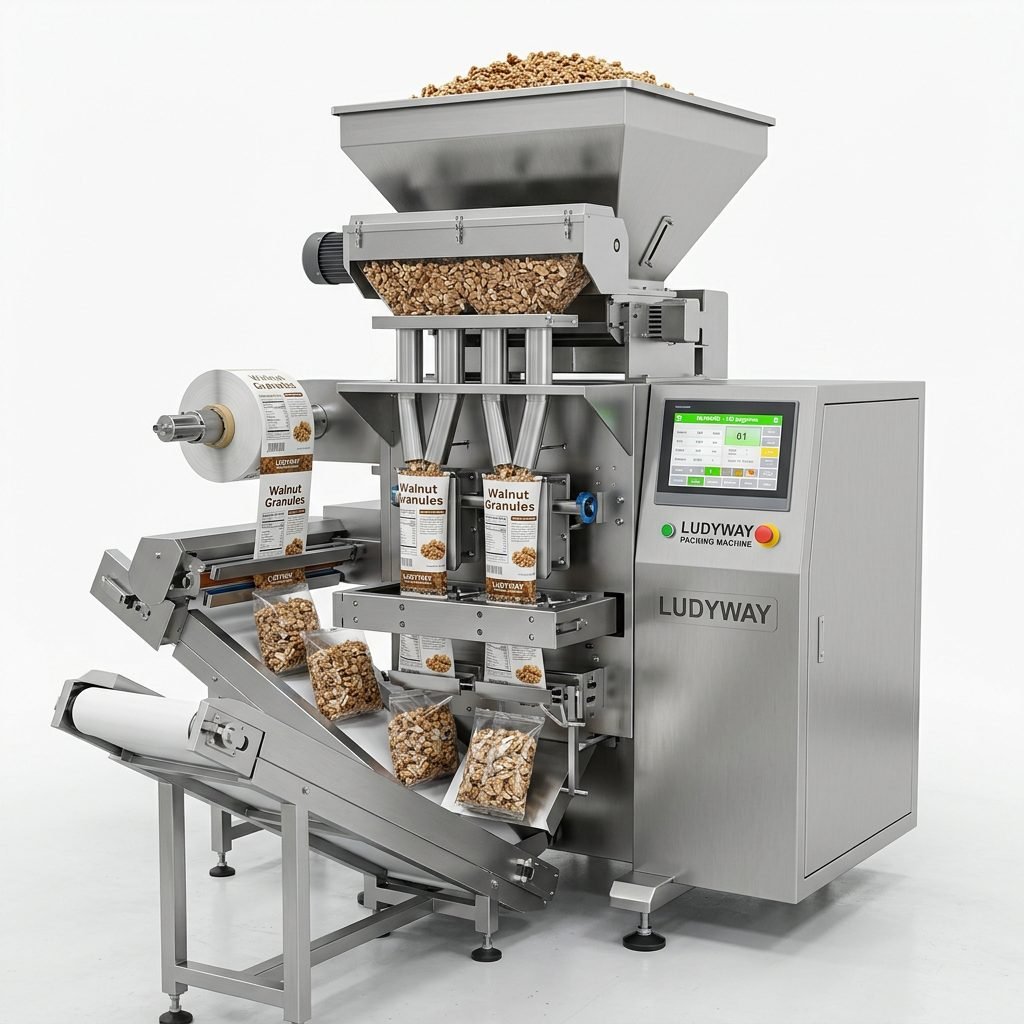
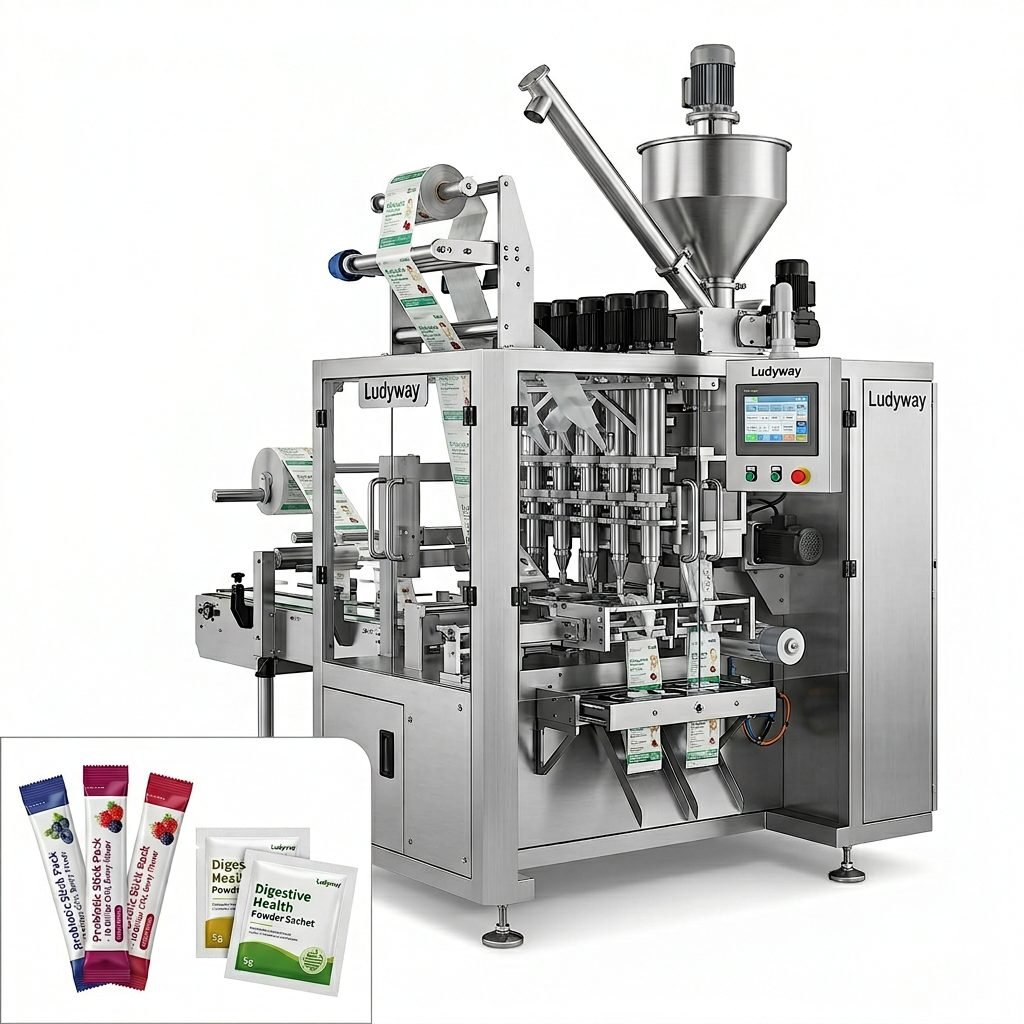
In the global quest for sustainable alternatives to plastic food packaging, one solution is gaining remarkable traction: banana leaf packaging. This ancient, natural material is being revitalized by modern technology, specifically through the use of specialized Banana Leaf Packaging Machines. These machines are transforming how we think about food preservation and presentation, offering a biodegradable, aesthetically pleasing, and culturally resonant option that stands in stark contrast to petroleum-based plastics.
Key Takeaway: Banana leaf packaging is not just a nostalgic trend; it’s a forward-thinking, eco-friendly packaging solution enabled by automation, merging tradition with modern food safety and efficiency standards.
The Environmental Imperative: Moving Beyond Plastic
The environmental toll of single-use plastic packaging is well-documented, from polluting oceans to lingering in landfills for centuries. Consumers and regulators worldwide are demanding change. This has spurred innovation in the packaging sector, with a clear shift towards materials that are renewable, compostable, and have a lower carbon footprint. Banana leaves, a byproduct of banana cultivation, present a compelling answer. They are abundant, require no additional resources to grow for packaging purposes, and decompose naturally within weeks, enriching the soil.
How Banana Leaf Packaging Machines Work
Modern banana leaf packaging is far from a manual, artisanal process. Advanced Banana Leaf Packaging Machines automate the entire workflow, ensuring consistency, hygiene, and scalability for commercial production. The typical process involves several key stages:
Stage 1: Leaf Preparation & Sterilization
Fresh banana leaves are first cleaned and cut to uniform sizes. They then pass through a sterilization module, often using UV light or food-safe steam, to eliminate pathogens and ensure food-grade safety—a critical step modern machines handle precisely.
Stage 2: Forming & Sealing
This is the core function of the machine. The pliable leaf is molded into specific shapes—bowls, plates, wraps, or pouches. For items like rice, curry, or snacks, the machine can create a secure, natural seal by folding, pressing, or using a small, biodegradable adhesive or heat (at controlled temperatures that don’t burn the leaf).
Stage 3: Cutting & Discharge
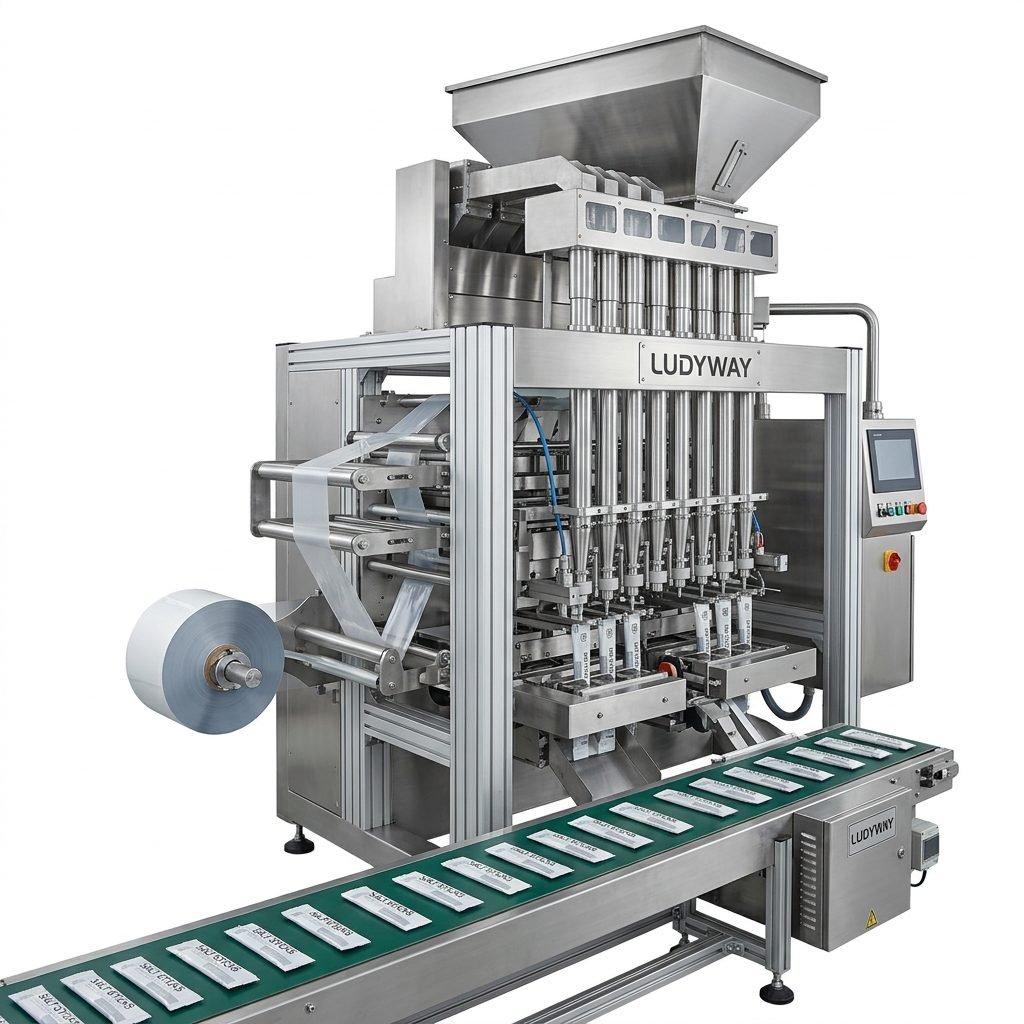
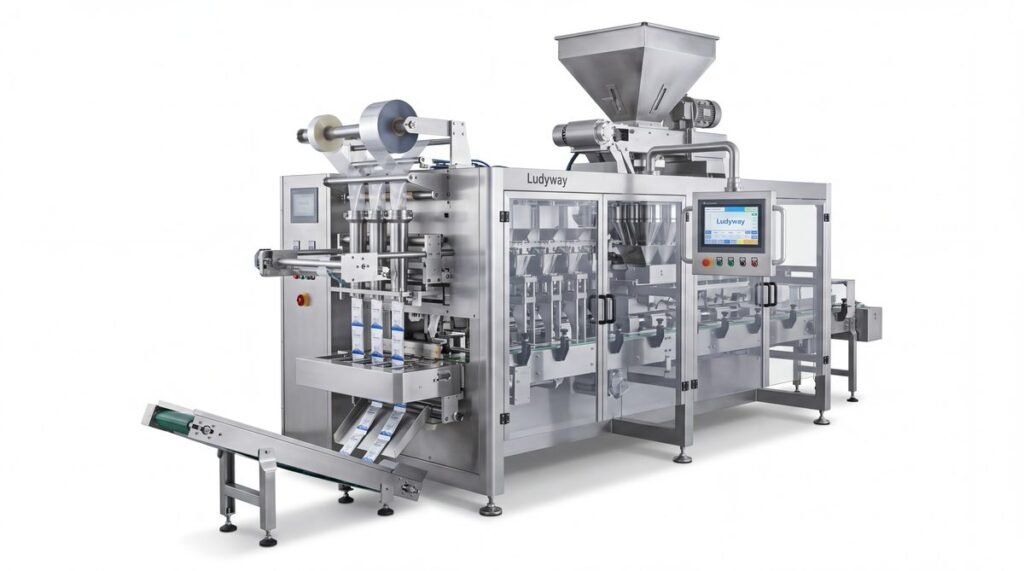
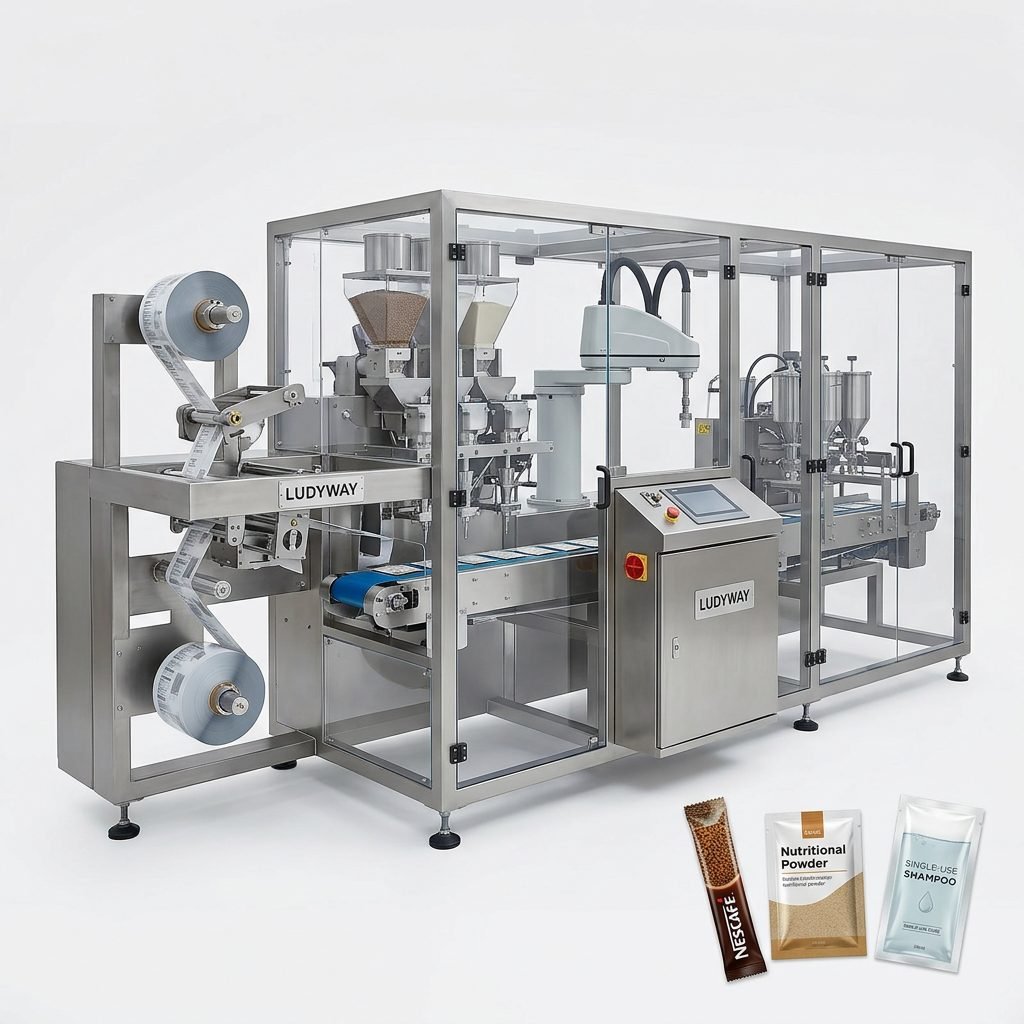
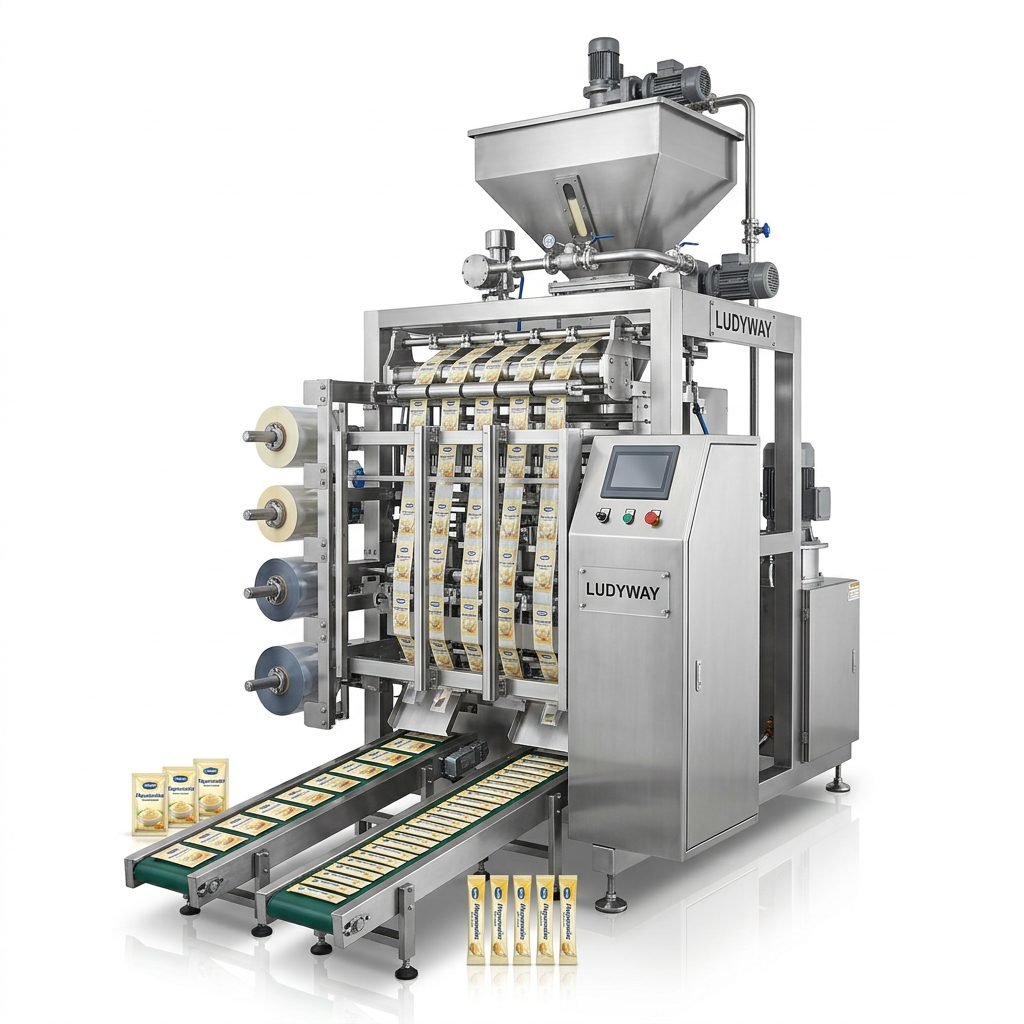
Excess leaf material is trimmed away, and the finished, packaged product is discharged onto a conveyor for labeling or immediate packing. High-end machines integrate multi-lane stick pack or sachet packaging principles, allowing for high-speed production of portion-controlled items wrapped in leaf.
Benefits of Automated Banana Leaf Packaging
- Superior Sustainability: Fully biodegradable and compostable, leaving zero toxic residue.
- Natural Preservation: Leaves contain polyphenols and have antimicrobial properties that can slightly extend the freshness of certain foods.
- Brand Enhancement: Offers a unique, premium, and earthy aesthetic that appeals to eco-conscious consumers.
- Operational Efficiency: Automated machines ensure consistent package quality, higher output, and reduced labor costs compared to manual folding.
- Cultural Connection: For many regions, it evokes tradition and authenticity, adding a story to the product.
Applications in the Food Industry
The versatility of banana leaf packaging is vast. It is ideal for both dry and moist foods. Common applications include ready-to-eat meals, takeaway containers for rice and curry, wrapped snacks (like tamales or steamed cakes), portion packs for spices or tea, and even as a liner for cardboard boxes. For businesses looking to integrate this solution, partnering with an expert in turnkey production solutions is crucial. These partners can provide not just the packaging machine, but also guidance on leaf sourcing, pretreatment, and integration into existing production lines.
Considerations for Manufacturers
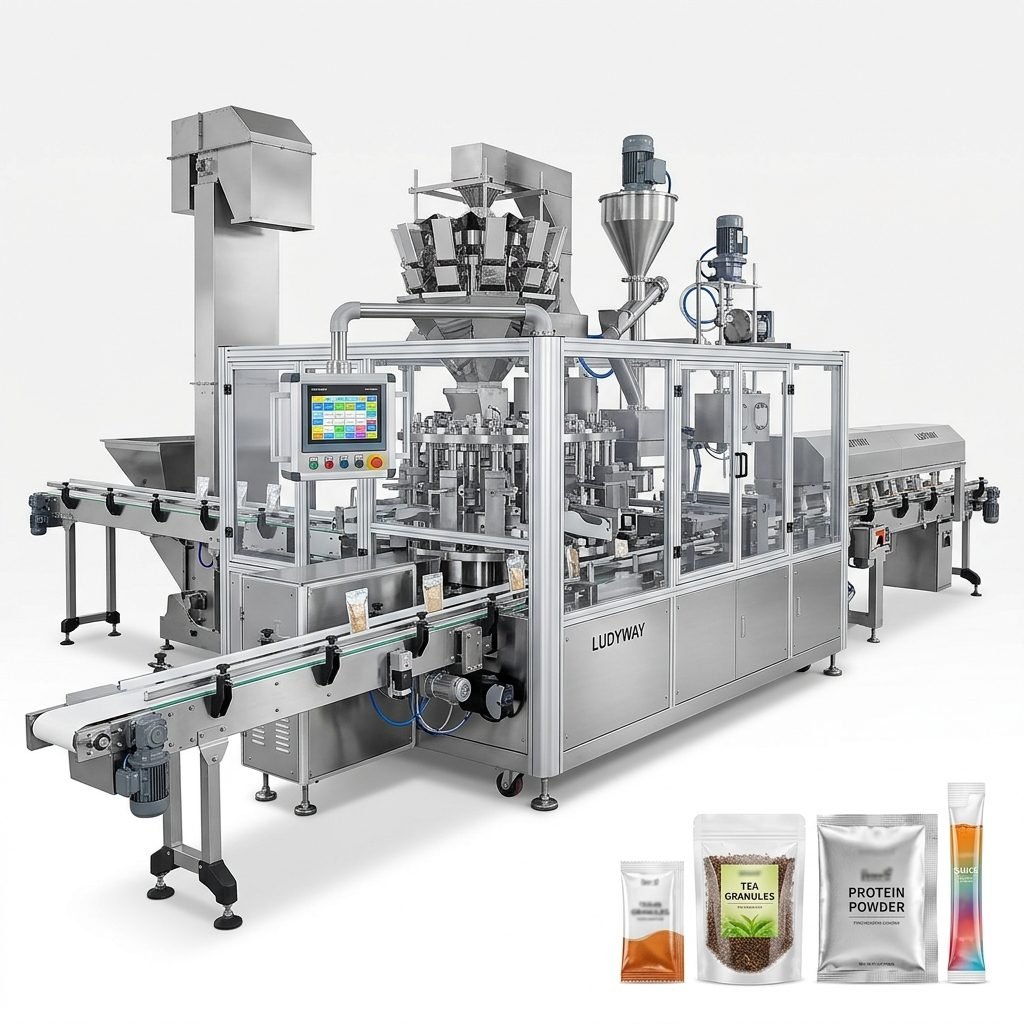
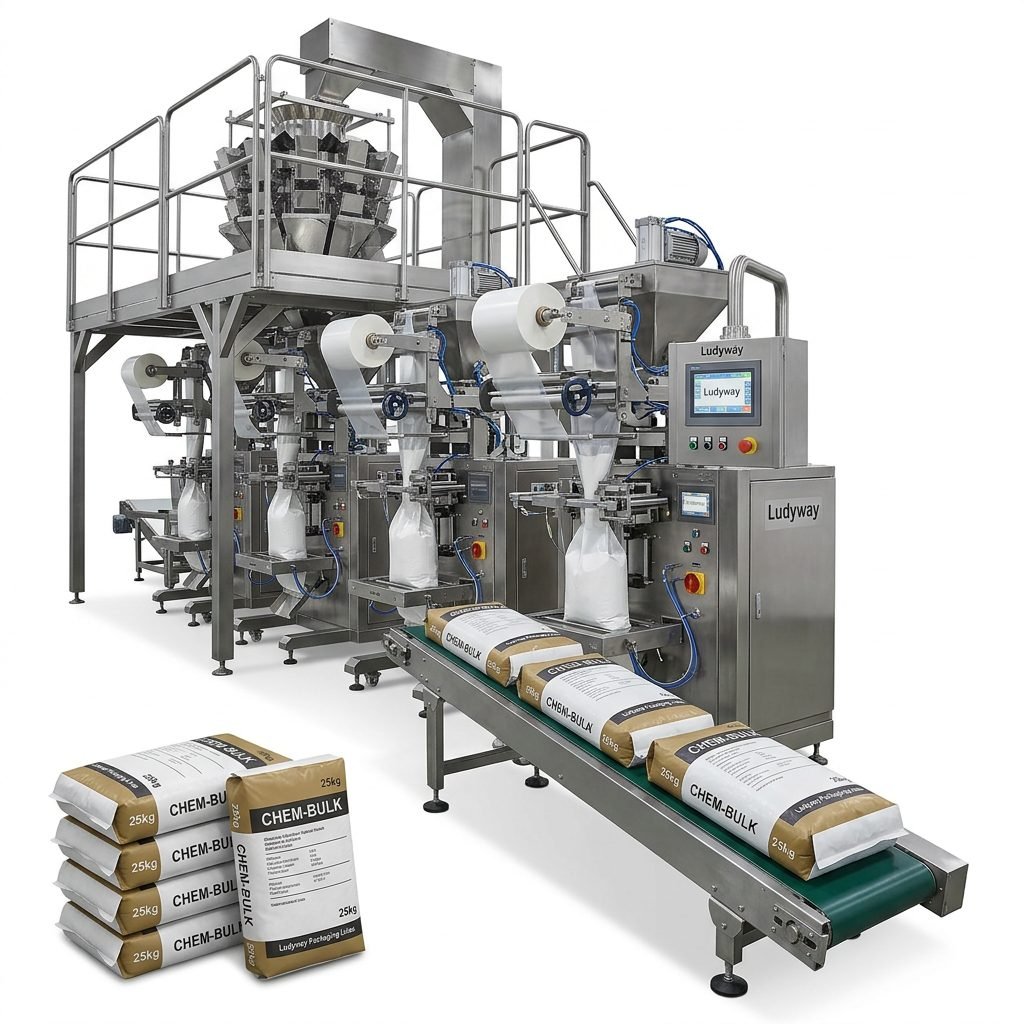
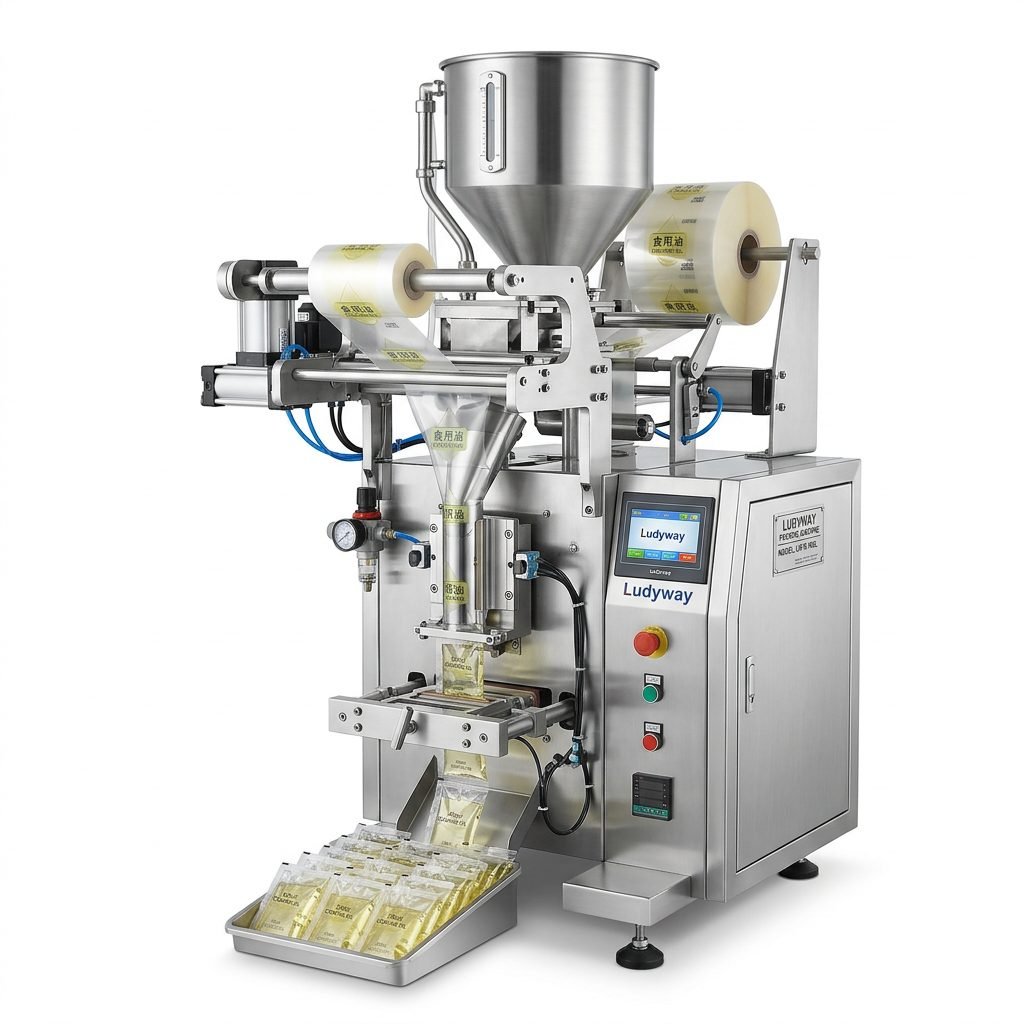
Adopting this technology requires careful planning. Sourcing a consistent, high-quality supply of banana leaves is fundamental. The leaves must be relatively uniform in size and free of major blemishes. Machine flexibility to handle natural variations in leaf thickness and texture is a key feature to look for. Furthermore, while the leaf itself is biodegradable, any inks used for branding must be natural and food-safe. The entire system, from granule, powder, and liquid packaging adaptations, must be designed with the unique properties of the leaf in mind.
The Future is Green and Automated
The convergence of sustainability goals and automation technology is defining the future of packaging. Banana leaf packaging machines represent a perfect synergy of these trends. They allow businesses to meet regulatory pressures and consumer demand for eco-friendly options without sacrificing production speed or food safety. As this technology evolves, we can expect even more efficient, intelligent machines that further minimize waste and maximize the natural benefits of this remarkable material.
Frequently Asked Questions (FAQs)
1. Is banana leaf packaging hygienic and safe for food contact?
Yes, when processed correctly. Modern banana leaf packaging machines incorporate sterilization steps (e.g., UV, steam) that eliminate microbes. The automated process minimizes human handling, ensuring a hygienic, food-safe package that meets relevant health standards.
2. How long does banana leaf packaging take to decompose?
Under proper composting conditions, banana leaf packaging will fully decompose within 2 to 8 weeks, depending on thickness and environmental factors. This is a fraction of the centuries required for plastic decomposition.
3. Can banana leaf machines handle other types of leaves?
Many machines are designed with flexibility in mind. While optimized for banana leaves, they can often be adjusted to handle other sturdy, pliable leaves like palm, lotus, or corn husks, depending on the specific machine model and tooling.
4. What is the production capacity of such a machine?
Capacity varies widely by machine design, from semi-automatic units producing hundreds of packages per hour to fully automated, multi-lane systems capable of several thousand packages per hour. A professional supplier can help determine the right capacity for your production needs.
5. Are there limitations on what foods can be packaged in banana leaves?
Banana leaves are best for solid, semi-solid, or moist foods. They are not a barrier against liquids or high-moisture content foods without additional treatment or lining. They are ideal for short-to-medium shelf-life products and are not suitable for long-term, shelf-stable storage like canned goods.