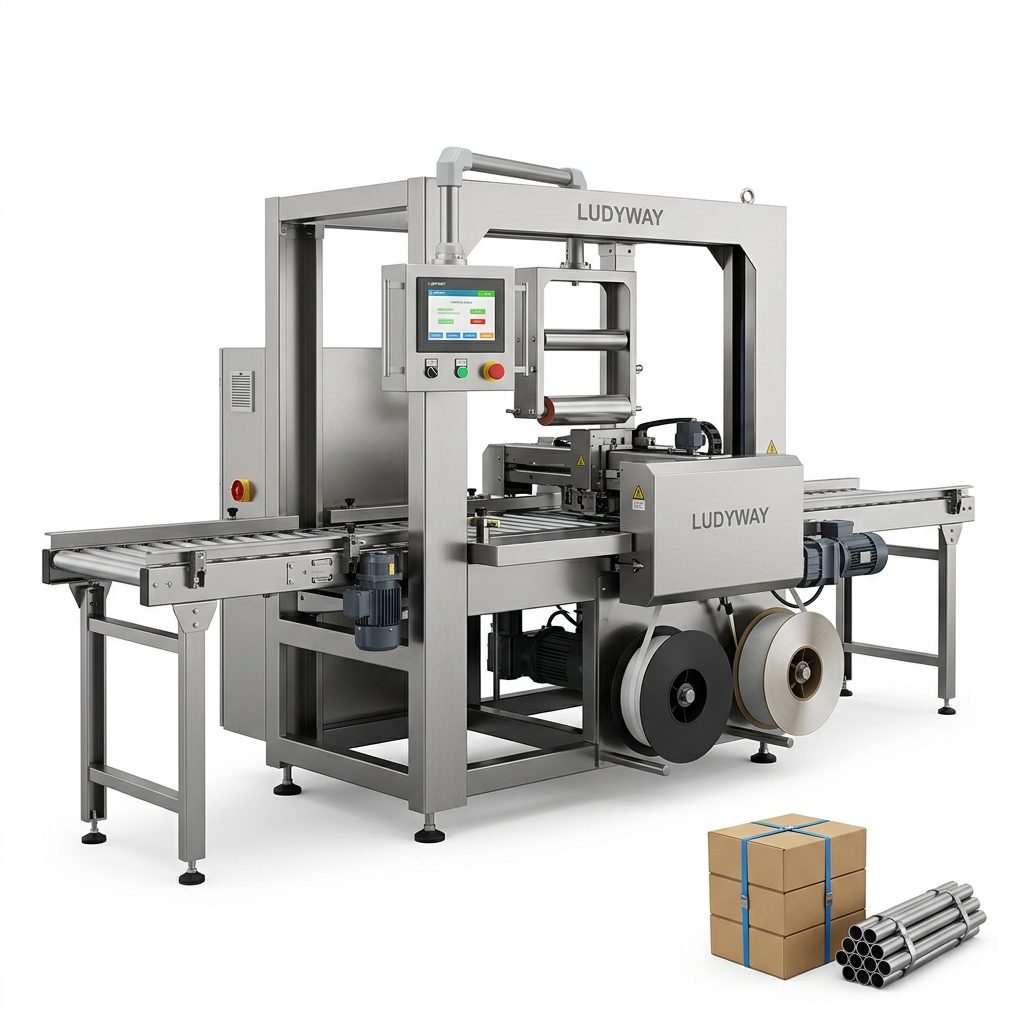
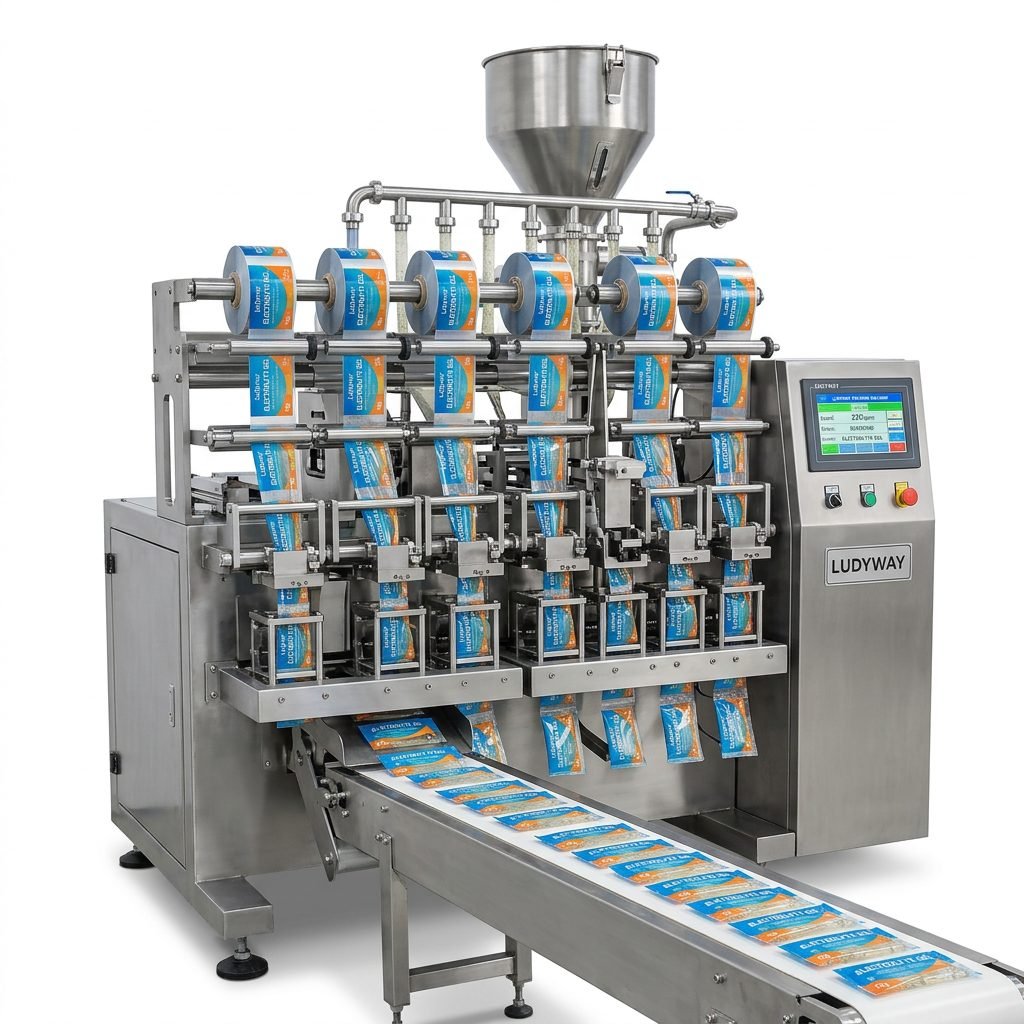
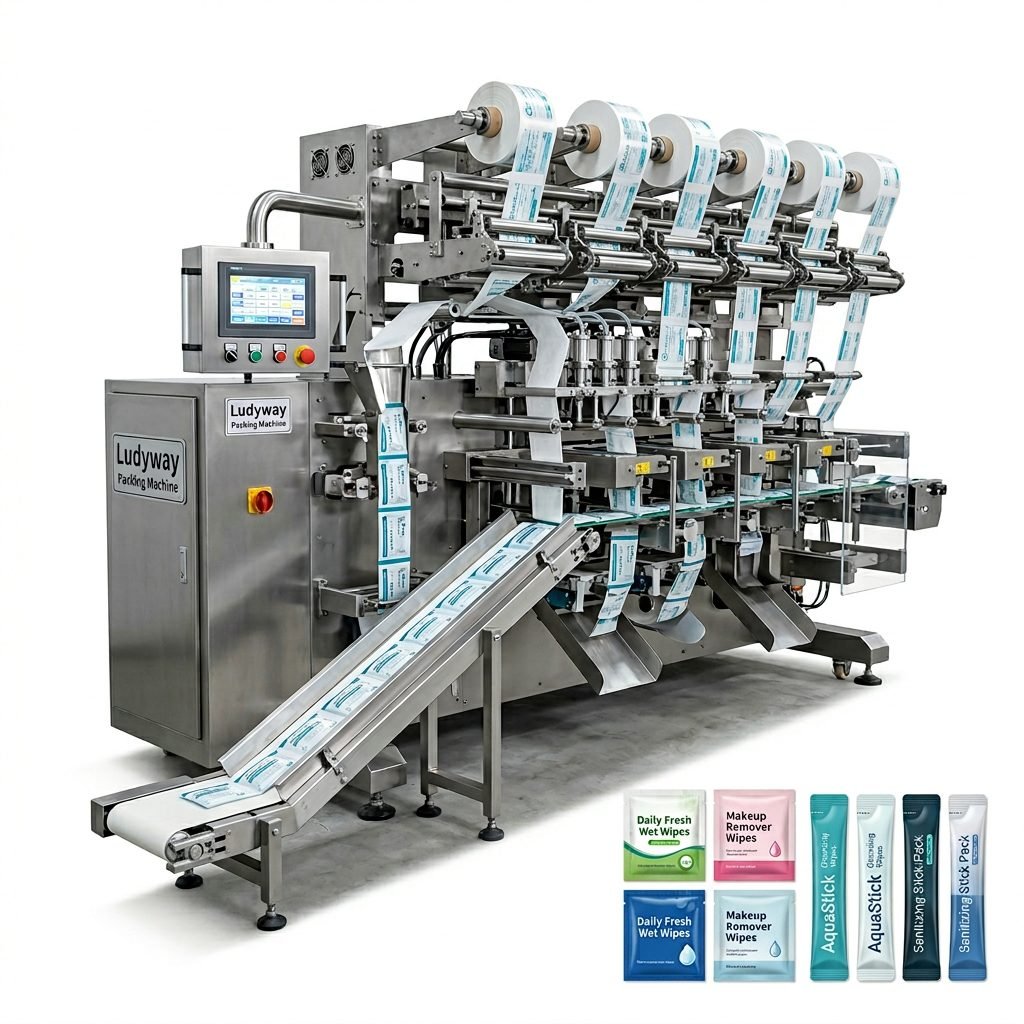
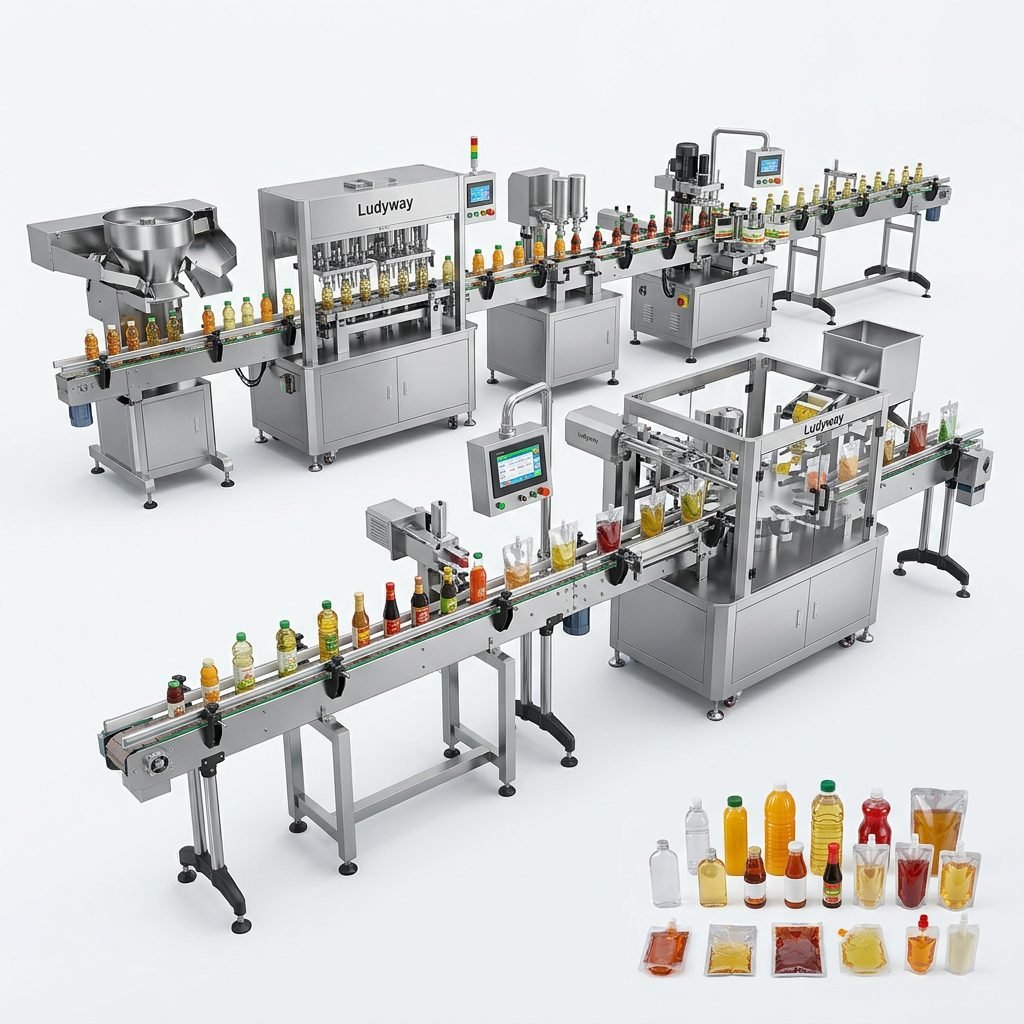
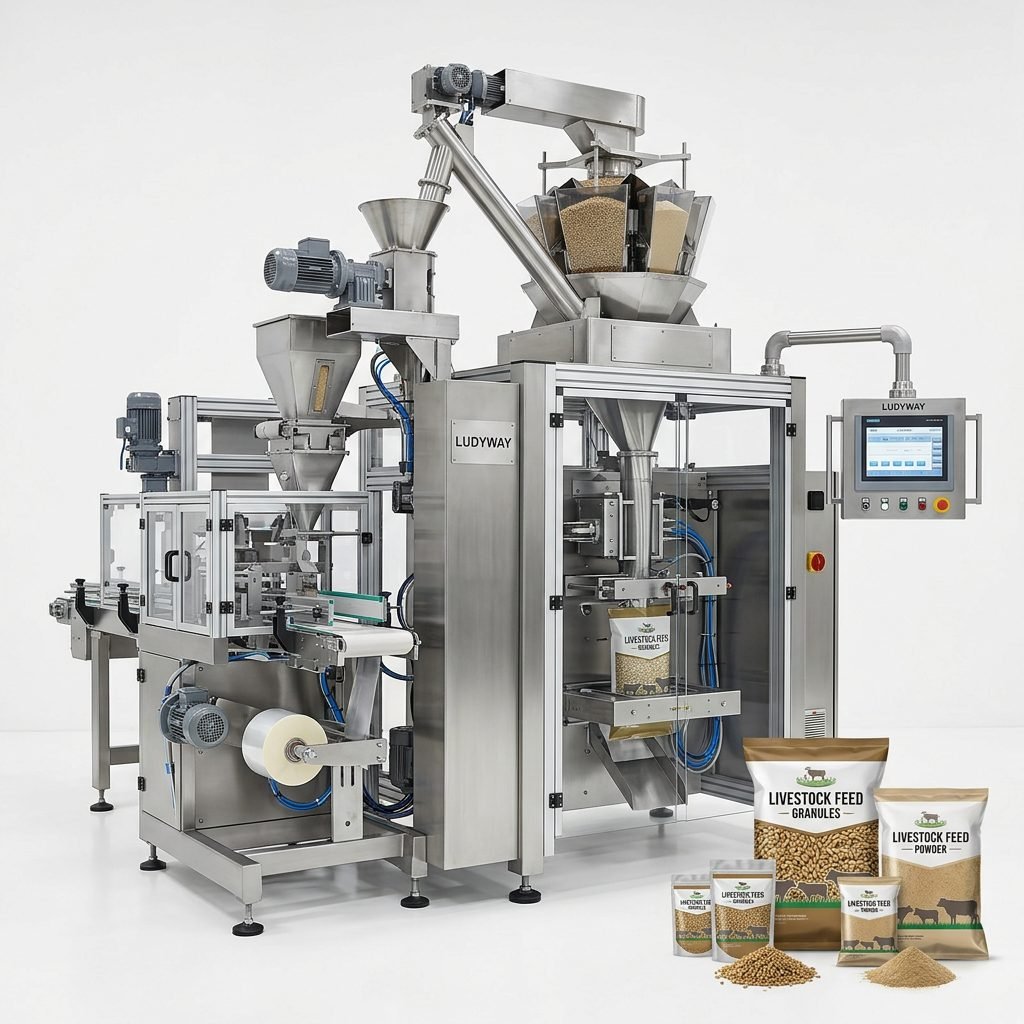
Robotic packing machines are the backbone of modern high‑speed production lines. Whether you run a robotic packing machine for food, pharmaceutical, or chemical products, a systematic maintenance routine is the only way to guarantee uptime, accuracy, and long service life. Skipping this can lead to unplanned downtime, inconsistent seal quality, and expensive repairs.
1. Daily Visual and Functional Inspections
Start every shift with a five‑minute walk‑around. Look for loose fasteners, worn belts, or debris around the filling area. Pay special attention to:
- Sealing jaws and heating elements – check for residue buildup that can cause weak seals.
- Film tracking and tension – misaligned film leads to crooked pouches and jams.
- Emergency stop buttons and safety guards – test all interlocks once per shift.
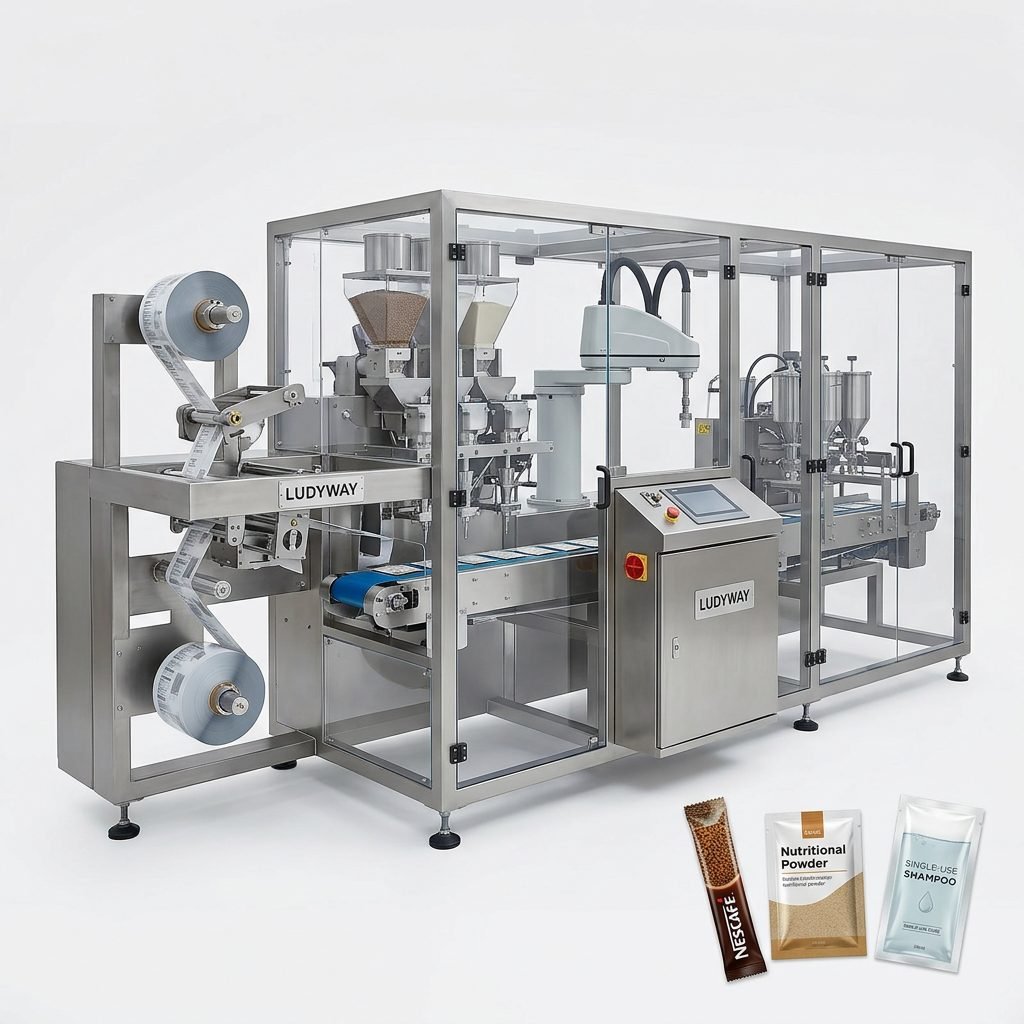
Document any abnormality immediately. Even a slightly loose sensor bracket can trigger false rejects and waste thousands of pouches per day.
2. Cleaning: The Foundation of Reliable Performance
Product dust, oil, and film scraps are the number one enemy of robotic movements. Establish a daily and weekly cleaning protocol that covers:
- Dust extraction points and vacuum ports – clear them to maintain suction.
- Servo‑driven axes and linear guides – wipe with a lint‑free cloth to prevent abrasive wear.
- Product contact surfaces – use food‑grade cleaning agents where required.
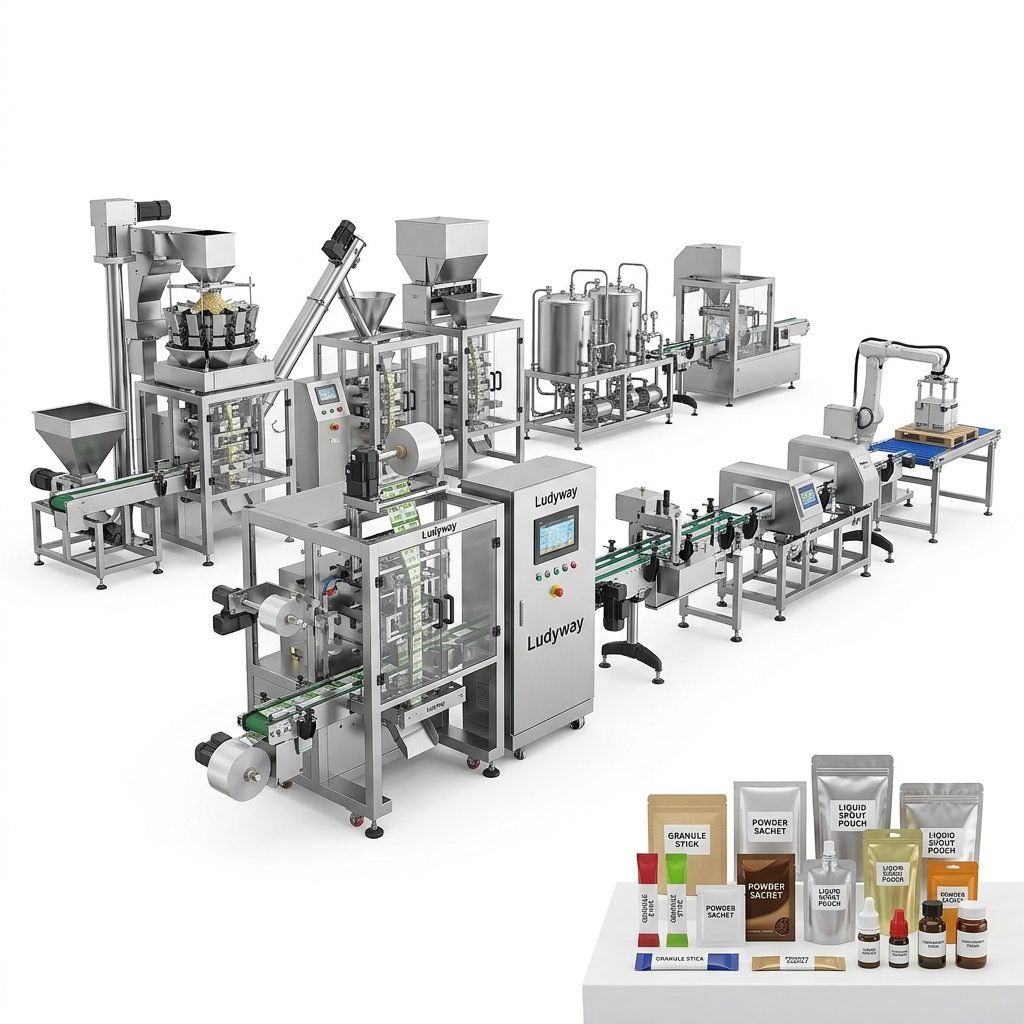
Never use compressed air near sensitive electronics – it can blow contaminants deeper into connectors. A soft brush and a HEPA vacuum are much safer.
Recommended Cleaning Schedule
| Zone | Frequency | Method |
|---|---|---|
| Sealing station | Every 4 hours | Brass brush + lint‑free wipe |
| Forming tube / shoulder | Daily | Isopropyl alcohol (70%) |
| Servo drives & amplifiers | Weekly | Dry, low‑pressure vacuum |
| Electrical cabinets | Monthly | Filter replacement & vacuum |
3. Lubrication and Mechanical Wear Points
Robotic systems rely on precise, low‑friction motion. A dry bearing or unlubricated cam can change fill accuracy and damage actuators. Follow the OEM lubrication chart and always use recommended grease grades.
- Linear rails and ball screws – grease every 500 operating hours or as specified.
- Rotary unions and cam followers – check for play and apply food‑grade lubricant if needed.
- Chain drives and timing belts – verify tension and re‑lubricate lightly.
Over‑greasing attracts dust; apply only the amount that fills about one‑third of the bearing cavity.
4. Software, Calibration, and Sensor Health
Modern machines operate on multiple servo loops and vision inspection systems. Maintaining their digital brain is just as critical as the mechanical side.
- Calibration check – run a weight verification cycle at the beginning of each batch and after film roll changes.
- Photocell and ultrasonic sensors – clean lenses and reflectors with a microfiber cloth. Even a thin film of dust can cause registration errors.
- Software backup – store a copy of machine parameters and PLC programs on a separate drive after any setting change.
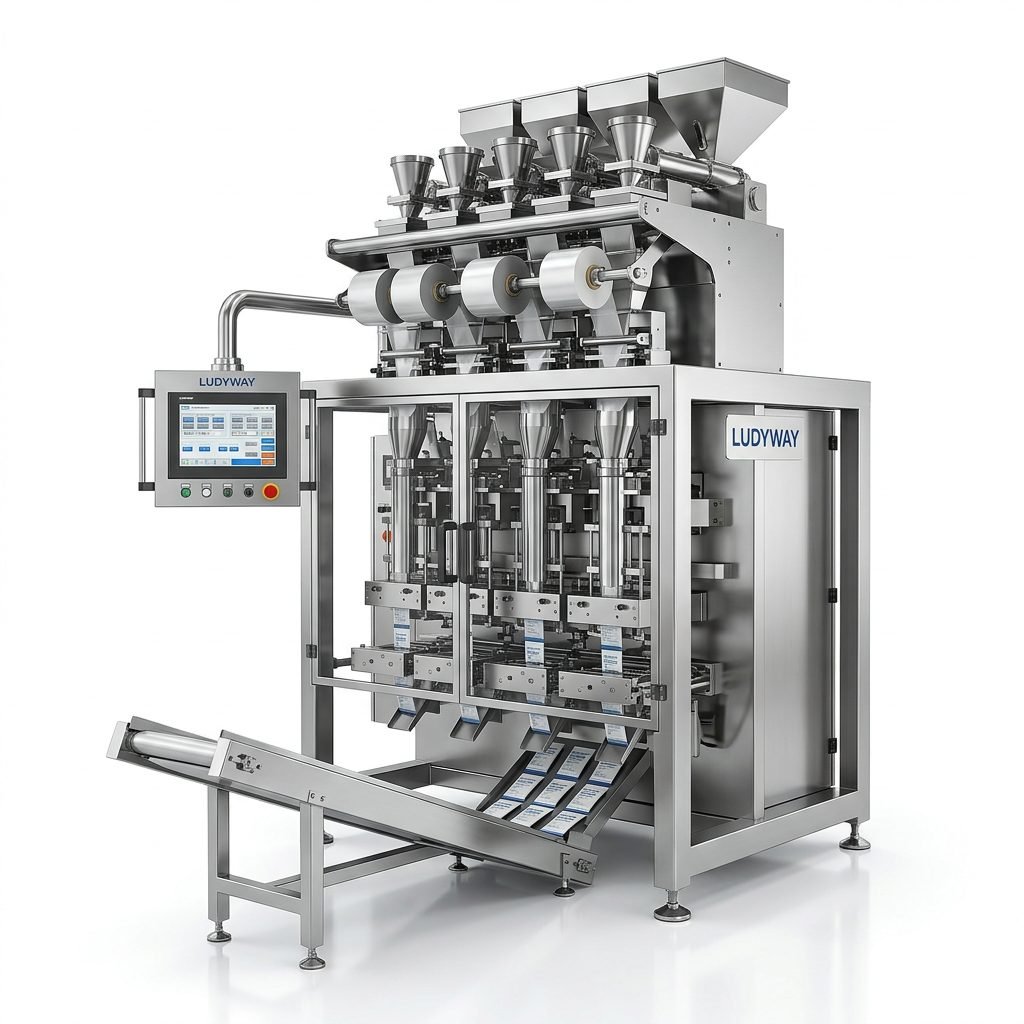
Always cycle power correctly using the proper shutdown sequence. Abrupt power loss can corrupt flight recorder data used for troubleshooting.
5. Scheduled Professional Maintenance
Beyond daily operator care, plan for deeper interventions at fixed intervals. Working with the manufacturer’s service team or a trained in‑house technician ensures nothing is overlooked.
| Interval | Action | Responsible |
|---|---|---|
| Quarterly | Replace pneumatic seals, filter elements, check all safety relays | Maintenance technician |
| Semi‑annually | Full axis alignment, gearbox oil change, PLC firmware update | Service engineer / OEM |
| Annually | Complete machine audit, replace high‑wear parts (belts, heaters, cutting blades), calibration certification | OEM‑certified team |
6. Troubleshooting Common Issues
Even with a strong maintenance program, occasional issues arise. A quick, structured response can prevent a minor problem from becoming a line stop.
- Seal not holding: Check temperature setpoint, dwell time, and clean the sealing surface. Worn Teflon tape is often the culprit.
- Film slipping or tearing: Verify dancer arm tension and inspect the forming collar for scratches.
- Inaccurate fills: Re‑calibrate the multi‑head weigher or auger filler. Confirm that product does not bridge inside the hopper.
- Unexpected e‑stops: Scan the diagnostic log. 80% of unplanned stops are caused by dirty sensors or low air pressure.
7. Partnering for Long‑Term Reliability
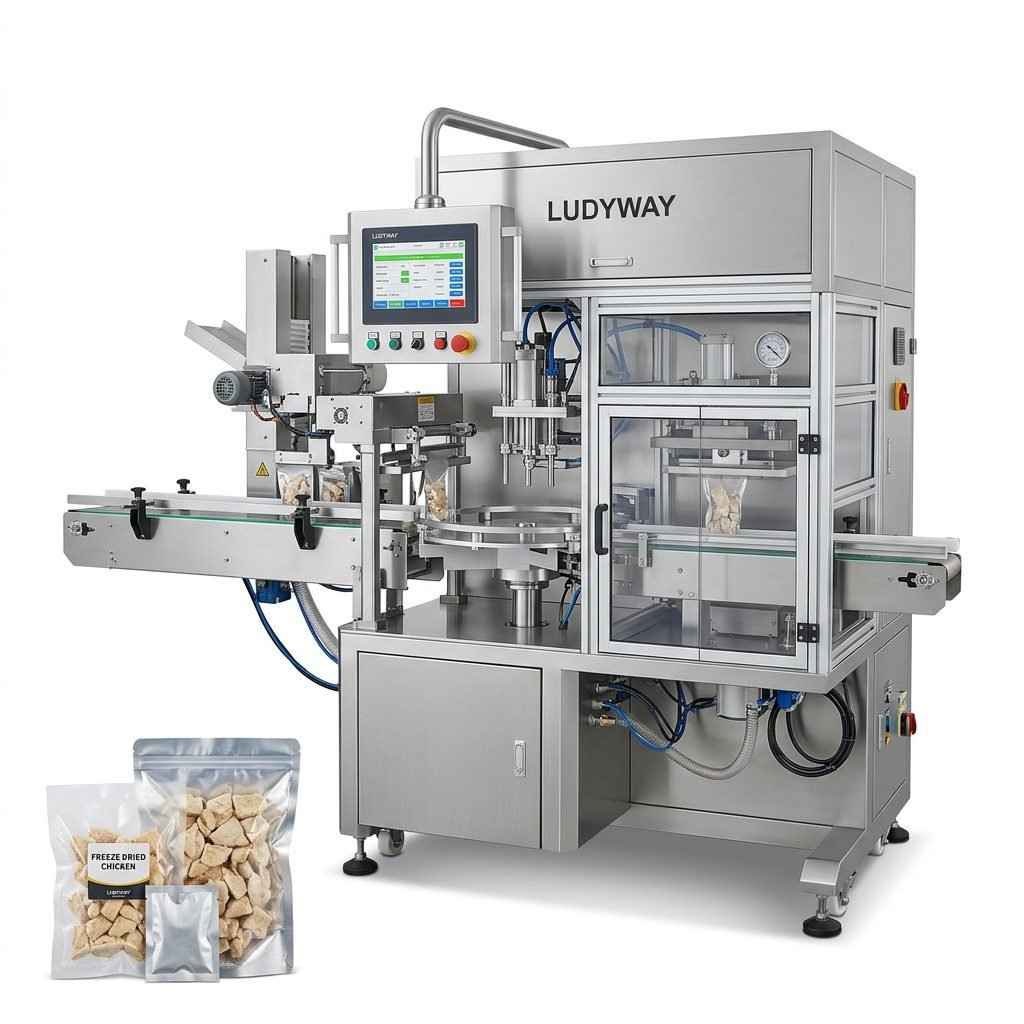
Maintenance becomes dramatically easier when you start with equipment designed for serviceability. As one of the largest packaging machine manufacturers in China, Ludyway provides robotic packing machines with open‑frame design, centralized lubrication points, and remote diagnostic capability. Their engineering team also offers tailored preventive maintenance training so your team can handle daily care confidently while knowing expert support is a call away.
For more detailed guidelines, refer to industry resources such as the PMMI packaging resources or the Flexible Packaging Association knowledge hub.
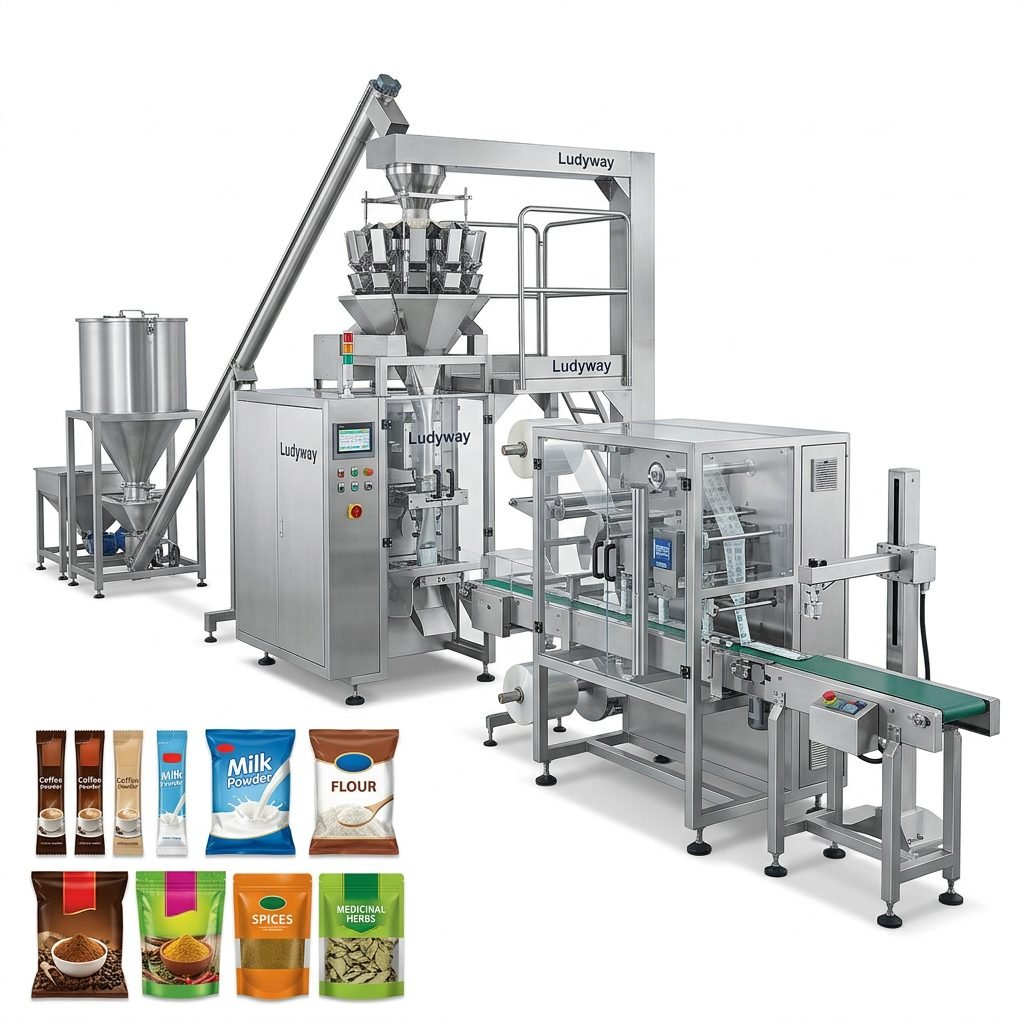
A well‑maintained robotic packing machine is a competitive advantage. Turn your maintenance checklist into a culture — and your line will reward you with years of precise, reliable performance.