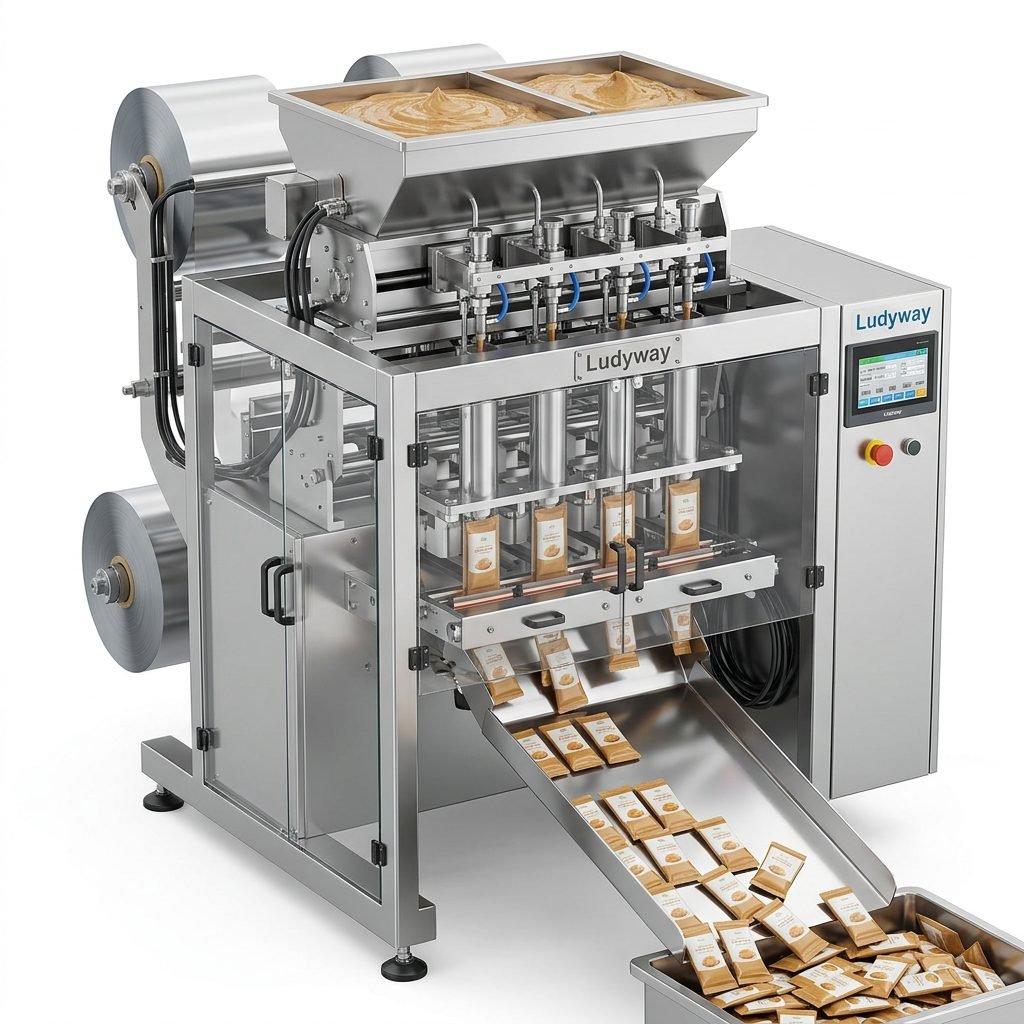
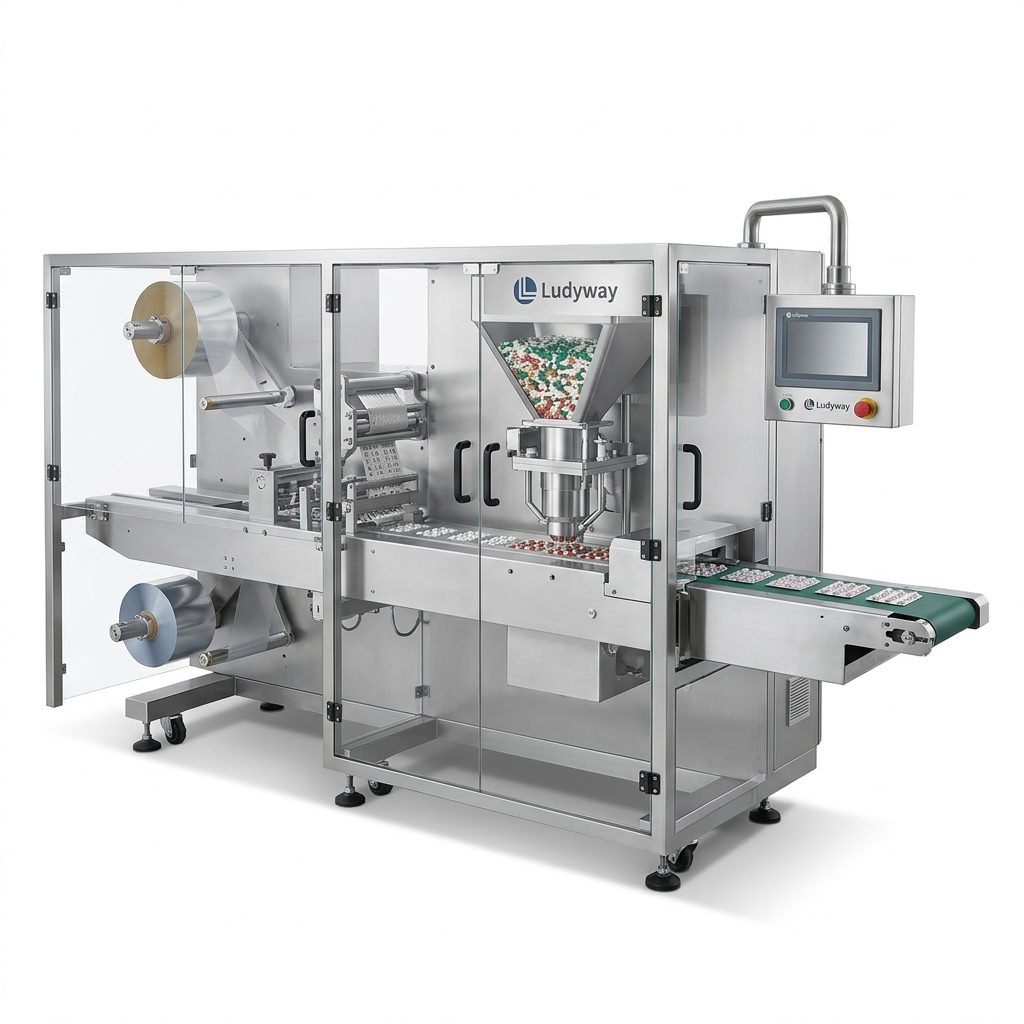
A fully automatic packaging machine is no longer just a productivity upgrade. For many manufacturers, it has become a practical requirement for stable output, lower labor dependence, better packaging consistency, and scalable growth. Whether you produce powders, granules, liquids, pastes, or pouch-based products, the right automation system can directly improve line efficiency and reduce avoidable packaging errors.
In this guide, you will learn how fully automatic packaging machines work, their main benefits, the most common machine types, and how to choose the right solution for your production goals.
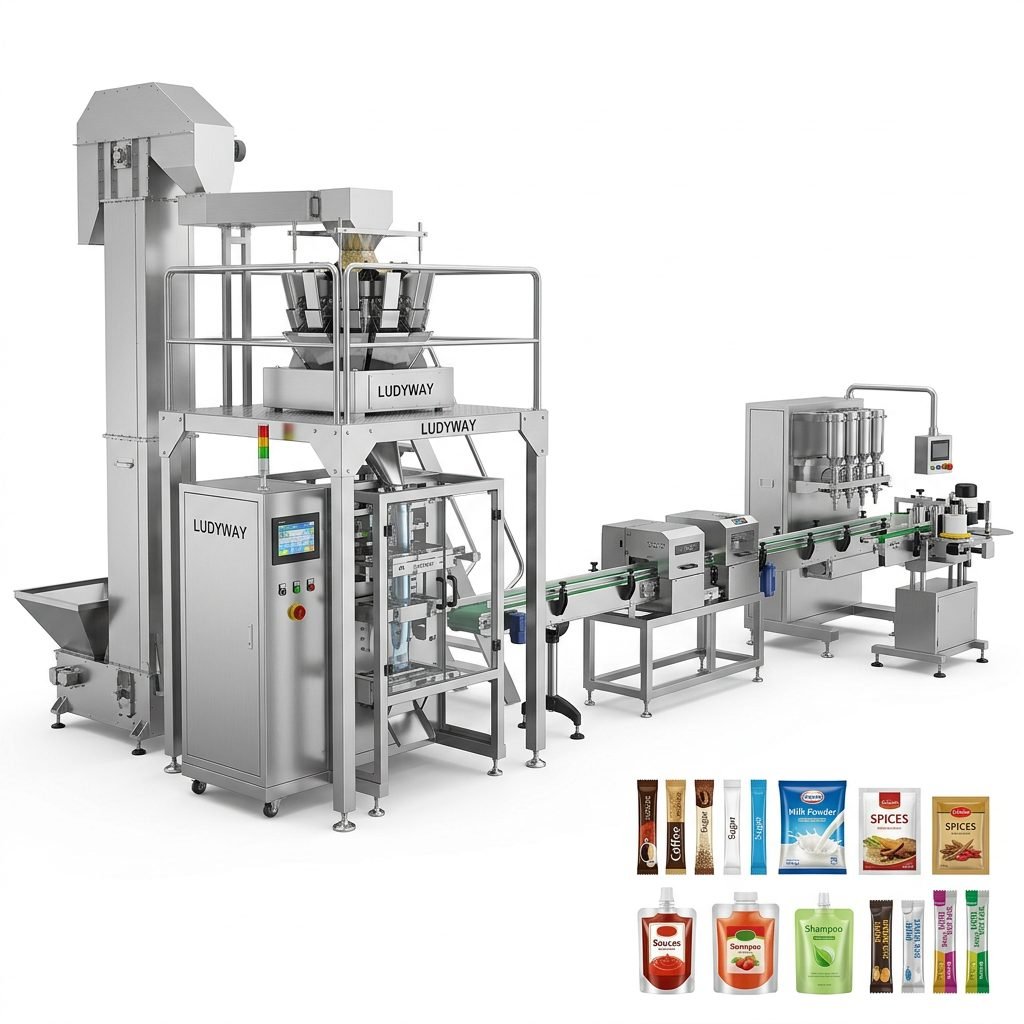
What Is a Fully Automatic Packaging Machine?
A fully automatic packaging machine is a packaging system designed to complete the packaging cycle with minimal manual intervention. Depending on the application, it can automatically perform functions such as:
- Product feeding and conveying
- Weighing, dosing, or volumetric filling
- Bag forming or pouch feeding
- Sealing
- Date coding or printing
- Counting, cartoning, case packing, or palletizing
These systems are commonly used in food, pharmaceutical, nutraceutical, cosmetic, chemical, and household product industries. Compared with semi-automatic equipment, fully automatic machines help create a more predictable and continuous production process.
Key Benefits of Fully Automatic Packaging Machines
1. Higher Production Efficiency
One of the main reasons companies invest in automation is speed. A fully automatic machine can process significantly more units per minute than manual or semi-automatic methods. This is especially valuable for businesses handling high-volume SKUs, seasonal demand spikes, or multi-shift operations.
2. Lower Labor Costs
Packaging is labor-intensive when done manually. Automation reduces the number of operators needed for repetitive tasks such as filling, sealing, sorting, and packing. Over time, this can help offset rising labor costs and staffing challenges.
3. Better Packaging Consistency
Consistent filling weight, sealing quality, pouch appearance, and coding accuracy are essential for product quality and brand image. Automated systems improve repeatability and reduce variations caused by manual handling.
4. Reduced Product Waste
Precise dosing and controlled sealing parameters help minimize underfill, overfill, leakage, and material waste. This is particularly important for high-value powders, pharmaceuticals, supplements, and liquid formulations.
5. Improved Hygiene and Safety
In food and pharmaceutical applications, less direct product contact can support cleaner production conditions. Enclosed filling zones, stainless-steel construction, and automated transfer systems can also improve operational safety and compliance.
6. Easier Production Line Integration
Modern packaging systems can be integrated with feeders, elevators, checkweighers, metal detectors, coding devices, cartoners, and palletizing equipment. This creates a smoother end-to-end packaging workflow and simplifies future expansion.
Common Types of Fully Automatic Packaging Machines
The best machine type depends on your product form, package style, speed target, and industry requirements. Below are the most common categories.
| Machine Type | Best For | Typical Package Formats |
|---|---|---|
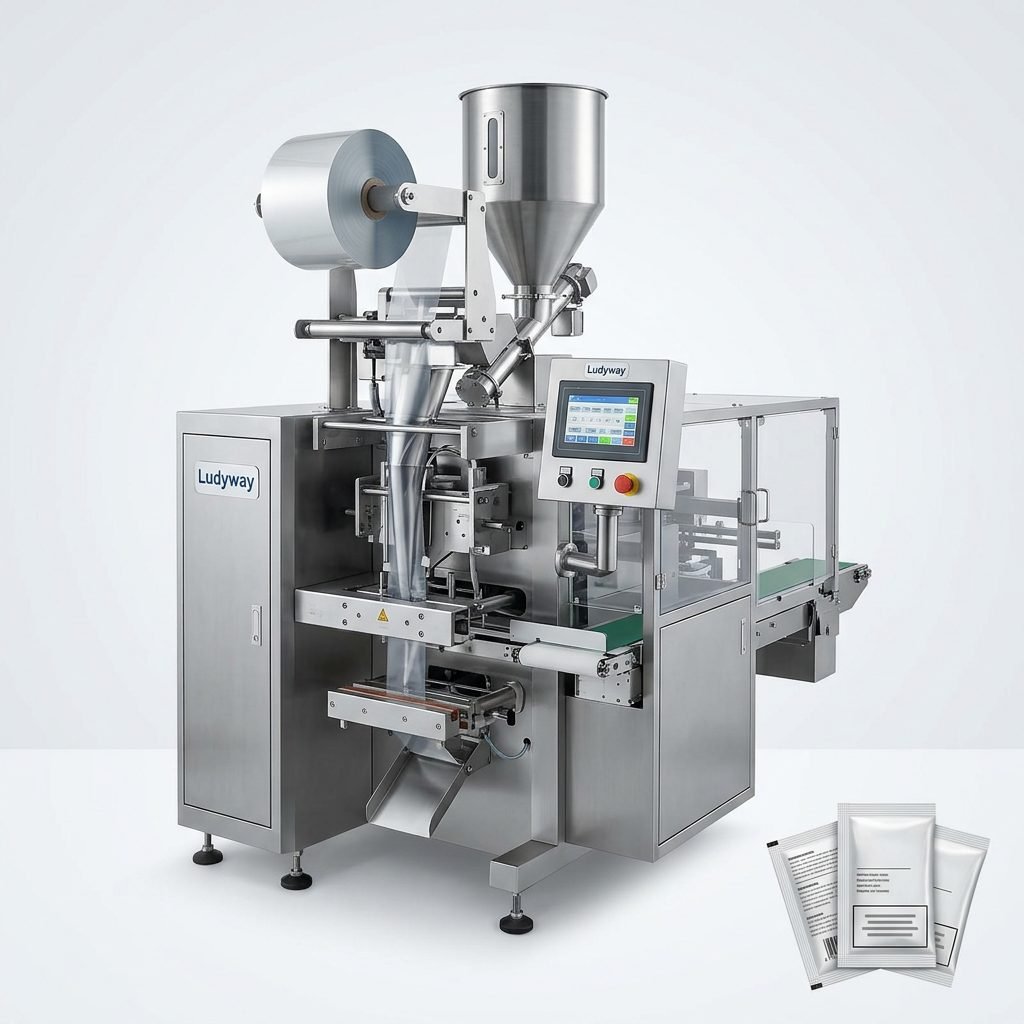
| Vertical Form Fill Seal (VFFS) Machine | Granules, powders, snacks, seeds | Pillow bags, gusset bags, sachets |
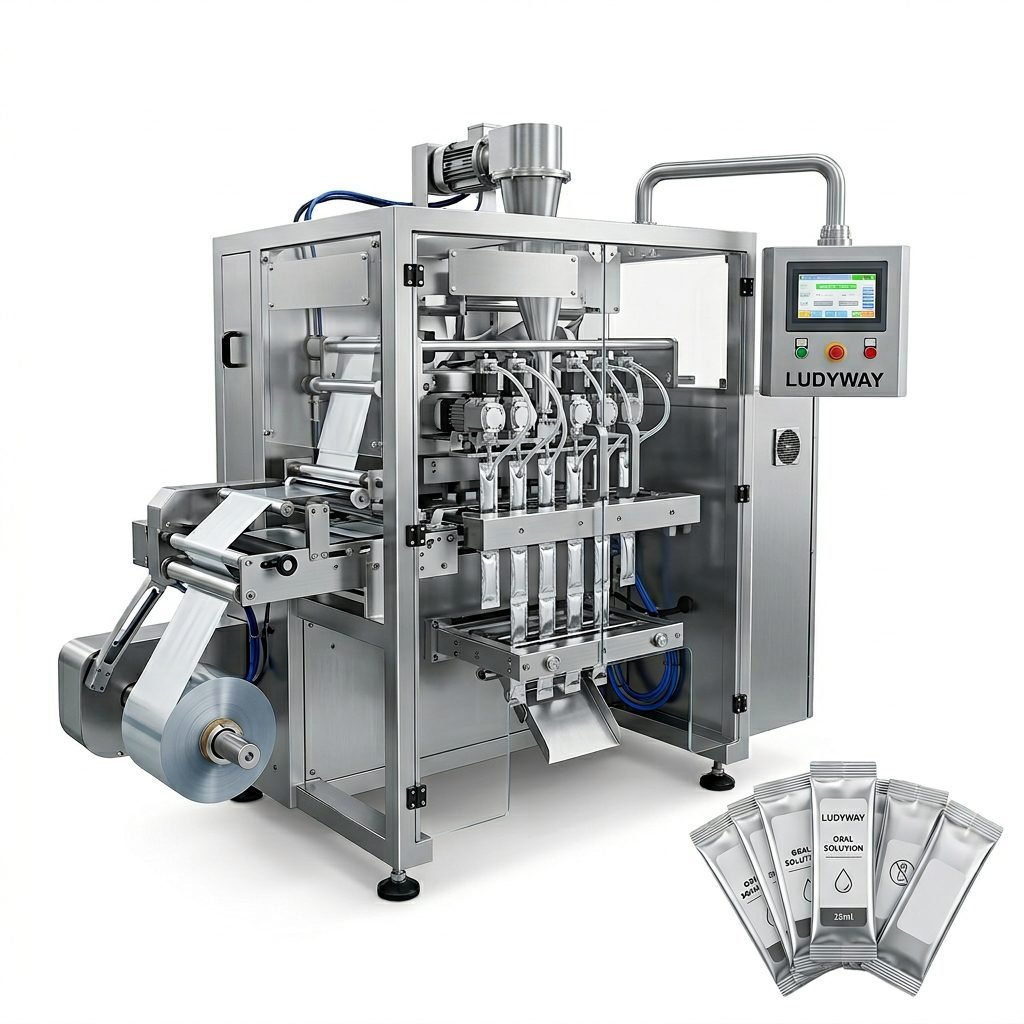
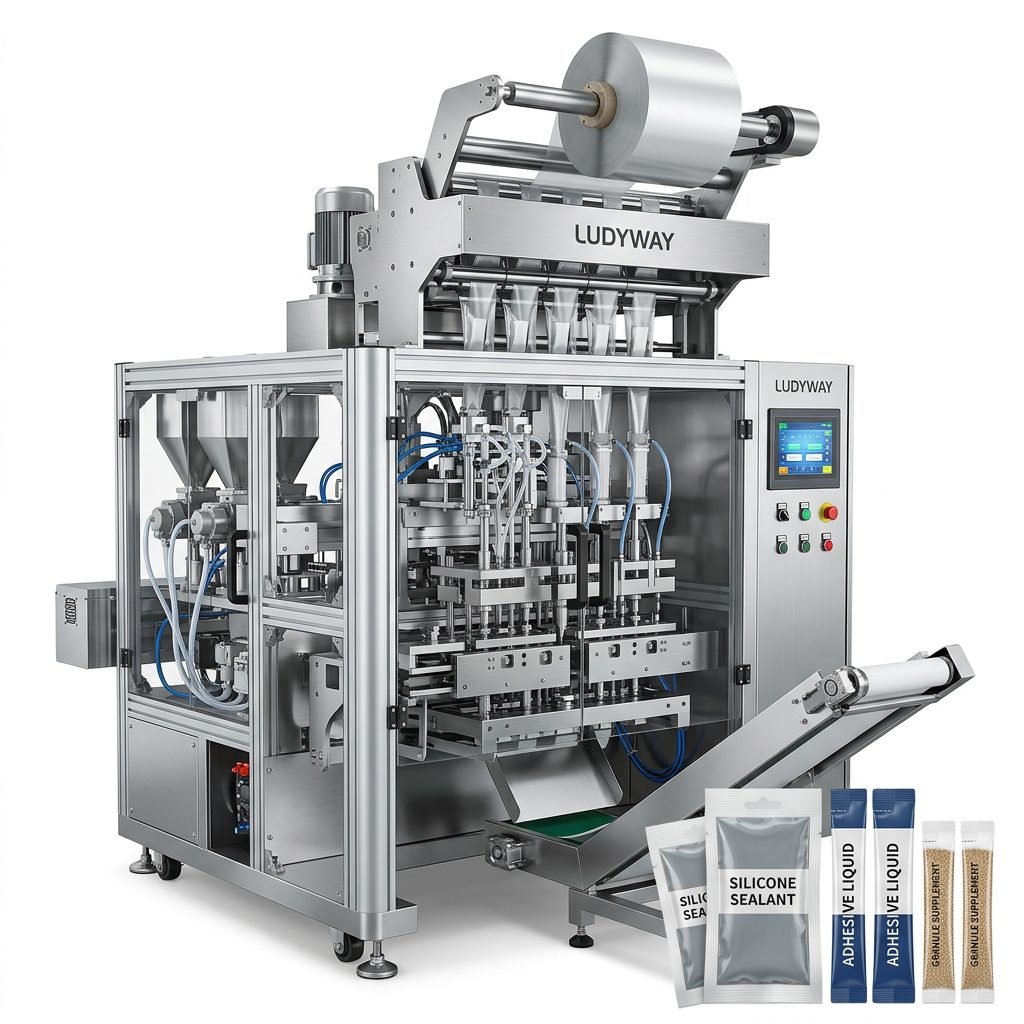
| Multi-lane Sachet / Stick Pack Machine | Powders, liquids, gels, health supplements | Sachets, stick packs |
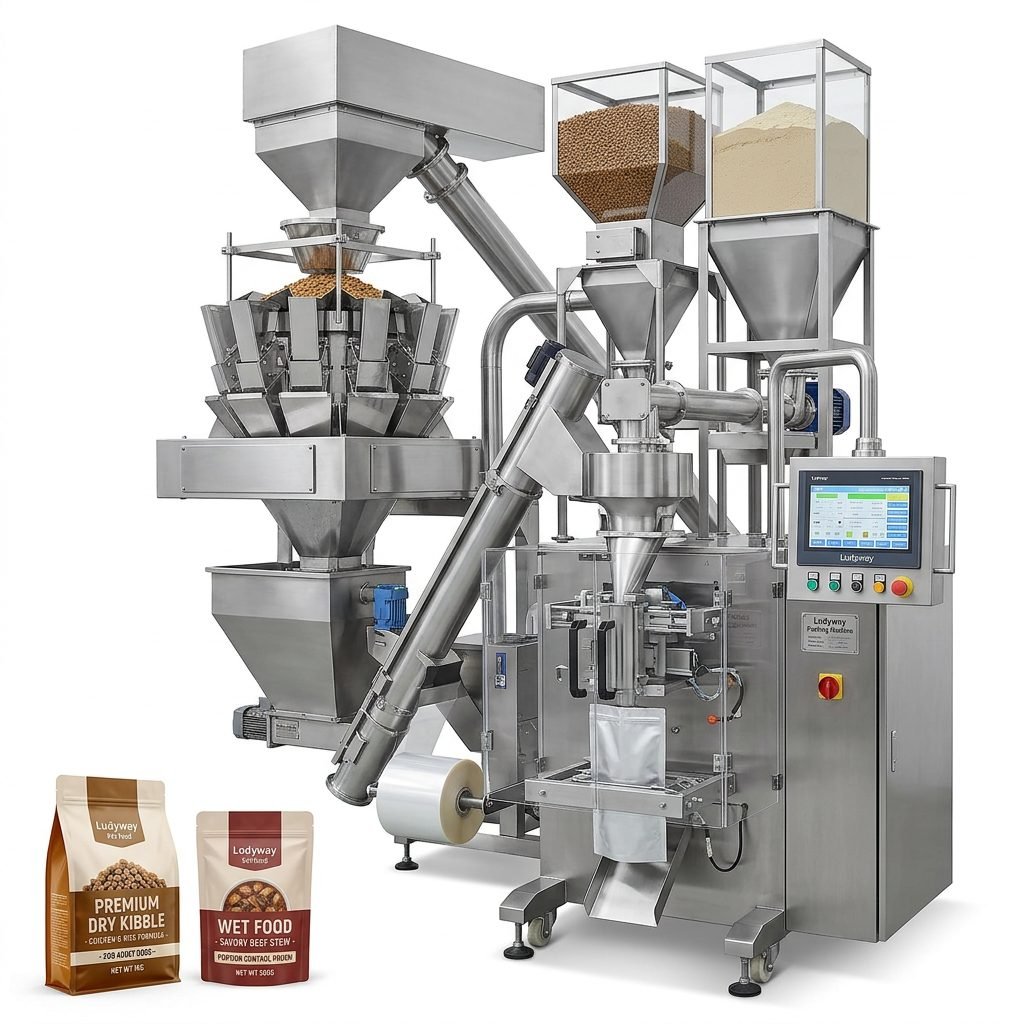
| Premade Pouch Packing Machine | Food, pet food, chemicals, liquids | Stand-up pouches, zipper pouches, flat pouches |
| Bottle Filling and Capping Line | Liquid, powder, capsules, tablets | Bottles, jars, vials |
| Tube Filling and Sealing Machine | Creams, gels, cosmetics, ointments | Plastic or laminated tubes |
| Bagging and Bulk Packaging Line | Fertilizer, feed, powders, large-volume materials | 10kg, 20kg, 25kg, 50kg bags |
Vertical Form Fill Seal Machines
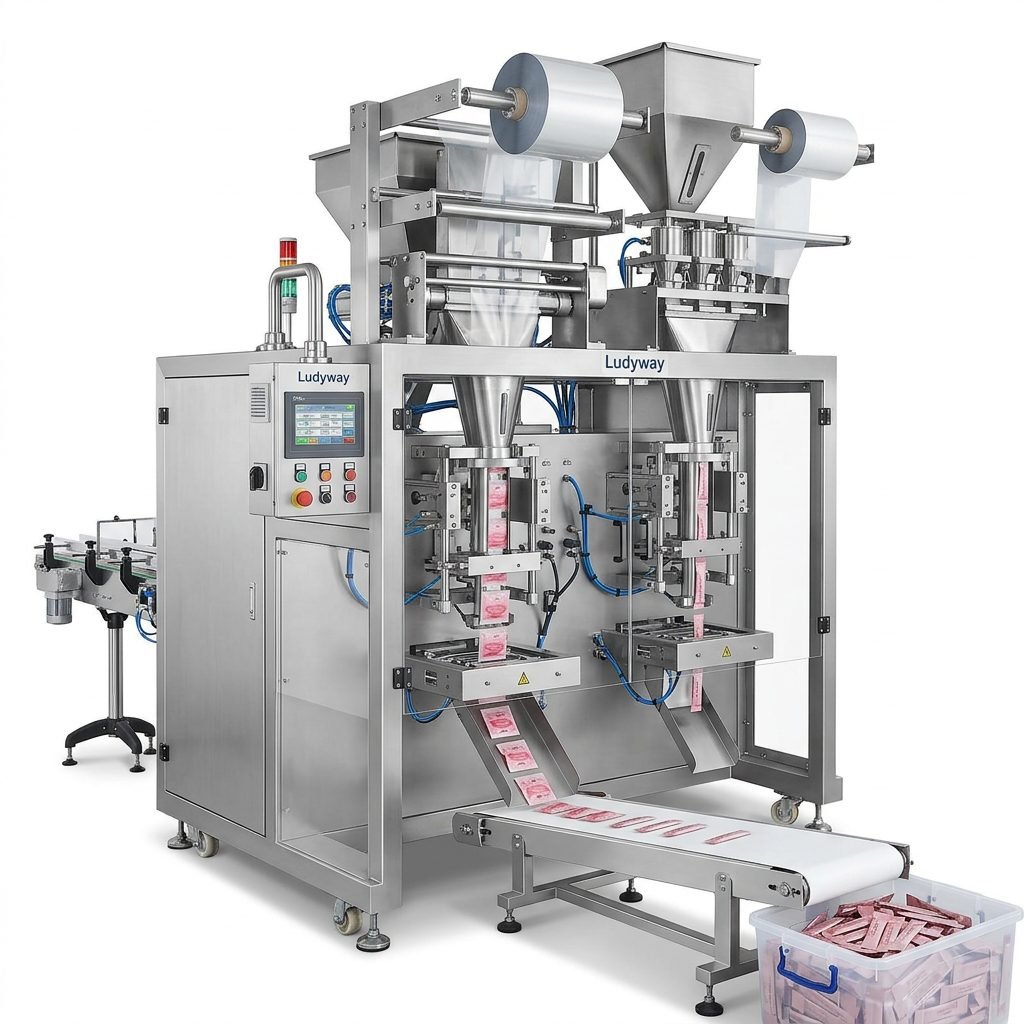
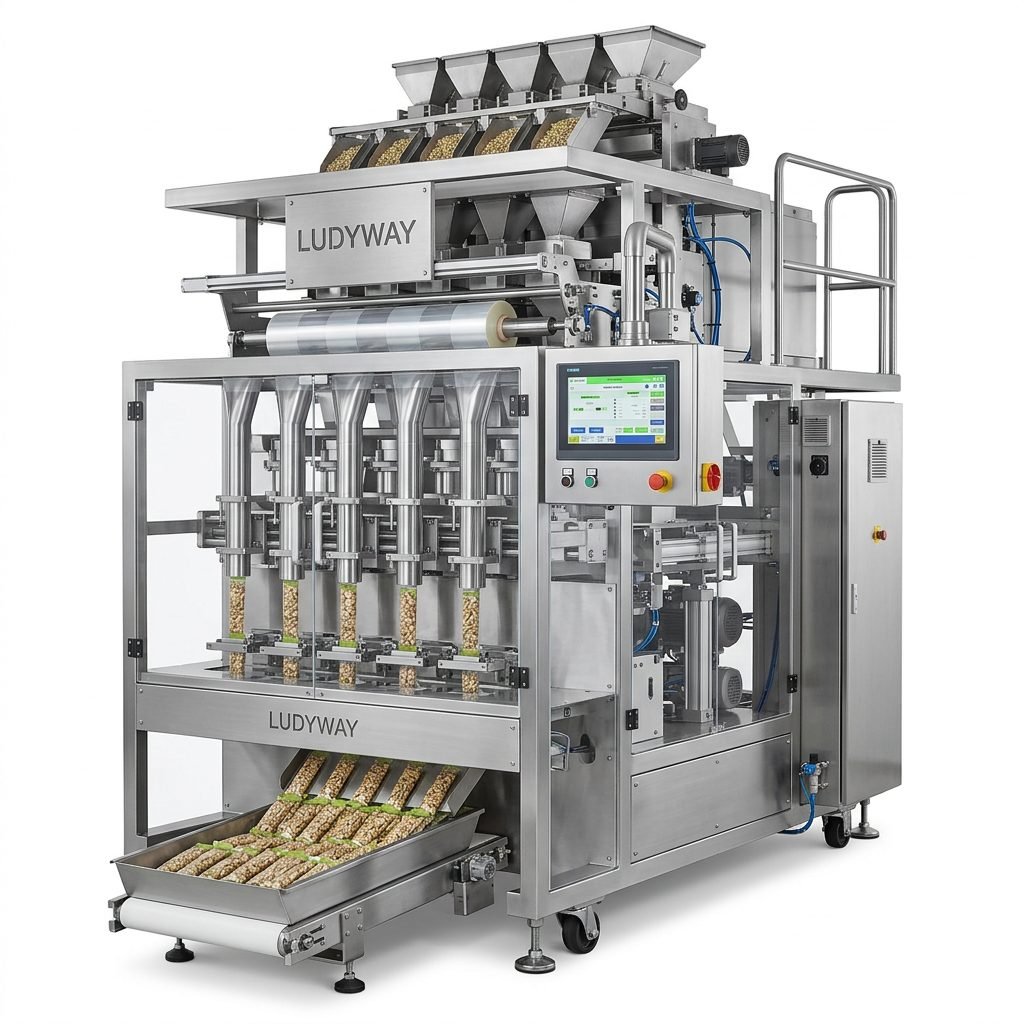
VFFS machines are widely used for free-flowing products such as grains, rice, sugar, coffee, detergent powder, and snack items. They form the bag from roll film, fill it, and seal it in one continuous process.
Multi-Lane Sachet and Stick Pack Machines
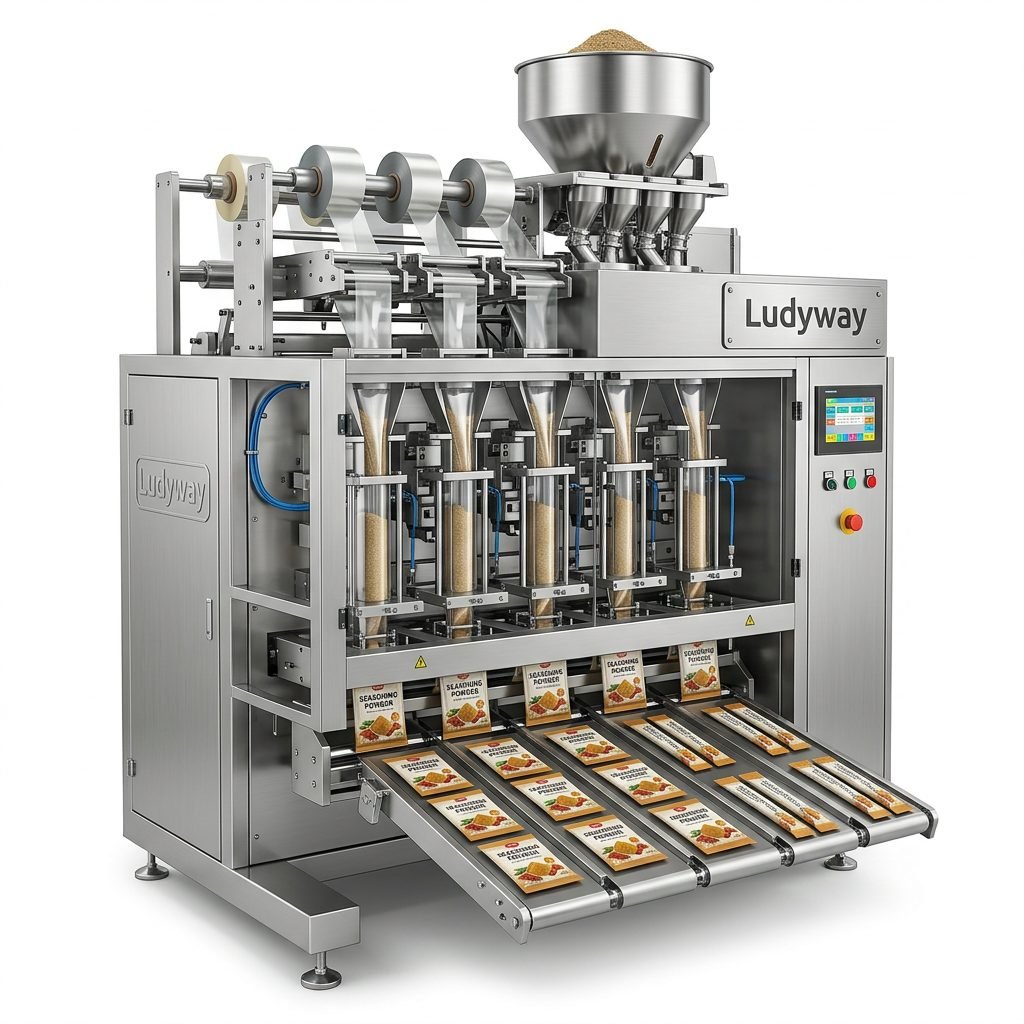
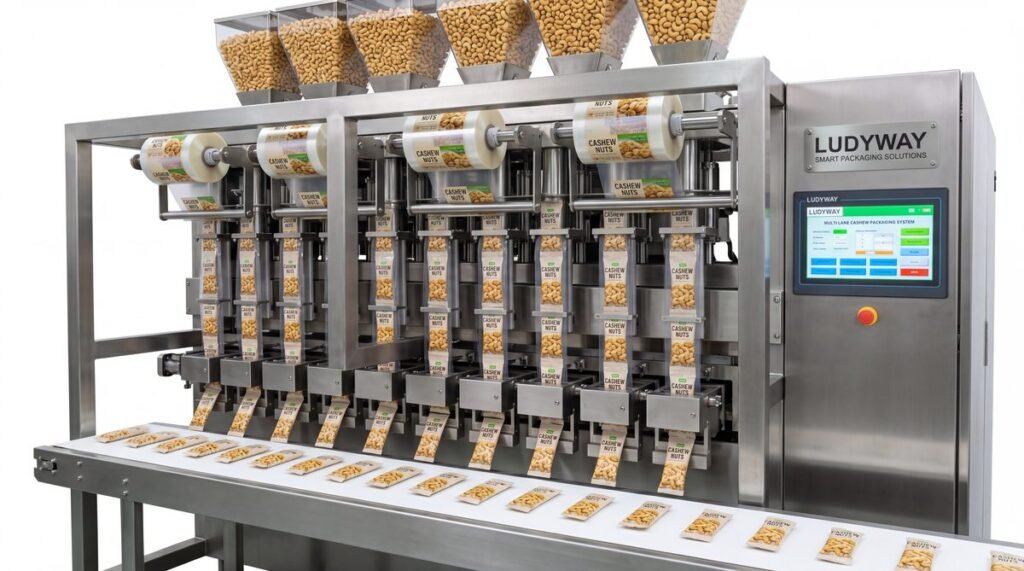
These machines are ideal for high-output small-dose packaging. They are commonly used for instant drink powders, nutritional supplements, coffee, sauces, oral rehydration salts, and cosmetic serums. Multi-lane configurations are especially valuable when high speed and compact unit packs are both required.
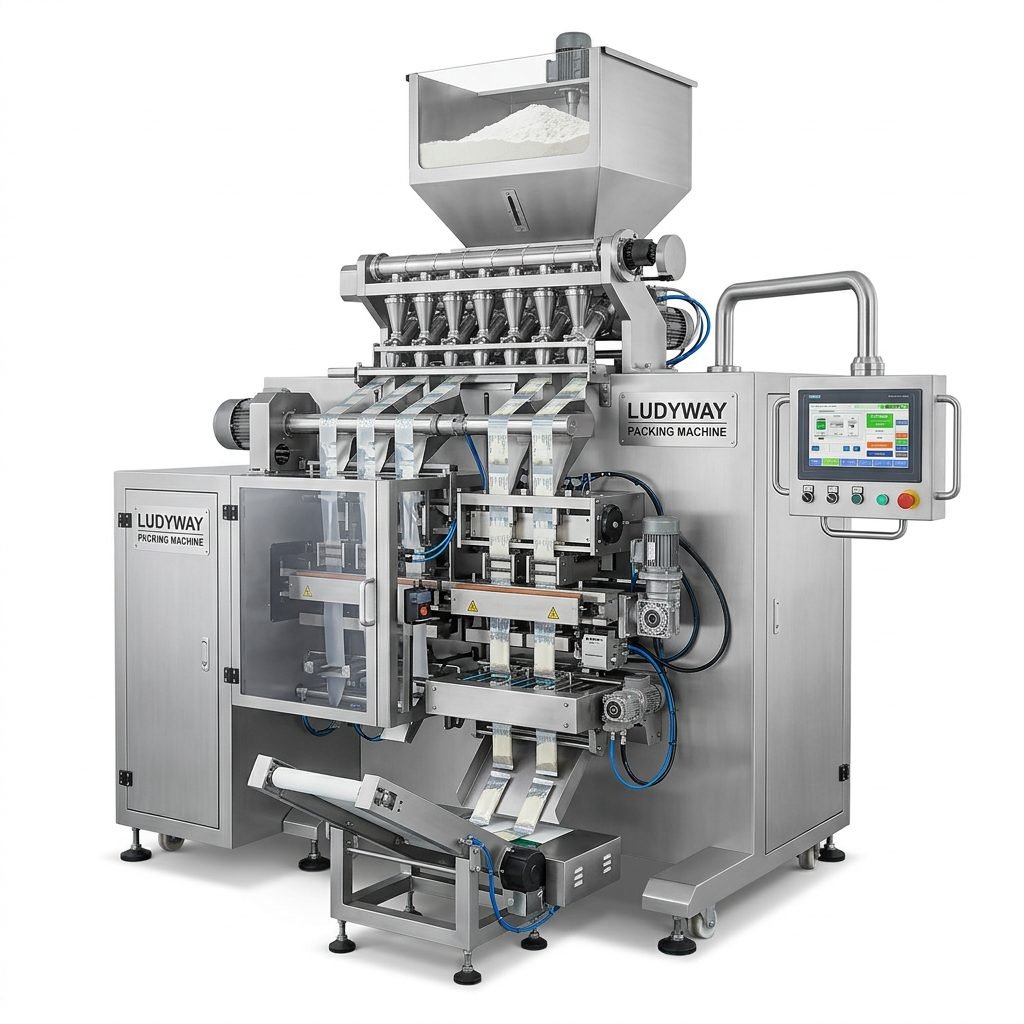
Premade Pouch Packaging Machines
Premade pouch systems are suitable for brands that want stronger shelf appearance or more complex pouch formats such as stand-up pouches, zipper bags, or shaped pouches. These machines are often selected for retail food, pet treats, and specialty products.
Bottle, Vial, and Jar Packaging Lines
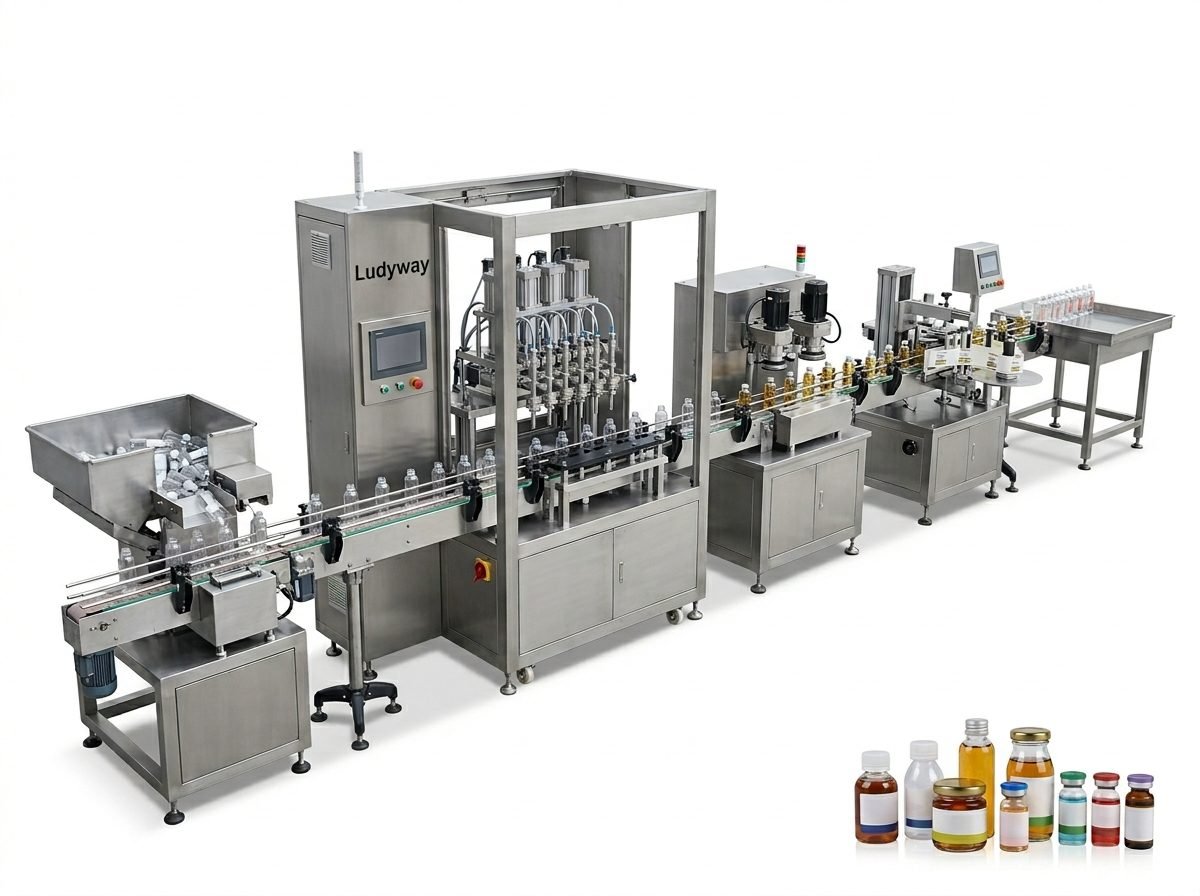
For tablets, capsules, syrups, powders, and liquids, bottle packaging lines can include unscrambling, filling, capping, induction sealing, labeling, and cartoning. This format is common in pharmaceutical, nutraceutical, and personal care production.
Bulk Bag Packaging Systems
If you handle feed, chemical powders, fertilizers, grains, or industrial materials, automated bagging lines for larger bags can improve weighing accuracy and reduce physical handling. These lines often include conveyors, sewing or heat sealing units, and palletizing modules.
Which Industries Use Fully Automatic Packaging Machines?
Automated packaging technology is highly versatile. Typical industries include:
- Food: coffee, milk powder, spices, sugar, snacks, instant soup, sauces, grains
- Pharmaceutical: powders, granules, tablets, capsules, oral liquids
- Nutraceutical: protein powder, collagen, electrolyte powders, vitamins
- Cosmetics: lotion, serum, cream, shampoo, face mask products
- Chemical: detergent, cleaning agents, additives, industrial powders
- Animal feed and pet food: pellets, granules, supplements, treats
How to Choose the Right Fully Automatic Packaging Machine
Buying packaging equipment is a long-term decision. The right choice should match not only your current product, but also your expected growth, packaging diversity, and operational requirements.
1. Identify Your Product Characteristics
Start with the product itself. Is it a free-flowing granule, a non-free-flowing powder, a liquid, a paste, or a fragile solid? Product characteristics determine the correct feeding, dosing, and sealing method.
- Powders often require auger filling
- Granules may use cup fillers or multihead weighers
- Liquids and gels require piston pumps or liquid dosing systems
- Fragile products need gentle conveying and drop control
2. Confirm the Packaging Format
Consider whether your product will be packed in sachets, stick packs, pouches, bottles, tubes, or bulk bags. The machine design changes significantly depending on the package structure and sealing style.
3. Define Required Output Speed
Speed should be matched to realistic production targets. Buying a machine that is too small can create bottlenecks, while overspecifying speed may increase costs unnecessarily. It is best to evaluate:
- Units per minute
- Shift hours per day
- Peak demand periods
- Future line expansion plans
4. Check Accuracy and Seal Quality Requirements
For products sold by weight or used in regulated industries, filling precision matters. You should also review sealing strength, leak resistance, and finished pack appearance, especially for export or retail-ready goods.
5. Evaluate Automation Level
Some buyers only need automatic filling and sealing. Others need a complete turnkey line with feeding, inspection, coding, cartoning, and palletizing. Understanding the full scope early helps prevent mismatched equipment investment.
6. Review Cleaning and Maintenance Needs
Easy cleaning, fast changeover, and accessible maintenance points can save significant downtime. This is particularly important if you handle allergen-sensitive food, pharmaceutical products, or multiple SKUs on one line.
7. Choose a Supplier With Real Manufacturing Experience
A reliable packaging machine supplier should offer more than a machine catalog. Look for engineering capability, customization support, export experience, technical communication, and after-sales service. If you are comparing manufacturers, Ludyway fully automatic packaging machine solutions are often considered by buyers looking for scalable machines and turnkey packaging lines across food, pharmaceutical, health supplement, and related industries.
Questions to Ask Before Buying
Before placing an order, ask the supplier detailed technical and commercial questions. This can help reduce risks during installation and production startup.
- What products and filling ranges can the machine handle?
- What is the real running speed under actual production conditions?
- What packaging materials are compatible?
- How long does format changeover take?
- Can the system be customized for future SKUs?
- What testing, commissioning, and acceptance procedures are provided?
- What spare parts and remote support are available?
- What certifications or compliance options can be supplied?
Signs You Are Ready to Upgrade to Full Automation
Many companies wait too long before automating. Here are common signs that a fully automatic packaging machine may already be justified:
- Manual packaging is limiting daily output
- Labor shortages are affecting delivery schedules
- Pack quality varies too much between shifts
- Product giveaway and waste are becoming costly
- You need better hygiene control or compliance support
- You plan to expand into new product formats or export markets
Turnkey Line vs Standalone Machine
Some buyers only need a standalone machine to solve one packaging task. Others benefit more from a complete integrated line. The right approach depends on production complexity.
| Option | Advantages | Best For |
|---|---|---|
| Standalone Machine | Lower initial cost, easier installation, faster deployment | Single product lines or partial upgrades |
| Turnkey Packaging Line | Better integration, fewer transfer bottlenecks, higher automation | Large-scale production, multi-step packaging operations |
Final Buying Tips
The best fully automatic packaging machine is not simply the fastest or the cheapest. It is the one that fits your product, package design, required throughput, plant layout, compliance expectations, and long-term production plan.
Focus on application fit, machine stability, customization capability, and after-sales support. If possible, request sample testing with your actual product and packaging material before finalizing the project. This step often reveals important details about speed, accuracy, seal integrity, and overall line suitability.
Quick Decision Checklist
- Match the machine to your product form
- Choose the right package style
- Set realistic speed requirements
- Review filling accuracy and sealing quality
- Plan for maintenance and cleaning
- Think beyond today’s volume and include future growth
- Select a supplier with proven automation experience
With the right investment, a fully automatic packaging machine can help your business achieve faster output, more reliable quality, and stronger competitiveness in demanding markets.