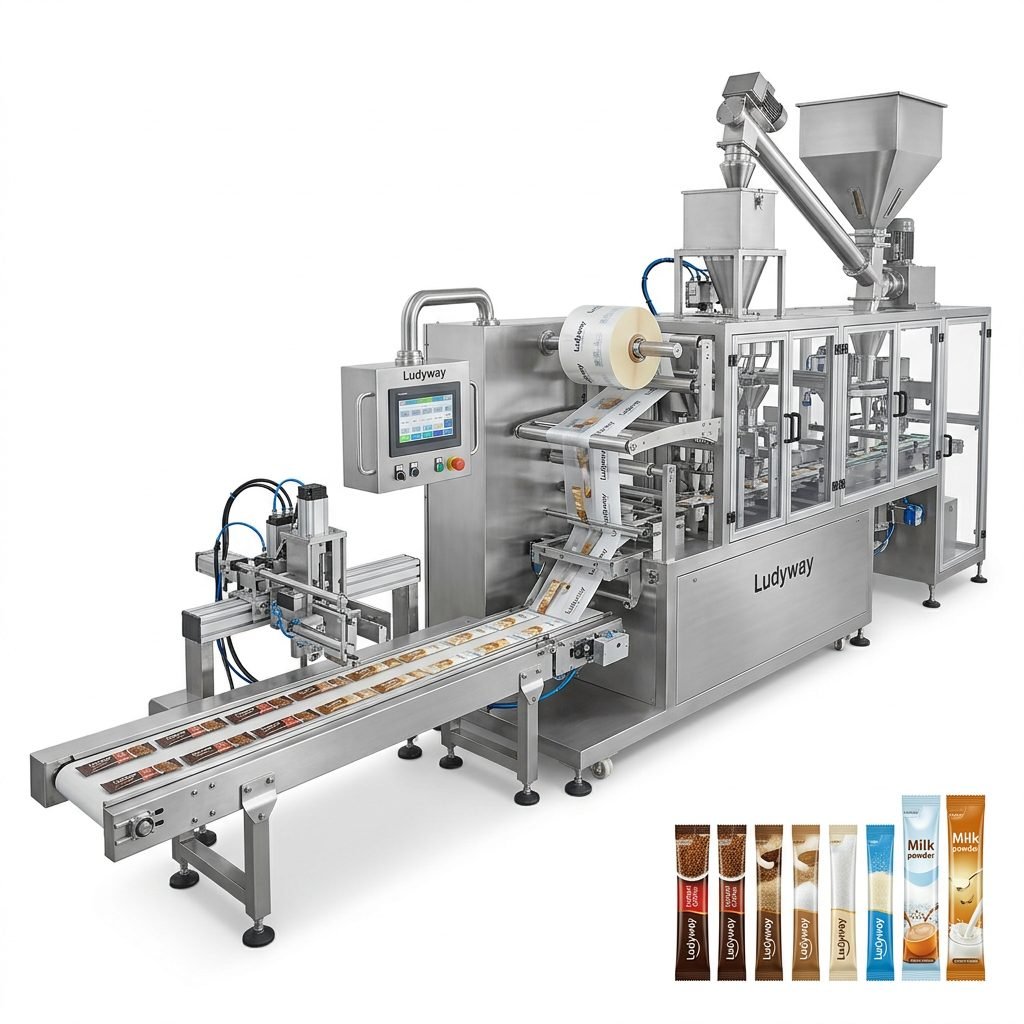
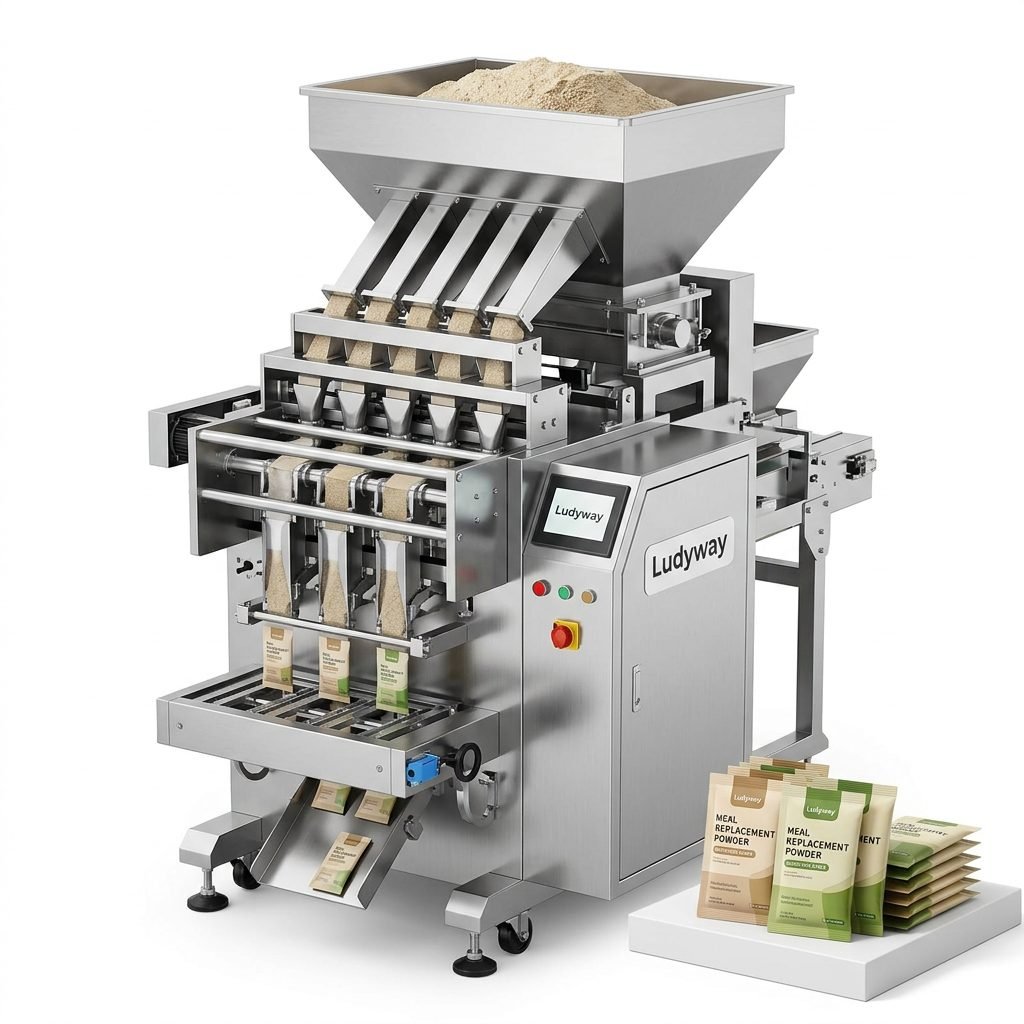
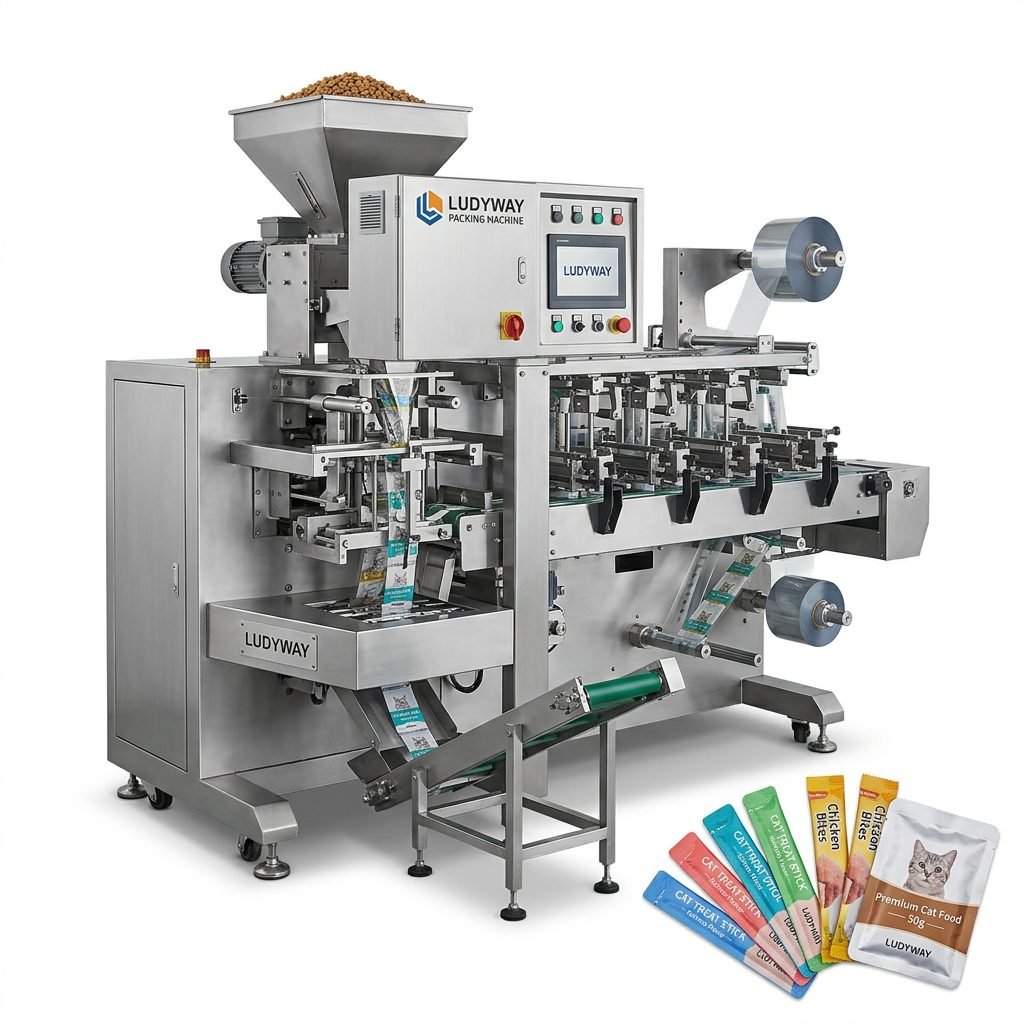
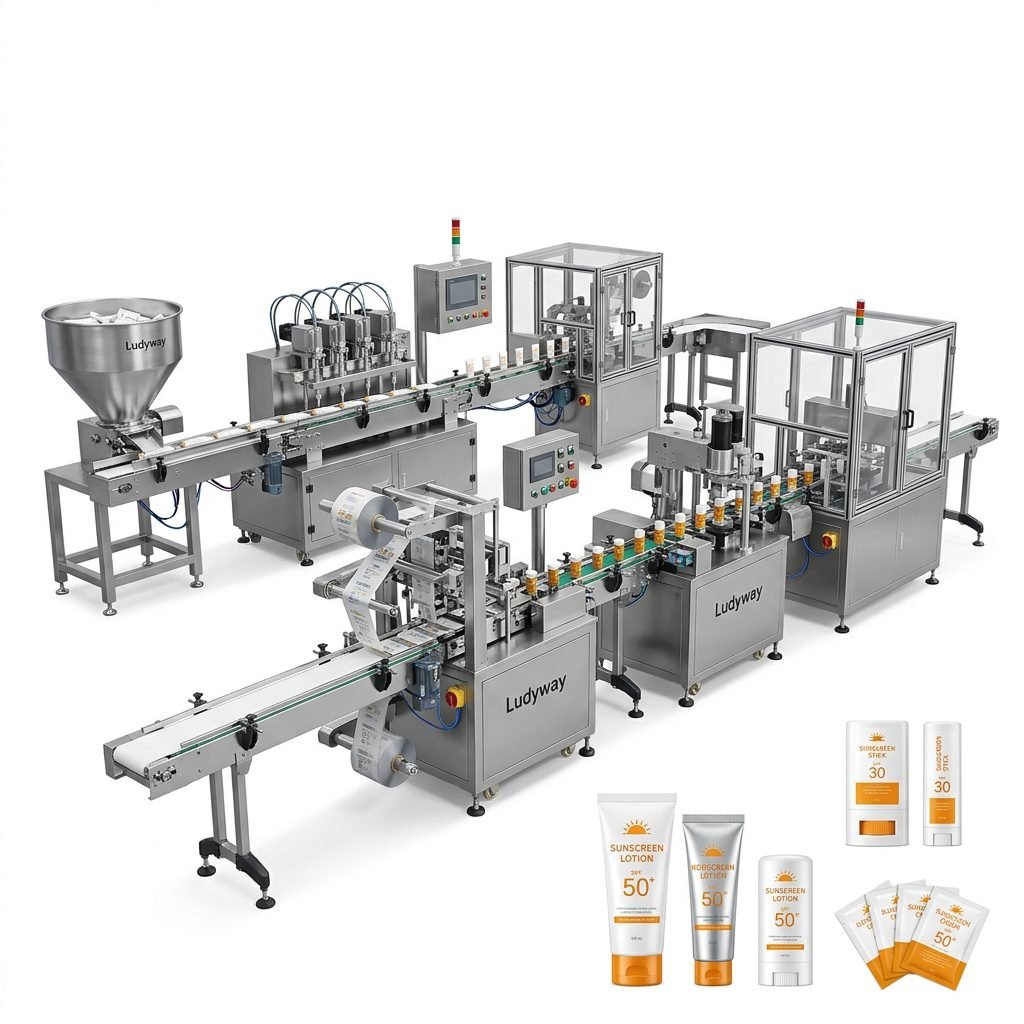
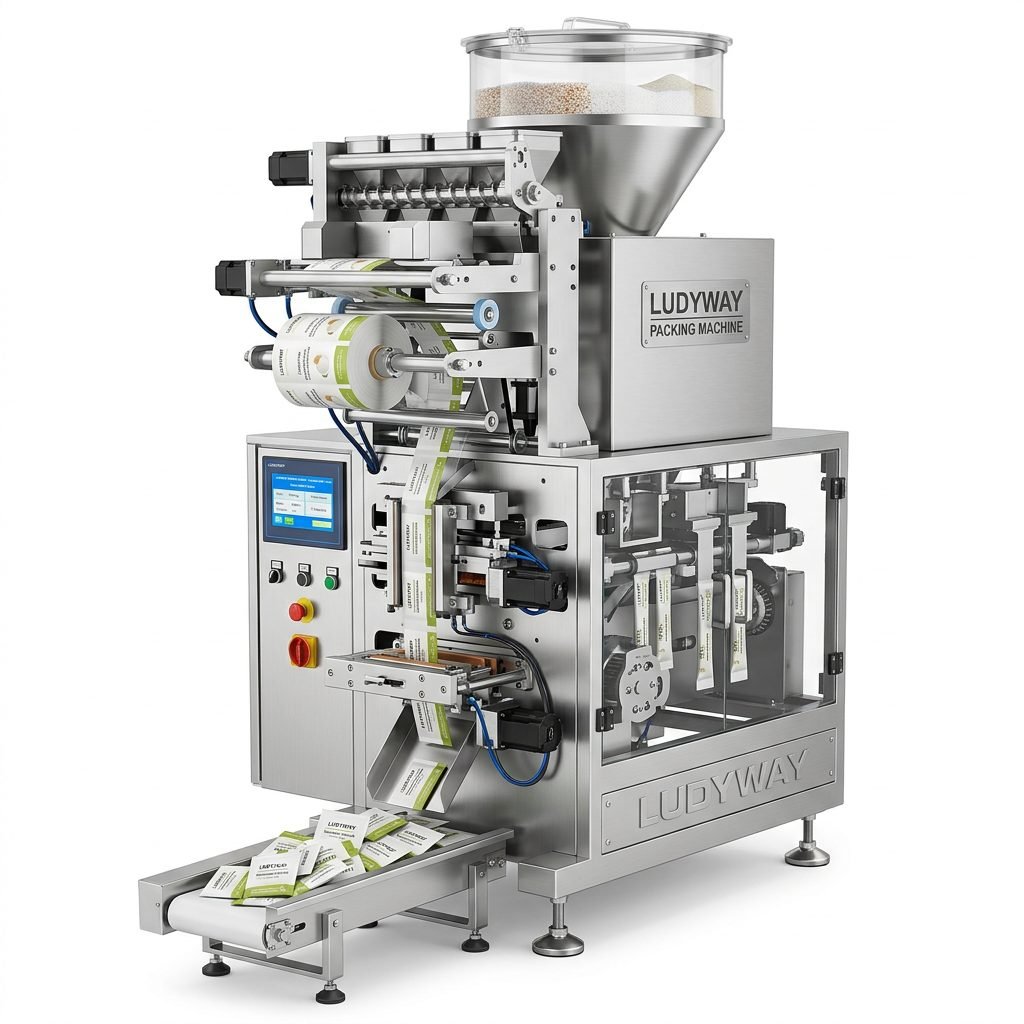
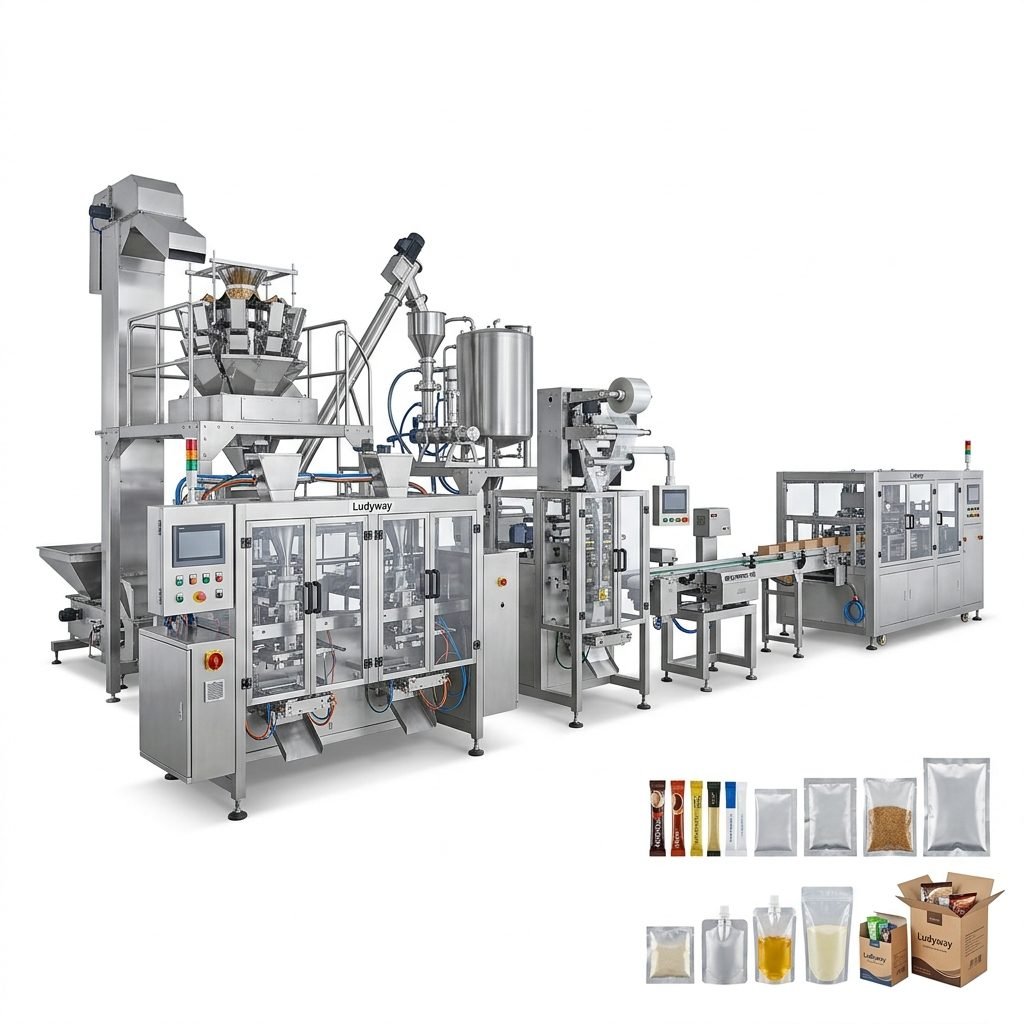
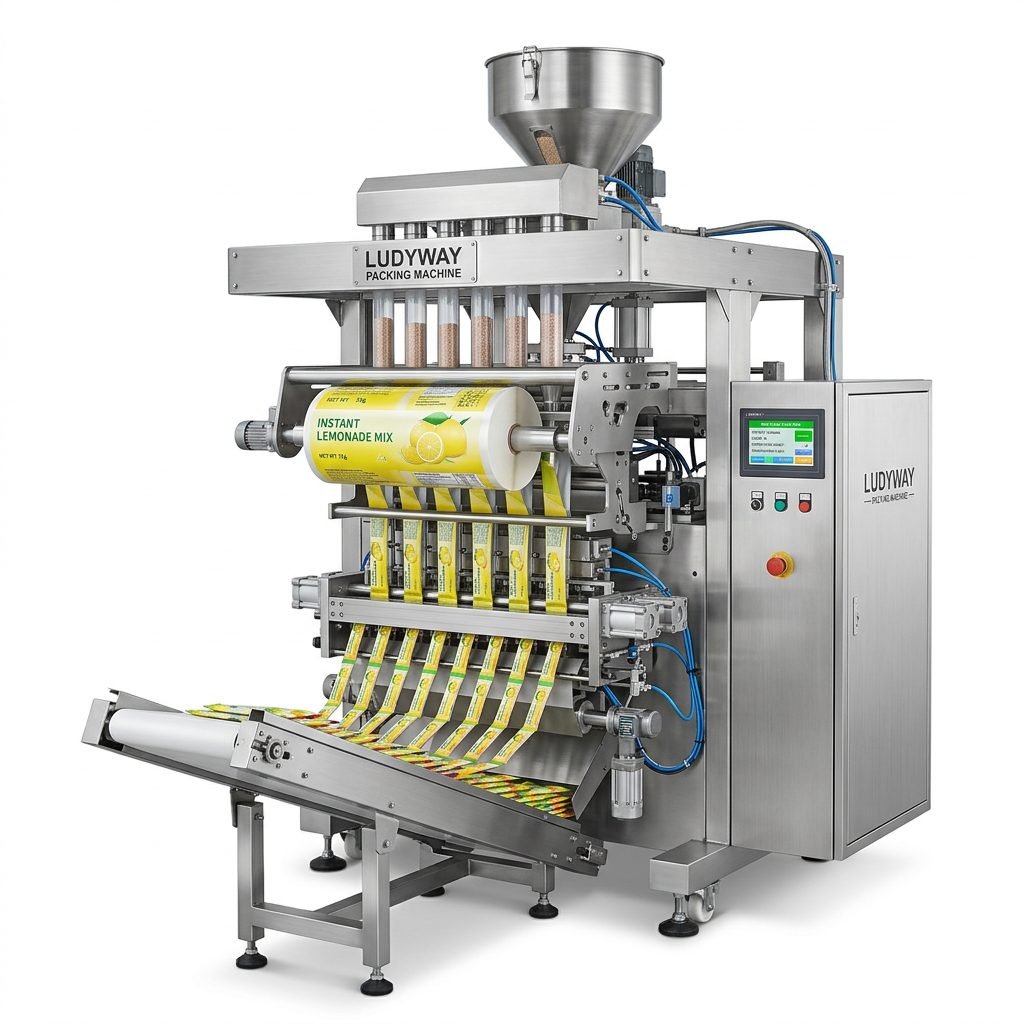
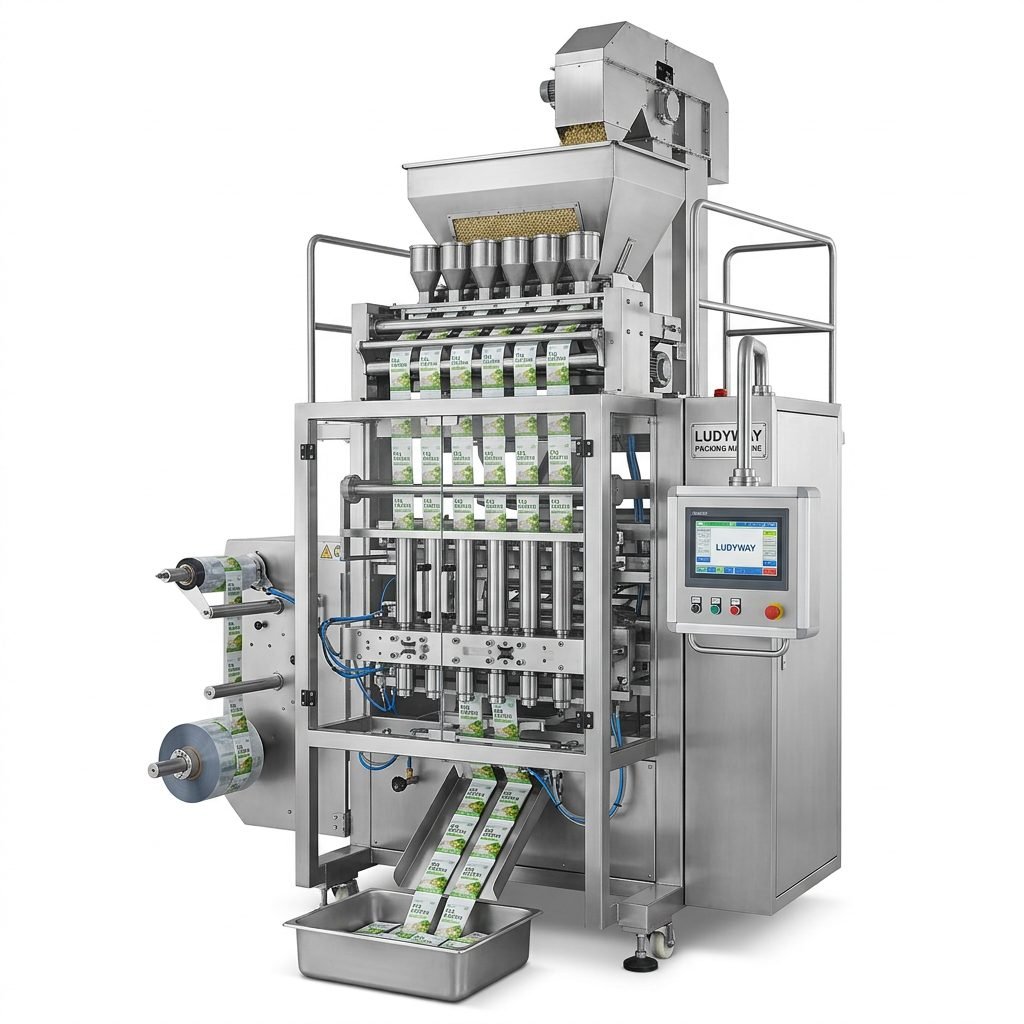
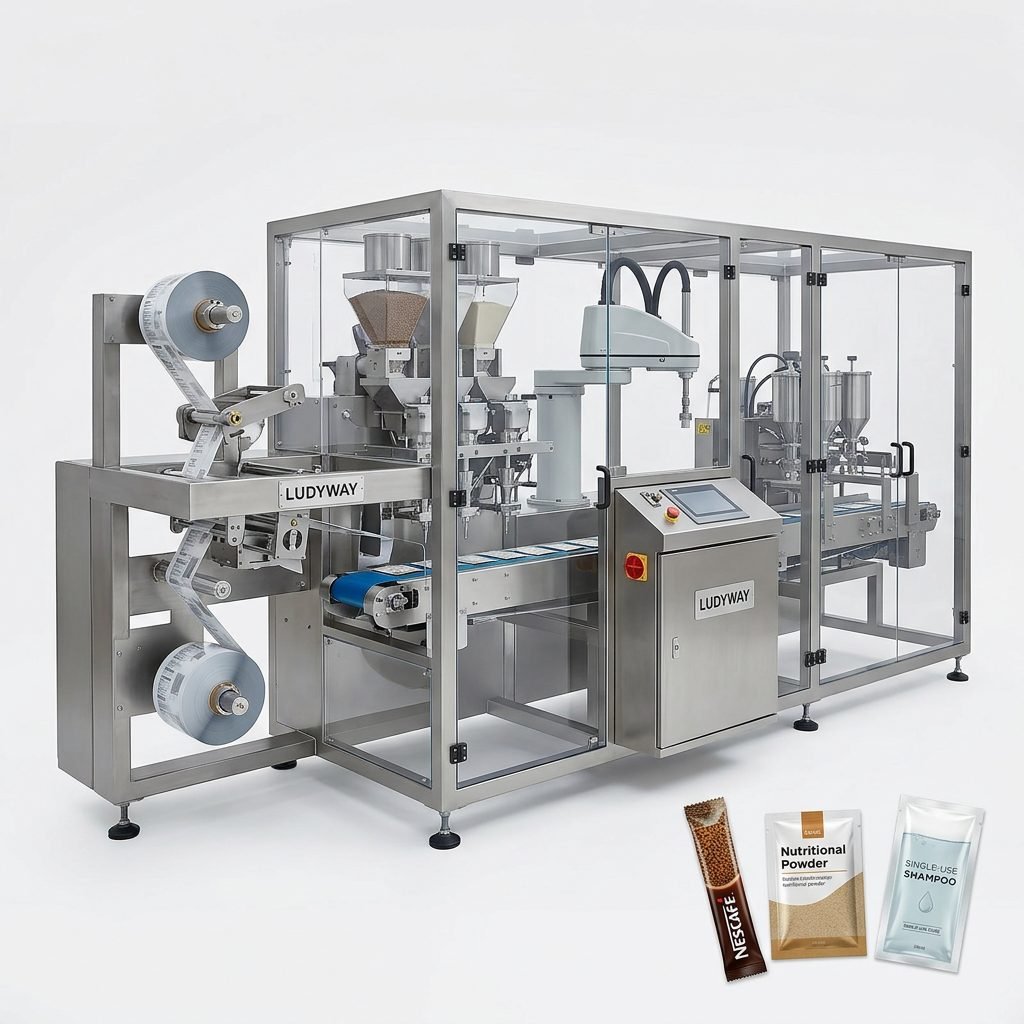
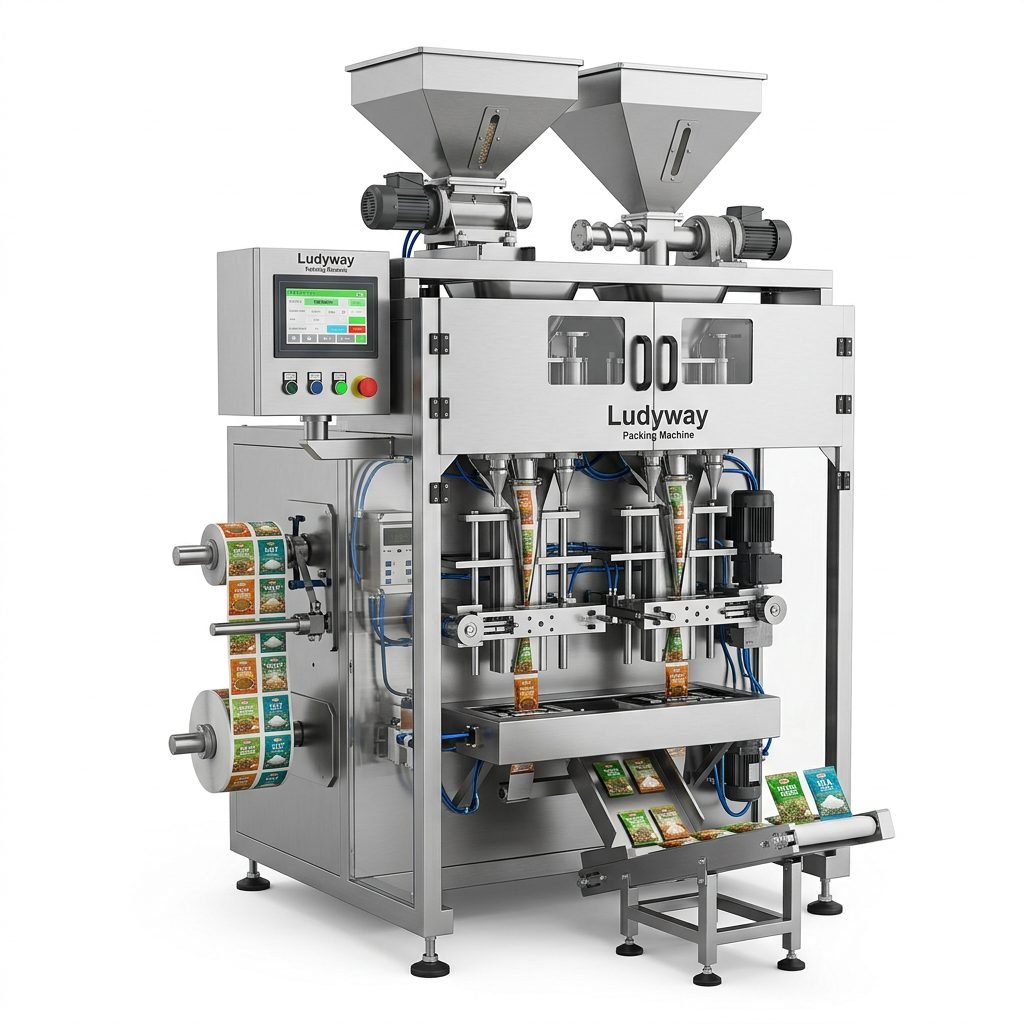
Selecting the right medicine packing machine is one of the most critical decisions for pharmaceutical manufacturers, nutraceutical companies, and contract packagers. The wrong equipment choice can lead to production bottlenecks, regulatory compliance issues, excessive downtime, and costly rework. With the global pharmaceutical packaging market continuing to expand — driven by increased demand for unit-dose formats, stringent safety regulations, and growing health awareness — having a clear evaluation framework before investing in packaging machinery has never been more important. This guide walks you through the essential factors to consider when choosing a medicine packing machine, helping you make an informed, future-proof decision.
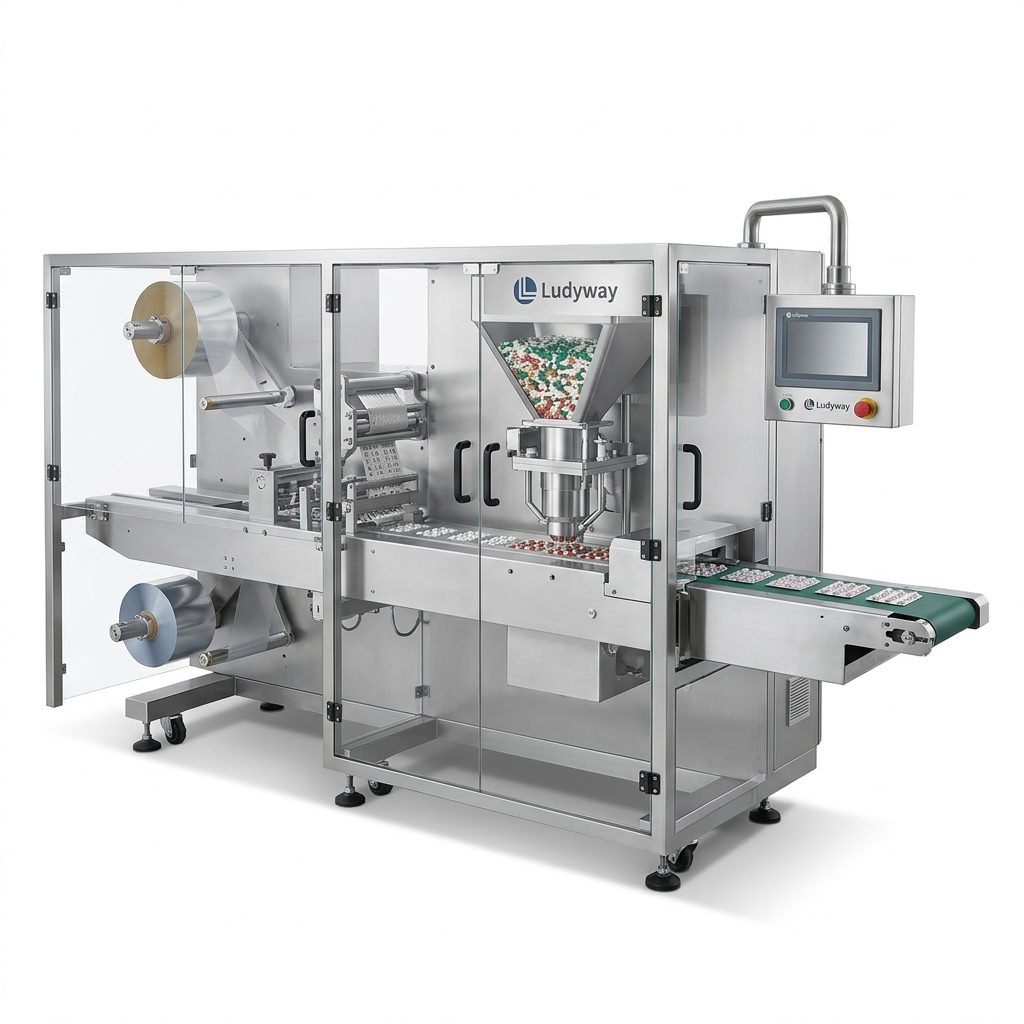
1. Understand Your Product Characteristics First
Before evaluating any machine specifications, you must thoroughly analyze the physical and chemical properties of the medicine you intend to package. This foundational step directly determines the type of dosing system, sealing technology, and material compatibility required.
- Product form: Is it a powder, granule, tablet, capsule, liquid, or gel? Each form requires fundamentally different filling mechanisms — auger fillers for powders, volumetric cup fillers for free-flowing granules, counting systems for tablets and capsules, and piston or peristaltic pumps for liquids.
- Flow characteristics: Does the powder bridge or clump? Is the granule free-flowing or cohesive? Products with poor flowability may require agitated hoppers, mechanical stirrers, or specialized feeding systems to ensure consistent dosing accuracy.
- Hygroscopicity and sensitivity: Many pharmaceutical powders absorb moisture rapidly. If your product is hygroscopic, moisture-sensitive, or requires a controlled environment, you may need equipment with nitrogen flushing capability, dehumidified air systems, or integration with a dry room environment.
- Particle size distribution: Fine powders behave differently from coarse granules during filling. Dust generation from fine powders can affect seal integrity and machine cleanliness, requiring dust extraction systems.
- Product value: High-value APIs (Active Pharmaceutical Ingredients) demand precision dosing to minimize costly product give-away. In such cases, investing in high-accuracy servo-driven dosing systems becomes economically justified.
2. Define Your Target Packaging Format
Medicine packaging comes in diverse formats, and the choice of packaging style significantly influences machine selection. Different markets and regulatory environments often favor specific formats.
- Stick packs: Narrow, elongated sachets ideal for single-dose powder and granule products. They offer excellent portability, precise dosing, and are widely used for pediatric medicines, nutritional supplements, and OTC powder formulations.
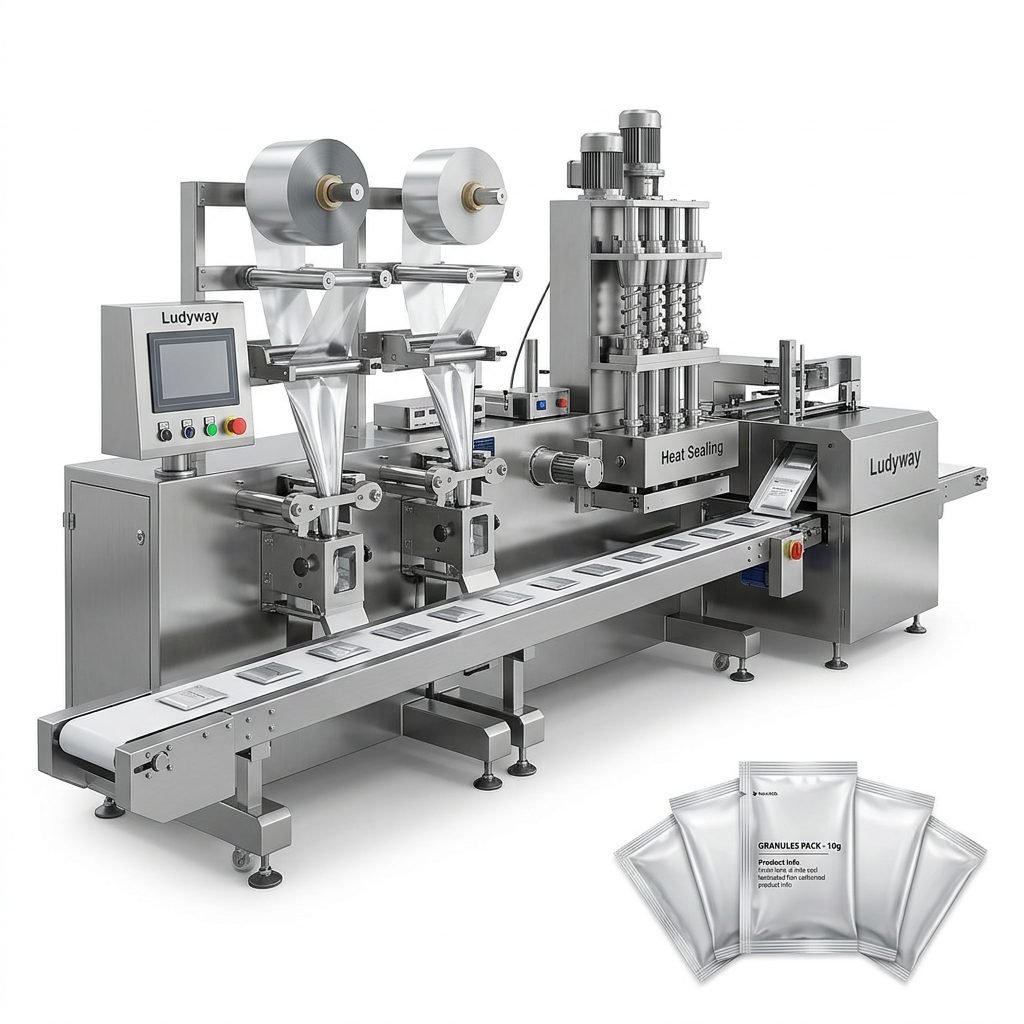
- Sachets and flat pouches: Versatile formats suitable for powders, granules, and liquids. Three-side-seal and four-side-seal configurations are common, with multi-lane machines significantly boosting output for high-volume products.
- Blister packs: The dominant format for tablets and capsules, providing excellent barrier protection, tamper evidence, and unit-dose compliance. FDA packaging regulations often specify barrier requirements for moisture-sensitive and light-sensitive drugs.
- Bottles and jars: Common for larger-quantity tablet and capsule packaging, often with child-resistant closures and induction sealing for tamper evidence.
- Pre-filled syringes and vials: Specialized formats for injectable medications requiring aseptic filling environments and specialized handling equipment.
Multi-lane packaging machines have become increasingly popular in pharmaceutical manufacturing, allowing simultaneous production of multiple lanes of stick packs or sachets, dramatically increasing throughput while maintaining individual dose accuracy.
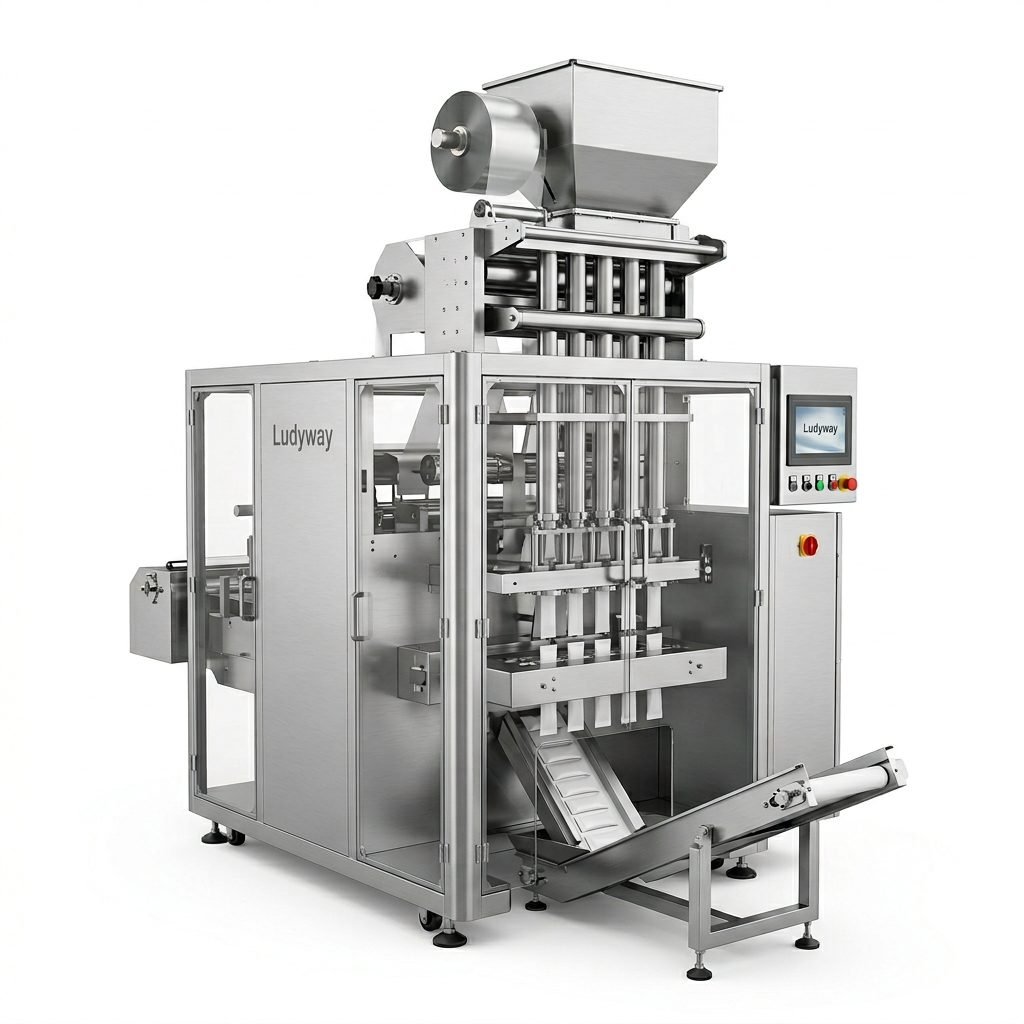
3. Determine Production Speed and Capacity Requirements
Production throughput is a key commercial consideration that directly affects machine configuration and investment level. Your current and projected production volumes should guide this evaluation.
- Current output needs: Calculate your required packs-per-minute based on existing orders, batch sizes, and production shifts. A machine operating at 60-80% of its maximum rated speed typically delivers the best balance of output and reliability.
- Future scalability: If you anticipate significant volume growth within 3-5 years, consider equipment with modular designs that allow adding lanes, upgrading servo drives, or integrating additional automation modules without replacing the entire machine.
- Multi-lane vs. single-lane: For high-volume stick pack and sachet production, multi-lane machines (4-lane, 6-lane, 8-lane, or even 12-lane configurations) multiply output proportionally. A 10-lane stick pack machine, for example, can produce 10 times the output of a single-lane machine in the same floor space.
- Changeover frequency: If you package multiple products with different formats, sizes, or materials, prioritize machines with quick-change features — tool-less adjustments, recipe-driven servo positioning, and easily accessible forming and sealing components.
4. Address Regulatory Compliance and Quality Standards
Pharmaceutical packaging is among the most heavily regulated manufacturing activities. Equipment must support compliance with applicable standards, and documentation is essential for validation and audits.
- GMP compliance: Machines should be designed with cGMP (current Good Manufacturing Practice) principles — smooth, crevice-free surfaces for easy cleaning, minimal horizontal surfaces where dust can accumulate, and separation of mechanical drives from product contact areas.
- ISO packaging standards: Equipment designed to meet ISO 11607 for medical device packaging, ISO 15378 for primary packaging materials, and other relevant standards provides confidence in quality and consistency.
- Material traceability: Integration with serialization and track-and-trace systems is increasingly important, especially for markets requiring compliance with regulations such as the EU Falsified Medicines Directive or the U.S. Drug Supply Chain Security Act (DSCSA).
- Validation support: The machine supplier should provide comprehensive documentation packages including IQ (Installation Qualification), OQ (Operational Qualification), and PQ (Performance Qualification) protocols to support your validation processes.
- Data integrity: Modern pharmaceutical packaging machines should include electronic batch recording capabilities, audit trails, and user access controls compliant with 21 CFR Part 11 and EU Annex 11 requirements.
5. Evaluate Automation Level and Line Integration
The degree of automation significantly impacts labor requirements, production consistency, and overall equipment effectiveness (OEE). Pharmaceutical manufacturers increasingly seek integrated packaging solutions rather than standalone machines.
- Standalone vs. integrated lines: While a standalone machine may suffice for small-scale or specialized production, larger operations benefit from turnkey packaging lines that integrate feeding, filling, sealing, coding, inspection, cartoning, and palletizing into a seamless process.
- In-line quality control: Automated inspection systems — including checkweighers, metal detectors, vision inspection for seal integrity, and X-ray systems — provide real-time quality assurance and reduce reliance on manual inspection.
- Connectivity and Industry 4.0: Machines with OPC UA, Ethernet/IP, or MQTT connectivity enable integration with MES (Manufacturing Execution Systems) and ERP platforms, supporting real-time production monitoring, predictive maintenance, and data-driven process optimization.
- Robotics integration: Collaborative robots and delta robots are increasingly used for pick-and-place operations, case packing, and palletizing, offering flexibility and consistent performance.
6. Compare Key Technical Specifications
When comparing different medicine packing machines, focus on specifications that directly affect production performance, quality, and long-term reliability. The following table summarizes critical parameters to evaluate:
| Specification Category | Key Parameters to Evaluate | Why It Matters |
|---|---|---|
| Dosing & Filling | Accuracy (±%), speed (cycles/min), dosing principle (auger, volumetric, net weight, counting) | Directly impacts product quality, regulatory compliance, and product give-away costs |
| Sealing System | Seal temperature range, pressure control, dwell time adjustment, seal integrity testing | Determines package integrity, shelf life, and contamination prevention |
| Material Compatibility | Supported films (PET/AL/PE, paper/AL/PE, etc.), thickness range, reel diameter | Limits or enables use of specific packaging materials and barrier properties |
| Control System | PLC brand, HMI interface, servo vs. mechanical drives, recipe management | Affects ease of use, changeover speed, data handling, and maintenance complexity |
| Construction Materials | Stainless steel grade (304 vs. 316L), surface finish (Ra value), contact parts | Critical for cleanability, corrosion resistance, and GMP compliance |
| Utilities & Environment | Power requirements, compressed air consumption, dust extraction needs | Impacts facility requirements, operating costs, and installation complexity |
7. Assess Machine Quality, Reliability, and Supplier Capabilities
Beyond specifications, the quality of engineering and manufacturing, the reliability record of the equipment, and the capabilities of the supplier are equally important factors. A well-engineered machine from a capable manufacturer generally delivers better long-term value than a lower-cost alternative with limited support.
- Manufacturing standards: Evaluate the supplier’s manufacturing facility, quality management system (ISO 9001 certification), and use of recognized industrial automation components (Siemens, Allen-Bradley, Mitsubishi, Festo, SMC, etc.).
- Experience in pharmaceutical applications: A supplier with demonstrated experience in pharmaceutical packaging understands the unique requirements of the industry — from material handling to validation documentation.
- Reference installations: Request case studies or references from companies with similar applications and production scales. Site visits to existing installations can provide valuable insights into real-world performance.
- Factory acceptance testing (FAT): A thorough FAT conducted at the supplier’s facility before shipment helps identify and resolve issues early, reducing commissioning time at your site.
According to the PMMI packaging industry market research, pharmaceutical packaging machinery is one of the fastest-growing segments, driven by increasing demand for flexible packaging formats and automation. The 2025 State of the Industry report highlights continued investment in pharmaceutical packaging automation across global markets.
8. Consider Customization and Engineering Support
Standard machines rarely meet all requirements perfectly. The ability of a supplier to provide customized engineering solutions can be the difference between a machine that “almost works” and one that integrates seamlessly into your production environment.
- Custom dosing solutions: Products with unusual flow characteristics may require specialized auger designs, vibratory feeding, or custom hopper configurations.
- Modified sealing systems: Heat-sealable films with different temperature profiles may require customized jaw designs, multi-zone temperature control, or specialty coatings on sealing surfaces.
- Integration adaptations: Upstream and downstream equipment integration — from feeding systems to cartoners and palletizers — often benefits from customized mechanical and control interfaces.
- Special environments: Applications requiring cleanroom compatibility, ATEX-rated environments, or washdown capability necessitate tailored engineering and component selection.
9. Evaluate After-Sales Support and Service Infrastructure
Even the most reliable packaging machinery requires preventive maintenance, occasional troubleshooting, and eventual parts replacement. The quality and availability of after-sales support directly affects your long-term equipment uptime and total cost of ownership.
- Technical support availability: Does the supplier offer remote support, video-assisted troubleshooting, or on-site service? What are the response time commitments?
- Spare parts program: A well-organized spare parts inventory with clear part numbers, reasonable pricing, and fast shipping minimizes downtime. Ask about recommended spare parts lists and typical lead times for critical components.
- Operator training: Comprehensive training for operators, maintenance staff, and supervisors should be part of the equipment package. Well-trained personnel operate machines more efficiently and identify potential issues before they cause failures.
- Preventive maintenance programs: Structured maintenance schedules with clear checklists help extend equipment life and maintain consistent performance.
10. Analyze Total Cost of Ownership (TCO)
Initial purchase price is only one component of the total cost. A comprehensive TCO analysis should include all costs over the expected equipment lifespan — typically 10-15 years for well-maintained pharmaceutical packaging machinery.
| Cost Category | Components | Typical Impact on TCO |
|---|---|---|
| Capital Cost | Machine purchase, shipping, import duties, installation, commissioning | 25-35% of TCO |
| Operating Costs | Labor (operators and maintenance), utilities (electricity, compressed air), consumables | 40-50% of TCO |
| Maintenance Costs | Spare parts, service visits, preventive maintenance contracts | 10-15% of TCO |
| Downtime Costs | Lost production, rejected product, opportunity cost | 5-15% of TCO (varies widely) |
A machine with higher upfront cost but superior reliability, faster changeovers, and better service support often delivers significantly lower TCO over its operational life. Reduced downtime alone can justify a substantial price premium in high-volume pharmaceutical production environments.

11. Plan for Installation, Commissioning, and Validation
The transition from purchase decision to full production involves several critical phases. Planning for these in advance helps avoid delays and ensures a smooth project execution.
- Site preparation: Ensure utilities (electrical supply, compressed air, ventilation), floor loading capacity, and cleanroom classifications are properly specified and ready before machine arrival.
- Installation and commissioning: Experienced technicians should oversee mechanical installation, electrical connections, and initial startup. This is also the ideal time for hands-on operator training.
- Validation documentation: Work with the machine supplier to ensure all necessary IQ/OQ/PQ documentation is prepared, reviewed, and executed according to your quality system requirements.
- Performance optimization: After initial commissioning, fine-tuning of parameters — temperatures, speeds, dwell times, filling adjustments — should be conducted with real product to achieve optimal performance.
12. Future-Proofing Your Investment
Given the typical 10-15 year lifespan of pharmaceutical packaging machinery, considering future needs during the selection process can prevent premature obsolescence. The Flexible Packaging Association reports continued growth in flexible pharmaceutical packaging formats, suggesting that investments in flexible packaging machinery are likely to retain relevance.
- Modular design: Machines with modular architecture allow incremental upgrades — adding lanes, integrating new feeding systems, or upgrading control platforms — without complete replacement.
- Digital readiness: Equipment with modern communication protocols and data interfaces can more easily integrate with evolving MES, ERP, and Industry 4.0 systems.
- Format flexibility: Machines capable of handling multiple packaging formats (stick packs, sachets, pouches) with reasonable changeover times provide production agility as market demands shift.
- Sustainability considerations: Increasing emphasis on sustainable packaging materials — recyclable mono-material films, reduced material usage, bio-based polymers — means machines compatible with these evolving materials will have longer relevant lifespans.
Key Takeaways: A Methodical Approach Pays Off
Choosing the right medicine packing machine is not a decision to rush. A methodical evaluation that considers product characteristics, packaging format, production scale, regulatory requirements, automation needs, supplier capabilities, and total cost of ownership leads to better outcomes. Pharmaceutical manufacturers who invest time in thorough specification development, supplier evaluation, and reference checking consistently report higher satisfaction with their equipment choices and better long-term operational results.
As the global packaging machinery market continues to evolve, partnering with an experienced manufacturer becomes increasingly valuable. Companies like Ludyway Machinery, with more than 30 years of experience in designing and manufacturing automated packaging equipment, provide integrated solutions tailored to specific pharmaceutical and healthcare applications. Their engineering team works with manufacturers to configure appropriate machine solutions — from single packaging machines to complete turnkey packaging lines. For more information on Ludyway’s global growth and market presence, see this report on packaging machinery export trends.
For further guidance on pharmaceutical packaging standards and industry best practices, we recommend consulting the following authoritative resources: