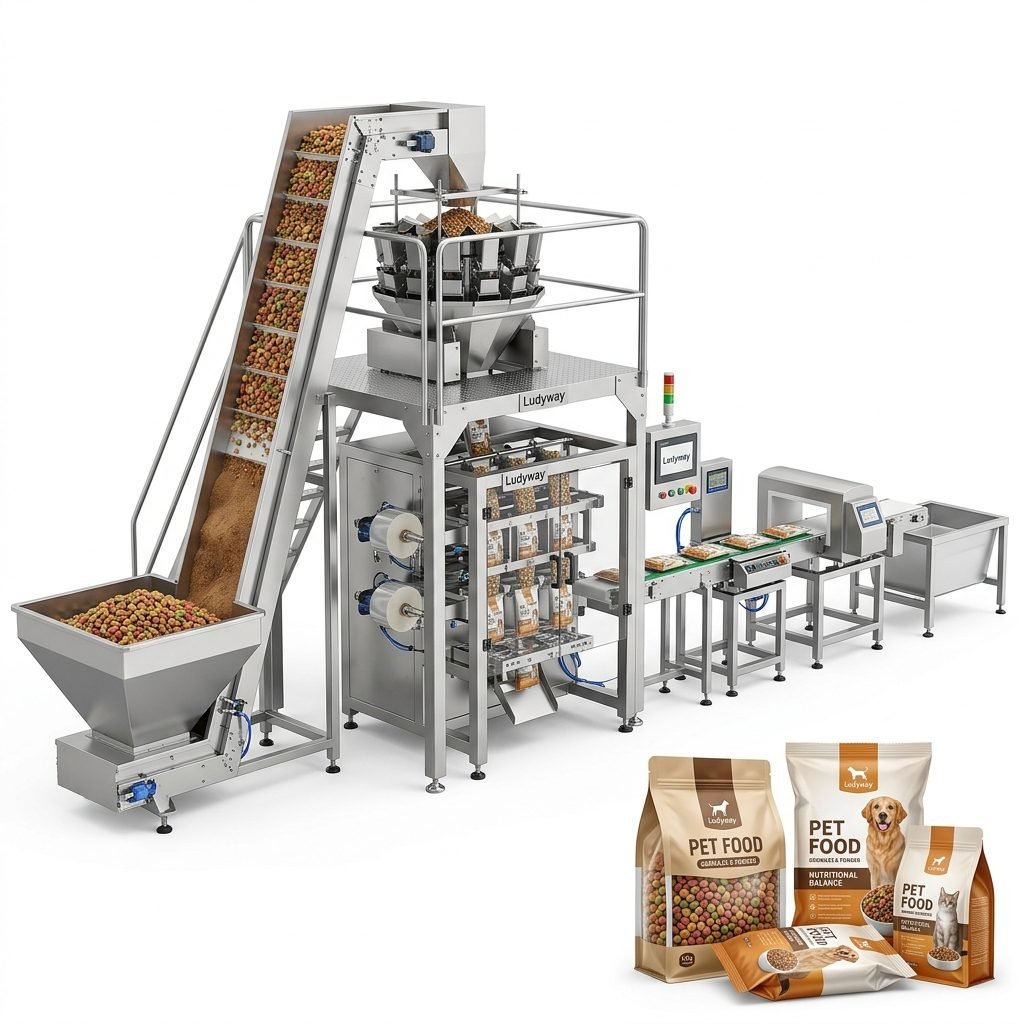
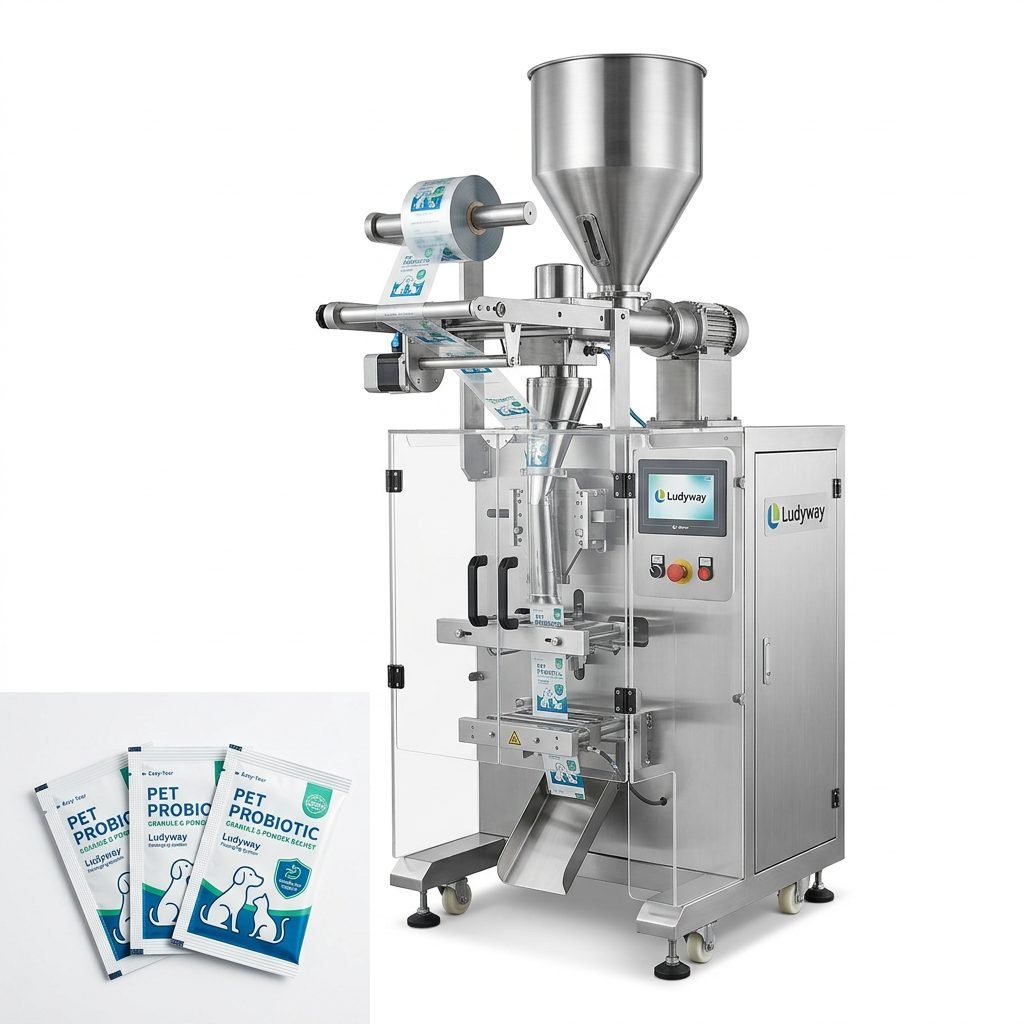
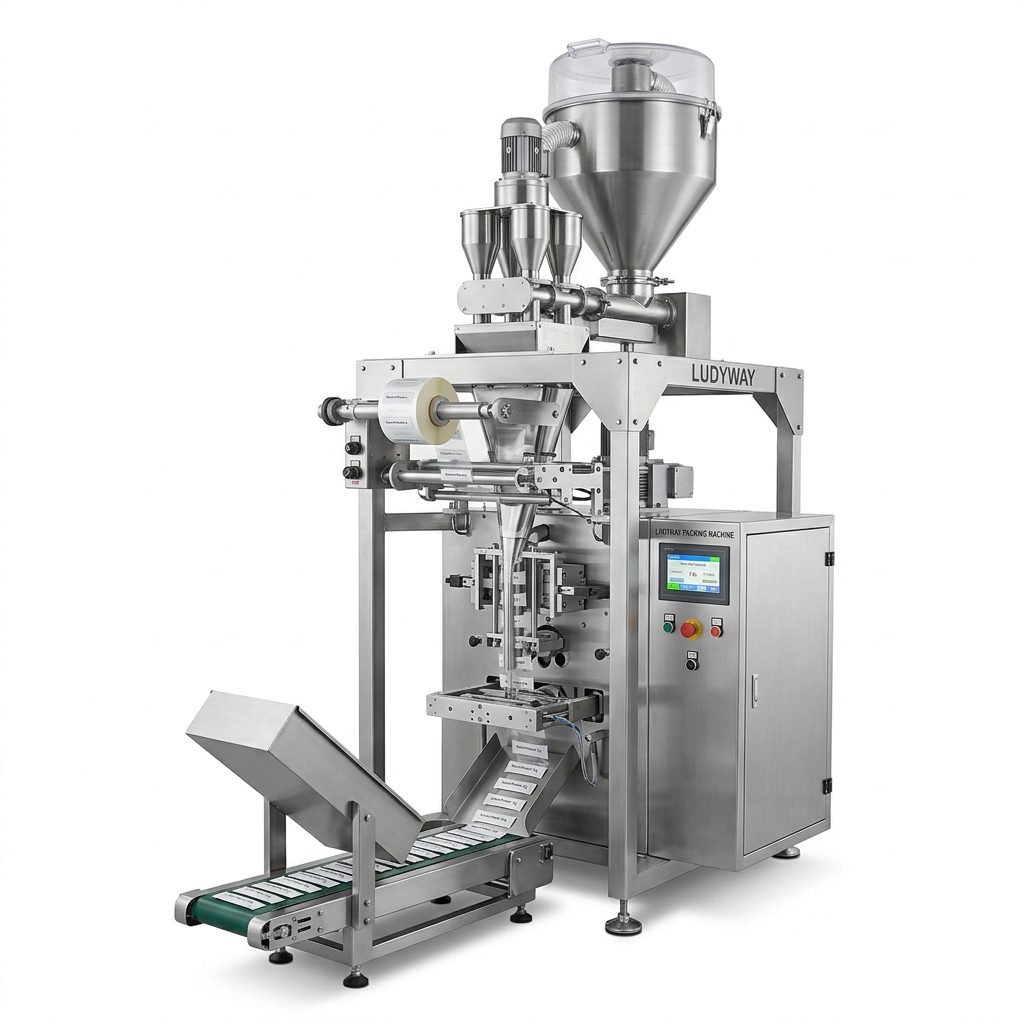
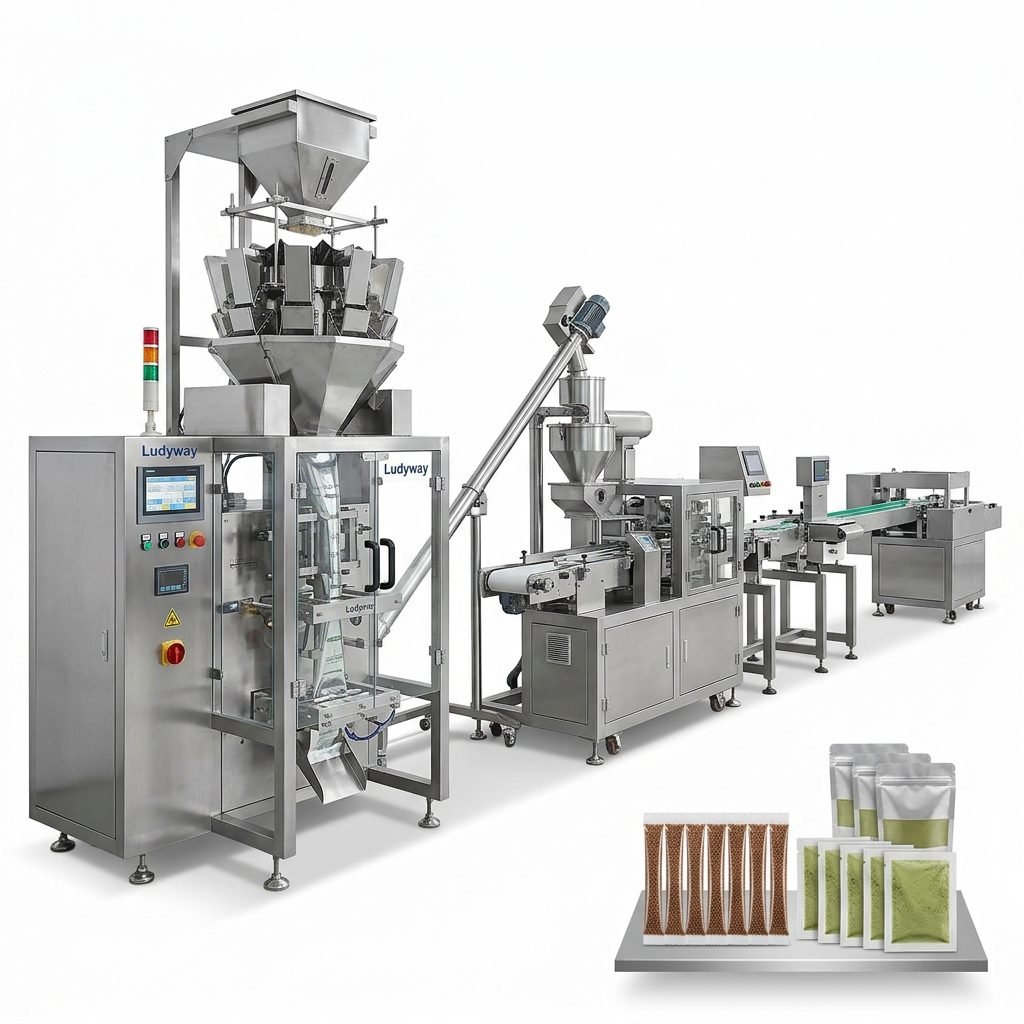
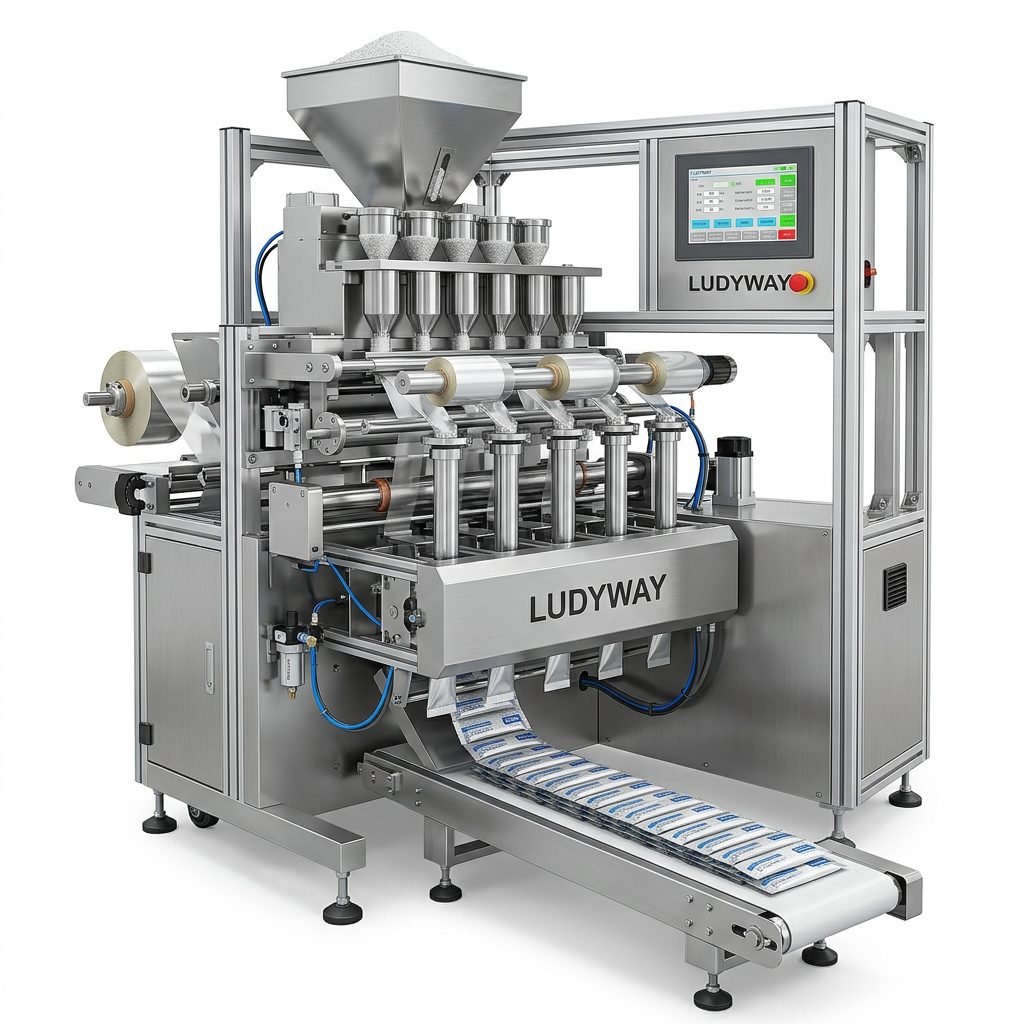
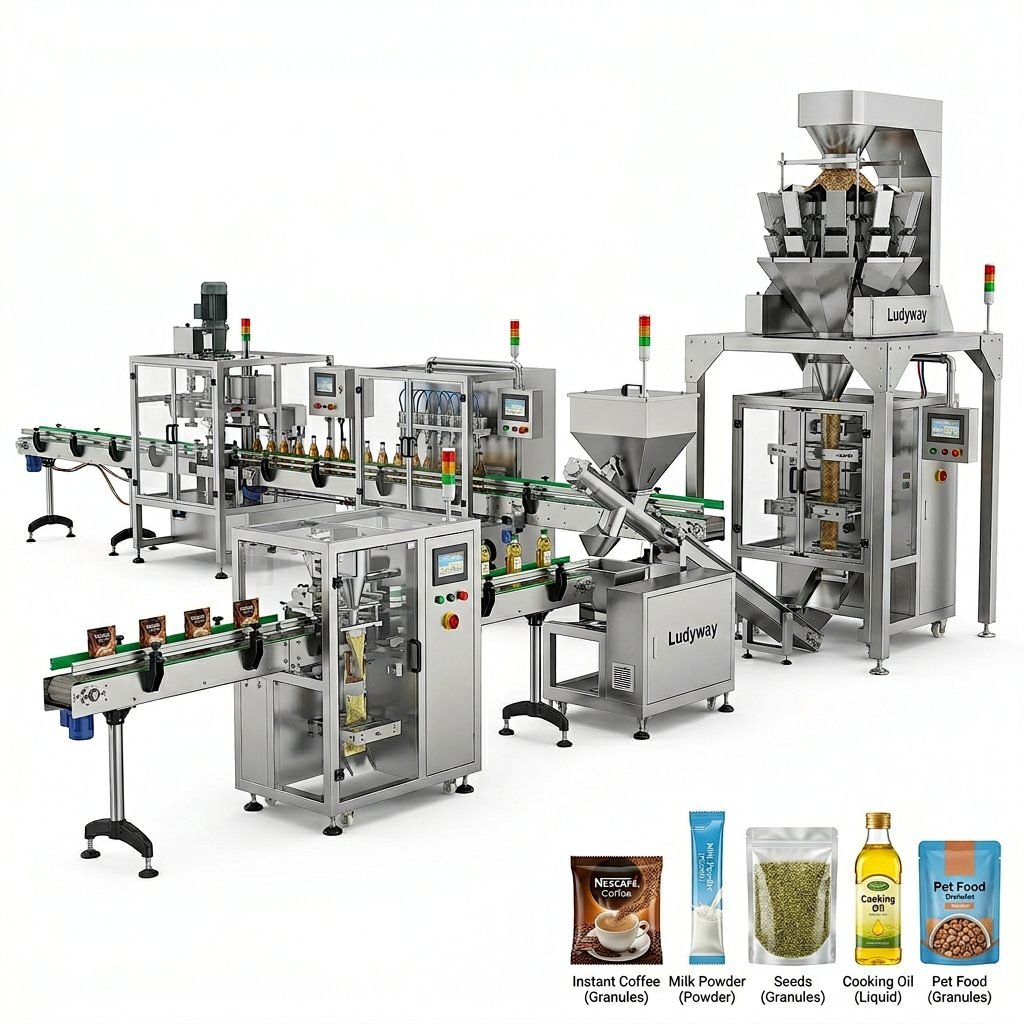
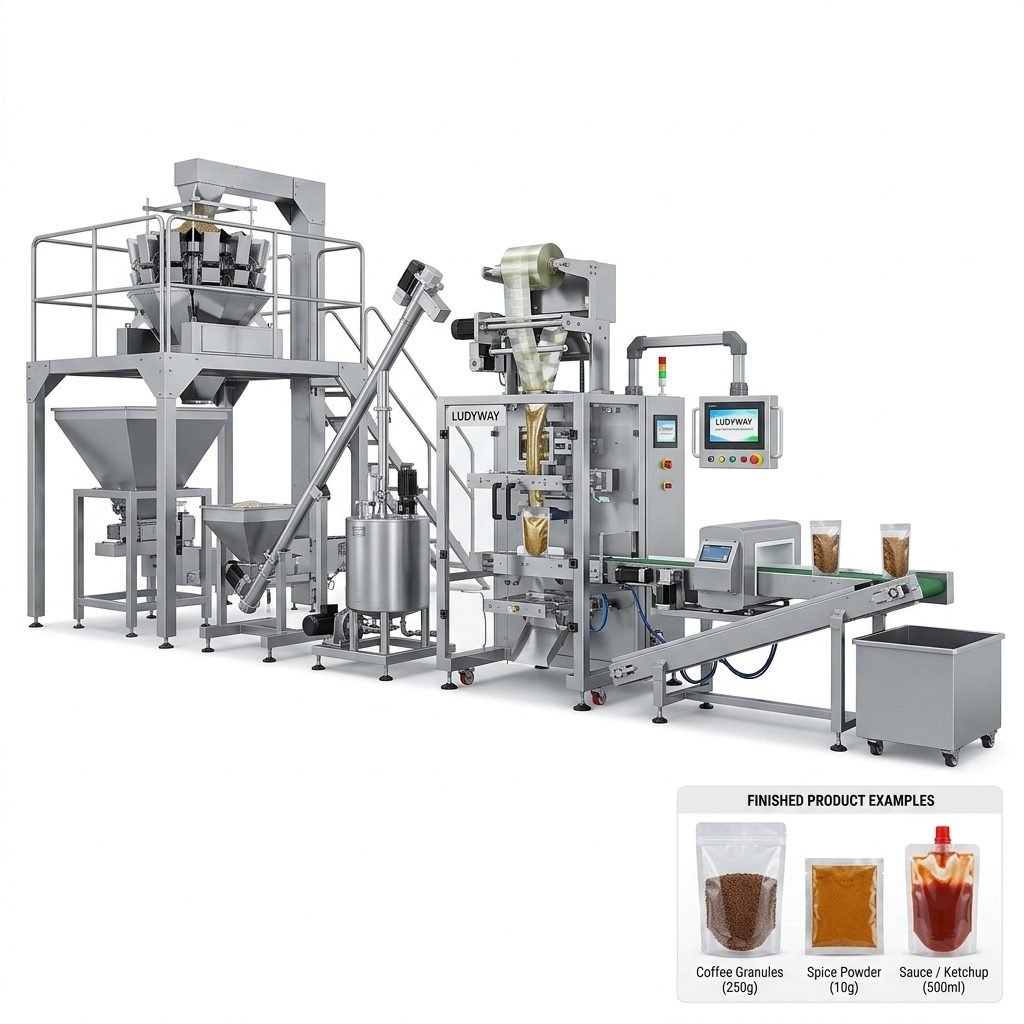
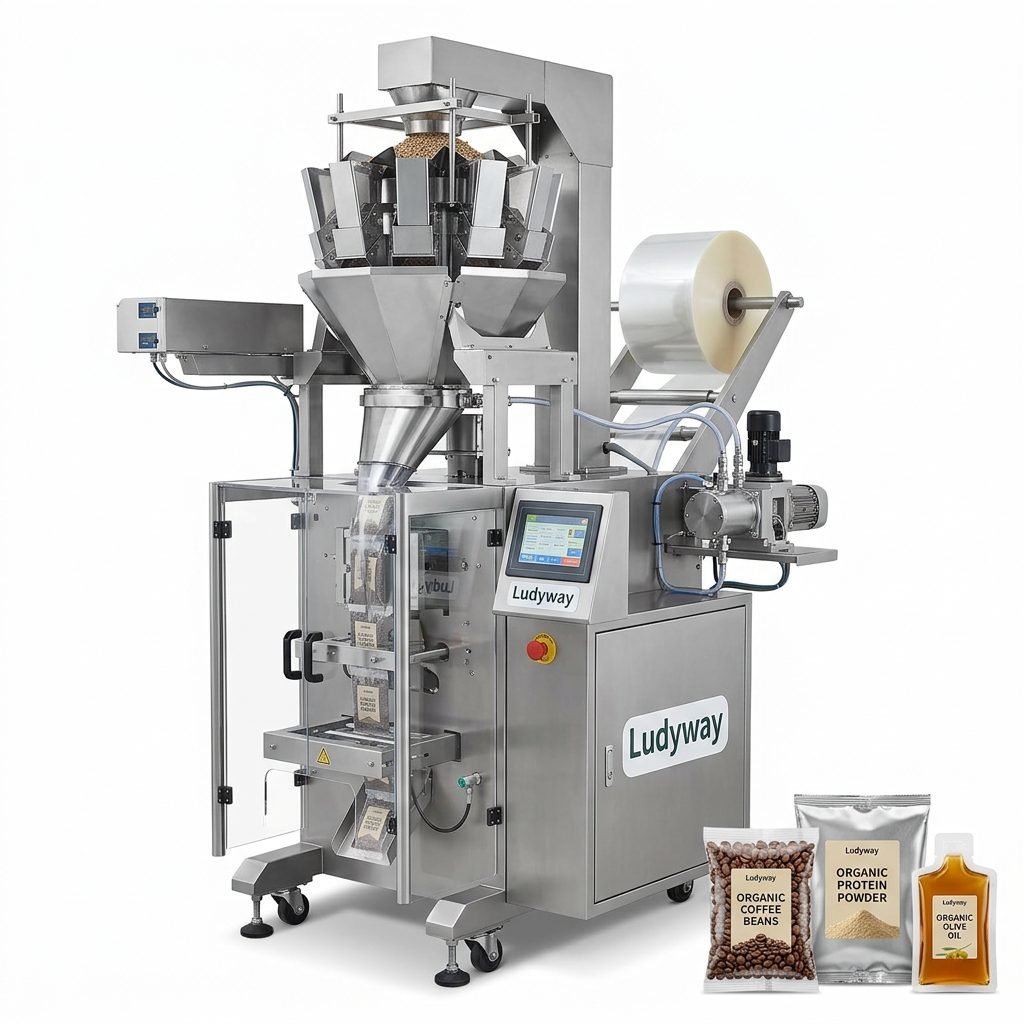
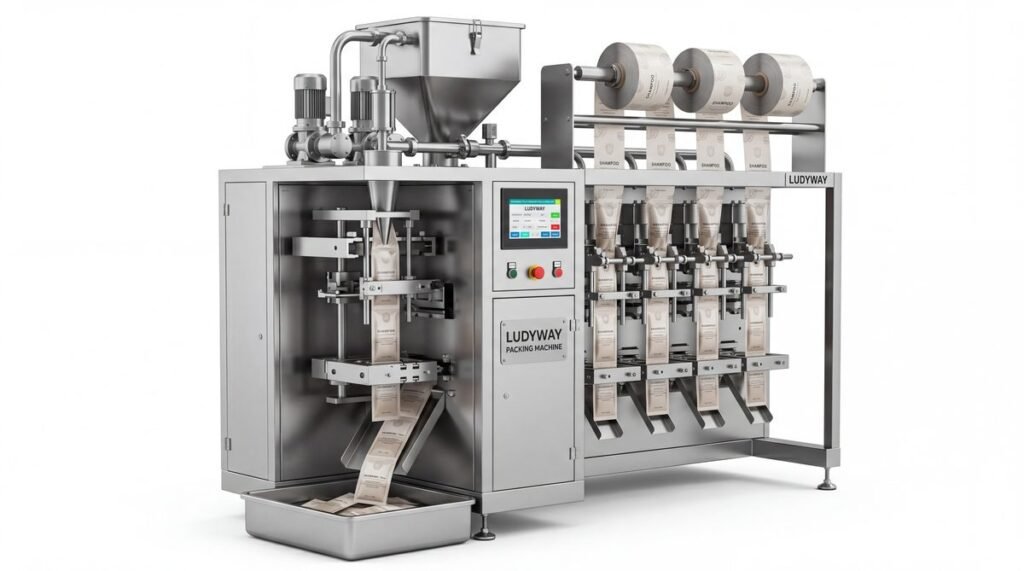
Flexible liquid packaging is becoming a preferred choice for brands that need portable, hygienic, cost-effective, and high-volume packaging. A modern water bag filling machine is designed to automate the process of filling, sealing, and packaging water or other low-viscosity liquids into flexible pouches with high precision and stable output.
For manufacturers of drinking water, flavored water, electrolyte beverages, functional drinks, and emergency water packs, the right pouch filling system can improve line efficiency, reduce product waste, and deliver a more consistent package appearance. This is especially important in competitive markets where speed, seal integrity, and product safety directly affect profitability and brand trust.
What Is a Water Bag Filling Machine?
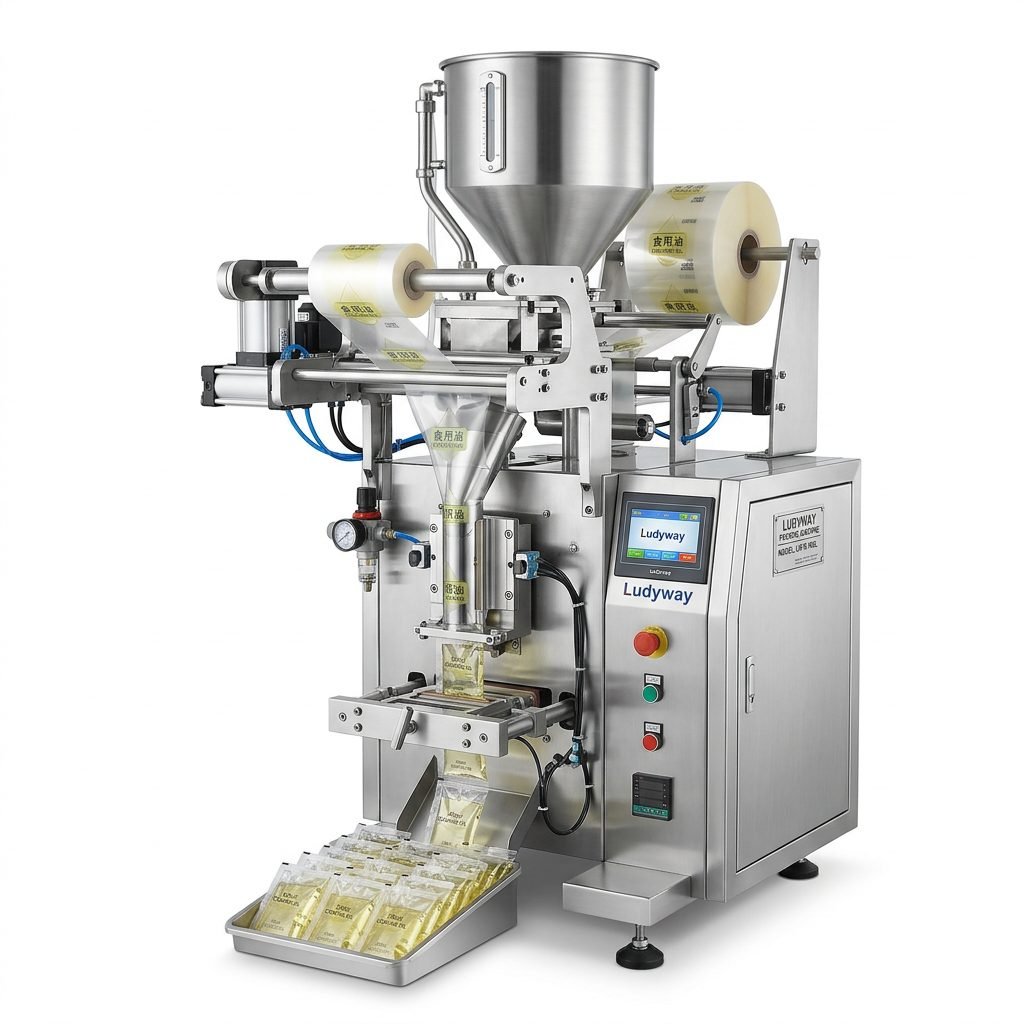
A water bag filling machine is an automated packaging system used to fill liquid products into flexible bags, sachets, or pouches and then seal them securely. Depending on production goals, the machine may work with film rollstock to form pouches automatically or handle pre-made pouches for filling and sealing.
In water packaging applications, these machines are engineered for:
- Accurate liquid dosing
- Leak-resistant sealing performance
- Food-grade contact parts and hygienic design
- Continuous high-speed production
- Compatibility with different pouch sizes and formats
Flexible water packaging is widely used for retail distribution, promotional products, disaster relief supplies, travel packs, outdoor events, sports hydration, and institutional supply channels.
Why Flexible Pouch Filling Is Gaining Popularity
Compared with rigid bottles or containers, water bag packaging offers several practical advantages. Flexible pouches are lighter, easier to transport, and require less storage space before and after filling. This can help businesses reduce packaging material usage and lower logistics costs.
- Lower packaging material consumption than many rigid formats
- Better transport efficiency due to lighter pack weight
- Convenient single-serve or custom-volume options
- Suitable for automated large-batch production
- Easy to customize with printed branding and coding
For many beverage producers, flexible pouch packaging also creates opportunities to enter niche markets quickly with smaller trial runs or specialized product variants.
How the Filling Process Works
Although exact configurations vary, a typical water bag filling machine follows a streamlined sequence:
| Process Step | Function |
|---|---|
| Film feeding or pouch feeding | Supplies packaging material to the machine automatically |
| Pouch forming or opening | Creates the pouch from film or opens pre-made bags for filling |
| Liquid filling | Dispenses the programmed amount of water into each pouch |
| Heat sealing | Seals the pouch to protect against leakage and contamination |
| Date/batch coding | Adds traceability information for quality control and compliance |
| Discharge or secondary packing | Transfers finished packs for cartoning, bundling, or case packing |
Key Features to Look for in a Water Pouch Filling System
Choosing the right equipment depends on your production capacity, pouch format, hygiene standards, and future expansion plans. The best systems balance speed with filling accuracy and reliable sealing quality.
1. Filling Accuracy
Consistent fill volume is essential for brand reputation, cost control, and regulatory compliance. High-quality machines use precise liquid metering systems to minimize underfill or overfill.
2. Seal Integrity
Because water is highly fluid, poor seals can quickly lead to leaks during handling and transportation. Stable temperature control and well-designed sealing jaws are critical.
3. Hygienic Construction
Stainless steel contact parts, sanitary pipework, easy-clean design, and liquid-grade components are especially important in drinking water applications.
4. Production Flexibility
If your product range includes multiple pouch sizes or different liquid products, machine flexibility can reduce downtime and make changeovers easier.
5. Automation Integration
A pouch filler should integrate smoothly with upstream water treatment systems and downstream coding, inspection, cartoning, or case packing equipment.
Applications Beyond Drinking Water
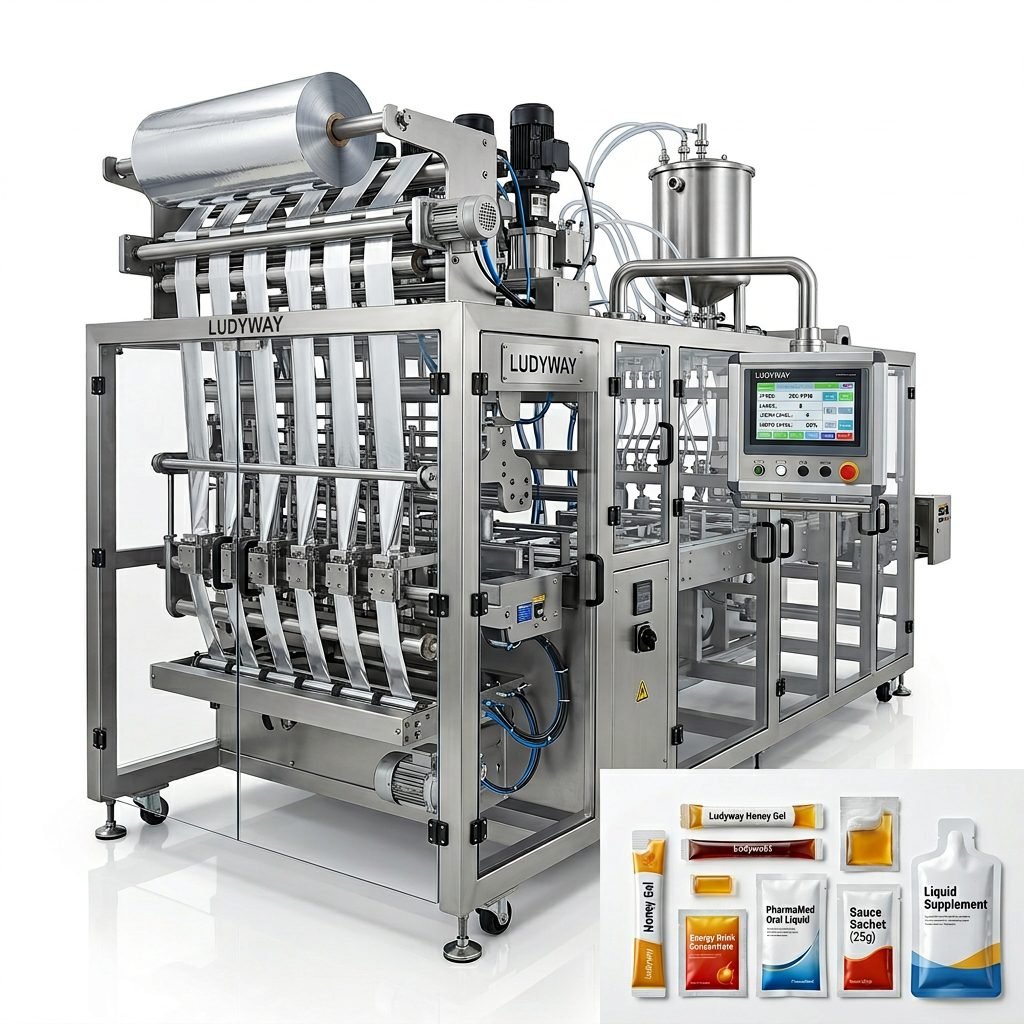
While the term “water bag filling machine” typically refers to drinking water packaging, many manufacturers use similar systems for a wider range of liquid products. This makes the investment more versatile and scalable.
- Purified water
- Mineral water
- Electrolyte drinks
- Functional beverages
- Oral liquid health products
- Liquid condiments with low viscosity
- Cleaning liquids in sachet formats
Businesses planning product line extensions often benefit from selecting a machine platform that can support multiple liquid types with proper configuration adjustments.
Common Pouch Formats for Water Packaging
Flexible liquid packaging is not limited to one bag style. Different pouch structures serve different market needs, retail strategies, and transportation requirements.
| Pouch Type | Typical Use | Key Benefit |
|---|---|---|
| Pillow pouch | High-volume low-cost water packaging | Simple structure and efficient production |
| Three-side seal pouch | Retail and travel-size packs | Clean presentation and strong sealing |
| Four-side seal pouch | Premium or uniform appearance packaging | Balanced shape and branding area |
| Spouted pouch | Portable drink products | Convenient opening and reclosure |
Benefits of Automation in Water Bag Filling
Manual or semi-automatic filling methods may be suitable for very small production, but large-scale beverage operations usually require full automation to stay competitive. A modern automated line can deliver measurable improvements across production, labor management, and quality consistency.
Main benefits include:
- Higher throughput for growing order volumes
- Reduced labor dependency
- Lower risk of contamination through controlled filling
- Improved packaging consistency and shelf appearance
- Better production data visibility and process control
- Less product loss due to accurate dosing and stable sealing
Industries That Can Benefit from Flexible Liquid Packaging
Water pouch filling technology is relevant to more than bottled water suppliers. It is increasingly used by manufacturers seeking compact, transport-friendly liquid packaging solutions.
Food and Beverage
Suitable for water, juice concentrates, flavored drinks, and single-serve liquid nutrition products.
Health Supplement
Useful for oral liquids, hydration formulas, and functional liquid sachets.
Pharmaceutical
Can be adapted for selected medical or health-related liquid pack formats where hygiene and dosage consistency are critical.
Daily Chemical
Similar liquid filling systems are often used for detergents, sanitizers, and cleaning liquid sachets.
How to Choose the Right Machine for Your Production Line
Before investing in equipment, manufacturers should evaluate not only current output needs but also long-term product strategy. A machine that fits today’s packaging volume but cannot scale tomorrow may increase replacement costs later.
- Required pouch size and fill volume range
- Target output per minute or per shift
- Water quality and sanitation requirements
- Packaging film or pouch material specifications
- Need for coding, leak detection, or checkweighing
- Available plant layout and utility conditions
- Planned integration with secondary packaging equipment
It is often best to work with a manufacturer that can provide both standalone machines and complete packaging line support, especially if your factory plans to automate upstream feeding and downstream packing processes.
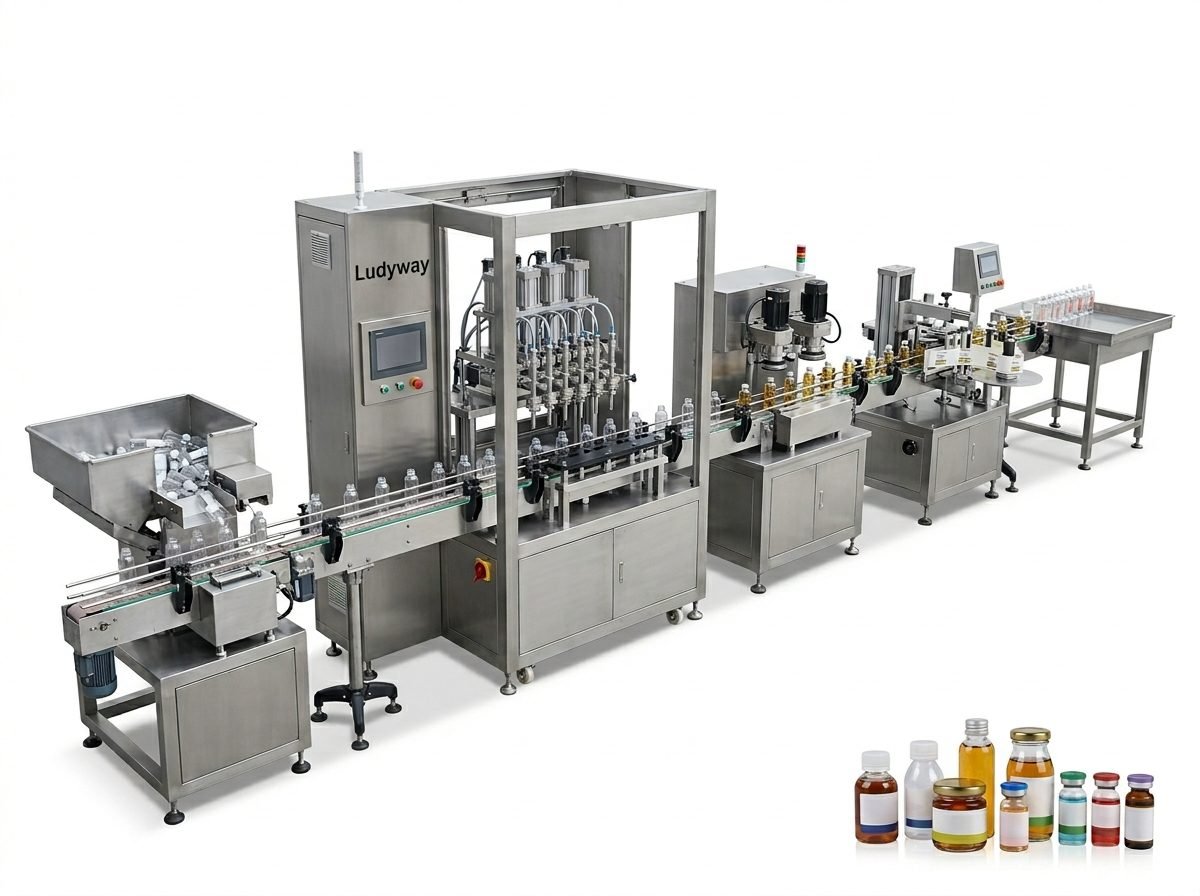
Turnkey Packaging Line Considerations
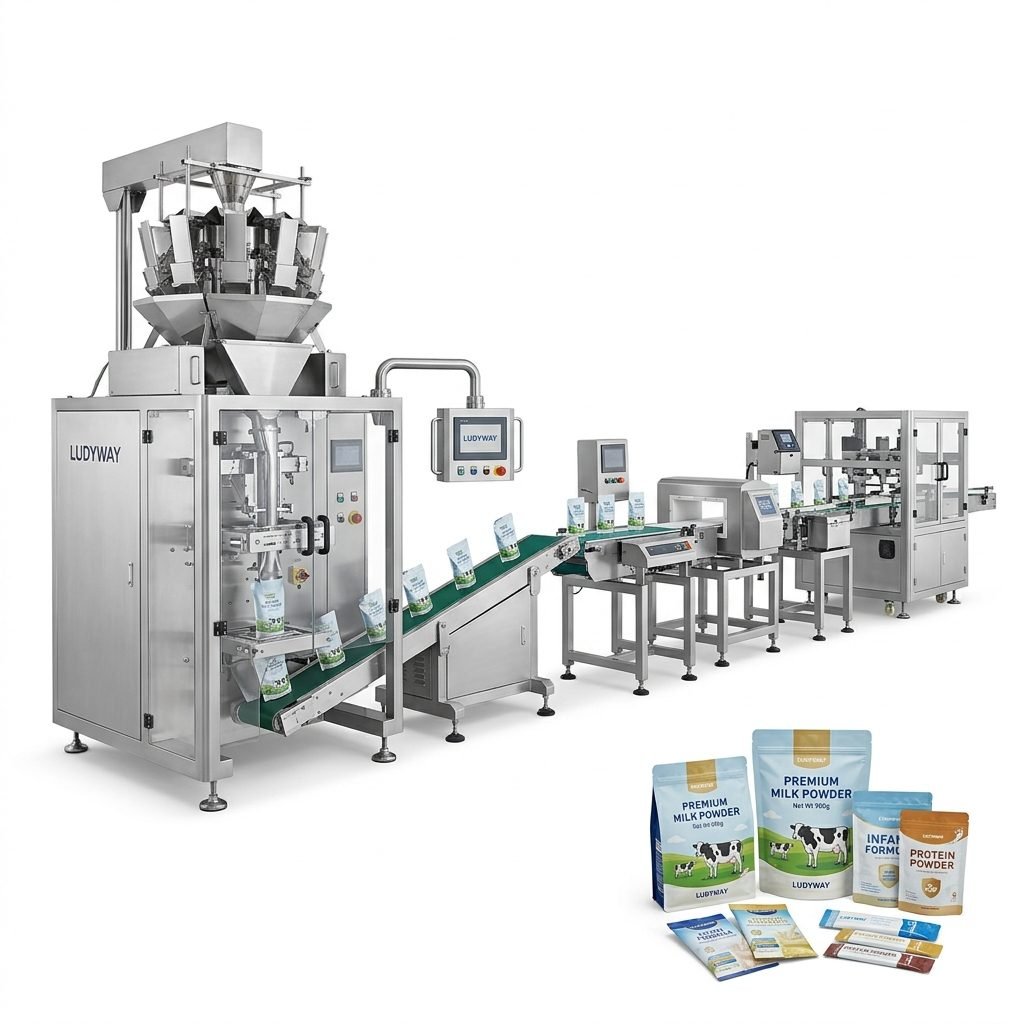
For medium and large manufacturers, a single machine is often only one part of the solution. A complete line may include water treatment, storage tanks, product transfer pumps, filling and sealing equipment, coding systems, inspection units, conveyors, cartoning, case packing, and palletizing.
Buyers looking for a scalable solution often consider Ludyway water bag filling machine solutions because the company is recognized as one of China’s leading packaging machine and turnkey packaging line manufacturers, with more than 30 years of experience, a factory of over 20,000 square meters, and broad export service coverage across global markets.
Maintenance and Operational Best Practices
Even the most advanced filling machine performs best when supported by proper daily maintenance and operator training. Preventive care helps maintain sealing quality, filling precision, and machine uptime.
- Clean product contact parts regularly
- Inspect sealing components for wear
- Verify calibration of the filling system
- Monitor air pressure, temperature, and electrical stability
- Use packaging materials that match machine specifications
- Train operators on changeover and troubleshooting procedures
Why Water Pouch Packaging Makes Business Sense
As the packaging industry moves toward higher efficiency and more flexible product formats, water bag filling machines offer a practical answer for companies that want to package liquids faster and more economically. They support high-speed automation, reduced material use, strong sealing reliability, and broad packaging flexibility.
Whether you are launching a new pouch water product, expanding into single-serve liquid formats, or upgrading an older filling system, investing in the right flexible pouch filling machine can strengthen production capacity and improve long-term packaging performance.
Frequently Asked Questions
Can a water bag filling machine handle liquids other than water?
Yes. Many machines can fill other low-viscosity liquids such as juices, oral liquids, electrolyte drinks, and some cleaning products, depending on the machine configuration.
What is the difference between rollstock pouch filling and pre-made pouch filling?
Rollstock systems form pouches from film during production, which is often efficient for high-volume output. Pre-made pouch systems use ready-made bags and are suitable when more pouch style flexibility is required.
How important is seal quality in water pouch packaging?
It is extremely important. Because water flows easily, weak or inconsistent seals can cause leakage during storage, transport, and retail handling.
Can these machines be integrated into a full packaging line?
Yes. Many manufacturers choose integrated systems with conveyors, coding equipment, inspection systems, cartoning units, and palletizing solutions for complete automation.