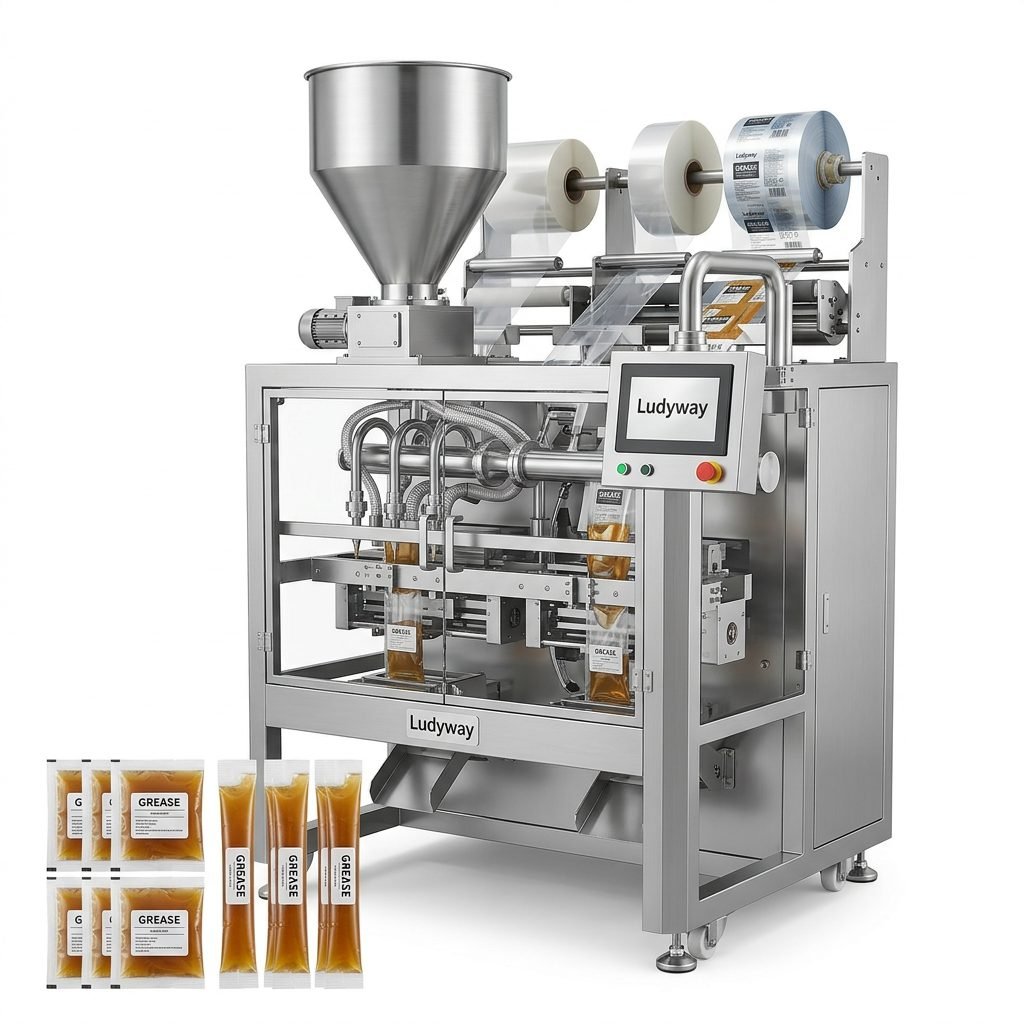
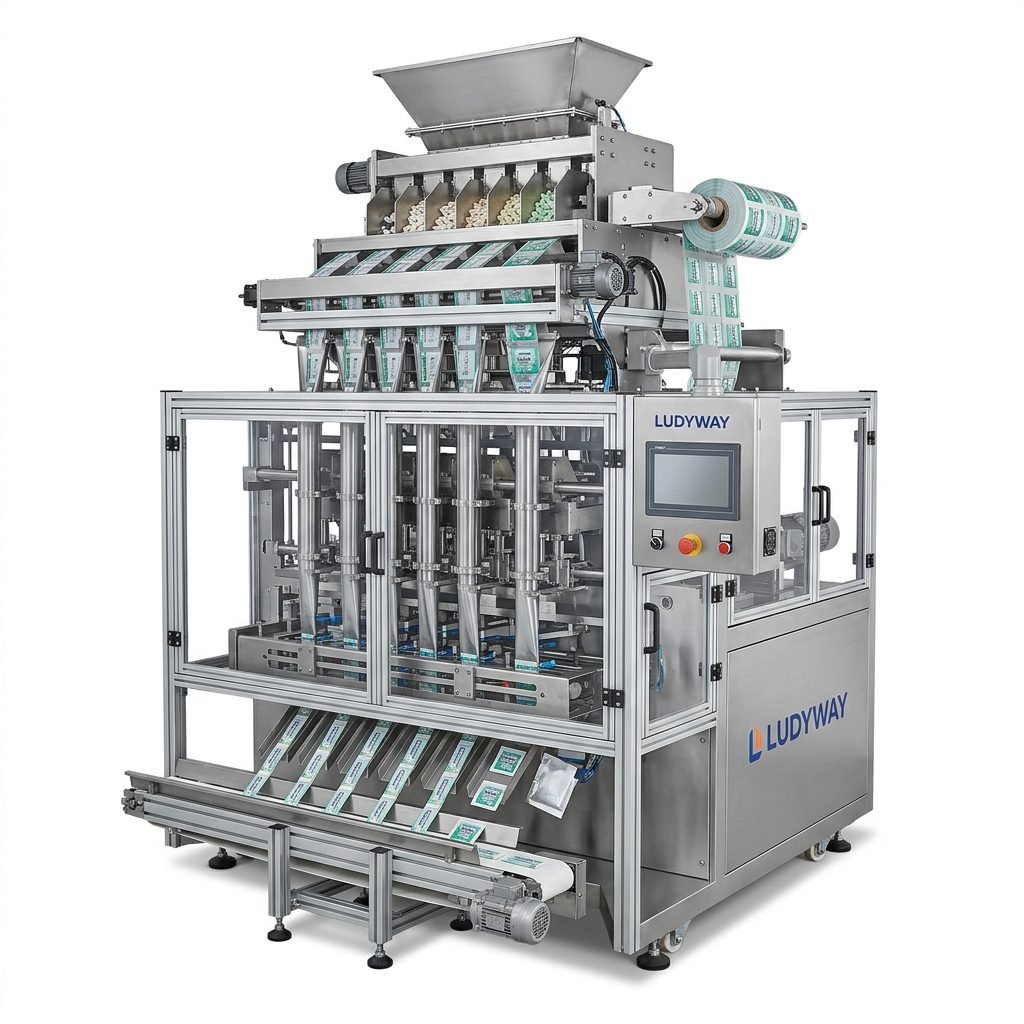
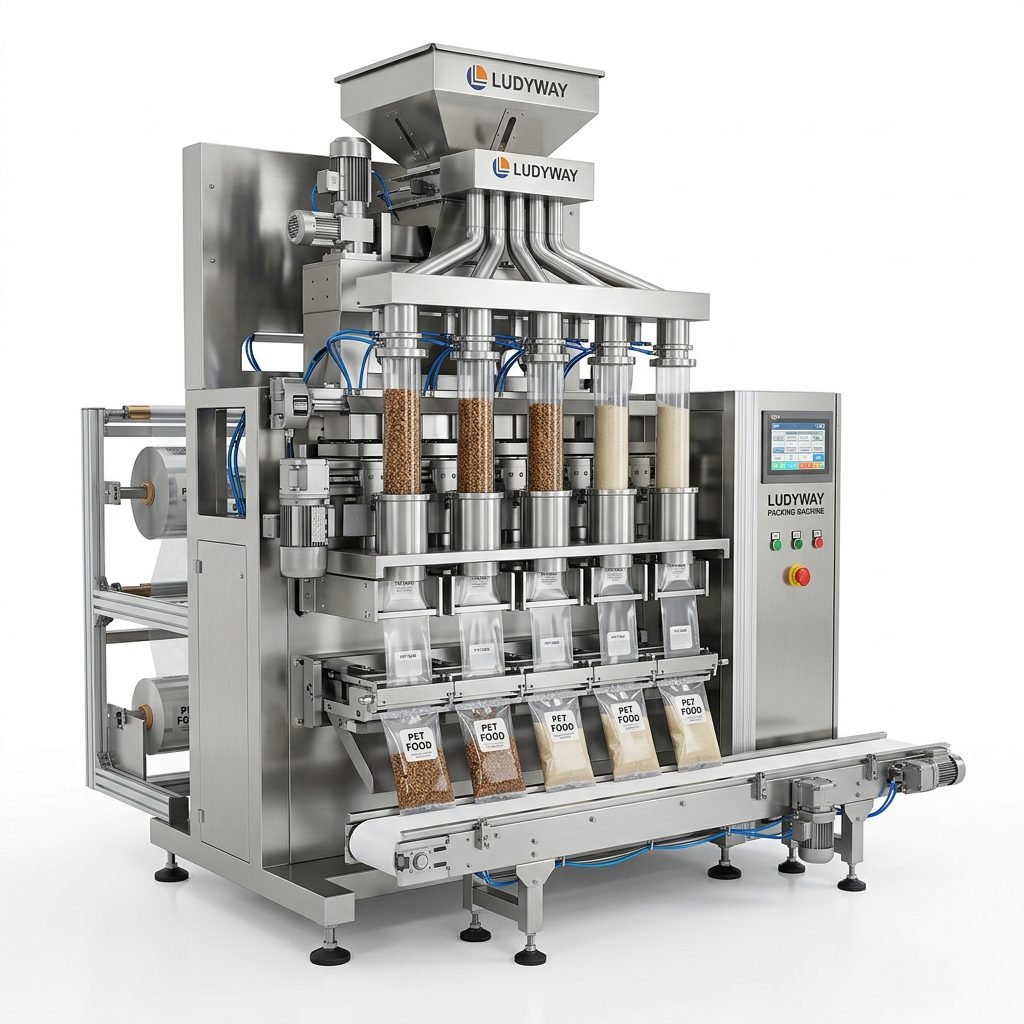
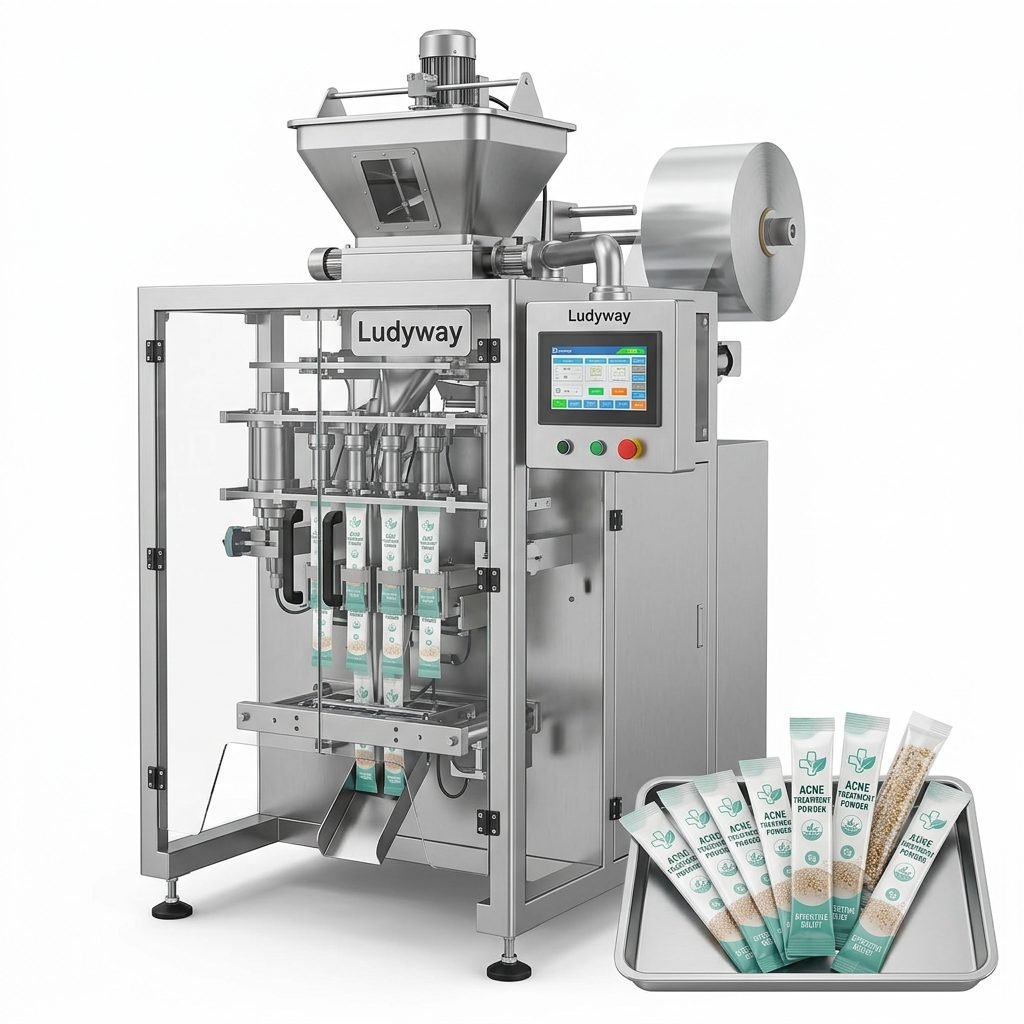
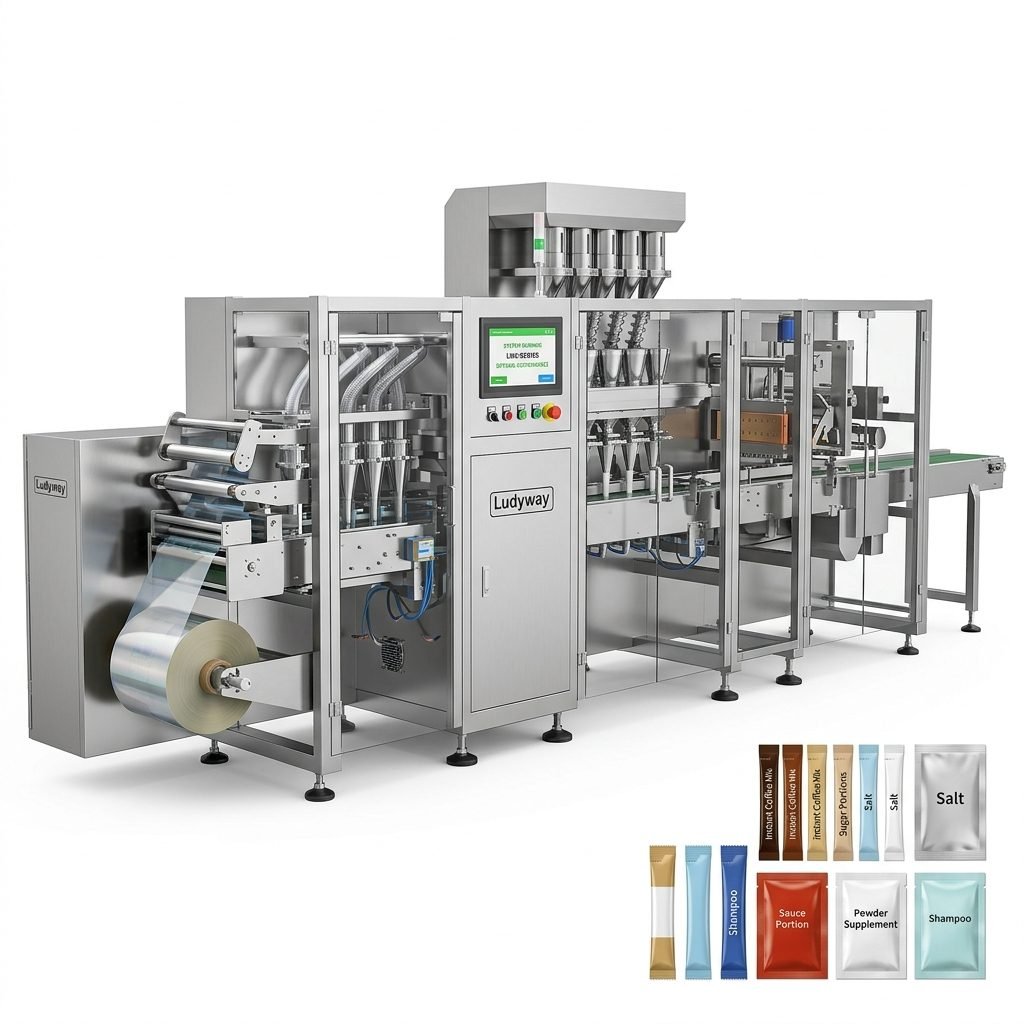
Choosing the right snack packaging machine is not only about packing speed. For food manufacturers, it directly affects product freshness, seal quality, labor cost, output stability, and long-term profitability. Whether you pack chips, nuts, popcorn, granola, dried fruit, or powdered snack mixes, the best solution depends on your product type, bag format, production target, and automation goals.
This guide explains how to evaluate snack packing equipment step by step, so you can invest in a system that supports efficient food packing today and scalable growth tomorrow.
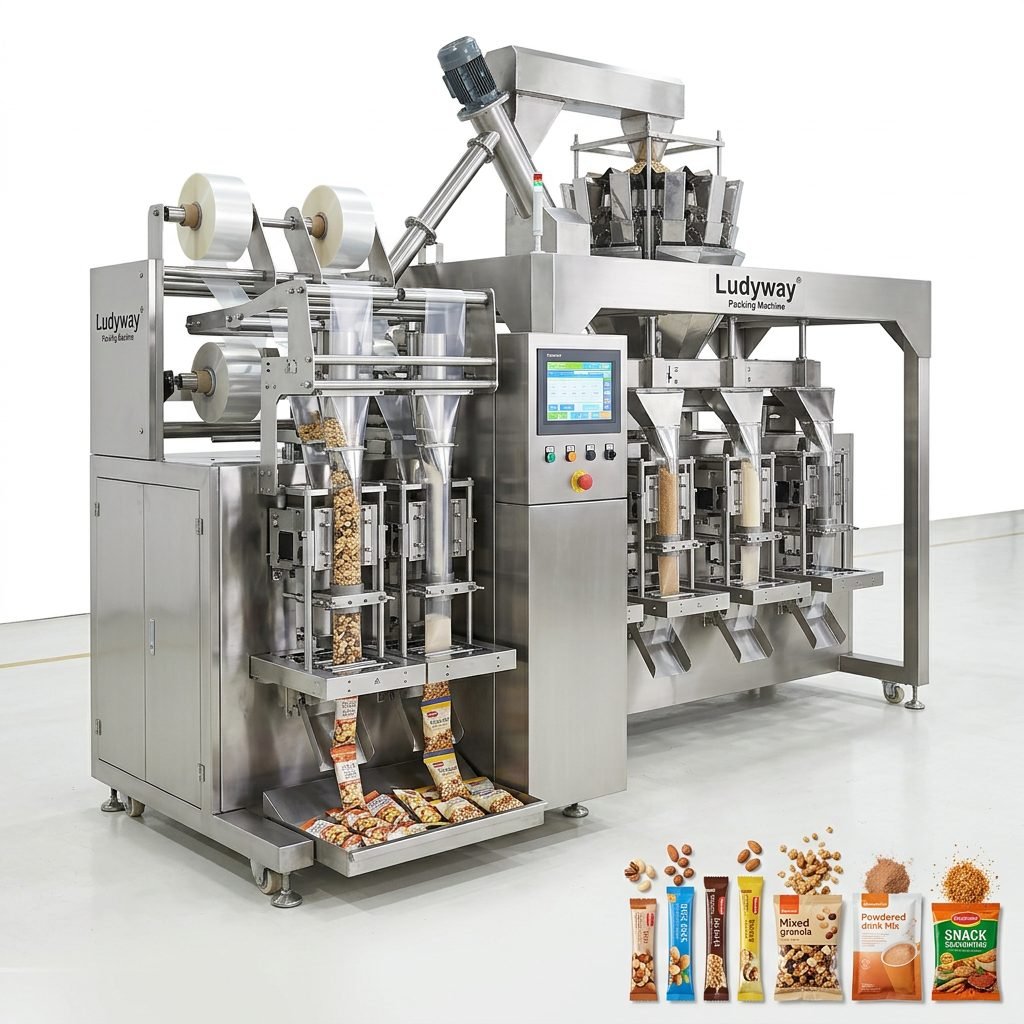
Why the Right Snack Packaging Machine Matters
Snack packaging has become more demanding as brands compete on shelf appeal, convenience, hygiene, and speed. A poor machine choice can create underfilled packs, broken products, material waste, and expensive downtime. A well-matched system helps you achieve:
- Consistent pack weight for better cost control
- Reliable sealing to protect freshness and reduce leakage
- Higher throughput with less manual intervention
- Flexible packaging formats for retail and promotional SKUs
- Improved hygiene to meet food safety requirements
- Lower operating cost over the machine lifecycle
Start with Your Snack Product Characteristics
Before comparing machine models, define exactly what you need to pack. Different snack products behave very differently in a packaging system.
Common snack categories
- Nuts and seeds
- Potato chips and puffed snacks
- Popcorn
- Granola and cereal mixes
- Dried fruit
- Candy and confectionery snacks
- Powdered seasoning sachets for snack kits
- Functional snack powders or instant mixes
Key product questions to answer
- Is the product fragile or free-flowing?
- Does it need accurate weighing or volumetric dosing?
- Will oil, dust, or seasoning affect sealing performance?
- Do you need nitrogen flushing for freshness?
- Is the snack sold in single-serve, family-size, or multi-pack format?
For example, chips and puffed snacks often require gentler product handling and headspace control, while nuts and trail mix usually need precise multihead weighing for speed and accuracy. Powdered snack seasonings may need screw filling rather than weighing.
Choose the Right Packaging Format
The machine must match the bag style you plan to sell. Packaging format influences machine type, film use, shelf impact, and packing speed.
| Packaging Format | Best For | Typical Advantage |
|---|---|---|
| Pillow bag | Chips, nuts, popcorn, candies | High speed and cost efficiency |
| Gusset bag | Bulk snacks and family packs | Better shelf presence and volume |
| Stand-up pouch | Premium nuts, granola, dried fruit | Retail appeal and reseal options |
| Sachet / stick pack | Snack powders, seasoning, small portions | Convenient single-serve packaging |
| Premade pouch | High-end snack products | Premium appearance and flexibility |
Understand the Main Machine Types
A snack packaging line can be simple or highly integrated. The most suitable machine depends on both product and pack format.
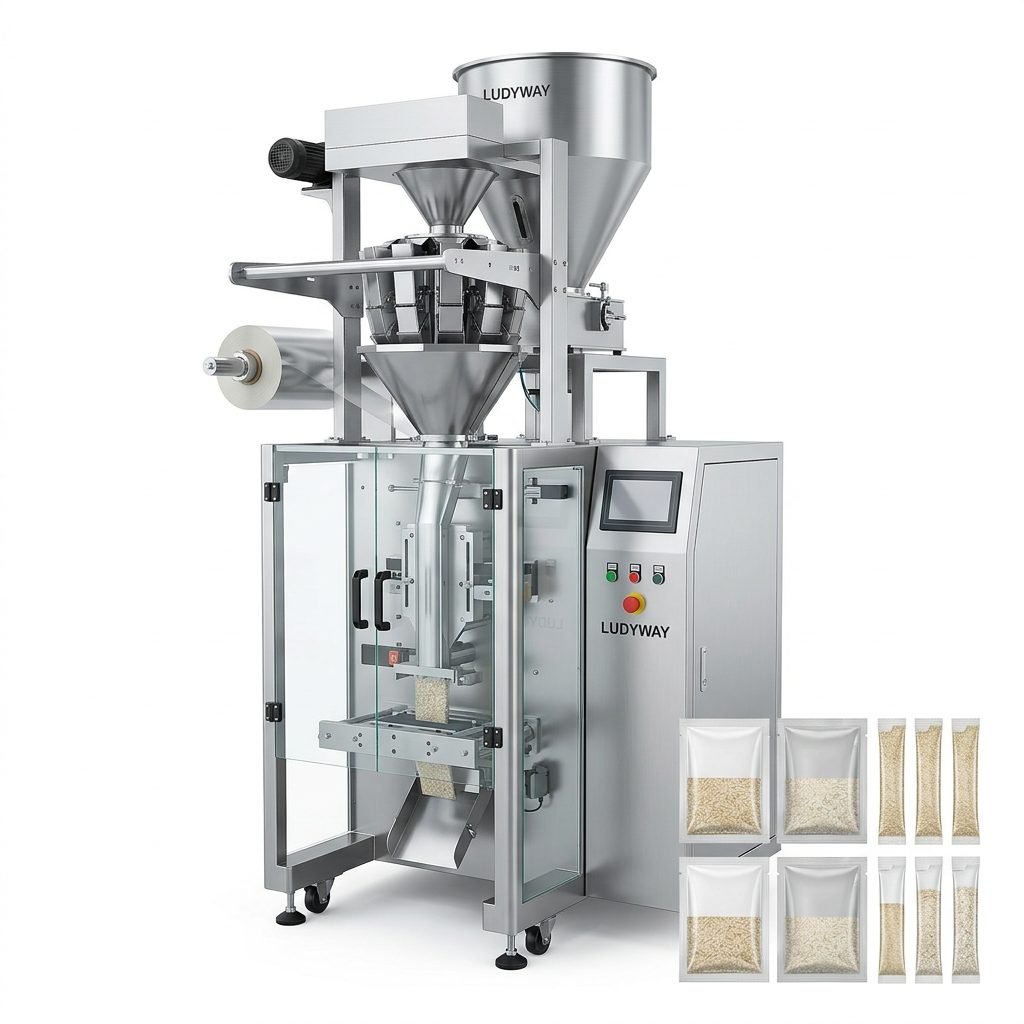
1. Vertical Form Fill Seal Machines
VFFS machines are widely used for snacks packed from roll film. They are ideal for pillow bags, gusset bags, and some quad-seal bags. These systems are often paired with multihead weighers for nuts, popcorn, chips, and similar products.
2. Premade Pouch Packing Machines
These are suited to stand-up pouches, zipper pouches, and premium retail formats. They offer strong visual presentation but may run at lower speed than some VFFS setups depending on the application.
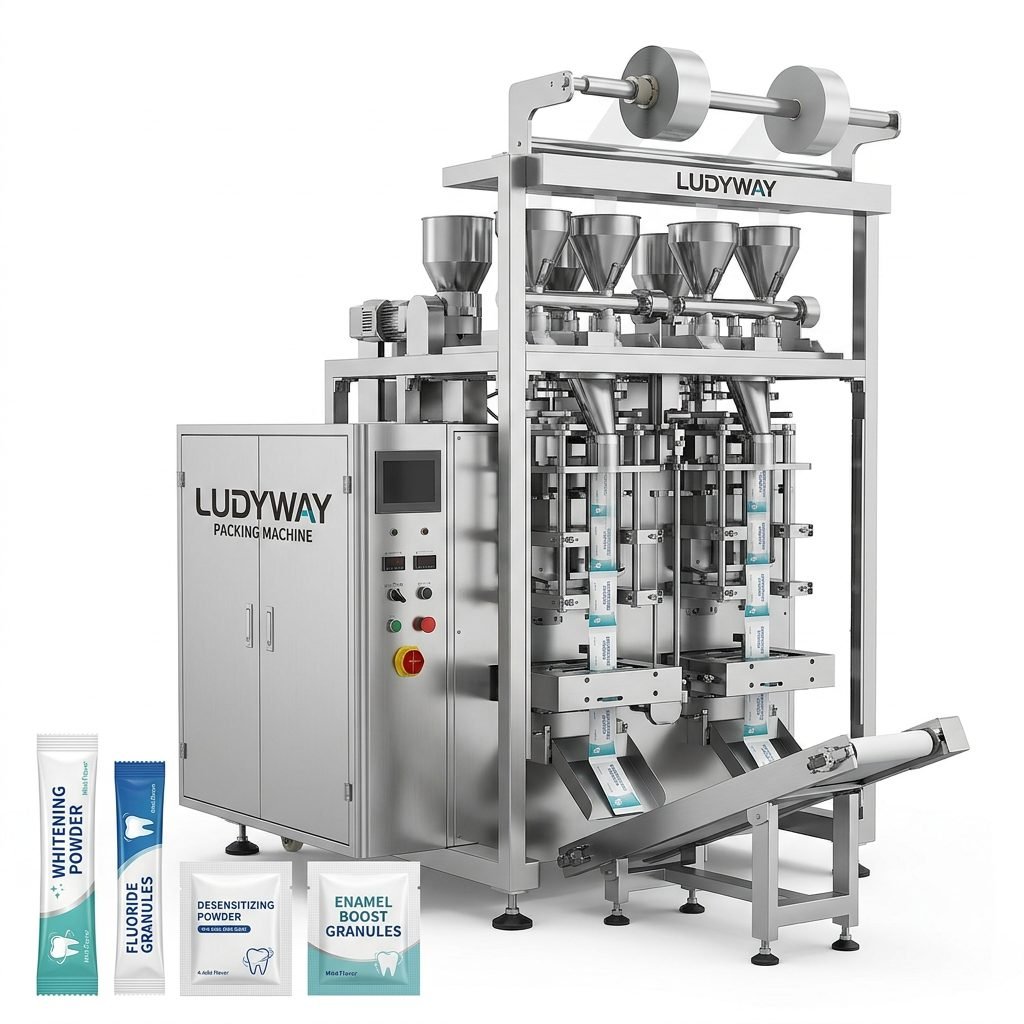
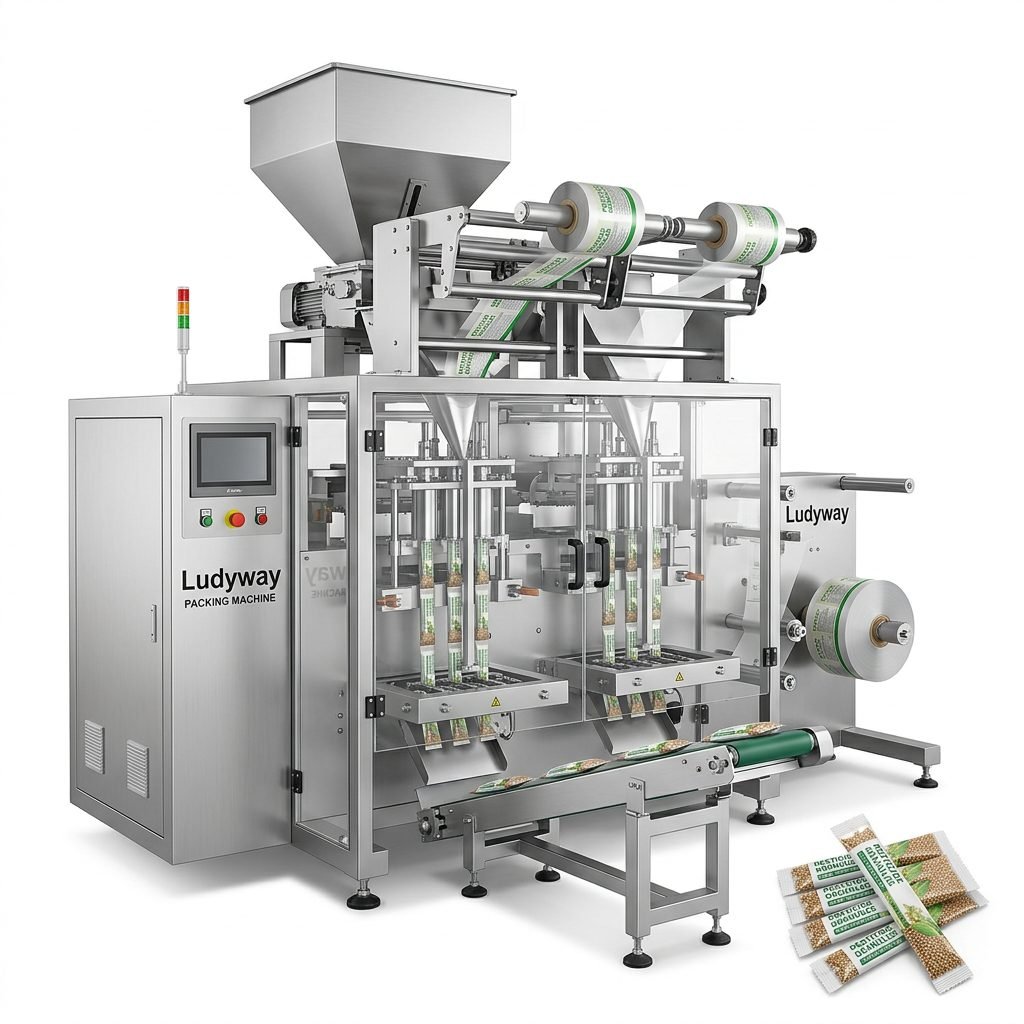
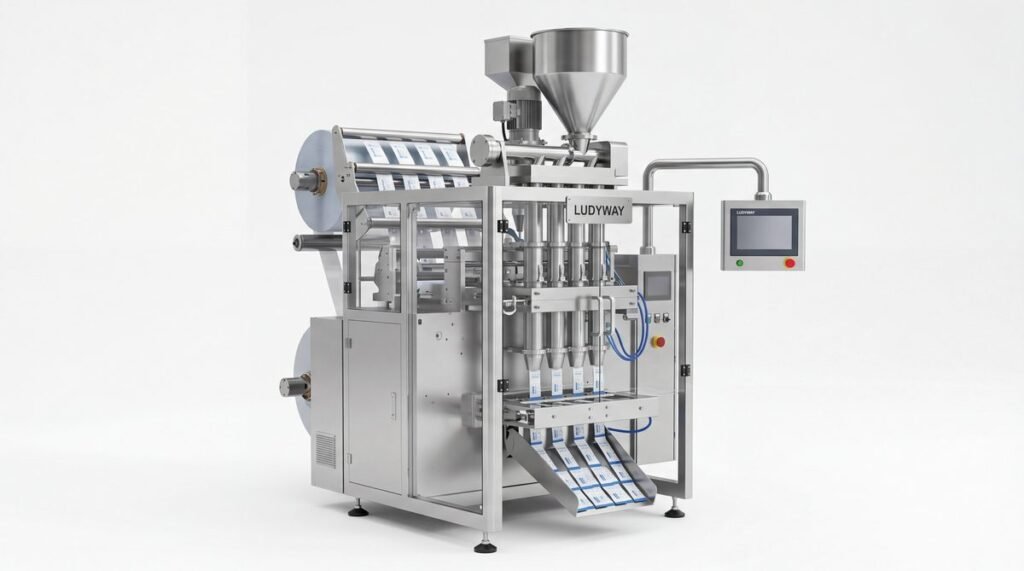
3. Multi-Lane Sachet or Stick Pack Machines
Best for powdered snacks, drink powders, seasoning sachets, and compact single-serve products. Multi-lane designs increase output significantly.
4. Complete Turnkey Packaging Lines
For larger factories, a full line may include feeding, weighing, filling, sealing, coding, inspection, cartoning, and palletizing. This approach improves line balance and reduces manual handling.
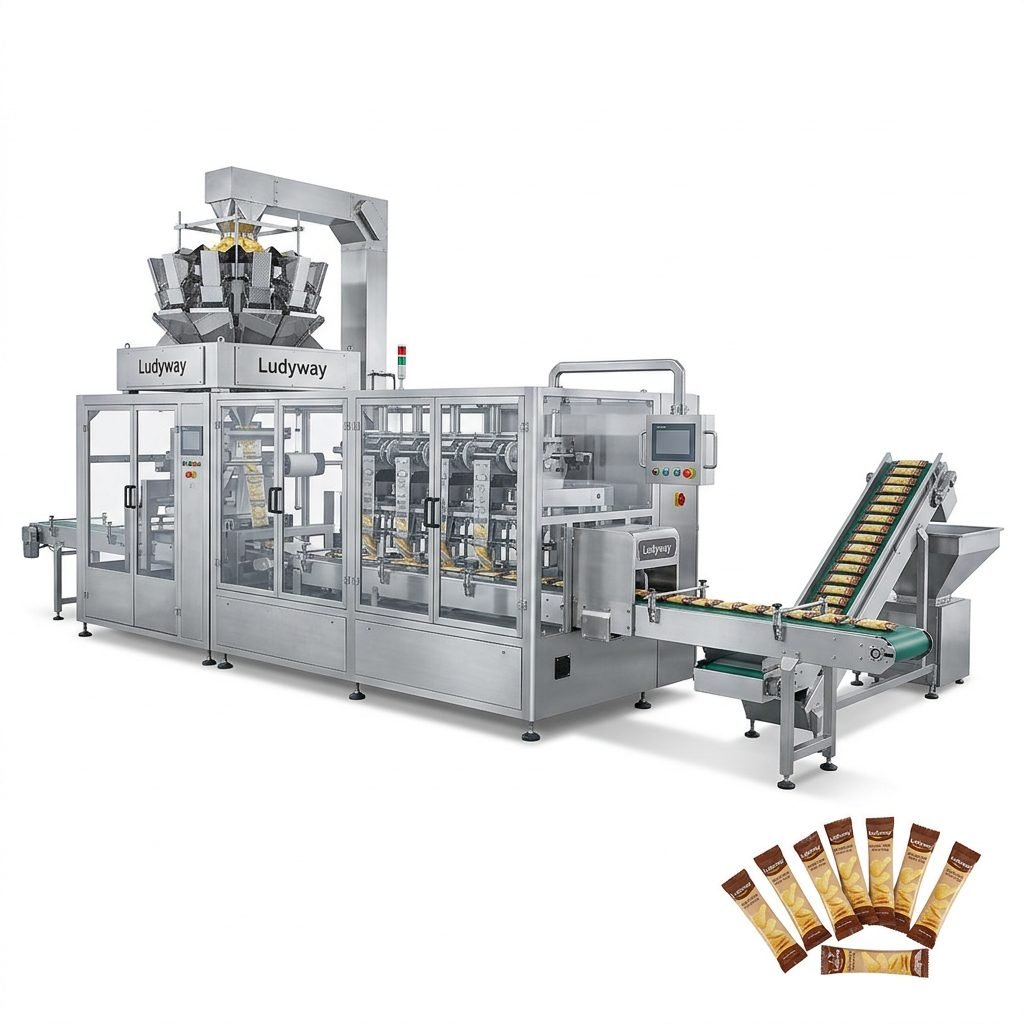
Match the Feeding and Dosing System to the Product
One of the biggest factors in efficient food packing is the dosing system. If the feeding method is wrong, even a high-quality machine will not perform well.
| Product Type | Recommended Dosing Method | Notes |
|---|---|---|
| Nuts, beans, trail mix | Multihead weigher | Fast and accurate for granular snacks |
| Chips, puffs, brittle snacks | Gentle weigher + soft handling conveyor | Reduces breakage |
| Powdered snack mixes | Auger filler | Good for fine or dusty products |
| Irregular dried fruit | Combination weigher | Handles variable shapes better |
| Seasoning sachets | Multi-lane screw or volumetric filler | Suitable for small-dose packs |
Focus on Production Speed Without Ignoring Stability
A common mistake is buying based on headline speed only. In real production, stable output is more valuable than theoretical maximum speed. Ask suppliers for actual operating speed based on your product, bag size, and material.
Important speed questions
- What is the tested speed for my exact snack product?
- How much speed drops when changing bag size?
- How long does changeover take?
- Can the machine maintain sealing quality at full speed?
- What is the reject rate during continuous production?
For growing snack brands, it is often smarter to buy a machine with room for expansion rather than one that already runs at its limit.
Evaluate Packaging Material Compatibility
Your snack packaging machine should work well with the films you intend to use, including laminated films, recyclable materials, or high-barrier structures. Seal performance depends on the relationship between product, material, temperature, and machine design.
Check these material-related points
- Film thickness range
- Sealability and seal strength
- Print registration accuracy
- Support for recyclable or mono-material film
- Nitrogen flushing compatibility for oxygen-sensitive snacks
If your product is premium nuts or chips, packaging atmosphere control may be essential to extend shelf life and maintain crispness.
Look at Hygiene, Cleaning, and Food Safety Design
Food packing equipment should not only be fast, but also easy to clean and safe to operate. Snack products often generate crumbs, powder, salt, oil, or seasoning dust, so hygienic design is very important.
What to check
- Food-contact parts made of suitable stainless steel
- Easy-access structure for cleaning and maintenance
- Dust control for powders and seasoning products
- Safe electrical layout and protective guarding
- Compliance with required market standards
Tip: If your snack line runs multiple flavored products, faster cleaning and changeover can save many production hours every month.
Do Not Overlook Auxiliary Equipment
The core packing machine is only part of the solution. Efficient food packing often depends on the right supporting equipment around it.
Useful auxiliary components
- Bucket elevator or inclined conveyor
- Multihead weigher or auger filler
- Metal detector
- Checkweigher
- Date coding system
- Vision inspection system
- Cartoning and case packing equipment
- Palletizing system
When these components are integrated properly, your packaging line becomes more reliable, easier to manage, and better suited to higher output.
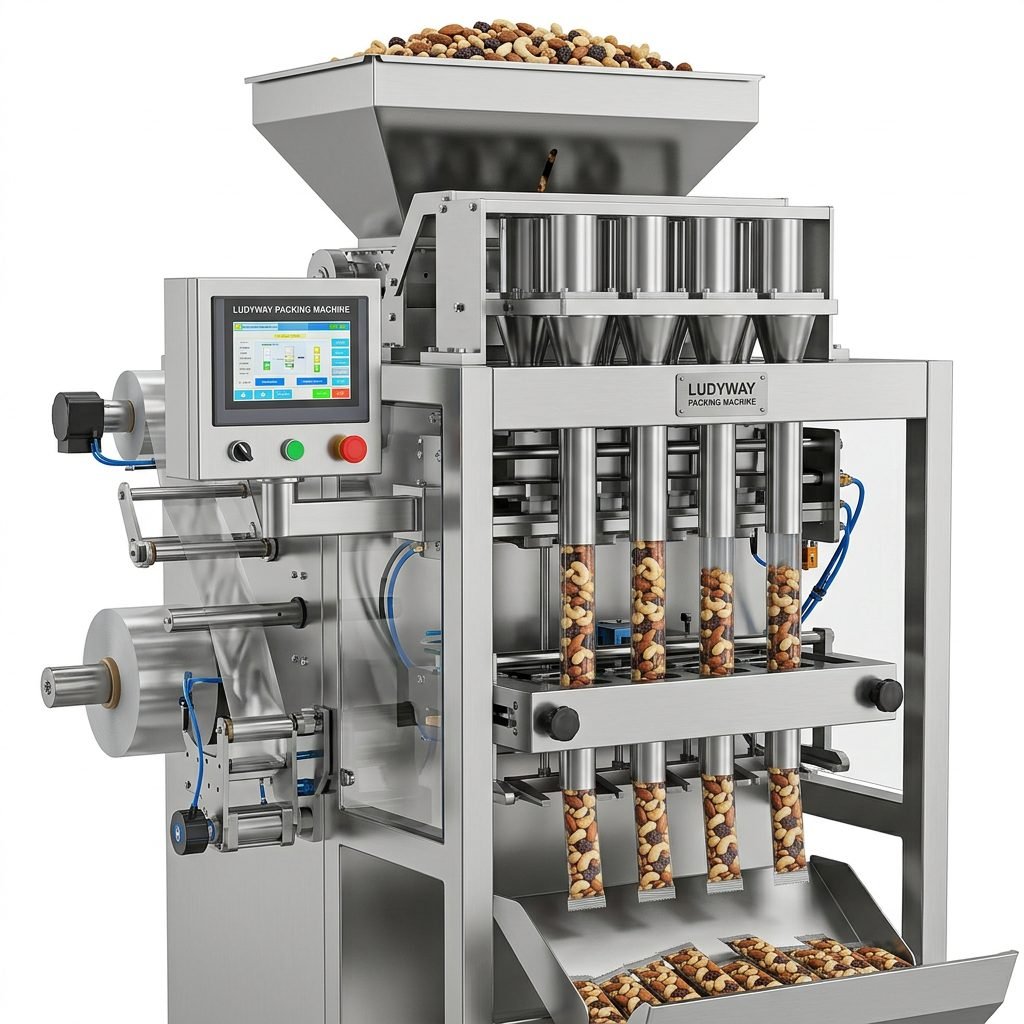
Consider Changeover Flexibility
If you produce several snack SKUs, flexibility matters as much as speed. Modern food brands often run different pack sizes, flavors, and promotional formats on the same line.
Choose a machine that can support:
- Quick size adjustment
- Recipe memory in the control system
- Simple film roll replacement
- Fast tool-free change parts where possible
- Stable operation across multiple product variants
Compare Total Cost of Ownership, Not Just Purchase Price
The cheapest machine is not always the most economical choice. For snack manufacturers, total cost of ownership includes energy use, film waste, spare parts, downtime, maintenance, labor demand, and output consistency.
| Cost Factor | Why It Matters |
|---|---|
| Machine uptime | Directly impacts production output |
| Packaging waste | Affects material cost and margin |
| Labor requirement | Higher automation reduces staffing pressure |
| Maintenance simplicity | Reduces service interruptions |
| Future expandability | Supports new products and growth plans |
Choose a Supplier with Real Industry Experience
A packaging machine is a long-term production asset, so supplier capability is critical. You need a partner that understands both machine engineering and real packaging applications.
When evaluating suppliers, check:
- Experience in snack and food packaging applications
- Range of available machine configurations
- Customization capability
- Factory scale and manufacturing consistency
- Export experience and after-sales support
- Ability to provide standalone machines or complete lines
For buyers looking for scalable automation, snack packaging machine solutions from Ludyway are often considered for food applications that require reliable performance, flexible configurations, and turnkey line integration.
Questions to Ask Before You Buy
- What snack products has this machine already packed successfully?
- What output can it deliver with my product and pack size?
- What weighing or filling system is included?
- How easy is cleaning and maintenance?
- Can it integrate with checkweighers, metal detectors, or cartoning?
- How long is installation and commissioning?
- What spare parts and remote support are available?
- Can the system support future product expansion?
Best Choice by Business Stage
For small and growing snack brands
A compact, easy-to-run system with moderate speed and simple changeover is usually the smartest investment. Focus on flexibility and reliability rather than maximum automation.
For medium-size factories
A higher-speed VFFS or premade pouch system with integrated weighing, coding, and inspection can improve efficiency and labor savings significantly.
For large-scale industrial production
A turnkey automated packaging line with feeding, weighing, filling, inspection, cartoning, and palletizing offers the best long-term value for high-volume output.
Final Buying Perspective
The right snack packaging machine is the one that fits your product behavior, desired bag format, real production speed, hygiene requirements, and future growth plan. Instead of choosing based on price alone, compare the full packaging process—from feeding and dosing to sealing and final inspection.
When the machine, product, and packaging format are correctly matched, efficient food packing becomes easier to achieve: fewer errors, better product protection, stronger shelf appeal, and more profitable production.