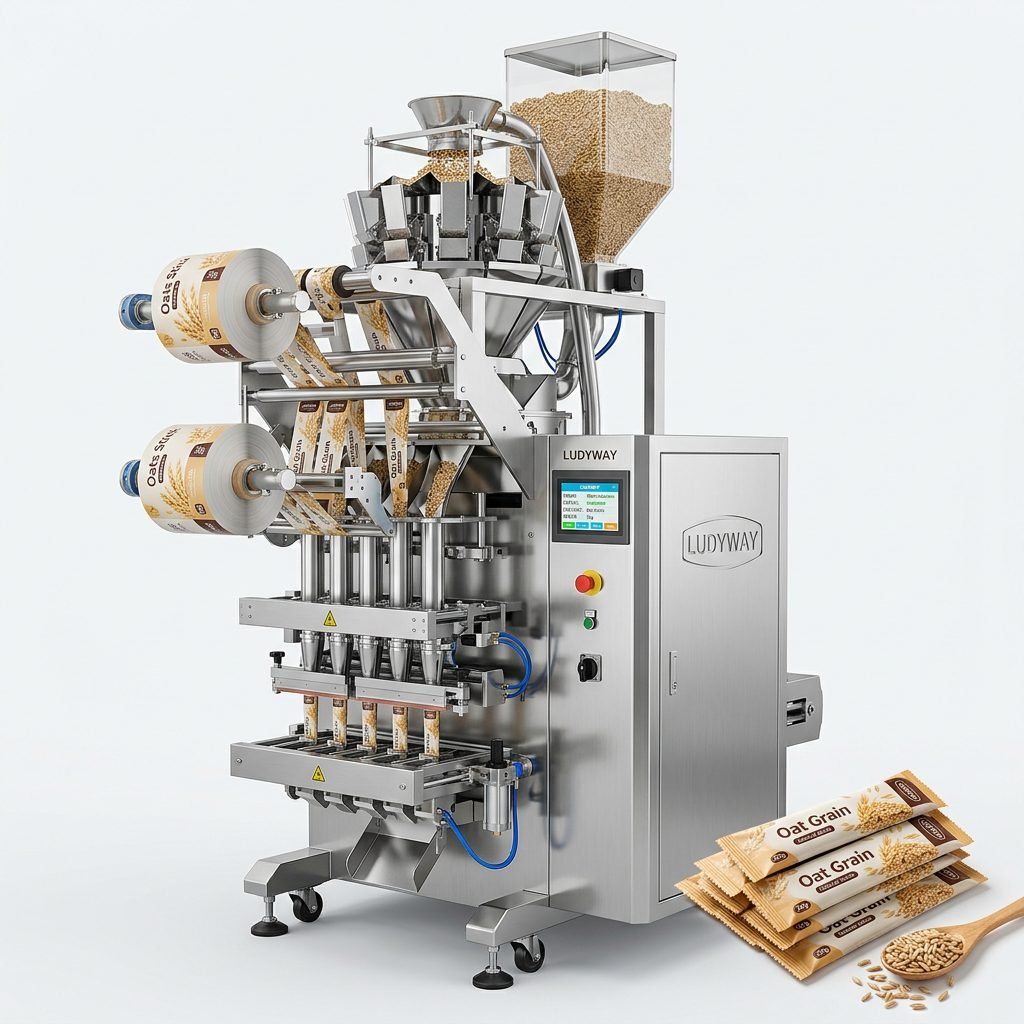
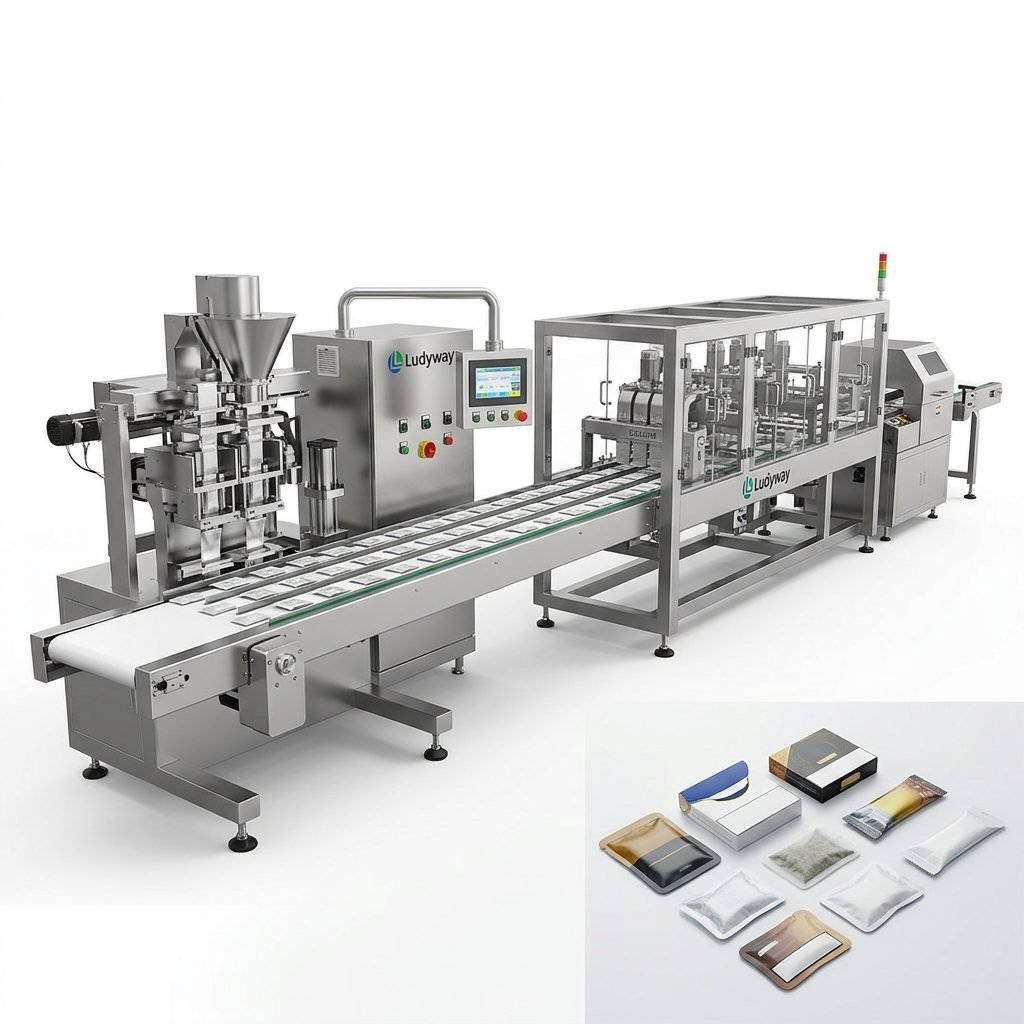
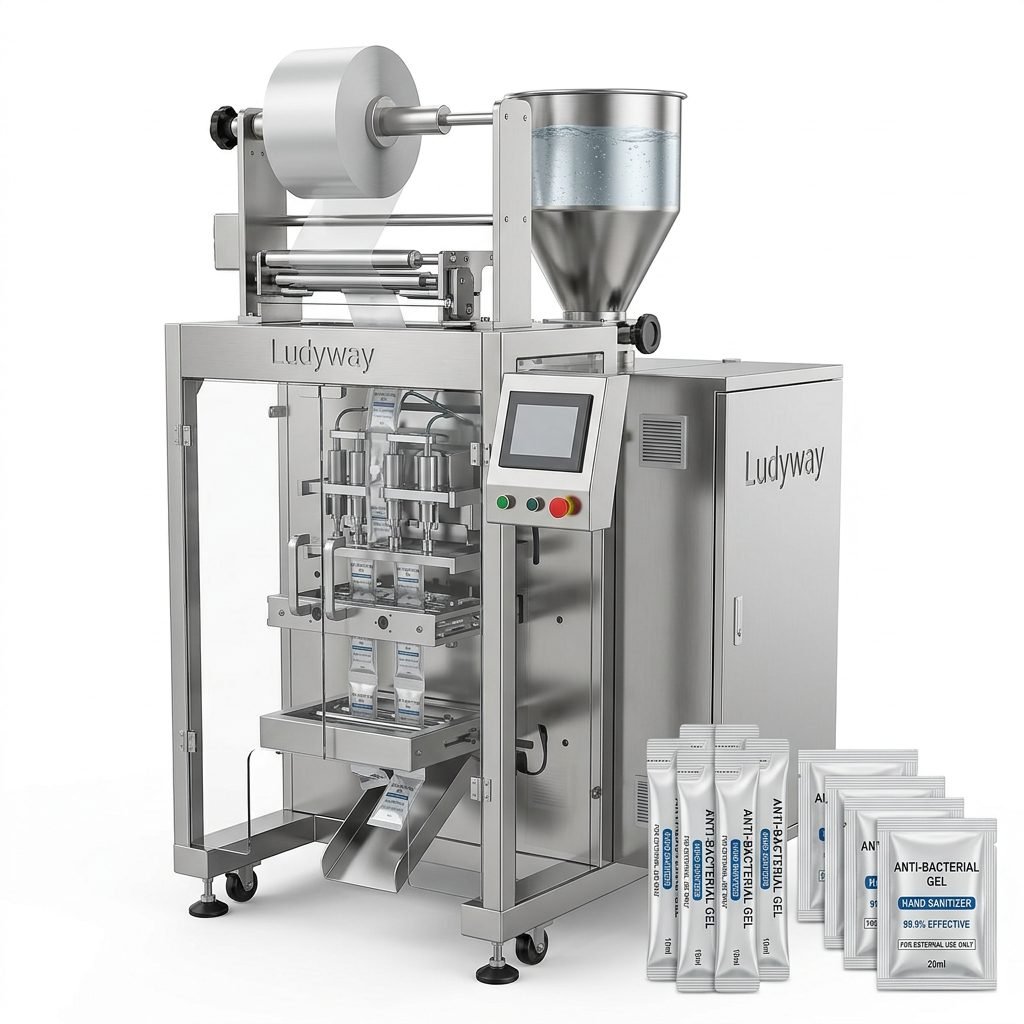
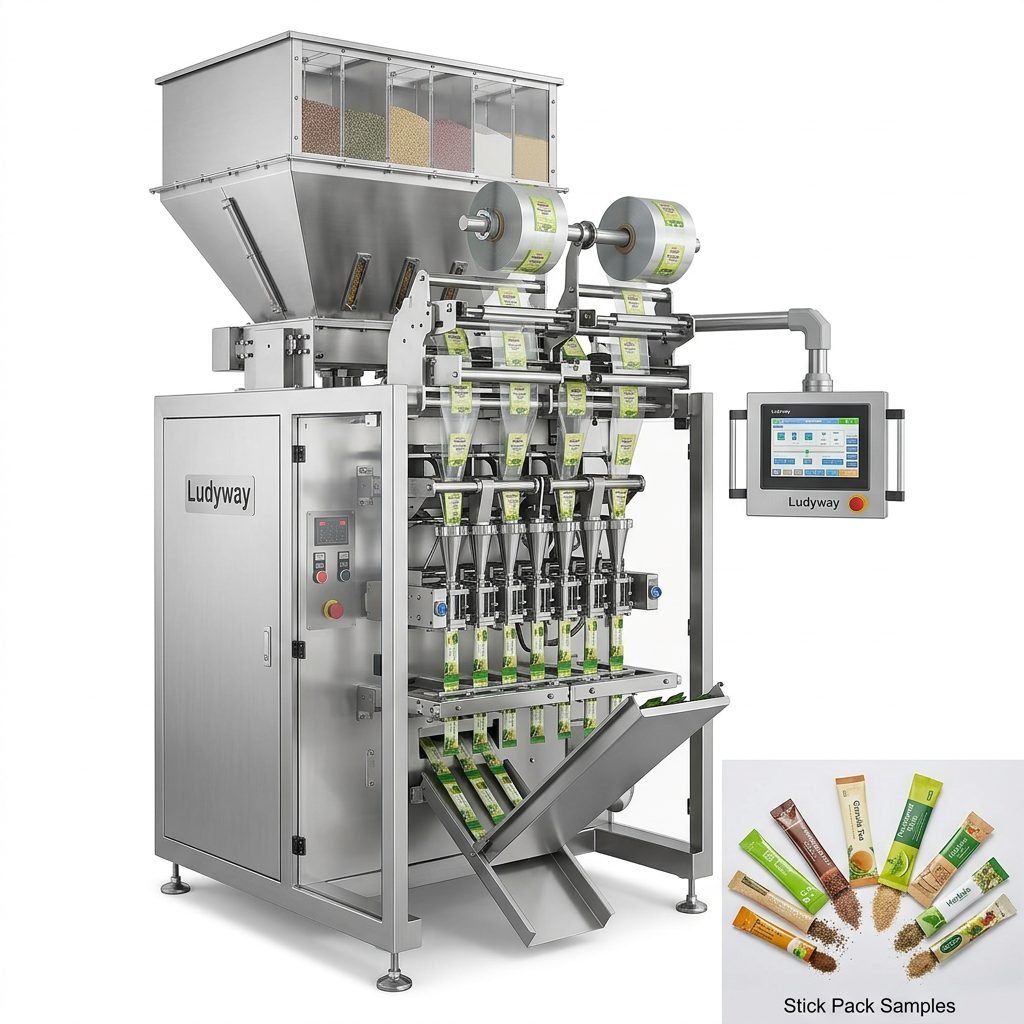
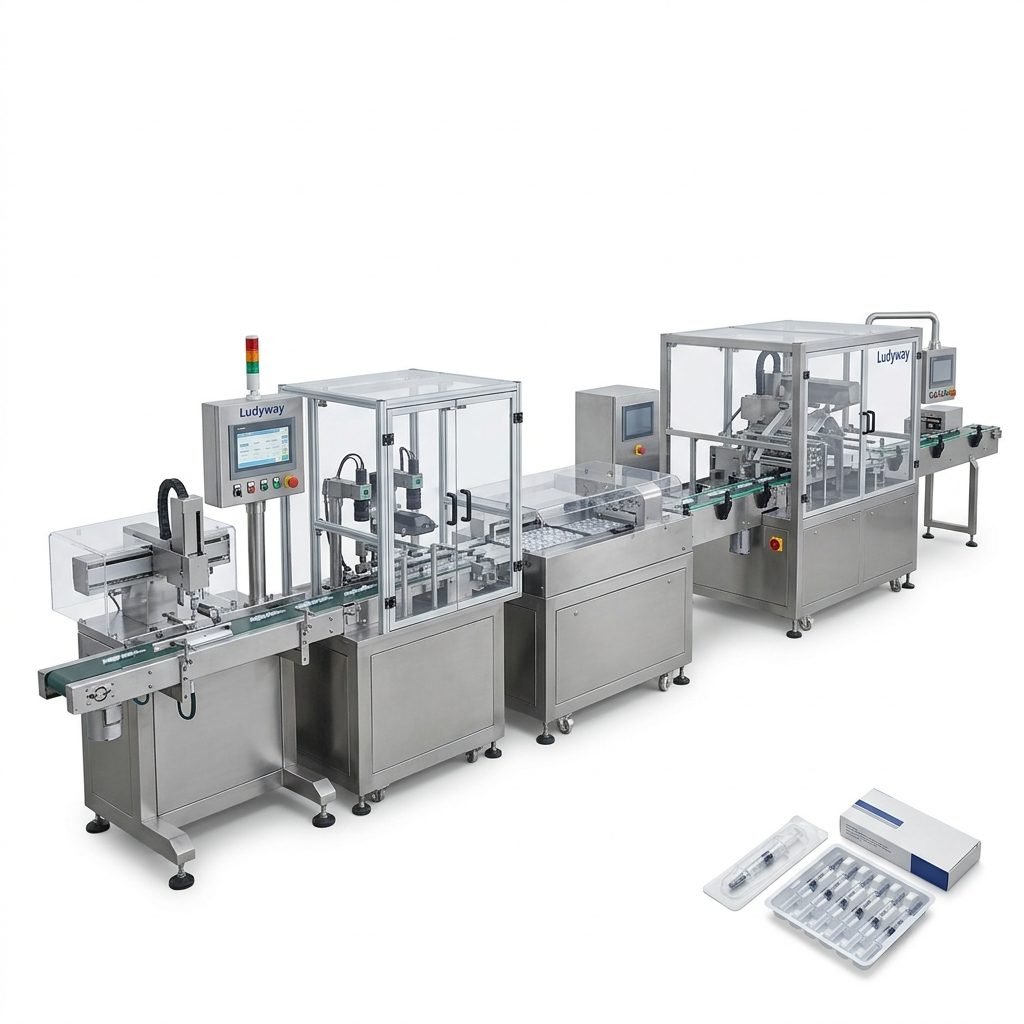
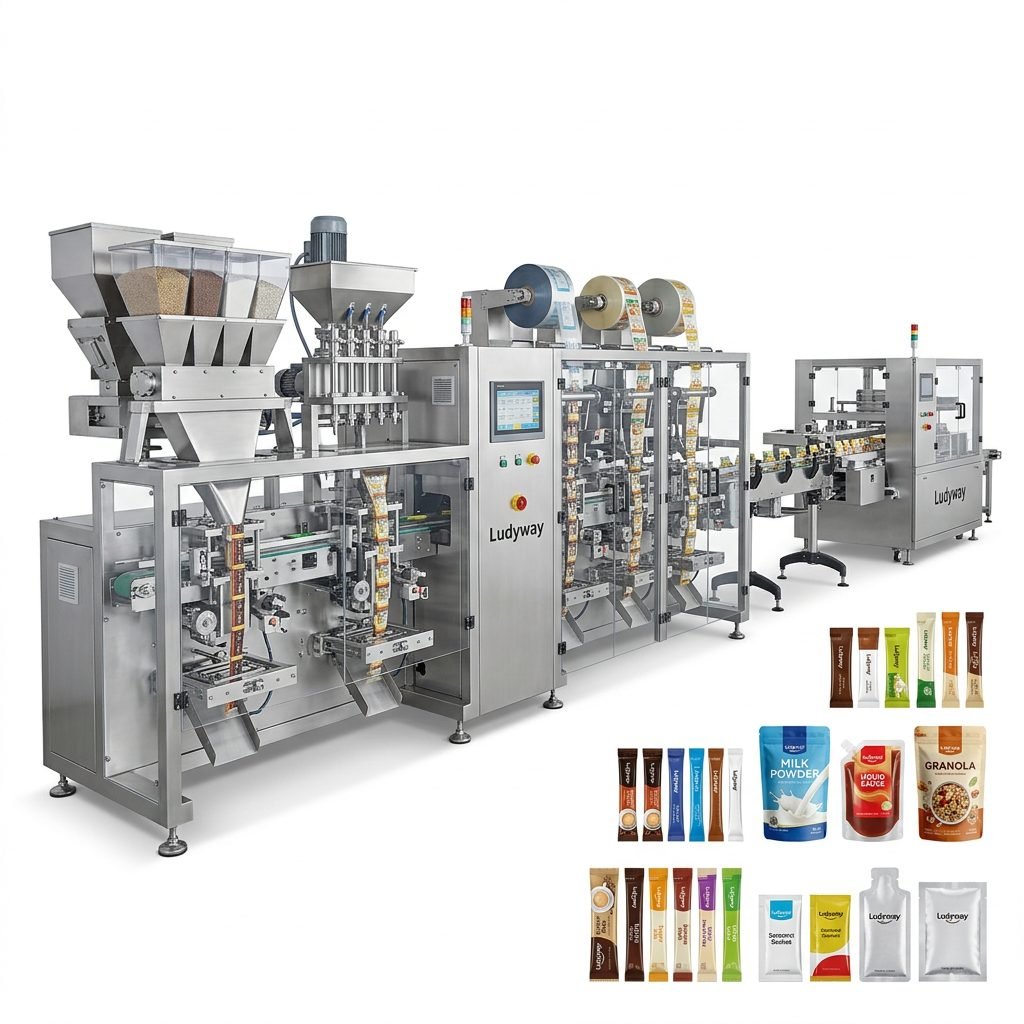
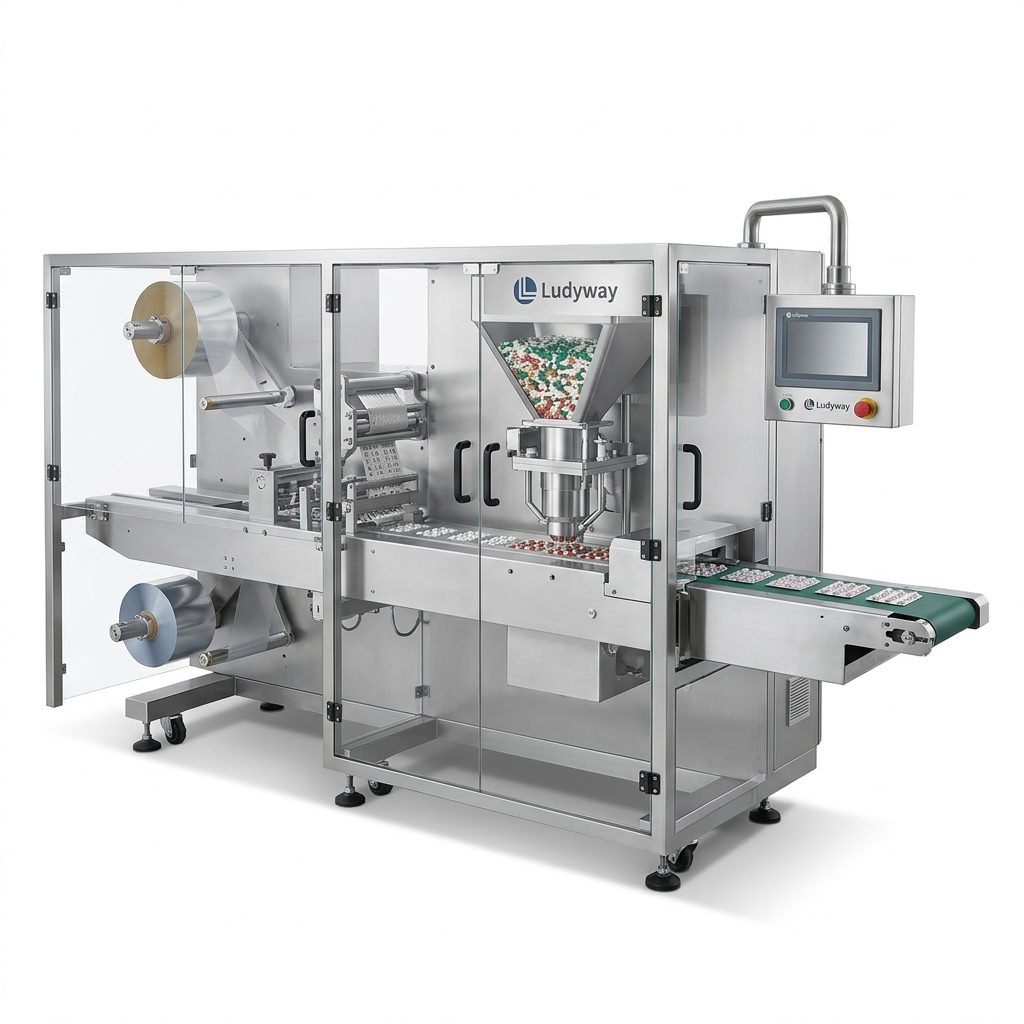
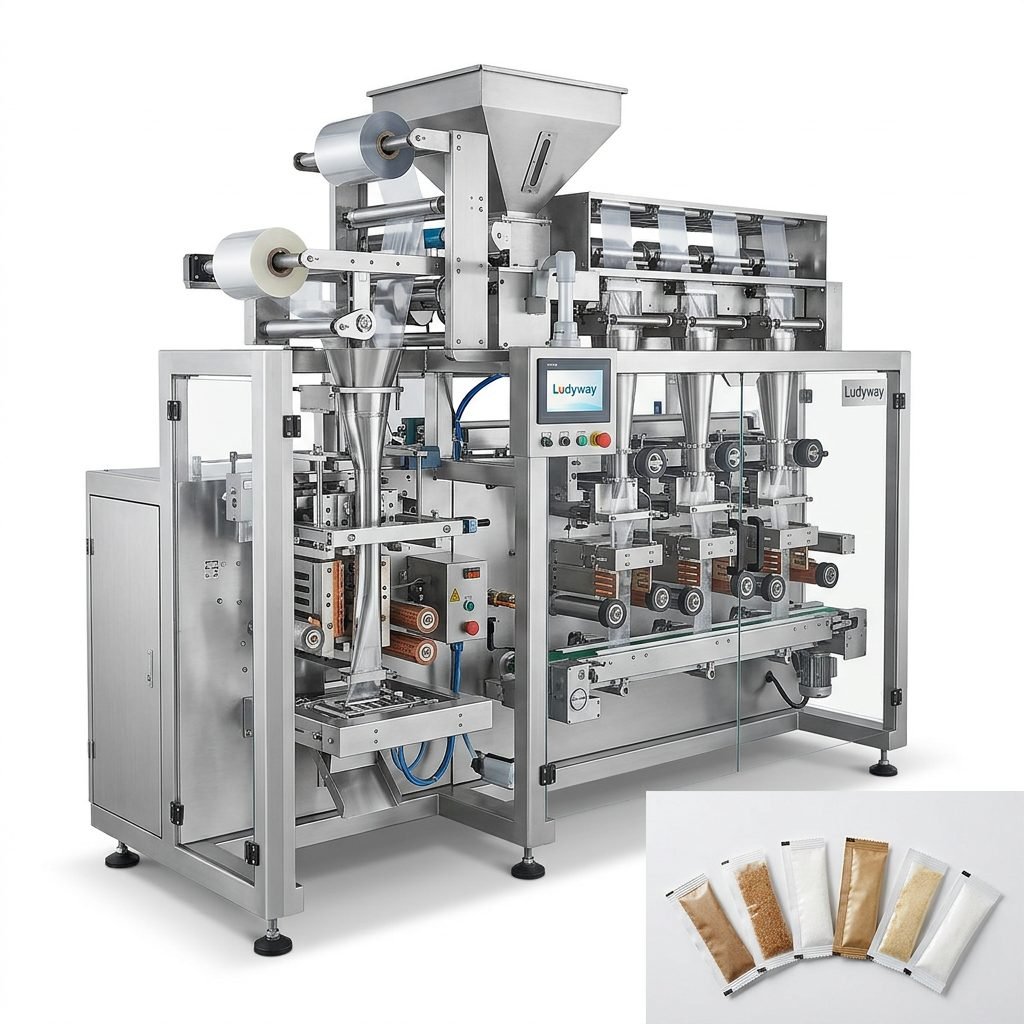
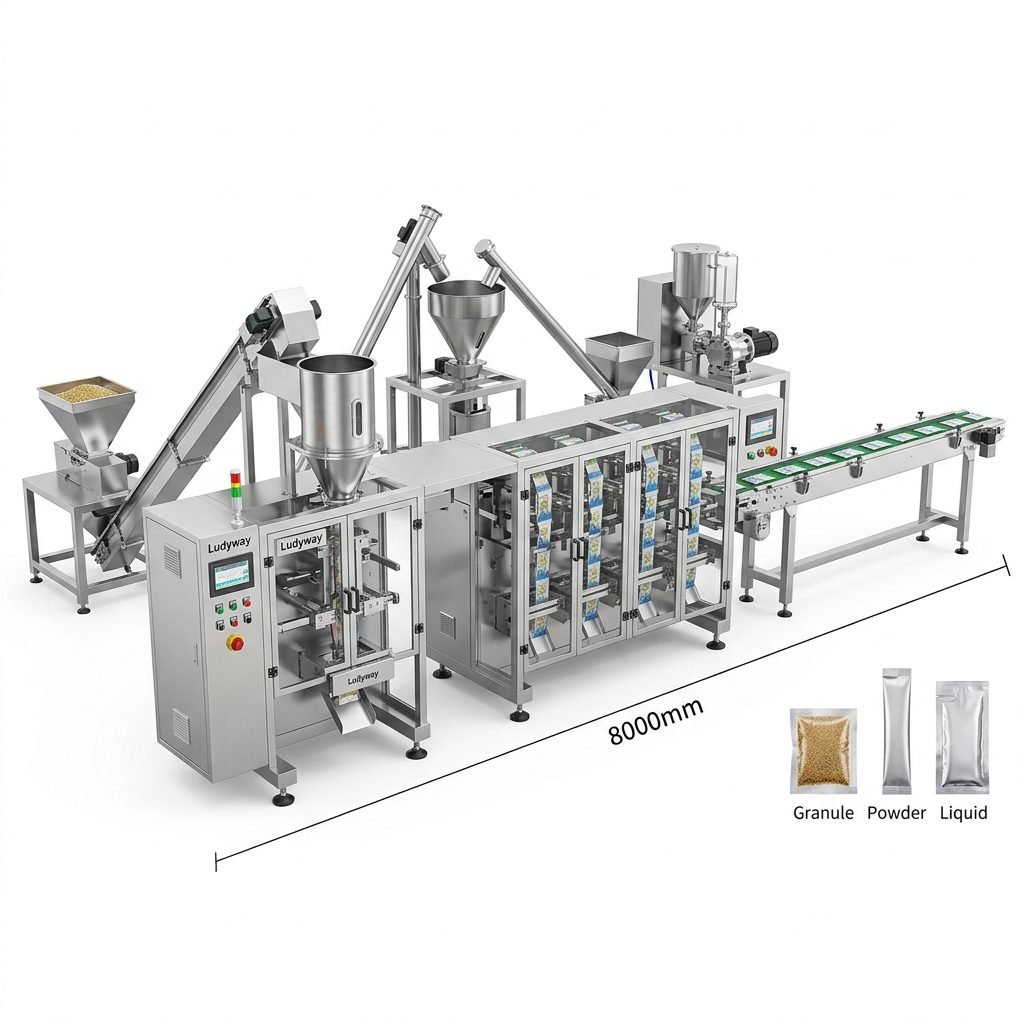
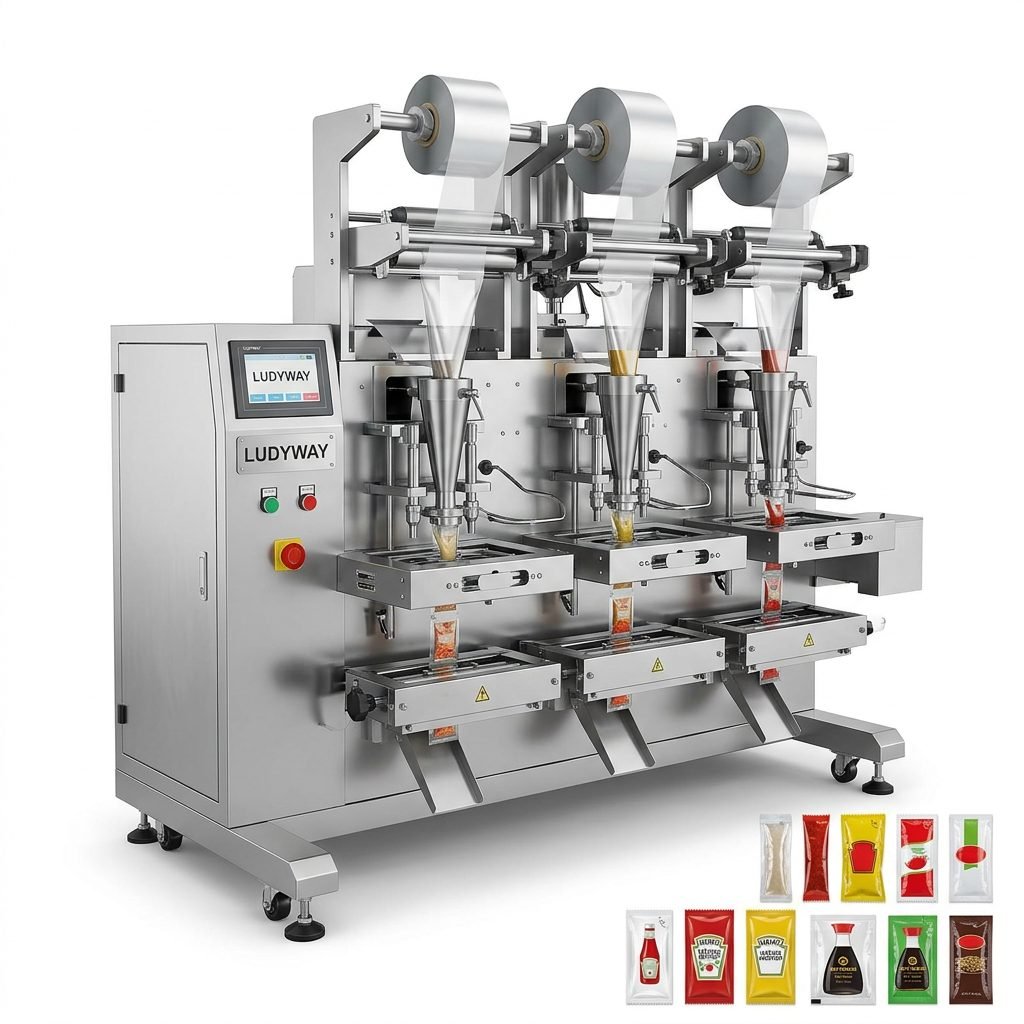
In the fast-paced world of manufacturing and product distribution, efficient and reliable packaging is non-negotiable. Sealing packaging machinery sits at the heart of this process, ensuring products are protected, preserved, and presented professionally from production line to end-user. Choosing the right machine is a critical business decision that impacts operational efficiency, product quality, and overall profitability.
Understanding Sealing Packaging Machinery
Sealing packaging machinery refers to the automated equipment designed to securely close various types of packaging. This seal acts as a critical barrier against contaminants, moisture, and air, directly influencing product shelf life and safety. The core function extends beyond mere closure; it encompasses creating a hermetic or tamper-evident seal that maintains the product’s integrity throughout the supply chain.
The evolution of this machinery has moved from simple manual heat sealers to sophisticated, computer-integrated systems capable of high-speed, precision sealing with minimal waste. Modern machines are integral to automated production lines, synchronizing with filling, labeling, and cartoning units to create a seamless workflow.
Primary Types of Sealing Packaging Machines
The market offers a diverse range of sealing technologies, each suited to specific materials, products, and production volumes. Understanding these types is the first step in selecting the optimal equipment.
1. Heat Sealing Machines
This is one of the most common methods, utilizing controlled heat and pressure to melt and fuse thermoplastic layers within packaging films or laminates.
- Impulse Sealers: Ideal for intermittent use, they apply a brief, intense pulse of heat to create a seal. Perfect for poly bags and light-duty applications.
- Constant Heat Sealers: The sealing jaws are maintained at a constant temperature. They are faster and used for continuous production lines, commonly for sachets and pouches.
- Band Sealers: Use moving heated bands to create a continuous seal on bags. Excellent for high-volume packaging of granular, powdered, or solid items.
2. Induction Sealing Machines
These machines create a hermetic, tamper-evident seal on containers, primarily bottles and jars. A foil liner is placed under the cap, and when the container passes under an electromagnetic coil, the foil heats up instantly, bonding it to the container’s lip. This technology is critical for pharmaceuticals, chemicals, and food liquids where leakage and contamination are major concerns.
3. Vacuum Sealing Machines
Designed to remove air from a package before sealing, significantly extending the shelf life of perishable goods like meats, cheeses, and prepared foods. They are essential in the food industry and for preserving sensitive electronic components.
4. Ultrasonic Sealing Machines
These use high-frequency ultrasonic vibrations to generate heat through friction at the sealing interface. This method is excellent for sealing synthetic materials without external heat, preventing burn-through on thin films. It’s often used for medical device packaging and textiles.
5. Cap Sealing & Capping Machines
While not sealing the primary package, these machines apply and torque caps, lids, or plugs onto containers, often incorporating induction sealing liners for a complete closure solution. They are a staple in beverage, pharmaceutical, and cosmetic lines.
Key Applications Across Industries
The choice of sealing technology is heavily influenced by the industry and product type. Here’s how different sectors utilize this machinery:
Food & Beverage Industry
This sector demands the highest standards for hygiene and preservation. Heat sealers and band sealers are ubiquitous for snacks, grains, and dried foods. Induction sealing is mandatory for juices, sauces, and dairy products to ensure safety and prevent spoilage. Vacuum sealers are crucial for fresh and processed meats.
Pharmaceutical & Healthcare
Product integrity and sterility are paramount. Blister packaging uses precise heat sealing to secure pills in foil/plastic cavities. Induction sealing on medicine bottles provides a critical tamper-evident barrier. Sealing for sterile medical device pouches often employs ultrasonic or precise heat sealing to maintain a sterile field.
Cosmetics & Personal Care
Packaging aesthetics and product preservation are key. Tube fillers with heat sealing heads are common for creams and gels. Sachet packaging machines seal single-use portions of shampoo or lotion. Induction sealing is used for high-end serums and lotions to maintain efficacy.
Industrial & Chemical Products
Safety and leakage prevention are the priorities. Durable heat sealing or ultrasonic sealing is used for bags of fertilizers, resins, or hardware. Induction sealing on chemical containers prevents hazardous leaks and exposure.
How to Choose the Right Sealing Machine for Your Needs
Selecting the ideal machine requires a careful analysis of your specific operational parameters. Rushing this decision can lead to costly downtime, product waste, and subpar packaging quality.
1. Analyze Your Product & Packaging Material
The product’s physical form (powder, liquid, solid, granular) and its sensitivity to oxygen, moisture, or light dictate the seal type. Simultaneously, the packaging material (polyethylene, polypropylene, foil laminates, PET) determines the compatible sealing method. Always conduct material compatibility tests with your supplier.
2. Determine Your Production Speed & Volume
Calculate your current and projected output in packages per minute (PPM). A small business might manage with a semi-automatic impulse sealer, while a large-scale operation will require a fully automatic, high-speed band sealer or an integrated rotary sealing system. Consider future growth to avoid machine obsolescence.
3. Evaluate the Required Seal Type & Strength
Ask critical questions: Is a hermetic seal necessary for shelf life? Do you need a tamper-evident feature for consumer safety? What are the industry regulatory standards? The seal strength must withstand transportation stresses without failing or being so strong that it is difficult for the end-user to open.
4. Consider Integration & Floor Space
Will the machine operate as a standalone unit or be integrated into an existing production line? Ensure it is compatible with upstream and downstream equipment (fillers, conveyors, coders). Measure your available floor space accurately, including clearance for operation and maintenance.
5. Prioritize Reliability & After-Sales Support
Downtime is revenue lost. Invest in machinery from a reputable manufacturer known for robust construction and reliability. A key factor is the availability of responsive technical support, readily available spare parts, and comprehensive operator training. Partnering with an expert like Ludyway Machinery, with decades of industry experience, ensures you have a reliable partner for the long term, not just a machine vendor.
6. Factor in Total Cost of Ownership (TCO)
Look beyond the initial purchase price. Consider energy consumption, maintenance costs, consumable parts (like sealing jaws or bands), and the potential cost of seal failures (product waste). A slightly higher upfront investment in a more efficient, durable machine often leads to significant long-term savings.
Partnering with a Professional Solution Provider
Navigating the complex landscape of sealing machinery is challenging. This is where the value of an experienced partner becomes evident. A provider like Ludyway Packing Machine brings more than just equipment to the table.
With over 30 years of industry experience, such partners understand the nuanced demands of different sectors. They offer a portfolio of 50+ intelligent packaging machine models, from multi-lane sachet packers to robust liquid filling and sealing lines. Their strength lies in providing tailored, turnkey solutions—assessing your entire process, recommending the optimal machinery mix, and ensuring seamless integration.
Their commitment extends from a modern 20,000㎡ production facility ensuring quality manufacturing to global after-sales support. By choosing a partner dedicated to innovation and long-term cooperation, you secure not just a machine, but a strategic asset for your packaging operations.
Frequently Asked Questions (FAQs)
1. What is the main difference between heat sealing and induction sealing?
Heat sealing applies external heat directly to the packaging material to melt and fuse layers. Induction sealing uses an electromagnetic field to heat a thin foil liner inside a container’s cap, creating a hermetic seal to the container’s lip without directly heating the container itself. Induction is used for tamper-evidence on bottles and jars.
2. How do I know what sealing temperature and time to use for my packaging film?
The optimal settings depend on your specific film laminate composition and thickness. The machinery supplier should provide starting parameters. It is essential to perform seal strength tests (e.g., peel tests, burst tests) to fine-tune the time, temperature, and pressure for a perfect, consistent seal.
3. Can one sealing machine handle different types of packaging materials?
Many machines, especially adjustable heat sealers, can handle a range of materials within a similar thickness and polymer family. However, switching between vastly different materials (e.g., from a thin poly bag to a thick foil laminate) may require changing the sealing jaws, temperature profiles, or pressure settings. Consult your machine manual or supplier for compatibility.
4. What regular maintenance does a sealing machine require?
Common maintenance includes daily cleaning of sealing jaws or bands to remove residue, periodic inspection and replacement of worn Teflon or silicone sealing strips, checking and calibrating temperature sensors, and lubricating moving parts as per the manufacturer’s schedule. Proper maintenance is crucial for seal consistency and machine longevity.
5. Why is my seal weak or inconsistent?
Inconsistent seals can stem from several issues: contaminated or wrinkled sealing surfaces, incorrect temperature/pressure/time settings, worn-out sealing elements (jaws, bands, Teflon covers), uneven film thickness, or moisture trapped in the seal area. A systematic check of these factors, starting with the simplest (cleaning, settings), usually identifies the root cause.