Choosing the right triangle tea bag packaging machine is not only about speed. It directly affects tea aroma retention, bag appearance, sealing quality, labor cost, and long-term production efficiency. For tea brands, contract packers, and factory investors, the best solution is the one that matches product type, packaging goals, and future expansion plans.
Whether you pack loose leaf green tea, black tea, herbal blends, flower tea, fruit tea, or functional tea mixes, a well-matched machine helps you create attractive pyramid bags while maintaining stable output and consistent quality.
Why Triangle Tea Bags Are in High Demand
Triangle tea bags, also called pyramid tea bags, are popular because they offer a more premium presentation than flat bags. Their three-dimensional shape gives tea leaves more room to expand during brewing, which improves infusion performance and visual appeal.
- Better brewing space for whole leaves, herbs, and flower blends
- Premium shelf appearance for retail and gift packaging
- Stronger product differentiation in competitive tea markets
- Suitable for high-end and wellness tea products
Because of these advantages, many tea businesses upgrade from basic filter bag systems to pyramid tea bag machines when they want to improve packaging value and brand positioning.
What a Triangle Tea Bag Packaging Machine Does
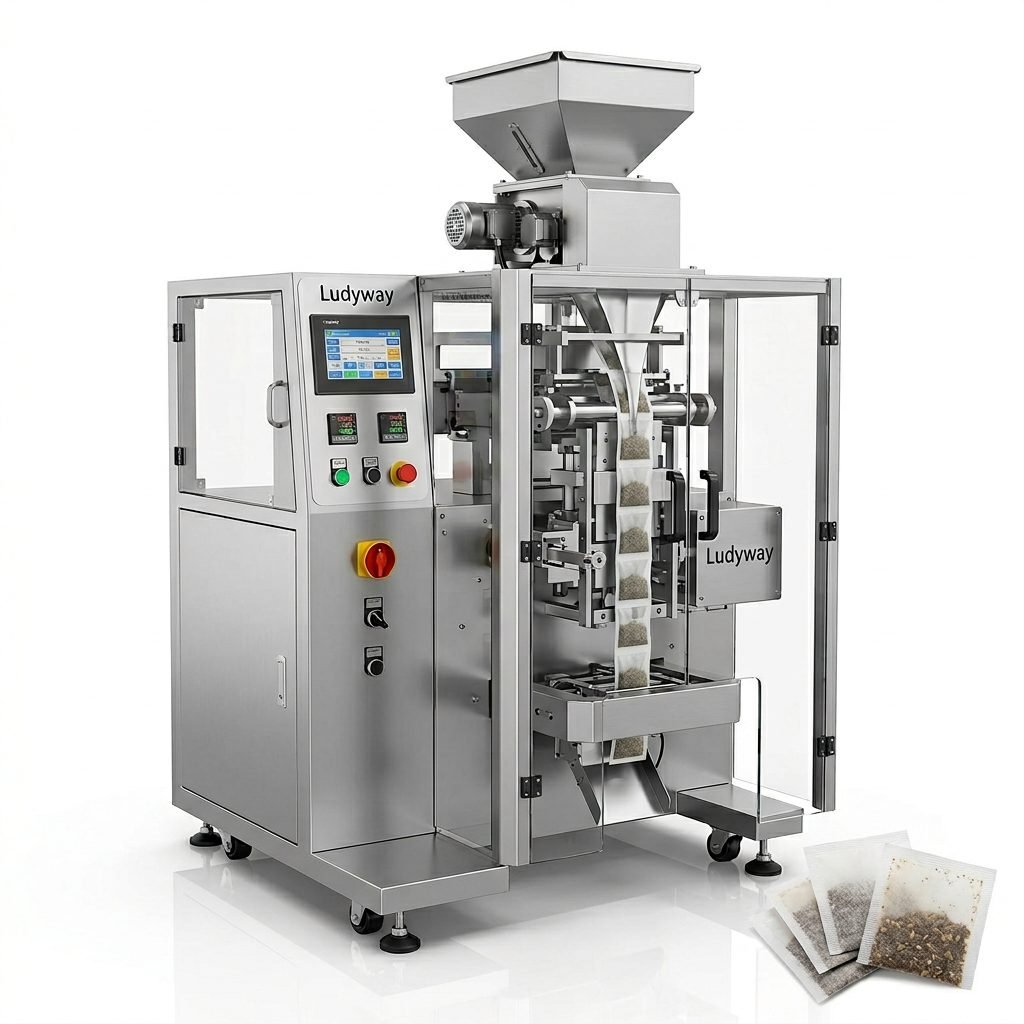
A triangle tea bag packaging machine automatically completes several packaging steps in one integrated process. Depending on the model, it can weigh the tea, form the bag, fill the material, seal the bag, add thread and tag, attach outer envelope packaging, print coding, and connect with cartoning or case packing systems.
Typical machine functions include:
- Tea feeding and dosing
- Nylon, PLA, or non-woven filter film forming
- Ultrasonic sealing or heat sealing
- Triangle bag shaping
- Thread and tag attachment
- Outer envelope packing
- Date coding and batch traceability
- Counting, cartoning, and final line integration
How to Choose the Best Packing Solution
The best machine should be selected through a combination of tea characteristics, packaging format, automation level, production target, and budget planning. Below are the key factors buyers should evaluate.
1. Understand Your Tea Product Characteristics
Different tea materials behave differently in the filling system. Large leaf tea, broken tea, herbs, dried flowers, fruit particles, and mixed functional ingredients all have different bulk density, flowability, and fragility.
- Whole leaf tea needs gentle feeding to reduce breakage
- Powdery herbal blends may require anti-dust design
- Mixed ingredient teas need accurate dosing consistency
- Light materials may need stable volumetric or weighing control
If your tea contains visually valuable ingredients such as jasmine buds, rose petals, chamomile, or dried fruit pieces, machine stability and low-damage handling become especially important.
2. Choose the Right Bag Material
Triangle tea bags are commonly made from nylon mesh, biodegradable PLA film, or non-woven filter material. Your machine must be compatible with the exact material you plan to use.
| Material Type | Main Advantage | Suitable For |
|---|---|---|
| Nylon Mesh | Clear premium appearance, strong bag shape | High-end retail tea |
| PLA Biodegradable Film | Eco-friendly image, plant-based material | Sustainable tea brands |
| Non-woven Filter | Cost-effective and functional | Mass production tea products |
If sustainability is part of your market strategy, PLA-compatible equipment can strengthen your product appeal in eco-conscious tea markets.
3. Decide Whether You Need Thread, Tag, and Outer Envelope
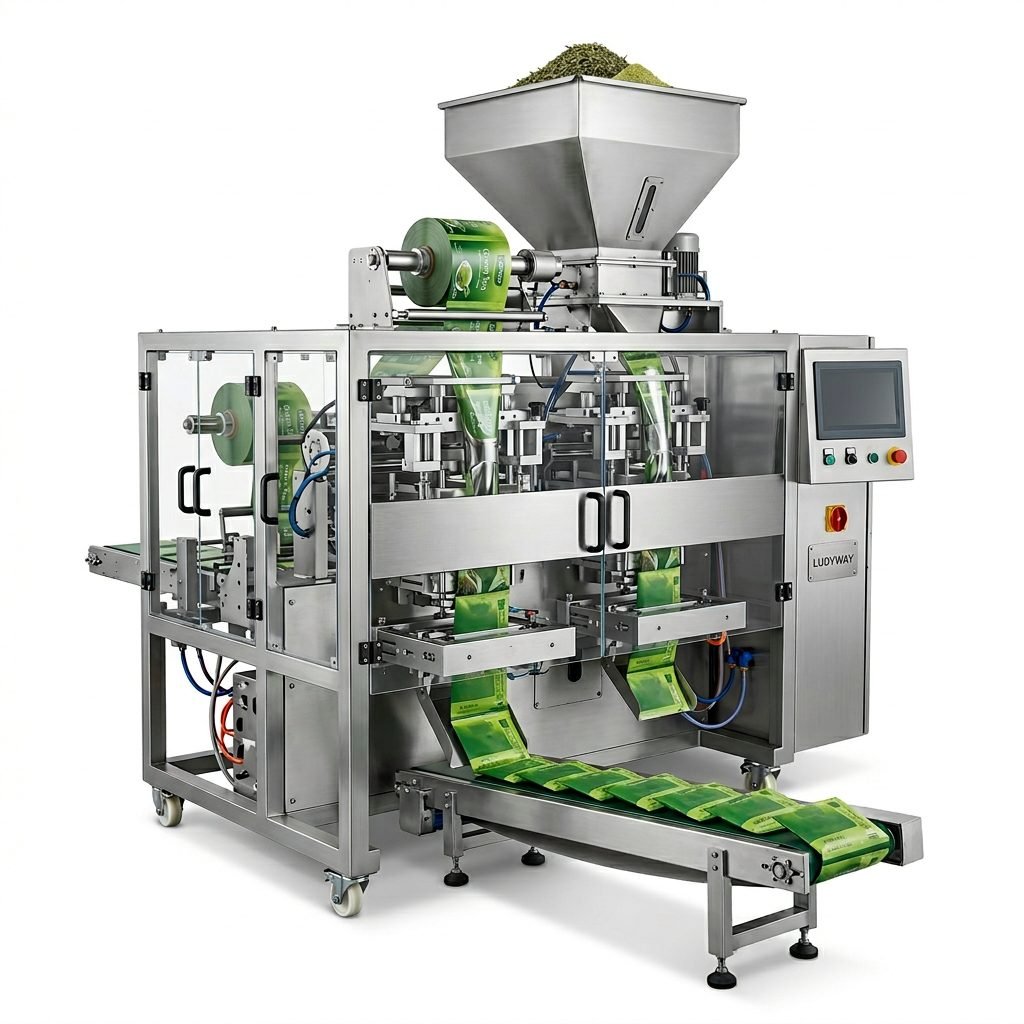
Not all tea bag projects need the same final packaging structure. Some brands only need pyramid tea bags, while others require thread and tag for convenience, plus an outer envelope for freshness and retail display.
Common packaging configurations:
- Triangle bag only
- Triangle bag with thread and tag
- Triangle bag with thread, tag, and outer envelope
- Triangle bag connected to cartoning or gift box packing
If your tea is sensitive to moisture, oxygen, or fragrance loss, adding an envelope packing unit is usually a smart investment.
4. Match Output Speed to Your Business Stage
Machine speed should be selected according to actual business demand, not just the highest number available. A startup tea brand may need flexibility and moderate capacity, while a contract packing factory may require stable high-speed output.
| Business Type | Recommended Focus | Typical Need |
|---|---|---|
| New Tea Brand | Flexibility, smaller footprint, lower investment | Medium speed |
| Growing Tea Factory | Stable output, easy changeover, better automation | Medium to high speed |
| Contract Packer | High efficiency, multiple product compatibility | High speed |
Always ask for both rated speed and actual running speed based on your tea sample, because material behavior affects output significantly.
5. Check Filling Accuracy and Bag Consistency
In tea bag packaging, appearance matters as much as fill precision. Uneven bag shape, poor sealing, inconsistent weight, or thread placement errors can weaken product quality perception.
Important quality indicators include:
- Accurate dosing tolerance
- Consistent triangle bag forming
- Strong and clean seals
- Stable tag positioning
- Low material waste
- Minimal tea dust leakage
A supplier should be able to test your real material and show sample bags before finalizing the machine configuration.
6. Evaluate Automation Level and Line Integration
Many tea businesses start with a standalone machine, but long-term competitiveness often depends on connected packaging lines. If you plan to scale, it is better to choose a system that can integrate with feeding, envelope packing, cartoning, checkweighing, coding, and case packing equipment.
For buyers looking for scalable systems, Ludyway triangle tea bag packaging solutions can be considered for projects that require standalone machines or more complete packaging line integration.
7. Consider Cleaning, Maintenance, and Changeover Time
Tea manufacturers often pack multiple SKUs, flavors, and seasonal blends. That means quick cleaning and easy specification changeover are practical advantages.
- Easy-to-open contact parts reduce downtime
- Tool-free adjustment improves operator convenience
- Simple film path design helps faster material replacement
- Accessible maintenance layout improves service efficiency
If you often switch between green tea, herbal tea, fruit tea, and wellness blends, user-friendly design becomes a major cost-saving factor over time.
8. Review Machine Materials and Food Safety Standards
Since tea is a food product, the machine should be built with hygienic standards in mind. Stainless steel contact parts, clean structural design, and reliable electrical components are important for product safety and export compliance.
Ask the supplier about:
- Food-grade contact materials
- Electrical brand configuration
- Certification support
- Export packaging and installation guidance
- Spare parts availability
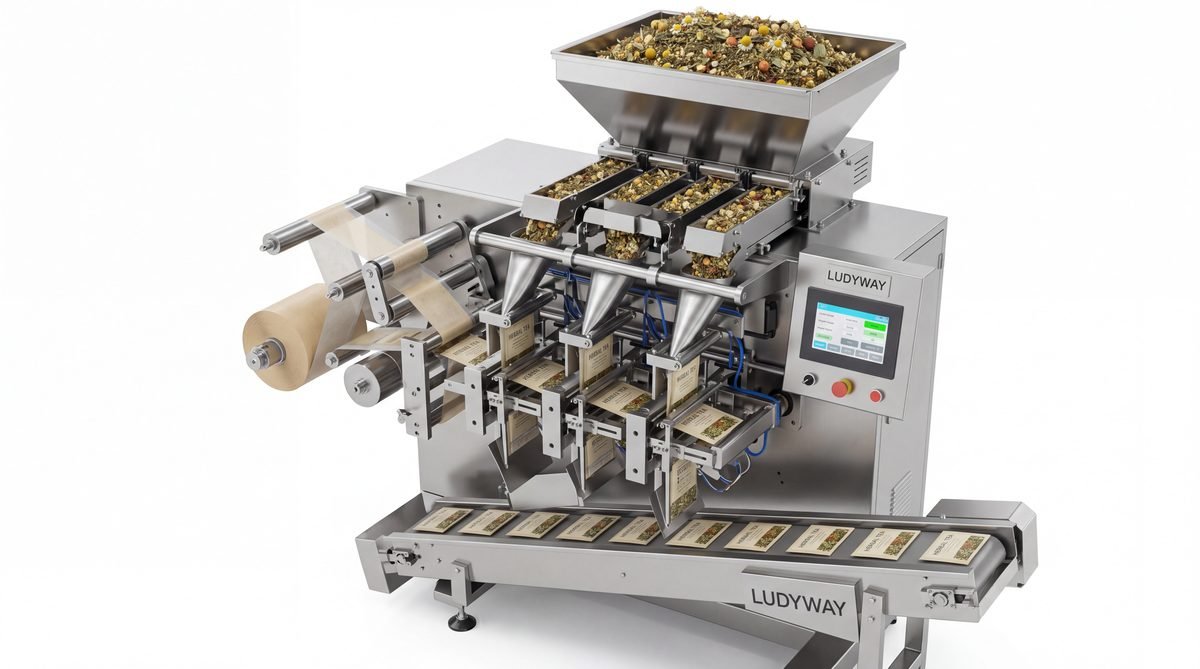
Standalone Machine or Complete Tea Packaging Line?
This depends on your production model.
Choose a standalone machine if you:
- Have limited floor space
- Are testing a new tea product line
- Need lower initial investment
- Can handle some downstream packing manually
Choose a complete packaging line if you:
- Need high-volume continuous production
- Want to reduce labor dependency
- Require outer envelope and cartoning automation
- Plan to serve export or large retail orders
A complete line usually delivers better consistency, cleaner workflow, and stronger scalability.
Questions You Should Ask Before Buying
- Can the machine run my tea sample reliably?
- What filter materials are supported?
- What is the actual output with thread and tag attached?
- Does it support outer envelope packing?
- How accurate is the weighing system?
- How long does format changeover take?
- What training and after-sales service are included?
- Can the system connect to cartoning and end-of-line equipment later?
Common Mistakes When Selecting a Tea Bag Packing Machine
- Choosing based only on price
- Ignoring tea material flow characteristics
- Overbuying speed that production does not need
- Not checking film compatibility
- Skipping real sample testing
- Underestimating future automation needs
- Not confirming service support and spare parts supply
Best Solution by Tea Business Type
| Tea Business Scenario | Ideal Machine Direction | Key Priority |
|---|---|---|
| Premium Loose Leaf Brand | Triangle bag with thread, tag, and envelope | Bag appearance and freshness |
| Herbal/Functional Tea Producer | Accurate dosing system with gentle handling | Fill precision and blend stability |
| Private Label Factory | Flexible machine with quick changeover | SKU adaptability |
| High-Volume Contract Packer | Integrated high-speed packaging line | Efficiency and labor reduction |
Final Buying Advice
The right triangle tea bag packaging machine should fit your tea type, packaging structure, production capacity, and brand strategy. Instead of selecting equipment by speed or price alone, focus on overall packaging performance: dosing accuracy, sealing quality, compatibility with your filter material, and the ability to scale as your business grows.
If possible, request sample testing, machine videos, technical specifications, and line layout suggestions before making a decision. A well-chosen system can improve product image, protect tea quality, and support long-term market growth.