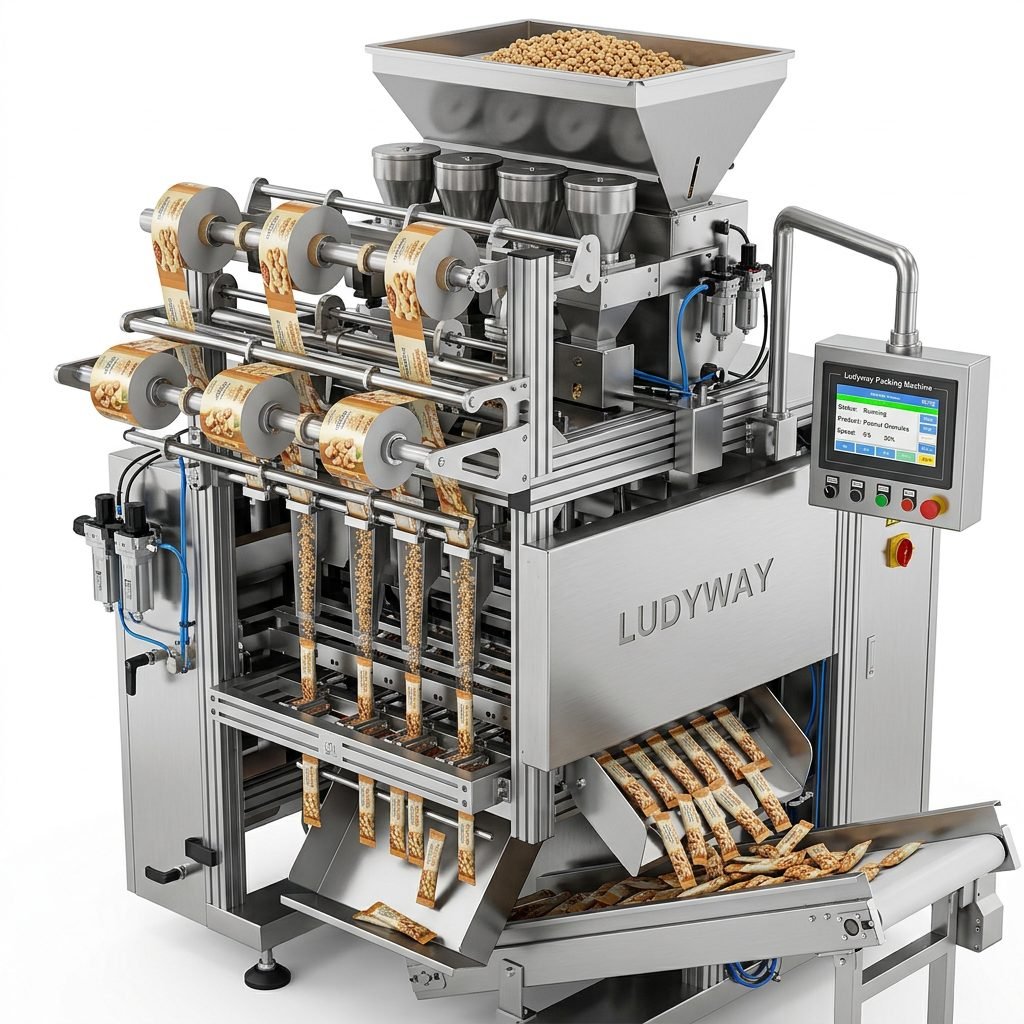
Investing in a dried fruit packaging machine is a critical decision for any food manufacturer. The right equipment can significantly boost production efficiency, extend product shelf life, and ensure consistent package quality. However, with so many machine types, configurations, and technical specifications available, choosing the best solution for your specific dried fruit products can feel overwhelming. This comprehensive buyer’s guide walks you through every essential factor to consider before making your purchase.

Understanding Your Dried Fruit Product Characteristics
Before evaluating any dried fruit packaging machine, you must first thoroughly understand your product’s physical properties. Dried fruits vary dramatically in size, shape, moisture content, and stickiness. Dried mango slices behave differently than raisin-sized dried blueberries, and freeze-dried strawberries have entirely different handling requirements than sticky dried dates.
- Particle size and uniformity: Consistent granule or piece size allows for more precise filling and reduces machine jams. Irregularly shaped dried fruits like apple rings may require specialized feeding systems.
- Moisture content and stickiness: High residual moisture can cause products to clump or adhere to machine surfaces. This directly affects the choice of contact materials and sealing mechanisms.
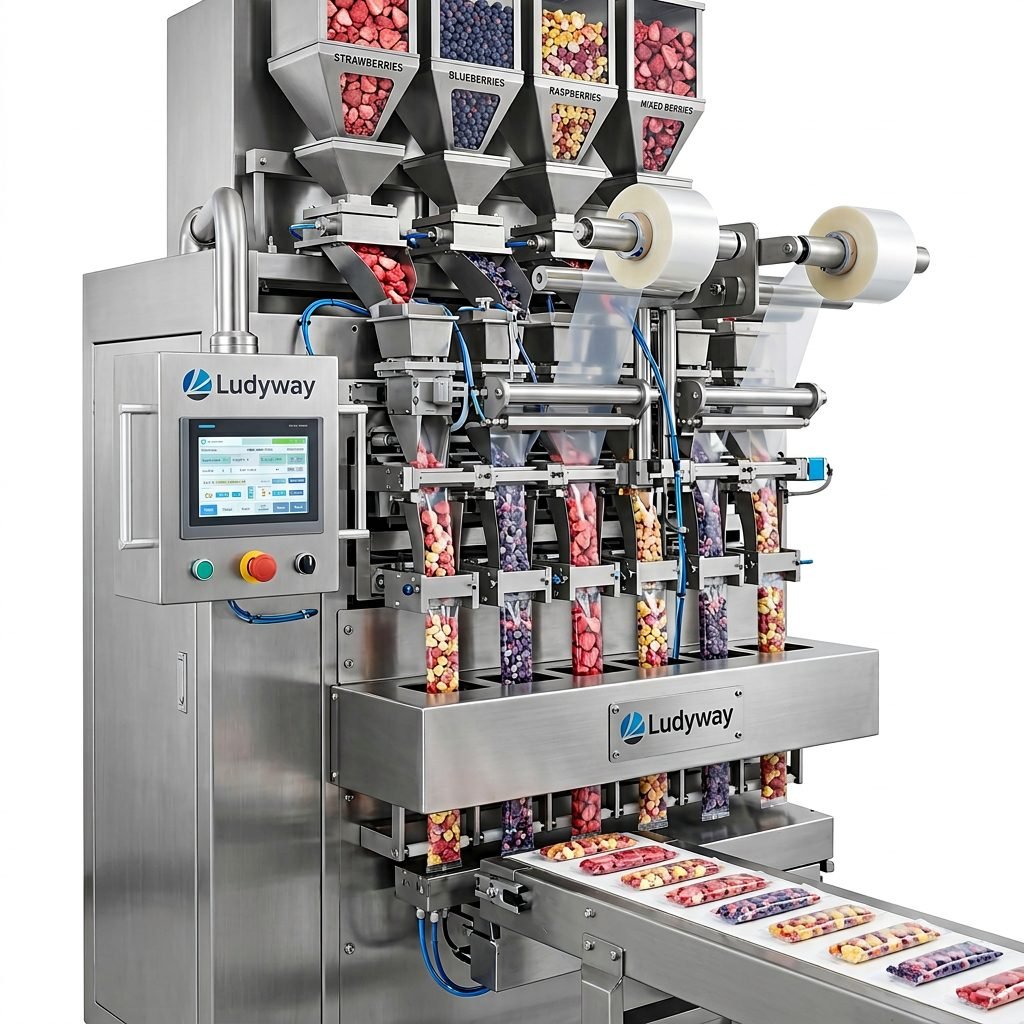
- Friability and fragility: Freeze-dried fruits are delicate and easily crushed. Machines with gentle handling features are essential to maintain product integrity.
- Bulk density: This determines hopper capacity, filling speed, and the overall footprint of your packaging line.
Types of Dried Fruit Packaging Machines
The market offers several distinct categories of dried fruit packaging equipment, each suited to specific production volumes and package formats. Understanding these differences is the foundation of making the right choice.
Multi-Lane Sachet and Stick Pack Machines
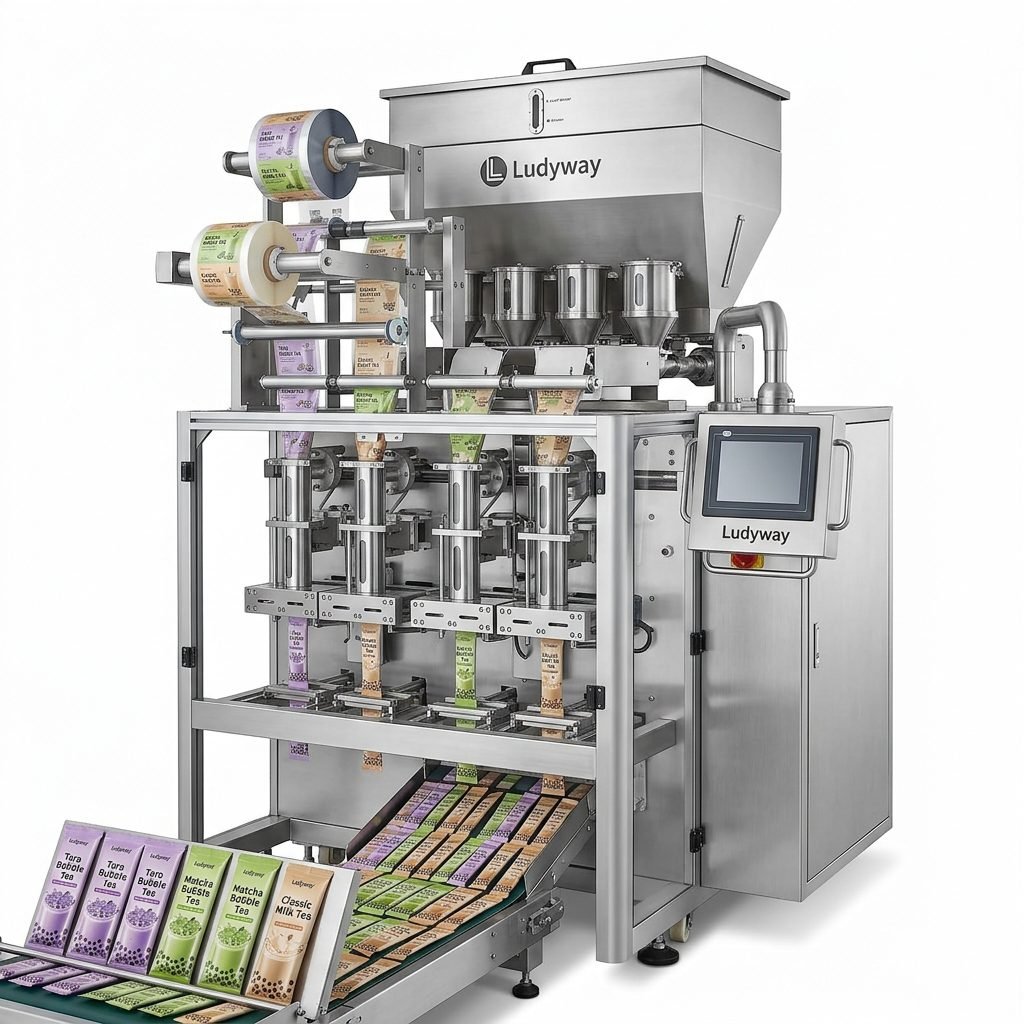
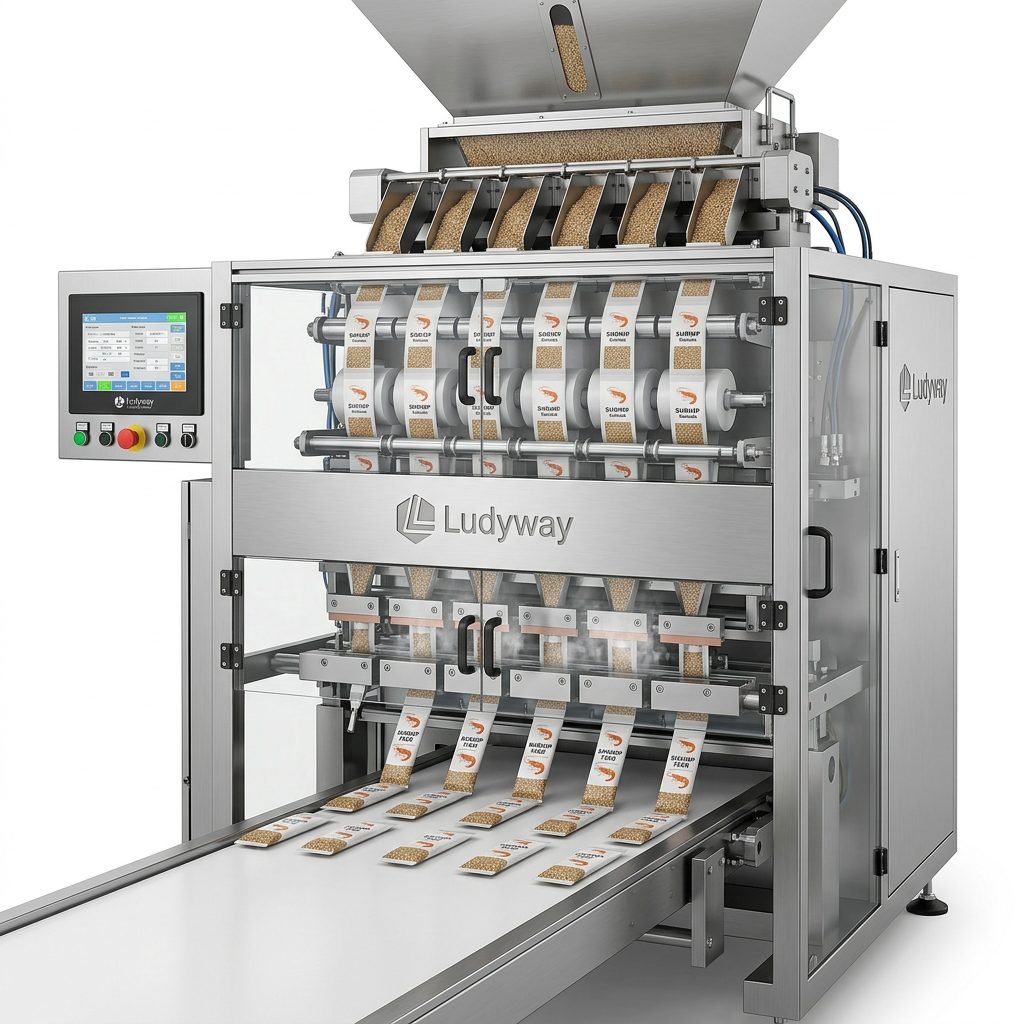
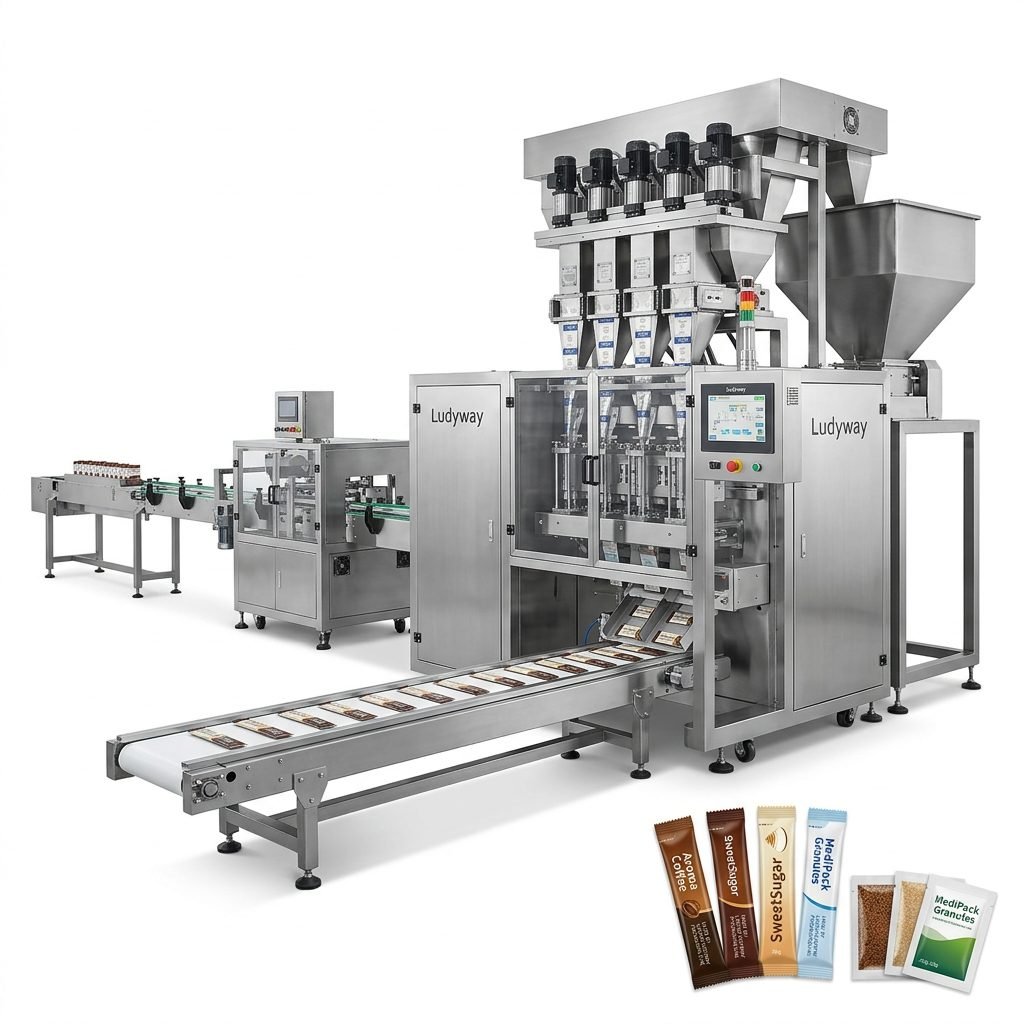
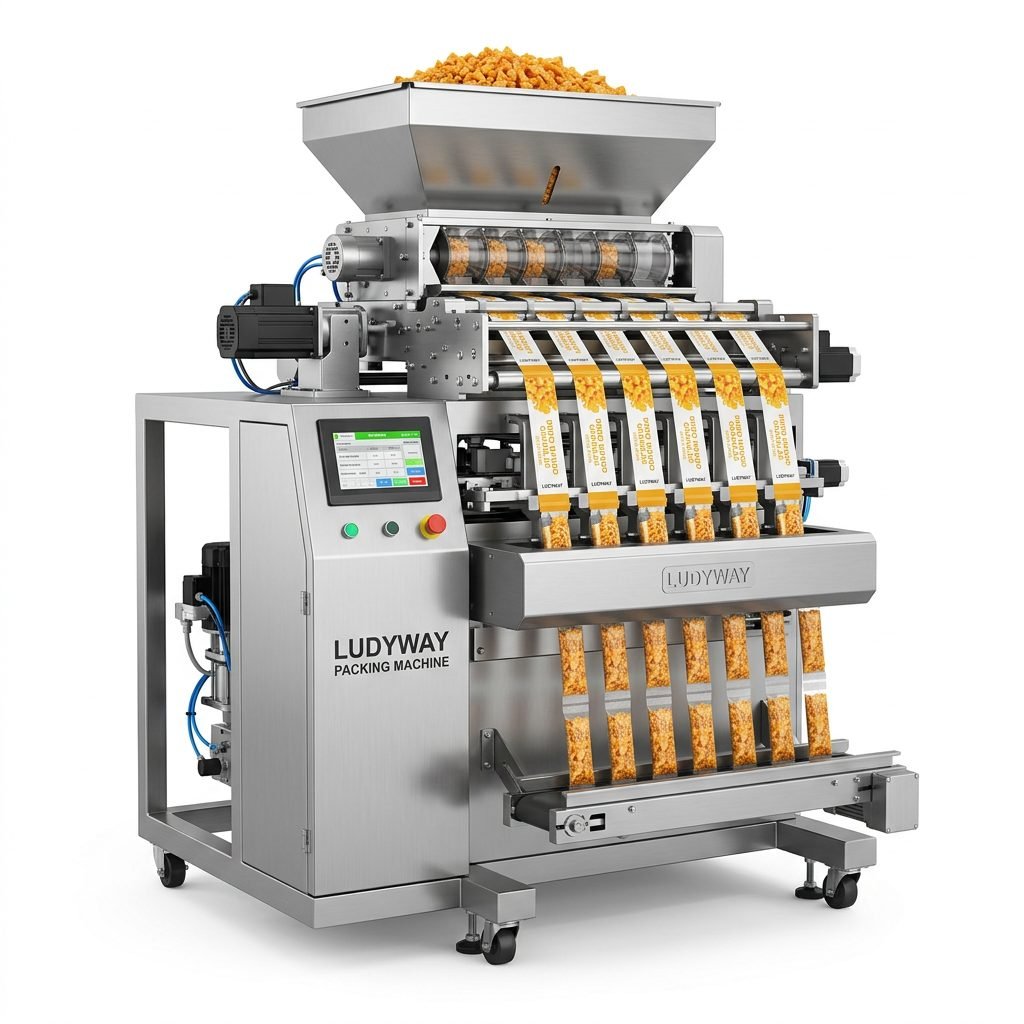
These are the workhorses of high-volume dried fruit packaging. Multi-lane machines can simultaneously fill multiple lanes — commonly 4, 6, 8, or even 12 lanes — dramatically increasing output. They are ideal for single-serving stick packs and small sachets, which are increasingly popular in the health snack market. According to PMMI industry data, multi-lane configurations continue to gain market share due to their efficiency advantages.
Vertical Form Fill Seal (VFFS) Machines
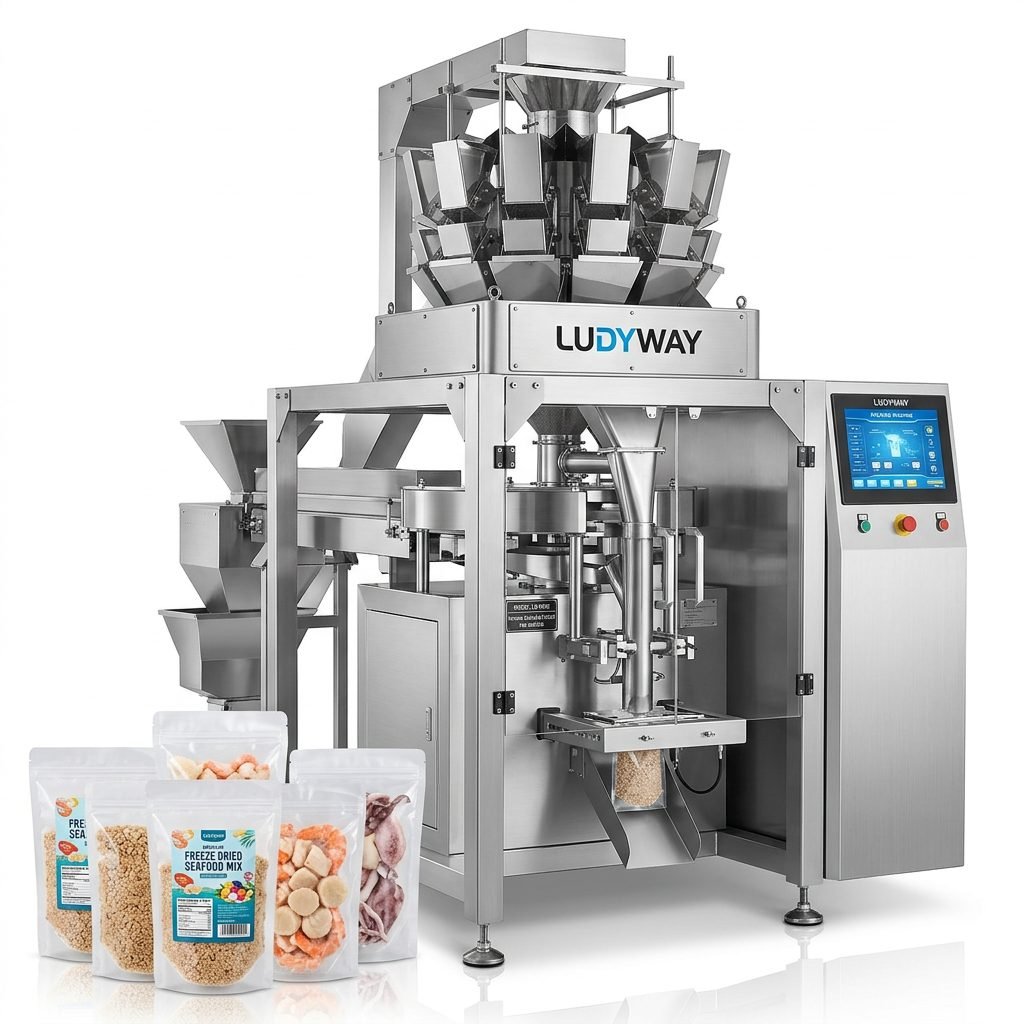
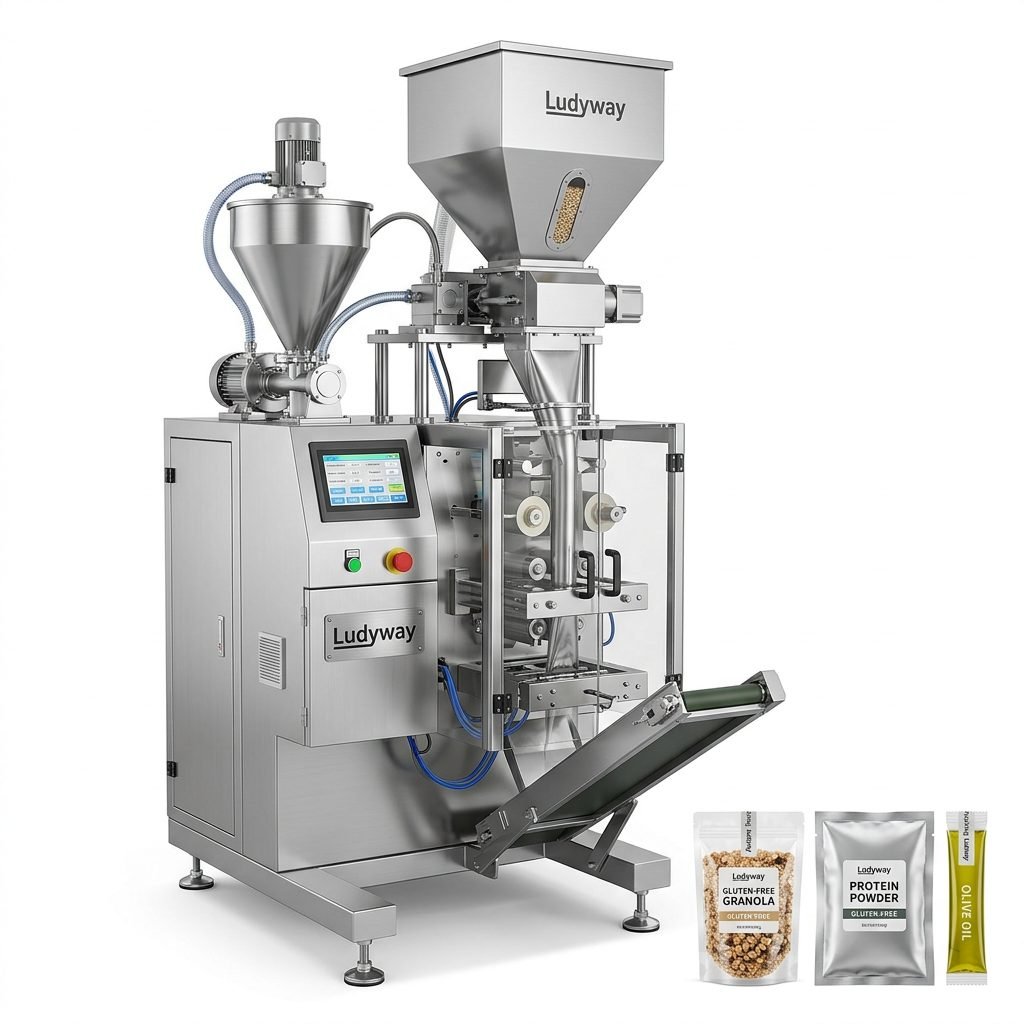
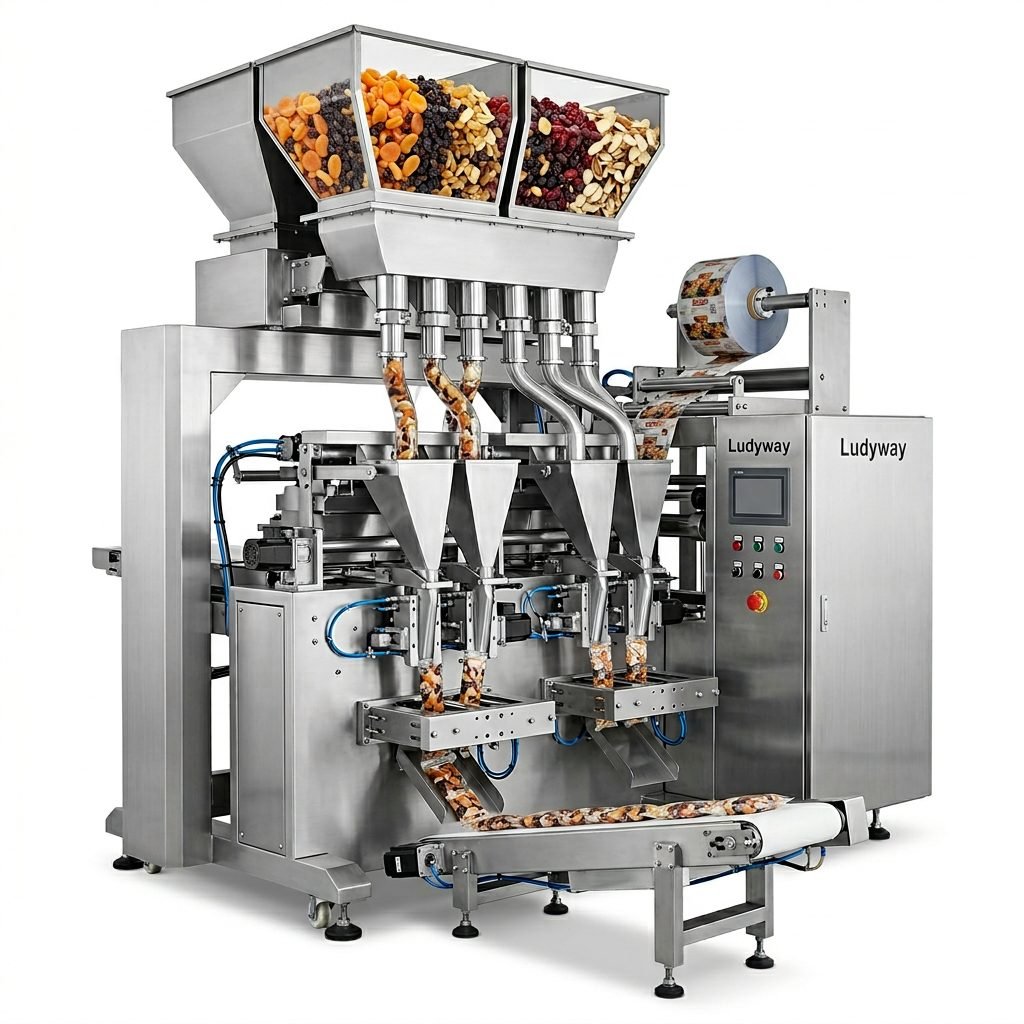
VFFS machines form a bag from a flat roll of film, fill it with product, and seal it — all in one continuous vertical operation. They are versatile and can handle a wide range of bag sizes, making them a popular choice for medium to large dried fruit packages.
Premade Pouch Packaging Machines
For manufacturers using stand-up pouches, zipper bags, or other premade flexible packaging, rotary or inline pouch fillers offer excellent versatility. These machines pick, open, fill, and seal premade pouches and are ideal for premium dried fruit brands that prioritize shelf appeal.
Key Factors to Consider When Choosing Your Machine
Selecting a dried fruit packaging solution requires evaluating multiple technical and operational parameters. The following table summarizes the primary considerations across different machine types:
| Feature | Multi-Lane Stick Pack | VFFS Machine | Premade Pouch Filler |
|---|---|---|---|
| Best For | Single-serve, high-volume | Medium to large bags | Premium stand-up pouches |
| Output Range | 200-800+ packs/min | 30-120 bags/min | 30-80 pouches/min |
| Bag Size Flexibility | Limited (small formats) | High | Depends on pouch range |
| Changeover Time | Moderate | Short to moderate | Short |
| Initial Investment | Higher | Moderate | Moderate to high |
| Hygiene Features | Excellent (enclosed) | Good | Good to excellent |
Packaging Material Compatibility
Your choice of packaging machinery must align with the packaging materials you intend to use. Dried fruits require packaging with excellent moisture and oxygen barrier properties to maintain freshness and prevent spoilage. Common materials include laminated films with aluminum foil layers, metallized PET, and high-barrier polypropylene.
- Heat sealability: Verify that the machine’s sealing system is compatible with your chosen film’s sealant layer. Different films require specific temperature ranges and dwell times.
- Material thickness range: Some machines handle only thin films, while others can process thicker, more rigid laminates. Confirm the machine’s specification matches your material.
- Sustainability considerations: If you are transitioning to recyclable or compostable films, ensure the packaging machine can process these newer materials, which often have different sealing characteristics.
- Nitrogen flushing capability: For extended shelf life, many dried fruit packagers use modified atmosphere packaging (MAP). Check if the machine supports gas flushing for oxygen reduction.
The Flexible Packaging Association provides extensive resources on material innovations and sustainability trends that can inform your packaging material decisions.
Production Capacity and Speed Requirements
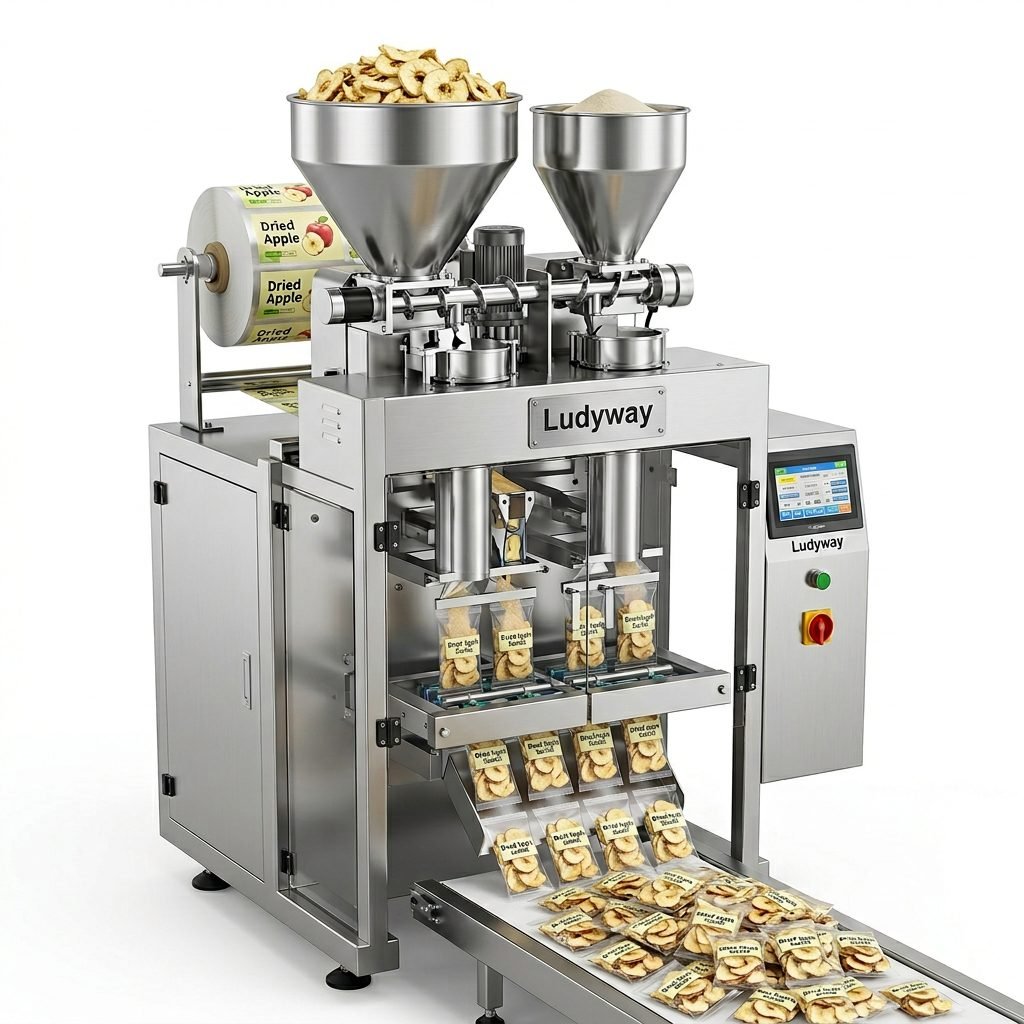
One of the most important parameters when selecting a dried fruit packaging machine is matching its output capacity to your current and future production needs. Under-specifying can create bottlenecks, while over-specifying may waste capital. Consider not just your current daily output but also projected growth over the next 3 to 5 years.
Multi-lane stick pack machines can reach outputs of over 800 packs per minute in high-end configurations, making them suitable for large-scale operations. For smaller producers, single-lane or twin-lane VFFS machines running at 30-60 bags per minute may be more appropriate. PMMI’s State of the Industry reports show that production speed optimization remains a top priority for food manufacturers globally.
Automation Level and Integration Capabilities
Modern dried fruit packaging lines range from semi-automatic systems requiring significant operator involvement to fully automated turnkey solutions that integrate multiple stages of the packaging process. When evaluating automation levels, consider the following integration points:
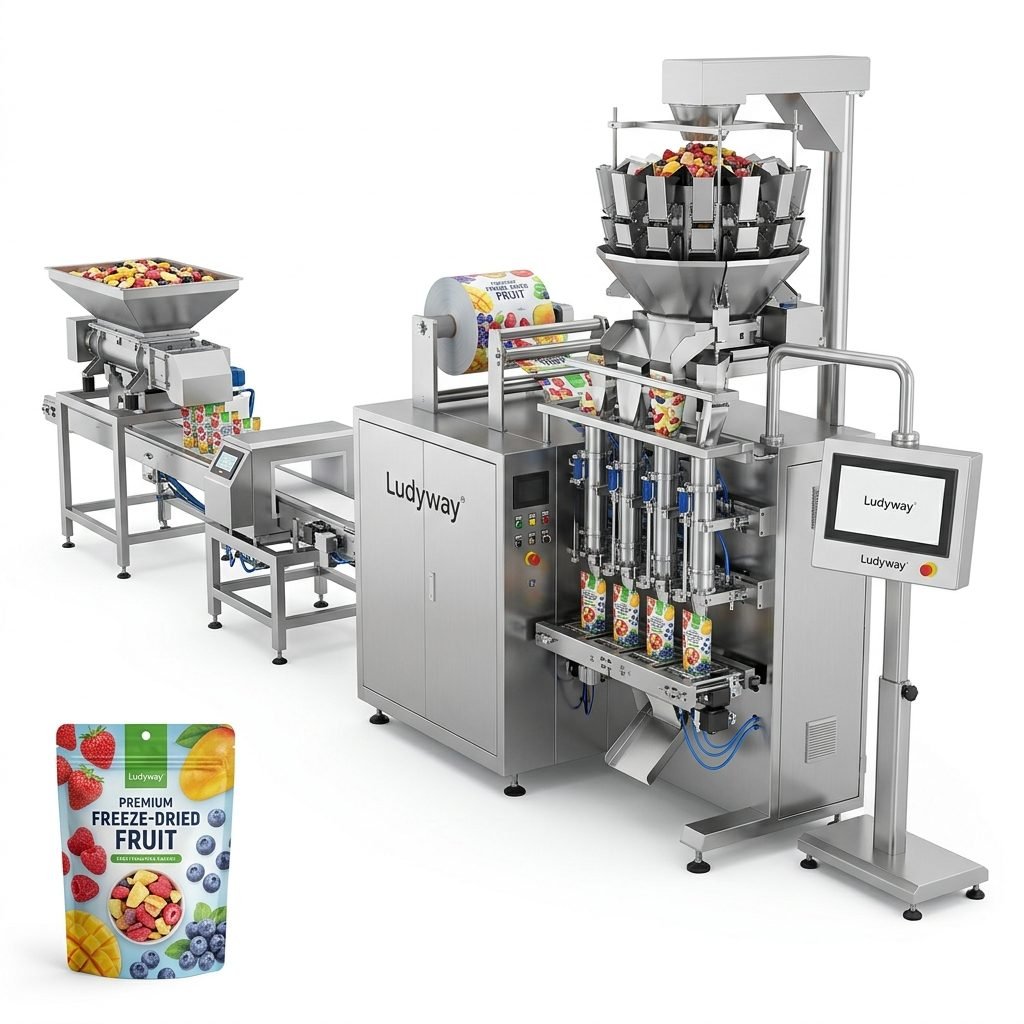
- Automated feeding systems: Vibratory feeders, multi-head weighers, and auger fillers can be integrated to automate product dosing with high precision.
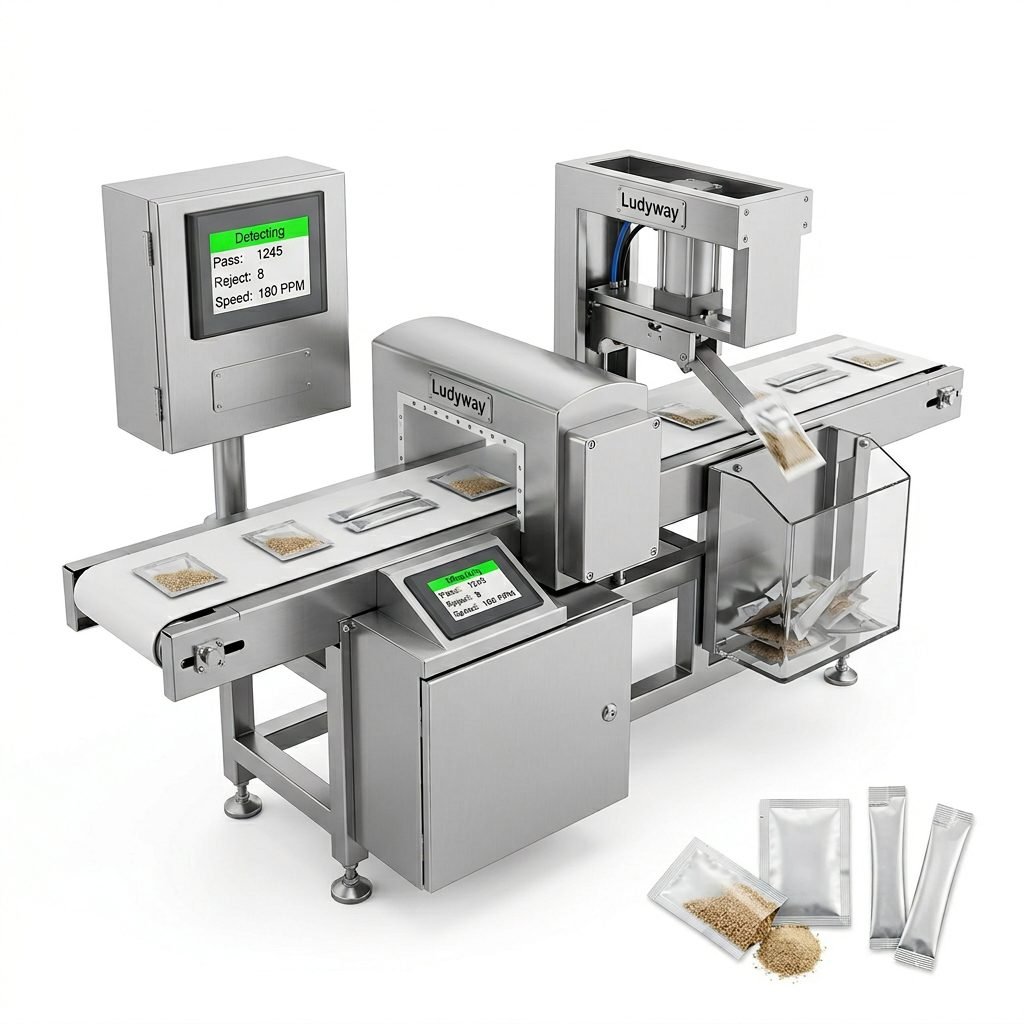
- In-line quality control: Checkweighers, metal detectors, and X-ray inspection systems can be incorporated to ensure product safety and package integrity.
- Secondary packaging integration: Cartoning machines, case packers, and palletizing systems can connect directly to the primary packaging unit, creating a seamless production flow.
- IoT and data connectivity: Advanced machines offer remote monitoring, production data tracking, and predictive maintenance alerts — increasingly important for Industry 4.0 manufacturing environments.
Quality Standards and Regulatory Compliance
Food packaging equipment must comply with relevant safety and hygiene standards. For dried fruit products destined for international markets, compliance with multiple regulatory frameworks may be necessary. Key standards and regulations to verify include:
- FDA food contact compliance: All product contact surfaces must use FDA-approved materials. Consult the FDA’s food packaging guidelines for detailed requirements.
- CE marking: For machines sold in the European Economic Area, CE certification indicates conformity with EU health, safety, and environmental requirements.
- ISO standards: ISO packaging standards cover various aspects of machinery design and performance.
- GMP compatibility: Good Manufacturing Practice compliance is essential for equipment used in food processing environments, with features like easy-clean designs and sanitary construction.
Customization and Engineering Support
Off-the-shelf packaging machines may not always meet the specific requirements of your dried fruit products. Working with a manufacturer that offers customized packaging solutions can make a significant difference in long-term operational success. Customization options may include specialized dosing systems for sticky products, modified sealing stations for specific film types, or custom hopper designs for fragile freeze-dried fruits.
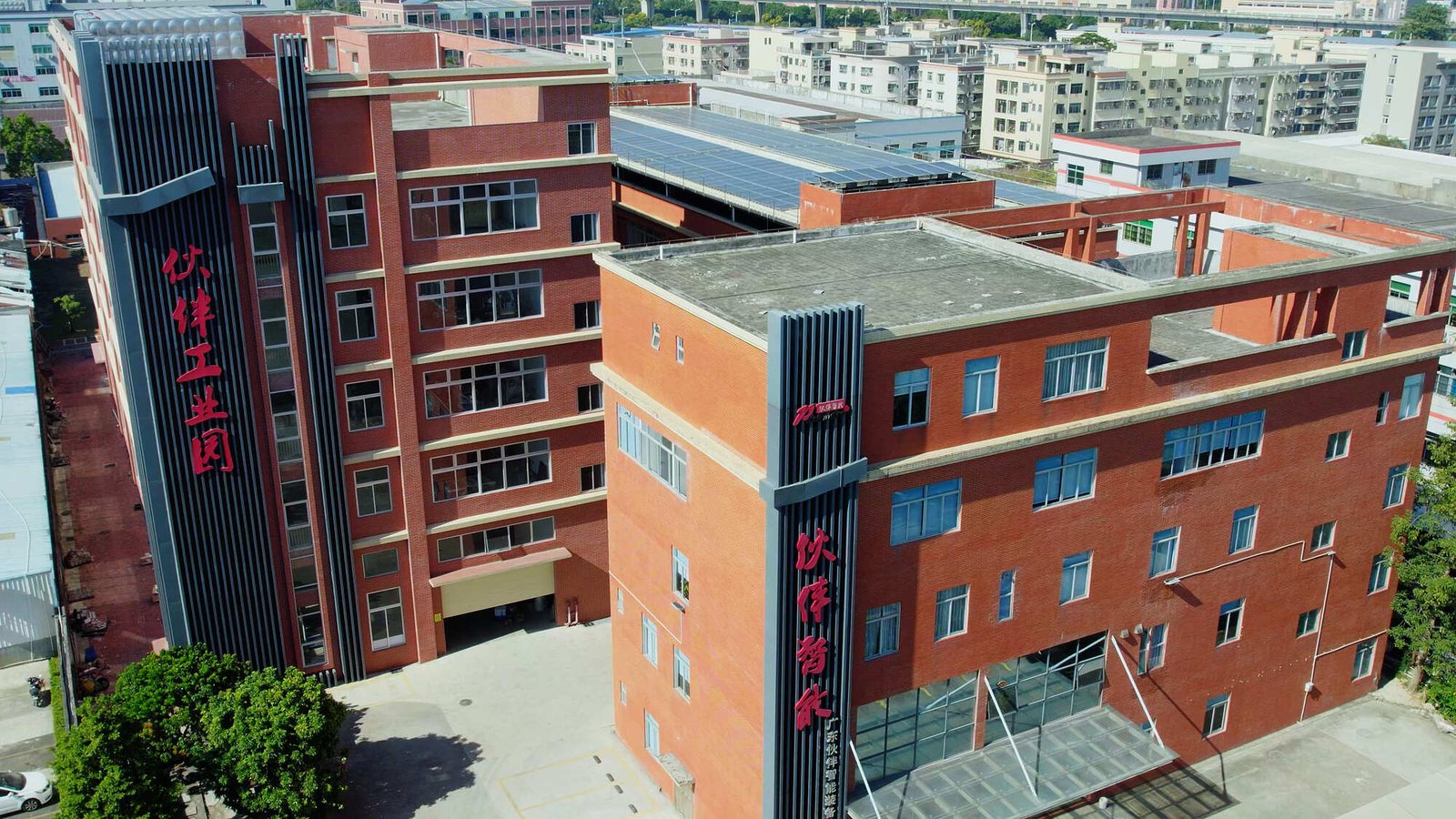
Experienced packaging machinery manufacturers with in-house engineering capabilities can evaluate your product samples and recommend appropriate configurations. For instance, Ludyway Machinery, a China-based packaging equipment manufacturer with over 30 years of experience, provides customized machine configurations and turnkey packaging line solutions designed around each customer’s specific product characteristics and production goals. Their approach combines manufacturing expertise with application engineering to help dried fruit producers achieve consistent packaging results.
After-Sales Support and Total Cost of Ownership
The purchase price of a dried fruit packaging machine represents only part of the total cost of ownership. When comparing options, factor in these ongoing considerations:
- Spare parts availability: Verify that critical wear components such as sealing jaws, cutting blades, and belts are readily available from the manufacturer’s inventory.
- Technical support responsiveness: Remote diagnostic capabilities and accessible technical support can dramatically reduce downtime when issues arise.
- Operator training: Comprehensive training during installation and access to ongoing training resources help your team maximize machine productivity.
- Warranty terms: Understand what is covered, for how long, and whether extended warranty options are available.
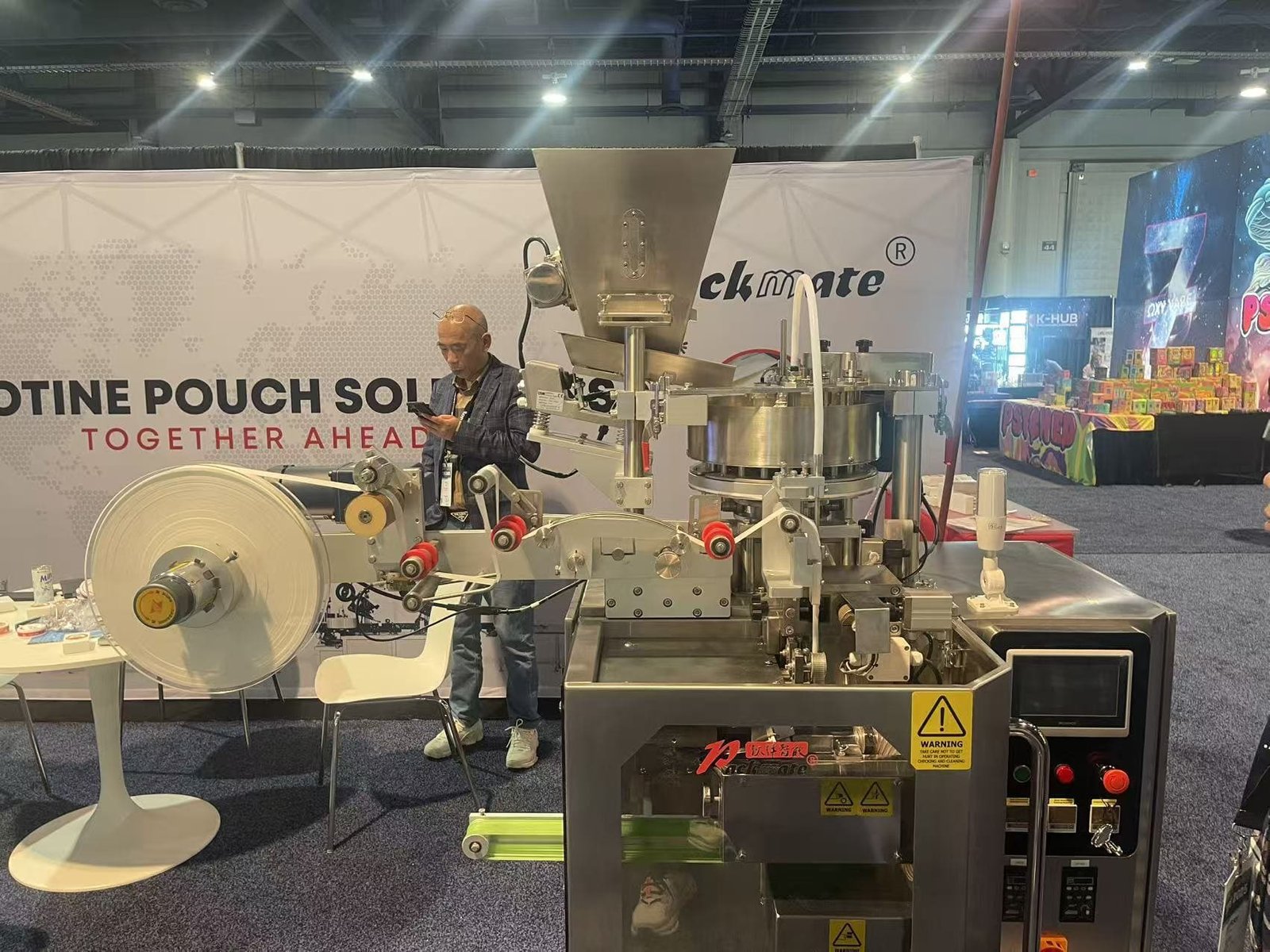
Manufacturers serving customers in more than 100 countries with dedicated after-sales teams offer significant advantages for producers operating in multiple regions or planning international market expansion. Remote technical assistance capabilities have become especially valuable for minimizing operational disruptions.
Making Your Final Decision
Selecting the right dried fruit packaging machine ultimately comes down to a careful evaluation of your product characteristics, production volume requirements, packaging format preferences, budget constraints, and long-term business goals. A systematic approach to supplier evaluation — including factory visits, sample testing with your actual products, and reference checks with existing customers — can help validate your decision.
Remember that the lowest initial purchase price does not always translate to the best long-term value. Consider the total cost of ownership, including maintenance, spare parts, energy consumption, and production efficiency over the machine’s expected service life. A well-built, properly specified automatic packaging machine can deliver reliable performance for many years, making it one of the most important capital investments in your dried fruit processing operation.
For further reading on packaging industry trends and standards, visit the PMMI resources portal and the Flexible Packaging Association for up-to-date market intelligence and technical guidance.