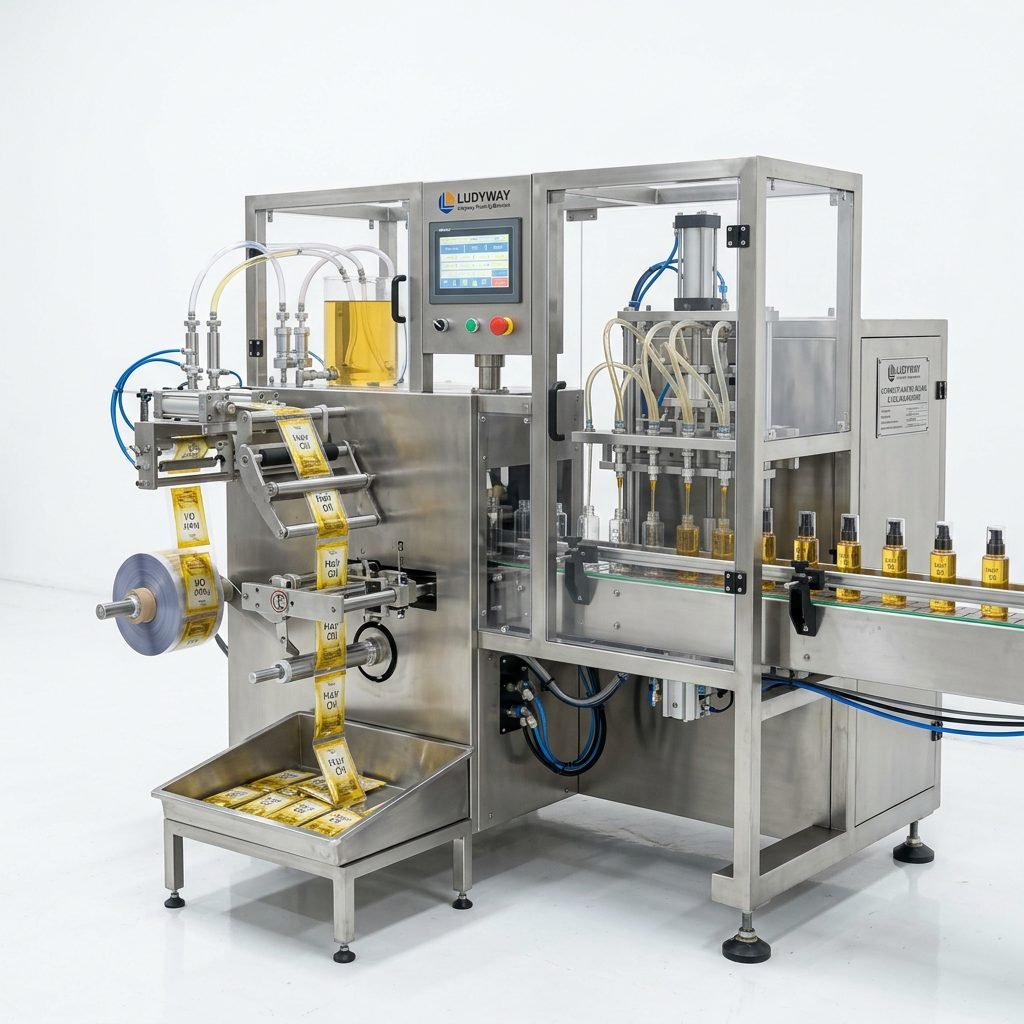
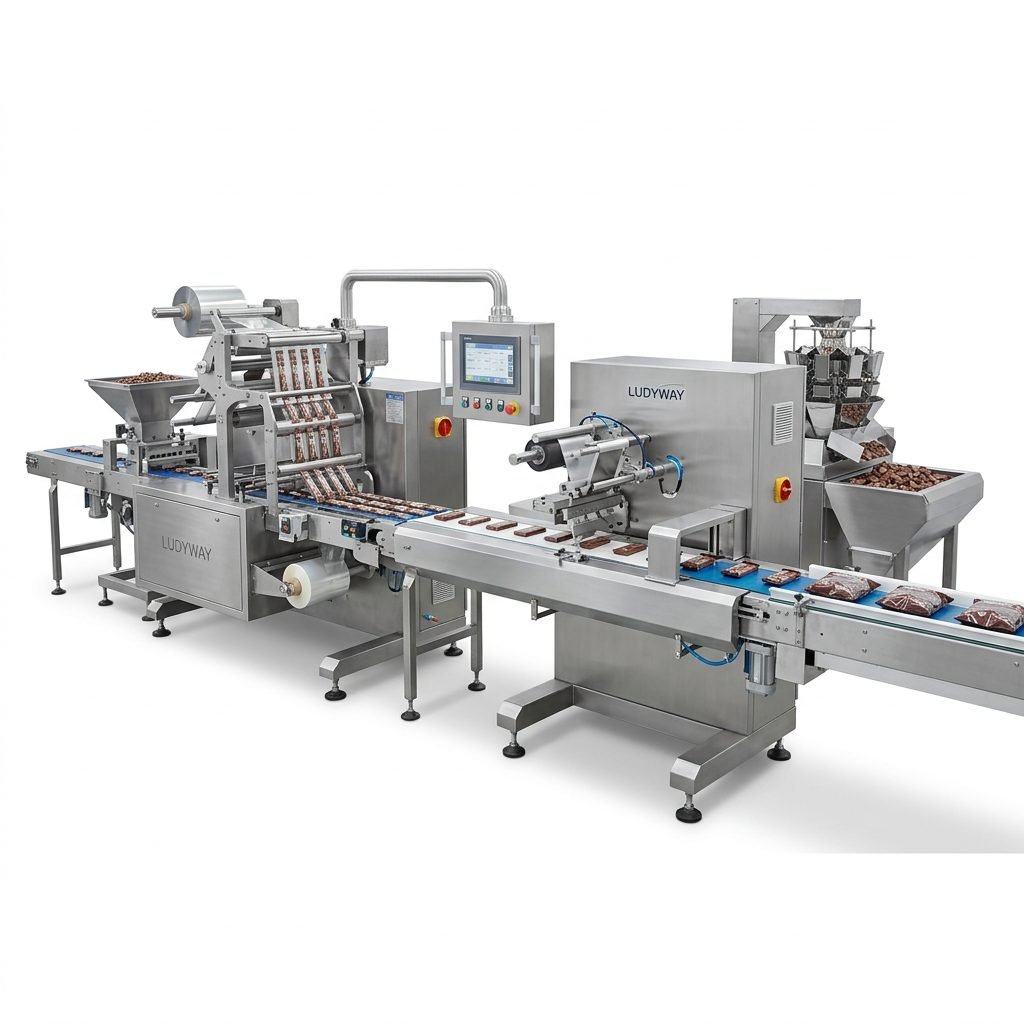
Food manufacturers today face a demanding balance: faster throughput, stricter hygiene, lower labor dependency, and packaging formats that can scale with changing market demand. Food packaging automation solutions help producers meet all of these goals by combining filling, sealing, inspection, coding, conveying, and end-of-line handling into a reliable production workflow.
Whether you package powders, granules, sauces, oils, snacks, seasonings, frozen foods, or ready-to-eat products, the right automation system can improve productivity while protecting product quality and food safety. For growing factories, automation is no longer just an upgrade—it is often a strategic requirement for long-term competitiveness.
Why automation matters in modern food packaging
Food brands and processors are under pressure from retailers, regulators, and consumers. Packaging must be clean, consistent, traceable, and attractive on the shelf. Manual operations can slow output, introduce weighing errors, and increase contamination risks. Automated systems reduce these issues by standardizing the process from product feeding to final packing.
- Higher production speed with stable output
- Improved filling accuracy and seal consistency
- Reduced labor intensity and operating costs
- Better hygiene control and lower contamination risk
- Integrated inspection, coding, and rejection functions
- Easier scaling for future product and volume expansion
Core food packaging automation solutions
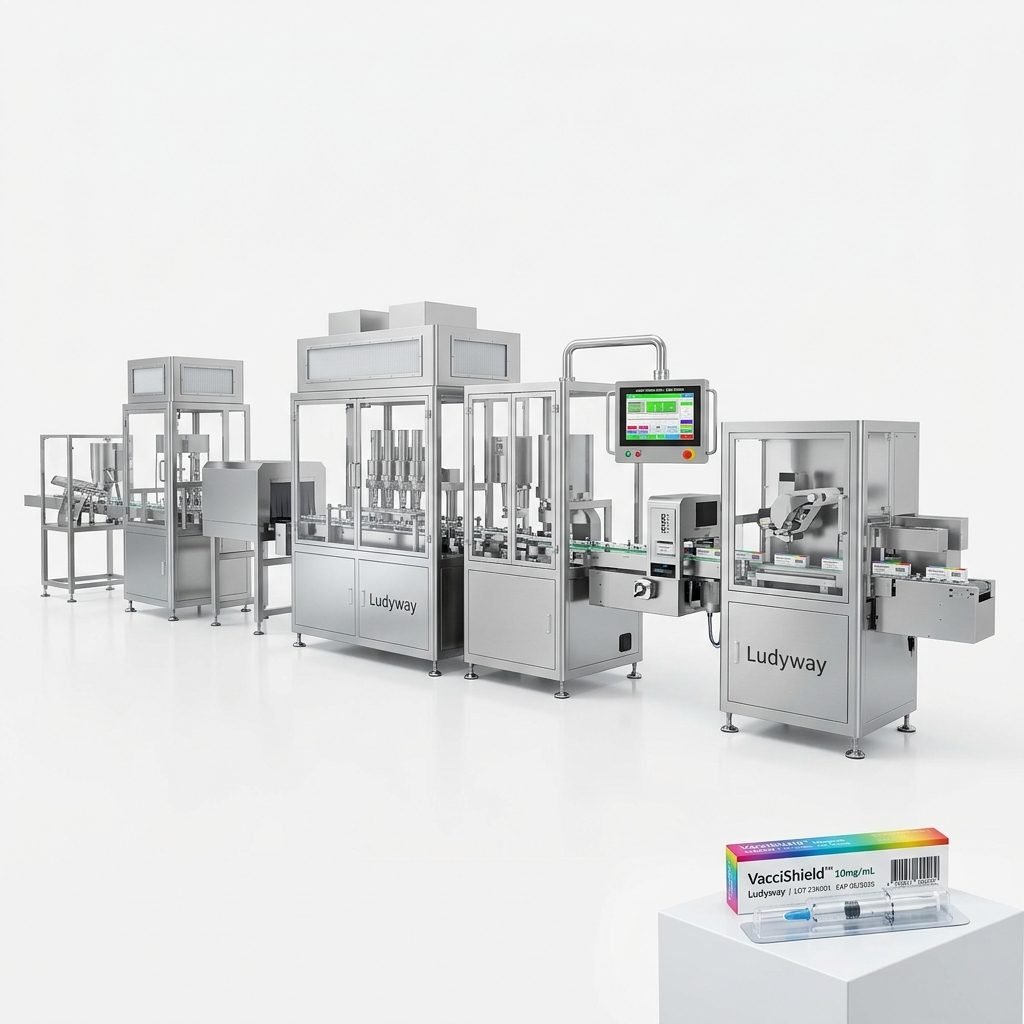
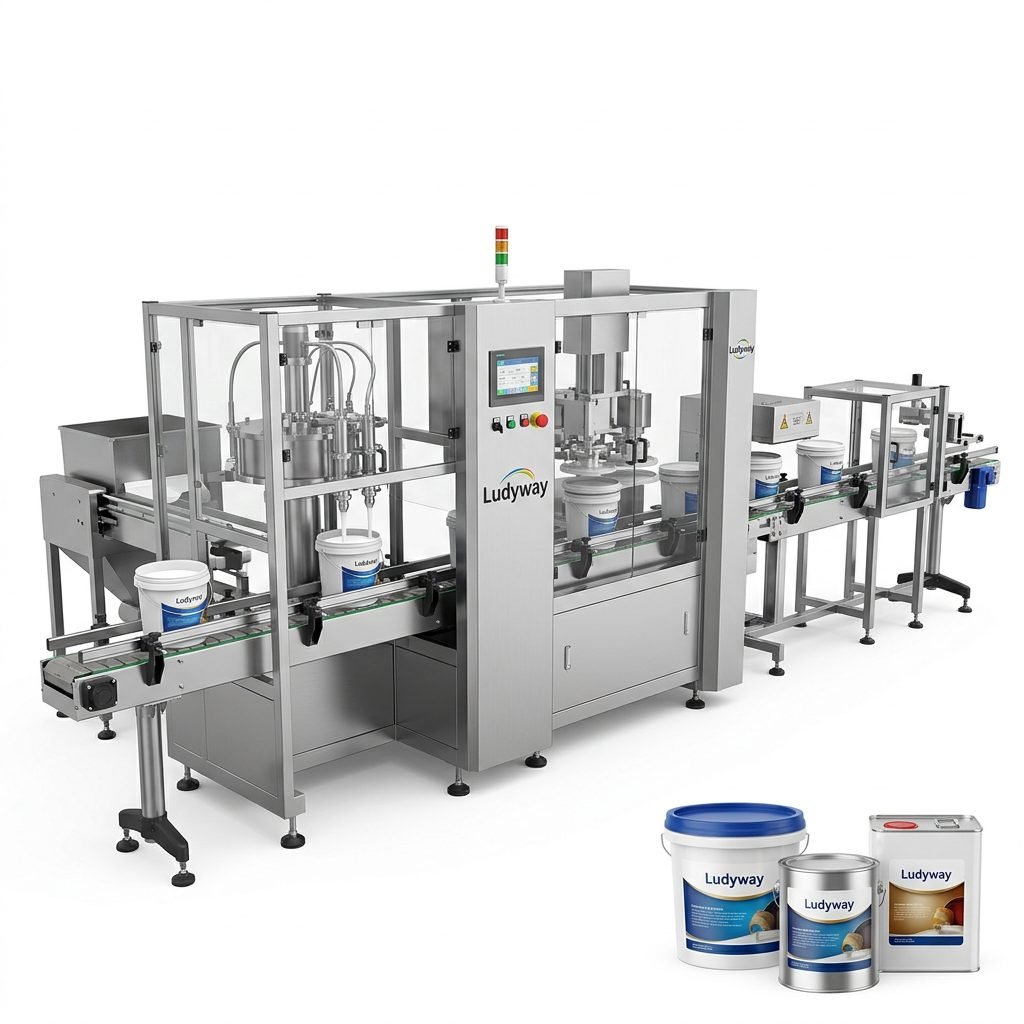
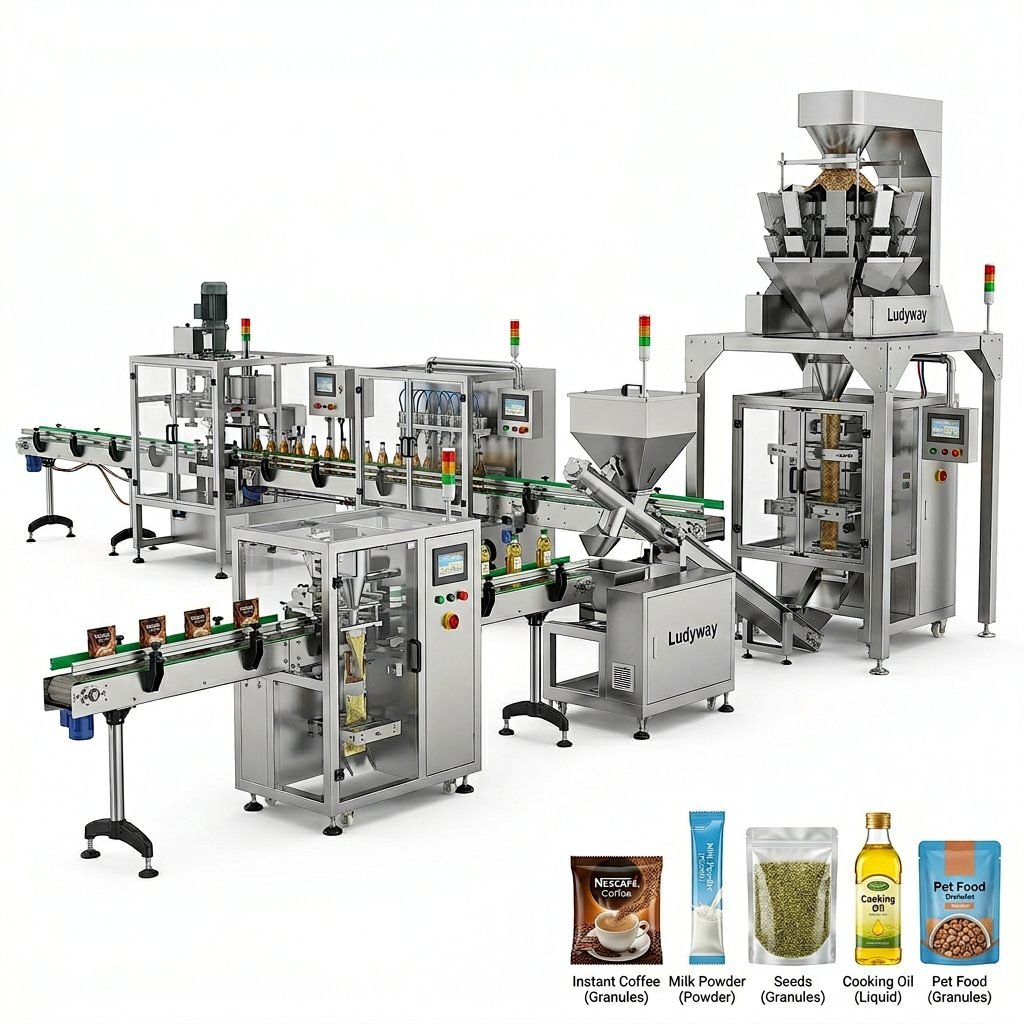
A complete automated food packaging setup can include multiple machines working together as one synchronized line. The exact combination depends on product type, package format, production target, and required level of flexibility.
1. Product feeding and dosing systems
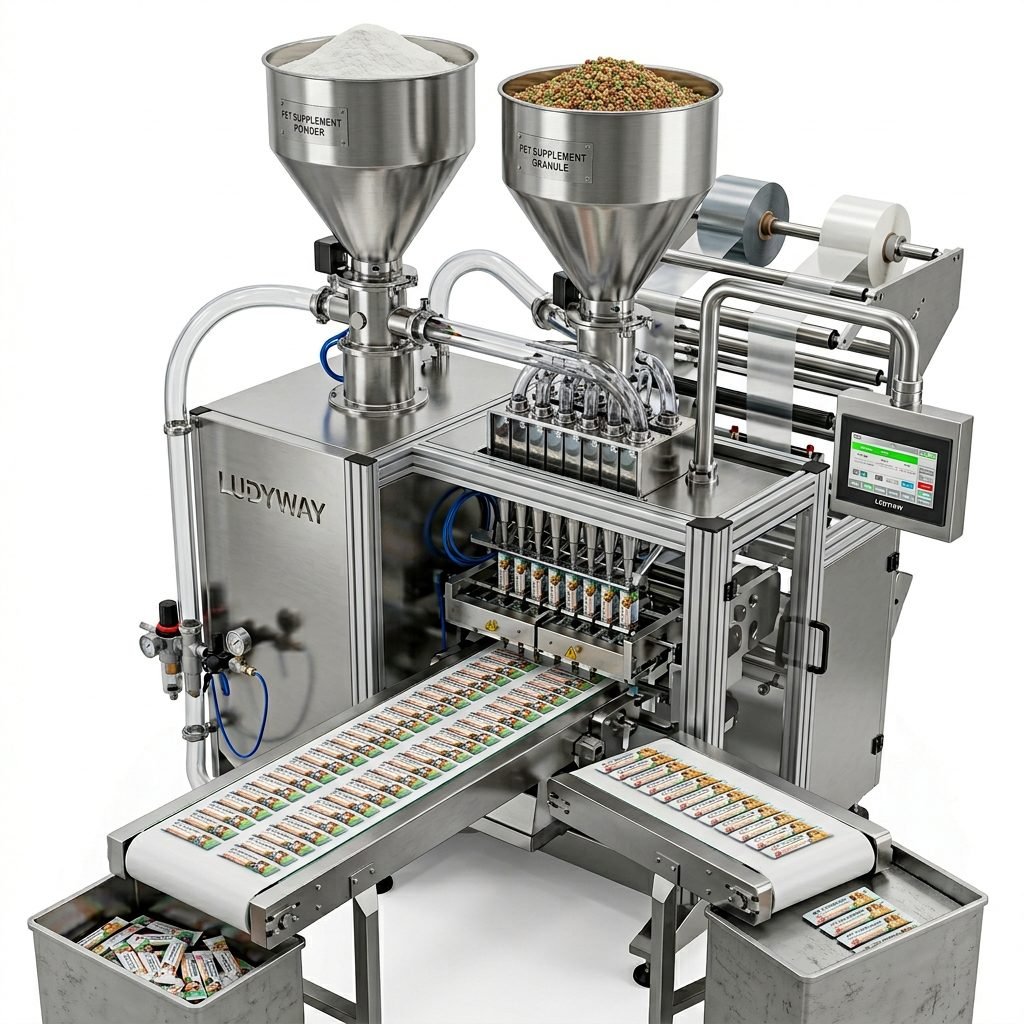
Reliable product feeding is the first step in a stable packaging process. Powders may require screw augers, vacuum feeders, or dust-control systems. Granules and snacks may use multihead weighers, cup fillers, vibratory feeders, or bucket elevators. Liquids and sauces often need piston pumps, servo filling systems, or multi-lane liquid dosing units.
2. Form-fill-seal packaging machines
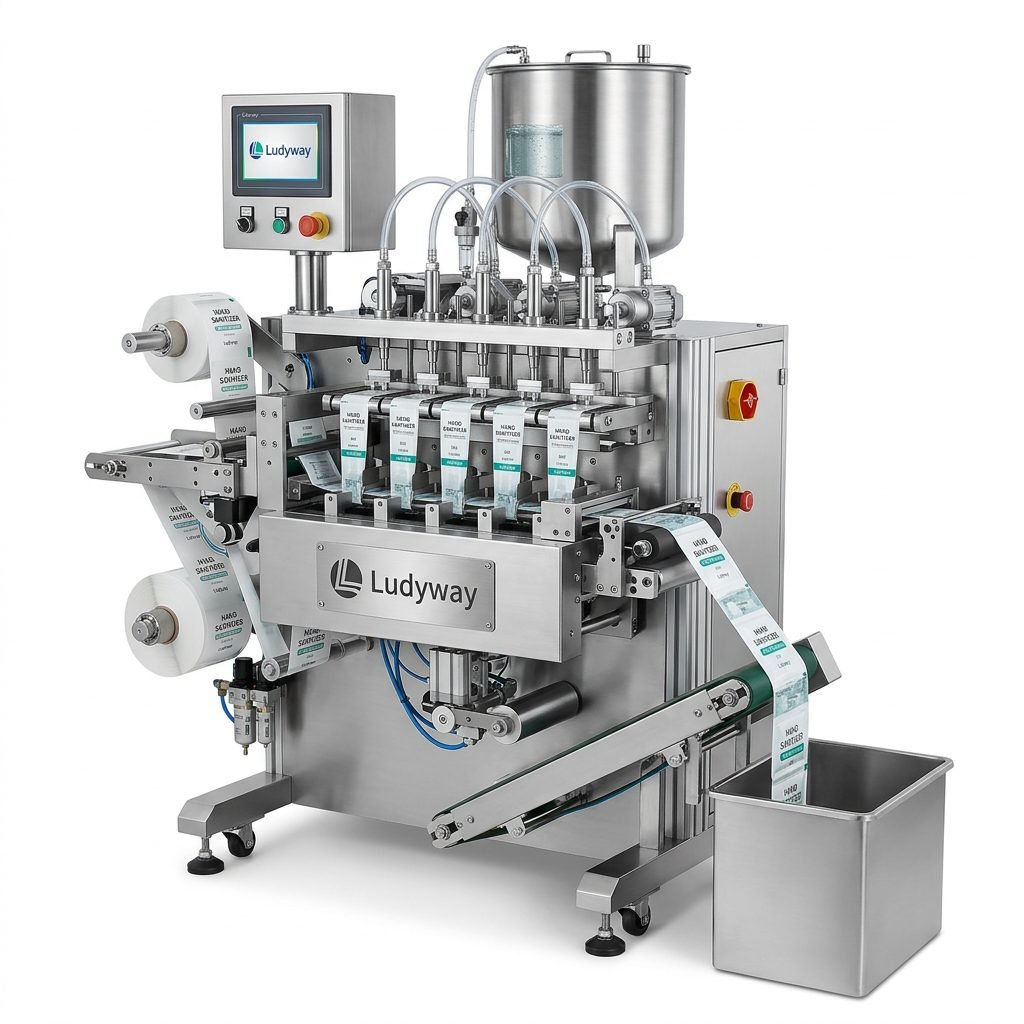
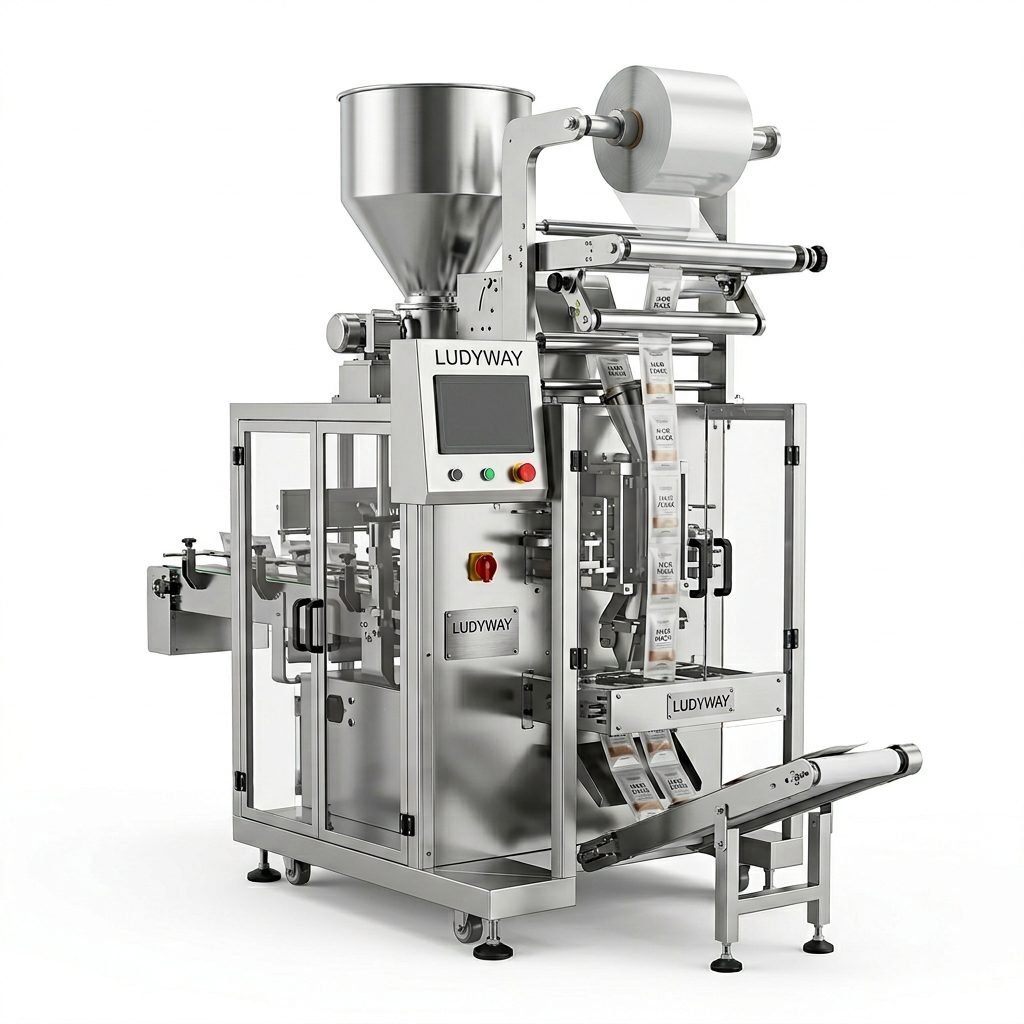
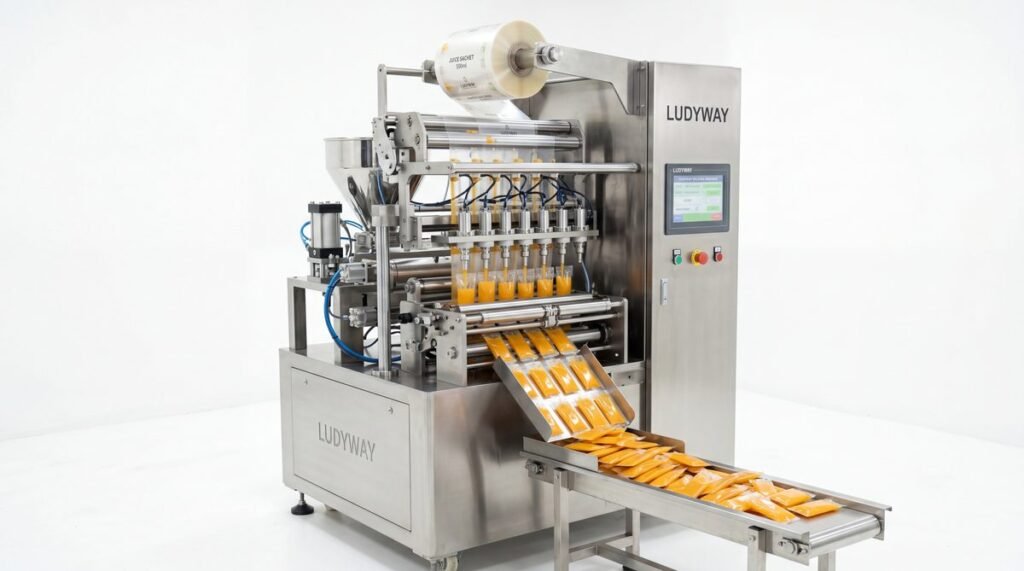
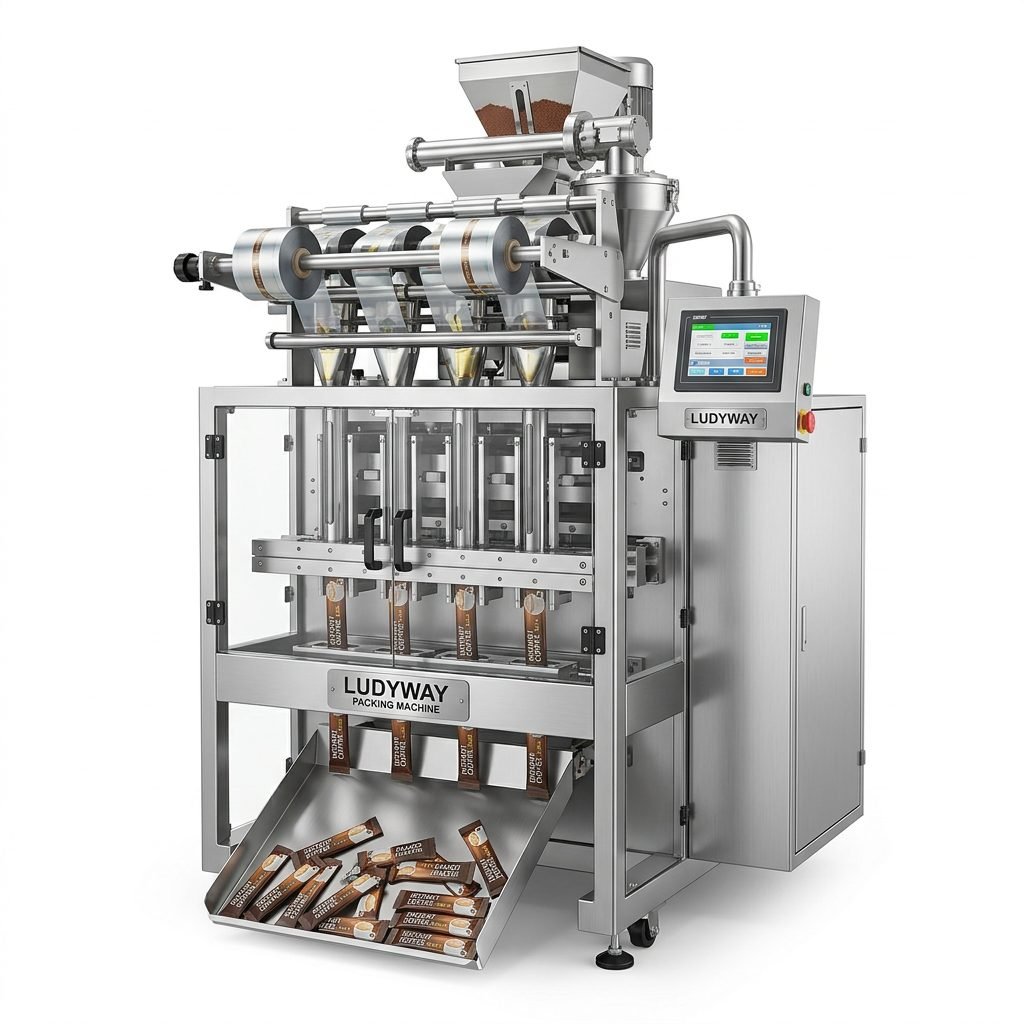
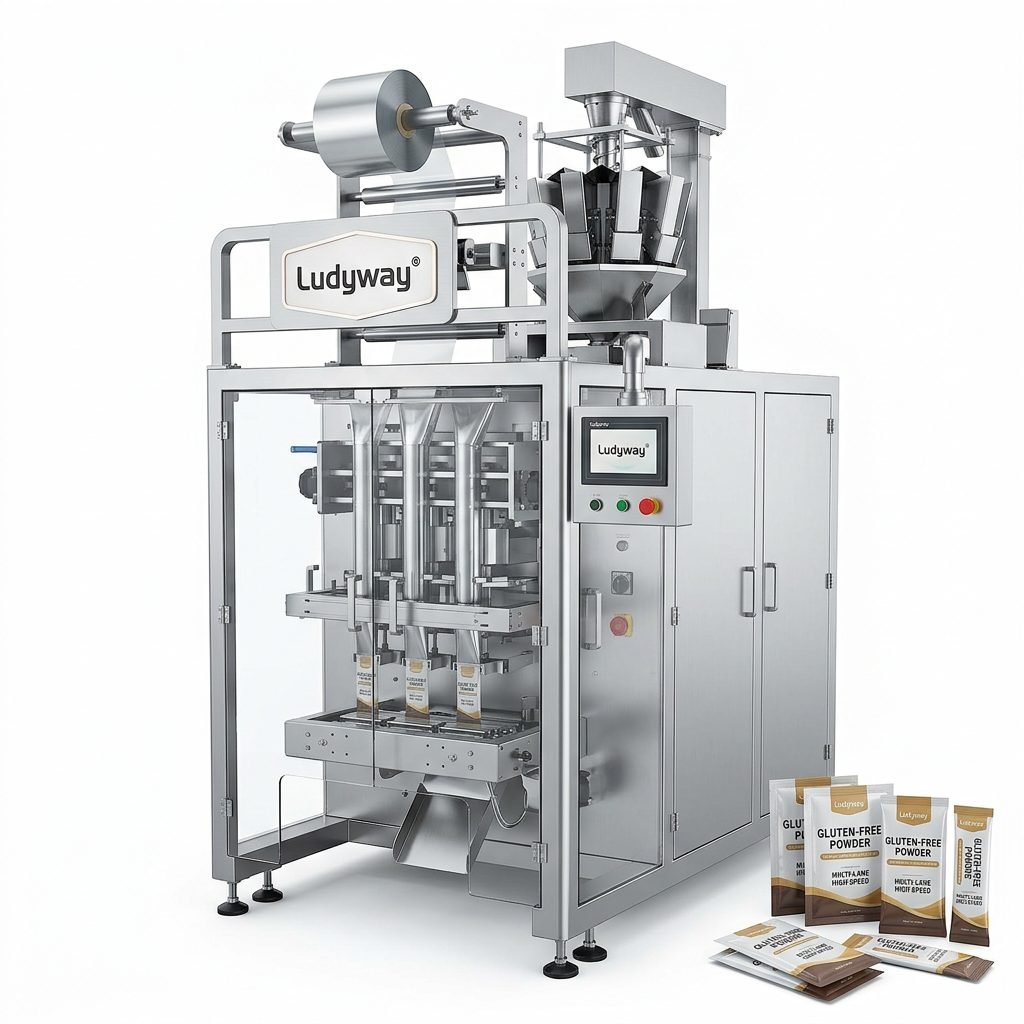
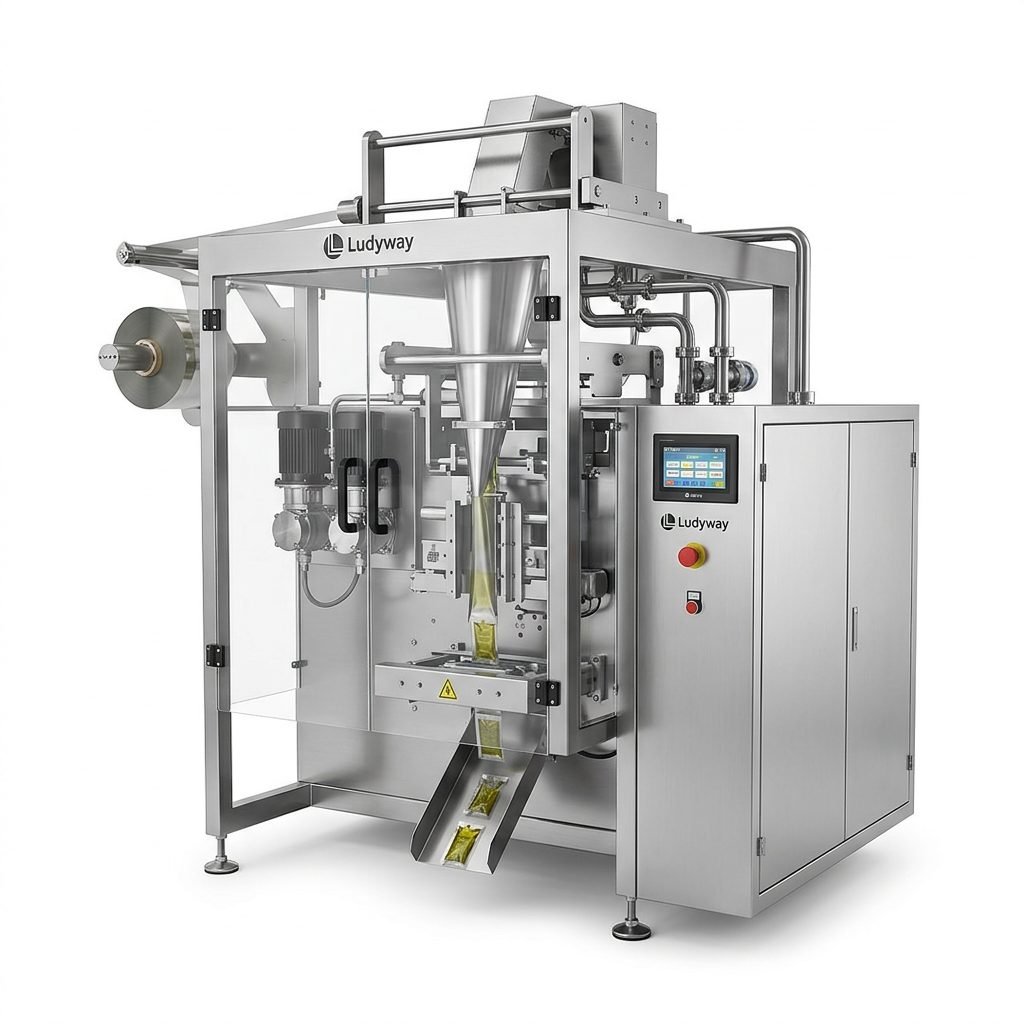
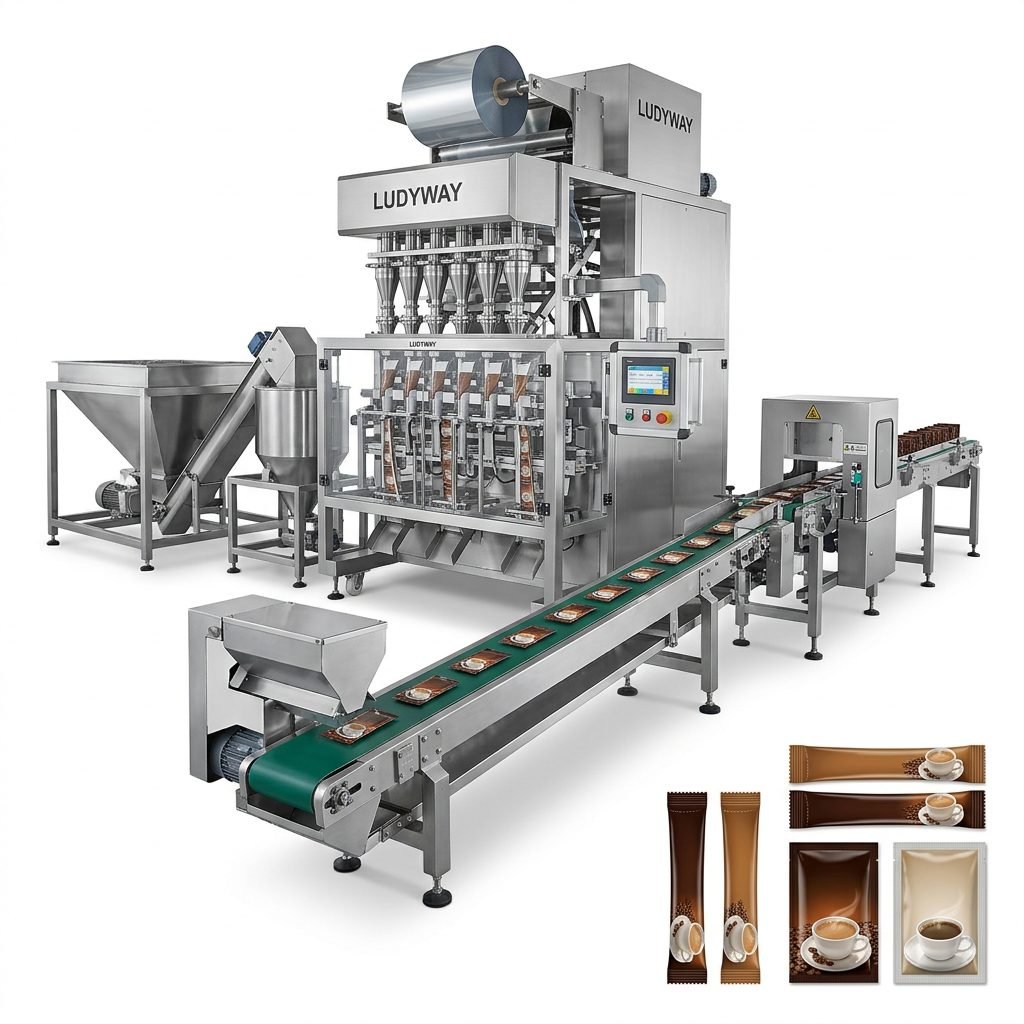
These systems create the package, fill it, and seal it automatically. Common food applications include sachets, stick packs, pouches, and vertical bags. They are suitable for coffee, sugar, salt, seasoning powder, milk powder, sauce, ketchup, oil, nutrition blends, and many more products.
3. Sealing and leak-prevention technology
Seal integrity directly affects food safety, shelf life, and customer confidence. Automated sealing systems help maintain stable temperature, pressure, and dwell time so that each pack meets quality requirements. For liquids and semi-liquids, precision sealing is especially important to avoid leakage during storage and transport.
4. Inspection and quality control
Inspection devices such as checkweighers, metal detectors, vision inspection systems, and reject units help verify that every package meets specification. This improves compliance and reduces rework, waste, and customer complaints.
5. Coding, labeling, and traceability
Automated coding systems print batch numbers, production dates, expiry dates, barcodes, and traceability data. This is essential for regulatory compliance and supply chain visibility in food production.
6. End-of-line automation
After primary packaging, products often move into cartoning, case packing, sealing, palletizing, and wrapping. Integrating these stages reduces manual handling and supports consistent, high-volume output.
Best applications for automated food packaging lines
Automated food packaging equipment is used across a wide range of product categories. The most effective solutions are designed around the physical characteristics of the product, including flowability, particle size, viscosity, and sensitivity to moisture or oxygen.
| Food Category | Typical Packaging Format | Recommended Automation Features |
|---|---|---|
| Powders | Sachets, stick packs, pouches | Auger filling, dust control, checkweighing |
| Granules | Stick packs, pouches, bags | Cup filling, multihead weighing, counting systems |
| Liquids | Sachets, bottles, pouches | Servo pumps, anti-drip filling, leak-proof sealing |
| Pastes & sauces | Sachets, pouches, cups | High-viscosity dosing, heated hoppers, seal control |
| Snacks & dry foods | Bags, pouches, pillow packs | Multihead weighers, nitrogen flushing, case packing |
How automation improves food safety
Food safety is one of the strongest reasons to invest in packaging automation. Automated equipment minimizes direct human contact with the product and supports controlled, repeatable processing conditions. When the line is designed properly, it becomes easier to clean, inspect, and validate.
- Reduced manual contact lowers the chance of contamination during filling and sealing.
- Consistent sealing performance helps protect products from moisture, oxygen, and external contaminants.
- Integrated detection systems identify underweight packs, metal contamination, or visual defects.
- Traceability functions support recalls, audits, and quality assurance programs.
- Structured line design improves cleaning access and hygienic maintenance routines.
What to consider before choosing a food packaging automation solution
Not every packaging machine is suitable for every product. A successful investment depends on matching the system to your operational needs rather than only comparing speed or price.
Product characteristics
Understand whether your product is free-flowing, sticky, fragile, dusty, oily, or sensitive to temperature and humidity. These details affect feeder design, dosing method, and sealing structure.
Packaging format
Choose machinery based on the package you need to produce: stick packs, sachets, premade pouches, bottles, jars, or larger bags. If you handle multiple SKUs, flexibility and changeover speed are key.
Output requirements
Production target should be realistic and include expected growth. A scalable line allows you to expand without replacing the entire system too early.
Integration level
Many factories benefit from moving beyond a single machine to a more connected line that includes feeders, conveyors, coding, inspection, cartoning, and palletizing. This improves flow and reduces bottlenecks.
Compliance and support
Look for equipment suppliers that understand export standards, documentation, validation needs, and after-sales service. Technical support and spare parts availability are essential for long-term uptime.
Signs your factory is ready for packaging automation
- Frequent manual weighing or inconsistent filling results
- Rising labor costs or difficulty hiring operators
- Increased customer complaints about seals or package appearance
- Need for better output during seasonal demand peaks
- Expansion into export markets with stricter compliance requirements
- Desire to launch more SKUs without overloading production staff
Benefits of turnkey food packaging lines
A turnkey approach can simplify project execution because the line is engineered as a complete solution instead of separate machines from different vendors. This supports smoother installation, better machine communication, and easier troubleshooting.
For companies looking for complete line planning, equipment manufacturing, and integration support, Ludyway food packaging automation solutions are often considered for projects that require scalable machinery, flexible product handling, and turnkey packaging line capability. With more than 30 years of industry experience and a broad machine portfolio, the company serves food manufacturers seeking both standalone equipment and integrated production systems.
Future trends in food packaging automation
The industry is moving toward smarter, more connected production environments. Modern food packaging lines increasingly include servo control, digital monitoring, recipe management, vision-based inspection, and remote diagnostics. These features help manufacturers reduce downtime, improve changeover efficiency, and make data-driven production decisions.
Key trends to watch
- Smart sensors for real-time performance monitoring
- Modular machine designs for easier expansion
- More precise dosing for cost control and less product giveaway
- Enhanced traceability and data integration
- Higher compatibility with sustainable packaging materials
Conclusion
Efficient, safe, and scalable food production depends heavily on how well the packaging process is designed. The right automation solution can increase output, strengthen food safety, reduce operating costs, and support future growth across multiple product types. From sachets and stick packs to pouches, bottles, and full secondary packaging systems, automated lines are helping food manufacturers build stronger, more resilient operations.
If your production goals include speed, consistency, hygiene, and long-term scalability, investing in the right food packaging automation system is a practical next step.