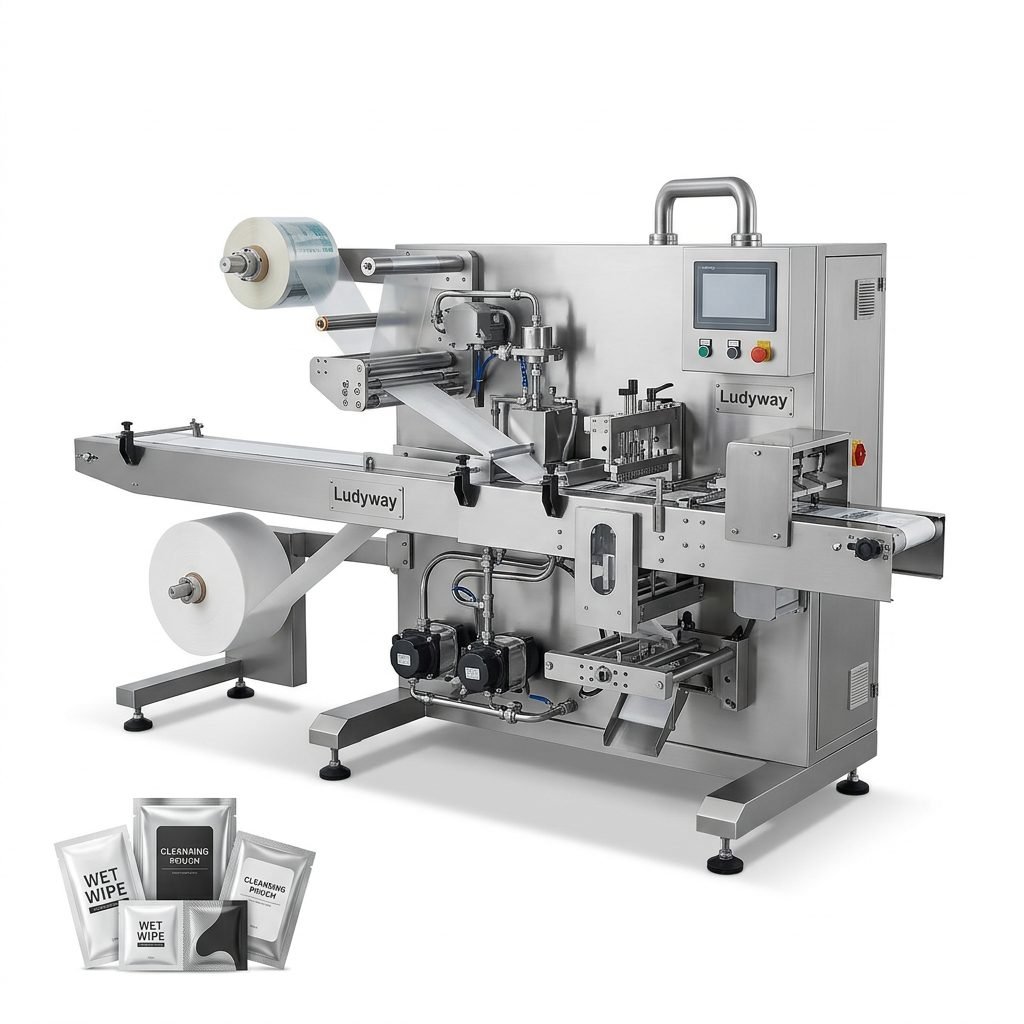
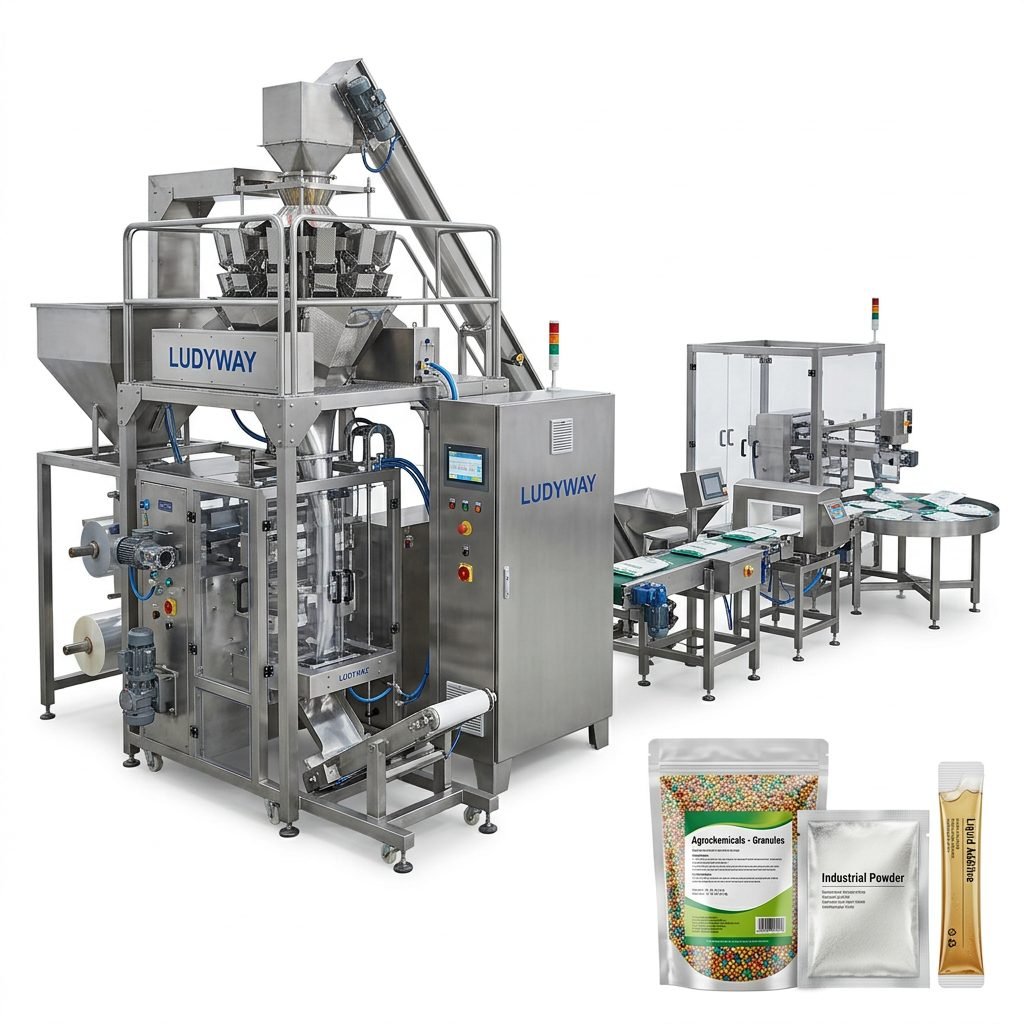
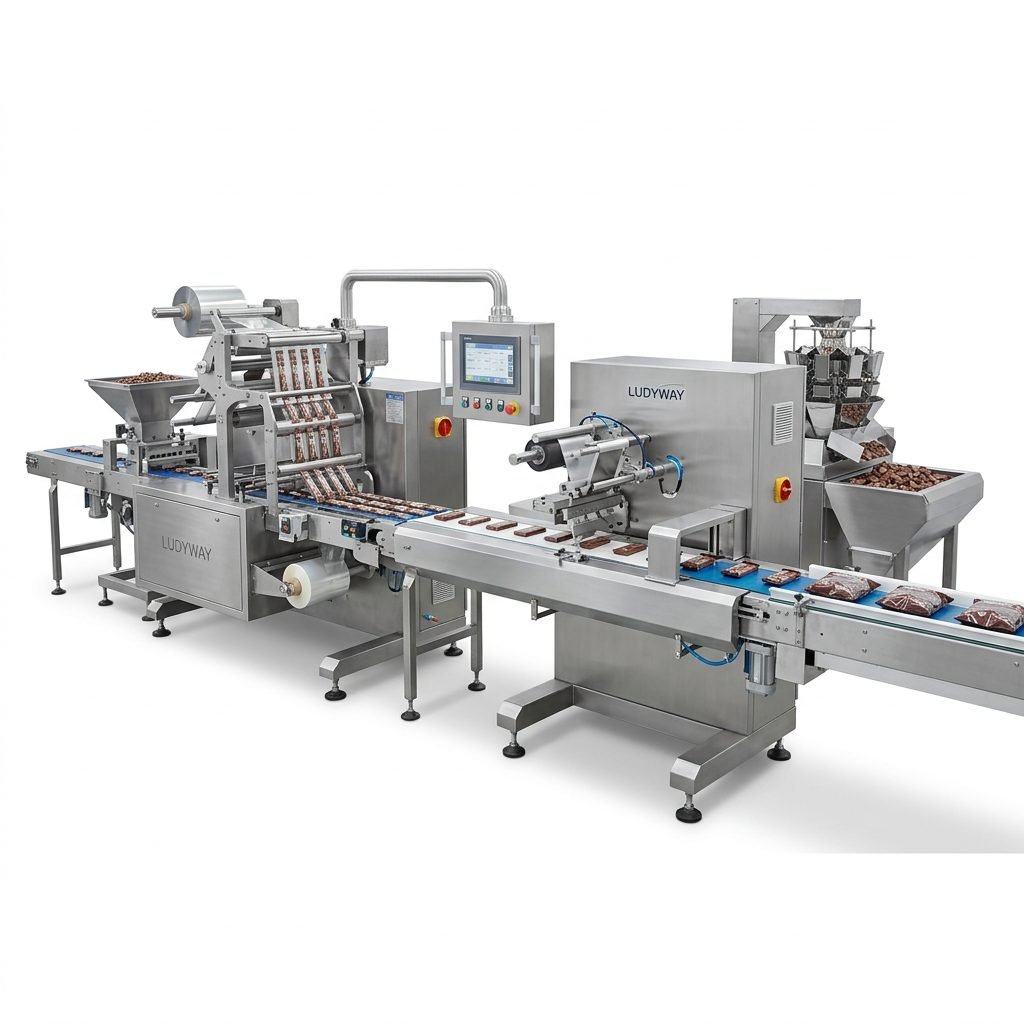
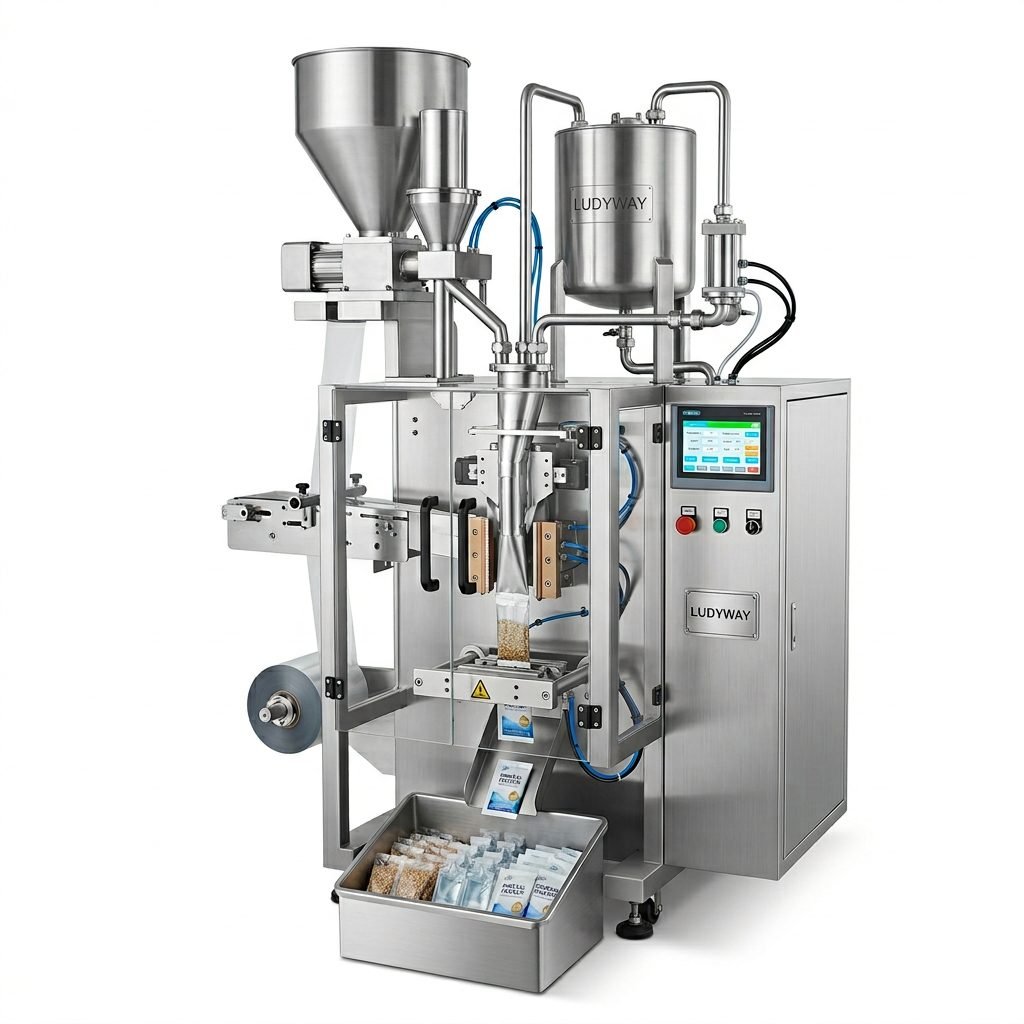
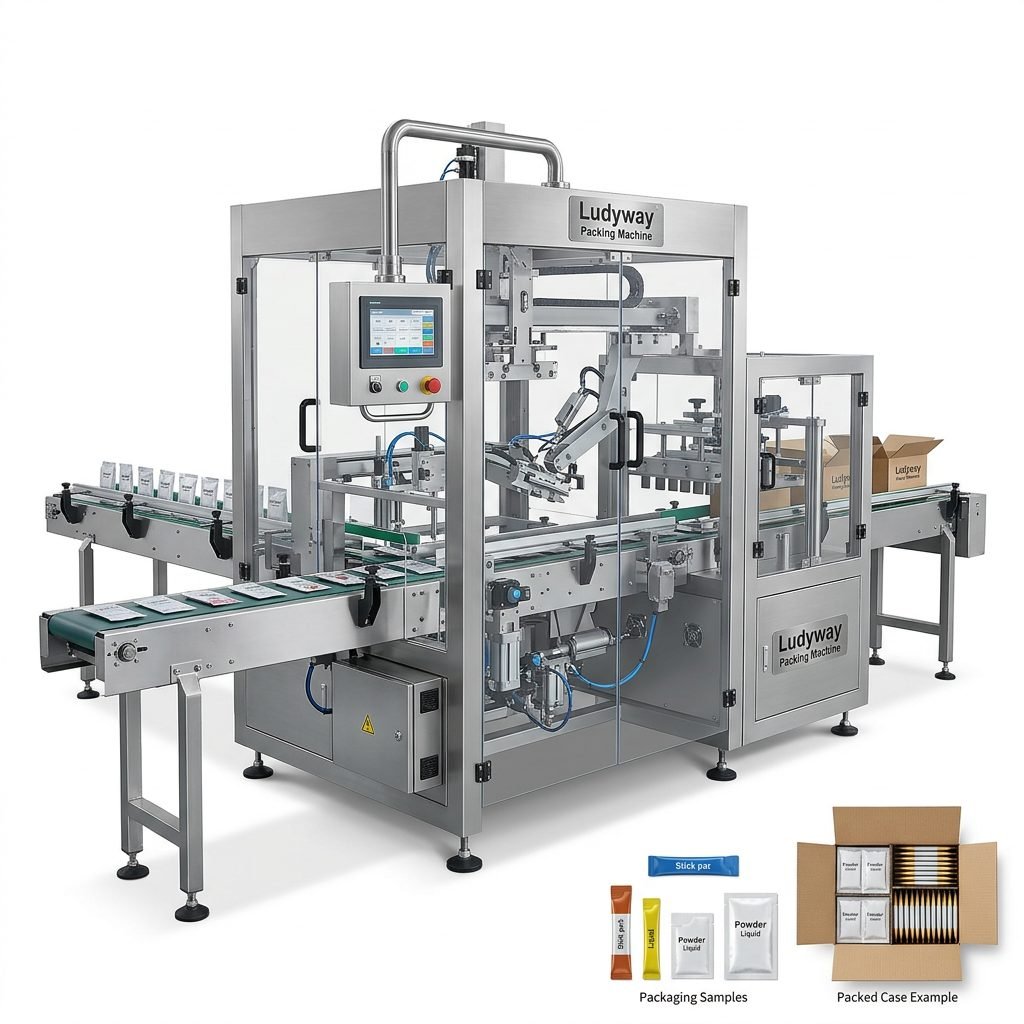
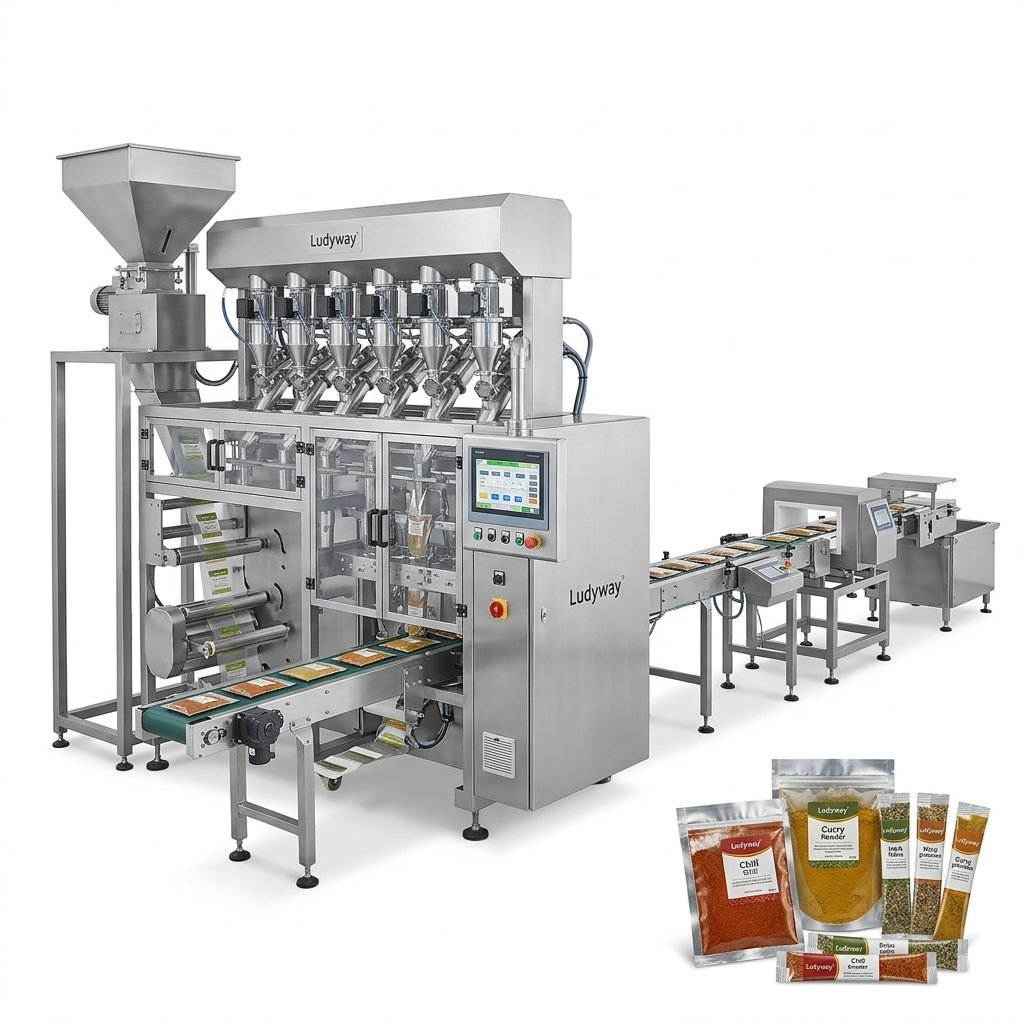
Packaging machines are the backbone of modern production. Whether you pack powders, granules, liquids, pastes, pouches, bottles, or bulk bags, the right equipment can dramatically improve output, consistency, hygiene, and cost control. For manufacturers in food, pharmaceutical, cosmetic, chemical, feed, and health supplement sectors, choosing the right machine is not simply about speed—it is about matching packaging technology to your product, plant layout, compliance needs, and growth plan.
This guide explains the main packaging machine types, their benefits, and the key factors to evaluate before making an investment decision.
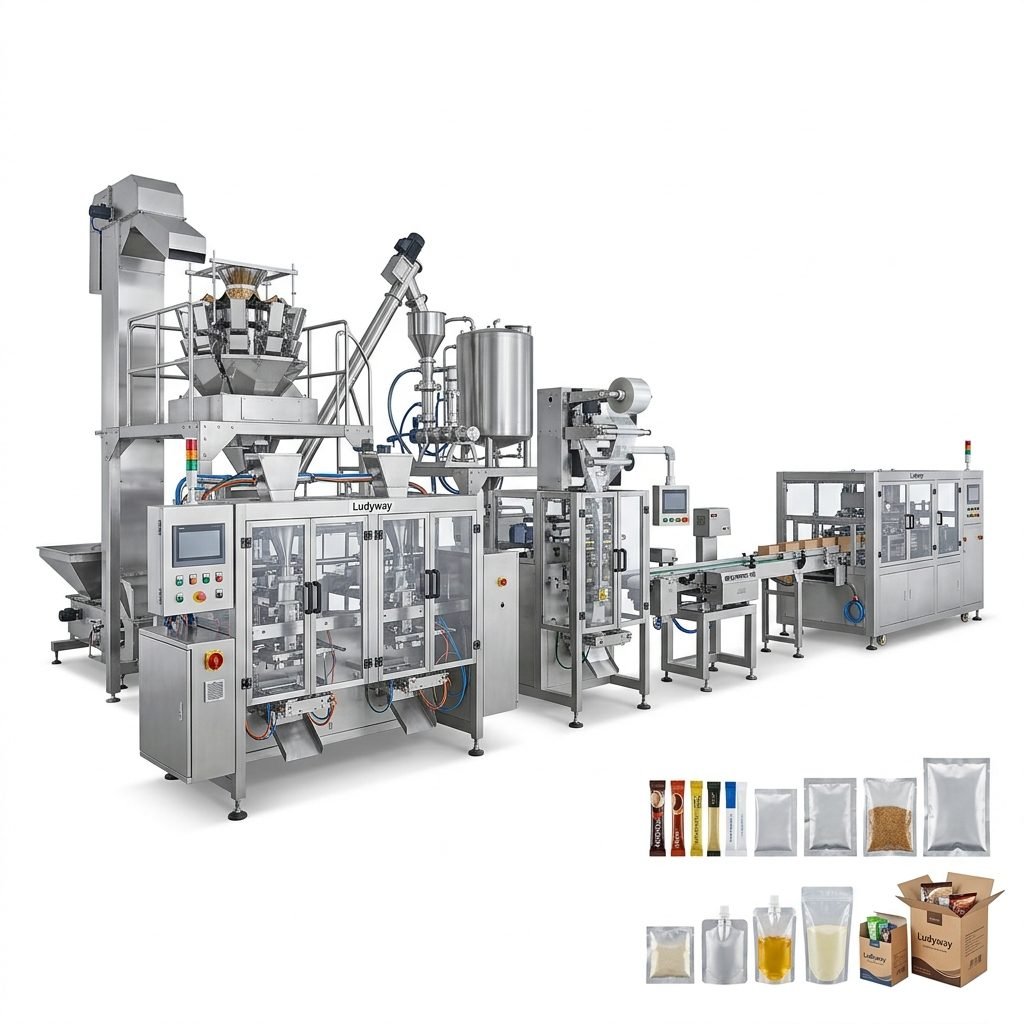
What Is a Packaging Machine?
A packaging machine is a system designed to fill, form, seal, label, count, weigh, or bundle products into final saleable or transport-ready packaging. Depending on the application, a packaging machine may work as a standalone unit or as part of a complete automated packaging line.
Typical packaging tasks include:
- Product feeding and conveying
- Weighing or dosing
- Filling into sachets, stick packs, pouches, bottles, jars, or bags
- Sealing and coding
- Cartoning, case packing, and palletizing
Main Types of Packaging Machines
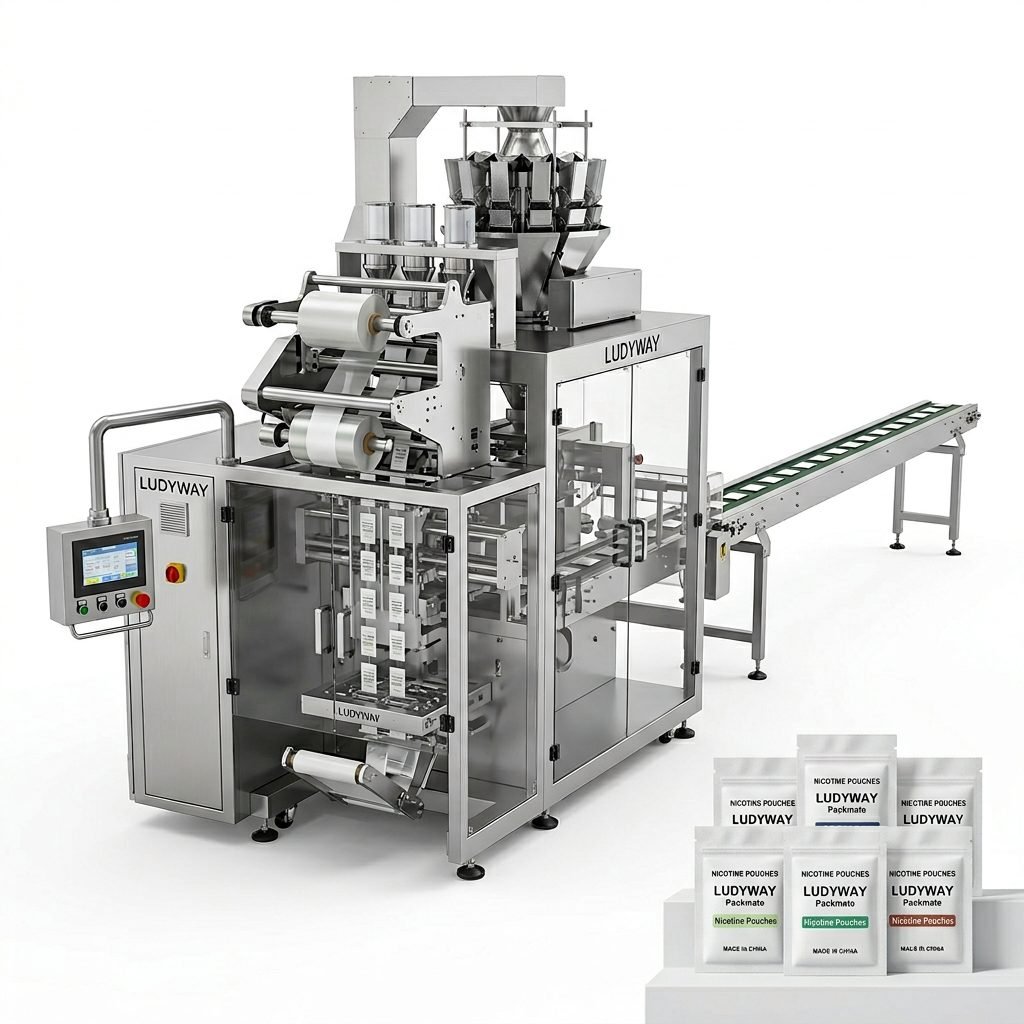
1. Vertical Form Fill Seal Machines
Vertical form fill seal machines, often called VFFS machines, form bags from roll film, fill the product, and seal the package in one continuous process. They are widely used for powders, granules, snacks, seeds, coffee, pet food, and many dry products.
Best for: pillow bags, gusset bags, back-seal bags, and high-volume flexible packaging.
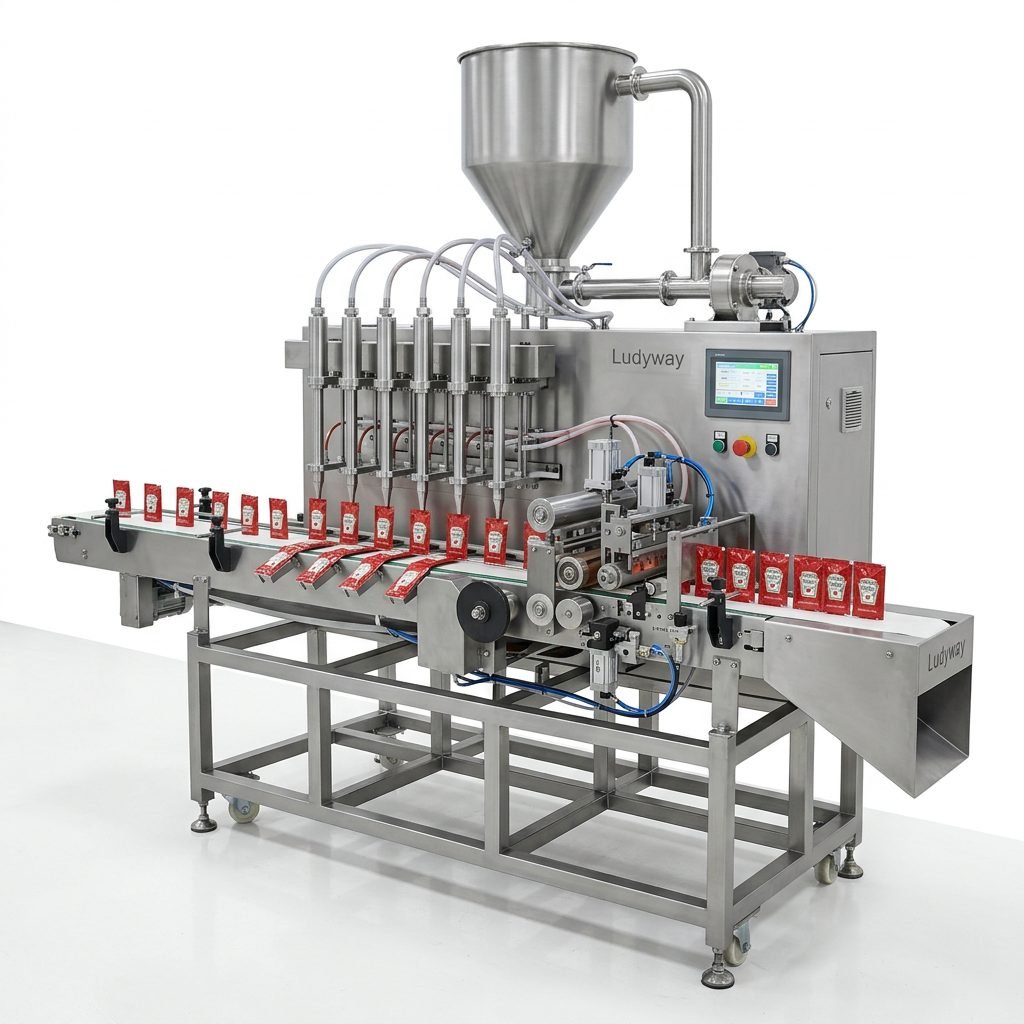
2. Sachet Packaging Machines
Sachet packaging machines are designed for small single-use packs. They are common in food service, pharmaceuticals, cosmetics, and household products.
Best for: coffee powder, sauces, shampoo, cream, seasoning, oral powder, and sample-size products.
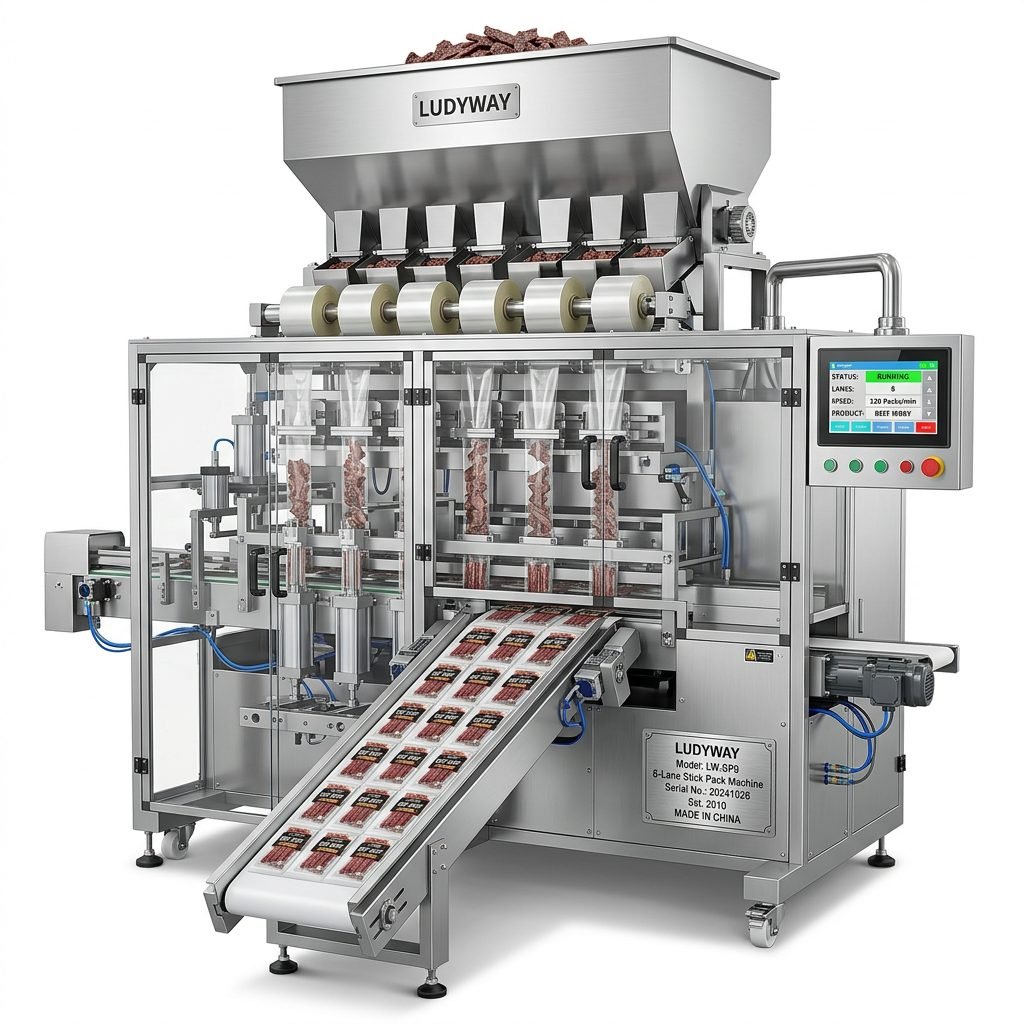
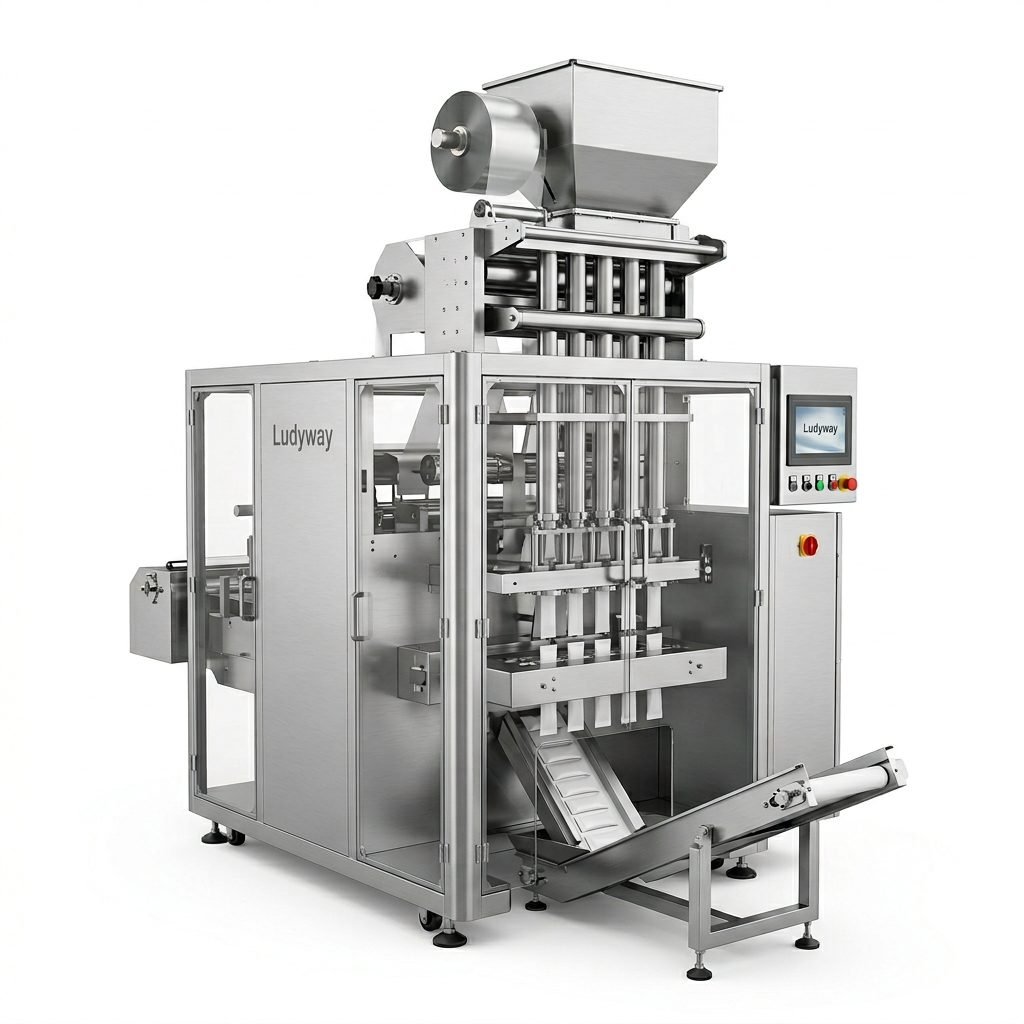
3. Stick Pack Machines
Stick pack machines produce narrow, elongated packs ideal for convenient dosing and on-the-go use. Multi-lane stick pack systems are especially popular for beverage powders, supplements, sugar, sweeteners, and pharmaceutical granules.
Best for: high-speed single-serve packaging with attractive shelf presentation.
4. Premade Pouch Packaging Machines
These machines fill and seal ready-made pouches rather than forming bags from film. They support premium packaging styles and can handle zipper pouches, stand-up pouches, and shaped pouches.
Best for: brands that want a premium appearance, resealability, and flexible pouch formats.
5. Liquid Filling and Sealing Machines
Liquid packaging machines are used for water-like liquids, viscous liquids, gels, sauces, oils, lotions, and chemical solutions. The filling system may use piston filling, pump filling, gravity filling, or flow-meter control depending on product viscosity and accuracy requirements.
Best for: beverage, condiment, cosmetic, detergent, and pharma liquid applications.
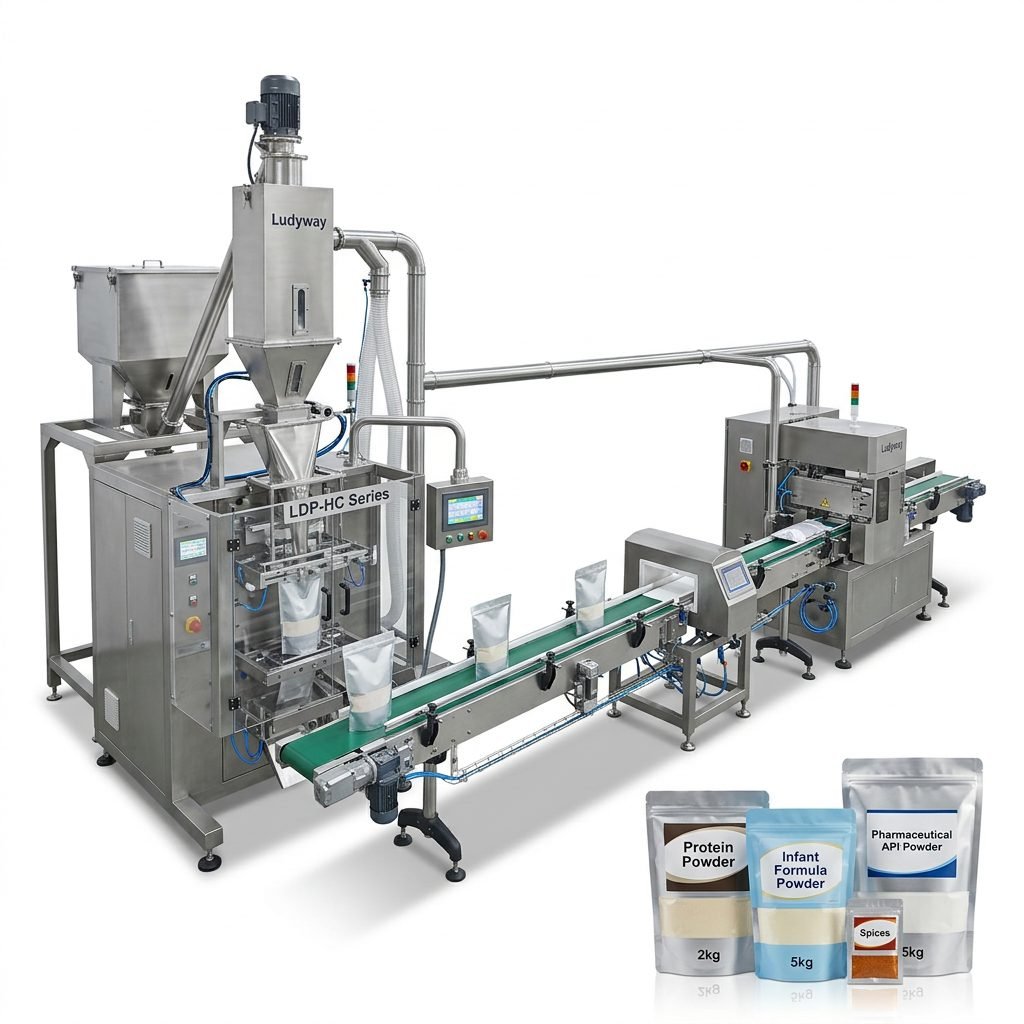
6. Powder Packaging Machines
Powder packaging machines typically use auger fillers or screw dosing systems to achieve precise filling. They are suitable for free-flowing and non-free-flowing powders.
Best for: milk powder, protein powder, spices, pharmaceutical powders, and chemical powders.
7. Granule Packaging Machines
Granule packaging machines often combine cup fillers, linear weighers, or multihead weighers for accurate dosing of grains, seeds, nuts, sugar, candies, feed, and pellets.
Best for: products with stable particle size and good flowability.
8. Bagging Machines for Large Bags
For industrial and agricultural applications, bagging systems can pack 10kg, 25kg, 50kg, or jumbo bags. These systems are common for fertilizer, feed, minerals, resins, and bulk powders.
Best for: bulk packaging and automated weighing, filling, sealing, and palletizing.
9. Cartoning and End-of-Line Equipment
After primary packaging, many factories need carton erecting, cartoning, labeling, coding, case packing, wrapping, and palletizing systems to complete the production line.
Best for: improving logistics efficiency and reducing manual handling.
Packaging Machine Types at a Glance
| Machine Type | Suitable Products | Common Package Formats | Main Advantage |
|---|---|---|---|
| VFFS Machine | Powders, granules, snacks | Pillow bags, gusset bags | Efficient and versatile |
| Sachet Machine | Powder, liquid, paste | Small sachets | Ideal for single-use packs |
| Stick Pack Machine | Supplements, sugar, drink mix | Stick packs | High-speed small-dose packaging |
| Premade Pouch Machine | Granules, powder, liquids | Stand-up pouches, zipper pouches | Premium appearance |
| Liquid Filling Machine | Liquids, oils, gels, creams | Bottles, sachets, pouches | Precise liquid dosing |
| Bulk Bagging System | Fertilizer, feed, chemicals | 10kg–50kg bags, jumbo bags | Heavy-duty automation |
Benefits of Using the Right Packaging Machine
- Higher production efficiency with stable, repeatable output
- Improved filling accuracy for less giveaway and better cost control
- Lower labor dependence through automation
- Better packaging consistency for stronger brand image
- Enhanced hygiene and safety, especially in food and pharma applications
- Scalability to support future growth and new product launches
- Reduced downtime when properly matched to product and line requirements
How to Choose the Right Packaging Machine
Know Your Product Characteristics
Start with the product itself. Ask whether it is a powder, granule, liquid, paste, tablet, pellet, or mixed material. Also consider flowability, dust level, moisture sensitivity, viscosity, particle size, and whether the product is fragile.
For example, a free-flowing sugar product and a sticky milk powder may both be powders, but they often require different feeding and dosing systems.
Define the Packaging Format
Your machine choice depends heavily on the pack style you need:
- Sachet
- Stick pack
- Pillow bag
- Stand-up pouch
- Bottle or jar
- Large woven bag or valve bag
Set Your Output Target
A small business may only need moderate output, while a large manufacturer may require a multi-lane high-speed packaging line. Be realistic about:
- Current daily production
- Peak season demand
- Future expansion plans
- Shift schedule and uptime requirements
Consider Accuracy Requirements
Industries such as pharmaceuticals and nutraceuticals often require very tight filling tolerances. In these cases, the dosing method is as important as the packaging format. High-precision weighing or auger filling may be essential.
Check Material and Hygiene Standards
If you work in food or pharmaceutical production, stainless steel construction, sanitary design, easy cleaning, and GMP-oriented configurations may be necessary. Chemical and industrial applications may need corrosion resistance, dust control, or explosion-proof options.
Match the Machine to Your Factory Layout
A machine may look perfect on paper but still fail if it does not fit your plant. Review:
- Available floor space
- Ceiling height
- Power supply
- Air consumption
- Operator access
- Material feeding path
- Integration with conveyors, printers, checkweighers, and cartoners
Evaluate Flexibility and Changeover Time
If you produce multiple SKUs, flavors, or pack sizes, fast changeover becomes critical. A flexible machine reduces downtime and supports faster response to market demand.
Look Beyond the Machine Price
The lowest upfront price does not always mean the best value. Review the total cost of ownership, including:
- Film or pouch compatibility
- Energy consumption
- Maintenance needs
- Spare parts availability
- Operator training
- Technical support and after-sales service
Quick Machine Selection Guide
| If You Need To Pack… | Recommended Machine | Notes |
|---|---|---|
| Protein powder in small single-serve packs | Stick pack machine | Multi-lane for higher output |
| Sauce or shampoo in sample packs | Sachet liquid packaging machine | Choose based on viscosity |
| Snacks or grains in retail bags | VFFS machine | Combine with weigher |
| Premium zipper pouch products | Premade pouch machine | Good for retail shelf appeal |
| Fertilizer or feed in 25kg–50kg bags | Bulk bagging line | Often paired with palletizing |
Industries That Commonly Use Packaging Machines
Packaging machinery is used across a wide range of sectors, including:
- Food and beverage
- Pharmaceuticals
- Nutraceuticals and health supplements
- Cosmetics and personal care
- Chemical products
- Pet food and animal feed
- Agricultural seed and fertilizer
- Household cleaning products
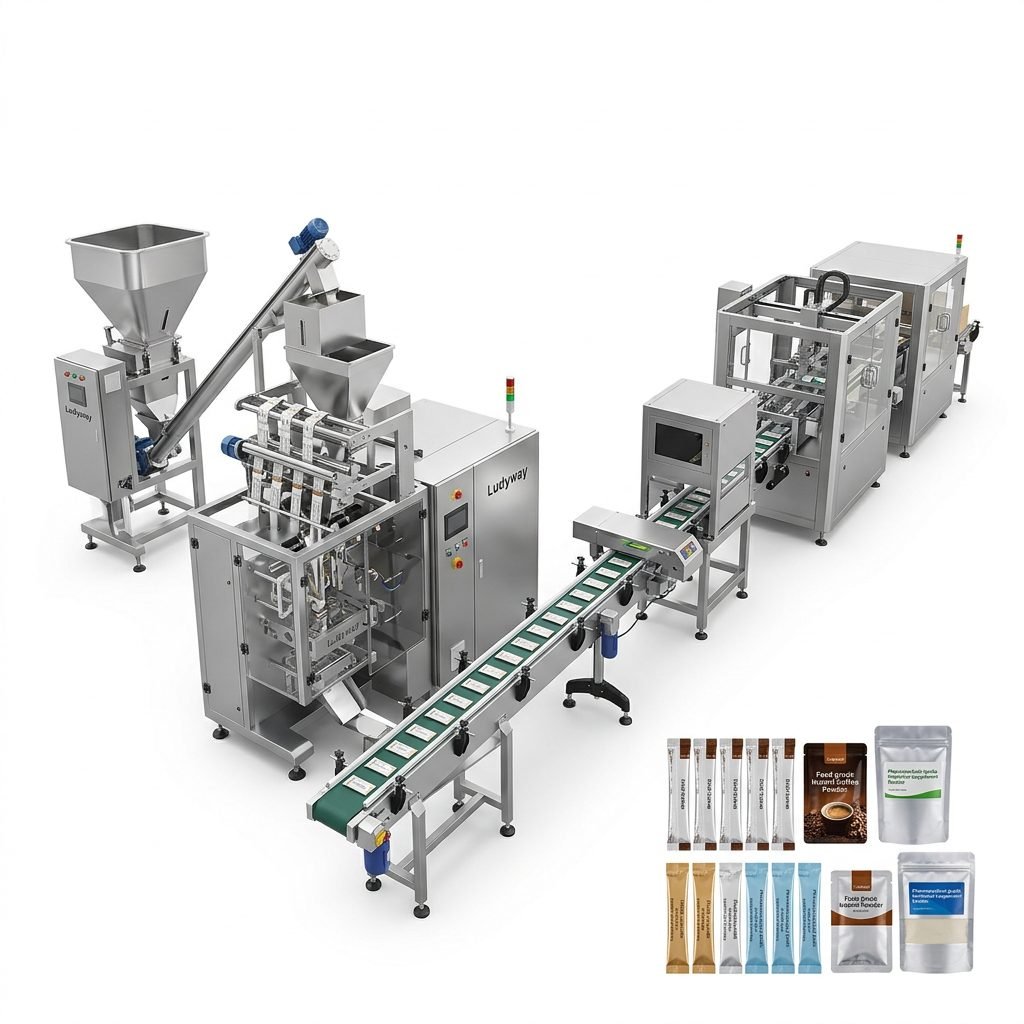
Should You Buy a Standalone Machine or a Turnkey Packaging Line?
A standalone machine is suitable when you only need one packaging step or want to upgrade part of an existing line. A turnkey packaging line is better when you want integrated feeding, filling, sealing, coding, inspection, cartoning, and palletizing in one coordinated system.
For manufacturers planning long-term automation, turnkey solutions often provide better line balance, lower manual intervention, and easier production management.
What to Ask a Packaging Machine Supplier
- Can the machine handle my exact product and package size?
- What is the actual running speed under production conditions?
- What filling accuracy can be achieved?
- Can the machine be customized for my factory and compliance needs?
- How long is the lead time?
- What installation and training support is available?
- How are spare parts and after-sales service handled?
Choosing a Reliable Manufacturing Partner
When selecting a supplier, look for proven engineering capability, broad application experience, export background, and the ability to provide customized solutions. For businesses seeking scalable automation, Ludyway packaging machine solutions are backed by more than 30 years of manufacturing experience, a facility of over 20,000 square meters, and extensive experience in food, pharmaceutical, health supplement, chemical, and pouch-based packaging applications.
Final Buying Tips
- Test the machine with your real product whenever possible.
- Choose based on production needs, not just brochure speed.
- Plan for future SKUs and packaging upgrades.
- Prioritize stable performance and service support.
- Make sure the system can integrate with upstream and downstream equipment.
The right packaging machine can transform output, consistency, and profitability. By evaluating your product type, package style, speed target, hygiene requirements, and automation goals, you can select a system that supports both current operations and future growth.