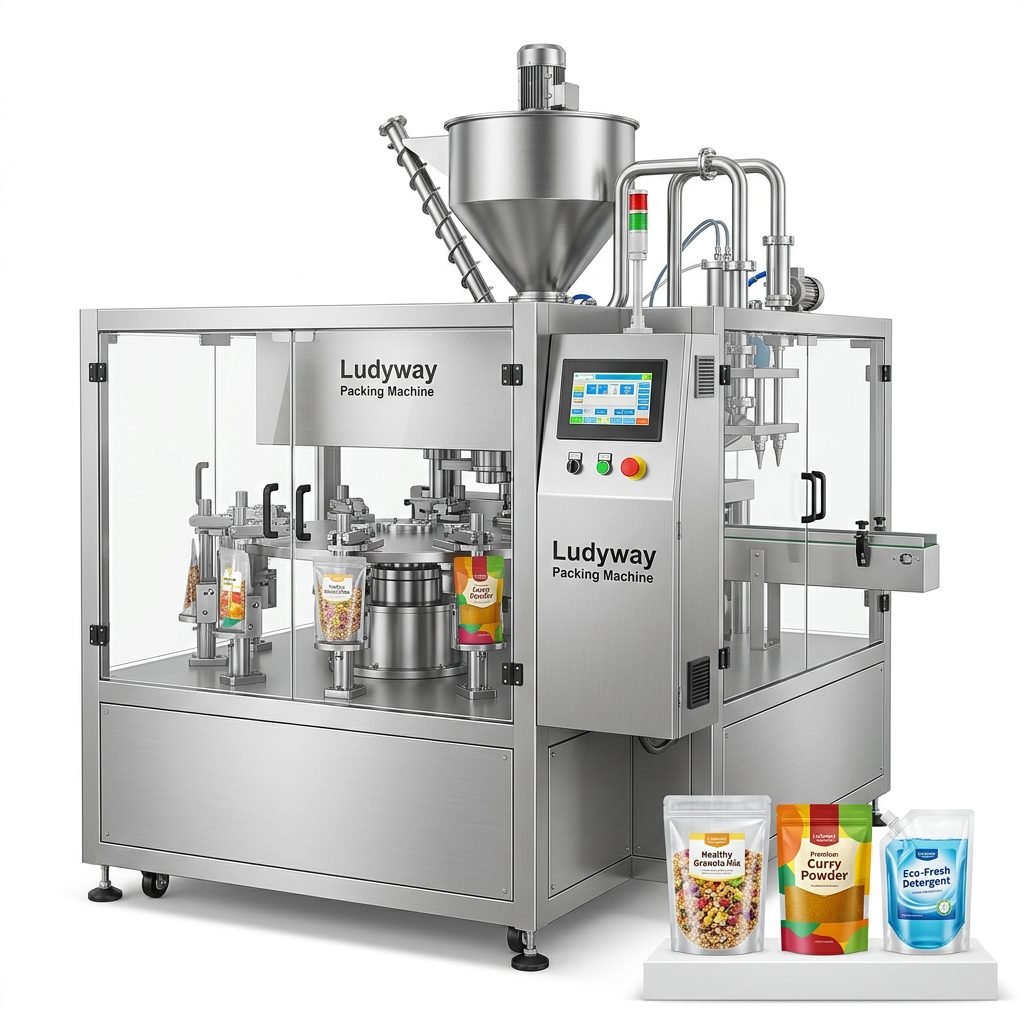
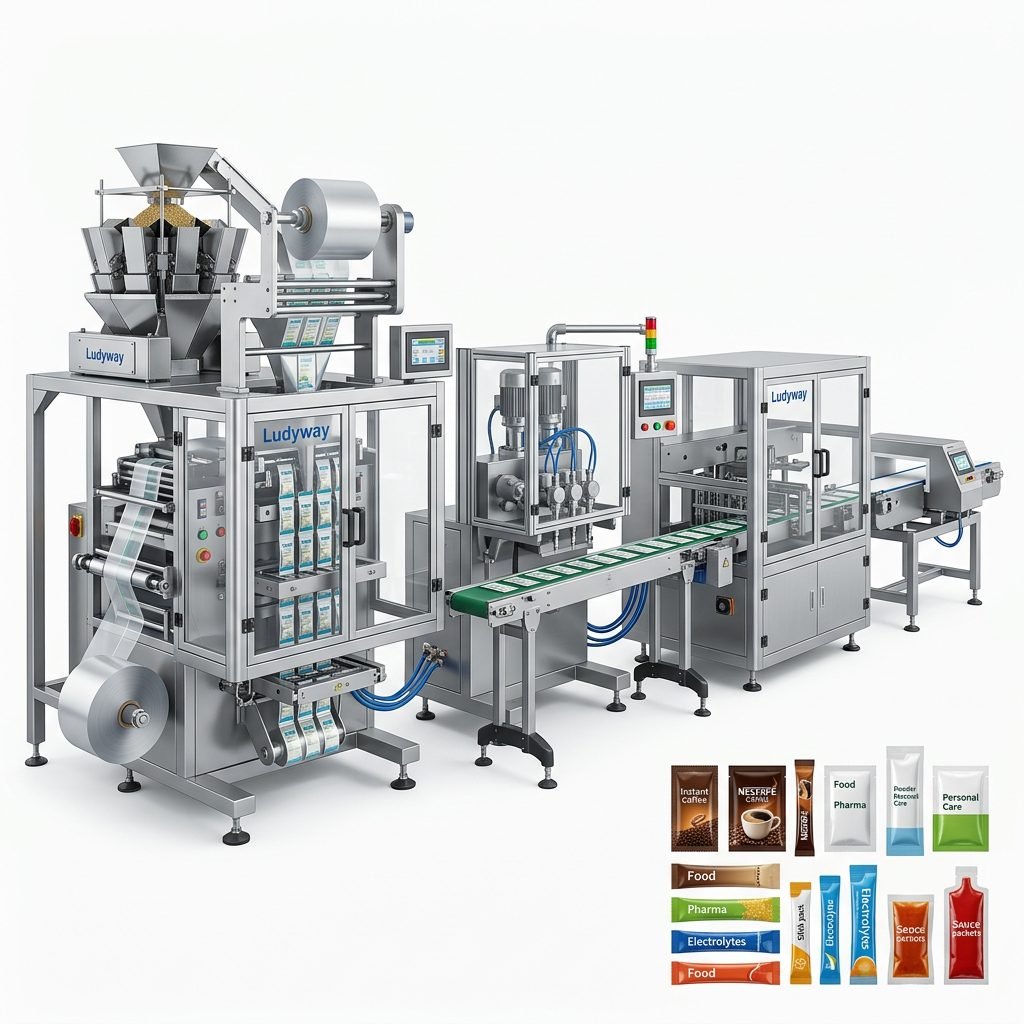
Investing in a tray sealer packaging machine is a critical decision for food manufacturers, pharmaceutical companies, and industrial producers. The right equipment can dramatically improve product shelf life, enhance presentation, and streamline packaging operations. However, with so many configurations, technologies, and suppliers available, selecting the optimal machine requires a thorough understanding of your production needs, product characteristics, and long-term operational goals.
This comprehensive buyer’s guide walks you through the essential factors to evaluate before purchasing a tray sealer, helping you make an informed investment that aligns with your production capacity, sealing technology requirements, and budget considerations.
Understanding Tray Sealer Packaging Machines
A tray sealer is an automated packaging system designed to seal pre-formed trays with a flexible lidding film. These machines are widely used across multiple industries for packaging fresh produce, meat, poultry, seafood, ready meals, baked goods, dairy products, medical devices, and industrial components. Depending on the application, tray sealers can incorporate Modified Atmosphere Packaging (MAP), vacuum sealing, or simple heat-seal technologies to meet specific preservation requirements.
According to industry data from PMMI’s packaging machinery market research, the global demand for automated tray sealing solutions continues to grow as manufacturers seek to improve efficiency and extend product shelf life. Understanding the current state of the packaging industry can provide valuable context for your investment decision.
Key Factors to Consider When Choosing a Tray Sealer
1. Product Type and Characteristics
Your product’s physical properties directly influence which tray sealer configuration is appropriate. Consider the following product variables:
- Product consistency: Solid, liquid, semi-liquid, granular, or powder forms each require different handling and sealing approaches.
- Product sensitivity: Oxygen-sensitive products benefit from MAP or vacuum sealing, while less sensitive items may only require a simple hermetic seal.
- Temperature requirements: Hot-fill, cold-fill, or ambient temperature sealing conditions affect machine specifications.
- Product size and shape: Irregularly shaped products may require custom tooling for proper tray alignment and sealing.
2. Production Volume and Speed Requirements
Matching machine speed to your production demand is essential for operational efficiency. Tray sealers range from manual and semi-automatic models suitable for small-batch production to fully automatic high-speed systems capable of sealing hundreds of trays per minute.
| Production Scale | Recommended Machine Type | Typical Speed Range |
|---|---|---|
| Small / Startup | Manual or Semi-Automatic | 5–15 trays/min |
| Medium / Growing | Automatic Single-Lane | 20–60 trays/min |
| Large / Industrial | Fully Automatic Multi-Lane | 80–200+ trays/min |
3. Tray Material and Compatibility
Not all tray sealers work with every tray material. Common tray substrates include PP, PET, CPET, APET, aluminum, and paper-based trays. The Flexible Packaging Association provides extensive resources on material compatibility and sustainable packaging trends. Your chosen machine must be compatible with the tray dimensions, flange design, and material properties you intend to use.
Additionally, the lidding film must be matched to both the tray material and the sealing technology. Peelable, weld-seal, and recloseable lidding options each serve different market requirements and consumer convenience expectations.
4. Sealing Technology: MAP, Vacuum, and Skin Packaging
The sealing technology you select has a direct impact on product shelf life, appearance, and food safety compliance. The three primary sealing methods include:
- Modified Atmosphere Packaging (MAP): Replaces oxygen inside the tray with a controlled gas mixture (typically nitrogen, carbon dioxide, or a blend) to slow spoilage and extend shelf life. Essential for fresh meats, produce, and ready meals.
- Vacuum Sealing: Removes air from the package to create a tight seal around the product. Ideal for processed meats, cheese, and products requiring extended shelf life without preservatives.
- Skin Packaging: A vacuum-applied film conforms tightly to the product shape, providing excellent presentation and leak-proof protection. Popular for premium meat, seafood, and retail-ready products.
5. Automation Level and Integration
Consider how the tray sealer will fit into your existing or planned production line. Key automation considerations include:
- Infeed and outfeed systems: Manual loading, conveyor-based automatic feeding, or robotic pick-and-place integration.
- Filling and portioning: Whether the machine integrates with upstream filling, weighing, and dosing equipment.
- Labeling and coding: Compatibility with inline date coding, barcode printing, and labeling systems.
- Quality inspection: Integration with checkweighers, metal detectors, X-ray inspection, and vision systems.
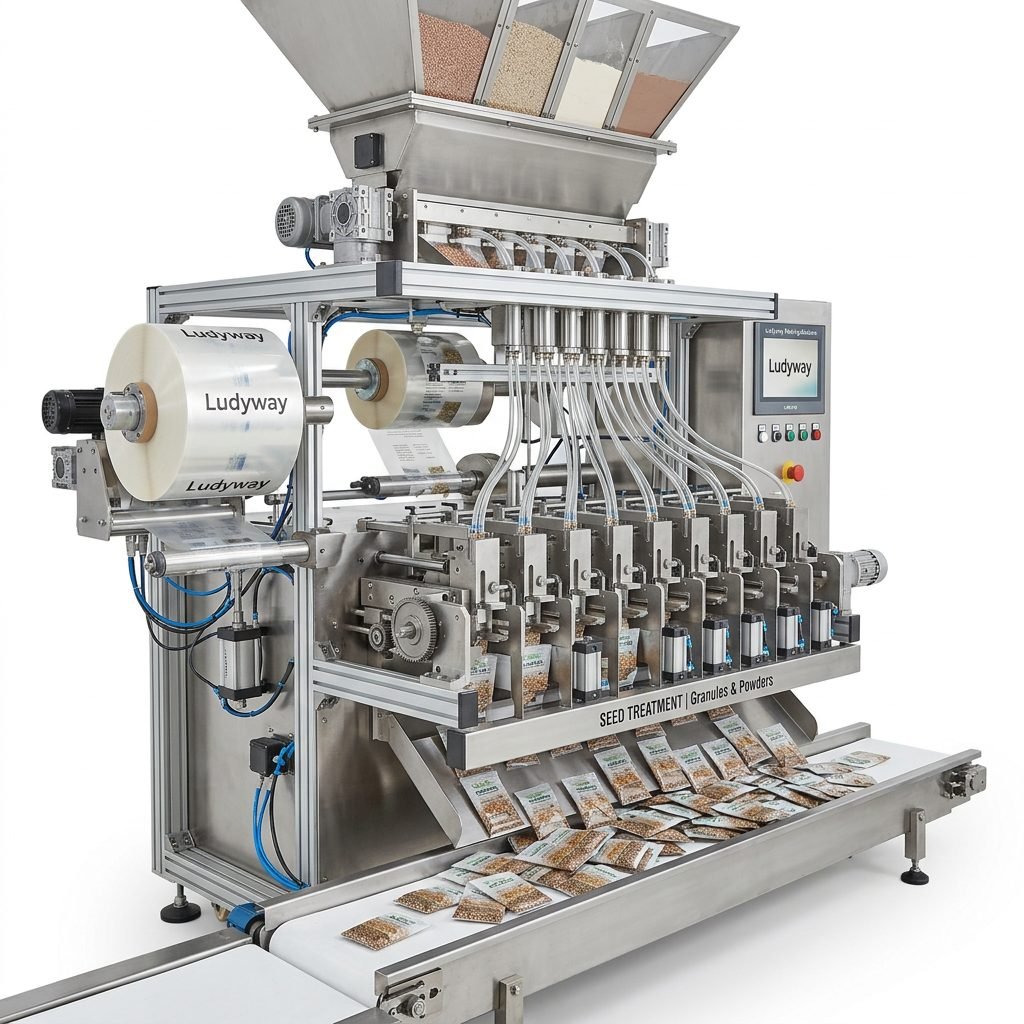
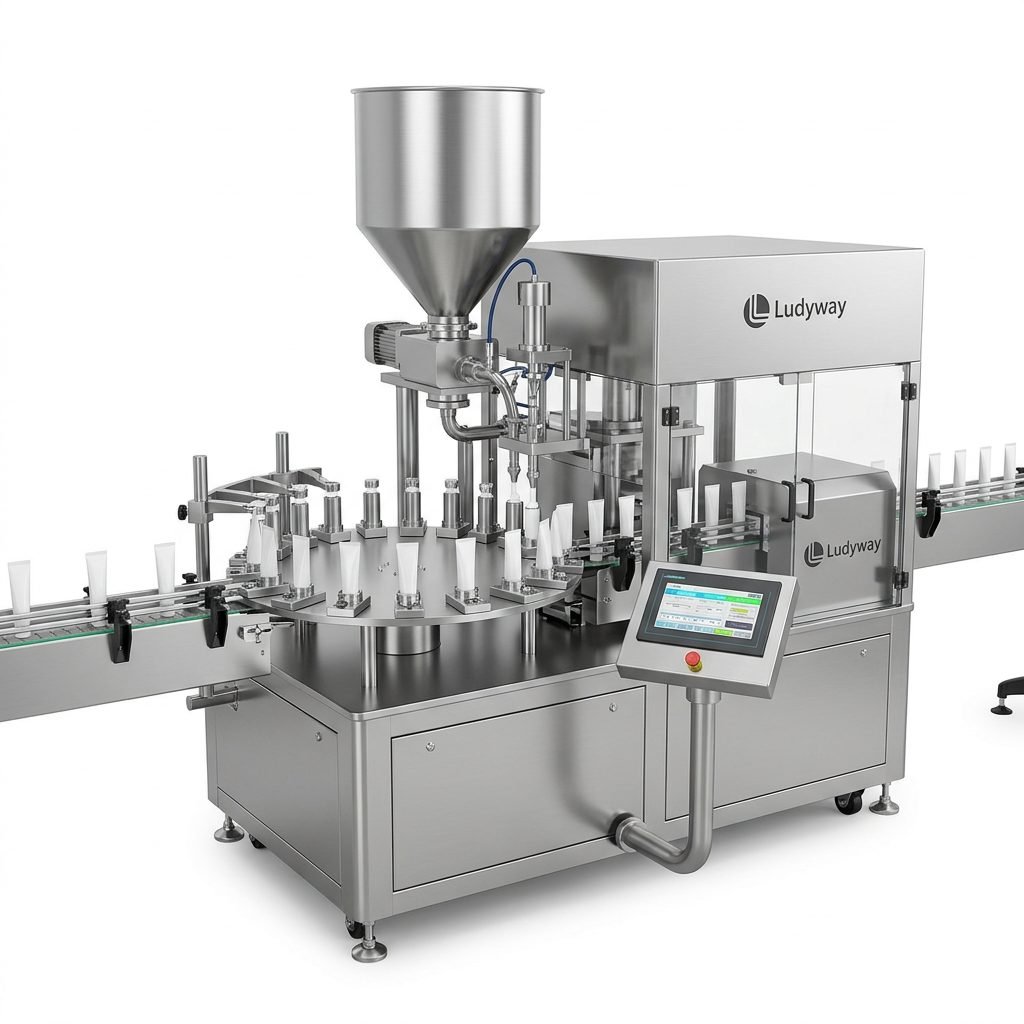
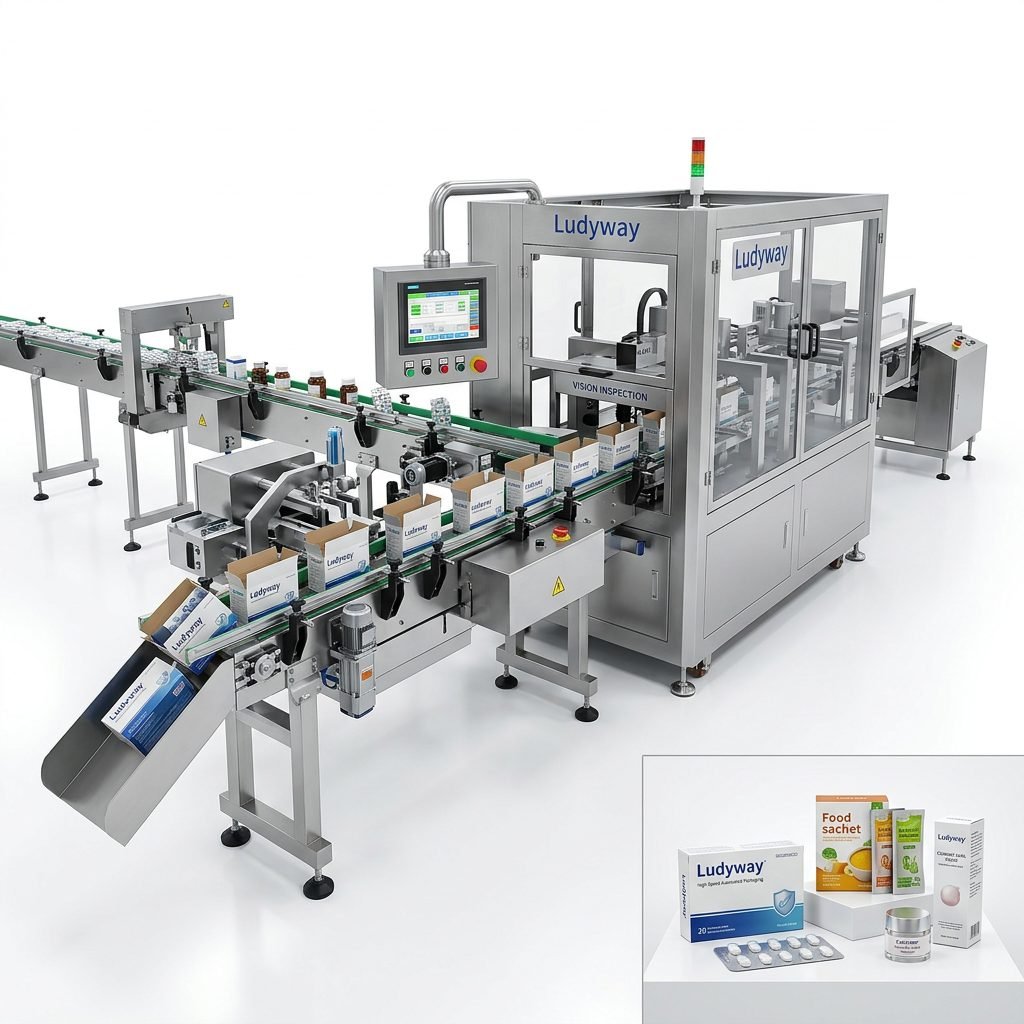
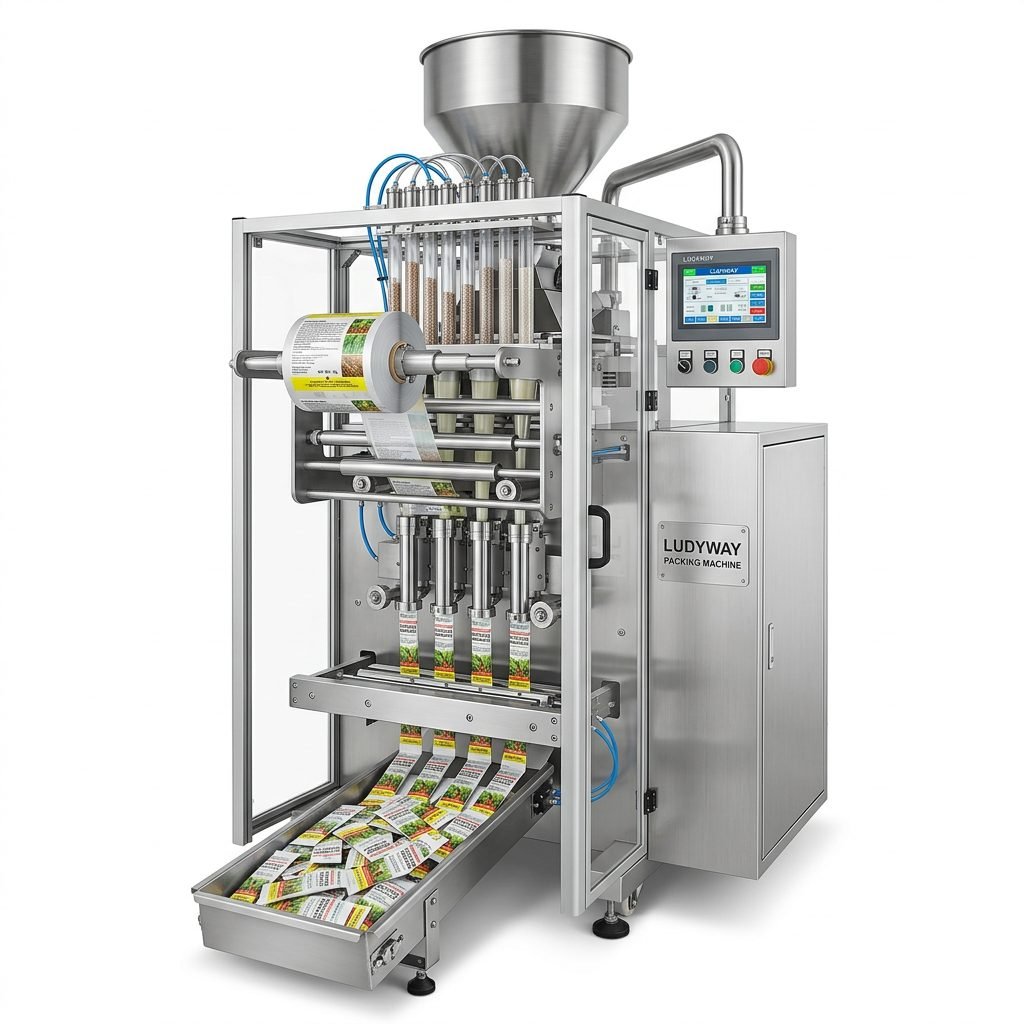
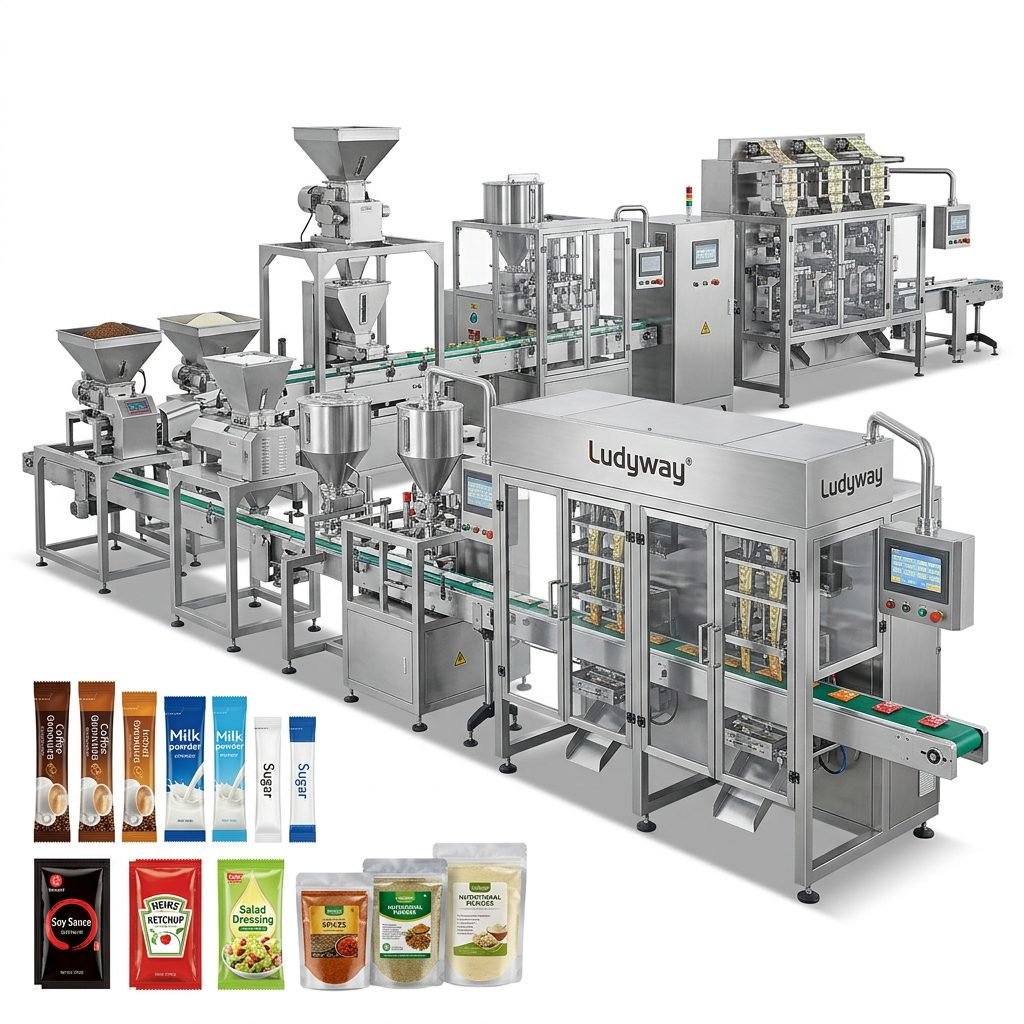
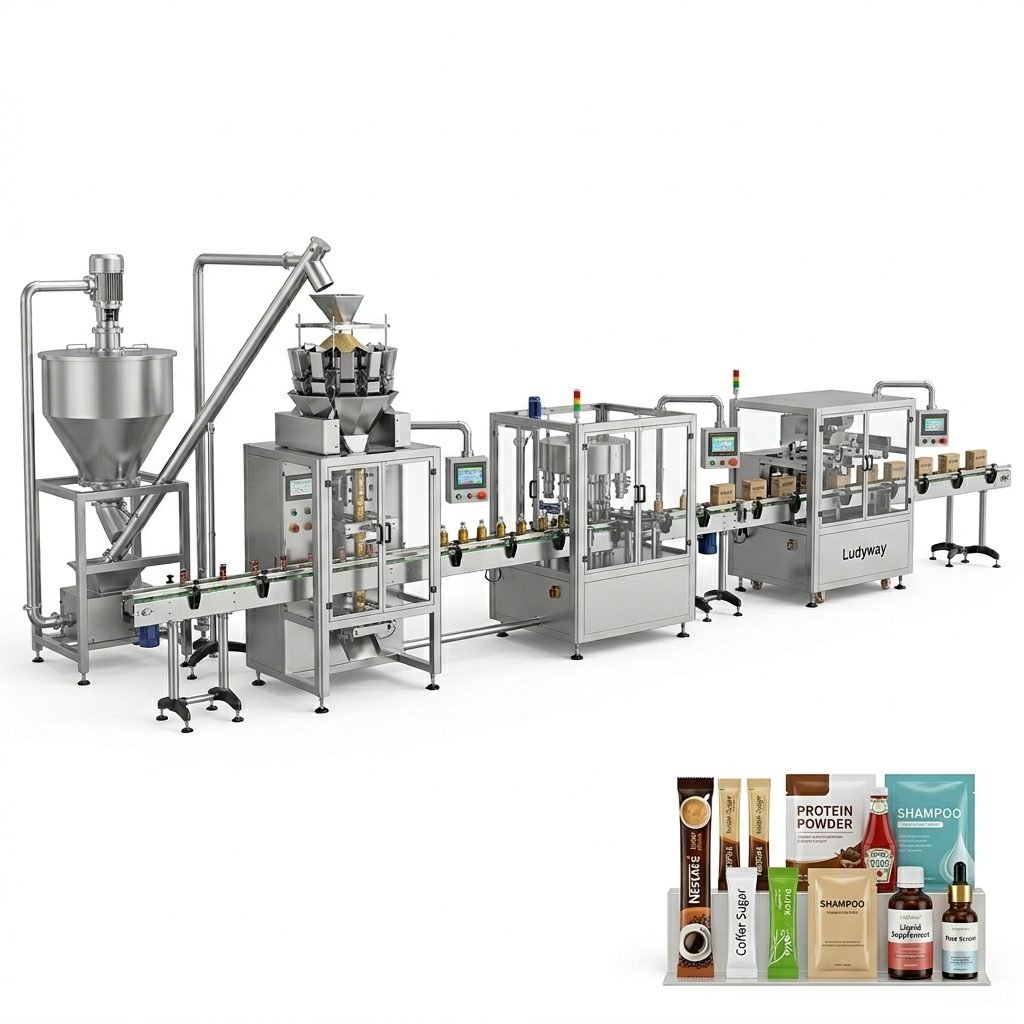
For manufacturers seeking a turnkey packaging solution, working with a supplier that offers complete line integration — from filling through secondary packaging — can simplify project management and improve overall equipment effectiveness. Ludyway Machinery, a China-based packaging machinery manufacturer with more than 30 years of experience, provides integrated packaging systems and turnkey production line solutions that connect multiple stages of the packaging process for manufacturers worldwide.
6. Machine Footprint and Facility Requirements
Evaluate the physical space available in your facility and any infrastructure requirements. Consider floor space, ceiling height, power supply, compressed air availability, and ventilation needs. Some MAP systems require gas supply lines, and vacuum systems may need additional utility connections. Understanding these requirements upfront helps avoid costly installation delays.
Types of Tray Sealer Packaging Machines
| Machine Category | Best For | Key Advantage |
|---|---|---|
| Manual Tray Sealers | R&D labs, startups, low-volume production | Low cost, flexible, easy to operate |
| Semi-Automatic Sealers | Small to medium manufacturers | Higher output, consistent seal quality |
| Automatic Inline Sealers | Medium to high-volume production | Continuous operation, reduced labor |
| Multi-Lane High-Speed Systems | Large-scale industrial production | Maximum throughput, advanced automation |
| MAP-Specific Tray Sealers | Fresh food, meat, produce, ready meals | Extended shelf life, superior preservation |
Cost Considerations and ROI
When budgeting for a tray sealer, look beyond the initial purchase price. A comprehensive cost analysis should include:
- Equipment cost: Base machine price plus options, tooling, and custom configurations.
- Installation and commissioning: Site preparation, utility connections, and technician support.
- Consumables: Lidding film, trays, and gas costs for MAP systems.
- Maintenance and spare parts: Ongoing service requirements and parts availability.
- Labor savings: Reduced manual handling and increased throughput.
- Product waste reduction: Improved seal integrity can reduce product returns and spoilage.
A well-chosen tray sealer packaging machine typically delivers ROI through a combination of labor reduction, increased throughput, extended shelf life, and improved product presentation that commands better retail positioning.
Industry Standards and Compliance
Depending on your industry and target markets, your tray sealer may need to comply with specific regulations and standards. Key frameworks include:
- Food safety: Compliance with FDA food packaging regulations for the U.S. market and equivalent standards for other regions. The European Commission’s packaging and packaging waste regulation also impacts material choices and machine design.
- Medical packaging: ISO 11607 standards for terminally sterilized medical devices apply to tray sealing in healthcare applications.
- Washdown requirements: IP65 or IP67-rated machines may be necessary for facilities requiring rigorous sanitation protocols.
- Sustainability: Growing emphasis on recyclable mono-material trays and reduced packaging waste is shaping equipment design as highlighted by the Flexible Packaging Association.
Maintenance and After-Sales Support
Equipment reliability and supplier support are critical to long-term operational success. Before purchasing, evaluate:
- Warranty coverage: What is included and for how long.
- Spare parts availability: Local stock or international shipping timelines.
- Technical support: Remote diagnostics, on-site service, and operator training programs.
- Preventive maintenance programs: Scheduled service to minimize unexpected downtime.
- Supplier reputation: Track record, customer references, and industry experience.
According to the PMMI 2025 State of the Industry report, manufacturers increasingly prioritize supplier partnerships that offer comprehensive after-sales service and technical support as part of their equipment purchasing decisions.
Why Choosing the Right Packaging Machinery Partner Matters
Selecting the right tray sealer packaging machine is only part of the equation. Equally important is choosing a supplier with the engineering expertise, application experience, and service infrastructure to support your packaging operations over the equipment’s full lifecycle. Look for a partner that offers:
- Proven experience across your industry and product category.
- In-house manufacturing and custom engineering capabilities for tailored solutions.
- Comprehensive support from machine selection and installation through ongoing technical service.
- Compliance documentation and certifications relevant to your target markets.
- Scalable solutions that can grow with your production demands.
For additional guidance, resources from PMMI – The Association for Packaging and Processing Technologies and the PACK EXPO International trade show can help you stay informed about the latest tray sealing technologies and packaging machinery trends. Making a well-informed decision today positions your business for operational efficiency, product quality, and scalable growth in the years ahead.