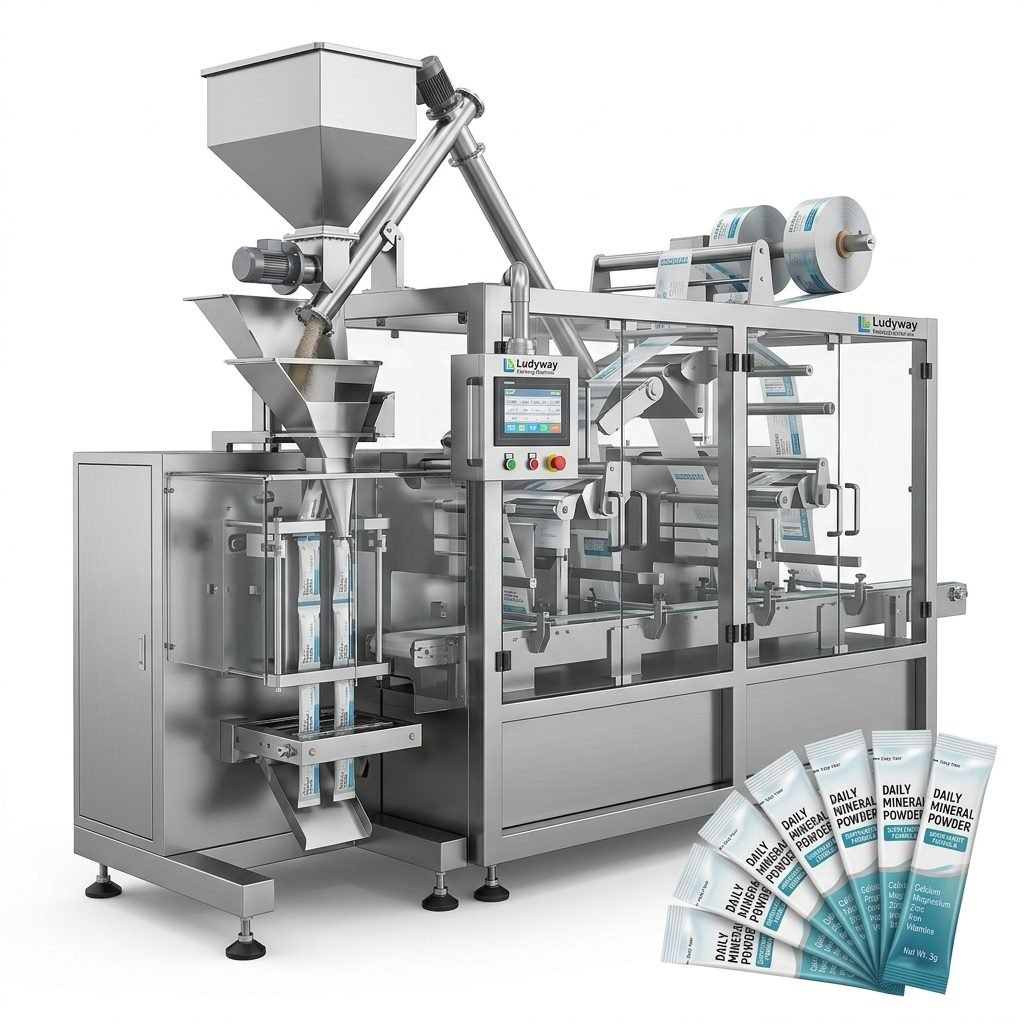
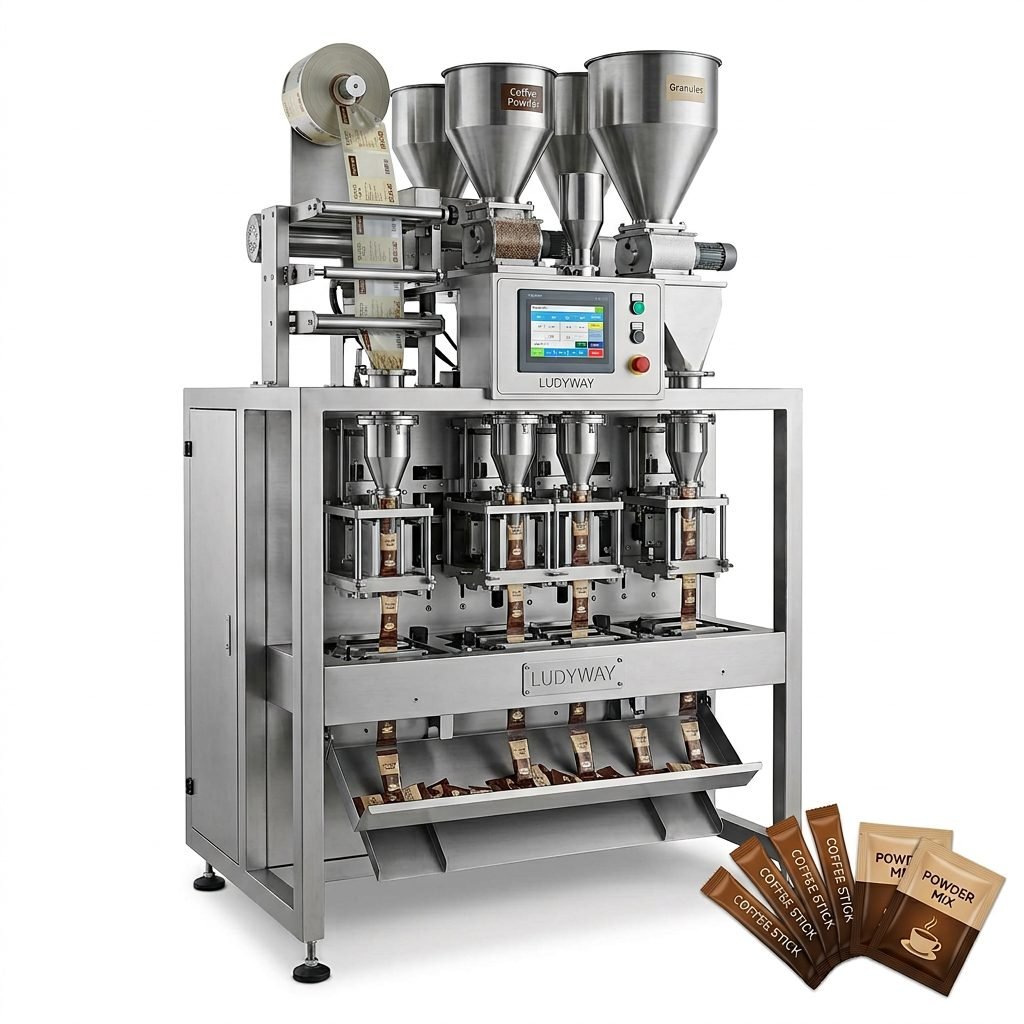
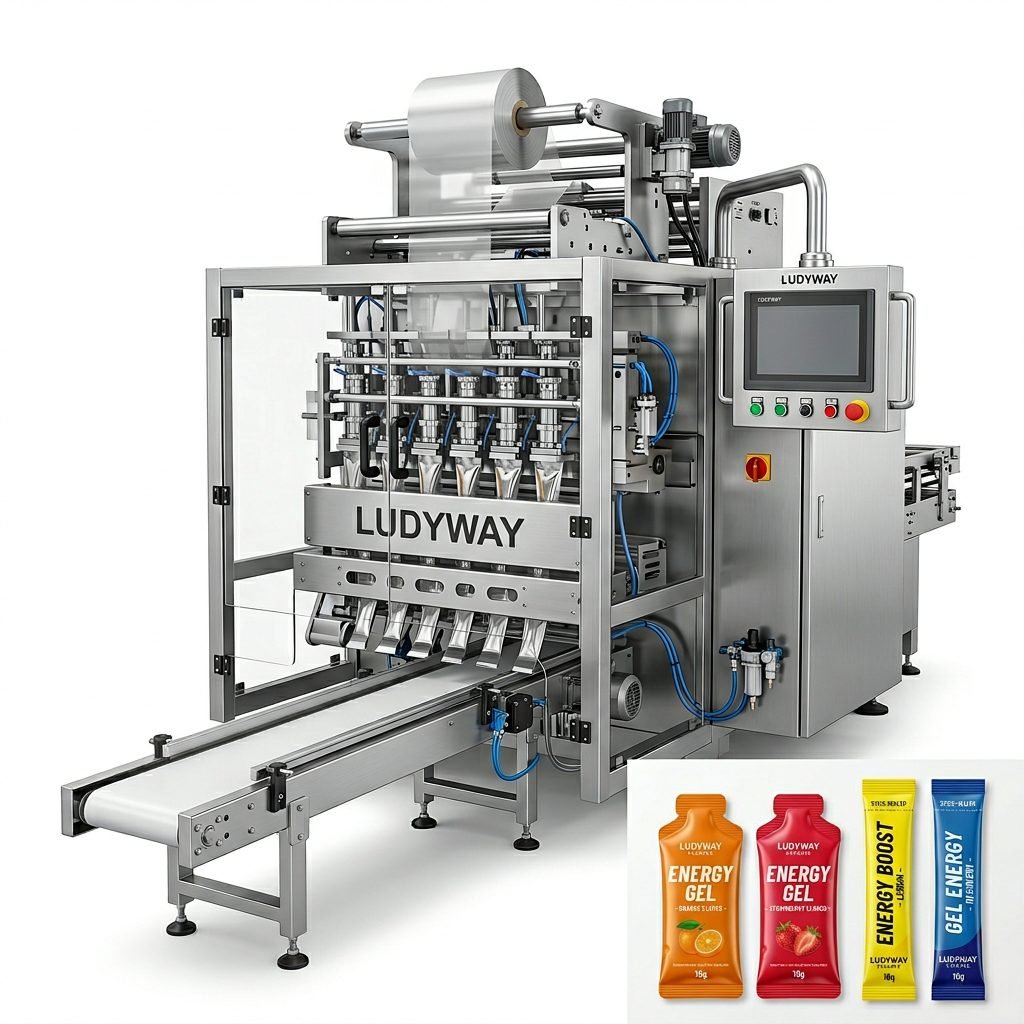
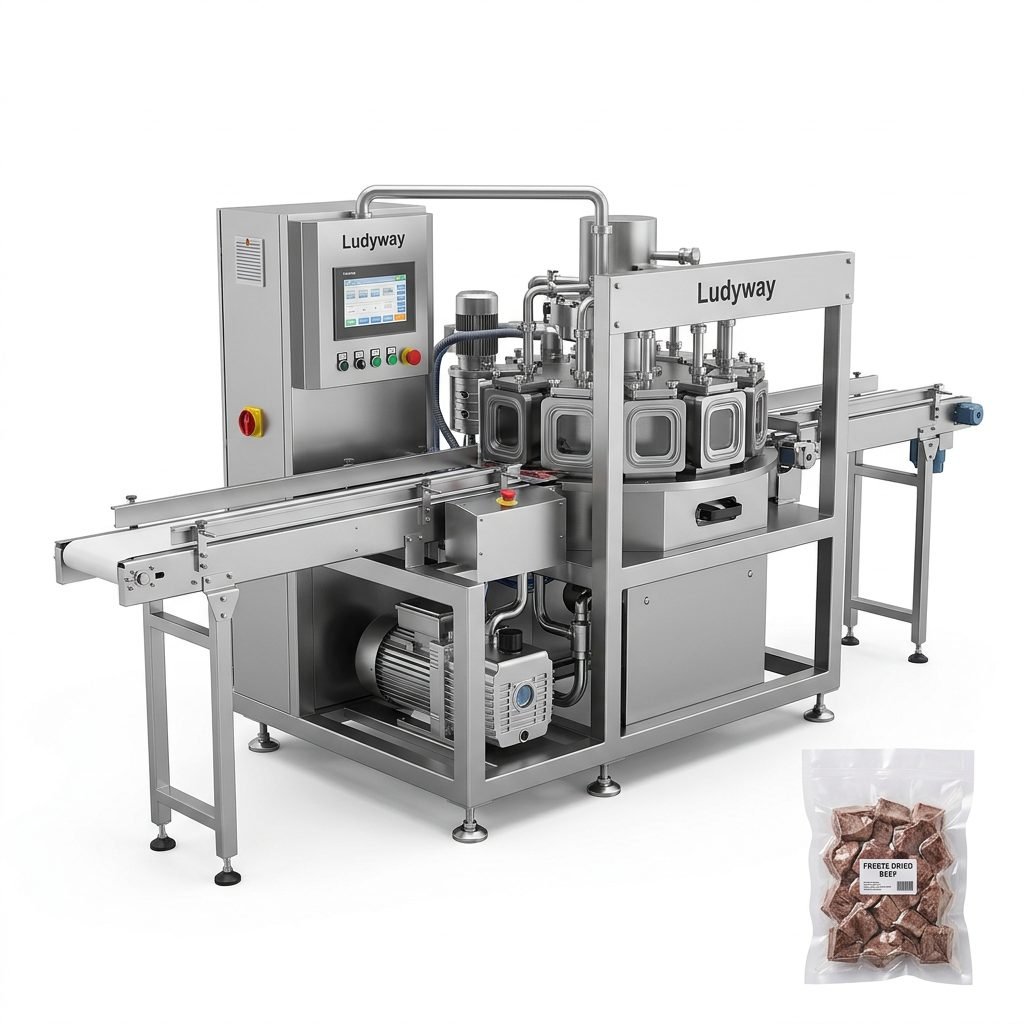
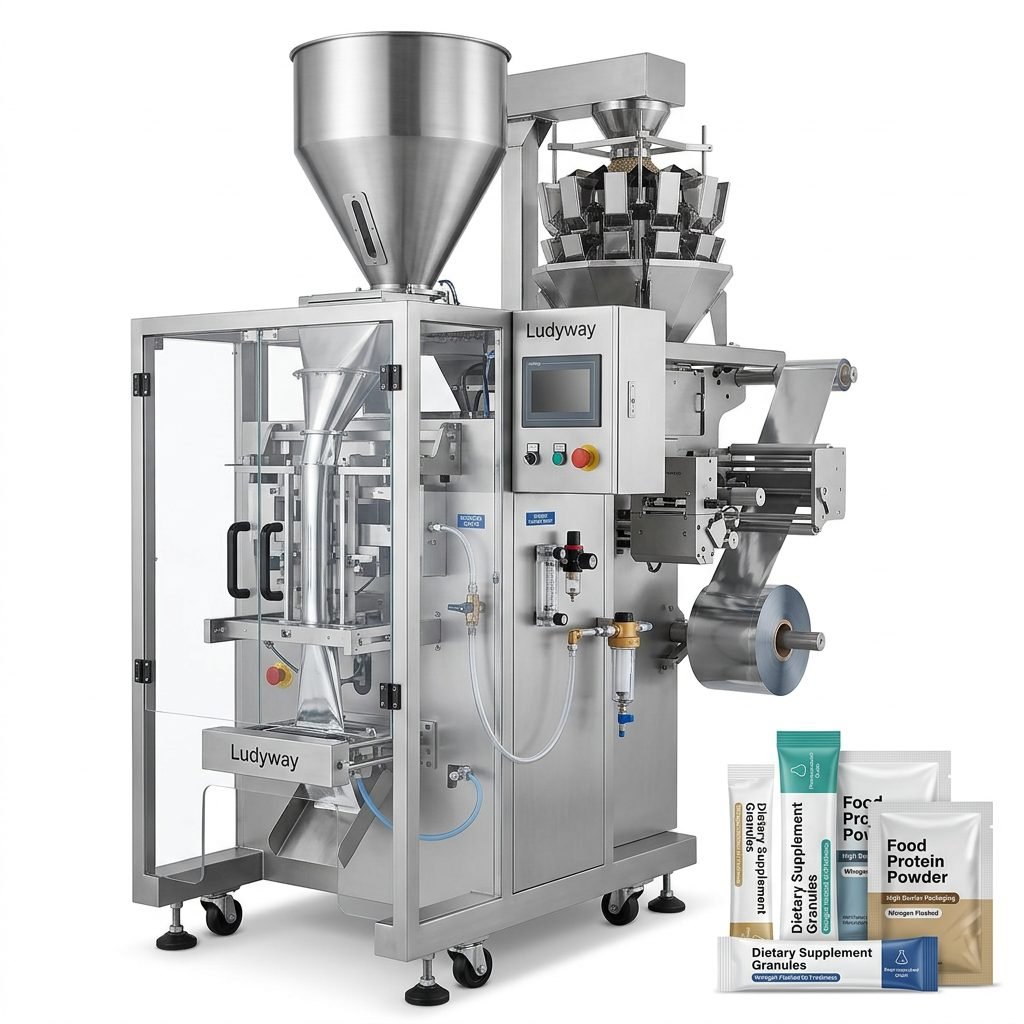
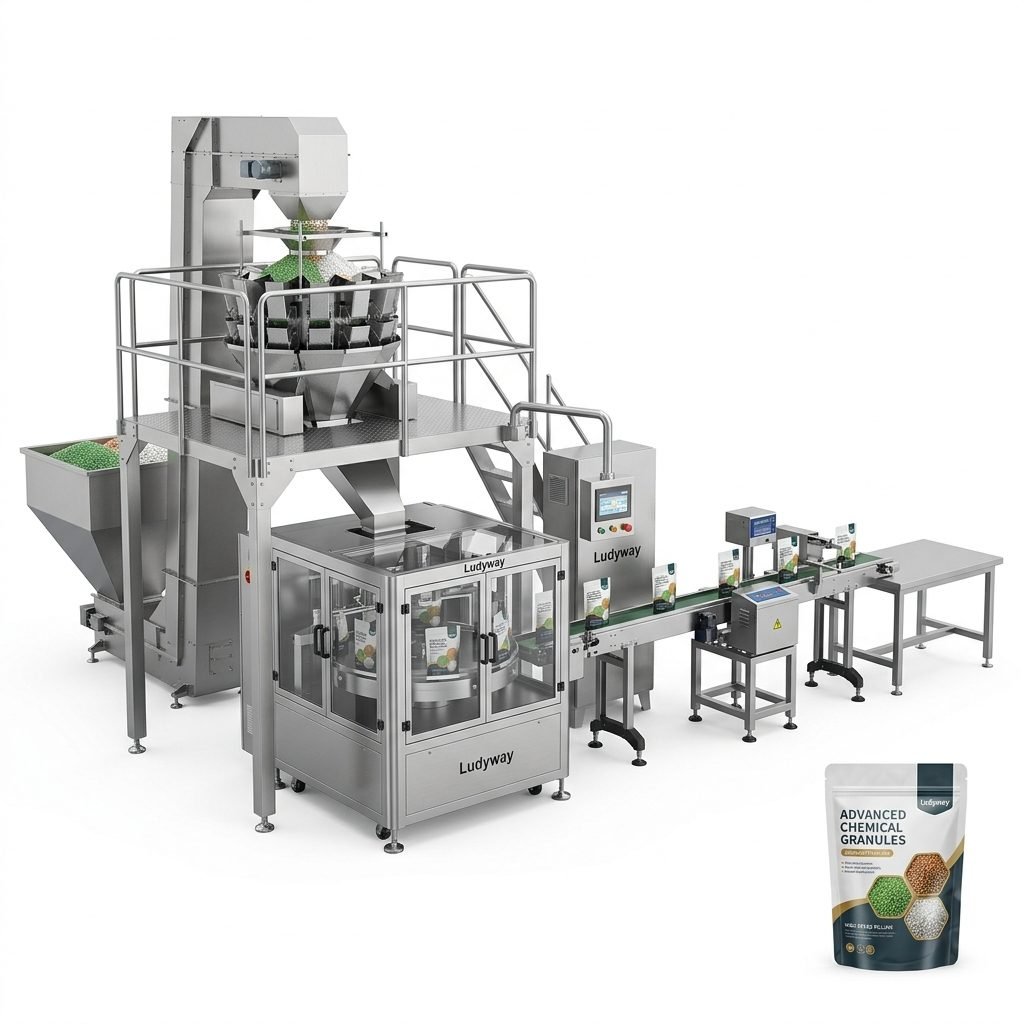
A vacuum packaging machine is designed to remove air from a package before sealing it. By reducing oxygen exposure, it helps protect products from oxidation, moisture influence, contamination, and shelf-life loss. For food processors, pharmaceutical manufacturers, and industrial product suppliers, vacuum packaging is often a practical way to improve product preservation, package quality, and logistics efficiency.
Whether you are packaging meat, seafood, dried fruit, coffee, medical products, powders, or specialty items, choosing the right vacuum packaging system can directly affect production speed, sealing consistency, and long-term operating cost.

What Is a Vacuum Packaging Machine?
A vacuum packaging machine extracts air from the package and then seals it tightly. This process creates a low-oxygen environment that helps preserve product freshness and stability. In many applications, it also reduces pack volume, making transportation and storage more efficient.
Vacuum packaging is widely used in industries such as:
- Fresh and frozen food processing
- Snack, coffee, and dried goods packaging
- Pharmaceutical and medical supplies
- Health supplement packaging
- Electronics and industrial parts protection
Key Benefits of Vacuum Packaging Machines
Businesses invest in vacuum packaging equipment because it delivers both product protection and operational advantages.
| Benefit | How It Helps |
|---|---|
| Longer shelf life | Reduces oxygen exposure that can accelerate spoilage and oxidation. |
| Better product freshness | Helps retain flavor, aroma, texture, and appearance. |
| Improved hygiene protection | Minimizes exposure to outside contaminants during storage and transport. |
| Lower package volume | Saves space in warehouses, cartons, and shipping containers. |
| Better retail presentation | Creates neat, compact, professional-looking packages. |
| Reduced waste | Helps lower product loss caused by leakage, spoilage, or poor sealing. |
Why vacuum packaging matters in modern production
In competitive markets, packaging is not only about enclosing a product. It is also about preserving value. A reliable vacuum packaging machine can support food safety goals, help meet export requirements, improve batch consistency, and reduce manual handling.
Common Types of Vacuum Packaging Machines
Different products and production scales require different machine structures. Understanding the main equipment categories makes selection easier.
1. Chamber Vacuum Packaging Machines
These machines place the product inside a vacuum chamber where air is removed from the entire chamber before sealing. They are suitable for many food products and offer stable sealing performance.
- Good for meat, seafood, cheese, prepared food, and medical items
- Available in tabletop and floor-standing versions
- Suitable for medium to high sealing quality requirements
2. External Vacuum Sealers
External vacuum sealers remove air directly from the bag opening while the product remains outside the machine body. They are often more compact and economical.
- Suitable for smaller operations or light-duty use
- Often used for dry goods and non-liquid products
- Simple structure and easy operation
3. Thermoforming Vacuum Packaging Machines
These automated systems form the package from roll film, fill the product, vacuum the pack, and seal it in a continuous process. They are ideal for large-scale manufacturing.
- High-speed automated production
- Consistent package shape and sealing quality
- Common in meat, cheese, ready meals, and medical packaging
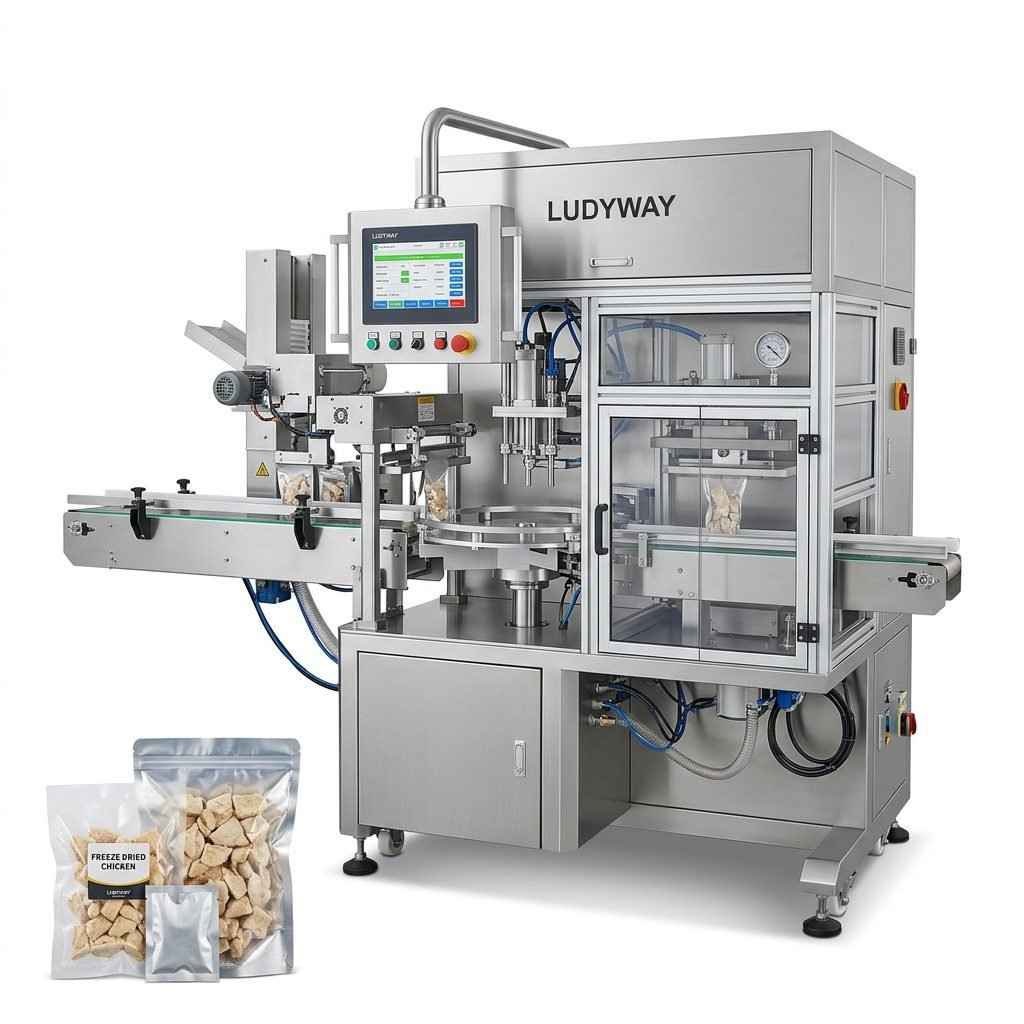
4. Vacuum Skin Packaging Machines
Vacuum skin packaging closely wraps film over the product and onto a tray or backing material. It is popular for premium retail presentation.
- Excellent product visibility
- Strong package appearance for retail shelves
- Useful for fresh meat, seafood, and high-value food items
5. Double Chamber Vacuum Machines
A double chamber model improves productivity by allowing operators to load one chamber while the other is sealing. This helps reduce downtime between cycles.
- Higher throughput than single chamber machines
- Good for factories with repeat packaging cycles
- Practical for medium and high-volume production lines
Applications Across Different Industries
Food Industry
Vacuum packaging is widely used for fresh meat, frozen products, cheese, seafood, coffee, nuts, dried fruits, spices, ready meals, and pet food. It helps maintain freshness while improving transportation efficiency.
Pharmaceutical and Medical Industry
In pharmaceutical and medical settings, vacuum packaging can support product cleanliness, barrier protection, and stable packaging integrity for selected supplies and products.
Industrial and Electronic Products
Vacuum sealing can protect components from moisture, dust, and oxidation during storage or shipping. This is especially useful for precision parts and sensitive materials.
How to Choose the Right Vacuum Packaging Machine
The best machine depends on your product, production target, package style, and factory layout. Below are the most important decision points.
1. Understand your product characteristics
Start with the product itself. Consider whether it is solid, powdery, fragile, moist, oily, sharp-edged, or irregular in shape. These factors influence bag material, vacuum level, sealing design, and machine type.
2. Define your packaging format
Will you use flat bags, embossed bags, trays, thermoformed packs, or pouches? The packaging format affects not only the machine structure but also consumable cost and visual presentation.
3. Calculate required output
A small workshop may only need a compact chamber machine, while a factory with continuous production may need a double chamber or thermoforming system. Matching machine speed to real output demand avoids overinvestment and future bottlenecks.
4. Check sealing quality and vacuum stability
A machine is only as good as its seal. Look for stable heating control, consistent vacuum performance, and compatibility with your packaging material. Poor sealing quality can quickly erase any cost savings.
5. Review material compatibility
Different products require different barrier films and bag structures. Your vacuum packaging machine should work well with the films you plan to use, especially if your product needs puncture resistance, moisture barriers, or freezer performance.
6. Consider automation level
If labor reduction and line integration are priorities, choose a machine that can work with conveyors, filling systems, labeling units, coding systems, and downstream cartoning or palletizing equipment.
7. Evaluate cleaning and maintenance
For food and pharmaceutical environments, easy cleaning is essential. Choose equipment with accessible components, durable construction, and a layout that simplifies routine maintenance.
| Selection Factor | Questions to Ask |
|---|---|
| Product type | Is it dry, wet, fragile, granular, powder, or irregular? |
| Production volume | How many packs per hour or per shift are needed? |
| Package type | Bag, pouch, tray, or thermoformed film? |
| Automation level | Standalone machine or integrated line? |
| Factory conditions | How much floor space, power supply, and operator access are available? |
| Support and service | Can the supplier provide technical support, spare parts, and customization? |
Features Worth Looking For
- Programmable control system for repeatable settings
- Reliable vacuum pump performance
- Strong and even sealing bars
- Stainless steel construction for hygiene and durability
- Gas flushing option for selected products
- Easy mold or format changeover
- Safety protection and alarm functions
- Compatibility with upstream and downstream packaging equipment
Common Mistakes to Avoid When Buying
- Choosing only by price and ignoring seal quality
- Buying a machine with insufficient output capacity
- Not testing the actual packaging material in advance
- Ignoring cleaning and maintenance requirements
- Overlooking future expansion or line integration needs
- Not confirming after-sales service and spare parts support
Vacuum Packaging Machine vs. Other Packaging Methods
Vacuum packaging is highly effective, but it is not the only option. In some cases, businesses compare it with nitrogen flushing, heat sealing, or modified atmosphere packaging. The right choice depends on product sensitivity, appearance goals, and required shelf life.
| Method | Typical Advantage | Typical Use |
|---|---|---|
| Vacuum packaging | Removes air to improve preservation and compactness | Meat, seafood, coffee, dried products, medical items |
| Nitrogen flushing | Protects fragile products without compressing them | Chips, snacks, coffee, powders |
| Standard heat sealing | Simple and economical package closure | General consumer and industrial products |
| MAP packaging | Custom gas mix for advanced shelf-life control | Fresh food and premium retail products |
Maintenance Tips for Long-Term Performance
A vacuum packaging machine performs best when it is maintained consistently. Preventive care reduces downtime and extends equipment life.
- Inspect sealing bars and sealing wires regularly.
- Keep the vacuum chamber and contact surfaces clean.
- Monitor vacuum pump oil and replace it when required.
- Check gaskets, lids, and wear parts for leakage risks.
- Train operators on correct bag positioning and loading.
- Follow the manufacturer’s service schedule.
Who Should Invest in a Vacuum Packaging Machine?
This type of equipment is especially suitable for businesses that need better product stability, stronger packaging appearance, and more efficient storage. It can be a smart investment for:
- Food manufacturers and central kitchens
- Frozen food and meat processors
- Coffee and snack brands
- Pharmaceutical and medical suppliers
- Export-oriented businesses needing longer shelf life
- Factories upgrading from manual sealing to automated packaging
Finding a Reliable Packaging Equipment Partner
When selecting a supplier, look beyond the machine itself. A strong packaging partner should understand your product application, recommend the correct configuration, support testing, and offer long-term technical service. If your project also involves filling, counting, conveying, cartoning, or turnkey automation, it is more efficient to work with a manufacturer that can support broader line integration.
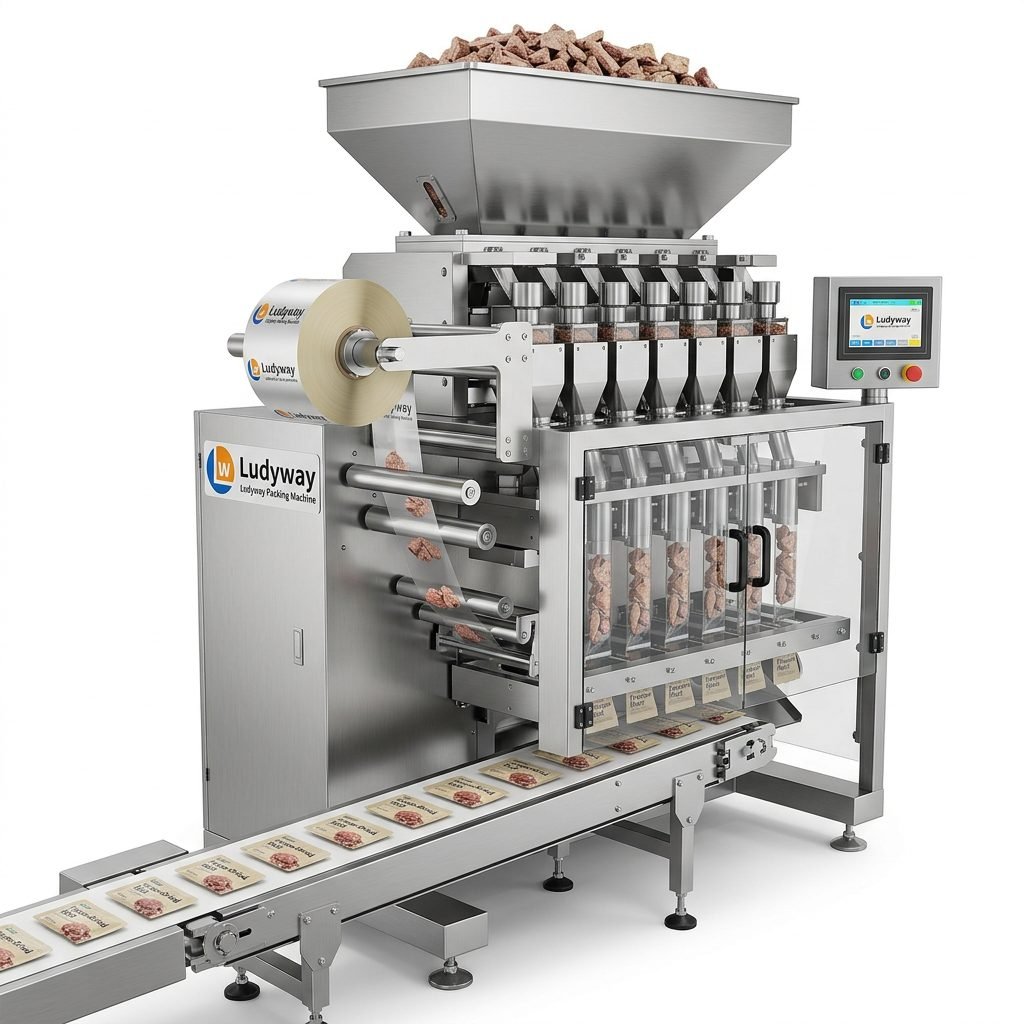
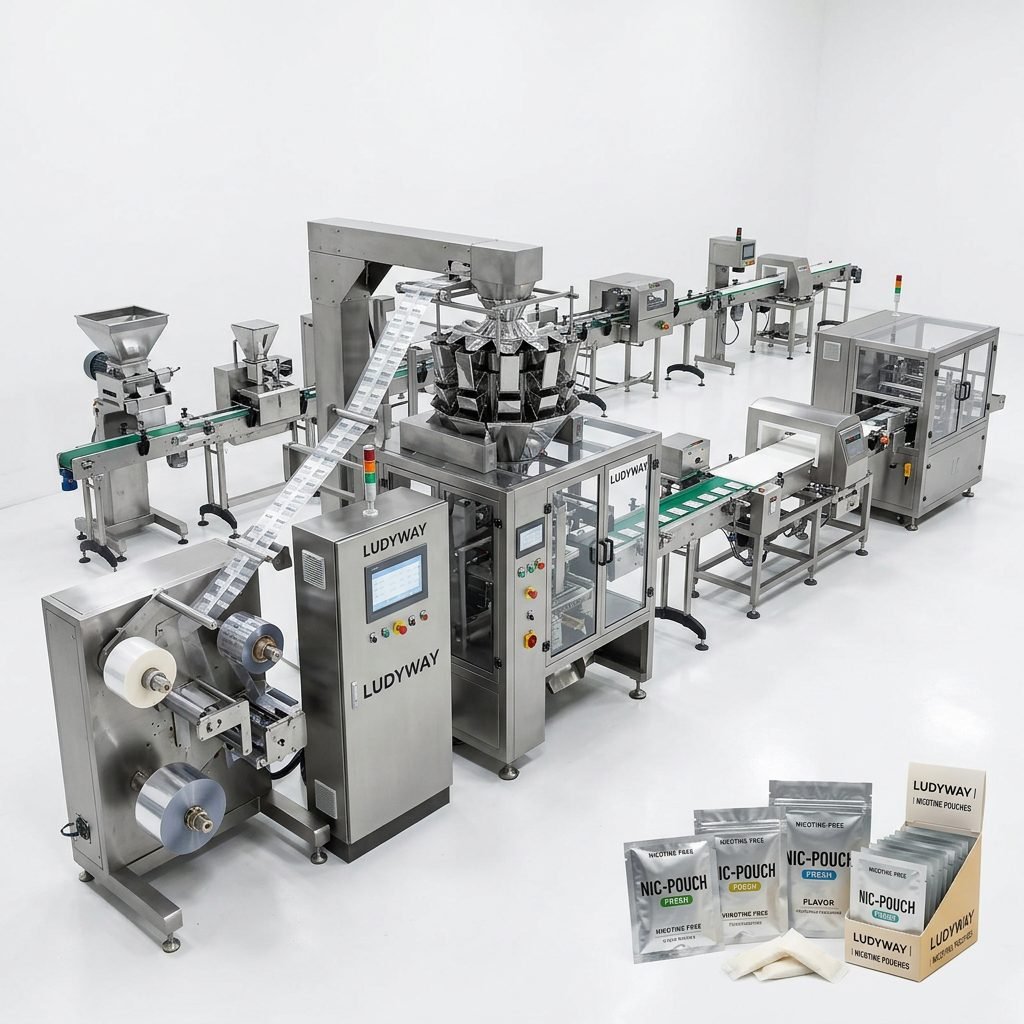
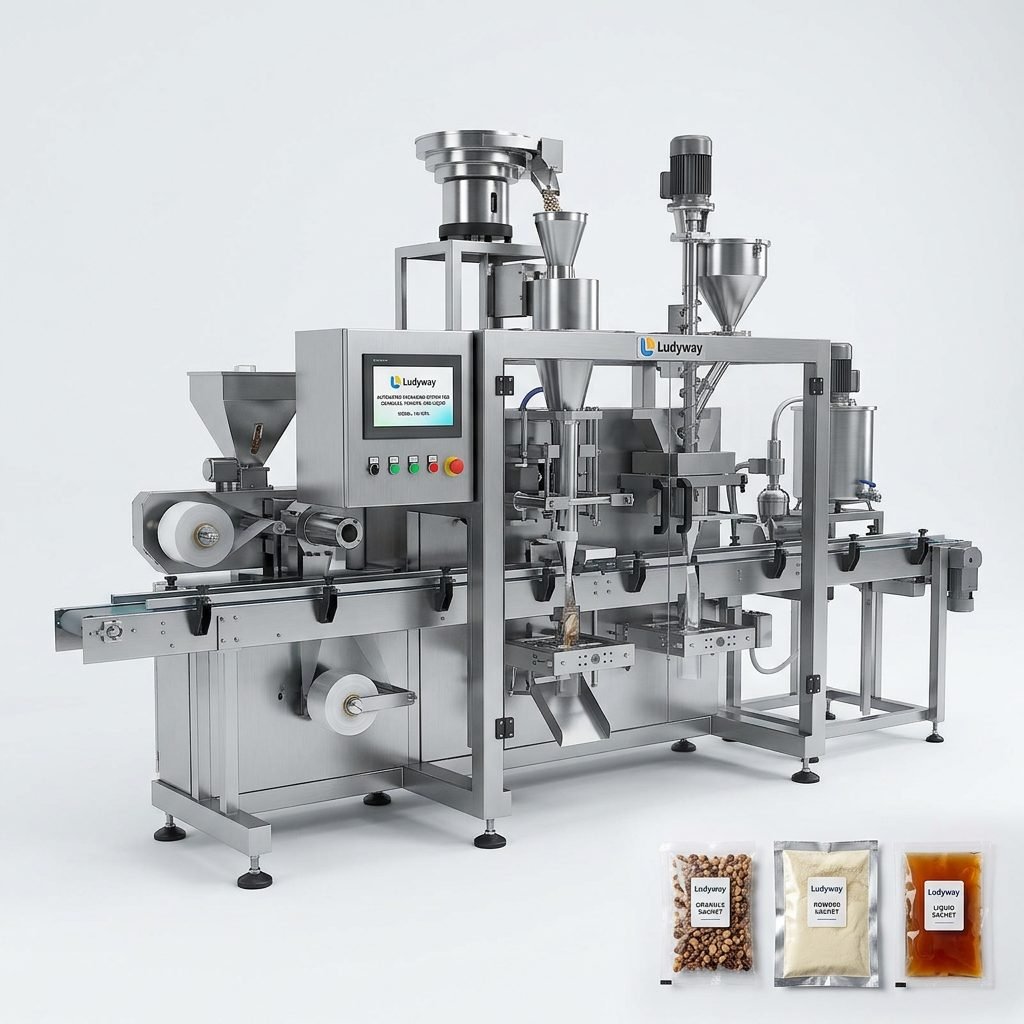
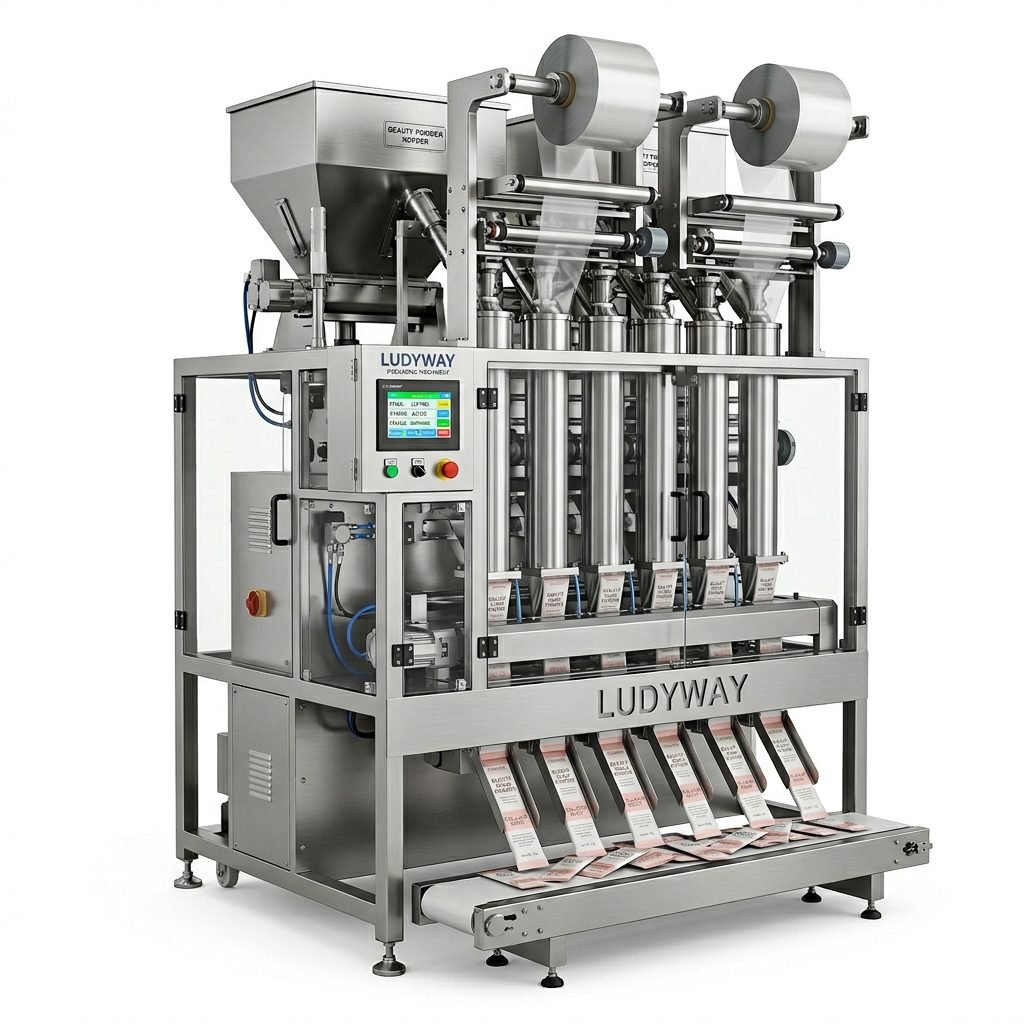
For businesses seeking scalable packaging automation, vacuum packaging machine solutions from Ludyway can be considered alongside other food, pharmaceutical, and industrial packaging systems. Founded in 1993, the company has more than 30 years of industry experience, serves customers in over 100 countries and regions, and offers both standalone equipment and turnkey packaging line solutions.
Final Buying Checklist
- Confirm your product type and packaging goal
- Choose the right machine category
- Match machine speed to output demand
- Test film and bag compatibility
- Review seal strength and vacuum consistency
- Assess hygiene, cleaning, and maintenance convenience
- Plan for future line integration
- Verify supplier support, customization, and spare parts availability
The right vacuum packaging machine can do much more than remove air from a bag. It can help improve shelf life, reduce waste, strengthen product protection, and create a more efficient packaging workflow. By carefully matching equipment type, capacity, and packaging requirements, manufacturers can make a more confident and cost-effective investment.