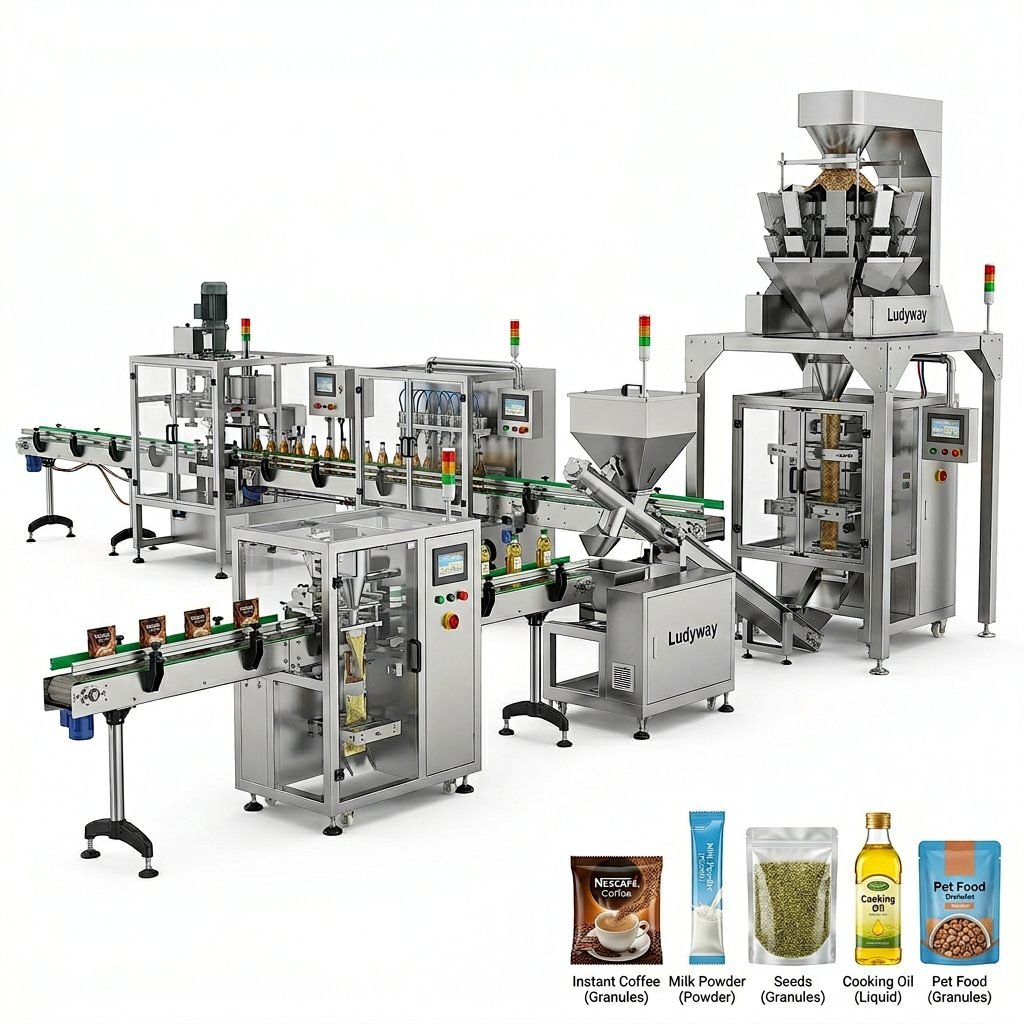
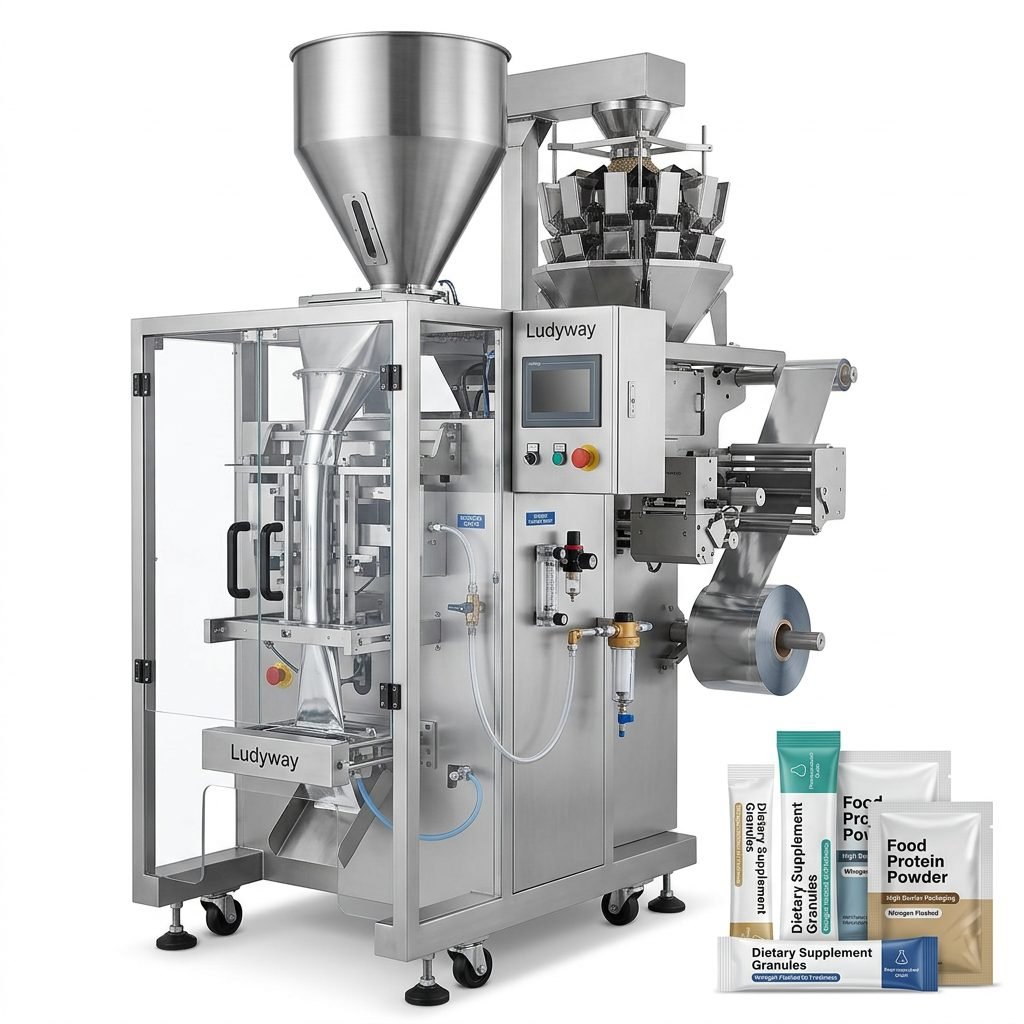
Choosing the right pyramid tea bag packaging machine is a critical decision for tea producers looking to scale their operations, enhance product presentation, and ensure consistent quality. An automatic solution can dramatically increase output, reduce labor costs, and minimize packaging errors. This guide will walk you through the key factors to consider when selecting the best automatic pyramid tea bag packaging machine for your specific needs.
Understanding Pyramid Tea Bag Packaging
Pyramid-shaped tea bags have become increasingly popular in premium tea markets. Their unique three-dimensional structure allows tea leaves more room to expand and infuse, leading to a richer flavor and a more visually appealing product. Packaging these specialty bags requires precise machinery capable of handling the distinct shape and often, delicate whole-leaf tea.
The packaging process typically involves several automated steps: feeding the filter material, forming the pyramid shape, dosing the precise amount of tea, sealing the bag, attaching the string and tag, and finally, cartoning or bagging for retail. A high-quality automatic machine seamlessly integrates these functions.
Key Advantage:
Automatic pyramid tea bag machines not only boost production speed but also ensure hygienic packaging conditions and exact weight consistency, which are paramount for brand reputation and compliance.
Core Factors for Choosing the Best Machine
1. Production Speed and Capacity
Your required output is the primary driver. Machine speeds are measured in bags per minute (bpm). Evaluate your current and projected future demand. A machine like the Ludyway LW-PT series might offer a range from 60 to 120 bpm, suitable for small to medium enterprises scaling up.
- → Low-volume: 40-70 bpm
- → Mid-volume: 70-120 bpm
- → High-volume: 120+ bpm
2. Flexibility and Changeover
Can the machine handle different tea types (green, black, herbal, fruit infusions) and bag sizes? Quick changeover systems for bag dimensions and tag styles are essential for producers with a diverse product portfolio. Look for machines with user-friendly touchscreen PLC controls that store recipes for fast switching.
3. Packaging Material Compatibility
The machine must be compatible with your chosen filter paper. Pyramid bags often use high-quality, biodegradable non-woven fabric or plant-based materials like PLA. Ensure the machine’s sealing technology (ultrasonic or heat seal) is optimal for your material to guarantee strong, leak-proof seals.
Pro Tip:
Request a live material test run from the supplier using your exact tea leaves and packaging materials. This is the best way to verify machine performance and final product quality.
4. Integration and Automation Level
Consider how the machine will fit into your existing line. Does it require manual feeding of tags, or is it fully automatic? For a complete turnkey solution, look for suppliers who can provide integrated systems, including tea bag cartoning machines and downstream handling equipment. This ensures smooth material flow and maximizes efficiency.
5. Machine Durability and Support
Invest in robustness. The frame should be made of high-grade stainless steel for food safety and longevity. Crucially, assess the supplier’s after-sales support. Availability of spare parts, technical documentation, and responsive service are non-negotiable for minimizing downtime. A supplier with over 30 years of industry experience often brings invaluable reliability and problem-solving expertise.
Benefits of Investing in an Automatic Solution
Transitioning from semi-automatic to fully automatic packaging delivers a compelling ROI.
- Consistent Quality & Hygiene: Eliminates human error and contact, ensuring every bag is perfectly sealed and dosed.
- Significant Labor Savings: One operator can manage multiple machines, reducing long-term operational costs.
- Higher Output with Smaller Footprint: Automated systems produce more in less space compared to manual lines.
- Enhanced Brand Image: Professional, uniform packaging strengthens your product’s position in the competitive premium tea market.
Implementing Your New Machine
Successful implementation goes beyond the purchase. Plan for factory acceptance tests (FAT), operator training, and a clear maintenance schedule. Partnering with a provider like Ludyway Machinery, which offers comprehensive support from installation to training, can ensure a smooth transition and faster time-to-market for your new product line.
Final Checklist Before Purchase
- Have you validated the machine speed with your specific tea blend?
- Is the sealing method compatible with your sustainable packaging material?
- What is the total cost of ownership, including energy consumption and spare parts?
- Does the supplier offer remote diagnostics and prompt technical support?
- Can the machine be easily upgraded or integrated with future automation?
Selecting the optimal pyramid tea bag packaging machine requires careful analysis of your technical requirements, production goals, and growth strategy. By prioritizing flexibility, reliability, and supplier partnership, you can invest in an automatic solution that becomes a cornerstone of your production efficiency and product quality for years to come.
Frequently Asked Questions (FAQs)
What is the typical speed range for an automatic pyramid tea bag machine?
Speeds vary by model and complexity. Standard machines range from 40 to 120 bags per minute (bpm). High-speed models with integrated tagging can reach 150 bpm or more. The right speed depends on your output targets and budget.
Can one machine handle different tea leaf sizes and blends?
Yes, most modern machines are designed for flexibility. Key is the dosing system. Volumetric or auger fillers can be adjusted, but for significantly different leaf sizes (e.g., fine powder vs. whole leaves), you may need to change parts or dosing cups. Discuss your full product range with the supplier.
How important is the sealing technology for pyramid bags?
Extremely important. Ultrasonic sealing is often preferred for synthetic non-wovens as it creates a strong seal without heat, preserving tea quality. Heat sealing is common for natural fiber materials. The wrong seal can cause leaks or affect the tea’s shelf life.
What kind of maintenance do these machines require?
Daily cleaning and lubrication of specific points are essential. Periodic maintenance includes checking seal integrity, calibrating scales, and inspecting mechanical parts. A reliable supplier will provide a detailed maintenance schedule and training.
Is operator training provided by the machine supplier?
Reputable suppliers always provide on-site installation and comprehensive operator training. This should cover machine operation, basic troubleshooting, cleaning procedures, and safety protocols to ensure you can run the machine efficiently from day one.