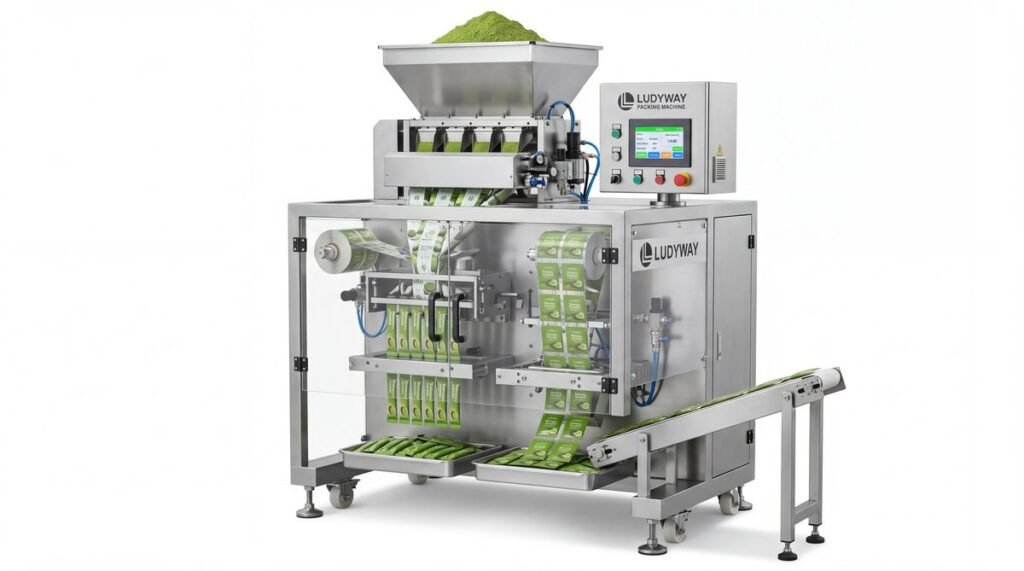
Investing in a retort packaging machine is a significant decision for food processors, pharmaceutical manufacturers, and other businesses requiring sterile, shelf-stable packaging. The central question for most buyers is: “How much does a retort pouch machine cost?” This comprehensive price guide breaks down the factors influencing the cost, helping you budget effectively and make an informed investment.
Understanding Retort Pouch Packaging Machines
A retort packaging machine is designed to fill and seal pre-formed pouches (retort pouches) with product—typically food, pet food, or liquid pharmaceuticals—before they undergo a retort sterilization process. This process, which involves heat and pressure, ensures the contents are commercially sterile and have a long ambient shelf life without refrigeration.
Key Takeaway: The machine itself is a critical component of a larger aseptic or retort packaging line, which may include a pouch depalletizer, filler, sealer, cooling tunnel, and case packer.
Primary Cost Factors for Retort Packaging Machinery
The price of a retort machine is not a single number but a range determined by several interconnected variables. Understanding these will clarify why quotes can vary so dramatically.
1. Automation Level and Production Speed
This is the most significant cost driver. Machines range from semi-automatic tabletop models to fully automated, high-speed rotary systems.
- Semi-Automatic Machines: Operators manually load pouches and initiate the fill/seal cycle. Price Range: $15,000 – $50,000+. Ideal for R&D, small batches, or start-ups.
- Automatic Linear Machines: Pouches are automatically fed, filled, and sealed in a straight-line sequence. Price Range: $50,000 – $150,000+. Suitable for medium-scale production.
- High-Speed Rotary Machines: Feature a rotating carousel with multiple filling and sealing stations for maximum output. Price Range: $150,000 – $500,000+. Designed for large-scale, high-volume production lines.
2. Machine Configuration and Special Features
The specific engineering required for your product directly impacts cost.
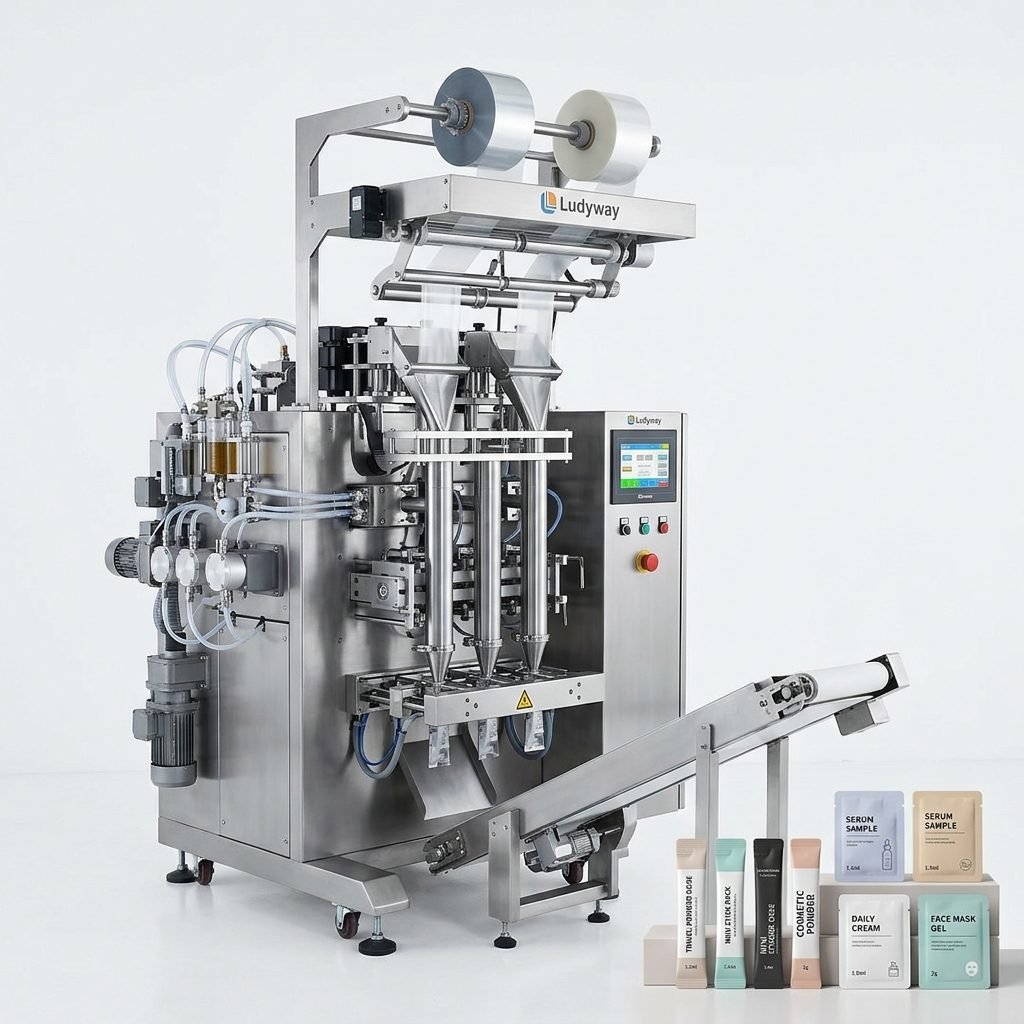
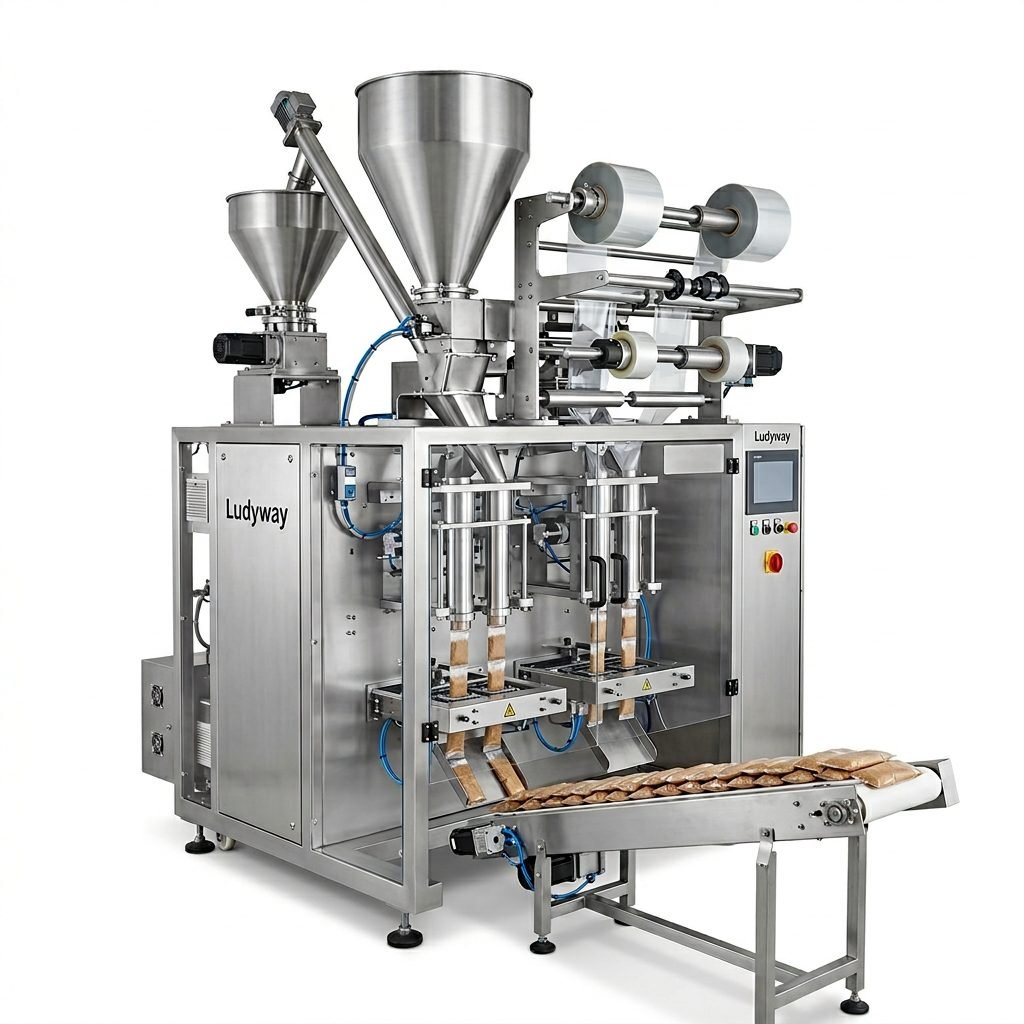
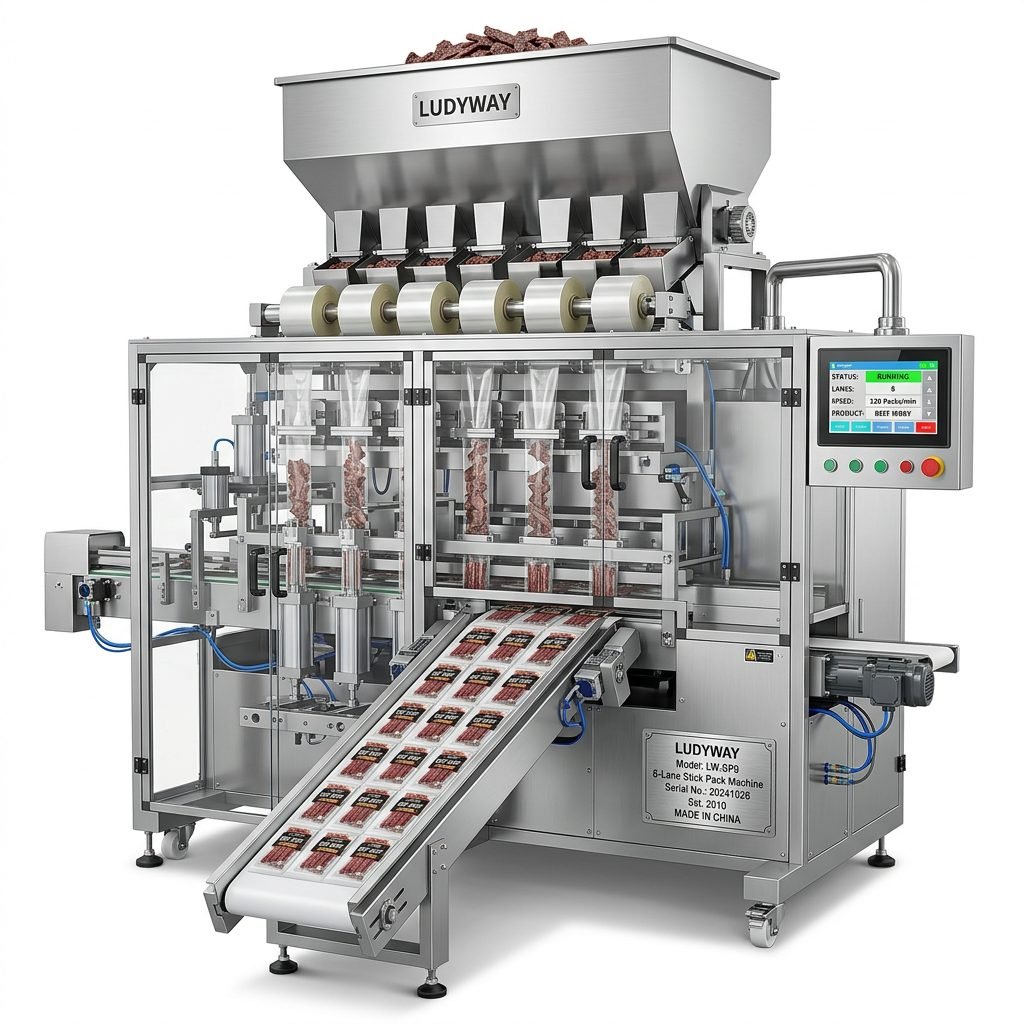
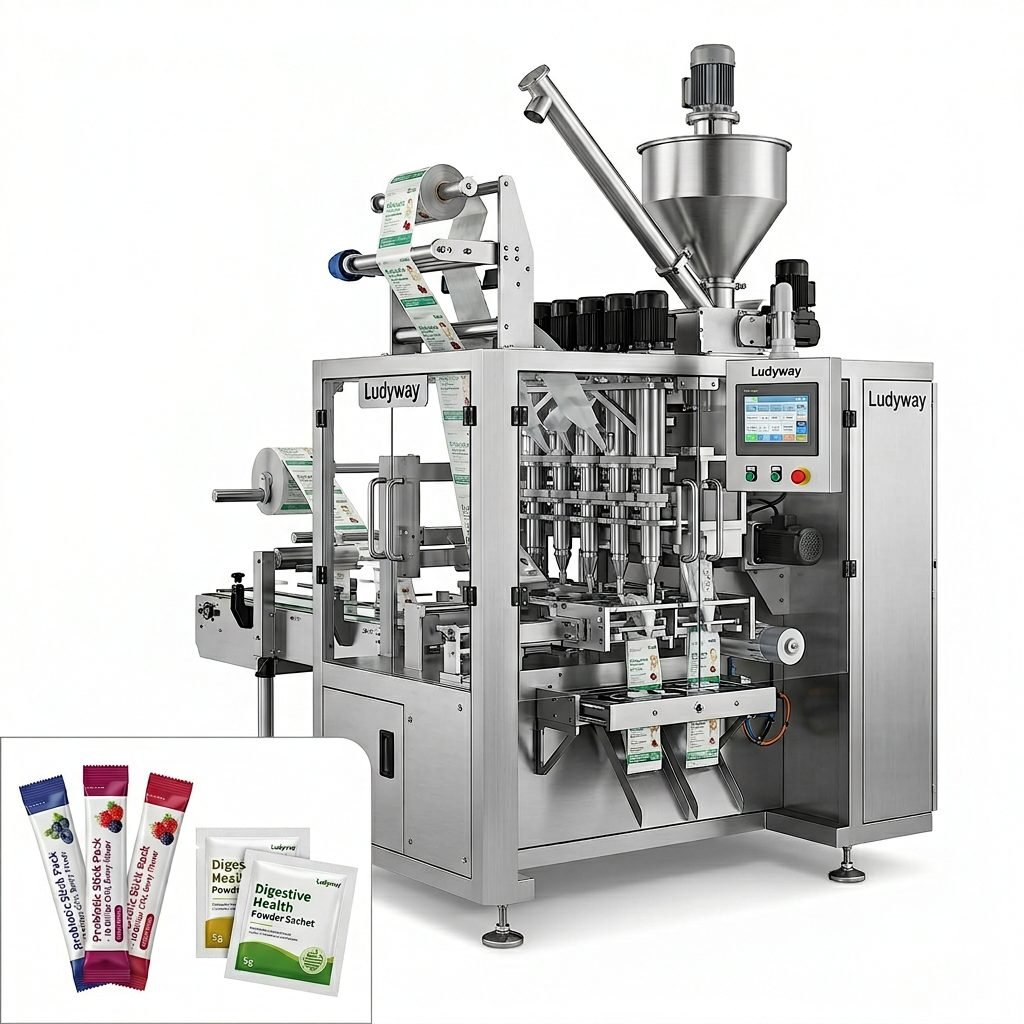
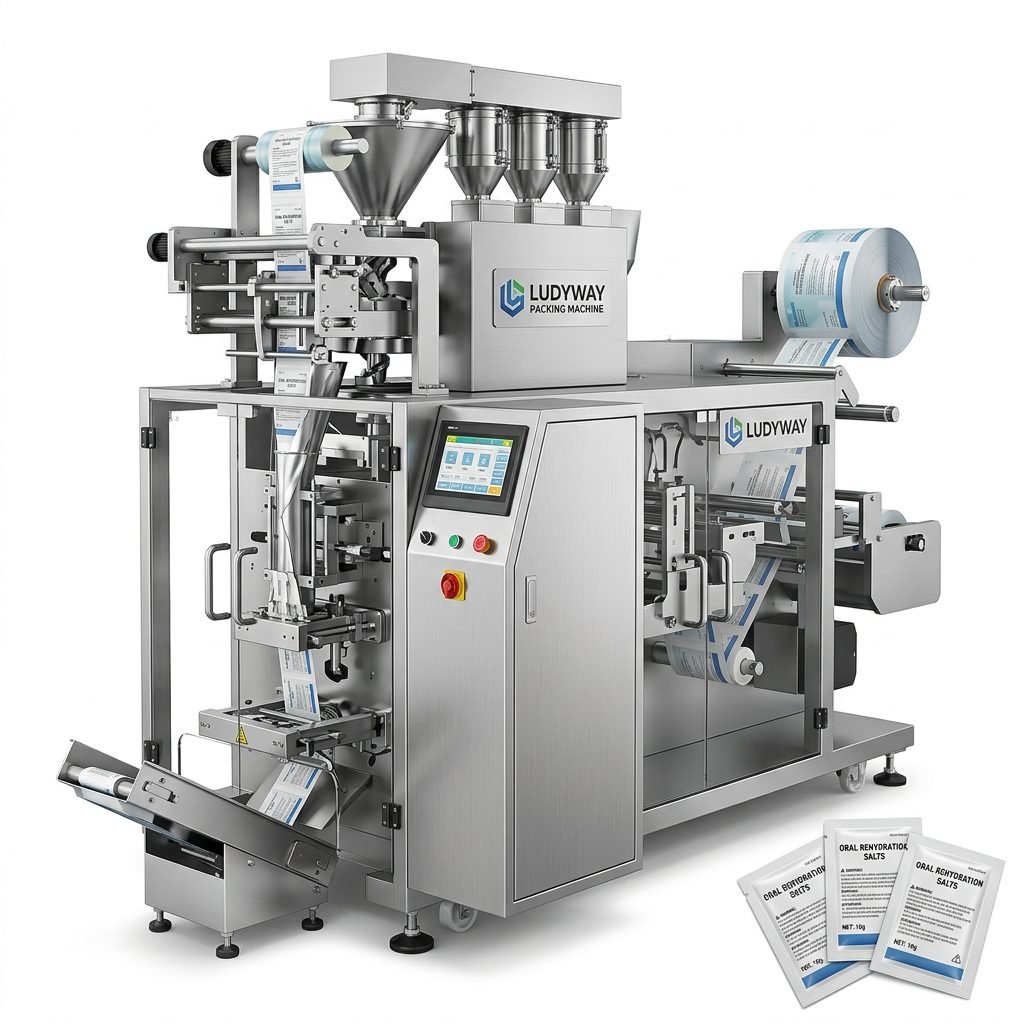
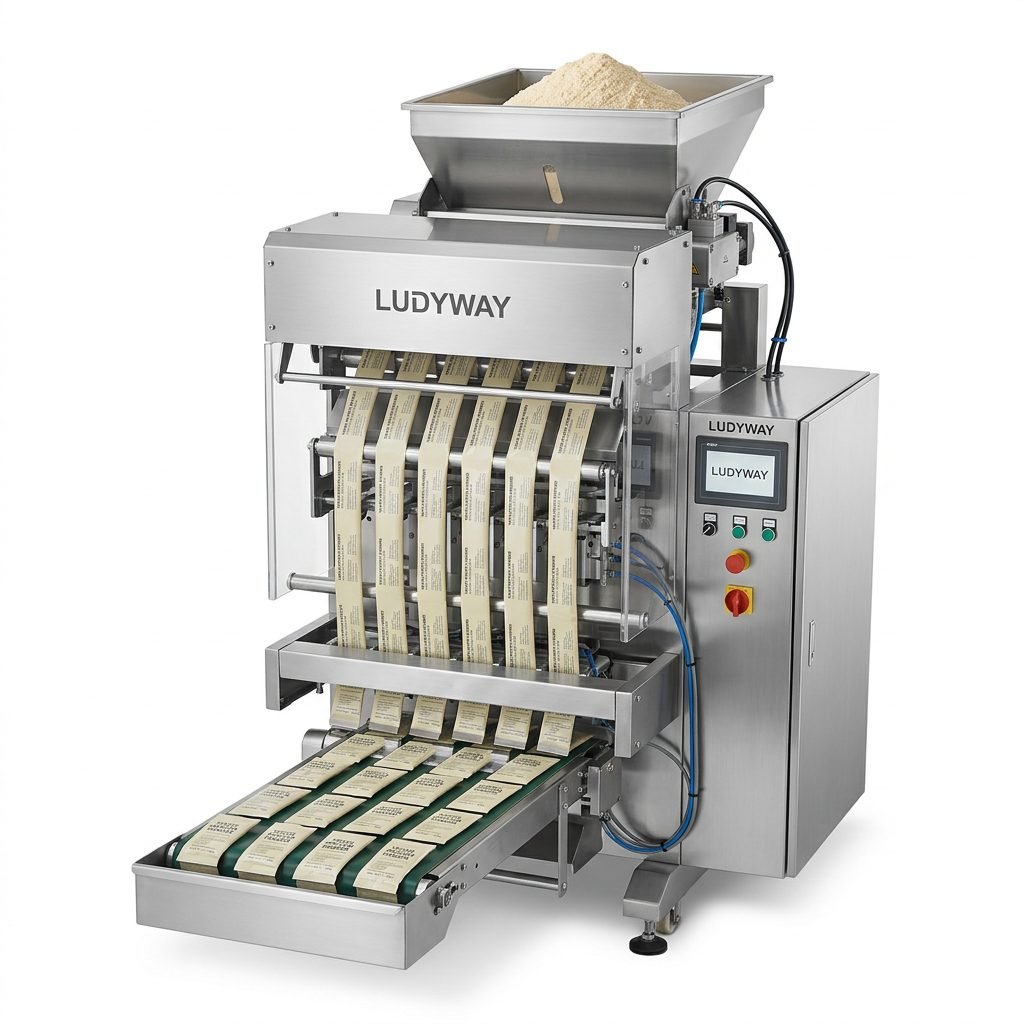
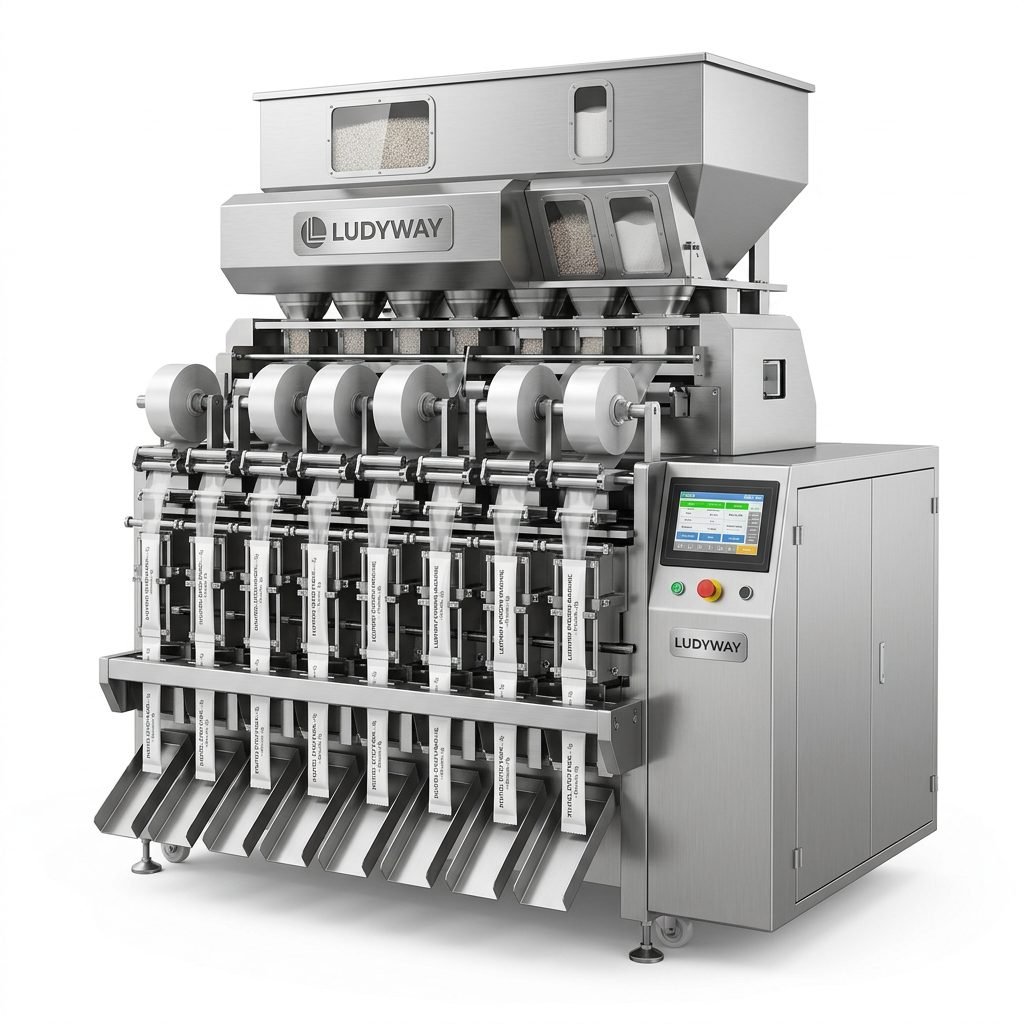
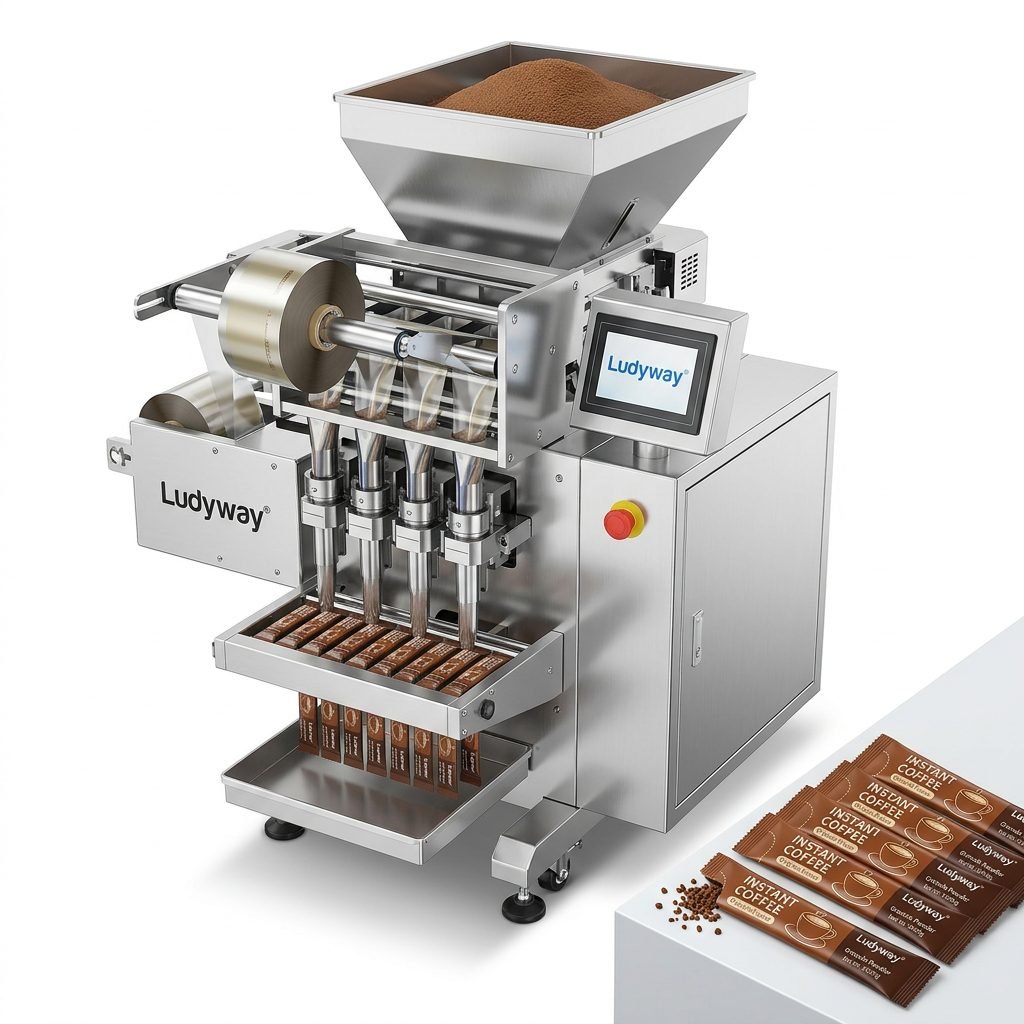
Filling Technology: A simple liquid filler is less expensive than a precision piston filler for viscous products (like sauces), a volumetric cup filler for solids (like stews), or an auger filler for powders. Multi-lane filling for stick packs or small sachets adds complexity.
Sealing Technology: Standard sealing jaws are standard. Machines requiring gas flushing (for Modified Atmosphere Packaging) or vacuum sealing before retorting require additional, more expensive components.
Construction Materials: Full stainless steel (SS304 or SS316) construction for hygiene and corrosion resistance, required for many food and pharmaceutical applications, costs more than carbon steel frames.
3. Output Capacity (Pouches Per Minute)
Speed costs money. A machine rated for 60 pouches per minute (PPM) will be priced lower than one capable of 200 PPM. Ensure your target speed aligns with your overall line capacity and future growth plans.
4. Brand, Origin, and Supplier Value
Established European, Japanese, or North American brands often command a premium due to perceived reliability, advanced engineering, and strong after-sales support. However, reputable manufacturers from other global regions, like Ludyway Machinery, offer robust, high-quality machines that provide excellent value by balancing advanced features with competitive pricing and direct engineering support.
Breaking Down the Price Ranges
Here is a more detailed estimate based on machine type. These are base prices for the core filling and sealing unit; auxiliary equipment is extra.
| Machine Type | Typical Speed Range | Estimated Price Range (USD) | Best For |
|---|---|---|---|
| Semi-Automatic | 10-30 PPM | $15,000 – $50,000 | Pilot plants, small businesses, low-volume specialty products. |
| Automatic Linear | 40-100 PPM | $50,000 – $150,000 | Mid-sized production, multiple product SKUs, flexible operations. |
| High-Speed Rotary | 100-300+ PPM | $150,000 – $500,000+ | Large-scale food processing, contract packaging, high-volume commodity production. |
Beyond the Base Price: The Total Cost of Ownership (TCO)
The initial purchase price is just one part of the financial picture. Smart buyers evaluate the Total Cost of Ownership.
Essential Auxiliary Equipment
Your retort pouch machine rarely works alone. Budget for these critical line components:
- Pouch Unscrambler/Depalletizer: Automatically feeds pouches into the filler.
- Checkweigher & Metal Detector/X-Ray: For quality control and safety compliance.
- Retort Sterilizer (Autoclave): A separate, major capital investment for the sterilization process.
- Cooling Tunnel & Drying System: Cools and dries pouches after retorting.
- Cartoning or Case Packing Equipment: For final packaging.
A complete turnkey line solution from a single supplier can streamline integration but requires a larger upfront investment.
Ongoing Operational Costs
⚠️ Remember: Factor in long-term costs like energy consumption, spare parts (e.g., sealing jaws, filling nozzles), preventive maintenance contracts, and operator training. A slightly more expensive machine with higher efficiency and lower maintenance needs can have a lower TCO over 5-10 years.
How to Get an Accurate Quote and Make the Right Choice
To move from a price range to a firm quote, you must provide detailed information to suppliers.
1. Prepare Your Product & Packaging Specifications
Suppliers need clear data to engineer a solution. Be ready to provide:
- Product Details: Physical state (liquid, viscous, solid-liquid mix, granules), viscosity, temperature, acidity (pH), and particle size.
- Pouch Details: Dimensions (length, width, gusset), material structure (e.g., PET/AL/CPP), spout or zipper requirements, and finished weight.
- Production Goals: Required output (pouches per minute, shifts per day), target efficiency (uptime %).
2. Evaluate Supplier Expertise and Support
Choose a partner, not just a vendor. Look for:
Industry Experience: A supplier like Ludyway Machinery, with deep experience in food and pharmaceutical packaging, understands critical hygiene and safety standards.
Testing & Validation: Insist on a factory acceptance test (FAT) using your actual product and pouches to verify performance before shipment.
After-Sales Service: Availability of technical support, spare parts inventory, and training programs is crucial for minimizing downtime.
Conclusion: Investing in Shelf-Stable Success
The cost of a retort pouch packaging machine is a strategic investment in product safety, quality, and market expansion. By focusing on the Total Cost of Ownership and partnering with a knowledgeable, reliable equipment supplier who can provide a tailored solution—from a single machine to a complete automated line—you ensure your investment drives long-term profitability and growth in the competitive shelf-stable market.
Frequently Asked Questions (FAQs)
1. What is the cheapest type of retort packaging machine?
The lowest entry cost is a semi-automatic machine, with prices starting around $15,000. It requires more manual labor and has lower output but is suitable for validating the process or small-scale production.
2. Can one machine handle different pouch sizes and products?
Yes, but with considerations. Most machines require changeover parts (different filling nozzles, sealing jaws). Quick-changeover systems are available but add to the initial cost. Always discuss product and pouch flexibility with your supplier during the quoting process.
3. Are used retort packaging machines a good option?
They can be, for budget-conscious buyers with technical expertise. However, risks include unknown maintenance history, potential lack of spare parts, outdated technology, and no warranty. A thorough inspection and performance test are mandatory.
4. How long does it take from purchase to installation and operation?
Lead times vary. For a standard machine, expect 3 to 6 months for manufacturing, shipping, and installation. Complex, custom-designed lines can take 6-12 months. Include installation, commissioning, and operator training in your project timeline.
5. What are the key certifications to look for in a retort machine?
For food and pharmaceutical applications, ensure the machine meets relevant safety and hygiene standards. Key marks include CE (for Europe), electrical safety certifications (like UL or cUL), and construction from food-grade materials (e.g., FDA-compliant, 3-A Sanitary Standards where applicable).