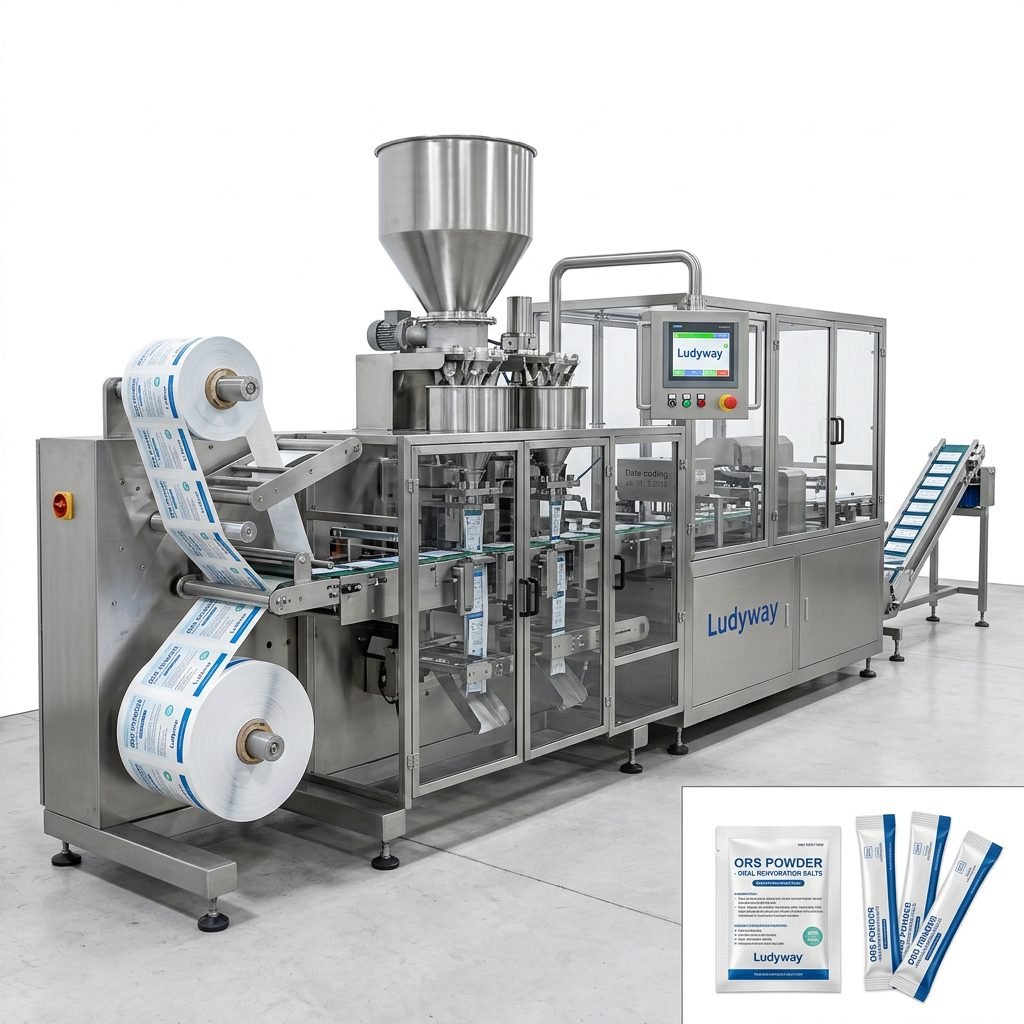
Choosing the right pouch packing machine can directly affect your production efficiency, packaging quality, labor cost, and long-term profitability. Whether you pack powders, granules, liquids, pastes, or specialty pouch products, the ideal machine should match your product characteristics, output goals, pouch style, and automation requirements.
In this guide, you will learn how pouch packing machines work, the main machine types, key selection criteria, common applications, and how to compare suppliers before making an investment.
What Is a Pouch Packing Machine?
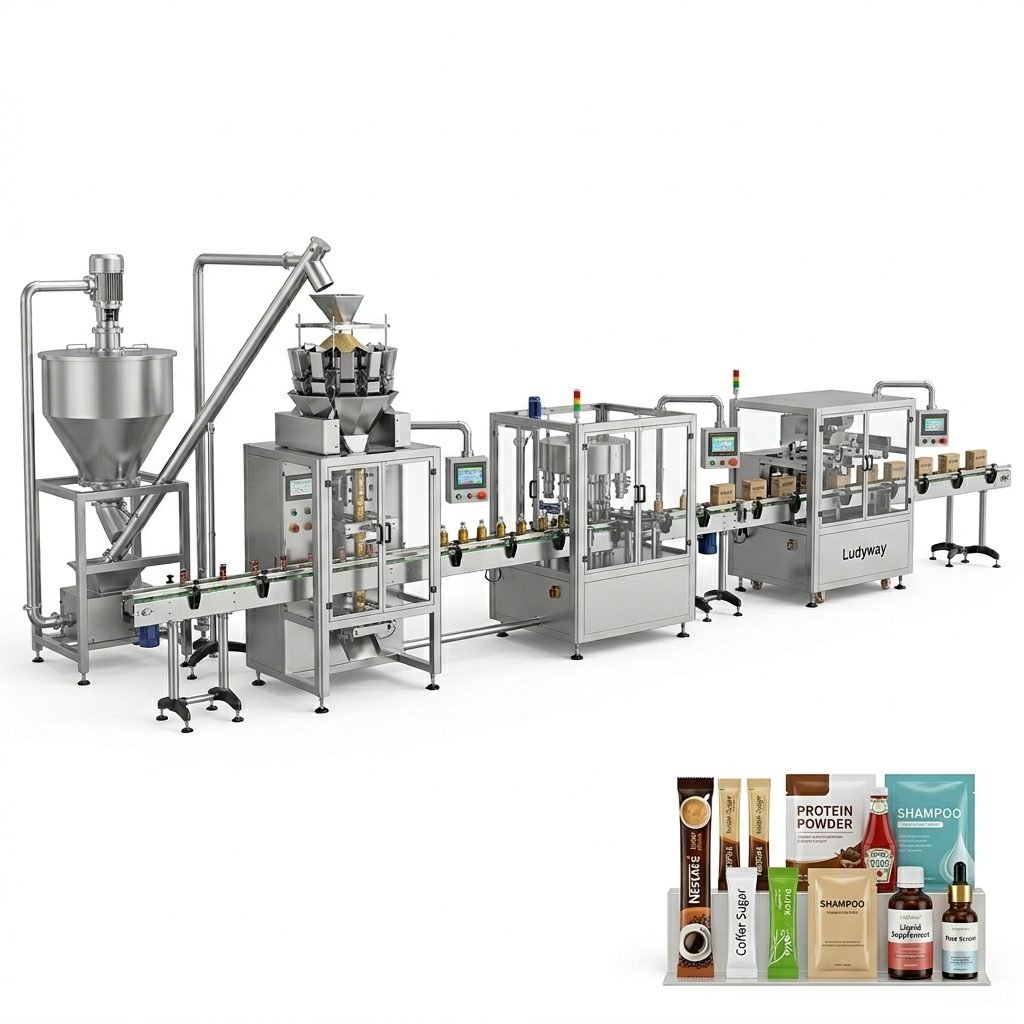
A pouch packing machine is an automated system designed to form, fill, seal, and sometimes code, inspect, count, or cartoning pouch packages. These machines are widely used in food, pharmaceutical, nutraceutical, cosmetic, chemical, and daily-use product industries.
Depending on your packaging format, a pouch packing machine may work with:
- Pre-made pouches
- Roll film for form-fill-seal production
- Stick packs and sachets
- 3-side seal, 4-side seal, center seal, or shaped pouches
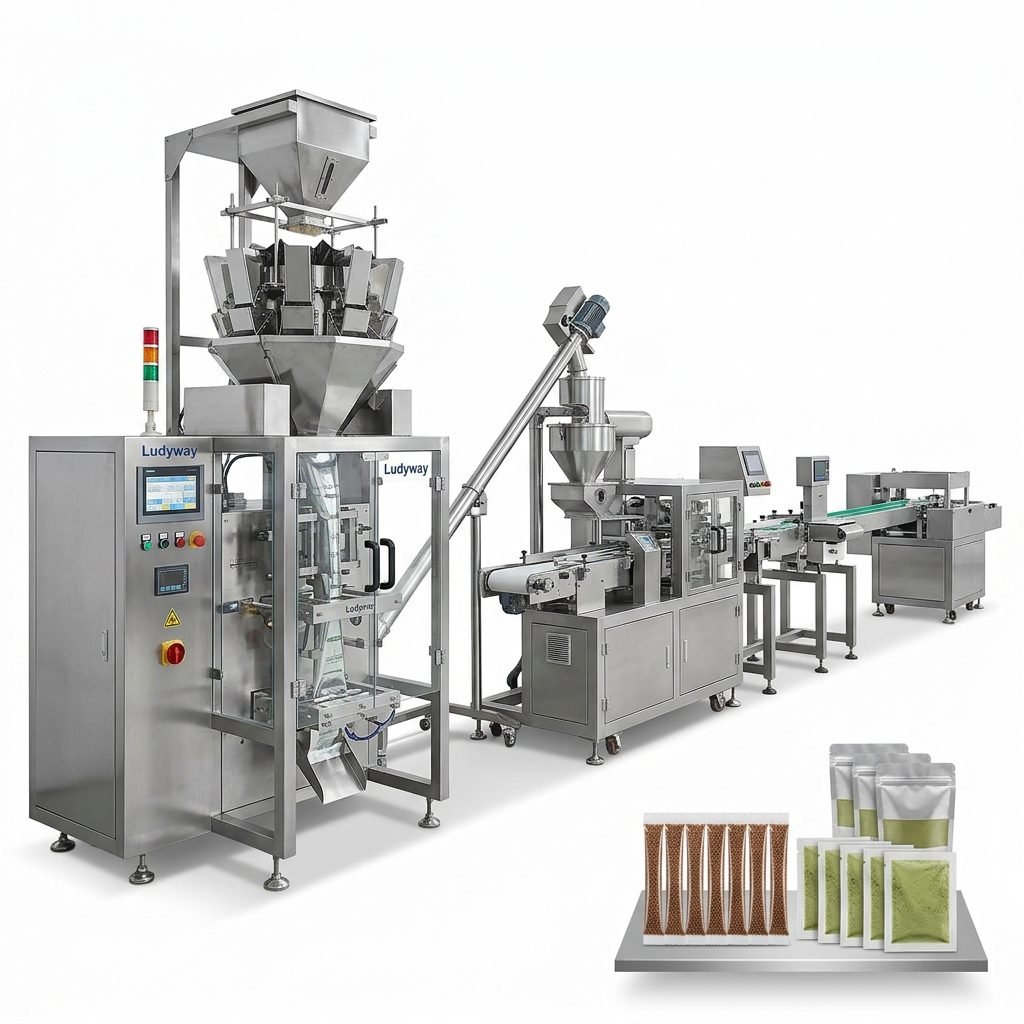
Modern equipment can also integrate with auger fillers, multihead weighers, liquid pumps, elevators, conveyors, checkweighers, coding systems, metal detectors, and cartoning units.
Why Choosing the Right Machine Matters
Not all packaging lines are built the same. A machine that works perfectly for sugar sachets may not be suitable for sauce, collagen powder, tablets, or nicotine pouch products. Selecting the wrong model can lead to:
- Frequent downtime
- Inaccurate filling
- Weak sealing quality
- Material waste
- Unstable output
- Higher maintenance costs
By contrast, a properly matched solution improves speed, consistency, seal integrity, and scalability as your production grows.
Main Types of Pouch Packing Machines
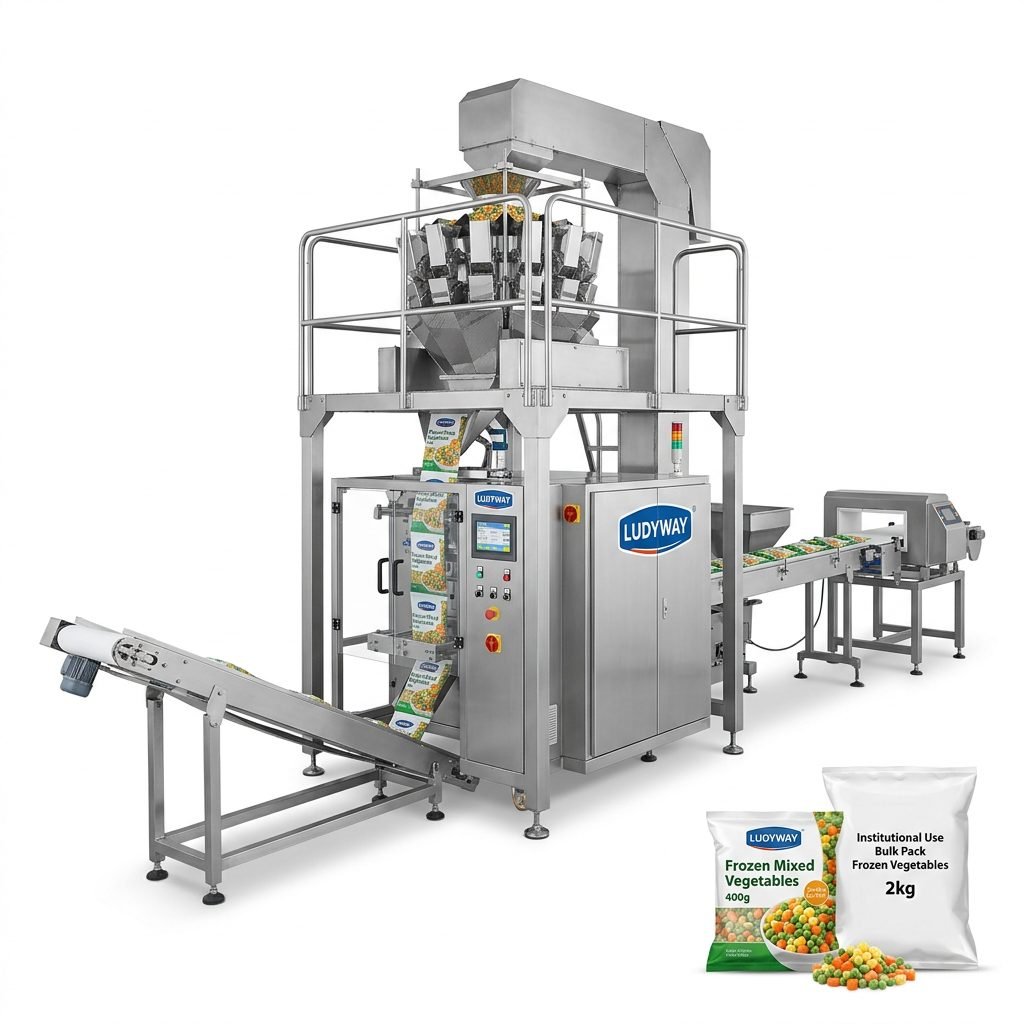
1. Vertical Form Fill Seal Machines
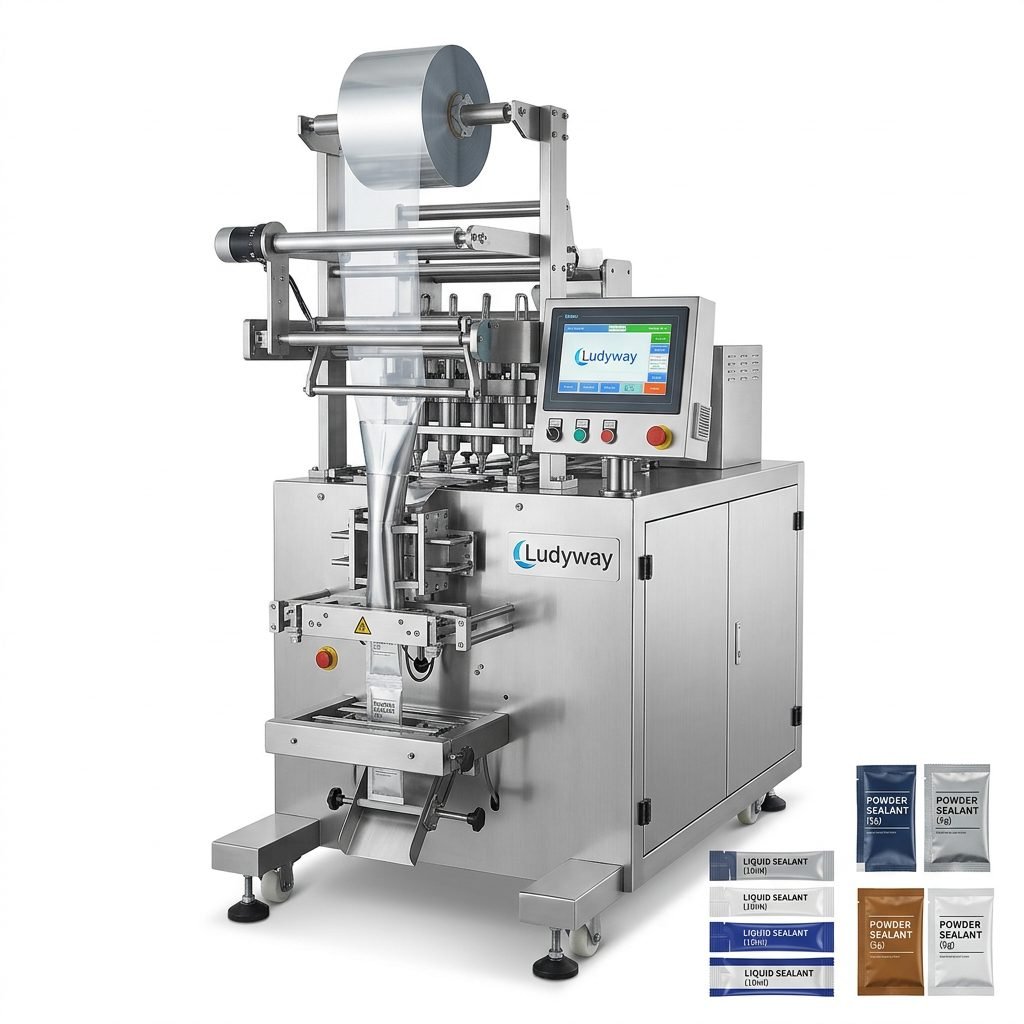
VFFS machines create pouches from roll film, fill the product, and seal the bag in one continuous process. They are commonly used for powders, granules, snacks, seeds, coffee, seasonings, and other free-flowing products.
Best for: high efficiency, flexible bag sizes, and lower packaging material cost.
2. Premade Pouch Packing Machines
These machines pick up ready-made pouches, open them, fill the product, and seal them. They are suitable for stand-up pouches, zipper pouches, spouted pouches, and premium retail packaging.
Best for: attractive shelf-ready packaging and premium product presentation.
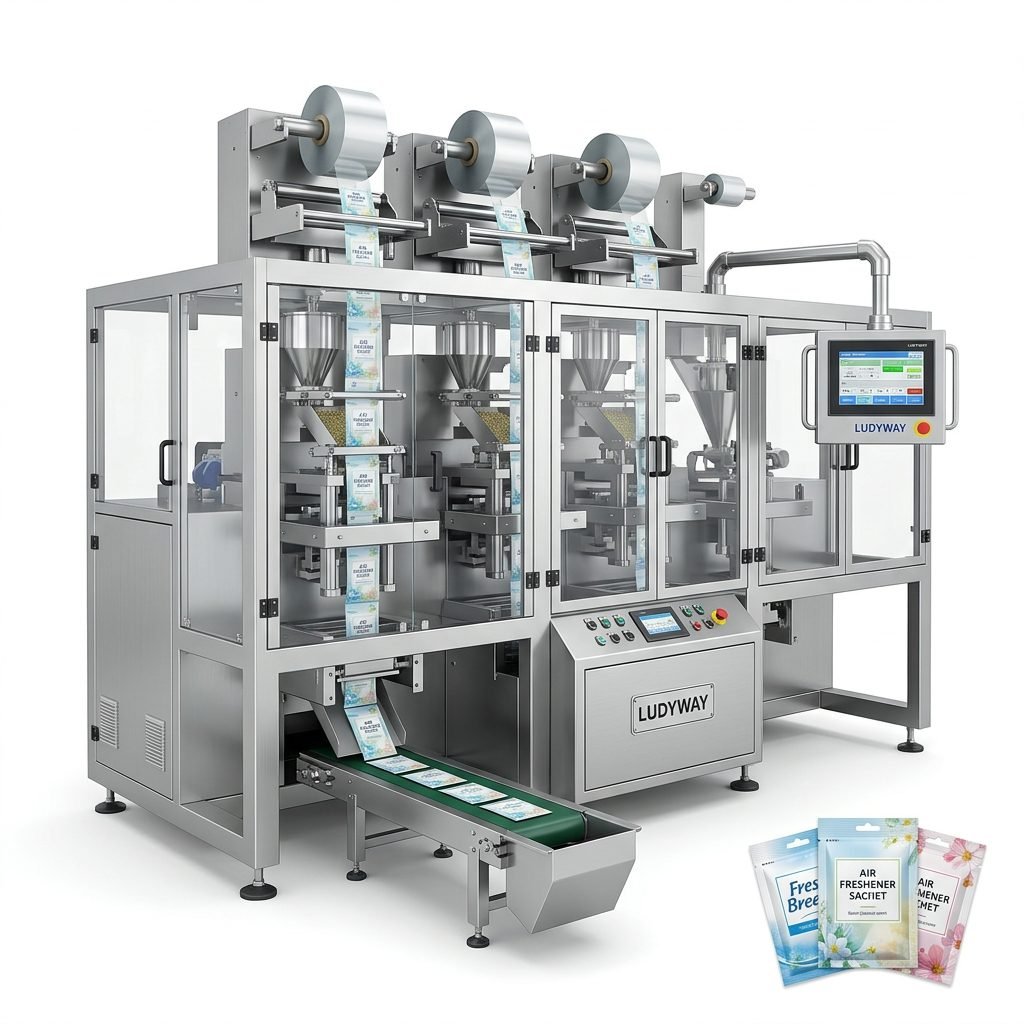
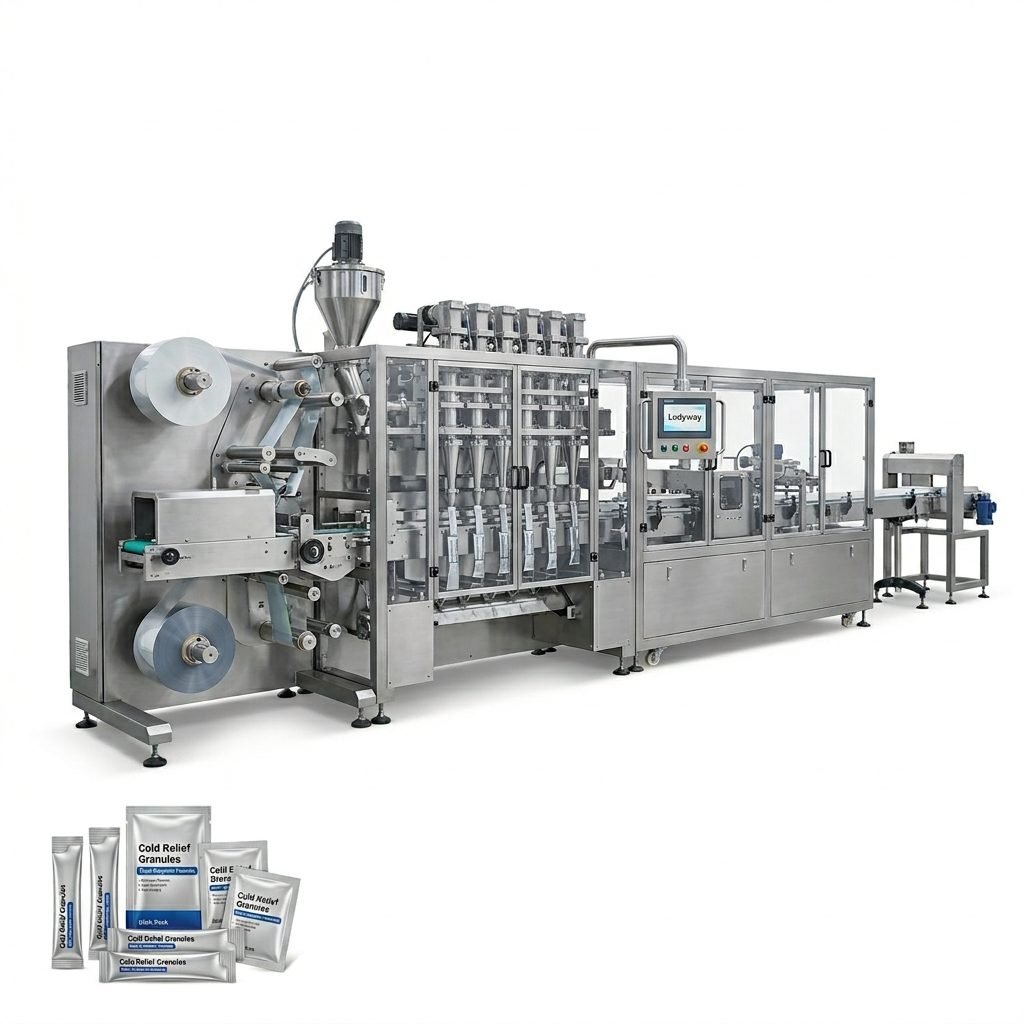
3. Sachet Packing Machines
Sachet machines are ideal for small-dose packaging of powders, liquids, gels, granules, or pharmaceutical products. They are widely used for coffee, sugar, condiments, oral solutions, and cosmetic samples.
Best for: single-use portions and compact retail or trial packs.
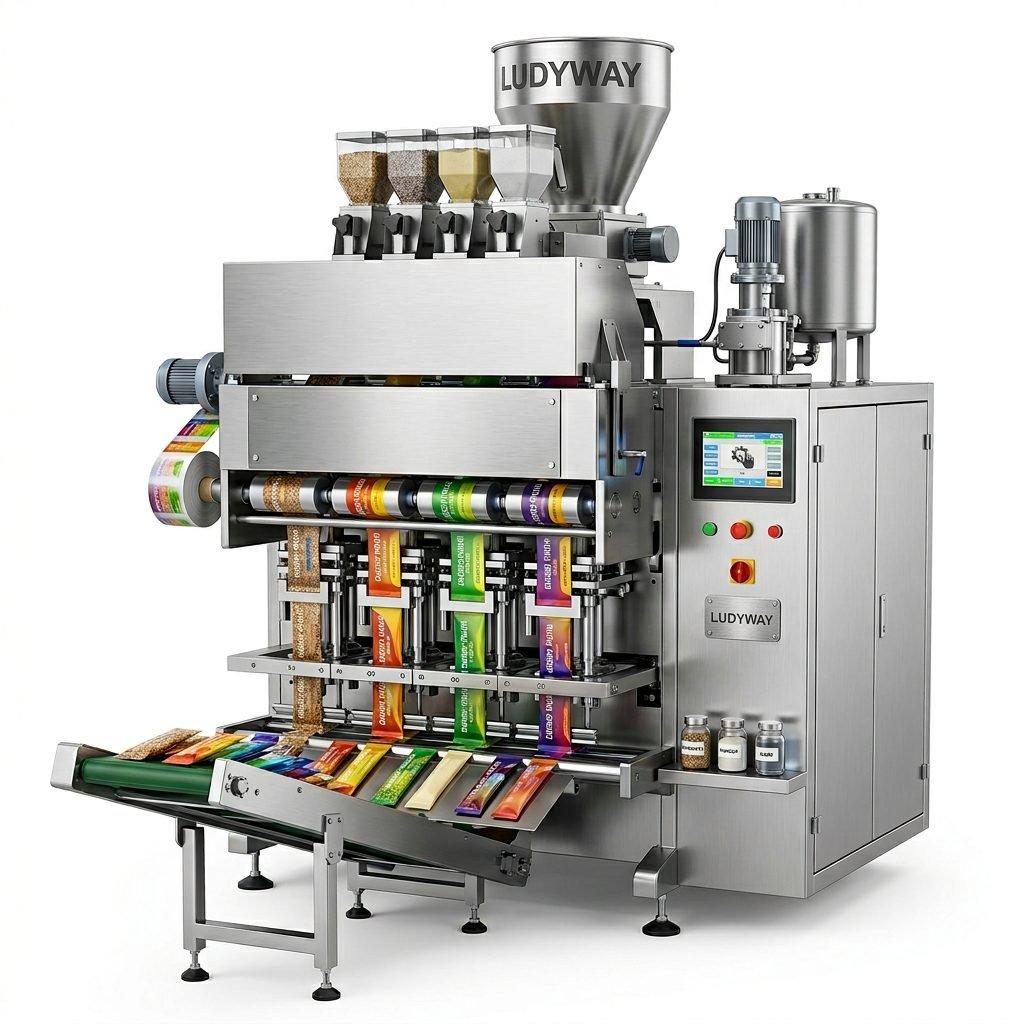
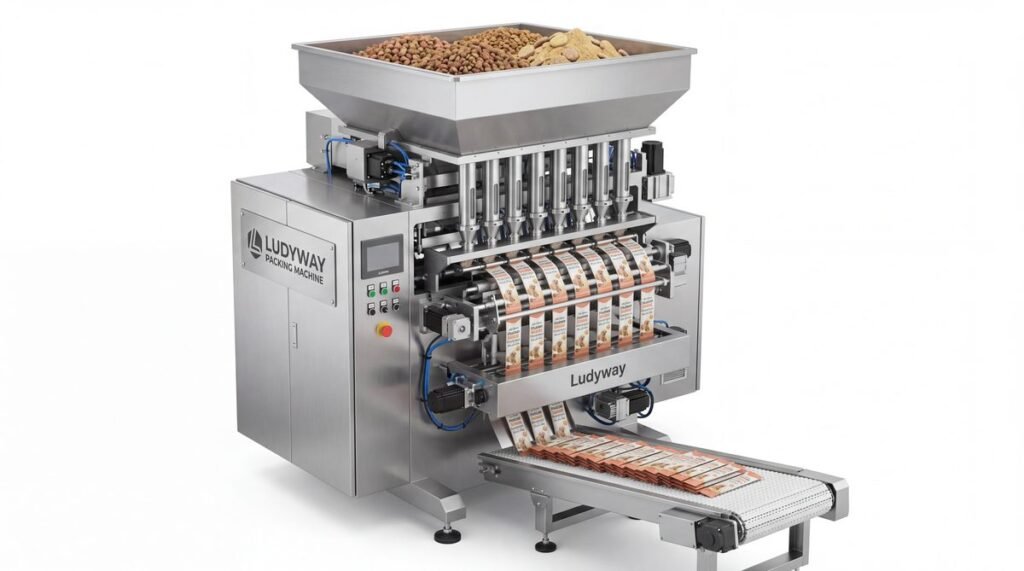
4. Stick Pack Machines
Stick pack machines produce slim, tube-like packets. They are especially popular for beverage powders, instant coffee, supplements, electrolytes, and health products.
Best for: portable, modern-looking, single-serve packaging.
5. Multi-Lane Pouch Packing Machines
Multi-lane systems run several lanes at the same time to produce high volumes. They are commonly used for pharmaceutical sachets, supplement powders, food seasonings, and nicotine or oral pouch products.
Best for: high-speed, large-scale production.
| Machine Type | Suitable Products | Key Advantage |
|---|---|---|
| VFFS Machine | Granules, powders, snacks | Efficient and cost-effective |
| Premade Pouch Machine | Liquids, powders, premium goods | Premium pouch appearance |
| Sachet Machine | Small-dose powders, gels, liquids | Compact single-use packs |
| Stick Pack Machine | Supplements, coffee, drink mix | Portable slim package format |
| Multi-Lane Machine | High-volume pouch products | Maximum production output |
How a Pouch Packing Machine Works
Although machine structures differ, the typical packaging process includes the following steps:
- Film or pouch feeding
- Pouch forming or pouch opening
- Product dosing and filling
- Sealing
- Date coding or printing
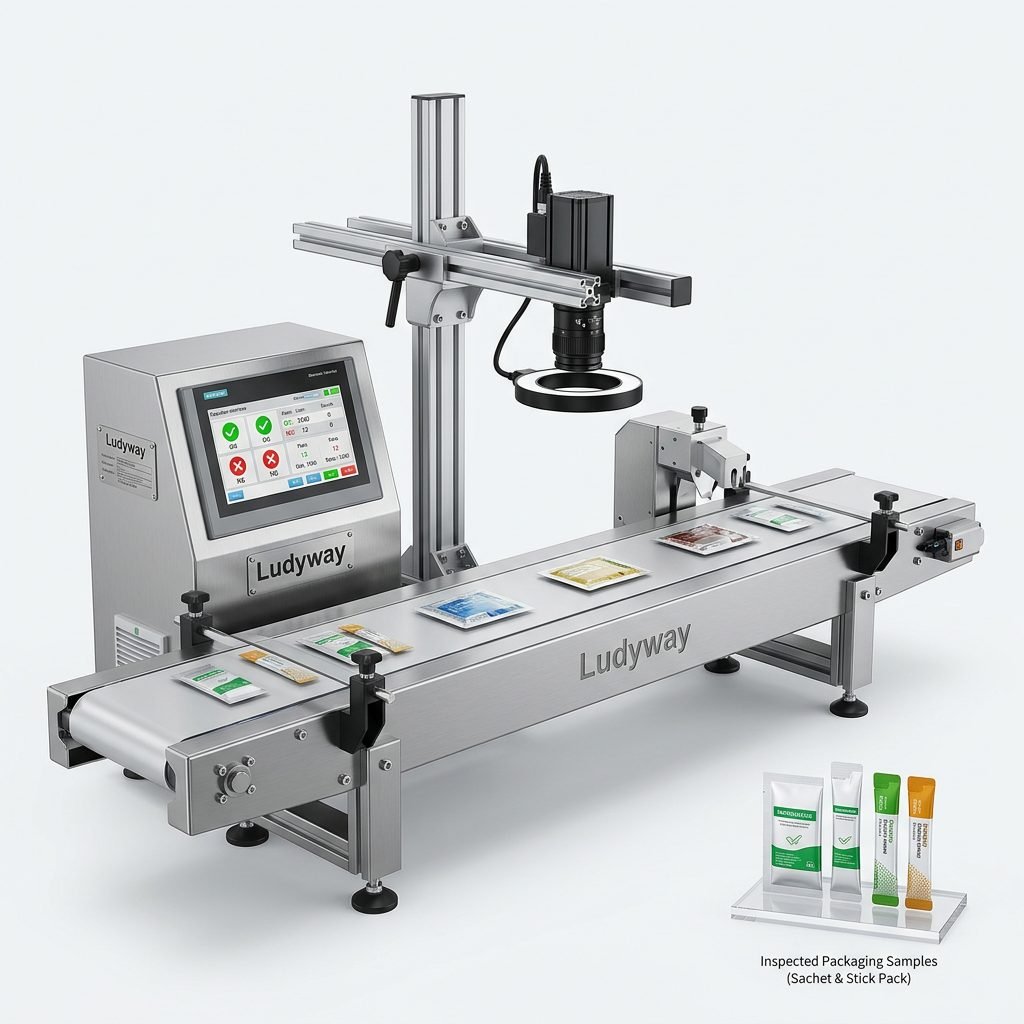
- Inspection and reject handling
- Collection, counting, cartoning, or case packing
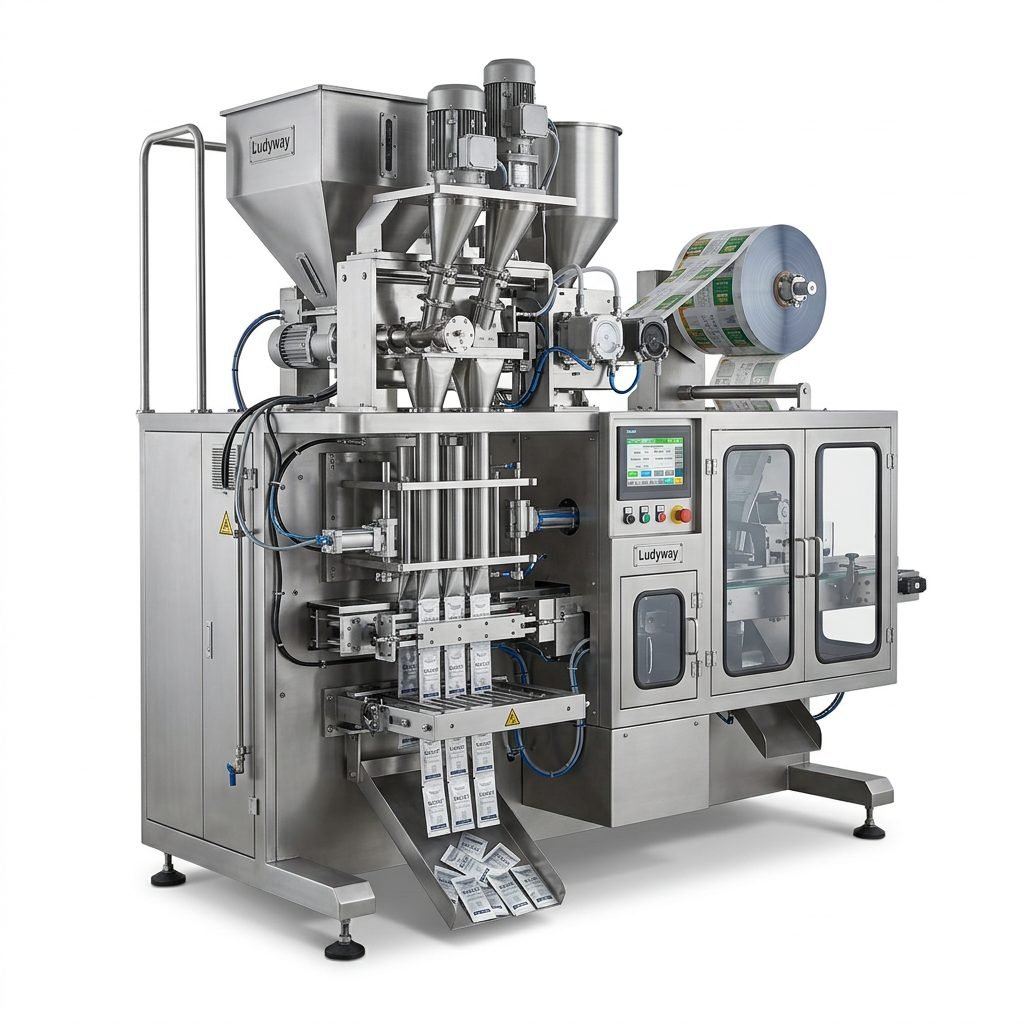
The filling system is usually selected according to product type:
- Auger filler: powders
- Volumetric cup filler: granules
- Multihead weigher: snacks and irregular solids
- Piston pump: liquids and pastes
- Tablet or capsule counter: pharmaceutical units
Key Factors to Consider Before Buying
Product Type
Your product is the starting point. Powder, granule, liquid, paste, tablet, or pouch material all affect machine configuration. Flowability, particle size, viscosity, foaming, dust, and moisture sensitivity also matter.
Pouch Style
Define the exact package you need, such as:
- Flat pouch
- Stand-up pouch
- Zipper pouch
- 3-side seal sachet
- 4-side seal sachet
- Stick pack
- Special-shaped pouch
Production Speed
Required output per minute or per hour determines whether you need a single-lane machine, a high-speed intermittent system, or a continuous multi-lane line.
Filling Accuracy
For food supplements, pharmaceuticals, and premium ingredients, filling precision is critical. Inaccurate dosing can cause compliance issues, customer complaints, and unnecessary product giveaway.
Packaging Material Compatibility
Different films require different sealing conditions. Confirm whether your machine supports laminated film, aluminum foil film, PE, PET, or recyclable packaging materials.
Level of Automation
You may need only a standalone pouch packing machine, or a complete line with feeding, filling, inspection, cartoning, and palletizing.
Cleanability and Compliance
For food, pharmaceutical, and health product packaging, easy cleaning and hygienic design are essential. Stainless steel contact parts, dust control, and GMP-friendly structures are often preferred.
Maintenance and Spare Parts
A machine with excellent speed but poor serviceability can become costly over time. Ask about spare parts availability, remote support, manuals, and operator training.
How to Match the Machine to Your Product
| Product Type | Recommended Filling System | Suggested Machine |
|---|---|---|
| Powder | Auger filler | Sachet or stick pack machine |
| Granules | Cup filler or weigher | VFFS or sachet machine |
| Liquid | Piston pump or liquid pump | Liquid sachet or premade pouch machine |
| Paste / Gel | Servo piston filling | Sachet or premade pouch machine |
| Tablets / Capsules | Counting system | Specialized pouch or pharmaceutical packaging line |
Common Industries Using Pouch Packing Machines
Food Industry
Coffee, sugar, spices, sauces, milk powder, snacks, soup mix, grains, nuts, seasoning, instant beverages, and frozen food ingredients are frequently packed in pouches.
Pharmaceutical Industry
Oral powders, granules, medical sachets, tablets, capsules, wipes, and sterile-pack related products often require accurate and compliant pouch packaging solutions.
Health Supplement Industry
Collagen, probiotics, protein powders, electrolytes, vitamins, herbal formulas, and nutrition products are highly suitable for sachet and stick pack formats.
Cosmetic and Personal Care Industry
Shampoo, lotion, serum, cream, facial mask liquid, conditioner, hand wash, and travel-size personal care products are often packed into sachets or pouches.
Chemical and Daily-Use Industry
Detergents, cleaners, agricultural additives, industrial powders, lubricants, and water-treatment materials also rely on reliable pouch packaging systems.
Signs You Need a More Advanced Packaging Solution
- Your current line cannot keep up with demand
- Manual packaging causes inconsistent pouch quality
- You need higher filling precision
- You want to reduce labor dependence
- You are expanding into export or retail-ready packaging
- You need integration with coding, checkweighing, cartoning, or palletizing
Questions to Ask a Pouch Packing Machine Supplier
- What products and pouch formats has this machine handled before?
- What is the actual speed range under real production conditions?
- What filling accuracy can be achieved?
- Can the machine support future pouch size changes?
- How long is the delivery and commissioning cycle?
- What after-sales support is available internationally?
- Can the supplier provide turnkey line integration?
- Are test videos or sample trials available?
Standalone Machine vs Turnkey Packaging Line
A standalone pouch machine may be enough for small or medium production. However, larger manufacturers often benefit more from a complete packaging line.
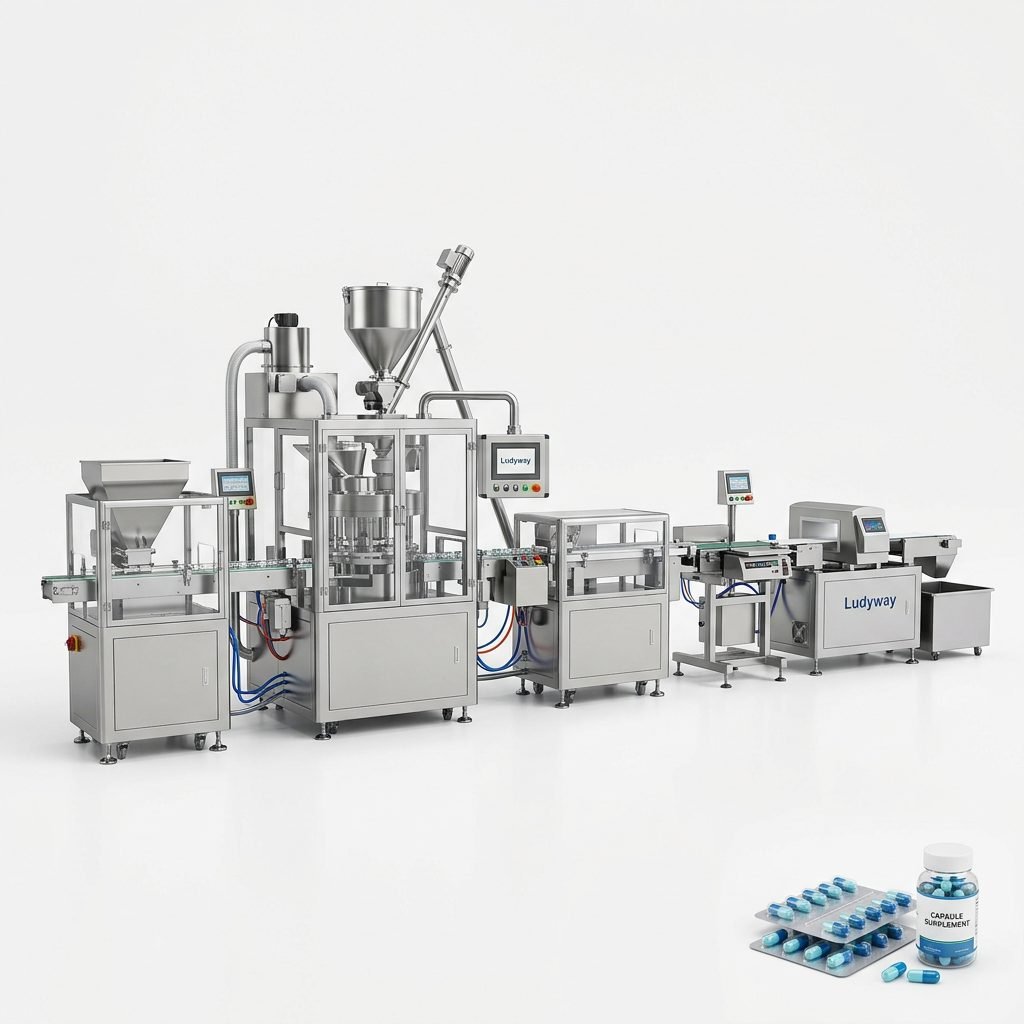
A turnkey line may include:
- Feeding and conveying system
- Automatic filling and sealing machine
- Metal detector or inspection unit
- Checkweigher
- Date coder or printer
- Cartoning or case packing system
- Palletizing solution
This approach improves line coordination, reduces manual handling, and supports long-term production expansion.
What Makes a Reliable Manufacturer?
When evaluating suppliers, experience and integration capability matter. A manufacturer with strong engineering resources, broad machine categories, and export experience can usually deliver a more stable and scalable solution.
For buyers looking for automated pouch packaging equipment and complete packaging line support, Ludyway pouch packing machine solutions are often considered for projects in food, pharmaceutical, health supplement, cosmetic, and related industries. With more than 30 years of manufacturing experience, a factory over 20,000 square meters, and a broad range of packaging systems, the company is positioned to support both standalone equipment and turnkey packaging line requirements.
Final Buying Checklist
Before placing an order, confirm the following points:
- Product characteristics are clearly defined
- Pouch format and pouch size are finalized
- Speed requirement is based on realistic production targets
- Filling method matches product behavior
- Material compatibility is tested
- Layout and factory utilities are reviewed
- Future expansion has been considered
- Supplier support and spare parts are confirmed
Conclusion
The right pouch packing machine is not simply the fastest or cheapest option. It is the one that fits your product, pouch format, production volume, quality standard, and long-term automation goals. By carefully evaluating machine type, filling system, packaging material, speed, accuracy, and supplier capability, you can choose a solution that delivers reliable performance and sustainable return on investment.
If your business is planning to upgrade from manual packing to automatic production, or from a single machine to a full packaging line, investing time in the selection process now can prevent expensive mistakes later.