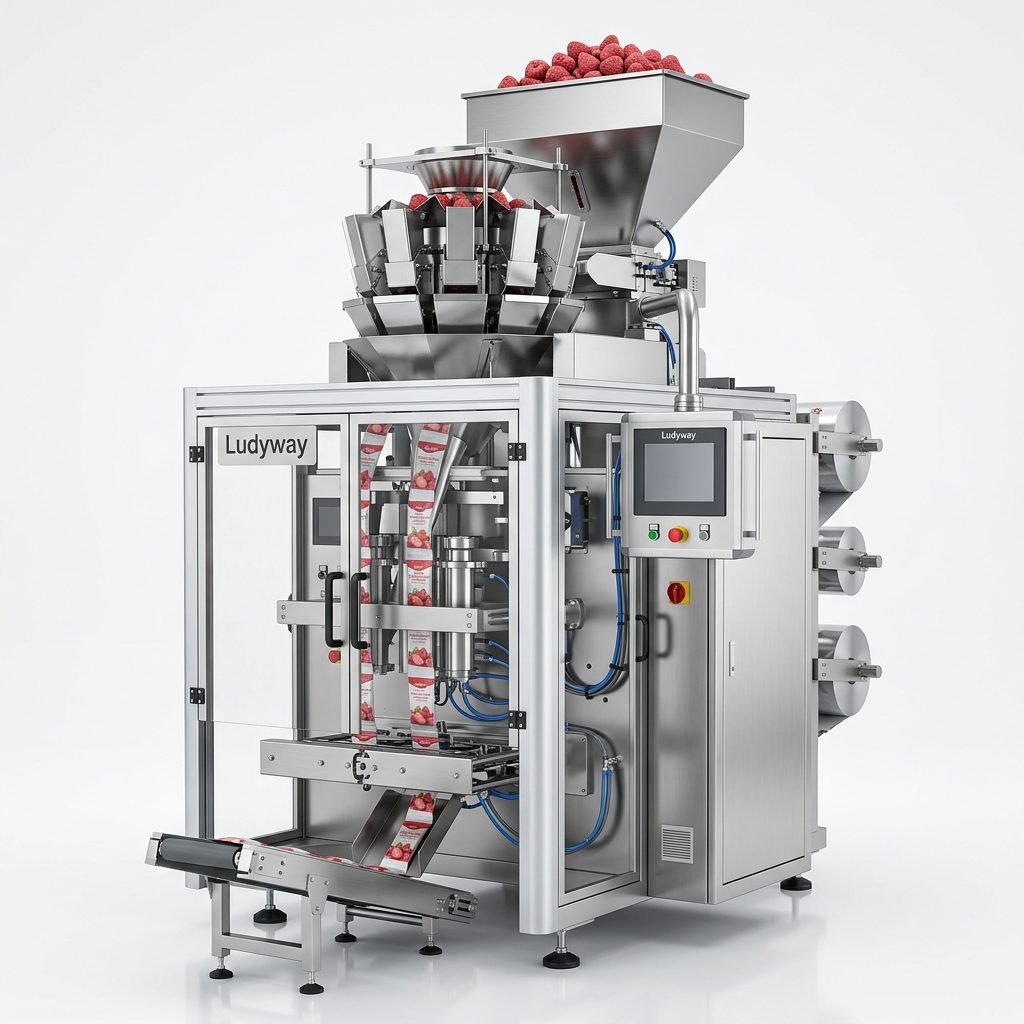
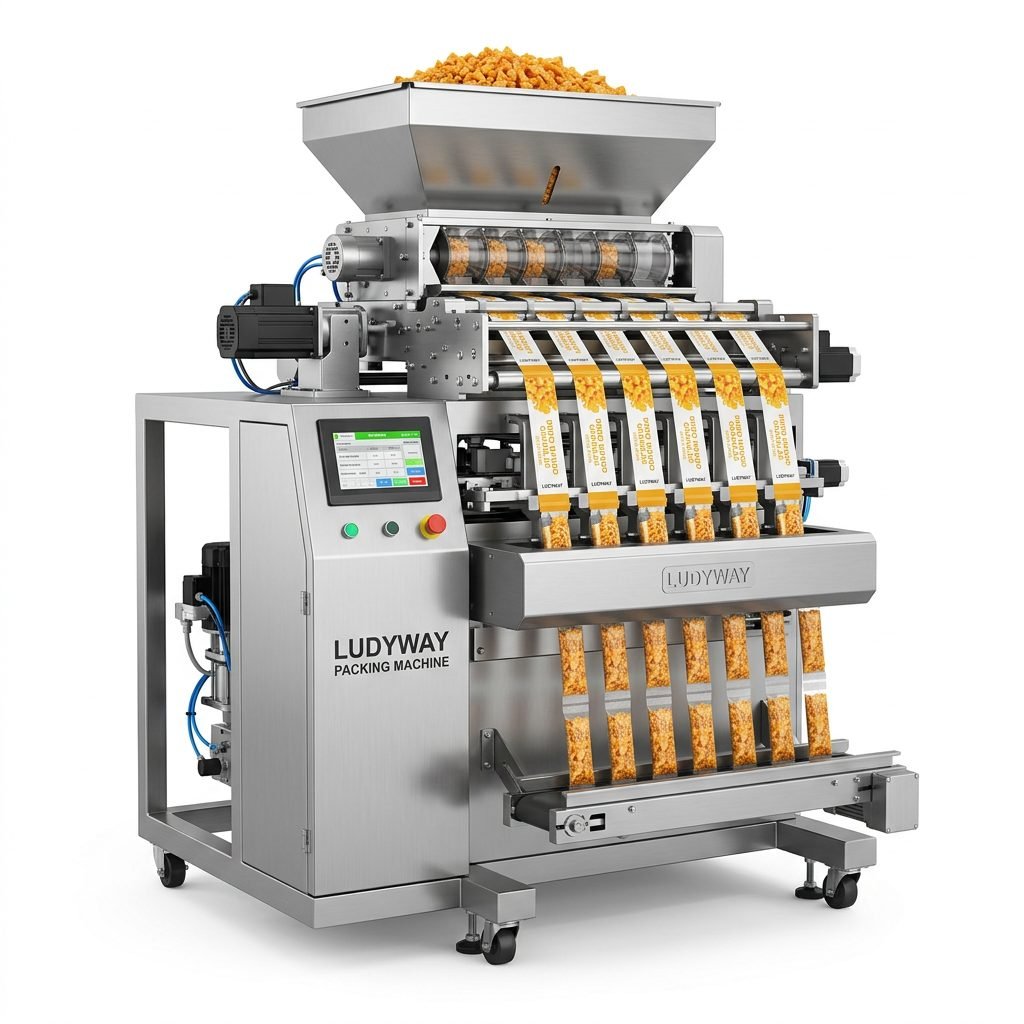
In the fast-paced world of manufacturing, efficient and reliable packaging is not just a final step—it’s a critical component of product integrity, brand presentation, and operational success. Climax Packaging Machinery represents the pinnacle of this essential process, offering solutions that streamline production, ensure product safety, and enhance market appeal. This comprehensive guide delves into the various types of climax packaging equipment, their diverse applications across industries, and essential tips for making a smart purchasing decision.
Understanding Climax Packaging Machinery
Climax packaging machinery refers to the advanced, often automated systems designed to perform the final and most crucial packaging operations. These machines are engineered for high-speed, precision, and consistency, handling tasks from filling and sealing to labeling and cartoning. The term “climax” signifies the peak of the packaging line, where the product is prepared for distribution and sale.
The evolution of this machinery is driven by the need for greater efficiency, reduced waste, and adherence to stringent industry regulations. Modern climax systems integrate sophisticated technologies like PLC controls, servo motors, and vision inspection systems to minimize human error and maximize output.
Core Components of a Modern Packaging Line
A complete climax packaging solution is rarely a single machine. It is typically a synchronized line comprising several units:
- Filling Machines: Precisely dispense product into pouches, bottles, or sticks.
- Sealing Machines: Create airtight and tamper-evident seals using heat, pressure, or ultrasonic technology.
- Labeling & Coding Systems: Apply labels, batch numbers, expiry dates, and barcodes.
- Cartoning & Case Packing: Collate individual packages into boxes or cases for shipping.
Major Types of Climax Packaging Machinery
The specific type of machinery required depends entirely on the product’s form and packaging format. Here’s a breakdown of the primary categories.
1. Vertical Form-Fill-Seal (VFFS) Machines
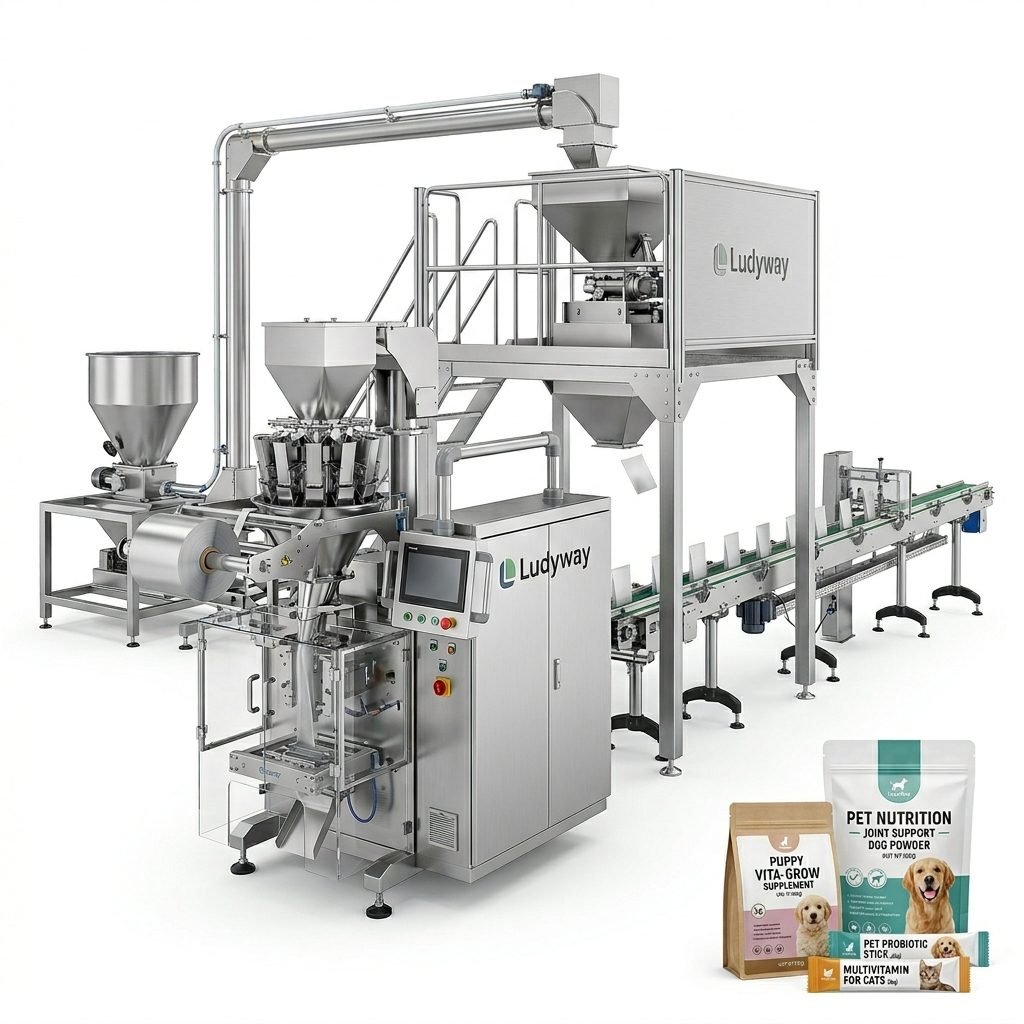
These are the workhorses of the packaging industry for granular, powdered, and liquid products. A VFFS machine forms a roll of film into a bag, fills it with a measured dose of product, and seals it—all in one continuous vertical motion. They are ideal for producing stand-up pouches, pillow packs, and sachets at high speeds.
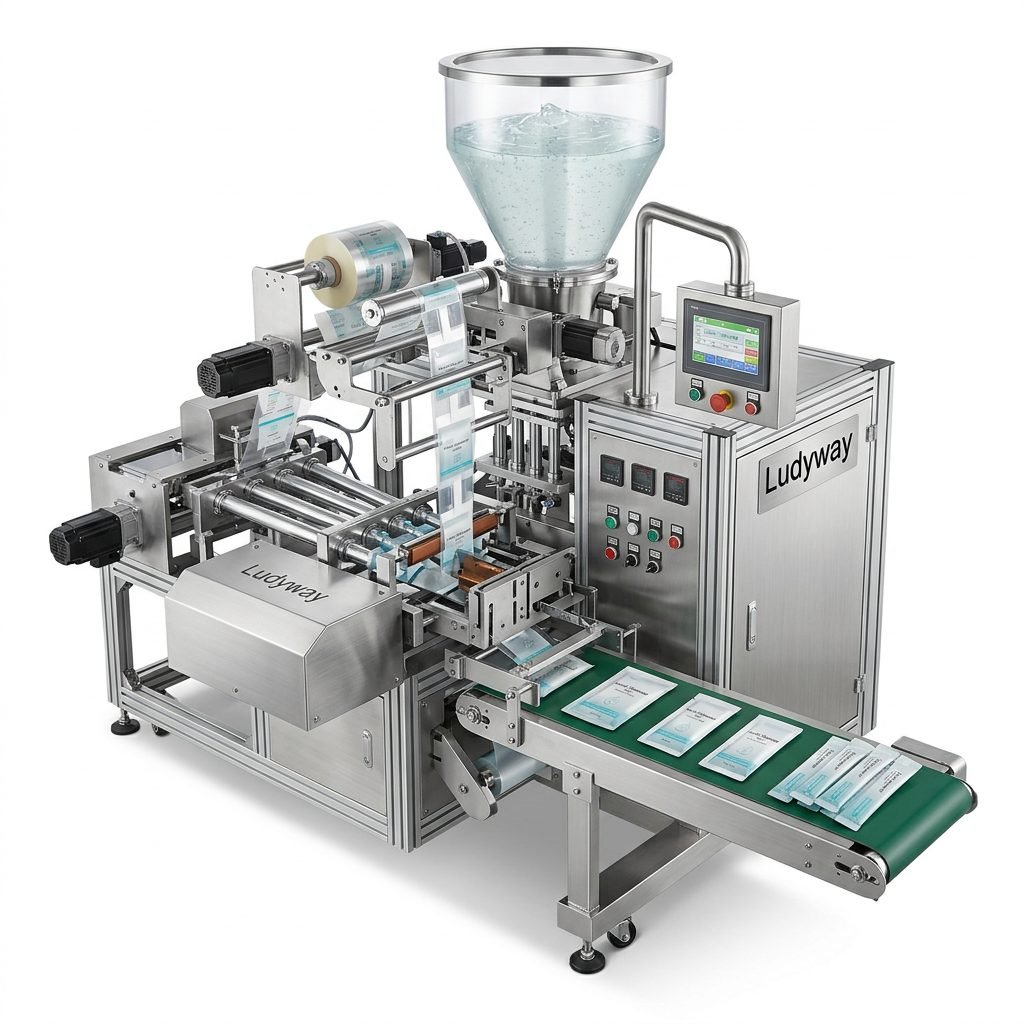
2. Stick Pack Packaging Machines
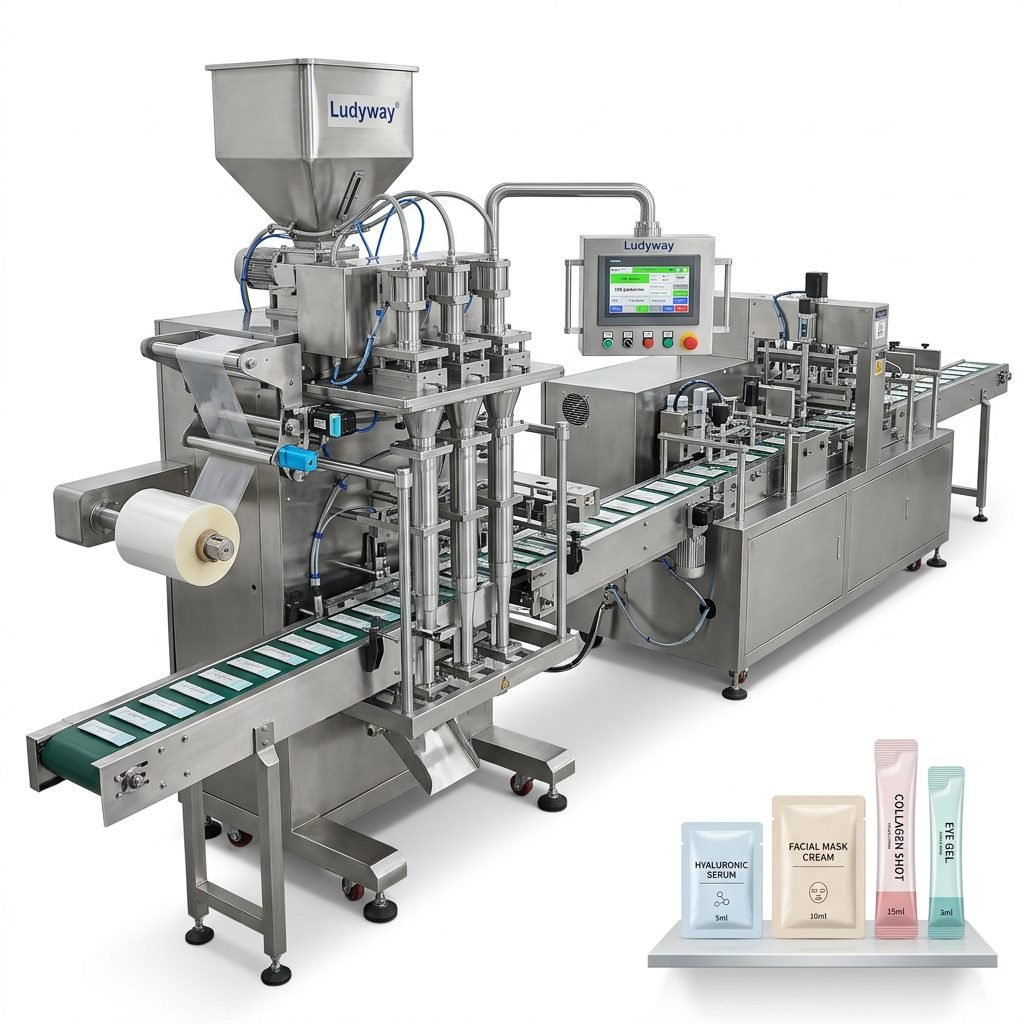
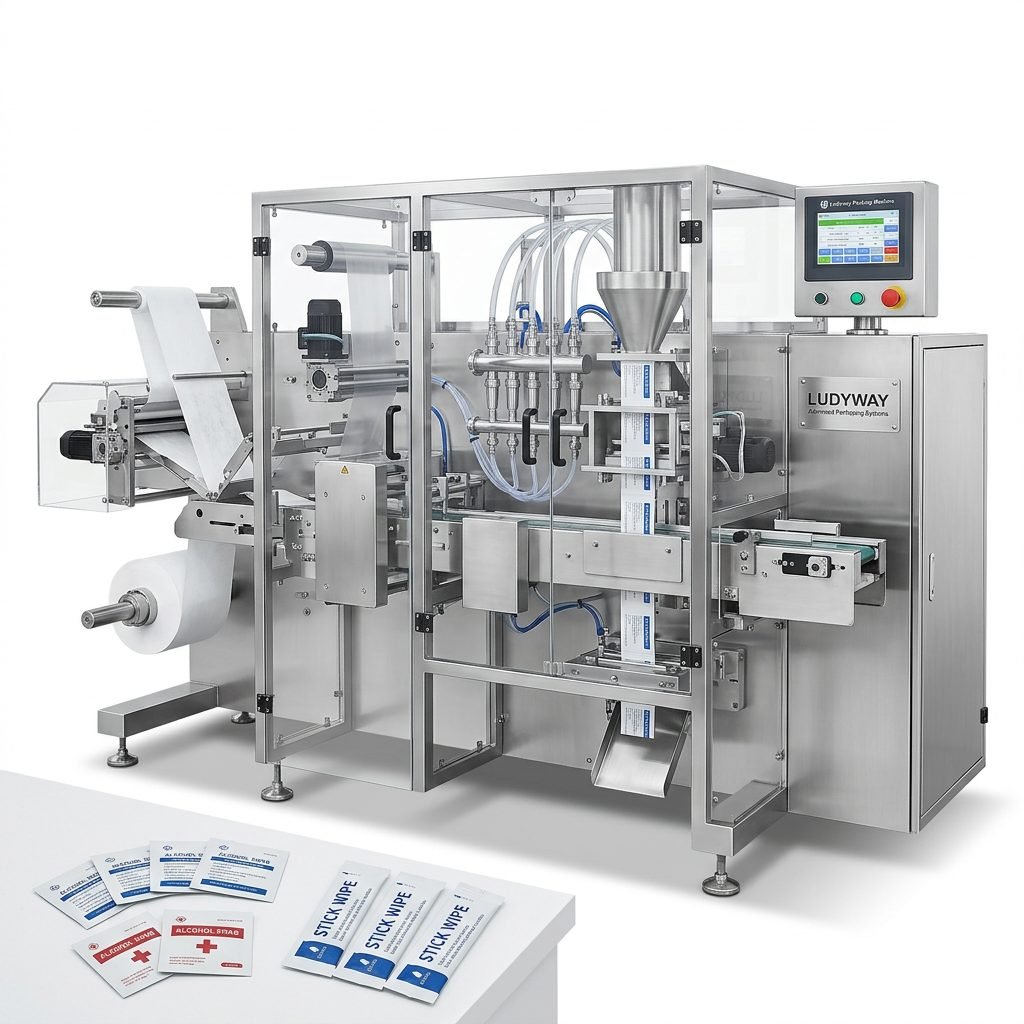
Specialized for creating long, slender single-serve packets, stick pack machines are popular for powdered beverages, pharmaceuticals, and condiments. They offer excellent barrier properties and a sleek, modern look that appeals to consumers. Multi-lane stick pack machines can produce several sticks simultaneously, dramatically increasing output. For businesses looking to enter this market, exploring advanced stick pack solutions can provide a competitive edge.
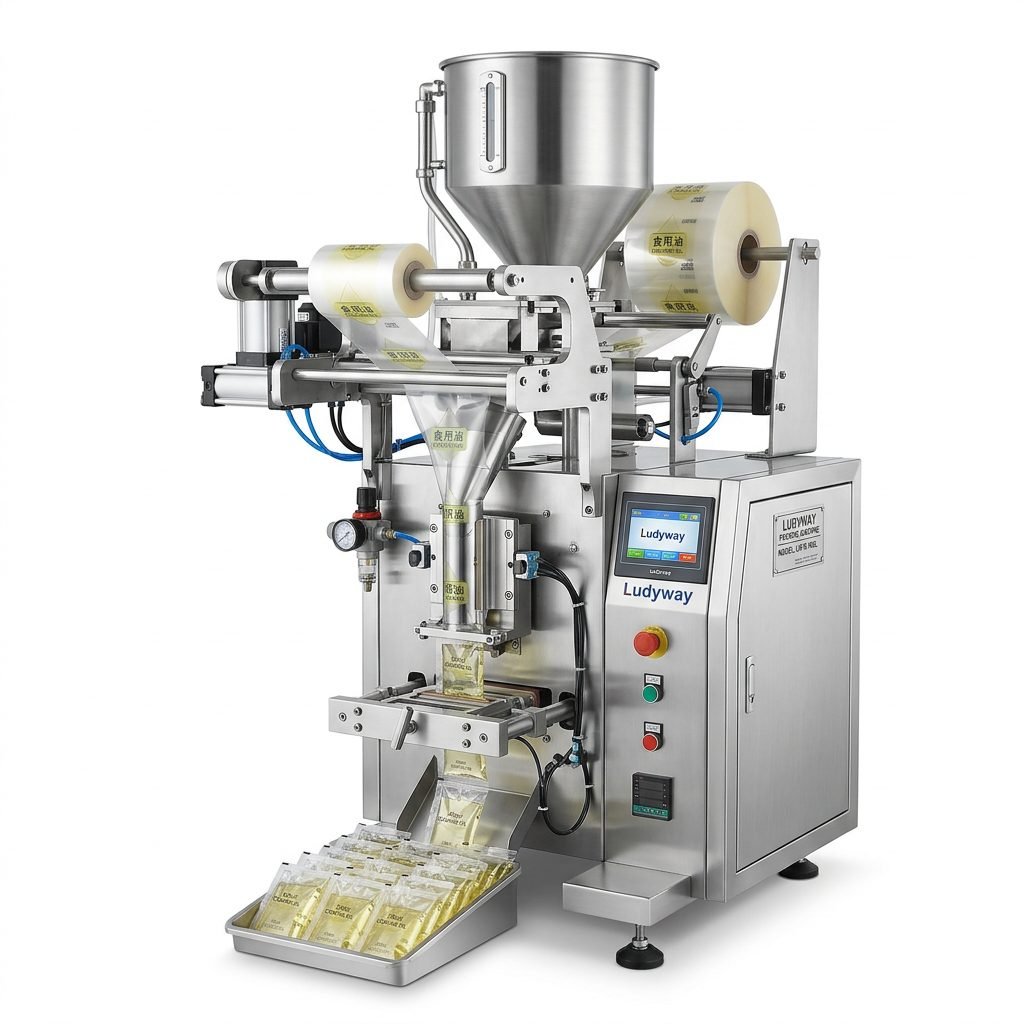
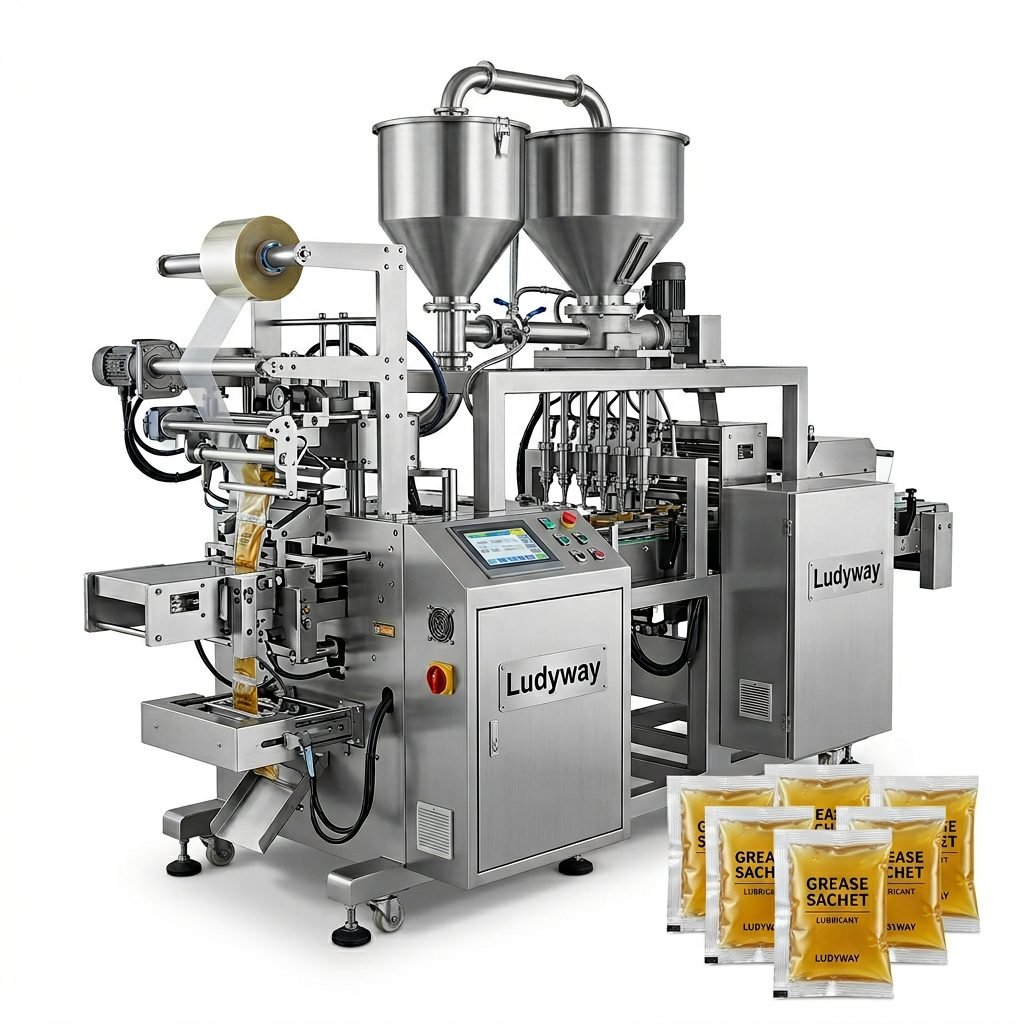
3. Liquid & Paste Filling Machines
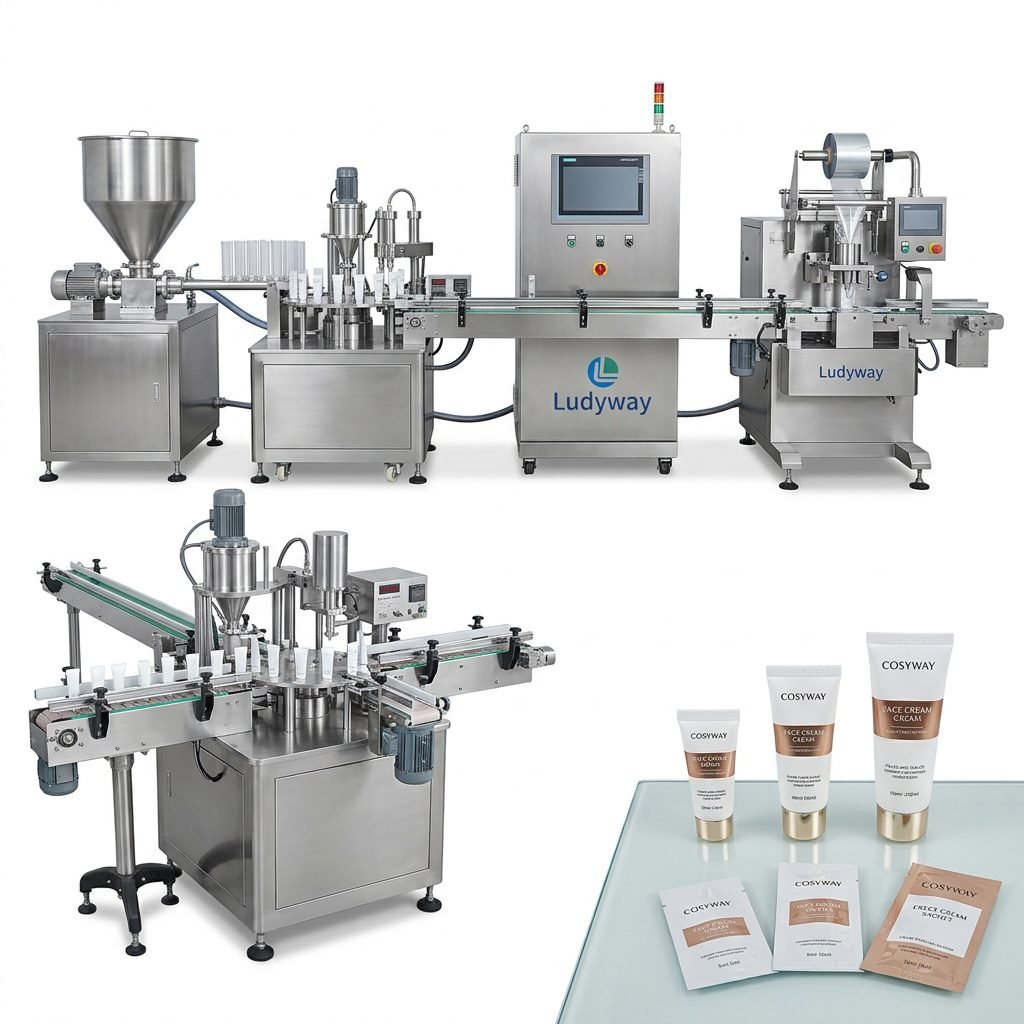
Designed to handle viscous products like sauces, creams, oils, and chemicals without dripping or oxidation. Technologies include piston fillers, gravity fillers, and vacuum fillers, often coupled with capping or lidding systems for bottles, tubes, and jars.
⚠️ Key Consideration: The product’s viscosity, foaming tendency, and sensitivity (e.g., to air or heat) are critical factors in selecting the right liquid filling technology.
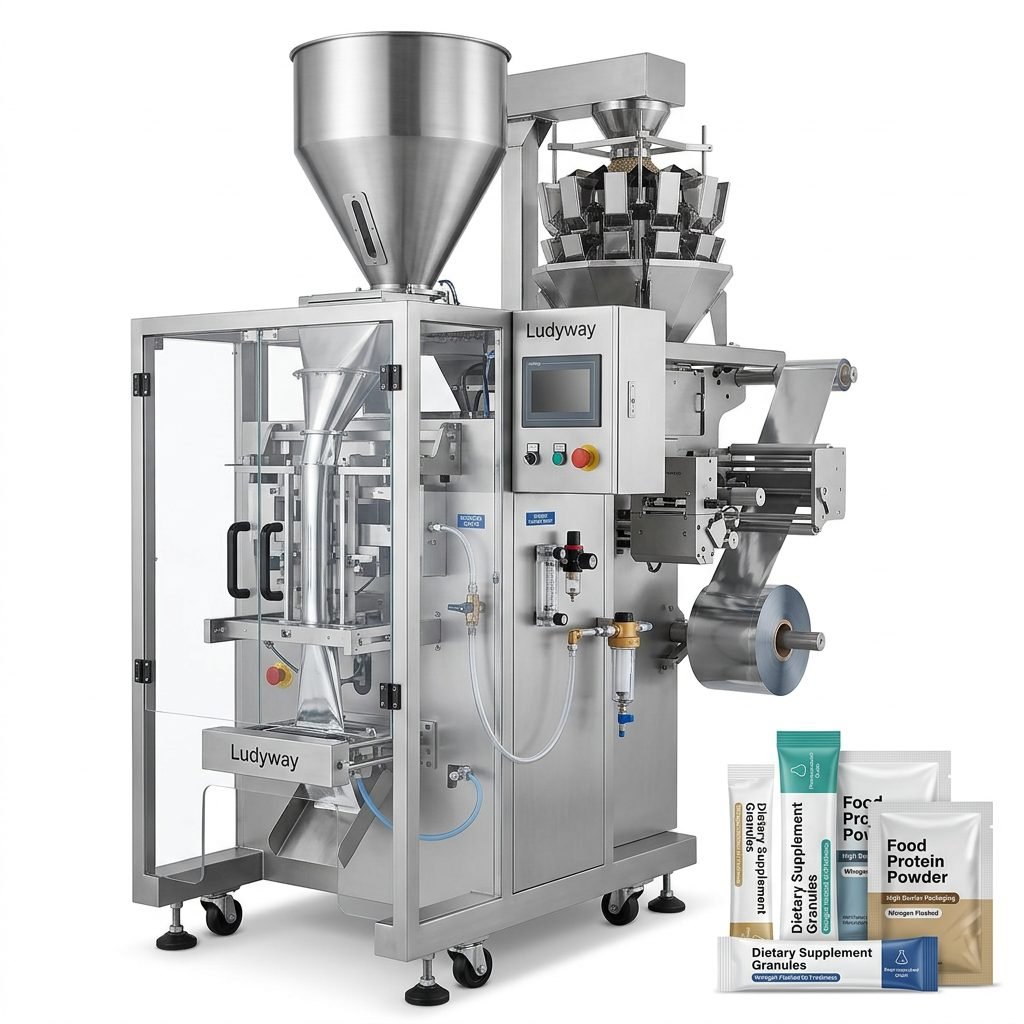
4. Granule & Powder Packaging Machines
These systems use auger fillers, cup fillers, or weigh scales to accurately portion dry products like coffee, spices, nuts, and detergent powder. They often include features like vibration settling and dust extraction to ensure clean, precise fills.
Specialized and Integrated Systems
Beyond these core types, climax packaging also encompasses:
- Turnkey Production Lines: Fully integrated systems that combine multiple processes (mixing, filling, sealing, boxing) into one automated line.
- Intelligent Packaging Systems: Machines equipped with IoT sensors and data analytics for real-time monitoring, predictive maintenance, and production optimization.
Key Applications Across Industries
The versatility of climax packaging machinery makes it indispensable in numerous sectors.
Food & Beverage Industry
This is the largest application sector. Machines must ensure hygiene, extend shelf life, and meet food safety standards (like FDA, EU regulations). Applications include packaging snacks, coffee, spices, ready-to-eat meals, and single-serve beverage sticks. The demand for convenient, portion-controlled, and sustainable packaging is particularly high here.
Pharmaceutical & Healthcare
Precision and sterility are non-negotiable. Machinery in this field handles powders for sachets, tablets in blister packs, and liquids in sterile vials. Compliance with GMP (Good Manufacturing Practice) guidelines is essential. The accuracy of dose filling and the integrity of the seal are paramount for patient safety. Learn more about pharmaceutical-grade packaging standards.
Daily Chemicals & Personal Care
From laundry detergent pods and shampoo sachets to cosmetic creams, packaging must be attractive, functional, and sometimes child-resistant. Machines often handle a variety of container shapes and sealing methods.
Industrial & Agricultural Products
This includes packaging for hardware items, adhesives, seeds, and fertilizers. Durability and cost-effectiveness are often prioritized, with machines designed for heavy-duty use and large-volume packaging.
Essential Buying Tips for Your Business
Investing in climax packaging machinery is a significant decision. Here’s a strategic guide to ensure you choose the right equipment.
1. Define Your Core Requirements
Start with a clear analysis of your needs:
- Product Characteristics: Form (solid, granule, powder, liquid), viscosity, abrasiveness, sensitivity.
- Packaging Format & Material: Desired pouch type, film material (laminate, aluminum foil), and sealing method.
- Production Speed (Output): Required packs per minute (PPM) to meet your demand.
- Floor Space & Utilities: Available factory space and requirements for power, compressed air, etc.
2. Prioritize Flexibility and Scalability
Can the machine handle multiple package sizes with quick changeovers? Is it easy to upgrade or integrate with future line expansions? A machine that grows with your business protects your long-term investment. Suppliers offering customized automation solutions can tailor the equipment to your specific growth path.
3. Evaluate Build Quality and Technology
Look for robust construction (e.g., stainless steel contact parts for food/pharma), reputable component brands (like Siemens or Mitsubishi PLCs), and user-friendly HMI (Human-Machine Interface) panels. Advanced servo-driven systems offer more precision and flexibility than older mechanical systems.
🔧 Pro Tip: Always request a live product test using your actual product and packaging materials at the supplier’s facility. This is the only way to verify performance claims for your specific application.
4. Assess After-Sales Support and Service
The machine’s value is heavily dependent on the supplier’s support. Investigate:
- Availability of spare parts and their delivery time.
- Technical support (on-site, remote).
- Training programs for your operators and maintenance staff.
- Warranty terms and service contract options.
5. Consider Total Cost of Ownership (TCO)
Look beyond the initial purchase price. Calculate TCO by factoring in:
- Energy consumption and utility costs.
- Expected maintenance and spare parts costs.
- Potential downtime costs.
- Cost of packaging materials wastage during changeovers or running.
A slightly more expensive but more efficient and reliable machine often has a lower TCO over 5-10 years.
Partnering with the Right Manufacturer
Choosing a machinery partner is as important as choosing the machine itself. A reputable manufacturer like Ludyway Machinery, with over 30 years of industry experience, brings invaluable expertise. They don’t just sell equipment; they provide turnkey production solutions. Their portfolio of 50+ intelligent packaging machine models, developed in a modern 20,000㎡ facility, is built to serve the rigorous demands of global food, pharmaceutical, and health industries. This depth of experience ensures they can guide you through selection, customization, installation, and long-term operation.
Frequently Asked Questions (FAQs)
Q1: What is the main advantage of a multi-lane stick pack machine over a single-lane machine?
A: The primary advantage is a massive increase in production output. A multi-lane machine can produce multiple stick packs (e.g., 4, 6, 8, or more) in the same cycle time as a single-lane machine produces one. This significantly boosts productivity while optimizing floor space and often reducing per-unit cost.
Q2: How do I ensure my packaging machine is compliant with food or pharmaceutical safety regulations?
A: Compliance starts with the machine design and materials. Specify that all product-contact parts must be made of food-grade or pharmaceutical-grade stainless steel (e.g., 316L). The machine should be designed for easy cleaning and sanitization (CIP/SIP capabilities). Always work with a manufacturer who understands and can document compliance with relevant standards (FDA, EU 1935/2004, GMP) for your target markets.
Q3: What are the most common causes of downtime in packaging machinery, and how can they be minimized?
A: Common causes include mechanical wear, misalignment, film jams, and sensor faults. Minimization strategies include: 1) Implementing a proactive preventive maintenance schedule, 2) Training operators on proper daily cleaning and basic troubleshooting, 3) Using high-quality, consistent packaging materials, and 4) Choosing a supplier with readily available spare parts and responsive technical support.
Q4: Can older packaging machinery be upgraded with new features?
A: Yes, in many cases. Retrofits are possible, such as upgrading mechanical drives to servo drives for better accuracy, adding new weighing systems, or integrating vision inspection systems. However, the feasibility and cost-effectiveness depend on the base machine’s condition and architecture. It’s best to consult directly with the original manufacturer or a specialized automation integrator for an assessment.
Q5: What should I look for in the warranty and service agreement?
A: A comprehensive warranty should cover parts and labor for a defined period (e.g., 12-24 months). The service agreement should clearly outline response times for support requests, the cost of service visits, availability of remote diagnostics, and the terms for training. Ensure there is clarity on what is considered “wear and tear” versus a warranty claim.