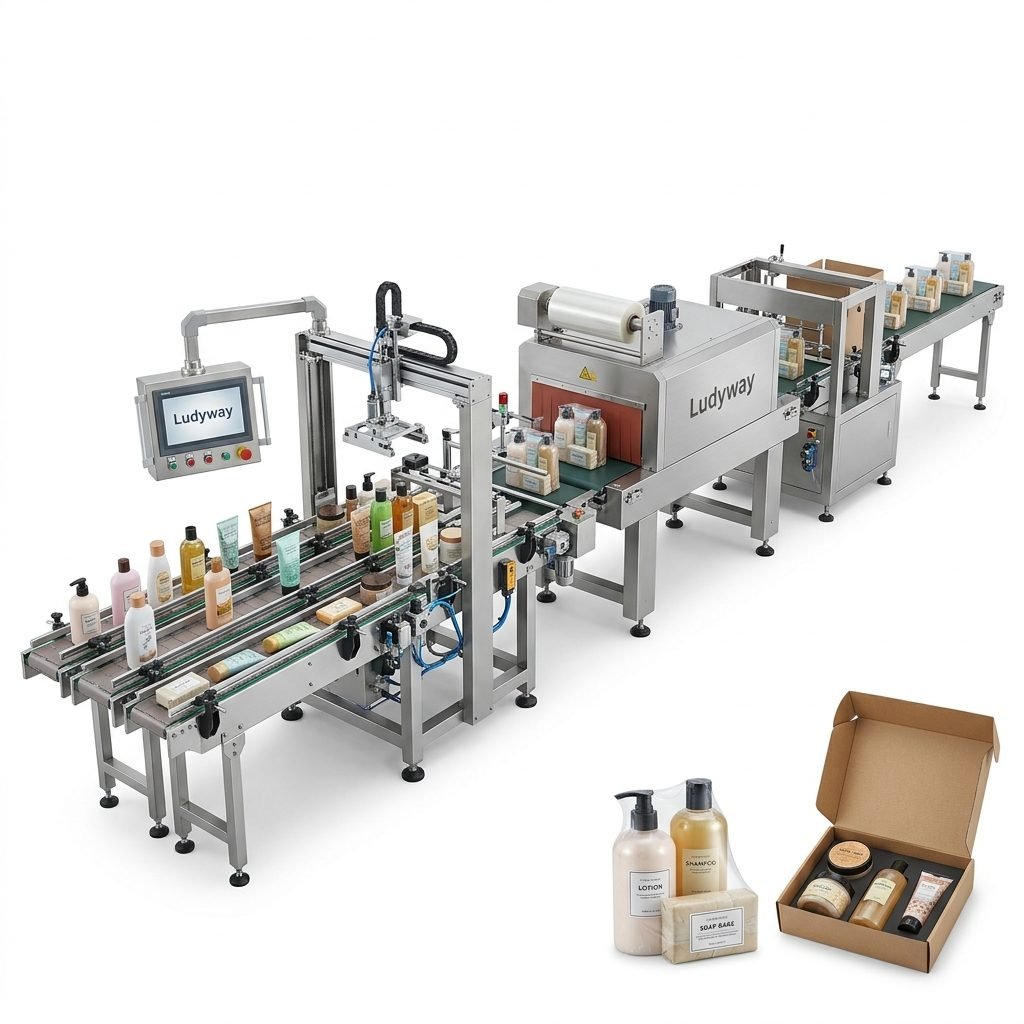
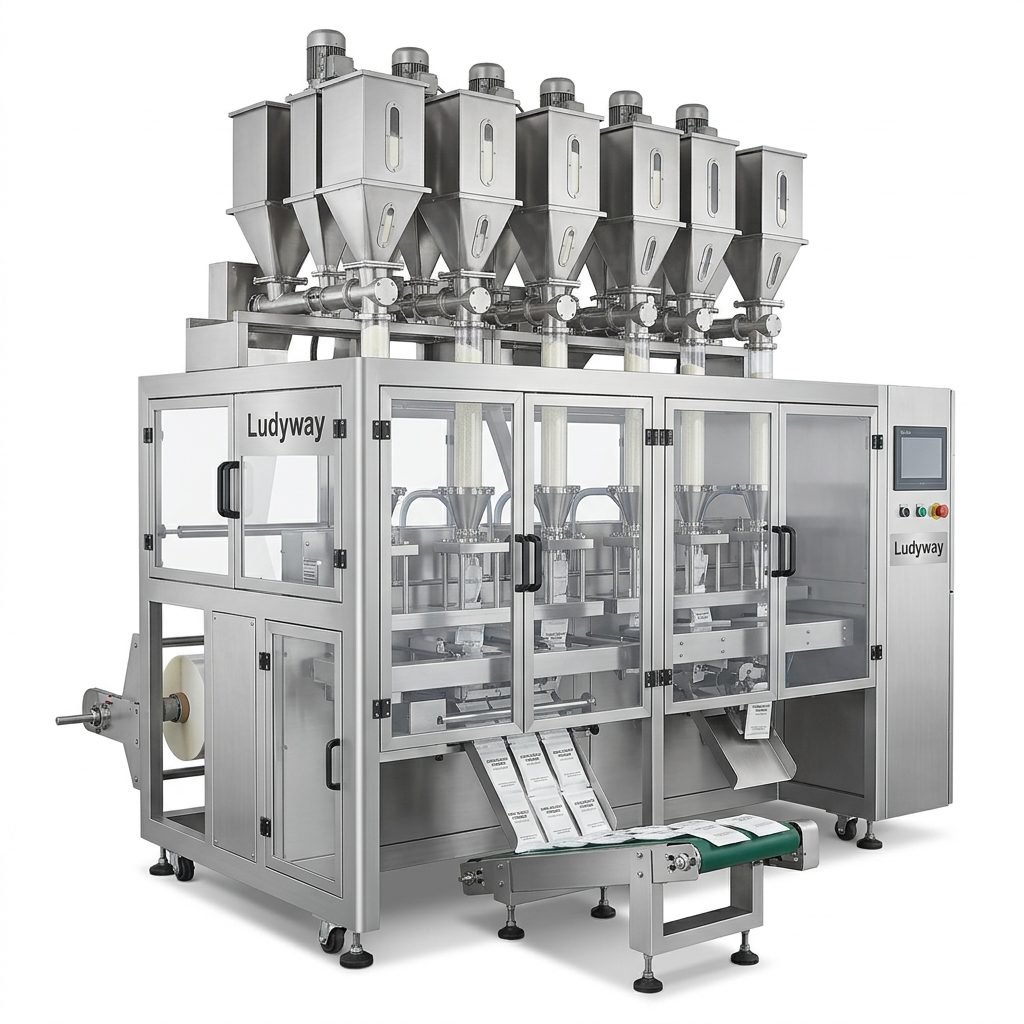
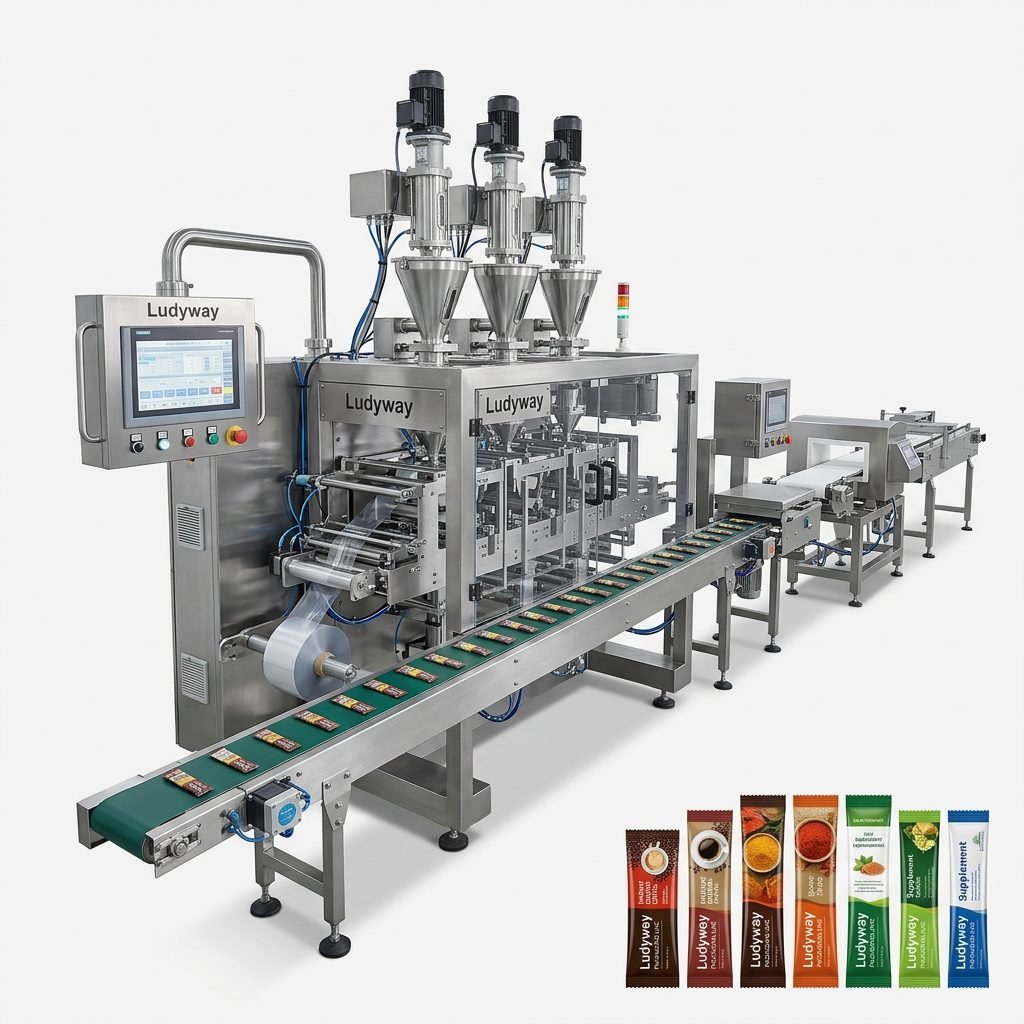
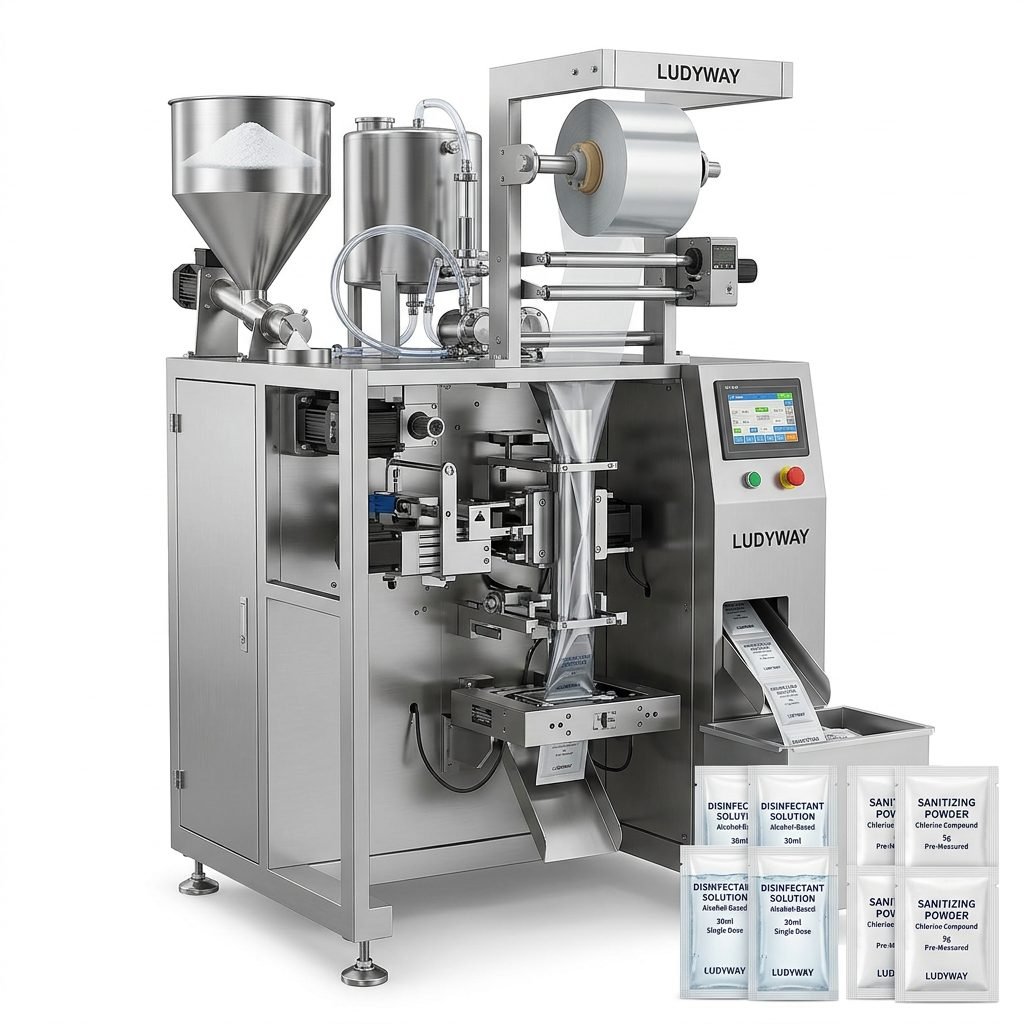
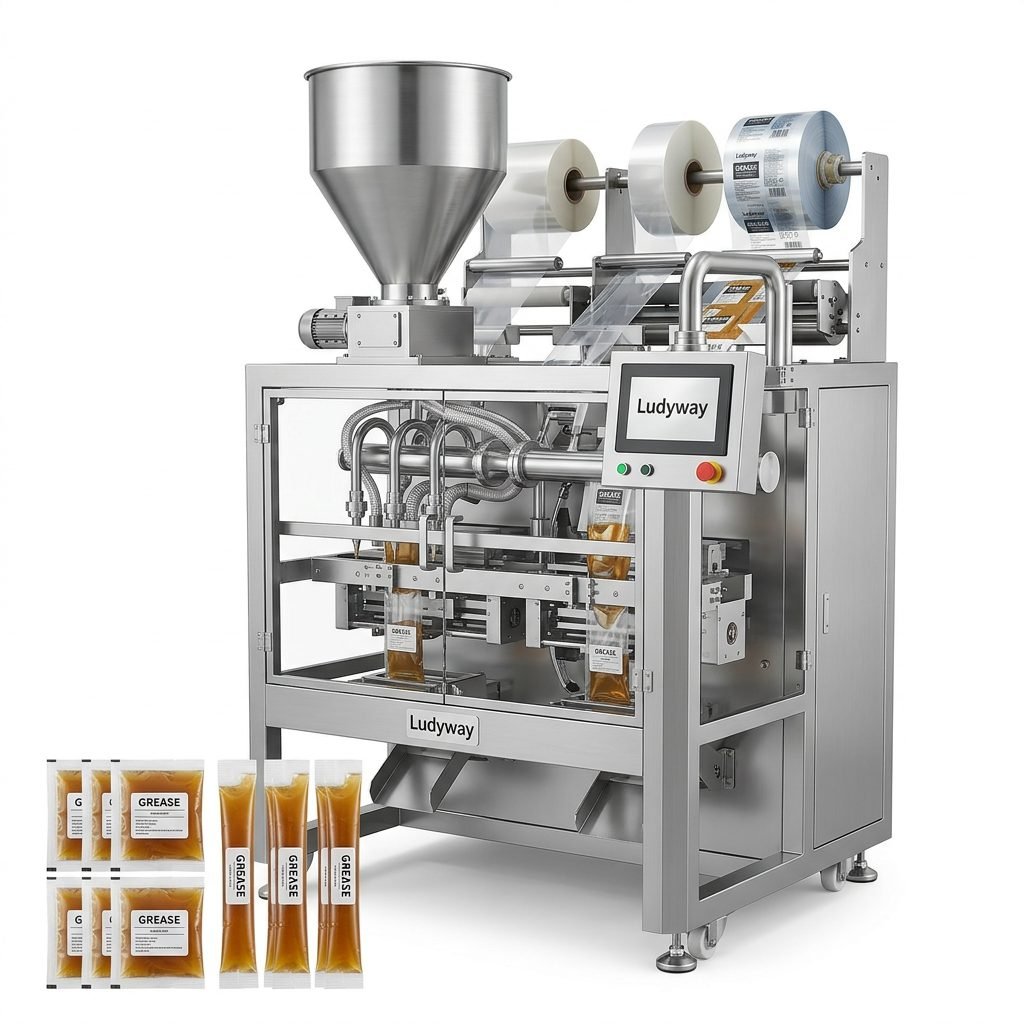
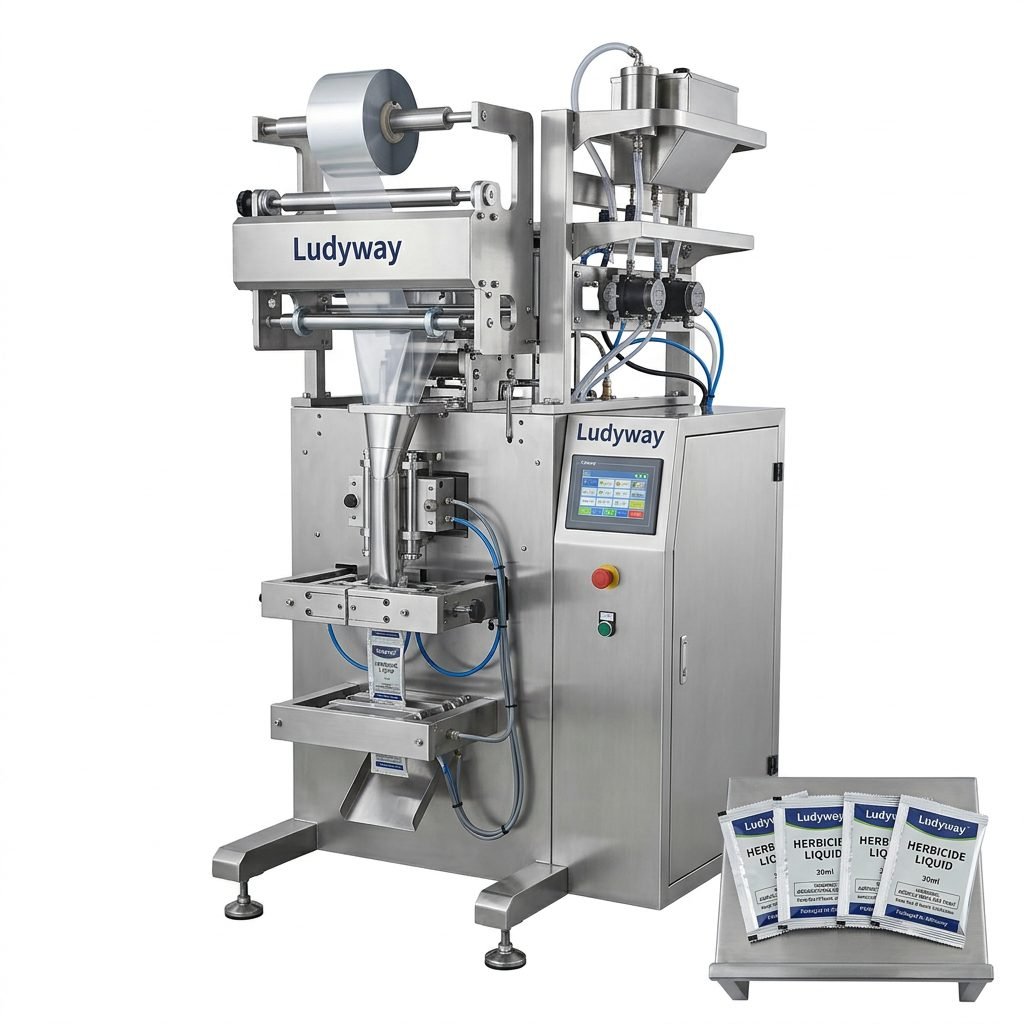
Investing in an auto packing machine is one of the most consequential decisions a manufacturer can make. Whether you are scaling production, entering new markets, or upgrading from manual processes, the right automatic packaging equipment directly impacts throughput, product quality, labor efficiency, and long-term operating costs. Yet with dozens of machine types, configurations, and suppliers available globally, the selection process can feel overwhelming. This guide walks you through every critical factor—from product analysis to supplier evaluation—so you can choose the best packaging solution with confidence.
Step 1 – Analyze Your Product Characteristics and Packaging Format
Every packaging project starts with the product itself. Before comparing machine specifications, thoroughly evaluate your product’s physical and chemical properties. These characteristics determine which dosing and filling technology will work reliably.
- Product state: Is it a free-flowing granule, sticky powder, viscous liquid, paste, or solid piece? Each requires different feeding, metering, and sealing mechanisms.
- Flowability and density: Fine powders like collagen peptides behave differently than coarse granules like coffee beans. Bulk density affects fill volume calculations and hopper design.
- Hygroscopicity and sensitivity: Products that absorb moisture or oxidize may require nitrogen flushing, desiccant integration, or vacuum sealing capabilities.
- Particle size distribution: Inconsistent particle sizes can cause dosing inaccuracies, especially with volumetric fillers. Multi-head weighers or auger fillers may be more appropriate for such products.
- Target packaging format: Are you filling stick packs, sachets, pouches, bottles, jars, bulk bags, or blister packs? The packaging format defines the machine category you need.
Step 2 – Understand Different Types of Auto Packing Machines
The term auto packing machine covers a broad range of equipment, each engineered for specific applications. Selecting the correct type narrows your search considerably.
| Machine Category | Best Suited For | Common Packaging Formats | Typical Speed Range |
|---|---|---|---|
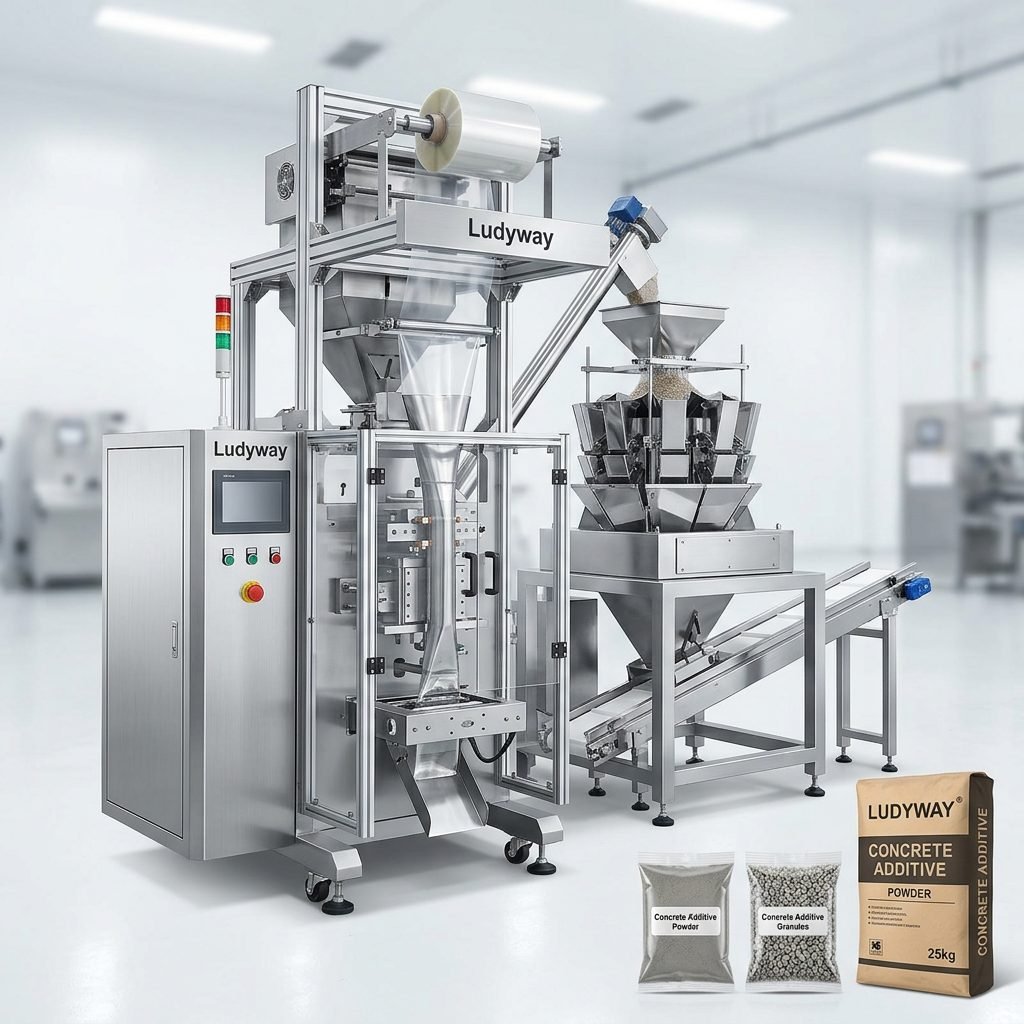
| Vertical Form-Fill-Seal (VFFS) | Granules, powders, snacks, grains | Pillow bags, gusseted pouches, quad-seal bags | 30–180 bags/min |
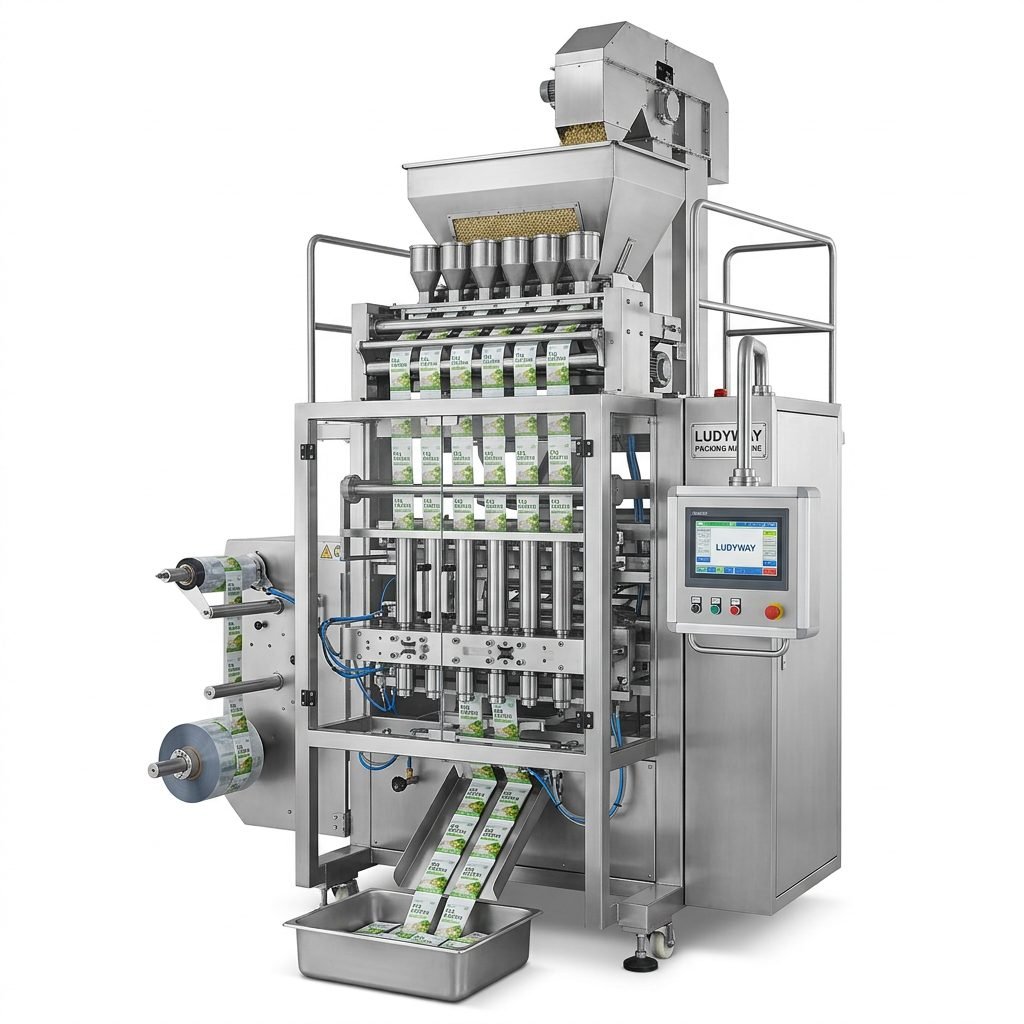
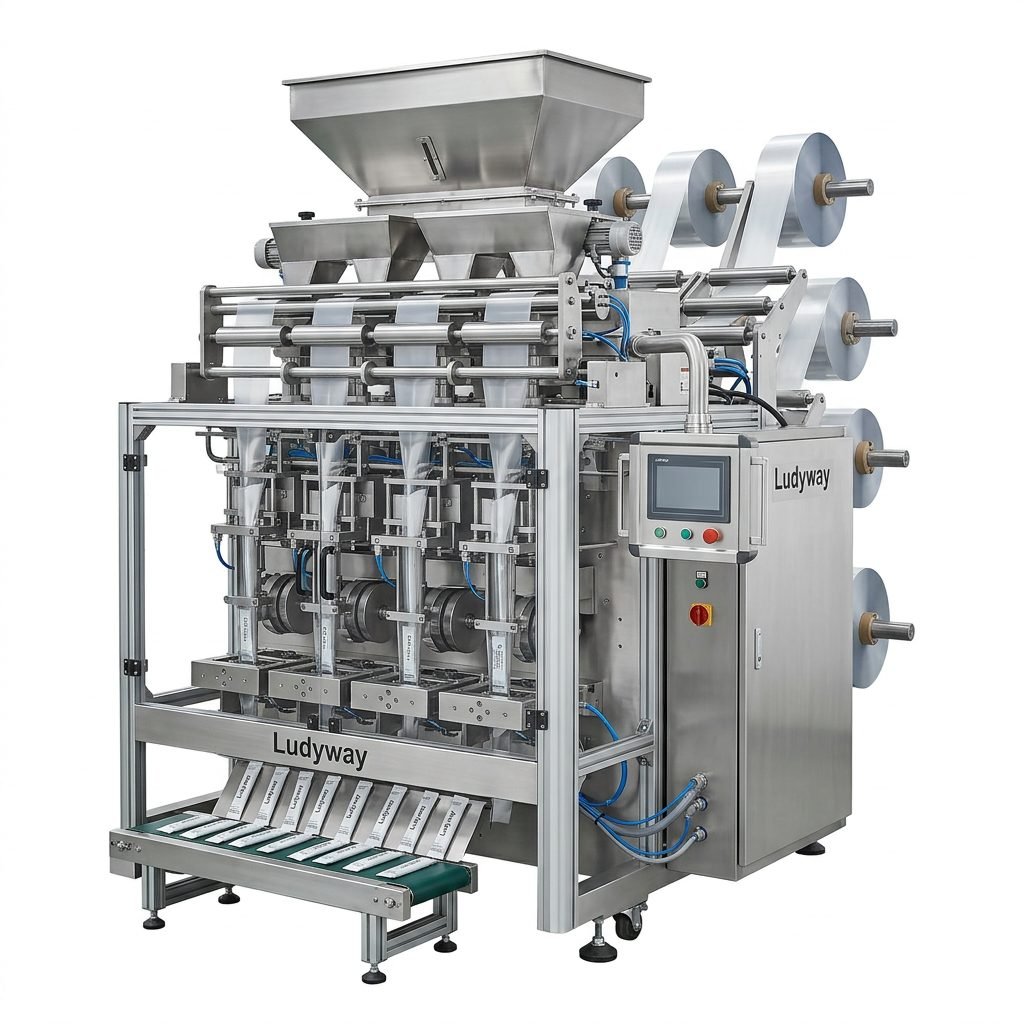
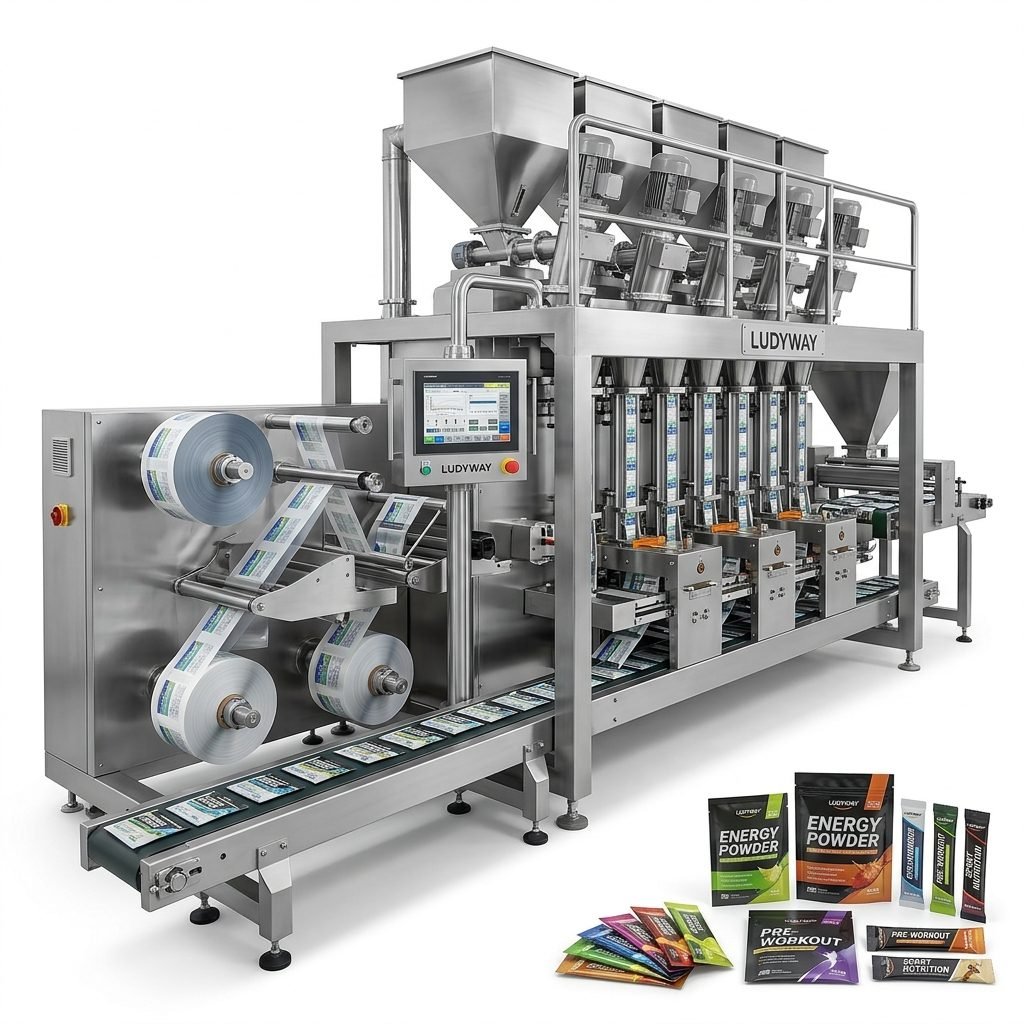
| Multi-Lane Stick Pack Machines | Powders, granules, liquids in single-serve portions | Stick packs, sachets (4–20 lanes) | 200–1,200 packs/min |
| Horizontal Flow Wrappers | Solid products, baked goods, bars, medical devices | Fin-seal or lap-seal wrapped packages | 50–800 packs/min |
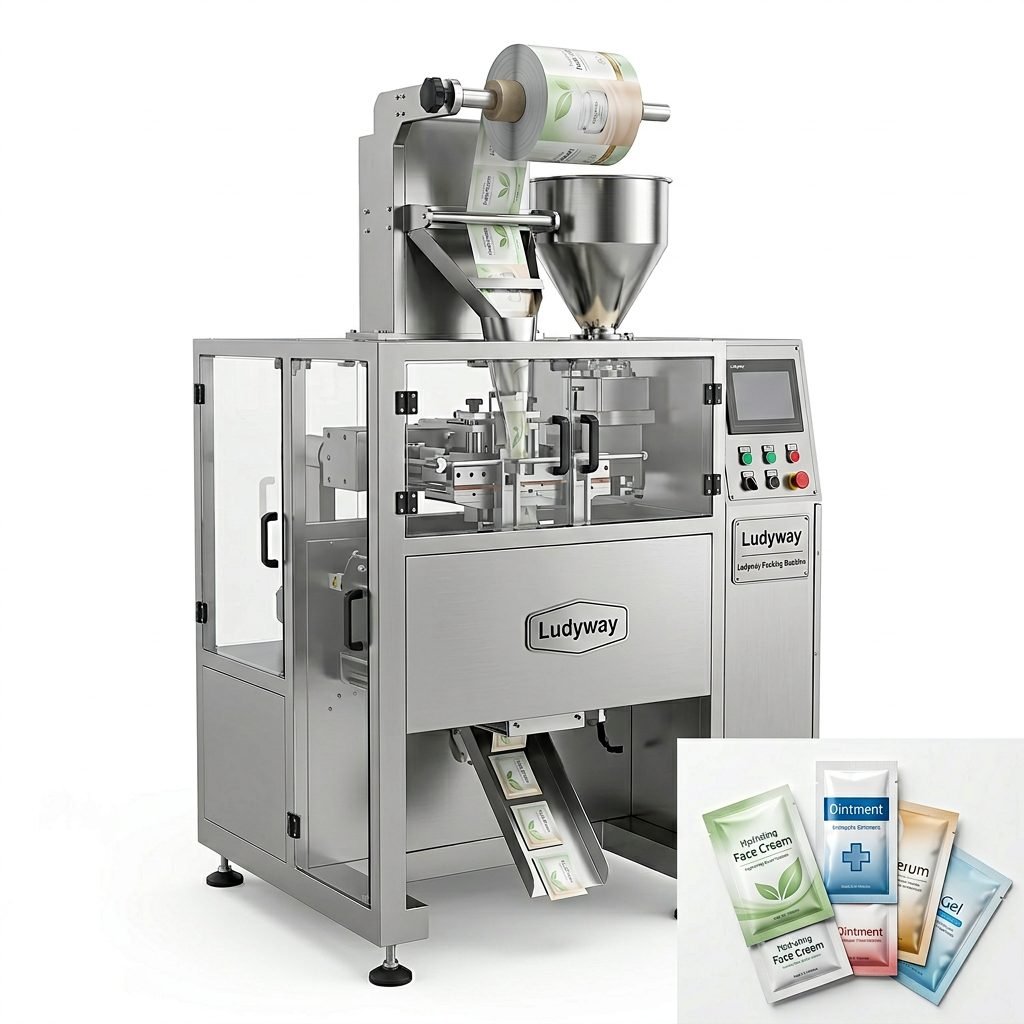
| Premade Pouch Filling Machines | Liquids, pastes, premium products | Stand-up pouches, spouted pouches, zipper pouches | 20–80 pouches/min |
| Liquid Filling and Sealing Lines | Beverages, sauces, cosmetics, chemicals | Bottles, sachets, stick packs, jars | 30–300 units/min |
| Blister Packaging Machines | Tablets, capsules, pharmaceuticals | Blister packs with foil or film lidding | 100–1,200 blisters/min |
| Bulk Bagging Systems | Large-volume granules, powders, aggregates | 5kg–50kg bags, valve bags, open-mouth bags | 3–20 bags/min |

Step 3 – Evaluate Key Technical Specifications
Once you have identified the machine category, the next step is comparing technical specifications across different models and manufacturers. These details determine whether a machine can handle your product consistently over long production runs.
Filling and Dosing Accuracy
Precision dosing minimizes product giveaway and ensures regulatory compliance. For high-value products like pharmaceutical powders or nutraceuticals, even a 1% overfill can significantly impact profitability. Evaluate whether the machine uses volumetric, auger, piston, or multi-head weigher dosing, and confirm the accuracy specifications match your tolerance requirements.
Sealing Integrity
Poor seals lead to leaks, contamination, and product returns. The sealing system—whether heat seal, ultrasonic, or impulse—must be compatible with your packaging material. For products requiring extended shelf life, verify that the machine supports modified atmosphere packaging (MAP) or vacuum sealing options.
Material Compatibility
Different packaging films—laminated, mono-material, aluminum foil, paper-based—require specific sealing parameters. As sustainability regulations tighten globally, many manufacturers are transitioning to recyclable films. Your machine should be adaptable to multiple material types or at minimum support the material you plan to use. For detailed information on flexible packaging materials, refer to resources from the Flexible Packaging Association.
Control System and Automation
Modern auto packing machines increasingly feature PLC-based controls with HMI touchscreens, recipe management, remote diagnostics, and IoT connectivity. A user-friendly interface reduces operator training time and enables faster changeovers. Machines with servo-driven systems typically offer greater precision and flexibility than mechanically driven alternatives.
Step 4 – Assess Production Capacity and Speed Requirements
Your current and projected production volumes should directly influence machine selection. An undersized packaging line creates bottlenecks, while an oversized machine wastes capital and floor space.
Key questions to answer at this stage:
- What is your daily or shift-based target output in units or kilograms?
- How many different SKUs will run on the same machine, and what are the expected changeover frequencies?
- Will you operate single-shift, double-shift, or continuous 24-hour production?
- Is there headroom in the machine’s rated speed to accommodate future growth without over-investing today?
Multi-lane machines, for example, multiply throughput by running several lanes simultaneously—ideal for high-volume stick pack and sachet production. Single-lane machines may be more cost-effective for lower-volume or specialty products. The PMMI Business Intelligence Library offers industry benchmarks that can help you evaluate whether your planned capacity aligns with market norms.
Step 5 – Calculate Total Cost of Ownership (TCO)
The purchase price is only one component of the machine’s lifetime cost. A comprehensive TCO analysis includes the following elements, and smart buyers evaluate all of them before making a final decision.
- Initial capital expenditure: Machine cost, freight, import duties, installation, and commissioning.
- Operational costs: Electricity, compressed air, consumables (films, lubricants), and spare parts.
- Labor requirements: Number of operators needed per shift and their skill level.
- Maintenance: Preventive maintenance schedules, component longevity, and ease of sourcing replacement parts.
- Changeover efficiency: Time and material lost during product or format changes. Servo-driven machines often reduce changeover time significantly.
- Quality costs: Product giveaway from inaccurate dosing, rework from poor seals, or downtime for adjustments.
- Residual value: Well-maintained machines from reputable manufacturers tend to retain value longer.
Step 6 – Select a Reliable Packaging Machinery Manufacturer
Your choice of supplier is as important as the machine itself. A strong manufacturing partner brings engineering expertise, application experience, and responsive support—assets that compound over the life of your equipment.
When evaluating suppliers, consider these criteria:
- Industry experience: How long has the manufacturer been producing packaging machinery? Do they have proven installations in your industry?
- Manufacturing capabilities: Does the company design and build machines in-house, or do they outsource critical components? In-house manufacturing often translates to better quality control and faster lead times.
- Range of solutions: Can the supplier provide integrated packaging lines—from feeding and dosing to filling, sealing, coding, inspection, and cartoning—or are you forced to coordinate multiple vendors?
- Customization capability: Standard machines may not fit your product perfectly. A manufacturer with engineering expertise can customize dosing systems, sealing parameters, and automation features to your specific requirements.
- Certifications and standards compliance: Verify that equipment can be built to meet applicable international standards, including CE, UL, FDA, and ISO requirements where relevant. For pharmaceutical and medical applications, consult standards such as ISO 11607 for packaging validation.
- Global service network: If you operate in a specific region, ensure the manufacturer provides local technical support, spare parts availability, and responsive after-sales service.
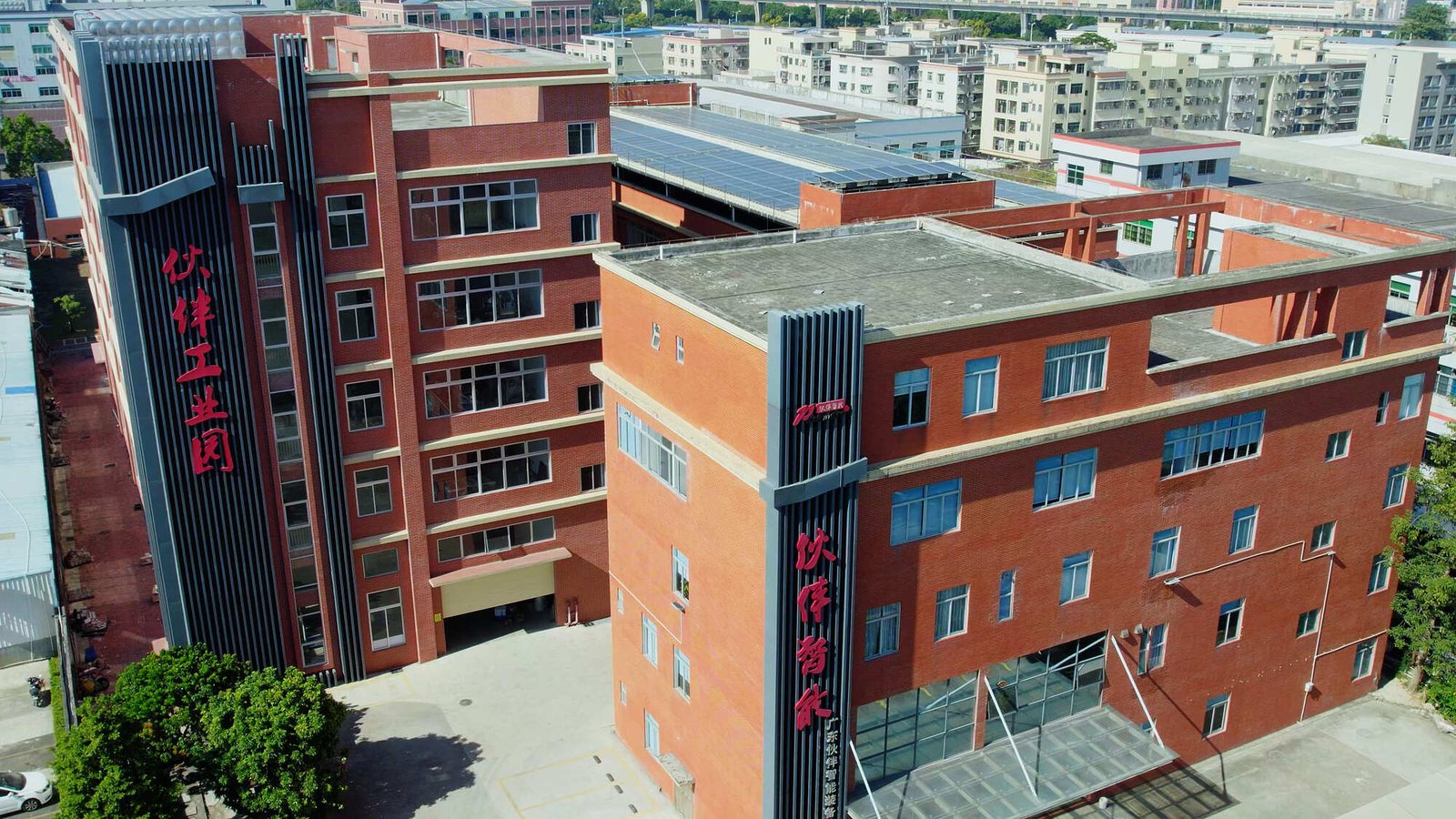
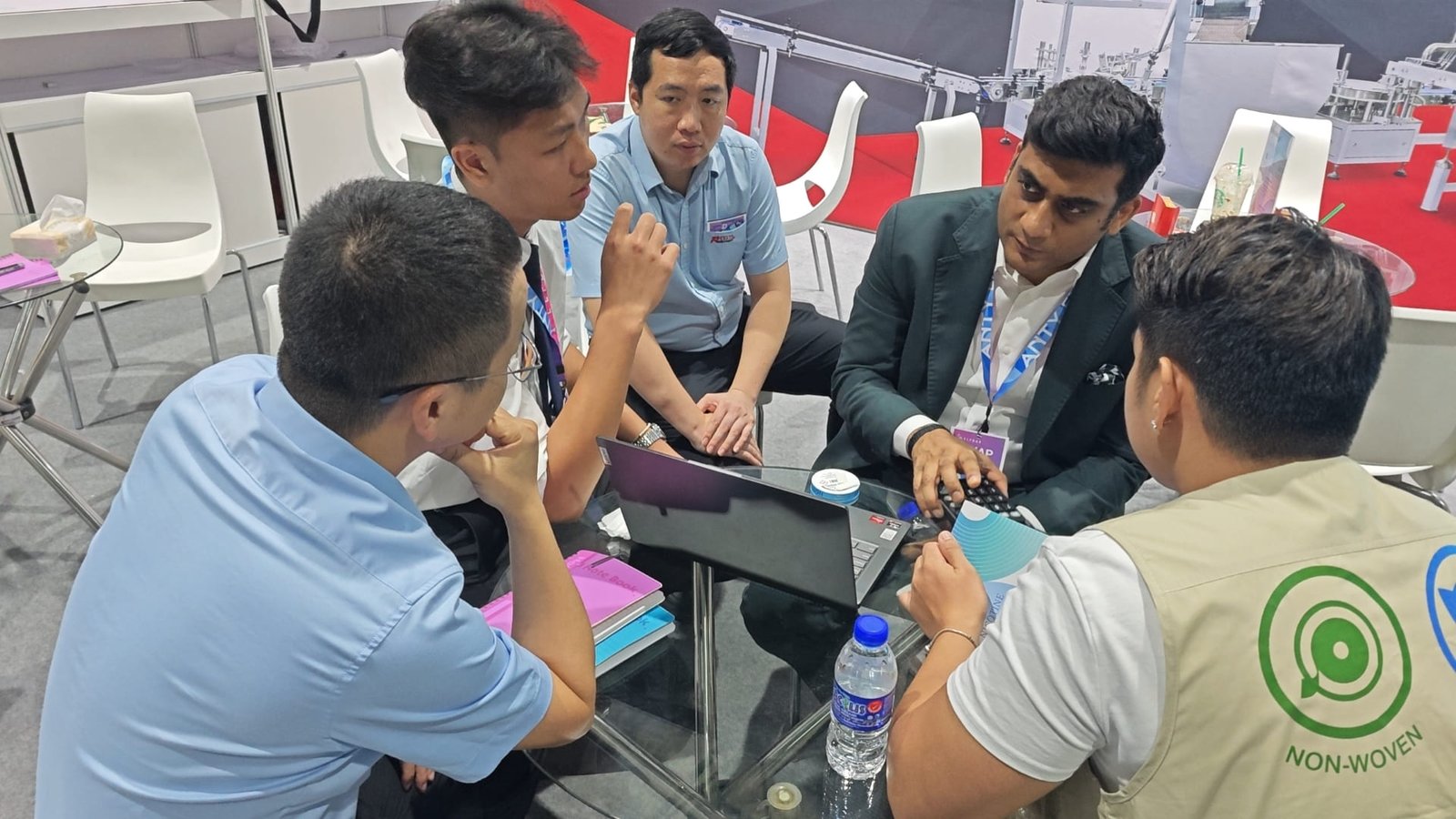
Ludyway Machinery exemplifies these qualities as a China-based packaging machinery manufacturer with more than 30 years of experience. Operating from a 20,000-square-meter facility with over 130 professionals and a portfolio of more than 50 packaging machine models, Ludyway provides automatic packaging equipment and turnkey solutions for powder, granule, liquid, stick pack, sachet, pouch, and flexible packaging applications. The company serves customers in over 100 countries across food and beverage, pharmaceutical, nutraceutical, cosmetic, chemical, and animal feed industries. With an in-house engineering team covering mechanical design, dosing systems, automation, and packaging-line integration, Ludyway supports projects ranging from single machines to complete production lines—including installation, commissioning, operator training, spare parts, and remote technical support. Ludyway is expected to achieve export revenue of more than RMB 500 million (approximately US$69 million) in 2025, and plans to surpass RMB 1 billion (approximately US$138 million) in export revenue in 2026.
Step 7 – Verify After-Sales Support and Service Infrastructure
Even the most well-engineered automatic packaging machine requires ongoing support. Before finalizing a purchase, clarify these service-related details with your prospective supplier.
- Installation and commissioning: Will the manufacturer send technicians to your facility, or provide remote guidance? Proper installation directly affects machine performance and longevity.
- Operator training: Comprehensive training reduces startup inefficiencies and prevents operator-induced errors. Confirm whether training is included and whether it covers routine maintenance as well as daily operation.
- Spare parts availability: Ask about recommended spare parts lists, lead times for critical components, and whether the supplier maintains parts inventory in your region.
- Warranty terms: Understand what is covered, for how long, and what exclusions apply. A transparent warranty policy reflects the manufacturer’s confidence in their equipment.
- Remote support capabilities: Many modern machines support remote diagnostics, enabling technicians to troubleshoot without traveling to your site—reducing downtime and service costs.
Frequently Asked Questions About Auto Packing Machines
What is the difference between a VFFS machine and a multi-lane stick pack machine?
A Vertical Form-Fill-Seal (VFFS) machine typically forms one bag at a time from a single film roll, making it versatile for a wide range of bag sizes and formats. A multi-lane stick pack machine runs multiple lanes simultaneously, producing narrow single-serve stick packs or sachets at very high speeds—ideal for sugar, coffee, supplement powders, and liquid samples. Multi-lane configurations can achieve output rates of 1,000+ packs per minute by combining 8, 12, or even 20 lanes in one machine.
How do I determine the right filling system for my powder product?
The appropriate filling system depends on your powder’s flow characteristics. Free-flowing granules work well with volumetric cup fillers or multi-head weighers. Non-free-flowing or sticky powders typically require auger fillers with mechanical agitation. For high-value products where precision is critical, net-weight filling systems with feedback loops provide the highest accuracy. Always conduct product trials before committing to a specific dosing technology.
Can one machine handle both powder and liquid products?
Generally, powder and liquid packaging require different filling and sealing mechanisms. However, some manufacturers offer modular or convertible packaging lines that can be reconfigured for different product types. These solutions are more complex and expensive than dedicated machines but may be justified for manufacturers producing a diverse product range in smaller volumes.
What certifications should I look for in a packaging machine?
Certification requirements depend on your industry and target market. Food-grade machines typically require stainless steel construction and compliance with local food safety regulations. Pharmaceutical packaging equipment may need to comply with GMP guidelines and ISO cleanroom standards. For machines exported to the European market, CE marking is mandatory. North American markets often require UL or CSA certification. Always verify that the manufacturer can provide appropriate FDA compliance documentation when required.
How long does it take to receive and install an auto packing machine?
Lead times vary widely depending on machine complexity, customization level, and the manufacturer’s production schedule. Standard machines may ship within 4–8 weeks, while highly customized or large turnkey packaging lines can take 12–24 weeks or more. Factor in additional time for shipping, customs clearance, installation, commissioning, and operator training. Discuss realistic timelines with your supplier early in the procurement process. Regular updates on the state of the packaging industry can also help you anticipate supply chain trends that may affect lead times.

Making the Final Decision
Choosing the right auto packing machine is a strategic investment that shapes your production efficiency for years to come. The best approach combines thorough product analysis, clear production targets, realistic budget planning, and careful supplier evaluation. Do not rush the process—conduct product trials, visit manufacturing facilities when possible, speak with existing customers, and verify every specification against your actual production environment.
By following the steps outlined in this guide, you can confidently navigate the packaging machinery market and select equipment that delivers reliable performance, scalable capacity, and strong return on investment. Whether you are installing your first automatic packaging line or expanding an existing facility, the right machine—and the right manufacturing partner—will make all the difference.
Additional resources for packaging professionals: