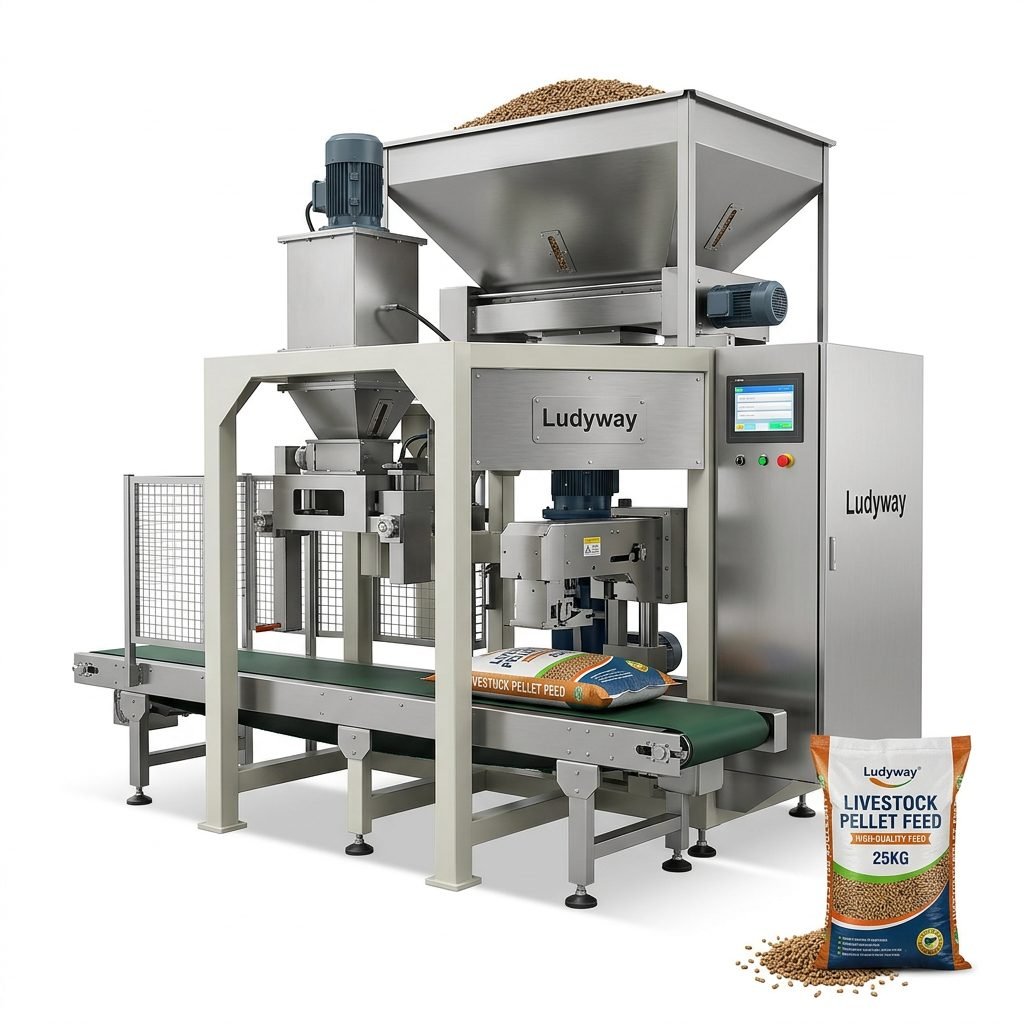
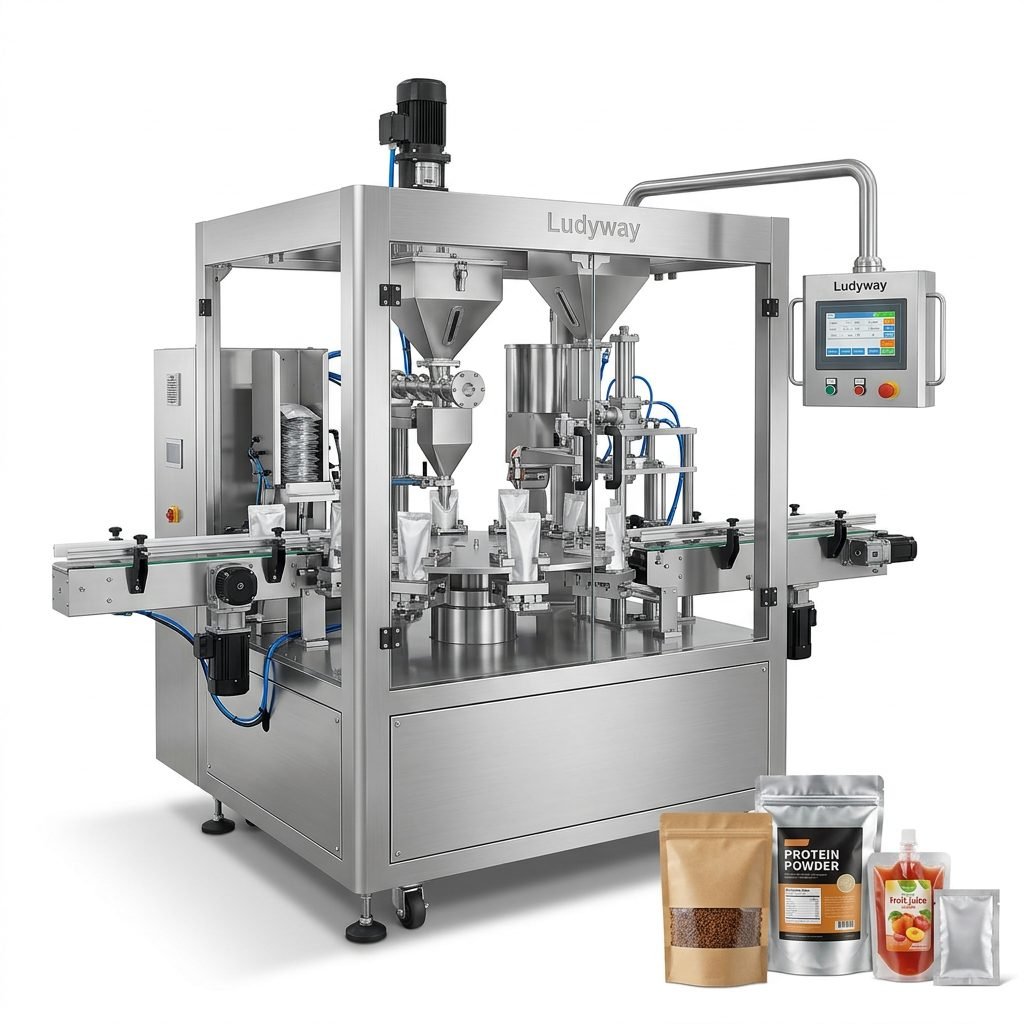
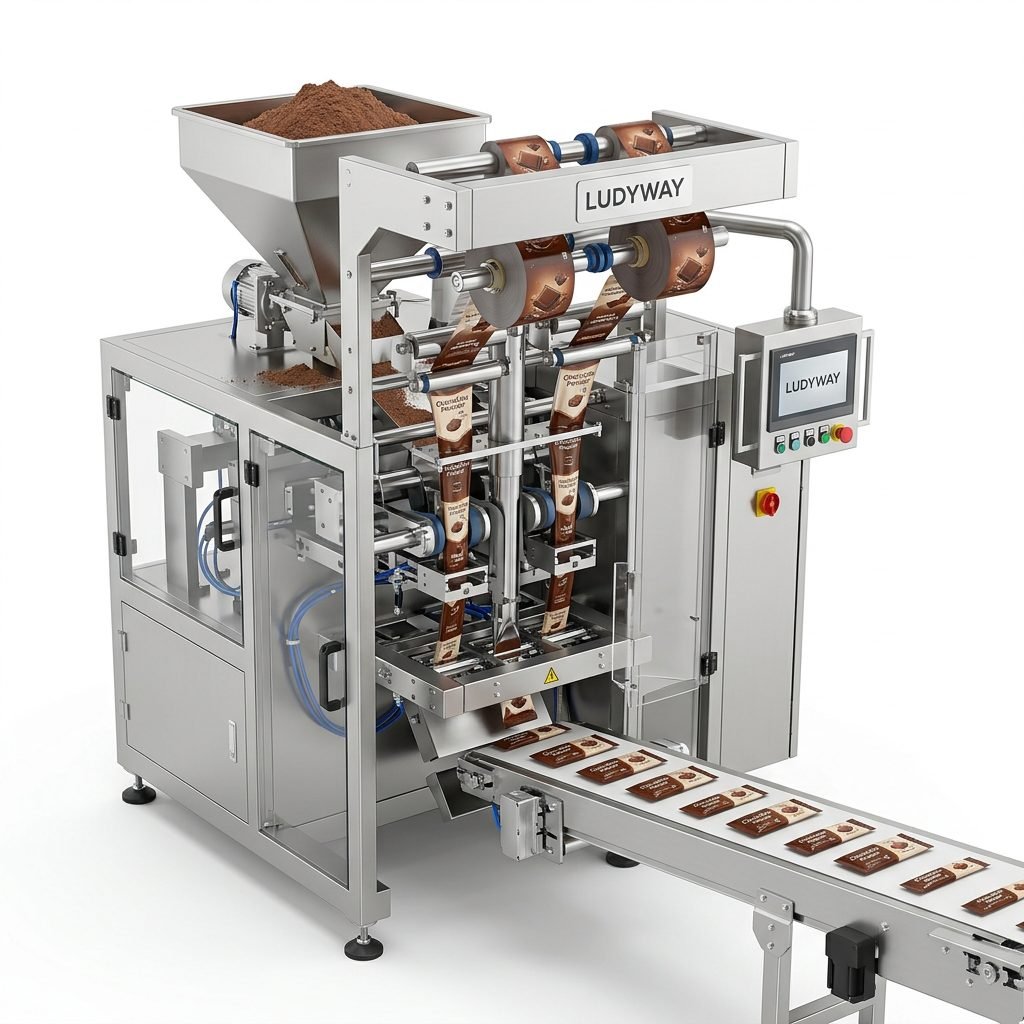
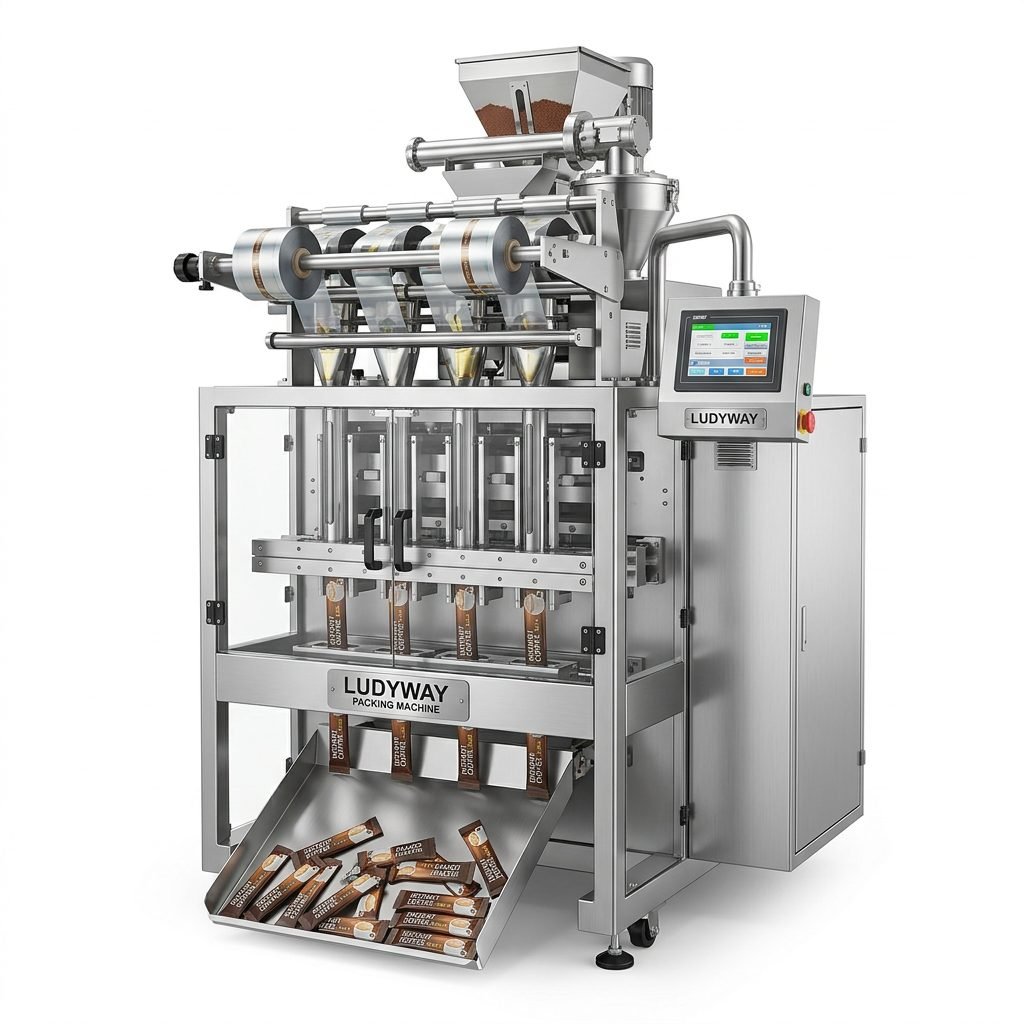
For small food brands, local producers, cloud kitchens, spice businesses, snack startups, and growing contract packers, choosing the right food packaging machine can directly affect profitability, product quality, shelf appeal, and labor efficiency. The best machine is not always the fastest or most expensive one. It is the one that matches your product type, output needs, packaging format, budget, and future growth plan.
Whether you pack powders, granules, liquids, sauces, snacks, coffee, seasonings, or nutraceutical food products, this guide explains the best machine options for small businesses, their benefits, key buying factors, and common mistakes to avoid.
Why food packaging machines matter for small businesses
Small businesses often start with manual filling, weighing, sealing, and labeling. That may work at the earliest stage, but manual packaging usually creates bottlenecks as orders increase. A proper food packaging machine helps standardize output and gives your business a more professional packaging process.
- Improved consistency: each pouch, sachet, or bag has more uniform weight and seal quality.
- Faster production: fewer manual steps mean more packs per hour.
- Lower labor pressure: one machine can reduce repetitive manual work.
- Better hygiene: less direct product handling supports food safety.
- Scalability: easier to move from startup volume to commercial volume.
- Stronger retail presentation: cleaner seals and better package appearance improve shelf value.
Best food packaging machine options for small businesses
The right option depends mainly on your product form and package style. Below are the most practical choices for small and growing food companies.
1. Vertical form fill seal machines
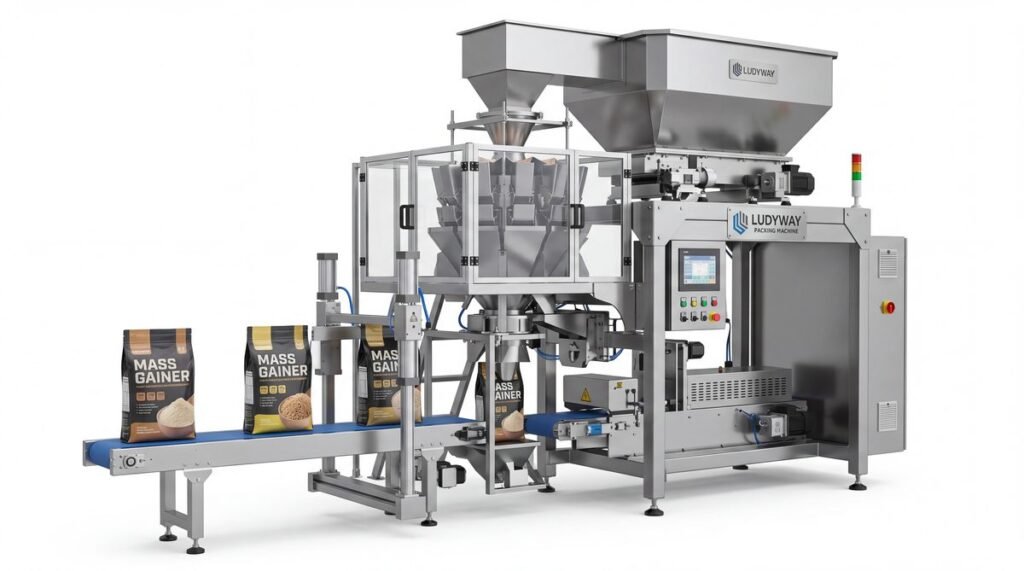
Vertical form fill seal machines, often called VFFS machines, are among the most versatile choices for small food manufacturers. They form the bag from roll film, fill the product, and seal it automatically.
Best for: snacks, grains, beans, sugar, coffee, frozen foods, nuts, powders, and similar products.
- Pillow bags, gusset bags, and some stand-up style formats
- Good balance of cost and output
- Suitable for both semi-automatic expansion and full automatic lines
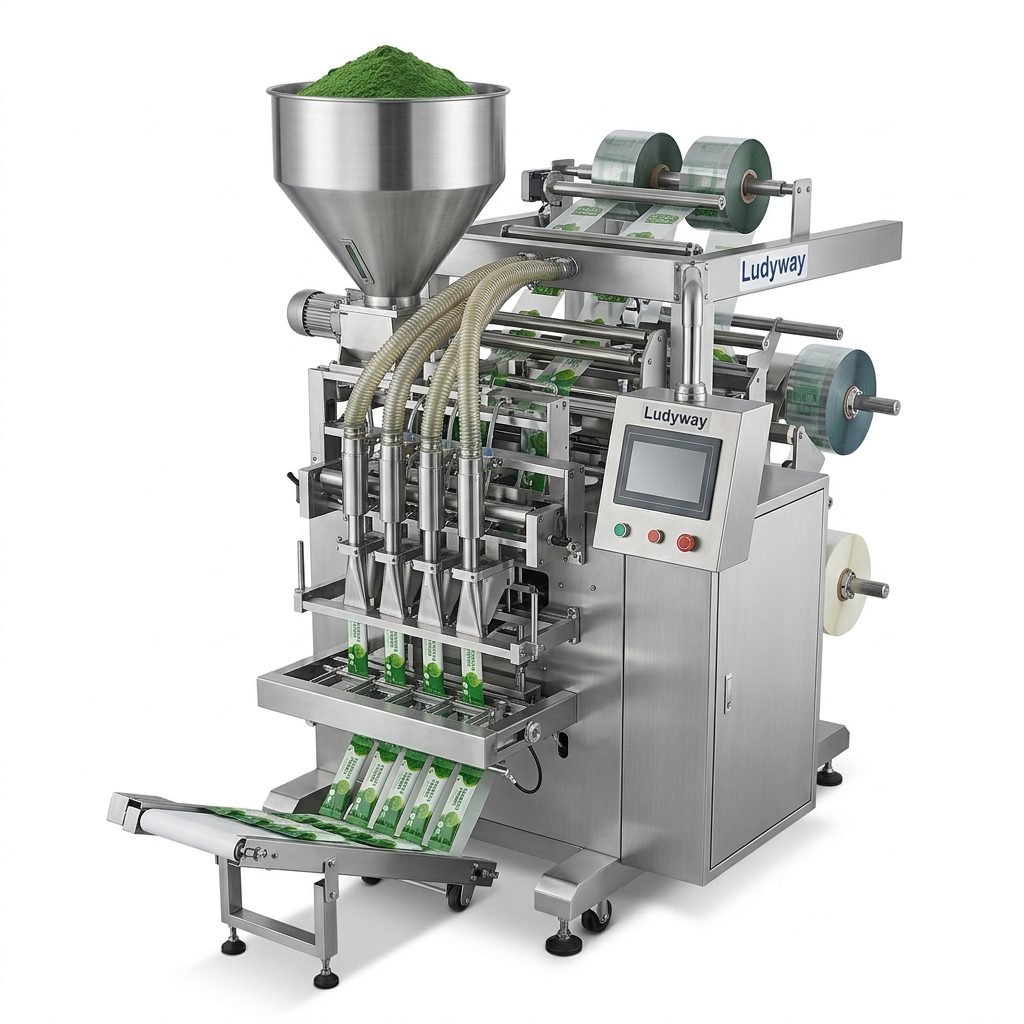
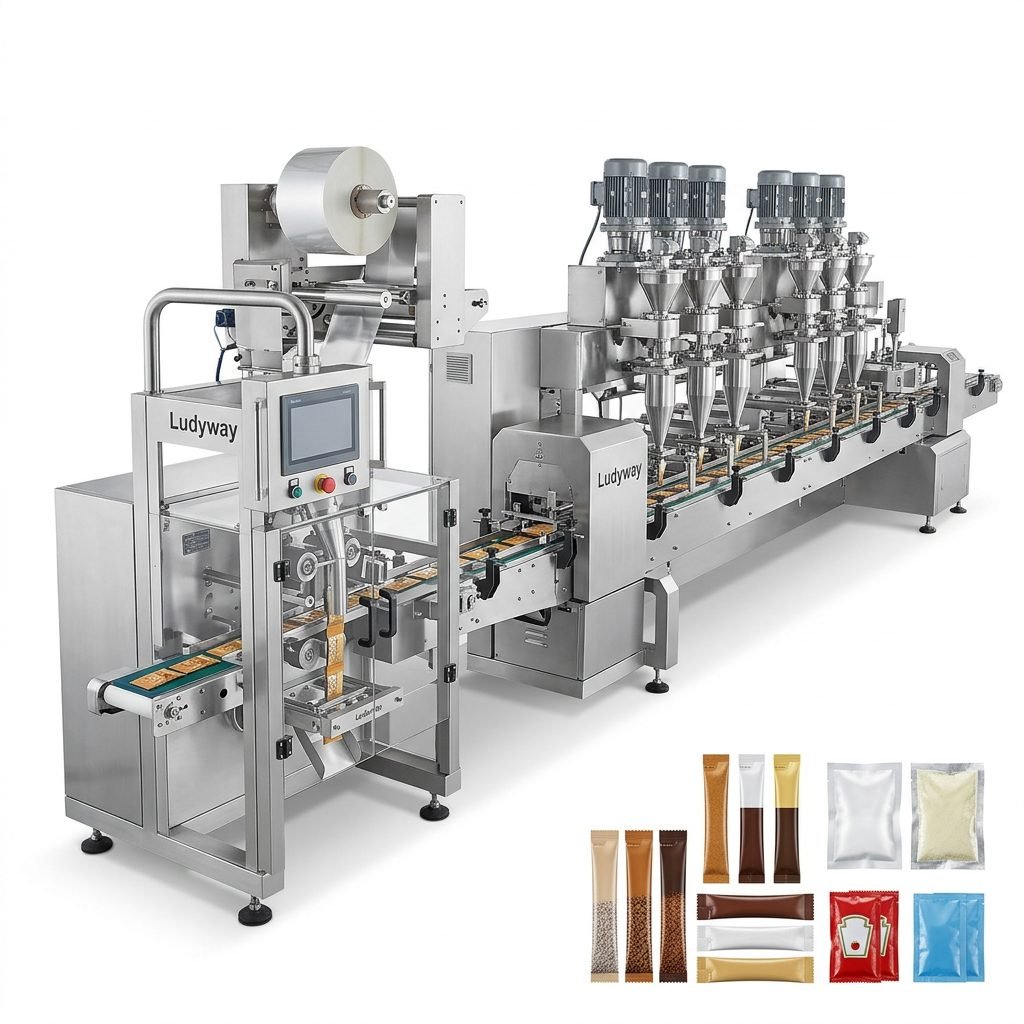
2. Sachet packaging machines
Sachet machines are ideal for small single-use packs. They are commonly used for seasoning powder, drink mix, sugar, instant coffee, sauce, condiments, and sample-size food products.
Best for: low-weight food portions and retail sample packs.
- Excellent for travel-size or trial-size products
- Popular for foodservice and e-commerce sample kits
- Can support powder, granule, liquid, and paste applications
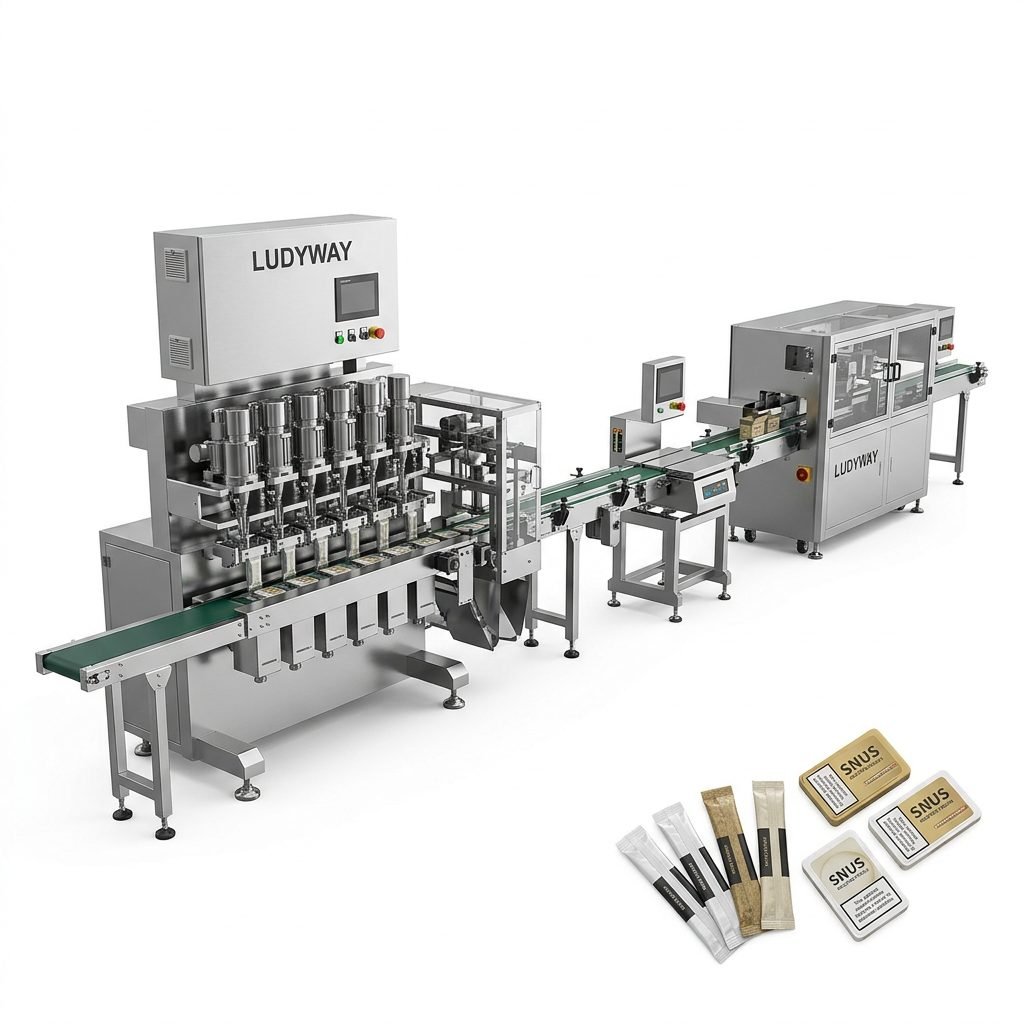
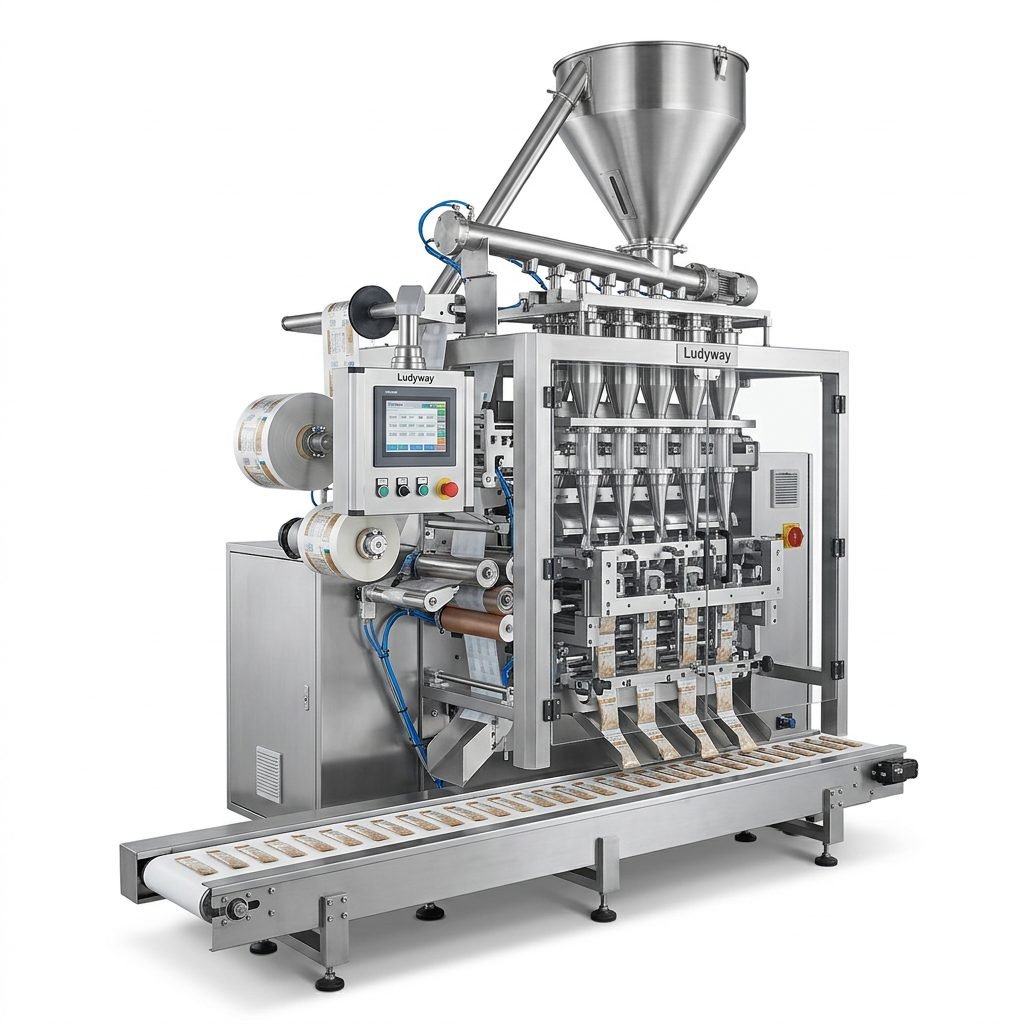
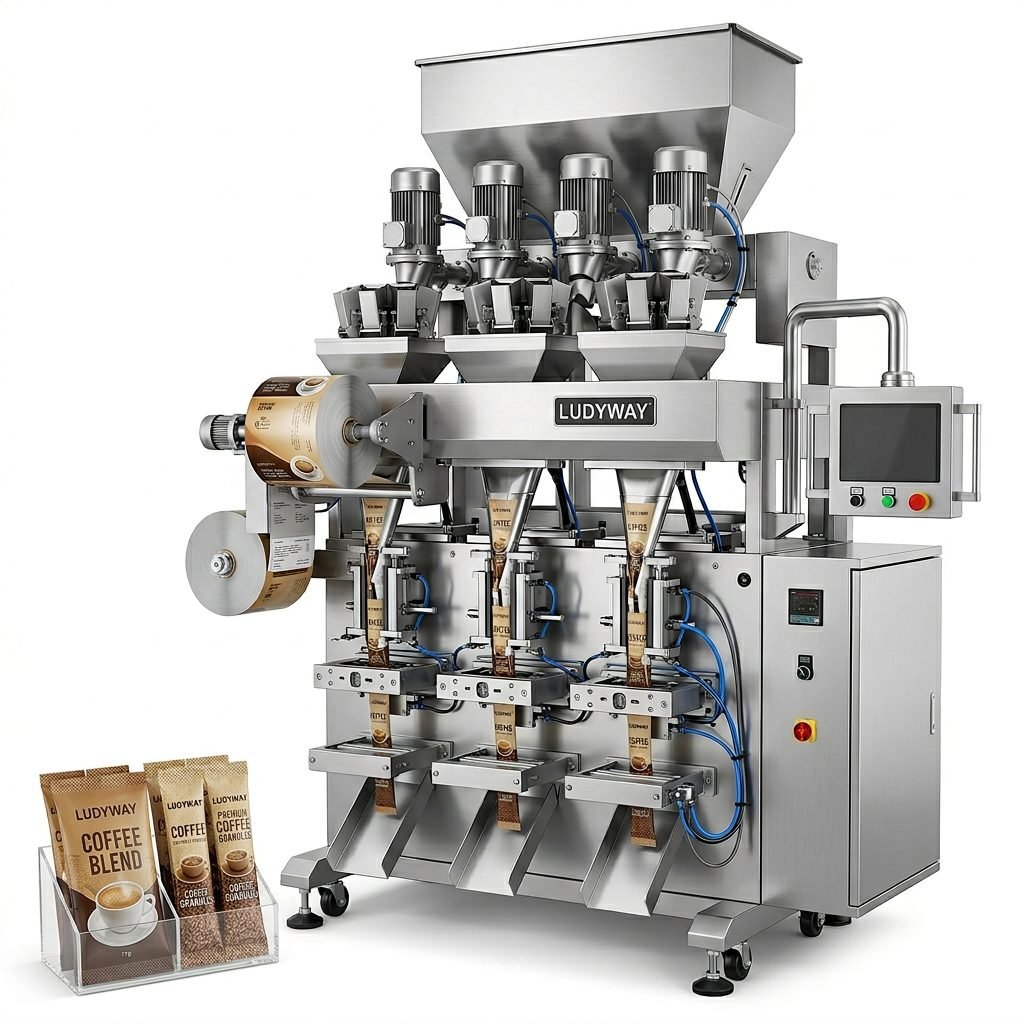
3. Stick pack machines
Stick pack machines produce narrow, portable packs that work especially well for coffee, sugar, energy powder, collagen, electrolyte drinks, and powdered supplements that fall under food or functional nutrition categories.
Best for: instant beverage powders, sweeteners, sports nutrition, and on-the-go products.
- Compact package format with high retail appeal
- Great for convenience stores and online subscription products
- Efficient use of film material in many applications
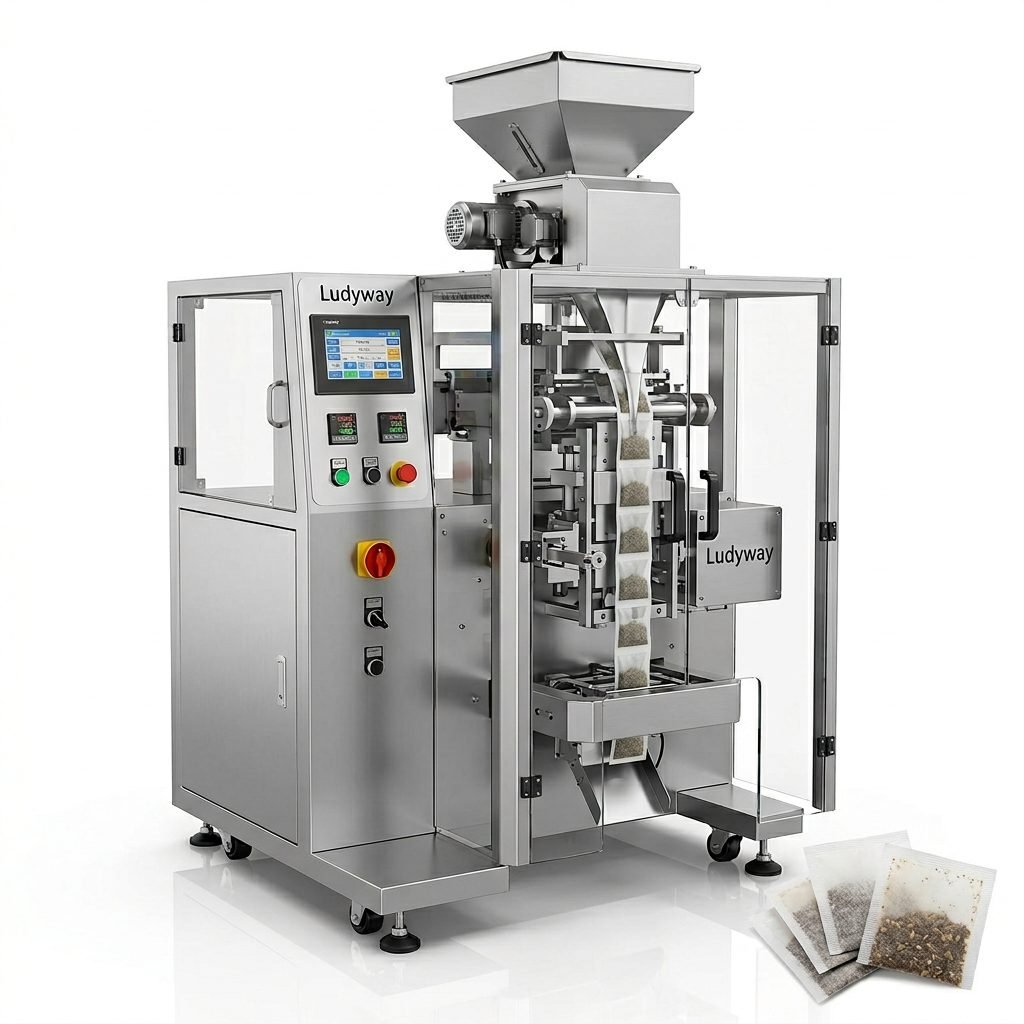
4. Premade pouch packaging machines
If brand appearance is a high priority, premade pouch machines are a strong choice. These machines fill and seal ready-made pouches instead of forming bags from film roll.
Best for: premium snacks, coffee, granola, pet food, powders, sauces, and specialty foods.
- High-end visual appearance
- Works well with zipper pouches and stand-up pouches
- Excellent for retail branding and shelf differentiation
5. Vacuum packaging machines
Vacuum machines remove air from the package before sealing, helping extend shelf life for certain products and improving protection during storage and transport.
Best for: meat products, dried foods, cheese, coffee, prepared foods, and some specialty ingredients.
- Helps reduce oxidation
- Can improve product freshness
- Useful for frozen and refrigerated categories
6. Tray sealing and cup filling machines
These machines are suitable for ready meals, sauces, dips, desserts, yogurt, and portion-control foods. For small businesses entering convenience food markets, they can be an efficient investment.
Best for: fresh food, meal prep, refrigerated items, and portion cups.
Quick comparison of food packaging machine types
| Machine Type | Best Product Types | Main Advantage | Typical Small Business Use |
|---|---|---|---|
| VFFS Machine | Snacks, grains, powder, coffee, nuts | Versatility and good efficiency | General food bagging |
| Sachet Machine | Spices, drink mix, sauces, condiments | Small pack convenience | Single-serve retail packs |
| Stick Pack Machine | Coffee, sugar, nutrition powder | Portable narrow format | On-the-go food products |
| Premade Pouch Machine | Granola, snacks, coffee, powders | Premium package appearance | Retail-ready branding |
| Vacuum Packaging Machine | Meat, dried food, coffee, prepared food | Shelf-life support | Freshness-focused packaging |
| Tray/Cup Filling Machine | Yogurt, sauce, dip, meal portions | Neat portion packaging | Ready-to-eat food lines |
How to choose the best food packaging machine
A smart buying decision starts with understanding your real packaging needs instead of buying based only on price.
Know your product characteristics
Different foods behave differently during filling and sealing. Powders can create dust, granules need precise weighing, and sauces require proper pumps and anti-drip design.
- Is your product powder, granule, liquid, paste, or solid piece?
- Is it free-flowing or sticky?
- Does it require nitrogen flushing, vacuum, or moisture protection?
- Is it fragile and easy to break?
Define your packaging format
The machine must match the pack style you plan to sell.
- Pillow bag
- Sachet
- Stick pack
- Stand-up pouch
- Zipper pouch
- Tray or cup
- Vacuum pouch
Estimate your required production speed
Small businesses should buy for their next stage of growth, not only for current demand. If you currently need 10 packs per minute but expect wholesale growth in 12 months, choosing a machine with no upgrade path may cost more later.
Check filling accuracy
For food products, inaccurate filling affects both cost and compliance. Overfilling wastes product. Underfilling can create customer complaints and legal risks in some markets.
Consider cleaning and food hygiene
Food businesses should look for machine structures that are easier to clean, especially if changing between different flavors or allergen-sensitive products.
- Food-grade contact parts
- Simple disassembly for cleaning
- Dust control for powders
- Stainless steel construction where needed
Think about space and utilities
Many small businesses have limited production floor space. Before buying, confirm:
- Machine footprint
- Power supply requirements
- Air compressor needs
- Operator access and maintenance clearance
- Integration with conveyors, printers, metal detectors, or checkweighers
Review after-sales support
A good machine supplier should provide more than a quotation. Installation guidance, spare parts availability, technical support, and operator training are all critical for small companies with limited engineering teams.
Benefits of investing in the right machine early
Buying the correct machine at the right stage can bring significant long-term returns.
- Lower packaging cost per unit
Automation usually reduces labor cost, material waste, and rework. - Better customer experience
Packages look cleaner, seals are stronger, and portion sizes are more reliable. - Easier market expansion
Consistent packaging helps when entering retail chains, distributors, and export markets. - Improved production planning
Output becomes more predictable, helping with inventory and delivery scheduling. - Stronger brand image
Professional packaging often increases perceived product value.
Common mistakes small businesses should avoid
- Buying a machine that is too small and outgrowing it too quickly
- Choosing based on purchase price alone instead of total ownership cost
- Ignoring package material compatibility
- Not testing actual product samples before purchase
- Overlooking maintenance requirements and spare parts access
- Buying overly complex systems that exceed current staff capability
Semi-automatic vs fully automatic: which is better?
| Factor | Semi-Automatic | Fully Automatic |
|---|---|---|
| Initial investment | Lower | Higher |
| Labor requirement | More operator involvement | Less manual intervention |
| Production speed | Moderate | Higher |
| Best for | Startups and low-volume operations | Growing brands and scale-focused production |
| Expandability | Limited in some setups | Better for long-term growth |
What features are worth paying for?
Not every premium feature is necessary for a small business, but some upgrades can bring real value.
- Servo control systems for better stability and accuracy
- Touchscreen HMI for easier operation and parameter changes
- Date coding integration for traceability
- Nitrogen flushing for products sensitive to oxygen
- Multi-head weighers or auger fillers depending on product type
- Quick changeover design if you run multiple SKUs
Who should consider turnkey food packaging lines?
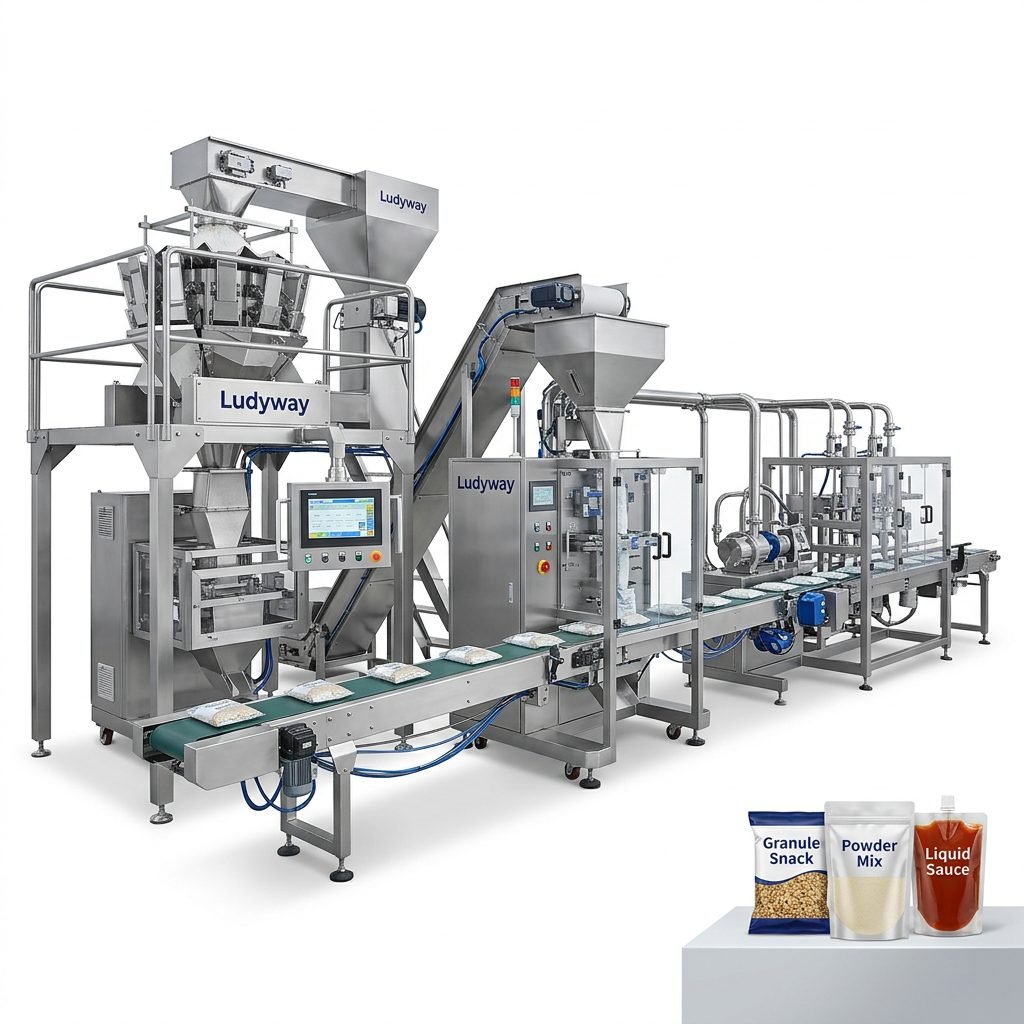
If your business is scaling beyond a single machine, a turnkey line may be more efficient than buying separate units one by one. This can include feeding, weighing, filling, sealing, coding, inspection, cartoning, and conveying in one integrated system.
For companies looking for scalable food packaging solutions, Ludyway food packaging machines are often considered for projects that need flexible machine configurations, broad application coverage, and long-term production planning. With more than 30 years of industry experience, a factory over 20,000 square meters, and supply capability across more than 100 countries and regions, the company is known as one of China’s leading packaging machine and turnkey packaging line manufacturers.
Buying checklist for small food businesses
- Define product type and flow characteristics
- Confirm target bag or pouch format
- Estimate hourly and daily production demand
- Set budget for machine, installation, and maintenance
- Ask for sample testing with your actual product
- Review filling accuracy and sealing quality
- Check spare parts and service response
- Consider future upgrades and line integration
- Confirm compliance with your food production requirements
Frequently asked questions
What is the best food packaging machine for a startup?
For many startups, a compact VFFS machine or sachet packing machine is a practical entry point because it balances cost, flexibility, and output.
Which machine is best for powder food products?
Powder products usually work best with auger-filling packaging machines, especially for spices, protein powder, flour mixes, and drink powders.
Can one machine pack different food products?
Yes, some machines can handle multiple products, but compatibility depends on product characteristics, filling system type, and package format. Product testing is important before purchase.
Is fully automatic packaging worth it for a small business?
If order volume is growing steadily and labor costs are increasing, fully automatic packaging can deliver strong long-term value.
How much should a small business consider beyond machine price?
You should also evaluate installation, consumables, maintenance, spare parts, downtime risk, training, and packaging material compatibility.
Final buying insight
The best food packaging machine for a small business is the one that fits your current production reality while supporting future growth. Focus on product compatibility, package format, hygiene, ease of operation, and dependable support. A carefully selected packaging machine can help transform a small food business from labor-heavy production into a more efficient, scalable, and retail-ready operation.