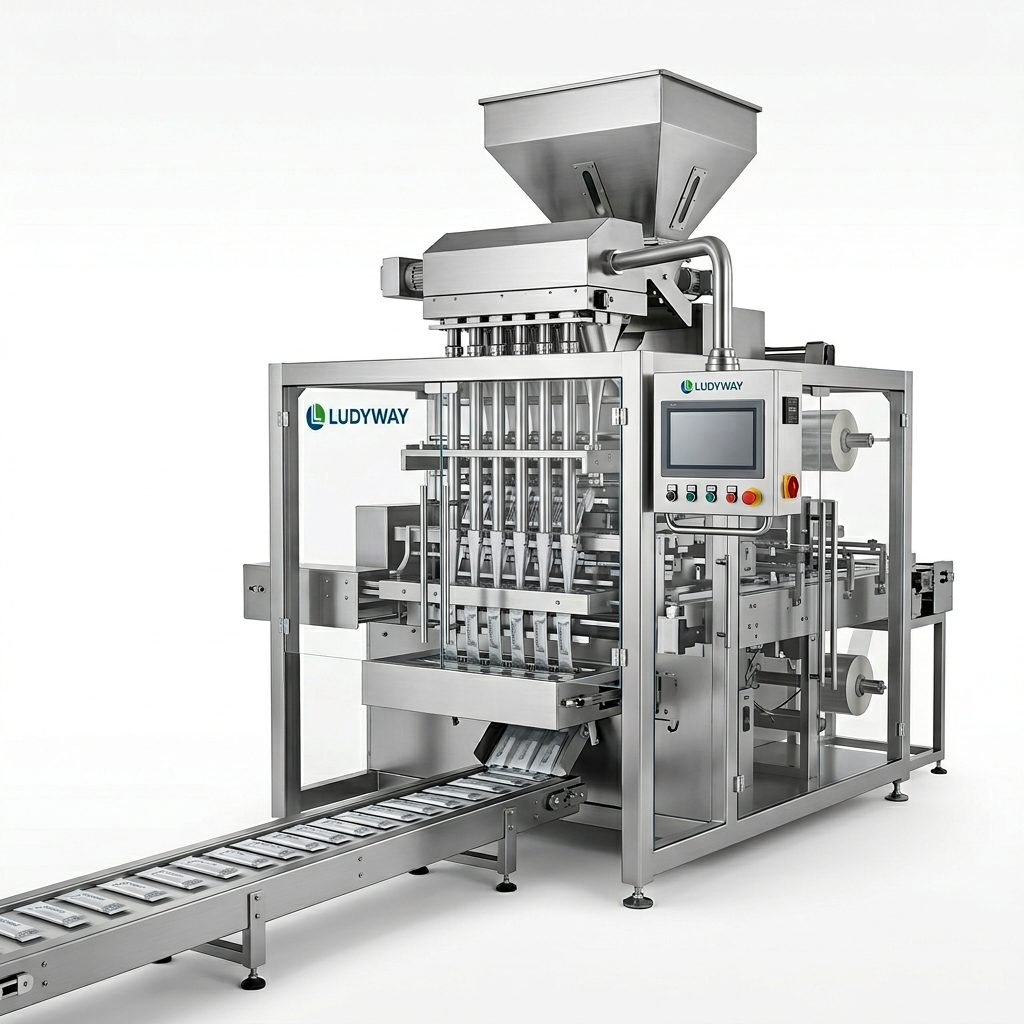
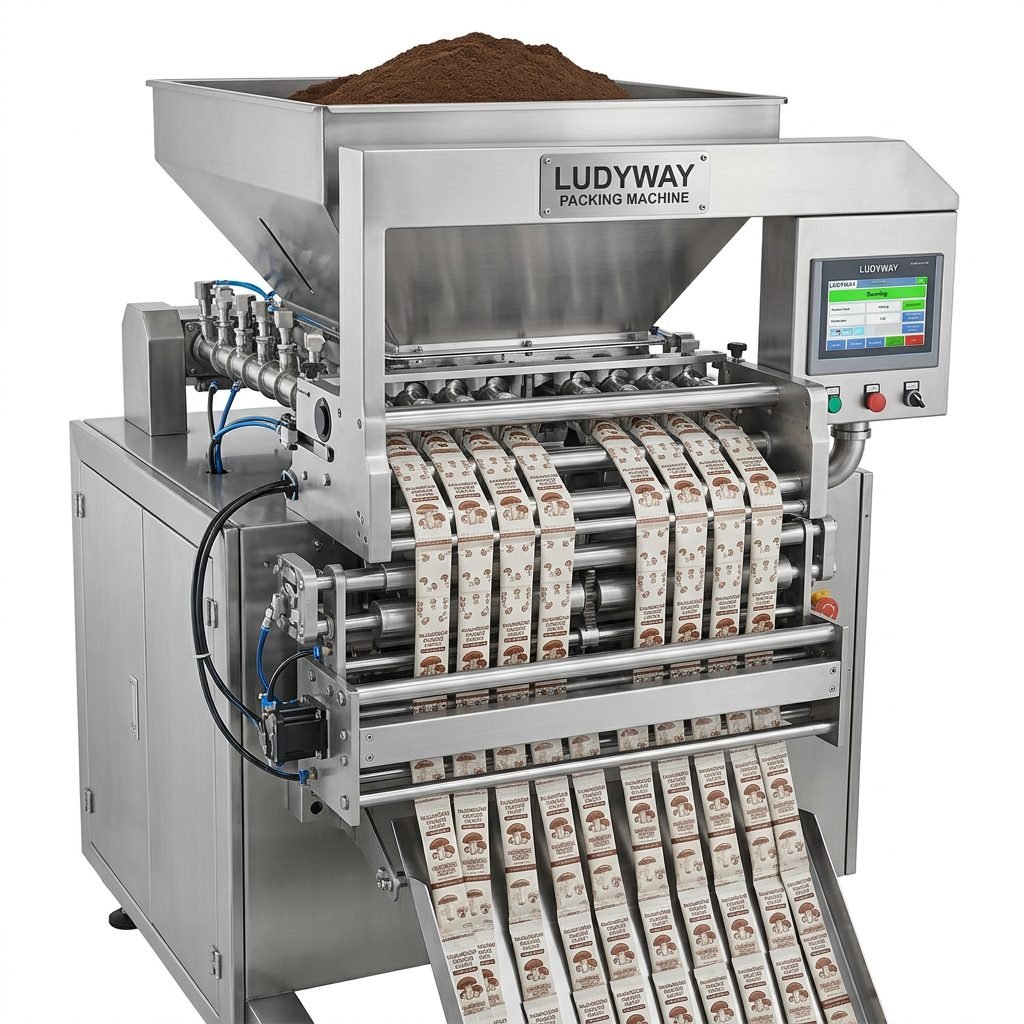
Investing in a coffee pod packaging machine is a significant decision that directly impacts your production efficiency, product quality, and brand consistency. Whether you are launching a new coffee brand, scaling an existing roastery, or upgrading an aging packaging line, choosing the right equipment requires careful evaluation of multiple technical and operational factors. This guide walks you through everything you need to know to make an informed purchase decision.
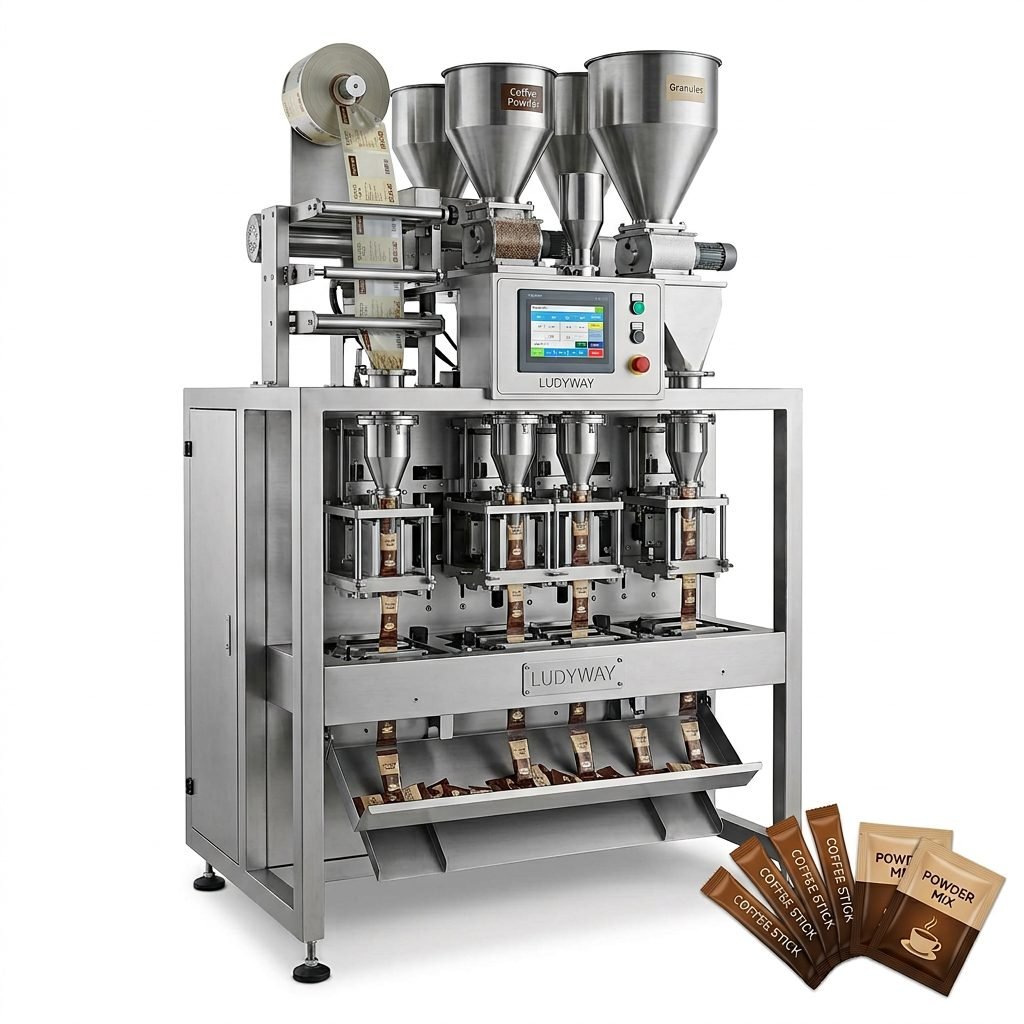
Understanding Coffee Pod Packaging Machine Types
Before comparing specifications, it is essential to understand the primary categories of coffee pod packaging equipment available on the market. Each type serves different production volumes, pod formats, and automation requirements.
Single-Lane vs. Multi-Lane Systems
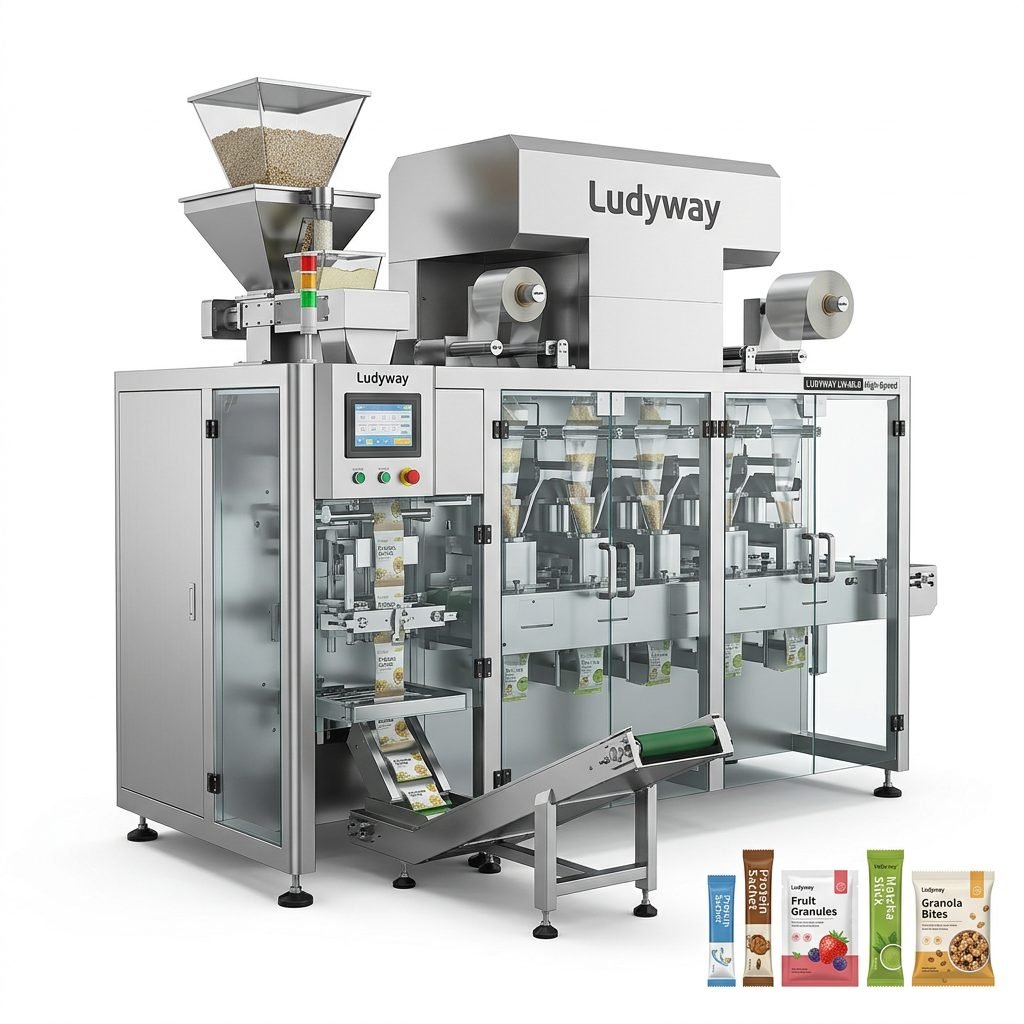
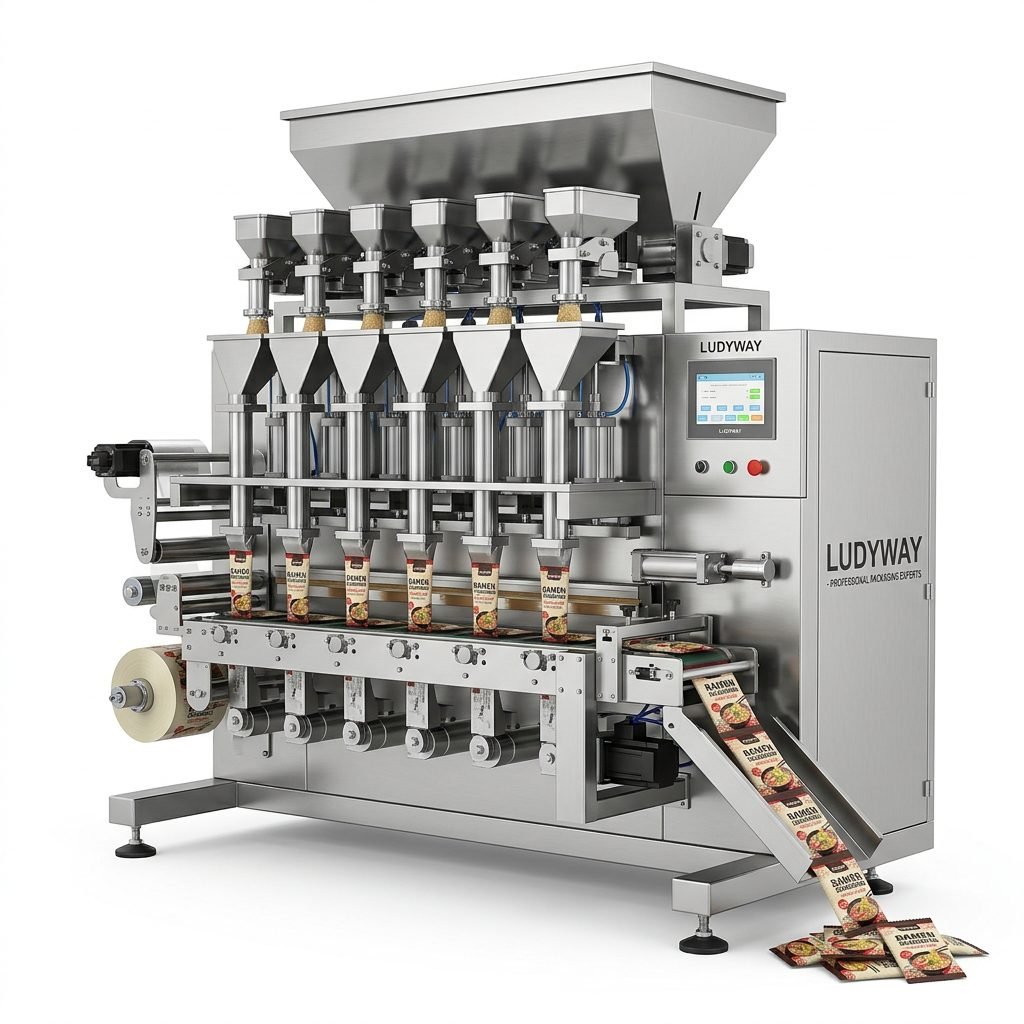
Single-lane machines produce one pod at a time and are ideal for small to medium roasters or specialty coffee brands with lower production volumes. They offer flexibility for frequent changeovers between different coffee blends or pod sizes. Multi-lane systems, capable of running 4 to 20 lanes simultaneously, are designed for high-volume production environments where throughput is the priority. A 10-lane machine, for example, can produce millions of pods per month, making it suitable for large-scale commercial operations and private-label manufacturers.
Rotary vs. Vertical Form-Fill-Seal (VFFS)
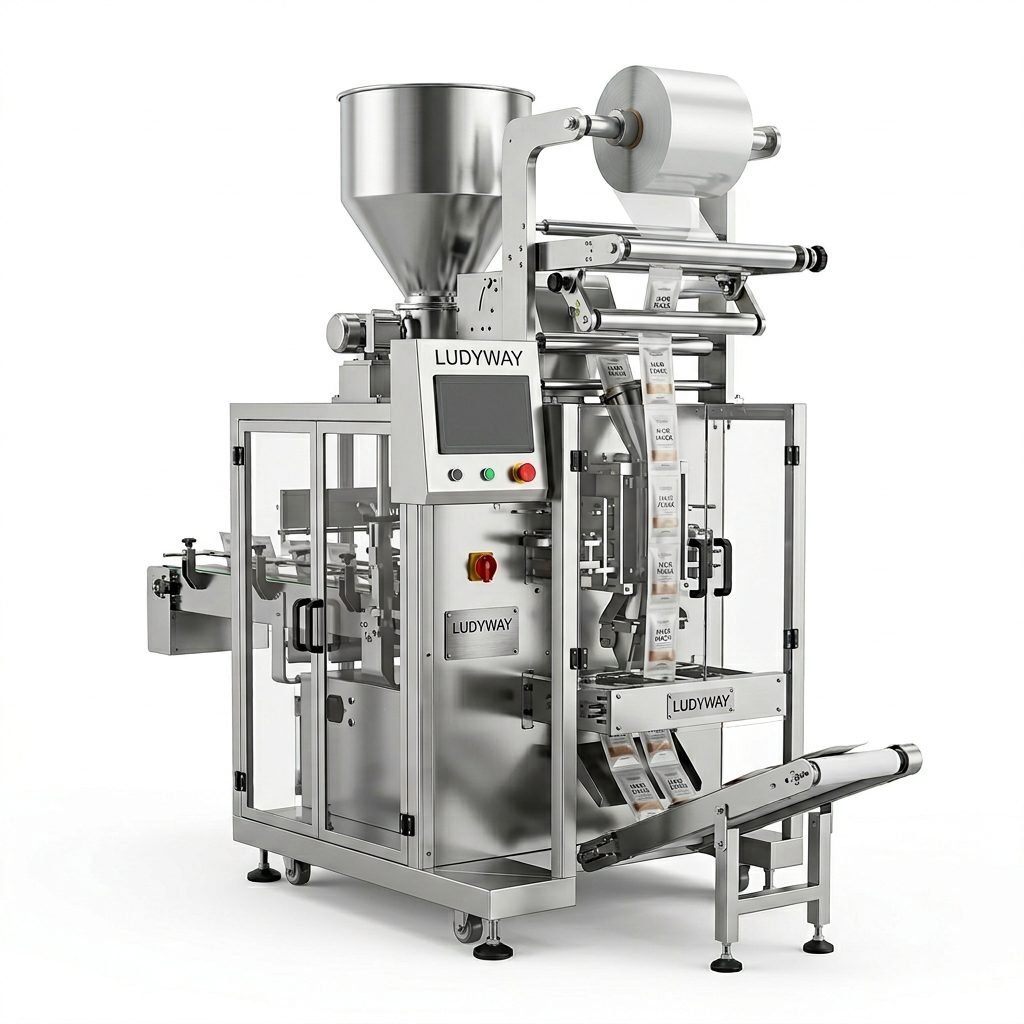
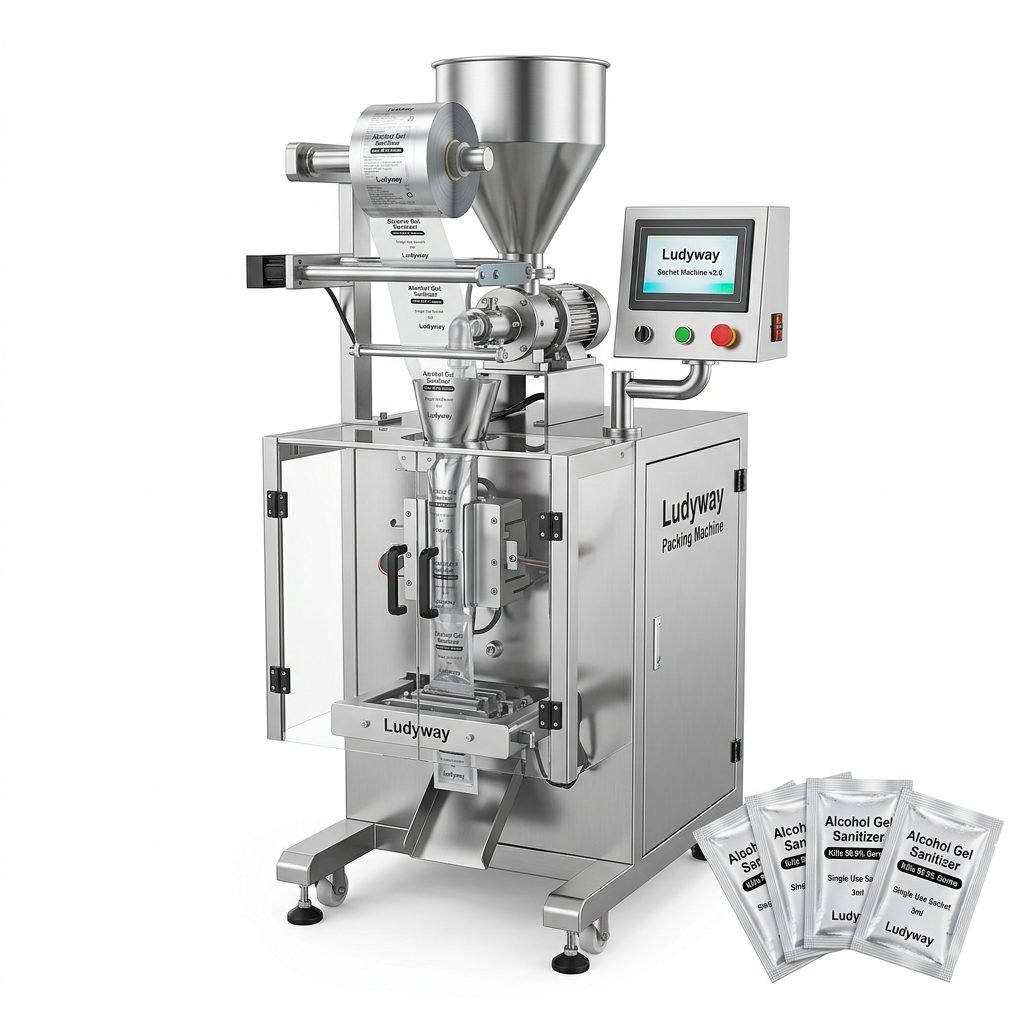
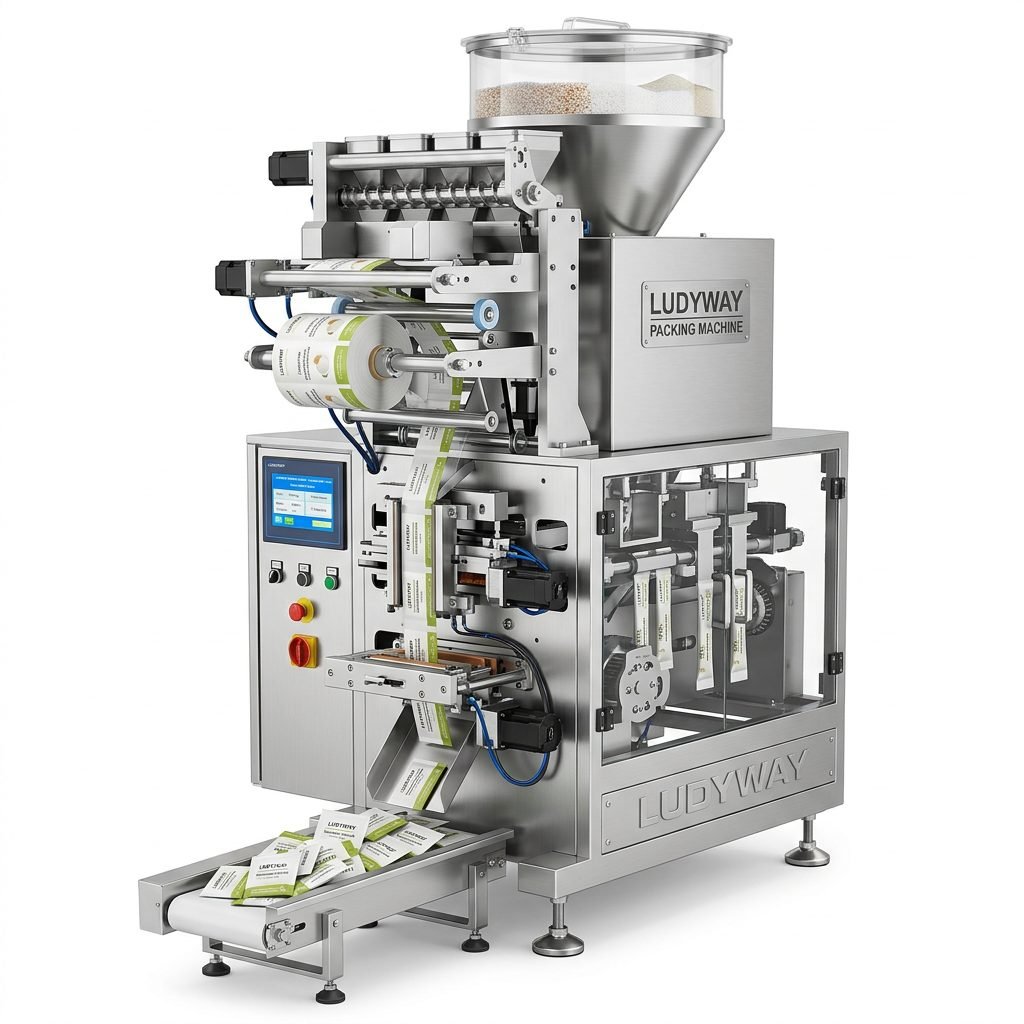
Rotary pod packaging machines use a rotating turret mechanism to fill and seal pods in a continuous motion, offering high speed and precision for rigid pod formats. Vertical form-fill-seal machines form pods from flexible packaging material, fill them with coffee, and seal them in a vertical orientation. VFFS technology is more versatile and can handle multiple packaging formats including stick packs, sachets, and flow packs in addition to pods.
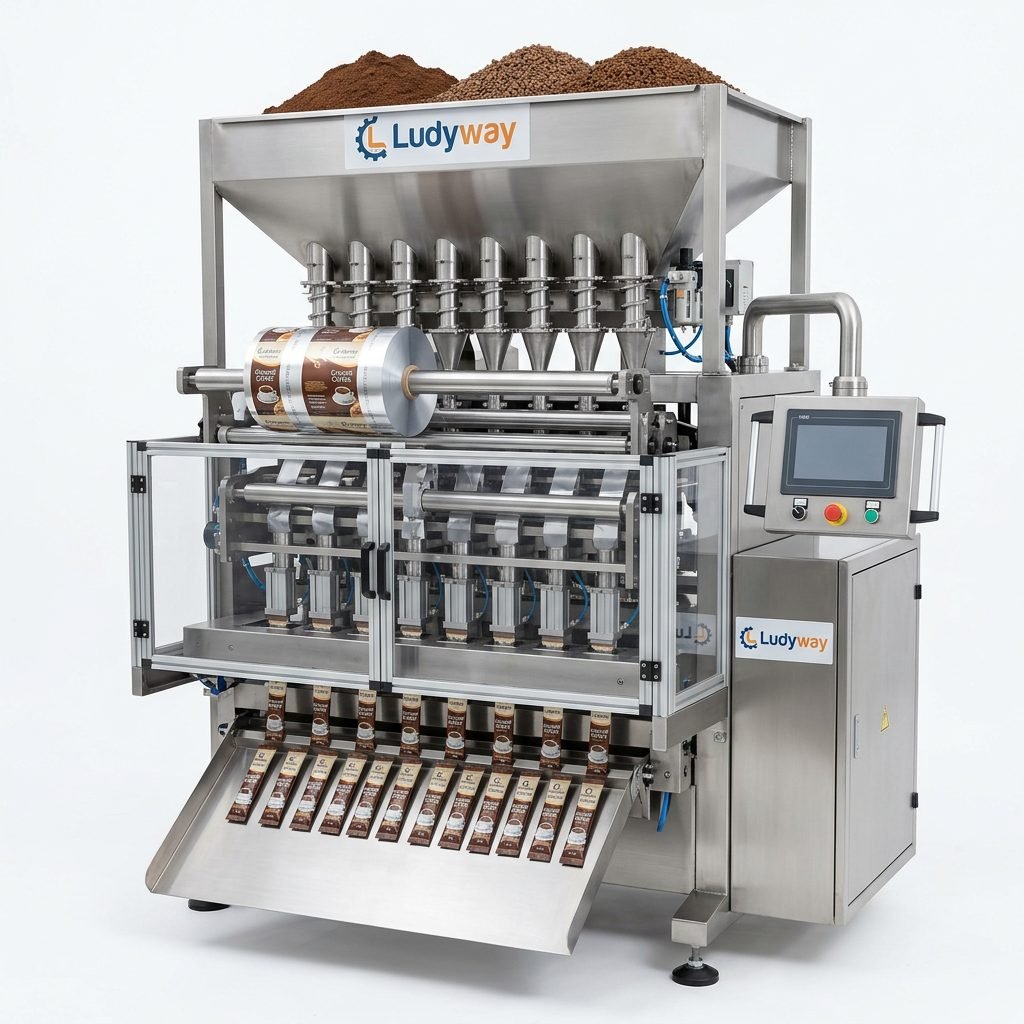
Key Factors to Consider When Selecting Equipment
Choosing the right coffee pod packaging machine involves evaluating several critical factors that affect performance, cost, and long-term operational success.
Production Speed and Capacity
Your required output is the most fundamental specification. Small batch roasters may need a machine producing 30 to 60 pods per minute, while industrial-scale operations often require 200 to 600 pods per minute or higher. When calculating capacity, account for planned growth over the next three to five years. Undersized equipment can quickly become a bottleneck, while oversized machines lead to unnecessary capital expenditure and operational inefficiency. Multi-lane configurations offer scalable throughput by adding lanes as demand grows.
Pod Format Compatibility
Not all machines handle every pod format. Key format considerations include:
- Rigid pods — K-Cup style, Nespresso-compatible, and other hard-shell formats requiring specific tooling and sealing mechanisms
- Soft pods — Filter paper or non-woven fabric pods that require gentle handling and different sealing technology
- Stick packs and sachets — Flexible single-serve formats that use different filling and sealing systems
- Multiple formats — Some advanced machines can switch between pod types, offering greater production flexibility
Packaging Material Requirements
The packaging materials you plan to use significantly influence machine selection. Flexible packaging materials such as laminated films, aluminum foil, and biodegradable options each have different sealing temperature requirements, barrier properties, and machine compatibility. Verify that the machine can handle your specific material specifications including thickness, heat-seal characteristics, and oxygen barrier requirements. Some manufacturers are increasingly adopting sustainable materials that require specialized sealing parameters.
Automation Level
Coffee pod packaging machines range from semi-automatic to fully automated turnkey systems. Evaluate which level matches your operational needs:
- Manual loading — Operators manually place empty pods and remove filled ones
- Semi-automatic — Automated filling with manual pod handling
- Fully automatic — Automated pod feeding, filling, sealing, and discharge
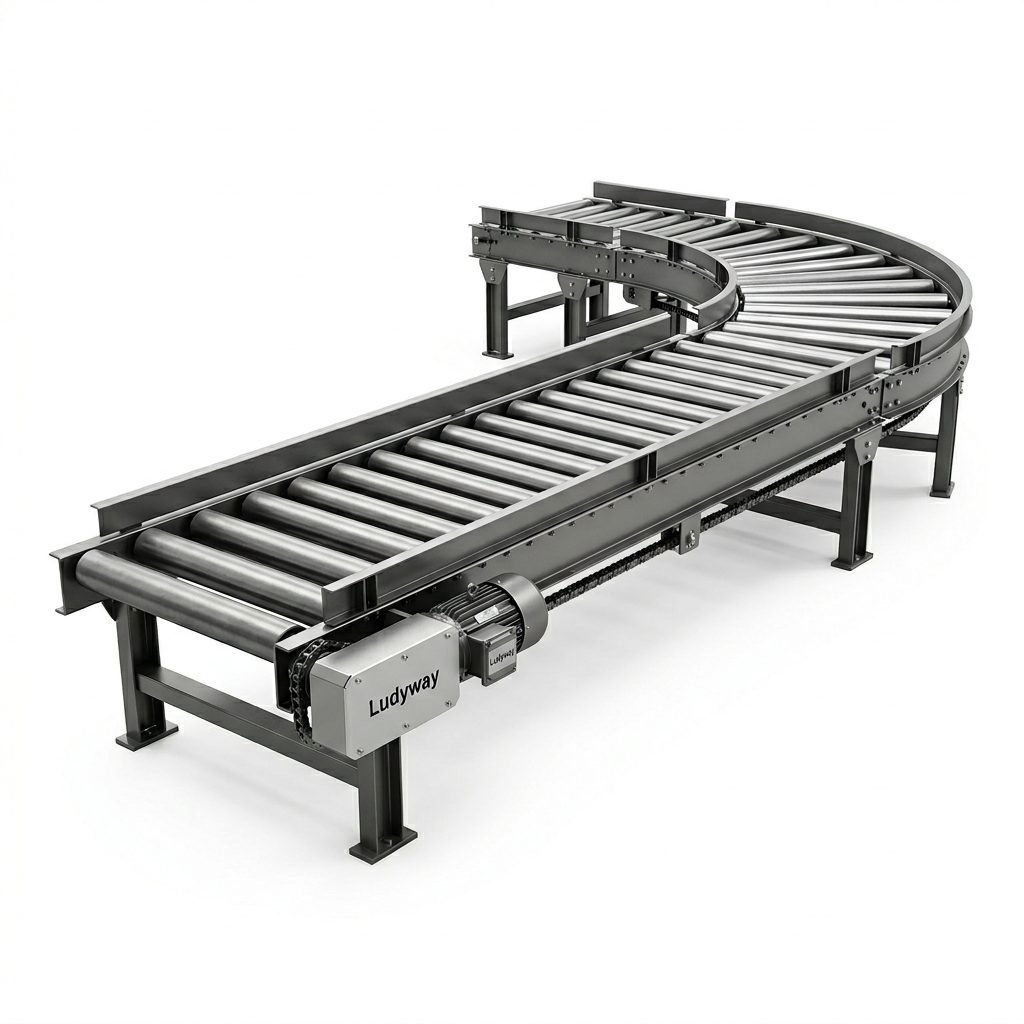
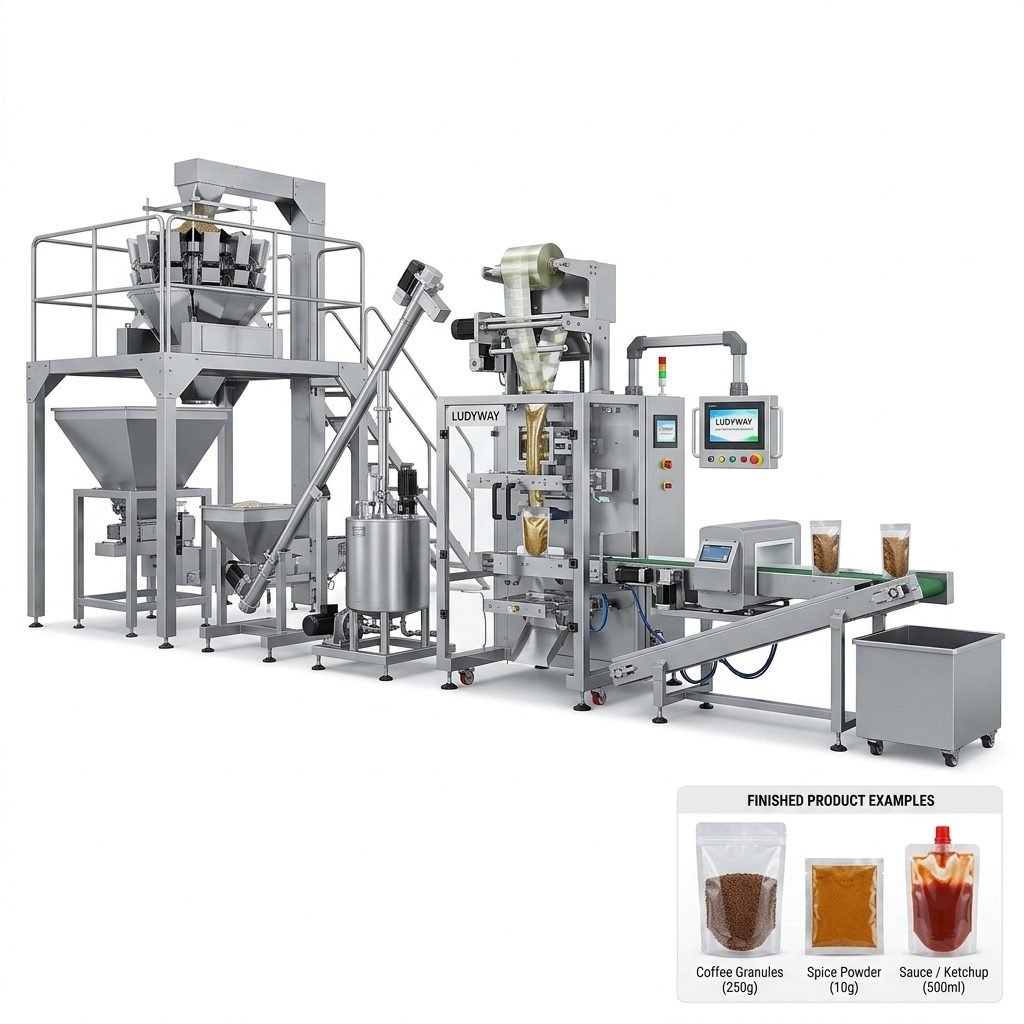
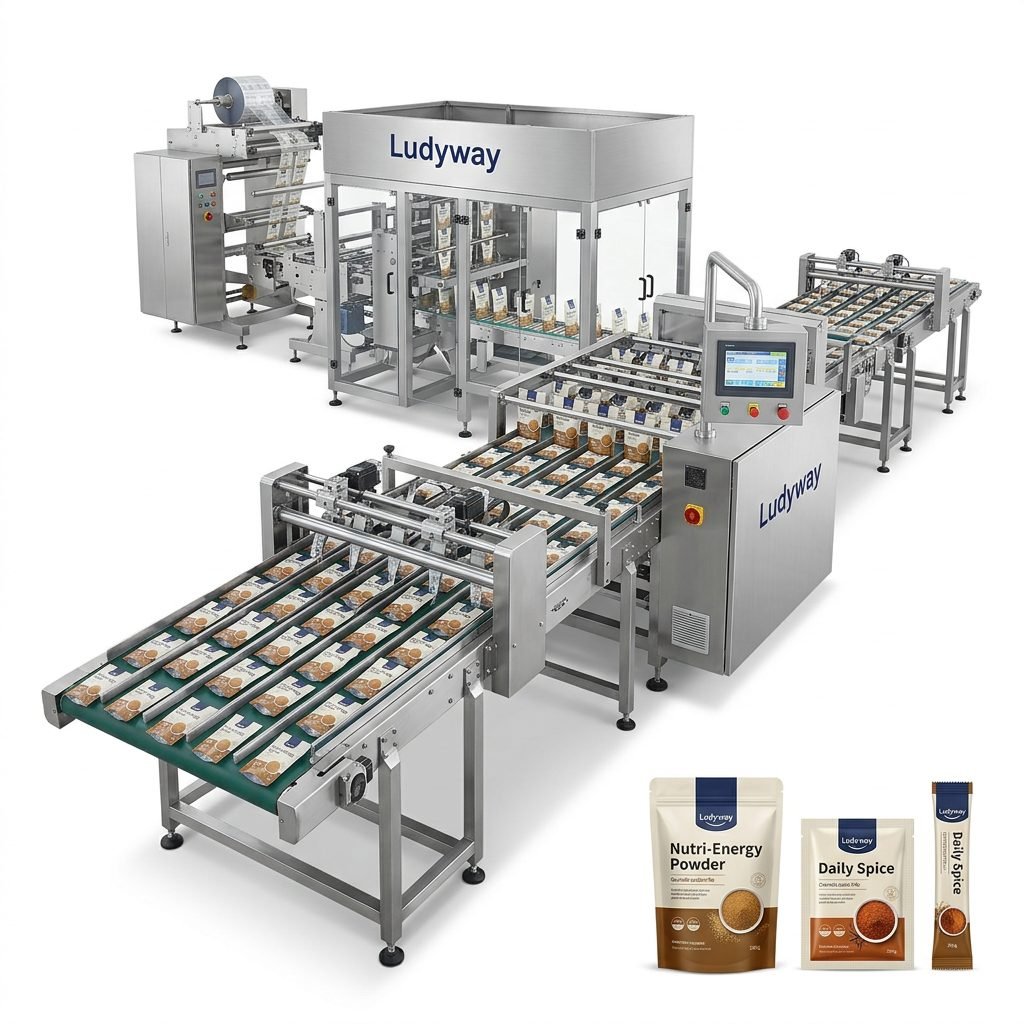
- Integrated turnkey lines — Complete systems that include grinding, dosing, filling, sealing, nitrogen flushing, labeling, checkweighing, cartoning, and palletizing
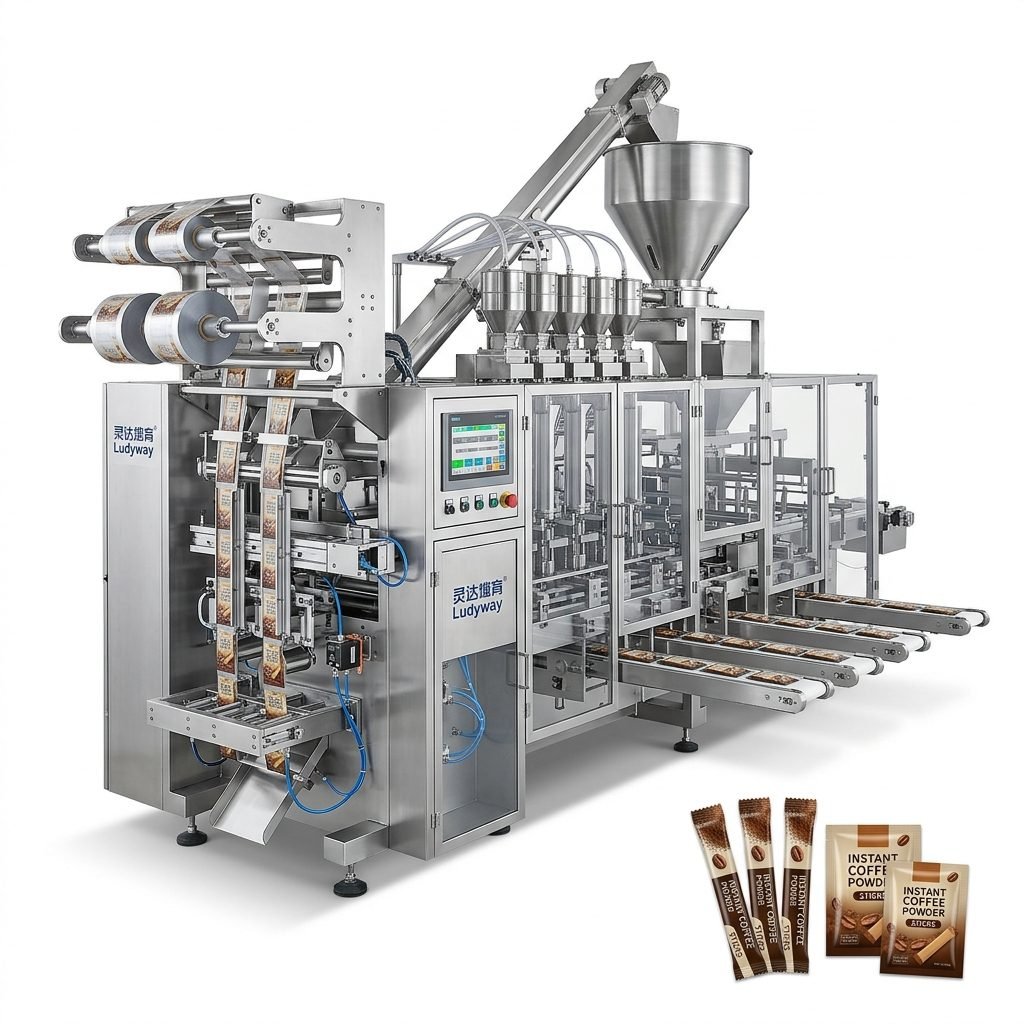
Comparing Coffee Pod Packaging Machine Configurations
The following table provides a comparative overview of common machine configurations to help you narrow down your options based on your production scale and requirements.
| Machine Type | Typical Speed Range | Best Suited For | Key Advantage | Key Limitation |
|---|---|---|---|---|
| Single-Lane Semi-Automatic | 20–40 pods/min | Startups, specialty roasters | Low cost, easy to operate | Limited throughput |
| Single-Lane Fully Automatic | 40–80 pods/min | Medium roasters, regional brands | Good balance of speed and flexibility | Higher investment than semi-auto |
| Multi-Lane (4–8 Lanes) | 150–300 pods/min | Large commercial operations | High output, scalable | Complex changeovers |
| Multi-Lane (10+ Lanes) | 300–600+ pods/min | Industrial-scale manufacturers | Maximum throughput | High capital cost, large footprint |
| Rotary Turret System | 100–400 pods/min | Rigid pod formats only | Precision filling, consistent seals | Less flexible for format changes |
Essential Features to Evaluate
Beyond basic specifications, certain features can significantly impact your packaging quality, efficiency, and overall equipment reliability.
Dosing and Filling Accuracy
Precise coffee dosing ensures product consistency and controls raw material costs. Look for machines with gravimetric or volumetric dosing systems that deliver accuracy within ±0.5 grams. Inconsistent fill weights lead to customer dissatisfaction and increased product giveaway, which compounds into significant financial losses at scale. Advanced systems incorporate real-time weight monitoring and automatic feedback adjustment to maintain target weights throughout production runs.
Sealing Integrity and Quality
The seal is arguably the most critical quality parameter in pod packaging. A compromised seal leads to oxygen ingress, flavor degradation, and reduced shelf life. Evaluate the sealing technology (heat seal, ultrasonic, or induction), temperature control precision, and the machine’s ability to maintain consistent seal pressure. Machines equipped with seal integrity inspection systems or packaging quality monitoring technology add an additional layer of quality assurance.
Nitrogen Flushing and Modified Atmosphere Packaging
For coffee products requiring extended shelf life, nitrogen flushing capability is essential. The machine should be able to achieve residual oxygen levels below 2% inside the pod to preserve coffee freshness. Look for integrated gas flushing systems with precise flow control and verification sensors.
Cleaning, Maintenance, and Changeover
Downtime for cleaning and changeovers directly affects your overall equipment effectiveness. Machines with tool-less changeover features, accessible design for cleaning, and modular components reduce maintenance time. In the coffee industry, where cross-contamination between blends is a concern, easy-to-clean designs that minimize product residue are particularly valuable.
Control Systems and Data Integration
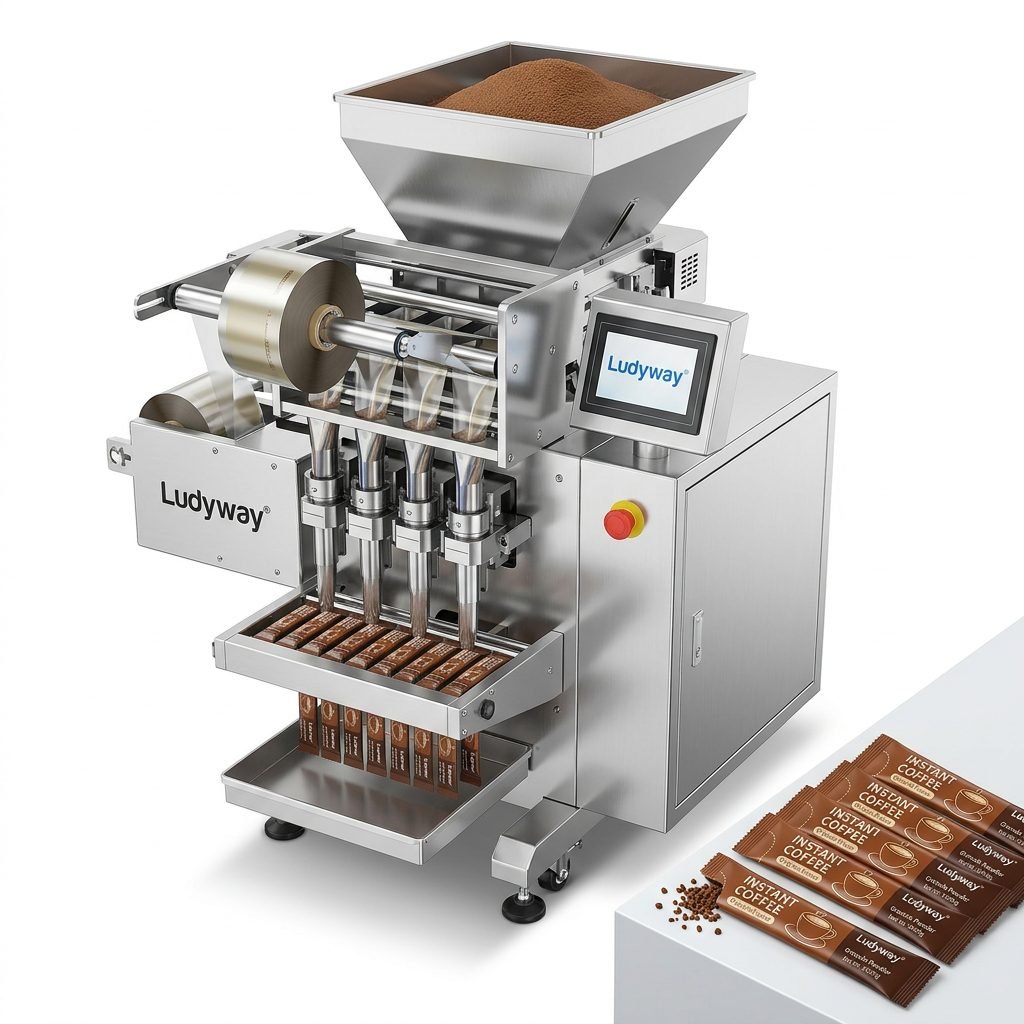
Modern packaging machines increasingly feature PLC-based control systems with touchscreen interfaces, recipe storage, and production data logging. Integration capabilities with ERP and MES systems via industrial communication protocols enable real-time production monitoring and traceability. Consider whether the control system supports remote diagnostics and troubleshooting, which can reduce service response times.
Quality Standards and Regulatory Compliance
Depending on your target markets, your packaging equipment must meet applicable quality and safety standards. For coffee products exported to North America, compliance with FDA food contact substance regulations is mandatory. Equipment destined for the European market must align with relevant EU packaging regulations and machinery directives. Verify that the manufacturer can provide appropriate certifications and documentation for your target markets. Packaging machinery standards from organizations such as ISO and PMMI provide frameworks for evaluating equipment quality and safety.
How to Evaluate Manufacturers
Selecting a reliable coffee pod packaging machine manufacturer is as important as selecting the right machine. Consider the following evaluation criteria:
- Industry experience — How many years has the manufacturer been producing packaging equipment specifically for coffee or similar products?
- Manufacturing capability — Does the manufacturer have in-house engineering, machining, and assembly capabilities, or do they outsource critical components?
- Reference installations — Can the manufacturer provide references from coffee producers with similar production volumes?
- Technical support — What after-sales support, spare parts availability, and technical assistance does the manufacturer provide?
- Customization capability — Can the manufacturer adapt machine configurations to your specific product, packaging material, and facility requirements?
- Turnkey capability — For more complex requirements, working with a single partner that can provide an integrated packaging line from filling to cartoning simplifies project management and accountability.
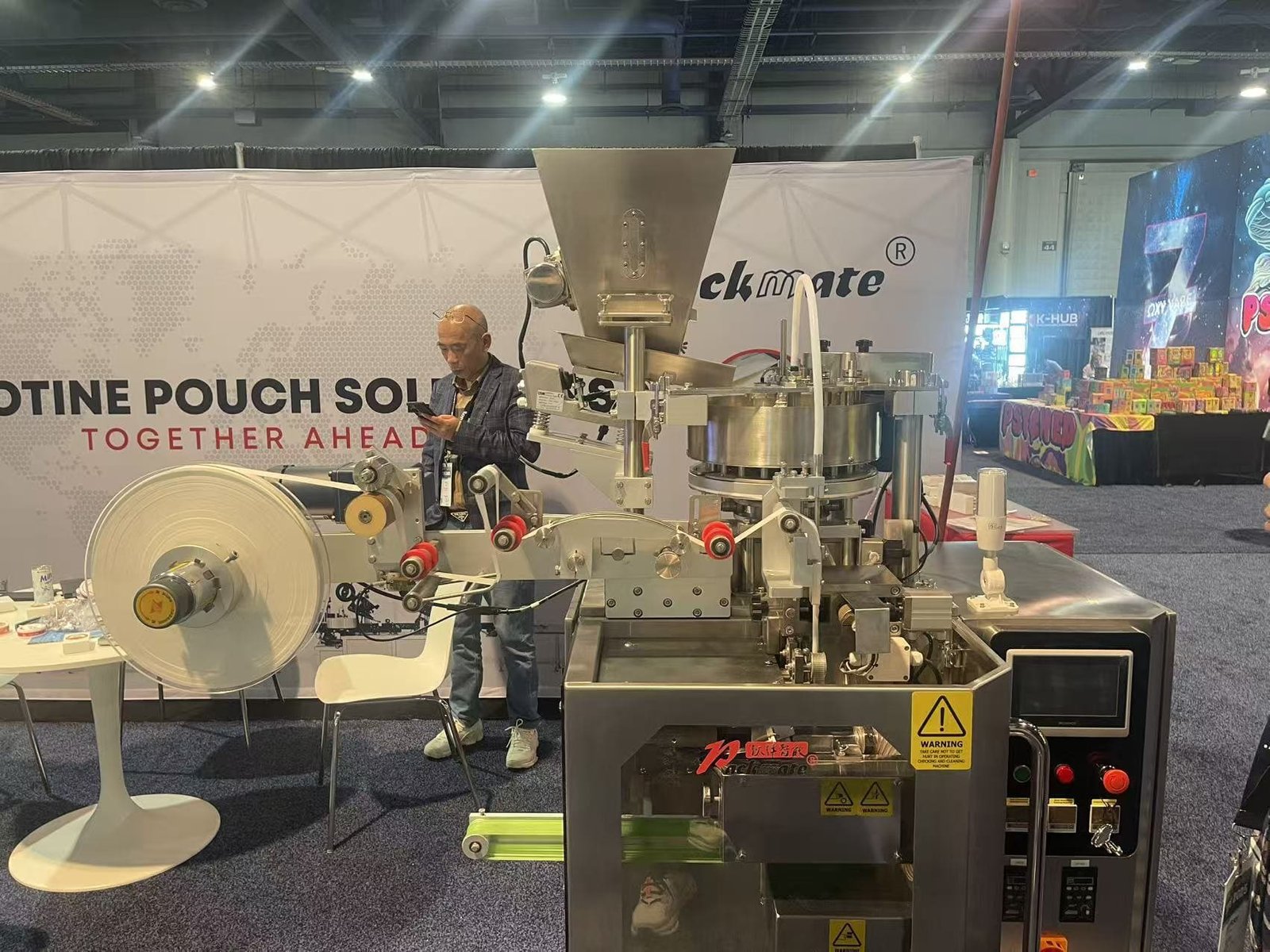
For example, Ludyway Machinery, a China-based packaging machinery manufacturer with over 30 years of industry experience, provides customized coffee packaging solutions ranging from individual machines to complete turnkey production lines across more than 100 countries.
Total Cost of Ownership Analysis
The purchase price is only one component of the total cost of ownership. When comparing machines, factor in:
| Cost Category | Considerations |
|---|---|
| Initial capital | Machine cost, shipping, installation, commissioning, and facility modifications |
| Consumables | Packaging film, filters, lubricants, and replacement wear parts |
| Labor | Operators required per shift, skill level needed, and training costs |
| Maintenance | Scheduled maintenance, unexpected repairs, spare parts inventory, and service contracts |
| Utilities | Electricity, compressed air, nitrogen, and water consumption |
| Product giveaway | Excess coffee dispensed per pod due to dosing inaccuracy |
| Downtime | Lost production during changeovers, cleaning, and unplanned stoppages |
Questions to Ask Manufacturers Before Buying
Before finalizing your purchase decision, present these questions to prospective equipment suppliers:
- What is the guaranteed throughput rate with my specific coffee grind size and packaging material?
- Can you provide a detailed floor plan showing the machine footprint and required clearances?
- What is the typical changeover time between different pod formats or coffee blends?
- How does the dosing system compensate for varying coffee density and grind consistency?
- What preventive maintenance schedule do you recommend, and can you supply a spare parts list with lead times?
- Do you offer factory acceptance testing (FAT) and site acceptance testing (SAT) services?
- What is the warranty coverage and what does it include?
- Can the machine be upgraded or reconfigured in the future if our requirements change?
- What training and documentation do you provide for operators and maintenance staff?
- How do you handle remote technical support and on-site service requests?
Making the Final Decision
Choosing the right coffee pod packaging machine requires balancing production requirements, budget constraints, quality standards, and future growth plans. Start by clearly defining your current and projected production volumes, preferred pod formats, and automation goals. Research manufacturers thoroughly, request detailed proposals, and whenever possible, visit reference installations or conduct factory acceptance tests. The right machine is not necessarily the most expensive or the fastest — it is the one that best aligns with your specific operational needs and long-term business strategy. A well-chosen packaging machine becomes a long-term production asset that supports consistent product quality, operational efficiency, and sustainable business growth.