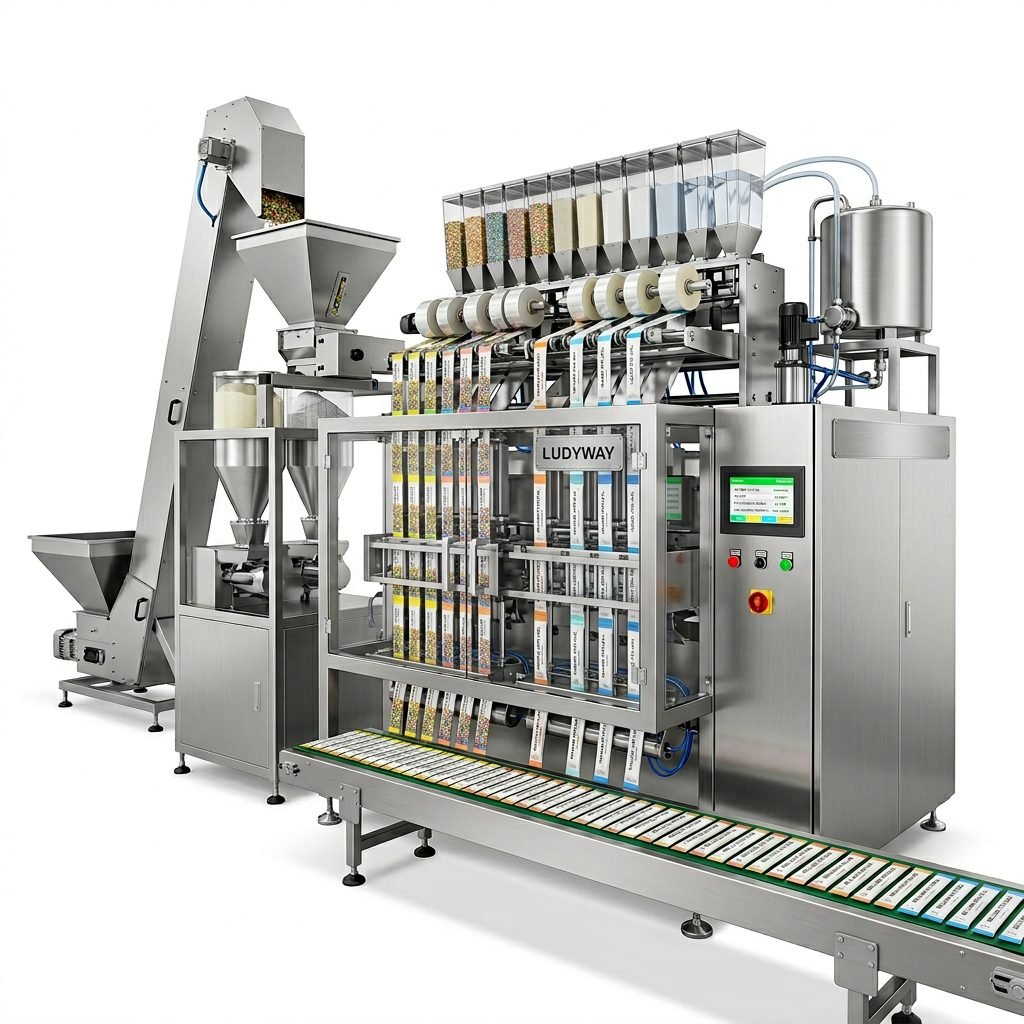
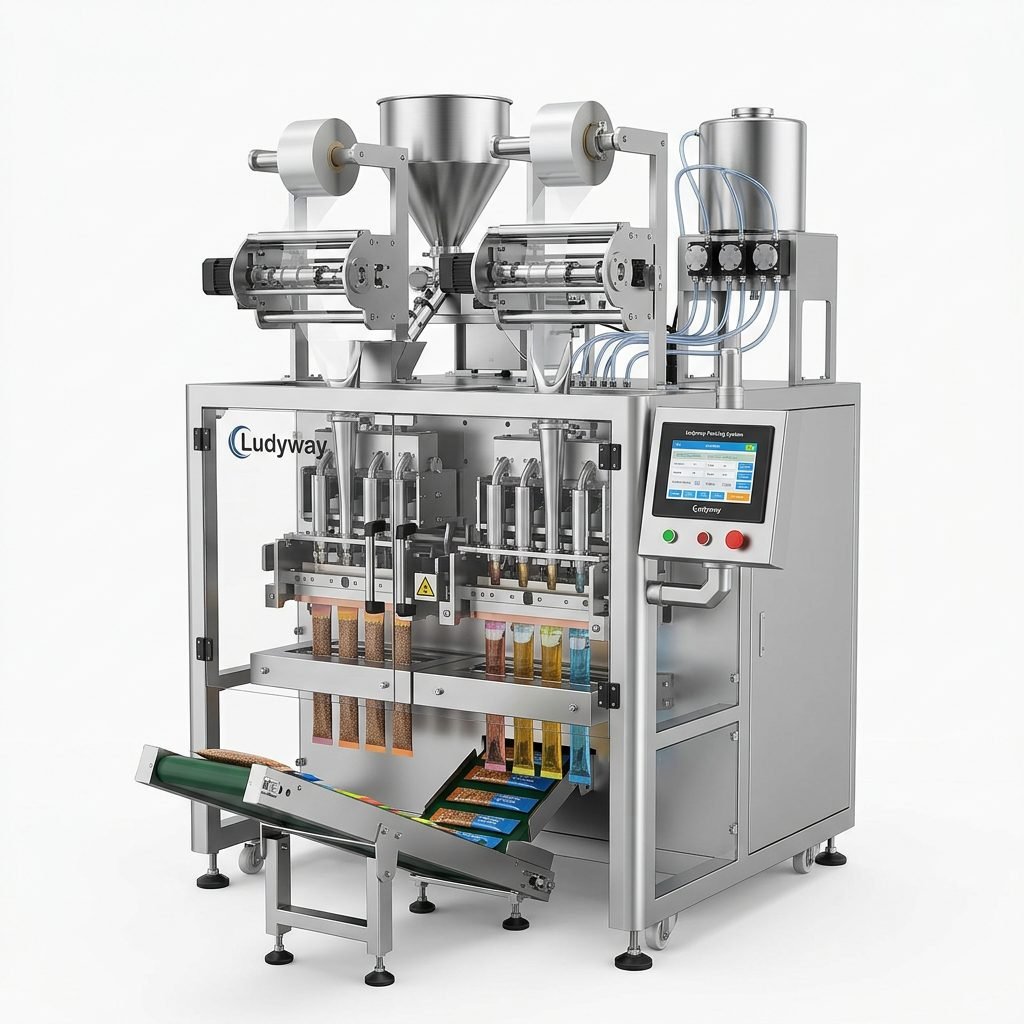
Choosing the right pill packaging machine is not only about speed. In pharmaceutical and nutraceutical production, the ideal solution must balance product protection, compliance, efficiency, dosing accuracy, package appearance, and future scalability. Whether you are packing coated tablets, capsules, softgels, or health supplement pills, the machine you choose will directly affect operating cost, line stability, and customer trust.
This guide explains how to evaluate the best tablet packaging solution for your production goals, what machine types to compare, and which technical points matter most before you invest.
Why pill packaging matters more than many buyers expect
Tablets and pills may look stable, but packaging still plays a critical role in preserving quality. Moisture, oxygen, light, vibration, and contamination can all reduce shelf life or damage product integrity. At the same time, pharmaceutical packaging must support traceability, anti-mix-up control, and regulatory labeling.
- Protect tablets from humidity and external contamination
- Reduce breakage, dusting, and deformation during handling
- Improve counting accuracy and batch consistency
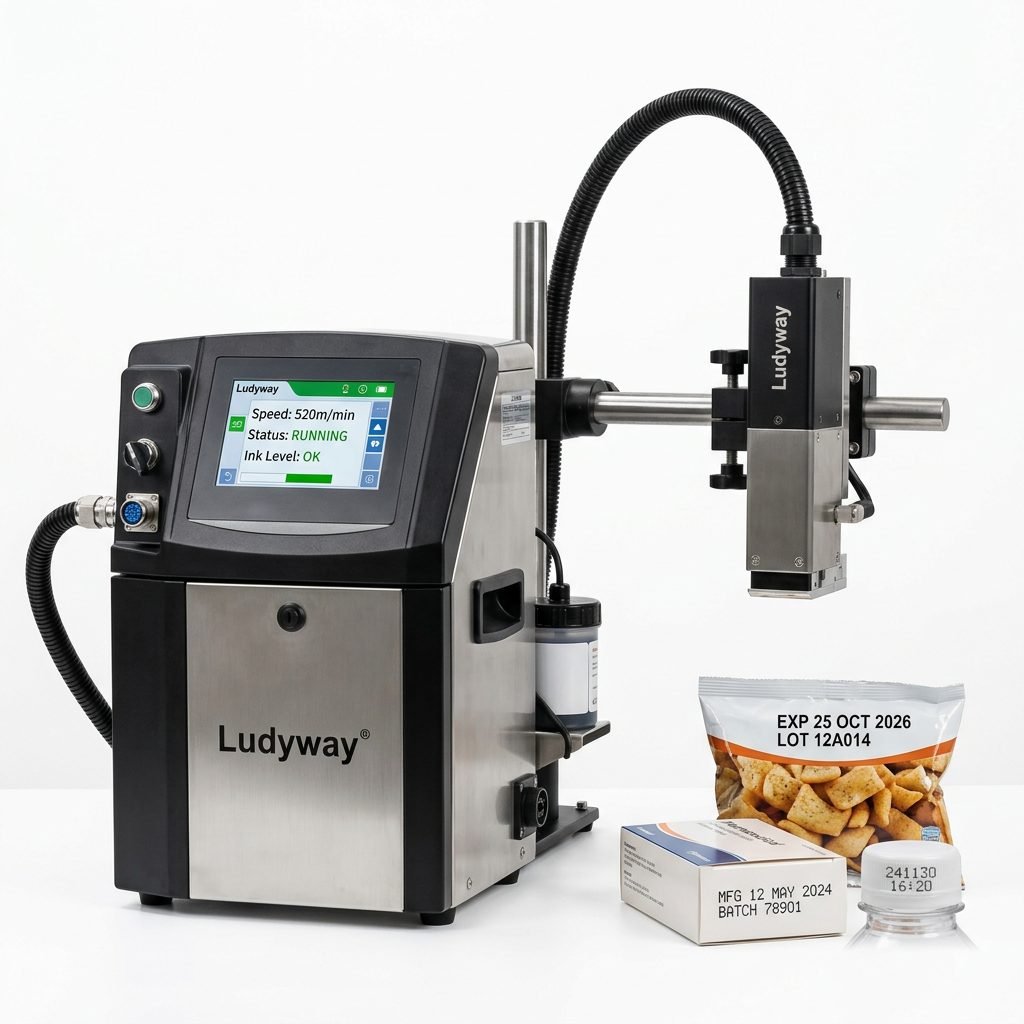
- Support serialization, coding, and inspection systems
- Make transport, storage, retail display, and end-user handling easier
For many manufacturers, the best machine is not simply the fastest one. It is the system that matches the tablet format, packaging style, output target, and compliance requirements of the plant.
Main types of tablet packaging solutions
Different pill products require different package formats. The best choice depends on the product’s sensitivity, sales channel, dosage presentation, and market positioning.
| Packaging Type | Best For | Advantages | Considerations |
|---|---|---|---|
| Blister packaging machine | Pharmaceutical tablets, capsules, unit-dose products | Excellent barrier protection, premium presentation, easy traceability | Higher material and tooling requirements |
| Bottle counting line | Vitamins, supplements, bulk tablet products | High throughput, suitable for many tablet sizes, easy retail distribution | Needs accurate counting and desiccant/cotton integration in some cases |
| Strip packaging machine | Small tablets, unit-dose pharmaceutical applications | Compact packs, good hygiene, efficient dose separation | Less common for large-format products |
| Sachet or pouch system | Single-dose, sample packs, combined kits | Flexible format, compact shipping, branding flexibility | Requires careful handling to avoid tablet damage |
How to choose the best tablet packaging machine
1. Start with your pill characteristics
Before comparing machine models, define the exact product details. Tablets vary widely in hardness, coating, thickness, diameter, shape, and friability. Effervescent tablets, chewables, and sugar-coated pills each behave differently during feeding and packaging.
- Tablet size and shape
- Hardness and fragility
- Moisture sensitivity
- Dust generation level
- Single-product or multi-SKU production
If your tablets are fragile or coated, the feeding system and transfer path become especially important. Poor product handling can lead to edge chipping, visual defects, and reject waste.
2. Match the machine to the right packaging format
The package style should fit both the product and the target market. For prescription drugs, blister packs are often preferred because they provide individual cavity protection and clear dosage organization. For nutraceutical brands, bottles are common because they are cost-effective and familiar to consumers.
A simple rule: if protection and unit-dose convenience are top priorities, choose blister or strip packaging; if high-volume retail distribution matters more, bottle counting and filling may be the better solution.
3. Confirm output requirements realistically
Many buyers focus on maximum machine speed, but actual output depends on more than the machine’s advertised capacity. Changeover frequency, product feeding consistency, operator skill, line integration, and inspection stops all affect true hourly production.
Ask suppliers for:
- Rated speed and stable running speed
- Output data for products similar to yours
- Changeover time between tablet sizes or pack formats
- OEE-related recommendations
4. Evaluate counting or forming accuracy
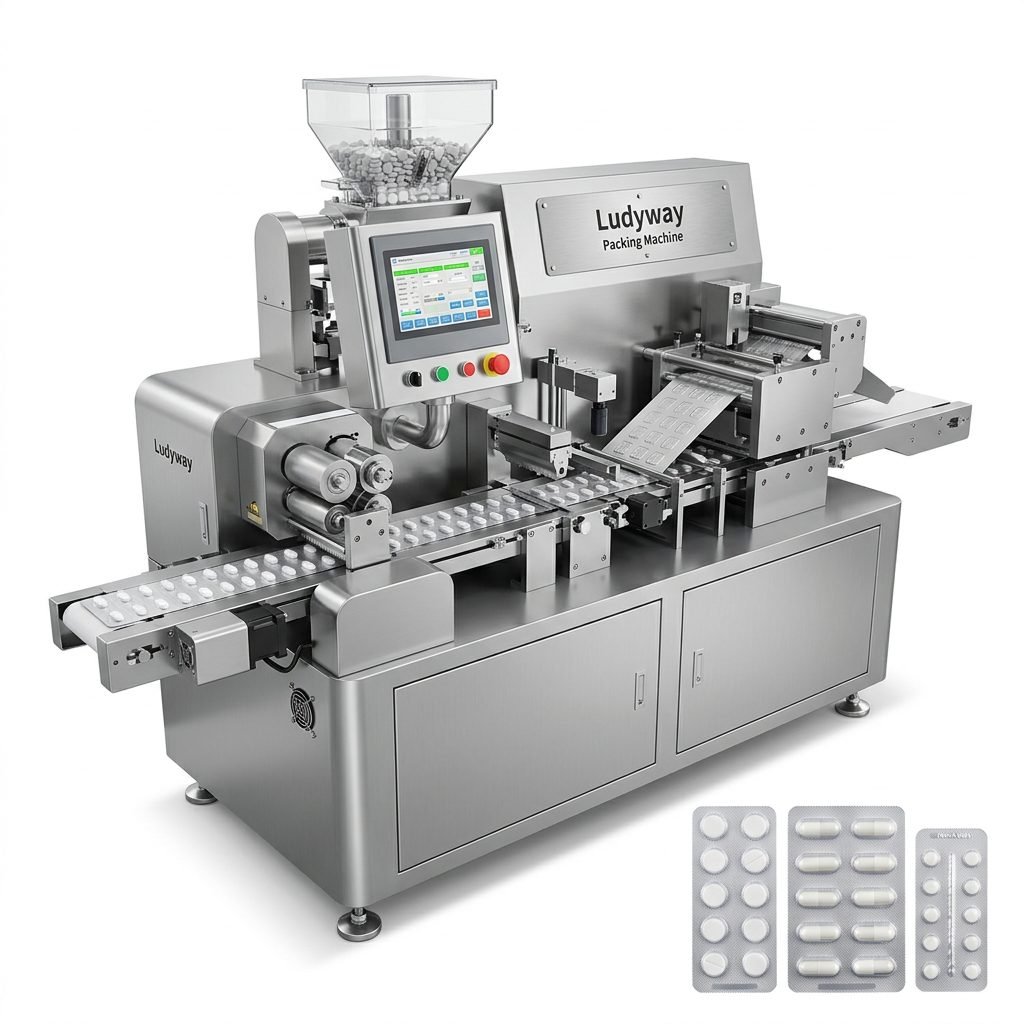
For bottled pills, counting accuracy is essential. Underfilled bottles can cause complaints and compliance risk, while overfilled bottles increase product giveaway. For blister packaging, cavity forming and sealing alignment must stay consistent over long production runs.
Important checkpoints include:
- Electronic counting precision
- Dust management and anti-jam design
- Rejected product handling system
- Missing tablet detection
- Seal integrity and cavity registration control
5. Look closely at material compatibility
A tablet packaging machine must work well with your packaging materials, not just with your pills. For blister packaging, the machine should be compatible with PVC, PVDC, Alu-Alu, or other barrier materials according to your product protection needs. For bottle lines, cap style, bottle material, desiccant insertion, and induction sealing should all be considered together.
If your tablets are exported to humid markets or require longer shelf life, investing in stronger barrier materials and compatible sealing technology can be worth the cost.
6. Consider GMP and compliance requirements
In pharma and health supplement manufacturing, compliance is never optional. Your machine should support cleanability, validation, documentation, and controlled production. Stainless steel contact parts, enclosed structures, and easy-access maintenance design are all important.
| Compliance Factor | Why It Matters |
|---|---|
| GMP-friendly construction | Supports hygienic production and easier cleaning |
| Validation documents | Helps with IQ/OQ and qualification processes |
| Coding and traceability integration | Improves batch control and regulatory compliance |
| Inspection and reject systems | Reduces risk of defective packs reaching the market |
7. Think beyond the standalone machine
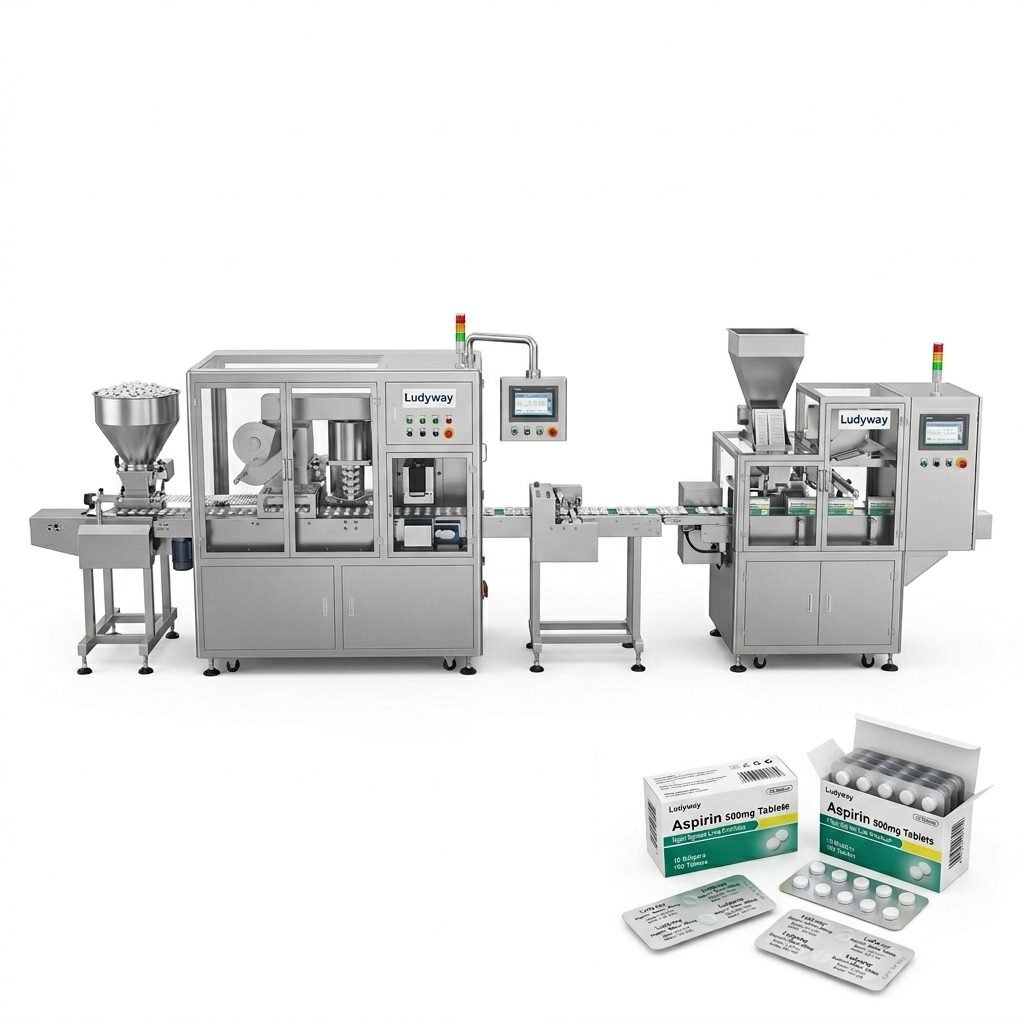
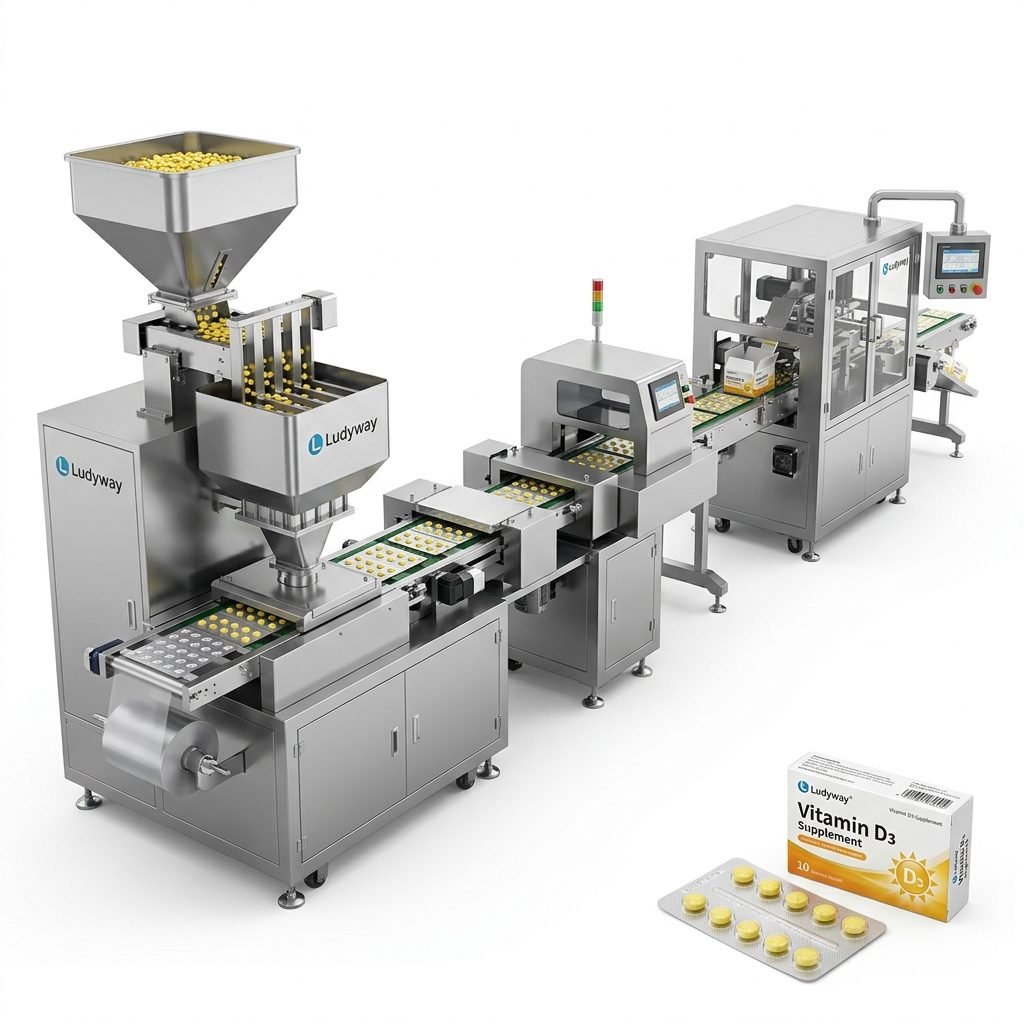
A pill packaging machine works best when it is part of a complete line. Feeding, counting, filling, sealing, labeling, cartoning, coding, checkweighing, and case packing should be evaluated as one process. A high-speed unit alone can become a bottleneck if upstream or downstream equipment cannot keep up.
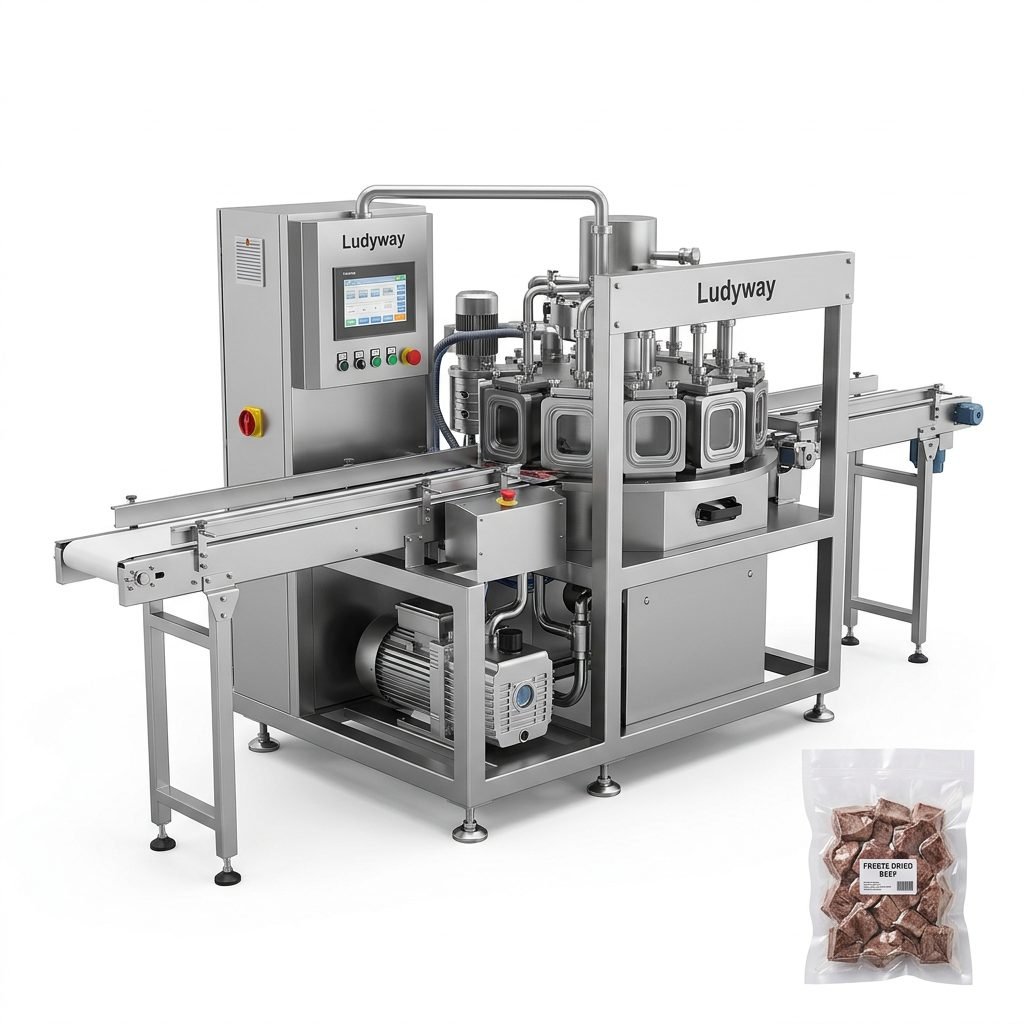
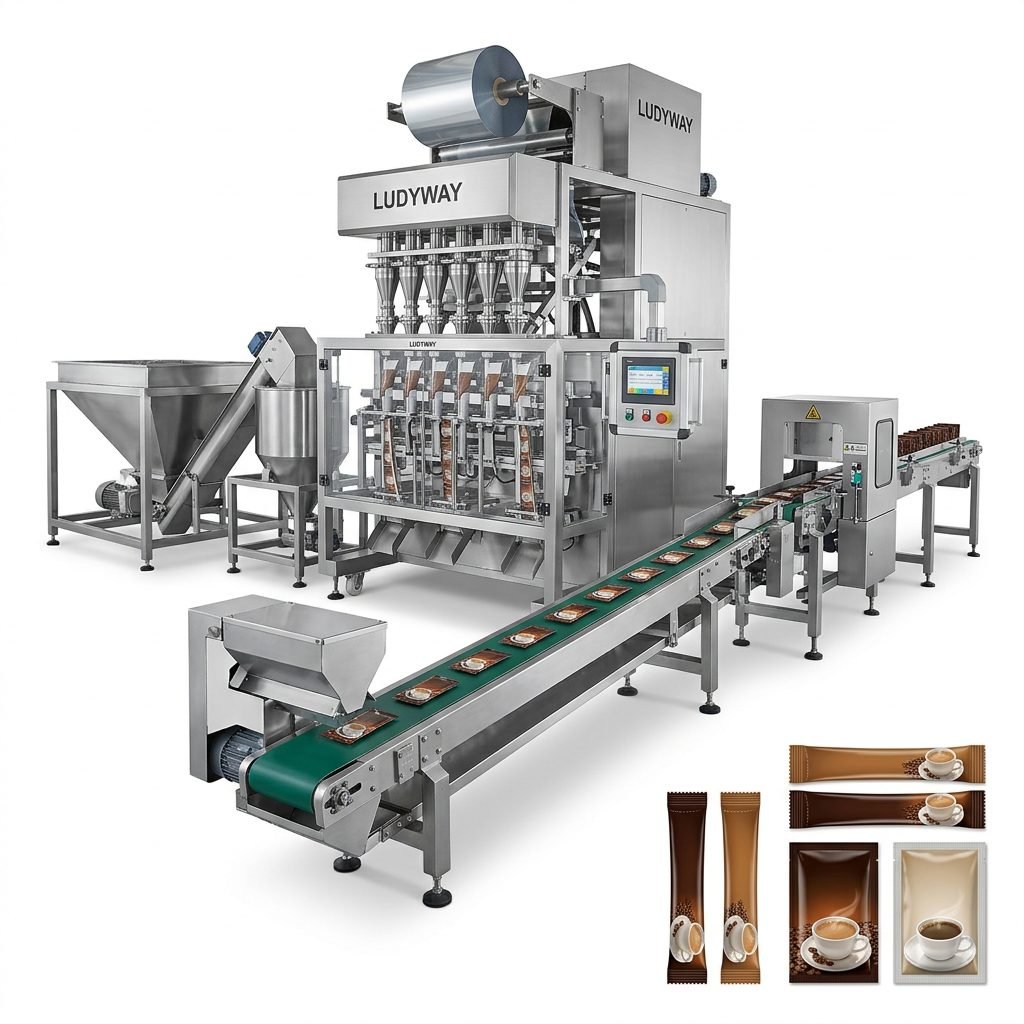
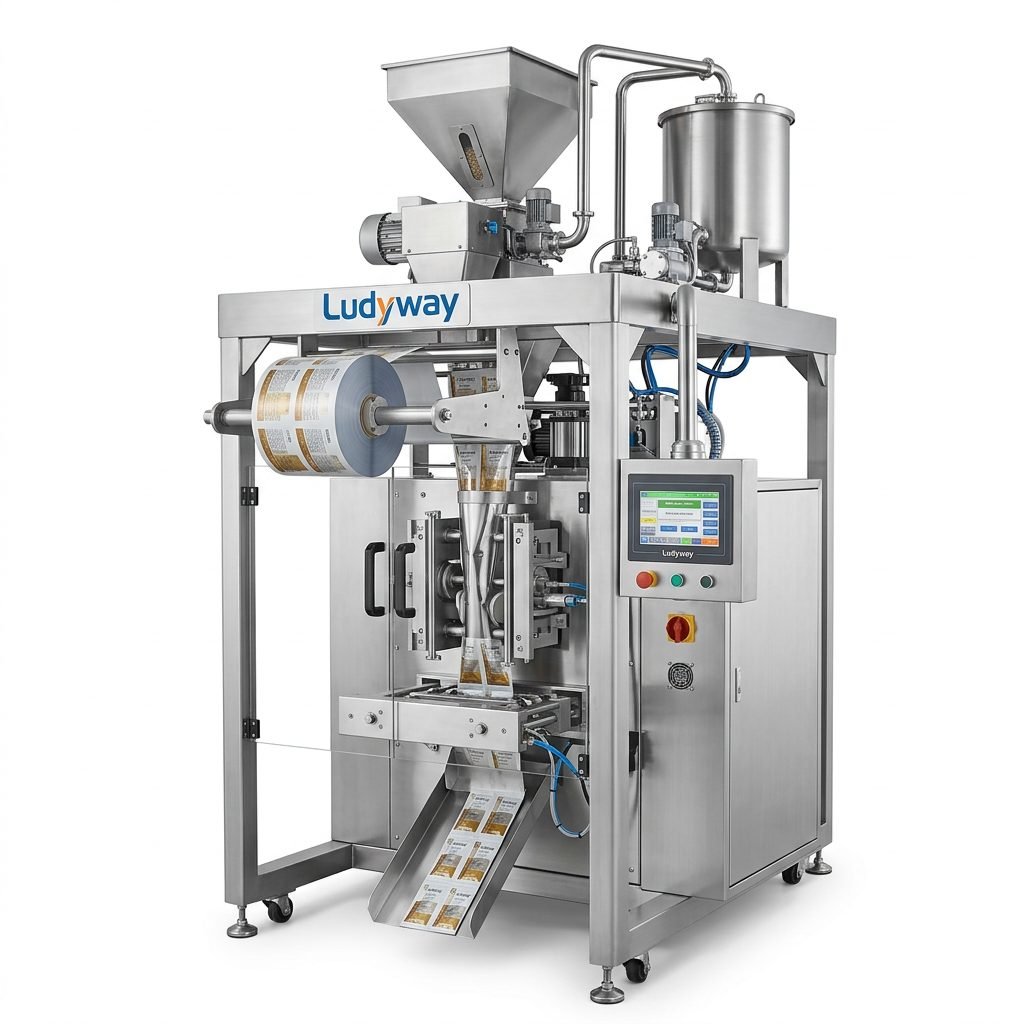
Many manufacturers now prefer turnkey solutions because they simplify integration and reduce compatibility problems. Companies such as Ludyway packaging machine manufacturer are often considered for complete packaging line planning, especially when buyers need scalable automation for pharmaceutical and health product applications.
8. Review changeover and flexibility
If you produce multiple tablet sizes, multiple counts, or different package formats, fast changeover can save significant time. Tooling design, HMI recipe storage, and modular parts all affect flexibility.
Ask these questions before purchase:
- How many minutes are needed to change from one product to another?
- Are change parts easy to install and clean?
- Can one machine handle future SKUs?
- Can operators switch recipes from the touchscreen?
9. Compare maintenance and spare parts support
A machine with strong performance but poor service support can become a long-term problem. Reliable after-sales support, spare parts availability, remote troubleshooting, and operator training should all be part of the purchase decision.
Downtime cost is often far greater than the initial savings from buying the cheapest machine.
Best machine type by business scenario
| Business Need | Recommended Solution |
|---|---|
| Prescription tablets with unit-dose demand | Blister packaging machine with inspection and cartoning |
| Vitamin and supplement tablets in retail packs | Automatic bottle counting, filling, capping, sealing, and labeling line |
| High-moisture-sensitive tablets | High-barrier blister solution or bottle line with desiccant system |
| Frequent SKU changes | Flexible machine with recipe memory and quick-change tooling |
| Growing production with automation upgrade plans | Modular turnkey packaging line with future expansion capability |
Common mistakes when buying a tablet packaging machine
- Choosing based only on price
- Ignoring actual tablet behavior during trial runs
- Underestimating future product expansion
- Buying a fast machine without line integration planning
- Overlooking compliance documentation and validation support
- Not checking spare parts response time
What to prepare before contacting suppliers
To get accurate quotations and machine recommendations, prepare a clear requirement list. This helps suppliers propose a better-matched solution and reduces delays during technical discussions.
- Tablet dimensions, shape, and product photos
- Required package format: blister, bottle, strip, or sachet
- Target output per minute or per hour
- Material specifications for film, foil, bottles, caps, and labels
- Workshop layout and utility conditions
- Compliance requirements and documentation expectations
- Whether you need a standalone machine or complete packaging line
Final buying advice
The best tablet packaging solution is the one that fits your product properties, regulatory needs, production volume, and long-term business plan. For some companies, a compact blister machine is the right investment. For others, a complete bottle packaging line with counting, capping, sealing, labeling, and cartoning will deliver better ROI.
Always request sample testing, check machine compatibility with your tablets and materials, and compare not only machine specifications but also service capability, upgrade flexibility, and total lifecycle cost. A smart selection today can improve packaging quality, reduce waste, and support stable growth for years.