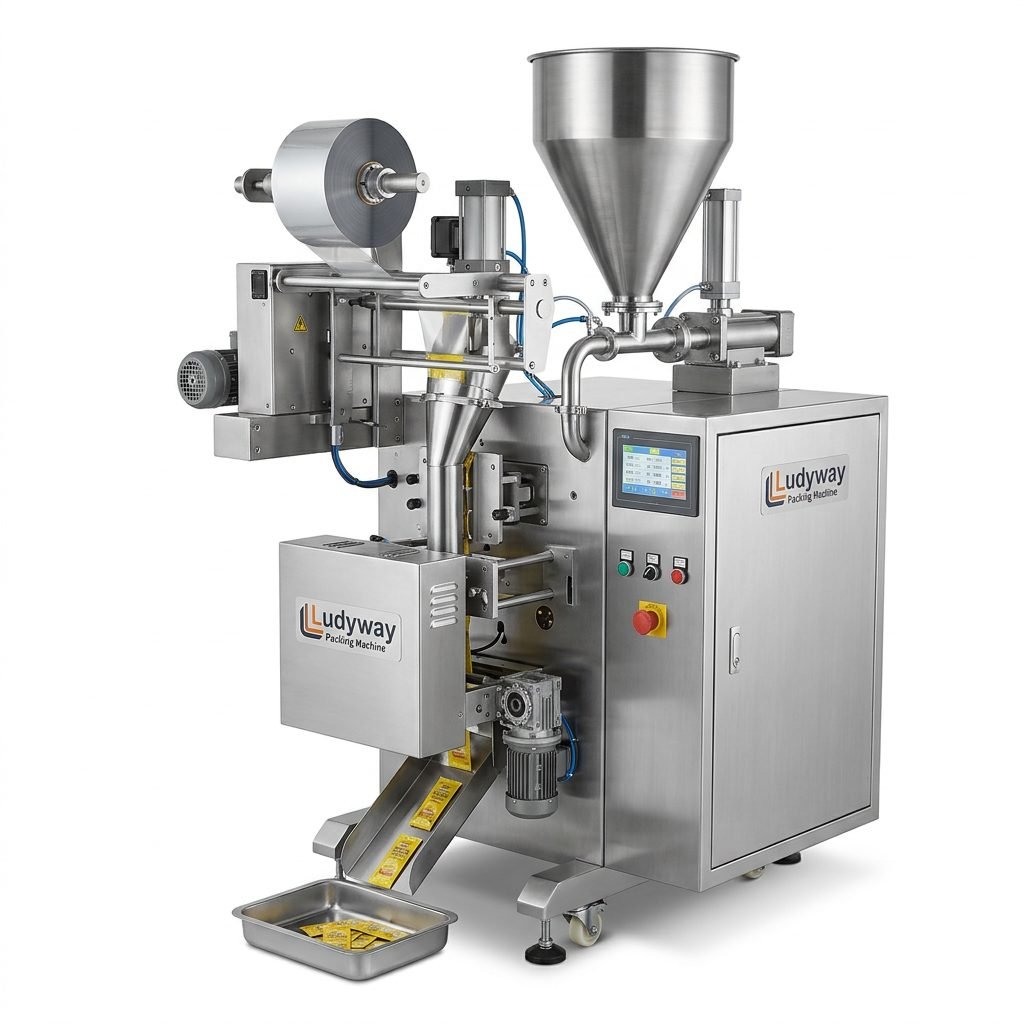
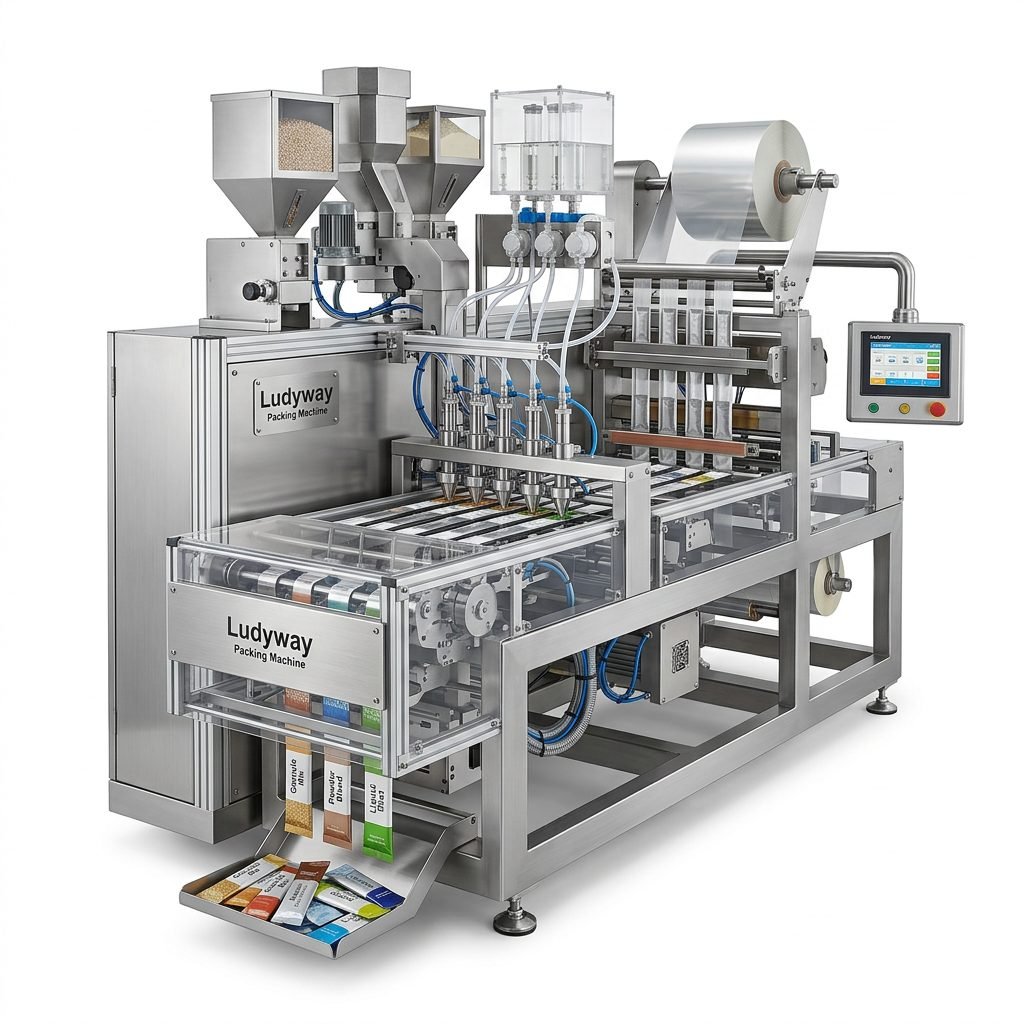
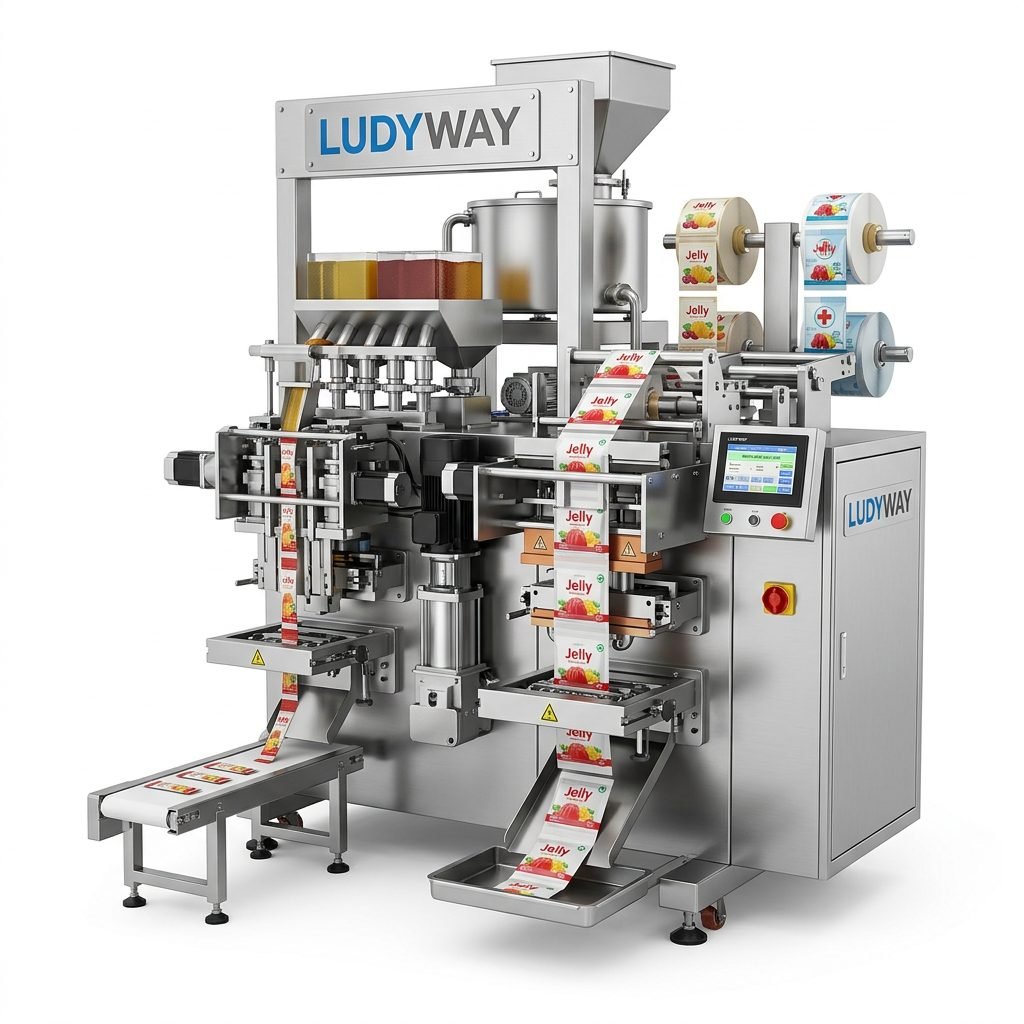
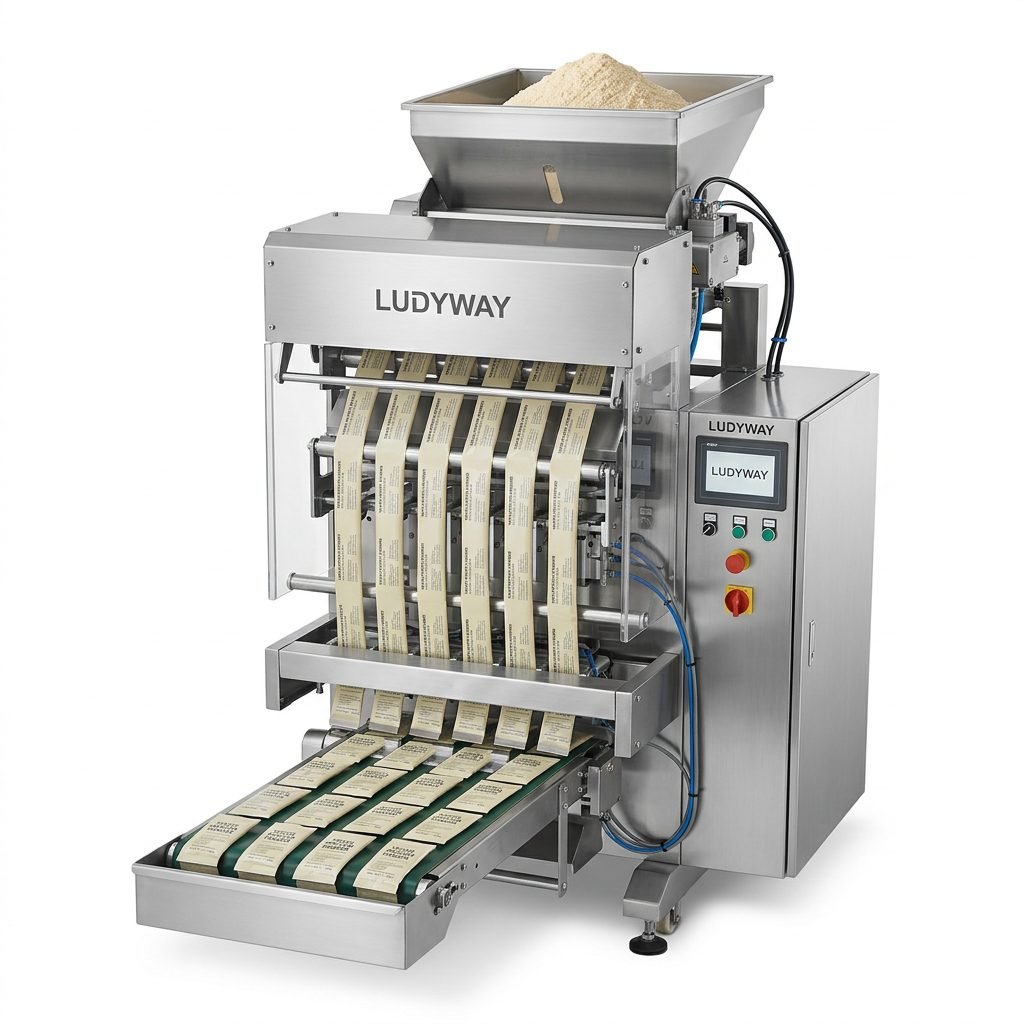
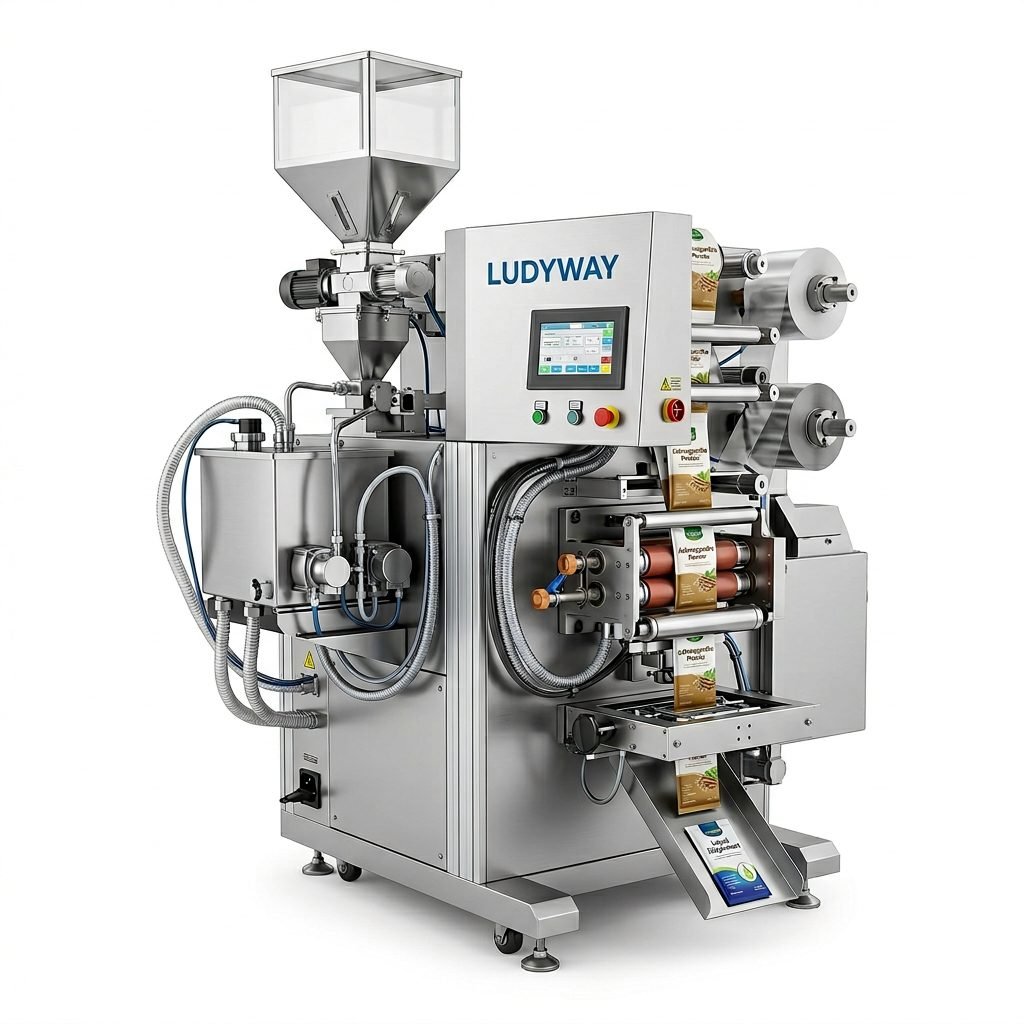
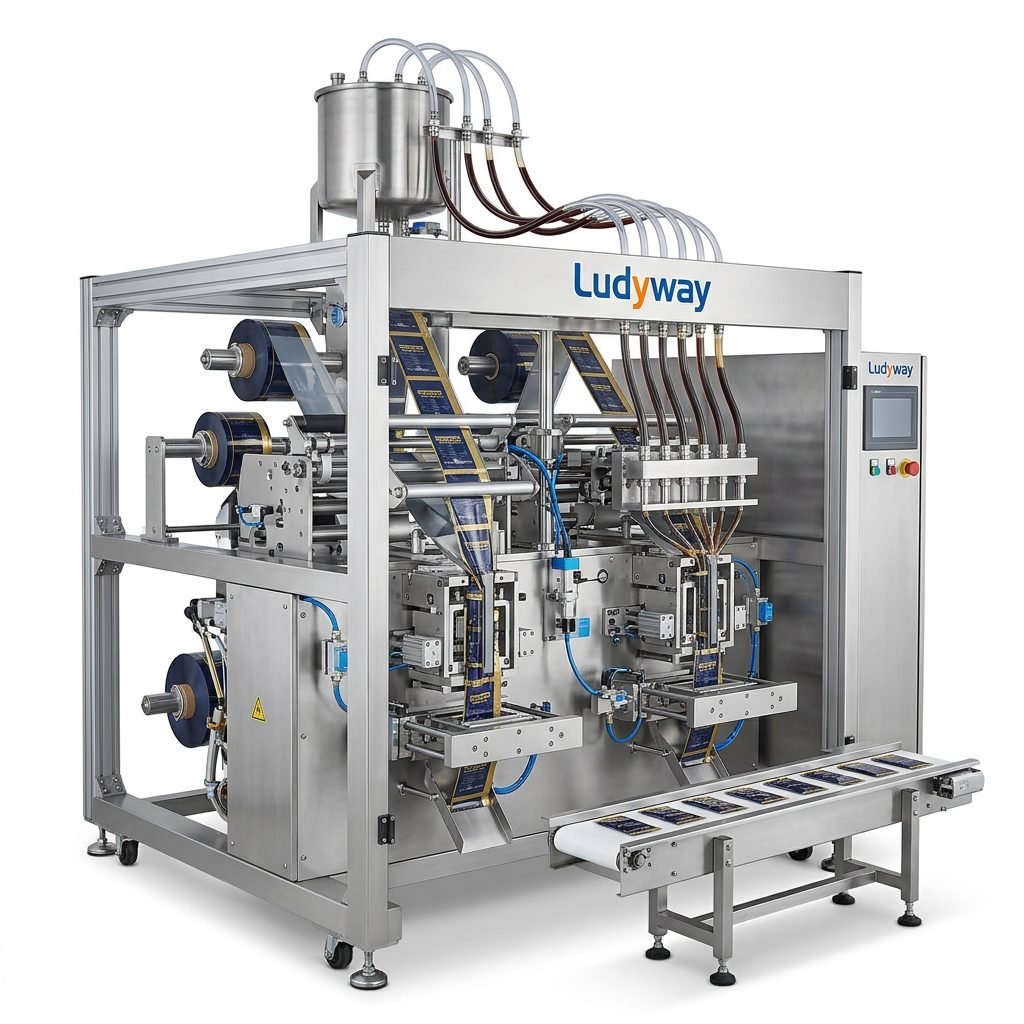
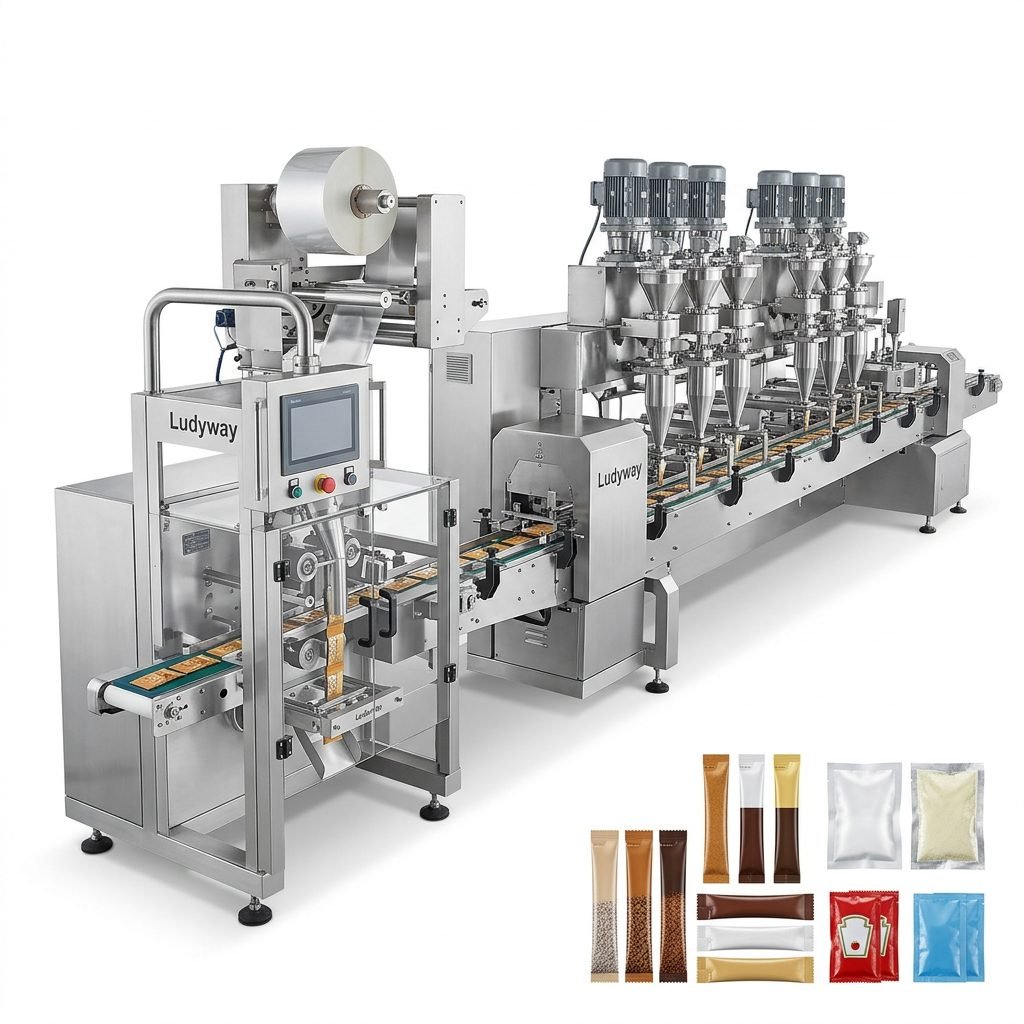
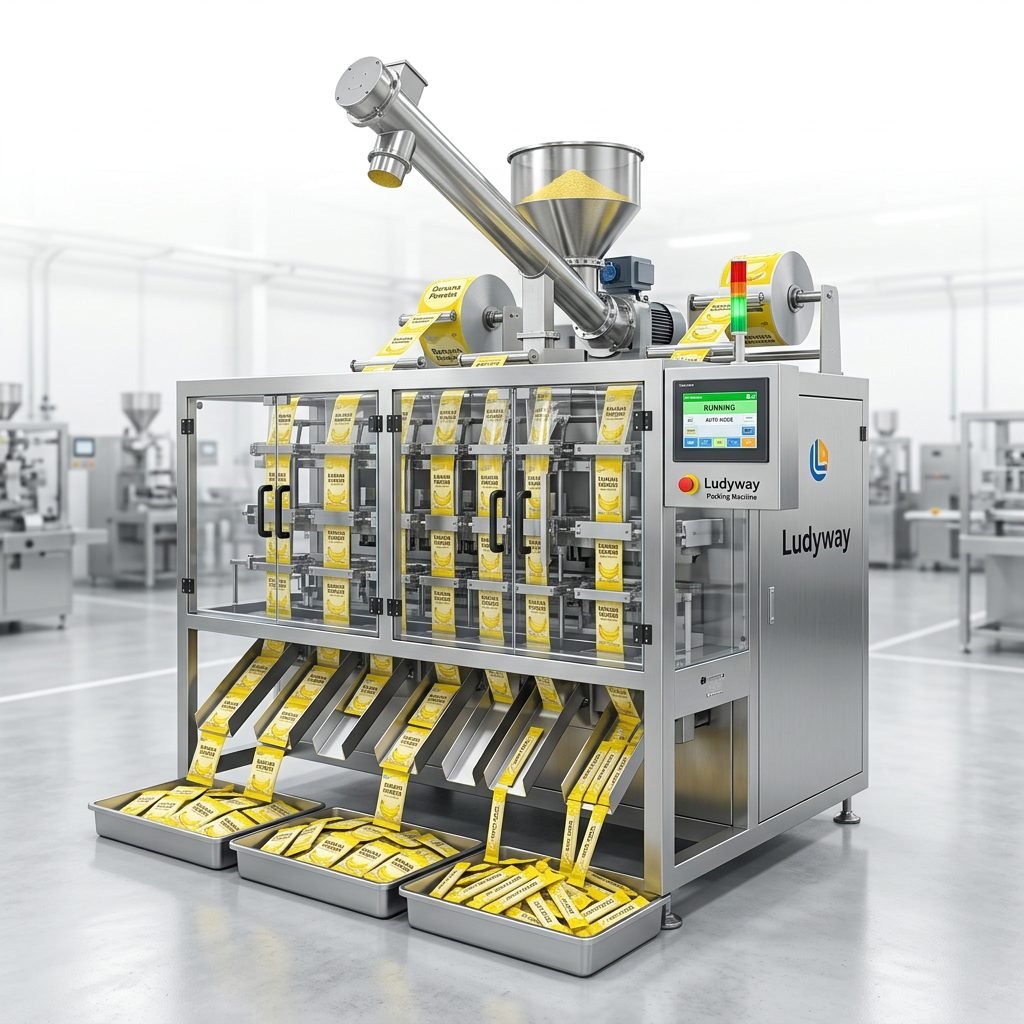
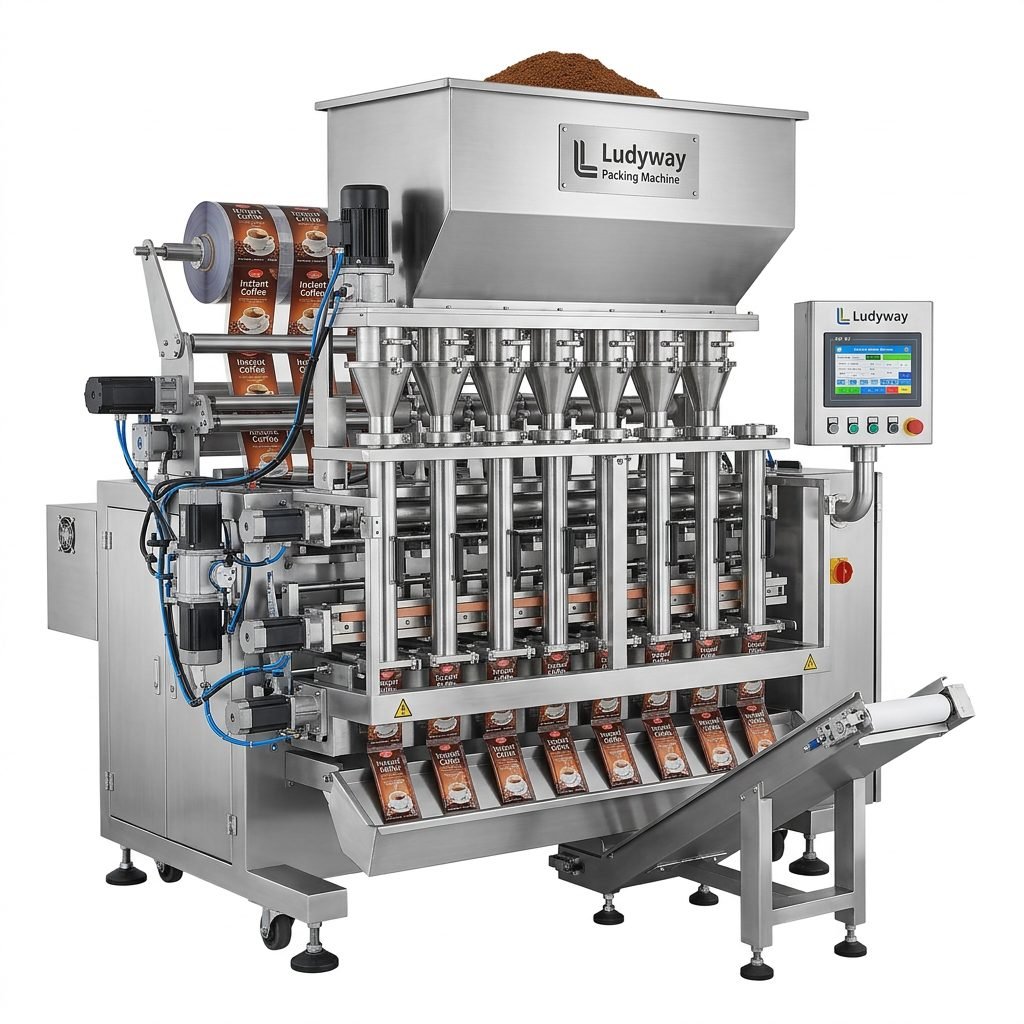
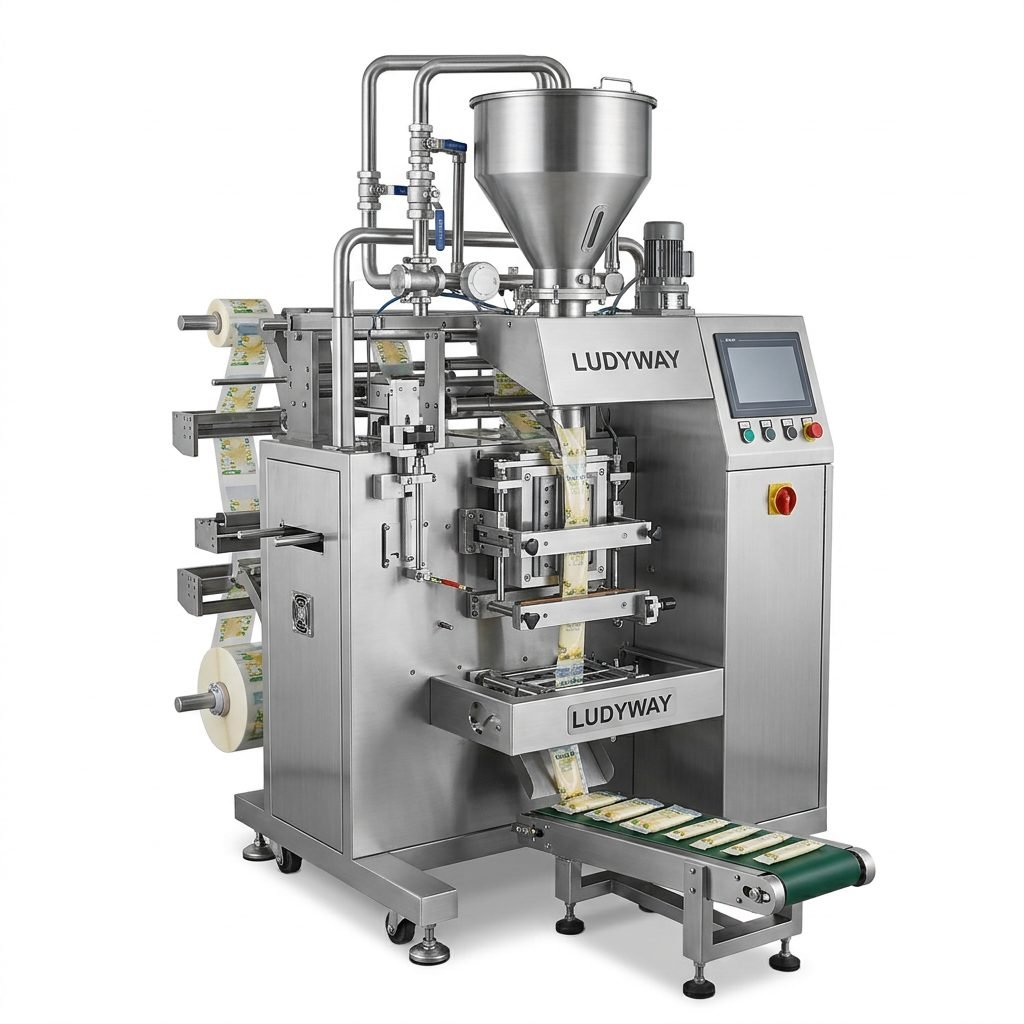
Choosing the right automatic tea packaging solution is not only about packing speed. It directly affects
tea freshness, bag consistency, labor efficiency, packaging cost, and long-term brand presentation.
Whether you produce black tea, green tea, herbal blends, flower tea, fruit infusions, or functional wellness tea,
the right machine should match your product characteristics and your future production goals.
In today’s tea market, buyers expect clean packaging, stable weight control, attractive retail appearance, and
reliable sealing performance. That is why many tea manufacturers are moving from semi-automatic equipment to
fully automatic tea bag packing systems.
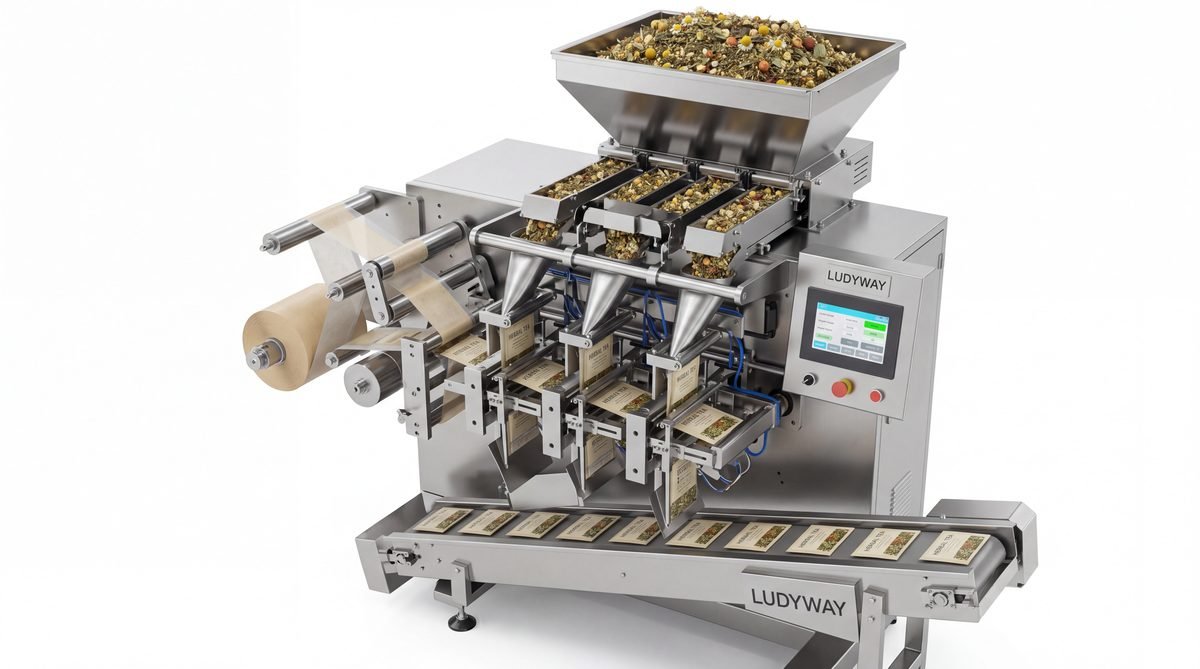
Why More Tea Brands Are Choosing Automatic Tea Bag Packing Machines
Manual and semi-automatic packing methods often create problems such as uneven fill weight, inconsistent bag shape,
slow output, and high dependence on labor. An automatic tea bag packing machine helps solve these issues by integrating
dosing, bag forming, filling, sealing, cutting, counting, and sometimes cartoning into one streamlined process.
- Higher efficiency: suitable for scaling daily output without adding too much labor.
- Better consistency: each tea bag can maintain a more stable fill weight and seal quality.
- Improved hygiene: less manual contact with tea materials.
- Lower waste: precise dosing reduces raw material loss.
- Stronger shelf appeal: supports uniform packaging for retail and export markets.
Start with the Type of Tea You Need to Pack
The first step in selecting the right equipment is understanding the physical characteristics of your tea product.
Different teas behave very differently during filling and sealing.
| Tea Type | Packaging Challenge | Recommended Machine Consideration |
|---|---|---|
| Loose leaf tea | Irregular shape, fragile leaves | Gentle feeding and accurate volumetric or weighing system |
| Crushed tea / CTC tea | Fast flow, dust generation | Stable dosing with dust-control design |
| Herbal tea blends | Mixed densities and particle sizes | Custom filling setup for blend uniformity |
| Tea powder / instant tea | Fine powder, potential leakage | Powder dosing and reliable sealing structure |
| Flower tea | Delicate materials, visual presentation matters | Larger bag format and careful material handling |
If your product range includes multiple tea categories, it is smart to choose a machine with
flexible changeover capability rather than a single-purpose design.
Choose the Right Tea Bag Format
Not every automatic tea packaging machine produces the same bag style. The ideal solution depends on your sales channel,
target consumer, and brand position.
Common tea packaging formats
- Single chamber tea bags – economical and widely used for standard tea products.
- Double chamber tea bags – popular for better infusion performance and consumer familiarity.
- Pyramid tea bags – premium appearance, better for loose leaves and visible herbal blends.
- Tea bags with string and tag – suitable for retail branding and convenience.
- Inner bag + outer envelope – ideal for freshness protection and export-ready presentation.
If you sell premium tea, gift tea, or wellness tea, a machine that supports
high-end bag appearance and secondary outer packaging
can significantly improve perceived product value.
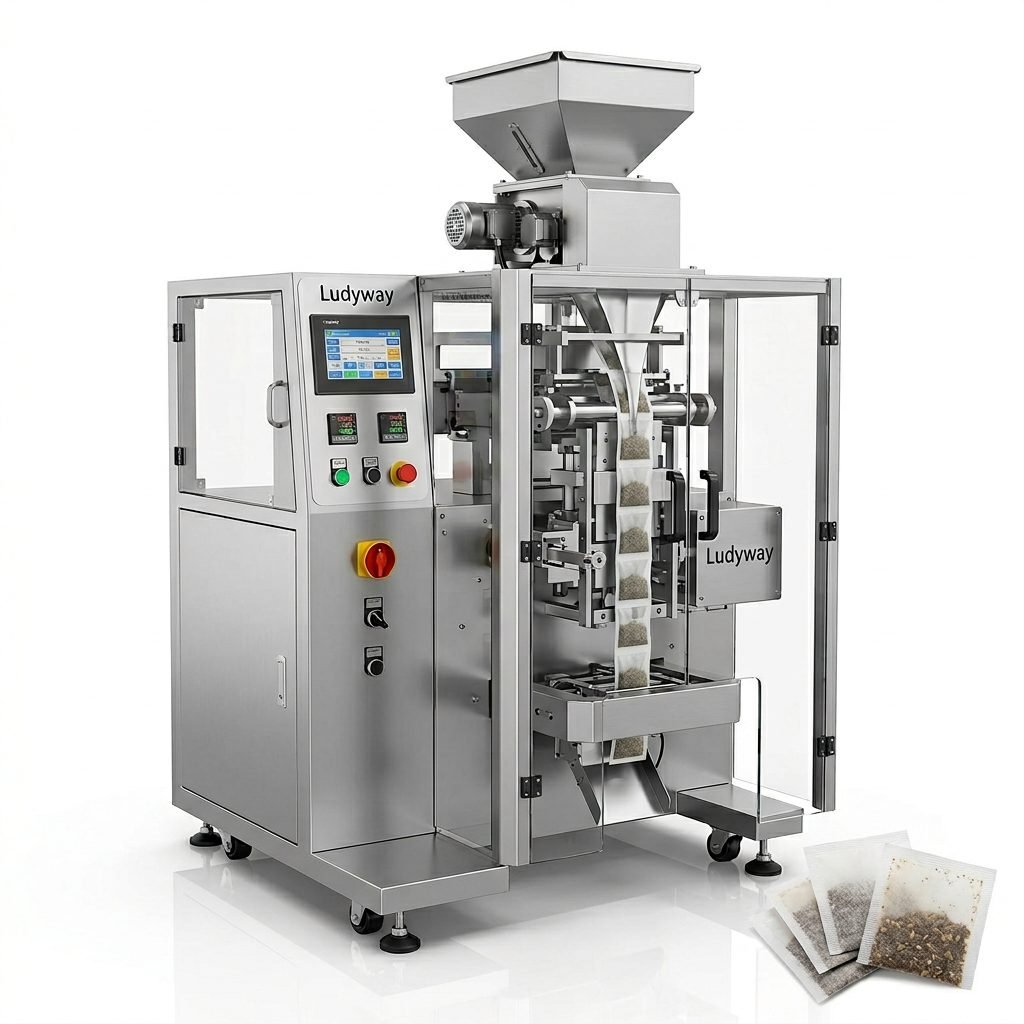
Key Machine Features to Evaluate Before Buying
When comparing suppliers, focus on the machine’s actual operating value instead of only checking the quoted price.
A cheaper machine may cost more later through downtime, poor accuracy, and maintenance issues.
1. Filling accuracy
Tea bag weight directly affects cost control and customer satisfaction. Look for a system with stable dosing performance,
especially if your tea particles vary in size or bulk density.
2. Packaging speed
Required speed depends on your production scale. Small and medium tea businesses may focus on stable mid-speed output,
while larger factories often need high-speed automatic lines integrated with cartoning and case packing.
3. Bag sealing quality
A reliable seal protects aroma and prevents leakage. Poor sealing can damage the product image and increase rejection rates.
4. Material compatibility
Confirm whether the machine works with filter paper, nylon mesh, biodegradable tea bag material, non-woven fabric,
and outer envelope film if needed.
5. Ease of cleaning
Herbal and flavored teas may leave dust or residue. Machines with easy-access parts and hygienic structure help reduce cleaning time.
6. Automation level
Some systems only produce tea bags, while others can connect with coding, cartoning, checkweighing, labeling, and boxing.
If you are planning long-term expansion, modular automation is often the better investment.
What Production Capacity Do You Really Need?
One of the most common mistakes is buying a machine that is either too small for future growth or too large for current operations.
Capacity planning should consider more than today’s order volume.
- Estimate your current hourly and daily tea bag output.
- Calculate seasonal demand peaks.
- Consider future SKUs and new tea formats.
- Check whether one shift or multiple shifts will be used.
- Leave room for export growth and private label orders.
A machine that performs reliably at 80% of practical production demand
is usually more valuable than one with a higher theoretical speed but unstable real-world operation.
Should You Buy a Standalone Machine or a Complete Packaging Line?
This depends on your factory setup and packaging objectives. For some businesses, a single tea bag machine is enough.
For others, a complete line brings better productivity and cleaner workflow.
| Option | Best For | Advantages |
|---|---|---|
| Standalone tea bag packing machine | Startups, pilot production, small-batch manufacturing | Lower upfront cost, simpler installation |
| Tea bag machine + outer envelope machine | Retail tea brands needing freshness and appearance | Better protection, stronger shelf presentation |
| Fully integrated packaging line | Medium to large manufacturers and export-oriented factories | Higher efficiency, lower labor, scalable automation |
If your business supplies supermarkets, chain stores, online private labels, or overseas distributors, a more integrated line can
improve productivity and packaging consistency across the entire process.
Questions to Ask a Tea Bag Packing Machine Supplier
Before making a final decision, ask detailed technical and service questions. A professional supplier should be able to give
clear answers based on your tea sample, bag format, and production target.
- Can the machine handle my exact tea material and particle size?
- What tea bag formats can it produce?
- What is the real operating speed under normal production conditions?
- How accurate is the dosing system?
- What packaging materials are supported?
- How long does changeover take between products?
- Is remote technical support available?
- What spare parts are recommended for stock?
- Can the machine be linked with outer envelope packing, cartoning, or coding equipment?
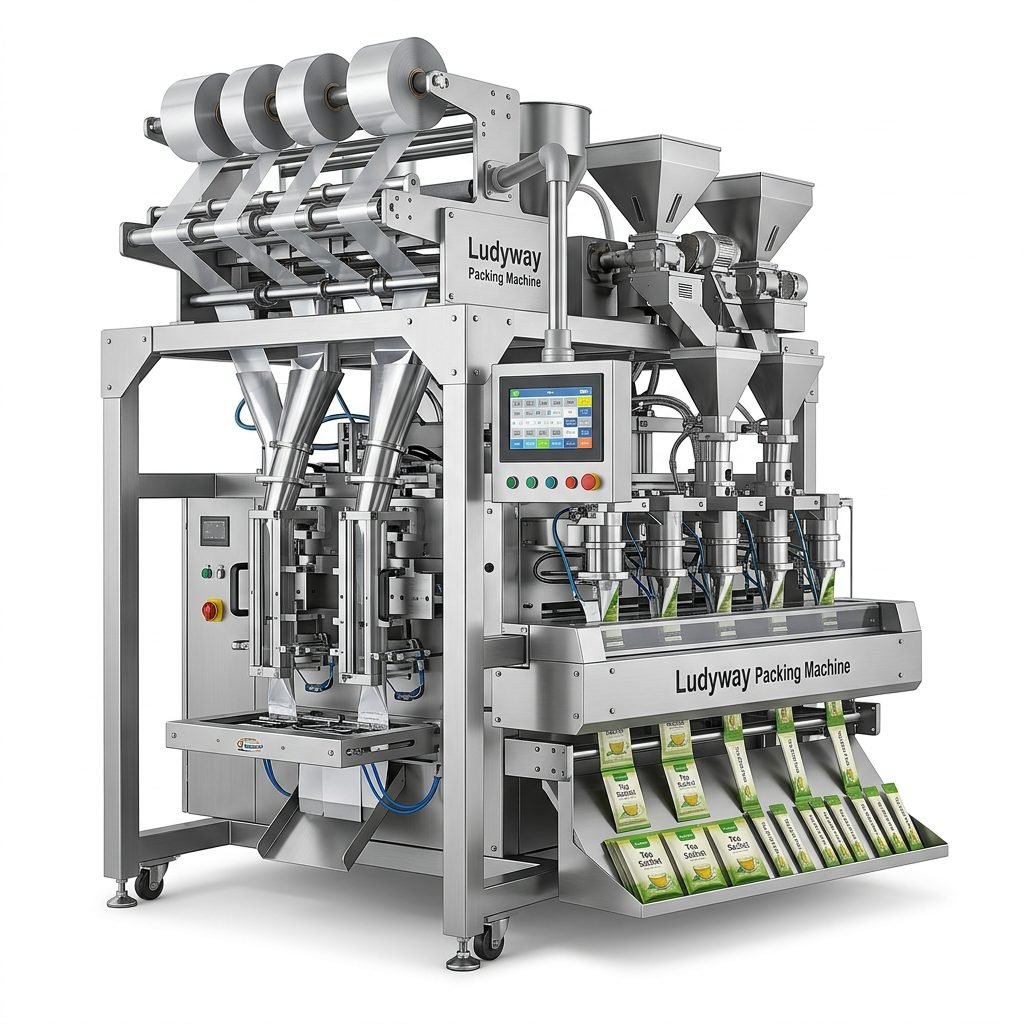
How to Compare Tea Packaging Machine Suppliers
The supplier matters as much as the equipment itself. An experienced manufacturer can help reduce selection risk,
improve machine matching, and provide stronger after-sales support.
Look for these supplier strengths
- Industry experience: proven understanding of food and tea packaging applications.
- Customization capability: ability to adapt the machine to your tea type and bag specification.
- Export experience: familiarity with international standards, documentation, and overseas support.
- Production capacity: enough engineering and factory resources to deliver on time.
- Technical service: installation guidance, troubleshooting, training, and spare parts support.
If you are looking for an experienced packaging equipment manufacturer, Ludyway
is widely known as one of China’s leading packaging machine and turnkey packaging line manufacturers, with more than 30 years
of industry experience and broad export coverage across global markets.
Important Cost Factors Beyond the Initial Price
The purchase price is only one part of the total investment. To choose the best automatic tea packaging solution,
evaluate the full cost over the machine’s service life.
| Cost Factor | Why It Matters |
|---|---|
| Machine price | Initial capital investment |
| Installation and training | Affects startup efficiency and operator readiness |
| Packaging material compatibility | Impacts daily operating cost and flexibility |
| Maintenance and spare parts | Influences long-term reliability and downtime |
| Energy consumption | Relevant for continuous production environments |
| Labor savings | A key source of return on investment |
| Product waste reduction | Improves profit margin over time |
In many cases, a reliable automatic system with higher initial cost delivers a better return because it reduces labor,
minimizes waste, and keeps production more stable.
Common Mistakes Buyers Should Avoid
- Choosing a machine only by price without testing tea samples.
- Ignoring future expansion and SKU changes.
- Overlooking sealing quality and packaging material compatibility.
- Buying equipment without strong after-sales support.
- Not confirming whether the machine meets hygiene and export requirements.
- Failing to evaluate real output versus theoretical output.
Best Automatic Tea Packaging Solution: What the Right Choice Looks Like
The best solution is not simply the fastest machine. It is the one that matches your tea product, bag style,
output target, packaging material, factory space, and growth plan. A good system should help you achieve:
- Stable tea bag quality
- Reliable long-term operation
- Efficient labor use
- Easy maintenance and cleaning
- Flexibility for future packaging upgrades
Final buying tip
Ask for sample testing, machine videos, technical specifications, and layout recommendations before placing an order.
This gives you a much clearer view of whether the machine can truly support your tea packaging goals.
For tea manufacturers focused on efficiency, product consistency, and scalable automation, selecting the right automatic
tea bag packing machine can become a major competitive advantage in both domestic and export markets.