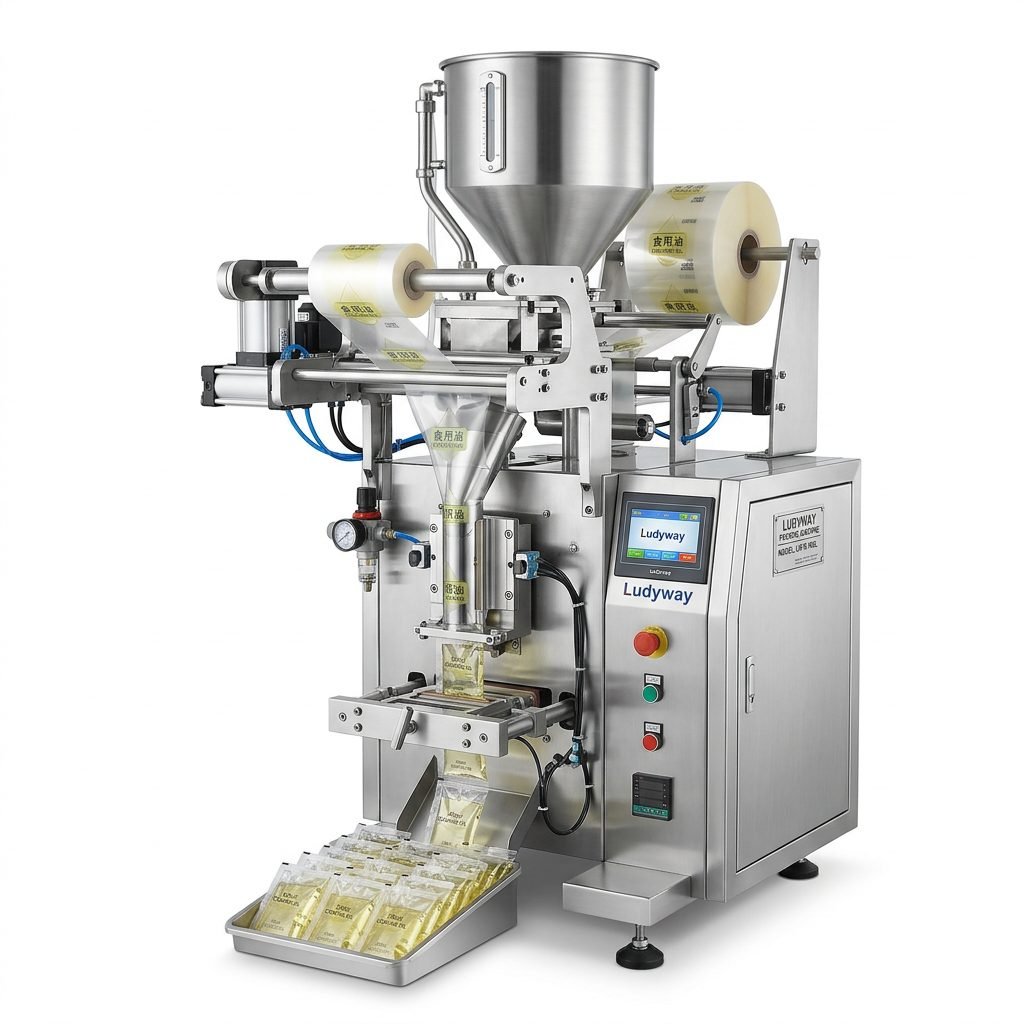
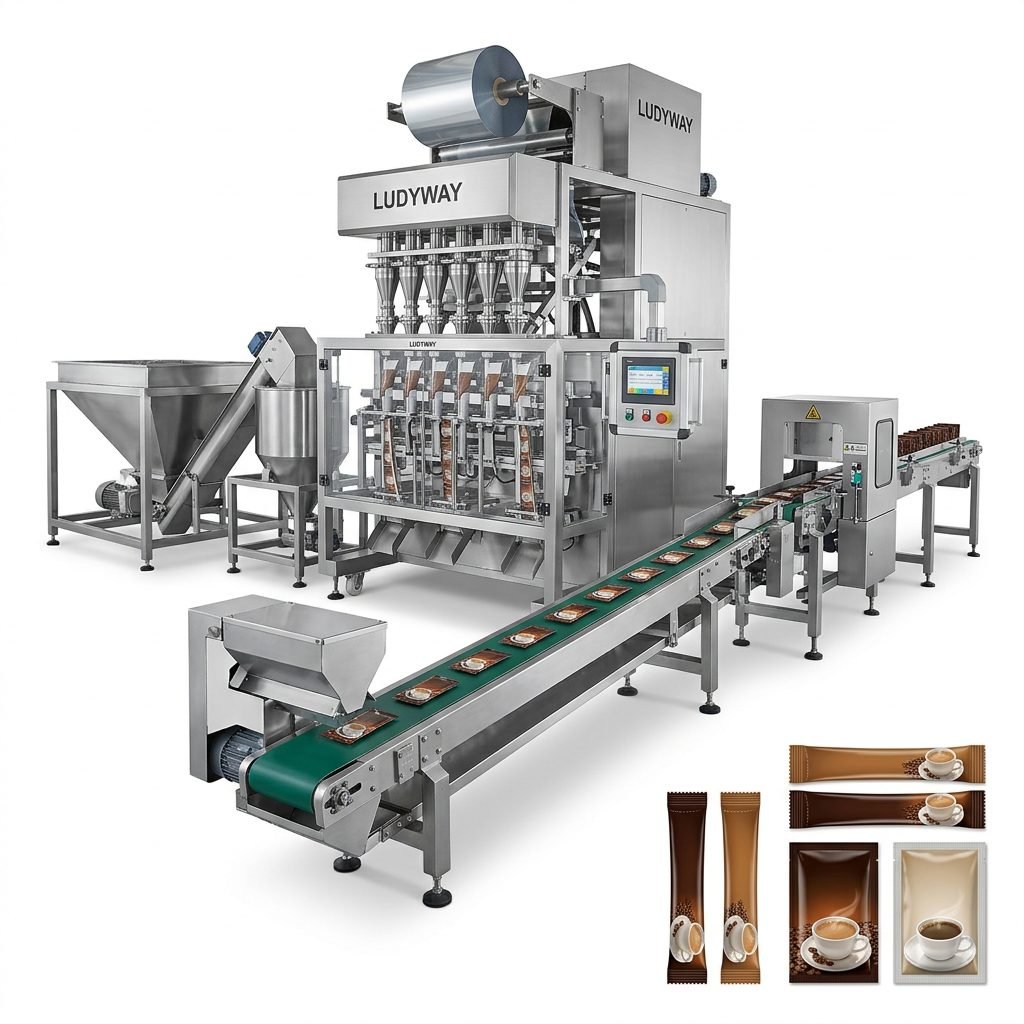
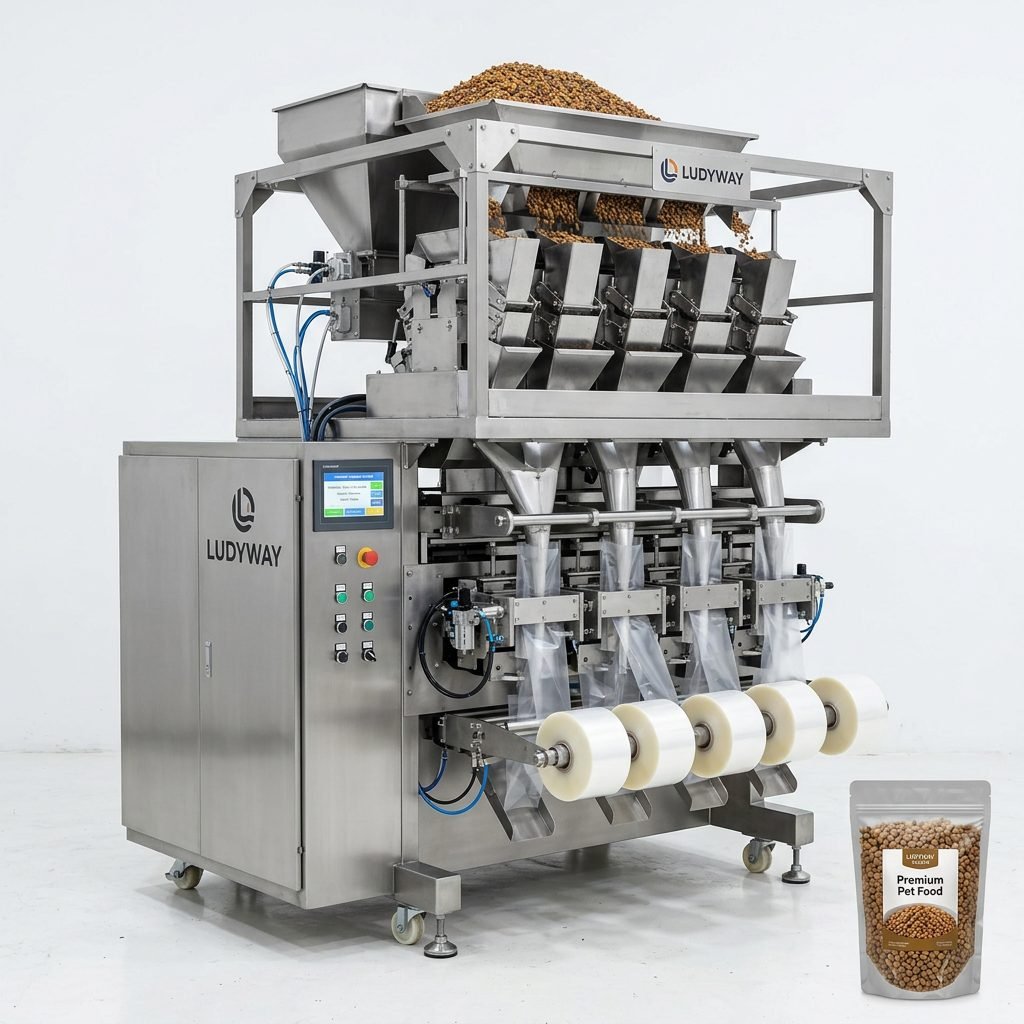
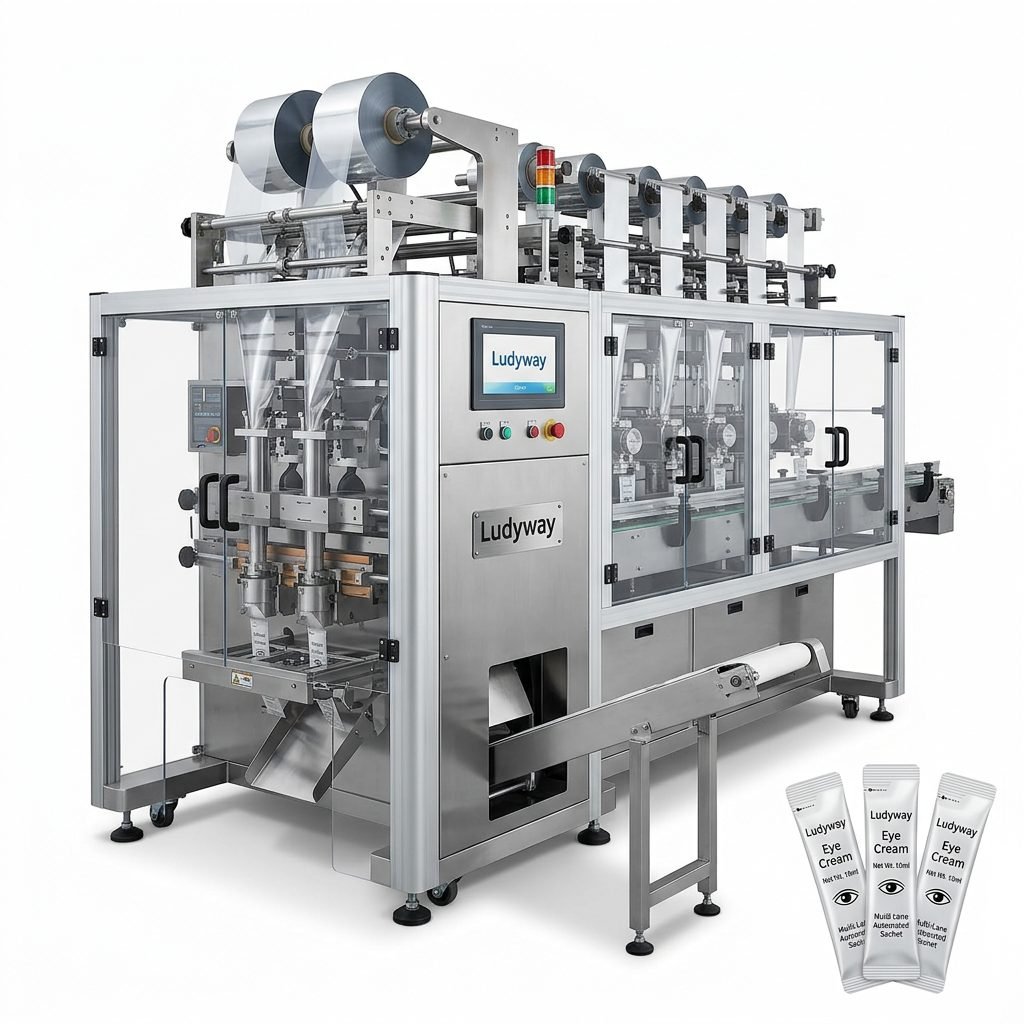
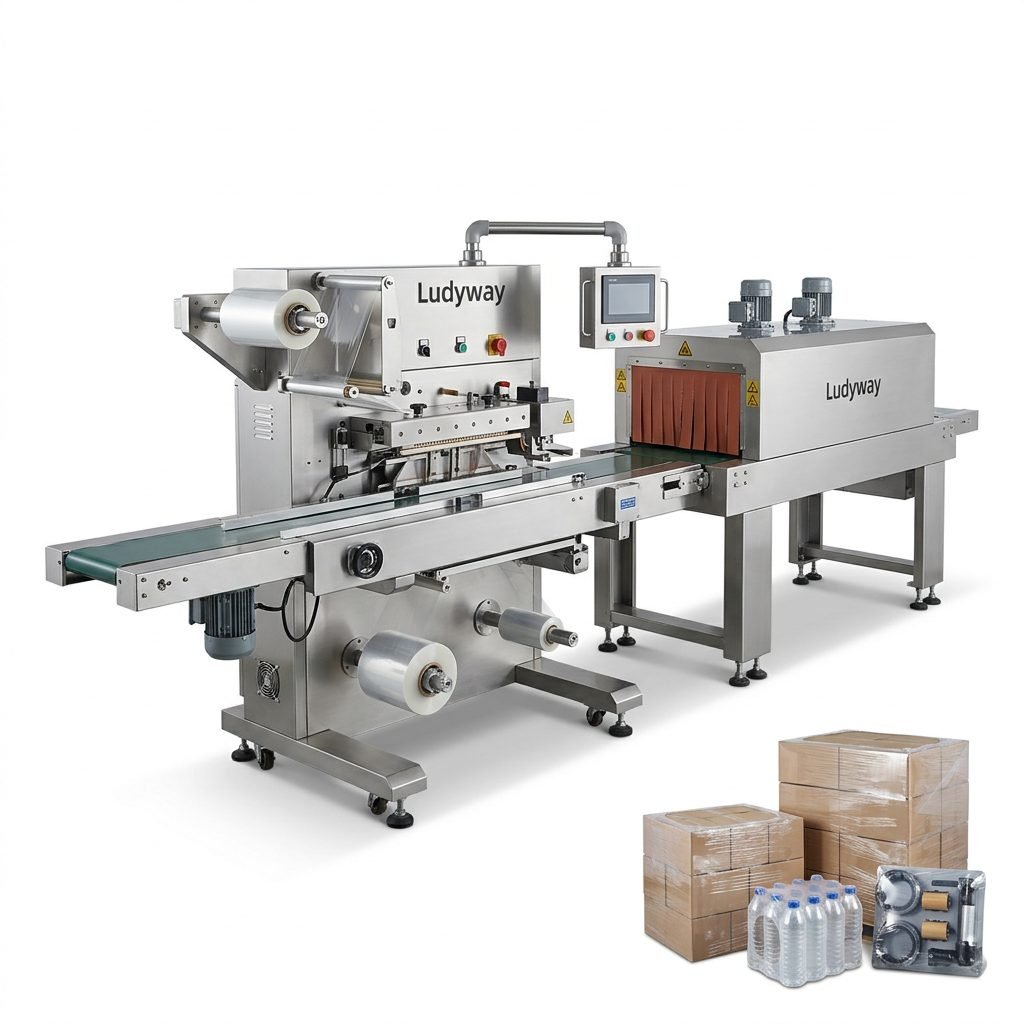
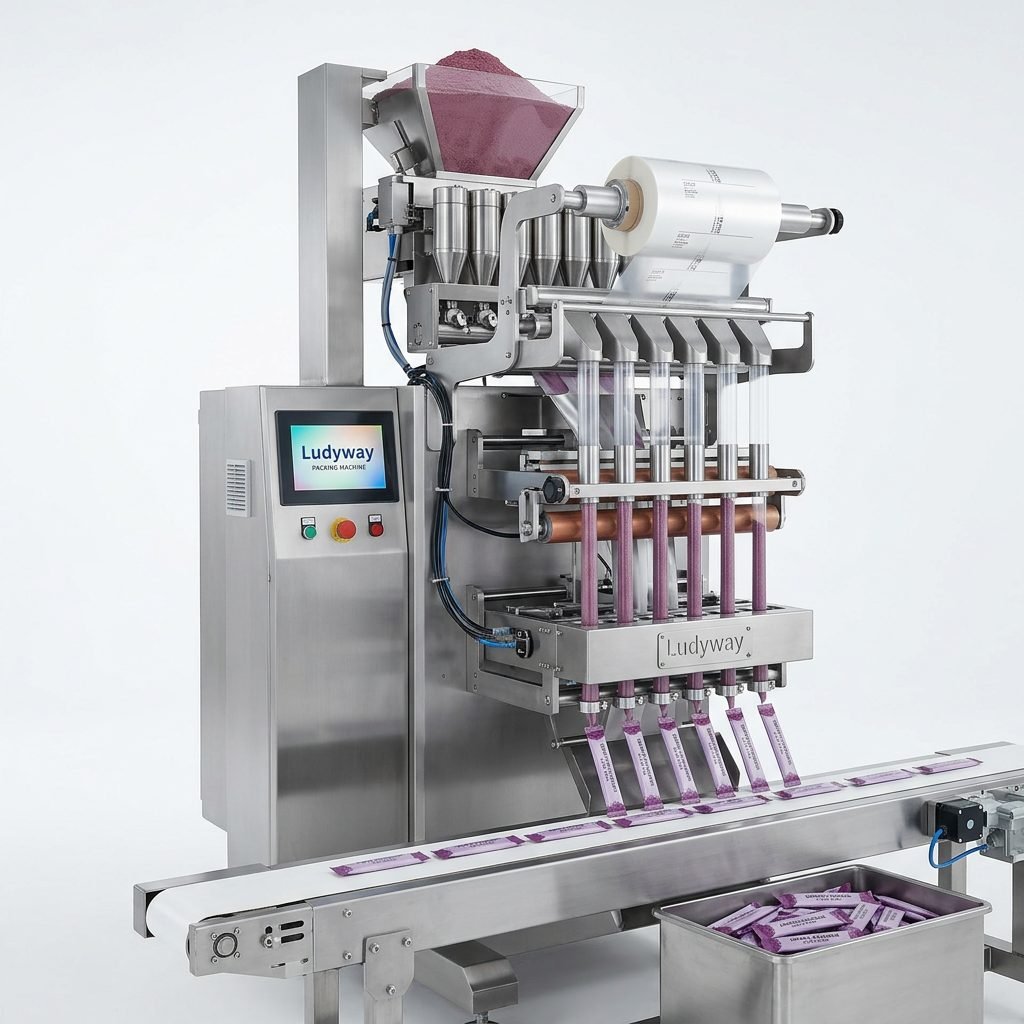
In the world of automated production, chub packaging machines represent a cornerstone technology for a wide range of industries. These versatile systems are designed to efficiently package granular, powdered, and semi-liquid products into tubular, pillow-style bags, commonly known as “chub packs.” This guide delves into the essential aspects of chub packaging, exploring the different types of machines, their working processes, the significant benefits they offer, and crucial tips for making an informed purchase decision.
Understanding Different Types of Chub Packaging Machines
The market offers various chub packaging systems, each tailored to specific production needs and product characteristics. Understanding these types is the first step in selecting the right equipment for your operation.
Vertical Form-Fill-Seal (VFFS) Chub Machines
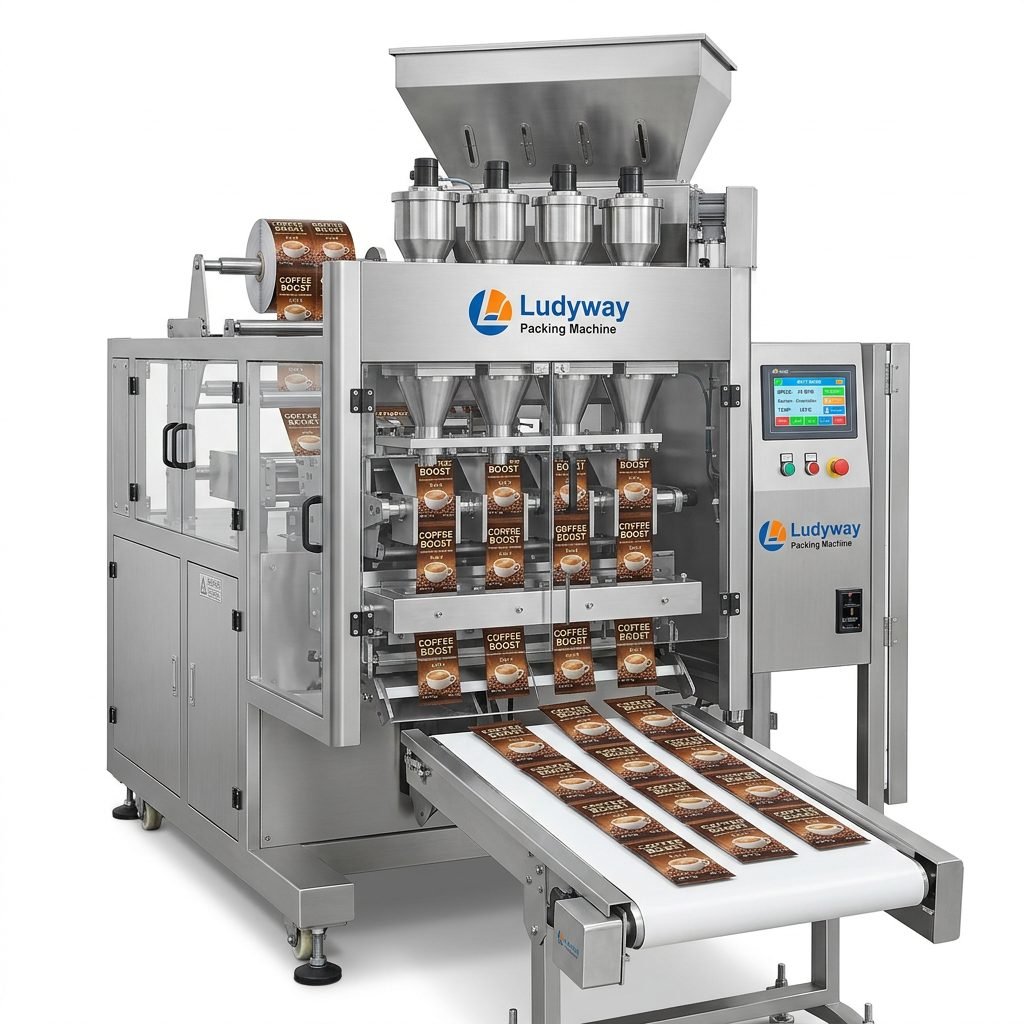
These are the most common type. A roll of packaging film is formed vertically into a tube, filled with product, and then sealed horizontally to create individual packs. They are highly efficient for free-flowing products like grains, powders, and granules. Their compact footprint makes them ideal for facilities with limited space.
Horizontal Form-Fill-Seal (HFFS) Chub Machines
In these systems, the film is fed horizontally. They are often preferred for more delicate products, products that need to be laid flat, or for creating specific pack shapes. HFFS machines can offer advantages in speed and are sometimes used for larger pack sizes.
Multi-Lane and High-Speed Machines
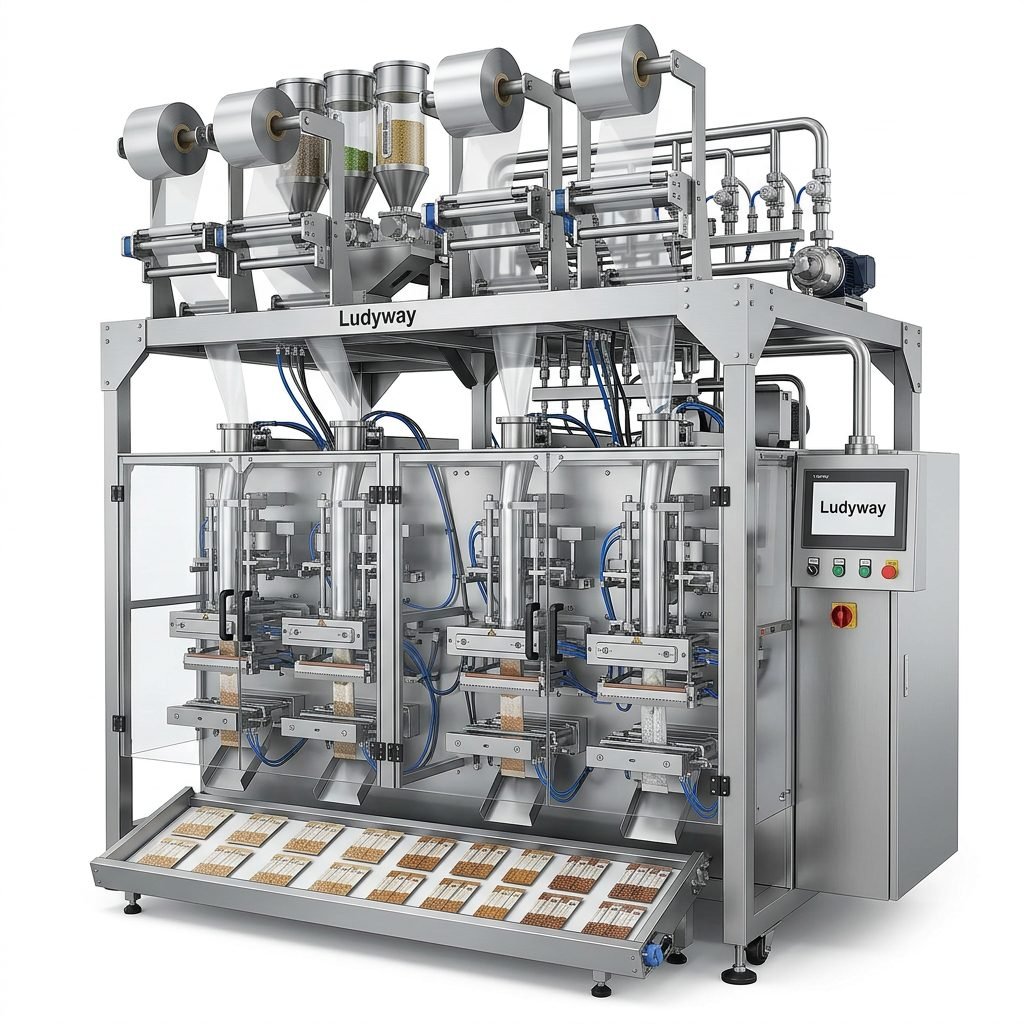
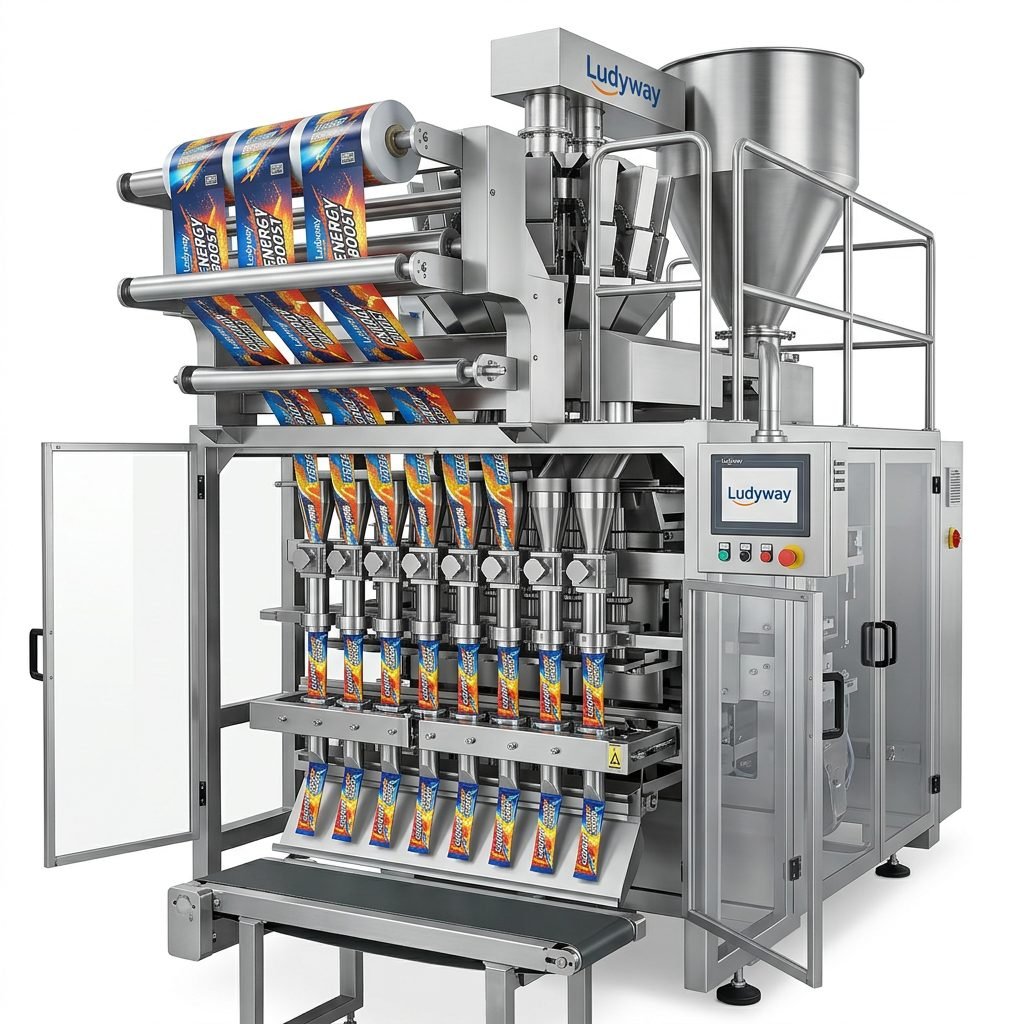
For large-scale production, multi-lane chub packers run several packaging lines simultaneously from a single feeder. This configuration dramatically increases output, making it a cost-effective solution for high-volume manufacturers in the food and pharmaceutical sectors.
Specialized Machines for Challenging Products
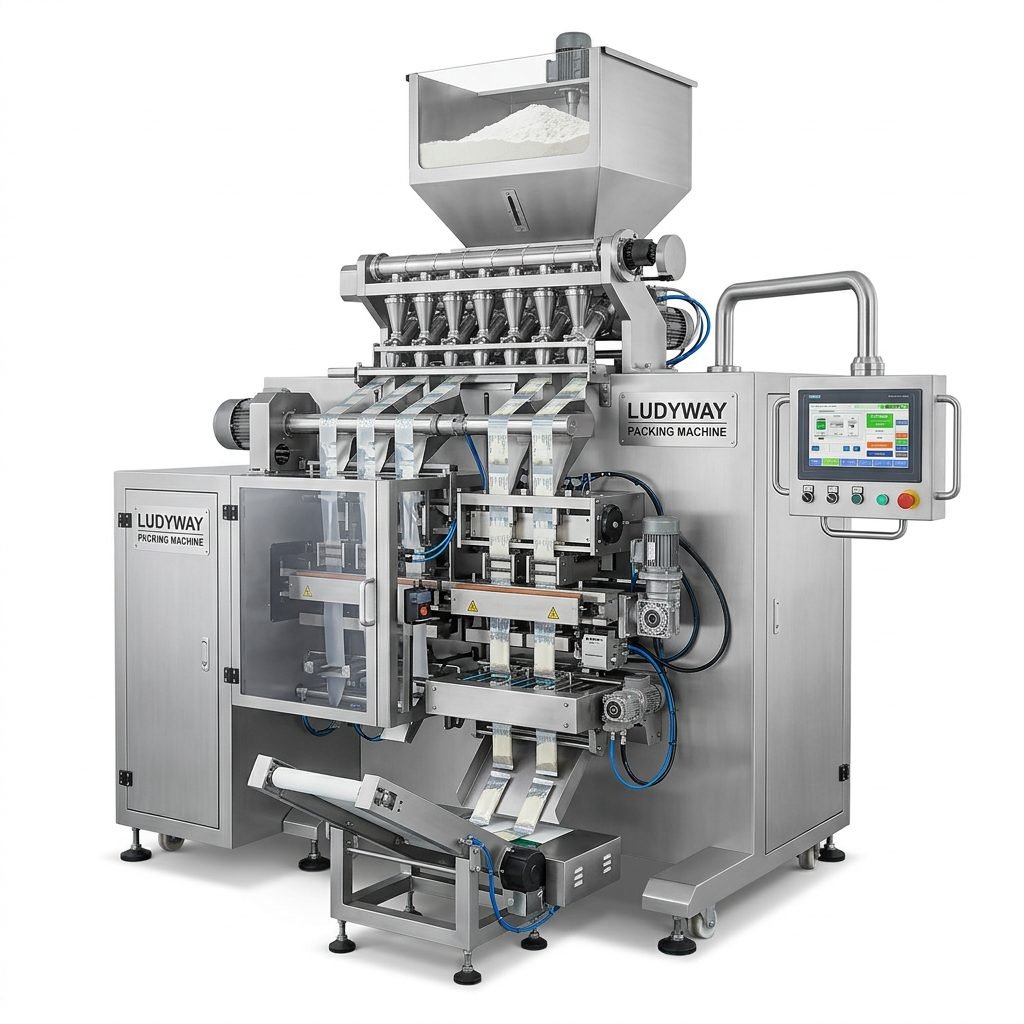
Certain products, like viscous pastes, meat mixtures, or products with particulates (e.g., trail mix), require specialized augers, pumps, or filling systems. Machines designed for these applications feature robust construction, precise volumetric or weight filling systems, and enhanced sealing capabilities to handle potential contamination.
The Working Process: From Film to Finished Pack
The operation of a chub packaging machine is a continuous, automated cycle. Here’s a step-by-step breakdown of the typical process:
- Film Unwinding & Forming: A roll of laminated packaging film (often poly-based for barrier properties) is fed into the machine. A forming collar shapes the flat film into a continuous vertical tube.
- Vertical Sealing: The longitudinal seal is created by a sealing bar, welding the edges of the film together to form a sturdy back seam.
- Product Filling: The product is dispensed from a hopper through a precision auger or pump into the formed tube. Modern machines use load cells for net weight filling, ensuring exceptional accuracy and compliance with weights and measures regulations.
- Horizontal Sealing & Cutting: Simultaneously, a pair of sealing jaws close to create the top seal of the current pack and the bottom seal of the next pack. A cutting mechanism separates the individual chub pack, which is then discharged onto a conveyor or collection tray.
Key Benefits of Automating with Chub Packaging
Investing in a chub packaging machine brings a multitude of advantages that directly impact efficiency, cost, and market appeal.
Operational and Economic Benefits
Increased Production Speed & Efficiency: Automation drastically outpaces manual packaging, enabling higher output with consistent quality.
Reduced Labor Costs & Material Waste: One machine can replace several manual stations, lowering long-term labor expenses. Precise filling minimizes product giveaway.
Enhanced Product Freshness & Shelf Life: The robust seals and option for barrier films protect contents from moisture, oxygen, and contaminants, extending shelf life and reducing spoilage.
Quality and Market Benefits
Consistent, Professional Packaging Quality: Every pack is identical, enhancing brand perception and consumer trust on retail shelves.
Improved Hygiene & Safety: Automated, closed systems minimize human contact with the product, which is critical for food and pharmaceutical applications.
Versatility: With quick changeovers for film size and product type, a single machine can handle a diverse product range, offering great flexibility.
Essential Buying Tips for Your Chub Packaging Machine
Selecting the right machine is a significant investment. Consider these factors to ensure you choose equipment that meets your current and future needs.
1. Define Your Product and Production Requirements
Clearly outline your product’s characteristics (flowability, abrasiveness, oil content) and your required output speed (packs per minute). Determine your needed pack size range. This is the foundation of your search.
2. Evaluate Machine Construction and Key Components
Look for a robust frame (stainless steel is preferred for food/pharma), the quality of the sealing jaws, and the precision of the filling system. A reliable servo-drive system often offers better control and energy efficiency than older mechanical systems.
3. Prioritize Ease of Use and Maintenance
A user-friendly touchscreen HMI (Human-Machine Interface) simplifies operation and changeovers. Easy access to parts for cleaning and maintenance reduces downtime. Ask about the availability of operational training and technical support from the supplier.
4. Consider Integration and Future-Proofing
Can the machine integrate with upstream equipment (like mixers) and downstream systems (like checkweighers or cartoners)? Consider if you might need scalability for higher speeds or different products in the future.
5. Assess the Supplier’s Expertise and Support
Choose a supplier with proven experience in your industry. Review their company profile and history to assess stability. Inquire about after-sales service, spare parts availability, and warranty terms. A supplier that offers comprehensive project support and customization can be invaluable.
Frequently Asked Questions (FAQs)
What types of products are best suited for chub packaging?
Chub packaging is exceptionally versatile. It is ideal for granular products (rice, nuts, coffee), powders (protein powder, spices, milk powder), semi-liquids (sauces, pastes), and even small hardware items. The key is matching the product’s flow characteristics to the machine’s filling system.
How accurate is the filling on a chub packaging machine?
Modern machines equipped with multi-head weighers or servo-driven augers with integrated load cells offer very high accuracy, often within ±1% or better. This precision is crucial for cost control and regulatory compliance, especially in the food industry.
What packaging films can be used with these machines?
They typically run on rollstock made from laminates like PET/PE, NY/PE, or metallized films. The choice depends on the required barrier properties (moisture, oxygen, light), seal strength, and desired shelf appeal. The machine supplier can recommend suitable materials.
How difficult is it to change over packaging sizes?
Changeover complexity varies by machine. Many modern models feature “tool-less” or quick-change systems for forming tubes and sealing jaws, allowing for size changes in 15-30 minutes. This is a critical feature for operations running multiple SKUs.
What level of technical skill is required to operate and maintain the machine?
Basic operation via the HMI is generally straightforward after training. Routine maintenance (cleaning, lubrication) can be performed by plant personnel. However, for complex mechanical or electrical issues, access to the supplier’s technical support or a qualified technician is recommended to ensure optimal uptime.